Cracking a skill-specific interview, like one for IC Fabrication, requires understanding the nuances of the role. In this blog, we present the questions you’re most likely to encounter, along with insights into how to answer them effectively. Let’s ensure you’re ready to make a strong impression.
Questions Asked in IC Fabrication Interview
Q 1. Explain the different steps involved in photolithography.
Photolithography is a fundamental process in IC fabrication, akin to printing a circuit design onto a silicon wafer. It involves several crucial steps:
- Wafer Preparation: The silicon wafer is thoroughly cleaned to remove any contaminants that could interfere with the subsequent steps. This often involves chemical cleaning and drying processes.
- Photoresist Application: A photosensitive polymer, called photoresist, is uniformly spun onto the wafer, creating a thin, even layer. The type of photoresist (positive or negative) determines its behavior under UV exposure.
- Exposure: The wafer is then exposed to ultraviolet (UV) light through a photomask. The photomask is a glass plate with a patterned chromium layer that acts as a stencil, determining which areas of the photoresist will be exposed to UV light.
- Development: After exposure, the wafer is developed using a solvent that dissolves either the exposed or unexposed photoresist, depending on whether a positive or negative resist is used. This step transfers the pattern from the photomask to the photoresist layer.
- Etching: The exposed silicon is then etched away using either wet or dry etching techniques (explained later). The photoresist acts as a protective layer, shielding the areas that should remain.
- Photoresist Stripping: Finally, the remaining photoresist is removed using a chemical stripping process, revealing the etched pattern on the silicon wafer.
Think of it like creating a stencil and then using it to carve a design into a block of material. The photoresist acts as the protective layer of the stencil, safeguarding the areas you want to keep.
Q 2. Describe the principles of ion implantation.
Ion implantation is a process used to precisely introduce dopant atoms into a silicon wafer to modify its electrical properties. It’s like carefully adding specific ingredients to a recipe to change the final product’s characteristics. The process involves:
- Ion Generation: Dopant atoms (like boron, phosphorus, or arsenic) are ionized, giving them a positive charge. This allows them to be accelerated.
- Acceleration: The ions are accelerated to high energies using an electric field.
- Implantation: The accelerated ions are directed towards the silicon wafer, penetrating its surface and embedding themselves within the silicon crystal lattice.
- Annealing: After implantation, the wafer is annealed at high temperatures. This process helps to repair any crystal damage caused by ion bombardment and activates the dopant atoms, ensuring they contribute to the wafer’s electrical conductivity.
The depth and concentration of the implanted ions can be precisely controlled by adjusting parameters like ion energy and dose. This allows for the creation of specific doping profiles crucial for the operation of transistors and other devices.
Q 3. What are the key challenges in achieving high yield in IC manufacturing?
Achieving high yield in IC manufacturing—meaning a high percentage of defect-free chips—is a significant challenge. Several factors contribute:
- Process Variation: Slight variations in temperature, pressure, or chemical concentrations during processing can lead to defects.
- Particle Contamination: Dust particles or other contaminants can cause defects during any fabrication step.
- Photolithographic Limitations: Resolution limitations in photolithography can lead to misaligned or incomplete patterns.
- Etching Defects: Uneven etching can create defects, reducing the performance or functionality of the chips.
- Defect Accumulation: Defects can accumulate throughout the manufacturing process, compounding the yield problem.
- Material Defects: Imperfections in the starting silicon wafer material itself can propagate through the process.
Minimizing these variations and controlling the environment are crucial for improving yield. It’s a continuous battle against a multitude of potential failure points.
Q 4. How do you troubleshoot a low yield issue in a specific process step?
Troubleshooting a low yield issue requires a systematic approach. Here’s a framework:
- Identify the Affected Process Step: Pinpoint the specific step where the yield is dropping. This might involve analyzing defect maps and yield data to isolate the problem area.
- Analyze Defect Types: Characterize the types of defects occurring. Are they particle-related, etching related, or process-related? Microscopic inspection is vital here.
- Review Process Parameters: Carefully examine the process parameters used in the affected step. Look for deviations from the optimal settings.
- Conduct Experiments: Perform controlled experiments to isolate the root cause. This might involve modifying individual process parameters to see their effect on the yield.
- Statistical Analysis: Utilize statistical methods (e.g., Design of Experiments, DOE) to identify the most significant factors influencing the yield.
- Implement Corrective Actions: Once the root cause is identified, implement corrective actions such as adjusting process parameters, improving cleaning procedures, or optimizing equipment.
- Monitor Results: Continuously monitor the yield after implementing the corrective actions to ensure they are effective.
This approach is iterative; you might need to repeat steps as you learn more about the issue. Good record-keeping and data analysis are essential.
Q 5. Explain the difference between wet and dry etching techniques.
Wet and dry etching are two distinct methods for removing material from a silicon wafer. They differ fundamentally in their approach:
- Wet Etching: This technique uses chemical solutions to dissolve the silicon. It’s generally isotropic, meaning it etches in all directions equally, which can lead to undercutting and loss of pattern fidelity. Think of it like slowly dissolving a shape in a liquid.
- Dry Etching: This method employs plasma or reactive ions to etch the material. It’s typically anisotropic, meaning it etches primarily in the vertical direction, providing better control over the pattern features. This is like using a laser to precisely remove material.
Dry etching offers greater precision and better control over the etching profile, making it the preferred method for advanced IC fabrication. Wet etching is simpler and cheaper but less precise and suitable for less demanding applications.
Q 6. What are the critical parameters in Chemical Mechanical Planarization (CMP)?
Chemical Mechanical Planarization (CMP) is a crucial process in IC fabrication that uses a chemical slurry and mechanical polishing to create an extremely flat wafer surface. The critical parameters include:
- Downforce: The pressure applied to the wafer during polishing. Too much pressure can damage the wafer; too little pressure results in insufficient planarization.
- Slurry Composition: The chemical composition of the slurry, which contains abrasive particles and chemical etchants, determines the rate and selectivity of material removal.
- Platen Speed and Rotation: The speed and rotation of the polishing platen affect the uniformity and efficiency of material removal.
- Wafer Speed and Rotation: Similar to platen speed, this parameter also affects the polishing process.
- Temperature: The temperature of the slurry and wafer influence the chemical reaction rates and material removal rates.
- Backpressure: The pressure applied to the back of the wafer can also influence the CMP process.
Precise control of these parameters is essential to achieve a highly planar surface with minimal defects and damage.
Q 7. Describe different types of defects observed in wafer fabrication.
A wide variety of defects can occur during wafer fabrication. These can be broadly categorized as:
- Particle Defects: Microscopic particles that adhere to the wafer surface, causing shorts or opens in the circuits. These can originate from various sources, including airborne particles or particles from processing equipment.
- Etch Defects: Defects caused by uneven or incomplete etching, resulting in variations in feature dimensions or loss of pattern fidelity.
- Photolithographic Defects: Defects due to problems during photolithography, such as misalignment, under-exposure, or over-exposure of the photoresist.
- Oxidation Defects: Imperfections in the silicon oxide layer, which can lead to leakage or breakdown of the oxide.
- Implantation Defects: Damage caused by the ion implantation process that is not fully repaired by annealing.
- Material Defects: Defects present in the starting silicon wafer material, such as dislocations or stacking faults.
- CMP Defects: Defects resulting from the chemical mechanical polishing process, like scratches, digs, or dishing.
Identifying and characterizing these defects is crucial for understanding yield losses and implementing corrective actions. Advanced metrology techniques, including optical microscopy, scanning electron microscopy (SEM), and other specialized analysis, are employed for defect detection and characterization.
Q 8. How do you perform failure analysis on a faulty integrated circuit?
Failure analysis in IC fabrication is like detective work – we need to pinpoint the root cause of a malfunctioning chip. It’s a systematic process involving several steps. We start with external visual inspection under a microscope, looking for obvious physical defects like cracks or delamination. Then, we might use non-destructive techniques like X-ray imaging to examine internal structures for hidden defects. If needed, we employ destructive methods, such as cross-sectioning and staining, to reveal the internal layers and identify the precise location of the failure. Advanced techniques like electron microscopy (SEM), focused ion beam (FIB) milling, and electrical probing are used to analyze the failing components at a microscopic level. Once the defect is identified, we can analyze the process steps leading to the failure, helping improve future production and chip design.
For example, imagine a chip failing due to an open circuit. Initial visual inspection might not show anything, but X-ray imaging could reveal a void in the metallization layer. FIB milling would then enable us to precisely examine the void and determine its cause – perhaps a defect in the etching process or a problem with the metal deposition.
Q 9. Explain the role of metrology in IC fabrication.
Metrology in IC fabrication is crucial for ensuring the quality and consistency of the chips being produced. Think of it as the ‘measuring stick’ of the entire process. It involves using highly precise instruments to measure various parameters throughout the fabrication process, from the thickness of thin films to the critical dimensions of the etched features on the wafer. This data is essential for process control, monitoring equipment performance, and ensuring the final product meets the required specifications. Metrology tools include optical microscopes, scanning electron microscopes (SEM), atomic force microscopes (AFM), and various other specialized instruments. The data collected is analyzed to identify trends and deviations, helping to correct any issues and prevent defects.
For instance, if the thickness of a gate oxide layer is consistently outside the specified range, metrology data will reveal this immediately. This allows engineers to adjust the deposition parameters to bring the thickness back within the acceptable range, preventing the production of faulty transistors.
Q 10. What are the key challenges in managing a wafer fab facility?
Managing a wafer fab is a monumental task, demanding expertise in many areas. One of the biggest challenges is maintaining high yield – producing a high percentage of functional chips. This requires meticulous control over every single process step. Other key challenges include:
- High capital expenditure: Setting up and maintaining a wafer fab is extremely expensive, requiring significant investment in equipment and cleanroom infrastructure.
- Process complexity: IC fabrication involves hundreds of individual steps, each with its own potential for error. Managing this complexity and ensuring consistent quality requires sophisticated process control systems and highly skilled personnel.
- Cleanroom management: Maintaining a contamination-free environment is paramount. This requires strict protocols, continuous monitoring, and regular maintenance.
- Talent acquisition and retention: Skilled engineers and technicians are essential. Attracting and retaining such talent in a competitive market is a significant challenge.
- Staying ahead of technology: The semiconductor industry is constantly evolving. Fab managers must stay informed of the latest technological advancements and invest in upgrading their facilities to remain competitive.
Q 11. How do you ensure the cleanliness and control of a cleanroom environment?
Cleanliness in a cleanroom is paramount – even a tiny particle can ruin a wafer. We maintain this through a multi-pronged approach. First, the cleanroom itself is designed with specialized filtration systems (HEPA and ULPA filters) to remove particles from the air. The air pressure is carefully controlled to prevent outside air from entering, creating a positive pressure environment. Second, personnel wear cleanroom garments (bunny suits) to minimize particle shedding. Third, all equipment and materials are carefully cleaned and inspected before entering the cleanroom. Regular cleaning and maintenance schedules are implemented, including specialized cleaning agents and techniques for different surfaces. Finally, we continuously monitor particle counts using particle counters strategically placed throughout the facility. Any deviations from the established cleanliness standards trigger immediate investigation and corrective actions.
Think of it like a hospital operating room – every precaution is taken to prevent contamination. The difference is, in a cleanroom, we’re dealing with microscopic particles that can significantly affect the performance of extremely tiny transistors.
Q 12. Describe the different types of thin film deposition techniques.
Thin film deposition is a fundamental process in IC fabrication, where thin layers of various materials are deposited onto the wafer. Several techniques exist, each with its strengths and weaknesses:
- Physical Vapor Deposition (PVD): Involves physically removing material from a source (target) and depositing it onto the substrate. Common methods include sputtering (bombarding the target with ions) and evaporation (heating the target to vaporize the material).
- Chemical Vapor Deposition (CVD): This involves chemical reactions between gaseous precursors at the wafer surface, resulting in the deposition of a solid thin film. Different CVD variants exist, such as Low-Pressure CVD (LPCVD) and Atmospheric Pressure CVD (APCVD), each offering different benefits in terms of uniformity and deposition rate.
- Atomic Layer Deposition (ALD): This is a very precise technique where the film is grown layer by layer through sequential, self-limiting surface reactions. ALD provides exceptional control over film thickness and uniformity, making it particularly suitable for depositing ultra-thin films like gate oxides.
- Electroplating: Uses an electrochemical process to deposit a metal film onto a conductive substrate. It is commonly used for creating thicker metal interconnects.
Q 13. What is the significance of critical dimension (CD) control in lithography?
Critical Dimension (CD) control in lithography refers to the precise control of the dimensions of the features being patterned on the wafer. These features, such as transistors and interconnects, are incredibly small, measured in nanometers. Precise CD control is paramount because even small deviations from the desired dimensions can severely impact the performance and functionality of the final chip. For example, if the gate length of a transistor is too large, it will be slower; if it’s too small, it might leak current. Advanced metrology techniques like SEM and scatterometry are employed to measure CDs, and process parameters are constantly adjusted to maintain the required precision. This control ensures that the devices meet the design specifications and function as intended.
Imagine trying to build a tiny clock with parts measured in micrometers – a slight error in the size of a gear would make the clock non-functional. Similarly, in IC fabrication, precise CD control is crucial for the proper functioning of the integrated circuits.
Q 14. Explain the concept of process capability and its importance.
Process capability refers to the ability of a manufacturing process to consistently produce outputs that meet pre-defined specifications. It is typically measured using statistical methods, such as Cp and Cpk, which quantify the relationship between the process variation and the allowed tolerance. A high process capability indicates that the process is stable and capable of consistently producing high-quality products. Low process capability implies high variability and an increased likelihood of producing defective products. Therefore, monitoring and improving process capability are essential for ensuring high yield and consistently meeting customer requirements. Achieving high process capability often involves optimizing process parameters, improving equipment control, and implementing robust process control strategies such as Statistical Process Control (SPC).
For instance, let’s say we want to deposit a thin film with a thickness of 100 nm ± 5 nm. If our process repeatedly produces films within this range, we have high process capability. But if the film thickness varies widely, indicating a large standard deviation, the process capability is low, leading to higher defect rates.
Q 15. How do you analyze and interpret process control charts?
Process control charts, like the X-bar and R chart (for mean and range), or the p-chart (for proportion of defects), are vital tools in IC fabrication for monitoring process stability and identifying potential issues. Analyzing these charts involves looking for patterns that deviate from the expected behavior. For instance, points consistently outside the control limits (usually 3 standard deviations from the mean) indicate a process that is out of control, requiring immediate investigation.
Interpretation hinges on recognizing various patterns: a shift in the mean, increasing or decreasing trends, cyclical patterns, or random scatter. A sudden jump in the mean might suggest a sudden equipment malfunction, whereas a gradual trend could point towards tool wear or a slow drift in a critical parameter. By systematically tracking these charts, engineers can proactively address problems before they significantly impact yield and product quality. For example, a consistently high defect rate indicated by a p-chart above the upper control limit could prompt a review of cleaning procedures, a deeper dive into photolithography process parameters, or even a change in chemical suppliers. A thorough investigation combining data from process control charts with other sources, such as defect review and metrology data, is critical for effective problem solving.
Career Expert Tips:
- Ace those interviews! Prepare effectively by reviewing the Top 50 Most Common Interview Questions on ResumeGemini.
- Navigate your job search with confidence! Explore a wide range of Career Tips on ResumeGemini. Learn about common challenges and recommendations to overcome them.
- Craft the perfect resume! Master the Art of Resume Writing with ResumeGemini’s guide. Showcase your unique qualifications and achievements effectively.
- Don’t miss out on holiday savings! Build your dream resume with ResumeGemini’s ATS optimized templates.
Q 16. What are some common sources of contamination in a wafer fab?
Contamination in a wafer fab is a major concern, significantly impacting yield and device performance. Sources can be broadly classified into particulate contamination (dust, particles) and molecular contamination (gases, chemicals).
- Particulate Contamination: This stems from sources such as human activity (skin flakes, hair), equipment wear (metal particles from pumps), and airborne dust. Minimizing this involves stringent cleanroom protocols, regular equipment maintenance, and using proper filtration systems. Imagine a tiny dust particle settling on a wafer during a critical lithography step – it could cause a fatal defect.
- Molecular Contamination: This includes residual chemicals from previous processing steps, outgassing from materials, and airborne molecular contaminants. Careful chemical handling, appropriate venting strategies, and the use of ultra-high purity gases are crucial to mitigate this. For instance, residues from photoresist can interfere with subsequent etching steps, leading to pattern defects.
- Equipment related Contamination: Leaks in gas delivery systems, poorly maintained tools, and improper handling of chemicals can introduce significant contamination.
Careful attention to cleanroom design, including airflow management and environmental controls, is paramount in maintaining a contamination-free environment.
Q 17. How do you optimize a process for improved yield and throughput?
Optimizing a process for improved yield and throughput is a multifaceted task, requiring a data-driven approach. It involves identifying bottlenecks and systematically addressing them through experimentation and process parameter adjustment.
- Yield Improvement: Analyzing defect data to pin-point the root causes of failures is paramount. Techniques like Design of Experiments (DOE) are useful to systematically investigate the impact of various parameters on yield. For example, a DOE might be used to optimize the photoresist thickness and exposure time to minimize lithographic defects. Post-processing analysis of failed devices using techniques like scanning electron microscopy (SEM) and focused ion beam (FIB) can be invaluable in identifying failure mechanisms.
- Throughput Enhancement: This involves streamlining the process steps, optimizing equipment utilization, and minimizing downtime. Analyzing cycle times for each step and identifying bottlenecks allows for targeted improvements. Automation and process optimization algorithms can be employed to accelerate the manufacturing process. For instance, automating wafer handling or optimizing the etch recipe can significantly increase throughput.
Continuous monitoring and iterative optimization are key. Regular process capability analysis (e.g., Cp, Cpk) helps assess the stability and consistency of the process and guides further optimization efforts. A robust feedback loop involving data analysis, process adjustment, and performance evaluation is essential for sustained improvement.
Q 18. Describe the different types of semiconductor testing methods.
Semiconductor testing encompasses various methods to verify device functionality and performance. These can be broadly classified into:
- In-line testing: These tests are performed during the manufacturing process to identify and discard defective wafers or dies early on, minimizing waste. This might include visual inspection, electrical probing, or simple parametric testing.
- Wafer-level testing: This involves testing wafers before individual die are separated (dicing). Techniques like parametric testing and functional testing are employed to assess the electrical characteristics and operation of the circuits on the wafer.
- Package testing: After packaging, various tests, including functional tests and reliability tests, are performed to ensure proper operation of the packaged device.
- System-level testing: Once the devices are incorporated into systems, further testing is carried out to ensure that they operate correctly within the overall system context.
Specific testing methods include parametric tests (measuring electrical parameters), functional tests (verifying logic functionality), and reliability tests (assessing device lifespan under stress conditions). The choice of testing methods depends on the complexity of the device and the required level of assurance.
Q 19. Explain the concept of Design for Manufacturing (DFM).
Design for Manufacturing (DFM) is a crucial methodology in IC design that focuses on optimizing the design to ensure manufacturability, testability, and cost-effectiveness. It integrates manufacturing considerations into the design process from the outset, rather than addressing them as afterthoughts.
Key aspects of DFM include:
- Process Rule Compliance: Ensuring the design adheres to the capabilities and limitations of the chosen manufacturing process. This includes adhering to minimum feature sizes, spacing rules, and other process constraints.
- Testability: Incorporating design features to enable effective testing of the manufactured devices. This often involves adding test points and structures to facilitate in-circuit testing.
- Yield Enhancement: Optimizing the design to minimize potential defects during fabrication. This might involve adjusting layout to reduce sensitivity to process variations or using redundant circuits to tolerate potential failures.
- Cost Optimization: Designing for efficient manufacturing, minimizing material usage, and reducing fabrication steps. This might involve selecting simpler layouts and components that are easier to produce.
By considering manufacturing limitations during the design phase, DFM can significantly improve product yield, reduce costs, and shorten time-to-market.
Q 20. How do you handle equipment malfunctions during a critical production run?
Equipment malfunctions during a critical production run necessitate a swift and well-coordinated response. The priority is to mitigate the impact on production and prevent further damage.
The response typically involves:
- Immediate Action: Immediately securing the equipment to prevent further damage or contamination. This might involve shutting down the tool, isolating it from the process flow, or taking other precautionary measures.
- Problem Diagnosis: A thorough investigation is initiated to determine the root cause of the malfunction. This often involves analyzing error logs, checking sensor readings, and consulting with equipment engineers.
- Mitigation Strategy: While the equipment is being repaired, alternative solutions are explored to minimize production downtime. This could involve rerouting wafers to another tool, temporarily adjusting process parameters, or re-prioritizing production runs.
- Corrective Actions: Once the cause of the malfunction is identified, corrective actions are implemented to prevent recurrence. This might involve repairing the equipment, replacing faulty parts, or modifying the process.
- Documentation: All aspects of the malfunction, including the cause, corrective actions taken, and the impact on production, are thoroughly documented to facilitate future investigations and prevent similar incidents.
Effective communication between different teams (process engineering, equipment engineering, manufacturing) is crucial to ensure a coordinated response.
Q 21. What are the key differences between CMOS and BiCMOS technologies?
Both CMOS (Complementary Metal-Oxide-Semiconductor) and BiCMOS (Bipolar CMOS) are widely used semiconductor technologies, but they differ in their transistor types and characteristics.
- CMOS: Uses only MOSFETs (Metal-Oxide-Semiconductor Field-Effect Transistors), both PMOS (P-channel) and NMOS (N-channel), for building logic circuits. CMOS offers low power consumption, high integration density, and excellent noise immunity. However, it suffers from lower switching speeds compared to bipolar transistors for some applications.
- BiCMOS: Combines both MOSFETs and BJTs (Bipolar Junction Transistors) on the same chip. It leverages the low power of MOSFETs for logic circuits and the high switching speed of BJTs for high-frequency analog applications. This provides a performance advantage in circuits requiring both high speed and low power, such as high-speed analog-to-digital converters or mixed-signal integrated circuits. The increased complexity, however, slightly reduces integration density compared to pure CMOS.
The choice between CMOS and BiCMOS depends on the specific application requirements. CMOS is preferred for most digital logic circuits due to its power efficiency and density. BiCMOS is a better choice for applications requiring both high-speed analog and digital functionalities, but often at the cost of higher power consumption and complexity.
Q 22. Explain the principles of plasma etching.
Plasma etching is a crucial dry etching technique in IC fabrication used to precisely remove material from a wafer’s surface. It relies on chemically reactive plasma, a partially ionized gas, to anisotropically etch the desired features. This means the etching is highly directional, leading to vertical sidewalls and precise pattern transfer.
The process begins by introducing a gas, such as CF4 or SF6, into a vacuum chamber. Radio-frequency (RF) energy ionizes the gas, creating a plasma containing highly reactive ions, electrons, and neutral radicals. These reactive species bombard the wafer’s surface, breaking down the material at a molecular level and forming volatile byproducts that are pumped away.
Different plasma chemistries and etching parameters (pressure, RF power, and gas flow rates) are tailored to etch different materials, like silicon dioxide (SiO2), silicon nitride (Si3N4), or silicon (Si), with varying degrees of selectivity and anisotropy. For example, a high-selectivity etch might be needed to remove one material without affecting another, crucial when creating complex three-dimensional structures. Poorly controlled etching can lead to unwanted undercutting or residue left behind, compromising the device’s functionality.
Q 23. What are the various types of semiconductor materials used in IC fabrication?
The semiconductor industry primarily utilizes silicon (Si) as the base material for integrated circuits due to its abundance, well-understood properties, and ability to be easily doped with impurities to modify its electrical conductivity. However, other materials play vital roles in IC fabrication:
- Silicon (Si): The most common substrate material. Its crystalline structure and ability to form a stable oxide layer are crucial for transistor operation.
- Silicon Dioxide (SiO2): Used as a gate dielectric, insulator, and passivation layer. Its excellent insulating properties and compatibility with silicon make it invaluable.
- Silicon Nitride (Si3N4): Acts as a diffusion barrier, gate dielectric, and passivation layer, offering superior resistance to diffusion compared to SiO2.
- III-V Semiconductors: Materials like Gallium Arsenide (GaAs) and Indium Phosphide (InP) are used in high-frequency and high-speed applications, as they exhibit higher electron mobility than silicon.
- High-k Dielectrics: Materials like hafnium oxide (HfO2) are replacing SiO2 as gate dielectrics in advanced nodes to reduce leakage currents.
The choice of material depends on the specific application requirements, performance goals, and cost considerations.
Q 24. Describe the importance of process monitoring and control.
Process monitoring and control are absolutely paramount in IC fabrication. The manufacturing process involves hundreds of steps, each with extremely tight tolerances. Variations in any step can significantly impact the final product’s performance and yield. Think of it like baking a cake – even a small change in temperature or baking time can ruin the entire cake. Similarly, slight variations in etching depth, doping concentration, or thin film deposition can result in faulty chips.
Monitoring involves using various in-situ and ex-situ techniques to track critical process parameters (CPPs) throughout the manufacturing flow. Examples include:
- Real-time monitoring during etching: Optical emission spectroscopy (OES) and endpoint detection systems ensure the etch process stops at the desired depth.
- In-line metrology: Measuring critical dimensions (CDs) and film thickness using techniques like scanning electron microscopy (SEM), atomic force microscopy (AFM), and ellipsometry.
- Defect inspection: Detecting defects on wafers using optical or electron beam inspection systems.
Control involves adjusting the process parameters based on real-time data to maintain tight control over the CPPs and minimize variations. This can involve advanced feedback control systems, automated adjustments to equipment settings, and statistical process control (SPC) techniques to ensure the process remains within predefined specifications.
Q 25. How do you contribute to a culture of continuous improvement in a fab environment?
Contributing to a culture of continuous improvement in a fab environment involves actively identifying areas for optimization and implementing effective solutions. I believe in a proactive approach, incorporating several key strategies:
- Data-Driven Problem Solving: Analyzing process data to identify trends, root causes of defects, and areas for improvement. This involves leveraging SPC tools and advanced statistical methods to isolate specific variables affecting yield.
- Process Optimization: Collaborating with engineers and technicians to develop and implement solutions that improve process efficiency, reduce defects, and enhance overall yield. Examples include optimizing etching recipes, improving equipment maintenance protocols, and implementing new process control strategies.
- Knowledge Sharing and Training: Actively sharing best practices and learnings with colleagues through training sessions, presentations, and technical documentation. This helps build a collective knowledge base that facilitates improvements across the fab.
- Kaizen Events: Participation in Kaizen events, focused workshops aimed at systematically identifying and eliminating waste in the manufacturing process. These collaborative sessions allow for diverse perspectives and creative problem-solving.
- Suggesting and Implementing Improvements: Regularly proposing improvements based on observations, data analysis, and learnings from industry best practices. This shows initiative and commitment to a continuous improvement mindset.
Ultimately, it’s about a collaborative effort. By fostering a culture where everyone feels empowered to suggest and implement improvements, we can achieve optimal efficiency and sustained excellence.
Q 26. Describe your experience with statistical process control (SPC).
I have extensive experience applying statistical process control (SPC) techniques in various aspects of IC fabrication. SPC is vital for maintaining consistent process performance and identifying potential issues before they significantly impact yield. I’m proficient in using control charts (like X-bar and R charts, p-charts, and c-charts) to monitor key process parameters.
For instance, during a particular project focusing on improving the yield of a specific thin-film deposition process, we implemented X-bar and R charts to monitor film thickness and uniformity. By analyzing the control chart data, we quickly identified a pattern of increasing film thickness variation that wasn’t readily apparent through traditional process monitoring. This led us to investigate the source of the variation, which turned out to be a gradual degradation of the deposition chamber’s temperature control system. Addressing the issue resulted in a noticeable improvement in both process stability and final product yield.
My experience also includes using capability analysis to assess the process’s performance relative to specifications, determining process capability indices (Cpk) and identifying opportunities for further improvements. I’m also familiar with other advanced SPC techniques, such as multivariate control charts and time series analysis, to address more complex process challenges.
Q 27. Explain your understanding of defect density and its impact on yield.
Defect density refers to the number of defects per unit area on a wafer. It’s a critical parameter in determining the yield of a fabrication process. Yield represents the percentage of functional chips produced from a wafer. A higher defect density directly correlates with lower yield because defects can cause individual chips to malfunction.
The relationship between defect density and yield can be modeled using various statistical methods. A common approach is the Poisson distribution, which assumes defects occur randomly and independently. Using this model, we can predict the yield based on the measured defect density. For example, if the defect density is 0.1 defects/cm2 and a chip has an area of 1 cm2, the probability of a defect-free chip is approximately e-0.1 ≈ 0.905.
Reducing defect density is a primary focus in improving yield. This involves meticulous process control, advanced equipment maintenance, improved materials, and rigorous defect inspection and analysis. Understanding the root causes of defects through failure analysis is crucial in implementing corrective actions and improving overall process efficiency.
Q 28. What are the safety protocols you follow while working in a wafer fab?
Safety is the utmost priority in a wafer fab environment. The processes involve hazardous materials, high-voltage equipment, and complex machinery. My adherence to safety protocols is unwavering and encompasses several key areas:
- Personal Protective Equipment (PPE): Always wearing appropriate PPE, including cleanroom garments, safety glasses, gloves, and anti-static wrist straps. This is non-negotiable.
- Hazardous Material Handling: Following strict procedures for handling and disposing of chemicals, including proper labeling, storage, and waste management practices. I’m familiar with Safety Data Sheets (SDS) and their critical information.
- Equipment Operation: Following lockout/tagout procedures when working on or maintaining equipment, ensuring power is completely isolated before any intervention. Familiar with emergency shutdown procedures for all relevant equipment.
- Emergency Procedures: Being thoroughly trained and updated on emergency evacuation plans, fire safety procedures, and first aid protocols. Knowing the location of safety equipment and how to use it.
- Cleanroom Conduct: Adhering to strict cleanroom protocols to maintain cleanliness and prevent contamination, including proper gowning procedures, and understanding the implications of particle contamination.
Continuous training and refresher courses are essential for maintaining a high level of safety awareness and expertise. I actively participate in all such trainings and encourage a strong safety culture among colleagues.
Key Topics to Learn for IC Fabrication Interview
- Photolithography: Understand the process, including mask alignment, exposure techniques (e.g., deep UV, EUV), and resolution limits. Consider practical applications like optimizing lithographic steps for improved yield and defect reduction.
- Etching: Explore different etching techniques (wet, dry, plasma etching) and their impact on feature size and profile control. Think about how process parameters affect etch selectivity and uniformity.
- Thin Film Deposition: Learn about various deposition methods (CVD, PVD, ALD) and their applications in creating different layers within the IC structure. Consider the challenges related to film thickness control and uniformity.
- Ion Implantation: Understand the process of doping semiconductors, including the role of ion energy, dose, and annealing. Analyze how implantation parameters influence the electrical properties of the implanted regions.
- Chemical Mechanical Planarization (CMP): Grasp the importance of CMP in achieving planar surfaces between fabrication steps. Consider the impact of slurry chemistry and pad conditioning on material removal rate and surface quality.
- Metrology and Inspection: Understand the critical role of process monitoring and control. Explore various techniques like SEM, TEM, and optical microscopy used for defect detection and process optimization.
- Cleanroom Techniques and Safety Protocols: Familiarize yourself with cleanroom procedures, contamination control, and safety regulations vital for maintaining a controlled fabrication environment.
- Yield and Defect Analysis: Learn how to analyze yield data and identify sources of defects. This understanding demonstrates problem-solving capabilities crucial for IC fabrication.
- Process Integration and Optimization: Understand the challenges of integrating different fabrication steps and optimizing the overall process for maximum yield and performance.
Next Steps
Mastering IC fabrication opens doors to a rewarding career in a dynamic and ever-evolving field. A strong understanding of these processes is crucial for securing your dream role. To significantly improve your chances, focus on crafting a compelling and ATS-friendly resume that highlights your skills and experience. ResumeGemini is a trusted resource to help you build a professional and impactful resume, ensuring your application stands out. Examples of resumes tailored to IC Fabrication are available to guide you.
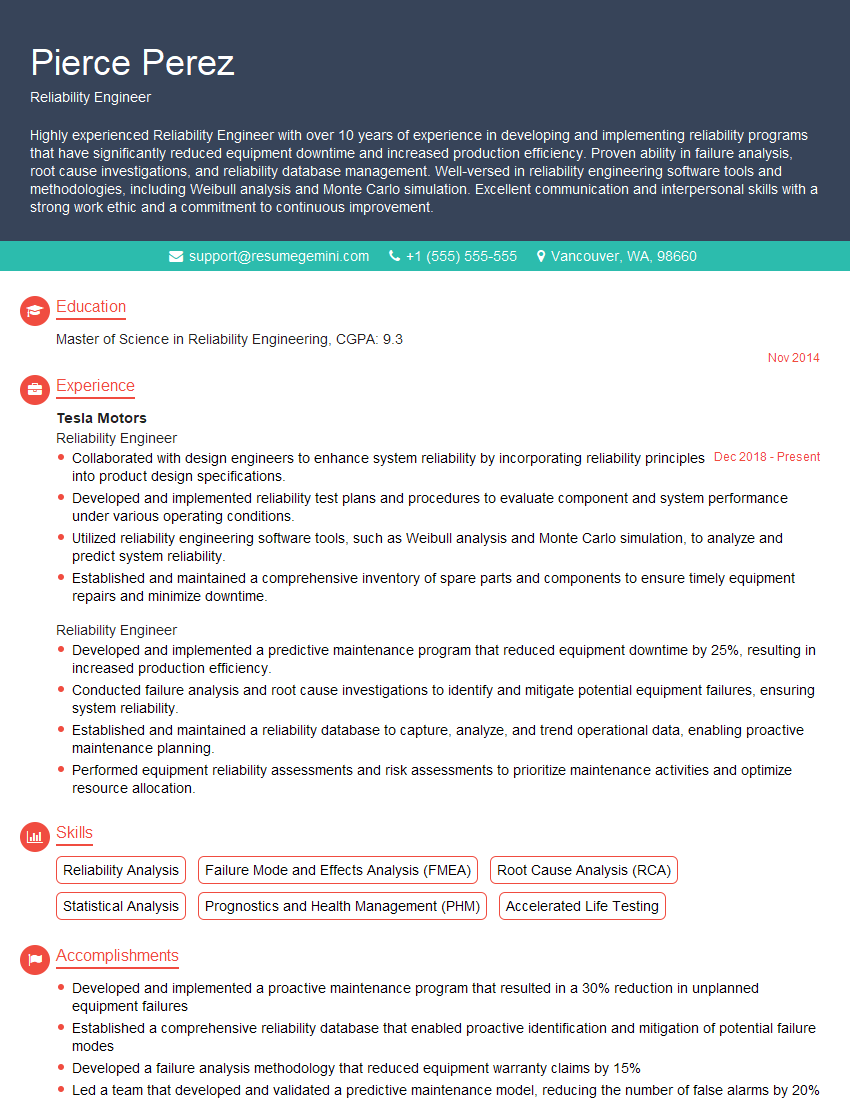
Reliability Engineer Resume Sample
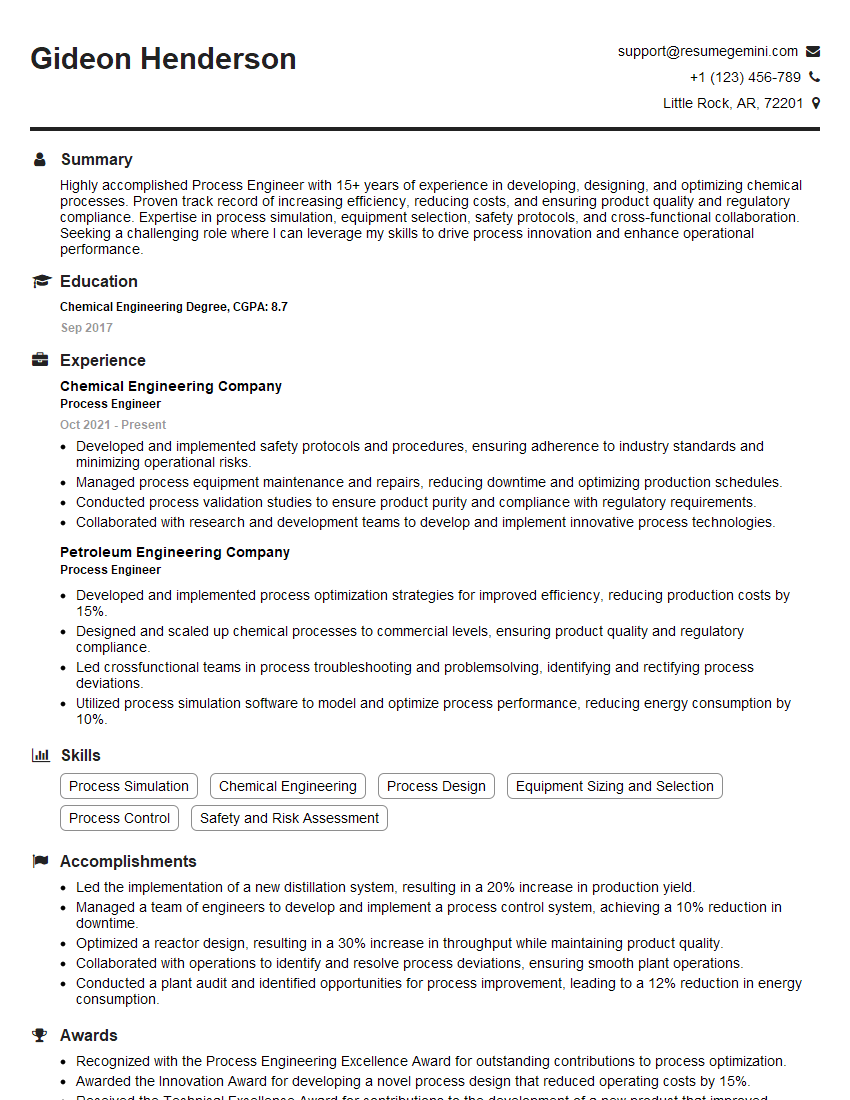
Process Engineer Resume Sample
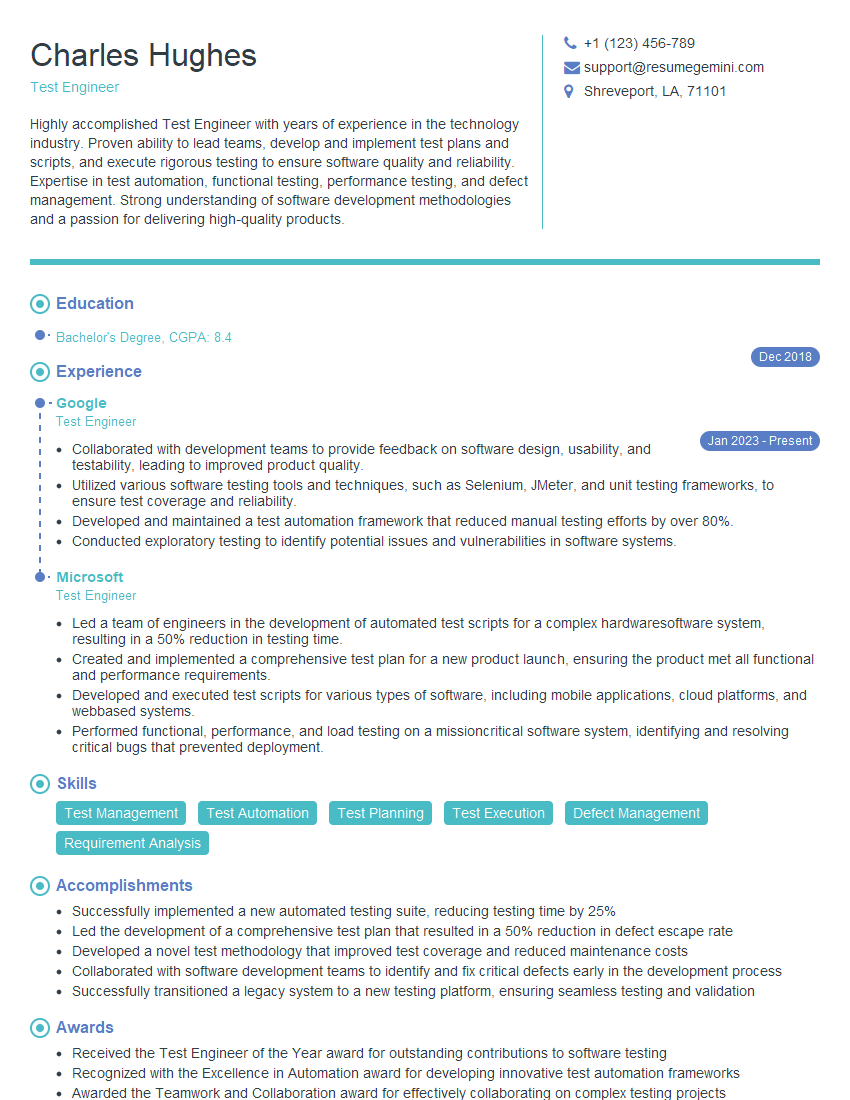
Test Engineer Resume Sample
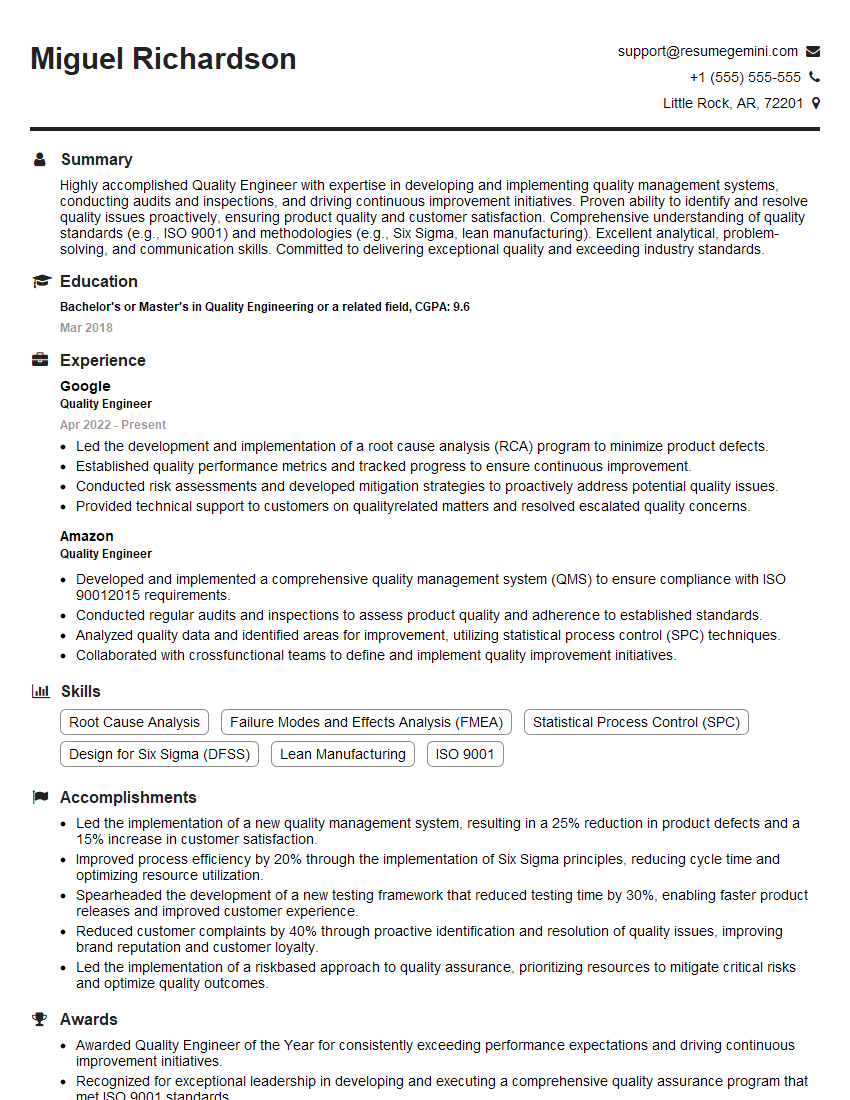
Quality Engineer Resume Sample

Integration Engineer Resume Sample

Equipment Engineer Resume Sample
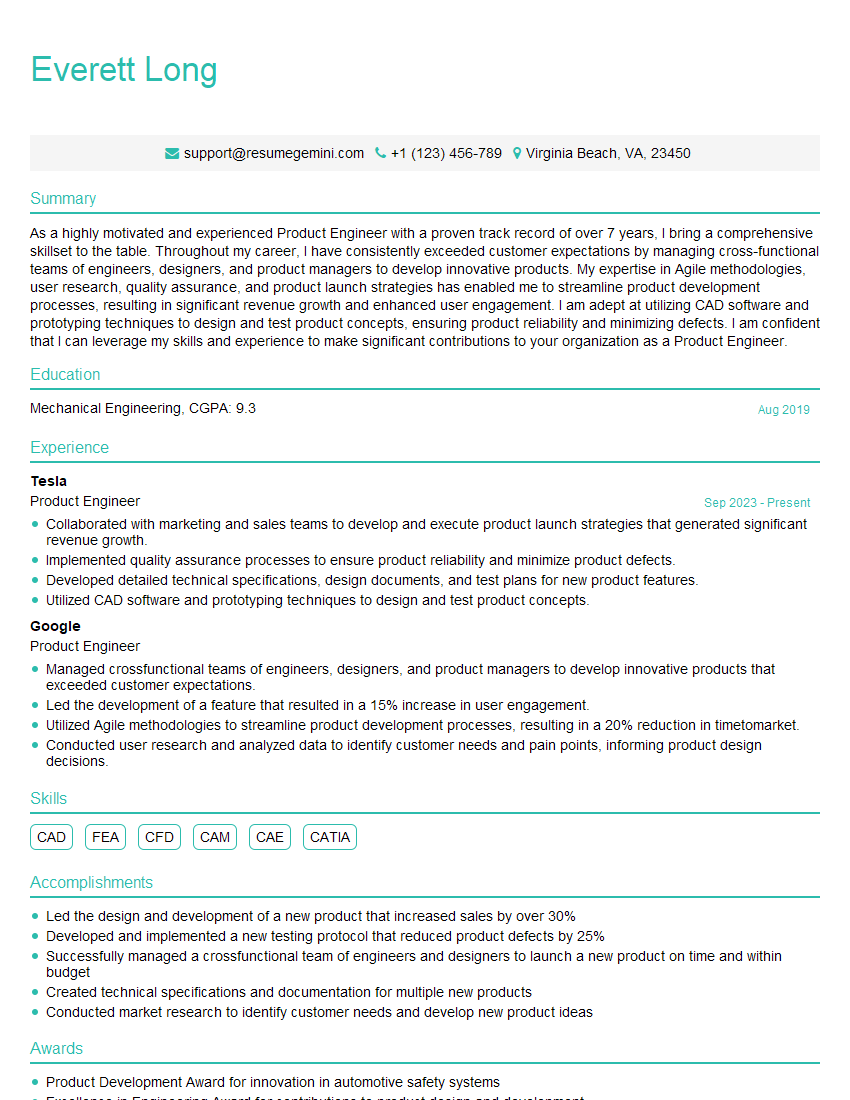
Product Engineer Resume Sample
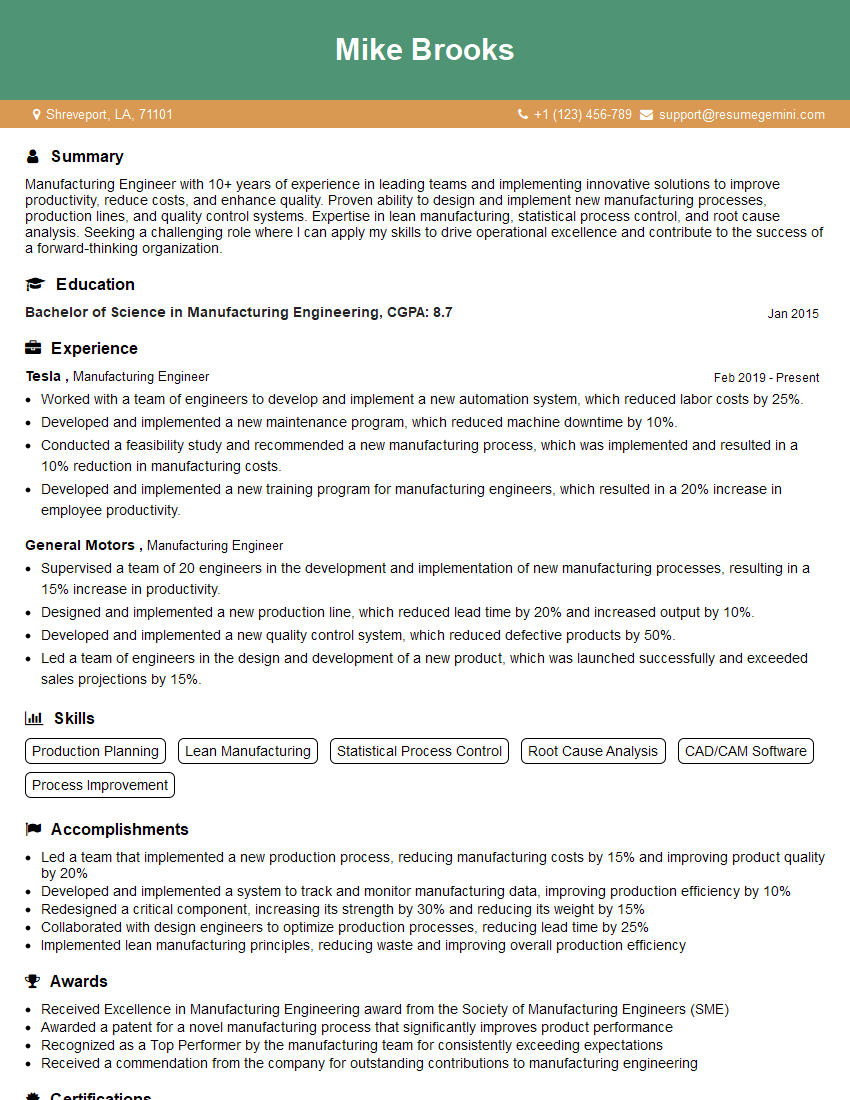
Manufacturing Engineer Resume Sample
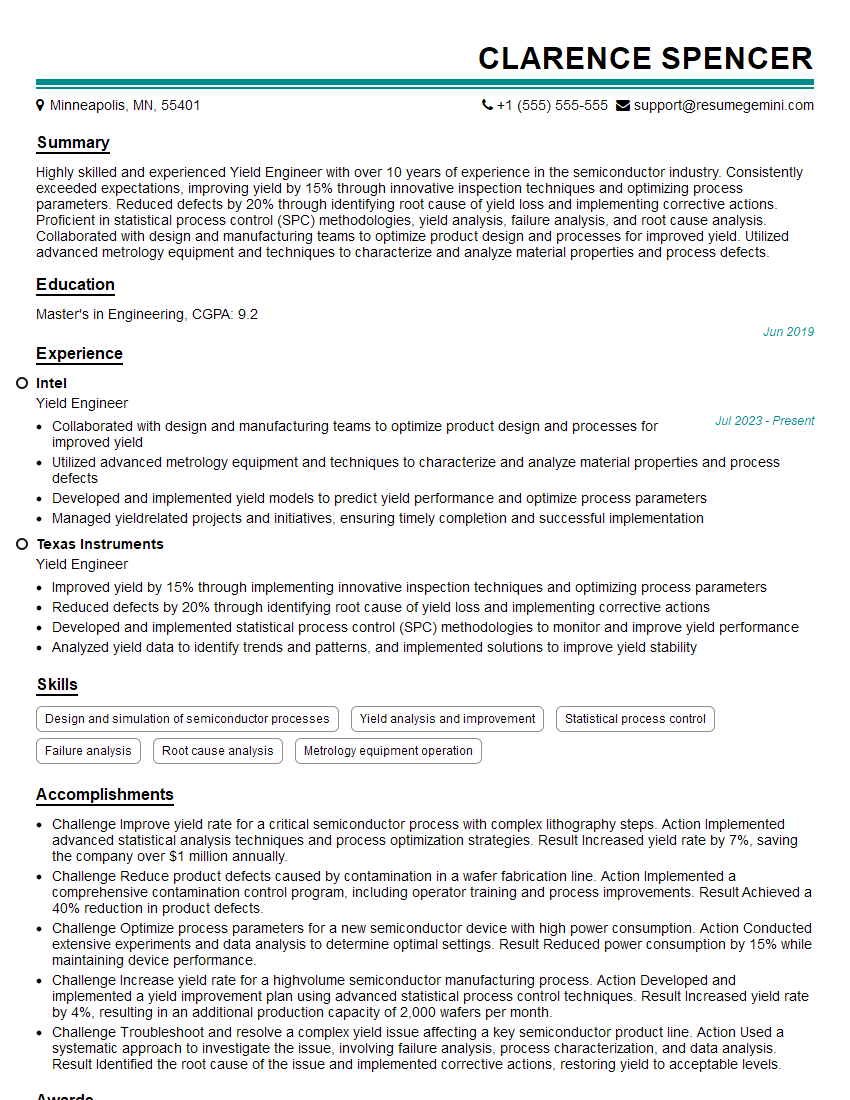
Yield Engineer Resume Sample

Metrology Technician Resume Sample
Explore more articles
Users Rating of Our Blogs
Share Your Experience
We value your feedback! Please rate our content and share your thoughts (optional).
What Readers Say About Our Blog
good