Interviews are opportunities to demonstrate your expertise, and this guide is here to help you shine. Explore the essential Identifying and documenting deficiencies interview questions that employers frequently ask, paired with strategies for crafting responses that set you apart from the competition.
Questions Asked in Identifying and documenting deficiencies Interview
Q 1. Describe your process for identifying deficiencies in a system.
Identifying deficiencies starts with a thorough understanding of the system’s requirements and expected functionality. I employ a multi-faceted approach, combining static analysis with dynamic testing. Static analysis involves reviewing documentation, code, and design specifications to identify potential flaws before implementation. This is like proofreading a document before submitting it – you catch errors before they become major problems. Dynamic testing, on the other hand, involves actively using the system and observing its behavior. This could be through unit testing, integration testing, or user acceptance testing. I look for deviations from expected behavior, performance bottlenecks, security vulnerabilities, and usability issues. For instance, in a recent project involving a web application, static analysis of the code revealed a potential SQL injection vulnerability, while dynamic testing uncovered unexpected behavior when handling large datasets.
My process also includes gathering feedback from users and stakeholders. Their perspectives provide invaluable insights into real-world usage scenarios and often uncover usability issues that might be missed through technical analysis. Think of it like beta testing a new video game; real players often find bugs and suggest improvements that the developers overlooked.
- Requirements Review: Comparing the system’s functionality against the documented requirements.
- Code Review: Analyzing the source code for bugs, vulnerabilities, and inconsistencies.
- Testing: Performing various tests (unit, integration, system, user acceptance) to identify defects.
- User Feedback: Gathering feedback from users to identify usability issues and other deficiencies.
Q 2. How do you prioritize deficiencies based on severity and impact?
Prioritizing deficiencies is crucial for efficient resource allocation. I use a risk-based approach, considering both severity and impact. Severity refers to the inherent seriousness of the deficiency, while impact focuses on the consequences of the deficiency. I often use a matrix to categorize deficiencies. A simple example might be:
- Severity: Critical, High, Medium, Low
- Impact: High (system failure, data loss), Medium (reduced performance, minor errors), Low (cosmetic issues, minor inconveniences)
A critical severity, high impact deficiency, like a major security vulnerability, would be prioritized over a low severity, low impact deficiency, such as a minor cosmetic issue. I also consider the urgency, considering things like deadlines or ongoing risks. For instance, a medium severity but high impact deficiency that could lead to a service disruption next week would be prioritized over a high severity but low impact deficiency that won’t affect operations for several months.
I often involve stakeholders in the prioritization process to ensure alignment and buy-in. A clear and documented prioritization ensures everyone is working on the most critical issues first.
Q 3. What tools or techniques do you use to document deficiencies?
I use a combination of tools and techniques for documenting deficiencies, ensuring consistency and clarity. This includes dedicated deficiency tracking systems (discussed further in the next question), spreadsheets, and word-processing documents. For each deficiency, my documentation includes:
- Unique Identifier: A distinct number or code to track each deficiency.
- Description: A clear and concise description of the deficiency, including steps to reproduce it.
- Severity and Impact: Categorization based on my prioritization matrix.
- Location: Precise location within the system (e.g., file name, line number, screen).
- Status: Open, In Progress, Resolved, Closed.
- Assigned to: The individual responsible for addressing the deficiency.
- Screenshots or Video: Visual evidence illustrating the deficiency.
- Root Cause (if known): The underlying reason for the deficiency.
- Proposed Solution: A suggested approach to resolve the deficiency.
For example, when documenting a usability issue, I’ll include screenshots showing the problematic area and notes on user feedback received.
Q 4. Explain your experience with using a deficiency tracking system.
I have extensive experience using various deficiency tracking systems, including Jira, Azure DevOps, and Bugzilla. These systems provide a centralized repository for managing deficiencies throughout their lifecycle. The benefits are significant: improved traceability, better collaboration, and enhanced reporting. A well-maintained deficiency tracking system helps streamline communication and ensures accountability. For example, in a recent project using Jira, we were able to track over 500 deficiencies, assigning them to developers, monitoring progress, and generating reports that showed the overall health of the project.
My experience extends to configuring and customizing these systems to meet specific project needs. I understand the importance of selecting the right fields and workflows to ensure effective tracking and reporting. A well-structured system facilitates efficient analysis, enabling informed decisions about resource allocation and project timelines.
Q 5. How do you ensure the accuracy and completeness of your deficiency documentation?
Accuracy and completeness are paramount in deficiency documentation. I employ several strategies to ensure this: peer review, rigorous testing, and meticulous documentation practices. Peer review involves having another team member independently verify my findings and documentation before finalization. This helps catch errors and ensures consistency. Rigorous testing involves repeating tests under various conditions to ensure reproducibility of the deficiency. I meticulously document every step of the process to create a detailed, traceable record.
I also utilize version control for my documentation, allowing for tracking of changes and enabling easy rollback if necessary. Think of it like using Google Docs for collaboration – everyone can see changes and revert if needed. Finally, I always strive for clarity and precision in my descriptions, using clear, unambiguous language to avoid any misinterpretations.
Q 6. How do you communicate deficiencies to stakeholders?
Communicating deficiencies effectively to stakeholders is crucial. My approach depends on the audience and the nature of the deficiency. For technical stakeholders, I provide detailed reports, including technical details, logs, and analysis. For less technical stakeholders, I use clear, concise language and visuals, focusing on the impact rather than the technical details. I might use dashboards or summary reports to highlight key issues.
I regularly schedule meetings to discuss critical deficiencies and address any concerns. I use a variety of communication channels, including email, instant messaging, and project management tools, to keep stakeholders informed. Transparency is key, and I ensure stakeholders have access to the deficiency tracking system for up-to-date information. Clear, frequent, and targeted communication prevents misunderstandings and promotes effective collaboration.
Q 7. How do you handle disagreements about the severity or impact of a deficiency?
Disagreements regarding the severity or impact of a deficiency are not uncommon. My approach focuses on objective analysis and collaborative problem-solving. When a disagreement arises, I start by reviewing the evidence, such as test results, user feedback, and risk assessments. I present this evidence to all involved parties and facilitate a discussion to reach a consensus. If the disagreement persists, I may involve a neutral third party, such as a senior engineer or project manager, to help mediate the discussion.
The goal is not to win the argument but to reach a shared understanding. A well-defined escalation process is crucial for handling unresolved disagreements, ensuring that critical issues are addressed promptly. In these situations, a clear, documented record of the discussion and the final decision is essential.
Q 8. Describe a time you identified a critical deficiency. What was your approach?
During a recent audit of a software development project, I discovered a critical deficiency in the security architecture. My approach involved a systematic investigation following these steps:
- Initial Identification: I noticed an absence of input validation in a key module during code review. This immediately raised concerns about potential vulnerabilities like SQL injection and cross-site scripting (XSS).
- Impact Assessment: I analyzed the potential consequences of this vulnerability. Given the module’s role in handling user authentication and sensitive data, a successful attack could lead to data breaches, account compromises, and significant financial losses. This confirmed its criticality.
- Evidence Gathering: I documented the specific code segments exhibiting the deficiency, including screenshots and detailed descriptions of the vulnerability’s exploitability. I also tested the vulnerability to confirm its existence.
- Root Cause Analysis: I collaborated with the development team to identify the root cause. It turned out to be a lack of sufficient training on secure coding practices and the absence of a robust code review process.
- Documentation: I prepared a detailed deficiency report outlining the vulnerability, its impact, the evidence, root cause analysis and proposed remediation steps.
This methodical approach ensured the deficiency was clearly understood and addressed promptly, preventing potential major issues.
Q 9. How do you differentiate between a minor and a major deficiency?
The difference between minor and major deficiencies hinges on their impact and risk. A minor deficiency is a small flaw that might cause minor inconvenience or have a limited impact. For example, a typographical error in a user manual or a slightly inefficient code snippet are usually considered minor. These issues don’t pose immediate threats and may not require immediate resolution. A major deficiency, conversely, is a significant flaw that poses a considerable risk to operations, safety, security, or compliance. Think of a missing safety guard on machinery or a critical bug in a financial transaction system. Major deficiencies require immediate attention and remediation due to their potential for severe consequences.
Think of it like this: a minor deficiency is like a small scratch on a car, while a major deficiency is like a flat tire – you can still drive with a scratch, but you can’t go far with a flat.
Q 10. What are the key elements of a well-written deficiency report?
A well-written deficiency report should be clear, concise, and comprehensive. Key elements include:
- Unique Identifier: A clear, concise identifier for easy tracking.
- Date and Time of Discovery: Accurate timestamps for traceability.
- Description of the Deficiency: A detailed explanation of the problem, using plain language and avoiding technical jargon where possible.
- Location of the Deficiency: Precise location of the deficiency (e.g., specific line of code, page number, system component).
- Impact Assessment: Assessment of the severity of the deficiency and its potential consequences (financial, safety, reputational).
- Evidence: Supporting documentation such as screenshots, log files, test results, or code snippets.
- Root Cause Analysis: Investigation into the underlying reasons why the deficiency occurred.
- Recommended Corrective Action: Specific and actionable steps to correct the deficiency.
- Responsible Party: Clearly identifies the individual or team responsible for addressing the deficiency.
- Target Completion Date: A realistic deadline for remediation.
- Status Updates: Regular updates on the progress of the corrective action.
Q 11. How do you ensure that documented deficiencies are addressed and resolved?
Ensuring deficiencies are addressed involves a multi-step process:
- Formal Communication: Distribute the deficiency report to the appropriate individuals or teams using a formal channel (e.g., email, ticketing system).
- Tracking System: Implement a tracking system to monitor the status of each deficiency. This could involve a spreadsheet, database, or dedicated project management software. Each deficiency should have a unique ID and a clear status (Open, In Progress, Resolved, Closed).
- Regular Follow-up: Schedule regular meetings or check-ins to review the progress of remediation. Escalate issues as needed to management.
- Verification of Remediation: Once the corrective action is complete, verify that the deficiency has been successfully addressed. This might involve retesting or re-inspection.
- Closure: Formally close the deficiency report once verification is complete and document the resolution process.
This systematic approach ensures accountability and timely resolution of all identified deficiencies.
Q 12. What metrics do you use to measure the effectiveness of your deficiency identification process?
Measuring the effectiveness of my deficiency identification process relies on several key metrics:
- Number of deficiencies identified: Tracks the overall volume of deficiencies found.
- Severity of deficiencies identified: Provides insight into the criticality of issues being found.
- Time to resolution: Measures the time taken to resolve deficiencies, indicating efficiency.
- Remediation success rate: Tracks the percentage of deficiencies that are successfully resolved.
- Cost of remediation: Quantifies the financial impact of addressing deficiencies.
- Number of recurring deficiencies: Identifies weaknesses in processes or training.
By tracking these metrics, we can continuously improve our processes, identify areas needing improvement, and optimize resource allocation.
Q 13. How do you maintain version control of deficiency documentation?
Version control of deficiency documentation is crucial for maintaining accuracy and traceability. I use a version control system like Git for all documentation. Each change to a deficiency report creates a new version with a timestamp and a description of the change. This allows us to:
- Track changes over time: See the history of changes and revert to previous versions if necessary.
- Collaborate effectively: Multiple individuals can work on the same documentation simultaneously without overwriting each other’s work.
- Ensure accountability: Know who made which changes and when.
- Auditability: Provide a complete audit trail of all modifications.
Each report gets its own branch in the repository, ensuring a well-organized and maintainable documentation system.
Q 14. How do you handle conflicting information when documenting deficiencies?
Handling conflicting information requires careful investigation and documentation. My approach involves:
- Identify the Conflict: Carefully review the conflicting information to pinpoint the discrepancies.
- Investigate the Source: Determine the source of each piece of conflicting information. Are they from different individuals, systems, or sources?
- Gather Evidence: Collect supporting evidence to verify the accuracy of each piece of information.
- Resolve the Conflict: Based on evidence and analysis, determine the most accurate and reliable information.
- Document the Resolution: Clearly document the conflict, the evidence considered, the resolution reached, and the rationale behind the decision. Include references to any supporting documents or communication logs.
- Communicate the Resolution: Inform all relevant parties of the resolution, ensuring everyone is aware of the accepted version.
This systematic approach ensures that the documentation reflects the most accurate information and promotes transparency and consistency.
Q 15. What is your experience with root cause analysis for identified deficiencies?
Root cause analysis is crucial for effectively addressing deficiencies. It’s not enough to just identify a problem; we need to understand why it occurred. My approach involves using a combination of techniques like the ‘5 Whys’ method, fault tree analysis, and fishbone diagrams to systematically drill down to the root cause. For example, if a software system crashes frequently, simply stating ‘the system crashes’ is insufficient. We need to ask ‘why’ repeatedly – Why does it crash? Is it a memory leak? Why is there a memory leak? Is it due to inefficient code? Why is the code inefficient? Was there inadequate testing? This iterative process helps pinpoint the fundamental issue, allowing for effective corrective actions rather than just treating symptoms.
In a previous role, while analyzing a manufacturing process deficiency resulting in high defect rates, I employed the fishbone diagram. We systematically mapped potential causes (materials, methods, machinery, manpower, environment, and measurement) to identify the root cause as improper machine calibration. This resulted in a significant reduction in defect rates post-calibration.
Career Expert Tips:
- Ace those interviews! Prepare effectively by reviewing the Top 50 Most Common Interview Questions on ResumeGemini.
- Navigate your job search with confidence! Explore a wide range of Career Tips on ResumeGemini. Learn about common challenges and recommendations to overcome them.
- Craft the perfect resume! Master the Art of Resume Writing with ResumeGemini’s guide. Showcase your unique qualifications and achievements effectively.
- Don’t miss out on holiday savings! Build your dream resume with ResumeGemini’s ATS optimized templates.
Q 16. How do you ensure that your deficiency documentation is clear, concise, and easy to understand?
Clear and concise deficiency documentation is paramount for effective communication and problem resolution. I prioritize using plain language, avoiding technical jargon whenever possible. My reports follow a consistent structure: a brief summary, detailed description of the deficiency, impact assessment, root cause analysis, recommended corrective actions, and a timeline for implementation. I use visual aids like flowcharts and diagrams whenever helpful to enhance understanding. Imagine explaining a complex software bug to a non-technical stakeholder; clear, concise documentation with visuals is essential for them to grasp the issue and its implications.
For instance, instead of writing ‘The database query experienced a deadlock condition resulting in system unavailability,’ I might write ‘The system stopped working because the database couldn’t handle too many requests at once.’ The latter is far more accessible to a broader audience.
Q 17. Describe your experience with different types of deficiency reports (e.g., formal, informal).
My experience encompasses various deficiency reporting methods, ranging from informal verbal reports for minor, easily rectified issues to formal, documented reports for significant deficiencies. Informal reports might involve a quick conversation with a colleague to address a minor process hiccup. Formal reports, on the other hand, follow a rigorous template, include detailed documentation, and are often used for significant quality issues or regulatory non-compliances. These formal reports need to be tracked, reviewed, and archived meticulously. The choice of report type depends on the severity and nature of the deficiency.
For example, a minor typographical error on a webpage might be addressed via an informal email to the web developer, whereas a security vulnerability requiring immediate attention would necessitate a formal, documented report with a detailed incident report, remediation plan, and tracking of progress.
Q 18. How do you balance the need for thorough documentation with the need for efficiency?
Balancing thoroughness and efficiency in documentation is a key skill. I prioritize identifying the critical information needed to understand, analyze, and resolve the deficiency. Overly detailed documentation can waste time and resources, while insufficient documentation can hinder problem-solving. I use checklists and standardized templates to streamline the documentation process. Prioritization is key; focus on the essential details – what, when, where, why, and how – to concisely capture the essence of the deficiency.
For example, when documenting a software defect, I focus on replicating steps, error messages, and system logs, rather than including every line of code. This ensures enough information to understand and fix the defect without unnecessary clutter.
Q 19. How familiar are you with regulatory requirements related to deficiency reporting?
I’m very familiar with various regulatory requirements related to deficiency reporting, including those related to industry-specific standards (e.g., ISO 9001, HIPAA, FDA regulations). My experience includes understanding and applying requirements for documentation, reporting timelines, escalation procedures, and corrective actions. The specific regulations depend heavily on the industry and the nature of the deficiency. For instance, a deficiency in a medical device requires far stricter documentation and reporting protocols than a minor issue in a consumer electronics product.
I stay updated on relevant regulations through continuous professional development and maintain a strong understanding of the legal implications of non-compliance.
Q 20. How do you adapt your deficiency identification process based on the context (e.g., software, hardware, process)?
My deficiency identification process is adaptable to different contexts. For software deficiencies, my focus is on code reviews, testing, and user feedback. For hardware, I utilize inspection, testing, and performance analysis. Process deficiencies require analysis of workflow diagrams, data analysis, and observation. The tools and techniques employed depend heavily on the nature of the system being evaluated.
For example, when analyzing a deficiency in a manufacturing process, I might use statistical process control (SPC) charts to identify trends and patterns. When addressing a software deficiency, I might use debugging tools and code analysis techniques. The common thread is a structured approach tailored to the specific context.
Q 21. Describe a time you had to escalate a deficiency due to its severity.
In a previous role, a critical security vulnerability was discovered in our company’s web application. This was immediately escalated to management and the security team due to the potential for significant data breach and financial loss. The vulnerability allowed unauthorized access to sensitive customer data. My initial report included a detailed description of the vulnerability, its potential impact, and immediate steps to mitigate the risk. A detailed incident report and a remediation plan were created, which included immediate patching and a comprehensive security audit. The escalation ensured immediate action and prevented a potentially catastrophic outcome. The situation underscored the importance of rapid escalation for high-severity deficiencies.
Q 22. How do you collaborate with other team members to identify and document deficiencies?
Identifying and documenting deficiencies is rarely a solo act. Effective collaboration is key. I typically begin by establishing clear communication channels and roles within the team. This might involve daily stand-up meetings where we discuss findings, or using collaborative tools like shared online documents or project management software. For example, in a recent software testing project, we used a shared spreadsheet to track identified bugs. Each team member was responsible for a specific module, and we used a standardized format to describe the deficiency – including its location, severity, and reproduction steps. This ensured consistency and easy tracking. Beyond this, I actively encourage open communication and feedback. A critical aspect is to create a safe environment where team members feel comfortable raising concerns without fear of judgment. This fosters a collaborative environment where we can learn from each other’s insights and collectively improve the quality of our work.
Q 23. What is your experience with using data analytics to identify deficiencies?
Data analytics plays a crucial role in proactively identifying deficiencies. I have extensive experience leveraging various tools and techniques to analyze large datasets. For example, in a previous role, we used SQL queries to analyze database logs to identify recurring errors and performance bottlenecks in our application. This allowed us to pinpoint areas that needed attention before they escalated into major issues. Another instance involved using statistical process control (SPC) charts to monitor key performance indicators (KPIs). Significant deviations from the established control limits signaled potential deficiencies requiring investigation. The use of dashboards and visualization tools is essential to easily communicate insights to the team and stakeholders, and helps drive action on identified issues. Essentially, data-driven insights empower proactive problem-solving, moving beyond reactive responses to identified issues.
Q 24. How do you ensure that your deficiency documentation is auditable?
Auditable deficiency documentation is paramount for accountability and continuous improvement. My approach centers around three core principles: standardization, traceability, and version control. I use standardized templates for documenting deficiencies, ensuring consistent information is captured for each item. This typically includes a unique identifier, description of the deficiency, its location, severity level, responsible party, assigned date, and resolution status. Traceability is ensured through clear linkages to supporting evidence – such as screenshots, log files, or test results. Version control is implemented using a system that tracks changes to the documentation, allowing us to see who made changes, when, and why. Tools like document management systems and revision control software are invaluable for ensuring comprehensive auditing capabilities. This meticulous approach not only aids audits but also facilitates efficient tracking and resolution of deficiencies.
Q 25. How do you manage a large number of open deficiencies?
Managing a large volume of open deficiencies requires a structured approach. I prioritize deficiencies based on their severity and impact. Using a prioritization matrix, I categorize deficiencies as critical, high, medium, or low, assigning them accordingly. Next, I employ a workflow management system – this could be a simple spreadsheet or a dedicated project management tool – to track the status of each deficiency. The system allows us to monitor progress, identify bottlenecks, and ensure appropriate resources are allocated to resolve critical issues first. Regular status meetings and progress reports ensure transparency and accountability. Finally, I regularly review the open deficiencies to identify potential patterns or underlying systemic issues that may be contributing to their occurrence, allowing for preventative action.
Q 26. How do you prevent the recurrence of previously identified deficiencies?
Preventing recurrence of deficiencies is achieved through a combination of corrective and preventative actions. After a deficiency is resolved, a thorough root cause analysis is performed. This helps to identify the underlying causes of the deficiency and not just the symptoms. Based on the root cause analysis, corrective actions are implemented to address the immediate problem. This might involve code fixes, process improvements, or staff training. Equally important are preventative actions, designed to prevent similar deficiencies from occurring in the future. This might include updates to documentation, improved processes, enhanced training programs, or the implementation of automated checks. Post-implementation reviews are crucial to verify the effectiveness of these actions and ensure they have indeed prevented recurrence.
Q 27. What is your preferred method for tracking the status of open deficiencies?
My preferred method for tracking the status of open deficiencies is a combination of a dedicated project management tool and a regularly updated dashboard. A project management tool, such as Jira or Asana, allows for detailed tracking of each deficiency, including its status (open, in progress, resolved, closed), assigned individual, due date, and any associated documentation. This system provides a centralized repository for all information related to open deficiencies. In parallel, I create a dashboard providing a high-level overview of the status of all open deficiencies. This dashboard provides a quick visual representation of the overall situation, highlighting critical deficiencies and potentially problematic trends. The combination of detailed tracking in a project management tool and a high-level overview in a dashboard ensures both granular control and a comprehensive understanding of the overall situation.
Q 28. Describe your experience with using different software tools for documenting deficiencies.
Throughout my career, I have utilized a variety of software tools for documenting deficiencies. These include dedicated defect tracking systems like Jira and Bugzilla, which provide robust functionality for managing and tracking defects throughout the software development lifecycle. I have also used more general-purpose project management tools like Asana and Trello to track deficiencies in non-software projects. In addition, I have experience with document management systems like SharePoint, which are helpful for storing and managing related documentation. The choice of tool depends heavily on the nature of the project, the size of the team, and the specific needs of the organization. Regardless of the tool used, the key is to maintain consistency and to use the tool’s features to effectively capture, track, and manage deficiencies throughout their lifecycle.
Key Topics to Learn for Identifying and Documenting Deficiencies Interview
- Understanding Deficiency Types: Learn to categorize deficiencies based on severity, impact, and root cause (e.g., process, procedural, systemic).
- Data Analysis & Interpretation: Practice analyzing data to pinpoint areas needing improvement. Develop skills in identifying trends and patterns indicative of deficiencies.
- Effective Documentation Techniques: Master clear, concise, and objective documentation methods. Learn to use appropriate templates and reporting formats.
- Root Cause Analysis (RCA): Understand and apply various RCA methodologies (e.g., 5 Whys, Fishbone Diagram) to determine the underlying causes of deficiencies.
- Risk Assessment & Mitigation: Learn to assess the risks associated with identified deficiencies and propose effective mitigation strategies.
- Communication & Presentation: Develop strong communication skills to effectively present findings and recommendations to stakeholders.
- Regulatory Compliance & Standards: Familiarize yourself with relevant industry standards and regulations related to deficiency reporting and remediation.
- Problem-Solving & Critical Thinking: Practice applying critical thinking skills to analyze complex situations and develop creative solutions.
- Using Technology for Deficiency Tracking: Explore using software and tools for efficient deficiency tracking, reporting, and management.
Next Steps
Mastering the skill of identifying and documenting deficiencies is crucial for career advancement in many fields, demonstrating your analytical abilities, problem-solving skills, and attention to detail. A strong resume highlighting these skills is essential for attracting recruiters and securing interviews. To increase your chances, focus on building an ATS-friendly resume that clearly showcases your relevant experience and accomplishments. ResumeGemini can help you create a powerful, professional resume tailored to your specific skills and experience. Examples of resumes tailored to highlighting proficiency in identifying and documenting deficiencies are available within the ResumeGemini platform.
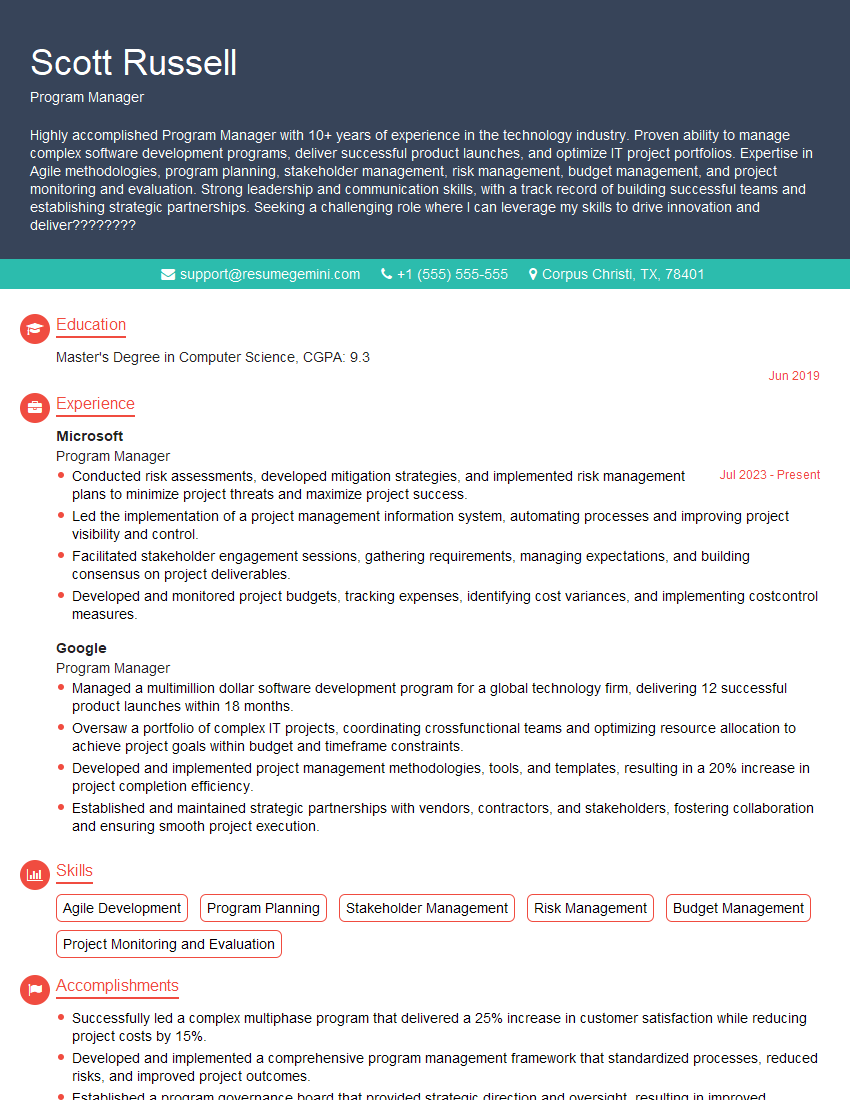
Program Manager Resume Sample

Operations Manager Resume Sample
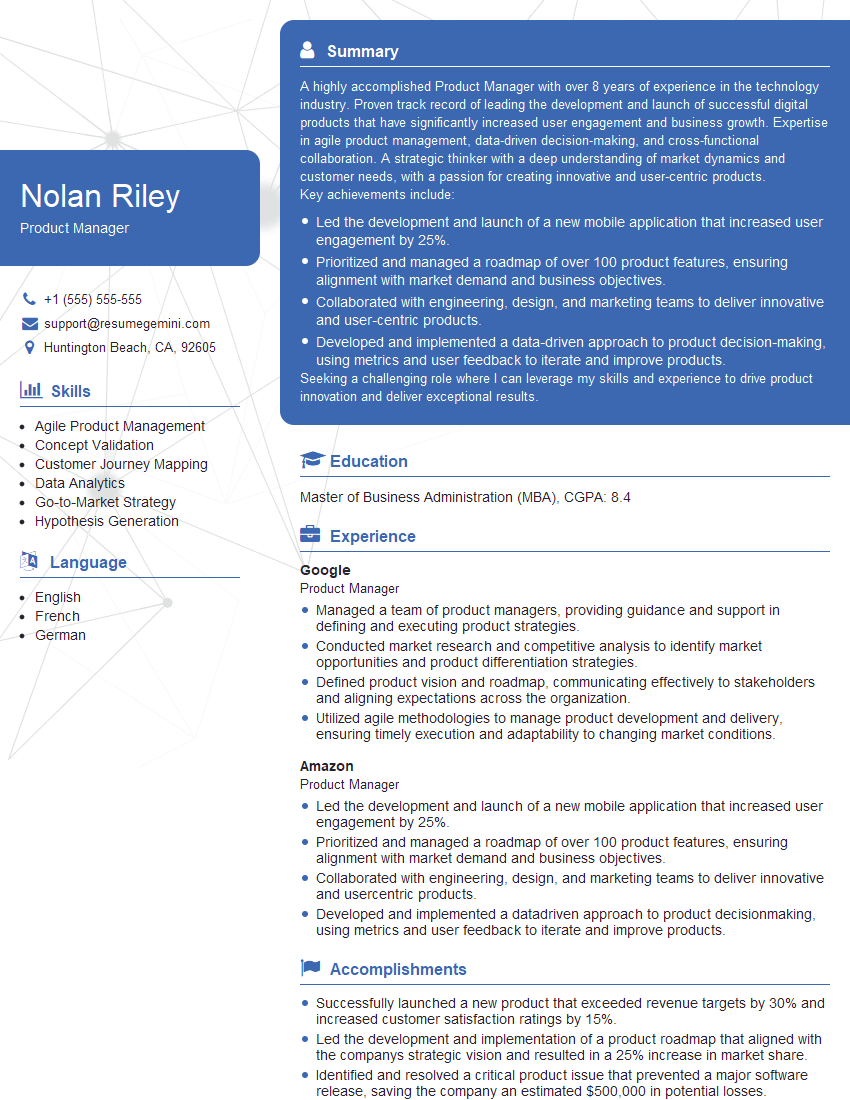
Product Manager Resume Sample
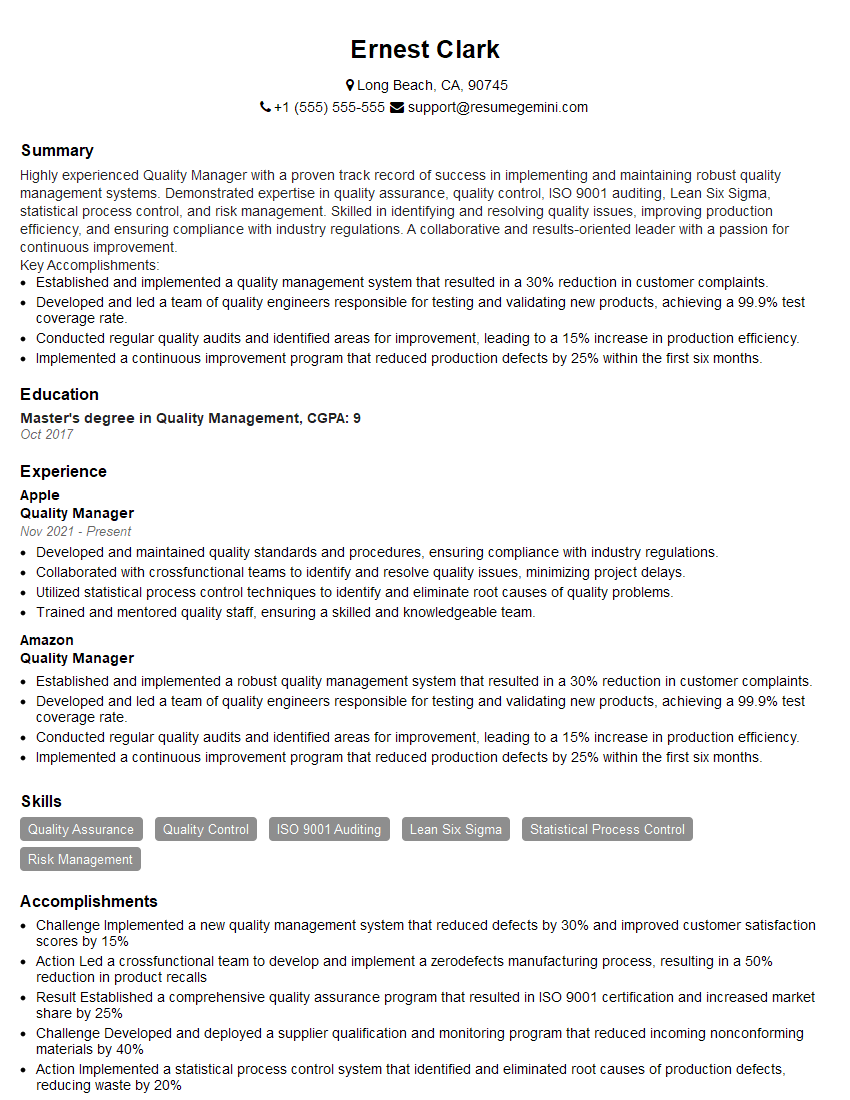
Quality Manager Resume Sample
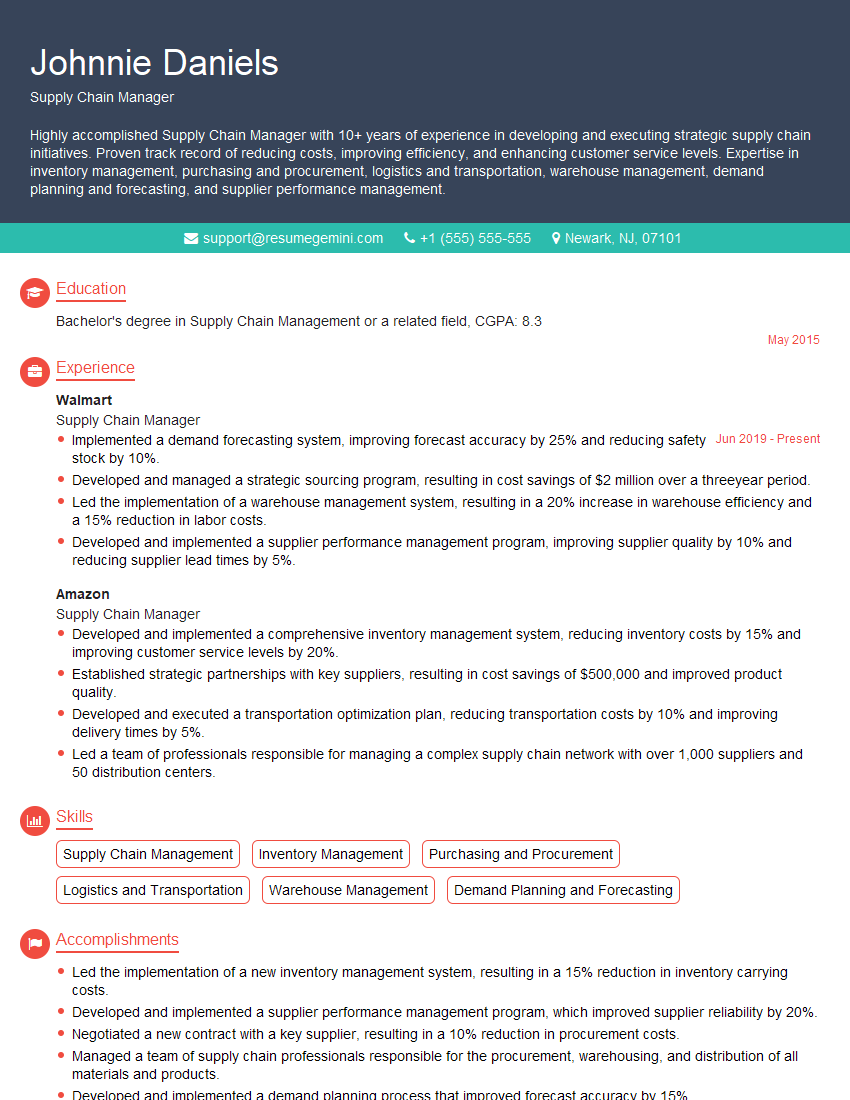
Supply Chain Manager Resume Sample

Project Manager Resume Sample
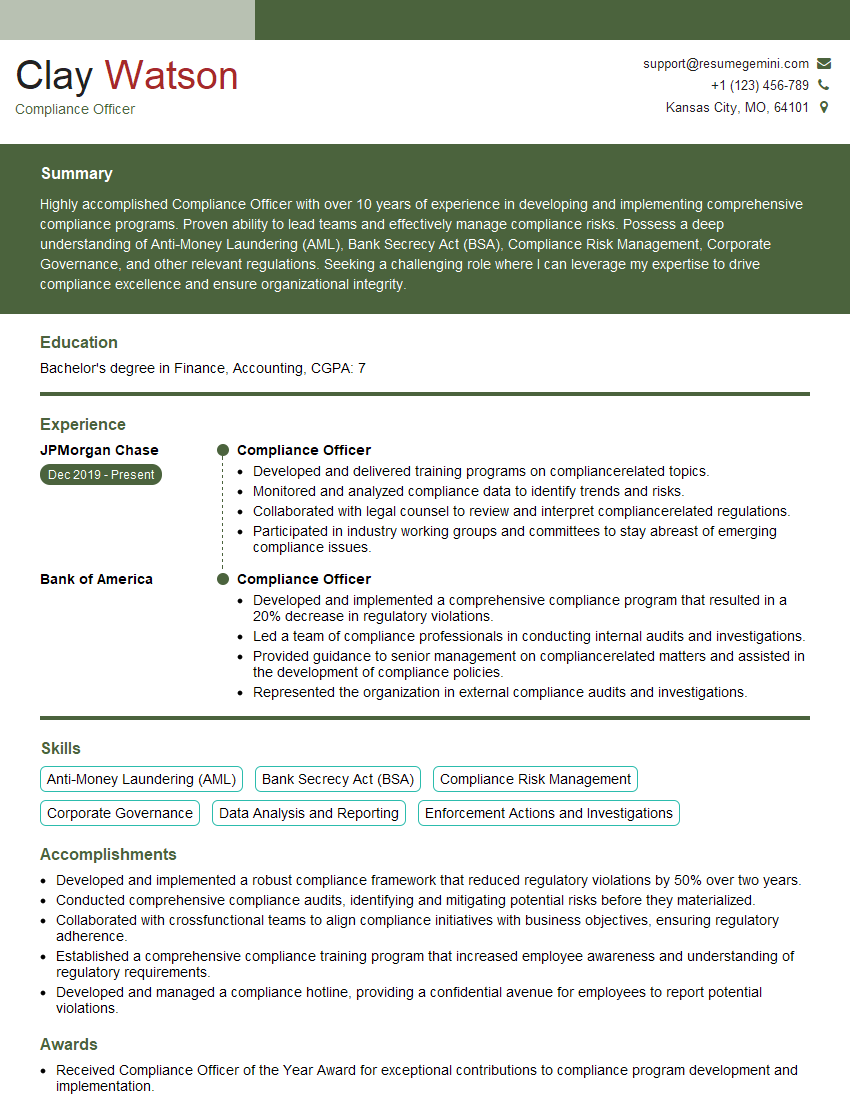
Compliance Officer Resume Sample
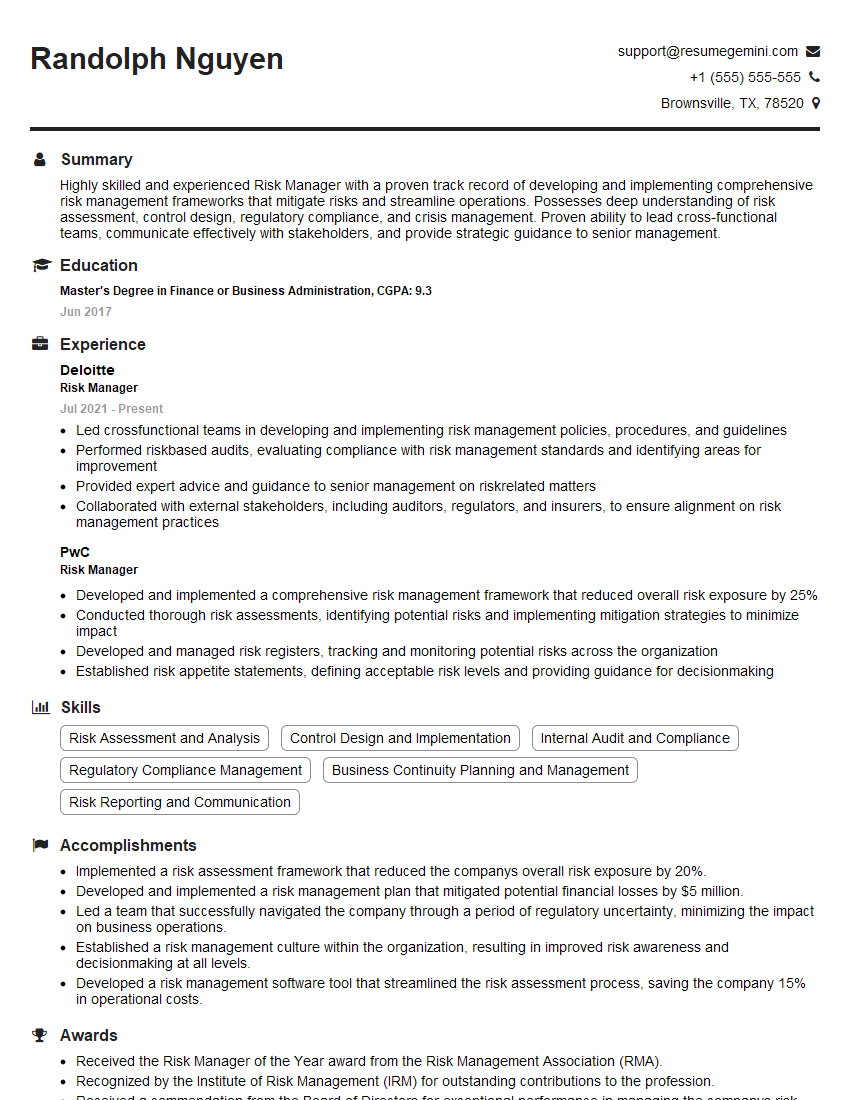
Risk Manager Resume Sample
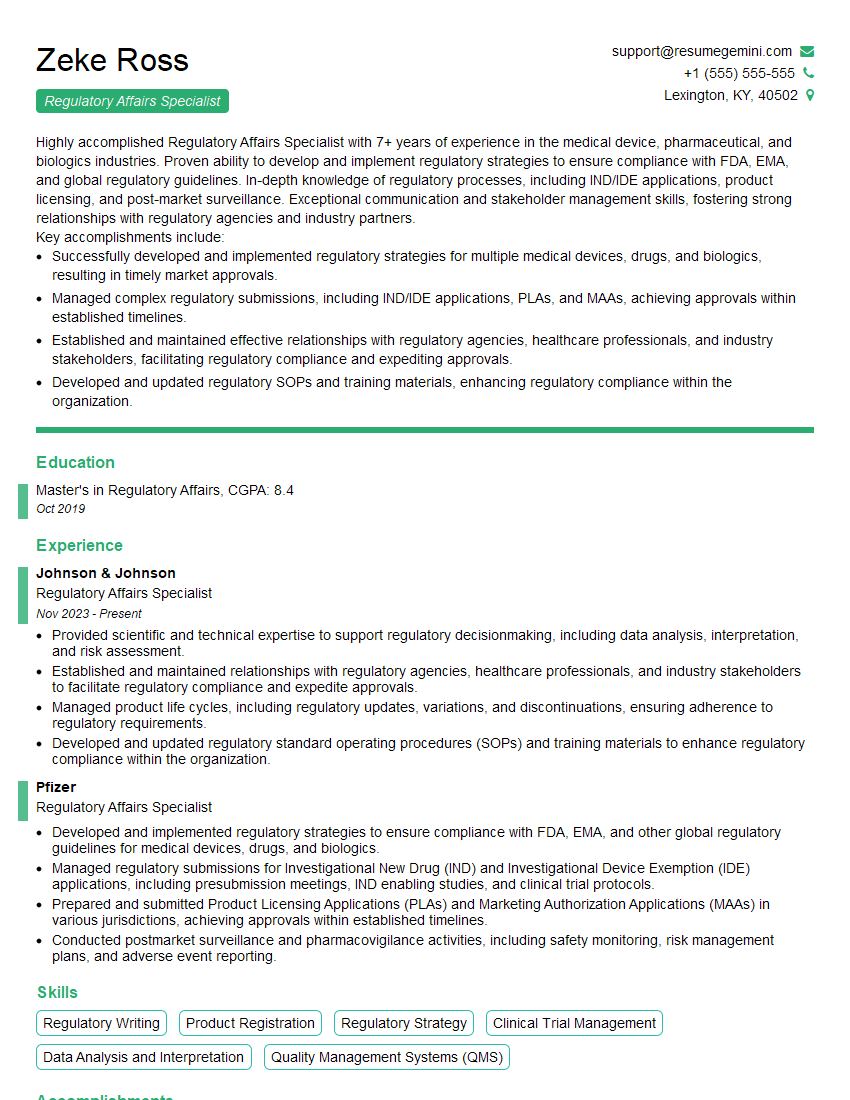
Regulatory Affairs Specialist Resume Sample
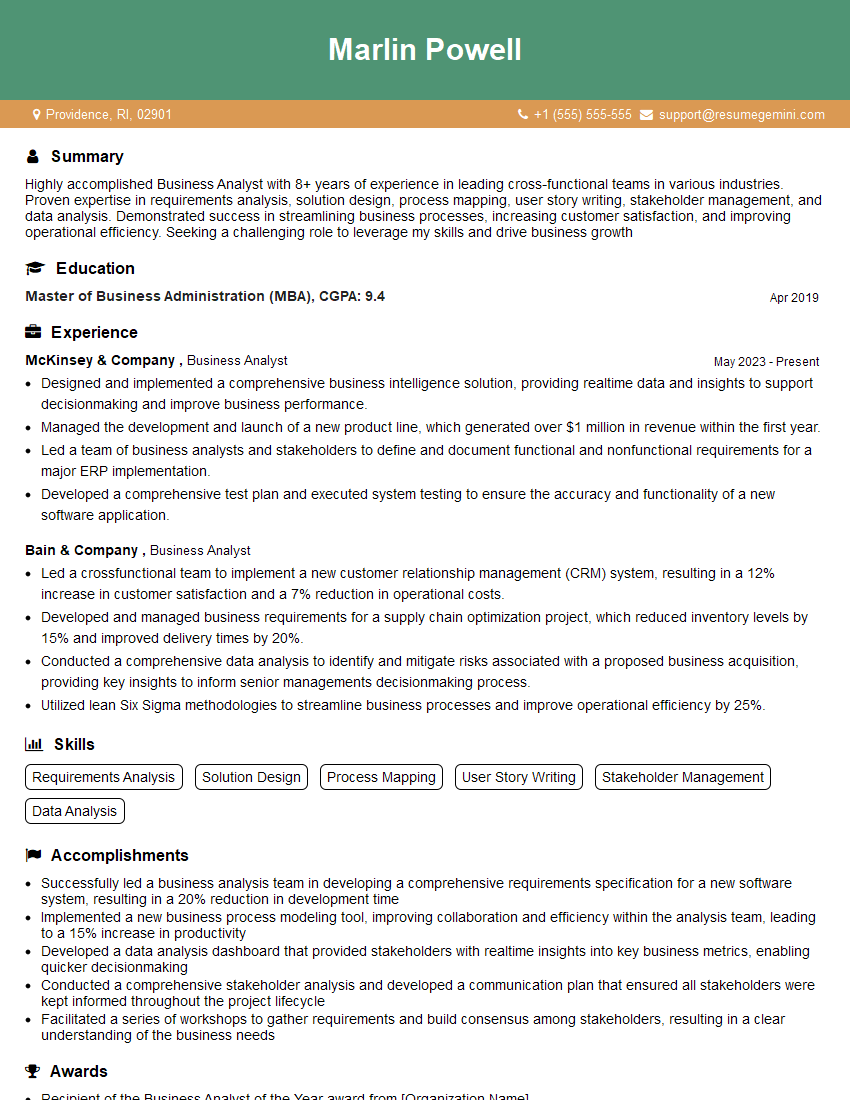
Business Analyst Resume Sample
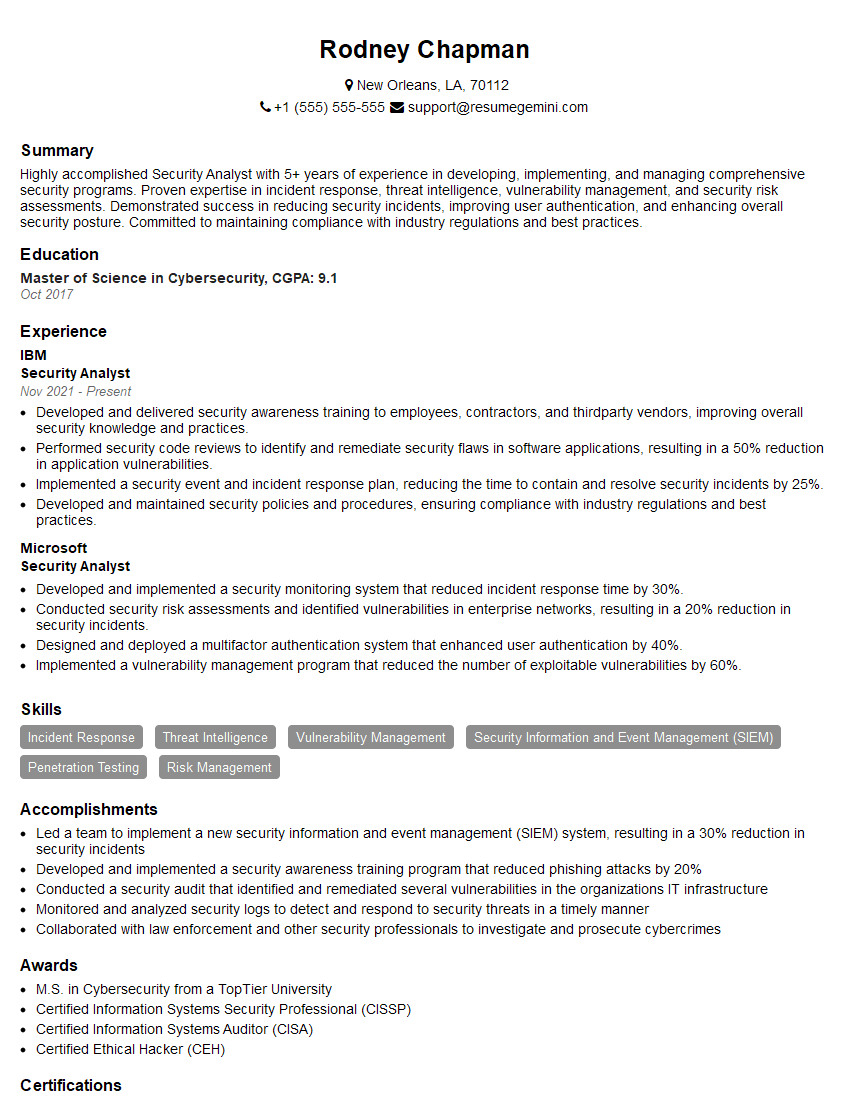
Security Analyst Resume Sample
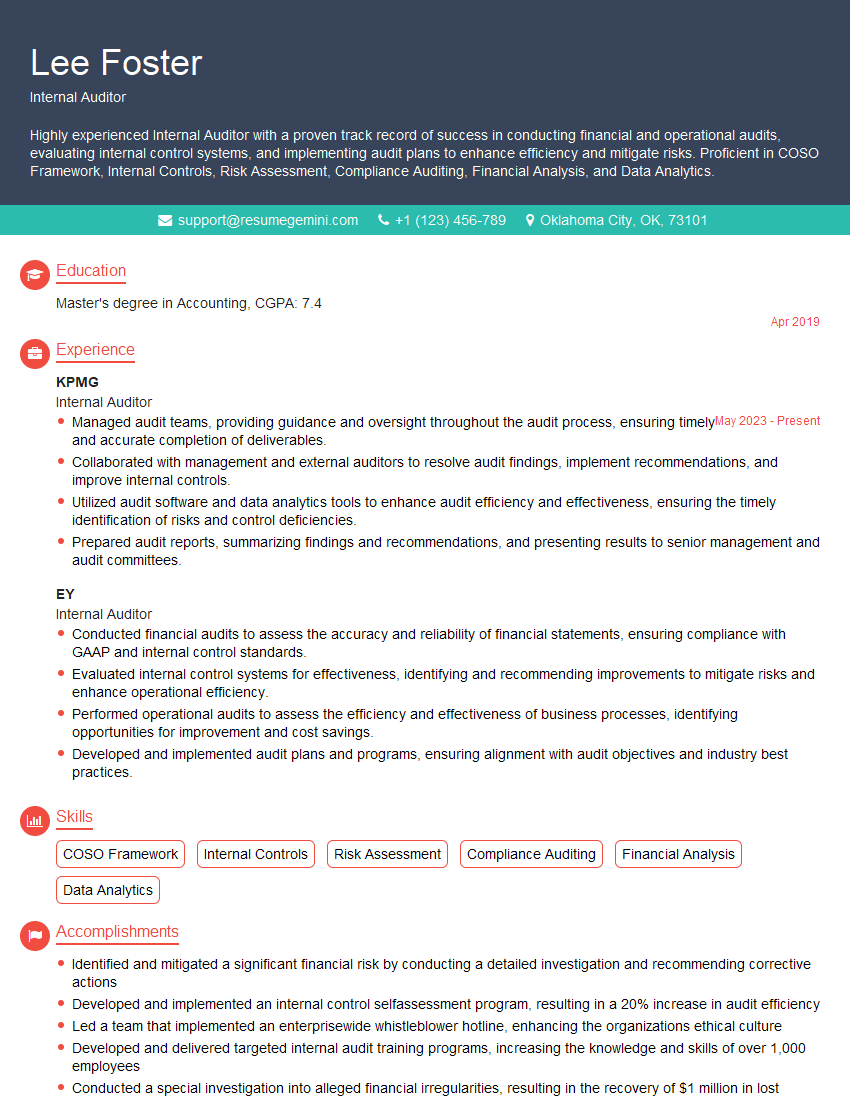
Internal Auditor Resume Sample
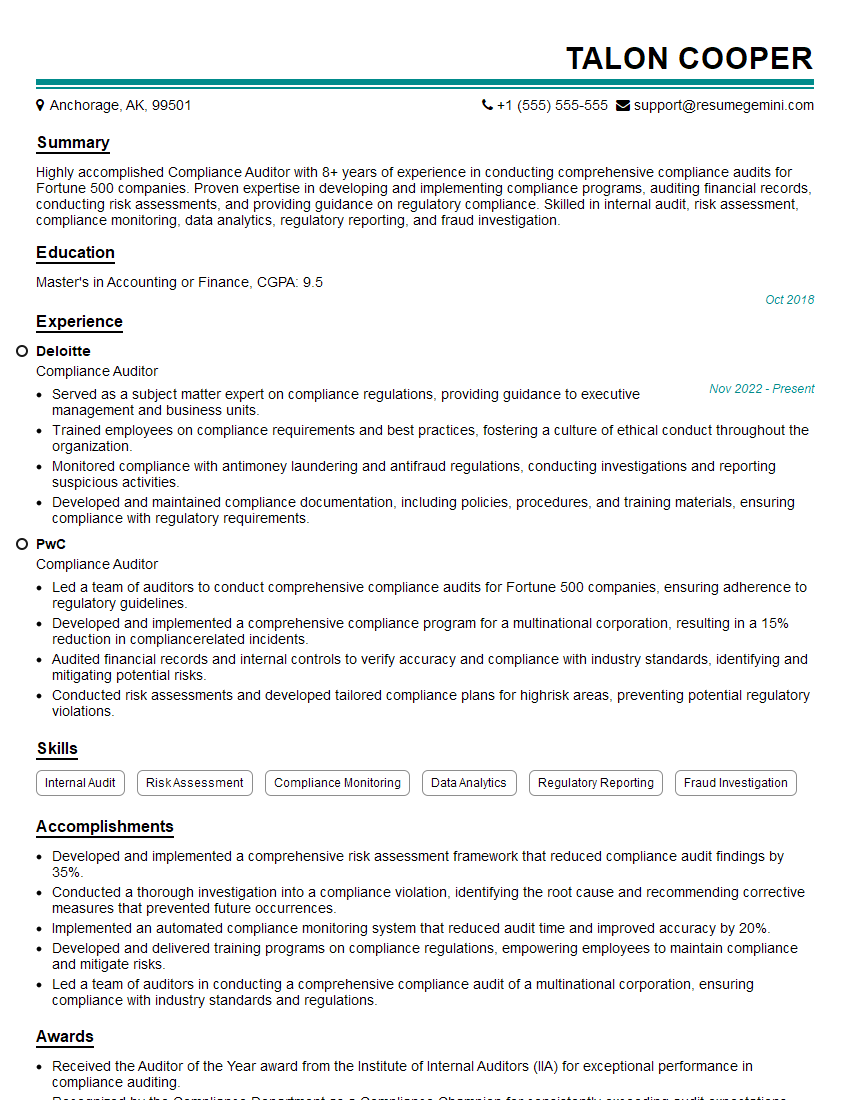
Compliance Auditor Resume Sample
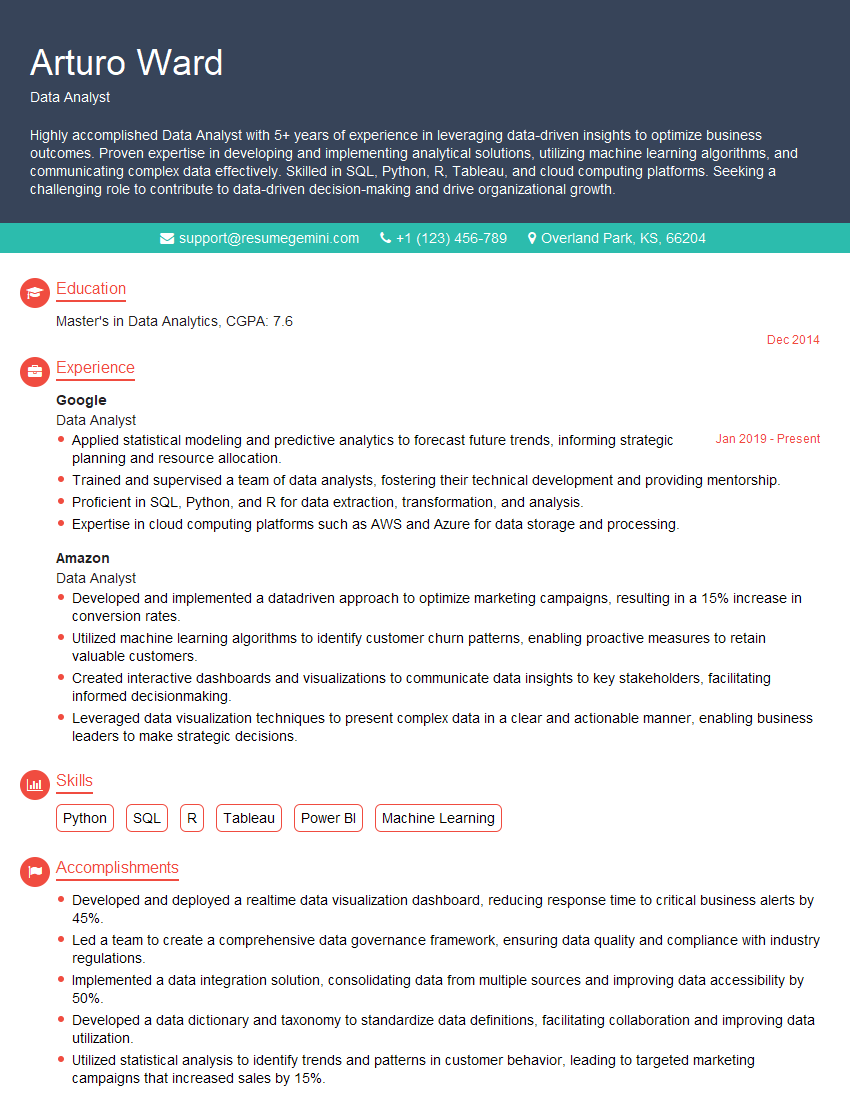
Data Analyst Resume Sample
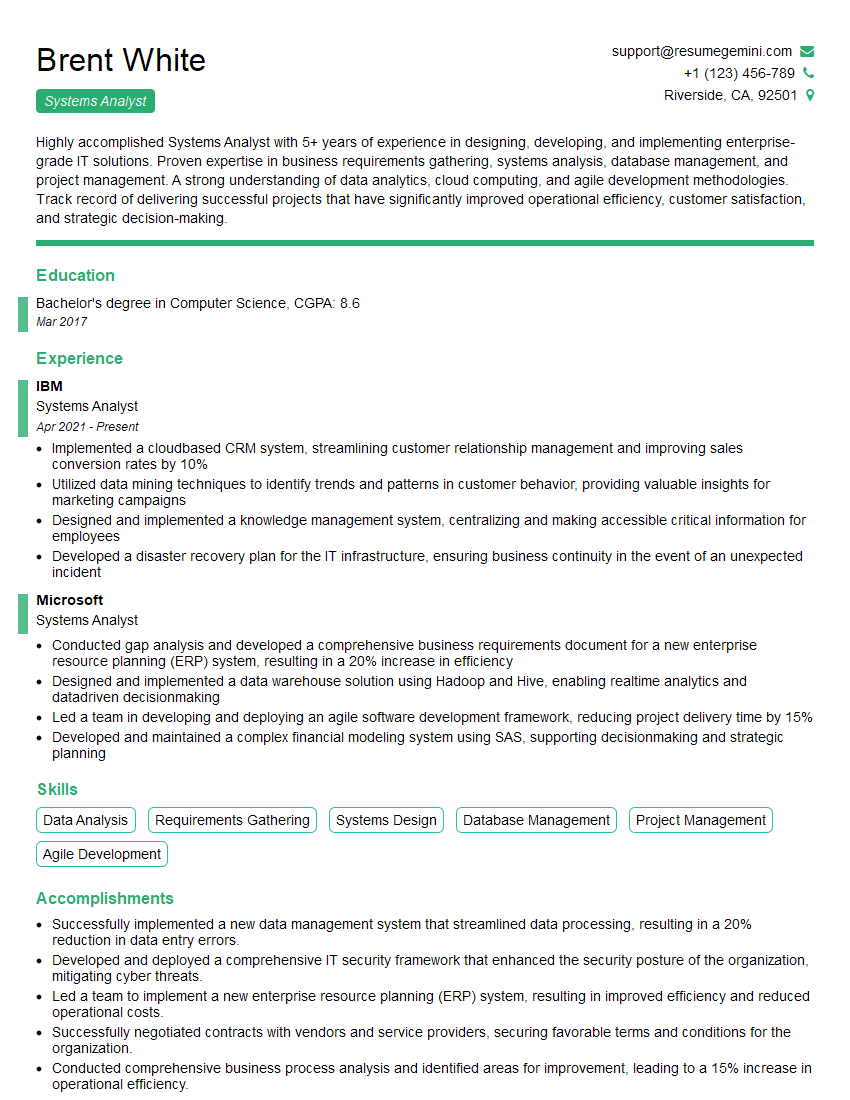
Systems Analyst Resume Sample

Software Tester Resume Sample
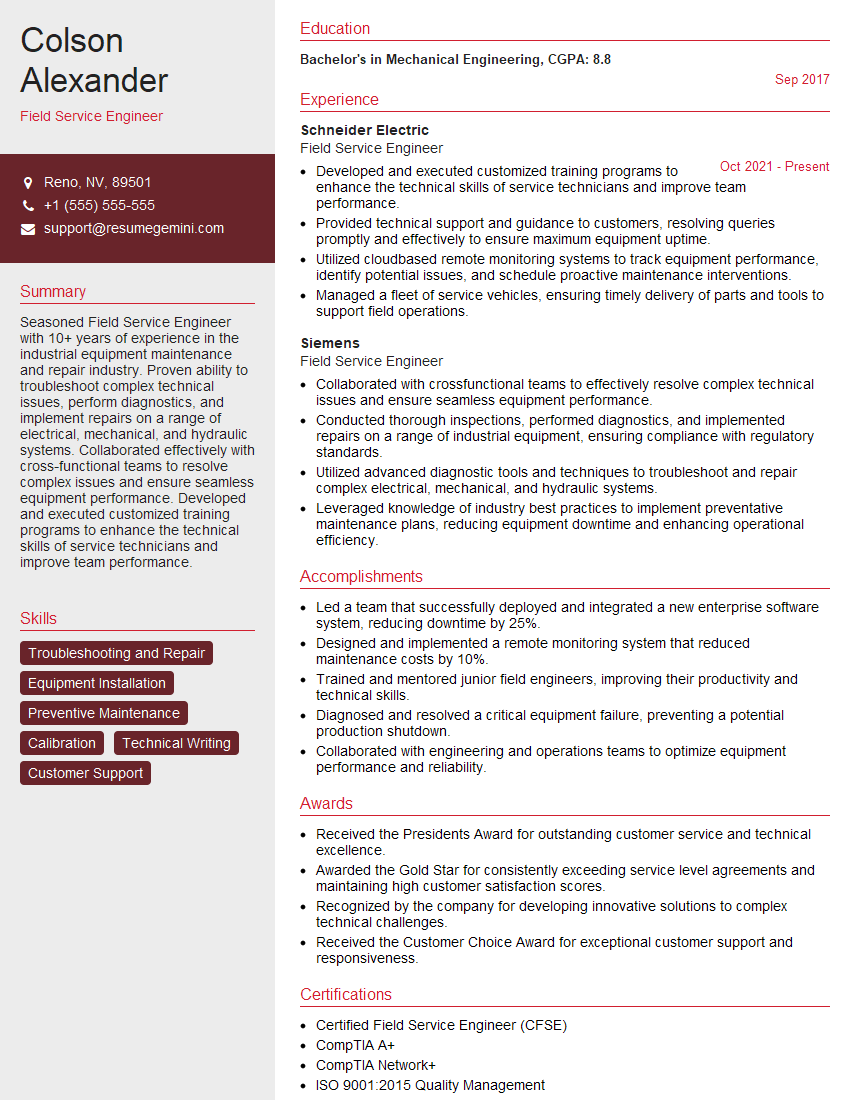
Field Service Engineer Resume Sample
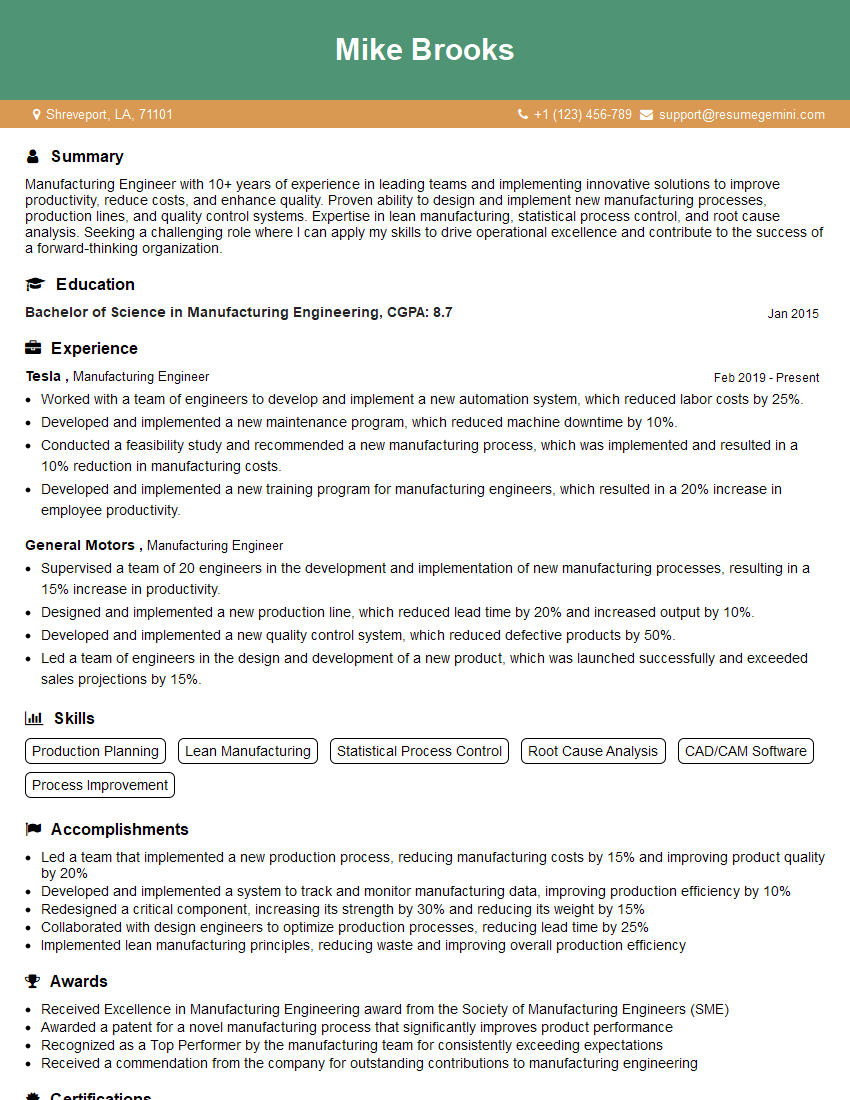
Manufacturing Engineer Resume Sample
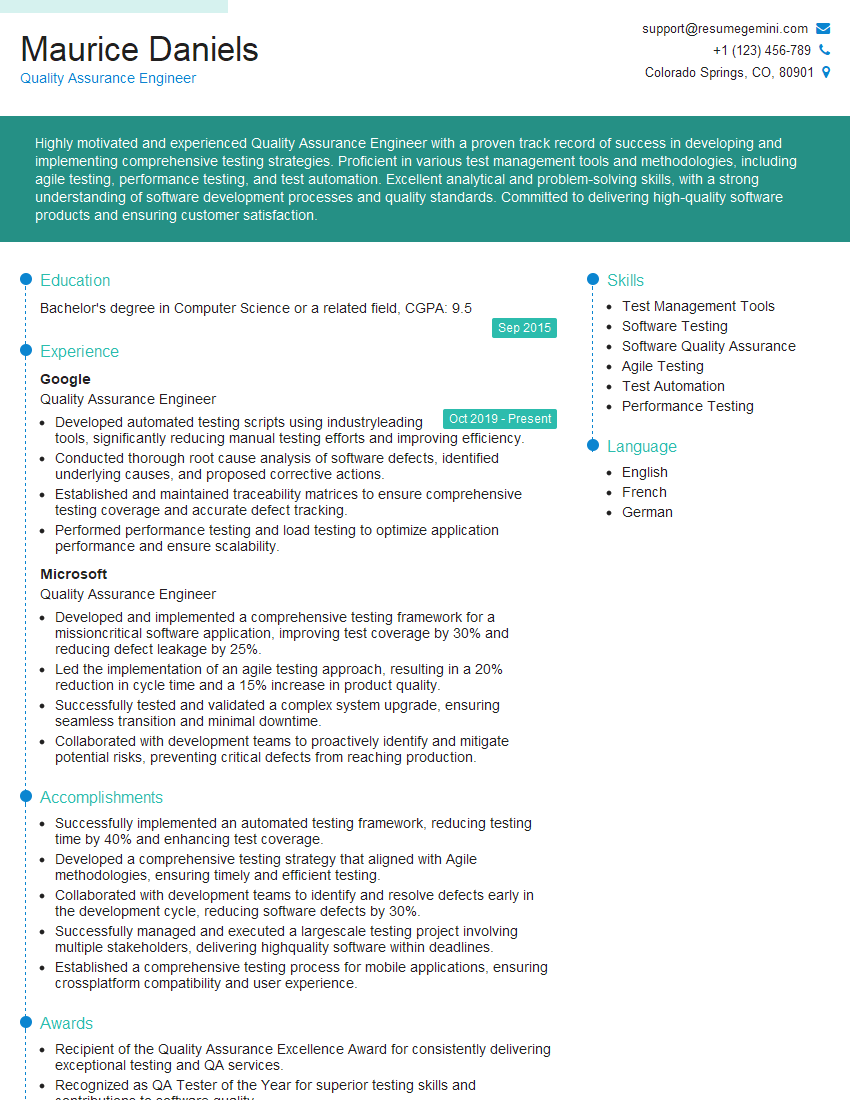
Quality Assurance Engineer Resume Sample

Technical Writer Resume Sample

Quality Control Inspector Resume Sample
- Program Manager
- Operations Manager
- Product Manager
- Quality Manager
- Supply Chain Manager
- Project Manager
- Compliance Officer
- Risk Manager
- Regulatory Affairs Specialist
- Business Analyst
- Security Analyst
- Internal Auditor
- Compliance Auditor
- Data Analyst
- Systems Analyst
- Software Tester
- Field Service Engineer
- Manufacturing Engineer
- Quality Assurance Engineer
- Technical Writer
- Quality Control Inspector
Explore more articles
Users Rating of Our Blogs
Share Your Experience
We value your feedback! Please rate our content and share your thoughts (optional).
What Readers Say About Our Blog
good