The right preparation can turn an interview into an opportunity to showcase your expertise. This guide to IEC and IEEE Standards interview questions is your ultimate resource, providing key insights and tips to help you ace your responses and stand out as a top candidate.
Questions Asked in IEC and IEEE Standards Interview
Q 1. Explain the difference between IEC and IEEE standards.
IEC (International Electrotechnical Commission) and IEEE (Institute of Electrical and Electronics Engineers) are both globally recognized organizations that develop standards for electrical, electronic, and related technologies. However, they have different focuses and approaches.
- IEC is an international standards organization with a broader scope, covering a wide range of electrical and electronic technologies, including power systems, telecommunications, medical equipment, and industrial automation. Their standards are often adopted internationally.
- IEEE is a professional association with a strong emphasis on technological innovation and advancement. While it develops standards, particularly in areas like computer engineering, power electronics, and communication systems, its focus extends to publishing journals, hosting conferences, and fostering professional development. Its standards tend to be more focused on specific technologies and are frequently adopted by industries in North America and elsewhere.
Think of it like this: IEC sets general rules for the electrical highway, while IEEE might focus on designing the specific cars that drive on it. There’s overlap, but each has its unique role.
Q 2. Describe your experience with IEC 60601-1.
IEC 60601-1 is the cornerstone standard for the safety of medical electrical equipment. In my experience, I’ve been deeply involved in applying this standard during the design and verification of various medical devices. This includes:
- Risk Management: Conducting thorough hazard analyses to identify potential risks associated with the device and implementing appropriate safety measures to mitigate these risks, following the principles outlined in the standard.
- Testing and Verification: Designing and executing tests to ensure compliance with the standard’s requirements for electrical safety, including leakage current, insulation resistance, and protection against electric shock. This frequently involved working with testing labs and preparing documentation for certification bodies.
- Documentation: Preparing comprehensive technical files and design documentation to demonstrate compliance with the standard, including risk management reports, test results, and design rationale.
For example, I once worked on a project where we had to redesign a component in a patient monitoring system to reduce leakage current, satisfying the stringent requirements of IEC 60601-1. This involved close collaboration with engineers and extensive testing to ensure the safety of the final product.
Q 3. What is your understanding of electromagnetic compatibility (EMC) standards (e.g., IEC 61000)?
Electromagnetic Compatibility (EMC) standards, primarily covered by IEC 61000, deal with the ability of electrical equipment to function satisfactorily in its electromagnetic environment without introducing unacceptable electromagnetic disturbances to that environment. It’s essentially about preventing interference and ensuring devices don’t cause malfunctions in others.
- Emissions: IEC 61000-3 and 61000-4 detail requirements for limiting the electromagnetic emissions produced by equipment to prevent interference with other devices.
- Immunity: IEC 61000-4 covers the immunity requirements, specifying the ability of equipment to withstand electromagnetic disturbances without malfunctioning. This involves testing the equipment’s resilience to various types of interference, such as conducted and radiated emissions.
Imagine a crowded radio frequency environment. EMC standards ensure that your device (a radio, for example) doesn’t interfere with others and can still receive its signal clearly despite the noise. Non-compliance can lead to significant issues ranging from malfunction to complete system failure.
Q 4. How familiar are you with safety standards such as IEC 61508?
IEC 61508 is a foundational standard for functional safety of electrical/electronic/programmable electronic safety-related systems. It provides a framework for managing risks associated with the failure of these systems. My familiarity extends to understanding its principles and applying them during system design and development. This includes:
- Safety Integrity Levels (SILs): Determining appropriate SIL levels for different safety functions based on risk assessments.
- Safety Lifecycle: Incorporating safety considerations throughout the entire product lifecycle, from concept to decommissioning.
- Hardware and Software Safety: Implementing safety mechanisms in both hardware and software to ensure system reliability and prevent hazardous failures.
In practice, this involves rigorously documenting the safety analysis, performing various safety verification and validation activities, and ensuring consistent application of safety requirements throughout the development process. I’ve applied these principles to projects involving industrial automation systems, where failure could have significant safety consequences.
Q 5. Explain the process of ensuring product compliance with relevant IEC/IEEE standards.
Ensuring product compliance with IEC/IEEE standards is a multi-step process requiring a thorough understanding of the applicable standards and rigorous testing. It involves:
- Identification of Applicable Standards: Determine which standards are relevant to the product based on its intended use, functionality, and application.
- Design for Compliance: Incorporate safety and compliance considerations into the design process from the beginning, rather than trying to add them as an afterthought.
- Testing and Verification: Conduct thorough testing and verification activities to demonstrate compliance with the identified standards. This may involve both in-house testing and testing by accredited third-party laboratories.
- Documentation: Maintain comprehensive documentation throughout the process, including design specifications, test results, and risk assessments.
- Certification (if required): Seek certification from a recognized certification body to officially demonstrate compliance with the relevant standards. This usually involves audits and inspections.
A systematic approach, meticulous record-keeping, and close cooperation with testing labs are crucial throughout this process.
Q 6. Describe your experience with testing and certification procedures related to IEC/IEEE standards.
My experience with testing and certification procedures related to IEC/IEEE standards is extensive. I’ve been involved in:
- Planning and execution of various tests: This includes EMC tests, safety tests (electrical, mechanical, etc.), and functional safety tests.
- Working with accredited testing laboratories: Coordinating testing, reviewing test reports, and addressing any non-conformances identified.
- Preparation of technical documentation for certification bodies: This involves compiling all necessary documentation to support the certification application.
- Managing the certification process: Working with certification bodies to address any issues and ensure successful certification.
For instance, I’ve been part of several projects where obtaining certifications like CE marking (based on relevant EU directives and harmonized IEC standards) was a critical requirement for market access. Navigating the certification process effectively ensures products meet required safety and performance levels.
Q 7. How do you handle discrepancies between different standards or conflicting requirements?
Handling discrepancies between standards or conflicting requirements demands a methodical approach. The key is to prioritize safety and regulatory compliance.
- Identify the Conflict: Clearly define the conflicting requirements, citing specific clauses or sections from each standard.
- Analyze the Context: Understand the purpose and scope of each conflicting requirement. Consider the specific application and potential risks associated with each approach.
- Prioritize Requirements: Prioritize requirements based on safety, regulatory compliance, and the specific context of the application. Often, the strictest requirement will take precedence.
- Document the Resolution: Meticulously document the resolution process, including justification for choosing a particular course of action and any potential mitigations if compromises were made.
- Consult with Experts: If the conflict is complex or has significant implications, consult with experts in the relevant standards or regulatory bodies for guidance.
The goal is to find a solution that ensures safety and compliance while maintaining the functionality and performance of the product. This might involve seeking waivers or clarifications from regulatory bodies in certain circumstances.
Q 8. What are the key differences between functional safety standards (e.g., IEC 61508) and general safety standards?
General safety standards, like those from the ANSI or ISO, provide overarching guidelines for safe product design and operation, covering various aspects like ergonomics, fire safety, and electrical safety. They’re broad in scope. Functional safety standards, exemplified by IEC 61508, are far more specific. They focus solely on the prevention of hazardous failures within a system. Think of it this way: general safety standards are the big picture, while functional safety standards zoom in on the specific risks of system failure causing harm.
- Scope: General safety standards are broader, covering numerous aspects of safety. Functional safety standards specifically address hazardous failures and their prevention.
- Focus: General standards offer general safety recommendations. Functional safety standards delve into detailed risk assessment, safety requirements, and verification methods.
- Methodology: General safety standards might involve risk assessment but not to the depth and rigor demanded by functional safety standards.
- Examples: A general safety standard might dictate safe operating distances around machinery. IEC 61508 would dictate the safety requirements for the control system of that machinery to ensure it doesn’t unexpectedly start up or malfunction in a way that causes harm.
Q 9. Explain your understanding of the software development lifecycle (SDLC) as it relates to IEC 61508.
The Software Development Lifecycle (SDLC) within the context of IEC 61508 is a crucial element for ensuring functional safety. It’s not just a sequence of steps; it’s a rigorous process where each phase has specific safety considerations. A typical SDLC adapted for IEC 61508 compliance might include:
- Requirements Definition & Hazard Analysis: Thorough identification and classification of hazards and associated risks. This stage includes defining safety requirements linked to each identified hazard.
- System Design: Creating a system architecture that addresses the identified safety requirements. This involves choosing suitable hardware and software components and implementing safety mechanisms.
- Software Design & Implementation: Developing the software according to coding guidelines that promote safety (e.g., MISRA C). This includes rigorous code reviews and static analysis.
- Software Verification & Validation: Testing the software rigorously to ensure it meets the safety requirements. This usually involves several levels of testing, including unit testing, integration testing, and system testing, along with verification of safety functions.
- Software Integration & Testing: Integrating the software with other system components and conducting further testing to verify the overall system’s functionality and safety.
- Documentation: Creating comprehensive documentation that traces the safety requirements through each stage of development and demonstrates compliance with the standard.
Deviation from this rigorous approach, even in seemingly minor steps, can lead to significant safety risks. Each phase must be documented meticulously, allowing for traceability and verification.
Q 10. Describe a situation where you had to troubleshoot a product that failed to meet a specific standard.
During a project involving a safety-critical control system for an industrial robotic arm, we discovered the system sometimes failed to halt correctly in emergency situations. The initial investigation focused on the hardware, but after thorough testing, the problem was traced to a software timing issue. A particular section of the code, responsible for processing emergency stop signals, had a race condition—under specific circumstances, it could miss the signal, resulting in delayed or incomplete shutdown.
Our troubleshooting steps included:
- Reproducing the Failure: We carefully recreated the conditions that led to the malfunction to understand its root cause.
- Code Review & Static Analysis: We used static analysis tools to identify potential issues within the code, such as the race condition.
- Dynamic Testing: We added comprehensive logging and monitoring to pinpoint the exact moment of failure during runtime.
- Software Modification: The solution involved redesigning the problematic section of code to eliminate the race condition and improve the system’s real-time responsiveness to emergency signals. This involved adding appropriate synchronization mechanisms.
- Retesting and Verification: After implementation, the system underwent rigorous retesting to ensure the issue was resolved and that the modifications didn’t introduce new problems.
This experience highlighted the importance of thorough software design, rigorous testing, and robust debugging techniques in safety-critical applications. It also underscored the value of meticulous documentation throughout the development process.
Q 11. How do you stay updated on the latest changes and revisions to IEC and IEEE standards?
Staying current with IEC and IEEE standards requires a multi-pronged approach:
- Subscriptions to Standards Organizations: Maintaining memberships with organizations like IEC and IEEE provides access to the latest revisions and updates, often with early notification of changes.
- Industry Publications and Journals: Following relevant industry publications and journals allows me to stay informed about emerging issues and relevant interpretations of standards.
- Conferences and Workshops: Attending industry conferences and workshops is invaluable for networking and learning about updates and best practices from experts.
- Online Resources and Newsletters: Many organizations offer online resources, newsletters, and webinars to keep professionals updated on standards-related information.
- Professional Networks: Engaging with professional networks and communities allows me to discuss the latest changes and exchange knowledge with other engineers and experts.
Keeping abreast of these changes is not simply about compliance; it’s about ensuring the highest levels of safety and reliability in the systems I work on.
Q 12. What is your experience with risk assessment methodologies relevant to IEC standards?
My experience with risk assessment methodologies relevant to IEC standards includes extensive use of techniques like:
- Fault Tree Analysis (FTA): FTA is a top-down, deductive approach to identifying the combination of events that can lead to a system failure. I’ve used this extensively to analyze potential failures in complex systems and determine their likelihood and severity.
- Failure Modes and Effects Analysis (FMEA): FMEA is a bottom-up, inductive approach that systematically identifies potential failure modes of individual components and assesses their impact on the overall system. I frequently use FMEA to assess the risks associated with individual components and subsystems.
- Hazard and Operability Study (HAZOP): HAZOP is a structured and systematic technique used to identify potential hazards in complex systems through the use of guide words. I’ve employed HAZOP for process systems and equipment to uncover unforeseen risks.
- Event Tree Analysis (ETA): ETA is a technique that starts with an initiating event and traces the possible consequences of that event through a series of branches. It’s particularly useful for evaluating the probability of different outcomes.
The choice of methodology depends largely on the complexity of the system and the specific safety requirements. Often, a combination of these techniques is used for a comprehensive risk assessment.
Q 13. Describe your familiarity with hazard analysis and risk assessment (HARA).
Hazard Analysis and Risk Assessment (HARA) is the cornerstone of functional safety. It’s a systematic process to identify potential hazards, analyze their risks, and determine appropriate mitigation strategies. My experience with HARA involves several key steps:
- Hazard Identification: This involves brainstorming potential hazards that could arise from the system’s operation. This can involve reviewing similar systems, considering potential failure modes, and involving experienced personnel.
- Risk Analysis: Once hazards are identified, a risk assessment is performed considering the likelihood of the hazard occurring and the severity of the consequences if it does. This often involves assigning risk levels or scores.
- Risk Evaluation: The risks are then evaluated against predetermined criteria to decide whether they are acceptable or require mitigation.
- Risk Reduction: If risks are deemed unacceptable, various risk reduction strategies are developed and implemented. These strategies might involve hardware or software modifications, procedural changes, or the incorporation of safety features.
- Risk Monitoring and Review: The effectiveness of the mitigation strategies is continuously monitored and the risk assessment is reviewed periodically to ensure it remains valid.
HARA is not a one-time activity but an iterative process that should be revisited throughout the system’s lifecycle.
Q 14. What are your experiences with safety integrity levels (SILs)?
Safety Integrity Levels (SILs) are a classification of the risk reduction capabilities of safety functions. IEC 61508 defines four SILs (SIL 1 to SIL 4), with SIL 4 representing the highest level of safety integrity. My experience with SILs includes:
- SIL Determination: Based on the HARA results, I’ve been involved in determining the appropriate SIL for each safety function. This involves considering the severity of the potential hazards and the probability of their occurrence.
- SIL Verification: I’ve ensured that the design and implementation of safety-related systems meet the required SIL. This often involves detailed verification and validation activities, including testing, analysis, and review.
- SIL Allocation: In complex systems, SILs might be allocated to different safety functions. I’ve been involved in appropriately allocating SILs to ensure overall system safety.
- SIL Documentation: Maintaining comprehensive documentation that demonstrates the achievement of the required SILs is crucial. This includes justifications for SIL selections, verification and validation evidence, and design specifications.
Working with SILs requires a deep understanding of risk assessment methodologies, safety standards, and the capabilities of safety-related systems. It’s a critical aspect of ensuring the safety of safety-critical systems.
Q 15. How would you explain the importance of documentation in maintaining compliance with IEC/IEEE standards?
Documentation is the cornerstone of IEC/IEEE standard compliance. It’s not just about ticking boxes; it’s about creating a transparent and auditable trail demonstrating that all stages of a product’s lifecycle – from design and development to manufacturing, testing, and ongoing maintenance – adhere to the relevant standards. Think of it as a comprehensive story of your product’s journey, proving its safety and reliability.
Thorough documentation provides several crucial benefits:
- Evidence of Compliance: If an audit occurs, comprehensive documentation readily provides evidence that you followed all required procedures and met all specified criteria.
- Improved Traceability: You can easily trace design decisions, test results, and modification history, facilitating problem-solving and future improvements.
- Reduced Risk: A well-documented process minimizes errors and omissions, reducing the risk of product recalls, legal issues, and reputational damage.
- Facilitates Knowledge Transfer: Documentation ensures smooth knowledge transfer between team members, particularly crucial in projects with evolving personnel.
- Supports Continuous Improvement: By analyzing documentation, you can identify areas for process improvement and refine your compliance strategy over time.
For example, in a medical device project adhering to IEC 62304 (software safety), meticulous documentation of the software development lifecycle (SDLC) is paramount. This includes requirements specifications, design documents, test plans, and risk assessments, all meticulously tracked and version-controlled.
Career Expert Tips:
- Ace those interviews! Prepare effectively by reviewing the Top 50 Most Common Interview Questions on ResumeGemini.
- Navigate your job search with confidence! Explore a wide range of Career Tips on ResumeGemini. Learn about common challenges and recommendations to overcome them.
- Craft the perfect resume! Master the Art of Resume Writing with ResumeGemini’s guide. Showcase your unique qualifications and achievements effectively.
- Don’t miss out on holiday savings! Build your dream resume with ResumeGemini’s ATS optimized templates.
Q 16. Explain the role of different testing methods in demonstrating product compliance.
Demonstrating product compliance requires a multi-faceted approach leveraging various testing methods. These methods are chosen based on the specific standards and the nature of the product.
- Unit Testing: Focuses on individual software components or hardware modules to verify their functionality and performance. It’s like testing individual bricks before building a wall.
- Integration Testing: Tests the interaction between different components or modules. This is like testing if the bricks fit together and form a stable wall section.
- System Testing: Evaluates the complete system to ensure that all components work together as intended and meet the overall requirements. This is the final wall inspection, ensuring it’s structurally sound.
- Acceptance Testing: Verifies that the system meets the customer’s needs and acceptance criteria. This is like the client approving the finished wall.
- Environmental Testing: Exposes the product to various environmental conditions (temperature, humidity, vibration) to ensure its robustness and reliability. Imagine testing the wall’s resistance to extreme weather.
- Safety Testing: Specifically assesses the product’s safety features and its ability to prevent hazardous situations. This tests the wall’s stability during an earthquake.
The choice of testing methods and the depth of testing are determined by a risk assessment guided by standards like IEC 61508 (functional safety) or IEC 60601 (medical electrical equipment).
Q 17. What are your experiences in using tools to support compliance with IEC/IEEE standards?
Throughout my career, I’ve utilized various tools to streamline compliance with IEC/IEEE standards. These tools improve efficiency and reduce the risk of human error.
- Requirements Management Tools (e.g., DOORS, Jama): These tools help to capture, manage, and trace requirements throughout the product lifecycle, ensuring traceability and consistency with the standards.
- Test Management Tools (e.g., TestRail, Zephyr): These facilitate the planning, execution, and tracking of tests, providing a central repository for test cases, results, and reports.
- Configuration Management Tools (e.g., Git, SVN): These are essential for version control of documents, code, and test artifacts. They ensure everyone is working with the latest versions and changes are tracked properly.
- Defect Tracking Tools (e.g., Jira, Bugzilla): These tools help manage and track defects identified during testing or throughout the development lifecycle, ensuring timely resolution.
- Simulation Software: Depending on the product, specialized simulation software is often employed to model and test system behavior under various conditions. For example, in power system design, tools like PSS/E are frequently used.
I’ve found that integrating these tools creates a robust system for managing compliance activities. For instance, in a previous project developing a safety-critical system, we used DOORS for requirements management, TestRail for test management, and Jira for defect tracking. This integrated approach ensured seamless traceability between requirements, tests, and defects, streamlining our compliance efforts.
Q 18. Explain your understanding of design for safety and compliance.
Design for safety and compliance is a proactive approach that integrates safety and compliance considerations throughout the entire product lifecycle, starting from the initial concept phase. It’s not an afterthought; it’s built into the DNA of the product.
Key aspects include:
- Hazard Analysis and Risk Assessment (HARA): Identifying potential hazards and assessing their associated risks using methodologies outlined in standards like IEC 61508 or IEC 62304. This allows us to prioritize safety-critical functions and allocate appropriate safety integrity levels (SILs).
- Safety Requirements Specification: Clearly defining safety requirements derived from the HARA to guide design and development decisions. These requirements form the basis for all subsequent design and verification activities.
- Safety-Critical Design: Employing design principles and techniques to mitigate identified hazards and achieve the desired safety integrity level. This includes using fault-tolerant architectures and employing redundancy where necessary.
- Verification and Validation: Rigorous testing and analysis to demonstrate that the safety requirements have been met and that the system operates as intended. This typically involves simulations, inspections, and formal testing procedures.
For example, in designing a high-voltage power supply, Design for Safety might include implementing multiple layers of protection such as interlocks, fuses, and overcurrent protection circuits. Each layer’s effectiveness is analyzed and documented, demonstrating that the design meets the required safety level.
Q 19. How do you handle situations where deadlines conflict with the thorough implementation of standards?
Conflicting deadlines and thorough standard implementation present a common challenge. The key is proactive risk management and clear communication.
My approach involves:
- Prioritization: Identifying the most critical standards and focusing on those first. This requires a clear understanding of the potential risks and consequences of non-compliance. A risk assessment matrix can be extremely helpful here.
- Negotiation: Open communication with stakeholders is essential. Explaining the potential risks of compromising on standards and proposing alternative solutions (like prioritizing certain features or re-allocating resources) can lead to more realistic deadlines.
- Scope Management: If necessary, a temporary reduction in the scope might be needed to ensure the critical aspects of compliance are met. This can involve delaying less critical features or functionalities.
- Incremental Approach: Breaking down the compliance efforts into smaller, manageable tasks allows for a more methodical approach, facilitating better tracking of progress and identification of potential roadblocks early on.
- Documentation: Keeping detailed records of decisions, trade-offs, and any deviations from standards is vital. This documentation will protect against potential legal or regulatory issues.
Essentially, I aim for a balance. While timely delivery is important, compromising on safety or compliance is unacceptable. Open communication and careful planning are essential to navigate such scenarios effectively.
Q 20. Describe your experience working with regulatory bodies regarding IEC/IEEE standards.
My experience working with regulatory bodies has centered on collaborative efforts to ensure compliance. The relationship is typically one of transparency and open communication.
Here are some key interactions:
- Pre-submission Consultations: Proactively engaging with regulatory bodies early in the project lifecycle to discuss the design and compliance strategy, receiving feedback to avoid costly rework later on. This is like getting an architectural review before starting construction.
- Testing and Certification: Participating in testing and certification procedures as required by the regulatory bodies. This often includes providing necessary documentation and data to support the compliance claims.
- Responding to Queries: Addressing any queries or requests for information from regulatory bodies in a timely and thorough manner. Clarity and accuracy are paramount here.
- Addressing Non-conformances: In cases of identified non-conformances, collaborating with regulatory bodies to develop and implement corrective actions. This necessitates a proactive approach and a commitment to continuous improvement.
For example, in a recent project involving medical devices, we worked closely with the FDA throughout the entire development and approval process. This included regular meetings, documentation reviews, and site visits to ensure compliance with all relevant regulations and standards.
Q 21. How would you assess the risk level of a particular system based on IEC standards?
Assessing the risk level of a system based on IEC standards is a systematic process. It generally involves a combination of qualitative and quantitative methods.
The steps include:
- Hazard Identification: Identifying all potential hazards associated with the system. This might involve brainstorming, hazard and operability studies (HAZOP), or fault tree analysis (FTA).
- Risk Assessment: Evaluating the likelihood of each hazard occurring and the severity of its consequences. This often utilizes a risk matrix that combines likelihood and severity to determine a risk level.
- Risk Reduction Measures: Implementing measures to mitigate identified risks. These measures could include design changes, safety devices, or procedural changes. Each risk reduction measure’s effectiveness is assessed.
- Risk Acceptance: Determining which risks are acceptable and which require further mitigation. This involves balancing the cost and effort of mitigation with the residual risk.
- Risk Monitoring and Review: Regularly reviewing and updating the risk assessment to ensure it remains relevant and accurate as the system evolves or new information becomes available.
IEC 61508 and IEC 62304 provide frameworks for risk assessment in functional safety and medical device software, respectively. The specific techniques used often depend on the application domain and the specific standards involved. For example, in the case of an industrial control system, a HAZOP analysis might be employed to identify potential hazards, while a quantitative risk assessment based on failure rates might be used to quantify the risks.
Q 22. Explain your understanding of IEC 62304 (Medical Device Software).
IEC 62304 is the international standard defining the software lifecycle processes for medical devices. It outlines the requirements for managing the risks associated with software defects that could compromise patient safety. The standard isn’t about the software’s functionality, but rather the process of developing, verifying, and validating it. It categorizes medical devices based on their risk classifications – Class A (low risk), Class B (moderate risk), Class C (high risk), and Class D (highest risk) – with higher risk classes requiring more rigorous processes.
- Software Lifecycle Processes: IEC 62304 defines various lifecycle processes, such as requirements analysis, design, coding, verification, and validation. The specific requirements for each process depend on the risk classification of the medical device.
- Risk Management: A critical aspect of IEC 62304 is the integration of risk management into every stage of the software development lifecycle. This involves identifying potential hazards, assessing their risks, and implementing mitigation strategies.
- Verification and Validation: The standard places significant emphasis on verifying that the software conforms to its specifications (verification) and validating that it meets its intended use (validation). This typically involves various testing methods such as unit testing, integration testing, system testing, and acceptance testing.
For example, a Class C medical device, like an infusion pump, would require significantly more rigorous software development processes compared to a Class A device, like a basic blood pressure monitor. The level of documentation and testing required is directly proportional to the risk classification. Failure to comply with IEC 62304 can lead to significant regulatory issues and potential harm to patients.
Q 23. What is your understanding of the importance of traceability in standards compliance?
Traceability in standards compliance is paramount because it allows us to demonstrate that every requirement, design decision, and implemented feature can be linked back to its origin and its justification. This is crucial for auditing, regulatory compliance, and for facilitating changes throughout the product lifecycle.
- Auditing: Auditors need traceability to verify that all aspects of the development process adhere to the relevant standards. Without it, it’s difficult to prove compliance.
- Regulatory Compliance: Regulatory bodies require comprehensive evidence of compliance, and traceability provides this essential evidence.
- Change Management: When changes are made, traceability enables easy identification of all affected components, reducing the risk of unintended consequences. It facilitates impact analysis.
- Problem Solving: If a defect arises, tracing its origin helps identify the root cause and expedite resolution.
Imagine a complex system where a small change causes unexpected behavior. With thorough traceability, we can quickly identify which requirement, design document, or piece of code is the source, allowing for a targeted fix and minimizing disruption. Lack of traceability leads to significant rework, delays, and potentially safety issues.
Q 24. How would you explain a complex technical standard to a non-technical audience?
Explaining complex technical standards to a non-technical audience requires clear communication and relatable analogies. I would avoid jargon and technical terms whenever possible. Instead, I’d use simple language, real-world examples, and visuals to illustrate the key concepts.
For example, explaining IEC 61508 (Functional Safety of Electrical/Electronic/Programmable Electronic Safety-related Systems) to a non-engineer, I might compare the standard to a recipe for building a safe car. Just like a recipe lists precise ingredients and steps to ensure a delicious cake, IEC 61508 lists specific safety measures and procedures to guarantee that a system, like the anti-lock braking system in a car, functions reliably and safely.
I would break down the standard into digestible chunks, explaining each part separately and relating it back to their everyday experiences. The key is to create a narrative that is both understandable and informative, ensuring they understand the standard’s goals and impact without overwhelming them with technical details.
Q 25. Describe your experience in interpreting and applying IEC/IEEE standards to product development.
Throughout my career, I’ve extensively interpreted and applied IEC and IEEE standards in various product development projects. I’ve worked with standards such as IEC 62304 (Medical Device Software), IEC 61508 (Functional Safety), and IEEE 802.3 (Ethernet). My experience spans the entire lifecycle, from requirements gathering and design to testing and verification.
In one project involving a medical imaging device, I led the team in applying IEC 62304. We meticulously documented the software development process, implemented risk management techniques, and conducted rigorous testing to ensure compliance. This involved creating detailed traceability matrices, performing code reviews, and executing various levels of testing, including unit, integration, and system tests. This rigorous approach guaranteed that the device met the high safety and reliability standards required for medical applications.
Another project involved applying IEC 61508 to an industrial control system. Here, the focus was on ensuring the safety of the system in the event of malfunctions. We had to carefully consider potential hazards, evaluate their risks, and implement safety mechanisms. This included using fault-tolerant designs and developing rigorous testing procedures to verify the safety functions.
Q 26. What are your experiences with the different stages of the product lifecycle and their relation to standards compliance?
Standards compliance is integral throughout the entire product lifecycle. Each stage has specific requirements and considerations.
- Concept & Requirements: Early stages involve defining requirements, often referencing relevant standards to ensure safety and functionality are addressed from the outset.
- Design: Design activities must adhere to the standards, incorporating safety mechanisms and design choices guided by standards’ best practices.
- Implementation (Coding & Testing): This is where the software is developed and rigorously tested against the requirements and standards. This includes unit testing, integration testing, system testing, and acceptance testing.
- Verification & Validation: Formal processes are used to verify that the product meets its specifications and validate that it meets its intended use and the safety requirements.
- Maintenance & Support: Ongoing compliance requires traceability to manage changes and updates without compromising safety and reliability.
For example, in the medical device domain, IEC 62304 necessitates documentation and traceability at every stage. A failure to document risk assessment at the design phase might lead to later issues that are far more expensive to resolve. Similarly, inadequate testing during implementation can result in significant problems down the line, potentially harming patients.
Q 27. How familiar are you with the different types of testing and verification methods used in ensuring compliance?
I’m familiar with a wide range of testing and verification methods used to ensure compliance. These methods vary depending on the specific standard and the product’s risk level. Key methods include:
- Unit Testing: Testing individual software components.
- Integration Testing: Testing the interaction between different components.
- System Testing: Testing the complete system as a whole.
- Acceptance Testing: Testing to ensure the system meets the user’s requirements.
- Static Analysis: Analyzing code without executing it, to identify potential defects.
- Dynamic Analysis: Analyzing code during execution, to identify runtime errors.
- Code Reviews: Having peers review the code to find defects.
- Formal Verification: Using mathematical techniques to prove the correctness of the software.
- Fault Injection Testing: Deliberately introducing faults to test the system’s resilience.
The selection of appropriate methods depends on the risk classification and the specific requirements of the standard. A high-risk medical device will necessitate a far more comprehensive and rigorous testing strategy than a low-risk consumer product.
Q 28. Describe a time you identified a potential safety hazard related to non-compliance with a standard.
During a project involving the development of a safety-critical industrial control system, we discovered a potential safety hazard related to non-compliance with IEC 61508. During a code review, we found a section of code that lacked sufficient error handling. This code controlled a critical process parameter. If a specific error occurred, the system could fail to shut down safely, potentially leading to equipment damage or even injury.
We immediately raised this concern to the project manager and initiated a corrective action plan. This involved adding robust error handling, updating the system documentation, and retesting the affected components. The issue was addressed promptly, preventing a potential safety hazard. This situation highlighted the importance of rigorous code reviews and adherence to standards throughout the entire development lifecycle. It reinforced the necessity of not only meeting the minimum requirements but exceeding them to achieve a superior level of safety and reliability.
Key Topics to Learn for IEC and IEEE Standards Interview
- Understanding the Differences: Explore the key distinctions between IEC and IEEE standards, their respective scopes, and the industries they serve. Consider the historical context and evolution of these organizations.
- Safety Standards and Regulations: Delve into specific safety standards (e.g., those related to electrical equipment, industrial control systems, or communication networks). Understand the practical implications of these standards in design, testing, and certification processes.
- Networking and Communication Protocols: Familiarize yourself with relevant standards concerning network architectures, data transmission, and communication protocols. Practice applying these concepts to real-world scenarios, such as designing a robust and secure network infrastructure.
- Power Systems and Energy Efficiency: Grasp the core concepts behind standards related to power generation, transmission, and distribution. Understand the role of standards in promoting energy efficiency and grid stability.
- Software and Systems Engineering Standards: Explore standards that guide software development, testing, and lifecycle management. Understand how these standards contribute to the quality, reliability, and safety of software systems.
- Problem-Solving and Critical Thinking: Practice applying your knowledge of these standards to solve hypothetical problems. This includes identifying potential compliance issues, proposing solutions, and justifying your choices based on relevant standards.
- Staying Updated: Familiarize yourself with the processes for locating and interpreting the latest versions of relevant standards. Understanding how these standards are updated and maintained is crucial.
Next Steps
Mastering IEC and IEEE standards is crucial for career advancement in engineering and technology. A strong understanding demonstrates your commitment to safety, quality, and best practices, making you a highly desirable candidate. To maximize your job prospects, ensure your resume is ATS-friendly and effectively highlights your skills and experience. ResumeGemini is a trusted resource that can help you create a professional and impactful resume. We provide examples of resumes tailored to IEC and IEEE standards to guide you in showcasing your expertise effectively.

Project Manager Resume Sample
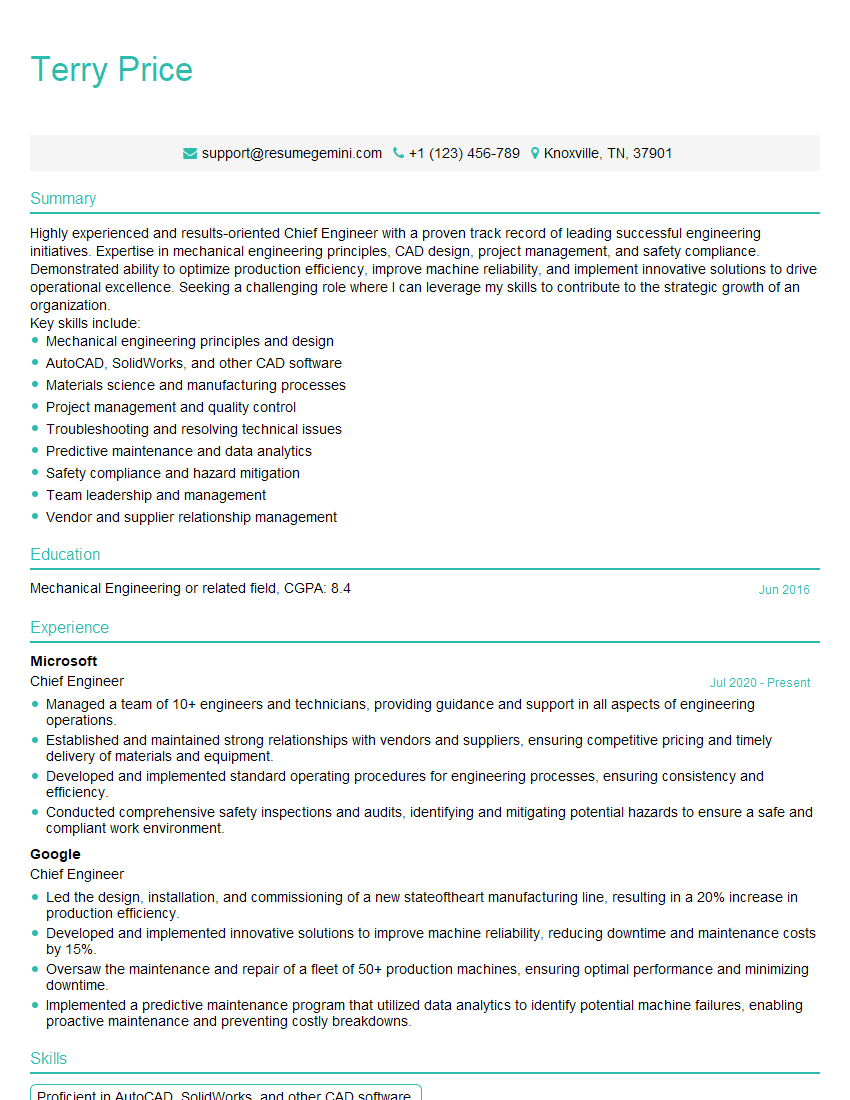
Chief Engineer Resume Sample
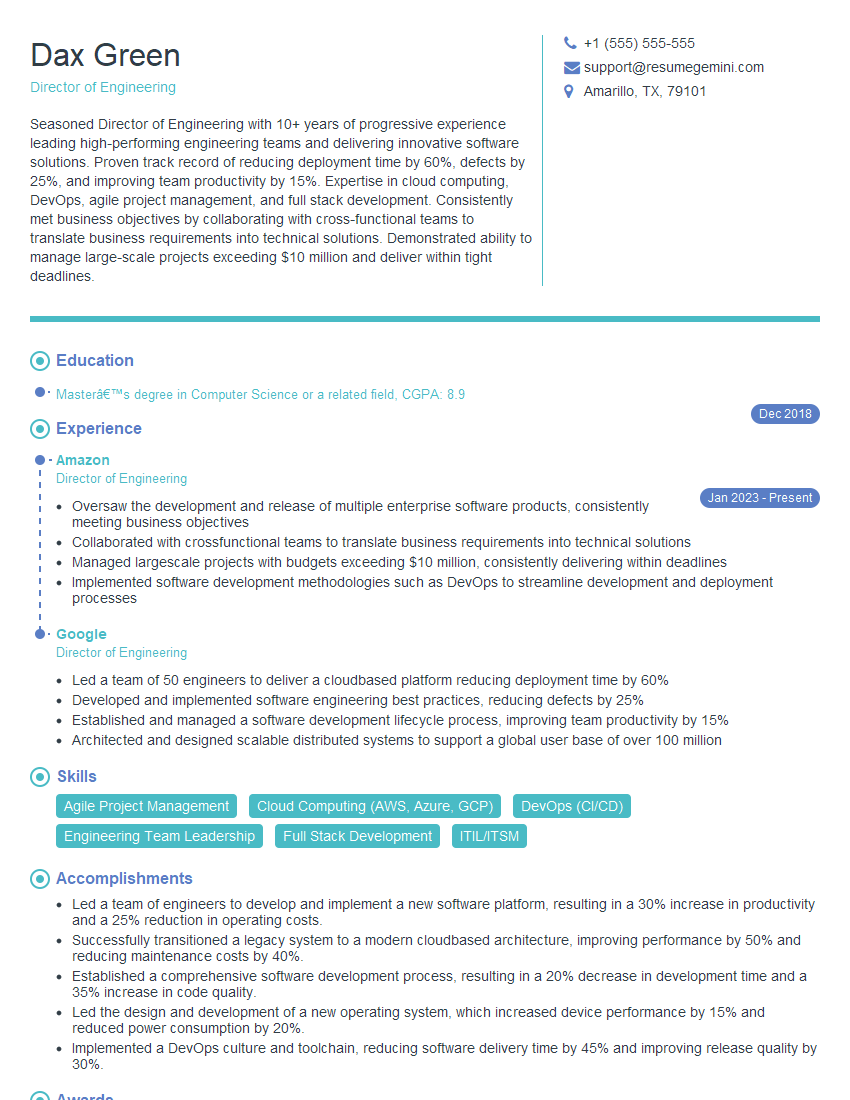
Director of Engineering Resume Sample
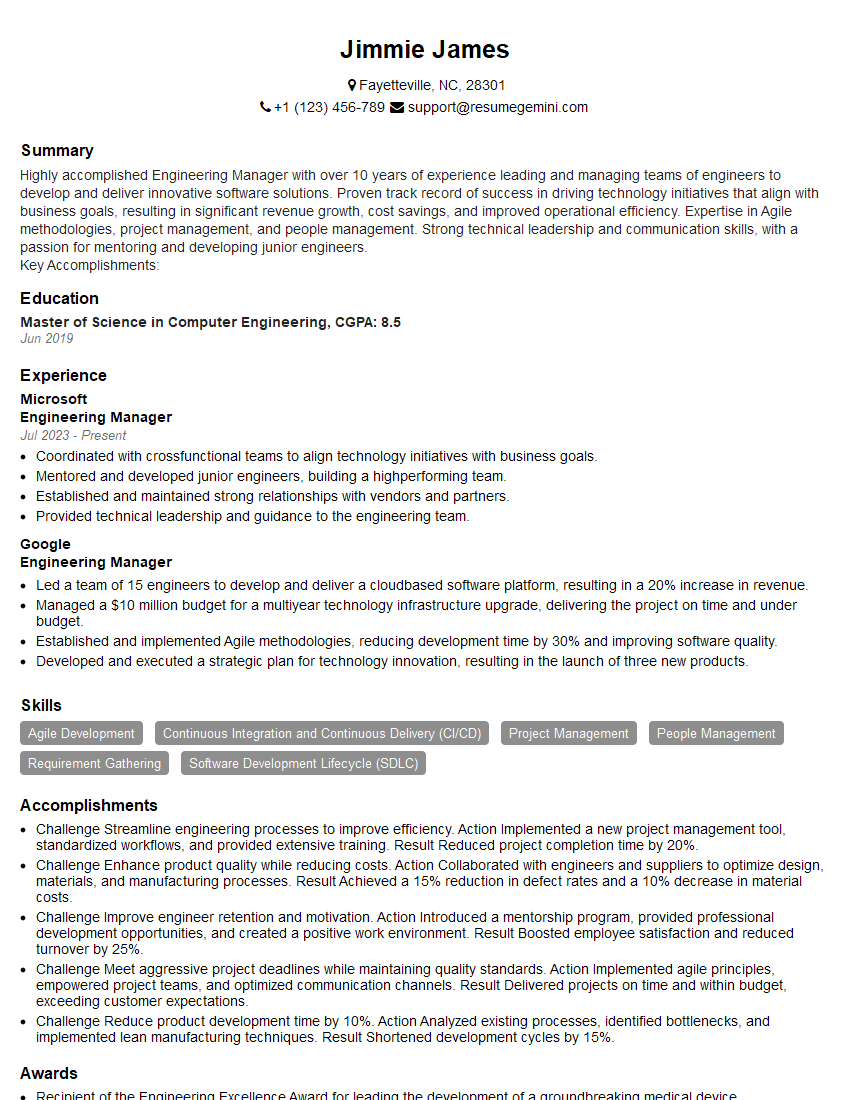
Engineering Manager Resume Sample
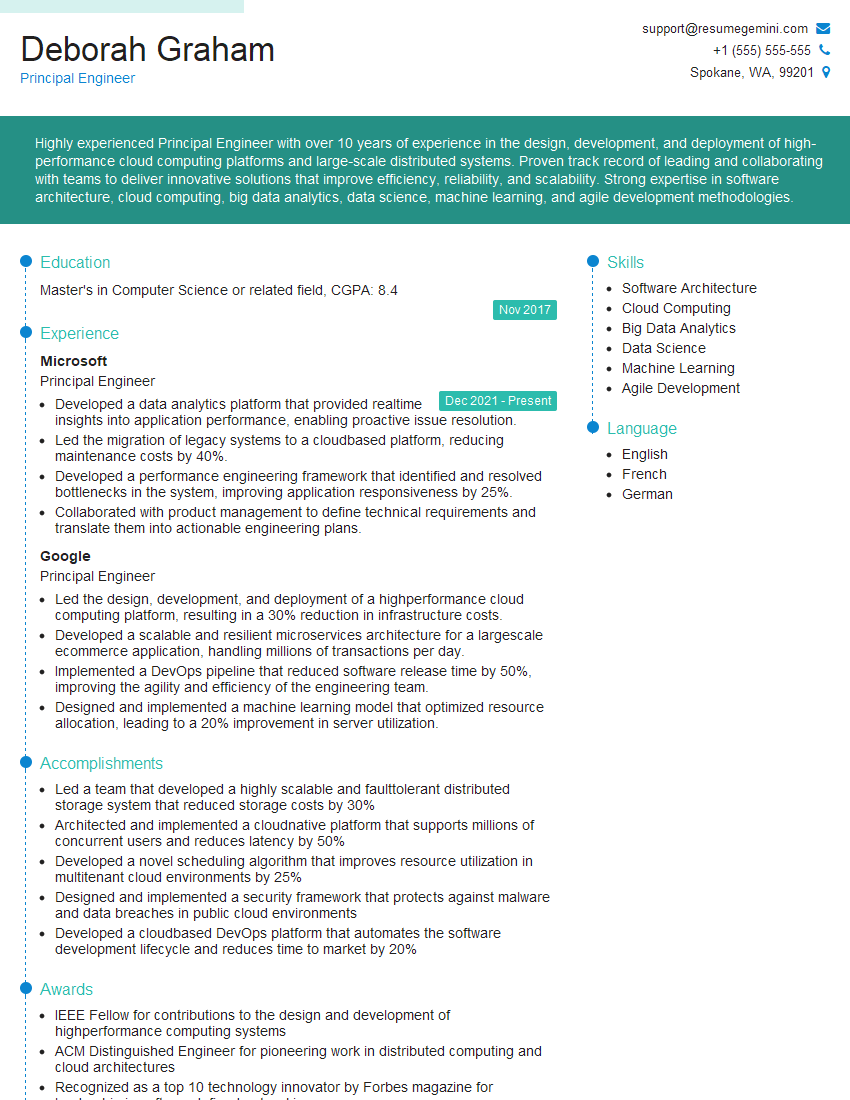
Principal Engineer Resume Sample
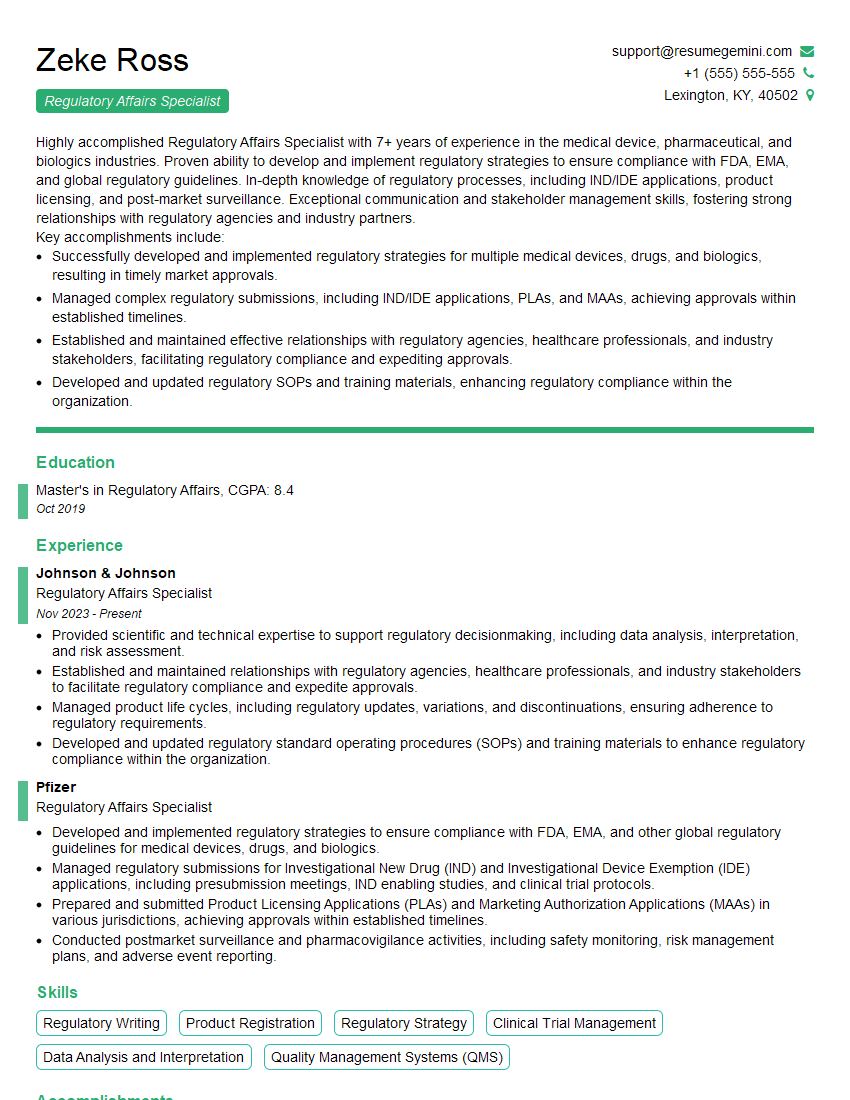
Regulatory Affairs Specialist Resume Sample
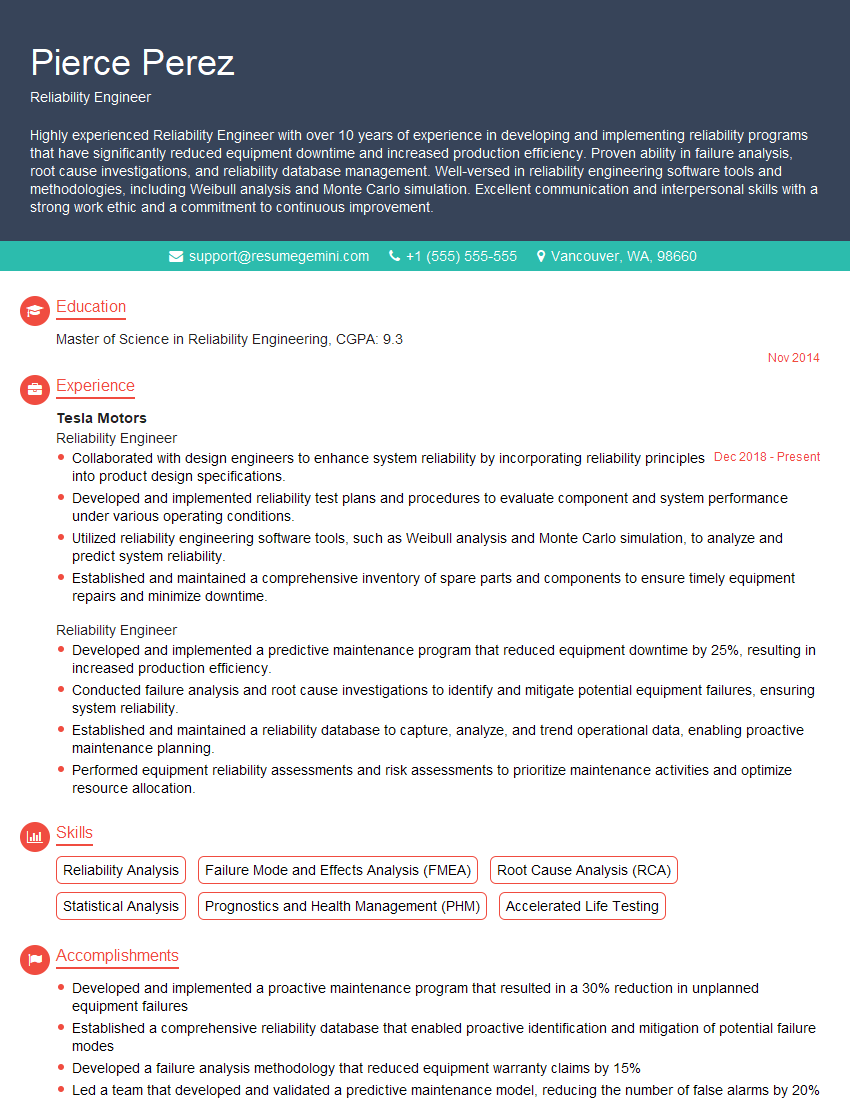
Reliability Engineer Resume Sample
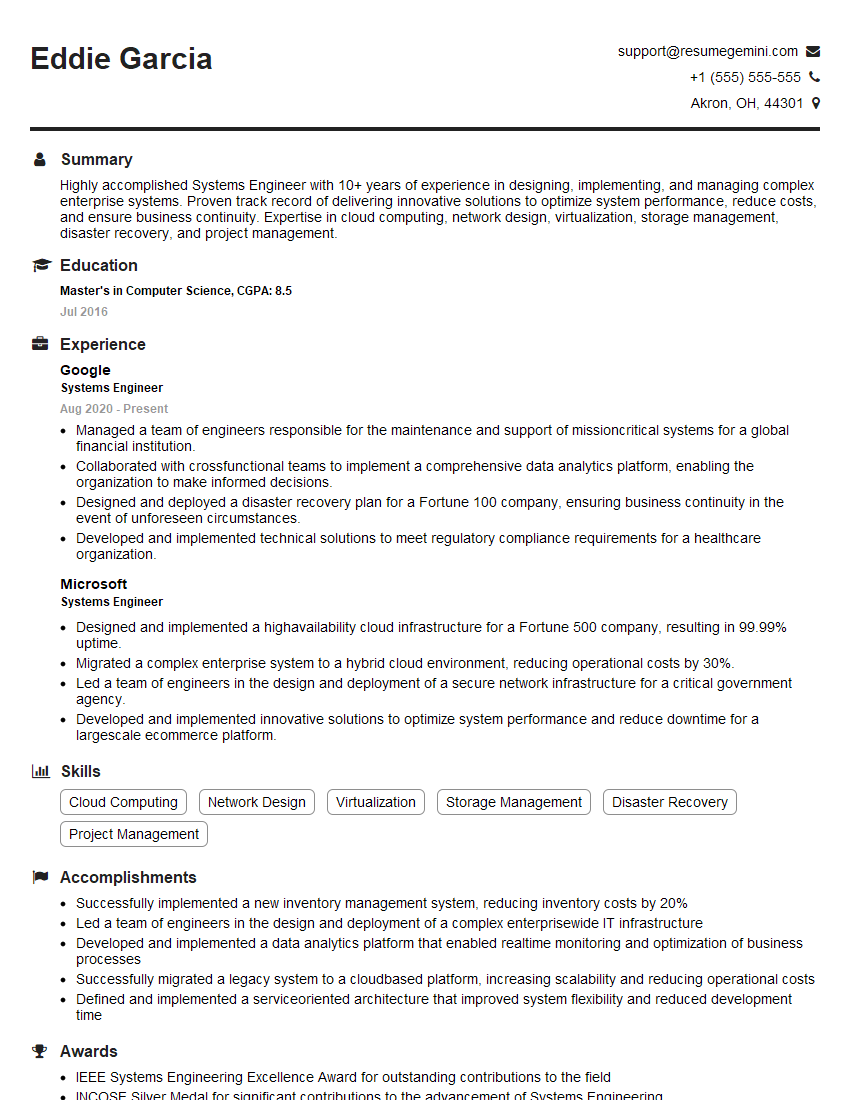
Systems Engineer Resume Sample
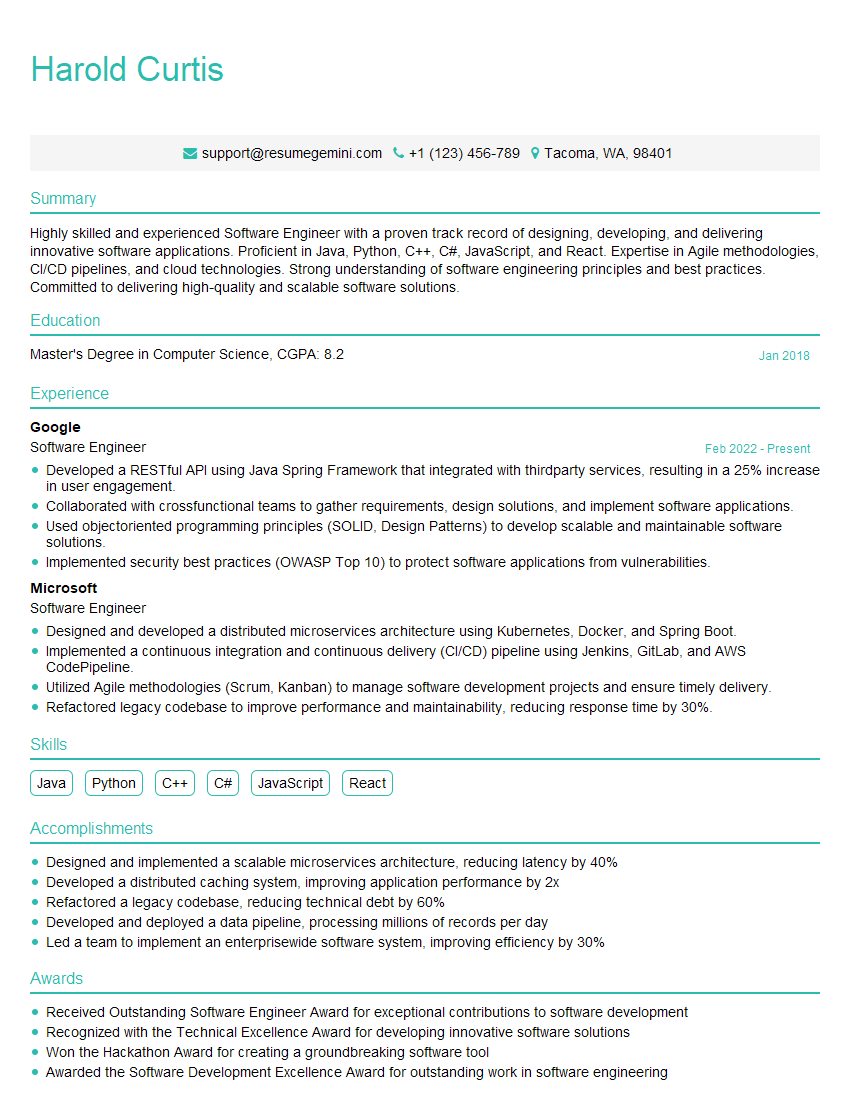
Software Engineer Resume Sample
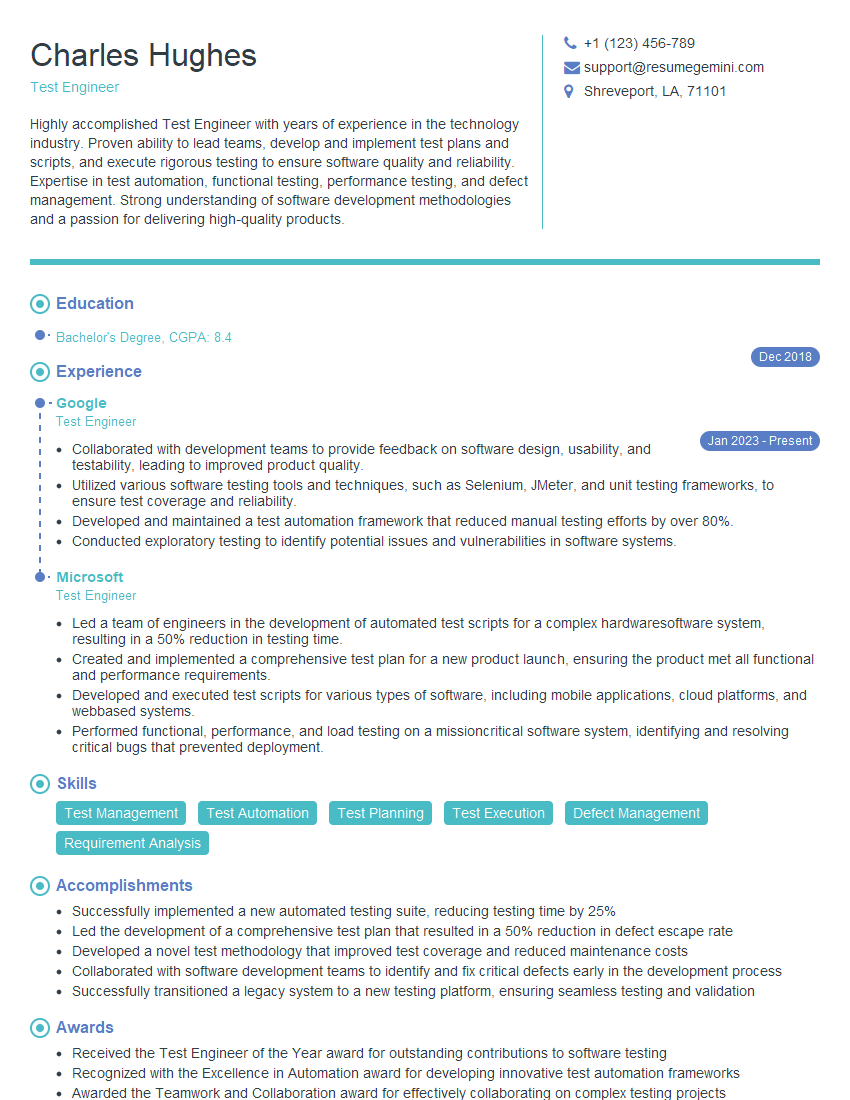
Test Engineer Resume Sample
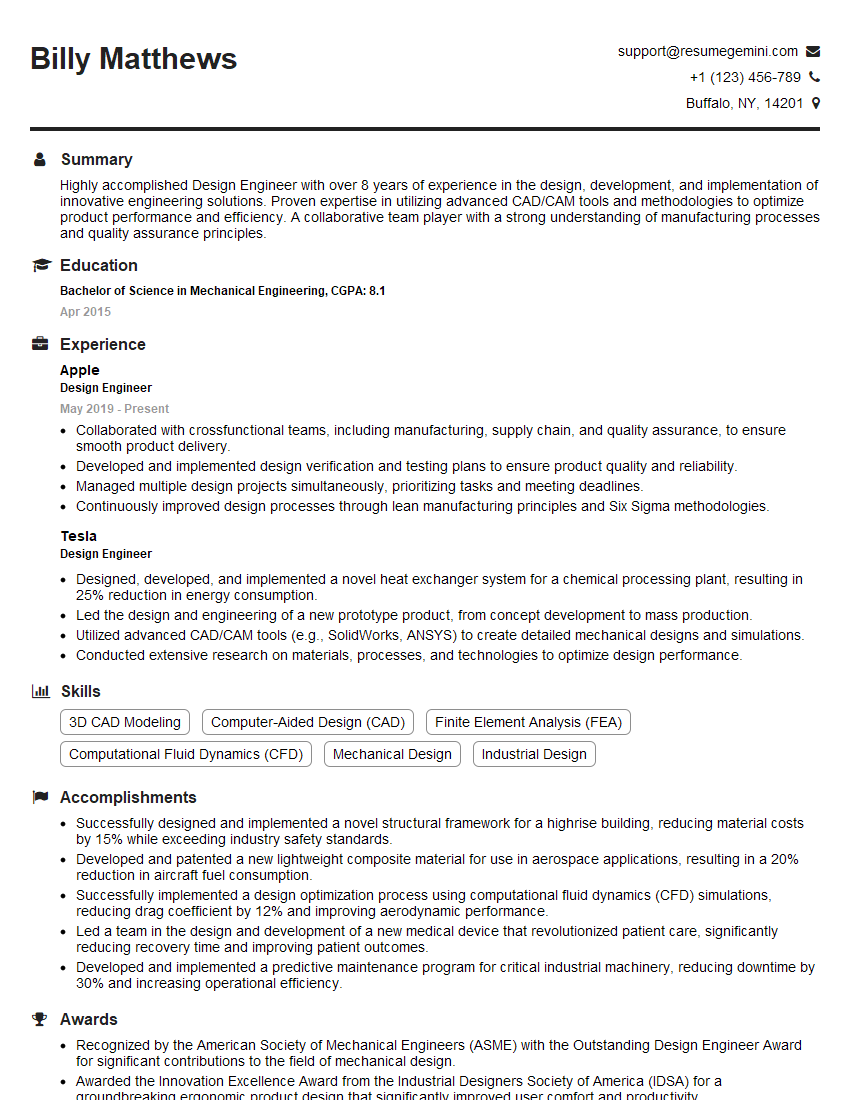
Design Engineer Resume Sample
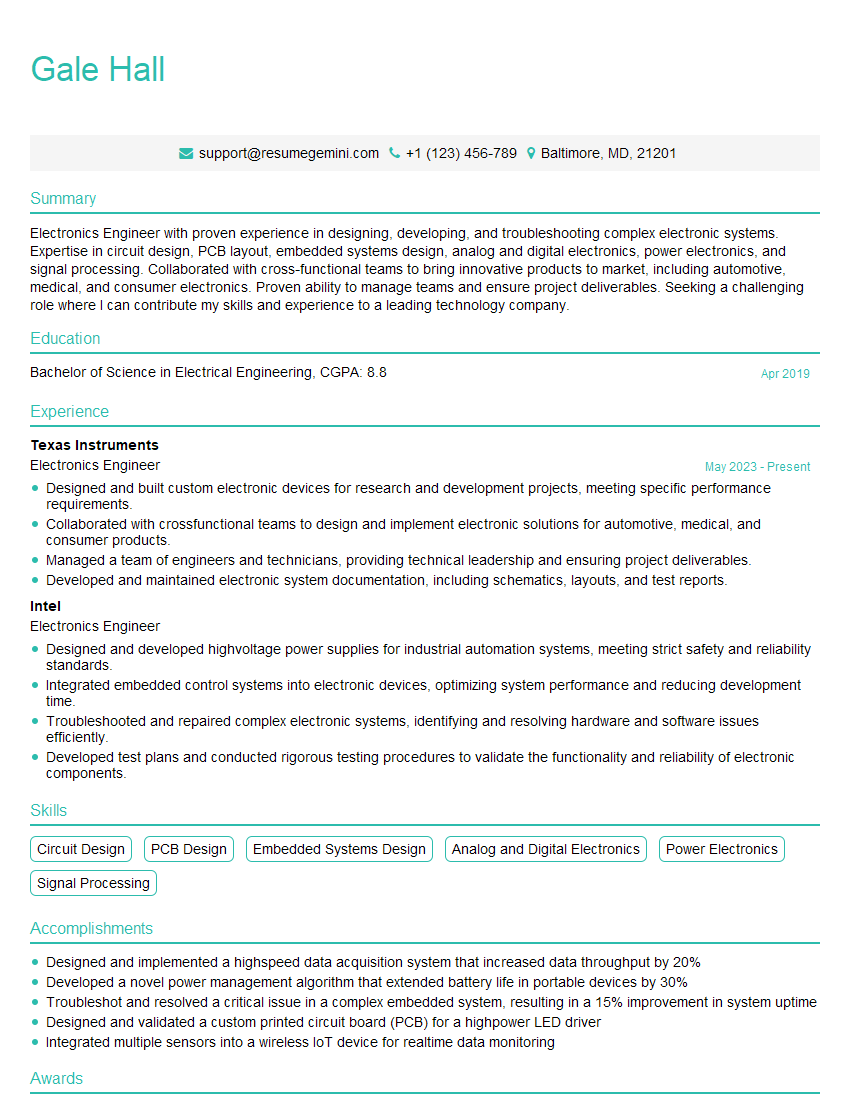
Electronics Engineer Resume Sample
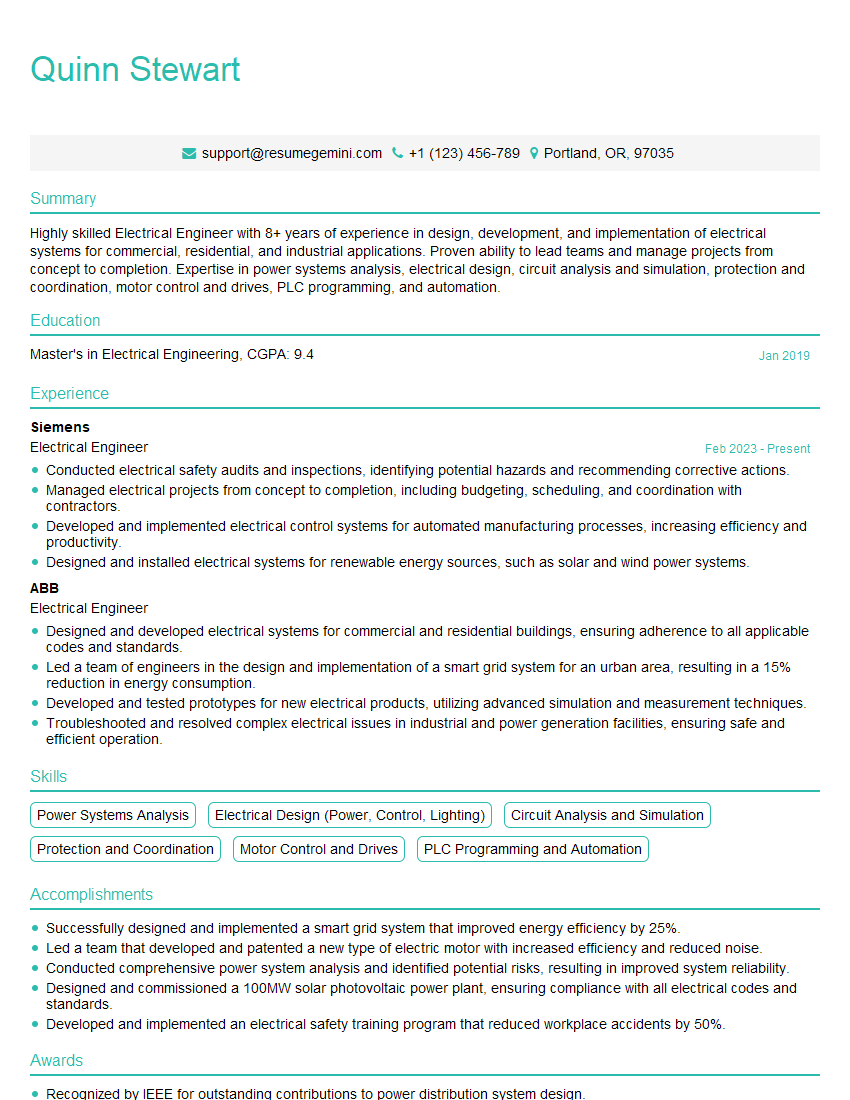
Electrical Engineer Resume Sample
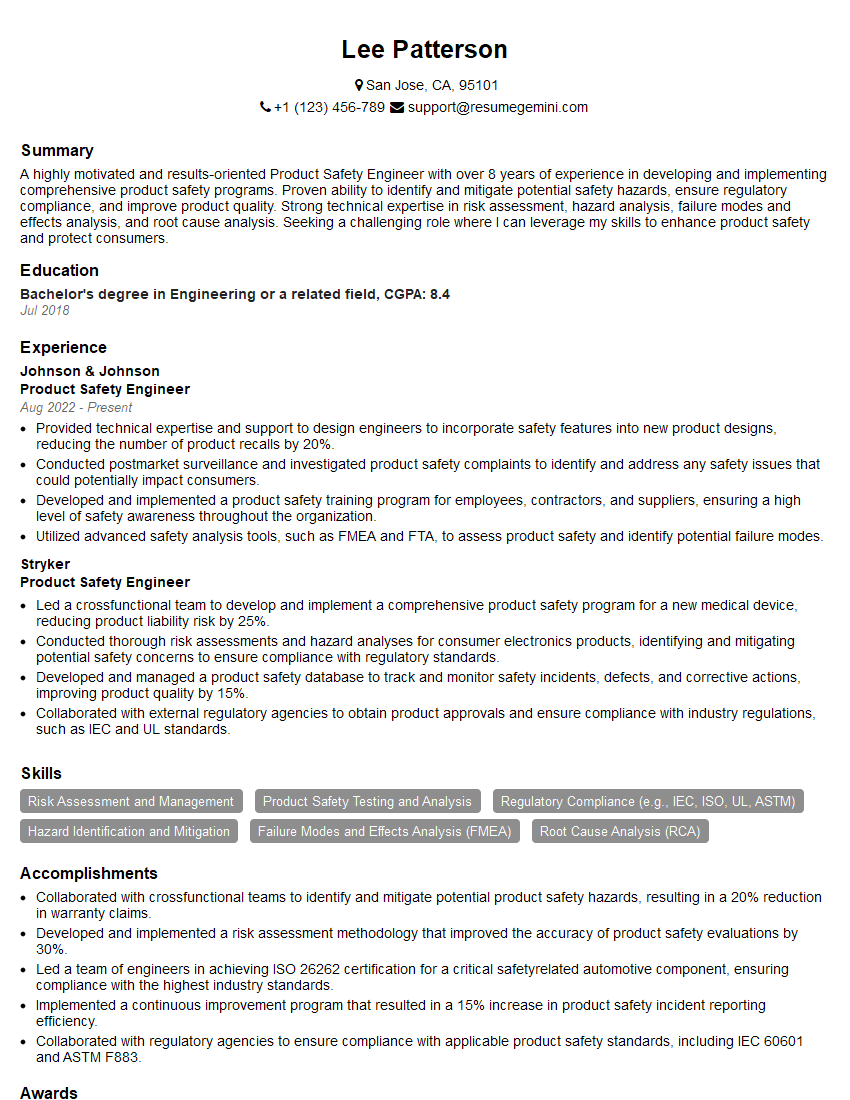
Product Safety Engineer Resume Sample
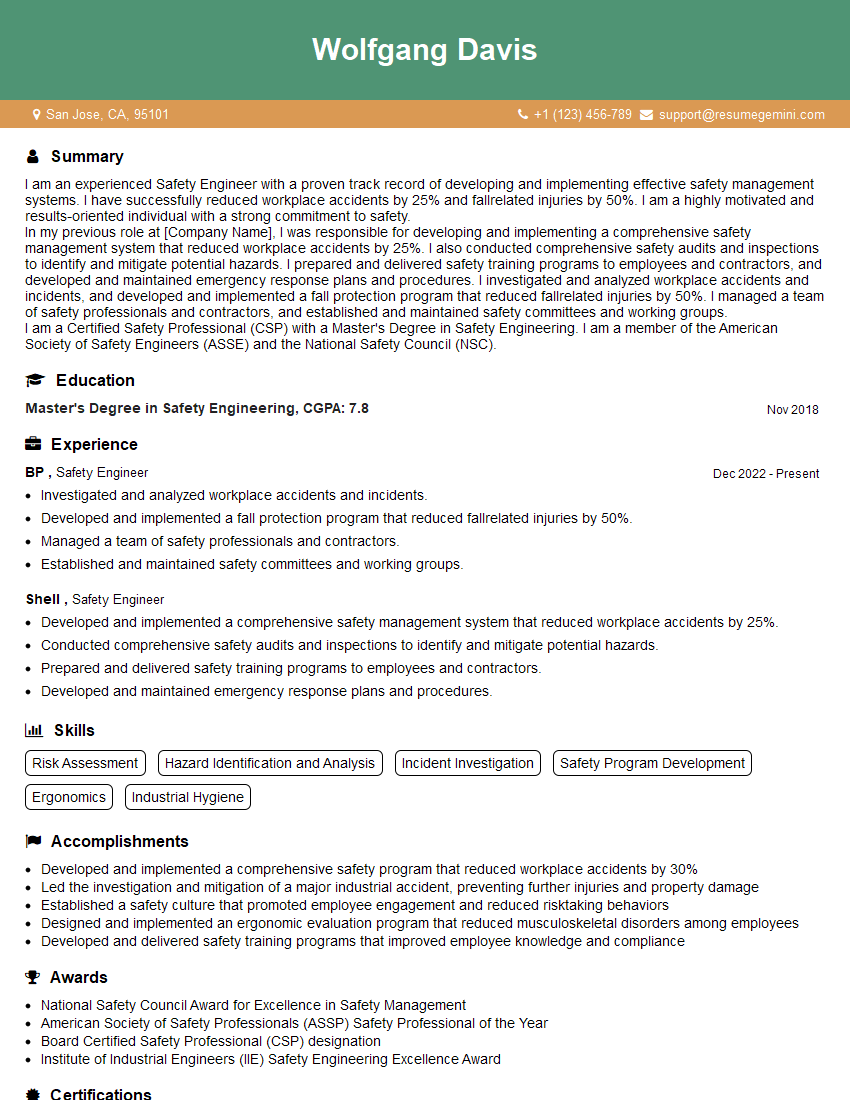
Safety Engineer Resume Sample
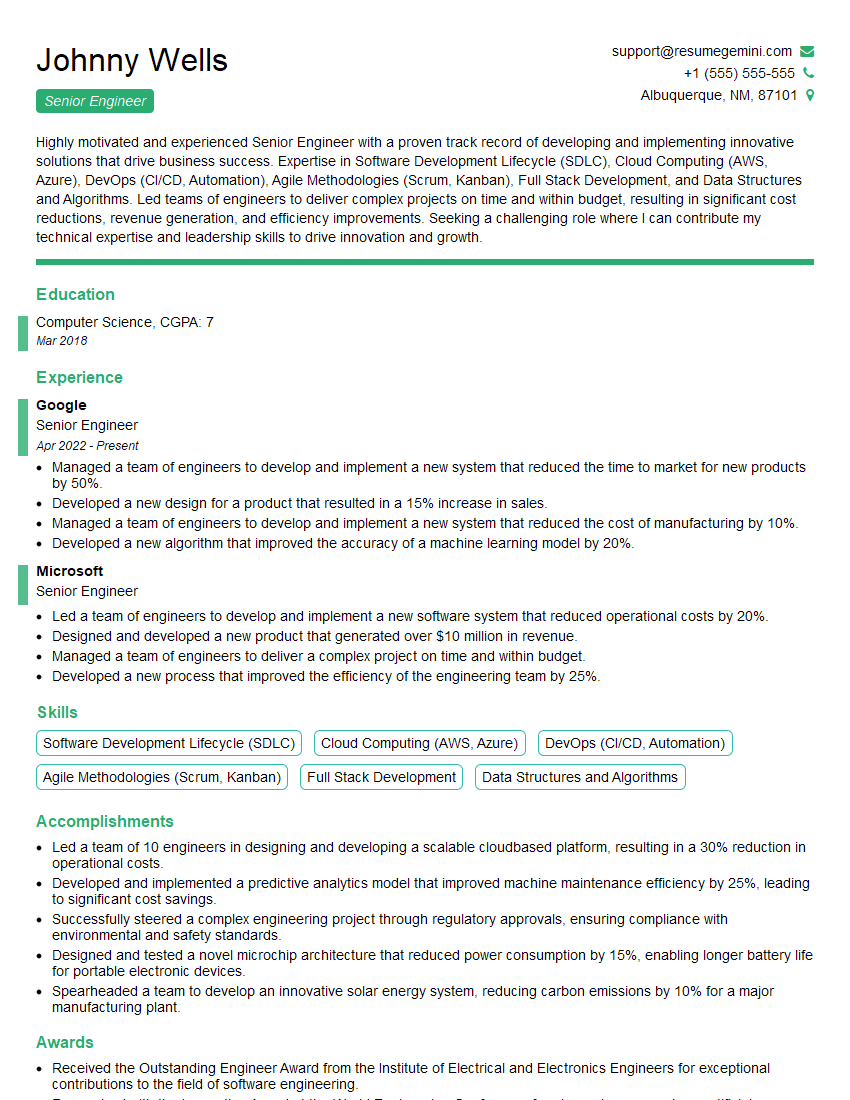
Senior Engineer Resume Sample
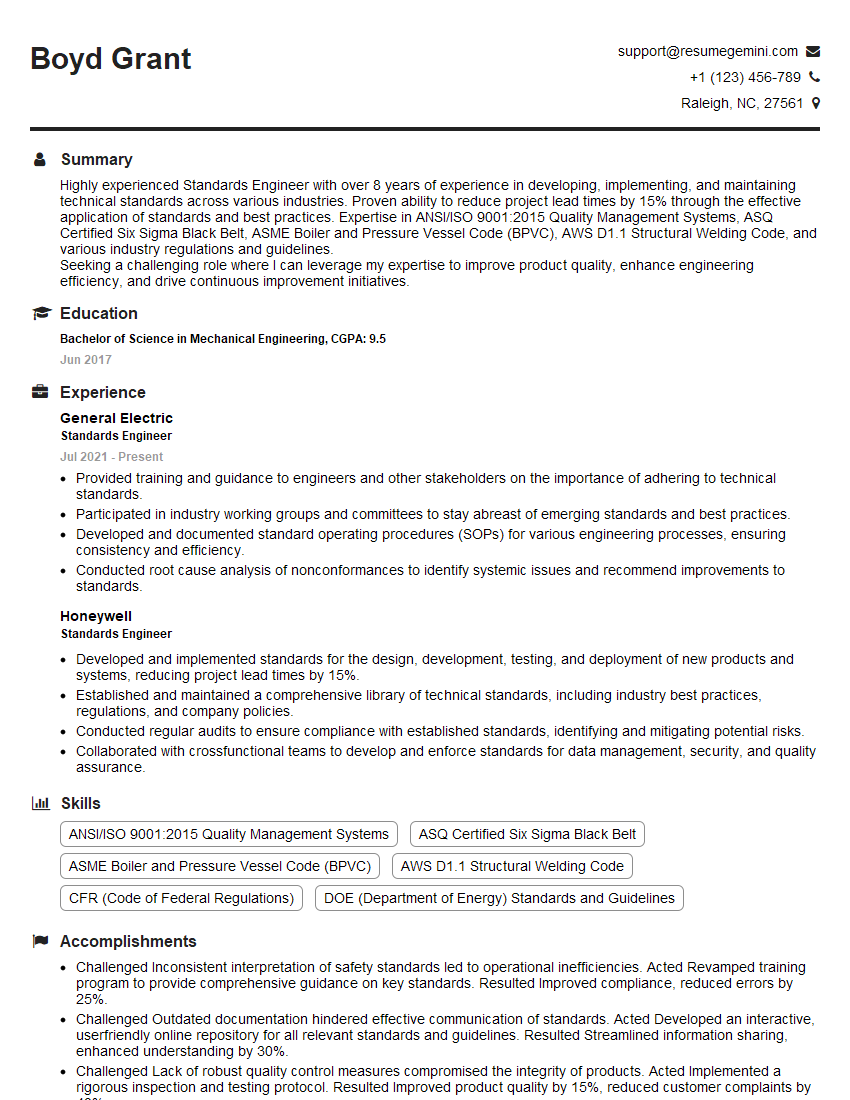
Standards Engineer Resume Sample
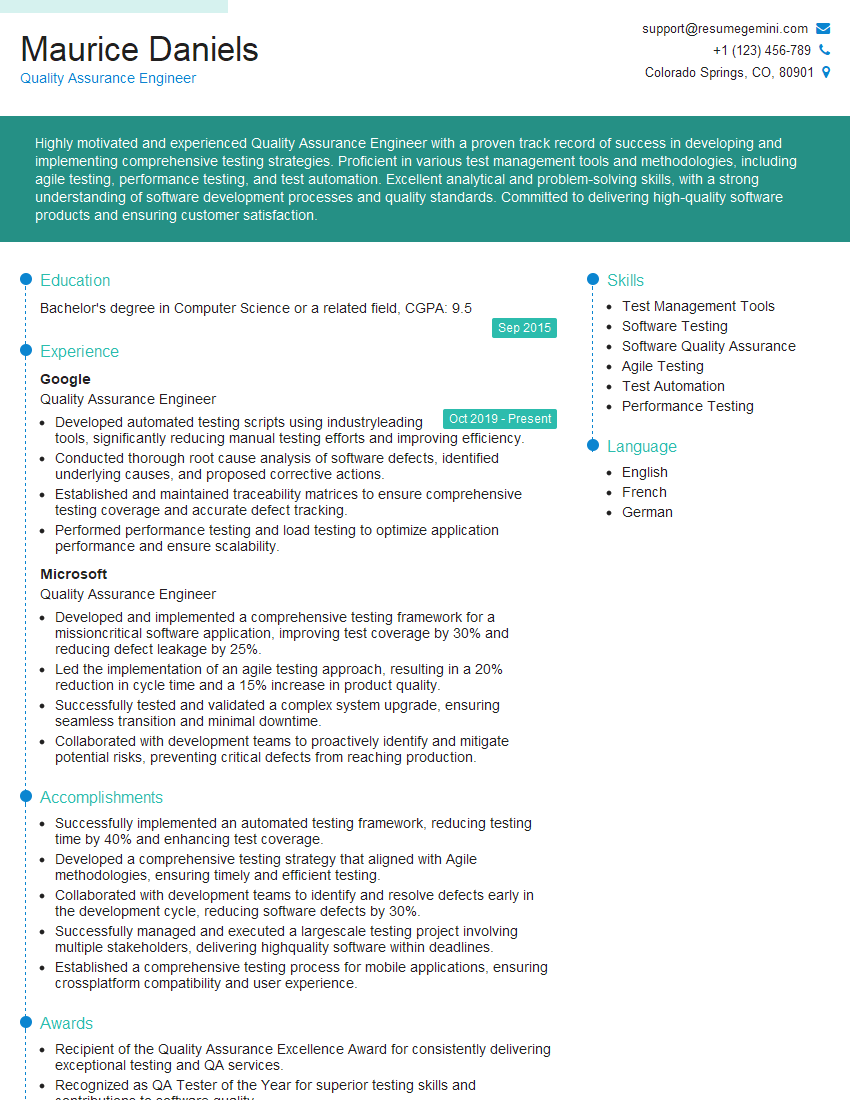
Quality Assurance Engineer Resume Sample
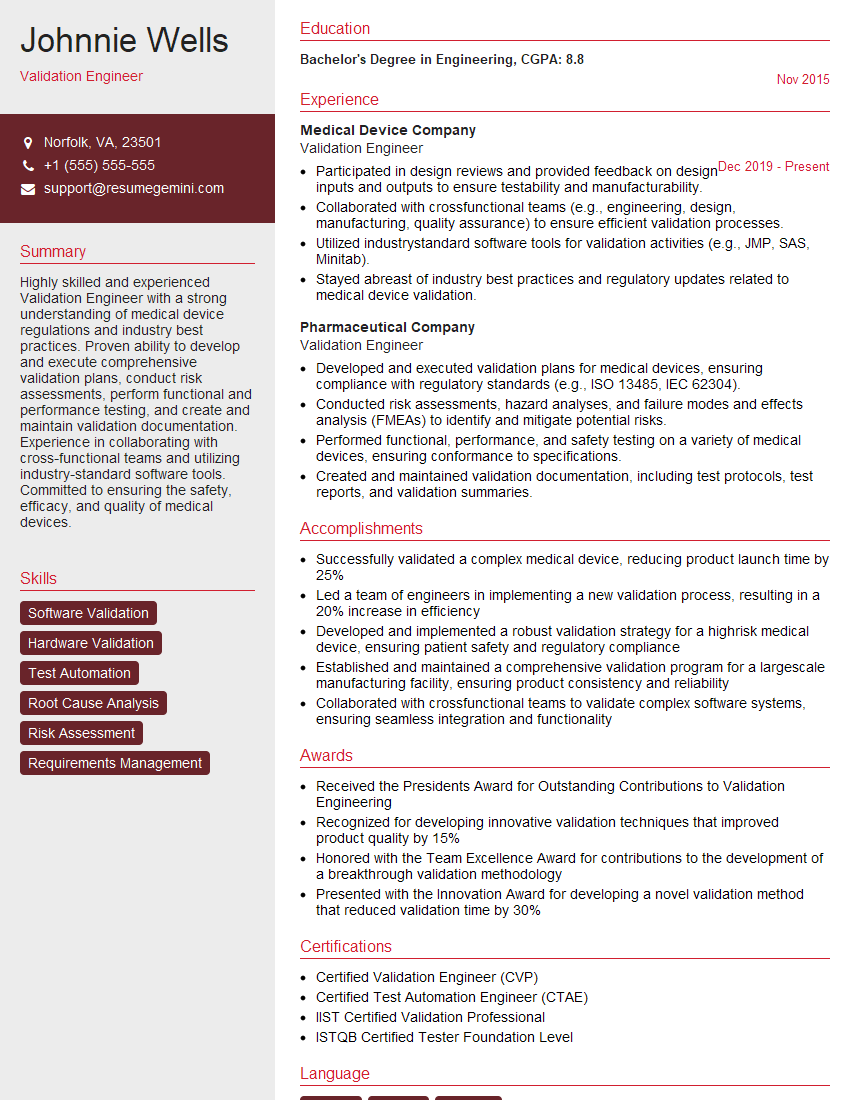
Validation Engineer Resume Sample

Technical Writer Resume Sample
- Project Manager
- Chief Engineer
- Director of Engineering
- Engineering Manager
- Principal Engineer
- Regulatory Affairs Specialist
- Reliability Engineer
- Systems Engineer
- Software Engineer
- Test Engineer
- Design Engineer
- Electronics Engineer
- Electrical Engineer
- Product Safety Engineer
- Safety Engineer
- Senior Engineer
- Standards Engineer
- Quality Assurance Engineer
- Validation Engineer
- Technical Writer
Explore more articles
Users Rating of Our Blogs
Share Your Experience
We value your feedback! Please rate our content and share your thoughts (optional).
What Readers Say About Our Blog
Very informative content, great job.
good