Interviews are opportunities to demonstrate your expertise, and this guide is here to help you shine. Explore the essential Image Styling interview questions that employers frequently ask, paired with strategies for crafting responses that set you apart from the competition.
Questions Asked in Image Styling Interview
Q 1. Describe your process for creating a cohesive style for a client.
Creating a cohesive style for a client is a collaborative process that begins with understanding their individual needs and aspirations. It’s not just about picking pretty clothes; it’s about crafting a visual narrative that reflects their personality, lifestyle, and professional goals.
- Consultation and Discovery: This initial phase involves an in-depth discussion to understand the client’s style preferences, lifestyle, body type, budget, and the occasions for which they need styling. I use mood boards, questionnaires, and image inspiration to guide this process. For example, if a client mentions they love minimalist Scandinavian design, I’ll incorporate those clean lines and neutral colors into their wardrobe.
- Style Analysis: I analyze the client’s existing wardrobe to identify key pieces that can be incorporated into their new style, and eliminate items that don’t fit their desired aesthetic. This helps to maximize their current investment and avoids unnecessary purchases.
- Mood Board Creation: A visual mood board is crucial. It serves as a roadmap for the styling process, bringing together color palettes, textures, patterns, and specific outfit ideas. This ensures everyone is on the same page.
- Wardrobe Planning & Shopping: Based on the mood board and style analysis, we create a shopping list and plan for outfit combinations. I prioritize versatile pieces that can be mixed and matched to create numerous outfits.
- Refinement and Feedback: Throughout the process, ongoing feedback is crucial. We review the mood board, wardrobe additions, and outfits to ensure the client feels confident and comfortable with the final style.
Q 2. How do you adapt your styling approach to different body types and personalities?
Adapting my styling approach to different body types and personalities is paramount. It’s about enhancing individual features and creating silhouettes that flatter each person’s unique physique. I avoid a one-size-fits-all mentality.
- Body Type Awareness: I understand the principles of body proportions and how clothing can be used to create balance and visual harmony. For example, I might recommend A-line skirts for someone with a pear-shaped body type to balance the hips, while suggesting tailored jackets to define the waistline for someone with a rectangular body type.
- Personality Integration: I consider the client’s personality and how their clothing choices can reflect their inner self. An outgoing, vibrant personality might be suited to bolder colours and patterns, while someone with a more reserved personality might prefer a more muted palette and classic styles.
- Practical Considerations: Lifestyle plays a critical role. A busy professional might require a wardrobe of easy-to-wear, versatile items, while someone with a more relaxed lifestyle could have a greater range of options.
- Confidence Building: The ultimate goal is to make the client feel confident and comfortable in their own skin. I encourage clients to experiment and find what works best for them, offering guidance and support along the way. Even small changes can make a huge difference in self-esteem.
Q 3. Explain your experience with various styling software and tools.
I’m proficient in a variety of styling software and tools, each with its own strengths and applications.
- Adobe Photoshop: For detailed image manipulation, retouching, and creating visually compelling mood boards. I use it to refine photoshoots, enhance visuals and create seamless presentations for my clients.
- Adobe Illustrator: For creating vector graphics, logos, and illustrations for branding purposes. If a client is developing a personal brand, I use it to design a consistent visual identity.
- Canva: A user-friendly platform for creating mood boards, social media graphics, and presentations. It’s ideal for quick edits and client sharing.
- Stylebook: A wardrobe management app that helps clients track their clothing items and plan outfits. This assists in organization and maximizing wardrobe potential.
- Pinterest & Instagram: For inspiration gathering, trend research, and client communication. I use these platforms to show clients real-world examples of styles and outfits that align with their goals.
Q 4. How do you stay updated on the latest fashion and styling trends?
Staying updated on fashion and styling trends is an ongoing process that requires dedication and a proactive approach.
- Industry Publications: I regularly read fashion magazines such as Vogue, Harper’s Bazaar, and Elle, as well as industry blogs and online publications.
- Fashion Weeks: Attending or following online coverage of major fashion weeks provides first-hand access to the newest trends and runway looks.
- Social Media: Platforms like Instagram and Pinterest are crucial for observing emerging styles and discovering new designers.
- Networking: Connecting with other stylists and industry professionals through conferences and workshops keeps me informed of the latest developments and provides opportunities for collaboration.
- Trend Forecasting Services: I utilize some trend forecasting services that provide detailed analysis of emerging styles to get a more structured view of what will be popular.
Q 5. Describe your experience with working on photo shoots or video productions.
I have extensive experience working on photo shoots and video productions, collaborating with photographers, videographers, and makeup artists to create visually stunning imagery.
- On-Set Coordination: I manage wardrobe selection, styling, and changes throughout the shoot to ensure a smooth and efficient process.
- Creative Collaboration: I work closely with the production team to ensure the styling aligns with the overall artistic vision of the shoot.
- Problem Solving: Unexpected issues such as wardrobe malfunctions or styling changes are addressed promptly and efficiently to maintain the schedule and quality of the production.
- Post-Production: I am involved in selecting the best images or video segments for final use in editing and post-production.
- Example: I recently worked on a promotional video for a sustainable clothing brand, where I sourced ethical and eco-friendly garments, styled the models, and ensured that the wardrobe reflected the brand’s values throughout the production.
Q 6. How do you handle difficult clients or conflicting opinions?
Handling difficult clients or conflicting opinions requires tact, diplomacy, and a client-centric approach. Open communication is key.
- Active Listening: I make sure I truly understand the client’s concerns and perspectives, even if I don’t initially agree with them.
- Finding Common Ground: I focus on finding common ground and compromise. Often, underlying needs can be addressed through alternative solutions.
- Presenting Options: I offer a range of styling options, explaining the rationale behind each choice, allowing the client to actively participate in the decision-making process.
- Setting Boundaries: While being flexible, I set clear boundaries to ensure the client’s expectations are realistic and achievable.
- Professional Detachment: I maintain a professional distance, not taking criticism personally, but utilizing feedback to improve my work. It is important to remember I am serving the client, not imposing my own style.
Q 7. How do you manage your time and prioritize tasks effectively during busy periods?
Effective time management and task prioritization are crucial in the fast-paced world of image styling. I utilize a multi-pronged approach.
- Detailed Scheduling: I use a digital calendar and to-do list to schedule appointments, photo shoots, and deadlines. This also involves blocking out time for specific tasks.
- Prioritization Matrix: I employ a prioritization matrix (like the Eisenhower Matrix) to categorize tasks based on urgency and importance, focusing on high-impact activities.
- Time Blocking: I dedicate specific blocks of time to focused work, minimizing distractions and maximizing productivity.
- Delegation: When possible, I delegate tasks to assistants or freelancers to manage workload and free up time for higher-level activities.
- Flexibility: Unexpected events do happen, so incorporating flexibility in my schedule allows me to adapt and adjust as needed without undue stress.
Q 8. What is your experience with budgeting and sourcing garments?
Budgeting and sourcing garments are crucial for successful image styling projects. My approach involves a multi-step process starting with a thorough understanding of the client’s budget. I then research and source garments from a variety of avenues – high-street stores, boutiques, online retailers, and even vintage or consignment shops depending on the project’s requirements and the client’s style preferences. For example, a high-end fashion shoot would necessitate sourcing from luxury brands, carefully considering the cost per garment and the overall budget allocation. Conversely, a more casual project might involve exploring affordable options that maintain a high level of style and quality. I always maintain detailed records of all sourcing, including pricing, vendor information, and any specific details relevant to the garment. This ensures transparency and effective budget management. I often negotiate prices where possible and am adept at finding value for money without compromising on style or quality.
To illustrate, for a recent client with a limited budget, I sourced key pieces from high-street brands and supplemented them with carefully chosen vintage items, creating a unique and stylish look that far exceeded expectations.
Q 9. Explain your understanding of color theory and its application in styling.
Color theory is the cornerstone of effective image styling. Understanding the color wheel – its primary, secondary, and tertiary colors – is fundamental. I utilize this knowledge to create harmonious color palettes for my clients, considering factors such as skin tone, hair color, and personal style. For instance, understanding the principles of complementary colors (colors opposite each other on the color wheel) allows me to create visually striking outfits. Analogous colors (colors next to each other on the wheel) create a more subtle and sophisticated look. I also consider the impact of color temperature – warm colors (reds, oranges, yellows) versus cool colors (blues, greens, purples) – to create the desired effect. A client with warm skin tones might look best in warm-toned outfits, while cool skin tones are often complemented by cooler shades. However, I always encourage clients to experiment and push boundaries, as personal style preferences are also key. The application involves careful consideration of both the theoretical framework and individual client needs.
Q 10. How do you create a mood board for a project?
Creating a mood board is an essential first step in any image styling project. It serves as a visual representation of the project’s overall aesthetic. My process usually begins with a collaborative discussion with the client to understand their vision, desired style, and the project’s objectives. Then, I gather images representing colors, textures, styles, and overall themes. I utilize platforms like Pinterest, Instagram, and magazines as my resources. I organize these images on a digital or physical board, paying close attention to how the elements work together to create a cohesive narrative. The board includes images of outfits, fabrics, accessories, and even relevant locations or settings – anything that contributes to the project’s overall mood and aesthetic. The end result is a visual guide for me and the client, ensuring everyone is on the same page and that the styling stays true to the initial vision. A well-constructed mood board ensures a smooth and efficient styling process.
Q 11. Describe your experience with different fabric types and textures.
Extensive experience with different fabric types and textures is crucial for effective image styling. I’m familiar with the drape, weight, and texture of various fabrics, including natural fibers like cotton, linen, silk, and wool, and synthetics such as polyester, nylon, and rayon. My knowledge extends to understanding the properties of each fabric – how they feel against the skin, how they move, and how they are best styled. For example, a flowing silk dress is best suited for formal occasions and requires minimal accessorizing, while a sturdy cotton shirt is versatile and can be dressed up or down. Understanding the different textures – from the rough weave of linen to the smooth surface of satin – is crucial in creating a balanced and visually interesting look. This knowledge informs my selection of garments for every client and occasion. I consider both the practical aspects (comfort, durability, care) and aesthetic aspects (texture, drape, sheen).
Q 12. How would you address a client who is unsure of their style preferences?
When a client is unsure of their style preferences, a collaborative and patient approach is essential. I begin by asking open-ended questions to understand their lifestyle, work environment, and personal preferences. We delve into their existing wardrobe, discussing what they like and dislike about the clothes they own. I introduce them to different style concepts – classic, bohemian, minimalist, etc. – showcasing images and discussing the key characteristics of each. We try on various garments, experimenting with different silhouettes and colors to discover what makes them feel confident and comfortable. The goal is to guide them toward discovering their personal style, not to impose my own preferences. A crucial element is to create a safe and supportive space where the client feels comfortable exploring different options without judgment. Through this process, they often discover previously unknown aspects of their style personality.
Q 13. How do you ensure the garments you select are appropriate for the occasion and client’s needs?
Ensuring the garments selected are appropriate for the occasion and client’s needs is paramount. This process involves a careful consideration of several factors. First, we discuss the occasion – a wedding, job interview, casual outing, etc. Then, we assess the client’s lifestyle, profession, and personal preferences. The selected garments should reflect the occasion’s formality or informality while aligning with the client’s personal style and comfort level. For example, a power suit would be appropriate for a job interview but unsuitable for a weekend brunch. I always prioritize functionality and practicality. The clothing must fit well, be comfortable, and be suitable for the anticipated activities. I ensure any potential issues – like a dress being too revealing or shoes being unsuitable for walking – are addressed beforehand.
Q 14. What’s your process for selecting accessories to complement an outfit?
Accessory selection is a crucial aspect of image styling. I view accessories as the finishing touches that elevate an outfit and reflect the client’s personality. My approach involves carefully considering the overall outfit’s style and color palette. I select accessories that complement, not compete with, the clothing. For example, a bold necklace might be perfect for a simple dress but could be overwhelming with a busy print. I pay close attention to scale and proportion, making sure accessories are appropriately sized for the client’s body type and the outfit’s design. Details like the texture and material of the accessories are considered to create a cohesive look. I often incorporate elements that reflect current trends but prioritize timeless pieces that can be used in multiple outfits. The aim is to create a balanced and visually appealing look that reflects the client’s personal style and the occasion’s requirements.
Q 15. Explain your understanding of current fashion and industry trends.
Current fashion trends are incredibly dynamic, influenced by a confluence of factors including social media, technology, and global events. We’re seeing a strong resurgence of 90s and Y2K styles, but with a modern twist. Sustainability is no longer a niche concept; it’s a mainstream expectation. Consumers are increasingly demanding transparency and ethical production methods from brands. This translates into a greater focus on upcycled materials, vintage clothing, and conscious consumption. In terms of silhouettes, we see a blend of oversized and fitted pieces, playing with proportions and creating interesting contrasts. The industry is also moving away from rigid seasonality, with more emphasis on ‘drop’ collections and capsule wardrobes. For example, the popularity of athleisure continues to evolve, with luxury brands increasingly incorporating sporty elements into their designs. Another key trend is the personalization of fashion, with consumers seeking unique pieces and custom designs that reflect their individual style.
Career Expert Tips:
- Ace those interviews! Prepare effectively by reviewing the Top 50 Most Common Interview Questions on ResumeGemini.
- Navigate your job search with confidence! Explore a wide range of Career Tips on ResumeGemini. Learn about common challenges and recommendations to overcome them.
- Craft the perfect resume! Master the Art of Resume Writing with ResumeGemini’s guide. Showcase your unique qualifications and achievements effectively.
- Don’t miss out on holiday savings! Build your dream resume with ResumeGemini’s ATS optimized templates.
Q 16. How do you communicate effectively with photographers, models, and clients?
Effective communication is paramount in image styling. With photographers, it’s about collaborative vision. I discuss mood boards, desired aesthetics, and lighting preferences to ensure we’re on the same page. With models, I build rapport, understanding their body type and comfort levels to create poses that feel natural and flattering. I listen carefully to their feedback and incorporate their suggestions. With clients, clear and consistent communication is key. I present mood boards and options, explain my rationale for styling choices, address their concerns, and seek their approval throughout the process. This ensures everyone feels heard and involved. For instance, I might send regular updates with images of the styling progress and solicit feedback at various stages. Active listening and a clear understanding of their expectations are essential.
Q 17. Describe your experience with styling for different demographics and cultures.
My experience spans diverse demographics and cultures. I’ve styled campaigns for both children’s clothing and high-fashion brands. This involves understanding different body types, cultural sensitivities, and style preferences. For instance, I’ve worked on projects that celebrated body positivity and featured models of various sizes and ethnicities. Styling for cultural events requires meticulous research to ensure authenticity and avoid misrepresentation. For example, when styling for a traditional Indian wedding, I would collaborate closely with the client to understand the family’s customs and preferences, ensuring that the clothing reflects their cultural identity with respect and accuracy. This demands a sensitivity to cultural nuances and a commitment to respectful representation.
Q 18. How would you handle a wardrobe malfunction on set?
A wardrobe malfunction on set is a challenge, but with a proactive approach, it can be managed efficiently. My first response is to remain calm and assess the situation. I have a pre-planned contingency strategy, including having backup garments and sewing kits on hand. If a seam rips, for example, I’d utilize the kit for a quick repair. If a more significant issue arises, such as a missing accessory, I would quickly communicate with the client and team to find a suitable substitute, perhaps by suggesting a similar item from the existing wardrobe. Time management is crucial; I would prioritize a fast solution while minimizing disruption to the photoshoot schedule.
Q 19. Explain your problem-solving skills related to last-minute styling changes.
Problem-solving with last-minute changes is a crucial aspect of image styling. My approach is systematic. First, I understand the reason for the change (e.g., a model’s unavailability, a shift in the creative vision). Then, I evaluate the impact on the existing plan. I utilize my resources—existing wardrobe, vendor contacts, and quick-access online retailers—to find suitable replacements. If it’s a significant alteration, I immediately communicate with relevant stakeholders, explain the adjustments, and seek approval. Time is of the essence, so I prioritize quick decision-making and efficient execution. Flexibility and resourcefulness are essential in these scenarios. For instance, a last-minute change in the theme might require adjusting the color palette and accessories, which I can manage quickly by having established relationships with various accessory providers.
Q 20. How do you build and maintain professional relationships with vendors?
Building and maintaining professional relationships with vendors is essential for efficient and high-quality styling. I build relationships based on trust, mutual respect, and reliable communication. This involves timely payments, clear communication of needs and deadlines, and valuing their expertise. I actively seek out new vendors while maintaining strong relationships with proven ones. I communicate regularly, even when I’m not actively sourcing items. A simple email or phone call to check-in can strengthen these relationships. This proactive approach ensures a reliable network for sourcing garments, accessories, and other styling elements promptly, even under pressure.
Q 21. Describe your familiarity with ethical and sustainable fashion practices.
Ethical and sustainable fashion practices are paramount in my work. I prioritize sourcing garments from brands committed to ethical production and sustainable materials, such as organic cotton or recycled fabrics. I actively seek out vintage and secondhand clothing options, reducing the environmental impact of fast fashion. I also advocate for responsible disposal of clothing, including donating or upcycling instead of discarding. Transparency is crucial; I communicate these practices to clients and encourage them to adopt similar principles. For example, if a client is particularly interested in sustainability, I would present them with options from eco-conscious brands, showcasing the ethical and environmental benefits alongside the aesthetic appeal.
Q 22. How would you approach styling a client with a limited budget?
Styling on a budget requires creativity and resourcefulness. It’s about maximizing impact with minimal expenditure. My approach begins with a thorough consultation to understand the client’s style, needs, and budget constraints. Then, I focus on strategic choices:
- Prioritizing key pieces: Instead of buying numerous inexpensive items, we invest in a few high-quality, versatile pieces that can be mixed and matched. For instance, a well-tailored blazer can elevate both casual and formal looks.
- Utilizing existing wardrobe: We assess the client’s current wardrobe and identify items that can be restyled or repurposed. A simple alteration, like hemming trousers or adding new buttons, can significantly update a garment.
- Accessorizing strategically: Accessories are a cost-effective way to transform an outfit. A statement necklace, a stylish scarf, or a chic belt can add personality and visual interest to basic clothing.
- Shopping smart: We explore thrift stores, consignment shops, and online marketplaces for affordable, unique finds. Knowing where to look is crucial for discovering hidden gems within a budget.
- DIY and upcycling: Depending on the client’s skills and preferences, we might consider simple DIY projects, like dyeing a plain t-shirt or adding patches to a denim jacket, to personalize their wardrobe and reduce costs.
For example, I once styled a client for a professional conference on a tight budget. By cleverly utilizing her existing wardrobe and accessorizing with a borrowed statement necklace and a scarf from her mother’s collection, we created several polished looks without exceeding her budget.
Q 23. Describe your experience with working in different styling environments (e.g., studio, on location).
I’ve had extensive experience working in diverse styling environments, each presenting unique challenges and opportunities. Studio shoots offer controlled settings, ideal for detailed work and precision. For example, I’ve meticulously arranged lighting and backgrounds in studio environments to achieve specific aesthetic goals, enhancing the quality of product shots for online stores. On-location shoots, however, demand adaptability. I have worked outdoors, dealing with unpredictable weather and backgrounds, always remaining prepared for changes in lighting or sudden issues. This experience has taught me problem-solving skills to ensure successful shoots despite unforeseen complications. I’ve successfully adapted looks to match the natural light in a historic building during a photoshoot and swiftly managed wardrobe changes for outdoor events due to unexpected rain.
Q 24. How do you manage multiple projects simultaneously?
Managing multiple projects effectively involves meticulous organization and prioritization. I utilize project management tools like Asana or Trello to keep track of deadlines, tasks, and client communications. I break down large projects into smaller, manageable tasks, assigning realistic deadlines to each. Prioritizing urgent tasks and strategically scheduling my time is essential. For example, I might allocate specific days for client meetings, dedicated blocks for image editing, and specific times for communication.
Regular check-ins with clients and maintaining open communication channels prevent misunderstandings and ensure I’m meeting their expectations. This approach ensures that every project receives the necessary attention, preventing missed deadlines and maintaining high quality of work.
Q 25. How do you handle constructive criticism and feedback?
Constructive criticism is invaluable for professional growth. I welcome feedback, viewing it as an opportunity to learn and improve. My approach involves:
- Active listening: I listen attentively to the feedback, seeking to understand the perspective of the person providing it.
- Seeking clarification: If I’m unsure about a specific point, I ask clarifying questions to ensure complete understanding.
- Self-reflection: I take time to reflect on the feedback, identifying areas for improvement and strategizing how to implement changes.
- Implementation and follow-up: I incorporate the feedback into my future projects, documenting adjustments for reference. A follow-up with the person providing the feedback shows my appreciation and commitment to continuous improvement.
For example, feedback on a recent project highlighted a slight inconsistency in color palettes across a series of images. By acknowledging the issue and understanding the critique, I’ve implemented stricter quality control measures in my workflow. This resulted in more consistent color schemes in subsequent projects.
Q 26. How do you measure the success of your styling work?
Measuring the success of my styling work goes beyond just client satisfaction. I use several metrics:
- Client feedback: Positive client reviews and testimonials are invaluable indicators of success. I actively solicit feedback post-project to gauge satisfaction and areas for improvement.
- Project outcomes: Did the styling achieve its intended goals? For example, did it increase sales for a product, improve brand image, or create the desired visual narrative?
- Visual impact: I analyze the overall impact of the styling work on the viewer. Did it create a lasting impression? Did it evoke the intended emotions or convey the correct message?
- Engagement metrics (if applicable): For social media projects, I track metrics such as likes, shares, and comments to assess engagement and audience response.
A successful project might be defined by a client’s enthusiastic referral, a significant increase in sales after a styled photoshoot, or simply the client’s expression of delight at the final result.
Q 27. What is your experience with creating visually appealing content for social media?
Creating visually appealing social media content requires understanding the platform’s unique visual language and audience. My approach is multi-faceted:
- Platform-specific strategies: I tailor content to fit the specific platform. For example, Instagram prioritizes high-quality images and visually engaging stories. TikTok favors short, impactful videos.
- Trend awareness: I stay up-to-date on current trends and aesthetics to ensure relevance and engagement. Knowing the current popular color palettes, filter styles, and video formats is vital.
- Storytelling: I leverage visual storytelling to create engaging narratives. A series of images might tell a compelling story, just like a well-crafted video.
- Consistent branding: I ensure visual consistency across all social media platforms, reinforcing brand recognition and identity.
- High-quality visuals: I always prioritize high-quality images and videos, employing editing techniques and filters to enhance visuals. Appropriate hashtags for discoverability are also essential.
For instance, for a recent client, I developed a social media campaign that leveraged a consistent colour palette across the visuals. This created a highly recognizable brand identity on Instagram and TikTok, leading to a significant increase in followers and engagement.
Q 28. Describe your approach to maintaining a professional online portfolio.
Maintaining a professional online portfolio is crucial for showcasing my work and attracting new clients. My strategy involves:
- High-quality imagery: I only showcase my best work, ensuring images are high-resolution and professionally edited.
- Variety of projects: I include a diverse range of projects to demonstrate my versatility and capabilities, showcasing different styles and clients.
- Clear and concise descriptions: Each project is accompanied by a concise description outlining my role, the goals, and the results achieved.
- Easy navigation: The portfolio should be easy to navigate, allowing potential clients to quickly find the information they need.
- Regular updates: I regularly update my portfolio with new work, showcasing my ongoing skill development and staying relevant.
- SEO optimization: I use relevant keywords and tags to ensure my portfolio is easily discoverable through search engines. This improves the ranking and visibility of the online portfolio.
My portfolio serves not just as a showcase but as a dynamic reflection of my evolving expertise and commitment to excellence in image styling.
Key Topics to Learn for Your Image Styling Interview
- Understanding Client Needs: Analyze client preferences, body type, lifestyle, and personal style to create a cohesive image. Practical application: Developing a detailed client questionnaire and mood board creation.
- Color Theory and its Application: Mastering color palettes, understanding seasonal color analysis, and applying this knowledge to clothing, makeup, and accessories. Practical application: Creating personalized color palettes for different client occasions and skin tones.
- Wardrobe Styling Techniques: Proficiently advising clients on clothing selection, fit, and proportion, addressing body shape and personal style preferences. Practical application: Developing wardrobe capsule concepts and providing styling advice for various events.
- Makeup Application and Trends: Knowledge of various makeup techniques, understanding current trends, and applying makeup that complements the client’s features and overall style. Practical application: Demonstrating proficiency in different makeup styles (natural, dramatic, etc.)
- Hair Styling and its Coordination: Understanding hair textures, styles, and how to integrate hair choices with overall image. Practical application: Collaborating with hair stylists or providing hair styling advice based on the overall image plan.
- Personal Branding and Image Consultation: Guiding clients to develop a strong and consistent personal brand through their image. Practical application: Creating a visual representation of a client’s personal brand and communication strategies.
- Professionalism and Client Communication: Excellent communication, active listening, and building rapport with diverse clients. Practical application: Handling client feedback and managing expectations effectively.
- Industry Trends and Knowledge: Staying updated on current fashion, beauty, and styling trends. Practical application: Showcasing knowledge of influential stylists, current fashion weeks, or popular style movements.
Next Steps
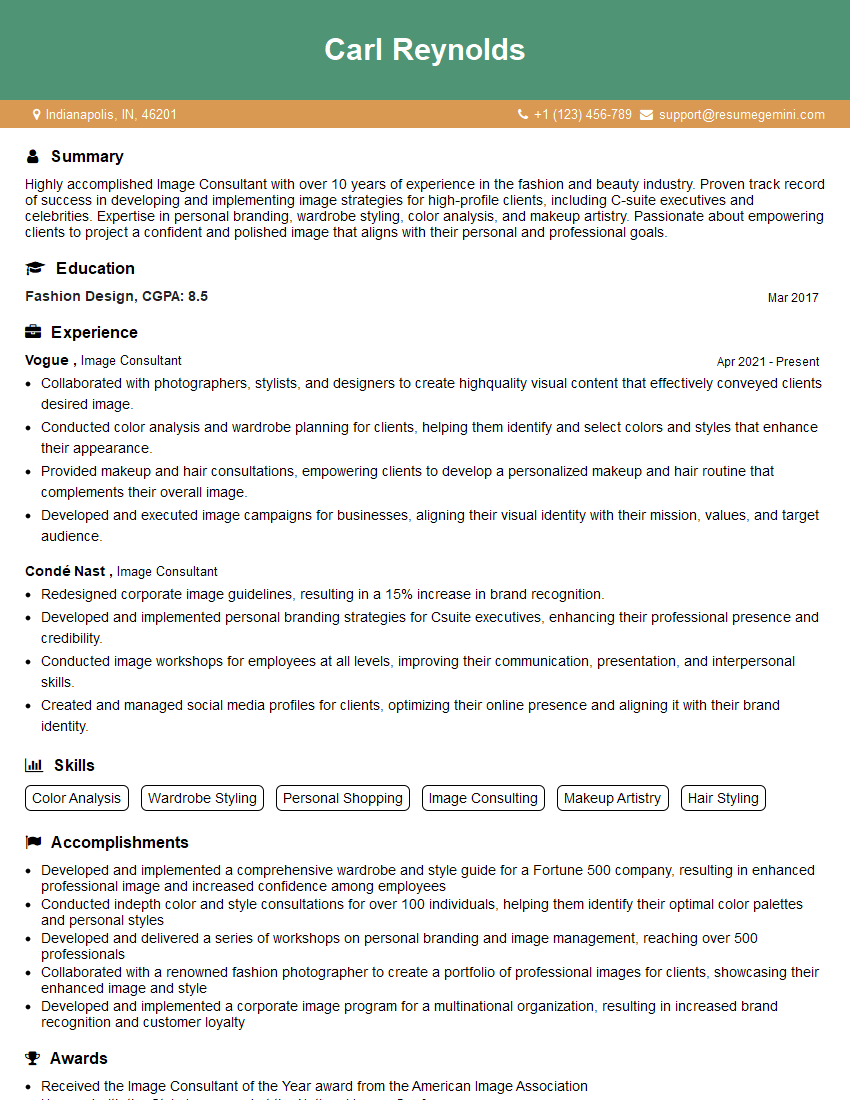
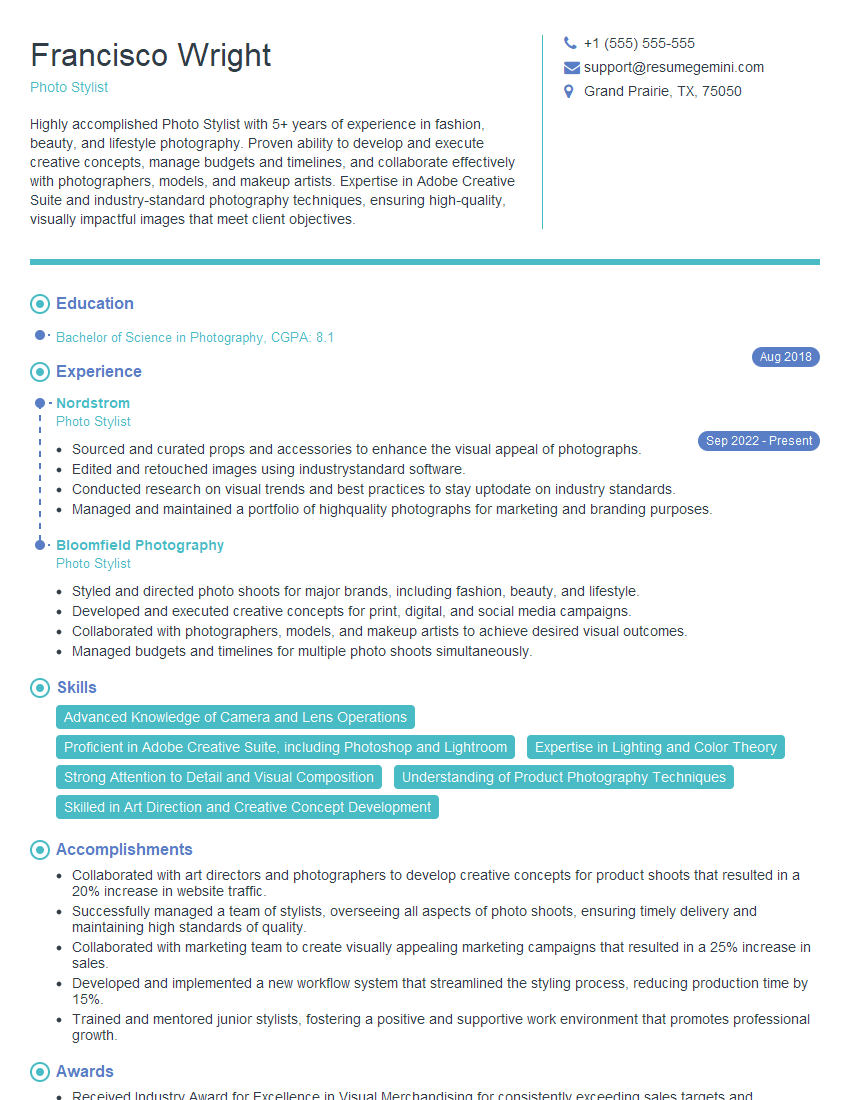
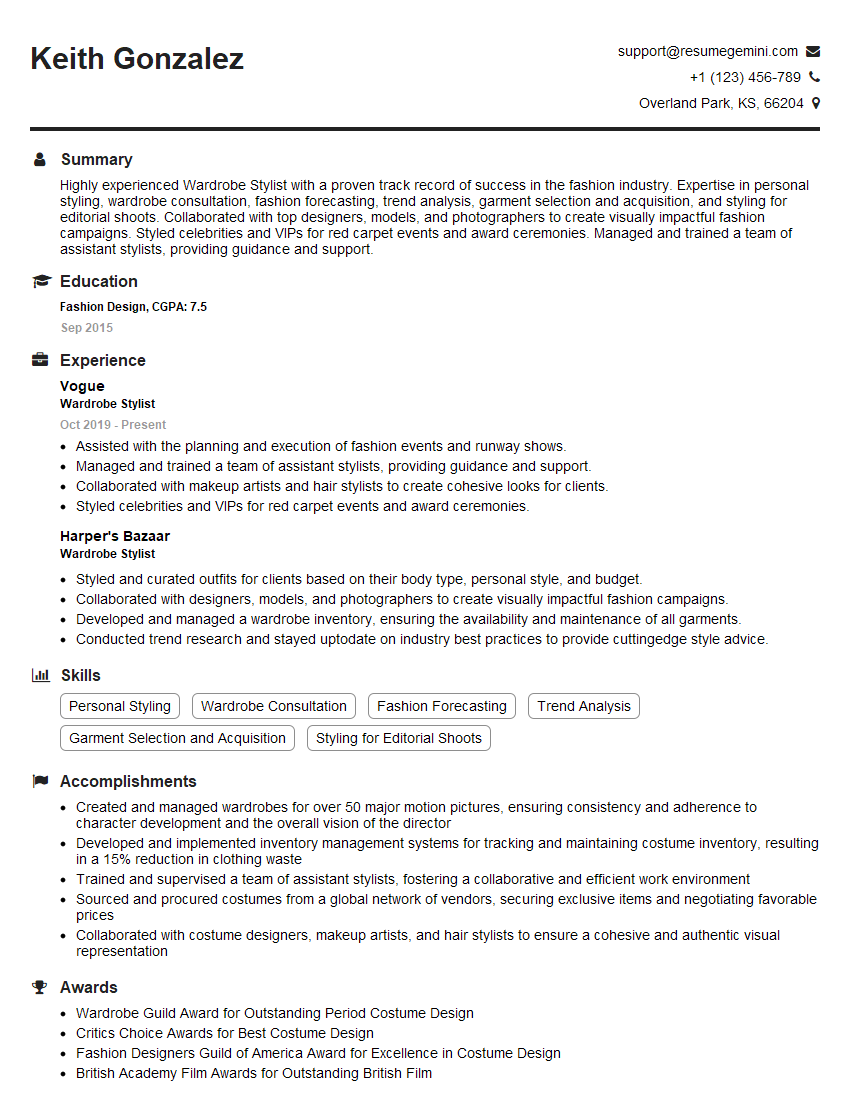
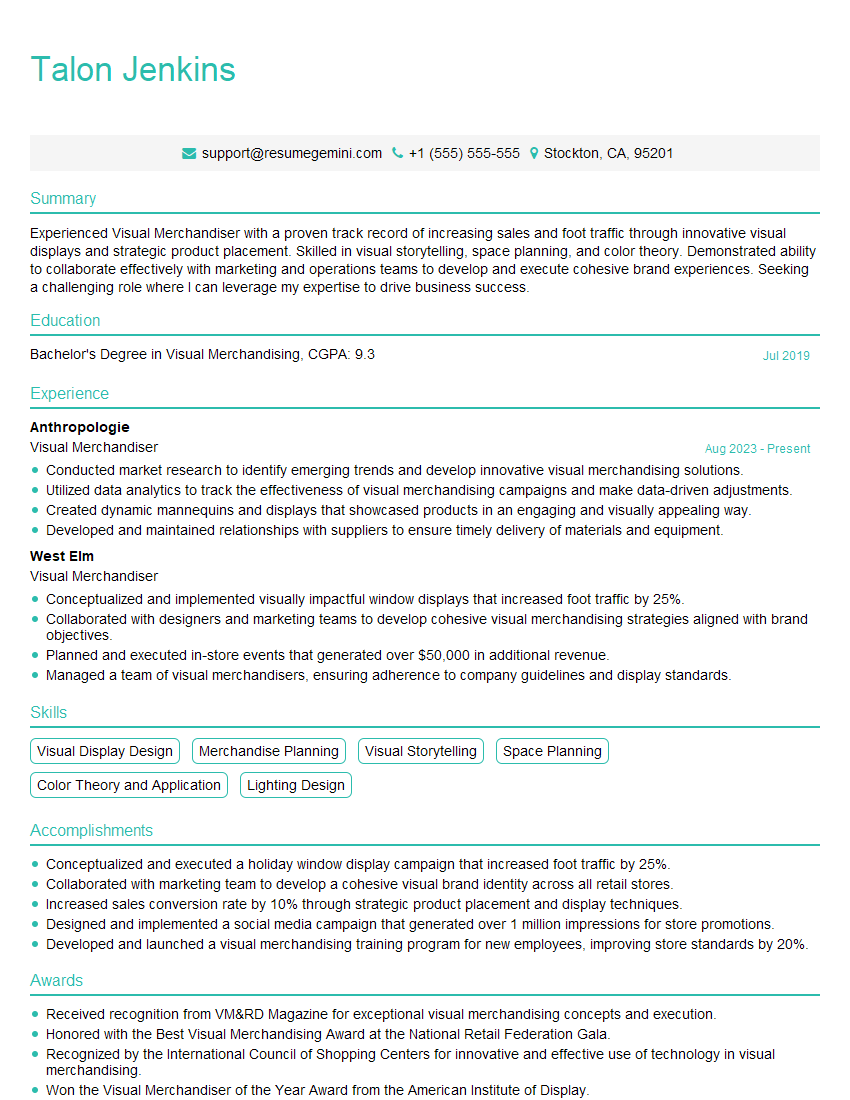
Mastering image styling opens doors to exciting career opportunities, allowing you to help others express their unique identities through their appearance. To significantly boost your job prospects, creating a compelling and ATS-friendly resume is crucial. ResumeGemini is a trusted resource that can help you build a professional resume tailored to the image styling industry. Examples of resumes specifically designed for image styling professionals are available to guide you. Invest the time in crafting a strong resume – it’s your first impression to potential employers!
Explore more articles
Users Rating of Our Blogs
Share Your Experience
We value your feedback! Please rate our content and share your thoughts (optional).
What Readers Say About Our Blog
Hello,
we currently offer a complimentary backlink and URL indexing test for search engine optimization professionals.
You can get complimentary indexing credits to test how link discovery works in practice.
No credit card is required and there is no recurring fee.
You can find details here:
https://wikipedia-backlinks.com/indexing/
Regards
NICE RESPONSE TO Q & A
hi
The aim of this message is regarding an unclaimed deposit of a deceased nationale that bears the same name as you. You are not relate to him as there are millions of people answering the names across around the world. But i will use my position to influence the release of the deposit to you for our mutual benefit.
Respond for full details and how to claim the deposit. This is 100% risk free. Send hello to my email id: [email protected]
Luka Chachibaialuka
Hey interviewgemini.com, just wanted to follow up on my last email.
We just launched Call the Monster, an parenting app that lets you summon friendly ‘monsters’ kids actually listen to.
We’re also running a giveaway for everyone who downloads the app. Since it’s brand new, there aren’t many users yet, which means you’ve got a much better chance of winning some great prizes.
You can check it out here: https://bit.ly/callamonsterapp
Or follow us on Instagram: https://www.instagram.com/callamonsterapp
Thanks,
Ryan
CEO – Call the Monster App
Hey interviewgemini.com, I saw your website and love your approach.
I just want this to look like spam email, but want to share something important to you. We just launched Call the Monster, a parenting app that lets you summon friendly ‘monsters’ kids actually listen to.
Parents are loving it for calming chaos before bedtime. Thought you might want to try it: https://bit.ly/callamonsterapp or just follow our fun monster lore on Instagram: https://www.instagram.com/callamonsterapp
Thanks,
Ryan
CEO – Call A Monster APP
To the interviewgemini.com Owner.
Dear interviewgemini.com Webmaster!
Hi interviewgemini.com Webmaster!
Dear interviewgemini.com Webmaster!
excellent
Hello,
We found issues with your domain’s email setup that may be sending your messages to spam or blocking them completely. InboxShield Mini shows you how to fix it in minutes — no tech skills required.
Scan your domain now for details: https://inboxshield-mini.com/
— Adam @ InboxShield Mini
Reply STOP to unsubscribe
Hi, are you owner of interviewgemini.com? What if I told you I could help you find extra time in your schedule, reconnect with leads you didn’t even realize you missed, and bring in more “I want to work with you” conversations, without increasing your ad spend or hiring a full-time employee?
All with a flexible, budget-friendly service that could easily pay for itself. Sounds good?
Would it be nice to jump on a quick 10-minute call so I can show you exactly how we make this work?
Best,
Hapei
Marketing Director
Hey, I know you’re the owner of interviewgemini.com. I’ll be quick.
Fundraising for your business is tough and time-consuming. We make it easier by guaranteeing two private investor meetings each month, for six months. No demos, no pitch events – just direct introductions to active investors matched to your startup.
If youR17;re raising, this could help you build real momentum. Want me to send more info?
Hi, I represent an SEO company that specialises in getting you AI citations and higher rankings on Google. I’d like to offer you a 100% free SEO audit for your website. Would you be interested?
Hi, I represent an SEO company that specialises in getting you AI citations and higher rankings on Google. I’d like to offer you a 100% free SEO audit for your website. Would you be interested?
good