Preparation is the key to success in any interview. In this post, we’ll explore crucial Incubation and Brooding Management interview questions and equip you with strategies to craft impactful answers. Whether you’re a beginner or a pro, these tips will elevate your preparation.
Questions Asked in Incubation and Brooding Management Interview
Q 1. Explain the optimal temperature and humidity ranges for incubation.
Optimal incubation temperature and humidity are crucial for successful hatching. The ideal temperature range is typically between 99.5°F and 100°F (37.5°C and 37.8°C) for most poultry species. Fluctuations outside this range can lead to embryonic mortality or developmental abnormalities. This precise temperature needs to be maintained consistently throughout the incubation period. Humidity, on the other hand, needs to be carefully managed depending on the stage of incubation. Generally, a relative humidity of around 50-60% during the first 18 days is preferred, followed by a slight increase to 65-70% during the final days, aiding in pipping and hatching. Maintaining appropriate humidity levels helps prevent excessive moisture loss or water retention within the egg, ensuring proper gas exchange and healthy embryo development. Think of it like Goldilocks and the Three Bears – not too hot, not too cold, not too dry, not too wet!
Q 2. Describe the different stages of embryonic development in poultry.
Embryonic development in poultry can be broadly categorized into several distinct stages. It begins with cleavage, the rapid cell division after fertilization. This is followed by the blastoderm stage where the embryo forms. The subsequent gastrulation phase sees the formation of the three primary germ layers: ectoderm, mesoderm, and endoderm, which give rise to all the organs and tissues. The organogenesis stage is crucial as it’s when major organs like the heart, brain, and limbs develop. Vascularization, or the formation of blood vessels, is critical for nutrient supply. This leads to the rapid growth phase where the embryo significantly increases in size. The final stage is pre-hatch and hatching, where the chick prepares to break out of the shell, absorbing the remaining yolk sac. Any interruption or deviation during these stages can negatively affect the chick’s development and hatchability.
Q 3. What are the signs of a healthy chick embryo?
A healthy chick embryo exhibits several key characteristics throughout incubation. Using a candler, you’ll see a clear, well-defined vascular network (blood vessels) expanding as incubation progresses. The air cell, normally present at the blunt end, should increase in size gradually. The embryo should be actively moving during the later stages. There should be no signs of discoloration or unusual growths within the egg. A healthy egg will feel firm and appropriately heavy. A yolk that appears too large or too small can be an indication of problems. In short, a healthy chick embryo is characterized by consistent growth, visible vascularity, normal air cell development, and active movement – a vibrant, thriving mini-chicken-to-be!
Q 4. How do you identify and address common incubation problems (e.g., bacterial contamination, poor air circulation)?
Incubation problems require prompt identification and action. Bacterial contamination can be identified by foul odors and abnormal discoloration of the eggshells or egg contents. This necessitates immediate disinfection of the incubator, discarding contaminated eggs, and increasing ventilation. Poor air circulation leads to uneven temperature and humidity distribution within the incubator, resulting in uneven embryo development or mortality. Improving air circulation involves adjusting fan settings, ensuring proper spacing between eggs, and checking for any blockages within the incubator. High or low temperatures or humidity can easily be identified using accurate measuring devices and adjusted accordingly. A detailed log of temperature and humidity levels is crucial for proper monitoring and troubleshooting. Always remember, prevention is key. Regular cleaning and disinfection of the incubator are essential in maintaining a sanitary environment. Prevention is always cheaper than cure!
Q 5. What are the key factors to consider when selecting incubators?
Selecting the right incubator involves considering several factors. Capacity aligns with your incubation needs. Temperature and humidity control should be precise and reliable, ideally with automatic adjustments. Egg turning mechanism is critical for even embryo development; automatic turning is preferable for large-scale incubation. Alarm system alerts you to any deviations from optimal conditions. Construction and material should ensure durability and insulation for consistent temperature and humidity maintenance. The cost and availability of service and parts should also be factored in. Lastly, think about ease of use and maintenance, including cleaning and access. Choosing the right incubator is a significant investment – make sure you choose wisely!
Q 6. Explain the importance of egg turning during incubation.
Egg turning is crucial during incubation. It prevents the embryo from adhering to the shell membrane, ensuring proper blood vessel development and preventing the yolk from sticking to the shell. Turning promotes even heat distribution within the egg, leading to healthy development. Typically, eggs are turned at least 3-4 times daily during the early stages, gradually reducing frequency as incubation progresses. Turning can be done manually or automatically using automated incubators. The lack of proper egg turning can lead to developmental abnormalities and reduced hatchability. Think of it as giving the embryo a gentle massage ensuring proper development.
Q 7. What are the different brooding systems available, and what are their advantages and disadvantages?
Several brooding systems cater to different scales and needs. Brooders can be simple, like heat lamps, or sophisticated, like electronically controlled units. Heat lamps offer cost-effectiveness but require careful monitoring and pose a fire risk if not managed properly. Electric brooders offer better temperature control and safety, but they require electricity. Gas brooders provide an alternative energy source but need proper ventilation. Battery brooders are portable, making them suitable for small-scale operations or transport. Each brooding system has its own advantages and disadvantages; the best choice depends on factors such as scale of operation, budget, and local infrastructure. For example, a large-scale commercial operation would benefit from an automated, climate-controlled brooder, while a small hobbyist might find a simpler heat lamp system adequate.
Q 8. How do you manage brooding temperature and humidity?
Managing brooding temperature and humidity is crucial for chick survival and optimal growth. Think of it like creating a perfect mini-climate – too hot or cold, too wet or dry, and the chicks will struggle. We achieve this through a combination of precise monitoring and adjustment.
- Temperature: We maintain a consistently high temperature during the first week, typically around 95°F (35°C), gradually decreasing by 5°F (3°C) per week until reaching ambient temperature. This is achieved using a thermostatically controlled heat source, like a brooder lamp or radiant heater. We constantly monitor with a reliable thermometer, adjusting the heat source as needed based on chick behaviour (clustering under the lamp indicates they are cold, spreading out indicates it’s too hot).
- Humidity: Maintaining appropriate humidity is equally vital. High humidity can lead to bacterial growth, while low humidity can cause dehydration. We aim for around 50-60% relative humidity during the brooding period. This can be achieved by using water pans within the brooder, regular misting, or even specialized humidifiers in larger facilities. Consistent monitoring using a hygrometer is essential.
For example, in a recent brooding session, we noticed the chicks were huddled together, indicating they were cold. We immediately checked the temperature, found it had dipped slightly, and adjusted the brooder lamp to increase the heat output. Within minutes, we saw the chicks distributing themselves more evenly, demonstrating a successful adjustment.
Q 9. Describe your experience with chick sexing.
Chick sexing, determining the sex of chicks, is a skill I’ve honed over years. While there are several methods, including genetic sexing, I primarily use vent sexing – visually examining the cloaca (vent) of a chick. It requires a steady hand and a keen eye to identify subtle differences between male and female chicks based on the characteristics of the vent and surrounding area. This is a crucial step for many producers, since different sexes may be destined for different purposes (meat vs. egg production).
It’s not something easily taught in text; it’s primarily a learned skill through practice and mentorship. I began by shadowing experienced sexers and gradually developed my own technique, increasing accuracy over time. It’s important to note that accuracy is paramount to avoid errors that can impact productivity and profit. With the experience I’ve gained, I can sex chicks swiftly and efficiently while maintaining a very high accuracy rate.
Q 10. How do you monitor chick health and growth during brooding?
Monitoring chick health and growth is an ongoing process, critical for early detection of problems. Think of it like being a diligent pediatrician for your feathered flock.
- Visual inspection: Daily observation is crucial. We look for signs of alertness, good feathering, active movement, and normal droppings. Any deviation from the norm – lethargy, ruffled feathers, unusual droppings, respiratory distress – needs immediate investigation.
- Weight monitoring: Regular weighing of chicks helps track growth trends. Significant weight loss or slow growth can indicate health issues. We typically weigh samples of chicks weekly to identify trends.
- Mortality monitoring: Carefully documenting chick mortality (number of dead chicks and cause of death, if possible) helps pinpoint potential problems in brooding management or underlying health issues. It allows us to adjust our practices proactively.
For instance, if we observe several chicks with watery droppings, it could signal a bacterial infection. Immediate action, including isolating the affected chicks and consulting a veterinarian, is essential to prevent the spread and manage the illness effectively.
Q 11. What are the common diseases affecting chicks, and how do you prevent and treat them?
Chicks are susceptible to a range of diseases, many of which are preventable through proactive management. Here are some common ones:
- Coccidiosis: A parasitic disease causing bloody diarrhea. Prevention involves good hygiene, use of coccidiostats (medicated feed), and avoiding overcrowding.
- E. coli infections: Bacterial infections causing high mortality. Prevention involves maintaining a clean and dry environment, preventing stress, and prompt treatment with antibiotics if necessary.
- Newcastle Disease: A highly contagious viral disease. Vaccination is the primary prevention strategy.
- Marek’s Disease: A viral disease affecting nerves and internal organs. Vaccination is a key method of prevention.
Treatment varies depending on the disease and severity. Early diagnosis is crucial for effective treatment. We frequently consult with avian veterinarians to manage outbreaks and prevent future occurrences. In some cases, isolation and supportive care (like providing electrolyte solutions) are effective, while in others, medications may be necessary.
Q 12. Explain the importance of biosecurity in incubation and brooding.
Biosecurity is paramount in incubation and brooding, acting as the first line of defense against disease outbreaks. Think of it as creating a fortress to keep out unwanted invaders (diseases and parasites). A robust biosecurity plan includes:
- Hygiene: Regular cleaning and disinfection of the incubator, brooder, and surrounding areas are critical.
- Access Control: Limiting access to personnel and equipment to only those necessary to minimize the introduction of pathogens.
- Rodent and pest control: Implementing measures to keep rodents and other pests out of the facility.
- Quarantine: Isolating new chicks for a period to observe for signs of disease before introducing them to the main flock.
- Footbaths: Using disinfectant footbaths at entry points to minimize the spread of pathogens.
For example, after every brooding cycle, we thoroughly disinfect the entire brooder, ensuring all surfaces are treated to eliminate any remaining bacteria or viruses, creating a clean and safe environment for the next batch of chicks.
Q 13. How do you ensure proper ventilation in an incubator and brooding facility?
Proper ventilation is essential for maintaining optimal air quality, temperature, and humidity within the incubator and brooder. Without sufficient ventilation, the buildup of ammonia, carbon dioxide, and moisture can lead to respiratory problems and other health issues in chicks. We ensure proper ventilation by using a combination of methods:
- Air exchange: Incubators and brooders should have sufficient intake and exhaust vents to ensure adequate air exchange. This can be achieved through passive ventilation (natural air circulation) or active ventilation (using fans).
- Airflow: Designing the airflow to ensure even distribution of fresh air throughout the facility.
- Monitoring: Regular monitoring of air quality (e.g., carbon dioxide levels) to assess the effectiveness of the ventilation system.
In our brooding facility, we use a combination of passive and active ventilation. We have strategically placed vents to ensure airflow, and we also use fans to maintain a consistent air exchange, preventing the buildup of harmful gases and maintaining a comfortable environment for chicks.
Q 14. What are your strategies for managing mortality rates in chicks?
Managing chick mortality rates requires a multi-faceted approach focusing on prevention rather than cure. Every death represents a loss, so we strive for minimal losses.
- Early detection: Consistent monitoring of chick health and immediate action on any signs of disease.
- Biosecurity measures: Implementing stringent biosecurity protocols to prevent the introduction and spread of diseases.
- Environmental control: Maintaining optimal brooding conditions, including temperature, humidity, and ventilation.
- Vaccination: Utilizing appropriate vaccination programs against common diseases.
- Data analysis: Tracking mortality rates, identifying patterns, and making adjustments to management practices.
For example, if we experience a higher-than-normal mortality rate during a specific brooding cycle, we thoroughly review our procedures, checking for issues with temperature control, ventilation, or hygiene. We might also run diagnostic tests to investigate possible diseases.
Q 15. How do you handle emergencies in incubation (e.g., power outages, equipment malfunctions)?
Emergency preparedness is paramount in incubation. Power outages, for instance, can be catastrophic. My approach involves a multi-layered strategy. Firstly, we have a backup generator, automatically activated upon power loss, ensuring uninterrupted power supply to the incubator. Secondly, we regularly monitor the incubator’s temperature and humidity, and we have a system of alarms that notify us of any significant deviations from the set parameters, even during off-hours. Thirdly, we maintain a detailed emergency protocol that includes steps for manually turning the eggs, maintaining temperature using emergency measures like hot water bottles (in a controlled and safe way) for short durations, and contacting our team and the veterinary professionals. For equipment malfunctions, we always have spare parts on hand and perform preventative maintenance regularly. We also work closely with a qualified technician for swift repairs.
Imagine a scenario where the main power fails during the critical last few days of incubation: The backup generator kicks in, and our alarm system alerts us. We immediately follow our protocol, ensuring the eggs remain at a suitable temperature until power is restored. We document every step of this process for future reference and to continuously improve our emergency response.
Career Expert Tips:
- Ace those interviews! Prepare effectively by reviewing the Top 50 Most Common Interview Questions on ResumeGemini.
- Navigate your job search with confidence! Explore a wide range of Career Tips on ResumeGemini. Learn about common challenges and recommendations to overcome them.
- Craft the perfect resume! Master the Art of Resume Writing with ResumeGemini’s guide. Showcase your unique qualifications and achievements effectively.
- Don’t miss out on holiday savings! Build your dream resume with ResumeGemini’s ATS optimized templates.
Q 16. Describe your experience with record-keeping in incubation and brooding.
Meticulous record-keeping is the backbone of successful incubation and brooding. We maintain detailed records for each batch, including the date of egg setting, the number of eggs, the source of the eggs (breed, farm), incubator settings (temperature, humidity, turning frequency), daily observations (e.g., egg candling results, mortality rate), hatching rates, chick quality (weight, viability), and brooding conditions (temperature, humidity, lighting). We use a combination of digital and physical records. Digital records provide easy access and analysis using spreadsheets or dedicated poultry management software. Physical records serve as backups and enable quicker access during power outages or technical issues. This data is invaluable for identifying trends, assessing the success of different incubation techniques, optimizing our protocols, and tracing any issues that arise. For example, if we notice a sudden increase in chick mortality, we can refer to our records to pinpoint the possible cause – whether it’s a fluctuation in incubator temperature, a problem with egg quality, or an issue with brooding environment.
Q 17. How do you assess the effectiveness of your incubation and brooding practices?
We assess the effectiveness of our practices by analyzing several key performance indicators (KPIs). Hatchability, which represents the percentage of fertile eggs that hatch, is the primary metric. A high hatchability (typically above 85% for good quality eggs) indicates a well-managed incubation process. We also closely examine chick quality, evaluating aspects like uniformity in weight and size, viability (how many chicks survive), and overall health. We regularly conduct egg candling to monitor embryonic development and detect abnormalities. Mortality rates throughout the incubation and brooding period provide valuable insights into potential problems. Data analysis allows us to compare the performance of different batches, identify areas for improvement, and make informed decisions regarding incubator settings, egg handling, and brooding strategies. For instance, if we see consistently lower hatchability with eggs from a particular supplier, we investigate the reasons and discuss potential solutions.
Q 18. What are your strategies for improving chick quality and uniformity?
Improving chick quality and uniformity involves a holistic approach. It starts with selecting high-quality, fertile eggs from healthy breeder flocks. Proper egg storage before incubation is critical – maintaining a consistent temperature and humidity to prevent deterioration. During incubation, precise control of temperature and humidity is key, along with regular turning of eggs to ensure even embryonic development. We use automatic egg-turning systems for consistency. Maintaining optimal ventilation prevents the buildup of harmful gases. Finally, post-hatch management in the brooding phase is just as vital. This includes providing a comfortable and clean environment, adequate space, proper nutrition, and optimal temperature. For example, we might experiment with different brooding temperatures to determine the best conditions for our specific breed, leading to superior chick growth and uniformity.
Q 19. How do you manage waste and maintain hygiene in an incubation facility?
Maintaining hygiene and managing waste are essential for preventing the spread of diseases and maintaining a healthy environment. We have a strict cleaning and disinfection protocol, implemented regularly and after each incubation cycle. This includes cleaning and disinfecting all surfaces, equipment, and trays. We use appropriate disinfectants and follow manufacturer instructions to ensure efficacy. Waste management involves the proper disposal of dead embryos and hatch waste. We use separate containers for waste and ensure proper sanitation and sterilization techniques to prevent contamination. Infectious waste is handled according to all relevant regulations and disposed of through authorized channels. Regular pest control measures also play a vital role in minimizing the risk of infestation.
Q 20. Describe your experience with different types of incubators (e.g., cabinet, setter-hatcher)?
My experience includes working with both cabinet incubators and setter-hatcher systems. Cabinet incubators are smaller, simpler systems suitable for smaller-scale operations. They are easy to manage and maintain, but less efficient in terms of energy and automation. Setter-hatcher systems, on the other hand, are larger, more complex systems comprising separate setter and hatcher compartments. These offer greater capacity, automation features (like automatic turning and temperature control), and typically lead to improved hatchability and chick quality because of more precise control and the separate environments for embryonic development and hatching. The choice of incubator depends on factors like scale of operation, budget, technical expertise, and desired level of automation.
Q 21. Explain the importance of proper egg handling and storage before incubation.
Proper egg handling and storage before incubation significantly impact hatchability and chick quality. Eggs should be collected frequently to avoid prolonged exposure to extreme temperatures or dirt. They should be stored at a suitable temperature (around 13-18°C) and humidity (70-80%) to prevent moisture loss or spoilage. Eggs should be stored with the large end up to prevent yolk movement. Dirty eggs should be cleaned gently, and cracked or damaged eggs should be discarded. The duration of storage should be minimized to maintain egg quality; ideally, eggs should be incubated within 7-10 days of laying. Maintaining a clean and dry storage environment is crucial to prevent microbial contamination. We label each batch of eggs to keep track of its origin and storage duration, which helps in identifying any possible correlation between storage conditions and hatchability issues.
Q 22. What are the different types of brooding equipment available?
Brooding equipment encompasses a range of systems designed to provide optimal environmental conditions for newly hatched chicks. The choice depends on scale and resources. Broadly, they can be categorized as:
- Simple Brooder Systems: These are often DIY solutions, using heat lamps, hover brooders (typically gas or electric), or even heat mats placed inside cardboard boxes. They are suitable for small-scale operations or hobbyist poultry keepers. They require manual temperature and humidity monitoring.
- Commercial Brooding Systems: These are more sophisticated and automated systems designed for large-scale poultry production. They utilize advanced heating, ventilation, and control systems to maintain precise environmental parameters. Features include automated temperature and humidity control, alarm systems, and often integrated monitoring software. Examples include forced-air brooders, radiant panel brooders, and gas-fired brooders.
- Battery Brooding Systems: These systems are primarily used for larger commercial operations and are designed to brood chicks in tiers using multi-level cages. This maximizes space efficiency but requires careful management of ventilation and waste disposal.
The choice depends on factors like the number of chicks, budget, and desired level of automation. Simple systems are cost-effective for smaller operations, while commercial systems are necessary for large-scale production and optimal chick health.
Q 23. How do you calculate incubation and brooding costs?
Calculating incubation and brooding costs requires a detailed breakdown of expenses. Here’s a comprehensive approach:
- Incubation Costs: This includes the cost of electricity or fuel for the incubator, the cost of eggs, labor costs associated with egg handling, turning, and candling, and potential depreciation or maintenance costs for the incubator.
- Brooding Costs: This involves the cost of the brooding system (including depreciation and maintenance), feed costs, labor costs for chick management, bedding material, water, and any medication or vaccinations.
Formula Example:
Total Cost = (Incubation Costs per chick) + (Brooding Costs per chick)
For accuracy, break down each element further. For instance, brooding costs could be broken down into daily feed costs per chick, multiplied by the brooding period. This granular approach allows you to pinpoint areas for cost optimization.
Q 24. What are the key performance indicators (KPIs) for incubation and brooding?
Key Performance Indicators (KPIs) for incubation and brooding are crucial for evaluating efficiency and identifying areas for improvement. These indicators should be tracked consistently and compared over time. Key KPIs include:
- Hatchability Rate: The percentage of fertile eggs that hatch successfully. This is a vital indicator of incubation success.
- Chick Quality: Assessed by parameters such as chick weight, uniformity, and vigor at hatch. This reflects the effectiveness of the brooding process.
- Mortality Rate (Incubation & Brooding): The percentage of eggs/chicks that are lost during incubation and brooding due to various factors (e.g., disease, malformations).
- Feed Conversion Ratio (FCR): The ratio of feed consumed to weight gain in chicks during the brooding period. Lower FCR indicates higher feed efficiency.
- Uniformity: The consistency in the weight and development of chicks within a batch. Greater uniformity translates to healthier growth and reduced losses.
- Environmental Parameters: Consistent monitoring of temperature, humidity, and ventilation within the incubator and brooder is critical.
Tracking these KPIs helps in identifying bottlenecks and fine-tuning the incubation and brooding processes for improved efficiency and profitability.
Q 25. Describe your experience with automated incubation systems.
My experience with automated incubation systems has been extensive. I’ve worked with several advanced systems that employ computer-controlled environmental monitoring, automated egg turning, and alarm systems for temperature and humidity deviations. These systems significantly enhance precision and efficiency compared to manual methods.
One example is my work with a large-scale poultry farm that implemented a fully automated system. The system automatically controlled temperature and humidity, monitored egg turning cycles, and provided real-time data on incubation progress through a centralized control panel. This allowed for minimal human intervention, reduced labor costs, and significantly improved hatchability rates. We also utilized the system’s data logging capabilities to optimize incubation parameters over time, leading to consistently high-quality chicks.
However, even with advanced automation, proactive maintenance and regular checks are vital to ensure consistent performance and identify potential problems before they escalate. This includes regular cleaning, calibration of sensors, and back-up power systems.
Q 26. How do you ensure the traceability of eggs and chicks?
Egg and chick traceability is crucial for biosecurity, disease control, and ensuring product quality. Several methods can ensure traceability:
- Egg Identification: Using individual egg identification codes or marking systems (e.g., ink stamps, stickers) linked to the parent flock and incubation batch allows tracking the entire history of an egg from laying to hatch.
- Batch Numbers: Assigning unique batch numbers to eggs during incubation and to chicks after hatching provides a simple yet effective method of tracking. These numbers should be recorded in a database along with other relevant information.
- Electronic Data Management: Employing software systems that record and manage data related to eggs and chicks, including hatch dates, parent flock details, and brooding conditions, enhances traceability and provides valuable insights for analysis.
- RFID Tagging: While potentially costly, Radio Frequency Identification (RFID) tagging offers a highly sophisticated system for tracking individual chicks from hatch to processing.
Proper record-keeping and clear labeling at every stage are fundamental for ensuring the seamless flow of traceable information throughout the entire process.
Q 27. How do you stay updated on the latest advancements in incubation and brooding technology?
Staying abreast of the latest advancements is crucial in this rapidly evolving field. My strategies include:
- Industry Publications and Journals: Regularly reviewing publications like Poultry Science, World’s Poultry Science Journal, and industry-specific magazines keeps me updated on the newest research and technologies.
- Conferences and Trade Shows: Attending international poultry conferences and trade shows allows me to directly interact with leading experts and witness demonstrations of new equipment.
- Online Resources: Monitoring reputable online resources, including university extension programs, industry websites, and online forums for poultry professionals, provides up-to-date information.
- Networking: Building a strong network of colleagues and experts through professional organizations and online platforms enables the exchange of ideas and best practices.
- Continuing Education: Participating in workshops and training programs offered by reputable institutions ensures my skills remain current and relevant.
Continuous learning is paramount in a dynamic sector like poultry production, where technological improvements are constantly reshaping incubation and brooding practices.
Q 28. Describe a situation where you had to troubleshoot a problem in incubation or brooding.
In one instance, we experienced unexpectedly high chick mortality during the brooding phase. Initial investigation ruled out disease as the cause. After reviewing the environmental parameters, we discovered a subtle malfunction in the ventilation system. While the temperature and humidity readings were within the acceptable range, the air circulation was inadequate, leading to increased ammonia buildup from the chick waste and subsequent respiratory problems.
Troubleshooting steps:
- Careful Observation: We closely monitored the chicks’ behavior, noting the respiratory distress and higher mortality rates.
- Environmental Check: A thorough assessment of the brooder’s environment, including temperature, humidity, ventilation, and ammonia levels, was conducted.
- Ventilation System Inspection: The ventilation system was carefully inspected, revealing a partially clogged fan that was reducing air circulation.
- System Repair: The fan was cleaned and recalibrated, ensuring proper air circulation.
- Monitoring & Adjustment: We closely monitored the brooding environment and chick health after repairs, making adjustments as necessary to achieve optimal conditions.
This situation highlighted the importance of thoroughly examining all aspects of the brooding system, even subtle issues, to prevent significant losses.
Key Topics to Learn for Incubation and Brooding Management Interview
- Understanding Embryonic Development: Learn the stages of embryonic development, focusing on critical periods and environmental factors influencing growth.
- Incubation Techniques: Master various incubation methods, including natural brooding, artificial incubation, and their respective advantages and disadvantages. Understand the importance of temperature, humidity, and ventilation control.
- Egg Handling and Candling: Develop proficiency in proper egg handling techniques to minimize damage and contamination. Learn the art of candling to assess egg viability and identify developmental issues.
- Brooding Management: Explore different brooding systems and their application based on species and environmental conditions. Understand chick/poult behavior and the importance of providing optimal thermal comfort.
- Disease Prevention and Biosecurity: Gain a deep understanding of common diseases affecting poultry during incubation and brooding. Master biosecurity protocols to prevent outbreaks and minimize mortality.
- Nutrition and Feeding Strategies: Understand the nutritional requirements of chicks/poults during the brooding period and how to implement effective feeding programs to ensure optimal growth and development.
- Environmental Monitoring and Control: Learn how to effectively monitor and control environmental factors within the incubator and brooder, such as temperature, humidity, and ventilation, to maintain optimal conditions for growth.
- Troubleshooting and Problem-solving: Develop your ability to identify and solve common problems encountered during incubation and brooding, such as egg abnormalities, chick mortality, and environmental issues.
- Record Keeping and Data Analysis: Understand the importance of accurate record-keeping and data analysis in optimizing incubation and brooding processes. Learn how to track key performance indicators and use data to improve efficiency.
Next Steps
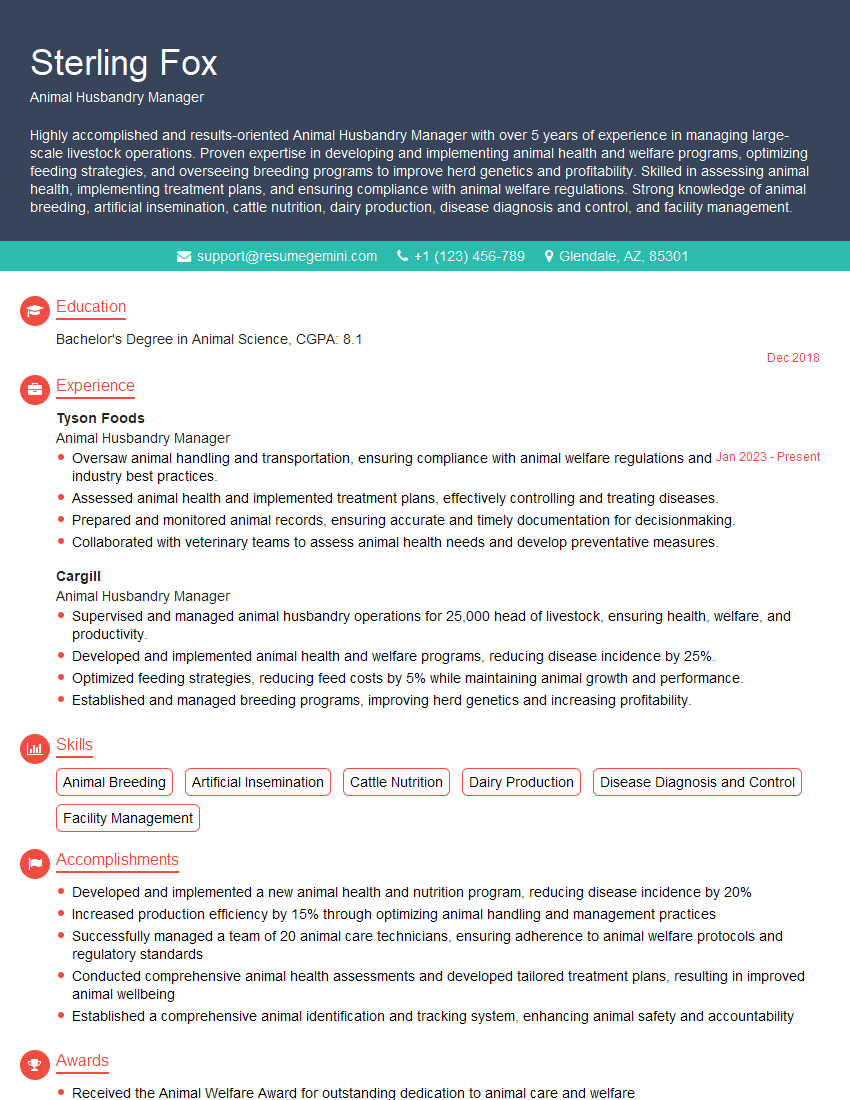
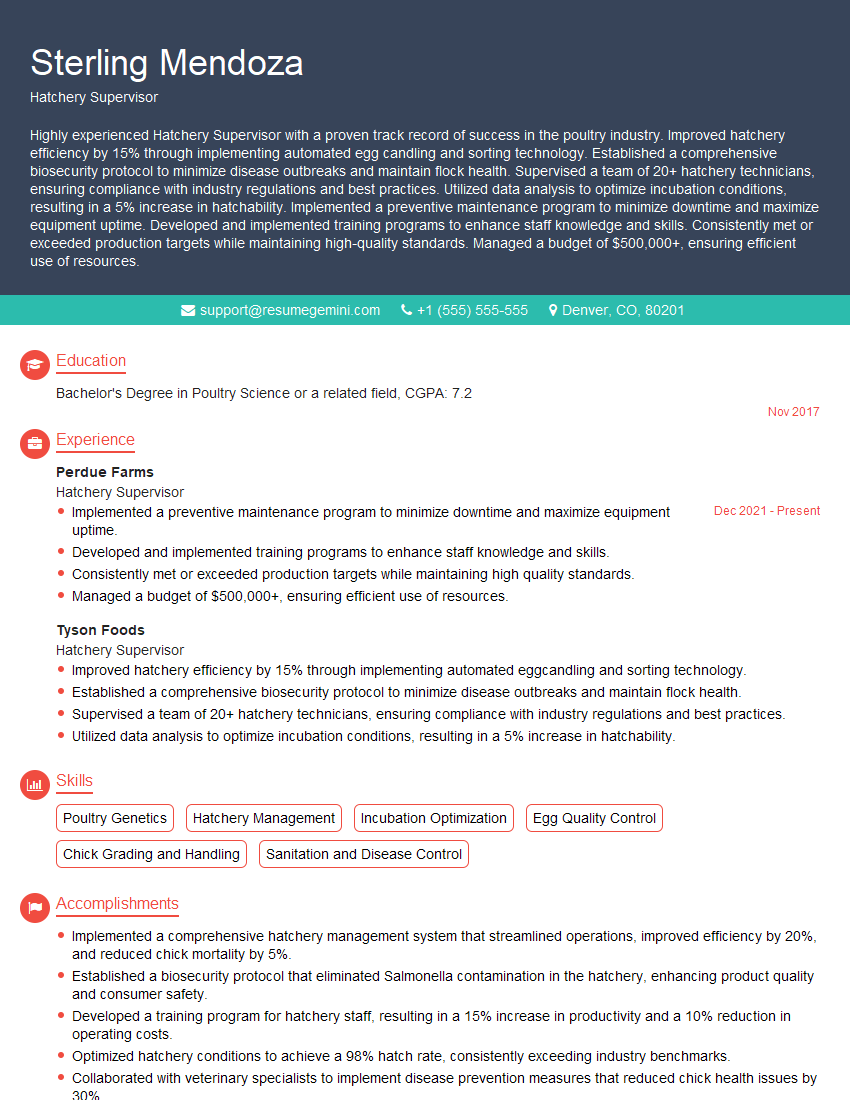
Mastering Incubation and Brooding Management is crucial for a successful career in poultry production and related fields. A strong understanding of these principles demonstrates your commitment to efficiency, animal welfare, and sustainable practices. To significantly increase your job prospects, crafting an ATS-friendly resume is essential. ResumeGemini can help you build a powerful resume that highlights your skills and experience effectively. ResumeGemini provides examples of resumes tailored to Incubation and Brooding Management to guide you in creating a compelling application.

Explore more articles
Users Rating of Our Blogs
Share Your Experience
We value your feedback! Please rate our content and share your thoughts (optional).
What Readers Say About Our Blog
Very informative content, great job.
good