Are you ready to stand out in your next interview? Understanding and preparing for Indoor Air Quality (IAQ) interview questions is a game-changer. In this blog, we’ve compiled key questions and expert advice to help you showcase your skills with confidence and precision. Let’s get started on your journey to acing the interview.
Questions Asked in Indoor Air Quality (IAQ) Interview
Q 1. Describe the common indoor air pollutants and their health effects.
Indoor air pollutants are substances in the air inside buildings that can harm human health. These pollutants range from gases to tiny particles, and their effects depend on the pollutant, the concentration, and the duration of exposure.
- Biological Pollutants: These include mold, bacteria, viruses, dust mites, and pet dander. They can trigger allergies, asthma, and other respiratory illnesses. Imagine a damp basement – the perfect breeding ground for mold, which releases spores that can travel throughout the building.
- Gaseous Pollutants: These are often invisible and odorless. Common examples include carbon monoxide (CO), radon, volatile organic compounds (VOCs) from paints and cleaning products, and formaldehyde from furniture and building materials. CO is a silent killer, leading to headaches, dizziness, and even death. VOCs can irritate eyes, nose, and throat, and long-term exposure to some can be linked to cancer. Radon is a radioactive gas that can cause lung cancer.
- Particulate Matter (PM): These are tiny solid or liquid particles suspended in the air. Sources include combustion (like fireplaces or stoves), construction dust, and pollen. PM can worsen respiratory conditions like asthma and bronchitis, and smaller particles (PM2.5) can penetrate deep into the lungs.
- Other Pollutants: These include asbestos (a known carcinogen), lead (from old paint), and pesticides.
The health effects of indoor air pollutants can range from mild irritation to severe illness and even death. Symptoms can include headaches, dizziness, nausea, respiratory problems, eye and throat irritation, and allergies.
Q 2. Explain the principles of ventilation and its role in maintaining good IAQ.
Ventilation is the process of exchanging indoor air with outdoor air. It’s crucial for maintaining good IAQ by diluting and removing indoor air pollutants. Think of it like refreshing a room – opening a window brings in fresh air and carries away stale, potentially harmful air.
The principles of effective ventilation include:
- Dilution: Introducing fresh outdoor air reduces the concentration of pollutants already present indoors.
- Displacement: Carefully designed ventilation systems can remove pollutants from specific areas, such as near cooking appliances or sources of chemical emissions.
- Air Changes per Hour (ACH): This measures how many times the entire volume of air in a space is replaced per hour. A higher ACH generally indicates better ventilation. The ideal ACH depends on factors like the building type and occupancy.
- Types of Ventilation: Natural ventilation relies on opening windows and doors, while mechanical ventilation uses fans and ductwork to control airflow. Mechanical systems can include exhaust fans, supply fans, and heat recovery ventilators (HRVs) that recover heat from outgoing air to save energy.
Proper ventilation is essential for preventing the buildup of pollutants, controlling humidity (which can promote mold growth), and providing a comfortable and healthy indoor environment. A well-designed ventilation system is a cornerstone of good IAQ management.
Q 3. What are the key components of an IAQ assessment?
An IAQ assessment involves a systematic evaluation of the indoor environment to identify and quantify potential health risks from air pollutants. A comprehensive assessment typically includes:
- Visual Inspection: A walkthrough to identify potential sources of pollution, such as mold, water damage, or inadequate ventilation.
- Occupant Interviews: Gathering information from building occupants about their health concerns and observations related to air quality. This is vital, as occupants often notice issues before they’re readily apparent through testing.
- Air Sampling and Testing: Collecting air samples to measure the concentrations of specific pollutants, such as VOCs, radon, mold spores, or particulate matter. This allows for quantitative data to confirm suspected problems.
- Environmental Monitoring: Measuring factors like temperature, humidity, and carbon dioxide levels. These parameters affect comfort and can influence pollutant levels.
- Review of Building Plans and Maintenance Records: Understanding the building’s design, construction materials, and maintenance history provides valuable context.
The goal of an IAQ assessment is to identify problems, determine their severity, and recommend appropriate remediation strategies to improve indoor air quality. The results form the basis for a targeted intervention plan. A well-structured assessment is crucial for protecting the health and well-being of building occupants.
Q 4. How do you identify and assess sources of indoor air pollution?
Identifying and assessing sources of indoor air pollution requires a systematic approach combining observation, testing, and occupant feedback.
- Visual Inspection: This includes checking for visible signs of mold, water damage, pest infestations, dust accumulation, and damaged building materials.
- Occupant Interviews: Talking to building occupants helps identify potential problems that might not be immediately obvious. For example, they may report unusual odors, respiratory issues, or allergic reactions only experienced while indoors.
- Air Sampling and Testing: This is essential to confirm suspicions raised during the visual inspection and occupant interviews. Specific tests will depend on the suspected pollutants. For example, a radon test for elevated radon levels, or a mold test if water damage is present.
- Source Identification: Once pollutants are identified, it’s important to track down the source. This often involves reviewing building plans, maintenance records, and identifying potential emission sources, such as cleaning products, building materials, or HVAC equipment.
- Using specialized equipment: Employing tools such as infrared cameras to detect hidden moisture problems or particle counters to measure particulate matter concentrations helps to provide a more precise assessment of the pollution sources and their severity.
Careful investigation and a combination of methodologies are key to pinpointing sources and designing effective remediation strategies. A methodical approach ensures that the root cause is addressed, rather than merely treating symptoms.
Q 5. What are the different types of air filtration systems and their effectiveness?
Air filtration systems remove airborne pollutants from the air. Different types exist, each with varying levels of effectiveness:
- HEPA Filters (High-Efficiency Particulate Air): These are highly effective at removing particles, including pollen, dust mites, and some bacteria and viruses. HEPA filters are rated to remove at least 99.97% of particles 0.3 microns in size or larger. They’re often used in specialized air cleaners or as part of HVAC systems.
- ULPA Filters (Ultra-Low Penetration Air): Even more effective than HEPA filters, ULPA filters remove at least 99.999% of particles 0.12 microns in size or larger. These are typically used in cleanrooms or other environments requiring extremely high air purity.
- Activated Carbon Filters: These filters use activated carbon to absorb gaseous pollutants, such as VOCs, odors, and some chemicals. They are often used in conjunction with HEPA filters to provide broader pollutant removal.
- Electrostatic Precipitators: These use an electrical charge to attract and remove particles from the air. They’re less effective than HEPA filters for very small particles but can be effective for larger particles.
The effectiveness of an air filtration system depends on factors such as the filter type, the airflow rate, the filter’s cleanliness, and the concentration and type of pollutants. Regular filter changes are critical for maintaining performance. For example, a clogged HEPA filter will not perform as designed and should be replaced regularly.
Q 6. Explain the concept of building pressurization and its influence on IAQ.
Building pressurization refers to the air pressure difference between the inside and outside of a building. It influences IAQ by affecting airflow and pollutant movement.
Positive Pressure: This means the indoor air pressure is higher than the outdoor air pressure. This tends to prevent outdoor air and pollutants from entering the building. However, it can also lead to air leakage from the building, potentially causing energy loss.
Negative Pressure: This means the indoor air pressure is lower than the outdoor air pressure. This can draw in outdoor air and pollutants, but it also enhances the exhaust of indoor air and pollutants. This can be useful in areas where contaminants are generated, like a kitchen or lab.
Neutral Pressure: This is a balance between positive and negative pressure, with minimal pressure difference between inside and outside. This is often the ideal condition for IAQ if properly designed and maintained.
The optimal pressurization strategy depends on several factors, including the building type, climate, and intended use. Improper pressurization can compromise IAQ by enabling pollutant infiltration or hindering the effective removal of indoor contaminants. Careful design and monitoring of building pressurization are key components of effective IAQ management.
Q 7. What are some common IAQ problems in residential and commercial buildings?
Common IAQ problems vary between residential and commercial buildings, but some overlap exists.
- Residential Buildings:
- Mold and Mildew: Often caused by water leaks or high humidity, leading to respiratory problems.
- Radon: A radioactive gas that can seep into homes from the ground, increasing the risk of lung cancer.
- VOCs from Building Materials and Furnishings: New carpets, paints, and furniture can release VOCs, causing irritation and other health issues.
- Poor Ventilation: Inadequate ventilation can lead to a buildup of pollutants and moisture.
- Commercial Buildings:
- Legionnaires’ Disease: A severe form of pneumonia caused by bacteria that thrive in water systems.
- Sick Building Syndrome (SBS): A range of symptoms, including headaches, eye irritation, and fatigue, associated with spending time in a particular building. Usually due to multiple factors, rather than one single pollutant.
- High Carbon Dioxide Levels: Poorly ventilated spaces can have high CO2 levels, reducing occupant productivity and comfort.
- Asbestos: In older buildings, asbestos can pose a significant health risk if disturbed.
Addressing these problems requires tailored solutions, ranging from simple fixes like improving ventilation and fixing leaks to more complex interventions, such as remediation of mold or asbestos abatement.
Q 8. How do you interpret IAQ test results, such as mold spores or VOC concentrations?
Interpreting IAQ test results requires understanding the context of the findings and comparing them to established guidelines. For example, mold spore counts are not inherently good or bad; a high count of a common outdoor mold might be insignificant, while a low count of a toxigenic mold like Stachybotrys chartarum (black mold) is cause for serious concern. Similarly, VOC (Volatile Organic Compound) concentrations are evaluated against established safety limits set by organizations like the EPA.
Let’s consider a scenario with elevated mold spores. We wouldn’t simply look at the number of spores but also at the types of spores. Are they common outdoor molds? Are they known allergenic or toxigenic molds? The location of the sample is also crucial; high counts near a window might indicate outdoor sources, while high counts in a hidden area suggest a potential problem. For VOCs, we compare measured concentrations to established exposure limits. Exceeding these limits indicates a need for further investigation and remediation.
In essence, interpretation is about evaluating the risk. A thorough assessment considers the quantitative data (concentration levels), qualitative data (types of contaminants), and the context of the finding (location, building history) to determine the overall IAQ risk and guide remediation efforts.
Q 9. Describe the methods used to remediate mold contamination.
Mold remediation is a multifaceted process demanding specialized expertise. It begins with identifying the source of the moisture problem that’s feeding the mold growth. This might involve fixing leaks, improving ventilation, or addressing condensation issues.
- Containment: Before any remediation starts, the affected area is typically contained using plastic sheeting and negative air pressure to prevent the spread of spores.
- Removal: Moldy materials are removed, carefully bagged, and disposed of properly. This often involves demolition of drywall, flooring, or other affected materials. For small areas, brushing or wiping might be sufficient but should only be done by professionals with appropriate PPE.
- Cleaning: Surfaces are thoroughly cleaned using appropriate detergents and disinfectants, paying close attention to porous materials. The efficacy of the cleaning process needs to be verified.
- Restoration: Once the mold is removed and the area cleaned, any damaged materials are replaced, and proper moisture control measures are implemented to prevent recurrence.
- Post-remediation testing: After remediation, air and surface samples are taken to verify the effectiveness of the remediation efforts.
Improper mold remediation can exacerbate the problem, spreading spores and causing further health issues. It’s essential to employ certified professionals with experience in mold remediation, always following local health and safety regulations.
Q 10. What are the legal and regulatory requirements for IAQ in your region?
Legal and regulatory requirements for IAQ vary significantly by region and jurisdiction, often involving a complex interplay of federal, state, and local regulations. For example, OSHA (Occupational Safety and Health Administration) sets standards for workplace IAQ in the United States, addressing things like permissible exposure limits for hazardous substances. The EPA (Environmental Protection Agency) provides guidelines and recommendations for indoor air quality in general, focusing on reducing exposure to harmful pollutants. Many local municipalities have their own building codes and regulations that address ventilation, moisture control, and other IAQ-related aspects of construction and building maintenance.
Specific regulations might cover things like ventilation rates, acceptable levels of various contaminants, mold remediation protocols, and the required documentation related to IAQ assessments. Staying updated on these regulations is crucial for professionals working in this field, as compliance is often legally mandated and failure to comply can lead to penalties.
It’s always best to consult with legal professionals and local regulatory bodies to obtain the most up-to-date and relevant information for a specific area.
Q 11. How do you design and implement an IAQ monitoring plan?
Designing and implementing an IAQ monitoring plan involves a systematic approach, tailored to the specific building and its occupants. The plan should begin with a thorough risk assessment, considering factors such as the building’s age, occupancy, the presence of potential IAQ issues (e.g., past water damage), and the specific concerns of the occupants (e.g., allergies).
- Defining Objectives: What are you trying to achieve with the monitoring plan? Are you trying to identify existing problems, track the effectiveness of remediation efforts, or ensure ongoing compliance with regulations?
- Sampling Strategy: Determine the types of samples needed (air, surface, bulk), the sampling frequency, and the locations within the building to be sampled. Factors like ventilation patterns and occupancy will influence the choice of sampling locations.
- Sampling Methods: Select appropriate sampling methods and equipment based on the objectives and the type of contaminants being monitored. Passive samplers are useful for longer-term monitoring of VOCs, while active samplers are better for immediate assessments of airborne particles.
- Data Analysis and Interpretation: Establish clear criteria for interpreting the results and determining whether corrective actions are necessary. This might involve comparing results to established standards or benchmarks.
- Reporting and Documentation: Document all sampling procedures, results, and corrective actions taken. Create regular reports summarizing the IAQ monitoring data and any recommendations for improvement.
Regular review and updating of the monitoring plan is essential to ensure it remains relevant and effective.
Q 12. What are the best practices for controlling airborne contaminants in construction projects?
Controlling airborne contaminants during construction is crucial for protecting workers’ health and the future IAQ of the building. This involves a multi-pronged approach focusing on source control, containment, and ventilation.
- Source Control: Minimize the generation of dust and other contaminants through the use of low-dust construction materials, proper demolition techniques, and effective cleaning practices.
- Containment: Isolate work areas where high levels of dust or other contaminants are expected, using plastic sheeting and other barriers. Negative air pressure systems can help prevent the spread of contaminants outside the contained areas.
- Ventilation: Provide adequate ventilation to dilute and remove airborne contaminants. This might involve using specialized HEPA-filtered vacuum cleaners, high-efficiency particulate air (HEPA) filters in ventilation systems, and exhaust fans.
- Personal Protective Equipment (PPE): Require workers to wear appropriate PPE, such as respirators, safety glasses, and protective clothing, to minimize exposure to airborne contaminants.
- Regular Cleaning: Implement a regular cleaning schedule to remove dust and debris. Use wet cleaning methods to minimize dust generation.
Following these practices not only protects workers but also leads to a healthier and more sustainable building with better long-term IAQ.
Q 13. Explain the importance of proper building maintenance in maintaining good IAQ.
Proper building maintenance is essential for maintaining good IAQ. Neglecting maintenance can lead to the buildup of contaminants, the development of moisture problems, and the eventual deterioration of building materials, all of which negatively impact indoor air quality.
- Regular Cleaning: Routine cleaning, including dusting, vacuuming, and mopping, removes dust, allergens, and other particulate matter.
- HVAC Maintenance: Regular maintenance of HVAC systems ensures proper airflow, filter efficiency, and prevents the buildup of mold and other contaminants within the system. This includes regular filter changes, coil cleaning, and system inspections.
- Moisture Control: Addressing and fixing leaks promptly, ensuring proper ventilation in bathrooms and kitchens, and managing humidity levels are crucial for preventing mold and mildew growth.
- Pest Control: Regular pest control prevents infestations that can contribute to allergens and other contaminants in the air.
- Exterior Maintenance: Maintaining the building’s exterior, such as proper sealing and caulking, prevents moisture intrusion.
A proactive maintenance program can significantly reduce the risk of IAQ problems, leading to a healthier and more comfortable indoor environment, and saving money in the long run by preventing costly repairs.
Q 14. Discuss different sampling methods for IAQ assessments.
Various sampling methods are employed in IAQ assessments, each with its own strengths and weaknesses. The choice of method depends on the type of contaminant being assessed, the resources available, and the specific objectives of the assessment.
- Grab Sampling: This involves collecting a single air sample at a specific point in time. It’s useful for obtaining a snapshot of IAQ at a particular moment, but it may not represent the average IAQ over a longer period.
- Integrated Sampling: This method uses a device to collect air samples over an extended period, providing a more representative average IAQ. Passive samplers for VOCs often fall under this category.
- Surface Sampling: Samples are collected from surfaces to identify the presence of mold or other contaminants. This can involve swabbing, tape lifting, or bulk sampling.
- Bulk Sampling: This involves collecting a larger sample of a material (e.g., drywall, insulation) suspected of containing mold or other contaminants. This is typically sent to a laboratory for analysis.
- Real-Time Monitoring: Utilizing instruments that continuously monitor IAQ parameters, providing real-time data on various pollutants. This is useful for identifying trends and sources of pollution.
The selection of the most appropriate sampling method should be based on the objectives of the assessment, taking into consideration factors such as the types of contaminants being evaluated and the need for accurate and representative results. A combination of sampling methods may be used to obtain a comprehensive IAQ assessment.
Q 15. What is the role of humidity control in preventing IAQ problems?
Humidity control plays a crucial role in maintaining good Indoor Air Quality (IAQ). Think of it like this: humidity levels that are too high or too low can significantly impact the growth of mold, mildew, dust mites, and other biological pollutants that negatively affect IAQ and human health.
High Humidity: Excessive moisture creates a breeding ground for mold and mildew, which release allergens and irritants into the air. This can trigger respiratory problems, allergies, and even asthma attacks. High humidity also makes it harder for building materials to dry out, potentially leading to structural damage and fostering the growth of bacteria.
Low Humidity: Conversely, extremely dry air can irritate the mucous membranes in our noses and throats, making us more susceptible to respiratory infections. Dry air can also exacerbate conditions like eczema and other skin problems. Furthermore, low humidity can cause static electricity build-up, potentially damaging electronics and increasing the risk of fires.
Optimal Control: Maintaining a relative humidity level between 30% and 50% is generally recommended for most indoor environments. This can be achieved through various methods, including humidifiers for dry climates, dehumidifiers for humid climates, and proper ventilation systems that regulate moisture levels. Regular maintenance of HVAC systems is also vital for proper humidity control.
Career Expert Tips:
- Ace those interviews! Prepare effectively by reviewing the Top 50 Most Common Interview Questions on ResumeGemini.
- Navigate your job search with confidence! Explore a wide range of Career Tips on ResumeGemini. Learn about common challenges and recommendations to overcome them.
- Craft the perfect resume! Master the Art of Resume Writing with ResumeGemini’s guide. Showcase your unique qualifications and achievements effectively.
- Don’t miss out on holiday savings! Build your dream resume with ResumeGemini’s ATS optimized templates.
Q 16. Explain the concept of sick building syndrome (SBS).
Sick Building Syndrome (SBS) is a term used to describe situations where occupants of a building experience a range of non-specific health complaints that seem to be linked to their time spent in that building. It’s important to emphasize that SBS is a collection of symptoms, not a specific illness.
Symptoms can include headaches, eye, nose, or throat irritation, fatigue, dizziness, and cognitive difficulties. These symptoms often improve or disappear when the person leaves the building. The crucial aspect of SBS is that no single identifiable cause can be pinpointed. It’s usually a combination of factors contributing to the problem.
Common contributing factors in SBS cases often include poor ventilation, chemical pollutants (VOCs from building materials, cleaning products etc.), biological contaminants (mold, dust mites), and inadequate temperature control. It’s often a complex interplay of these factors rather than any single culprit.
Example: Imagine an office building with poor ventilation, where the air is stagnant and filled with the smell of cleaning products. Many occupants might experience headaches, irritated eyes, and fatigue, yet no specific illness can be diagnosed. This is a classic example of potential SBS.
Q 17. How do you differentiate between building-related illness and SBS?
The key difference between Building-Related Illness (BRI) and Sick Building Syndrome (SBS) lies in the diagnosis. BRI refers to specific diagnosable illnesses directly caused by exposure to building contaminants. In contrast, SBS encompasses non-specific symptoms without a single identifiable causative agent.
Building-Related Illness (BRI): This involves identifiable agents like Legionnaires’ disease (from contaminated water systems), hypersensitivity pneumonitis (from exposure to mold spores), or allergic reactions from specific building materials. There’s a clear cause-and-effect relationship between the building environment and the specific illness.
Sick Building Syndrome (SBS): As previously discussed, SBS involves a collection of non-specific symptoms with no single identifiable source. It’s more of a constellation of complaints rather than a defined disease. The symptoms are often vague and improve when the individual leaves the building.
Analogy: Think of BRI like a specific infection, like a cold. You can clearly identify the virus causing the illness. SBS is more like general malaise – you feel unwell, but can’t pinpoint the exact cause.
Q 18. Describe the various types of air cleaners available for indoor spaces.
Several types of air cleaners are available for indoor spaces, each with its own strengths and weaknesses. The choice depends on the specific IAQ issues and the size of the space.
- HEPA Filters: High-Efficiency Particulate Air filters are excellent at removing very small particles, including pollen, dust mites, and pet dander. They are highly effective but require regular maintenance and replacement of the filters.
- Activated Carbon Filters: These filters adsorb gaseous pollutants, such as volatile organic compounds (VOCs) and odors. They are often used in conjunction with HEPA filters for a comprehensive approach.
- Electrostatic Precipitators: These devices use an electrical charge to attract and remove particles from the air. They are relatively energy-efficient, but may not be as effective as HEPA filters for removing the smallest particles.
- UV-C Air Purifiers: These use ultraviolet light to kill bacteria and viruses in the air. They are often used in conjunction with other filter types for a more comprehensive approach.
- Ionic Air Purifiers: These devices use ions to neutralize pollutants. Their effectiveness is debatable and more research is needed.
Important Note: Always follow manufacturer’s instructions for proper installation, maintenance, and filter replacement to ensure optimum performance and safety.
Q 19. What are the limitations of using air cleaners for IAQ remediation?
While air cleaners can be beneficial tools for IAQ remediation, they have limitations:
- Limited Scope: Air cleaners primarily address airborne pollutants. They do not address problems originating from sources like contaminated water systems, inadequate ventilation, or building materials.
- Filter Capacity: Filters have a limited capacity and will eventually become saturated, reducing their effectiveness. Regular maintenance and filter replacement are essential.
- Noise and Energy Consumption: Some air cleaners can be noisy, and others consume significant energy. This needs to be considered, especially in sensitive environments like bedrooms or offices.
- Inadequate Ventilation: Air cleaners work best in well-ventilated spaces. They can’t compensate for a building’s inherent poor ventilation.
- Maintenance: Regular filter changes and maintenance are crucial for air cleaners to work effectively. Neglecting this can severely impact their performance.
Example: An air cleaner can effectively reduce dust and pollen levels, but it won’t solve the problem of mold growing behind a wall due to a water leak.
Q 20. How would you investigate complaints of poor IAQ in an office building?
Investigating poor IAQ complaints in an office building requires a systematic approach. My methodology would involve:
- Initial Assessment: Begin with a thorough review of building plans, maintenance records, and any previous IAQ assessments. This includes interviewing occupants to understand the nature, frequency, and location of complaints.
- Visual Inspection: Conduct a thorough visual inspection of the building, paying close attention to areas where complaints are concentrated. Look for signs of water damage, mold growth, pest infestations, and unusual odors.
- Environmental Monitoring: Collect air and surface samples for laboratory analysis. This could include testing for biological contaminants (bacteria, mold, endotoxins), VOCs, particulate matter, and asbestos (if applicable). The sampling strategy must be representative of the suspected sources and areas of concern.
- Ventilation Assessment: Assess the building’s ventilation system, including airflow rates, filter efficiency, and the presence of any contaminants within the system.
- Data Analysis: Analyze the collected data to identify patterns and potential sources of IAQ problems. Consider using statistical methods to correlate health complaints with environmental factors.
- Remediation Plan: Based on the findings, develop a comprehensive remediation plan. This may involve cleaning or replacing contaminated materials, upgrading the ventilation system, implementing pest control measures, or addressing moisture problems.
- Post-Remediation Monitoring: After implementing the remediation plan, conduct post-remediation monitoring to assess the effectiveness of the interventions and ensure the IAQ has improved.
Throughout the process, I would maintain open communication with building occupants and management to keep them informed of progress and address their concerns.
Q 21. Describe your experience with IAQ software and data analysis.
My experience with IAQ software and data analysis is extensive. I’ve utilized various software packages for data management, statistical analysis, and visualization throughout my career. I am proficient in using software such as R and Python for advanced statistical modeling and data analysis involving large IAQ datasets. This includes using packages like ggplot2 (R) for creating informative visualizations and scikit-learn (Python) for machine learning applications in predicting IAQ issues based on historical data and environmental parameters.
In a recent project, I used R to analyze data from multiple sensors deployed throughout a large office building. The data included temperature, humidity, carbon dioxide levels, and particulate matter concentrations. I used statistical modeling to identify correlations between these factors and occupant complaints. This enabled us to pinpoint specific areas requiring remediation and to optimize the building’s HVAC system for improved IAQ.
Furthermore, my experience extends to using specialized IAQ software for modeling airflow patterns within buildings. This software allows for a more in-depth understanding of how pollutants are distributed and how ventilation strategies can be optimized. This combined approach of data analysis and modeling is crucial for developing effective and data-driven IAQ remediation strategies.
Q 22. Explain the relationship between IAQ and energy efficiency.
Improving Indoor Air Quality (IAQ) and enhancing energy efficiency often go hand-in-hand, though it’s not always a direct, one-to-one relationship. Energy-efficient buildings, while designed to minimize energy loss, can sometimes unintentionally create IAQ challenges. For example, highly airtight buildings, while conserving energy, can trap pollutants if proper ventilation isn’t incorporated. This is where balanced ventilation systems become crucial. They bring in fresh, filtered air while exhausting stale, contaminated air, thus maintaining good IAQ without compromising energy savings.
Conversely, poor IAQ can negatively impact energy efficiency. For instance, inadequate insulation can lead to increased energy consumption for heating and cooling, but it can also contribute to moisture problems, fostering mold growth, a significant IAQ concern. Similarly, inefficient HVAC systems might not effectively remove contaminants, necessitating higher energy usage to compensate for poor air circulation and filtration.
Therefore, a holistic approach is necessary. Designing and operating buildings with both energy efficiency and IAQ in mind is key to achieving optimal outcomes. This often involves utilizing technologies such as Energy Recovery Ventilators (ERVs) and Heat Recovery Ventilators (HRVs), which recover heat or cool from exhaust air to pre-condition incoming fresh air, minimizing energy loss while ensuring proper ventilation.
Q 23. What safety measures are necessary when conducting IAQ assessments?
Safety is paramount during IAQ assessments. We always prioritize personal protective equipment (PPE), including respirators (appropriate for the suspected contaminants), gloves, and safety glasses. Before entering a space, we assess for potential hazards like asbestos, lead paint, or confined space entry risks. If necessary, we collaborate with specialists and obtain necessary permits. We also employ proper sampling techniques to prevent cross-contamination and ensure accurate results. For example, when sampling for mold, we carefully seal samples to prevent spore dispersal. Accurate documentation of procedures, including safety measures, is crucial for liability and legal compliance. Finally, regular safety briefings and training reinforce our commitment to a safe working environment.
Moreover, depending on the suspected pollutants, specialized equipment may be needed. Gas detectors for carbon monoxide or volatile organic compounds (VOCs) are often used. Air sampling pumps and collection media are essential for identifying particulate matter and microbial contaminants. We always follow manufacturer’s instructions for using equipment and adhere to relevant safety regulations.
Q 24. How do you communicate complex IAQ information to non-technical audiences?
Communicating complex IAQ information to non-technical audiences requires simplifying technical jargon and using clear, concise language. I use analogies and visual aids, such as charts and graphs, to illustrate key concepts. For example, instead of saying ‘elevated particulate matter concentrations,’ I might say, ‘Think of it like having dust and tiny particles in the air that can irritate your lungs and affect your health.’ I also focus on the impact of poor IAQ on their health and well-being, emphasizing tangible results like improved sleep, reduced allergy symptoms, and enhanced productivity.
Storytelling also plays a vital role. Sharing real-world case studies where IAQ improvements led to positive outcomes helps the audience relate to the information. I also avoid overwhelming them with excessive data; instead, I focus on the key takeaways and actionable steps they can take. Interactive sessions and Q&A periods allow for clarification and engagement, ensuring everyone understands the importance of IAQ and the steps to improve it.
Q 25. Describe your experience with different IAQ standards and guidelines.
My experience encompasses a wide range of IAQ standards and guidelines, including ASHRAE Standard 62.1 (Ventilation for Acceptable Indoor Air Quality), ASHRAE Standard 55 (Thermal Environmental Conditions for Human Occupancy), and ANSI/ASHRAE Standard 110 (Methods of Testing Performance of Ventilation Systems). I am also familiar with the various guidelines published by the EPA (Environmental Protection Agency) on indoor air pollutants, such as radon, mold, and VOCs. Furthermore, I understand the importance of complying with local building codes and regulations that pertain to IAQ. My familiarity with these standards is vital to developing effective strategies for IAQ assessment and remediation that ensure compliance and protect the health and safety of building occupants. I frequently refer to these guidelines to ensure my recommendations are evidence-based and aligned with industry best practices.
Q 26. What are the key differences between IAQ in residential and industrial settings?
The key differences between IAQ in residential and industrial settings primarily lie in the types and sources of pollutants, the level of control over the environment, and the potential health risks. Residential settings typically deal with pollutants from everyday sources such as cooking, cleaning products, pet dander, and building materials. The occupants often have more direct control over IAQ through ventilation and cleaning practices. While health risks can be significant, they often manifest as allergies, respiratory irritation, or minor illnesses.
Industrial settings, however, present a much wider range of potential hazards, including exposure to chemicals, dusts, fumes, and biological agents depending on the industry. Control over IAQ is often more complex, necessitating sophisticated ventilation systems, engineering controls, and stringent safety protocols. Health risks can range from mild irritation to severe illnesses, including respiratory diseases, cancers, and other chronic conditions. The regulatory requirements and monitoring procedures in industrial settings are typically much more stringent than those for residential spaces.
Q 27. Explain how you would prioritize IAQ remediation projects based on risk and cost.
Prioritizing IAQ remediation projects involves a risk-based approach, balancing the potential health impacts with the cost of remediation. I typically use a matrix that considers several factors. Firstly, the severity of the risk is evaluated. This includes assessing the concentration of pollutants, potential health effects, and the vulnerability of the occupants (e.g., presence of children, elderly, or individuals with pre-existing respiratory conditions). Secondly, the feasibility and cost of remediation are assessed. This considers the complexity of the solution, the availability of resources, and the potential disruption to operations. Finally, I use a scoring system to prioritize projects based on the combination of risk and cost-effectiveness. High-risk, low-cost remediation projects will naturally be prioritized. Involving stakeholders in the decision-making process facilitates transparency and buy-in.
For instance, addressing a high concentration of radon, a known carcinogen, would take precedence over tackling minor VOC issues, even if the latter is less expensive. However, if a remediation option presents high cost and only addresses a low-risk issue, its feasibility will be reconsidered to optimize resource allocation.
Q 28. Describe a time you had to troubleshoot a challenging IAQ problem.
I once investigated a case of persistent headaches and respiratory irritation in a newly renovated office building. Initial assessments showed normal levels of common pollutants. However, the symptoms were pervasive and consistently reported. Through meticulous investigation, we discovered a subtle issue: the new carpeting contained high levels of off-gassing VOCs. While the individual VOC concentrations were below detection limits of standard testing equipment, their cumulative effect caused the reported problems. This required the use of more sensitive analytical methods to pinpoint the source.
The solution involved identifying the specific chemicals causing the issues, working closely with the building management to remove and replace the carpeting, and implementing an enhanced ventilation strategy to accelerate the off-gassing process. Post-remediation monitoring confirmed a significant reduction in reported symptoms and highlighted the importance of thorough investigation and the use of advanced analytical techniques when dealing with complex IAQ problems, rather than simply relying on standard testing methodologies.
Key Topics to Learn for Indoor Air Quality (IAQ) Interview
- Sources of Indoor Air Pollutants: Understanding common pollutants like VOCs, radon, mold, and particulate matter, including their sources and health effects.
- IAQ Measurement and Assessment: Familiarize yourself with various monitoring techniques and equipment used to assess IAQ, and interpreting the results to identify problem areas.
- Ventilation Strategies: Explore different ventilation systems (natural, mechanical) and their effectiveness in controlling IAQ. Understand the principles of air exchange rates and dilution.
- Air Filtration and Purification: Learn about various filtration technologies (HEPA, activated carbon) and their applications in improving IAQ. Discuss the pros and cons of different approaches.
- Building Design and Construction for IAQ: Understand how building materials, design features (e.g., airtightness), and construction practices impact IAQ. Discuss sustainable building practices promoting good IAQ.
- IAQ Regulations and Standards: Be aware of relevant codes, guidelines, and standards related to indoor air quality in your region. Understand their implications for design and remediation.
- Health Effects of Poor IAQ: Thoroughly grasp the relationship between poor IAQ and respiratory illnesses, allergies, sick building syndrome, and other health problems. This is crucial for communicating risks and solutions effectively.
- IAQ Remediation Strategies: Know various strategies to address and mitigate IAQ issues, such as mold remediation, source control, and air purification techniques. Discuss practical examples of remediation projects and challenges involved.
- Risk Assessment and Management: Learn about conducting risk assessments for IAQ, identifying potential hazards, and developing mitigation plans. Understand how to prioritize remediation efforts based on risk levels.
- Emerging Technologies in IAQ: Stay updated on new technologies and research in IAQ management, such as smart sensors, predictive modeling, and advanced filtration systems. This demonstrates a commitment to professional development.
Next Steps
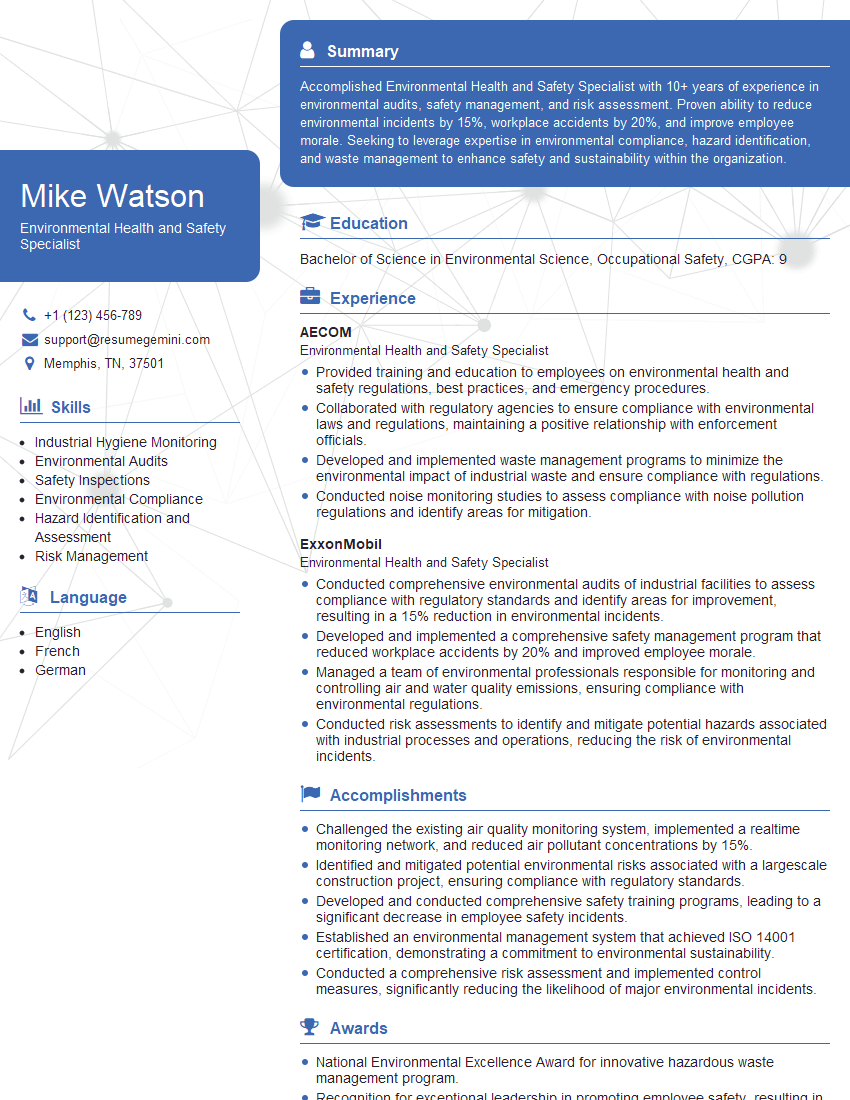
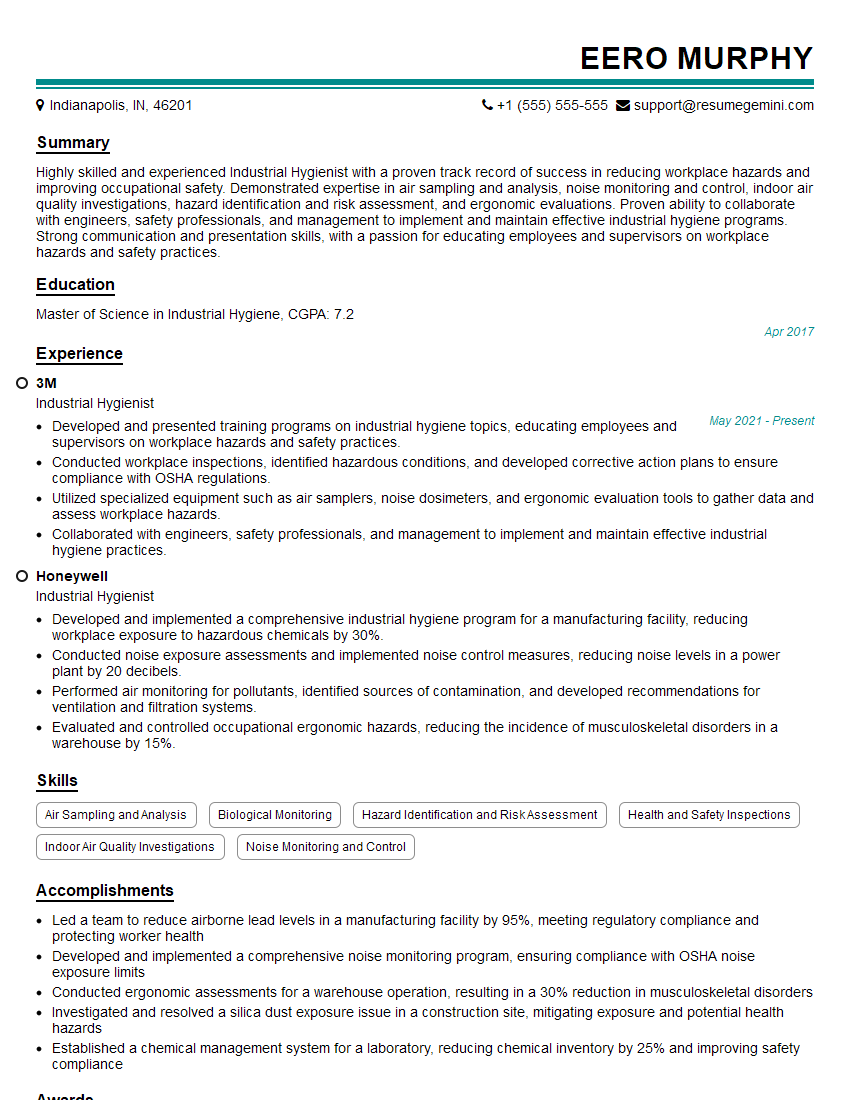
Mastering Indoor Air Quality (IAQ) principles opens doors to exciting career opportunities in building engineering, environmental consulting, and public health. To increase your job prospects, it’s crucial to create a compelling and ATS-friendly resume that highlights your skills and experience. ResumeGemini is a trusted resource that can help you craft a professional resume tailored to the IAQ field. We provide examples of resumes optimized for IAQ-related roles to help you showcase your qualifications effectively. This will significantly improve your chances of landing your dream job.
Explore more articles
Users Rating of Our Blogs
Share Your Experience
We value your feedback! Please rate our content and share your thoughts (optional).
What Readers Say About Our Blog
Very informative content, great job.
good