Interviews are opportunities to demonstrate your expertise, and this guide is here to help you shine. Explore the essential Industrial Hygiene Monitoring and Analysis interview questions that employers frequently ask, paired with strategies for crafting responses that set you apart from the competition.
Questions Asked in Industrial Hygiene Monitoring and Analysis Interview
Q 1. Explain the hierarchy of controls in industrial hygiene.
The Hierarchy of Controls in industrial hygiene prioritizes eliminating hazards, starting with the most effective and progressing to less effective methods. It’s like a pyramid, with the most desirable controls at the base and the least desirable at the top.
- Elimination: This is the best option, completely removing the hazard. For example, replacing a hazardous chemical with a safer alternative.
- Substitution: Replacing a hazardous material or process with a less hazardous one. Instead of using a solvent that is a known carcinogen, substitute with a water-based cleaner.
- Engineering Controls: Modifying the work environment to minimize exposure. Examples include installing ventilation systems to remove airborne contaminants, using enclosed systems for chemical processes, or implementing machine guarding to prevent injuries.
- Administrative Controls: Changes in work practices to reduce exposure. This could include implementing job rotation to limit exposure to specific hazards, providing additional training, or limiting exposure time.
- Personal Protective Equipment (PPE): The least effective method, used as a last resort. PPE includes respirators, gloves, safety glasses, etc. It protects the worker but doesn’t eliminate the hazard itself. Think of it as a safety net – important, but ideally, you shouldn’t need it.
The hierarchy emphasizes proactive and preventive measures. We always aim for the most effective control method, moving up the hierarchy only when lower-level controls are insufficient.
Q 2. Describe the different types of air sampling methods and their applications.
Air sampling methods are crucial for quantifying airborne hazards. Different methods are needed depending on the contaminant and workplace conditions.
- Passive Sampling: A simple, cost-effective method for time-weighted average (TWA) measurements of gases and vapors. A diffusion tube or badge is placed in the breathing zone, absorbing the contaminant over a set period. It’s great for long-term monitoring, but less precise than active sampling.
- Active Sampling: A pump draws air through a collection medium (filter, sorbent tube, impinger) at a known flow rate. This offers more control and better accuracy for TWA and short-term exposure limit (STEL) measurements, but requires more equipment and training. It’s ideal for various contaminants, including dusts, fumes, mists, and gases. Think of it like a vacuum cleaner, collecting precisely the air around it.
- Direct-Reading Instruments: Provide immediate results, useful for assessing sudden releases or spikes in contamination levels. Examples include photoionization detectors (PIDs) for volatile organic compounds (VOCs), and electrochemical sensors for gases like carbon monoxide. These instruments are quick and useful for identifying immediate hazards but might lack precision for regulatory compliance purposes.
The choice of sampling method depends on factors such as the type of contaminant, desired sampling duration, required accuracy, and budget constraints. For instance, measuring silica dust requires active sampling with a filter, whereas measuring formaldehyde might use passive sampling badges. In a sudden chemical spill response, a direct-reading instrument will provide crucial immediate data.
Q 3. What are the common methods for noise monitoring and assessment?
Noise monitoring and assessment are essential for protecting workers from hearing loss. Common methods include:
- Sound Level Meters: These measure sound pressure levels (SPLs) in decibels (dB). Different weighting networks (A-weighting is common) simulate the human ear’s response to different frequencies. We use these to get a snapshot of the noise level at a given moment or calculate an 8-hour TWA.
- Dosimeters: Worn by workers throughout their shift, these devices measure personal noise exposure. They provide a more accurate assessment of individual noise exposure levels and provide a measure of the TWA across the whole workday. This is essential for compliance with regulations.
- Noise Mapping: Involves creating a detailed map of noise levels within a facility. This helps identify noise hotspots and areas requiring noise control measures. This is extremely useful for planning interventions and showing management where the problems lie.
Interpreting data involves comparing measured levels to permissible exposure limits (PELs) and thresholds. If exposure exceeds limits, engineering controls (sound-dampening materials, machine enclosures), administrative controls (work rotation, providing hearing protection), and PPE (earplugs, earmuffs) must be implemented.
Q 4. How do you interpret and evaluate air sampling results?
Interpreting air sampling results involves comparing the measured concentrations to established exposure limits. A crucial step is ensuring that the sampling and analytical methods are validated and within quality control standards.
- Calculations: The measured concentration is typically calculated as a time-weighted average (TWA) concentration. For active sampling, this involves calculating the total mass of contaminant collected, divided by the sampling volume and time. The result represents the average concentration of the contaminant over the sampling period.
- Comparison with Exposure Limits: The calculated TWA is compared to OSHA Permissible Exposure Limits (PELs) or ACGIH Threshold Limit Values (TLVs). If the TWA exceeds the limit, it indicates potential health risks.
- Statistical Analysis: Statistical analysis may be needed, especially when multiple samples are collected. It helps determine if differences between samples are statistically significant. It helps establish confidence in the data and conclusions.
- Uncertainty Analysis: Recognizing the uncertainty associated with sampling and analytical methods is crucial for accurate interpretation of the results. This often means discussing the range within which the result is probably valid, rather than quoting a singular precise number.
For example, if the TWA for a particular solvent is 5 ppm, and the OSHA PEL is 10 ppm, the exposure is below the limit. However, if it’s 15 ppm, it clearly indicates a need for corrective actions.
Q 5. What are the OSHA PELs and ACGIH TLVs, and how are they used?
OSHA PELs (Permissible Exposure Limits) and ACGIH TLVs (Threshold Limit Values) are guidelines for worker exposure to airborne contaminants. They represent different approaches to risk assessment. It is important to remember that they are not absolute standards, but represent professional judgements of acceptable risk.
- OSHA PELs: Legally enforceable limits in the United States. They are legally binding and OSHA can issue citations for non-compliance.
- ACGIH TLVs: Recommended guidelines developed by the American Conference of Governmental Industrial Hygienists. These are not legally binding but are widely respected and often used as a basis for setting OSHA PELs and other regulatory standards around the world. They are often more sophisticated than OSHA PELs, incorporating more recent research and data.
Both PELs and TLVs are expressed as time-weighted averages (TWA), short-term exposure limits (STEL), and ceiling limits (C). They’re used during hazard assessments, air monitoring program development, and compliance evaluations. For example, if an air sample shows a TWA concentration of a particular chemical above its PEL, then steps must be taken to reduce worker exposure to that chemical.
Q 6. Explain the process of conducting a hazard assessment in an industrial setting.
A hazard assessment systematically identifies and evaluates workplace hazards. It’s a critical first step in any industrial hygiene program. It is often a multi-stage process
- Hazard Identification: This involves identifying potential hazards, such as chemical exposure, noise, ergonomic issues, and physical hazards. Methods include walkthrough surveys, reviewing safety data sheets (SDSs), interviewing workers, and reviewing accident records.
- Hazard Characterization: This step describes the nature and severity of each identified hazard. It involves reviewing scientific literature, consulting with subject matter experts, and determining the potential health effects associated with each hazard.
- Exposure Assessment: This is where industrial hygiene monitoring plays a key role. It determines the extent of worker exposure to each hazard using techniques like air sampling, noise monitoring, and biological monitoring. This step quantifies the risk.
- Risk Evaluation: This step combines hazard characterization and exposure assessment to evaluate the overall risk. It involves comparing the level of exposure to established limits (PELs, TLVs) and weighing the likelihood and severity of potential health effects.
- Control Recommendations: Based on the risk evaluation, appropriate control measures are recommended and prioritized using the hierarchy of controls.
An example might be a chemical processing plant. A hazard assessment would identify solvents used in the process and their potential health effects. Air sampling would quantify worker exposure levels. This data would be compared to PELs or TLVs to determine whether controls (ventilation, PPE) are needed to reduce exposure below acceptable levels.
Q 7. Describe your experience with different types of personal protective equipment (PPE).
My experience with PPE spans a wide range of applications and hazard types. I’ve worked extensively with the selection, fitting, and training associated with PPE.
- Respiratory Protection: I have experience with various respirators, including half-face and full-face respirators, supplied-air respirators, and self-contained breathing apparatus (SCBA). I know the importance of proper fit testing, training, and medical evaluations for respirator users. For example, I’ve helped implement a respirator program for workers handling asbestos, carefully selecting the appropriate respirator type based on the specific asbestos fiber type and concentration.
- Hearing Protection: I have experience with various earplugs (foam, silicone, custom-molded) and earmuffs. Proper fit and attenuation ratings are vital to ensure effectiveness. In a noisy factory, I’ve conducted noise assessments to determine the appropriate hearing protection for each worker based on their noise exposure levels.
- Eye and Face Protection: I have experience with safety glasses, goggles, and face shields. Selection depends on the specific hazards, such as chemical splashes, impacts, or dust. In a welding shop, I’ve made sure workers had proper welding helmets with appropriate shade numbers to protect their eyes from intense UV radiation.
- Hand Protection: I have experience with various gloves, including those for chemical resistance, cut resistance, and thermal protection. Proper glove selection is crucial, as different gloves offer different protection against different hazards. Working with corrosive chemicals requires careful selection of chemical-resistant gloves tested against specific chemicals, to ensure efficacy and worker safety.
Beyond the selection and use, I’m well-versed in the importance of regular maintenance, inspection, and training programs to ensure the continued effectiveness and proper use of PPE.
Q 8. How do you identify and control chemical hazards in the workplace?
Identifying and controlling chemical hazards in the workplace is a systematic process involving several key steps. It begins with hazard identification, where we determine which chemicals are present and their potential health effects. This often involves reviewing Safety Data Sheets (SDS), conducting workplace walkthroughs, and interviewing workers to understand their tasks and exposures. Once hazards are identified, we assess the risk – the likelihood and severity of harm. Factors like concentration, duration of exposure, and the inherent toxicity of the chemical are considered. Control measures are then implemented, following a hierarchy of controls. This hierarchy prioritizes the most effective and safest methods, starting with elimination (removing the hazard altogether), then substitution (replacing it with a less hazardous alternative), engineering controls (ventilation, enclosure), administrative controls (work practices, training), and finally, personal protective equipment (PPE) as a last resort.
For example, if a process uses a highly toxic solvent, we might first explore eliminating the solvent entirely by switching to a water-based alternative. If elimination isn’t feasible, we might implement an enclosed system with local exhaust ventilation to capture fumes at their source. Administrative controls such as implementing strict work procedures and providing regular training would further minimize exposure. PPE, such as respirators, would only be employed if other controls aren’t sufficient, and even then, its effectiveness must be carefully evaluated and maintained.
Q 9. What are the key components of an effective industrial hygiene program?
An effective industrial hygiene program is multifaceted and requires a holistic approach. Key components include:
- Anticipation, Recognition, Evaluation, Control (AREC): This is the cornerstone of any IH program. It involves proactively identifying potential hazards before they cause harm, recognizing existing hazards through monitoring and assessment, evaluating the risk associated with those hazards, and implementing and monitoring the effectiveness of control measures.
- Written Program: A documented program outlining policies, procedures, responsibilities, and training requirements ensures consistency and accountability.
- Monitoring and Sampling: Regular monitoring of the workplace environment is crucial to measure exposure levels and assess the effectiveness of controls. This involves using a variety of instruments and methods, ensuring accuracy and reliability.
- Employee Training and Education: Workers need to understand the hazards they face and how to protect themselves. This should include hazard communication training, the proper use of PPE, and emergency procedures.
- Medical Surveillance: Depending on the hazards present, periodic medical examinations may be needed to monitor workers’ health and detect any early signs of adverse health effects.
- Record Keeping: Detailed records of monitoring data, training, medical surveillance, and incidents are essential for auditing, regulatory compliance, and continuous improvement.
Imagine a manufacturing plant: a well-structured IH program would proactively identify potential exposures from welding fumes, solvents, and noise, establish monitoring protocols to measure these exposures, train employees on safety procedures, and provide appropriate PPE. Regular reviews and audits ensure the program’s effectiveness and adaptability to changing processes.
Q 10. Explain the principles of industrial ventilation.
Industrial ventilation aims to control airborne contaminants by removing them from the breathing zone of workers. It operates on the principles of airflow dynamics, utilizing fans to create controlled air movement. There are two main types:
- Local Exhaust Ventilation (LEV): This focuses on capturing contaminants at their source, preventing widespread dispersion. Examples include fume hoods, downdraft tables, and source capture systems. The effectiveness depends on proper hood design, appropriate airflow rates, and maintaining a sufficient capture velocity.
- General Dilution Ventilation: This involves introducing fresh air to dilute the concentration of contaminants in the entire work area. It’s less effective at controlling highly toxic substances but is useful for managing less hazardous materials and improving overall air quality. Proper design necessitates calculating the required air changes per hour based on the contaminant’s emission rate and the desired concentration.
Consider a paint spray booth: LEV would be essential, using a well-designed hood and powerful extraction fan to capture paint overspray directly at its source. General dilution ventilation would be less effective because the paint particles would still spread throughout the booth before being diluted.
Q 11. Describe your experience with different types of monitoring instruments (e.g., pumps, meters).
My experience encompasses a wide range of monitoring instruments. I’m proficient in using personal sampling pumps for collecting air samples for subsequent laboratory analysis. These pumps, calibrated before and after each sampling event, ensure accurate flow rate measurement, crucial for determining accurate exposure levels. I also have extensive experience with direct-reading instruments like gas meters (photoionization detectors, electrochemical sensors) for real-time monitoring of specific gases and vapors. These provide immediate feedback on exposure levels, enabling prompt corrective actions. For particulate matter, I utilize instruments like light scattering photometers and filter-based samplers for particle size and mass concentration determination. Finally, I’m skilled in the use of noise dosimeters and sound level meters for assessing noise exposures.
For example, while assessing a welding operation, I would use a personal sampling pump with a filter cassette to collect particulate samples, and a noise dosimeter to monitor worker noise exposures. Simultaneously, a real-time gas meter could be employed to monitor concentrations of ozone if present due to the welding process.
Q 12. How do you ensure the accuracy and reliability of monitoring data?
Ensuring the accuracy and reliability of monitoring data is paramount. It starts with proper instrument calibration and maintenance. All instruments need regular calibration against traceable standards to verify their accuracy. We follow rigorous quality control procedures throughout the sampling process: proper handling of sampling media, accurate recording of sampling parameters (flow rate, time, location), and careful chain of custody to prevent sample contamination or misidentification. The laboratory performing the analysis must be accredited and adhere to stringent quality assurance protocols. Data quality checks involve examining the data for outliers, consistency, and plausibility. Any discrepancies are investigated and, if necessary, resampling is performed.
For instance, if a personal sampling pump reading is outside the acceptable flow rate range, that sample is discarded, and resampling is necessary. Similarly, if laboratory results show unusually high or low values for a particular analyte, further investigation, including a review of the sampling methodology, is mandatory. A rigorous quality assurance plan and documentation are vital for maintaining data integrity.
Q 13. What are the limitations of different sampling methods?
Different sampling methods have inherent limitations. For example, personal air sampling provides a time-weighted average exposure over a specific period but may not capture peak exposures. Area sampling reflects the general air quality but doesn’t measure individual worker exposures. Grab sampling offers a snapshot in time and is useful for identifying immediate hazards, but it doesn’t reflect exposure over a workday. Passive sampling is convenient but less sensitive than active methods and may be susceptible to environmental influences. The choice of sampling method depends on the hazard, the objective of the monitoring, and practical considerations.
If we’re investigating worker exposure to a highly volatile solvent, personal air sampling might be preferred to capture the entire workday exposure. If we’re investigating a sudden release of a toxic gas, grab sampling would be crucial for immediate hazard assessment. The limitations are always considered when interpreting the results, ensuring that they reflect the actual worker exposure accurately and safely.
Q 14. How do you perform a risk assessment for a specific industrial hazard?
A risk assessment for a specific industrial hazard follows a structured process. It starts with hazard identification, specifying the potential hazards and their sources. Next, exposure assessment determines the intensity, duration, and frequency of worker exposure. This often involves both qualitative assessments (workplace observations, review of processes) and quantitative evaluations (air monitoring, noise measurements). Vulnerability assessment evaluates the health effects from the exposure. This stage uses toxicity data and knowledge of the workers’ health status. Finally, risk characterization integrates the hazard, exposure, and vulnerability information to estimate the overall risk. This can be expressed qualitatively (low, medium, high) or quantitatively (using risk scores or probabilities). This structured process allows for informed decision-making on control measures that effectively mitigate the identified risks.
For instance, assessing the risk associated with silica dust from a grinding operation involves identifying silica dust as the hazard, measuring the dust concentration in the air using personal sampling pumps, evaluating silica’s health effects (silicosis), and comparing the measured exposure to relevant occupational exposure limits to estimate the risk. The assessment would then inform the selection of appropriate engineering controls (local exhaust ventilation), administrative controls (work practices), and personal protective equipment (respirators). The entire process needs to be documented and reviewed periodically to ensure continuous improvement and risk mitigation.
Q 15. Describe your experience with data analysis software relevant to industrial hygiene.
My experience with data analysis software in industrial hygiene is extensive. I’m proficient in several programs, including Microsoft Excel for basic data management and statistical analysis, statistical software packages like R and SPSS for more complex analyses such as regression modeling and hypothesis testing, and specialized industrial hygiene software like IH Analyst and other similar programs for managing and interpreting monitoring data, generating reports, and calculating exposures. For instance, I’ve used R to create custom scripts for analyzing large datasets of air sampling results, identifying trends, and flagging potential exceedances of occupational exposure limits. In one project, I used SPSS to conduct a statistical analysis comparing noise levels in two different factory sections to determine the effectiveness of newly implemented noise reduction measures.
Beyond statistical analysis, I’m skilled in using software to create visualizations – charts and graphs – that clearly communicate complex data to both technical and non-technical audiences. This visual presentation is crucial for making data understandable and actionable for management decisions.
Career Expert Tips:
- Ace those interviews! Prepare effectively by reviewing the Top 50 Most Common Interview Questions on ResumeGemini.
- Navigate your job search with confidence! Explore a wide range of Career Tips on ResumeGemini. Learn about common challenges and recommendations to overcome them.
- Craft the perfect resume! Master the Art of Resume Writing with ResumeGemini’s guide. Showcase your unique qualifications and achievements effectively.
- Don’t miss out on holiday savings! Build your dream resume with ResumeGemini’s ATS optimized templates.
Q 16. What are the legal and regulatory requirements related to industrial hygiene monitoring?
Legal and regulatory requirements for industrial hygiene monitoring are multifaceted and vary by jurisdiction, but generally align with the overarching goal of protecting worker health and safety. Key legislation includes the Occupational Safety and Health Act (OSHA) in the United States, which sets permissible exposure limits (PELs) for various hazardous substances. Similar regulations exist in other countries, often based on internationally recognized standards such as those set by the American Conference of Governmental Industrial Hygienists (ACGIH) and the World Health Organization (WHO).
These regulations dictate not only what substances require monitoring but also the methods and frequency of monitoring. For example, if a workplace uses substances with known health hazards and exceeds certain thresholds, regular air monitoring becomes mandatory. Failure to comply can result in significant penalties and legal repercussions. Record-keeping is another critical aspect; detailed records of monitoring results, employee exposures, and corrective actions must be meticulously maintained. It’s crucial to stay abreast of all updates and revisions to these regulations to maintain compliance.
Q 17. How do you communicate findings and recommendations to management and workers?
Communicating findings and recommendations effectively is paramount. My approach involves tailoring the message to the audience. For management, I provide concise reports summarizing key findings, emphasizing potential risks and costs associated with inaction, and proposing cost-effective control measures. This often includes visual aids such as charts and graphs, highlighting exceedances of exposure limits or trends indicating a worsening situation. For workers, I use simpler, more direct language, focusing on the potential health effects of identified hazards and the steps being taken to mitigate those risks. I also encourage two-way communication, answering questions and addressing concerns.
For example, when presenting findings to management, I might emphasize the potential for lost productivity due to illness or injury resulting from inadequate ventilation. For workers, I’d focus on how improved ventilation will reduce their exposure to airborne contaminants and, therefore, lessen their health risks. The use of plain language, visual aids, and interactive sessions are key to ensuring that everyone understands the risks and proposed solutions.
Q 18. Describe a situation where you had to troubleshoot a problem with monitoring equipment.
During a noise monitoring project, we experienced inconsistencies in readings from one of our sound level meters. Initially, we suspected a malfunctioning instrument. My troubleshooting process started with the basics: I checked the calibration status of the meter, ensuring it had been recently calibrated and the calibration certificate was valid. I then checked the meter’s battery level and performed a self-test according to the manufacturer’s instructions. The self-test indicated no internal problems. The problem persisted.
Next, I investigated environmental factors. I discovered the problem wasn’t with the meter itself, but with our measurement technique. We were inadvertently including extraneous noise sources in our readings because our microphone positioning wasn’t consistent across measurements. By standardizing our microphone placement and ensuring proper distance from noise sources, we obtained consistent and reliable data. This highlighted the importance of not just relying on equipment, but also on the consistency and accuracy of the measurement techniques. The experience underscored the need for thorough training and adherence to standardized measurement protocols.
Q 19. What are the different types of respiratory hazards and how do you control them?
Respiratory hazards encompass a wide range of substances that can cause adverse health effects when inhaled. These include:
- Dusts: Silica, asbestos, coal dust – leading to silicosis, asbestosis, and black lung disease.
- Fumes: Metal fumes (e.g., welding fumes) – leading to metal fume fever or chronic lung disease.
- Mists: Acid mists, pesticide mists – leading to respiratory irritation and other health issues.
- Gases and Vapors: Carbon monoxide, chlorine gas, organic solvents – leading to a variety of acute and chronic health problems.
Control measures for respiratory hazards are hierarchical, prioritizing elimination or substitution whenever feasible. If elimination or substitution isn’t possible, engineering controls such as local exhaust ventilation (LEV), general ventilation, and enclosure of processes should be implemented. Administrative controls include work practice controls like limiting exposure time and using proper work procedures. Finally, personal protective equipment (PPE), such as respirators, is used as the last line of defense. The selection of appropriate PPE depends on the specific hazard and requires proper fit testing and training.
Q 20. How do you investigate and respond to workplace incidents involving chemical exposures?
Investigating workplace incidents involving chemical exposures requires a systematic approach. My process starts with immediate actions: ensuring the safety of those involved, providing necessary medical attention, and isolating the affected area to prevent further exposure. Next, I gather information by interviewing witnesses, reviewing records (e.g., safety data sheets, maintenance logs), and collecting samples (air, surface, biological) for laboratory analysis.
Data analysis helps to pinpoint the source of exposure, the extent of the exposure, and any contributing factors. This often involves reconstruction of the incident to determine the sequence of events and identifying possible preventative measures. Based on the findings, I develop recommendations for preventing future incidents, which might include implementing new engineering controls, enhancing safety procedures, improving worker training, or modifying equipment. Documentation of the investigation, findings, and corrective actions is essential, both for regulatory compliance and to inform future risk assessments.
Q 21. Describe your experience with ergonomic assessments and control measures.
Ergonomic assessments involve evaluating the workplace to identify factors that contribute to musculoskeletal disorders (MSDs). This often involves using a variety of methods, including observations, interviews with workers, and measurements of workplace parameters such as workstation dimensions, tool weights, and repetitive motion frequencies. I use standardized tools and methodologies like the Rapid Upper Limb Assessment (RULA) or the Rapid Entire Body Assessment (REBA) to quantify risk.
Control measures range from simple adjustments (e.g., chair height, tool placement) to more significant changes in workstation design, the introduction of assistive devices, or modification of work processes to reduce repetitive movements or heavy lifting. The goal is to modify the work environment or task to better suit the physical capabilities of the worker, reducing the risk of MSDs. For instance, in one assessment, we identified a repetitive lifting task that was contributing to back injuries. Implementing a lift assist device, combined with worker training on proper lifting techniques, significantly reduced the incidence of these injuries.
Q 22. How do you assess and control thermal hazards in the workplace?
Assessing and controlling thermal hazards in the workplace involves a multi-faceted approach focusing on both preventing excessive heat exposure and mitigating the risks of cold stress. It starts with a thorough workplace survey to identify potential hazards, such as high ambient temperatures from furnaces or ovens, radiant heat from welding, or cold temperatures in refrigerated storage areas.
Assessment typically includes measuring air temperature, radiant heat, humidity, and air velocity using instruments like thermometers, heat stress monitors, and anemometers. We also consider factors like workload, personal protective equipment (PPE), and acclimatization of workers. For example, a worker in a foundry may face significantly higher heat stress than one in an air-conditioned office, even if both environments have similar ambient temperatures.
Control measures are then implemented based on the assessment findings. These can be categorized into engineering controls (e.g., installing ventilation systems, using heat shields, modifying processes to reduce heat generation), administrative controls (e.g., scheduling work during cooler parts of the day, providing frequent rest breaks in shaded areas, implementing heat acclimatization programs), and PPE (e.g., providing heat-resistant clothing, cooling vests). The hierarchy of controls, prioritizing engineering controls first, is always applied. A well-designed control program would consider all three aspects and create a layered approach to ensure worker safety.
Q 23. What are the common health effects associated with exposure to asbestos?
Asbestos exposure is linked to several serious health problems, primarily respiratory diseases. The most well-known are asbestosis, a chronic lung disease causing scarring and reduced lung function; lung cancer; and mesothelioma, a rare and aggressive cancer affecting the lining of the lungs, abdomen, or heart. These diseases often have a long latency period, meaning symptoms can take decades to appear after exposure.
Exposure can occur through inhalation of asbestos fibers released during demolition, renovation, or maintenance activities involving asbestos-containing materials (ACM). The severity of health effects depends on the intensity and duration of exposure, the type of asbestos fibers (different types have varying toxicity levels), and individual susceptibility. For example, a worker engaged in asbestos abatement without proper respiratory protection is at significantly higher risk than someone briefly exposed to airborne fibers in a building with minimal asbestos.
It’s crucial to emphasize that there is no safe level of asbestos exposure. Any exposure carries a risk, highlighting the importance of preventative measures like proper asbestos management, removal by certified professionals, and strict adherence to safety regulations.
Q 24. Describe your experience with biological monitoring.
My experience with biological monitoring encompasses a wide range of activities, from designing and implementing sampling strategies to analyzing results and interpreting their implications for worker health. I’ve worked extensively on projects involving various biological agents, including bacteria, viruses, and fungi. This includes designing sampling strategies tailored to the specific agent and work environment. For example, air sampling for airborne bacteria in a pharmaceutical manufacturing plant would differ significantly from surface sampling for fungal spores in a damp office environment.
I am proficient in various laboratory techniques for analyzing biological samples, such as culturing, PCR (Polymerase Chain Reaction) analysis and immunological assays. I have a strong understanding of the relevant standards and guidelines for interpreting biological monitoring data and relating them to potential health risks. In a recent project involving a hospital, we utilized biological monitoring to assess worker exposure to Mycobacterium tuberculosis, ensuring appropriate safety measures were in place to minimize the risk of infection.
Data interpretation is crucial in biological monitoring, and I’ve developed considerable experience in identifying patterns and trends that indicate potential health risks. I then use these findings to recommend appropriate control measures, including engineering controls, administrative controls, and PPE, in compliance with OSHA guidelines and other relevant regulations.
Q 25. How do you validate a sampling method?
Validating a sampling method involves demonstrating that it accurately and reliably measures the concentration of a specific hazard in the workplace. This is a critical step to ensure that monitoring data is reliable and can be used to make informed decisions about worker safety. Validation typically includes several steps.
Firstly, we evaluate the method’s precision, demonstrating its ability to produce consistent results when repeated multiple times under identical conditions. Secondly, we assess the method’s accuracy by comparing results to a reference method or standard. This could involve analyzing samples with known concentrations of the hazard. Thirdly, method limits of detection (LOD) and quantification (LOQ) are determined to define the lowest concentration that can be reliably detected and quantified.
Furthermore, we evaluate the method’s recovery efficiency, determining the percentage of the hazard captured by the sampling method. This step helps to assess potential losses during the sampling and analysis process. Finally, we document all procedures and results to meet regulatory and quality assurance requirements. For example, we might validate a new method for sampling airborne silica dust by comparing its results to those obtained using a well-established, validated method. If the results are consistent and meet established criteria, we can consider the new method validated for use in our workplace.
Q 26. Explain the principles of exposure assessment.
Exposure assessment is a systematic process used to determine the amount of a hazardous substance workers are exposed to in the workplace. This involves characterizing the exposure levels, duration and frequency of exposures and identifying exposed workers or worker groups.
The process typically involves several steps: First, we identify the potential hazards present in the workplace through a thorough walkthrough and review of available data. Then, we select appropriate sampling methods based on the nature of the hazard and the work environment; consider the type of hazard (airborne, dermal, etc.) and the need for direct-reading instruments or traditional sampling methods. Next, we collect samples, meticulously following established protocols to maintain accuracy and reliability. We analyze samples in accredited laboratories to quantify the levels of exposure.
Finally, we interpret the results, comparing measured concentrations to relevant exposure limits, and using the data to develop strategies to control and reduce exposures. For example, in a welding shop, exposure assessment might involve sampling for airborne welding fumes, followed by analysis to determine the concentration of particulate matter and metal fumes and comparing those levels with the relevant OSHA Permissible Exposure Limits (PELs). This process helps us evaluate the efficacy of current control measures and determine the need for additional preventive interventions.
Q 27. What are the differences between qualitative and quantitative risk assessment?
Qualitative and quantitative risk assessments differ significantly in their approach and output. A qualitative risk assessment focuses on identifying potential hazards and evaluating their likelihood and severity using descriptive terms (e.g., high, medium, low). It’s a simpler approach, often used for initial screening or when limited data is available. Think of it as a broad overview of the risks.
A quantitative risk assessment, on the other hand, uses numerical data to estimate the probability and magnitude of potential harm. It provides a more precise and detailed analysis, often expressed as the number of expected cases of illness or injury over a specific period. This method requires more data, including exposure levels, toxicity data, and population at risk. It allows for a more precise comparison of different hazards and the effectiveness of control measures. For example, a quantitative risk assessment might estimate the number of cases of silicosis expected among workers in a quarry based on the measured respirable crystalline silica levels and the known toxicity of the substance.
In summary, qualitative assessments are useful for initial hazard identification and prioritization, while quantitative assessments provide a more detailed and numerical representation of risk, essential for informed decision-making and justification of control measures.
Q 28. How do you stay current with the latest advancements in industrial hygiene?
Staying current in industrial hygiene requires a multi-pronged approach. I regularly attend professional conferences and workshops, such as those organized by the American Industrial Hygiene Association (AIHA) and similar professional organizations. These events provide opportunities to network with colleagues, learn about cutting-edge research, and hear presentations on new technologies and methodologies.
Furthermore, I actively subscribe to professional journals such as the American Industrial Hygiene Association Journal and other relevant publications. These journals keep me abreast of the latest research findings and advancements in the field. I maintain active memberships in professional organizations such as AIHA, participating in webinars and online courses to enhance my knowledge and professional development. These activities ensure I am consistently exposed to new information and best practices. Finally, I participate in continuing education courses to maintain my certifications and keep my skills sharp.
A commitment to continuous learning is crucial in this ever-evolving field. Keeping up-to-date ensures I can provide the most effective and relevant advice and services to my clients and employers, constantly improving my ability to assess and control workplace hazards.
Key Topics to Learn for Industrial Hygiene Monitoring and Analysis Interview
- Sampling Strategies: Understand the selection of appropriate sampling methods (e.g., air, surface, bulk) based on the suspected hazard and workplace conditions. Consider the impact of different sampling durations and frequencies.
- Analytical Techniques: Familiarize yourself with various analytical methods used to identify and quantify workplace hazards. This includes understanding the principles behind chromatography, spectroscopy, and other relevant techniques, and their limitations.
- Exposure Assessment: Master the process of evaluating worker exposure to airborne contaminants, noise, and other physical agents. Practice calculating time-weighted averages (TWA) and other relevant exposure metrics.
- Hazard Identification and Control: Demonstrate a thorough understanding of hazard identification techniques (e.g., walk-through surveys, process evaluations) and the hierarchy of controls (elimination, substitution, engineering controls, administrative controls, PPE).
- Data Interpretation and Reporting: Practice interpreting analytical results and preparing comprehensive reports that clearly communicate findings and recommendations to both technical and non-technical audiences. This includes understanding regulatory compliance aspects.
- Regulatory Compliance: Be familiar with relevant OSHA, NIOSH, and other applicable regulations and standards related to industrial hygiene monitoring and analysis in your region.
- Health Effects of Workplace Hazards: Develop a strong understanding of the health effects associated with common workplace hazards and their relationship to exposure levels. This will help you contextualize your monitoring results.
- Instrumentation and Calibration: Understand the operation, maintenance, and calibration procedures for common industrial hygiene monitoring instruments, such as personal sampling pumps, sound level meters, and radiation detectors.
- Quality Assurance/Quality Control (QA/QC): Demonstrate your understanding of QA/QC procedures, including proper sample handling, chain of custody, and data validation techniques to ensure the reliability of your results.
- Problem-Solving and Critical Thinking: Be prepared to discuss how you would approach and solve real-world industrial hygiene challenges, emphasizing your critical thinking and problem-solving abilities.
Next Steps
Mastering Industrial Hygiene Monitoring and Analysis opens doors to a rewarding career with significant growth potential, offering opportunities in diverse industries and specializations. An ATS-friendly resume is crucial for maximizing your job prospects. To make your resume stand out and effectively showcase your skills and experience, we highly recommend using ResumeGemini. ResumeGemini provides a streamlined process for creating professional resumes, and examples tailored to Industrial Hygiene Monitoring and Analysis are available to help you craft a compelling application.
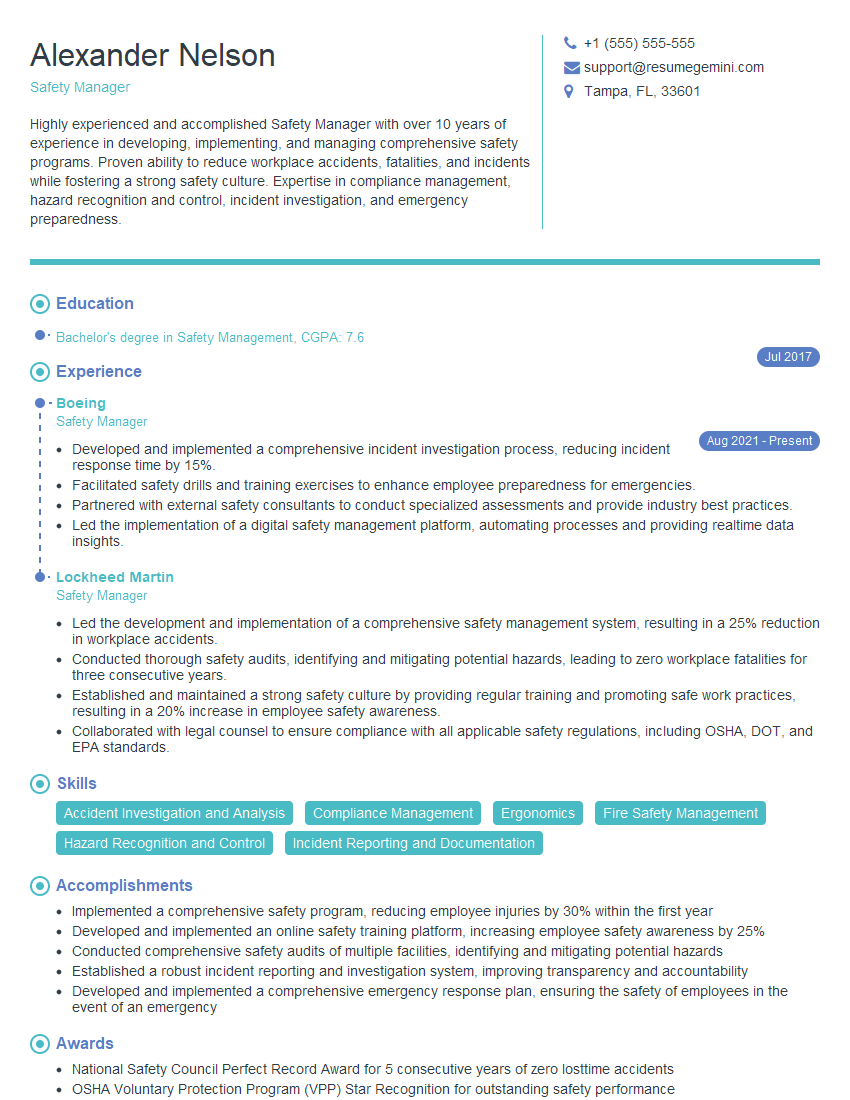
Safety Manager Resume Sample
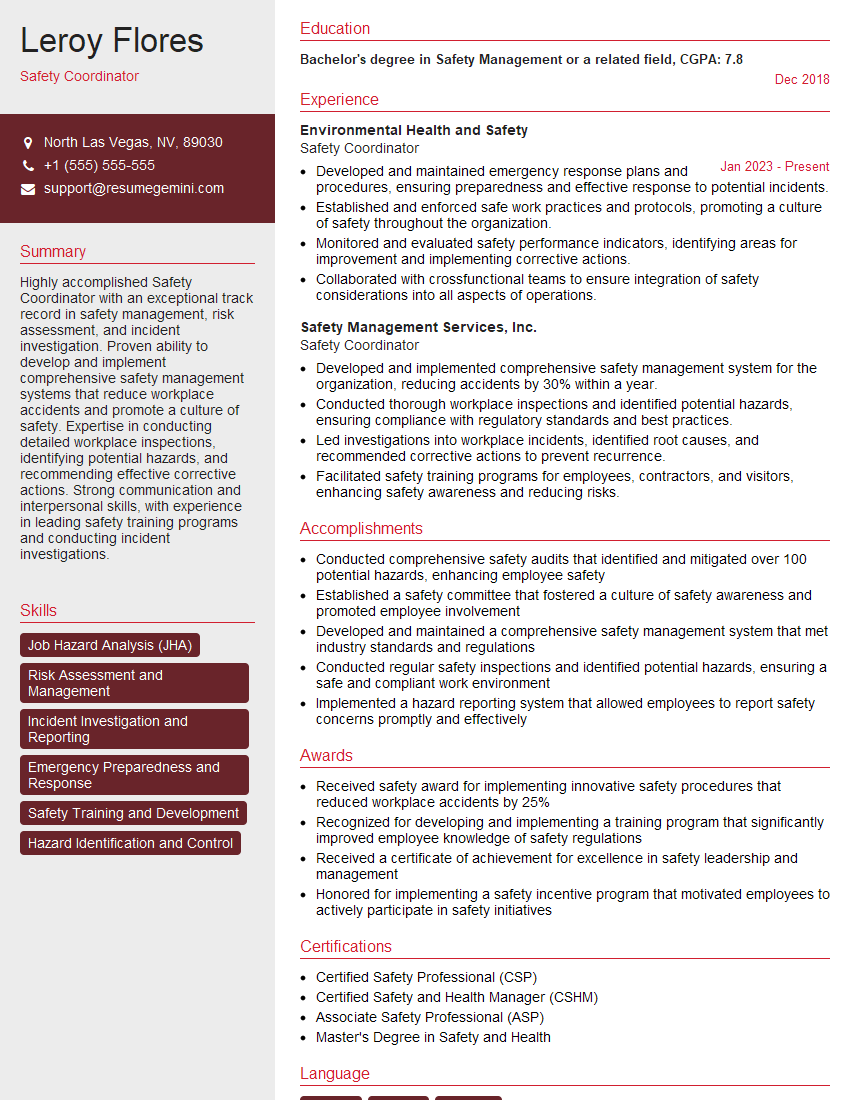
Safety Coordinator Resume Sample
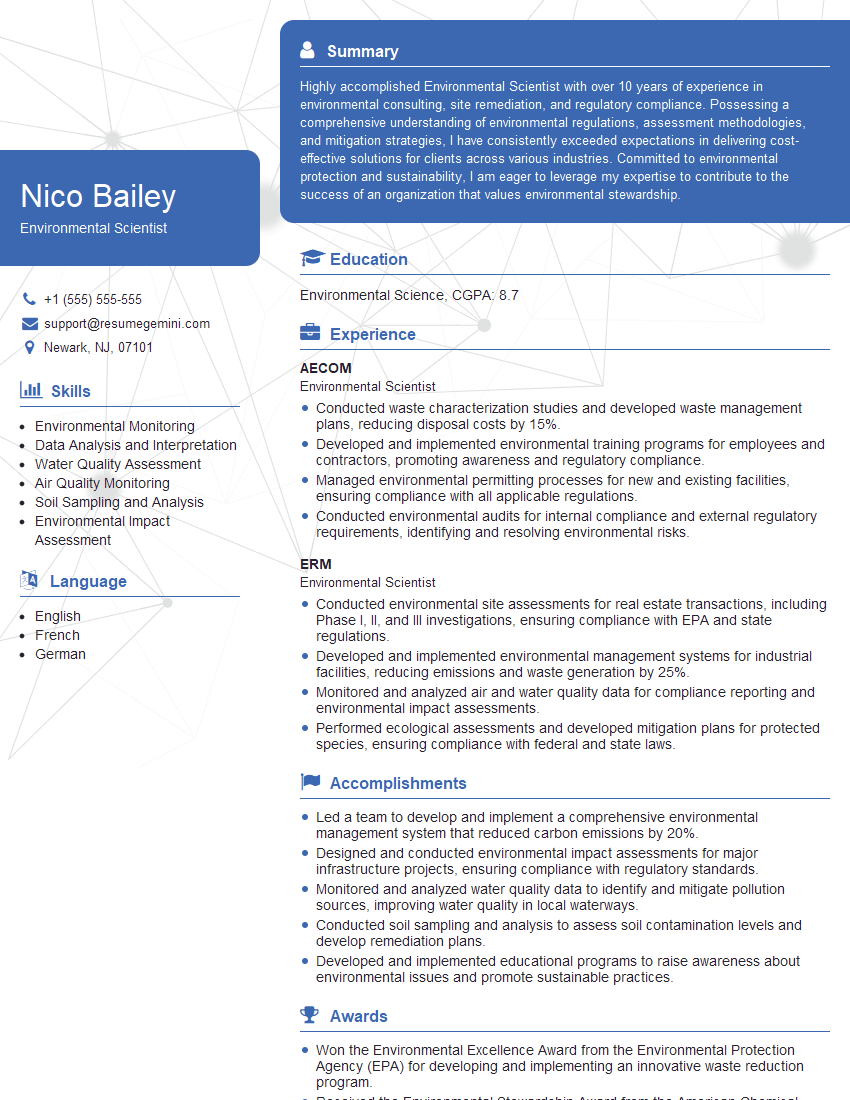
Environmental Scientist Resume Sample

Industrial Hygiene Manager Resume Sample
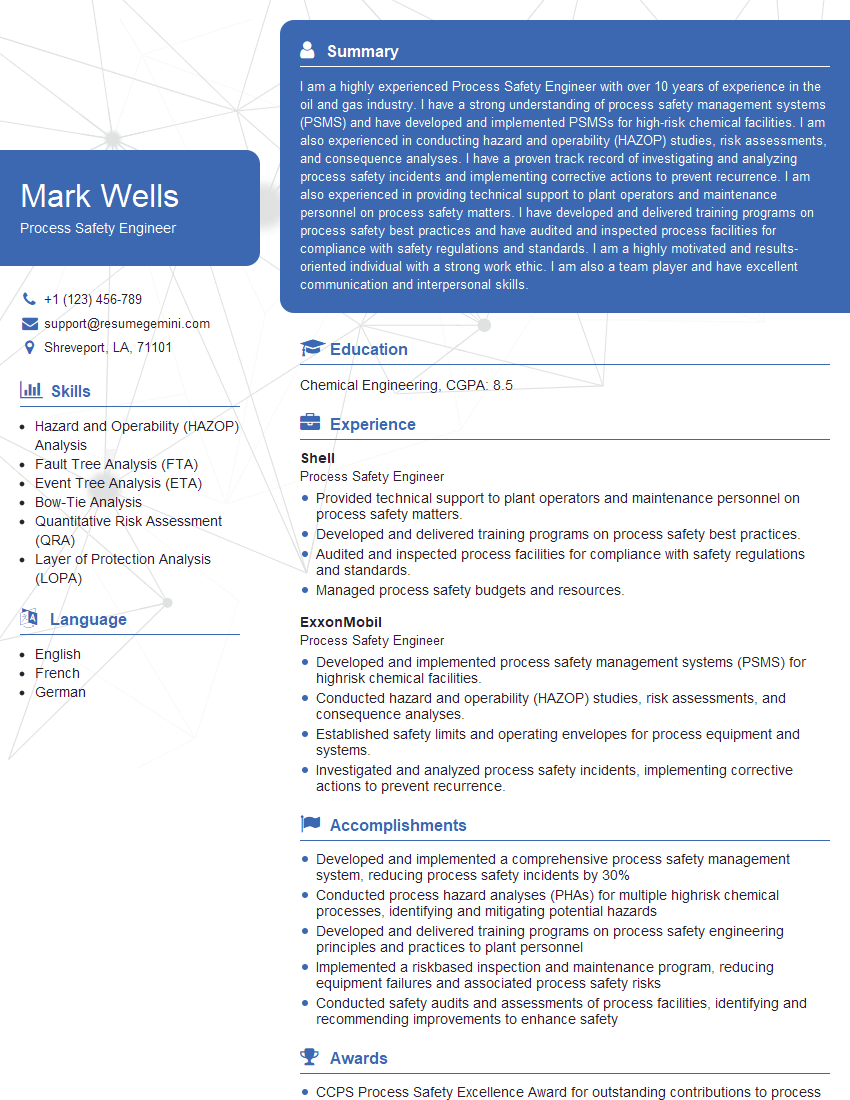
Process Safety Engineer Resume Sample

Safety Engineer Resume Sample
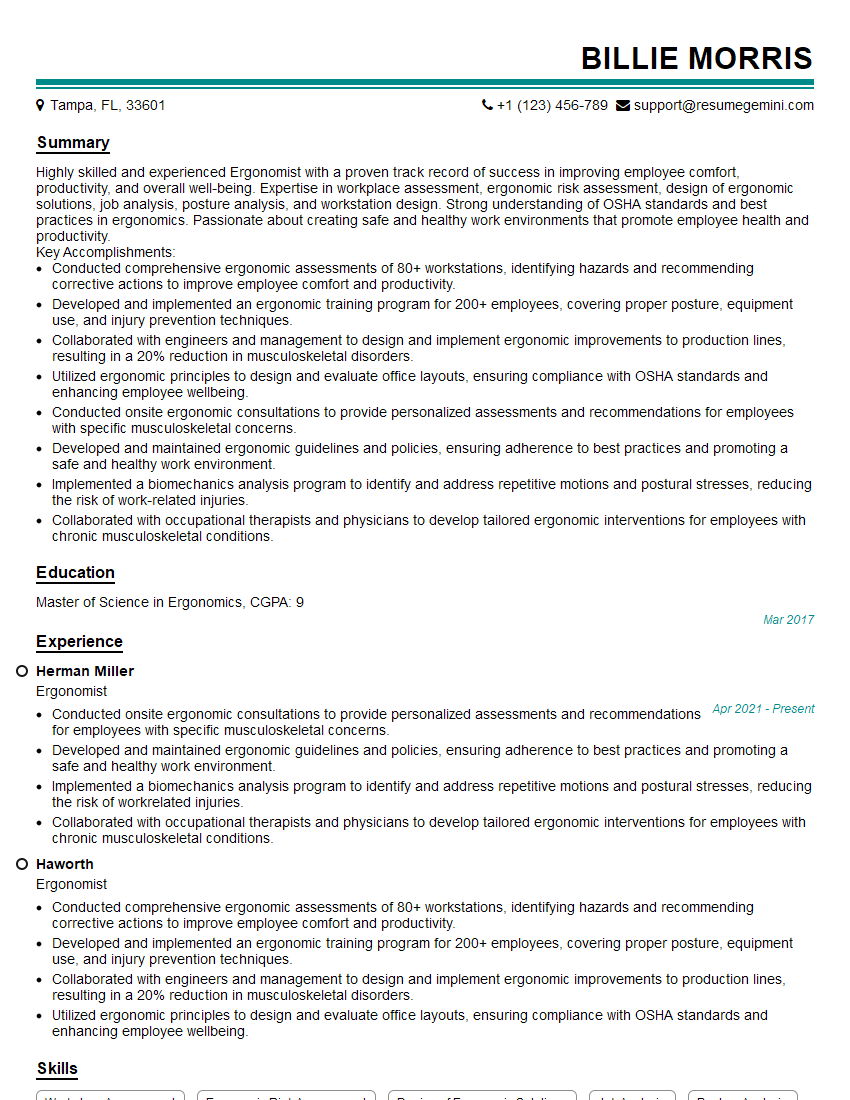
Ergonomist Resume Sample
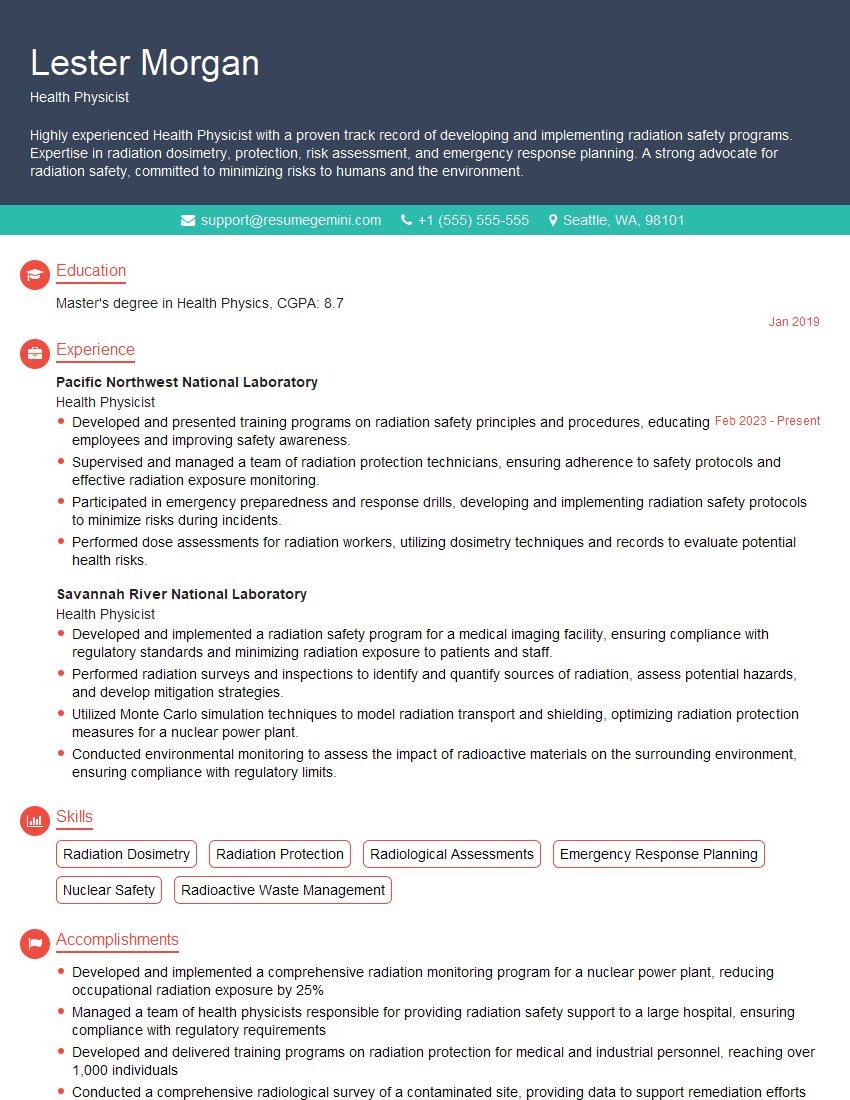
Health Physicist Resume Sample
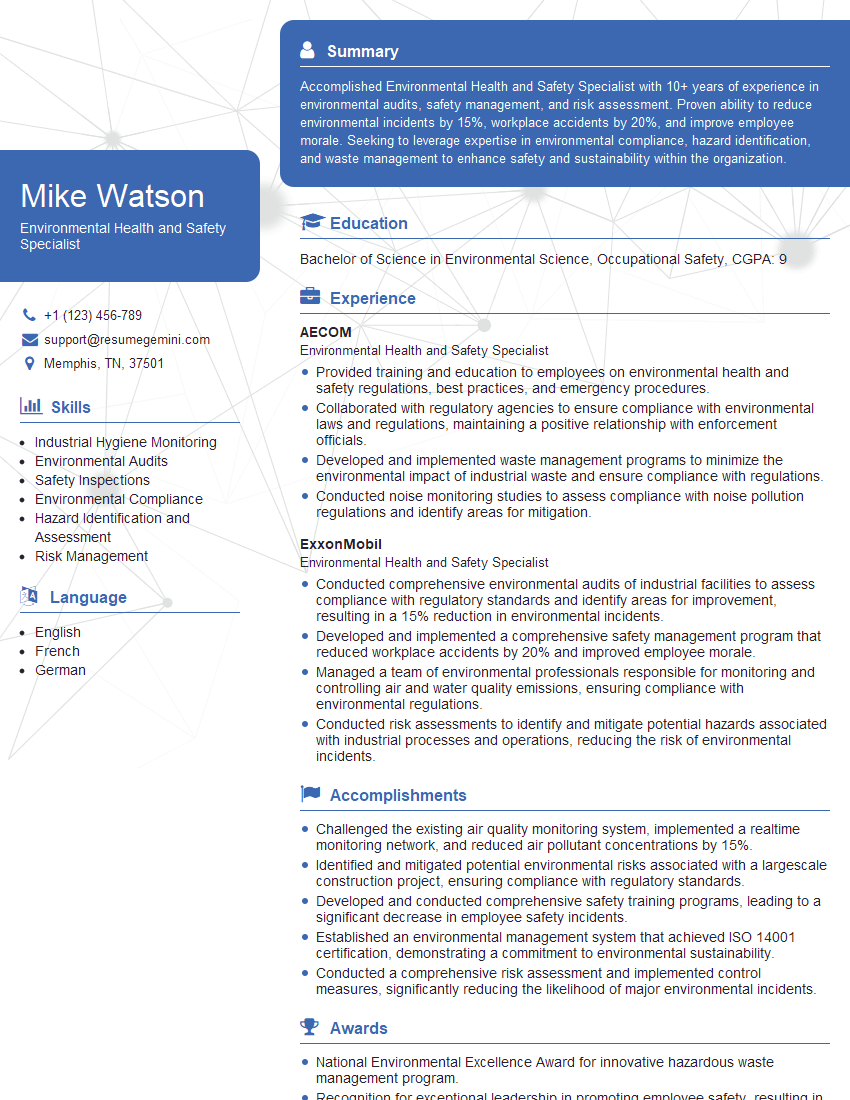
Environmental Health and Safety Specialist Resume Sample
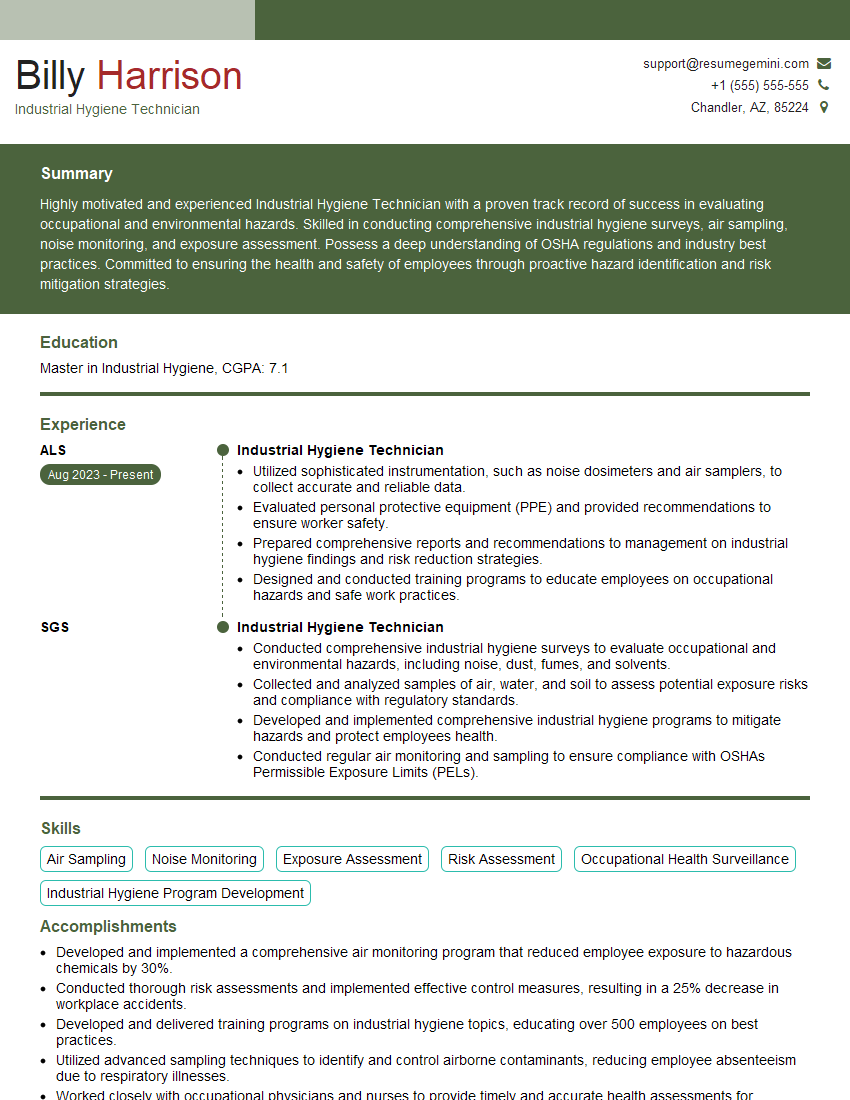
Industrial Hygiene Technician Resume Sample

Industrial Hygienist Resume Sample
Explore more articles
Users Rating of Our Blogs
Share Your Experience
We value your feedback! Please rate our content and share your thoughts (optional).
What Readers Say About Our Blog
Very informative content, great job.
good