The right preparation can turn an interview into an opportunity to showcase your expertise. This guide to Industrial Ventilation and Air Pollution Control interview questions is your ultimate resource, providing key insights and tips to help you ace your responses and stand out as a top candidate.
Questions Asked in Industrial Ventilation and Air Pollution Control Interview
Q 1. Explain the difference between general and local exhaust ventilation.
General exhaust ventilation and local exhaust ventilation are two primary methods for controlling air pollution in industrial settings. They differ fundamentally in their approach to contaminant removal.
General exhaust ventilation involves diluting airborne contaminants by introducing large volumes of fresh air into the workspace. Think of it like opening a window to air out a room. It’s a less targeted approach, relying on mixing to lower contaminant concentrations to acceptable levels. This method is effective for controlling low-concentration, widely dispersed contaminants, but it’s less effective for high-concentration or localized sources.
Local exhaust ventilation (LEV), on the other hand, is a more targeted and efficient system. It captures contaminants at their source before they can disperse into the wider workspace. Imagine using a vacuum cleaner to remove dust directly from the source instead of letting it settle everywhere. This method is much more effective in controlling high-concentration contaminants and protecting workers directly exposed to harmful substances. LEV systems typically involve hoods, ductwork, and air cleaning devices.
In short: General ventilation dilutes; local exhaust ventilation removes.
Q 2. Describe various types of air pollution control devices and their applications.
Numerous air pollution control devices are used in industrial ventilation, each suited for specific contaminant types and concentrations.
- Cyclones: These use centrifugal force to separate larger particles from the air stream. They’re relatively simple, low-maintenance, and inexpensive, suitable for pre-cleaning or removing larger particulate matter.
- Fabric Filters (Bag Filters): These use porous fabric bags to trap particulate matter. Highly efficient for fine dust and powders, they are common in cement plants, power stations and other industries generating fine dust.
- Electrostatic Precipitators (ESPs): These use electrostatic charges to attract and collect particulate matter onto collection plates. ESPs are highly efficient for fine particles, but require significant energy input and are more complex to maintain.
- Scrubbers: These use a liquid (usually water) to wash contaminants out of the air stream. Effective for removing gaseous pollutants, mists, and some particulate matter. Different types of scrubbers exist, including venturi scrubbers, packed bed scrubbers, and spray towers, each with varying efficiencies and applications.
- Incinerators: These use high temperatures to thermally oxidize gaseous and particulate pollutants. Suitable for combustible contaminants but require careful control of operating parameters to ensure complete combustion and minimize the formation of harmful byproducts.
- Activated Carbon Adsorption: This method utilizes activated carbon to adsorb gaseous pollutants. Highly effective for many volatile organic compounds (VOCs), but requires periodic regeneration or replacement of the carbon.
The choice of air pollution control device depends on factors like the type and concentration of contaminant, airflow rate, space constraints, cost, and regulatory requirements.
Q 3. How do you calculate airflow requirements for an industrial ventilation system?
Calculating airflow requirements for an industrial ventilation system is crucial for ensuring effective contaminant removal. The process involves several steps:
- Identify contaminants: Determine the type, concentration, and toxicity of the contaminants present.
- Determine acceptable exposure limits: Consult relevant occupational safety and health standards (e.g., OSHA, ACGIH) to establish permissible exposure limits (PELs) or occupational exposure limits (OELs).
- Calculate contaminant emission rate: This is the rate at which contaminants are released into the air. This often requires process knowledge, measurements, and engineering estimations.
- Apply appropriate capture efficiency: Consider the effectiveness of the ventilation system in capturing contaminants. This depends on the type of hood, velocity, and other design parameters.
- Determine dilution or removal requirements: Based on the emission rate, PELs, and capture efficiency, calculate the required airflow rate to dilute or remove the contaminant to an acceptable level. This calculation will often involve formulas specific to the ventilation system design.
- Consider safety factors: Include a safety factor to account for uncertainties and variations in operating conditions.
Example: If a process emits 10 kg/hr of a contaminant with a PEL of 1 mg/m³, and the capture efficiency of the LEV system is 90%, the required airflow rate can be calculated using appropriate formulas and conversion factors. The specific calculations are highly context dependent and require professional engineering judgment.
Q 4. What are the key factors to consider when designing a ventilation system for a welding shop?
Designing a ventilation system for a welding shop requires careful consideration of several key factors due to the hazardous fumes and particles produced during welding.
- Type of welding: Different welding processes generate different types and amounts of fumes and particles. Shielded metal arc welding (SMAW) produces more fumes than gas metal arc welding (GMAW), for instance.
- Welding frequency and intensity: The number of welders and the intensity of their work directly impact contaminant generation rates.
- Local exhaust ventilation (LEV): LEV is crucial in welding shops to capture fumes and particles at their source. Properly designed hoods, strategically positioned near the welding arc, are essential. Considerations include hood type (e.g., downdraft, side-draft), capture velocity, and ductwork design.
- General ventilation: While LEV is the primary control, general ventilation helps dilute any remaining contaminants and provides overall air circulation.
- Air filtration: The choice of air filter (e.g., HEPA, ULPA) depends on the types of particles generated and the required level of filtration.
- Workplace layout: The design of the welding area and worker movement patterns influence the effectiveness of the ventilation system. Adequate space and proper positioning of ventilation equipment are crucial.
- Safety and regulatory compliance: The design must comply with relevant occupational safety and health standards, considering factors like fire safety and noise levels.
Effective design requires a thorough risk assessment and a careful balancing of LEV and general ventilation to achieve optimal contaminant control.
Q 5. Explain the concept of dilution ventilation and its limitations.
Dilution ventilation relies on introducing large volumes of fresh air to reduce the concentration of contaminants to acceptable levels. Imagine a campfire – the more air you introduce, the less concentrated the smoke becomes. It’s a simple and often cost-effective method, particularly suitable for low-concentration, widely dispersed contaminants.
However, dilution ventilation has significant limitations:
- Ineffective for high-concentration sources: It cannot effectively control highly concentrated contaminants released from localized sources. Trying to dilute a highly toxic gas leak with fresh air may not be sufficient to protect workers.
- High energy consumption: Requires substantial airflow rates, leading to increased energy consumption and operating costs.
- Space limitations: May not be feasible in confined spaces where introducing large volumes of air is impractical.
- Environmental concerns: The large volumes of exhausted air may need to be treated before release to prevent further environmental pollution.
Dilution ventilation is best used as a supplementary control method in conjunction with local exhaust ventilation (LEV) or other control measures, especially when dealing with localized, high-concentration contaminant sources. The primary method of control should always be to remove or prevent the contaminant at its source whenever feasible.
Q 6. How do you determine the appropriate air velocity for effective contaminant removal?
Determining the appropriate air velocity for effective contaminant removal is crucial for the success of a ventilation system. The required velocity depends on several factors:
- Type and size of contaminant: Larger and heavier particles require lower velocities for capture, while smaller and lighter particles require higher velocities.
- Hood design: The type of hood (e.g., canopy, downdraft, slot) significantly affects the required velocity. Each design creates different air patterns and capture efficiencies.
- Distance from source: The velocity needs to be sufficient to entrain contaminants across the distance between the hood and the source.
- Capture efficiency: A higher capture efficiency requires higher air velocity, but exceeding certain velocities can become inefficient and increase energy consumption.
General Guidelines: While specific calculations are complex, general guidelines often suggest capture velocities between 50-200 fpm (feet per minute) for low-velocity hoods and 100-400 fpm for high-velocity hoods. However, these values depend heavily on the specific situation and should be determined through professional engineering assessments or computational fluid dynamics (CFD) modelling.
An improperly chosen air velocity can lead to inefficient contaminant capture, worker exposure, and wasted energy. Professional expertise is vital in selecting the appropriate velocity to ensure optimal system performance.
Q 7. Describe different types of air filters used in industrial ventilation systems.
Industrial ventilation systems employ various air filters, each tailored for different contaminants and efficiency requirements:
- HEPA (High-Efficiency Particulate Air) filters: These are highly efficient in removing fine particles, with a minimum efficiency of 99.97% for particles of 0.3 micrometers in diameter. Widely used in cleanrooms and applications requiring stringent air quality.
- ULPA (Ultra-Low Penetration Air) filters: Offer even higher efficiency than HEPA filters, removing at least 99.999% of particles of 0.12 micrometers in diameter. Used in critical environments like pharmaceutical manufacturing and semiconductor fabrication.
- Pre-filters: These are coarser filters placed upstream of HEPA or ULPA filters to extend their lifespan by removing larger particles. Common types include fiberglass filters and pleated media filters.
- Activated carbon filters: Used to remove gaseous and vaporous contaminants by adsorption. Effective for various volatile organic compounds (VOCs) and other gases, they often come in granular, pelletized, or cloth form.
- Electrostatic filters: Use electrostatic charges to attract and capture particles, offering a balance between efficiency and cost.
The selection of an appropriate filter depends on the type and size of the contaminants, the desired level of cleanliness, cost, and space considerations. Proper filter maintenance and replacement are crucial for maintaining system effectiveness.
Q 8. What are the common regulatory standards and compliance requirements for industrial air emissions?
Industrial air emission regulations vary by location (country, state, even local municipality), but common threads exist. These regulations aim to protect public health and the environment by limiting the release of harmful pollutants into the atmosphere. Key regulatory standards often involve:
- Permitting: Most industrial facilities requiring air pollution control must obtain permits detailing allowed emission levels for specific pollutants. These permits are subject to regular reviews and updates.
- Emission Standards: These standards define the maximum allowable concentration of pollutants in the exhaust stream. These limits are often expressed in parts per million (ppm), parts per billion (ppb), or grams per cubic meter (g/m³), and vary depending on the pollutant and the industry.
- Monitoring and Reporting: Facilities are typically required to continuously or periodically monitor their emissions using certified equipment and report the results to the relevant regulatory agency. Failure to comply can result in penalties.
- Best Available Control Technology (BACT): Regulations often mandate the use of BACT, which refers to the most effective and feasible pollution control technology available for a given source. This is not a fixed technology but rather a dynamic assessment based on current advancements.
- National Ambient Air Quality Standards (NAAQS): These set limits on the levels of certain pollutants in the ambient air, influencing the emission standards imposed on individual sources.
For example, the US Environmental Protection Agency (EPA) sets numerous standards under the Clean Air Act, while the European Union has its own directives on Industrial Emissions (IED). Specific industries (like cement, chemical manufacturing, and power generation) often face stricter regulations due to their potential for higher emissions.
Q 9. How do you assess the effectiveness of an existing ventilation system?
Assessing an existing ventilation system’s effectiveness requires a multi-faceted approach. It’s not just about whether air is moving; it’s about whether it’s moving effectively to remove contaminants.
- Airflow Measurement: Use anemometers to measure air velocity at various points within the system. This helps determine if the designed airflow rates are achieved. Low velocities indicate potential problems.
- Pressure Measurements: Measuring static pressure at different points reveals pressure differentials across filters, fans, and ductwork. Significant pressure drops can indicate blockages or inefficient components.
- Contaminant Monitoring: Sample air at various locations to determine the concentration of pollutants. Comparing these levels to the permitted limits or workplace exposure limits (WELs) indicates the system’s success in removing contaminants. This might involve specialized sampling techniques depending on the type of contaminant (particulate matter, gases, vapors).
- Visual Inspection: Inspect ductwork for leaks, corrosion, or damage. Examine fan components for wear and tear. Check filter conditions and assess their effectiveness.
- Computational Fluid Dynamics (CFD) Modeling (Optional): For complex systems, CFD modeling can simulate air movement and contaminant dispersion, helping to identify areas for improvement.
For instance, if a paint booth’s ventilation system isn’t effectively removing paint overspray, contaminant monitoring will reveal elevated concentrations of volatile organic compounds (VOCs). This may indicate insufficient airflow, a faulty exhaust fan, or clogged filters—all easily identified through the steps mentioned above.
Q 10. Explain the principles of air movement and pressure differentials in ventilation systems.
Industrial ventilation relies on the principles of fluid mechanics. Air moves from areas of high pressure to areas of low pressure, a concept fundamental to ventilation system design.
- Pressure Differentials: Fans create pressure differences that drive airflow. This difference, often expressed in Pascals (Pa) or inches of water column (in. wg), is critical for effective contaminant removal. A sufficient pressure difference ensures contaminants are drawn away from the source and exhausted outside.
- Airflow Patterns: The design of the system dictates the airflow patterns. Hoods, ducts, and other components direct air movement to capture contaminants. Understanding these patterns is crucial for proper system performance. Poorly designed ductwork can lead to stagnant air and ineffective contaminant removal.
- Ventilation Types: Different ventilation types achieve different pressure relationships. Dilution ventilation mixes fresh air with contaminated air to reduce contaminant concentration. Local exhaust ventilation directly removes contaminants from the source. Both strategies leverage pressure differences but in different ways.
- Resistance to Flow: Components like filters, duct bends, and dampers create resistance to airflow. Higher resistance reduces airflow, impacting system effectiveness. Proper system design minimizes resistance.
Imagine a vacuum cleaner: The motor creates a low-pressure zone inside, drawing air (and dust) from the surroundings. Similarly, an industrial exhaust system creates a low-pressure zone at the contaminant source, drawing it into the exhaust stream. Understanding these pressure relationships helps in optimizing the system’s performance and preventing recirculation.
Q 11. What are the safety considerations associated with working on industrial ventilation equipment?
Working on industrial ventilation equipment presents various safety hazards. Strict adherence to safety protocols is crucial.
- Lockout/Tagout Procedures: Before performing any maintenance or repair, always implement lockout/tagout procedures to prevent accidental equipment startup. This is critical to avoid injury from moving parts or energized components.
- Confined Space Entry: Many ventilation systems involve confined spaces (ducts, plenums). Entering such spaces requires proper permits, atmospheric monitoring (to check for oxygen levels, flammable gases, and toxic substances), and appropriate personal protective equipment (PPE).
- Fall Protection: Work at heights (on rooftops or elevated ductwork) mandates fall protection measures, like harnesses and safety lines.
- Electrical Hazards: Ventilation systems often contain electrical components like motors, controls, and wiring. Appropriate training and PPE are essential to prevent electrical shocks.
- Noise Hazards: Fans and other equipment can generate significant noise. Hearing protection is necessary to mitigate hearing loss.
- Personal Protective Equipment (PPE): PPE, including safety glasses, gloves, and respirators (for dust or fumes), is critical for protection from various hazards.
Failure to follow these safety procedures can lead to serious injury or even fatalities. A thorough risk assessment should be performed before commencing any work on the equipment.
Q 12. Describe your experience with troubleshooting and maintaining industrial ventilation systems.
I have extensive experience troubleshooting and maintaining diverse industrial ventilation systems across various industries. My approach is systematic and data-driven.
For example, I once worked on a pharmaceutical manufacturing facility where the ventilation system in a cleanroom was underperforming. Through a combination of airflow measurements, pressure readings, and particle count analysis, I identified a partially clogged HEPA filter as the primary culprit. Replacing the filter immediately restored the cleanroom’s required cleanliness levels. In another instance, a food processing plant experienced persistent high humidity levels. My investigation revealed a malfunctioning exhaust fan in the drying chamber, resulting in insufficient moisture removal. Replacing the fan and recalibrating the system controls solved the humidity problem.
My troubleshooting process generally involves:
- Data Collection: Gathering relevant data (pressure, airflow, contaminant levels, equipment logs).
- System Review: Examining system schematics, operational manuals, and maintenance logs.
- Visual Inspection: Thorough inspection of all components, looking for damage, wear, or blockages.
- Testing: Conducting appropriate tests to confirm suspected problems.
- Repairs/Replacements: Repairing or replacing faulty components.
- System Calibration and Re-commissioning: Ensuring the system is operating as designed after repairs.
My experience emphasizes the importance of preventive maintenance, including regular filter changes, component inspections, and system testing, to prevent costly breakdowns and ensure continuous operation.
Q 13. How do you handle unexpected ventilation system failures?
Unexpected ventilation system failures necessitate immediate action to mitigate potential hazards and ensure operational continuity.
My approach focuses on a prioritized response:
- Safety First: The immediate priority is to ensure worker safety. This involves shutting down affected areas or equipment to prevent exposure to hazardous materials. Emergency procedures, established during the risk assessment, are followed.
- Assessment: Quickly determine the nature and extent of the failure. Is it a complete system shutdown, or a localized malfunction? This assessment guides the next steps.
- Temporary Measures: Implement temporary control measures to address immediate risks. This may involve using portable ventilation equipment, restricting access to affected areas, or utilizing alternative processes.
- Repair/Replacement: Initiate repair or component replacement as soon as possible. Spare parts and readily available maintenance personnel are essential for swift recovery.
- Root Cause Analysis: Once the system is operational, perform a root cause analysis to identify the underlying reasons for the failure. This helps prevent similar incidents in the future.
- Documentation: Meticulously document the incident, including the timeline, actions taken, and root cause analysis findings.
For example, if a primary exhaust fan fails in a welding shop, immediate action includes shutting down welding operations and implementing temporary localized ventilation until the fan is repaired or replaced. Following the repair, a root cause analysis would determine if the fan failure was due to wear and tear, a power surge, or another factor, informing preventive maintenance strategies.
Q 14. What are some common causes of inadequate ventilation in industrial settings?
Inadequate ventilation in industrial settings can stem from several factors.
- Insufficient Airflow: This is often due to undersized equipment (fans, ducts), excessive system resistance (clogged filters, leaks), or incorrect system design.
- Poorly Designed Hoods/Capture Devices: Inefficient hood designs may fail to capture contaminants effectively, allowing them to disperse into the workspace.
- Leaks in Ductwork: Leaks in the ductwork reduce airflow and allow contaminants to escape into the environment.
- Clogged Filters: Dirty or clogged filters increase system resistance, reducing airflow and compromising filtration efficiency.
- Malfunctioning Equipment: Faulty fans, dampers, or other components can impede airflow or disrupt the intended operation of the system.
- Inadequate System Maintenance: Neglecting regular maintenance (filter changes, inspections) can degrade system performance and lead to premature failures.
- Increased Production Rates: If production increases beyond the ventilation system’s capacity, contaminant levels can rise, causing inadequate ventilation.
For instance, a woodworking shop with insufficient exhaust airflow from the sanding station may lead to elevated concentrations of wood dust, posing a respiratory hazard to workers. This could be due to inadequate hood design, a blocked duct, or a malfunctioning exhaust fan. A thorough investigation identifies the root cause, leading to system improvements.
Q 15. What is the role of Computational Fluid Dynamics (CFD) in ventilation design?
Computational Fluid Dynamics (CFD) is a powerful tool in ventilation design, allowing us to simulate airflow patterns within a complex three-dimensional space. Instead of relying solely on simplified formulas, CFD uses numerical methods to solve the Navier-Stokes equations, which govern fluid motion. This provides a highly detailed, visual representation of how air will move, mix, and dilute contaminants within a building or industrial facility.
For example, imagine designing ventilation for a large factory with numerous heat sources and obstacles. CFD allows us to model the airflow around each machine, predicting temperature gradients and contaminant concentrations. We can then optimize the placement of supply and exhaust vents, ensuring effective removal of pollutants and maintaining a comfortable working environment. It’s like having a virtual wind tunnel where we can experiment with different designs before committing to a physical build, saving significant time and resources.
Specifically, CFD helps us analyze:
- Air velocity and pressure distributions
- Turbulence levels
- Temperature profiles
- Contaminant dispersion and dilution
- The effectiveness of different ventilation strategies
By iteratively refining the design based on CFD results, we can achieve optimal ventilation performance, leading to a safer, healthier, and more efficient workspace.
Career Expert Tips:
- Ace those interviews! Prepare effectively by reviewing the Top 50 Most Common Interview Questions on ResumeGemini.
- Navigate your job search with confidence! Explore a wide range of Career Tips on ResumeGemini. Learn about common challenges and recommendations to overcome them.
- Craft the perfect resume! Master the Art of Resume Writing with ResumeGemini’s guide. Showcase your unique qualifications and achievements effectively.
- Don’t miss out on holiday savings! Build your dream resume with ResumeGemini’s ATS optimized templates.
Q 16. Describe your experience with different types of exhaust hoods and their applications.
Exhaust hoods are crucial for capturing contaminants at their source, preventing their spread throughout the workspace. My experience encompasses a wide range of hood types, each suited to different applications:
- Canopy hoods: These are simple, often open-fronted hoods placed above a process. They’re effective for capturing relatively low-velocity emissions, like those from a low-heat oven.
- Fume hoods: Designed for laboratory settings and handling hazardous chemicals, fume hoods have a fully enclosed design with a sash to control airflow and minimize exposure. They maintain a negative pressure environment to draw contaminants away from the operator.
- Slotted hoods: These hoods utilize long slots to capture contaminants over a large area. They’re frequently used in processes involving conveyor belts or long production lines, ensuring consistent capture.
- Enclosure hoods: These completely enclose the process, creating a fully contained system. They offer maximum capture efficiency, perfect for highly hazardous or highly odorous operations.
- Downdraft hoods: As the name suggests, air is drawn downwards through a perforated surface. This is ideal for applications where upward-directed emissions are a concern.
Selecting the appropriate hood depends on factors like the nature of the contaminant (gases, fumes, particulate), emission velocity, temperature, and the layout of the workspace. Each project requires a careful evaluation of these parameters to ensure optimal capture efficiency.
Q 17. How do you select appropriate fans and ductwork for an industrial ventilation system?
Fan and ductwork selection is a critical aspect of ventilation system design. It’s not merely about moving air; it’s about moving the right amount of air at the right pressure and velocity to achieve the desired results.
The process starts with calculating the required airflow based on factors like the volume of the space, the contaminant concentration, and the desired dilution rate. We use industry-standard equations and software tools to perform these calculations. Then, we determine the appropriate fan type (e.g., centrifugal, axial) and size based on the required pressure and airflow. Centrifugal fans are preferred for higher pressure applications and longer duct runs, while axial fans are suitable for lower pressure and shorter distances. Next comes ductwork sizing. This involves balancing the need for adequate airflow with minimizing pressure drop and energy consumption. This is done using specialized duct design software and considering factors like duct material, shape, and fittings. If pressure drop is too high, we might need to select a more powerful fan or optimize the duct layout.
Finally, we must account for noise, ensuring the fan and ductwork meet noise level requirements. This often involves the use of silencers and carefully planned duct routing.
In essence, fan and ductwork selection is an iterative process, using calculations, simulations, and experience to find the optimal balance between performance, cost, and energy efficiency.
Q 18. What are the key considerations for noise control in industrial ventilation systems?
Noise control is a vital concern in industrial ventilation. Excessive noise can lead to hearing loss, decreased productivity, and legal issues. The main sources of noise in ventilation systems are fans and ductwork.
Several strategies can effectively mitigate noise:
- Fan selection: Choosing low-noise fans with aerodynamically optimized designs significantly reduces sound generation at the source. Low-speed, high-volume fans are generally quieter than high-speed, low-volume fans.
- Duct design: Proper duct design, including careful selection of materials and the incorporation of silencers or attenuators, reduces noise transmission through the ductwork. Silencers effectively absorb sound energy. Careful planning of duct routes and the avoidance of sharp bends minimize noise propagation.
- Vibration isolation: Mounting fans and ductwork on vibration isolators prevents the transmission of vibrations to surrounding structures, minimizing structure-borne noise.
- Acoustic insulation: Lining ductwork with acoustic insulation material further reduces noise transmission. Enclosing noisy components within sound-dampening enclosures can also help.
- Location and orientation: Positioning noisy components away from sensitive areas and careful orientation can help reduce the impact of noise.
Noise control measures should be integrated into the design process from the outset, rather than as an afterthought. This ensures a cost-effective and holistic approach to minimizing noise pollution.
Q 19. Explain the concept of make-up air and its importance in ventilation systems.
Make-up air is the air supplied to a building or facility to replace air exhausted by ventilation systems. Its importance lies in maintaining a balanced pressure within the structure. Exhausting air without replacing it creates a negative pressure environment, which can lead to several problems:
- Infiltration of outside air: Negative pressure draws in unfiltered outside air through cracks, doors, and other openings, potentially introducing contaminants and compromising indoor air quality.
- Energy loss: Negative pressure causes increased air leakage, resulting in energy loss from heating or cooling systems.
- Damage to equipment: Negative pressure can affect the operation of sensitive equipment, leading to malfunction or damage.
Make-up air systems are designed to provide a controlled and filtered air supply, ensuring that the replaced air meets quality standards. The make-up air system may also include pre-heating or pre-cooling to minimize the load on the HVAC system. For example, in a spray painting booth, the exhaust system removes the paint fumes and make-up air provides clean air that prevents outside air ingress, maintaining a safe and productive environment. The make-up air system needs to be carefully balanced with the exhaust system to maintain a consistent pressure within the building and prevent problems.
Q 20. Describe your understanding of different types of air pollution control technologies (e.g., scrubbers, filters, incinerators).
Air pollution control technologies aim to reduce the emission of harmful pollutants into the atmosphere. The selection of a particular technology depends on the type and concentration of pollutants, the required level of emission reduction, and other factors. Here are some common technologies:
- Scrubbers: These use a liquid (usually water) to remove pollutants from a gas stream. Different types of scrubbers exist, including venturi scrubbers, packed bed scrubbers, and spray scrubbers. Scrubbers are effective for removing particulate matter and some gases through absorption and chemical reactions.
- Filters: Filters, such as bag filters, cartridge filters, and HEPA filters, mechanically remove particulate matter from the air stream. Bag filters are commonly used in industrial settings for large volumes of air, while HEPA filters provide very high efficiency for removing fine particles, often used in cleanrooms.
- Incinerators: Incinerators use high temperatures to destroy pollutants, often used for organic waste or hazardous materials. However, they can generate air pollutants such as NOx and CO2. Careful control and emission monitoring are critical.
- Electrostatic precipitators (ESPs): ESPs use an electric field to charge particles, which are then collected on collecting plates. They are highly efficient for removing fine particles from a gas stream.
- Thermal oxidizers (TOs): TOs use high temperatures to oxidize volatile organic compounds (VOCs) into carbon dioxide and water vapor. Regenerative TOs are efficient in terms of energy usage.
Often, a combination of technologies is employed for optimal pollutant removal. The selection process involves a detailed assessment of pollutant characteristics and environmental regulations.
Q 21. How do you perform air quality monitoring and sampling?
Air quality monitoring and sampling are essential to ensure compliance with regulations and maintain a healthy work environment. The methods used depend on the specific pollutants being measured.
Monitoring often involves using continuous monitoring equipment, such as sensors that provide real-time data on pollutant concentrations. This is helpful for tracking trends and identifying potential problems. Parameters like temperature, humidity, and pressure are often measured in addition to pollutant concentrations.
Sampling is used for more detailed analysis. Methods include:
- Grab sampling: Collecting a single sample at a particular time and location. This provides a snapshot of the air quality at that moment.
- Integrated sampling: Collecting samples over a specific period, providing an average concentration over time.
- Isoline sampling: Taking multiple samples along a line to map pollutant concentrations.
Different sampling techniques are used for various pollutants. Particulate matter may be collected using filters, while gases may be collected in specialized containers or absorbed in specific liquids. The collected samples are then analyzed in a laboratory using appropriate methods, such as chromatography or spectroscopy. Accurate sampling and analysis require careful calibration of equipment, proper handling of samples, and adherence to established protocols to ensure reliable and meaningful results. The choice of monitoring or sampling methods depends upon the goals of the assessment and the nature of the pollutants in question.
Q 22. What are the health risks associated with common industrial pollutants?
Common industrial pollutants pose significant health risks, varying in severity depending on the pollutant, concentration, and duration of exposure. These risks can range from minor irritation to severe, life-threatening illnesses.
- Respiratory Issues: Pollutants like particulate matter (PM), sulfur dioxide (SO2), and nitrogen oxides (NOx) can irritate the lungs, causing coughing, wheezing, bronchitis, and even asthma attacks. Prolonged exposure can lead to chronic obstructive pulmonary disease (COPD) and lung cancer.
- Cardiovascular Diseases: Fine particulate matter (PM2.5) can penetrate deep into the lungs and enter the bloodstream, contributing to heart attacks, strokes, and other cardiovascular problems.
- Neurological Effects: Certain pollutants, such as lead and mercury, can damage the nervous system, impacting cognitive function, motor skills, and even causing developmental problems in children.
- Cancer: Exposure to carcinogens like asbestos, benzene, and certain heavy metals significantly increases the risk of various cancers, including lung, bladder, and leukemia.
- Reproductive and Developmental Issues: Some pollutants can affect reproductive health and cause birth defects. For instance, exposure to certain solvents can lead to infertility or miscarriage.
For example, a worker in a foundry constantly exposed to silica dust faces a heightened risk of silicosis, a debilitating lung disease. Similarly, painters exposed to high concentrations of solvents may experience dizziness, nausea, and long-term neurological damage. Understanding these risks is crucial for implementing effective control measures.
Q 23. Explain the principles of risk assessment related to air pollution control.
Risk assessment in air pollution control is a systematic process to identify, analyze, and evaluate potential hazards associated with air pollutants. It aims to determine the likelihood and severity of adverse health or environmental effects. Think of it as a proactive approach to prevent problems before they occur.
The process typically involves:
- Hazard Identification: Identifying all potential air pollutants released from a facility. This includes reviewing process information, material safety data sheets (MSDS), and historical emission data.
- Exposure Assessment: Determining the concentration of pollutants in the workplace and surrounding environment, considering factors like worker proximity, ventilation effectiveness, and meteorological conditions.
- Dose-Response Assessment: Establishing the relationship between exposure levels and the likelihood of adverse health effects. This relies on toxicological data and epidemiological studies.
- Risk Characterization: Combining exposure and dose-response assessments to estimate the overall risk. This typically involves quantifying the risk using metrics like excess cancer risk or respiratory impairment.
- Risk Management: Implementing control measures to reduce or eliminate the identified risks. This could involve engineering controls (e.g., ventilation systems), administrative controls (e.g., work practices), and personal protective equipment (PPE).
For example, a chemical plant might conduct a risk assessment to evaluate the potential for worker exposure to benzene. This would involve analyzing benzene emissions, worker proximity, and the health effects of benzene exposure. The assessment will inform the implementation of engineering controls like local exhaust ventilation and the use of respirators.
Q 24. How do you develop and implement a comprehensive air pollution control plan?
Developing and implementing a comprehensive air pollution control plan requires a multi-faceted approach. Think of it as a carefully orchestrated strategy to minimize pollution’s impact.
- Conduct a Thorough Assessment: This involves characterizing the facility’s operations, identifying emission sources, and assessing current pollution levels.
- Establish Emission Goals: Set clear, measurable, achievable, relevant, and time-bound (SMART) targets for reducing emissions. These goals should align with regulatory requirements and company sustainability objectives.
- Select Control Technologies: Choose appropriate pollution control technologies based on the type of pollutants, emission rates, and cost-effectiveness. Options include scrubbers, filters, incinerators, and other advanced technologies. The choice depends heavily on the specific pollutants and their characteristics.
- Design and Implement the System: Design the air pollution control system, taking into account factors like airflow, pressure drop, and energy efficiency. Proper installation and commissioning are vital for optimal performance.
- Develop an Operation and Maintenance (O&M) Plan: Create a detailed O&M plan to ensure the system’s continued effectiveness. Regular inspections, maintenance, and filter replacements are essential for avoiding breakdowns and maintaining compliance.
- Monitor and Evaluate Performance: Regularly monitor emissions and system performance using appropriate instrumentation. This data allows for adjustments to optimize efficiency and compliance.
- Report and Document: Maintain detailed records of all activities, including emissions data, maintenance logs, and compliance reports.
For instance, a cement plant might implement a baghouse filter to control particulate matter emissions. The plan would include design specifications, maintenance schedules, and emission monitoring protocols to ensure continuous compliance with environmental regulations.
Q 25. Describe your experience with emission inventory development and reporting.
My experience with emission inventory development and reporting spans various industries, including manufacturing, power generation, and chemical processing. I’ve used several methodologies to accurately quantify emissions and prepare compliant reports.
The process typically involves:
- Data Collection: Gathering information on emission sources, operating hours, production rates, and fuel consumption from various sources, including plant operating records and emission factors from EPA databases.
- Emission Factor Application: Using appropriate emission factors to estimate pollutant emissions from different sources. This requires careful selection of factors based on source characteristics and operational parameters.
- Mass Balance Calculations: Performing mass balance calculations to ensure consistency and accuracy in emissions estimates. This checks for significant discrepancies between inputs and outputs.
- Reporting: Preparing emissions inventory reports according to regulatory requirements, often using standardized formats such as the EPA’s Greenhouse Gas Reporting Program (GHGRP) or similar formats. Ensuring accurate and timely reporting is crucial.
For example, I worked on a project for a power plant where I developed a comprehensive emission inventory for various pollutants, including NOx, SO2, and particulate matter. This involved using emission factors for the plant’s specific fuel type, accounting for operational variations, and preparing reports according to regulatory guidelines. The accuracy of the inventory was crucial for securing environmental permits.
Q 26. What are some strategies for minimizing energy consumption in ventilation systems?
Minimizing energy consumption in ventilation systems is vital for both cost savings and environmental responsibility. Many strategies can be implemented, focusing on both the design and operation phases.
- Optimize Airflow: Precisely sizing the ventilation system to meet specific needs avoids over-ventilation and reduces energy consumption. Computational Fluid Dynamics (CFD) modeling can help optimize airflow patterns.
- Variable-Speed Drives (VSDs): Using VSDs on fans and blowers allows for variable airflow rates, adapting to changing demands and reducing energy use during periods of lower requirement.
- High-Efficiency Fans and Motors: Implementing fans with high aerodynamic efficiency and energy-efficient motors significantly reduces energy consumption. Selecting the right fan type for the application is vital.
- Heat Recovery: Employing heat recovery systems can capture heat from exhaust air and preheat incoming fresh air, reducing the energy needed for heating or cooling. This is particularly effective in climates with significant temperature variations.
- Smart Controls and Automation: Implementing building management systems (BMS) allows for automated control of ventilation based on occupancy, temperature, and other factors, minimizing unnecessary operation. Sensor-based control can be highly effective.
- Regular Maintenance: Maintaining clean filters and regularly servicing fans and motors ensures optimal performance and prevents energy losses due to friction and airflow restrictions.
For example, a manufacturing facility could replace its constant-speed fans with VSD-equipped fans, resulting in significant energy savings during periods of low production. Implementing a heat recovery system could further enhance energy efficiency.
Q 27. Explain your experience with different types of ductwork materials and their applications.
My experience encompasses a wide range of ductwork materials, each offering unique properties and suitability for various applications. The choice depends on factors such as corrosion resistance, temperature tolerance, and cost.
- Galvanized Steel: A common choice due to its strength, durability, and relatively low cost. Suitable for most industrial applications, but susceptible to corrosion in highly corrosive environments.
- Stainless Steel: Offers superior corrosion resistance, making it ideal for environments with high humidity, chemical exposure, or high temperatures. More expensive than galvanized steel.
- Aluminum: Lightweight and corrosion-resistant, often used in applications requiring less structural strength. Suitable for less demanding applications.
- Fiberglass-Reinforced Plastic (FRP): Lightweight, corrosion-resistant, and non-conductive, ideal for corrosive and electrically hazardous environments. However, it is generally less structurally robust than metal ducts.
- Plastic (PVC, CPVC): Used in applications with low temperatures and moderate chemical resistance. Not suitable for high temperatures or intense corrosive environments.
For example, in a chemical processing plant, stainless steel ductwork would be preferred for its excellent corrosion resistance. In contrast, galvanized steel might be sufficient in a less corrosive environment like a woodshop.
Beyond material selection, proper design and installation are crucial for preventing leaks and ensuring efficient airflow. Leakage can significantly reduce ventilation system effectiveness and increase energy consumption.
Q 28. Describe your understanding of the Clean Air Act and related regulations.
The Clean Air Act (CAA) is a comprehensive federal law in the United States aimed at controlling air pollution. My understanding encompasses its key provisions, amendments, and associated regulations.
The CAA establishes National Ambient Air Quality Standards (NAAQS) for criteria pollutants, such as ozone, particulate matter, and nitrogen oxides. It also regulates hazardous air pollutants (HAPs) through the Maximum Achievable Control Technology (MACT) standards. Furthermore, the CAA mandates emission permits for major sources of air pollution and establishes a framework for state implementation plans (SIPs).
Key aspects of my understanding include:
- NAAQS: The CAA sets NAAQS to protect public health and welfare. States are responsible for developing and implementing plans to achieve these standards.
- New Source Performance Standards (NSPS): NSPS sets emission limits for new or modified major stationary sources of air pollution.
- State Implementation Plans (SIPs): States develop and implement SIPs to achieve and maintain the NAAQS. These plans outline emission control strategies and enforcement mechanisms.
- National Emission Standards for Hazardous Air Pollutants (NESHAP): NESHAP sets emission standards for hazardous air pollutants.
- Title V Permitting Program: This program requires major stationary sources to obtain operating permits that demonstrate compliance with all applicable requirements.
Staying updated on CAA regulations and amendments is crucial for ensuring compliance and implementing effective air pollution control strategies. Non-compliance can result in significant penalties and legal ramifications. My experience includes assisting companies with permit applications and ensuring compliance with all applicable rules.
Key Topics to Learn for Industrial Ventilation and Air Pollution Control Interview
- Fundamentals of Airflow and Fluid Mechanics: Understanding pressure, velocity, and airflow patterns within industrial settings. This forms the bedrock of effective ventilation design.
- Ventilation System Design: Practical application includes designing systems for various industries (e.g., manufacturing, mining) considering factors like contaminant type, concentration, and worker safety. Explore different ventilation types (local exhaust ventilation, general dilution ventilation).
- Air Pollution Control Technologies: Learn about various methods like scrubbers, filters, and incinerators, and their applications based on pollutant characteristics. Understanding their efficiencies and limitations is crucial.
- Regulatory Compliance and Standards: Familiarize yourself with relevant OSHA, EPA, or other international regulations and standards related to air quality and worker safety. This demonstrates your commitment to responsible practice.
- Health and Safety Aspects: Understand the potential health risks associated with airborne contaminants and the importance of risk assessment and control measures. This highlights your understanding of human factors in industrial settings.
- Modeling and Simulation: Develop an understanding of how computational fluid dynamics (CFD) and other modeling techniques are used to optimize ventilation systems and predict air pollution dispersion.
- Troubleshooting and Maintenance: Be prepared to discuss common problems in industrial ventilation systems and how to diagnose and fix them. This showcases practical experience and problem-solving skills.
- Data Analysis and Interpretation: Demonstrate proficiency in analyzing air quality data to identify trends, assess system effectiveness, and inform improvements.
Next Steps
Mastering Industrial Ventilation and Air Pollution Control opens doors to exciting and impactful careers, offering opportunities for professional growth and contributing to a healthier environment. To maximize your job prospects, it’s vital to present your skills effectively. Creating an ATS-friendly resume is key to getting your application noticed by recruiters. ResumeGemini is a trusted resource that can help you craft a professional and impactful resume tailored to the specific requirements of the Industrial Ventilation and Air Pollution Control field. Examples of resumes specifically designed for this industry are available to guide you. Invest in presenting yourself effectively – it’s an investment in your future.
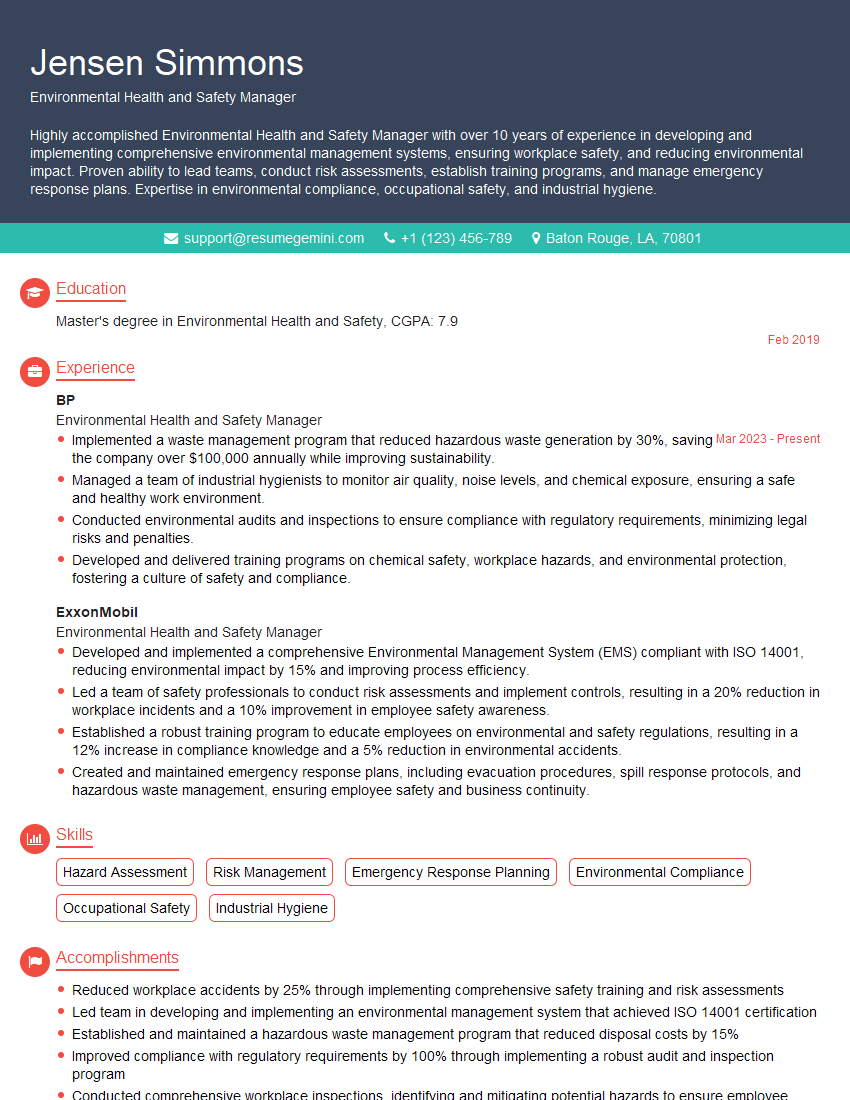
Environmental Health and Safety Manager Resume Sample
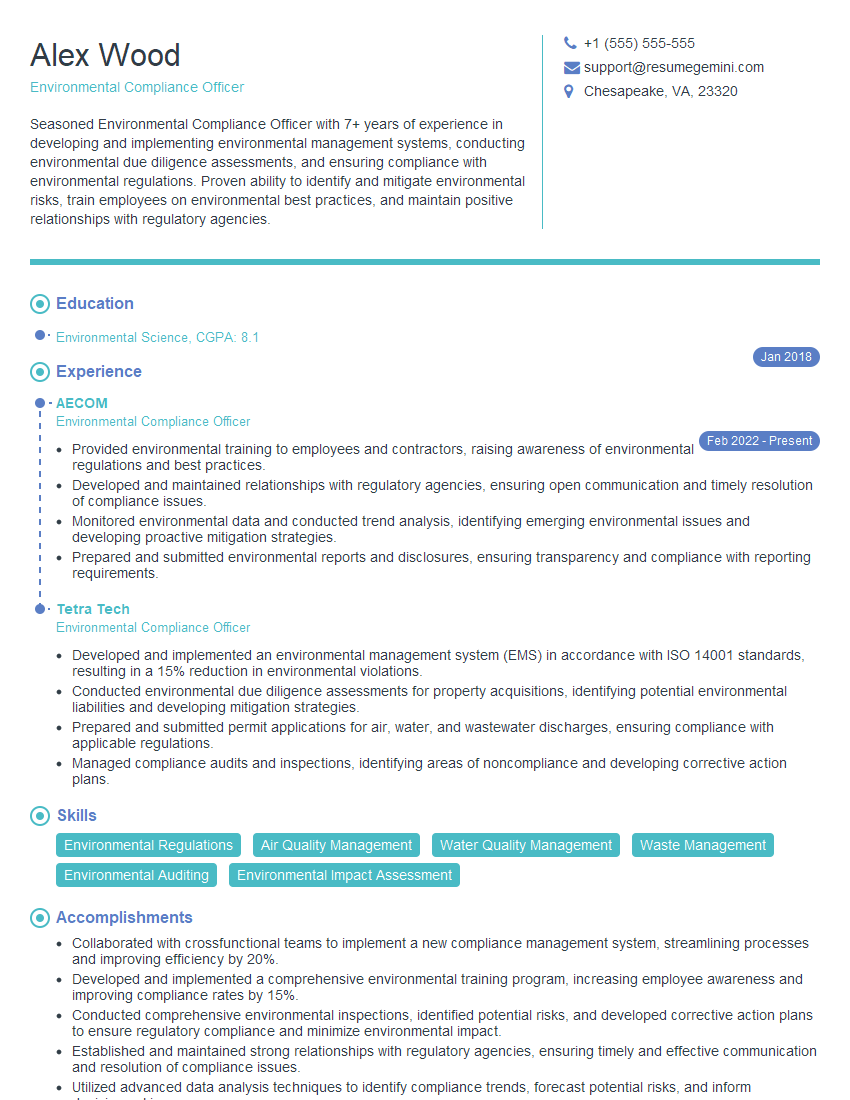
Environmental Compliance Officer Resume Sample
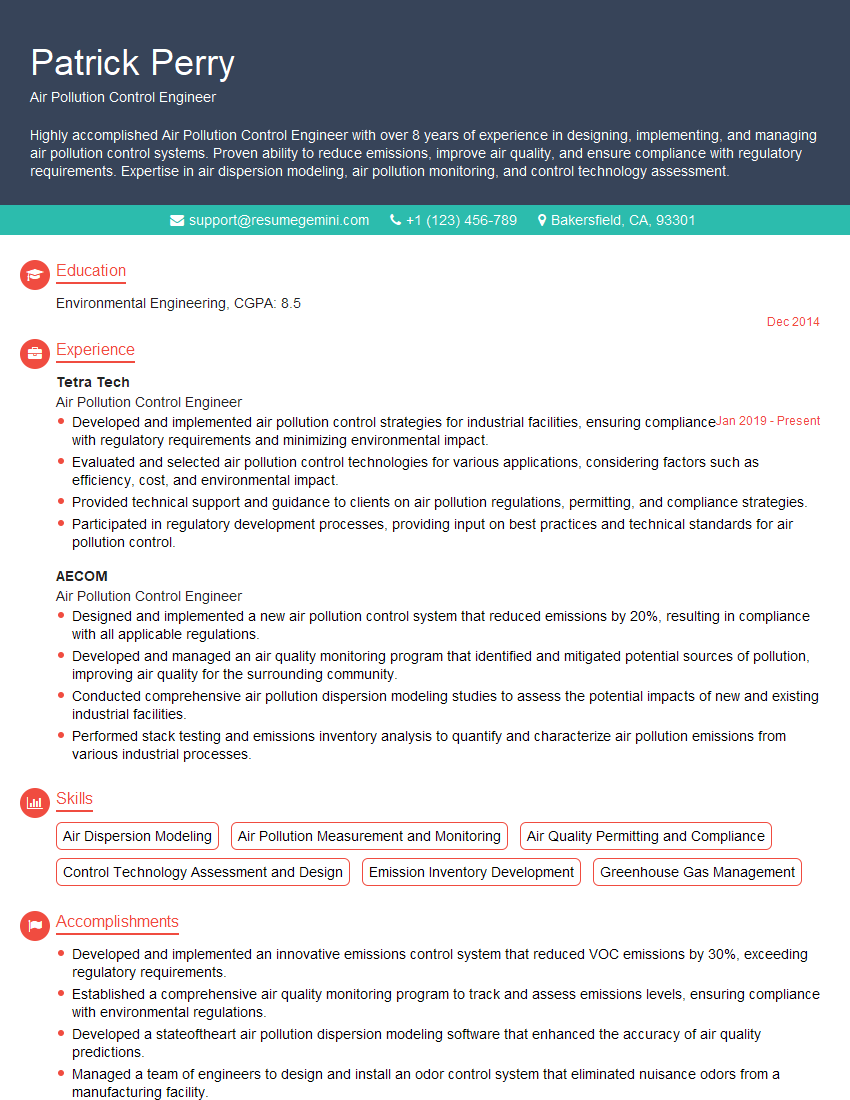
Air Pollution Control Engineer Resume Sample
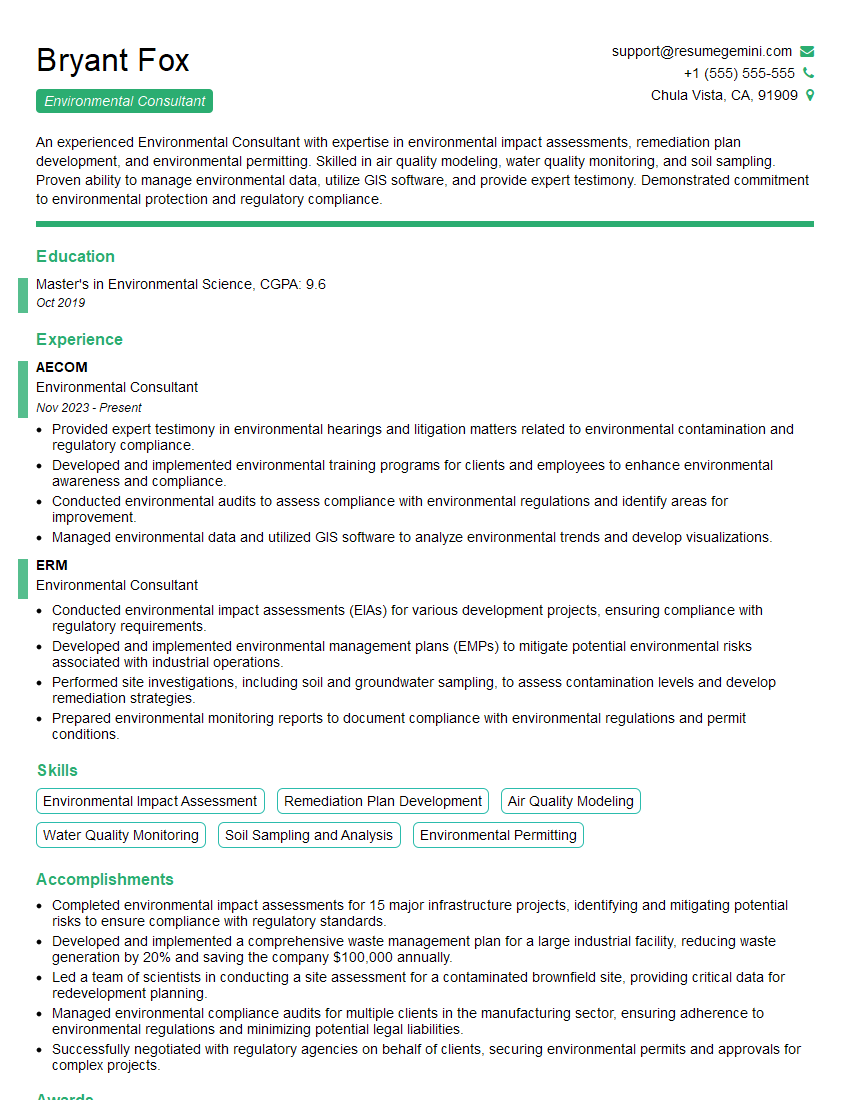
Environmental Consultant Resume Sample
Environmental Engineer Resume Sample
Safety Engineer Resume Sample
Industrial Hygienist Resume Sample
Occupational Health and Safety Specialist Resume Sample
Explore more articles
Users Rating of Our Blogs
Share Your Experience
We value your feedback! Please rate our content and share your thoughts (optional).
What Readers Say About Our Blog
Attention music lovers!
Wow, All the best Sax Summer music !!!
Spotify: https://open.spotify.com/artist/6ShcdIT7rPVVaFEpgZQbUk
Apple Music: https://music.apple.com/fr/artist/jimmy-sax-black/1530501936
YouTube: https://music.youtube.com/browse/VLOLAK5uy_noClmC7abM6YpZsnySxRqt3LoalPf88No
Other Platforms and Free Downloads : https://fanlink.tv/jimmysaxblack
on google : https://www.google.com/search?q=22+AND+22+AND+22
on ChatGPT : https://chat.openai.com?q=who20jlJimmy20Black20Sax20Producer
Get back into the groove with Jimmy sax Black
Best regards,
Jimmy sax Black
www.jimmysaxblack.com
Hi I am a troller at The aquatic interview center and I suddenly went so fast in Roblox and it was gone when I reset.
Hi,
Business owners spend hours every week worrying about their website—or avoiding it because it feels overwhelming.
We’d like to take that off your plate:
$69/month. Everything handled.
Our team will:
Design a custom website—or completely overhaul your current one
Take care of hosting as an option
Handle edits and improvements—up to 60 minutes of work included every month
No setup fees, no annual commitments. Just a site that makes a strong first impression.
Find out if it’s right for you:
https://websolutionsgenius.com/awardwinningwebsites
Hello,
we currently offer a complimentary backlink and URL indexing test for search engine optimization professionals.
You can get complimentary indexing credits to test how link discovery works in practice.
No credit card is required and there is no recurring fee.
You can find details here:
https://wikipedia-backlinks.com/indexing/
Regards
NICE RESPONSE TO Q & A
hi
The aim of this message is regarding an unclaimed deposit of a deceased nationale that bears the same name as you. You are not relate to him as there are millions of people answering the names across around the world. But i will use my position to influence the release of the deposit to you for our mutual benefit.
Respond for full details and how to claim the deposit. This is 100% risk free. Send hello to my email id: lukachachibaialuka@gmail.com
Luka Chachibaialuka
Hey interviewgemini.com, just wanted to follow up on my last email.
We just launched Call the Monster, an parenting app that lets you summon friendly ‘monsters’ kids actually listen to.
We’re also running a giveaway for everyone who downloads the app. Since it’s brand new, there aren’t many users yet, which means you’ve got a much better chance of winning some great prizes.
You can check it out here: https://bit.ly/callamonsterapp
Or follow us on Instagram: https://www.instagram.com/callamonsterapp
Thanks,
Ryan
CEO – Call the Monster App
Hey interviewgemini.com, I saw your website and love your approach.
I just want this to look like spam email, but want to share something important to you. We just launched Call the Monster, a parenting app that lets you summon friendly ‘monsters’ kids actually listen to.
Parents are loving it for calming chaos before bedtime. Thought you might want to try it: https://bit.ly/callamonsterapp or just follow our fun monster lore on Instagram: https://www.instagram.com/callamonsterapp
Thanks,
Ryan
CEO – Call A Monster APP
To the interviewgemini.com Owner.
Dear interviewgemini.com Webmaster!
Hi interviewgemini.com Webmaster!
Dear interviewgemini.com Webmaster!
excellent
Hello,
We found issues with your domain’s email setup that may be sending your messages to spam or blocking them completely. InboxShield Mini shows you how to fix it in minutes — no tech skills required.
Scan your domain now for details: https://inboxshield-mini.com/
— Adam @ InboxShield Mini
support@inboxshield-mini.com
Reply STOP to unsubscribe
Hi, are you owner of interviewgemini.com? What if I told you I could help you find extra time in your schedule, reconnect with leads you didn’t even realize you missed, and bring in more “I want to work with you” conversations, without increasing your ad spend or hiring a full-time employee?
All with a flexible, budget-friendly service that could easily pay for itself. Sounds good?
Would it be nice to jump on a quick 10-minute call so I can show you exactly how we make this work?
Best,
Hapei
Marketing Director
Hey, I know you’re the owner of interviewgemini.com. I’ll be quick.
Fundraising for your business is tough and time-consuming. We make it easier by guaranteeing two private investor meetings each month, for six months. No demos, no pitch events – just direct introductions to active investors matched to your startup.
If youR17;re raising, this could help you build real momentum. Want me to send more info?
Hi, I represent an SEO company that specialises in getting you AI citations and higher rankings on Google. I’d like to offer you a 100% free SEO audit for your website. Would you be interested?
Hi, I represent an SEO company that specialises in getting you AI citations and higher rankings on Google. I’d like to offer you a 100% free SEO audit for your website. Would you be interested?