Every successful interview starts with knowing what to expect. In this blog, we’ll take you through the top Injury Assessment and Treatment interview questions, breaking them down with expert tips to help you deliver impactful answers. Step into your next interview fully prepared and ready to succeed.
Questions Asked in Injury Assessment and Treatment Interview
Q 1. Describe your experience with different injury assessment techniques.
Injury assessment is a multifaceted process requiring a blend of subjective and objective techniques. My experience encompasses a wide range of methods, including:
Patient History: This is crucial, involving detailed questioning about the mechanism of injury, onset of symptoms, pain characteristics (location, intensity, type), and any prior injuries. For example, understanding whether a knee injury resulted from a direct blow or a twisting motion significantly impacts the diagnosis.
Physical Examination: This involves a systematic assessment of the affected area, including observation for swelling, deformity, bruising, range of motion testing (ROM), palpation to assess tenderness and muscle guarding, and neurological assessment (checking sensation, reflexes, and motor function) to rule out nerve involvement. A classic example is the Lachman test for anterior cruciate ligament (ACL) injury in the knee.
Special Tests: These are specific maneuvers designed to assess the integrity of particular structures. For instance, the McMurray test for meniscus tears in the knee or the Phalen’s test for carpal tunnel syndrome. The accuracy of these tests relies heavily on the examiner’s experience and skill.
Imaging Studies: I frequently utilize X-rays, MRI, CT scans, and ultrasound to visualize the injured tissues. X-rays are excellent for detecting bone fractures, while MRI provides detailed soft tissue information, including ligament and tendon injuries. Ultrasound offers real-time imaging and can be useful in guiding injections.
I’m proficient in adapting my assessment strategy based on the patient’s specific presentation and the suspected injury type. A suspected ankle sprain, for example, might involve less extensive imaging than a complex knee injury.
Q 2. Explain the process of diagnosing a musculoskeletal injury.
Diagnosing a musculoskeletal injury is a systematic process, blending art and science. It starts with a thorough patient history, identifying the mechanism of injury and symptom timeline. This is followed by a comprehensive physical examination, looking for swelling, bruising, deformity, and limitations in movement. Key aspects include:
Pain Assessment: Characterizing the pain (sharp, dull, aching) and its location, radiation, and aggravating/relieving factors.
Range of Motion (ROM): Assessing active and passive ROM to identify restrictions. For example, limited knee flexion might suggest a meniscus tear.
Strength Testing: Evaluating muscle strength in and around the affected area to identify weaknesses. A significant weakness in a muscle group could point towards a muscle tear or nerve injury.
Special Tests: Employing specific tests to target suspected structures. This stage relies on the practitioner’s clinical judgment and experience.
Imaging: When necessary, utilizing X-rays, MRI, CT, or ultrasound to confirm diagnosis. Imaging is vital in detecting fractures, ligament tears, and other soft tissue injuries.
For instance, a patient presenting with knee pain after a twisting injury, with limited ROM, positive Lachman and McMurray tests would strongly suggest an ACL and meniscus tear, which would be confirmed or refuted with an MRI.
Q 3. How do you differentiate between a strain and a sprain?
Strains and sprains both involve soft tissue injuries but affect different structures. A strain is an injury to a muscle or tendon, while a sprain involves an injury to a ligament.
Strain: Occurs when a muscle or tendon is overstretched or torn. Symptoms include pain, muscle spasm, swelling, bruising, and decreased range of motion. Think of a hamstring strain occurring during a sprint – an overstretching or tearing of the hamstring muscles.
Sprain: Occurs when a ligament, which connects bones, is stretched or torn. Symptoms are similar to strains but often include instability of the joint. Ankle sprains, frequently caused by an inversion injury, are a common example. The severity of a sprain (Grade 1-3) is determined by the extent of ligament damage.
Differentiating them often requires a careful physical examination, focusing on the location of tenderness and the nature of the injury mechanism. For example, tenderness directly over a muscle belly suggests a strain, while tenderness at a joint line might point towards a sprain.
Q 4. What are the key components of a comprehensive injury assessment?
A comprehensive injury assessment is more than just identifying the injury. It’s about understanding the whole picture to create an effective treatment plan. Key components include:
Detailed History: Mechanism of injury, onset of symptoms, pain characteristics, prior injuries, and the patient’s medical history.
Thorough Physical Examination: Observation, palpation, ROM assessment, strength testing, neurological examination, and special tests tailored to the suspected injury.
Imaging Studies: X-rays, MRI, CT scans, or ultrasound, when clinically indicated. These provide objective evidence of the injury’s severity and extent.
Functional Assessment: Assessing the patient’s ability to perform activities of daily living and return to their previous level of function. This is crucial for setting realistic rehabilitation goals.
Differential Diagnosis: Considering all possible causes of the symptoms to ensure accurate diagnosis. This involves ruling out other conditions that might mimic the presenting symptoms.
For example, knee pain might stem from ligament damage, meniscus injury, patellar tracking issues, or even referred pain from the hip. A comprehensive assessment is essential to arrive at the correct diagnosis.
Q 5. How do you prioritize multiple injuries in a patient?
Prioritizing multiple injuries requires a systematic approach, focusing on life-threatening injuries first, followed by those impacting major organ function, and then addressing other significant injuries. This is based on the principle of ABCDE (Airway, Breathing, Circulation, Disability, Exposure) in emergency medicine, adapted to the context of multiple musculoskeletal injuries.
Immediate Threats: Addressing airway compromise, severe bleeding, or shock first. These take precedence over all other injuries.
Major Organ Function: Injuries affecting vital organs like the head, chest, or abdomen are next in priority.
Significant Musculoskeletal Injuries: Focusing on injuries with the potential for long-term disability, such as severe fractures or major joint dislocations.
Minor Injuries: Addressing less significant injuries after the more critical ones have been managed.
Imagine a patient involved in a motor vehicle accident with a fractured femur, a head injury, and multiple lacerations. The head injury and potential for shock would be dealt with immediately, followed by management of the fracture and then the lacerations.
Q 6. Describe your experience with various treatment modalities for soft tissue injuries.
My experience spans various treatment modalities for soft tissue injuries, encompassing conservative and surgical approaches. Conservative methods include:
Pharmacological Interventions: Pain relief with analgesics (NSAIDs, opioids), anti-inflammatory medications, and muscle relaxants.
Physical Therapy: Range of motion exercises, strengthening, stretching, manual therapy, and modalities like ultrasound, electrical stimulation, and iontophoresis.
Rest and Immobilization: Resting the injured area to promote healing and using splints, casts, or braces for stabilization, if needed.
RICE Therapy: Rest, Ice, Compression, Elevation.
Injections: Corticosteroid injections to reduce inflammation in specific cases.
Surgical interventions are considered for severe injuries, such as complete ligament tears or complex fractures needing surgical repair and stabilization. I collaborate closely with surgeons and other healthcare professionals to provide integrated, patient-centered care.
Q 7. Explain the principles of RICE therapy.
RICE therapy is a widely used first-aid treatment for soft tissue injuries like sprains and strains. It’s an acronym representing:
Rest: Avoiding activities that aggravate the injury, allowing the tissues to heal.
Ice: Applying ice packs (wrapped in a thin cloth) to the injured area for 15-20 minutes at a time, several times a day. This helps to reduce swelling and pain by constricting blood vessels. Avoid direct ice application to the skin.
Compression: Using a bandage to apply gentle compression to the injured area. This helps to reduce swelling by limiting fluid accumulation.
Elevation: Elevating the injured limb above the heart whenever possible. Gravity aids in reducing swelling by decreasing blood flow to the injured area.
RICE therapy is most effective in the immediate aftermath of the injury, helping to minimize inflammation and pain. It’s important to note that this is a first-aid measure; more comprehensive treatment may be needed later.
Q 8. What is your approach to managing acute vs. chronic injuries?
Managing acute and chronic injuries requires distinct approaches. Acute injuries, like a sprained ankle, are sudden and often involve significant inflammation and pain. Chronic injuries, such as osteoarthritis, develop gradually over time and may have periods of exacerbation and remission.
Acute Injury Management focuses on the immediate control of inflammation (using RICE – Rest, Ice, Compression, Elevation), pain management (analgesics, possibly physical modalities like ultrasound), and early mobilization to prevent stiffness. The goal is to return to function as quickly as possible while minimizing long-term complications. For example, a patient with a grade II ankle sprain might undergo initial immobilization, followed by graduated range of motion exercises and strengthening once the inflammation subsides.
Chronic Injury Management emphasizes long-term strategies to manage pain and improve function. This might involve a multimodal approach combining medication, physical therapy, lifestyle modifications (e.g., weight loss for osteoarthritis), and assistive devices. For instance, someone with chronic back pain might benefit from a structured exercise program, ergonomic adjustments at work, and ongoing physical therapy to maintain mobility and manage pain flares. The focus shifts from rapid healing to sustainable management.
Q 9. How do you assess a patient’s pain level and functional limitations?
Assessing a patient’s pain and functional limitations involves a combination of subjective and objective measures.
Subjective Assessment relies heavily on the patient’s self-report. I use standardized pain scales like the visual analog scale (VAS) or numeric rating scale (NRS) to quantify pain intensity. I also ask detailed questions about the location, quality, onset, duration, and aggravating/relieving factors of pain, as well as its impact on daily activities. Understanding how pain affects their work, sleep, and social interactions is crucial.
Objective Assessment involves direct observation and physical examination. I evaluate range of motion (ROM), muscle strength, and functional performance using specific tests. For example, I might assess a patient’s ability to walk a certain distance, climb stairs, or perform specific movements like squatting or lifting. Objective measures help to ground the subjective reports and provide a more complete picture. Functional limitations are often documented using standardized questionnaires or outcome measures specific to the affected body part and injury type.
Q 10. Explain the importance of patient education in injury management.
Patient education is paramount to successful injury management. Empowered patients are better able to adhere to treatment plans and actively participate in their recovery.
I explain the injury’s nature, expected healing timeline, and potential complications in a clear and understandable manner. I provide detailed instructions on how to perform prescribed exercises, use assistive devices (if necessary), and manage pain. For instance, if a patient has a rotator cuff tear, I explain the anatomy of the shoulder, the healing process, and the importance of proper exercise technique to prevent re-injury. I also address their concerns and answer their questions thoroughly. I empower them by providing resources and emphasizing self-management strategies. This collaborative approach enhances adherence, improves outcomes, and fosters a sense of control over their recovery.
Q 11. How do you determine the appropriate referral to other healthcare professionals?
Referral decisions depend on several factors: the complexity of the injury, the patient’s response to initial treatment, and the availability of specialized expertise.
I refer patients when the injury is beyond my scope of practice. For example, a patient with a complex fracture would be referred to an orthopedic surgeon. Neurological symptoms following a head injury warrant immediate referral to a neurologist. Patients who fail to respond to conservative management might need a referral to a physiatrist or specialist for further evaluation and treatment. I also consider psychosocial factors; if a patient is struggling with the psychological impact of their injury, a referral to a psychologist or counselor might be appropriate. This decision-making process is carefully documented and explained to the patient.
Q 12. Describe your experience with rehabilitation programs for various injuries.
My experience encompasses a wide range of rehabilitation programs. I’ve worked with patients recovering from various injuries including:
- Musculoskeletal injuries: I’ve developed and implemented individualized rehabilitation plans for patients with sprains, strains, fractures, tendonitis, and osteoarthritis. These programs typically involve a combination of range of motion exercises, strengthening exercises, manual therapy, and functional training.
- Neurological injuries: I have experience managing patients with post-stroke deficits, traumatic brain injuries, and peripheral nerve injuries. Rehabilitation in these cases often focuses on regaining motor function, improving balance and coordination, and adapting to functional limitations.
- Sports injuries: I’ve worked extensively with athletes recovering from various sports-related injuries. The programs are designed to optimize their return to sport and help prevent re-injury.
I emphasize a patient-centered approach, tailoring the program to their specific needs, goals, and functional demands. Regular assessment and adjustments ensure the plan remains effective and safe throughout their rehabilitation journey.
Q 13. What are the common signs and symptoms of a concussion?
Concussions, also known as mild traumatic brain injuries (mTBI), are caused by a blow or jolt to the head or body that causes the brain to move rapidly back and forth inside the skull. This can result in a range of symptoms.
Common Signs and Symptoms: These can vary greatly from person to person and may not always be immediately apparent. They can be categorized as physical, cognitive, and emotional/behavioral.
- Physical: Headache, dizziness, nausea, vomiting, balance problems, blurry vision, sensitivity to light or noise.
- Cognitive: Difficulty concentrating, memory problems (both short and long-term), confusion, slowed processing speed, difficulty with decision-making.
- Emotional/Behavioral: Irritability, sadness, anxiety, sleep disturbances, personality changes.
It’s crucial to remember that the absence of classic symptoms doesn’t rule out a concussion. Some individuals may experience subtle or delayed symptoms.
Q 14. How do you assess for and manage a concussion?
Concussion assessment involves a thorough history, physical examination, and often neurocognitive testing.
Assessment: I begin by obtaining a detailed history of the injury mechanism, immediately post-injury symptoms, and any subsequent symptom development. The physical exam assesses vital signs, cranial nerve function, and reflexes. Neurocognitive testing, such as the Standardized Assessment of Concussion (SAC) or ImPACT testing, helps to objectively assess cognitive function and compare it to pre-injury baseline (if available). Symptom checklists and questionnaires provide additional information.
Management: Management follows a stepwise approach, beginning with rest, both physical and cognitive. Gradual return-to-activity protocols are essential, guided by symptom progression. I typically advise avoiding activities that could exacerbate symptoms and gradually reintroducing activities as tolerated. Regular follow-up is vital to monitor symptom resolution and ensure safe progression through the rehabilitation process. Collaboration with other healthcare professionals such as neurologists, neuropsychologists, and sports medicine specialists may be necessary for complex cases.
Q 15. What are the different types of fractures, and how are they treated?
Fractures, or broken bones, are classified in several ways, depending on the type of break, the bone involved, and the extent of the damage. Common types include:
- Complete fracture: The bone is broken completely through.
- Incomplete fracture: The bone is cracked but not broken all the way through (e.g., greenstick fracture, common in children).
- Comminuted fracture: The bone is broken into more than two pieces.
- Open (compound) fracture: The broken bone pierces the skin, increasing the risk of infection.
- Closed (simple) fracture: The broken bone does not pierce the skin.
- Stress fracture: A small crack in the bone, often caused by repetitive stress.
- Pathological fracture: A fracture that occurs in a bone weakened by a disease, such as osteoporosis or cancer.
Treatment varies greatly depending on the type and severity of the fracture. Simple, stable fractures might only require immobilization with a cast or splint. More complex fractures often require surgical intervention, such as open reduction and internal fixation (ORIF), where the bone fragments are surgically realigned and held together with plates, screws, or rods. In some cases, external fixation devices may be used, where pins are inserted through the skin and attached to a metal frame outside the body to stabilize the fracture. Throughout the healing process, regular follow-up appointments and physical therapy are crucial for optimal recovery and to minimize complications.
For example, a simple, stable wrist fracture might be treated with a cast for several weeks, while a comminuted femur fracture would likely require ORIF surgery followed by extensive rehabilitation.
Career Expert Tips:
- Ace those interviews! Prepare effectively by reviewing the Top 50 Most Common Interview Questions on ResumeGemini.
- Navigate your job search with confidence! Explore a wide range of Career Tips on ResumeGemini. Learn about common challenges and recommendations to overcome them.
- Craft the perfect resume! Master the Art of Resume Writing with ResumeGemini’s guide. Showcase your unique qualifications and achievements effectively.
- Don’t miss out on holiday savings! Build your dream resume with ResumeGemini’s ATS optimized templates.
Q 16. Describe your experience with wound care and dressing techniques.
Wound care is a fundamental aspect of injury management. My experience encompasses a wide range of wound types, from minor abrasions to complex, deep wounds. Proper wound care aims to prevent infection, promote healing, and minimize scarring. This involves several key steps:
- Assessment: Evaluating the wound’s size, depth, location, and presence of foreign bodies or signs of infection.
- Cleaning: Gently cleansing the wound with sterile saline solution to remove debris and contaminants.
- Debridement: Removing dead or damaged tissue to encourage healing. This can be done surgically or using enzymatic debridement.
- Dressing: Applying appropriate dressings to protect the wound, absorb drainage, and promote a moist healing environment. Dressings range from simple gauze pads to advanced wound care products like hydrocolloids or alginates. The choice of dressing depends on the wound type and stage of healing.
- Monitoring: Regularly assessing the wound for signs of infection (e.g., redness, swelling, pus) and adjusting the treatment plan as needed.
I’m proficient in various dressing techniques, including wet-to-dry dressings for debridement, occlusive dressings for moist wound healing, and negative pressure wound therapy (NPWT) for complex wounds. I also have significant experience educating patients on proper wound care at home, ensuring they understand the importance of hygiene and recognizing signs of complications.
For instance, a patient with a pressure ulcer would require a different approach and dressing than a patient with a superficial laceration. In the former case, NPWT or specialized dressings may be necessary, coupled with regular assessments and possibly surgical debridement. In the latter, simple cleansing and a bandage might suffice.
Q 17. How do you utilize diagnostic imaging (X-ray, MRI, CT) to inform your assessment and treatment?
Diagnostic imaging plays a vital role in injury assessment. X-rays provide excellent visualization of bone structures, allowing for the detection of fractures, dislocations, and foreign bodies. MRI (Magnetic Resonance Imaging) excels at depicting soft tissues, such as ligaments, tendons, muscles, and cartilage, making it invaluable for assessing sprains, strains, and other soft tissue injuries. CT (Computed Tomography) scans offer detailed cross-sectional images, useful for visualizing complex fractures, internal injuries, and bleeding.
The choice of imaging modality depends on the suspected injury and clinical presentation. For example, an ankle sprain might be initially evaluated with X-rays to rule out fractures, while a suspected meniscus tear in the knee would warrant an MRI. A complex pelvic fracture would benefit from a CT scan to accurately assess the extent of the injury and plan surgical intervention.
In my practice, I use the information from these imaging studies to:
- Confirm the diagnosis: Imaging confirms the presence and nature of the injury.
- Guide treatment planning: The findings dictate the appropriate treatment approach, whether conservative or surgical.
- Assess treatment effectiveness: Follow-up imaging can demonstrate the healing process and identify any complications.
Interpreting imaging results requires careful consideration of various factors, such as anatomical variations and the patient’s medical history. For instance, a subtle fracture line might be missed on an initial X-ray, requiring further evaluation with a CT scan.
Q 18. What are your strategies for managing patient non-compliance?
Patient non-compliance is a significant challenge in injury management. Strategies I employ to address this include:
- Understanding the barriers: I actively listen to patients and try to understand the reasons for non-compliance. This might involve factors like lack of understanding, fear, pain, financial constraints, or social circumstances.
- Shared decision-making: I involve patients in the treatment plan, making sure they understand the rationale behind each recommendation and actively participate in the decision-making process.
- Clear and concise instructions: I provide simple, easy-to-understand instructions, both verbal and written, with clear visual aids where appropriate.
- Follow-up and support: Regular follow-up appointments provide opportunities to monitor progress, answer questions, and offer encouragement. I also utilize phone calls, text reminders, and telehealth visits to maintain contact and provide support.
- Addressing social determinants of health: Recognizing that social factors can significantly impact adherence, I connect patients with resources such as transportation assistance, home healthcare services, or financial aid when needed.
- Utilizing motivational interviewing techniques: I use empathetic and collaborative conversations to explore patients’ ambivalence towards treatment and guide them towards self-motivation and behavior change.
For example, if a patient is struggling with physical therapy exercises due to pain, I might work with them to modify the exercises, explore pain management strategies, or refer them to a pain specialist.
Q 19. How do you handle difficult or emotional patients?
Handling difficult or emotional patients requires empathy, patience, and strong communication skills. My approach emphasizes:
- Active listening: I create a safe and supportive environment where patients feel comfortable expressing their concerns and emotions.
- Empathy and validation: I acknowledge and validate their feelings, demonstrating understanding of their situation.
- Clear and concise communication: I use language that is easy to understand and avoid medical jargon.
- Setting boundaries: While maintaining empathy, I set professional boundaries to ensure a respectful and productive interaction.
- Collaboration: I work with other healthcare professionals, such as social workers or psychologists, when necessary to provide comprehensive support.
- De-escalation techniques: In situations where a patient becomes highly agitated, I employ calm and reassuring communication strategies to de-escalate the situation.
A personal example involves a patient who was struggling with the long-term effects of a severe injury. By actively listening to their concerns and fears, validating their emotions, and connecting them with support services, we were able to create a positive and collaborative therapeutic relationship.
Q 20. Describe your experience with using electronic health records (EHRs) in injury management.
Electronic health records (EHRs) are an integral part of modern injury management. My experience with EHRs includes using them for:
- Patient data entry: Recording patient history, physical examination findings, diagnostic test results, treatment plans, and progress notes.
- Order entry: Placing orders for imaging studies, laboratory tests, medications, and physical therapy.
- Communication: Exchanging information with other healthcare providers involved in the patient’s care.
- Tracking patient outcomes: Monitoring patient progress and evaluating the effectiveness of treatment.
- Generating reports: Creating reports for insurance companies, legal purposes, or research.
Familiarity with different EHR systems and their functionalities is crucial for efficient and accurate documentation. This ensures proper continuity of care and facilitates seamless information exchange among different healthcare providers. For example, by efficiently documenting the wound assessment and treatment plan in the EHR, I ensure that other healthcare professionals are aware of the patient’s progress and can contribute effectively to their recovery.
Q 21. How do you stay updated on the latest advances in injury assessment and treatment?
Staying current in injury assessment and treatment requires ongoing professional development. My strategies include:
- Continuing medical education (CME): Participating in conferences, workshops, and online courses to learn about the latest advances in the field.
- Reading professional journals and publications: Staying abreast of new research findings and treatment guidelines through journals like the Journal of Bone and Joint Surgery and Clinical Orthopaedics and Related Research.
- Networking with colleagues: Engaging in discussions with other healthcare professionals to share experiences and best practices.
- Membership in professional organizations: Participating in professional organizations such as the American Academy of Orthopaedic Surgeons (AAOS) provides access to educational resources and networking opportunities.
- Participation in research: Engaging in research activities allows for hands-on experience with new techniques and technologies.
Staying updated on advances in areas such as fracture fixation techniques, wound care technologies, and imaging modalities is essential to provide the best possible care to my patients. This commitment ensures I’m equipped to utilize the most effective and evidence-based approaches.
Q 22. Explain your understanding of evidence-based practice in injury rehabilitation.
Evidence-based practice (EBP) in injury rehabilitation is the conscientious, explicit, and judicious use of current best evidence in making decisions about the care of individual patients. It’s not just about following the latest trend; it’s about integrating the best available research with clinical expertise and patient values to deliver optimal outcomes.
This involves a systematic approach:
- Formulating a clinical question: For example, ‘Is aquatic therapy more effective than land-based therapy for improving knee range of motion post-ACL reconstruction?’
- Searching for the best evidence: Utilizing databases like PubMed, PEDro, and Cochrane Library to find relevant, high-quality research articles (systematic reviews, randomized controlled trials are preferred).
- Critically appraising the evidence: Evaluating the study design, methodology, sample size, and the statistical significance of results to determine the reliability and validity of the findings.
- Integrating the evidence with clinical expertise and patient values: The research provides guidance, but the specific application needs to consider the individual patient’s needs, preferences, and physical capabilities. A patient’s fear of water, for instance, might outweigh the potential benefits of aquatic therapy, even if the research supports its efficacy.
- Evaluating the effectiveness of the intervention: Continuously monitoring the patient’s progress and adjusting the treatment plan based on the observed results. This might involve using outcome measures to track improvements in function, pain, and quality of life.
Ultimately, EBP ensures that rehabilitation practices are not only effective but also safe and tailored to each individual’s unique circumstances.
Q 23. Describe a challenging injury case you have managed and the outcome.
One particularly challenging case involved a young athlete who suffered a complex fracture of the tibia and fibula, along with significant ligament damage in his ankle, during a football game. The initial surgery was successful, but he experienced persistent pain, limited range of motion, and significant muscle atrophy. He was also struggling psychologically with the potential end of his athletic career.
The challenge lay in balancing aggressive rehabilitation to optimize functional recovery with the need to avoid re-injury. We employed a phased approach:
- Early phase: Focus on pain management (analgesics, modalities), edema control (elevation, compression), and gentle range of motion exercises to prevent joint stiffness.
- Intermediate phase: Gradual progression of exercises to strengthen the leg muscles, improve balance, and restore proprioception (awareness of joint position). We used assistive devices like a weight-bearing walker initially, then progressed to crutches and finally independent ambulation.
- Late phase: Emphasis on functional activities mimicking his sporting activities, progressing gradually to ensure a safe return to play. This included plyometrics, agility drills, and sport-specific training under the supervision of a physical therapist and athletic trainer.
Throughout the process, we maintained close communication with the patient, addressing his psychological concerns and providing realistic expectations about his recovery timeline. The outcome was excellent. He regained full range of motion, muscle strength, and functional capacity. While he didn’t return to the same level of competitive play immediately, he was able to resume recreational sports and lead an active lifestyle, which was a huge success given the severity of his injury.
Q 24. How do you ensure patient safety during treatment procedures?
Patient safety is paramount. It’s a multifaceted approach encompassing several key elements:
- Thorough assessment: A comprehensive initial assessment identifies potential risks and contraindications before initiating treatment. This includes reviewing the patient’s medical history, performing a physical examination, and understanding their current medication regimen.
- Proper technique: All treatment procedures are performed using evidence-based techniques and adhering to strict safety protocols. For instance, during manual therapy, appropriate body mechanics are used to prevent injury to both the patient and the therapist.
- Monitoring vital signs: Regular monitoring of heart rate, blood pressure, and oxygen saturation levels, especially during intense exercise sessions, helps detect any adverse reactions promptly.
- Environmental safety: The treatment area must be free from hazards, with appropriate equipment and surfaces to minimize fall risks. Proper lighting is also essential.
- Education and communication: Patients are thoroughly educated about their treatment plan, potential risks, and what to expect during and after the sessions. Open communication encourages patients to report any discomfort or concerns immediately.
- Emergency preparedness: Having a plan in place to handle potential emergencies, such as a sudden drop in blood pressure or a fall, is critical. This includes readily available emergency equipment and trained personnel who know how to respond effectively.
By systematically addressing these aspects, we proactively minimize risks and create a safe therapeutic environment.
Q 25. What are your experience with various assistive devices and their proper application?
My experience with assistive devices is extensive, encompassing a wide range of devices for mobility, upper and lower extremity support, and adaptive equipment. This includes:
- Crutches and walkers: I’m proficient in fitting and instructing patients on the proper use of various types of crutches (axillary, forearm) and walkers (standard, rolling), considering individual needs and gait patterns.
- Canes: I can assess the need for a cane and guide patients on selecting the appropriate type and size, including adjustments for height and grip.
- Wheelchairs: I have experience with manual and power wheelchairs, and I can help patients choose the right chair based on their physical abilities, lifestyle, and functional needs.
- Orthoses (braces): I’m familiar with various types of orthoses, including those used for ankle support, knee stability, and spinal support. I understand the principles of orthosis application, adjustment, and maintenance.
- Prosthetic devices: While not directly involved in fitting prosthetics, I collaborate closely with prosthetists to ensure a smooth transition for patients receiving prosthetic limbs and to integrate prosthetic training into the rehabilitation plan.
Proper application involves accurate measurements, appropriate fitting, and comprehensive patient education to ensure safe and effective use. For example, incorrect crutch use can lead to axillary nerve damage, so proper fitting and training are crucial.
Q 26. What is your approach to designing an individualized rehabilitation plan?
Designing an individualized rehabilitation plan is a collaborative process that begins with a thorough assessment of the patient’s injury, medical history, and functional limitations. It’s not a ‘one-size-fits-all’ approach.
My approach involves:
- Goal setting: Collaborating with the patient to establish specific, measurable, achievable, relevant, and time-bound (SMART) goals. These goals should reflect the patient’s functional needs and personal objectives.
- Treatment plan development: This involves selecting appropriate interventions based on the best available evidence, the patient’s goals, and their physical capabilities. This might include manual therapy, therapeutic exercises, modalities (e.g., ultrasound, electrical stimulation), and assistive devices.
- Progression and modification: The treatment plan is regularly reviewed and adjusted based on the patient’s progress and response to the interventions. This ensures the plan remains relevant and effective throughout the rehabilitation process.
- Patient education: Providing clear and concise instructions to the patient on how to perform exercises correctly and manage their condition at home is a crucial part of the plan.
- Home exercise program: Prescribing a tailored home exercise program helps maintain progress between therapy sessions and promotes patient independence.
For example, a plan for a patient recovering from a rotator cuff tear would differ significantly from one for a patient with a spinal cord injury. The plan will be adjusted based on the patient’s response and progress.
Q 27. How do you measure and document the effectiveness of your treatment interventions?
Measuring and documenting the effectiveness of treatment interventions is essential for evaluating the quality of care and guiding future treatment decisions. This involves both objective and subjective measures.
- Objective measures: These are quantifiable assessments that provide numerical data. Examples include range of motion measurements (using a goniometer), muscle strength testing (using a dynamometer), and functional assessments (e.g., timed up-and-go test, 6-minute walk test).
- Subjective measures: These are based on the patient’s self-reported experiences and perceptions. Examples include pain scales (visual analog scale, numerical rating scale), patient-reported outcome measures (PROMs) like the Oswestry Disability Index or the DASH questionnaire, and qualitative feedback from the patient during sessions.
- Documentation: All assessments and interventions are meticulously documented in the patient’s medical record. This includes the type and frequency of interventions, the patient’s response to treatment, and any modifications made to the plan. This documentation is crucial for continuity of care and for legal purposes.
By tracking these data points over time, we can monitor progress, identify areas where adjustments are needed, and ultimately demonstrate the effectiveness of our interventions.
Q 28. Explain your understanding of legal and ethical considerations in injury assessment and treatment.
Legal and ethical considerations are interwoven into every aspect of injury assessment and treatment. This includes:
- Confidentiality: Protecting patient privacy and maintaining the confidentiality of their medical information is paramount, adhering to HIPAA regulations (or equivalent in other jurisdictions).
- Informed consent: Patients must be fully informed about their condition, the proposed treatment plan, potential risks and benefits, and alternative options before providing consent for any intervention. This requires clear and understandable communication, tailored to the patient’s level of understanding.
- Professional boundaries: Maintaining professional boundaries with patients is essential, avoiding any inappropriate relationships or conflicts of interest.
- Competence: Practicing within the scope of one’s training and expertise, referring patients to other specialists when necessary.
- Documentation: Accurate and complete documentation is not only crucial for continuity of care but also provides legal protection in case of disputes or malpractice claims.
- Malpractice and negligence: Understanding legal liabilities and adhering to accepted standards of care are essential to avoid malpractice claims. This necessitates staying updated on the latest research and clinical guidelines.
Ethical dilemmas can arise in situations like managing patients with conflicting goals or when resources are limited. Navigating these situations requires careful consideration of patient autonomy, beneficence, non-maleficence, and justice.
Key Topics to Learn for Injury Assessment and Treatment Interview
- Initial Assessment Techniques: Understanding the process of conducting a thorough patient history, physical examination, and utilizing appropriate diagnostic tools (e.g., palpation, range of motion testing).
- Injury Classification and Mechanisms: Differentiating between various injury types (sprains, strains, fractures, etc.), understanding the biomechanics involved, and applying this knowledge to accurate diagnosis.
- Treatment Modalities: Familiarizing yourself with a range of treatment approaches including, but not limited to, RICE protocol, pain management strategies, therapeutic exercises, and rehabilitation techniques.
- Evidence-Based Practice: Demonstrating an understanding of the importance of research and evidence in guiding assessment and treatment decisions. Ability to critically evaluate and apply relevant literature.
- Legal and Ethical Considerations: Knowledge of relevant legislation, professional guidelines, and ethical principles related to patient confidentiality, informed consent, and documentation.
- Rehabilitation and Return to Function: Understanding the principles of progressive rehabilitation, functional assessment, and designing individualized plans to optimize patient recovery and return to activities.
- Communication and Patient Interaction: Effective communication skills for building rapport with patients, explaining complex medical information clearly, and addressing patient concerns and anxieties.
- Case Study Analysis: Ability to analyze case scenarios, apply your knowledge of assessment and treatment techniques, and develop appropriate management plans.
Next Steps
Mastering Injury Assessment and Treatment is crucial for career advancement in the healthcare field, opening doors to specialized roles and increased earning potential. A strong resume is your key to unlocking these opportunities. Creating an ATS-friendly resume is essential for getting your application noticed by hiring managers. ResumeGemini is a trusted resource to help you build a professional and impactful resume that highlights your skills and experience effectively. Examples of resumes tailored to Injury Assessment and Treatment are available to help you craft the perfect application. Take advantage of these resources to showcase your expertise and land your dream job!
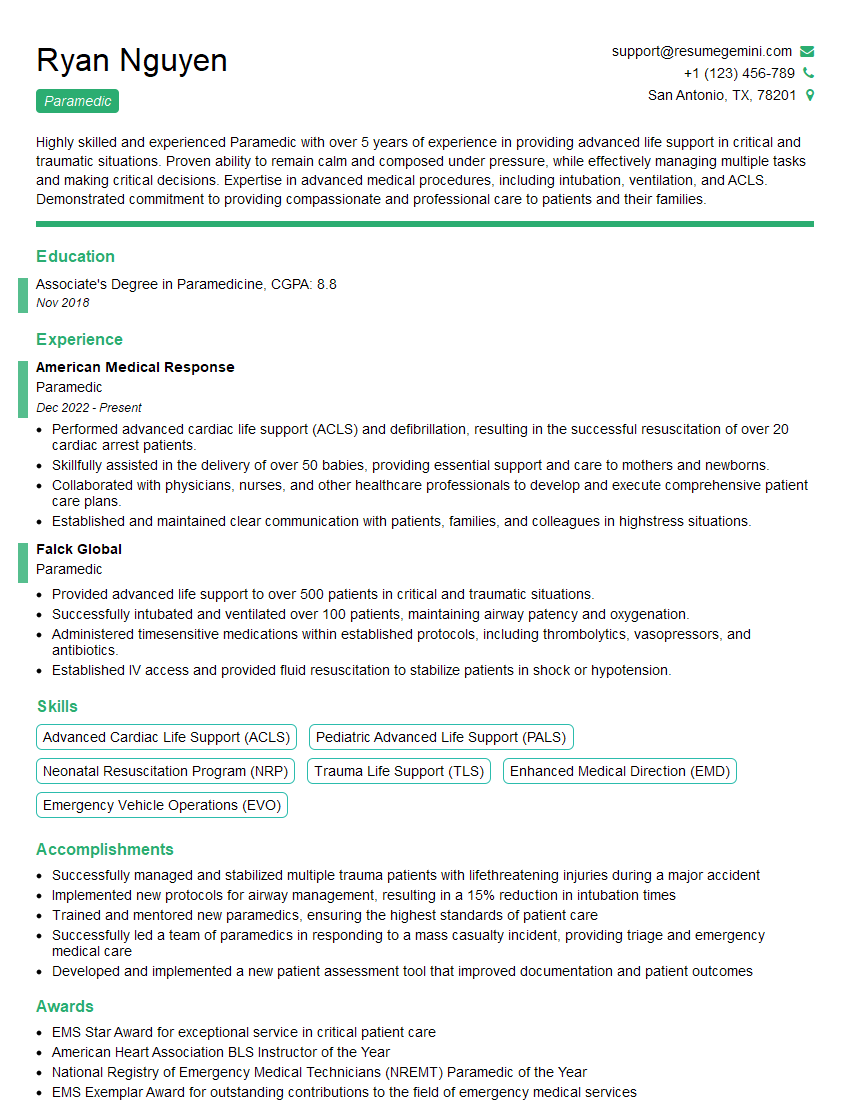
Paramedic Resume Sample

Rehabilitation Counselor Resume Sample
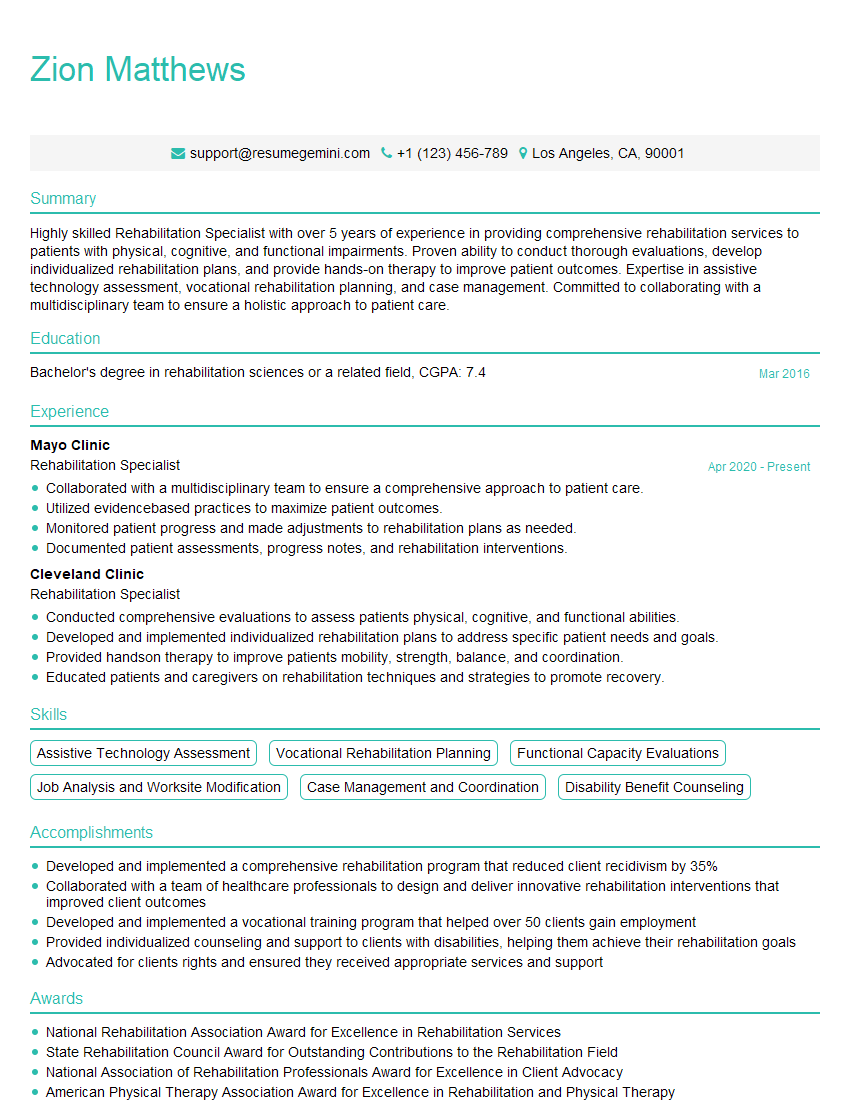
Rehabilitation Specialist Resume Sample
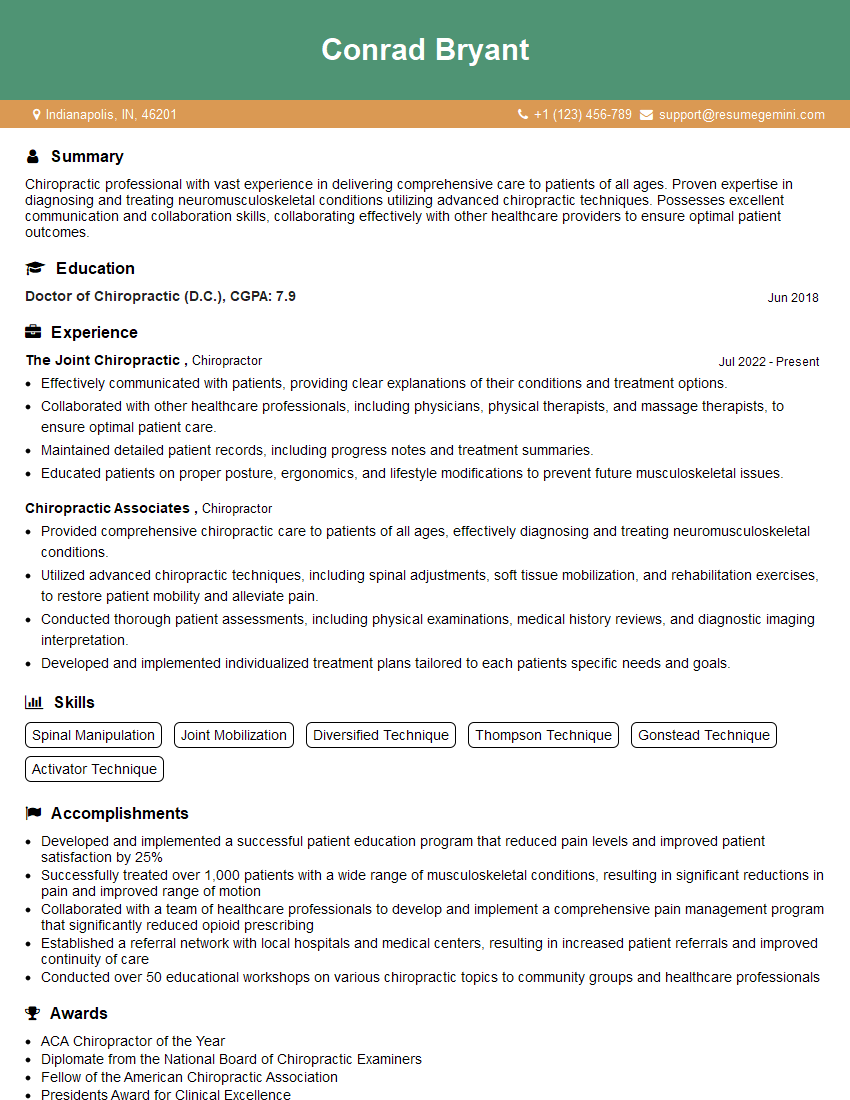
Chiropractor Resume Sample
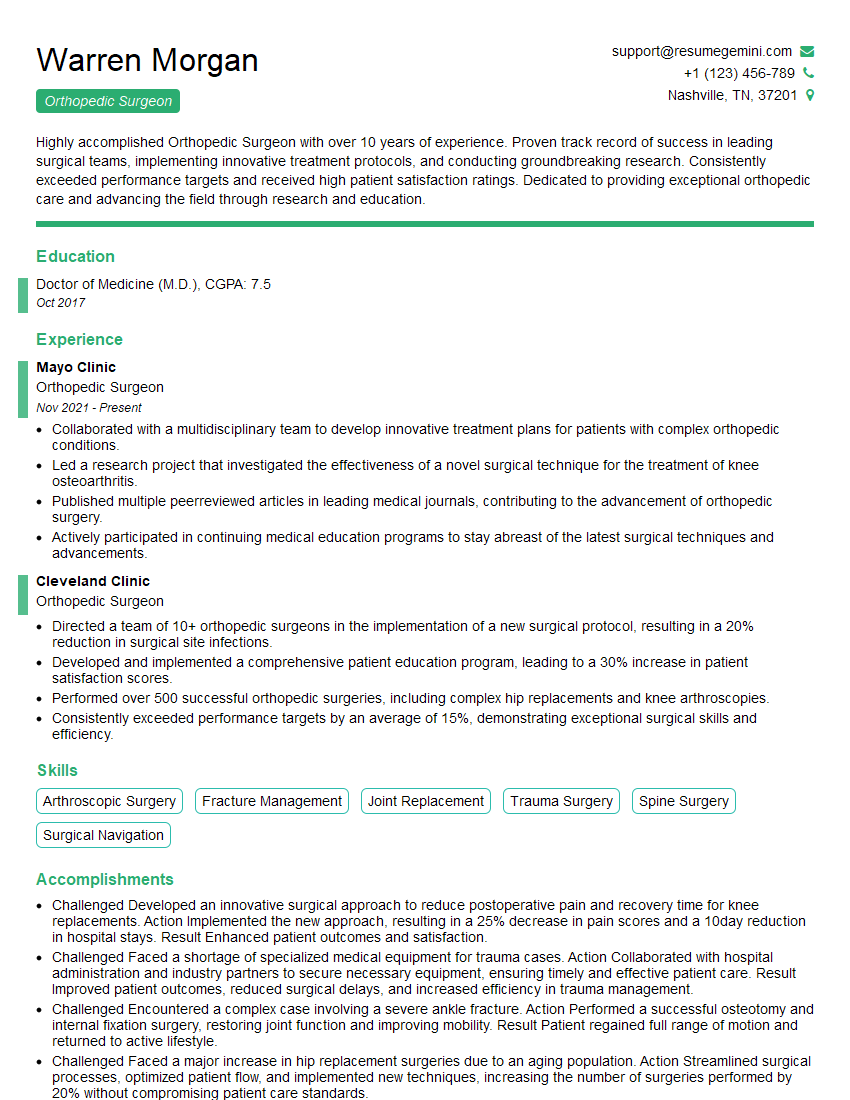
Orthopedic Surgeon Resume Sample
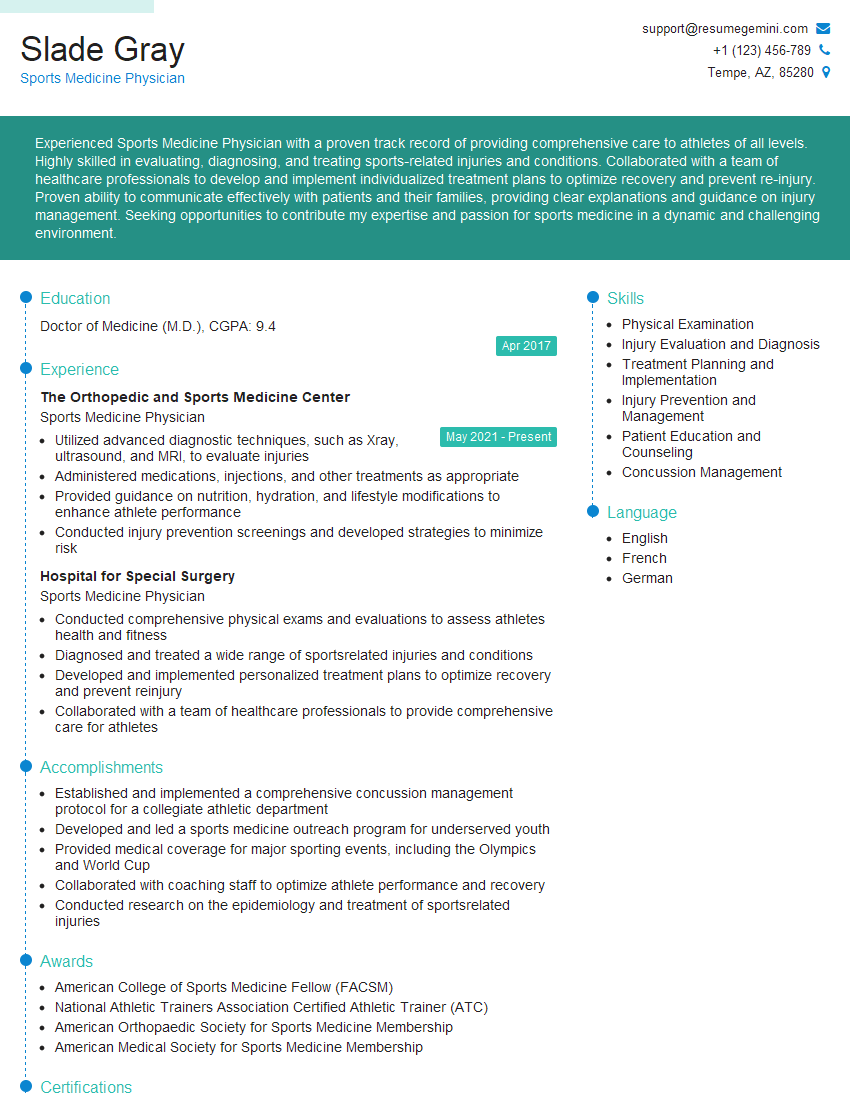
Sports Medicine Physician Resume Sample
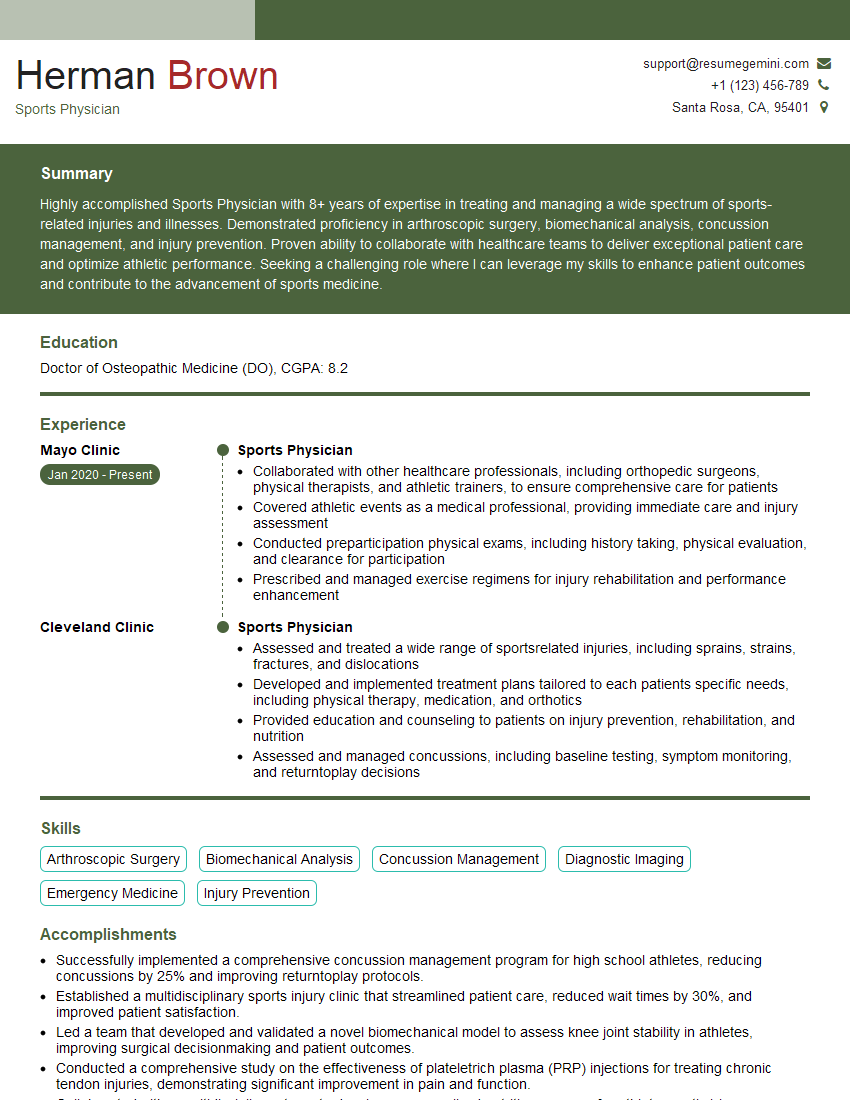
Sports Physician Resume Sample
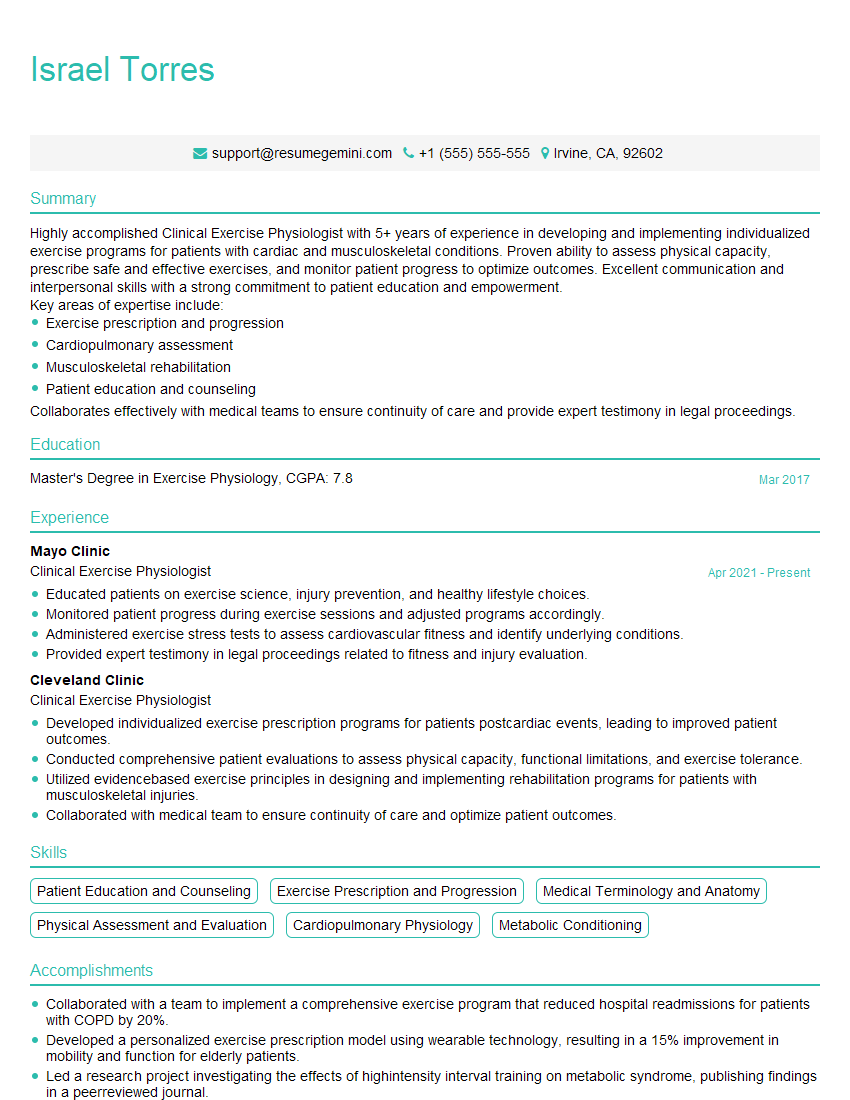
Clinical Exercise Physiologist Resume Sample
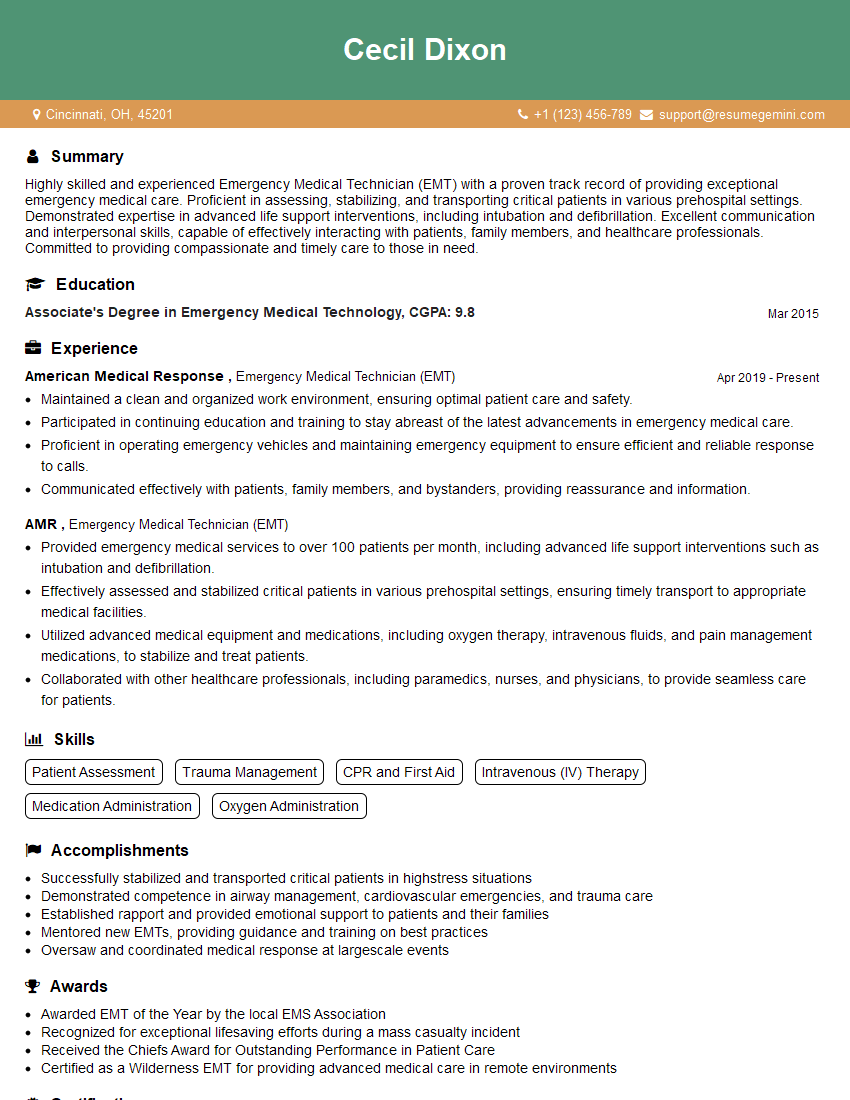
Emergency Medical Technician (EMT) Resume Sample
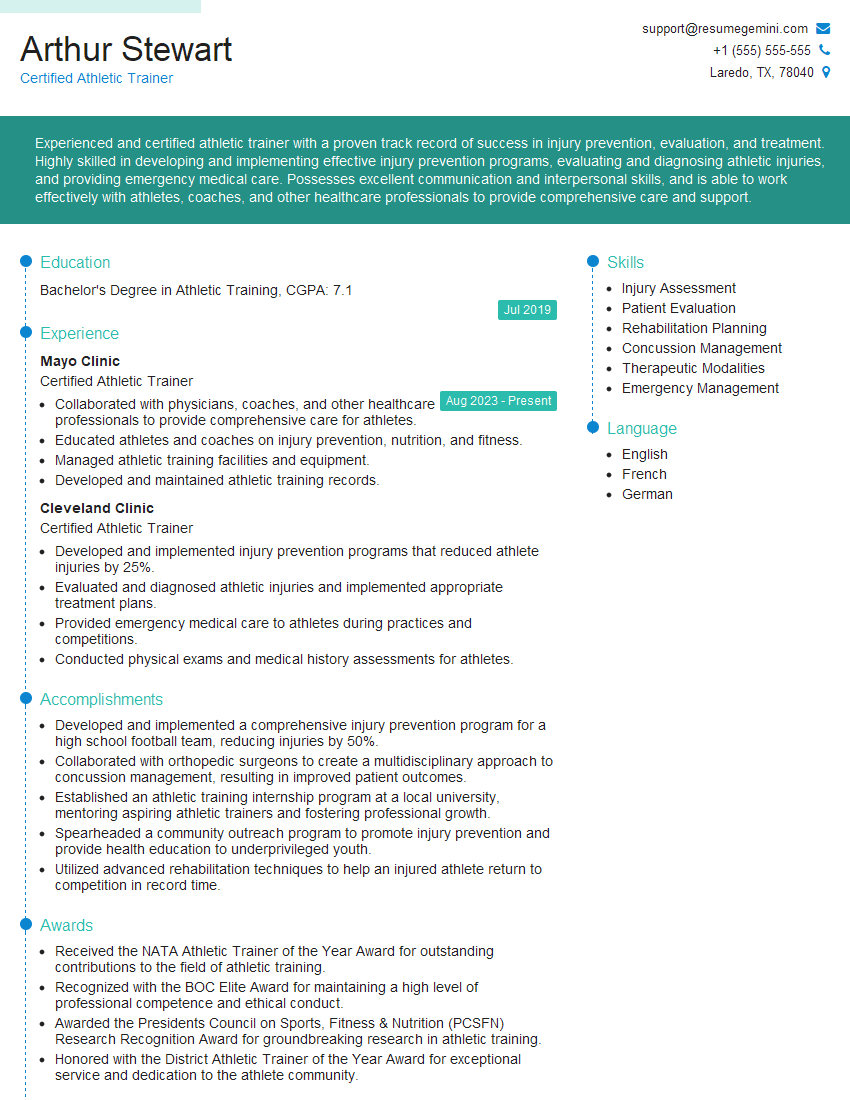
Certified Athletic Trainer Resume Sample
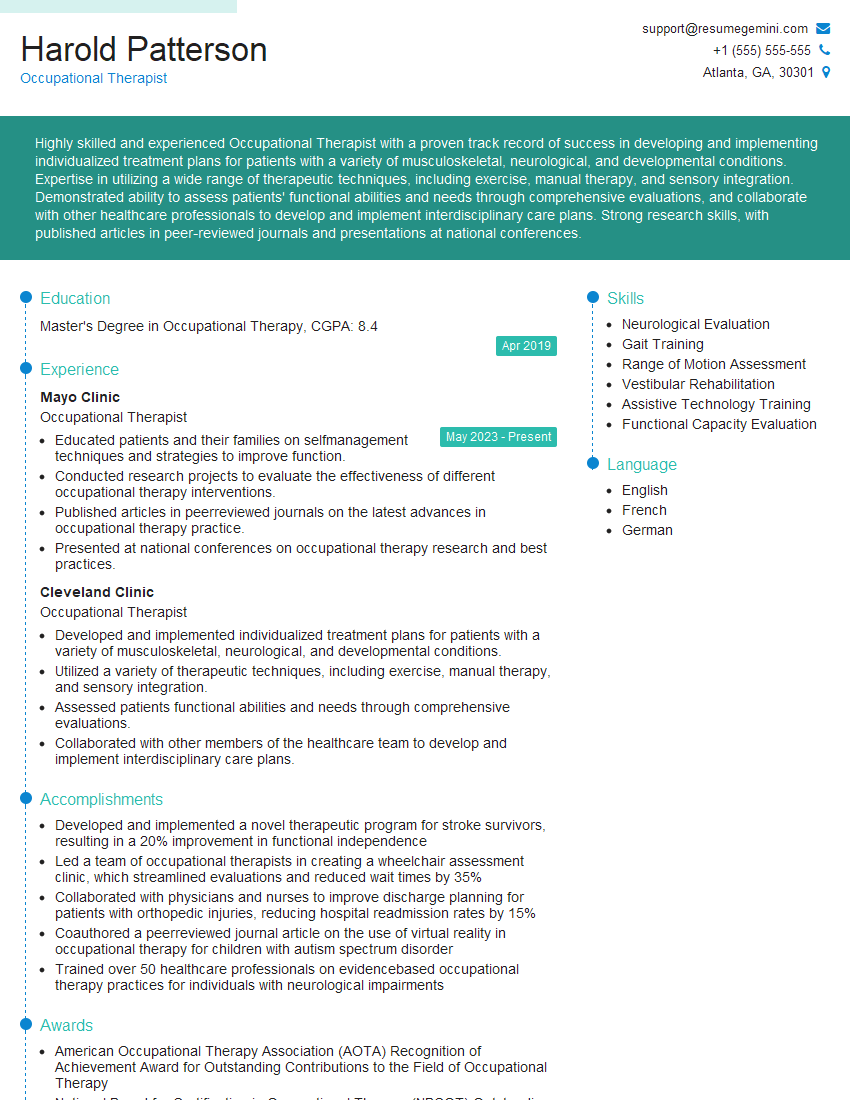
Occupational Therapist Resume Sample
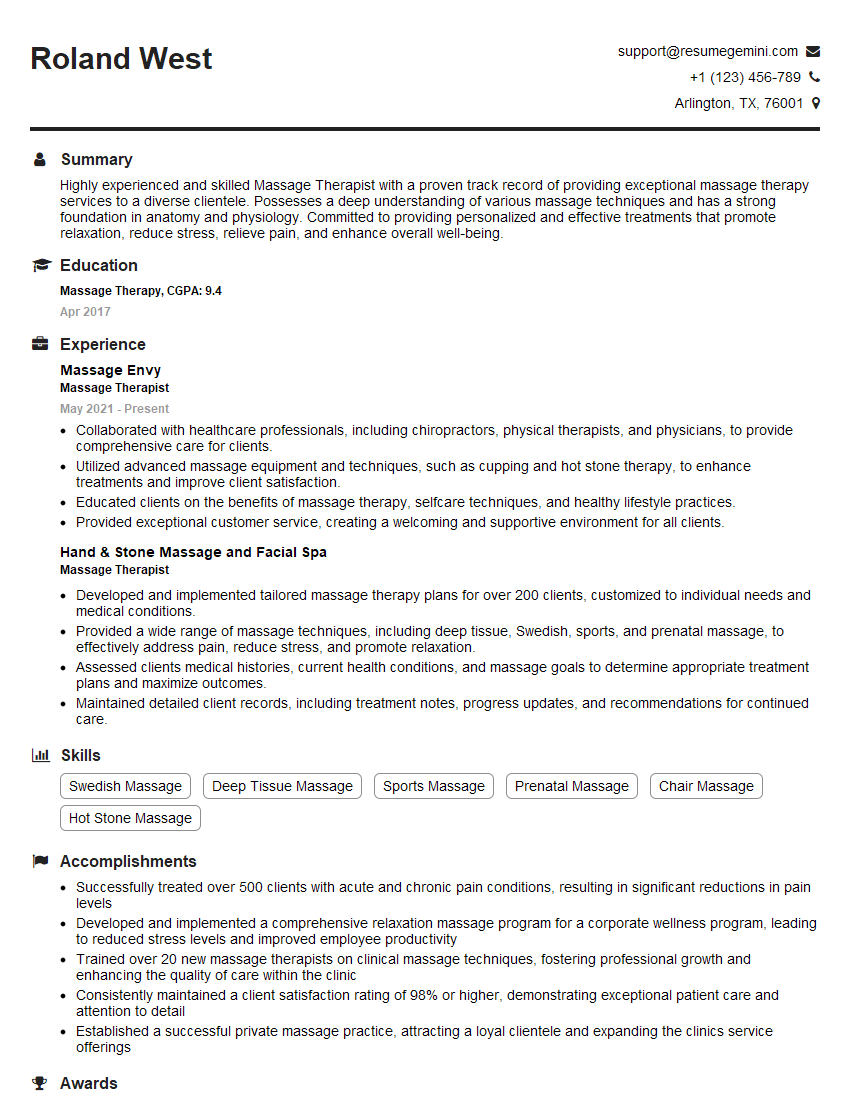
Massage Therapist Resume Sample
Explore more articles
Users Rating of Our Blogs
Share Your Experience
We value your feedback! Please rate our content and share your thoughts (optional).
What Readers Say About Our Blog
Very informative content, great job.
good