Feeling uncertain about what to expect in your upcoming interview? We’ve got you covered! This blog highlights the most important Injury Prevention and Response interview questions and provides actionable advice to help you stand out as the ideal candidate. Let’s pave the way for your success.
Questions Asked in Injury Prevention and Response Interview
Q 1. Describe your experience implementing ergonomic assessments in the workplace.
Ergonomic assessments are crucial for preventing musculoskeletal disorders (MSDs) in the workplace. My approach involves a systematic evaluation of the workstation, tools, and tasks to identify risk factors. This includes observing workers performing their tasks, interviewing them about their experiences, and measuring various physical parameters.
For example, in a recent assessment of a call center, I identified a high incidence of neck and shoulder pain due to prolonged computer use. My assessment involved measuring desk height, chair adjustability, monitor placement, and keyboard positioning. I then developed recommendations for adjustments to workstations, including providing adjustable chairs, monitor arms, and keyboard trays. I also incorporated regular micro-breaks into the workday and training on proper posture. Post-implementation, we saw a significant reduction in reported MSDs.
Another example involved a manufacturing plant where repetitive lifting tasks were causing back injuries. My ergonomic evaluation included measuring the weight of lifted objects, the lifting frequency, and the reach distances. The analysis revealed a need for mechanical lifting devices and improved workflow design. Implementing these changes significantly reduced the risk of back injuries.
Q 2. Explain your approach to conducting a workplace hazard analysis.
A workplace hazard analysis is a systematic process to identify and evaluate potential hazards and risks. My approach utilizes a combination of methods, including walkthrough surveys, job hazard analyses, and failure mode and effects analysis (FMEA). It’s a collaborative effort, involving workers from all levels.
The process begins with a walkthrough survey, visually inspecting the workplace to identify potential hazards. Next, I conduct job hazard analyses (JHAs), systematically breaking down each job task to identify potential hazards and control measures. FMEA is utilized for complex processes or equipment to assess the likelihood and severity of potential failures.
For instance, when analyzing a construction site, a walkthrough would identify things like exposed wiring, inadequate lighting, and unsecured materials. The JHA for a specific task like operating a crane would identify hazards such as falling objects, electrical shock, and operator fatigue. By combining these methods, a comprehensive hazard profile emerges, leading to effective control measures.
Q 3. What are the key components of a comprehensive safety training program?
A comprehensive safety training program is multifaceted, encompassing several key components. It’s not just about delivering information; it’s about fostering a safety culture.
- Needs Assessment: Identifying specific hazards and employee skill gaps.
- Content Development: Creating engaging and relevant training materials addressing identified hazards.
- Delivery Methods: Utilizing various methods like classroom instruction, online modules, hands-on training, and simulations.
- Practical Application: Providing opportunities for employees to practice safety procedures in real-world scenarios.
- Evaluation and Feedback: Assessing employee understanding and providing constructive feedback.
- Reinforcement and Updates: Regularly reinforcing safety messages and updating training materials to reflect changes in regulations or procedures.
For example, a training program for a laboratory would include hands-on training on proper chemical handling, waste disposal, and emergency procedures. Regular refresher courses and simulations would ensure continued competency.
Q 4. How would you investigate and report a workplace injury?
Investigating a workplace injury requires a thorough and objective approach. My process follows a structured format to ensure all relevant information is gathered and analyzed.
- Secure the Scene: Ensure the area is safe and preserve evidence.
- Interview Witnesses: Gather information from those who witnessed the incident.
- Collect Evidence: Photograph the scene, collect relevant documents, and obtain medical reports.
- Analyze the Incident: Identify contributing factors and root causes using methods such as root cause analysis (RCA).
- Develop Corrective Actions: Implement measures to prevent similar incidents from occurring.
- Report Findings: Document the findings and recommendations in a comprehensive report to relevant stakeholders.
For example, if a worker suffered a fall from a ladder, the investigation would involve examining the ladder’s condition, the work surface, and the worker’s training. The RCA might reveal inadequate ladder maintenance or insufficient safety training as root causes.
Q 5. What are your strategies for reducing workplace injuries from repetitive motion?
Repetitive motion injuries are a significant concern in many workplaces. My strategies focus on eliminating or reducing the risk factors.
- Ergonomic Assessments: Evaluating workstations to identify and mitigate risk factors like awkward postures and excessive force.
- Job Rotation: Allowing workers to perform different tasks to reduce repetitive movements.
- Micro-breaks: Encouraging frequent short breaks to reduce muscle fatigue.
- Training and Education: Educating workers on proper posture, lifting techniques, and the importance of taking breaks.
- Automation and Technology: Implementing automated systems to reduce manual tasks.
- Improved Tools and Equipment: Providing tools and equipment that are ergonomically designed.
For example, in an assembly line, implementing job rotation, providing ergonomic tools, and introducing short, frequent breaks can significantly reduce the risk of repetitive strain injuries. Additionally, automating repetitive tasks whenever feasible is a powerful preventative measure.
Q 6. Describe your experience developing and implementing safety policies and procedures.
Developing and implementing safety policies and procedures requires a comprehensive approach ensuring compliance and effectiveness. My experience encompasses all phases, from initial drafting to ongoing monitoring and review.
The process begins with a thorough risk assessment to identify potential hazards. Based on this, clear and concise policies and procedures are developed, covering areas such as hazard communication, personal protective equipment (PPE) use, emergency response, and incident reporting. Crucially, the process involves consulting with workers and management to ensure buy-in and practicality. The policies and procedures are then disseminated through various channels, including training sessions and written communication. Finally, regular audits and reviews ensure the continued effectiveness and relevance of these safety measures.
For example, in a hospital setting, I developed policies and procedures for infection control, including hand hygiene protocols, waste disposal procedures, and the use of personal protective equipment. These policies were then integrated into the hospital’s overall safety management system, complemented by regular training and audits.
Q 7. How familiar are you with OSHA regulations and standards?
I am very familiar with OSHA regulations and standards. My understanding extends to various aspects, including hazard communication, personal protective equipment (PPE), machine guarding, fall protection, and emergency action plans. I routinely refer to the OSHA website and relevant publications to stay current on updates and changes in regulations.
My familiarity with OSHA is not limited to theoretical knowledge. I have hands-on experience applying OSHA standards in diverse workplaces to ensure compliance. This includes conducting safety inspections, developing safety programs, and investigating workplace accidents.
Understanding OSHA is vital for proactively minimizing risks and avoiding potential penalties. My practical knowledge ensures that safety practices implemented are aligned with current legal requirements, safeguarding employee wellbeing and business operations.
Q 8. Explain your knowledge of different types of personal protective equipment (PPE).
Personal Protective Equipment (PPE) is crucial for mitigating workplace hazards. Different types of PPE target specific risks. Understanding these categories is paramount for effective injury prevention.
- Eye and Face Protection: This includes safety glasses, goggles, face shields, and welding helmets, protecting against flying debris, chemicals, and intense light.
- Head Protection: Hard hats are essential in environments with falling objects, overhead hazards, or potential impact risks. Different classes of hard hats offer varying levels of protection.
- Hearing Protection: Earplugs and earmuffs reduce noise exposure, preventing hearing damage in loud workplaces such as construction sites or factories. The choice depends on the noise level and comfort.
- Respiratory Protection: This ranges from simple dust masks to sophisticated respirators, safeguarding against inhaling harmful dusts, fumes, gases, or vapors. Proper respirator fit testing is critical for efficacy.
- Hand Protection: Gloves provide protection against cuts, abrasions, chemicals, extreme temperatures, and biological hazards. The selection depends on the specific risk. For example, cut-resistant gloves are used for handling sharp objects, while chemical-resistant gloves protect against corrosive substances.
- Foot Protection: Safety shoes or boots protect feet from falling objects, punctures, and crushing injuries. Steel-toe boots are common, but other features like metatarsal guards offer additional protection.
- Body Protection: This includes items like aprons, coveralls, and high-visibility clothing. Aprons shield from splashes, while coveralls offer full-body protection, and high-visibility clothing improves worker visibility in hazardous areas.
For instance, in a construction site, workers might require hard hats, safety glasses, gloves, and steel-toe boots, while a laboratory worker might need safety glasses, gloves, a lab coat, and potentially a respirator depending on the chemicals handled.
Q 9. How do you prioritize safety risks in a dynamic work environment?
Prioritizing safety risks in a dynamic environment demands a structured approach. I utilize a risk assessment methodology that combines qualitative and quantitative elements. This involves:
- Hazard Identification: This involves systematically identifying all potential hazards in the workspace, including those that are time-sensitive or change with the environment. This often involves direct observation, checklists, and employee input.
- Risk Assessment: For each identified hazard, a risk assessment is conducted, considering the likelihood of the hazard occurring and the severity of the potential injury or damage. This might involve using a matrix or scoring system.
- Prioritization: Hazards are ranked based on the level of risk, determined by the product of likelihood and severity. High-risk hazards are addressed immediately, while lower-risk hazards are dealt with based on available resources and timelines.
- Control Measures Implementation: Once risks are prioritized, appropriate control measures are implemented. This could involve engineering controls (e.g., machine guarding), administrative controls (e.g., work procedures), or PPE. The hierarchy of controls, which prioritizes engineering controls over PPE, is always followed.
- Monitoring and Review: The effectiveness of the control measures is constantly monitored, and the risk assessment is reviewed regularly or whenever there is a significant change in the work environment.
For example, in a fast-paced manufacturing plant, a sudden equipment malfunction might necessitate immediate stoppage and hazard investigation. But a gradually degrading workstation ergonomics issue will be addressed through a longer-term intervention.
Q 10. What methods do you employ to track and analyze injury data?
Tracking and analyzing injury data is critical for identifying trends, implementing preventive measures, and demonstrating the effectiveness of safety programs. This involves several key steps:
- Data Collection: All workplace incidents, injuries, and near misses are documented thoroughly, using standardized reporting forms. This data includes details such as the date, time, location, nature of the incident, and the injured person’s role.
- Data Entry and Management: Data is entered into a database or spreadsheet, ensuring accuracy and consistency. This could involve using specialized safety management software.
- Data Analysis: The data is analyzed to identify patterns, trends, and root causes of injuries. Techniques like frequency analysis, Pareto charts, and root cause analysis are valuable tools. For instance, a high number of back injuries might indicate a problem with manual handling procedures.
- Reporting and Visualization: Findings are presented in clear and concise reports, using charts, graphs, and tables. This facilitates communication of findings to stakeholders and aids decision-making regarding further preventative action. A visual representation of injury trends helps highlight areas needing immediate attention.
For example, we might find a recurring theme of slips and trips during a particular time of day, leading to the reassessment of cleaning procedures or lighting in those areas.
Q 11. How do you communicate effectively about safety concerns with employees at all levels?
Effective communication about safety is paramount. I employ a multi-pronged approach:
- Tailored Communication: Messages are adapted to the audience. For example, a safety briefing for a management team would differ from training for new hires. Simple and clear language is always preferred.
- Multiple Channels: Information is disseminated through various channels – safety meetings, posters, newsletters, emails, toolbox talks, and training sessions. This ensures a wider reach and reinforcement of key messages.
- Two-Way Communication: Employees are encouraged to report hazards, near misses, and concerns without fear of retribution. Feedback mechanisms such as suggestion boxes, regular surveys, and open-door policies promote a culture of safety.
- Leadership Engagement: Management’s visible commitment to safety sets the tone for the entire organization. Leaders need to actively participate in safety initiatives and demonstrate a commitment to safety values.
- Training and Education: Employees receive regular training on safety procedures, hazard recognition, and emergency response. This equips them with the necessary knowledge and skills to work safely.
For instance, a short, engaging video on safe lifting techniques is more effective than a lengthy, text-heavy manual in reaching a wider audience.
Q 12. Describe your experience with incident investigation and root cause analysis.
Incident investigation and root cause analysis are crucial for preventing future incidents. My approach is based on a systematic investigation methodology:
- Secure the Scene: The first step is to ensure the scene is safe for investigators to access and to preserve evidence.
- Gather Information: Information is collected from multiple sources – witnesses, injured parties (if possible), supervisors, documentation, and any physical evidence.
- Analyze the Evidence: The collected data is carefully reviewed and analyzed to reconstruct the sequence of events leading to the incident.
- Identify Root Causes: Root cause analysis techniques such as the “5 Whys” or Fishbone diagrams help determine the underlying reasons behind the incident. These are not just immediate causes but the deeper issues that allowed the incident to occur.
- Develop Corrective Actions: Based on the root cause analysis, corrective actions are developed and implemented to prevent similar incidents from happening in the future. These actions may include improvements to equipment, changes to procedures, or additional training.
- Document Findings: A detailed report is prepared that documents the findings of the investigation, the root causes identified, and the corrective actions taken.
For example, an investigation into a fall from height might reveal a lack of adequate fall protection, leading to the implementation of new safety harnesses and improved training on their proper usage.
Q 13. What are the key elements of a successful emergency response plan?
A successful emergency response plan hinges on several key elements:
- Hazard Identification and Risk Assessment: The plan must identify potential emergencies and assess their likelihood and severity. This sets the stage for determining the appropriate response measures.
- Emergency Response Procedures: Clear and concise procedures must be established for each type of emergency. These procedures should outline specific actions to be taken by different personnel involved in the response. Regular drills and training ensure familiarity.
- Communication Plan: A communication plan is crucial for ensuring effective communication during an emergency. This includes establishing designated communication channels, roles, and responsibilities for information dissemination. This may involve dedicated communication equipment.
- Emergency Evacuation Procedures: A detailed evacuation plan must be developed and regularly practiced. This includes designating escape routes, assembly points, and roles for marshals and other personnel. Clear signage and easily understood instructions are key.
- Emergency Equipment and Supplies: Adequate emergency equipment and supplies must be readily available, including first-aid kits, fire extinguishers, and any specialized equipment needed for particular hazards. Equipment needs regular checks and maintenance.
- Training and Drills: Regular training and drills are essential to ensure that all personnel are familiar with the emergency response plan and their roles and responsibilities. This familiarity reduces confusion and helps ensure efficiency during real emergencies.
- Post-Incident Review: After an emergency, a thorough review should be conducted to identify areas for improvement in the plan and its execution. This helps in continuous refinement.
A well-drilled emergency response team, for instance, can rapidly contain a chemical spill, minimizing further harm. A well-communicated and understood plan is equally important.
Q 14. How would you address a situation where employees are resisting safety procedures?
Addressing employee resistance to safety procedures requires a thoughtful, multi-faceted approach that prioritizes understanding and collaboration.
- Identify the Root Cause: First, understand why employees are resisting. Is it due to inconvenience, discomfort, lack of understanding, lack of trust, or perceived punishment for following procedures? Open communication and feedback are essential here.
- Open Communication and Active Listening: Create a safe space for employees to voice their concerns and perspectives without fear of reprisal. Actively listen to their concerns and demonstrate empathy.
- Education and Training: If the resistance stems from a lack of understanding, provide clear, thorough, and engaging training on the rationale behind the safety procedures and their importance. Practical demonstrations and interactive sessions often prove effective.
- Involve Employees in the Process: Involving employees in the design and implementation of safety procedures often increases their buy-in. They feel ownership and are more likely to comply when involved in decision-making.
- Address Concerns and Provide Solutions: If concerns are legitimate, work collaboratively to find practical solutions that address those issues while still maintaining safety standards. Compromises are often possible.
- Positive Reinforcement: Recognize and reward employees who consistently follow safety procedures. Positive reinforcement is far more effective than punishment in fostering a safety-conscious culture.
- Leadership Support: Ensure that leaders actively model safe behaviors and demonstrate a commitment to safety. This sets a clear expectation for employees and reinforces the importance of adhering to procedures.
For example, if employees resist wearing safety glasses because they find them uncomfortable, you might explore options like different styles or prescription safety glasses to increase comfort and compliance.
Q 15. How familiar are you with different risk assessment methodologies?
I’m very familiar with a range of risk assessment methodologies. My experience encompasses both qualitative and quantitative approaches. Qualitative methods, like Job Safety Analysis (JSA) and Hazard and Operability studies (HAZOP), focus on identifying potential hazards through observation, brainstorming, and expert opinion. These are particularly useful for understanding the sequence of events leading to an incident and identifying control measures. For example, a JSA for operating a forklift would involve breaking down the task into steps and identifying potential hazards at each step, like collisions, tipping, or load instability. Quantitative methods, such as Fault Tree Analysis (FTA) and Event Tree Analysis (ETA), use statistical data and probabilities to assess the likelihood and severity of risks. These are beneficial when historical data on incidents is available, enabling a more precise evaluation of risk levels. For instance, an ETA for a chemical spill might model the probability of different outcomes based on the failure of containment systems and the effectiveness of emergency response procedures.
I also have experience with more integrated approaches that combine qualitative and quantitative methods, offering a more holistic risk assessment. This often involves using software tools to manage the data and analysis, facilitating better communication and decision-making.
Career Expert Tips:
- Ace those interviews! Prepare effectively by reviewing the Top 50 Most Common Interview Questions on ResumeGemini.
- Navigate your job search with confidence! Explore a wide range of Career Tips on ResumeGemini. Learn about common challenges and recommendations to overcome them.
- Craft the perfect resume! Master the Art of Resume Writing with ResumeGemini’s guide. Showcase your unique qualifications and achievements effectively.
- Don’t miss out on holiday savings! Build your dream resume with ResumeGemini’s ATS optimized templates.
Q 16. What are your strategies for promoting a safety-conscious culture in the workplace?
Promoting a safety-conscious culture is paramount. It’s not just about rules and regulations; it’s about fostering a shared commitment to safety. My strategies involve several key elements. Firstly, leadership commitment is crucial. Visible, active participation from upper management in safety initiatives sends a powerful message. Secondly, employee empowerment is vital. Creating a culture where employees feel comfortable reporting hazards, near misses, and even voicing safety concerns without fear of retribution is essential. This often involves implementing a robust reporting system that assures confidentiality and ensures prompt corrective actions.
Thirdly, effective communication is key. Regular safety meetings, toolbox talks, newsletters, and interactive training sessions ensure everyone is informed about safety procedures and best practices. I also believe in utilizing visual aids and storytelling to make safety information more engaging and memorable. Finally, recognition and reward programs that celebrate safe work practices and proactive safety contributions further reinforce the desired culture. For example, I’ve implemented peer-to-peer recognition programs where employees can nominate colleagues who have demonstrated exemplary safety behavior. This helps strengthen the team’s collective safety commitment.
Q 17. Explain your experience with developing and delivering safety training programs.
I have extensive experience developing and delivering safety training programs across various industries. My approach is to design programs that are engaging, relevant, and tailored to the specific needs and risks of the workplace. This involves a needs assessment, identifying the knowledge and skill gaps that need to be addressed. I then design training modules using a variety of methods including interactive workshops, scenario-based exercises, e-learning platforms, and on-the-job training. For example, I once developed a comprehensive safety training program for a construction company, covering topics such as fall protection, hazard communication, and emergency response. The program incorporated a combination of classroom instruction, practical demonstrations, and simulations to ensure effective learning.
I also focus on evaluating the effectiveness of the training using pre- and post-training assessments, observations of on-the-job performance, and tracking the reduction in incidents. This data-driven approach allows for continuous improvement and ensures the program remains relevant and effective.
Q 18. How would you adapt safety training for different employee populations (age, language, literacy)?
Adapting safety training to diverse employee populations is critical. My approach considers age, language, and literacy levels by employing various strategies. For older employees, I adjust the pace of the training, utilize larger fonts and visual aids, and ensure comfortable learning environments. For employees with language barriers, I use translated materials, visual aids, and interpreters as needed. I might also employ visual learning techniques like videos and demonstrations to overcome language challenges. For those with lower literacy levels, I focus on simplified language, visual aids, and hands-on activities, reducing reliance on text-heavy materials.
I often use multi-sensory approaches to training, ensuring accessibility for all learners. This might include incorporating demonstrations, videos, and group discussions to cater to diverse learning styles. Regular feedback mechanisms also allow me to address any challenges and ensure everyone understands the training materials. Pre-training assessments can help me identify individual learning needs and tailor the delivery accordingly.
Q 19. Describe your experience in conducting safety inspections and audits.
I have significant experience conducting safety inspections and audits, adhering to established checklists and industry best practices. My inspections are thorough, systematic, and documented meticulously. I focus on identifying both obvious and latent hazards, paying attention to potential compliance issues with relevant regulations. For example, during an inspection of a manufacturing facility, I might check for proper machine guarding, the availability of personal protective equipment (PPE), and adherence to lockout/tagout procedures. I use a combination of observation, interviews with employees, and review of documentation to ensure a comprehensive assessment.
Following the inspection, I prepare a detailed report outlining the findings, including identified hazards, non-compliances, and recommendations for corrective actions. I also follow up to ensure that the corrective actions are implemented effectively and that the identified hazards are mitigated.
Q 20. What are the key performance indicators (KPIs) you use to measure the effectiveness of injury prevention programs?
Measuring the effectiveness of injury prevention programs requires a multifaceted approach using key performance indicators (KPIs). These KPIs can be broadly categorized into leading indicators (predictive) and lagging indicators (reactive). Leading indicators focus on proactive measures, such as the number of safety training hours completed, the number of hazard reports submitted, and the participation rates in safety programs. These help predict future performance and identify areas needing improvement. For example, a low number of hazard reports might suggest a lack of employee engagement or a fear of reporting.
Lagging indicators focus on outcomes, such as the number of lost-time injuries, the severity rate of injuries, and the total recordable incident rate (TRIR). These show the overall effectiveness of the injury prevention strategies. By tracking both leading and lagging indicators, I gain a comprehensive understanding of program effectiveness and identify areas requiring adjustment. Data analysis, trend identification, and benchmarking against industry standards are critical in interpreting these KPIs and making data-driven improvements to the programs.
Q 21. How do you stay up-to-date on the latest safety regulations and best practices?
Staying current on safety regulations and best practices is an ongoing commitment. I utilize several strategies. I regularly subscribe to industry publications and professional journals, such as those published by OSHA (Occupational Safety and Health Administration) and other relevant regulatory bodies. I actively participate in professional development activities, attending conferences, workshops, and webinars to stay abreast of the latest advancements in the field. Networking with other professionals in the field through professional organizations helps to share best practices and learn from others’ experiences. I also leverage online resources and databases to access updated safety standards and guidelines.
Finally, I maintain a system for tracking changes in regulations and best practices and promptly integrating those updates into our safety programs and training materials to ensure continuous compliance and effectiveness.
Q 22. How would you manage a situation where safety equipment malfunctions?
Malfunctioning safety equipment poses a significant risk. My approach involves a multi-step process prioritizing immediate safety and thorough investigation.
- Immediate Action: First, I’d immediately isolate the malfunctioning equipment, preventing further use and potential harm. This might involve shutting down a machine, removing a faulty harness, or cordoning off a hazardous area. Clear communication is vital – notifying all affected personnel and ensuring their safety.
- Assessment and Repair: A qualified technician would assess the equipment to determine the cause of the malfunction. Repairs are prioritized and only undertaken by certified personnel following manufacturer guidelines and safety protocols. A thorough inspection might reveal underlying issues requiring more extensive repairs or replacements.
- Root Cause Analysis: A formal investigation is crucial to understanding why the equipment failed. This often involves examining maintenance records, operator logs, and interviewing relevant personnel to identify any systemic issues or human errors that contributed to the malfunction.
- Preventative Measures: Based on the investigation, preventative measures are implemented to reduce the risk of recurrence. This might include enhanced maintenance schedules, improved training programs for equipment operators, or implementing a more robust inspection process. For example, if a failure was due to inadequate maintenance, a more rigorous schedule with clearly defined responsibilities might be put in place.
- Documentation: The entire process, from initial incident to corrective actions, is meticulously documented. This documentation serves as a valuable record for future safety audits, insurance purposes, and continuous improvement initiatives.
For instance, in a previous role, a faulty crane safety latch was discovered. Immediate stoppage ensued, a detailed report was filed, and ultimately, the crane was upgraded with a failsafe system. This ensured worker safety and prevented potential catastrophic accidents.
Q 23. Describe your experience with implementing and monitoring safety programs for contractors.
Implementing and monitoring safety programs for contractors requires a proactive and comprehensive approach. My experience includes developing and delivering safety orientations, conducting regular site inspections, and establishing clear communication channels.
- Pre-qualification: Before engaging any contractor, a rigorous pre-qualification process is critical. This verifies their safety records, insurance coverage, and adherence to relevant regulations.
- Safety Orientation: Comprehensive safety orientations tailored to the specific jobsite are provided. These orientations cover site-specific hazards, emergency procedures, and the proper use of personal protective equipment (PPE).
- Regular Inspections: Frequent inspections of contractor work areas are conducted to ensure compliance with safety standards and identify any potential hazards. This involves observing work practices, checking PPE usage, and verifying adherence to the project’s safety plan.
- Performance Monitoring: Contractor safety performance is monitored through regular meetings, incident reporting reviews, and safety audits. This enables timely intervention and corrective actions when necessary.
- Communication: Open communication channels are crucial. Regular communication with contractors allows for prompt issue resolution and collaborative risk management.
For example, in a past project, by carefully pre-qualifying contractors and providing extensive safety orientations, we reduced contractor-related incidents by 40% compared to previous years.
Q 24. How do you handle conflicts between production demands and safety regulations?
Balancing production demands with safety regulations is a constant challenge. My approach is to view safety not as a constraint but as an integral part of efficient production.
- Risk Assessment: Thorough risk assessments are conducted to identify potential hazards and prioritize mitigation strategies. This involves a collaborative approach involving production staff and safety professionals.
- Prioritization: Risks are prioritized based on their severity and likelihood, ensuring that high-risk hazards are addressed proactively. This might involve using hazard prioritization matrices.
- Engineering Controls: Prioritizing engineering controls, such as machine guarding or improved ventilation, reduces risk at the source. These controls often offer long-term solutions and improve overall efficiency.
- Safe Work Practices: Implementing robust safe work practices reduces risks associated with human error. This includes training, standard operating procedures, and regular job safety analysis.
- Continuous Improvement: Regularly reviewing safety procedures and performance data ensures that processes remain aligned with both production targets and safety regulations.
Instead of viewing safety as slowing down production, it’s crucial to demonstrate that a strong safety culture leads to increased productivity through reduced downtime, fewer injuries, and a more motivated and engaged workforce.
Q 25. Explain your experience in using data analytics to improve workplace safety.
Data analytics plays a crucial role in improving workplace safety. I leverage data to identify trends, predict potential hazards, and measure the effectiveness of safety interventions.
- Data Collection: Gathering comprehensive data is the first step, including incident reports, near-misses, inspection findings, and employee surveys. Data is collected from various sources, including incident reporting systems, safety audits, and environmental monitoring equipment.
- Data Analysis: Data is analyzed to identify patterns and trends. This might involve statistical analysis, root cause analysis techniques, and data visualization tools. For instance, a heat map could identify high-risk areas based on incident locations.
- Predictive Modeling: Predictive modeling helps anticipate potential hazards based on historical data and relevant external factors. This enables proactive interventions, reducing the likelihood of incidents.
- Performance Measurement: Data is used to measure the effectiveness of safety programs and interventions. Key performance indicators (KPIs) like incident rates, lost-time injury rates, and near-miss ratios are tracked to evaluate progress and identify areas requiring improvement.
For example, by analyzing incident data, we identified a high incidence of slips and falls in one area. Subsequent improvements to the flooring and lighting reduced incidents in that area by over 60%.
Q 26. How do you address the psychological impact of workplace injuries on employees?
Addressing the psychological impact of workplace injuries is crucial for employee well-being and a safe work environment. My approach involves a multi-faceted strategy focusing on support, intervention, and prevention.
- Immediate Support: Providing immediate support and access to employee assistance programs (EAPs) is essential after an injury. This includes access to counseling, psychological services, and other relevant resources.
- Return-to-Work Planning: Developing a tailored return-to-work plan helps employees gradually reintegrate into the workforce at their own pace. This minimizes stress and prevents re-injury.
- Communication: Open and empathetic communication with the injured employee and their supervisors is essential to alleviate stress and anxiety. Clear communication helps build trust and provides a sense of security.
- Training and Awareness: Investing in training programs to raise awareness about mental health and stress management is vital. Supervisors are trained on how to identify signs of psychological distress and support employees.
- Prevention: Addressing underlying factors that contribute to workplace stress and psychological distress is key. This might involve improvements to workplace culture, reducing workload, and promoting work-life balance.
In one instance, we implemented a comprehensive return-to-work program, resulting in significantly faster recovery times and improved employee morale. Open communication and mental health resources played a vital role in this success.
Q 27. Describe your experience in managing workers’ compensation claims.
Managing workers’ compensation claims requires a systematic and compassionate approach that balances legal requirements with employee well-being.
- Prompt Reporting: Ensuring prompt reporting of all workplace injuries is crucial. This facilitates timely medical attention and initiates the claims process.
- Investigation: A thorough investigation of the incident is conducted to determine the cause, identify contributing factors, and prevent future occurrences.
- Medical Management: Close collaboration with healthcare providers ensures appropriate medical care for the injured employee. This includes coordinating medical appointments and managing treatment plans.
- Legal Compliance: Strict adherence to all relevant workers’ compensation laws and regulations is paramount. This involves accurate documentation, timely reporting, and communication with insurance carriers.
- Return-to-Work Coordination: Actively coordinating the employee’s return to work, including modifying job duties as needed, is crucial for their recovery and reintegration into the workforce.
Effective claim management involves clear communication with employees, insurance providers, and legal representatives. A proactive approach minimizes the duration and cost of claims while supporting injured workers throughout their recovery.
Q 28. What is your approach to addressing near misses and preventing future incidents?
Near misses, while not resulting in injuries, are valuable indicators of potential hazards. My approach to addressing near misses emphasizes investigation, corrective action, and prevention.
- Incident Reporting: Establishing a robust near-miss reporting system encourages employees to report incidents without fear of reprisal. This data is critical for identifying patterns and trends.
- Investigation: A thorough investigation of each near miss is conducted to determine the root cause. This often involves interviewing witnesses and analyzing the sequence of events.
- Corrective Actions: Corrective actions are implemented to eliminate the identified hazard and prevent recurrence. This might involve improving procedures, providing additional training, modifying equipment, or improving the work environment.
- Employee Involvement: Employees are actively involved in the investigation and development of corrective actions. This fosters ownership and increases the likelihood of effective implementation.
- Feedback and Follow-up: Employees are provided feedback on the outcome of the investigation and the implemented corrective actions. This demonstrates the organization’s commitment to safety and reduces the likelihood of similar incidents occurring in the future.
By consistently investigating and addressing near misses, we can proactively prevent accidents and create a safer work environment. A culture of proactive reporting is essential in this approach.
Key Topics to Learn for Injury Prevention and Response Interview
- Risk Assessment and Hazard Identification: Understanding methodologies for identifying workplace hazards and assessing injury risks, including proactive measures and predictive modeling.
- Ergonomics and Workplace Design: Applying ergonomic principles to minimize musculoskeletal injuries through workstation design, equipment selection, and job task analysis. Practical application includes case studies of successful ergonomic interventions.
- Personal Protective Equipment (PPE): Knowledge of various PPE types, selection criteria based on hazard assessments, and training protocols for proper use and maintenance. This includes understanding limitations and appropriate use scenarios.
- Emergency Response Procedures: Familiarity with emergency response plans, first aid and CPR techniques, and the effective management of injury incidents, including documentation and reporting procedures.
- Injury Reporting and Investigation: Understanding regulatory requirements for injury reporting, conducting thorough investigations to identify root causes, and implementing corrective actions to prevent recurrence. This includes analyzing incident data for trend identification.
- Return-to-Work Programs: Knowledge of designing and implementing effective return-to-work programs, including graduated return strategies and modified duty assignments to facilitate employee recovery and reintegration.
- Legislation and Regulations: Understanding relevant occupational safety and health legislation, regulations, and industry best practices related to injury prevention and response. This includes staying updated on current legal frameworks.
- Data Analysis and Reporting: Ability to collect, analyze, and interpret injury data to identify trends, measure the effectiveness of prevention programs, and inform decision-making.
- Communication and Training: Developing and delivering effective training programs on injury prevention, safety awareness, and emergency response procedures for diverse employee populations.
- Safety Culture and Behavior-Based Safety: Understanding the role of organizational culture in influencing safety performance and implementing strategies to promote a positive safety culture. Includes practical application of behavior-based safety interventions.
Next Steps
Mastering Injury Prevention and Response is crucial for career advancement in a field increasingly focused on proactive safety measures and minimizing workplace incidents. A strong understanding of these concepts positions you for leadership roles and higher earning potential. To significantly boost your job prospects, create an ATS-friendly resume that highlights your relevant skills and experience. We strongly recommend using ResumeGemini, a trusted resource for building professional resumes. ResumeGemini provides examples of resumes tailored to Injury Prevention and Response, giving you a head start in creating a compelling application that showcases your qualifications effectively.
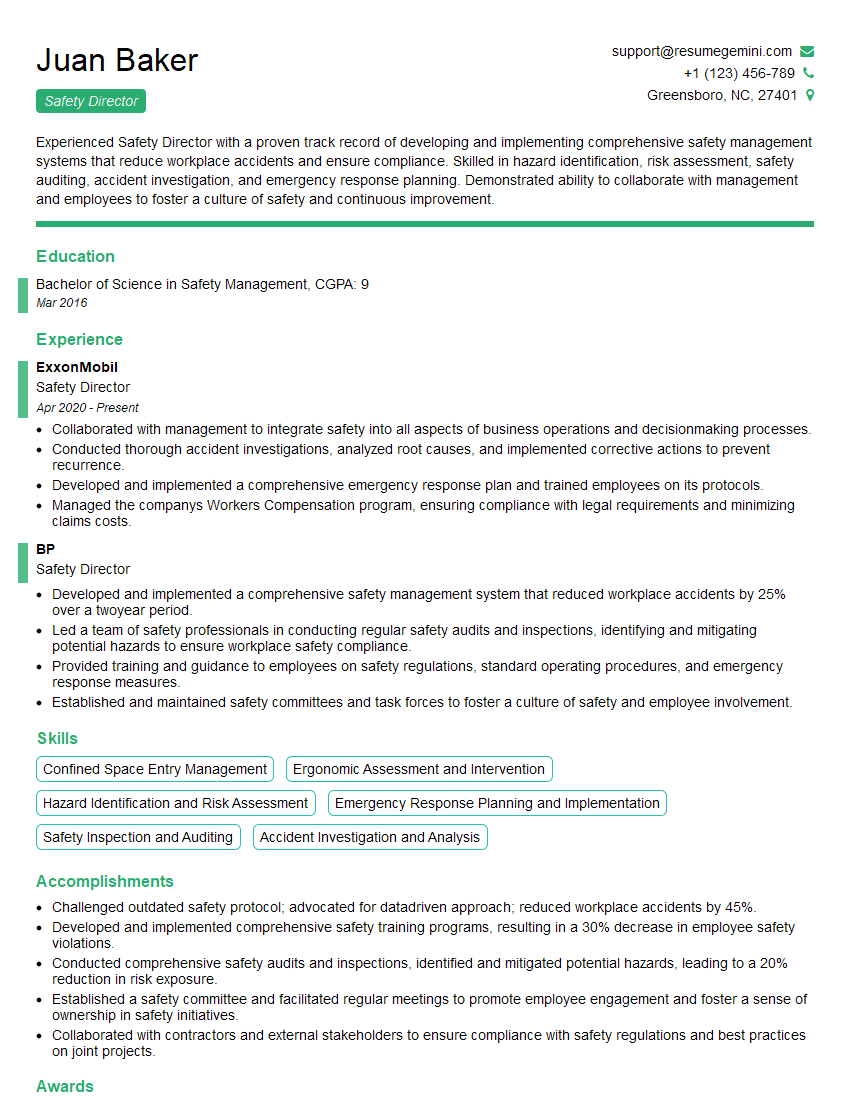
Safety Director Resume Sample
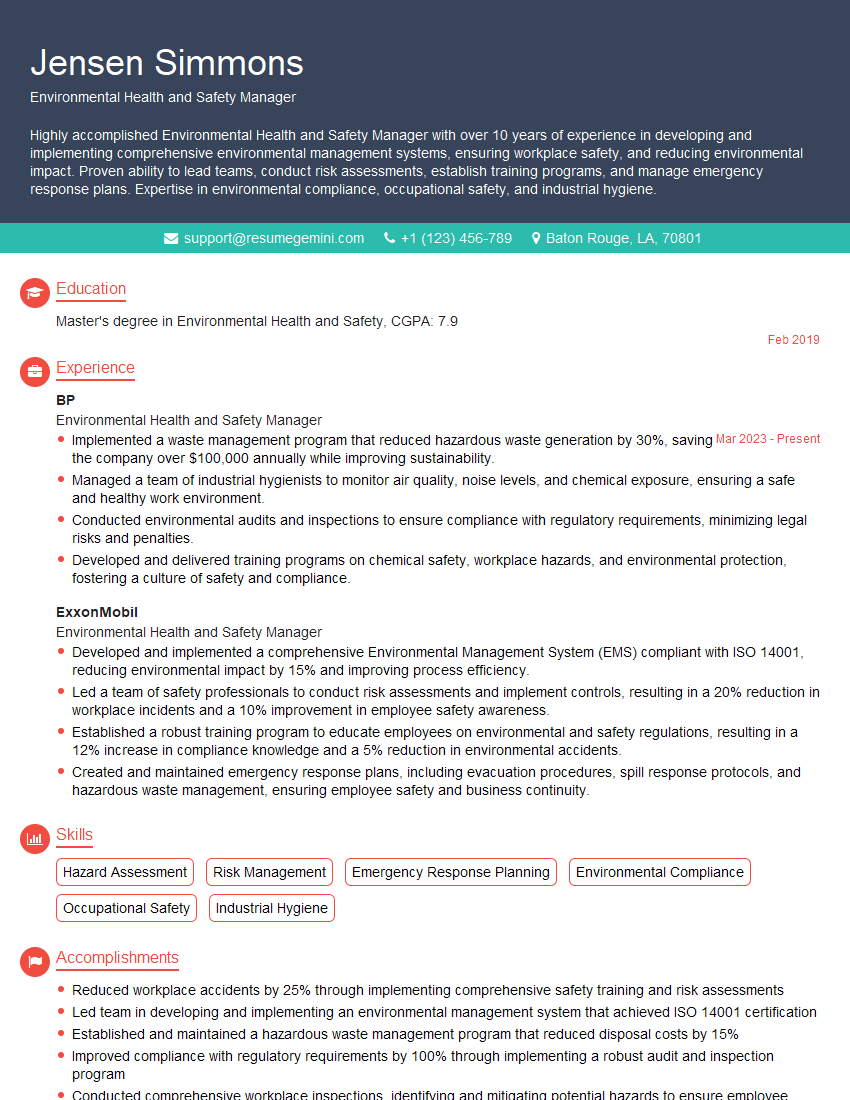
Environmental Health and Safety Manager Resume Sample

Compliance Officer Resume Sample
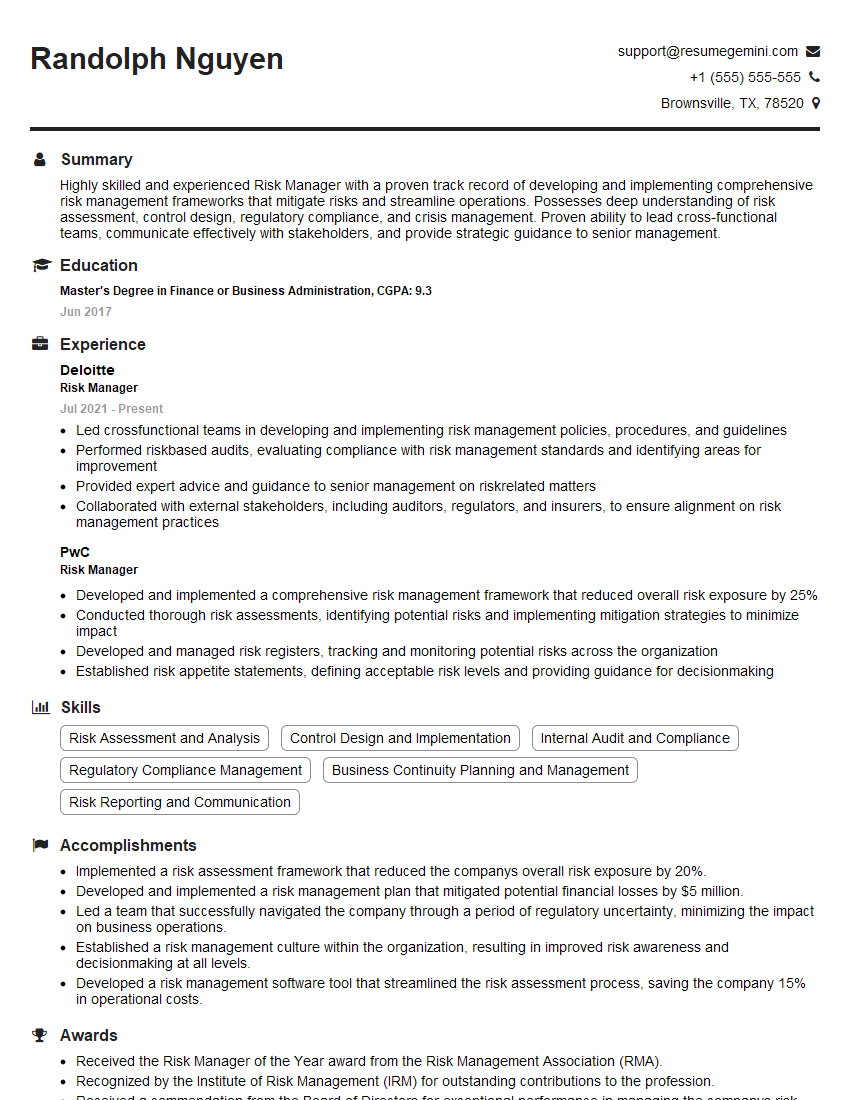
Risk Manager Resume Sample
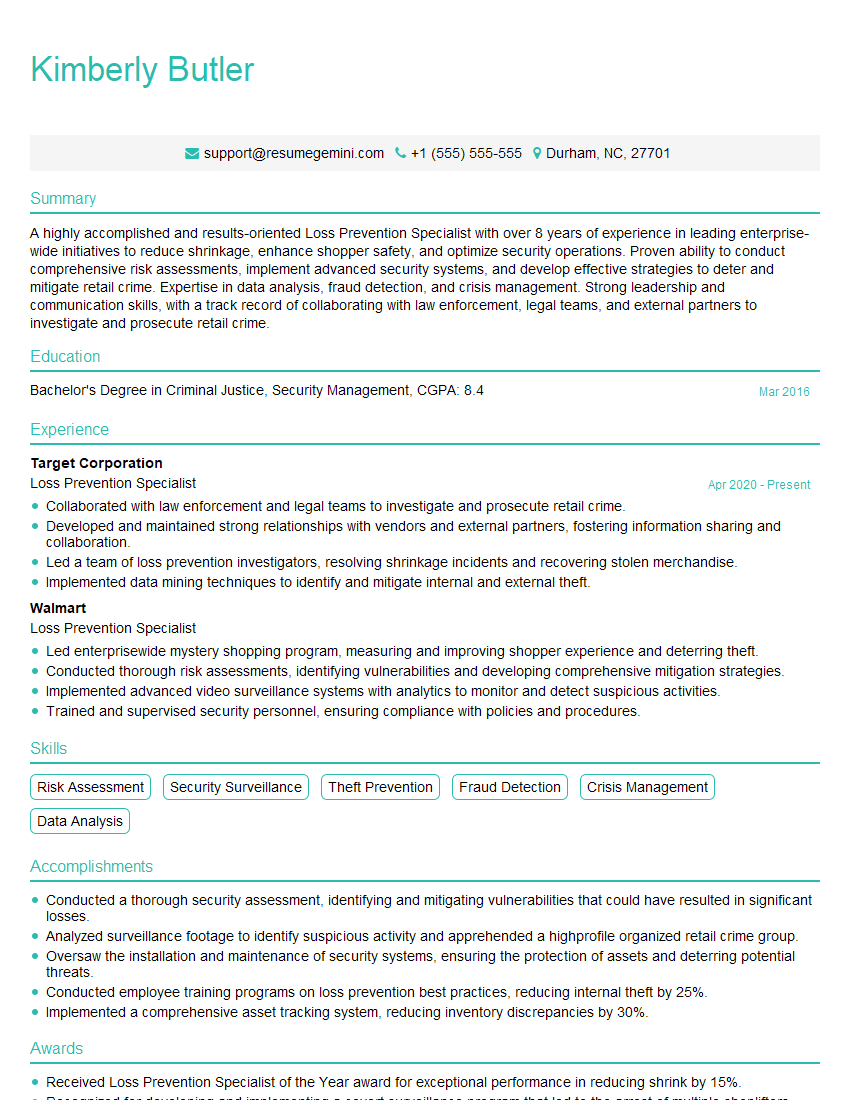
Loss Prevention Specialist Resume Sample
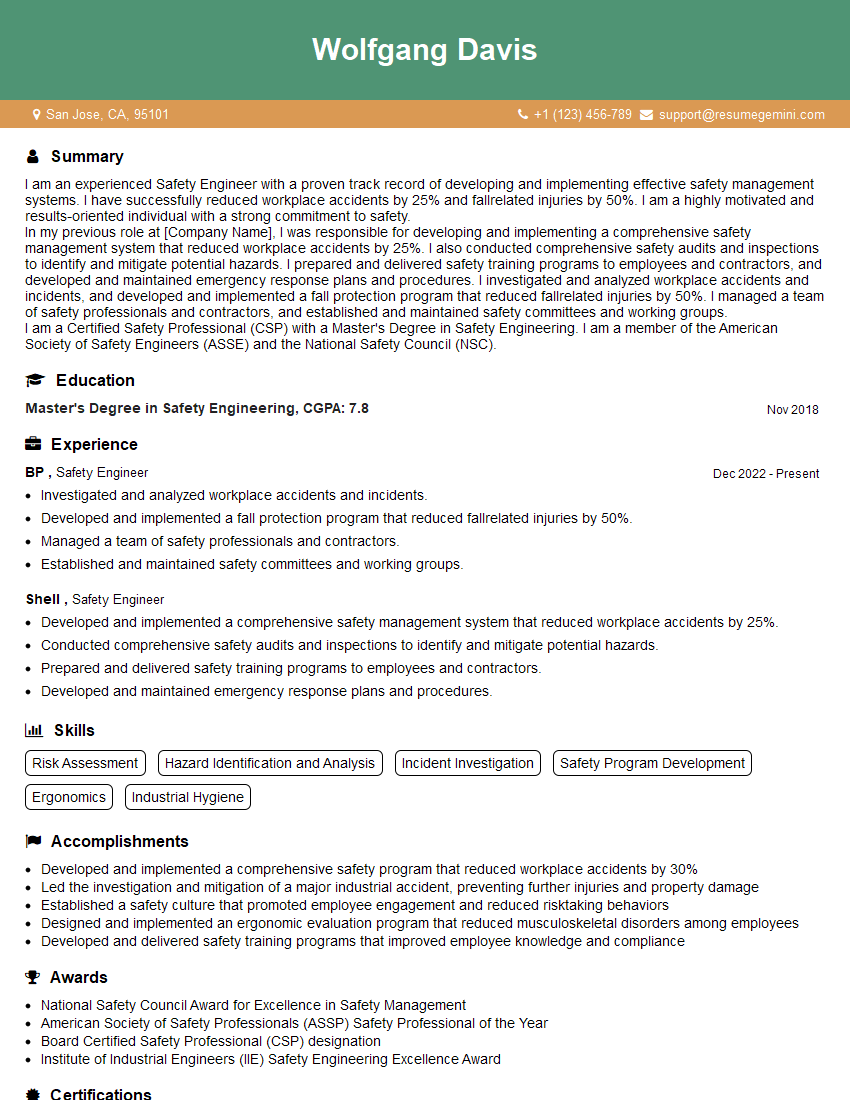
Safety Engineer Resume Sample
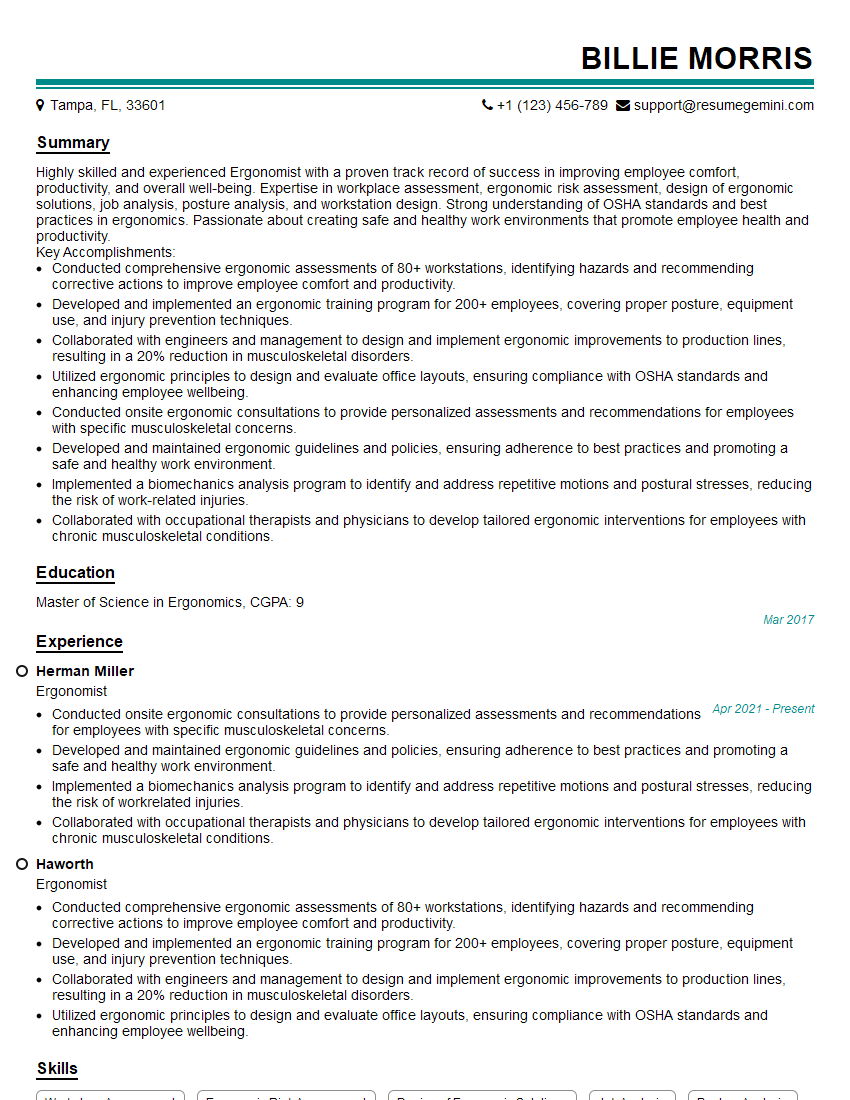
Ergonomist Resume Sample
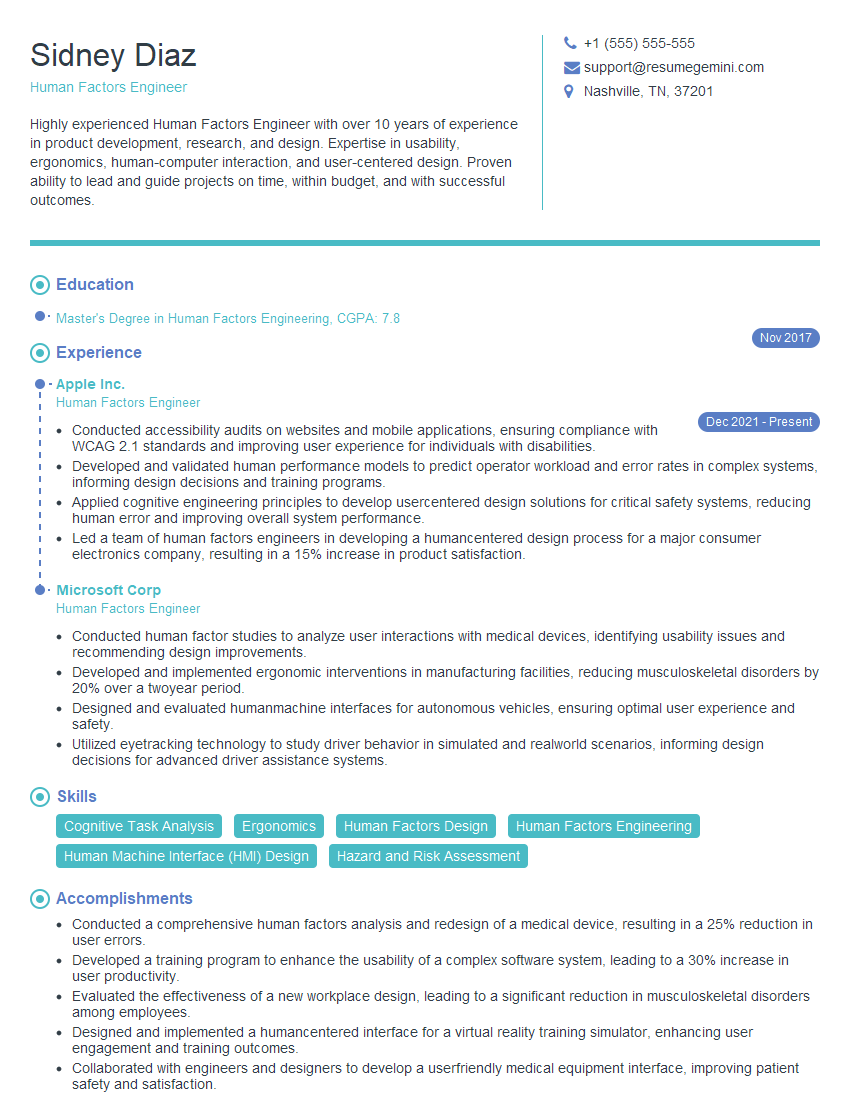
Human Factors Engineer Resume Sample
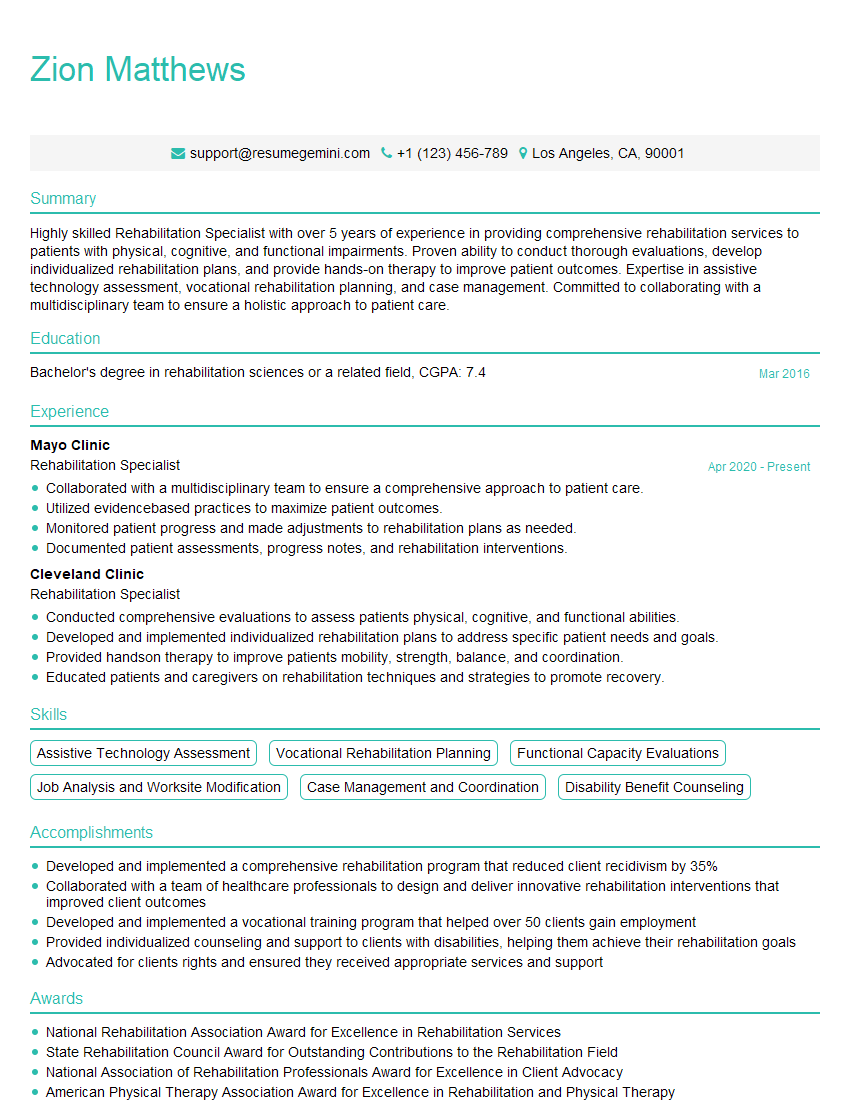
Rehabilitation Specialist Resume Sample
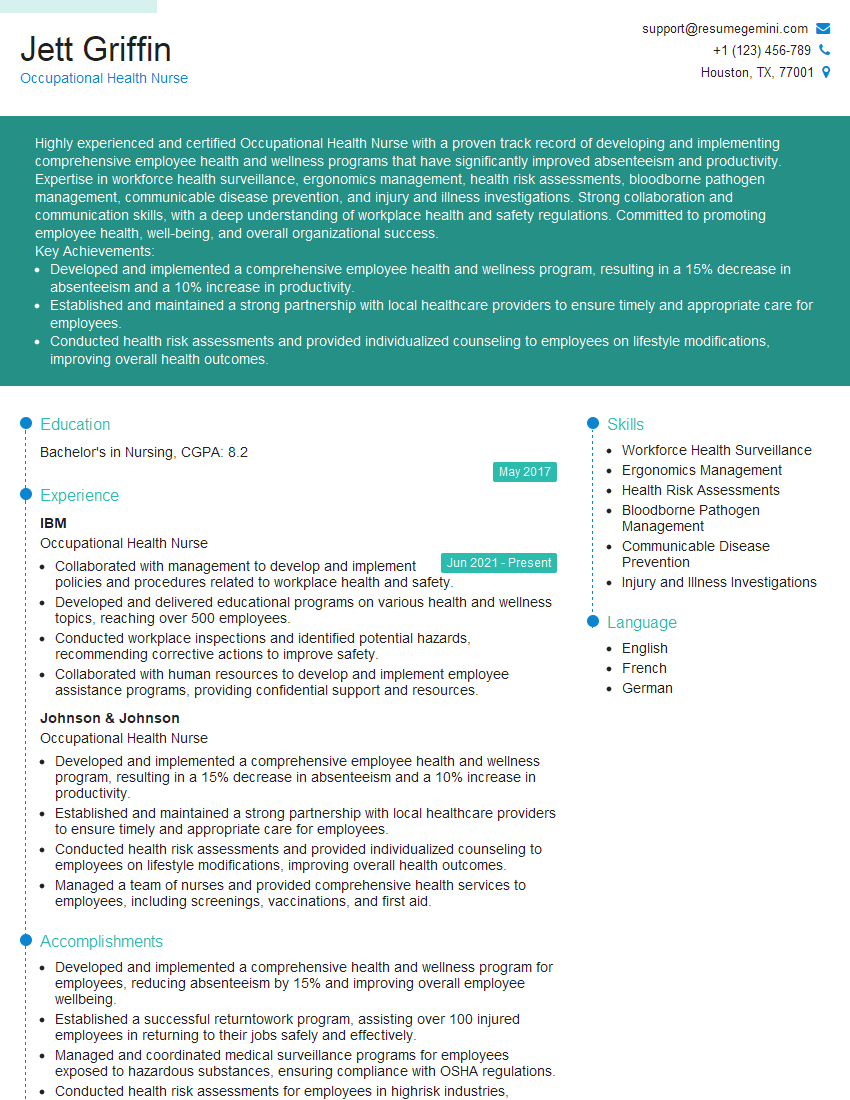
Occupational Health Nurse Resume Sample
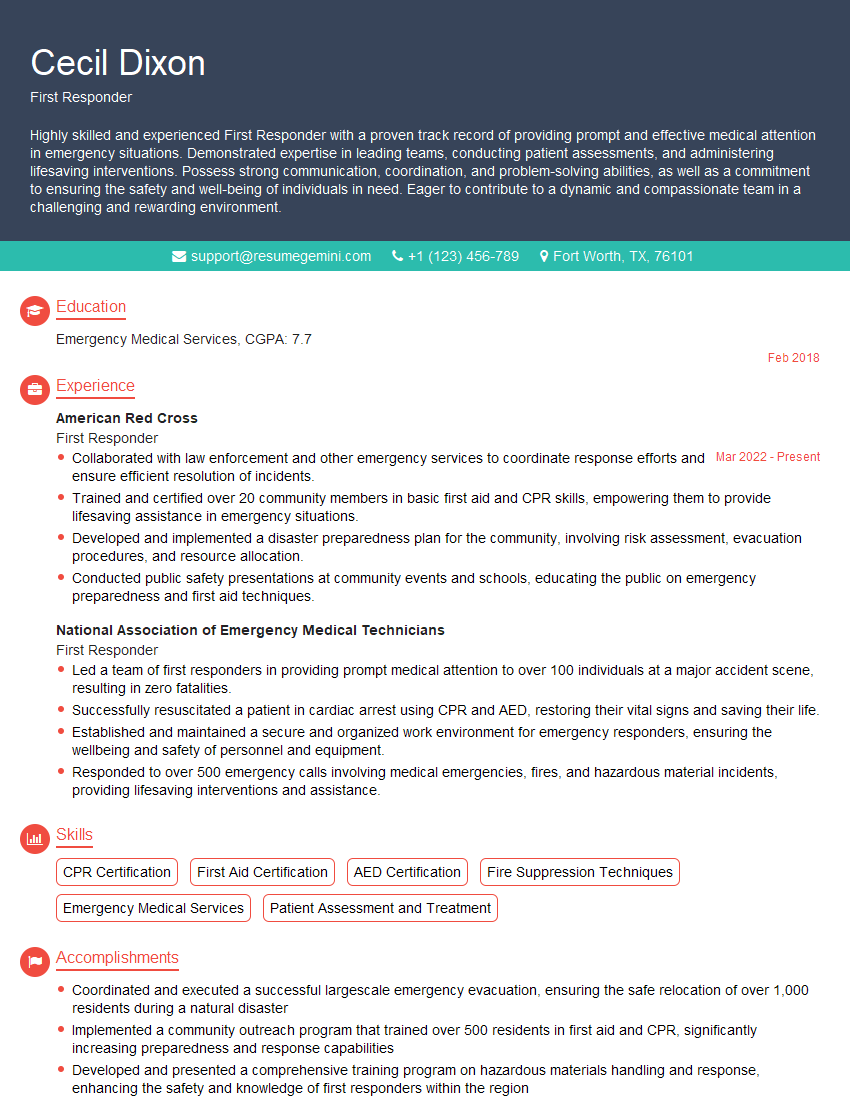
First Responder Resume Sample
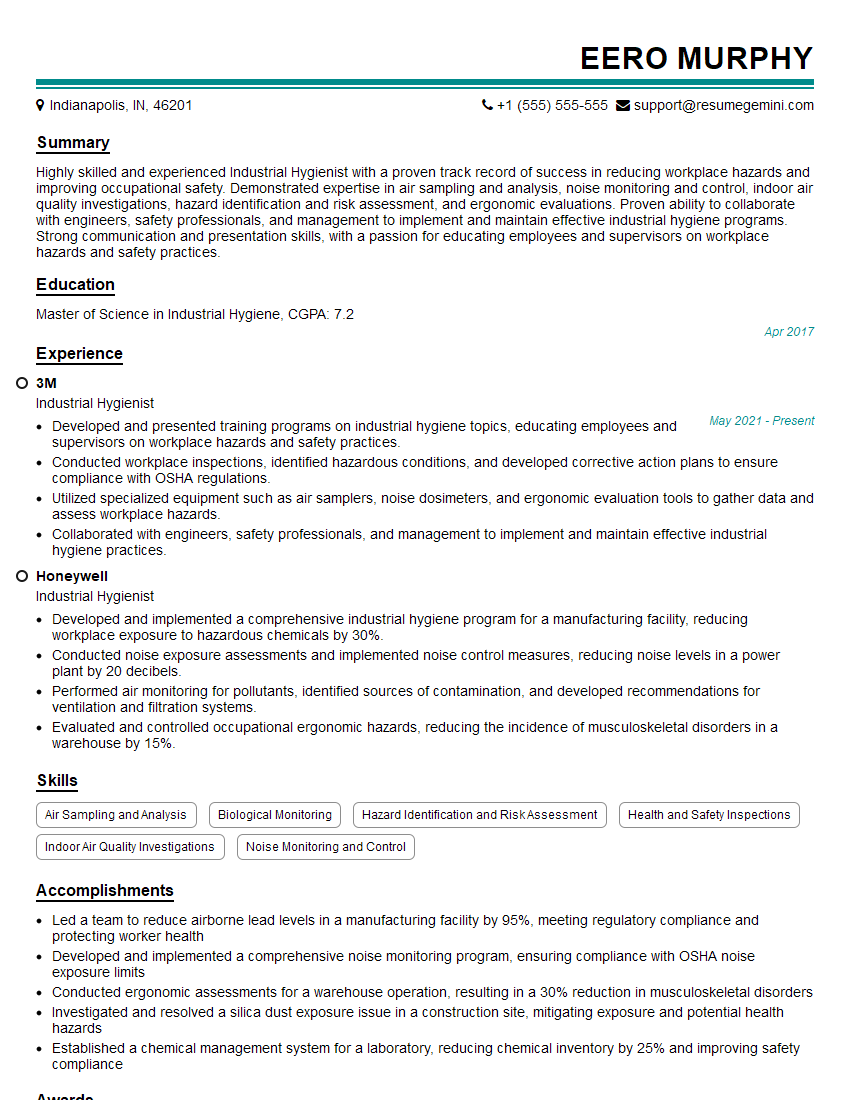
Industrial Hygienist Resume Sample
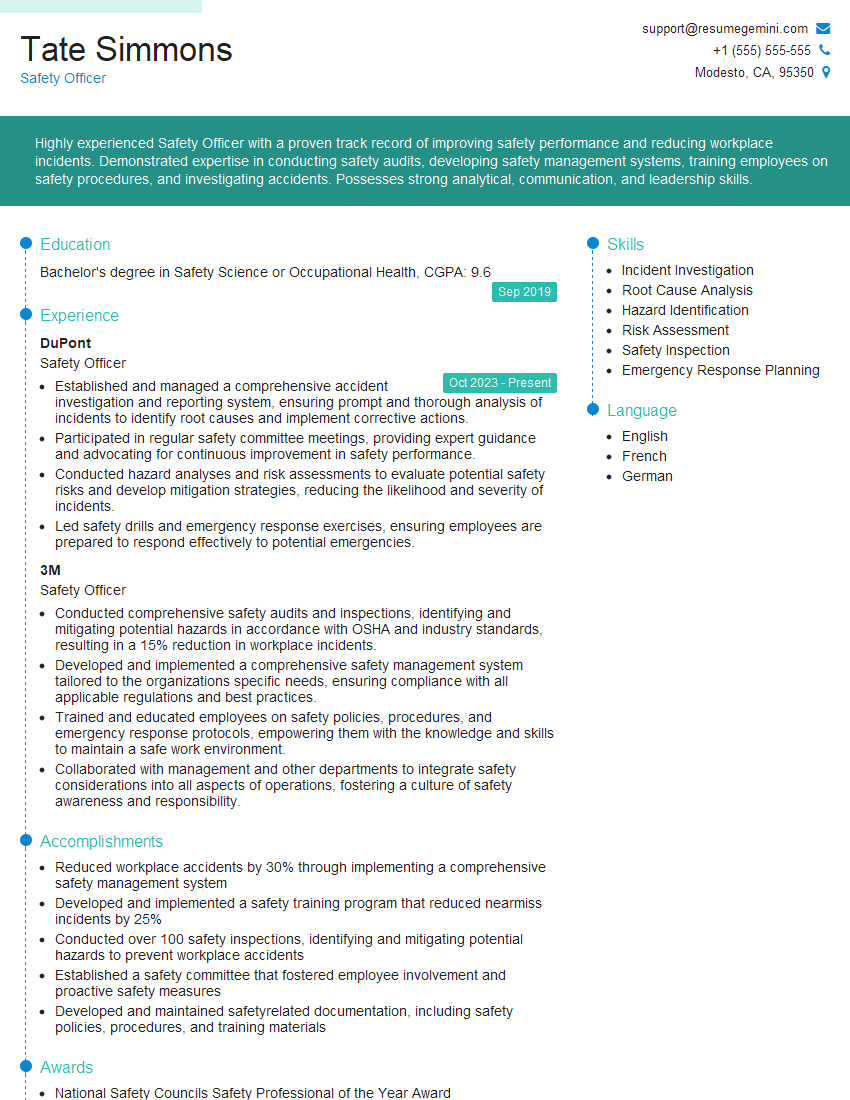
Safety Officer Resume Sample
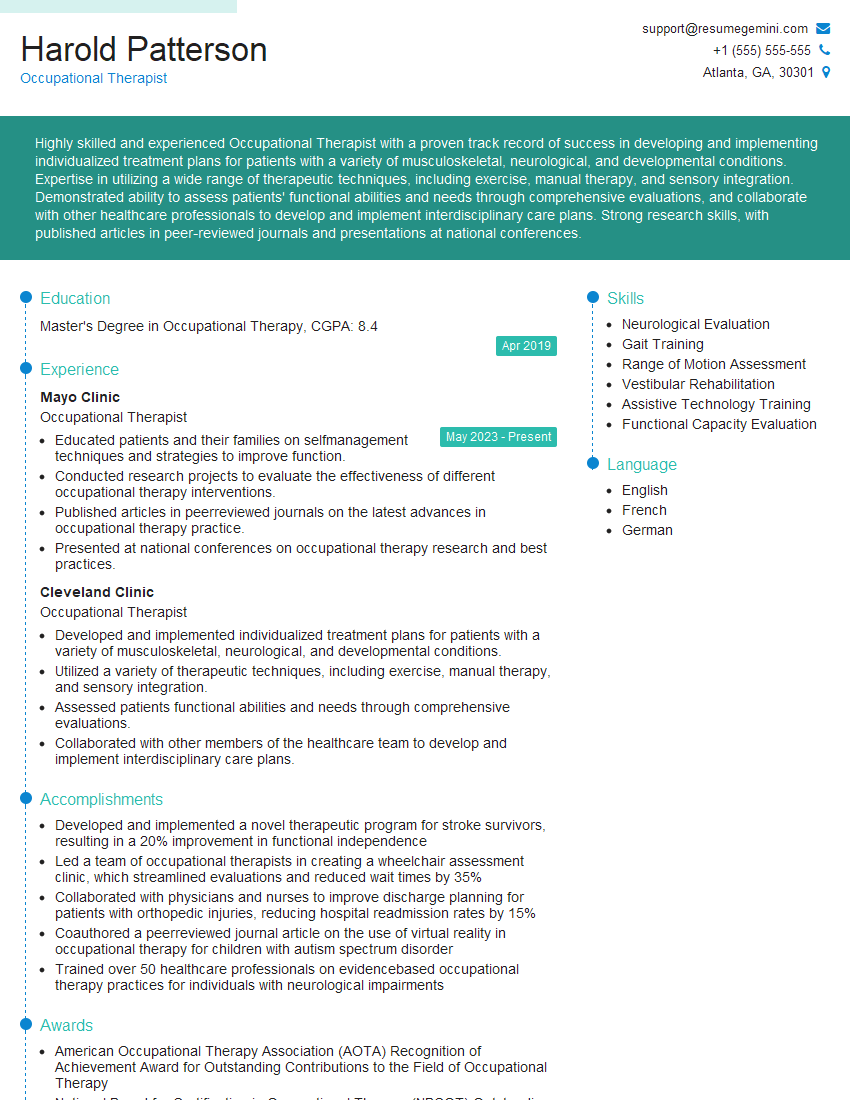
Occupational Therapist Resume Sample
Explore more articles
Users Rating of Our Blogs
Share Your Experience
We value your feedback! Please rate our content and share your thoughts (optional).
What Readers Say About Our Blog
Very informative content, great job.
good