The thought of an interview can be nerve-wracking, but the right preparation can make all the difference. Explore this comprehensive guide to Injury Risk Assessment interview questions and gain the confidence you need to showcase your abilities and secure the role.
Questions Asked in Injury Risk Assessment Interview
Q 1. Describe your experience conducting ergonomic assessments.
Ergonomic assessments are crucial for identifying and mitigating workplace hazards that can lead to musculoskeletal disorders (MSDs). My experience involves a systematic process, starting with a thorough walkthrough of the workspace to observe tasks and postures. I utilize various tools, including Rapid Upper Limb Assessment (RULA) and Rapid Entire Body Assessment (REBA) questionnaires to quantify risk levels. These questionnaires consider factors like posture, force, repetition, and duration of tasks. Beyond questionnaires, I employ direct observation, interviewing workers to understand their experiences, and reviewing injury records. For instance, I recently conducted an assessment at a manufacturing plant where workers were experiencing repetitive strain injuries. By using RULA, we identified high-risk tasks involving awkward postures during assembly. This led to recommendations for workstation redesign, including adjustable height desks and ergonomic tools to reduce strain. Furthermore, I’ve also worked with office settings, analyzing computer workstation setups and recommending improvements in chair adjustments, monitor placement, and keyboard positioning to improve posture and comfort.
Q 2. Explain the hierarchy of controls for hazard management.
The hierarchy of controls is a fundamental principle in hazard management, prioritizing the most effective methods to eliminate or minimize risks. It’s often represented as a pyramid. At the top is elimination, the complete removal of the hazard. For example, replacing a manual task with an automated system. Next is substitution, replacing a hazardous substance or process with a safer alternative. For instance, switching to a less toxic cleaning agent. Then comes engineering controls, modifying the work environment to reduce exposure. Think of things like installing machine guards or improving ventilation. Administrative controls follow, focusing on changes in work practices, such as job rotation or providing additional training. Finally, at the base of the pyramid are personal protective equipment (PPE) like gloves, safety glasses, or hearing protection, used only as a last resort when other controls aren’t feasible.
Imagine a construction site with loud machinery. Elimination might involve designing a quieter machine; substitution, using a different construction technique; engineering controls, installing sound barriers; administrative controls, limiting workers’ exposure time; and PPE, providing hearing protection.
Q 3. What are the key components of a comprehensive injury risk assessment?
A comprehensive injury risk assessment involves several key components. First, you need to identify hazards – anything that could cause harm. This involves walkthroughs, interviews, reviewing incident reports, and considering potential hazards from equipment, substances, processes, and the work environment itself. Second, assess the risk – determining the likelihood and severity of harm. This often uses a risk matrix, combining probability and consequence to categorize risks (e.g., low, medium, high). Third, evaluate existing controls – what measures are already in place to mitigate the risks? Are they effective? Fourth, recommend control measures using the hierarchy of controls, prioritizing the most effective options. Fifth, implement the recommendations, ensuring proper training and communication. Sixth, monitor and review the effectiveness of the controls, regularly assessing and updating the assessment based on changes in the workplace or new data.
For instance, when assessing a kitchen, hazards could include sharp knives, hot ovens, and slippery floors. The risk assessment would analyze the likelihood of cuts, burns, or slips, leading to recommendations for proper knife handling training, oven safety procedures, and non-slip flooring.
Q 4. How do you identify and evaluate potential hazards in a workplace?
Identifying and evaluating potential hazards requires a multi-faceted approach. I begin with a thorough walk-through of the workplace, observing tasks, equipment, and the layout. I then interview workers at all levels – from managers to those directly involved in the tasks – to gain their perspectives on potential hazards. This includes understanding the tasks performed, the equipment used, and the potential for errors or near misses. Reviewing past incident reports and near-miss data is critical as they provide valuable insights into past or recurring problems. Additionally, I leverage checklists and job safety analyses (JSAs) which systematically break down tasks to identify potential hazards at each step. Finally, referring to safety data sheets (SDS) for chemicals and materials helps understand potential risks associated with those substances. For example, during an assessment of a warehouse, observation might reveal poor lighting, leading to trip hazards; interviews might reveal concerns about heavy lifting; and incident reports may show previous slips and falls. This multi-pronged approach ensures a comprehensive evaluation.
Q 5. What are the common methods for analyzing workplace injuries?
Analyzing workplace injuries involves various methods. Incident investigations are crucial, systematically reconstructing events to identify root causes and contributing factors. This might involve interviewing witnesses, examining equipment, and reviewing security footage. Statistical analysis of injury data helps identify trends and patterns, revealing common causes and high-risk areas within a workplace. For example, analyzing injury data might reveal a high incidence of back injuries related to a specific task. Root cause analysis (RCA), such as the ‘5 Whys’ technique, drills down to the underlying causes of incidents beyond the immediate symptoms. Job hazard analysis (JHA) and other proactive methods help identify hazards before they lead to incidents.
Q 6. Describe your familiarity with OSHA or equivalent regulations.
I am very familiar with OSHA (Occupational Safety and Health Administration) regulations and their equivalent counterparts internationally. My understanding extends to the general duty clause, hazard communication standards, personal protective equipment requirements, and specific standards relating to various industries and hazards. I am proficient in interpreting and applying these regulations to workplace scenarios. I understand the requirements for record-keeping, reporting, and the enforcement procedures. My experience includes ensuring compliance with regulations during risk assessments and providing recommendations for achieving and maintaining compliance. I understand that these regulations are not merely guidelines but legal requirements aimed at protecting worker safety and health. I actively stay updated on changes and revisions to these standards.
Q 7. Explain the difference between proactive and reactive risk management.
Proactive and reactive risk management represent two contrasting approaches to safety. Proactive risk management focuses on preventing incidents before they occur. This involves anticipating potential hazards, implementing preventative controls, and regularly monitoring the effectiveness of those controls. Think of it as being like regular car maintenance; it helps avoid larger problems down the road. Reactive risk management, on the other hand, deals with incidents after they have happened. This involves investigating incidents, implementing corrective actions, and modifying procedures to prevent similar incidents in the future. This is akin to repairing a car after a breakdown. While both approaches are essential, proactive risk management is far more effective and cost-efficient in the long run, as it prevents injuries and damages from happening in the first place.
Q 8. How do you prioritize risks identified during an assessment?
Prioritizing risks involves a systematic approach to determine which hazards pose the most significant threat. We don’t simply list them all; we rank them based on likelihood and severity. Think of it like this: a small chance of a catastrophic event might be higher priority than a high chance of a minor injury. We use a risk matrix, often a simple table with likelihood (e.g., low, medium, high) on one axis and severity (e.g., minor injury, major injury, fatality) on the other. Each identified risk is plotted on the matrix, and those in the high-likelihood/high-severity quadrant receive immediate attention.
For example, in a construction site, a poorly secured scaffold (high likelihood of collapse, high severity of injury) would be prioritized over a slightly slippery floor (medium likelihood, minor injury severity). We use established scoring systems to quantify the risk, allowing for objective comparisons and setting priorities based on data, not just gut feeling. Regular review of the risk matrix ensures priorities are updated as conditions change.
Q 9. What are your strategies for communicating risk assessment findings?
Communicating risk assessment findings requires clarity, accessibility, and actionability. We tailor our communication to the audience. For management, we present a concise summary of key findings, including prioritized risks and recommended control measures with associated costs and timelines. For employees, we use plain language, visual aids like charts and diagrams, and interactive sessions to explain the risks and how they can contribute to a safer workplace.
We employ various methods including formal reports, presentations, toolbox talks, and even posters or infographics, depending on the context. It’s crucial to focus on what actions need to be taken and the benefits of these actions to engage employees and encourage buy-in. We also provide feedback mechanisms to address concerns or questions and ensure that everyone understands the implications of the findings.
Q 10. How do you involve employees in the injury risk assessment process?
Employee involvement is paramount. Their firsthand experience and knowledge of workplace hazards are invaluable. We use various methods to ensure their participation. This includes conducting workplace inspections with employee representatives, holding focus groups or interviews to gather insights directly from those who perform the tasks daily, and incorporating their feedback into the assessment process. We also train employees on risk assessment methodologies, empowering them to proactively identify hazards and contribute to solutions.
For example, we might set up a suggestion box for reporting hazards, create a dedicated safety committee where employees actively participate in discussions and decisions, or conduct regular safety audits where teams collectively assess their work area. This collaborative approach fosters a culture of safety, increases ownership of the process, and enhances the effectiveness of risk control measures.
Q 11. How do you develop and implement control measures to mitigate risks?
Developing and implementing control measures involves a hierarchical approach, often referred to as the hierarchy of controls. We prioritize measures that eliminate hazards altogether, followed by substituting hazardous materials or processes, engineering controls to isolate workers from hazards, administrative controls to modify work practices, and finally, personal protective equipment (PPE) as a last resort. The goal is to implement the most effective control measure possible at each stage.
For instance, if a machine poses a crushing hazard, we’d first explore eliminating the machine entirely if possible. If not, we might engineer a safety guard (engineering control), implement lock-out/tag-out procedures (administrative control), and provide safety glasses (PPE) only as a supplementary measure. We document the control measures implemented, assign responsibilities for their maintenance, and establish monitoring procedures to ensure their effectiveness. This includes creating detailed risk control plans with specific timelines and responsibilities.
Q 12. What is your experience with different risk assessment methodologies?
My experience encompasses various risk assessment methodologies, including HAZOP (Hazard and Operability Study), FMEA (Failure Mode and Effects Analysis), bow-tie analysis, and the more straightforward checklist approach. HAZOP is particularly useful for complex processes, systematically examining deviations from design intentions. FMEA is ideal for analyzing potential failures in equipment or systems. Bow-tie analysis provides a visual representation of causes, consequences, and control measures. Checklists are suitable for routine tasks or simpler environments.
The choice of methodology depends on the complexity of the work, the industry regulations, and the resources available. Often, a hybrid approach combining elements from multiple methodologies proves most effective. My expertise allows me to select and adapt the most appropriate methods to each specific situation, ensuring comprehensive and efficient risk assessments.
Q 13. How do you measure the effectiveness of implemented control measures?
Measuring the effectiveness of control measures requires a combination of quantitative and qualitative methods. Quantitative data might include accident/incident rates, near-miss reports, and observations of worker behavior. We track these metrics before and after implementing the controls to quantify any reduction in risk. Qualitative data includes feedback from workers, safety inspections, and audits. We review these data regularly to monitor the ongoing effectiveness of implemented controls and make necessary adjustments.
For example, if we implemented new safety training, we would track the number of incidents related to the training topic before and after the training. We would also conduct interviews to gain qualitative feedback on the effectiveness of the training program and make changes based on that feedback. Regular reviews and audits are crucial for maintaining effectiveness over time, as conditions can change and the effectiveness of controls can diminish.
Q 14. Explain your understanding of human factors and their impact on safety.
Human factors are crucial in injury risk assessment, recognizing that human error is a significant contributor to accidents. This involves understanding human limitations, cognitive biases, and the interplay between people, equipment, and the environment. Factors such as fatigue, stress, distractions, inadequate training, and poor communication can all increase the likelihood of errors and injuries. A thorough risk assessment must account for these elements.
For instance, designing a control panel that’s intuitive and easy to understand (considering human factors) reduces the likelihood of human error compared to a poorly designed panel. Similarly, scheduling sufficient breaks to mitigate fatigue or providing clear and concise safety instructions reduces risk. We utilize techniques such as human factors analysis and critical incident techniques to identify human-related vulnerabilities in the system and develop control measures that address these vulnerabilities.
Q 15. How do you handle situations where control measures are not feasible?
When control measures aren’t feasible, the focus shifts from elimination or reduction of risk to mitigation and acceptance. This involves a careful evaluation of the remaining risk and implementing strategies to minimize its impact. It’s crucial to remember that ‘infeasible’ doesn’t mean ‘impossible’; it often means prohibitively expensive, technically challenging, or operationally disruptive.
My approach involves a multi-step process:
- Re-evaluate the risk assessment: Sometimes, a deeper dive reveals alternative control measures that were initially overlooked. We might explore different technologies, processes, or work methods.
- Implement engineering controls where possible, even if partially effective: Even a partial reduction in risk is beneficial. For example, if complete enclosure of a noisy machine is impossible, sound dampening materials could be applied to reduce the noise level.
- Implement administrative controls: These controls focus on changing the way work is done. This could include limiting exposure time, rotating personnel, providing additional training, or implementing stricter procedures.
- Implement personal protective equipment (PPE): While PPE is often a last resort, it can be a crucial component in mitigating residual risks. However, it’s essential to ensure proper training and use of PPE.
- Develop emergency response plans: If a hazard cannot be eliminated or significantly reduced, robust plans for emergency response and incident management are essential. This involves clearly defined procedures, regular training, and readily available resources.
- Formal risk acceptance: This requires a documented justification, including the level of residual risk, the financial and operational considerations, and the acceptance by management at the appropriate level. This isn’t a decision to be taken lightly; it requires rigorous analysis and transparency.
For example, in a construction project, completely eliminating the risk of falling from heights might be infeasible due to the nature of the work. However, implementing scaffolding, harnesses, and fall arrest systems, coupled with stringent safety protocols and regular inspections, can significantly reduce the risk.
Career Expert Tips:
- Ace those interviews! Prepare effectively by reviewing the Top 50 Most Common Interview Questions on ResumeGemini.
- Navigate your job search with confidence! Explore a wide range of Career Tips on ResumeGemini. Learn about common challenges and recommendations to overcome them.
- Craft the perfect resume! Master the Art of Resume Writing with ResumeGemini’s guide. Showcase your unique qualifications and achievements effectively.
- Don’t miss out on holiday savings! Build your dream resume with ResumeGemini’s ATS optimized templates.
Q 16. Describe your experience with incident investigations and root cause analysis.
Incident investigation and root cause analysis are critical to preventing future incidents. My approach follows a structured methodology, typically based on a combination of techniques such as the ‘5 Whys’ and fault tree analysis.
My experience involves:
- Gathering data: This involves interviewing witnesses, reviewing documentation (e.g., safety reports, maintenance logs), examining the scene, and analyzing any relevant equipment.
- Identifying contributing factors: This goes beyond simply identifying what happened to understand why it happened. The ‘5 Whys’ method helps to drill down to the root cause by repeatedly asking ‘why’ until the fundamental issue is uncovered.
- Developing a timeline: A chronological sequence of events helps to establish the sequence of events leading to the incident.
- Creating a fault tree analysis (FTA): This systematic approach helps visually represent the relationships between various contributing factors and the ultimate incident. It assists in identifying potential failures and their probabilities.
- Formulating recommendations: Based on the findings, I develop actionable recommendations to prevent similar incidents from occurring. This might include changes to procedures, equipment upgrades, or additional training.
- Reporting and follow-up: The findings and recommendations are documented and shared with relevant stakeholders. Following up on the implementation of recommendations is crucial to ensuring effectiveness.
For instance, during an investigation of a near-miss involving a forklift collision, I used the ‘5 Whys’ to uncover the root cause: inadequate training led to improper operation of the forklift, resulting in a near collision. The recommendation was enhanced training programs and stricter adherence to established safety procedures.
Q 17. What software or tools do you use for risk assessment and data management?
My work utilizes a variety of software and tools tailored to different aspects of risk assessment and data management. I’m proficient in several platforms that complement each other.
- Spreadsheet software (e.g., Microsoft Excel, Google Sheets): For basic data entry, calculations (risk matrices, frequency/severity analysis), and report generation.
- Dedicated risk management software (e.g., BowTieXP, RiskScope): These offer more advanced features for modeling complex risks, conducting quantitative risk assessments, and managing corrective actions.
- Database management systems (e.g., Microsoft Access, MySQL): For storing large datasets of incident reports, inspections, and risk assessments, ensuring data integrity and facilitating data analysis.
- Data visualization tools (e.g., Tableau, Power BI): For creating clear and impactful visual representations of risk data, enabling better communication and decision-making.
The choice of tools depends heavily on the context of the assessment. For example, a simple workplace risk assessment might only require a spreadsheet, while a complex project with significant hazards may necessitate the use of dedicated risk management software and a robust database.
Q 18. How do you stay current with changes in safety regulations and best practices?
Staying current in safety regulations and best practices is an ongoing process. I utilize several strategies to ensure my knowledge remains up-to-date:
- Professional memberships and certifications: Active participation in professional organizations (e.g., the American Society of Safety Professionals – ASSP) provides access to resources, publications, and networking opportunities.
- Industry publications and journals: Regularly reviewing journals like the ‘Professional Safety’ magazine and other relevant publications keeps me abreast of new research, technologies, and emerging risks.
- Online courses and webinars: Many organizations offer online training courses and webinars on various aspects of safety management, allowing me to update my skills and knowledge efficiently.
- Conferences and workshops: Attending industry conferences and workshops provides opportunities to network with peers and learn from experts in the field.
- Regulatory updates: I subscribe to newsletters and updates from relevant regulatory bodies (e.g., OSHA) to be aware of any changes to safety standards and regulations.
Continual learning isn’t just about staying compliant; it’s about proactively improving our safety practices and anticipating future challenges. This allows for the implementation of the most effective and up-to-date safety strategies.
Q 19. Explain your approach to working with diverse teams in risk assessments.
Working effectively with diverse teams requires a collaborative and inclusive approach. My strategy centers on open communication and respect for different perspectives and expertise.
Key aspects of my approach include:
- Establishing clear communication channels: Open communication is essential. This means ensuring everyone understands the objectives, methodology, and their roles in the assessment.
- Creating a safe space for discussion: Encouraging open dialogue and respecting diverse perspectives, even when they differ, is crucial for identifying potential hazards and developing effective control measures.
- Utilizing appropriate communication styles: Tailoring communication to suit the audience and their level of understanding helps ensure everyone participates actively. Visual aids and clear explanations can be particularly helpful.
- Leveraging diverse perspectives: Different backgrounds and experiences bring unique insights that can enhance the completeness and accuracy of the risk assessment. Actively seeking input from everyone is paramount.
- Ensuring equitable participation: Creating an inclusive environment where every team member feels comfortable contributing their ideas and concerns is essential. This may involve adapting communication styles and considering potential barriers to participation.
For example, in a recent assessment involving a manufacturing facility with a largely multilingual workforce, I ensured the use of interpreters and translated materials to ensure everyone could actively contribute to the process.
Q 20. How do you handle conflicting priorities in risk management?
Conflicting priorities in risk management are common. The key is to prioritize based on a systematic approach that considers both the likelihood and severity of potential consequences.
My approach utilizes a risk matrix, typically incorporating risk scoring systems:
- Risk identification: Identifying all potential hazards and vulnerabilities.
- Risk analysis: Determining the likelihood and severity of each identified risk.
- Risk evaluation: Using a risk matrix (often a visual tool with likelihood and severity axes), to prioritize risks based on their overall score. High-scoring risks receive immediate attention.
- Risk treatment: Implementing control measures to mitigate the identified risks, prioritizing those with the highest scores.
- Risk monitoring and review: Regularly monitoring and reviewing the effectiveness of implemented controls and updating the risk assessment as needed.
If conflicts arise, I facilitate discussions with stakeholders to find mutually acceptable solutions. This might involve transparently explaining the rationale behind prioritizing certain risks over others, outlining the potential consequences of delaying action, and exploring compromise solutions that address multiple concerns. Sometimes, this involves creating a phased approach to managing risk.
Q 21. Describe a time you had to convince management to invest in safety improvements.
I once had to convince management to invest in a new safety system for a highly automated production line. The existing system was outdated and had several limitations that posed significant risks, particularly concerning potential equipment malfunctions.
My approach involved:
- Quantifying the risks: I conducted a detailed risk assessment, calculating the potential financial losses associated with incidents (lost production time, equipment damage, potential injuries, legal costs).
- Demonstrating ROI: I compared the cost of the new system with the potential savings from reduced incidents and improved efficiency. I showed a clear return on investment.
- Highlighting regulatory compliance: The new system enhanced compliance with relevant safety regulations, avoiding potential fines and legal issues.
- Presenting a phased implementation plan: A phased approach allowed the management to understand and approve the plan in increments, reducing the initial financial burden.
- Using compelling visuals: I presented the data in clear, easy-to-understand graphs and charts, visually depicting the potential risks and benefits of the investment.
By presenting a compelling case with data-driven analysis and a well-structured plan, I successfully convinced management to approve the investment, ultimately improving the safety of the production line and potentially preventing serious incidents.
Q 22. How do you ensure the accuracy and reliability of your risk assessments?
Ensuring accuracy and reliability in injury risk assessments is paramount. It’s a multi-faceted process that begins with a robust methodology and continues through meticulous data collection and analysis. We achieve this through several key strategies:
- Using validated methodologies: We employ established risk assessment frameworks like HAZOP (Hazard and Operability Study) or FMEA (Failure Mode and Effects Analysis), ensuring a structured and systematic approach. These frameworks provide a checklist to minimise bias and ensure all potential hazards are considered.
- Data triangulation: We gather data from multiple sources – job observations, incident reports, interviews with workers, near-miss reports, and historical data. Comparing data from different sources helps cross-validate findings and identify potential inconsistencies.
- Expert review: Our assessments are reviewed by other experienced risk assessors to identify potential blind spots or biases. This ‘second pair of eyes’ is crucial for catching errors and ensuring the completeness of the assessment.
- Regular updates: Risk assessments are not static documents. We implement a system of regular reviews and updates based on changes in processes, equipment, or injury incidents. This dynamic approach ensures the assessment remains relevant and accurate.
- Qualitative and quantitative data integration: We combine both qualitative (e.g., worker interviews providing insights into perceived risks) and quantitative data (e.g., injury statistics) for a holistic understanding of the risk profile.
For instance, in a manufacturing plant, we might use job observations to identify ergonomic risks, review incident reports to understand past injuries, and interview workers to understand their perceptions of safety. Combining this data provides a far more accurate and reliable risk assessment than relying on a single data source.
Q 23. Explain your experience in different industry sectors regarding safety and risk.
My experience in safety and risk spans diverse sectors, each presenting unique challenges and requiring tailored approaches. I’ve worked extensively in:
- Construction: Here, the focus is on managing risks associated with heights, heavy machinery, and hazardous materials. I’ve developed and implemented safety programs to minimize risks associated with trenching, scaffolding, and the handling of asbestos.
- Manufacturing: In manufacturing settings, the emphasis shifts towards machine guarding, ergonomic risks, and the handling of chemicals. I’ve been involved in designing and implementing control measures to reduce musculoskeletal disorders and chemical exposure.
- Healthcare: The healthcare sector presents unique challenges related to patient safety, infection control, and the handling of sharps. My contributions here have involved developing risk assessments for procedures with high risk of infection and improving processes related to needle stick injuries.
- Transportation and Logistics: This sector focuses on mitigating risks associated with vehicle operation, handling of goods, and slips, trips, and falls. I’ve worked on projects implementing better driving protocols and improving warehouse safety.
Each industry necessitates a deep understanding of its specific hazards and regulations. My approach involves adapting established risk assessment principles to the unique context of each sector.
Q 24. What are some common types of injuries found in the workplace?
Workplace injuries are diverse, but some common types include:
- Musculoskeletal disorders (MSDs): These account for a significant portion of workplace injuries and encompass conditions like carpal tunnel syndrome, back pain, and tendinitis, often stemming from repetitive movements, awkward postures, and forceful exertions.
- Slips, trips, and falls: These are prevalent in many workplaces and can result in fractures, sprains, and head injuries. Poor housekeeping, inadequate lighting, and uneven surfaces are often contributing factors.
- Cuts and lacerations: These can occur due to contact with sharp objects, machinery, or broken glass. Effective use of personal protective equipment (PPE) and safe handling of tools are crucial in preventing such incidents.
- Struck-by injuries: These involve being struck by falling objects, moving vehicles, or swinging equipment. Engineering controls, such as barriers and safety nets, are vital in mitigating these risks.
- Caught-in or -between injuries: These injuries result from being caught in or between moving equipment, machinery, or objects. Lockout/tagout procedures and machine guarding are crucial preventative measures.
- Exposure to hazardous substances: Chemical burns, respiratory illnesses, and skin irritations can result from exposure to harmful substances. Proper ventilation, PPE, and training are essential for preventing such incidents.
The frequency and severity of these injuries vary greatly depending on the industry and specific workplace, highlighting the need for tailored risk assessments.
Q 25. What are your preferred methods for collecting data for risk assessments?
My preferred methods for collecting data for risk assessments involve a multi-pronged approach, combining several techniques to ensure a comprehensive understanding of the risk profile:
- Workplace inspections and observations: This provides direct visual assessment of the work environment, identifying potential hazards and unsafe practices.
- Interviews with workers: This allows me to gather information about workers’ perceptions of risks, their experiences, and suggestions for improvements. This often uncovers hazards that might be missed through observation alone.
- Review of incident reports and near-miss data: Analyzing past incidents and near misses reveals patterns and trends, highlighting areas requiring immediate attention.
- Review of existing safety documentation: This includes reviewing safety procedures, training manuals, and risk assessments conducted in the past. This allows for a comparison with current practices.
- Statistical data analysis: Where available, we analyze injury statistics to understand the frequency and severity of injuries within the workplace or industry. This data provides quantitative insights to complement qualitative data.
The specific methods used will be tailored to the specific workplace and its unique risk profile. For example, in a hospital, a greater emphasis might be placed on incident reports and worker interviews, while in a manufacturing setting, workplace observations and review of machinery maintenance logs will be critical.
Q 26. Describe your understanding of probability and severity in risk assessment.
Probability and severity are two crucial components in any risk assessment. They help quantify and prioritize risks.
- Probability: This refers to the likelihood of a hazardous event occurring. It can be expressed qualitatively (e.g., unlikely, likely, very likely) or quantitatively (e.g., a percentage or frequency). A higher probability indicates a greater chance of the event happening.
- Severity: This refers to the potential consequences if the hazardous event occurs. Severity can be assessed in terms of the potential for injury (e.g., minor, moderate, severe, fatal), property damage, or environmental impact. A higher severity indicates more serious potential consequences.
These two factors are often combined to create a risk rating. A simple approach might involve a matrix where probability and severity are ranked on a scale (e.g., 1-5), and the risk rating is the product of the probability and severity scores. A risk matrix would then allow to prioritise actions. For example, a hazard with a high probability and high severity would receive a higher risk rating and warrant immediate action. More complex approaches might incorporate more nuanced factors and involve sophisticated modelling techniques.
Q 27. How do you adapt your risk assessment approach to different types of workplaces?
Adapting the risk assessment approach to different workplaces is crucial. A ‘one-size-fits-all’ approach is ineffective. The key is to understand the unique characteristics of each environment and tailor the assessment accordingly.
- Industry-specific hazards: The type of hazards present varies greatly across industries. A construction site will have different hazards than an office environment. The assessment must reflect this by focusing on the relevant hazards.
- Work processes and tasks: Different workplaces have different work processes and tasks. The risk assessment should focus on the specific steps involved in each task, identifying potential hazards at each stage.
- Size and complexity of the workplace: A large, complex workplace will require a more detailed assessment than a small, simple one. The scope and depth of the assessment must be appropriate to the size and complexity of the workplace.
- Regulatory requirements: Different industries and jurisdictions have different regulatory requirements related to safety and health. The assessment must comply with all applicable regulations.
For example, a risk assessment for a hospital will focus on infection control and patient safety, while a risk assessment for a chemical plant will focus on hazardous material handling and process safety. The methodology and level of detail will be adjusted to reflect the unique demands of each setting.
Q 28. How do you document and report your findings from risk assessments?
Proper documentation and reporting are essential for ensuring that risk assessments are effective. Our approach involves:
- Clear and concise reporting: The findings are documented in a clear and concise manner, avoiding technical jargon where possible. The report should be easily understood by all stakeholders, including management and workers.
- Identification of hazards and risks: The report clearly identifies all hazards and risks identified during the assessment, including a description of each hazard and its potential consequences.
- Assessment of risk levels: Each hazard is assigned a risk level based on its probability and severity. A risk matrix often accompanies the findings, clearly illustrating the severity and probability for each hazard.
- Recommended control measures: The report outlines specific control measures to mitigate each hazard. These measures should be prioritized based on the risk level. The hierarchy of controls (elimination, substitution, engineering controls, administrative controls, PPE) should be considered when selecting appropriate measures.
- Responsibility and timelines: The report clearly assigns responsibility for implementing the recommended control measures, including deadlines for completion. This ensures accountability and timely action.
- Review and update schedule: The report includes a schedule for reviewing and updating the assessment. This ensures that the assessment remains relevant and effective over time. The frequency of reviews would depend on the type of hazard and its rate of change.
The final report is often distributed to relevant stakeholders, including management, workers, and safety committees, ensuring transparency and buy-in. The findings are used to inform safety training, the development of safe operating procedures, and ongoing safety improvements.
Key Topics to Learn for Injury Risk Assessment Interview
- Hazard Identification and Risk Assessment Methodologies: Understanding various techniques like HAZOP, What-If analysis, and fault tree analysis to identify potential hazards and assess their risks.
- Ergonomics and Musculoskeletal Disorders (MSDs): Applying ergonomic principles to workplace design and tasks to minimize risks of MSDs. Practical application includes analyzing workstation setups and recommending improvements.
- Risk Control Hierarchy: Demonstrating knowledge of the hierarchy of controls (elimination, substitution, engineering controls, administrative controls, PPE) and applying it to real-world scenarios.
- Legislation and Regulations: Familiarity with relevant health and safety legislation and regulations pertaining to injury risk assessment in your specific industry (e.g., OSHA, etc.).
- Data Analysis and Reporting: Understanding how to collect, analyze, and interpret data related to workplace injuries, and effectively communicate findings in reports.
- Incident Investigation and Root Cause Analysis: Experience in investigating workplace incidents, determining root causes, and recommending preventative measures.
- Human Factors and Behavioral Safety: Understanding the role of human factors in workplace accidents and applying behavioral safety principles to improve safety culture.
- Quantitative and Qualitative Risk Assessment: Ability to perform both quantitative (numerical risk assessment) and qualitative (descriptive risk assessment) methods and know when to use each.
Next Steps
Mastering Injury Risk Assessment is crucial for career advancement in safety-conscious industries. It demonstrates your commitment to a safe and productive work environment and positions you as a valuable asset to any organization. To maximize your job prospects, creating an ATS-friendly resume is essential. ResumeGemini can help you build a professional, impactful resume that highlights your skills and experience effectively. ResumeGemini provides examples of resumes tailored to Injury Risk Assessment, giving you a head start in showcasing your qualifications.
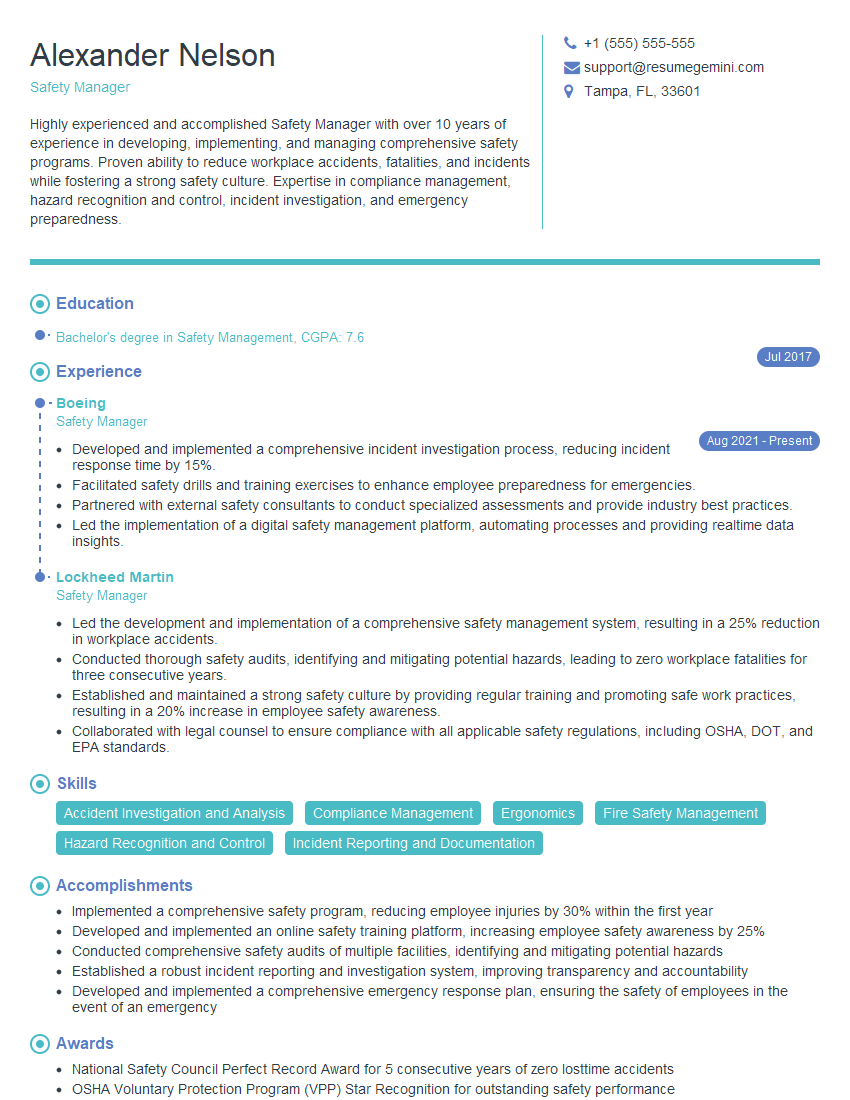
Safety Manager Resume Sample
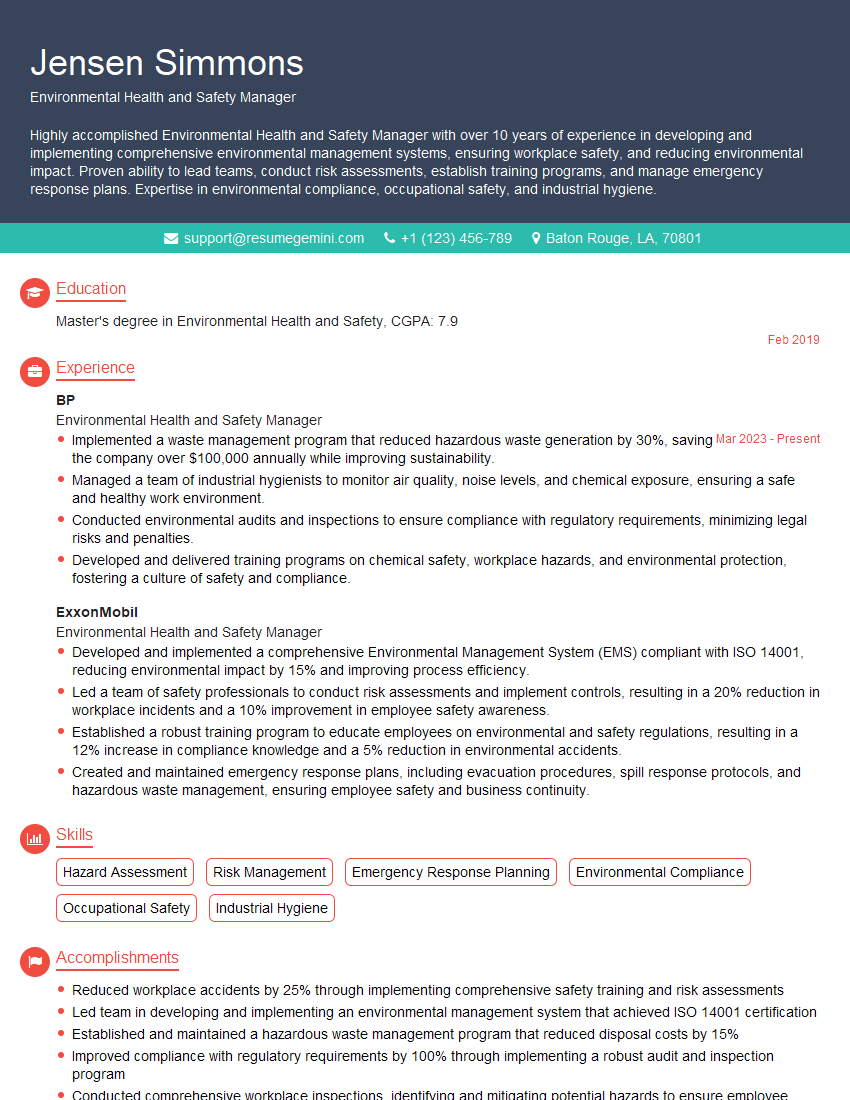
Environmental Health and Safety Manager Resume Sample

Compliance Officer Resume Sample
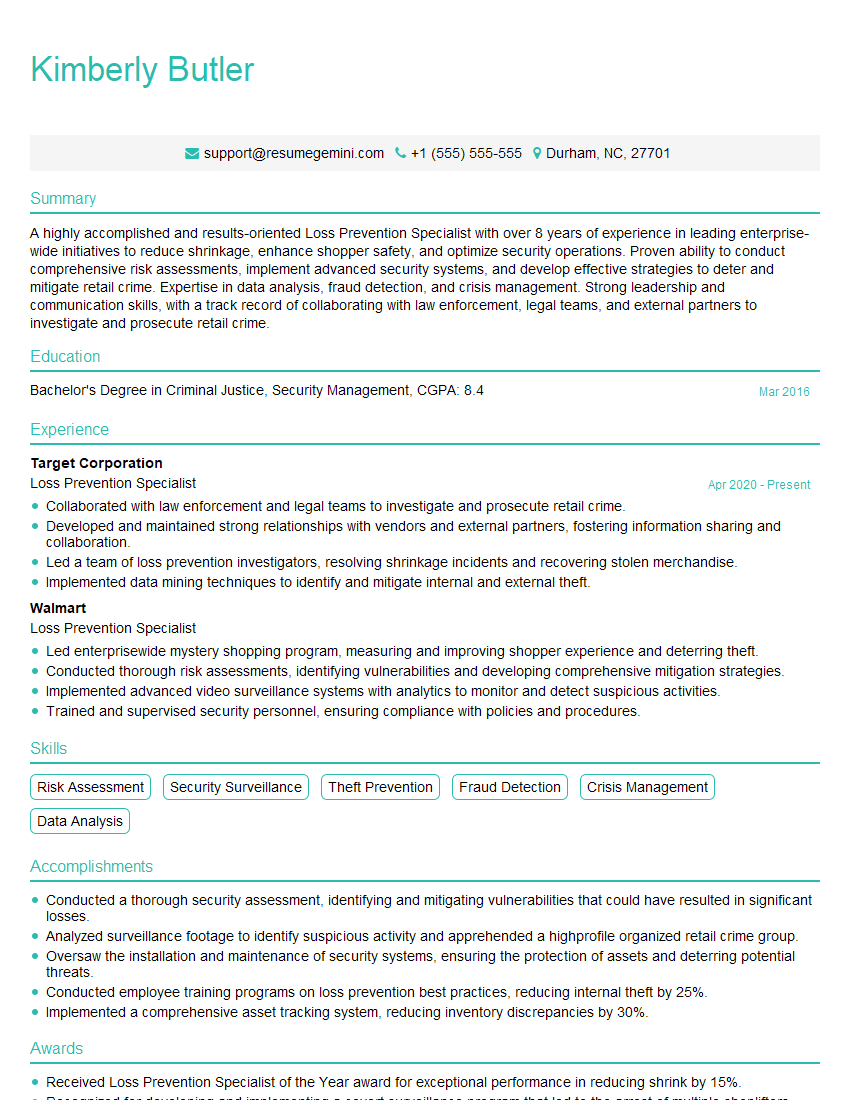
Loss Prevention Specialist Resume Sample
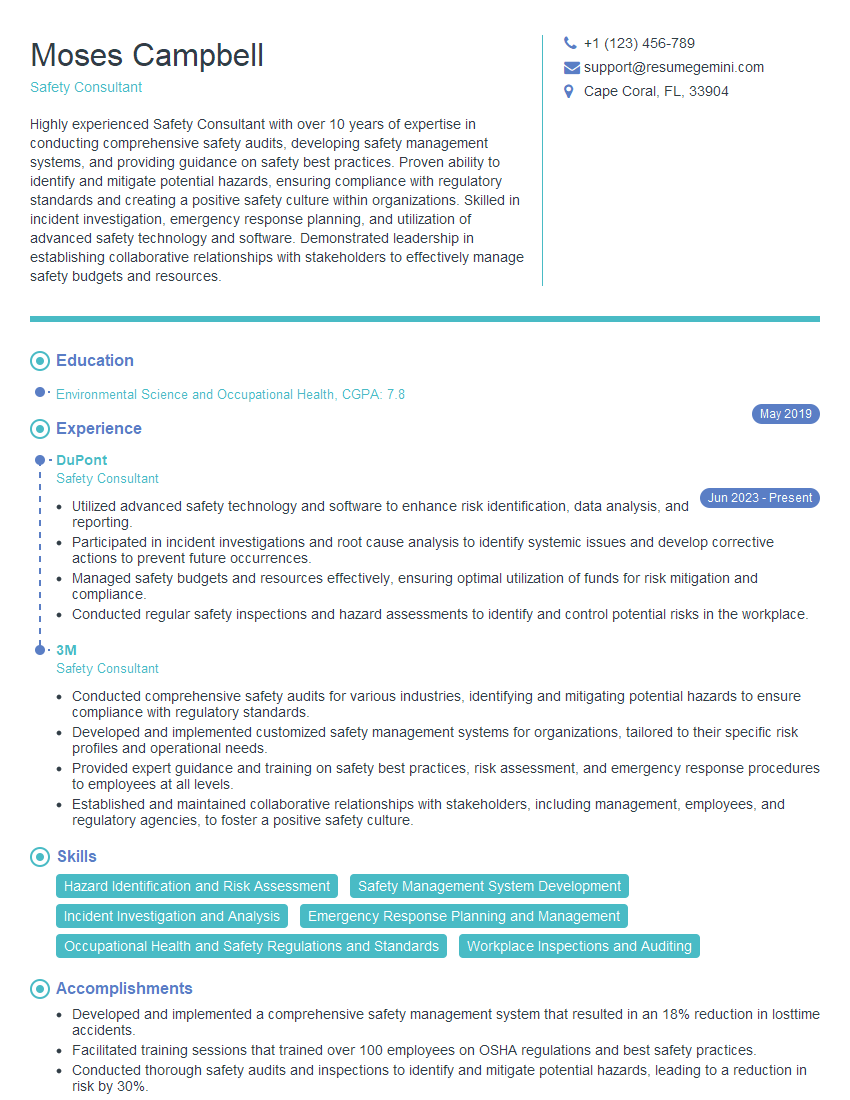
Safety Consultant Resume Sample
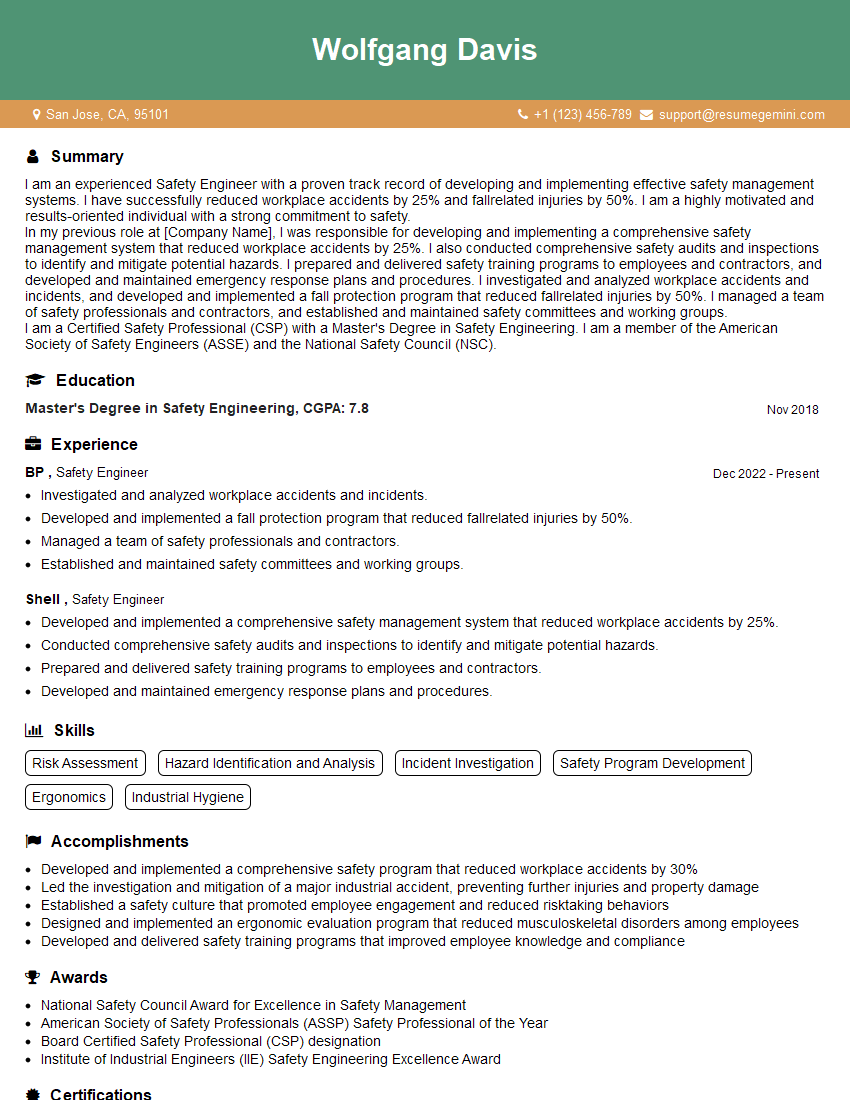
Safety Engineer Resume Sample
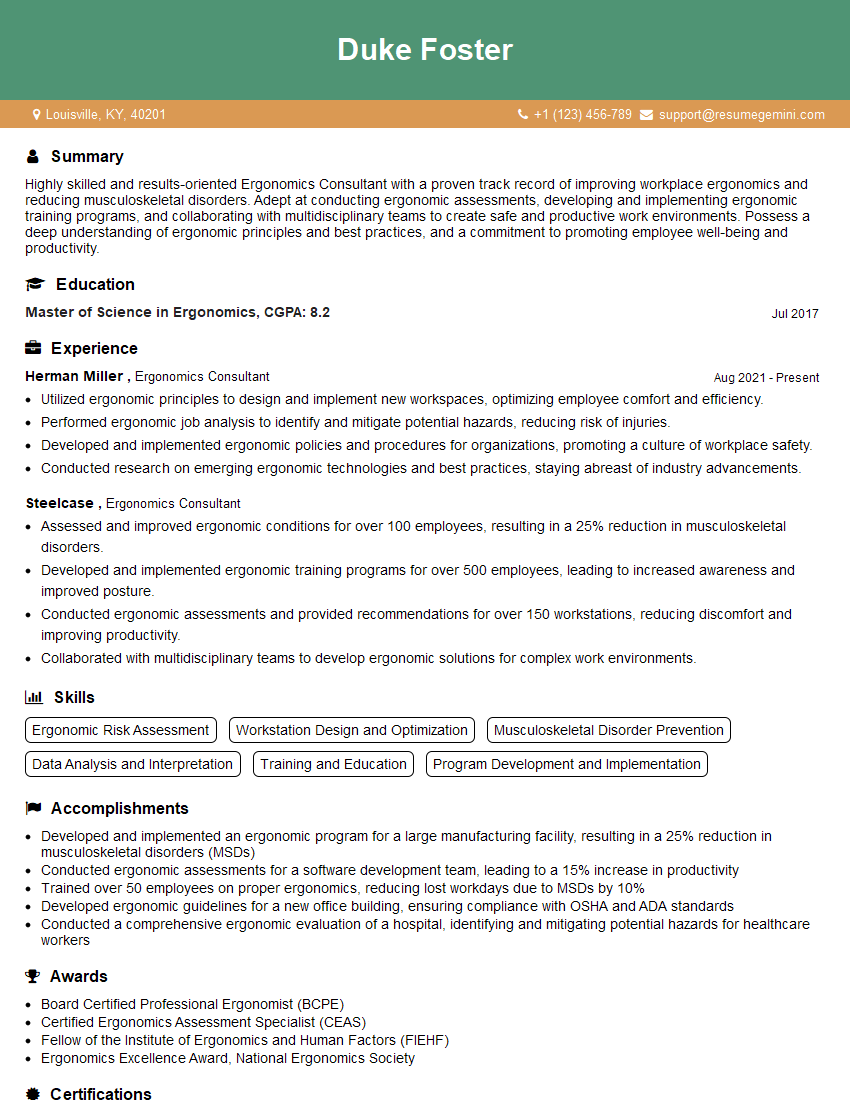
Ergonomics Consultant Resume Sample
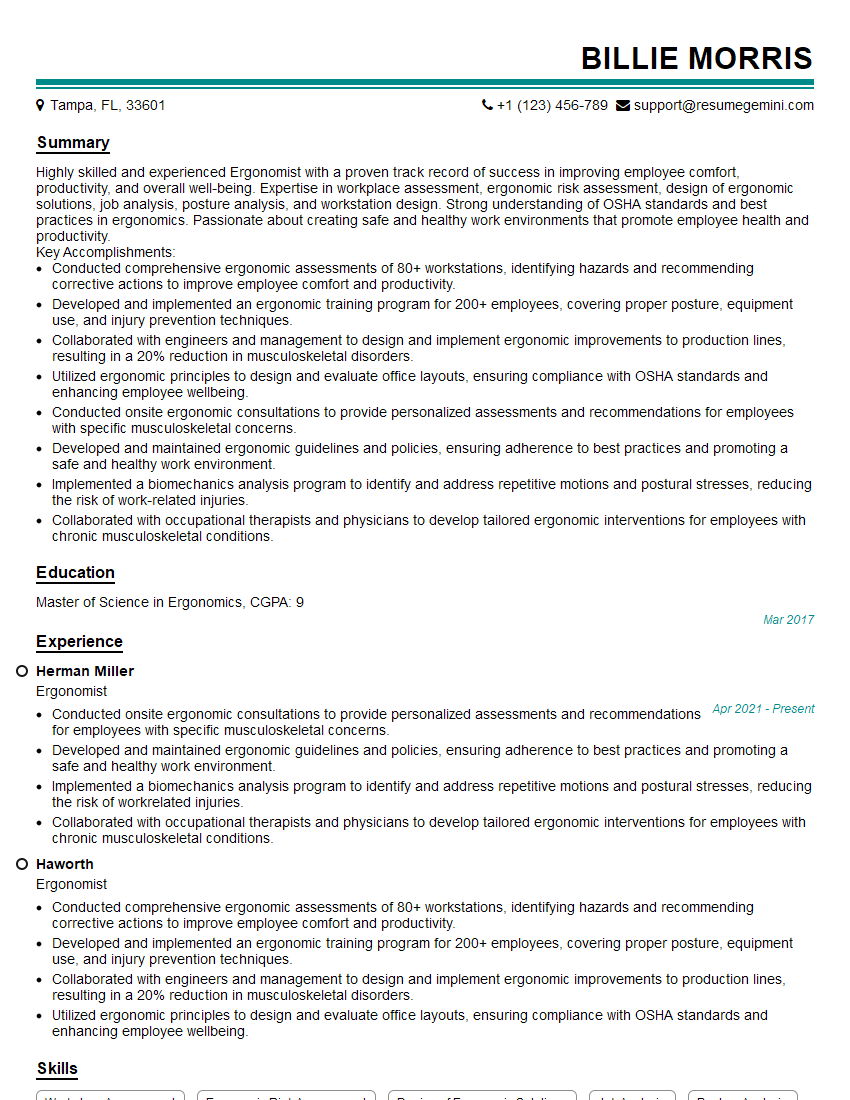
Ergonomist Resume Sample
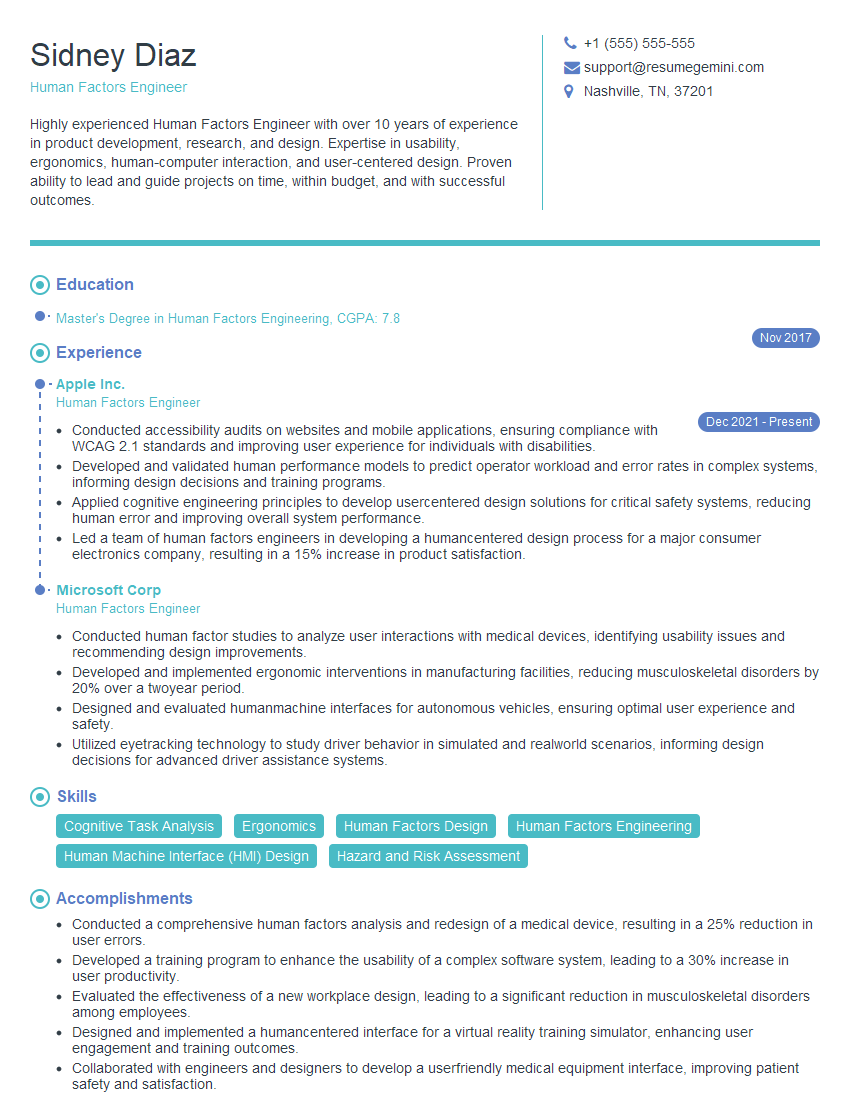
Human Factors Engineer Resume Sample
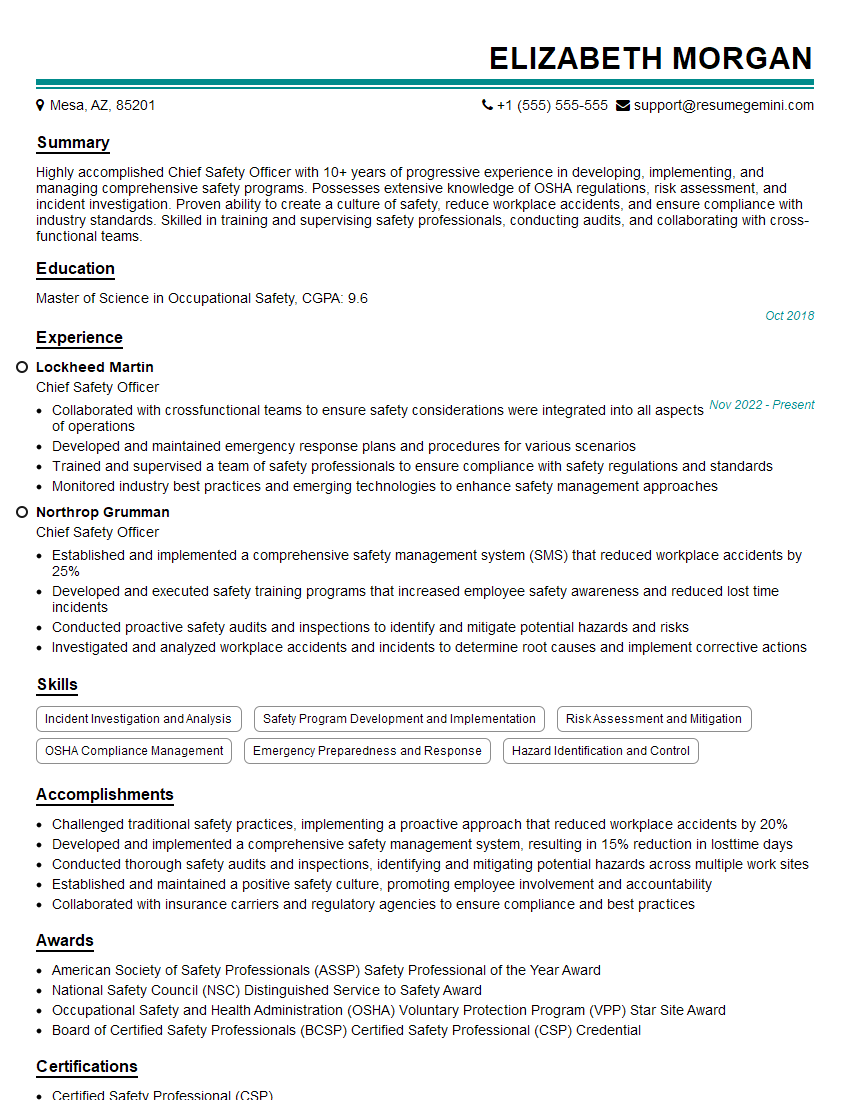
Chief Safety Officer Resume Sample
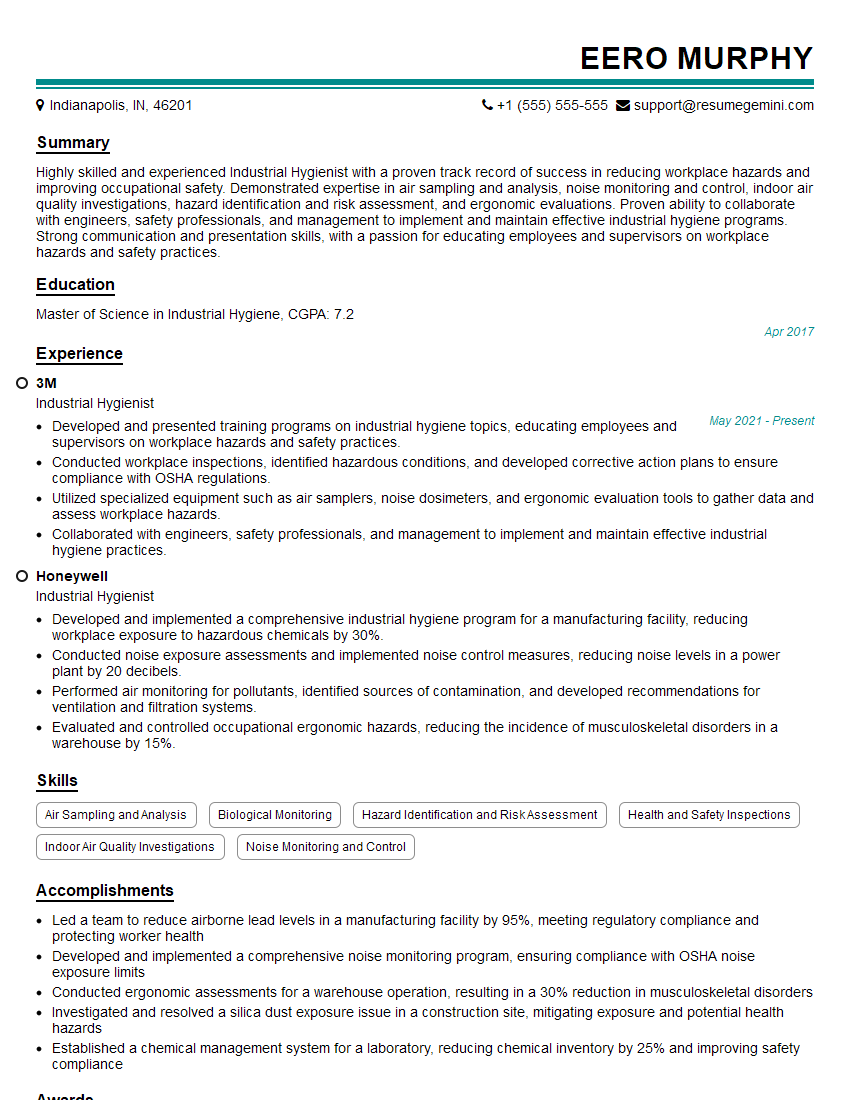
Industrial Hygienist Resume Sample
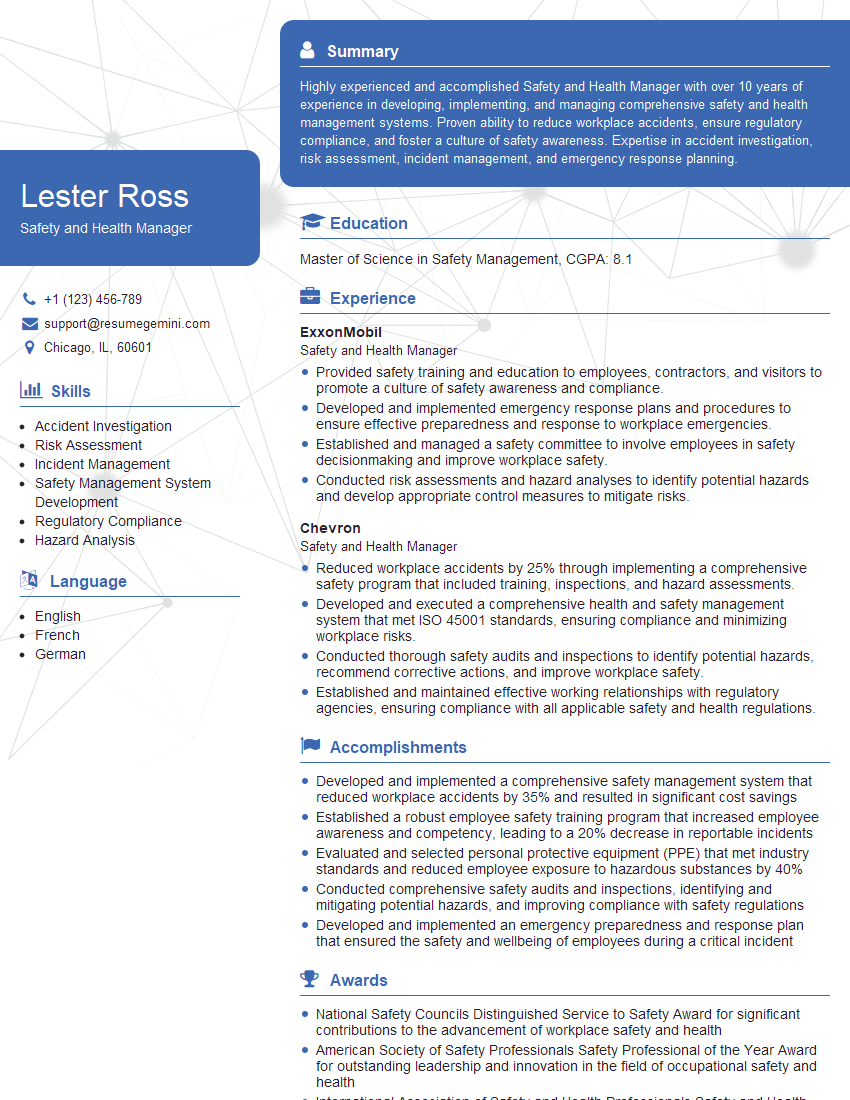
Safety and Health Manager Resume Sample
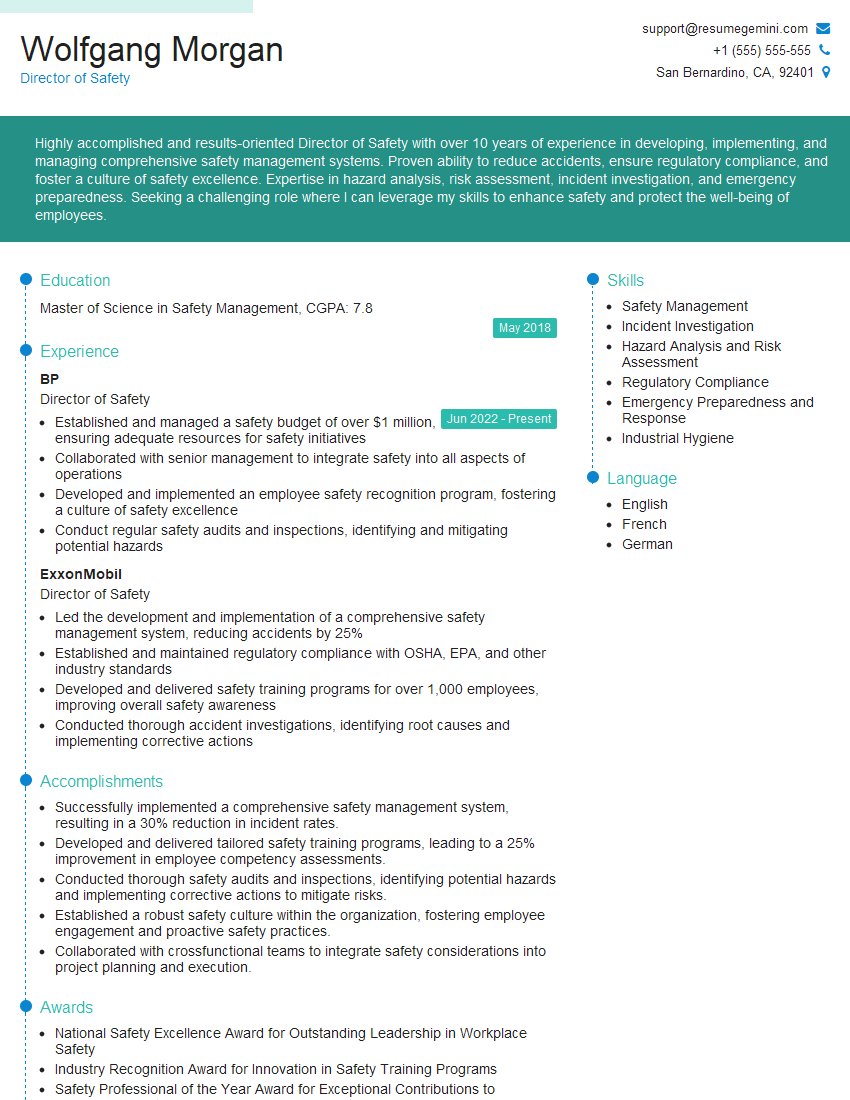
Director of Safety Resume Sample
Explore more articles
Users Rating of Our Blogs
Share Your Experience
We value your feedback! Please rate our content and share your thoughts (optional).
What Readers Say About Our Blog
Very informative content, great job.
good