Unlock your full potential by mastering the most common Inking and Dampening System Management interview questions. This blog offers a deep dive into the critical topics, ensuring you’re not only prepared to answer but to excel. With these insights, you’ll approach your interview with clarity and confidence.
Questions Asked in Inking and Dampening System Management Interview
Q 1. Explain the role of the fountain solution in offset lithography.
The fountain solution, in offset lithography, is a crucial component acting as a crucial intermediary between the ink and the printing plate. It’s a carefully balanced mixture of water, isopropyl alcohol (IPA), and sometimes other additives. Its primary role is to condition the non-image areas of the printing plate, making them water-receptive and repellent to ink. This is based on the fundamental principle of lithography: oil and water don’t mix. The fountain solution ensures that ink adheres only to the image areas (the oily ink-receptive areas) while the non-image areas remain wet and reject ink, resulting in a clean, sharp print. Think of it as a finely tuned chemical referee, ensuring a fair competition between ink and water on the plate.
The balance of water and IPA is critical. Too much water can lead to excessive wetting of the image areas, resulting in poor ink transfer and muddy prints. Too much IPA can dry the plate too quickly, leading to plate scumming (ink on non-image areas). Finding the optimal balance is key to high-quality printing and is often adjusted throughout a print run based on factors like paper type, humidity and ink viscosity.
Q 2. Describe the different types of inks used in offset printing.
Offset printing utilizes a variety of inks, each tailored for specific applications and printing conditions. The most common type is conventional oil-based ink, characterized by its high pigment concentration and slow drying time. This allows for ample time for image transfer and helps prevent rapid drying on the press. These inks are usually solvent-based, requiring careful handling and disposal.
UV (Ultraviolet) curing inks have gained popularity due to their instant drying upon exposure to UV light. This significantly speeds up the printing process, reduces drying time, and allows for immediate finishing. However, they require specialized equipment and may have higher upfront costs.
Vegetable-based inks are becoming increasingly prevalent due to their environmentally friendly nature. They offer a sustainable alternative to conventional inks, although they might have slightly different printing properties and might require adjustments in the press settings.
Low-migration inks are used when food contact is possible (packaging) to minimize ink transfer to the product. Their composition prevents migration of harmful chemicals into the foodstuff. Finally, the specific ink’s viscosity and rheology (flow properties) are vital for proper transfer and print quality.
Q 3. What are the common causes of ink drying on press?
Ink drying on press is a common problem with several causes. One primary culprit is low humidity. Low humidity speeds up ink evaporation, leading to rapid drying and causing problems like ink skin formation on the ink fountain or roller buildup, hindering proper ink transfer. Another potential issue is excessive fountain solution, creating an environment that’s too wet for the ink to stick well to the plate, causing it to dry on the rollers instead. High temperature in the pressroom further exacerbates drying problems, accelerating evaporation.
Incorrect ink viscosity is another factor; ink that’s too thin will dry quickly. Improper ink/water balance, where the fountain solution doesn’t properly condition the non-image areas, leads to ink accumulating and drying on rollers or on the plate itself. Finally, the type of ink used plays a role; faster-drying inks such as UV inks require careful press control and management to avoid early drying.
Q 4. How do you adjust ink density and distribution on a printing press?
Adjusting ink density and distribution involves manipulating several key elements on the printing press. Ink keys control the amount of ink delivered to each roller, thereby controlling the ink density. These are typically adjusted incrementally and the results monitored carefully. Ink duct rollers and form rollers distribute the ink evenly across the printing plate. Their position and pressure need to be fine-tuned to ensure a uniform ink layer. Distributor rollers regulate ink flow from the fountain to the ink duct rollers, influencing overall ink flow. Finally, the ink fountain itself needs to be adequately filled and maintained to guarantee a constant supply of ink at the correct viscosity.
A systematic approach is essential. Adjust settings in small increments and monitor the printed sheets, adjusting until the desired density and uniformity are achieved. Color density is usually measured with a densitometer, which is a device that quantitatively measures the ink coverage on the paper.
Q 5. What are the signs of an improperly balanced dampening system?
An improperly balanced dampening system manifests in several ways. Scumming, where ink appears on the non-image areas of the print, indicates that the water balance is off. The non-image areas aren’t sufficiently wet, leading to ink adhesion. Mottling, characterized by uneven ink distribution across the printed sheet, signifies that the dampening system isn’t delivering water evenly to the plate. Poor print quality, such as blurred or faint images, can be another telltale sign. Slow drying times may also point to an unbalanced dampening system. This is because an excessive amount of water on the plate can impede ink drying.
In addition to these visual cues, you might also notice problems with the dampening system’s components themselves. For example, you may find issues with the dampening rollers which may have uneven wear patterns or damage. The fountain solution itself might have issues that require troubleshooting. It’s crucial to identify whether the issue stems from the water balance, roller condition, or a problem with the fountain solution.
Q 6. How do you troubleshoot ink misting or smudging?
Ink misting and smudging are both linked to improper ink/water balance and press conditions. Ink misting, the scattering of fine ink droplets into the air, often results from excessive ink viscosity or too much ink being transferred to the blanket. Smudging, where the ink smears or transfers beyond the intended image area, indicates excessive ink, insufficient tack, or insufficient water on the plate. Troubleshooting involves systematically examining each potential cause. First, ensure proper ink/water balance. Adjusting the ink keys and the fountain solution concentration is often the first step.
Next, check the blanket and impression cylinder for damage or debris that might contribute to smudging. Verify the impression pressure isn’t too high. If using conventional inks, investigate if the viscosity is correct, and for UV inks, examine the UV curing intensity. Examine if the paper is adequately absorbent, because poor paper absorption can cause ink transfer problems. Finally, evaluate if the room temperature and humidity are within the optimal range for your ink type.
Q 7. Explain the importance of maintaining proper ink/water balance.
Maintaining proper ink/water balance is paramount in offset lithography for several reasons. It directly affects print quality; a balanced system ensures crisp, sharp images with clean backgrounds. Achieving the proper balance prevents issues such as scumming, mottle, and poor ink transfer. It also influences press efficiency, minimizing press stops for adjustments and reducing waste due to print defects. Additionally, a well-balanced system ensures longer press runs without the need for frequent adjustments. This increases overall productivity and reduces the amount of time spent on press maintenance.
Furthermore, maintaining this balance is crucial for environmental considerations. A well-managed dampening system minimizes ink waste and reduces the need for frequent ink changes, benefiting both the environment and the budget. It also helps in maintaining a clean and healthy workspace, reducing the potential for ink-related health concerns.
Q 8. Describe the process of cleaning and preparing ink rollers.
Cleaning and preparing ink rollers is crucial for maintaining print quality and preventing issues like ink trapping or uneven color density. Think of it like cleaning your paintbrushes before switching colors – you wouldn’t want to mix your blues and yellows, would you? The process typically involves several steps:
- Initial Cleaning: Use a roller cleaner specifically designed for your type of ink (water-based, UV, etc.). Apply it liberally and thoroughly clean each roller using a lint-free cloth or dedicated cleaning wiper. This removes the bulk of the old ink.
- Deep Cleaning: For stubborn ink, a more aggressive cleaning might be needed. This could involve using a solvent (carefully following the manufacturer’s instructions) or a specialized roller cleaning machine.
- Inspection: After cleaning, carefully inspect the rollers for any damage like nicks, scratches, or swelling. Damaged rollers can negatively impact print quality and need to be replaced.
- Conditioning: After cleaning and drying, apply a roller conditioner. This helps maintain the roller’s elasticity and prevents cracking or drying out. It’s like moisturizing your skin after a long day – it helps keep it healthy.
- Storage: If not immediately used, store the cleaned rollers in a designated, clean area to prevent dust or debris from accumulating.
Remember to always consult the manufacturer’s instructions for your specific ink and roller types for the most effective cleaning method.
Q 9. How do you identify and address ink trapping issues?
Ink trapping, where ink builds up in unwanted areas, is a common printing problem. Identifying and addressing it requires a systematic approach. First, carefully examine the printed sheets to pinpoint the location and pattern of the trapping. Is it consistently in one area? Does it follow a certain pattern? This will help you diagnose the root cause.
- Insufficient Dampening: Trapping often occurs due to insufficient dampening. The ink isn’t balanced by the water, leading to its build-up. Check the dampening solution level, its pH, and the dampening roller pressure.
- Roller Problems: Worn, damaged, or improperly cleaned rollers can contribute to trapping. Inspect the rollers for irregularities, paying close attention to the metering and dampening rollers.
- Ink Properties: The ink itself might be too viscous or have poor flow properties. Check the ink’s manufacturer recommendations and consider using a suitable thinner if appropriate (always following safety guidelines).
- Plate Issues: A dirty or damaged printing plate can lead to ink buildup in certain areas. Clean or replace the plate as needed.
Addressing trapping requires adjusting dampening levels, cleaning or replacing rollers, ensuring the correct ink viscosity, and checking the printing plate condition. Troubleshooting may involve a combination of these steps. Keep meticulous records of your adjustments so you can retrace your steps and fine-tune the system.
Q 10. What are the different types of dampening rollers and their functions?
Dampening rollers are critical for balancing the water and ink on the printing plate. They come in various types, each with specific functions:
- Metering Rollers: These are the primary rollers responsible for transferring the fountain solution (water) to the other dampening rollers. They ensure a consistent and even distribution of water across the plate surface. They’re like the “water distributor” of the system.
- Distribution Rollers: These rollers receive the fountain solution from the metering rollers and distribute it evenly across the printing plate. Their smooth surface helps distribute the water effectively. Think of them as the “spreaders”
- Ductor Rollers: These rollers remove excess fountain solution from the printing plate, preventing too much water from being transferred. They’re crucial for maintaining the correct water-ink balance and preventing smudging. Imagine them as the “water regulators”
- Form Rollers: These rollers are found in some dampening systems and provide another layer of control for water distribution, particularly for complex printing applications.
Different roller materials (rubber, synthetic polymers) and surface textures are employed, each influencing the amount of water transferred and the overall dampening performance. The choice of roller type depends on factors like the printing press type, the ink being used, and the desired print quality.
Q 11. How do you adjust the dampening roller pressure?
Adjusting dampening roller pressure is crucial for achieving the right water-ink balance. Too much pressure can lead to excessive water transfer, causing blurry prints and increased paper waste. Too little pressure results in insufficient dampening and ink trapping. The adjustment process varies depending on the printing press model, but the general principle involves:
- Identifying Pressure Adjustment Points: Locate the pressure adjustment mechanisms on your press. These might be screws, levers, or pneumatic controls.
- Making Gradual Adjustments: Make small adjustments to the pressure, usually one-quarter to one-half turn at a time. Avoid drastic changes.
- Monitoring Print Quality: After each adjustment, print a test sheet and carefully examine the result. Look for signs of ink trapping, blurring, or poor color balance.
- Iterative Refinement: Continue making small adjustments and monitoring the print output until you achieve the optimal water-ink balance. This is an iterative process requiring patience and observation.
- Recording Adjustments: Maintain records of your adjustments, including the date, time, and amount of adjustment. This helps you troubleshoot problems in the future.
Remember: safety first. Always refer to your press’s operation manual before making any adjustments and ensure the press is turned off or in a safe mode during any adjustments.
Q 12. What is the purpose of a fountain solution conditioner?
A fountain solution conditioner is an additive to the fountain solution that enhances its performance and extends its useful life. Think of it as a multivitamin for your fountain solution.
Its purpose is multifaceted:
- pH Control: Conditioners help maintain the optimal pH level of the fountain solution, which is crucial for ink-water balance and prevents corrosion.
- Corrosion Inhibition: They protect the press components (rollers, plates, etc.) from corrosion caused by acidic fountain solutions.
- Microbe Control: Some conditioners help inhibit microbial growth in the fountain solution, preventing the formation of slime or other contaminants.
- Improved Wettability: They improve the wettability of the printing plate, ensuring even distribution of water.
- Reduced Tack: They can help reduce the tackiness (stickiness) of the ink, which is beneficial for reducing ink trapping.
Using a fountain solution conditioner contributes to better print quality, longer fountain solution life, and reduced maintenance costs.
Q 13. Describe the different types of fountain solutions and their properties.
Fountain solutions are aqueous solutions used to balance the ink on the printing plate. Different types cater to specific needs and printing techniques:
- Isopropyl Alcohol (IPA)-based Solutions: These were traditionally common but are being replaced due to environmental concerns. IPA provides good drying and helps maintain ink-water balance.
- Alcohol-free Solutions: These are becoming increasingly popular due to their environmentally friendly nature. They often contain humectants to maintain moisture and pH control agents. They are formulated to minimize environmental impact.
- Specialized Solutions: Certain types of fountain solutions are designed for specific inks (e.g., UV inks) or printing substrates (e.g., coated paper).
The properties of fountain solutions are crucial: The pH level should be carefully controlled (typically between 4.5 and 6), the conductivity needs to be monitored to avoid buildup, and appropriate additives (like conditioners) may be required to improve its performance and extend its lifespan.
Q 14. How do you monitor and maintain the pH level of the fountain solution?
Maintaining the correct pH level of the fountain solution is crucial for optimal printing performance. An incorrect pH can lead to several issues including ink-water imbalance, corrosion of press components, and poor print quality. Monitoring and maintenance involve:
- Regular pH Testing: Use a calibrated pH meter to regularly check the fountain solution’s pH. The frequency depends on factors like the type of fountain solution and the printing workload. Daily checks are common practice.
- pH Adjustment: If the pH is outside the optimal range (typically 4.5-6), use a pH adjuster (acid or base) to bring it back within the acceptable range. Make gradual adjustments, testing the pH after each addition.
- Fountain Solution Replacement: Periodically replace the fountain solution to prevent the buildup of contaminants that can affect the pH. The frequency depends on the printing volume and solution type.
- Monitoring Conductivity: High conductivity is a sign of contamination. A high-conductivity solution may need to be replaced.
- Keeping Records: Maintain meticulous records of your pH measurements and adjustments to track trends and facilitate troubleshooting.
Consistent monitoring and careful pH adjustment are essential for maintaining the quality and longevity of your printing process.
Q 15. How do you manage ink viscosity and its effects on print quality?
Ink viscosity, or thickness, is crucial for consistent print quality. Think of it like painting – too thick a paint and it’ll be lumpy; too thin and it’ll be watery and lack coverage. In printing, incorrect viscosity leads to uneven ink transfer, poor color density, and blurry images. We manage viscosity primarily through careful temperature control (discussed later), the addition of appropriate flow improvers or viscosity reducers, and monitoring ink consistency using a viscosimeter.
For example, if we notice the ink is too thick, resulting in poor print quality and ink piling, we might add a small amount of a viscosity reducer, thoroughly mixing it into the ink fountain. Conversely, if the ink is too thin, leading to weak color intensity and ink bleed, we’d increase the temperature or add a viscosity improver, again ensuring thorough mixing. Regular monitoring and adjustments are vital to maintain optimal viscosity throughout the print run.
Career Expert Tips:
- Ace those interviews! Prepare effectively by reviewing the Top 50 Most Common Interview Questions on ResumeGemini.
- Navigate your job search with confidence! Explore a wide range of Career Tips on ResumeGemini. Learn about common challenges and recommendations to overcome them.
- Craft the perfect resume! Master the Art of Resume Writing with ResumeGemini’s guide. Showcase your unique qualifications and achievements effectively.
- Don’t miss out on holiday savings! Build your dream resume with ResumeGemini’s ATS optimized templates.
Q 16. Explain the importance of ink temperature control.
Ink temperature is paramount because it directly affects viscosity. Imagine honey: cold honey is thick and slow-moving, while warm honey is thinner and flows easily. Similarly, ink behaves differently at various temperatures. Consistent ink temperature ensures uniform ink flow, prevents ink skin formation (a hardened layer on the surface of the ink), and contributes to consistent color density and sharpness across the print. Temperature is typically controlled using temperature-controlled ink fountains or circulation systems that maintain the ink at the optimal temperature for the specific ink and printing conditions.
In a real-world scenario, I once encountered a problem with inconsistent color density in a large print job. After investigation, we found that the ink fountain’s temperature control system was malfunctioning, leading to fluctuating ink viscosity. By addressing the temperature control issue, we restored consistent print quality. Maintaining the right ink temperature is not only about avoiding obvious issues but also about maximizing the efficiency and consistency of the entire printing process.
Q 17. Describe different ink duct configurations and their advantages.
Ink duct configurations determine how ink is delivered to the printing units. Common types include:
- Conventional Ducts: Simple systems, less expensive, but may struggle with ink distribution and maintenance.
- Individual Ink Ducts: One duct per color, excellent for precise ink control and reduced contamination risk. Ideal for high-quality, multi-color printing.
- Circulating Ink Ducts: Ink is constantly circulated, which helps maintain temperature and consistency, minimizing ink skin formation. More complex, but highly effective.
The choice of configuration depends on factors such as print quality requirements, budget, and press type. For high-volume, high-quality work, a circulating system with individual ducts offers the best combination of consistency and control, despite higher initial investment. Simpler configurations are suitable for smaller-scale printing or when budget is a primary concern. In a high-speed production environment, the benefits of a circulating system – especially in terms of consistency and reduced maintenance downtime – far outweigh the initial cost.
Q 18. How do you address problems with ink piling or mottle?
Ink piling (excess ink buildup on the printing plate) and mottle (uneven ink distribution causing a blotchy appearance) are common print defects caused by various factors, including improper ink viscosity, incorrect dampening, and poor plate preparation.
Addressing these issues involves a systematic approach:
- Check Ink Viscosity: Ensure the ink is at the correct viscosity using a viscosimeter. Adjust as needed.
- Examine Dampening System: Verify the dampening system is functioning correctly, providing the right balance of water and ink. Adjust water level and roller settings.
- Inspect Printing Plates: Make sure the printing plates are clean, properly etched, and free from defects. Any damage can contribute to ink piling.
- Adjust Ink Roller Settings: The pressure and distribution of the ink rollers can significantly impact ink transfer. Adjust as needed.
- Evaluate Fountain Solution: Ensure the fountain solution is appropriate and well-maintained. A poorly maintained fountain solution can hinder ink transfer and contribute to mottle.
Often, it’s a combination of factors. For instance, we might find that high ink viscosity combined with insufficient dampening leads to ink piling. A systematic approach ensures the problem is identified accurately and addressed effectively. Careful attention to detail and a thorough understanding of the interaction between the inking and dampening systems are essential for achieving high-quality print results.
Q 19. How do you maintain and clean the dampening system components?
Maintaining a clean dampening system is essential for consistent print quality and preventing defects. Regular cleaning and maintenance schedules are critical. This involves:
- Daily Cleaning: Rinse the rollers and ducts with clean water or a specialized cleaning solution. Remove any accumulated ink or debris.
- Weekly Cleaning: More thorough cleaning, including dismantling certain components for deep cleaning. This might involve using specialized cleaning agents to dissolve stubborn ink deposits.
- Periodic Overhaul: A more comprehensive service conducted less frequently. This includes replacing worn-out rollers, inspecting and repairing any damaged components, and a complete system flush.
The frequency of each type of cleaning depends on factors like press usage and the type of inks and fountain solutions employed. It’s crucial to follow the manufacturer’s recommendations. Neglecting regular cleaning can lead to contamination, decreased efficiency, and significant print quality problems. I regularly use checklists and documented procedures to ensure all maintenance tasks are performed consistently and thoroughly. Proper maintenance saves time and resources in the long run by preventing major disruptions and expensive repairs.
Q 20. Describe the process of color registration and its relationship to inking and dampening.
Color registration refers to the precise alignment of multiple colors in a multi-color print. It’s crucial for crisp, sharp images. The inking and dampening systems are directly involved because improper ink transfer or uneven dampening can cause misregistration. Inconsistent ink film thickness, for example, can shift the position of one color relative to others. Similarly, if the dampening is uneven across the printing plate, the ink film may not be uniform, affecting color registration.
Achieving accurate color registration involves careful setup of the press, precise control of ink and water distribution, and regular monitoring throughout the print run. Techniques like using registration marks on the printing plates and adjusting the press settings as needed are critical. The relationship between inking, dampening, and color registration is symbiotic: properly managed inking and dampening are essential pre-requisites for accurate color registration.
Q 21. What are the safety precautions involved in handling inks and fountain solutions?
Handling inks and fountain solutions requires strict adherence to safety precautions. These include:
- Personal Protective Equipment (PPE): Always wear appropriate PPE, such as gloves, eye protection, and respiratory protection. This protects against skin irritation, eye damage, and inhalation of harmful substances.
- Ventilation: Ensure adequate ventilation in the printing area to minimize exposure to ink fumes and volatile organic compounds (VOCs).
- Waste Disposal: Follow proper procedures for disposing of used inks and fountain solutions. Many inks and solutions are hazardous waste.
- Spill Response: Have a spill response plan in place to quickly and safely clean up spills. Know which absorbent materials are suitable for different types of spills.
- Safety Data Sheets (SDS): Consult the SDS for each ink and fountain solution to understand the potential hazards and recommended safety precautions.
Safety is not an optional extra. It’s paramount. Ignoring safety precautions can lead to serious health problems, environmental damage, and costly accidents. Regular safety training and adherence to established procedures are essential for maintaining a safe and productive printing environment.
Q 22. Explain the impact of environmental conditions on ink and dampening system performance.
Environmental conditions significantly impact the performance of ink and dampening systems. Think of it like baking a cake – the oven temperature (environment) affects the final product. Humidity and temperature are key players. High humidity can lead to ink emulsification (mixing of ink and water), resulting in blurred images and color inconsistencies. Low humidity can cause the ink to dry too quickly on the rollers, leading to uneven ink transfer and streaks. Temperature fluctuations affect ink viscosity – thicker ink in cold environments leads to slow ink transfer and poor print quality, while thinner ink in hot conditions can cause excessive ink spread.
For example, a pressroom with high humidity might require adjustments to the fountain solution (dampening) concentration to prevent emulsification. In a dry environment, adjustments to ink viscosity might be necessary to ensure consistent ink transfer. Monitoring environmental conditions using a hygrometer (for humidity) and thermometer is crucial for proactive adjustments.
Q 23. How do you perform preventative maintenance on the inking and dampening systems?
Preventative maintenance is key to smooth operation and consistent print quality. It’s like regular check-ups for your car; you catch small issues before they become major problems. A comprehensive preventative maintenance program includes:
- Daily Checks: Inspect rollers for wear and tear, clean ink ducts, check fountain solution levels and pH, and monitor ink viscosity.
- Weekly Checks: Thorough cleaning of rollers, ink fountains, and dampening system components. This removes built-up ink, dirt, and other debris that impede performance.
- Monthly Checks: More in-depth inspection of the entire system, including checks for leaks, proper functioning of pumps and valves, and adjustments of the ink and dampening system settings.
- Periodic Overhauls: Depending on the press and usage, complete overhauls might be needed every 6-12 months to replace worn components and ensure optimal performance. This is akin to a major car service.
Proper documentation of all maintenance activities is crucial for tracking performance and predicting potential issues.
Q 24. What are the common causes of streaks or hickeys in printing?
Streaks and hickeys are common print defects that can stem from several issues within the inking and dampening system. Think of them as blemishes on a perfect canvas. Streaks are typically longer and more consistent while hickeys are small, localized spots.
- Ink Distribution Problems: Uneven ink distribution on the rollers, caused by worn or damaged rollers, improper ink duct adjustments, or insufficient ink supply.
- Dampening System Issues: Insufficient dampening, leading to ink drying too quickly on the plate; excess dampening, causing ink emulsification and blurry prints; or uneven distribution of fountain solution.
- Plate Problems: Scratches or debris on the printing plate can lead to streaks and hickeys. Poor plate mounting can also contribute to inconsistent ink transfer.
- Paper Issues: Dusty or damaged paper can cause inconsistencies, and highly absorbent paper can dry the ink before proper transfer.
Troubleshooting these requires a systematic approach, checking each component until the root cause is identified.
Q 25. How do you measure and adjust the ink film thickness?
Measuring and adjusting ink film thickness is crucial for consistent print quality. It’s like finding the ‘sweet spot’ of paint thickness for a perfect coat. This is typically done using an inkometer or similar device. These instruments measure the thickness of the ink film laid down on a test strip. The goal is to achieve the optimal film thickness specified by the ink manufacturer and the printing job requirements.
Adjustments are made by altering the ink rollers’ nip pressure, the amount of ink supplied to the inking unit, or by adjusting the ink fountain settings. Visual inspection is also important; you should look for a uniform ink layer, free of streaks or irregularities.
Accurate measurement and adjustment ensure consistent color density and prevent issues such as too much ink (leading to smearing) or too little ink (resulting in faint prints).
Q 26. What is the relationship between the type of paper and ink/water balance?
The type of paper significantly impacts the ink/water balance. Think of it as how a sponge absorbs water – different sponges absorb different amounts. Highly absorbent papers require more fountain solution to prevent the ink from drying out too quickly on the plate, leading to poor print quality. Conversely, less absorbent papers might require a reduction in fountain solution to avoid emulsification and blurred prints.
Paper with a high surface porosity will draw the ink from the plate rapidly, requiring more dampening to help maintain ink-water balance. Coated papers with smooth surfaces may need less dampening as the ink transfer to the plate is easier and the ink dries slower. Understanding your paper’s characteristics is essential for proper ink/water balance adjustment, which should be adjusted for each printing job.
Q 27. Describe the impact of different printing plate types on the inking and dampening system.
Different printing plate types interact differently with the inking and dampening system. It’s like using different brushes with the same paint – the result varies. For example, photopolymer plates generally require more delicate ink/water balance adjustments compared to metal plates.
Metal plates, due to their higher image depth and potential for ink trapping, might necessitate a different ink viscosity and dampening approach than photopolymer plates which have shallower image depths. The surface properties of the plate—its roughness, hydrophilicity, and image area—all influence ink transfer and require adjustments to the inking and dampening system to maintain consistent print quality.
Q 28. How would you troubleshoot a situation with consistent print quality issues related to the inking/dampening system?
Troubleshooting consistent print quality issues requires a methodical approach. It’s like detective work: gather clues, form a hypothesis, and test it. Start by carefully observing the print defects – are they streaks, hickeys, color inconsistencies, or something else? Then follow these steps:
- Check Environmental Conditions: Humidity and temperature can significantly affect ink and dampening.
- Inspect the Inking System: Check ink rollers for wear, ink duct cleanliness and flow, and ink viscosity.
- Inspect the Dampening System: Check fountain solution level, pH, and distribution. Look for leaks or blockages.
- Examine the Printing Plate: Check for scratches, damage, or improper mounting.
- Assess the Paper: Check for damage, dust, or inconsistencies in paper stock.
- Test Ink and Water Balance: Adjust the balance and test print to see the effects.
- Analyze the Print Defects: Based on your findings, make targeted adjustments and test print again.
Keep detailed records of your adjustments and observations. This systematic approach will help pinpoint the root cause of the issue and resolve the problem effectively.
Key Topics to Learn for Inking and Dampening System Management Interview
- Understanding Ink Transfer Mechanisms: Explore different ink transfer methods, their advantages and disadvantages, and the factors influencing ink distribution on the printing press.
- Dampening System Components and Functionality: Detail the role of each component (e.g., rollers, pumps, solution tanks) and how they interact to maintain optimal dampening conditions. Be prepared to discuss troubleshooting common malfunctions.
- Ink-Water Balance and its Impact on Print Quality: Explain the critical relationship between ink and water balance, and its effect on dot gain, print sharpness, and overall image quality. Discuss methods for achieving and maintaining this balance.
- Chemical Considerations: Discuss the properties of various inks and dampening solutions, including their chemical composition and interaction with printing substrates. Understand the environmental impact and safety regulations.
- Troubleshooting and Maintenance: Be ready to discuss common problems encountered in inking and dampening systems, their root causes, and effective solutions. Explain preventative maintenance procedures and their importance.
- Automation and Controls: Discuss the role of automated systems in managing inking and dampening, including sensors, actuators, and control algorithms. Understand how these systems contribute to efficiency and quality control.
- Print Quality Assessment and Control: Explain how to measure and assess print quality metrics related to inking and dampening, and how to adjust system parameters to improve those metrics.
Next Steps
Mastering Inking and Dampening System Management opens doors to rewarding careers in the printing industry, offering opportunities for specialization, advancement, and impactful contributions to high-quality print production. To stand out to potential employers, crafting a compelling and ATS-friendly resume is crucial. ResumeGemini is a trusted resource to help you build a professional resume that showcases your skills and experience effectively. We provide examples of resumes tailored to Inking and Dampening System Management to help you get started. Invest the time to create a strong resume – it’s your first impression and a key to unlocking your career potential.

Print Production Manager Resume Sample

Pressroom Supervisor Resume Sample
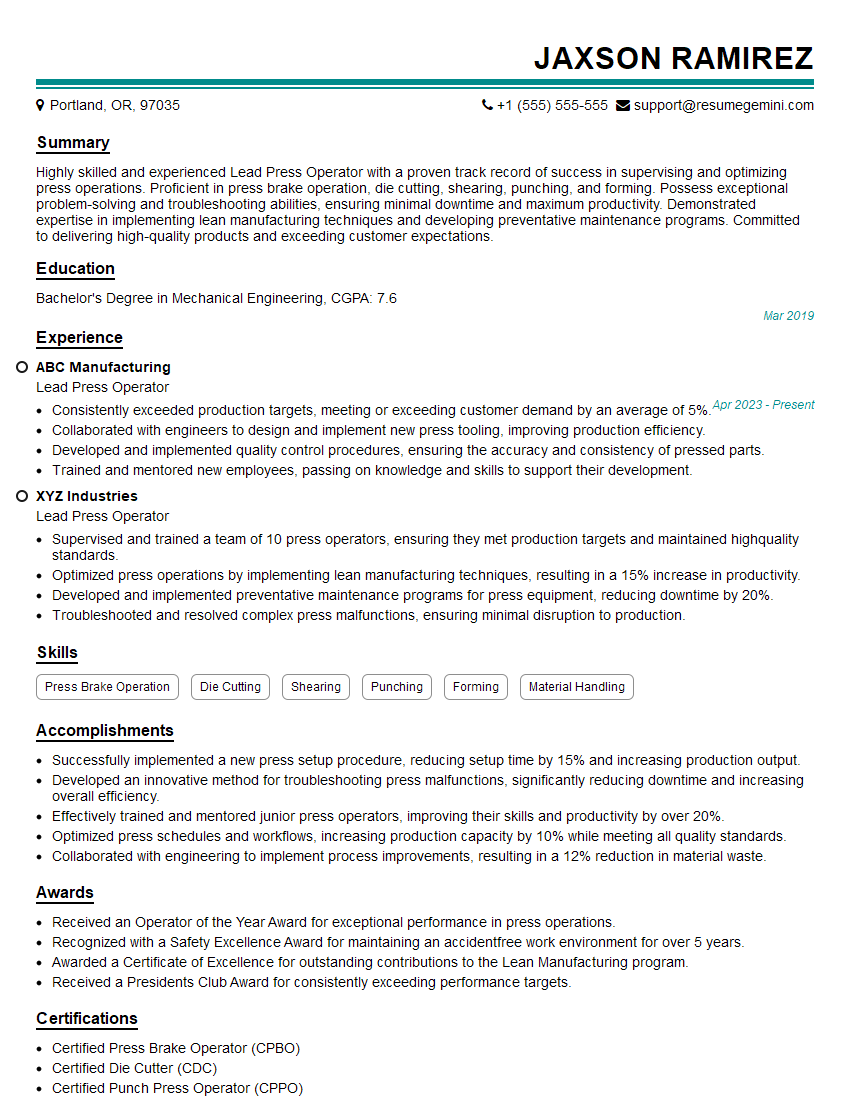
Lead Press Operator Resume Sample
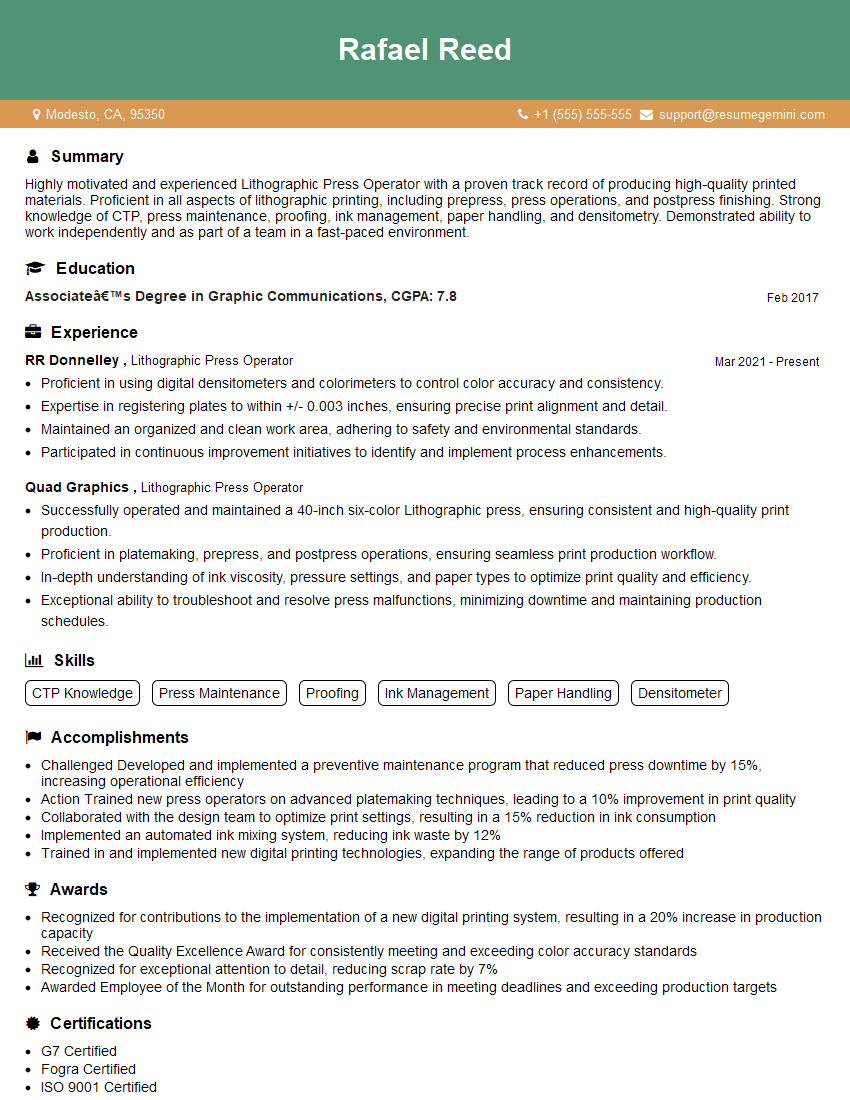
Lithographic Press Operator Resume Sample

Printing Technician Resume Sample
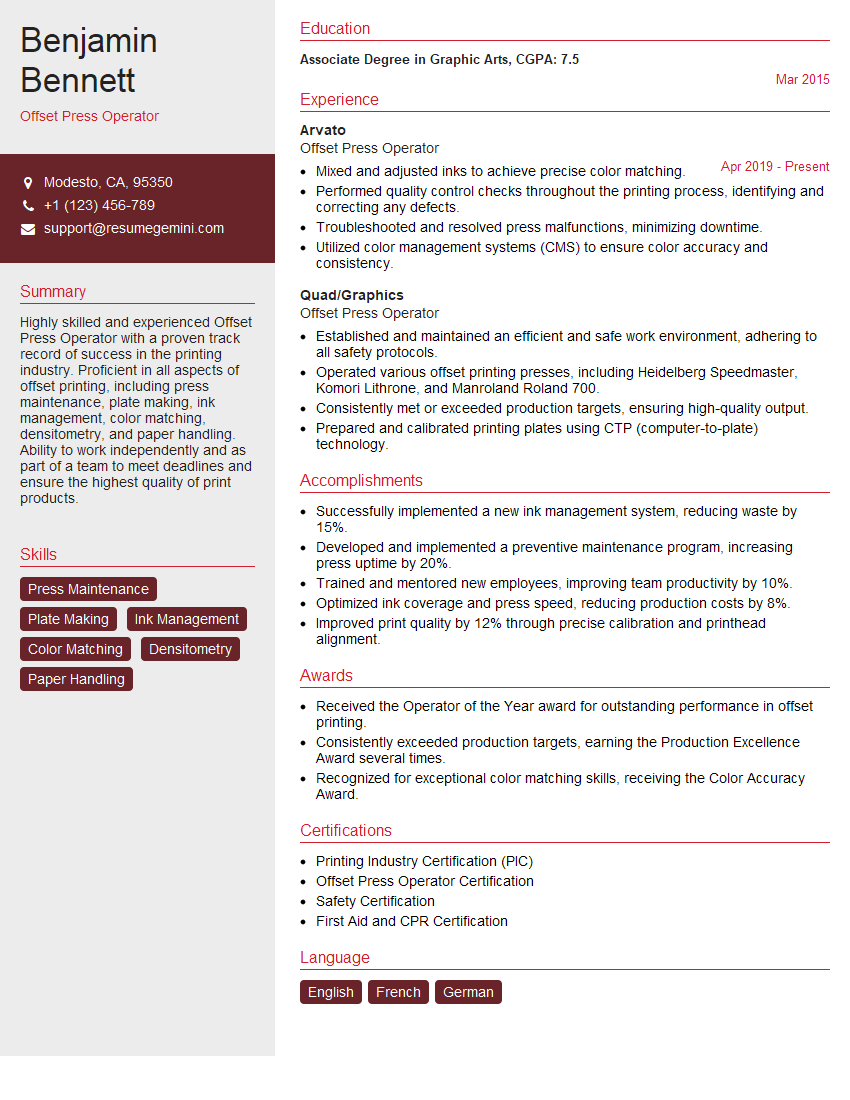
Offset Press Operator Resume Sample

Pressroom Foreman Resume Sample
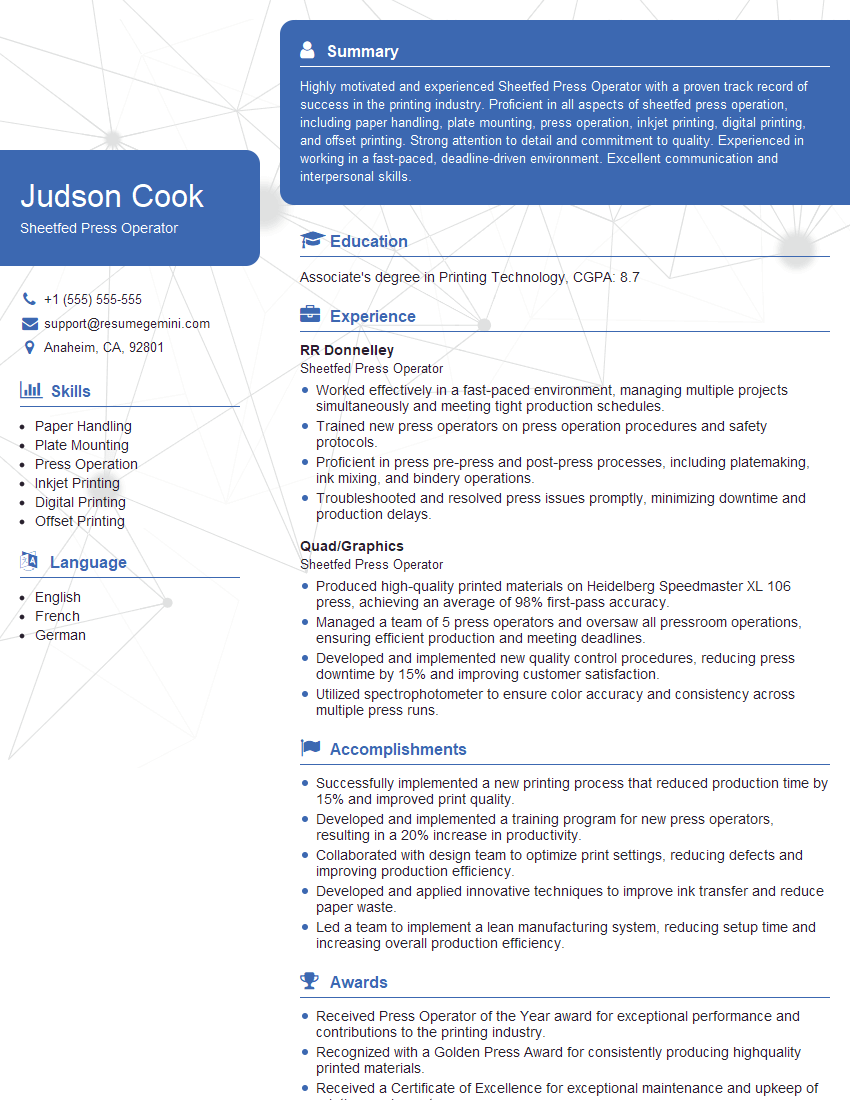
Sheetfed Press Operator Resume Sample
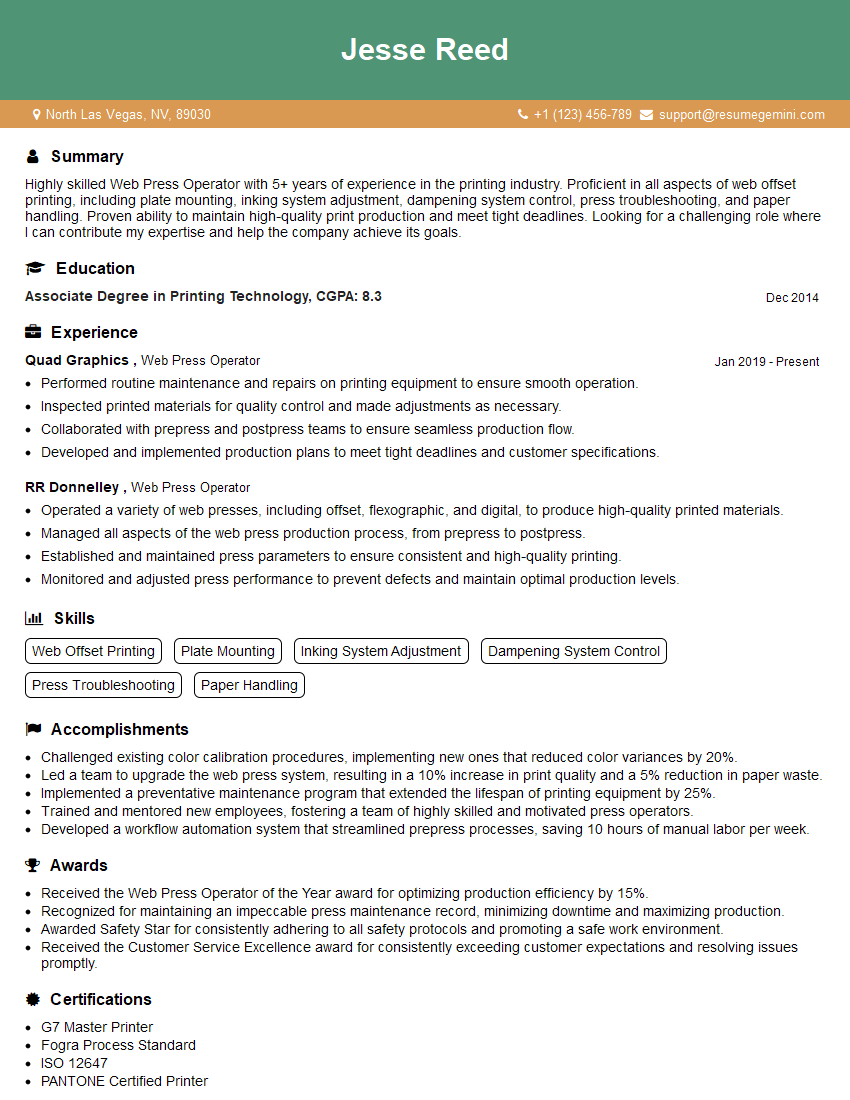
Web Press Operator Resume Sample
Explore more articles
Users Rating of Our Blogs
Share Your Experience
We value your feedback! Please rate our content and share your thoughts (optional).
What Readers Say About Our Blog
Very informative content, great job.
good