Every successful interview starts with knowing what to expect. In this blog, we’ll take you through the top Inmate Supervision interview questions, breaking them down with expert tips to help you deliver impactful answers. Step into your next interview fully prepared and ready to succeed.
Questions Asked in Inmate Supervision Interview
Q 1. Describe your experience managing inmate behavior in high-stress situations.
Managing inmate behavior in high-stress situations requires a calm, assertive, and decisive approach. My experience has shown that effective communication and de-escalation techniques are paramount. I’ve found that understanding the root cause of agitated behavior – whether it’s fear, frustration, or medical issues – is crucial before intervening. For example, during a lockdown triggered by a riot, I prioritized maintaining visual contact with all inmates, employing clear and concise commands to restore order. In another instance, I successfully de-escalated a tense standoff between two inmates by actively listening to their grievances and mediating their conflict. My approach emphasizes a balance between maintaining control and showing empathy, recognizing that inmates are still individuals with complex needs. Prioritizing safety while building rapport is key to preventing escalation in these volatile environments.
Q 2. How do you handle inmate conflicts and maintain order within a correctional setting?
Handling inmate conflicts and maintaining order involves a multi-faceted approach. Prevention is key; this includes proactively identifying potential flashpoints, such as gang affiliations or personal disputes. Establishing clear rules and consistently enforcing them helps deter disruptive behavior. When conflicts arise, I utilize a structured approach: 1) Assess the situation and ensure staff safety; 2) Separate the involved inmates; 3) Gather information from witnesses and the inmates involved; 4) Initiate a fair and impartial investigation; 5) Implement appropriate disciplinary action, which might range from verbal warnings to solitary confinement, depending on the severity of the incident. For instance, I successfully resolved a dispute between two inmates over shared property by facilitating a mediation session, allowing them to express their concerns and find a mutually agreeable solution. Open communication and transparency are crucial in maintaining order and building trust, even within a correctional setting.
Q 3. Explain your understanding of different inmate classifications and their implications for supervision.
Inmate classification is a critical component of effective supervision. It involves categorizing inmates based on various factors, including their security risk, criminal history, mental health status, and gang affiliation. Different classifications dictate the level of supervision and security measures required. For example, maximum-security inmates require constant surveillance and strict restrictions on movement and contact, while minimum-security inmates may have more freedom and privileges. Understanding these classifications helps tailor supervision strategies. A high-risk inmate might require closer monitoring and more frequent searches, while a lower-risk inmate could benefit from rehabilitative programs. Misclassifying an inmate can lead to security breaches or undermine rehabilitation efforts. Accurate classification, based on thorough assessment and regular review, is essential for safe and efficient management of the correctional facility.
Q 4. What strategies do you employ to ensure the safety and security of both inmates and staff?
Ensuring the safety and security of both inmates and staff is my top priority. This involves a combination of strategies, including robust security systems (e.g., surveillance cameras, electronic locking systems, perimeter fencing), thorough search procedures, and well-trained staff. Regular staff training on conflict resolution, de-escalation techniques, and emergency response protocols are essential. Proactive measures, such as identifying and addressing potential risks, are crucial. For example, I implemented a program to identify and manage gang activity within the facility, resulting in a significant reduction in violent incidents. Consistent application of security protocols, alongside fostering a culture of safety and mutual respect, creates a safer environment for everyone.
Q 5. How would you respond to a suspected inmate escape attempt?
Responding to a suspected escape attempt requires immediate and decisive action. My first step would be to sound the alarm and initiate emergency procedures. Next, I would initiate a lockdown of the affected area, while simultaneously coordinating with other staff to establish a perimeter and prevent the inmate from escaping. Simultaneously, I would initiate a facility-wide search and notify the relevant authorities (e.g., law enforcement). Depending on the specific circumstances, I might utilize specialized tactics such as deploying tracking dogs or utilizing surveillance footage to locate the escapee. Clear communication and coordination with the response team are essential to swiftly and efficiently recapture the escapee, minimizing any potential risk to the public.
Q 6. How do you conduct effective inmate searches?
Effective inmate searches must be conducted systematically and professionally while maintaining respect for inmate dignity. The specific method will vary depending on the context – whether it’s a routine search, a frisk, or a full body search. All searches must be conducted in accordance with established protocols and legal guidelines, with proper documentation of the procedure and any findings. For routine searches, I would utilize a pat-down or visual inspection. For more thorough searches, I would follow established procedures, ensuring that the search is conducted with sensitivity and respect. Transparency and clear communication with the inmate being searched are crucial to maintaining a professional and respectful environment. Any contraband found is meticulously documented and processed according to established procedures.
Q 7. Describe your experience with inmate disciplinary procedures.
Inmate disciplinary procedures are crucial for maintaining order and accountability within a correctional setting. These procedures must be fair, consistent, and transparent. They generally involve a structured process, beginning with an investigation into the alleged violation. Evidence is gathered, and the inmate is given the opportunity to present their case. Depending on the severity of the infraction, disciplinary actions can range from loss of privileges to solitary confinement. All disciplinary actions are documented thoroughly and are subject to review to ensure fairness and consistency. I’ve found that a clear and consistent application of disciplinary procedures fosters a culture of compliance and reduces the incidence of rule-breaking. Due process and fairness are essential components of an effective disciplinary system, minimizing the potential for future conflicts.
Q 8. How do you maintain accurate and up-to-date inmate records?
Maintaining accurate and up-to-date inmate records is paramount for effective inmate supervision and overall facility security. It involves a multi-faceted approach encompassing both technological and procedural elements. We rely heavily on a computerized system, often integrated with biometric data, to track every detail of an inmate’s stay.
- Data Entry and Verification: Every piece of information – from booking details and criminal history to medical records and disciplinary actions – is meticulously entered and verified by multiple staff members to minimize errors. This includes regular audits to identify and correct inconsistencies.
- Real-time Updates: The system allows for real-time updates, ensuring that all staff have access to the most current information. For example, if an inmate is transferred to another unit or requires medical attention, the change is instantly reflected in the database.
- Data Security and Privacy: Robust security measures, including access control and encryption, are employed to protect sensitive inmate data from unauthorized access and breaches. We adhere strictly to privacy regulations and guidelines.
- Regular Backups: Regular backups of the database are crucial to safeguard against data loss due to technical issues or unforeseen circumstances.
Think of it like a meticulous medical chart; every entry, every detail, is critical for providing appropriate care and managing potential issues. Inaccuracy can lead to critical errors, so maintaining accuracy is a constant priority.
Q 9. What methods do you use to communicate effectively with inmates from diverse backgrounds?
Effective communication with inmates from diverse backgrounds requires cultural sensitivity, patience, and a willingness to adapt. We employ several methods:
- Language Access: We utilize interpreters and translators for inmates who don’t speak English. This ensures clear understanding of rules, procedures, and any relevant information.
- Cultural Awareness Training: Regular training for staff helps them understand the nuances of different cultures, preventing misunderstandings and potential conflicts.
- Non-verbal Communication: We pay close attention to non-verbal cues, as body language and gestures can often convey more than words. This is especially important when dealing with inmates who may be hesitant to communicate verbally.
- Active Listening: We practice active listening – paying attention, asking clarifying questions, and demonstrating empathy. This creates trust and facilitates open communication.
- Building Rapport: Building a respectful relationship based on mutual understanding is key. This takes time but goes a long way in diffusing tensions and achieving effective communication.
For instance, an inmate from a culture where direct eye contact is considered disrespectful may be misinterpreted as being evasive or untruthful. Understanding these cultural differences is essential to prevent miscommunication.
Q 10. How do you identify and address potential threats to security within a correctional facility?
Identifying and addressing potential threats to security is a proactive and ongoing process. It involves a layered approach:
- Intelligence Gathering: We actively collect information from various sources – staff observations, inmate conversations (monitored appropriately), and even tips from informants – to identify potential risks.
- Risk Assessment: This involves evaluating inmates individually and collectively, assessing their potential for violence, escape attempts, or gang activity. This informs our security protocols and staffing decisions.
- Physical Security Measures: Regular inspections of facilities, surveillance systems (CCTV), controlled access points, and perimeter security are crucial elements. We regularly test and maintain these systems.
- Staff Training: Ongoing training for correctional officers in conflict resolution, de-escalation techniques, and emergency response protocols is essential. They are equipped to recognize and respond to potential threats effectively.
- Searches and Inspections: Regular and random searches of cells, common areas, and inmates are crucial to detect and confiscate contraband and prevent security breaches.
For example, if intelligence suggests a potential gang-related altercation, we might implement increased surveillance, temporarily separate rival gang members, and increase staff presence in the relevant areas. It is a continuous, evolving strategy.
Q 11. Explain your familiarity with different types of restraints and their proper application.
Familiarity with various types of restraints and their proper application is critical for maintaining safety and control within the facility. Improper use can lead to serious injury or even death. My training covers a range of restraints, including:
- Handcuffs: Proper application involves double-locking and checking for tightness and circulation. Incorrect application can cause nerve damage.
- Leg Irons: These are used to restrict leg movement and should be applied securely and comfortably, avoiding any pressure points.
- Belly Chains: Used to connect handcuffs to leg irons, these require careful adjustment to prevent injury or impediment to movement.
- Restraint Chairs: Used for controlling highly aggressive or disruptive inmates, their application requires specific training and adherence to strict protocols to prevent injury.
Each type of restraint has specific protocols and guidelines regarding their application, removal, and monitoring. We conduct regular training sessions to ensure staff competency and adherence to best practices. Documentation is crucial, recording the type of restraint used, the reason, the duration, and any observations of the inmate’s condition.
Q 12. Describe your experience working with inmates with mental health issues.
Working with inmates with mental health issues requires specialized skills and a compassionate approach. My experience involves:
- Identifying Mental Health Needs: Early identification of mental health issues is vital. We train staff to recognize signs of depression, anxiety, psychosis, and other conditions.
- Collaboration with Healthcare Professionals: Close collaboration with psychiatrists, psychologists, and nurses is essential for assessment, diagnosis, and treatment. We facilitate access to medication, therapy, and other mental health services.
- De-escalation Techniques: Specialized training in de-escalation techniques is crucial for managing agitated or distressed inmates. We aim to create a calming and therapeutic environment.
- Crisis Intervention: We are trained to respond to and manage mental health crises, providing immediate support and ensuring the safety of the inmate and staff.
- Suicide Prevention: We actively monitor high-risk inmates, implementing suicide prevention strategies and providing appropriate interventions.
For example, I’ve worked with inmates experiencing severe anxiety who benefited greatly from regular therapy sessions and medication management. A calm, supportive approach builds trust and allows for effective treatment.
Q 13. How do you manage inmates with substance abuse problems?
Managing inmates with substance abuse problems requires a multi-pronged approach focusing on treatment and prevention of relapse.
- Drug Testing: Regular drug testing helps monitor abstinence and identify potential relapses.
- Substance Abuse Programs: We offer various programs like counseling, group therapy, and 12-step programs to address the underlying causes of addiction.
- Medication-Assisted Treatment (MAT): In collaboration with healthcare professionals, we provide MAT to manage withdrawal symptoms and cravings.
- Relapse Prevention Planning: We help inmates develop relapse prevention plans focusing on coping mechanisms and support systems for post-release.
- Post-Release Support: Connecting inmates with community-based resources for continued treatment and support after release is crucial for long-term success.
It’s important to remember that addiction is a disease, not a moral failing. Our approach emphasizes treatment and rehabilitation, providing inmates with tools and resources to lead healthier lives after release.
Q 14. What is your approach to de-escalating aggressive inmate behavior?
De-escalating aggressive inmate behavior requires a calm, controlled, and assertive approach. My strategy involves:
- Maintaining a Safe Distance: Creating physical space reduces the likelihood of escalation.
- Calm and Respectful Communication: Using a calm, respectful tone, even when facing aggression, helps de-escalate the situation.
- Active Listening: Attempting to understand the inmate’s perspective and concerns, even if their behavior is unacceptable.
- Clear and Concise Instructions: Providing clear instructions in a firm but respectful manner.
- Offering Choices: Giving inmates choices, whenever possible, allows them a sense of control and can be less threatening.
- Calling for Backup: Not hesitating to call for backup if the situation escalates beyond your ability to manage it.
For instance, I might say something like, “I understand you’re upset, but we need to calm down. Let’s talk about this. What’s bothering you?” The goal is to create a safe environment where the situation can be resolved peacefully. However, if necessary, appropriate use of force, following established protocols, is authorized.
Q 15. How do you ensure the fair and equitable treatment of all inmates?
Ensuring fair and equitable treatment of all inmates is paramount to maintaining a just and humane correctional environment. This requires a commitment to consistent application of rules and regulations, unbiased decision-making, and respectful interaction with every individual, regardless of their background or the nature of their offense.
- Impartial Rule Enforcement: We must adhere strictly to established policies and procedures, avoiding any form of discrimination based on race, religion, gender, or any other protected characteristic. This includes consistent disciplinary actions for similar infractions.
- Due Process: Inmates have the right to due process, which means they are entitled to a fair hearing before any disciplinary action is taken. This includes the opportunity to present their case and challenge evidence against them.
- Equal Access to Resources: Fair and equitable treatment extends to access to resources such as healthcare, educational programs, and religious services. We strive to ensure that all inmates have equal opportunity to participate in these programs, barring any legitimate security concerns.
- Addressing Bias: Regular training for staff on recognizing and mitigating implicit biases is critical. This involves actively working to identify and correct any systematic inequities that may exist within the facility.
For example, during my time at the county jail, we implemented a system for tracking disciplinary actions to identify any potential trends of disproportionate punishment against certain demographic groups. This allowed us to proactively address any emerging biases and ensure consistent application of the rules.
Career Expert Tips:
- Ace those interviews! Prepare effectively by reviewing the Top 50 Most Common Interview Questions on ResumeGemini.
- Navigate your job search with confidence! Explore a wide range of Career Tips on ResumeGemini. Learn about common challenges and recommendations to overcome them.
- Craft the perfect resume! Master the Art of Resume Writing with ResumeGemini’s guide. Showcase your unique qualifications and achievements effectively.
- Don’t miss out on holiday savings! Build your dream resume with ResumeGemini’s ATS optimized templates.
Q 16. Describe your experience with emergency response protocols in a correctional facility.
Emergency response protocols are crucial in correctional facilities, where situations can escalate rapidly. My experience includes responding to various emergencies, including medical emergencies, inmate disturbances, fires, and security breaches. These protocols are rigorously practiced and tested regularly to ensure effectiveness.
- Medical Emergencies: We are trained to provide immediate first aid, contact emergency medical services promptly, and maintain order and safety during medical evacuations.
- Inmate Disturbances: This involves following de-escalation techniques, contacting backup personnel, securing the area to prevent escalation, and following established procedures for resolving the disturbance, including the use of force if absolutely necessary and justifiable.
- Fires and Security Breaches: These scenarios require immediate and coordinated responses. Protocols involve evacuations, containment, and collaboration with local fire and emergency services. We are trained in the proper use of emergency equipment and procedures for securing the perimeter.
One memorable instance involved a major fire in a wing of the facility. Our team quickly implemented the emergency plan, evacuating inmates safely and coordinating with the fire department to contain the blaze. The effective execution of our training and protocols prevented serious injuries or fatalities.
Q 17. What are your strategies for preventing contraband from entering the facility?
Preventing contraband from entering a correctional facility is a constant challenge requiring a multi-layered approach. This involves a combination of proactive strategies and robust security measures.
- Thorough Searches: Rigorous searches of all incoming personnel, visitors, and deliveries are essential. This includes using metal detectors, body scanners, and K-9 units. Regular inspections of cells and common areas are also critical.
- Staff Training: Training staff to identify and report suspicious activity is crucial. They are taught to recognize potential methods of smuggling and to be vigilant in their observations.
- Technology: Utilizing advanced technologies such as X-ray machines, drug detection equipment, and surveillance cameras enhances security and improves the detection of contraband.
- Intelligence Gathering: Maintaining open communication with other correctional facilities and law enforcement agencies helps to share information and identify potential risks.
- Improved Security Measures: This includes regular inspections and maintenance of fences, gates and other physical security barriers.
For example, implementing a new system of random cell searches significantly reduced the amount of contraband discovered within the facility. This demonstrated the importance of unpredictable security measures in deterring contraband smuggling.
Q 18. How do you collaborate with other staff members to ensure effective inmate supervision?
Effective inmate supervision relies heavily on teamwork and inter-departmental collaboration. This involves clear communication, shared responsibility, and a unified approach to managing the facility.
- Regular Staff Meetings: Holding regular staff meetings allows for the sharing of information, the discussion of concerns, and the coordination of strategies for managing challenging inmates or situations.
- Incident Reporting: A transparent and efficient incident reporting system ensures that all staff members are aware of any issues or trends. This helps to identify potential problem areas and develop proactive strategies.
- Inter-departmental Communication: Effective communication with other departments, such as healthcare, mental health, and education, is vital for coordinating the delivery of services and ensuring the well-being of inmates.
- Shared Goals: Focusing on shared goals, such as maintaining safety and security, fostering rehabilitation, and promoting a humane environment, promotes a collaborative spirit among staff members.
For instance, collaborating with the mental health department allowed us to identify and address the underlying mental health issues that often contributed to inmate disturbances. This improved the overall safety and stability of the facility.
Q 19. How do you maintain professionalism and composure in challenging situations?
Maintaining professionalism and composure in challenging situations is essential for effective inmate supervision. This involves developing a strong emotional intelligence, utilizing effective de-escalation techniques, and seeking support when needed.
- Emotional Intelligence: Recognizing and managing your own emotions and understanding the emotional states of others is crucial. This involves practicing self-awareness and actively listening to individuals in stressful situations.
- De-escalation Techniques: Learning and utilizing effective de-escalation techniques helps to defuse potentially violent situations. This includes maintaining calm, using clear and respectful communication, and avoiding confrontational language.
- Seeking Support: It is important to seek support from colleagues, supervisors, or mental health professionals when dealing with particularly stressful or challenging situations. It is a sign of strength, not weakness, to acknowledge the need for support.
- Self-Care: Practicing self-care, including getting enough sleep, maintaining a healthy lifestyle, and engaging in stress-reducing activities, helps to build resilience and improve emotional regulation.
During a particularly tense hostage situation, my ability to remain calm and communicate effectively with the individual helped to de-escalate the situation and secure a peaceful resolution. This highlighted the importance of maintaining composure even in high-pressure environments.
Q 20. What is your understanding of the legal rights of inmates?
Understanding the legal rights of inmates is fundamental to responsible and ethical inmate supervision. Inmates retain many of their constitutional rights, though some rights are necessarily limited for reasons of security and order within the correctional facility.
- Due Process Rights: Inmates have the right to due process, including the right to a fair hearing before disciplinary action, the right to legal counsel, and the right to challenge their confinement.
- First Amendment Rights: Inmates retain the right to freedom of religion, speech (with limitations), and association, as long as these rights do not compromise security or order.
- Fourth Amendment Rights: While searches are routine in correctional facilities, they are subject to limitations. Unreasonable searches and seizures are still prohibited, and any evidence obtained illegally is inadmissible in court.
- Eighth Amendment Rights: Inmates are protected from cruel and unusual punishment, meaning that their treatment must be humane and that conditions of confinement must meet minimum standards of decency.
- Access to Courts: Inmates retain the right to access the courts to pursue legal remedies or challenge their convictions.
A thorough understanding of these rights ensures that inmate treatment is lawful and ethically sound. It’s essential to balance security needs with the preservation of inmate rights, consulting legal counsel when necessary.
Q 21. How do you ensure the confidentiality of inmate information?
Maintaining the confidentiality of inmate information is crucial, both ethically and legally. This is governed by laws such as HIPAA (in cases involving medical information) and other relevant state and federal regulations.
- HIPAA Compliance: Inmate medical information is strictly protected under HIPAA regulations. Access to this information is restricted to authorized personnel only.
- Data Security: All inmate data must be stored securely, using appropriate technological safeguards such as password protection, encryption, and firewalls.
- Limited Access: Access to inmate files and records is limited to authorized personnel on a need-to-know basis. Any unauthorized disclosure of information is a serious breach of policy and may have legal ramifications.
- Training: Regular training for staff emphasizes the importance of confidentiality and the consequences of unauthorized disclosure. Staff are educated on proper procedures for handling sensitive information.
- Record Keeping: Meticulous record-keeping is essential to ensure that all access to inmate information is properly documented and auditable.
For example, if a staff member needs to access an inmate’s medical file, they must request access through the proper channels, and this access request is documented. Any unauthorized access or disclosure is immediately reported and investigated.
Q 22. Describe your experience with inmate transportation and escort procedures.
Inmate transportation and escort procedures are critical for maintaining safety and security. They involve meticulous planning, strict adherence to protocols, and constant vigilance. My experience encompasses various scenarios, from routine transfers within a facility to high-risk transports to external courts or medical appointments.
Before any transport, a thorough risk assessment is conducted, considering the inmate’s history, security level, and the destination. This assessment dictates the level of security required – which could involve anything from a single officer escort to a heavily armed transport team with multiple vehicles. Secure transport vehicles equipped with restraints and communication systems are used. Throughout the transport, strict adherence to established routes and schedules is maintained, with regular communication updates to control centers.
During the escort, the inmate’s behavior is constantly monitored. Any deviation from established rules or signs of distress is immediately addressed and documented. Post-transport, a detailed report outlining the entire process, any incidents, and the inmate’s condition upon arrival is meticulously filed.
For example, during one transport of a high-risk inmate to a court hearing, we encountered a sudden traffic jam. Our pre-planned alternate routes and constant communication with the control center enabled us to navigate the situation smoothly and safely, arriving on time without compromising security. Detailed records were kept, and post-incident debriefing was carried out to refine protocols for future high-risk transports.
Q 23. How do you handle situations involving inmate grievances and complaints?
Handling inmate grievances and complaints is crucial for maintaining order and addressing legitimate concerns. My approach involves a fair, impartial, and systematic process.
First, I ensure the complaint is properly documented, including the date, time, the inmate’s name and ID, a detailed description of the issue, and any witnesses. Then, I conduct a thorough investigation, reviewing relevant records, interviewing witnesses, and speaking with the inmate involved. Depending on the nature of the grievance, I may involve other staff members, such as supervisors or investigators, to ensure a comprehensive evaluation.
Once the investigation is complete, a determination is made, and the inmate is notified of the findings and any actions taken. If the grievance is deemed valid, appropriate corrective measures are implemented. This might involve disciplinary action against staff, policy changes, or providing the inmate with the requested redress. If the grievance is deemed unfounded, the decision and reasoning are explained clearly to the inmate.
Maintaining transparency and clear communication is paramount. Every step of the process is clearly explained to the inmate. This promotes trust and de-escalates potential conflict. For instance, I once successfully mediated a disagreement between inmates by ensuring all involved had a chance to express their concerns, facilitating a resolution that was agreeable to all parties.
Q 24. Describe your experience with implementing and monitoring inmate rehabilitation programs.
Implementing and monitoring inmate rehabilitation programs is a key aspect of my role, focusing on reducing recidivism and promoting successful reintegration into society. This involves a multi-faceted approach.
Firstly, I collaborate with program coordinators to ensure the programs align with individual inmate needs and risk assessments. Secondly, I monitor the inmates’ participation and progress, providing support and addressing any challenges. This includes regular meetings with inmates, reviewing their progress reports, and coordinating with other staff, such as counselors and educators. Finally, I actively participate in evaluating program effectiveness by analyzing recidivism rates and gathering feedback from inmates and staff.
Successful rehabilitation programs often incorporate educational opportunities (GED programs, vocational training), substance abuse treatment, mental health services, and life skills development. For example, I helped implement a job-skills training program which linked inmates with local businesses willing to offer apprenticeships after release. The program saw a significant reduction in recidivism among participants. Regular evaluations were done, and the program was adjusted based on the feedback to improve its effectiveness.
Q 25. How do you maintain a safe and secure work environment for yourself and your colleagues?
Maintaining a safe and secure work environment is paramount. This requires a proactive and multi-layered approach.
Firstly, strict adherence to established security protocols is essential. This includes regular security checks, effective surveillance systems, and proper use of personal protective equipment (PPE). Secondly, fostering a strong team environment is critical. Regular staff briefings, open communication channels, and team training sessions enhance teamwork and improve response times in emergencies. Thirdly, identifying and mitigating potential threats is vital. This involves conducting regular risk assessments, identifying potential blind spots, and enhancing security measures accordingly. This includes environmental enhancements like better lighting and improved access control.
Incident reporting and post-incident reviews play a significant role in identifying areas for improvement. For instance, after a minor altercation, we revised our staffing procedures and added extra security personnel during high-risk periods. This proactive approach ensured a safer environment for both staff and inmates.
Q 26. What are your personal strengths and weaknesses in regards to inmate supervision?
One of my greatest strengths is my ability to build rapport with inmates while maintaining professional boundaries. I believe that understanding their backgrounds and perspectives helps me to de-escalate tense situations and encourage participation in rehabilitation programs. I am also highly organized and detail-oriented, ensuring that all procedures are followed meticulously and records are meticulously maintained.
A weakness I’m working on is delegating tasks. I sometimes find it challenging to let go of control, particularly in high-stakes situations. To address this, I’ve started actively seeking mentorship and training in leadership and delegation skills. I’m learning to trust my team’s abilities and empower them to take on more responsibility.
Q 27. How do you adapt your supervisory style to different inmate populations?
Adapting my supervisory style to different inmate populations is crucial for effective management. I understand that inmates have diverse backgrounds, needs, and risk levels.
With high-risk inmates, I maintain a firm but fair approach, emphasizing clear rules and consistent enforcement. Open communication is still important, but the focus is on security and controlling potential threats. With less-risky inmates, I can be more collaborative, encouraging participation in rehabilitation programs and fostering a sense of responsibility. I use motivational interviewing techniques and tailor my communication style to meet the individual’s needs and personality.
For example, with young offenders, I might employ a more mentoring approach, focusing on education and future prospects. With older inmates nearing release, I would concentrate on preparing them for reintegration into society, such as connecting them with social services and job training.
Q 28. Describe a time you had to make a difficult decision regarding inmate management.
One particularly challenging decision involved an inmate who repeatedly violated facility rules despite receiving multiple warnings. While I believed in rehabilitation, his continued misconduct posed a threat to the safety and security of the facility.
I had to weigh the possibility of escalating his sanctions (which could potentially worsen his behavior) against the need to protect the other inmates and staff. After careful consideration and consultation with my supervisor, we decided to transfer him to a higher-security facility with more stringent rules and a more intensive rehabilitation program tailored to his specific needs. This difficult decision was based on the principle of ensuring the safety of the entire facility while still striving to rehabilitate the inmate. The transfer proved successful, as his behavior improved significantly in the new environment.
Key Topics to Learn for Inmate Supervision Interview
- Understanding Inmate Behavior: Learn to identify and interpret various inmate behaviors, including signs of aggression, distress, and manipulation. Consider the psychological factors influencing inmate conduct.
- Security Protocols and Procedures: Master the practical application of security protocols, including search techniques, cell checks, and emergency response procedures. Practice describing your approach to maintaining a safe and secure environment.
- Conflict Resolution and De-escalation: Develop strategies for preventing and resolving conflicts among inmates. Understand the importance of communication and de-escalation techniques to maintain order and prevent violence.
- Communication and Interpersonal Skills: Explore effective communication strategies for interacting with inmates, colleagues, and superiors. Practice active listening and building rapport while maintaining professionalism and authority.
- Legal and Ethical Considerations: Familiarize yourself with relevant laws, regulations, and ethical guidelines pertaining to inmate supervision. Understand the importance of due process and respecting inmate rights.
- Documentation and Reporting: Master accurate and thorough documentation of inmate behavior, incidents, and interactions. Practice clear and concise reporting to ensure accountability and transparency.
- Crisis Management and Emergency Response: Learn about different crisis situations (e.g., medical emergencies, riots, escapes) and develop strategies for effective response and mitigation. Practice your approach to coordinating with other staff during emergencies.
- Observation and Reporting Skills: Develop keen observation skills to identify potential problems and ensure the safety and well-being of inmates. Practice effectively reporting any suspicious activity or concerning behaviors.
Next Steps
Mastering Inmate Supervision opens doors to a rewarding career with significant growth potential. A strong understanding of these key areas will significantly enhance your interview performance and increase your chances of securing your desired position. To further boost your job prospects, creating an ATS-friendly resume is crucial. ResumeGemini is a trusted resource to help you build a professional and impactful resume that highlights your skills and experience effectively. Examples of resumes tailored to Inmate Supervision are available through ResumeGemini to guide you in crafting a compelling application.
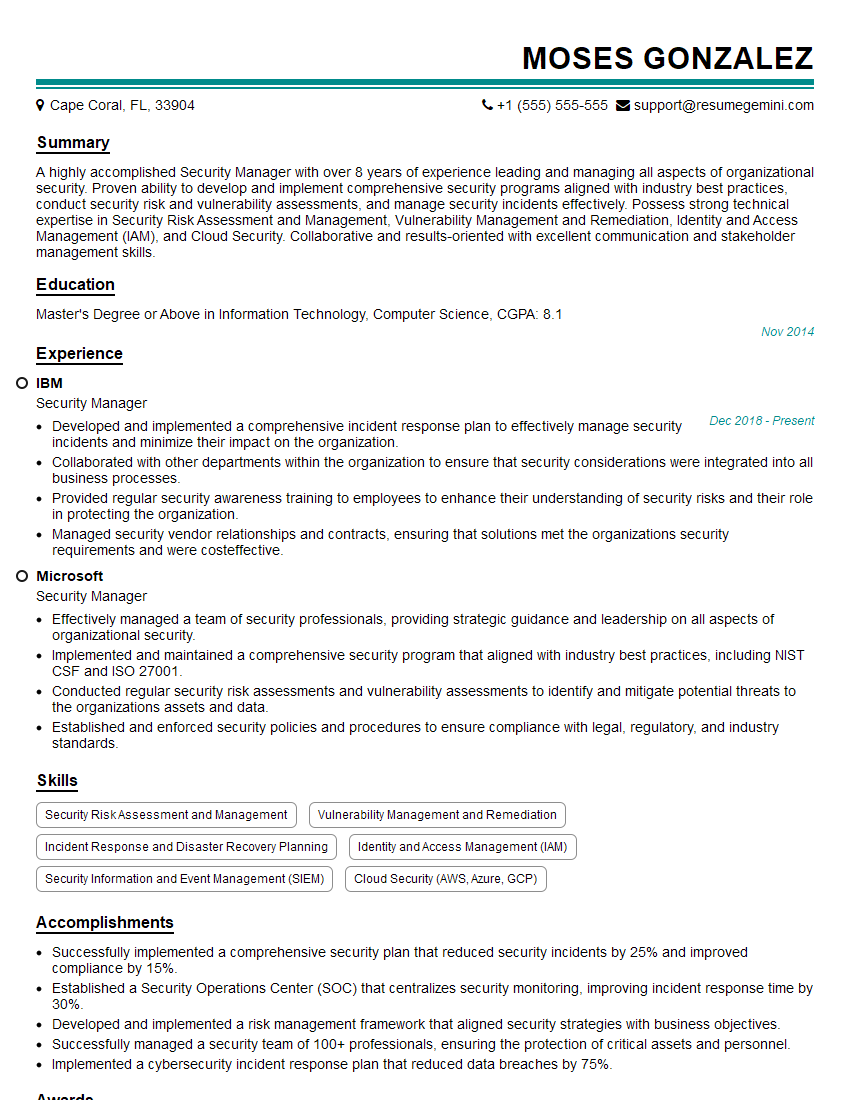
Security Manager Resume Sample
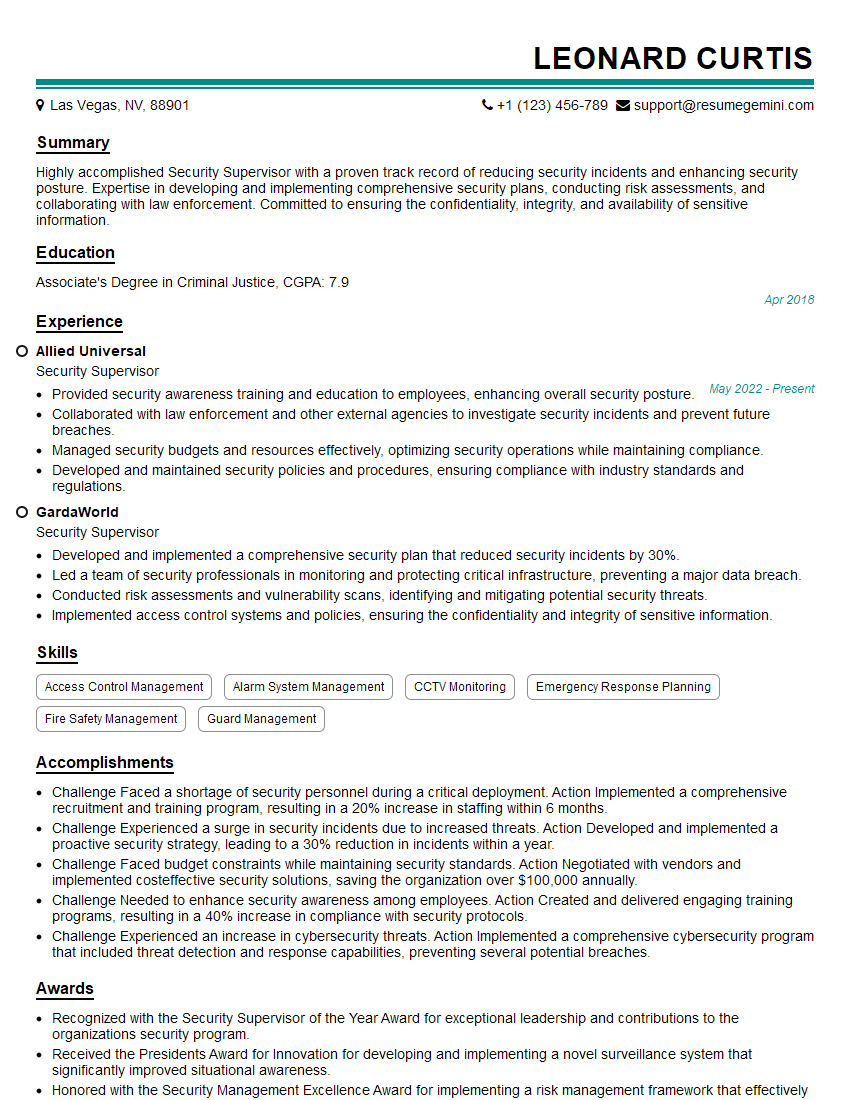
Security Supervisor Resume Sample
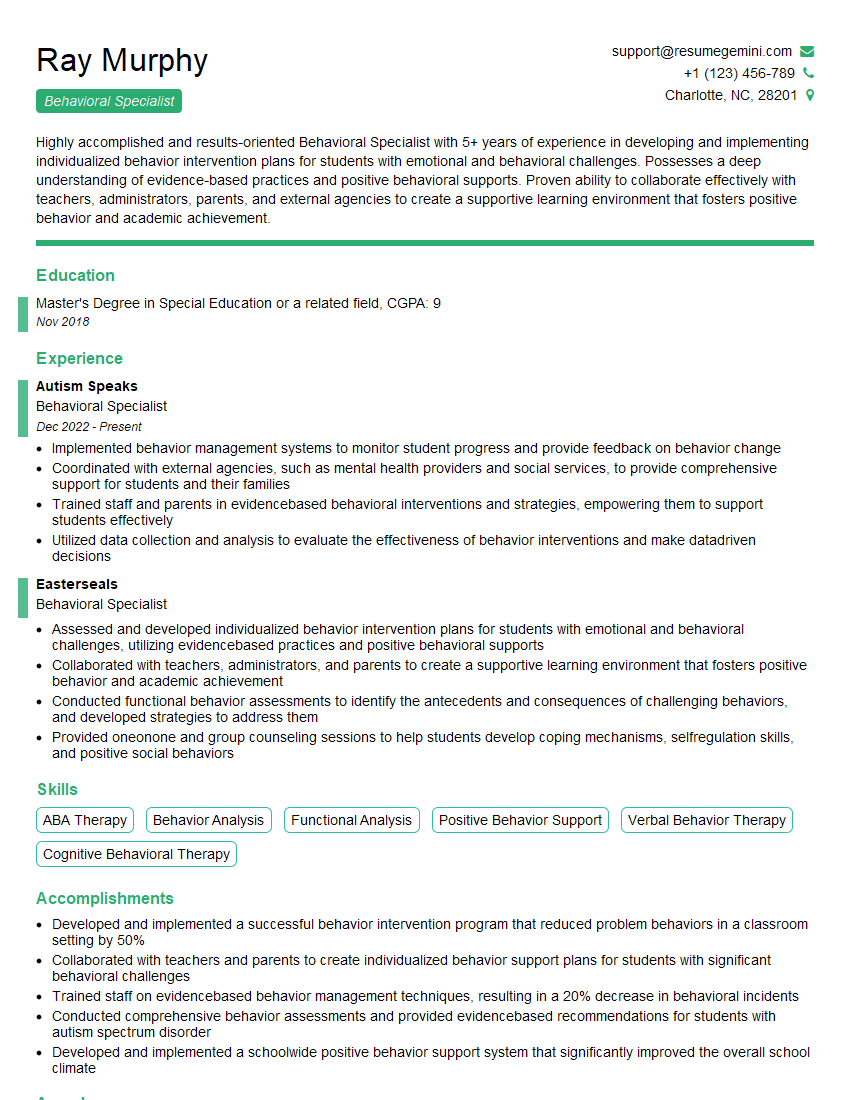
Behavioral Specialist Resume Sample
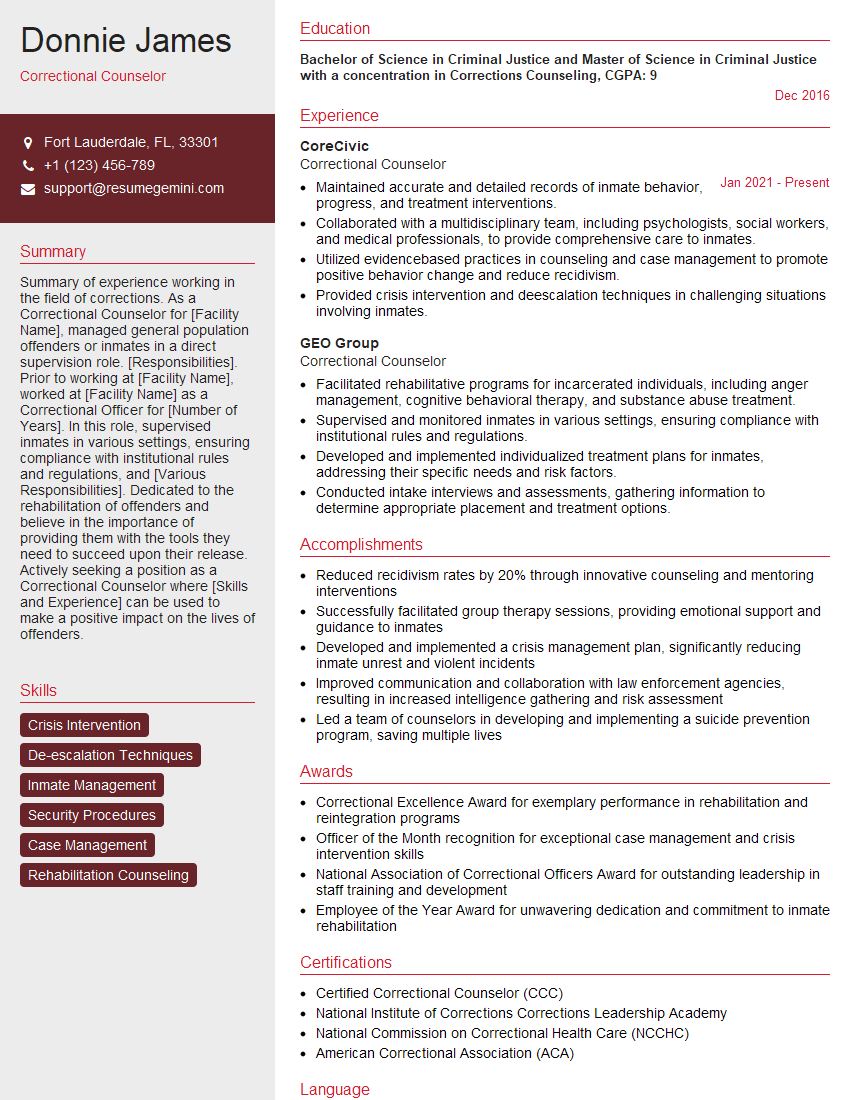
Correctional Counselor Resume Sample
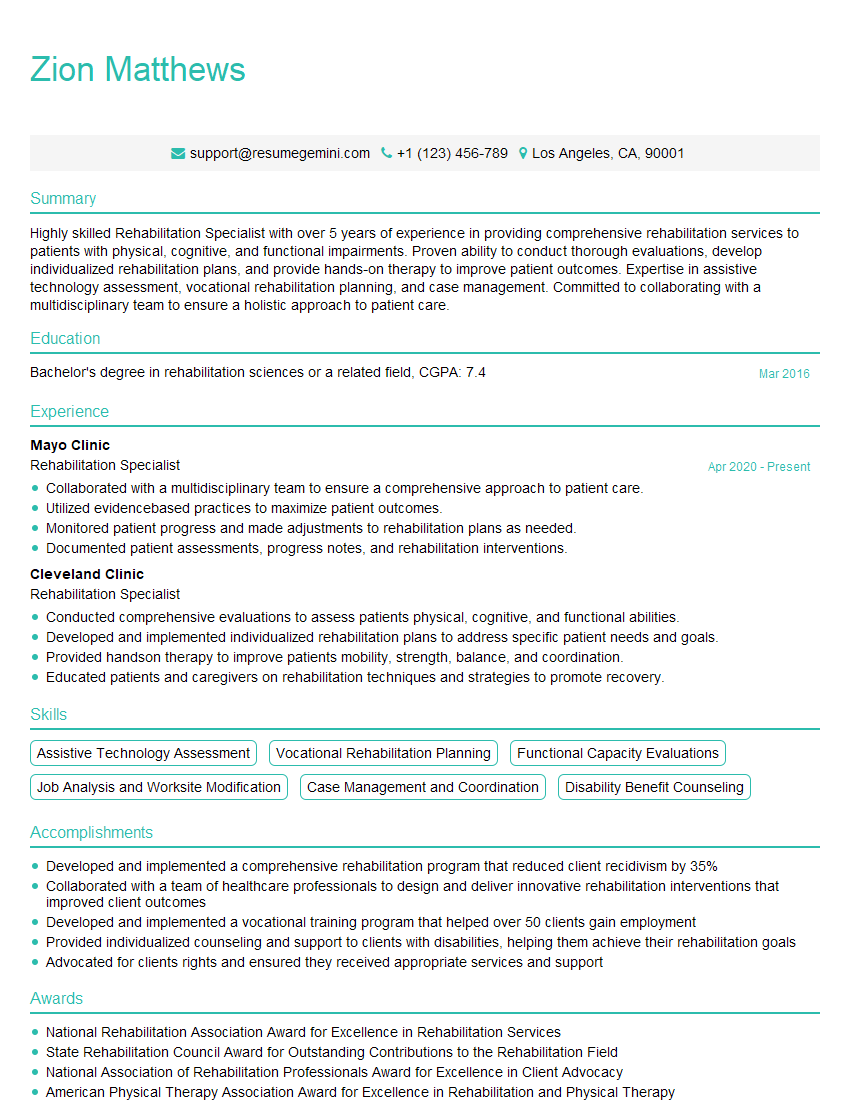
Rehabilitation Specialist Resume Sample
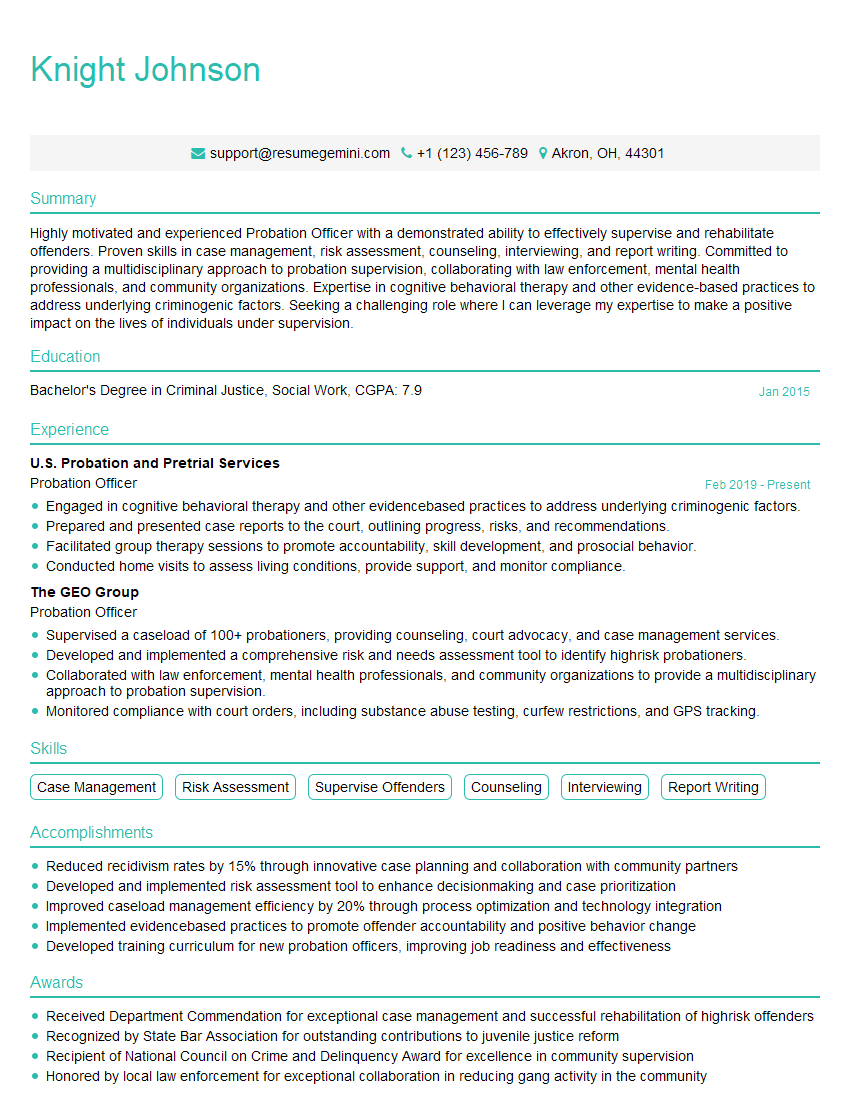
Probation Officer Resume Sample
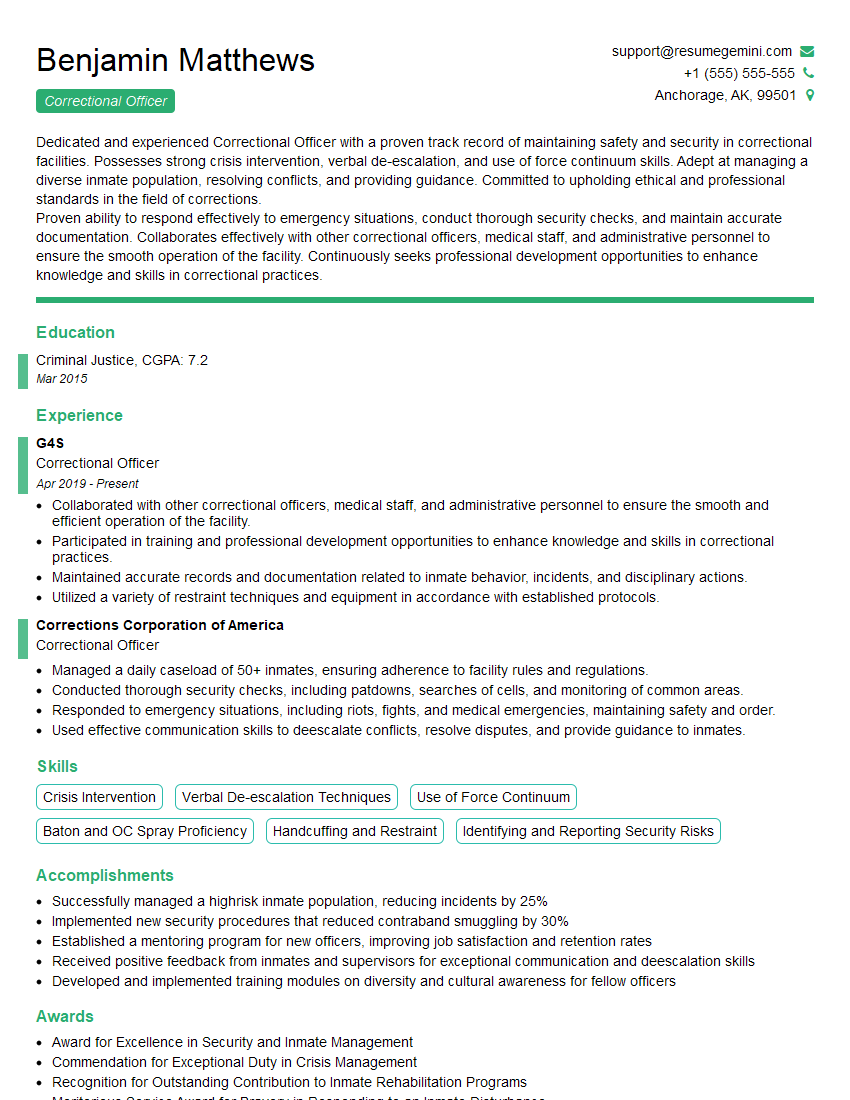
Correctional Officer Resume Sample
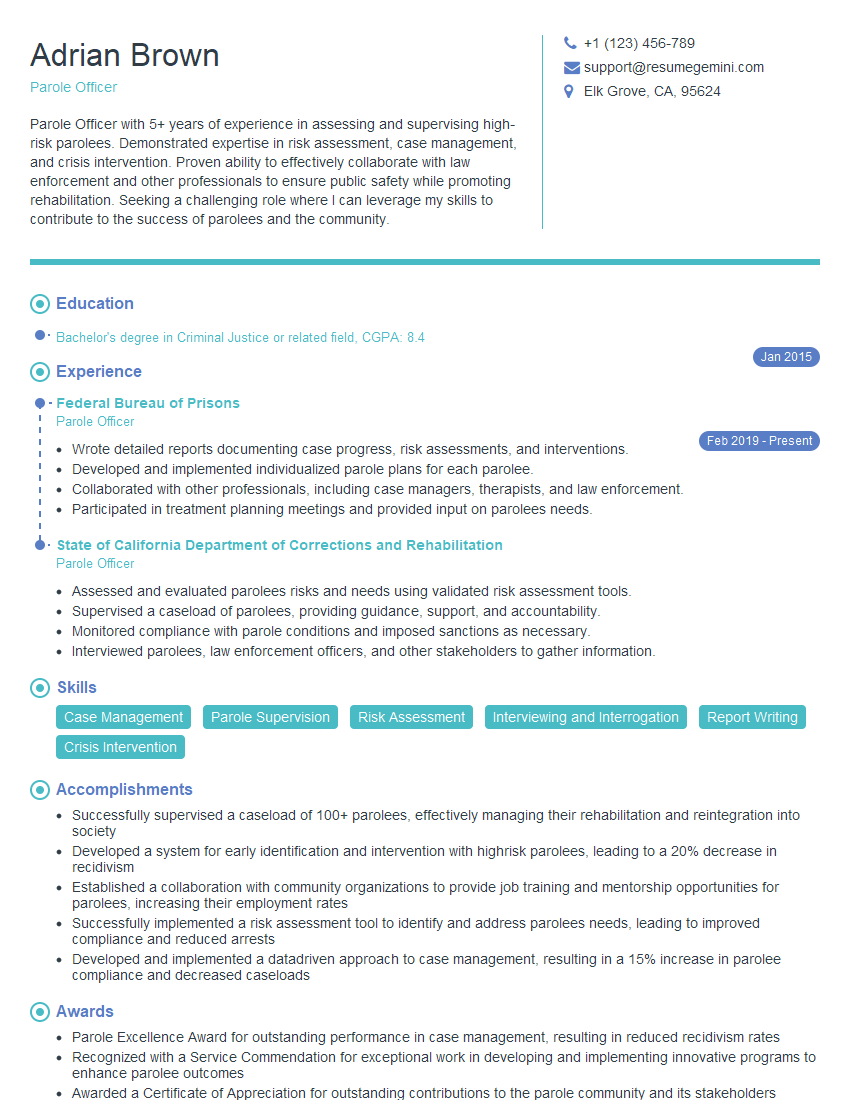
Parole Officer Resume Sample
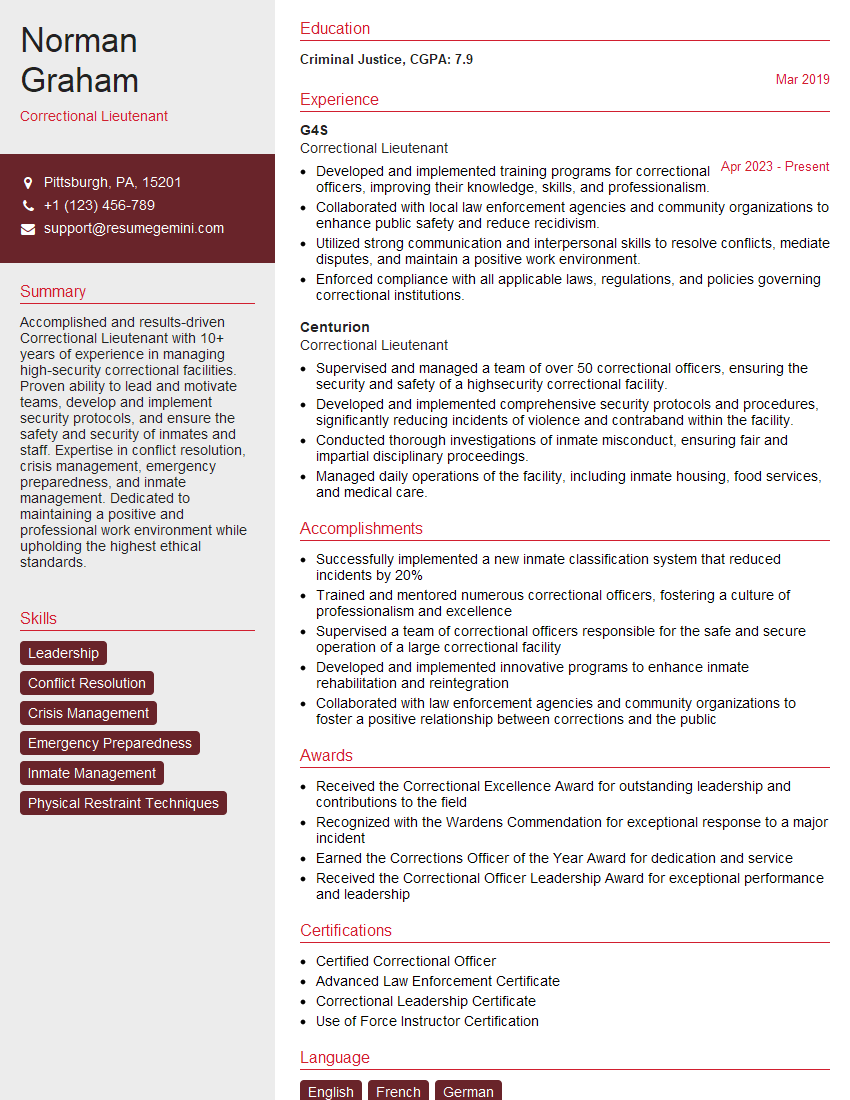
Correctional Lieutenant Resume Sample
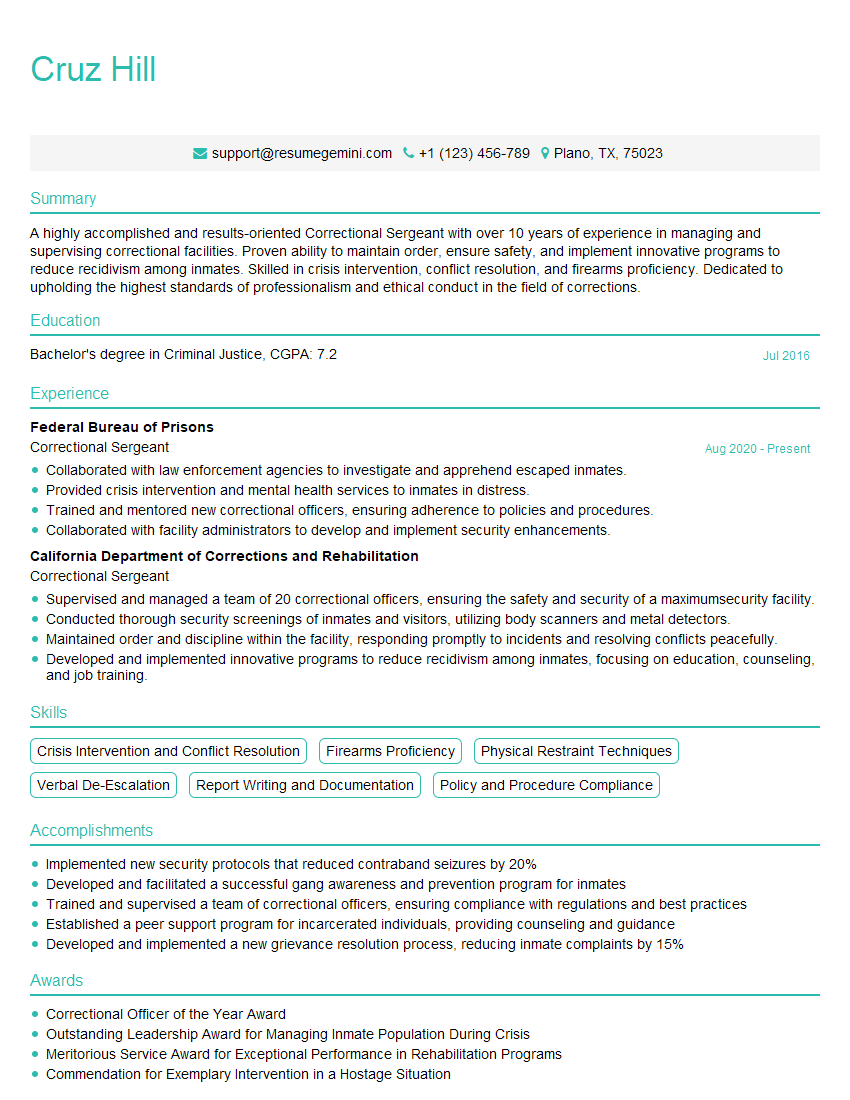
Correctional Sergeant Resume Sample
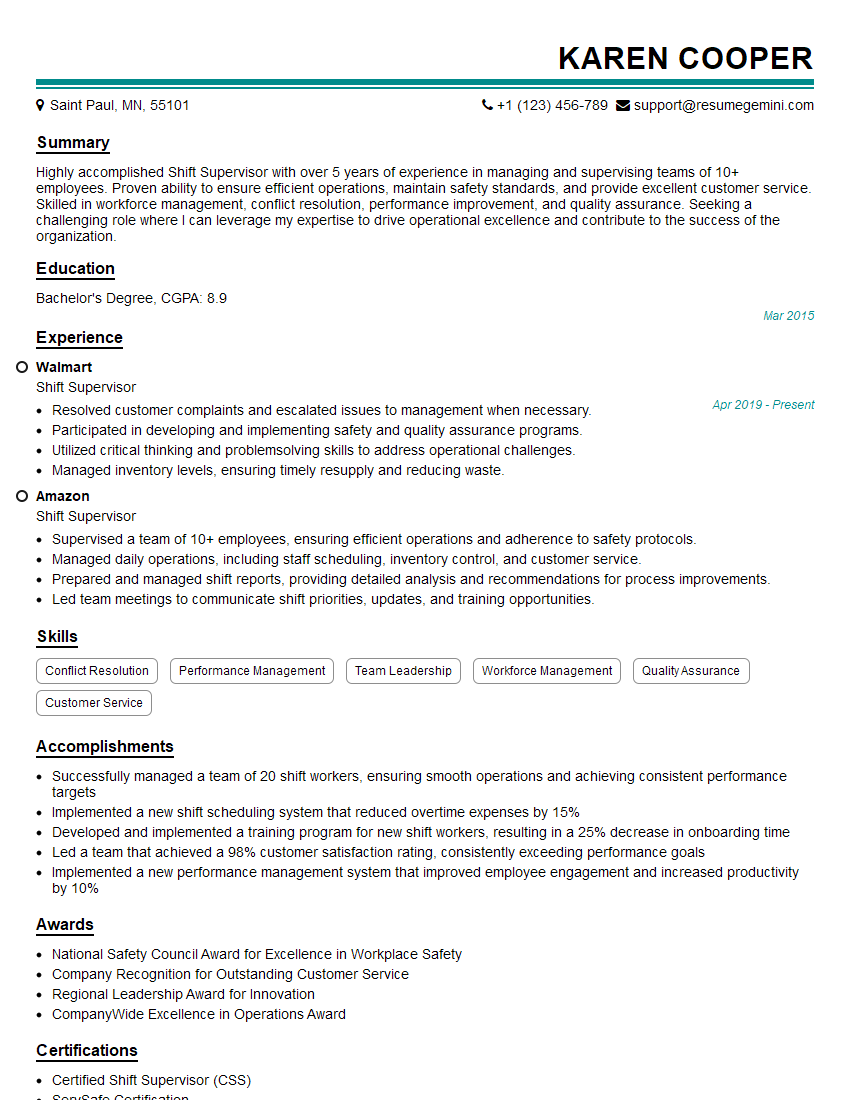
Shift Supervisor Resume Sample
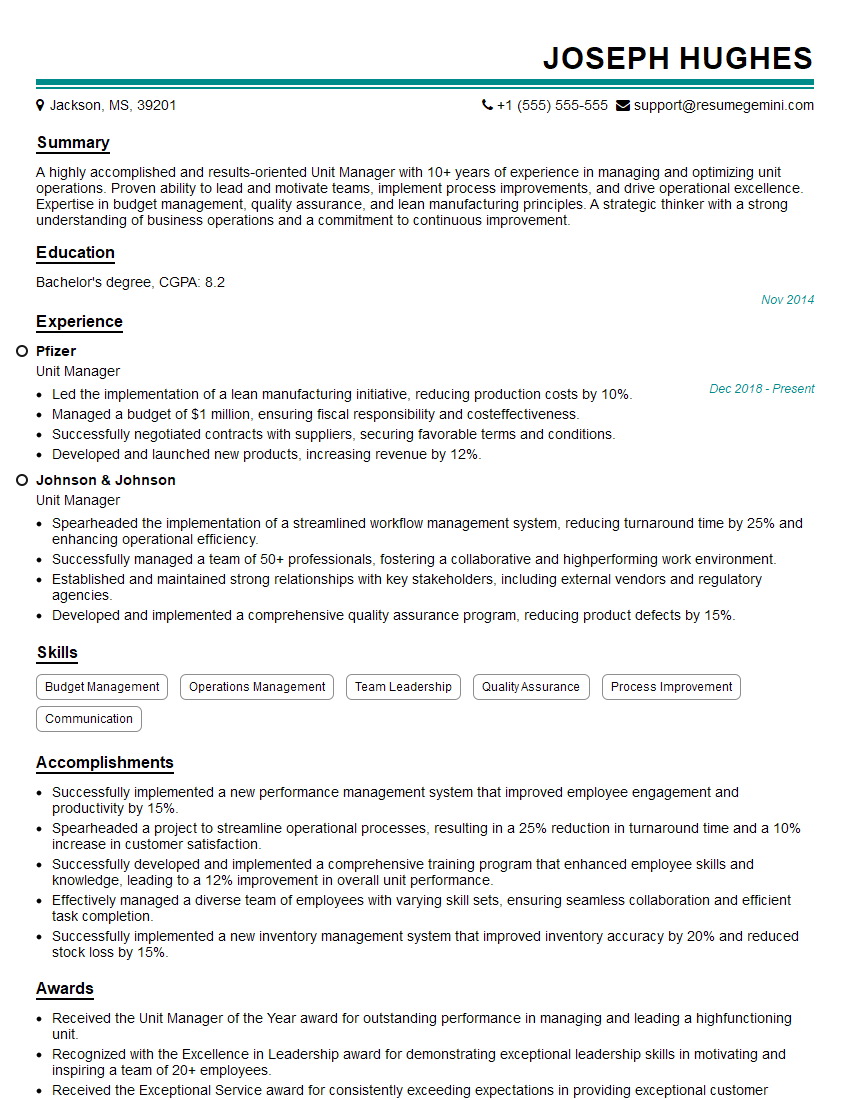
Unit Manager Resume Sample
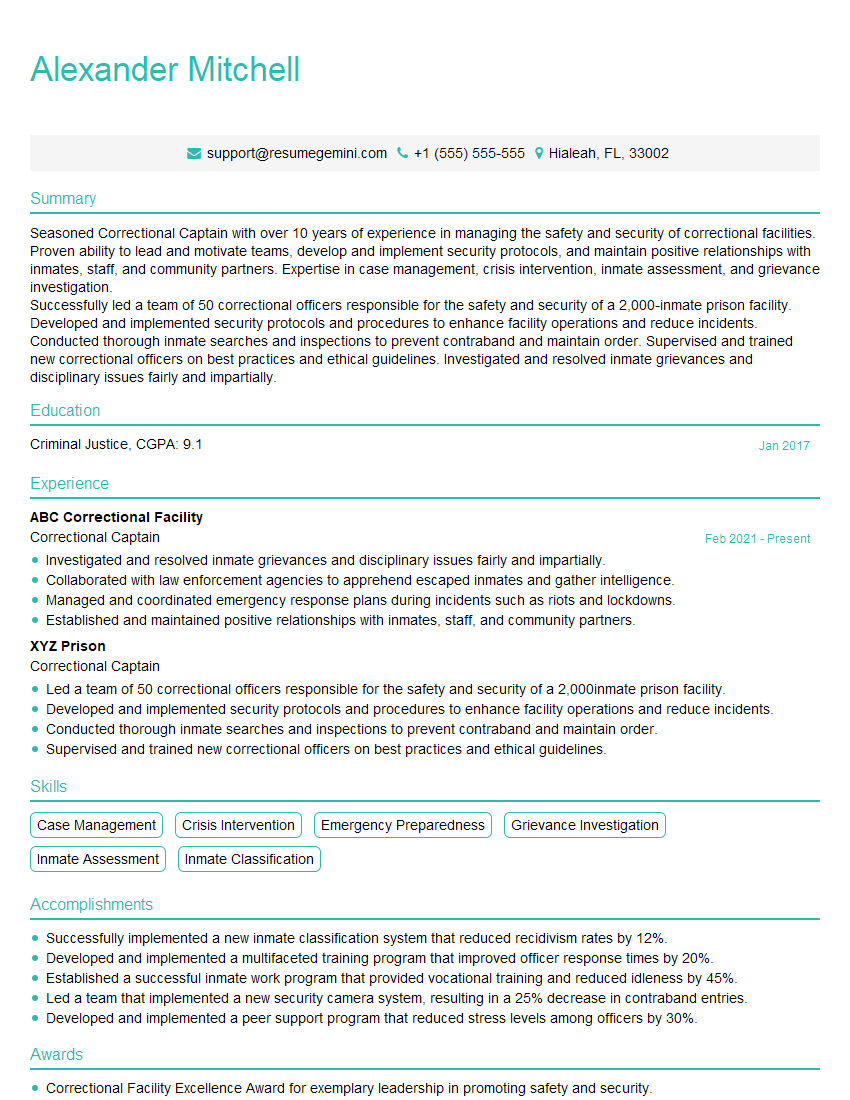
Correctional Captain Resume Sample
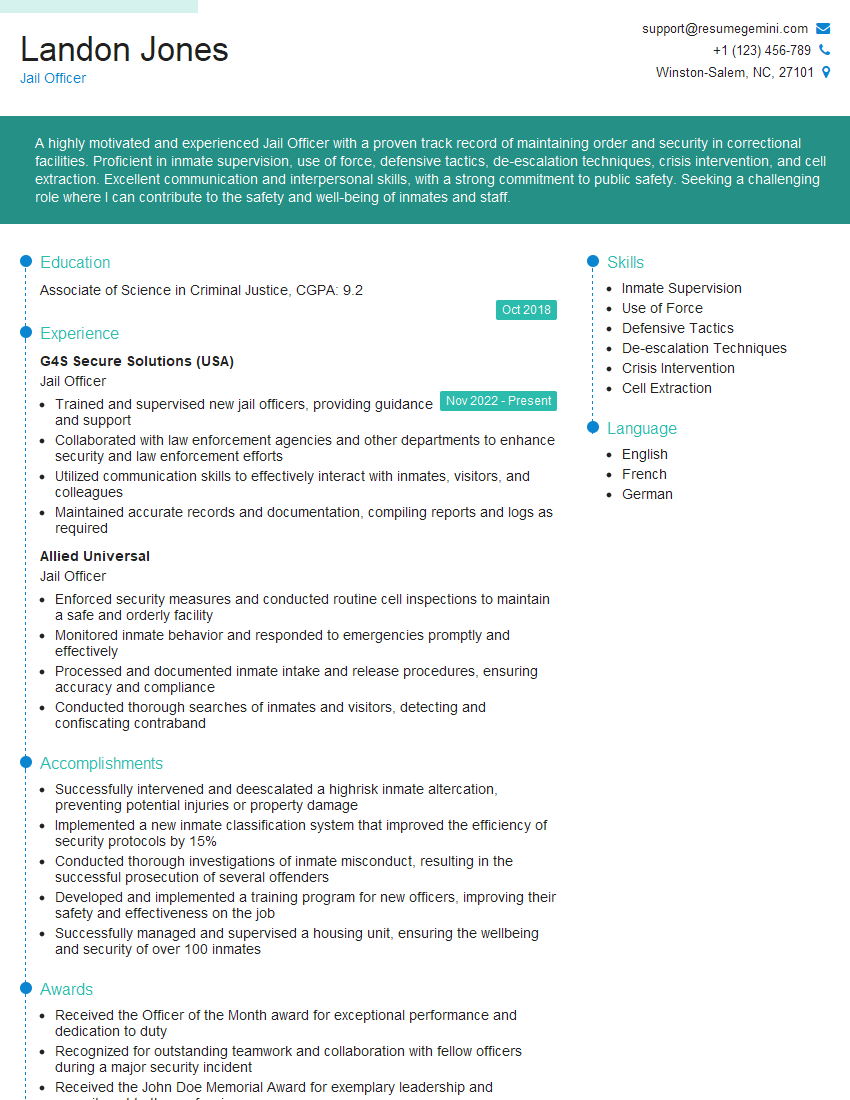
Jail Officer Resume Sample
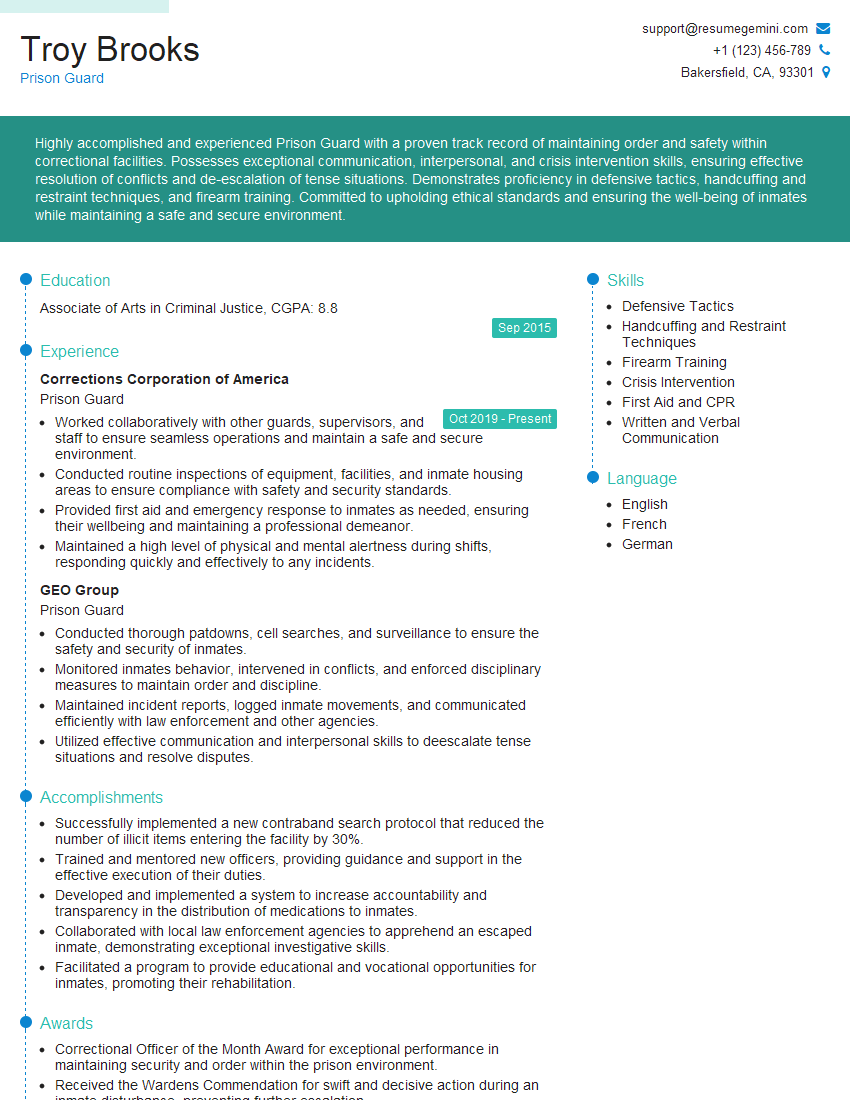
Prison Guard Resume Sample
Explore more articles
Users Rating of Our Blogs
Share Your Experience
We value your feedback! Please rate our content and share your thoughts (optional).
What Readers Say About Our Blog
Very informative content, great job.
good