Every successful interview starts with knowing what to expect. In this blog, we’ll take you through the top Inspect ties for defects and damage interview questions, breaking them down with expert tips to help you deliver impactful answers. Step into your next interview fully prepared and ready to succeed.
Questions Asked in Inspect ties for defects and damage Interview
Q 1. What are the common types of defects found in ties?
Common tie defects range from minor aesthetic flaws to significant structural issues impacting quality and wearability. They can be broadly categorized into fabric defects, construction defects, and finishing defects.
- Fabric Defects: These include flaws in the raw material, such as irregularities in weave, discoloration (e.g., uneven dyeing, shading), holes, slubs (thickened areas of yarn), and loose or broken yarns. Think of it like finding a knot in a perfectly smooth piece of yarn before it’s woven into a tie.
- Construction Defects: These involve problems during the manufacturing process. This includes misaligned seams, uneven stitching, skipped stitches, puckering, loose interlining (the inner layer of the tie providing structure), and incorrect fusing (the process of bonding the interlining to the outer fabric).
- Finishing Defects: These appear after the tie is constructed. Examples include improper pressing, resulting in wrinkles or creases; uneven tipping (the small piece of fabric at the end of the tie); and inconsistent or faulty labeling.
Identifying these defects requires a keen eye for detail and a thorough understanding of the tie-making process. For instance, a subtle change in fabric shade might be imperceptible to the untrained eye, but a quality inspector would easily spot it.
Q 2. Describe your experience with different tie fabrics and their unique inspection challenges.
My experience encompasses a wide range of tie fabrics, each presenting unique inspection challenges. Silk, for example, is notoriously delicate and requires gentle handling to avoid damage during inspection. Its inherent sheen can also make subtle defects such as uneven dyeing or shading harder to detect than in a matte fabric like wool. I use both direct visual inspection and raking light to highlight any irregularities.
With woven ties (like those made from silk or wool), I carefully examine the weave structure for any inconsistencies. Knit ties (often made from cotton or polyester blends), on the other hand, require a focus on the loops and their regularity. The inherent stretchiness of knit fabric makes dimensional accuracy a particular concern. Synthetic fabrics like polyester can be more resistant to damage but are prone to issues like pilling (the formation of small balls of fiber on the surface). Each fabric’s unique properties dictate the specific inspection techniques needed to guarantee quality.
Q 3. How do you identify color inconsistencies in ties?
Identifying color inconsistencies requires a methodical approach. I use a combination of techniques:
- Visual Inspection under Consistent Lighting: I use a light box or a well-lit area with consistent lighting to minimize shadows and accurately assess color uniformity across the entire tie. Inconsistencies show up as shading, streaking, or blotches of different hues.
- Color Comparison: I compare the tie against a color standard or a reference sample to identify deviations. Even slight variations can be noticeable when compared side-by-side.
- Using a Spectrophotometer (for precise measurements): In cases where precise color measurement is crucial, I use a spectrophotometer to obtain objective numerical data on color variations. This instrument provides accurate L*a*b* values, which quantify color differences.
For example, a subtle variation in dye absorption might cause a lighter band across the tie, a problem readily visible under controlled lighting conditions and detectable through spectrophotometric analysis if required.
Q 4. Explain your process for inspecting tie seams and stitching.
Inspecting tie seams and stitching is a critical aspect of quality control. My process involves:
- Visual Examination: I carefully examine all seams for alignment, ensuring they are straight and even. I check for any skipped stitches, loose threads, or inconsistent stitch length. A magnifying glass can be invaluable here.
- Touch and Feel: I run my fingers along the seams to detect any puckering or unevenness that might not be immediately apparent visually. This helps to find areas of tension or weak points in the stitching.
- Stress Testing (in certain cases): For high-end ties or those intended for frequent use, I may gently tug on the seams to assess their strength and durability. This is done with caution to avoid damaging the tie.
Any defects, such as inconsistent stitching or weak seams, are carefully documented, including their location and severity. A poorly sewn seam, for instance, can weaken the structural integrity of the tie and lead to premature failure.
Q 5. How do you measure the dimensional accuracy of a tie?
Measuring the dimensional accuracy of a tie involves using precise measuring tools. This ensures the tie conforms to pre-defined specifications. Key measurements include:
- Blade Width: The width of the tie’s widest point.
- Length: The overall length of the tie, from the tip to the knotting point.
- Tip Width: The width of the tie at its narrowest point (the tip).
I use a flexible measuring tape or a ruler, depending on the specific measurement. For blade width and tip width, I take multiple measurements at different points to average out any slight irregularities. Digital calipers can also be employed for higher precision.
Q 6. What are the acceptable tolerance levels for tie dimensions?
Acceptable tolerance levels for tie dimensions vary depending on the tie’s grade and intended market. However, generally, the tolerance should be minimal to ensure consistent quality. A commonly accepted range is +/- 2 mm to 3 mm for the blade width and length. This means that the actual measurements should fall within a range of 2-3 mm above or below the specified dimensions. The tolerance for tip width is typically slightly tighter, often +/- 1 mm to 2 mm.
Exceeding these tolerances could indicate issues in the cutting or manufacturing process and result in ties that don’t fit or drape properly. A tie with significantly larger or smaller dimensions than specified would be considered unacceptable.
Q 7. How do you document inspection findings?
I meticulously document inspection findings to provide a clear and comprehensive record of the tie’s quality. My documentation includes:
- Detailed Description of Defects: A precise description of each defect, including its type, location, and severity (e.g., “Minor discoloration near the tip,” “Loose stitching at the seam near the bottom”).
- Visual Documentation (Photos/Videos): High-resolution photos and sometimes videos of the defects. This is especially useful for color inconsistencies or complex construction problems.
- Measurement Data: Recorded dimensional measurements to show whether the tie meets specifications.
- Tie Identification: Clear identification of the tie, including batch number, fabric type, and any relevant manufacturing information.
- Overall Assessment: A summary assessment classifying the tie as “acceptable,” “reworkable,” or “rejected.”
This thorough documentation allows for efficient tracking of quality issues, identification of patterns or recurring problems, and facilitates communication with manufacturers for corrective actions.
Q 8. What software or tools do you use for tie inspection?
Tie inspection often involves a combination of visual assessment and the use of specialized tools. While there isn’t specific software dedicated solely to tie inspection, I utilize several tools to enhance accuracy and efficiency. For instance, I regularly employ a high-resolution digital camera to capture detailed images of potential defects, allowing for later review and documentation. This is crucial for creating a comprehensive record and for sharing findings with colleagues or clients. I also use a calibrated measuring tape for precise measurements of tie dimensions, checking for deviations from specifications. This is particularly important for detecting warping, twisting, or dimensional inconsistencies. Finally, I may use a moisture meter to assess the moisture content of the ties, which is a key indicator of their overall condition and potential for decay.
Q 9. How do you handle discrepancies found during inspection?
Discrepancies found during inspection are handled systematically to ensure timely resolution and prevent further issues. First, I thoroughly document all findings, including precise locations, types of defects, and relevant measurements using detailed notes and photographs. This comprehensive documentation forms the basis of my report. Then, I categorize the discrepancies based on severity – a system I’ll explain in more detail in the next answer. Finally, I communicate my findings clearly and concisely to the relevant parties (e.g., project manager, construction crew). I work collaboratively to identify the best course of action, whether that involves repair, replacement, or adjustments to construction processes. Open communication and clear documentation are key to efficiently resolving these issues.
Q 10. Describe your experience with different inspection methods (visual, tactile, etc.).
My experience encompasses a range of inspection methods, each offering unique insights. Visual inspection is fundamental, allowing me to quickly assess the overall condition of the ties and identify readily apparent defects like cracks, splits, or significant warping. Tactile inspection, involving careful handling and feeling the ties, helps detect subtle imperfections that might be missed visually, such as internal rot or hidden damage. Sometimes, a combination of both methods is necessary to get a complete picture. For instance, visually inspecting a tie might reveal a surface crack, but tactile inspection would help determine its depth and whether it compromises the structural integrity. In particularly challenging cases, I might use advanced techniques like non-destructive testing methods, such as ultrasonic testing, to evaluate internal conditions without causing damage to the ties.
Q 11. How do you prioritize defects based on severity?
Defect prioritization is based on a severity scale, typically ranging from minor to critical. Minor defects, such as small surface scratches, might not significantly impact structural integrity and can often be accepted within tolerance limits. Moderate defects, like minor splits or warping that does not compromise the functionality of the tie, require closer monitoring. Critical defects, including large cracks, significant warping, or signs of decay, require immediate attention and potentially lead to the replacement of the tie. This prioritization ensures that resources are allocated effectively to address the most critical issues first and prevent potential safety hazards or structural failures. The specific criteria for each level are often defined in project specifications or industry standards. For instance, a crack exceeding a certain length might be classified as critical, while a smaller crack might be considered moderate.
Q 12. How do you ensure consistent application of inspection standards?
Consistent application of inspection standards is paramount to ensure objectivity and reliability. I achieve this by adhering to established checklists, which guide the inspection process and maintain uniformity across all assessments. Regular calibration of measuring instruments is also essential to minimize measurement errors. Furthermore, I continuously update my knowledge on the latest industry standards and best practices relevant to tie inspection. Participating in professional development programs helps me stay abreast of any changes and refine my inspection techniques. Finally, I maintain detailed records of each inspection, which helps to ensure accountability and allows for retrospective analysis of my findings to identify trends and improve processes. This contributes to greater consistency and efficiency in the long run.
Q 13. Explain your experience with using a measuring tape or other precision instruments.
I have extensive experience using a measuring tape and other precision instruments for accurate measurements during tie inspections. For example, I regularly use a calibrated steel measuring tape to obtain precise length, width, and depth measurements of ties. I meticulously check for any warping or twisting by measuring diagonally and comparing to the nominal dimensions. This helps identify any deviations from the specified dimensions. Beyond the measuring tape, I might use a digital caliper for more precise measurements of smaller components or features. I always ensure the instruments are calibrated to the highest standards to maintain measurement accuracy, documenting calibration dates and results. This precision is especially crucial when dealing with high-value projects or when assessing the structural integrity of critical components.
Q 14. Describe a time you had to identify a root cause of recurring defects in ties.
In one project, we experienced recurring instances of excessive warping in a particular batch of ties. Initial inspections only identified the symptom—the warping itself. To determine the root cause, I systematically investigated various potential factors. We reviewed the manufacturing process, checking for deviations in the curing or treatment of the timber. We also analyzed the storage conditions, considering the possibility of improper handling or exposure to excessive moisture. Through this thorough investigation, we discovered that a change in the supplier’s drying process had resulted in uneven moisture distribution within the ties. This uneven drying was identified as the root cause of the warping. By working with the supplier to revert to their previous drying process, we eliminated the recurring defect. This experience highlighted the importance of a systematic approach to root cause analysis, involving careful data collection, thorough investigation, and collaborative problem-solving.
Q 15. How do you handle pressure and deadlines during a high-volume inspection?
Handling high-volume inspections under pressure requires a structured approach. I prioritize efficiency without sacrificing accuracy. My strategy involves breaking down the inspection into manageable tasks, using checklists to ensure consistency, and employing time management techniques like the Pomodoro Technique to maintain focus. I also utilize a system of prioritizing critical defects, addressing those first to minimize downstream issues. For example, if I’m inspecting 500 ties, I might allocate 10 minutes per 100 ties, checking for major flaws like loose stitching or significant fabric damage first. Then I’ll move on to less critical issues such as minor color variations. Regular short breaks are crucial to avoid burnout and maintain accuracy throughout the process. Ultimately, proactive planning and a methodical approach allow me to meet deadlines without compromising quality.
Career Expert Tips:
- Ace those interviews! Prepare effectively by reviewing the Top 50 Most Common Interview Questions on ResumeGemini.
- Navigate your job search with confidence! Explore a wide range of Career Tips on ResumeGemini. Learn about common challenges and recommendations to overcome them.
- Craft the perfect resume! Master the Art of Resume Writing with ResumeGemini’s guide. Showcase your unique qualifications and achievements effectively.
- Don’t miss out on holiday savings! Build your dream resume with ResumeGemini’s ATS optimized templates.
Q 16. What are the common causes of fabric shrinkage or stretching in ties?
Fabric shrinkage or stretching in ties is often caused by improper pre-treatment or finishing of the fabric. Factors like the type of fiber (natural fibers like silk and wool are more prone to shrinkage than synthetics), the washing and drying process (high heat can cause shrinkage), and the finishing techniques used (certain chemicals or treatments can affect the fabric’s dimensions) all play a role. For instance, silk ties, if not properly pre-treated, might shrink after the first wash. Another common cause is the use of low-quality yarns or improper weaving techniques, resulting in inconsistent tension and stretching during wear. In polyester ties, improper heat-setting during manufacturing can lead to later shrinkage or stretching.
Q 17. How do you identify and document damage to tie interlining?
Identifying and documenting damage to tie interlining is crucial as it affects the tie’s shape and drape. I use a systematic approach. First, I visually inspect the interlining, checking for tears, holes, or any inconsistencies in its structure. Then, I use a magnifying glass, if necessary, to detect more subtle damage, such as broken fibers or weak points. I pay close attention to the area around the stitching, as this is often a point of stress. Documentation is crucial. I use a standardized form or digital system to record the type of damage (e.g., tear, hole, discoloration), its location (e.g., near the tip, at the center), and its severity (e.g., minor, moderate, severe). I use clear descriptive language and often include photographs as visual evidence. For example, I might note: “Minor tear (2mm) observed near the tip of the interlining; photograph attached.”
Q 18. What safety precautions do you take during the tie inspection process?
Safety is paramount during tie inspection. I always maintain a clean and organized workspace to minimize tripping hazards. When using magnifying glasses or other equipment, I follow manufacturer instructions carefully. I ensure proper lighting to reduce eye strain. If handling potentially hazardous materials (e.g., chemicals used in tie treatments), I wear appropriate personal protective equipment (PPE) like gloves and eye protection. Good posture is also important to prevent musculoskeletal issues from prolonged periods of sitting or standing during inspection. Finally, I regularly clean and maintain my inspection tools to prevent accidental injury.
Q 19. How familiar are you with different tie knotting styles and their potential impact on defects?
I’m very familiar with various tie knotting styles, such as the Four-in-Hand, Windsor, Half-Windsor, and Pratt knots. Understanding these styles is important because the knotting process can exacerbate existing defects or even create new ones. For example, a tie with a weak interlining might be more prone to wrinkling or losing its shape when tied in a tight knot like the full Windsor. A tie with loose stitching could unravel more easily under the stress of repeated knotting. My expertise enables me to identify potential issues even before the tying process, advising on suitable tie construction for different knotting styles, which enhances the quality and durability of the end product.
Q 20. How do you communicate inspection results to production teams?
I communicate inspection results to production teams clearly and concisely. I typically use a combination of written reports and visual aids. The written report includes a summary of findings, specific details on defects, and their location. I use a color-coded system or numerical scale to indicate the severity of defects. For example, a red flag might denote a critical defect requiring immediate attention, while a yellow flag indicates a minor defect that needs to be addressed. Photographs and visual representations are invaluable for pinpointing exact locations and types of damage. I also participate in feedback sessions with the production team to ensure that my findings are understood and appropriate actions are taken. Constructive feedback fosters improvement and strengthens the quality control process.
Q 21. What are your experience levels with different types of tie materials (silk, wool, cotton, polyester)?
I have extensive experience working with a variety of tie materials, including silk, wool, cotton, and polyester. My experience allows me to readily identify the specific characteristics of each material and adapt my inspection methods accordingly. For example, I know that silk is delicate and requires gentle handling, while polyester is more durable and can withstand more rigorous inspection. I am also familiar with common defects specific to each material—such as the tendency of silk to snag or the potential for color bleeding in cotton. Understanding these material-specific nuances is crucial for accurate and effective defect detection. This comprehensive knowledge also enables me to provide valuable input on material selection and quality assurance at the design and manufacturing stages.
Q 22. How do you ensure consistency in your inspection across different batches of ties?
Maintaining consistency in tie inspection across different batches is paramount to ensuring uniform quality. I achieve this through a multi-pronged approach. First, I meticulously follow a standardized checklist, detailing every aspect of the inspection, from fabric quality and stitching to knot tightness and overall symmetry. This checklist is reviewed and updated regularly to reflect any changes in industry best practices or client specifications. Second, I use calibrated measuring tools and consistent lighting conditions to minimize variations in assessment. Third, I conduct regular internal audits of my own work, comparing my findings against those of colleagues, to identify any discrepancies and refine my process. Finally, regular training sessions on new standards and techniques help maintain consistent interpretations of quality criteria.
- Standardized Checklist: This acts as a guide, ensuring all aspects of a tie are examined. For example, it might include checks for loose threads, misaligned patterns, and inconsistencies in the fabric weight.
- Calibrated Tools: Using tools like a calibrated ruler ensures objective measurements of tie length and width, avoiding subjective estimations.
- Consistent Lighting: Consistent lighting minimizes the impact of shadowing on the perceived quality of the tie’s fabric and design.
Q 23. Describe your experience with working with different tie manufacturing processes.
My experience encompasses a wide range of tie manufacturing processes, from traditional hand-stitching techniques to fully automated production lines. I’ve worked with ties made from various fabrics – silks, wools, cottons, blends – each presenting unique challenges in terms of defect detection. For example, identifying subtle irregularities in a finely woven silk tie requires a different level of attention than spotting imperfections in a coarser cotton weave. I’m familiar with different tie construction methods, including the seven-fold, four-in-hand, and knit tie constructions, and understand how these affect the potential for various types of defects. My understanding extends to the finishing stages, including pressing, steaming, and packaging, and how each stage can introduce or reveal defects.
Working with automated lines requires a keen eye to identify subtle inconsistencies in machine production that might be missed in visual inspection. On the other hand, working with hand-stitched ties emphasizes the need for meticulous examination of each stitch and knot, looking for loose threads, skipped stitches, or unevenness in the knot itself.
Q 24. How would you handle a situation where a batch of ties does not meet quality standards?
If a batch of ties fails to meet quality standards, my first step is to precisely document all discrepancies using photographs and detailed descriptions. This documentation is crucial for communicating the issue clearly to the manufacturer. Next, I carefully analyze the root cause of the defects. This might involve identifying issues with the raw materials, the manufacturing process, or even the inspection procedure itself. Depending on the severity and nature of the defects, the following actions might be taken:
- Minor Defects: These might be addressed through rework, such as repairing minor stitching flaws or correcting minor fabric imperfections.
- Major Defects: Significant defects often lead to the rejection of the entire batch or specific sub-batches depending on the scale and distribution of defects. I would then collaborate with the manufacturer to determine appropriate corrective actions to prevent similar issues in future production.
- Root Cause Analysis: This step is critical. It helps prevent similar problems by addressing the underlying cause of the defects.
Throughout this process, clear and concise communication with the manufacturer is essential. Regular updates and a collaborative approach are vital to resolving the issue efficiently and maintaining a positive working relationship.
Q 25. Describe a situation where you identified a potential defect that wasn’t initially apparent.
I recall a situation where a batch of ties appeared flawless during the initial inspection. However, upon closer examination under specific lighting conditions, I discovered a subtle inconsistency in the fabric’s dye. The variation in shade was barely perceptible under typical lighting but became clearly evident when the ties were illuminated by strong, direct light. This highlights the importance of utilizing a variety of inspection techniques and conditions to uncover potential defects that may not be apparent at first glance. This subtle defect, if unnoticed, would have impacted the overall quality and consistency of the product.
Q 26. How do you stay updated with the latest industry standards and best practices for tie inspection?
Staying updated in this field requires a proactive approach. I regularly attend industry conferences and workshops to learn about advancements in materials, manufacturing processes, and quality control techniques. I also subscribe to relevant trade publications and online resources to keep abreast of the latest standards and best practices. Furthermore, I actively participate in professional networks, sharing knowledge and learning from colleagues’ experiences. Continuous learning is vital to maintain my expertise and ensure I am consistently applying the most effective inspection methods.
Q 27. What are your strengths and weaknesses related to tie inspection?
My strengths lie in my meticulous attention to detail, my ability to identify even subtle defects, and my experience with a wide range of tie manufacturing processes. I’m also a highly organized and efficient worker who can meet tight deadlines without compromising quality. I’m adept at using various inspection techniques, and possess strong analytical skills that enable me to effectively identify and diagnose problems. My approach is always data-driven, using documented findings to support my observations.
One area I am constantly working on is my speed of inspection, while still maintaining the high standards of accuracy. Though my methodical approach ensures thoroughness, optimizing efficiency is an ongoing goal. I actively seek methods to streamline my process without compromising the quality of the inspection.
Q 28. What are your salary expectations for this role?
My salary expectations for this role are commensurate with my experience and expertise in tie inspection, aligning with the industry standard for similar positions with equivalent responsibilities. I’m open to discussing a competitive salary range based on the specifics of the role and the company’s compensation structure.
Key Topics to Learn for Inspecting Ties for Defects and Damage Interview
- Visual Inspection Techniques: Understanding different types of visual inspection methods (e.g., close-up examination, magnification) and their application to tie inspection.
- Defect Identification: Recognizing common defects in ties, such as fraying, discoloration, weakening, inconsistencies in weave, and material imperfections. Knowing how to accurately document and classify these defects.
- Damage Assessment: Determining the severity of damage to ties, assessing the extent of the defect, and understanding the implications for functionality or safety.
- Material Properties and Their Impact: Understanding the various materials used in ties (e.g., silk, wool, cotton, synthetic blends) and how their properties influence defect susceptibility and damage patterns.
- Industry Standards and Best Practices: Familiarity with relevant industry standards and best practices for tie inspection and quality control.
- Documentation and Reporting: Knowing how to accurately and thoroughly document inspection findings, using clear and concise language and appropriate terminology. Understanding different reporting formats.
- Problem-Solving and Critical Thinking: Applying analytical skills to identify the root causes of defects or damage in ties and propose solutions for prevention.
- Quality Control Processes: Understanding the role of tie inspection within broader quality control processes and procedures.
Next Steps
Mastering the art of inspecting ties for defects and damage is crucial for career advancement in quality control, manufacturing, and related fields. A strong understanding of these skills demonstrates attention to detail, problem-solving abilities, and a commitment to quality. To significantly boost your job prospects, it’s essential to present your qualifications effectively. Creating an ATS-friendly resume is key to getting your application noticed. We highly recommend using ResumeGemini to build a professional and impactful resume that showcases your expertise. ResumeGemini offers examples of resumes tailored to roles involving inspecting ties for defects and damage, helping you craft a compelling application that stands out from the competition.

Quality Control Manager Resume Sample
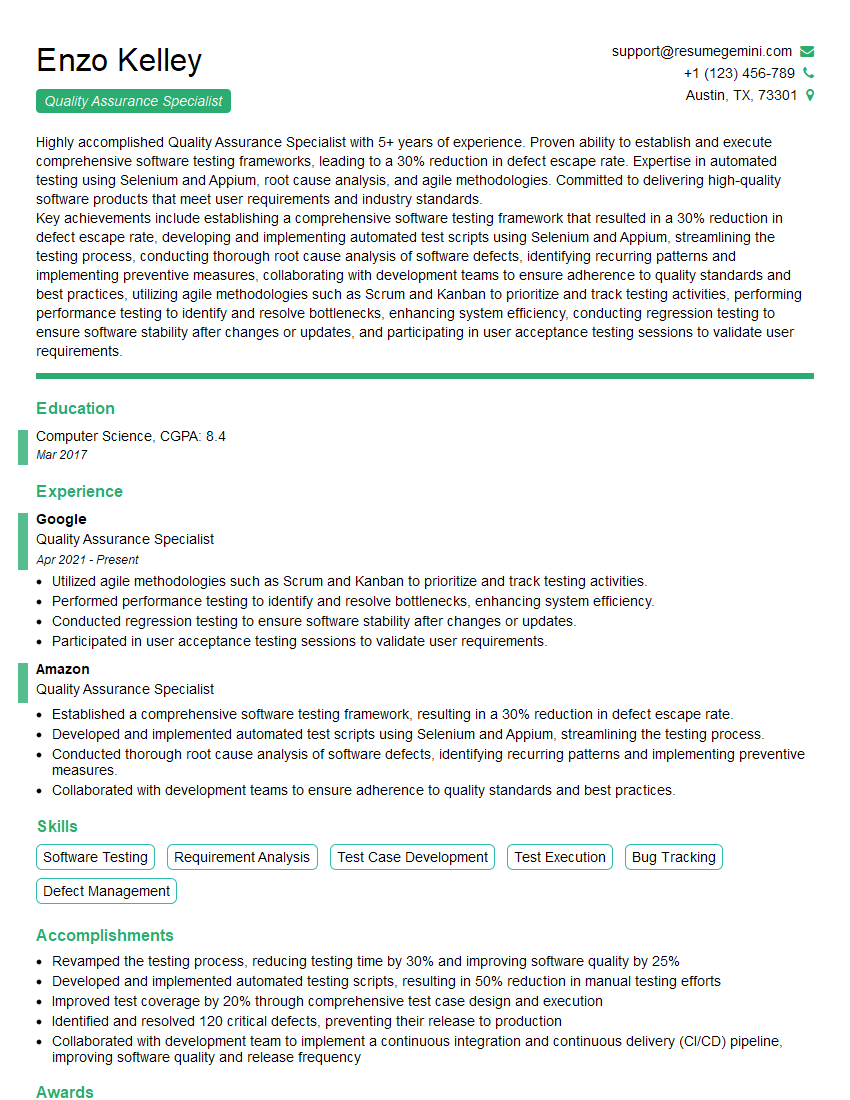
Quality Assurance Specialist Resume Sample

Quality Assurance Engineer Resume Sample
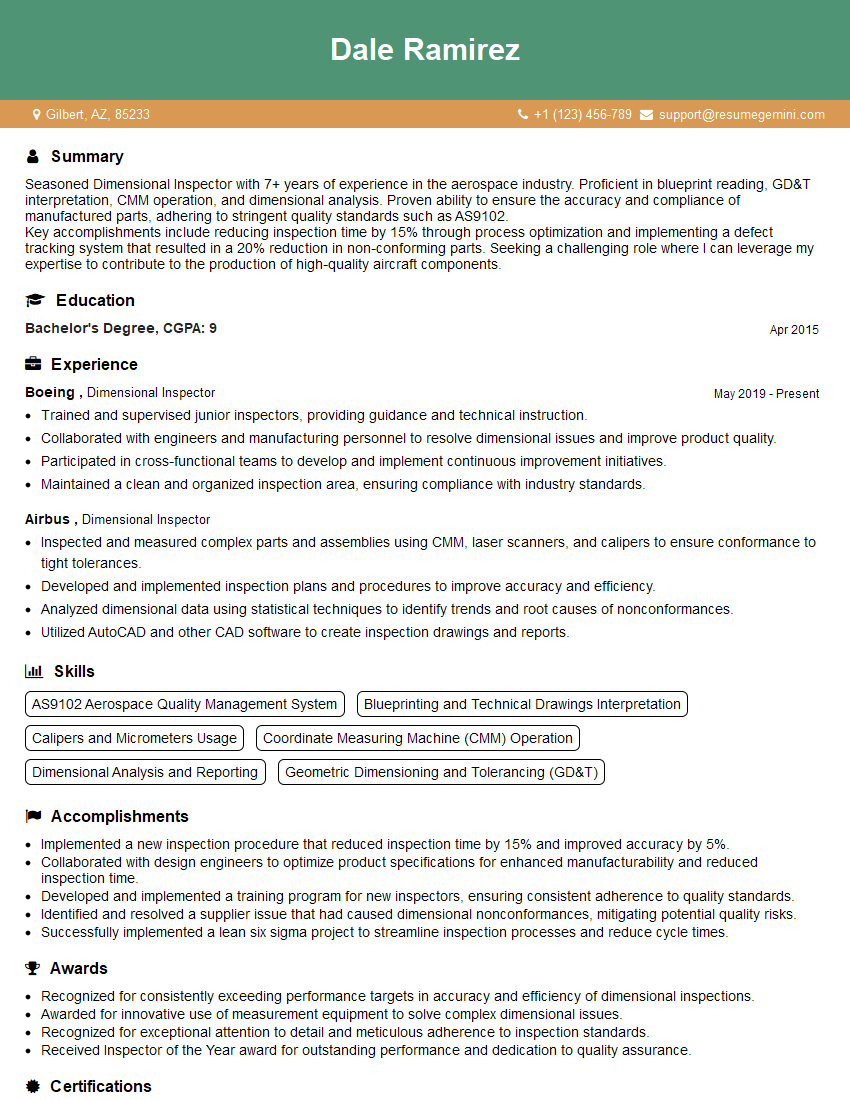
Dimensional Inspector Resume Sample
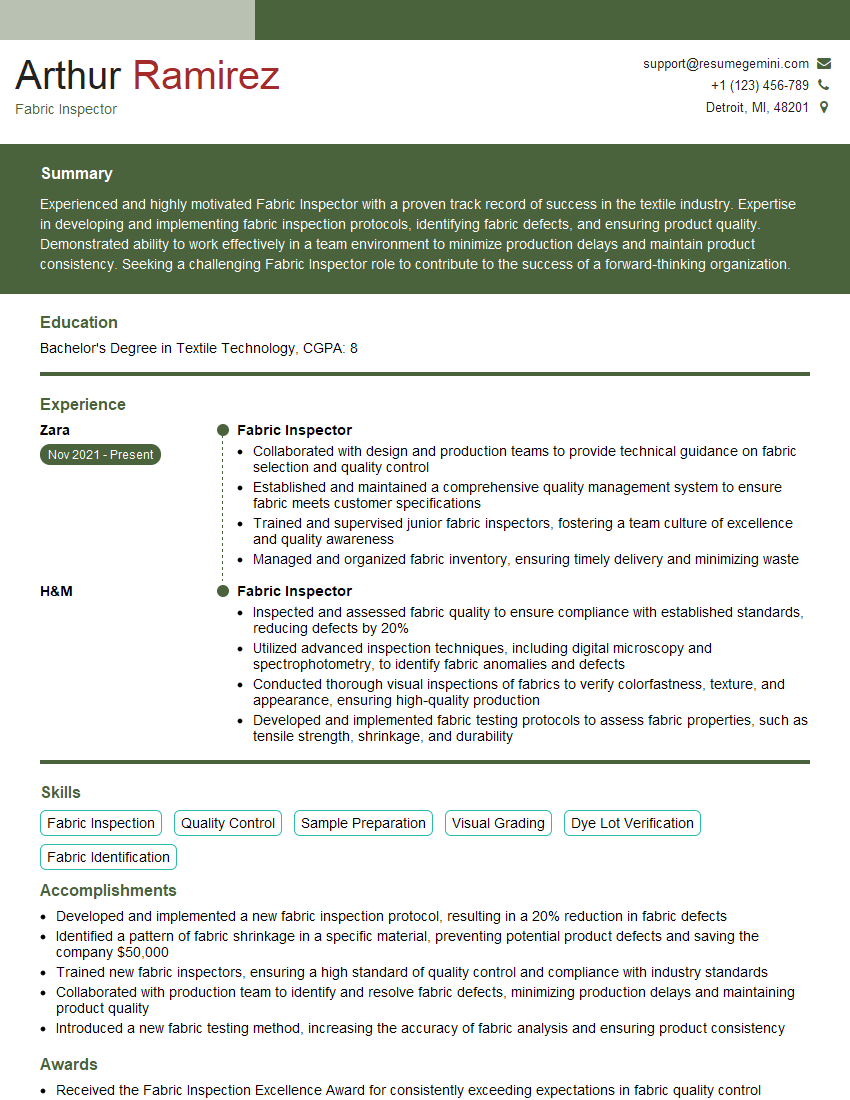
Fabric Inspector Resume Sample
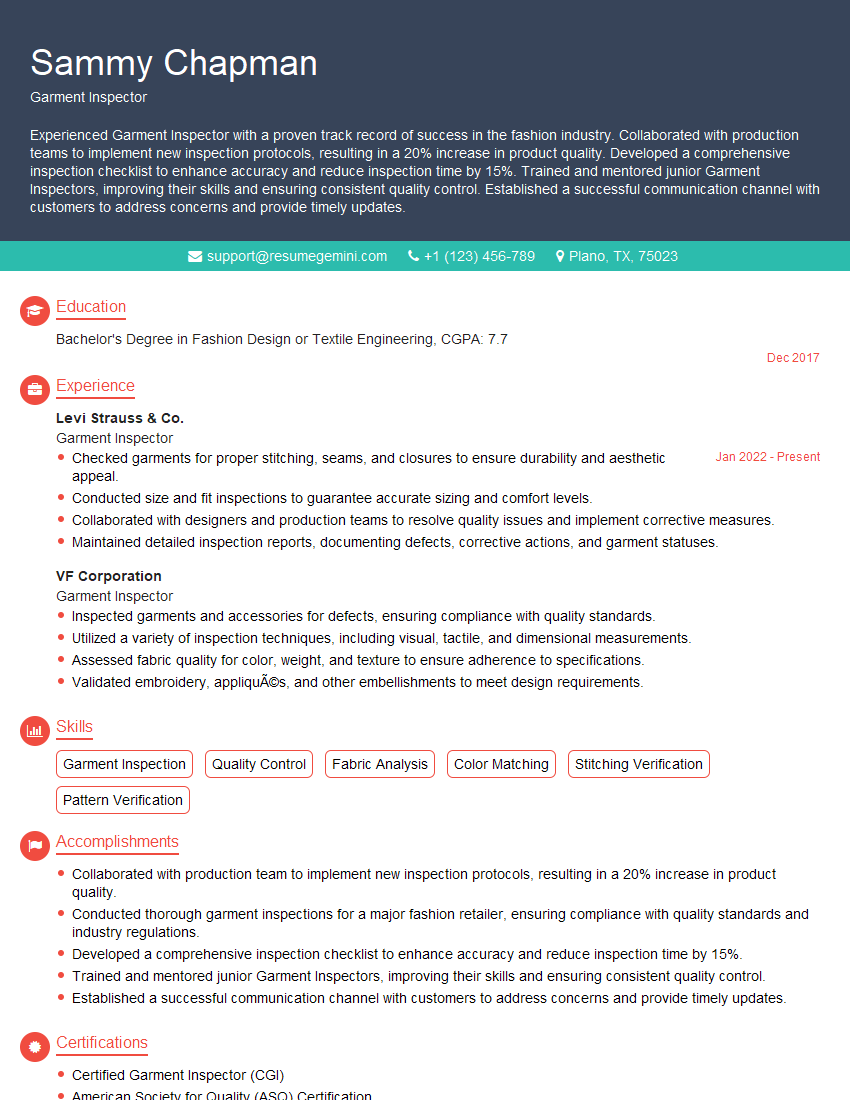
Garment Inspector Resume Sample
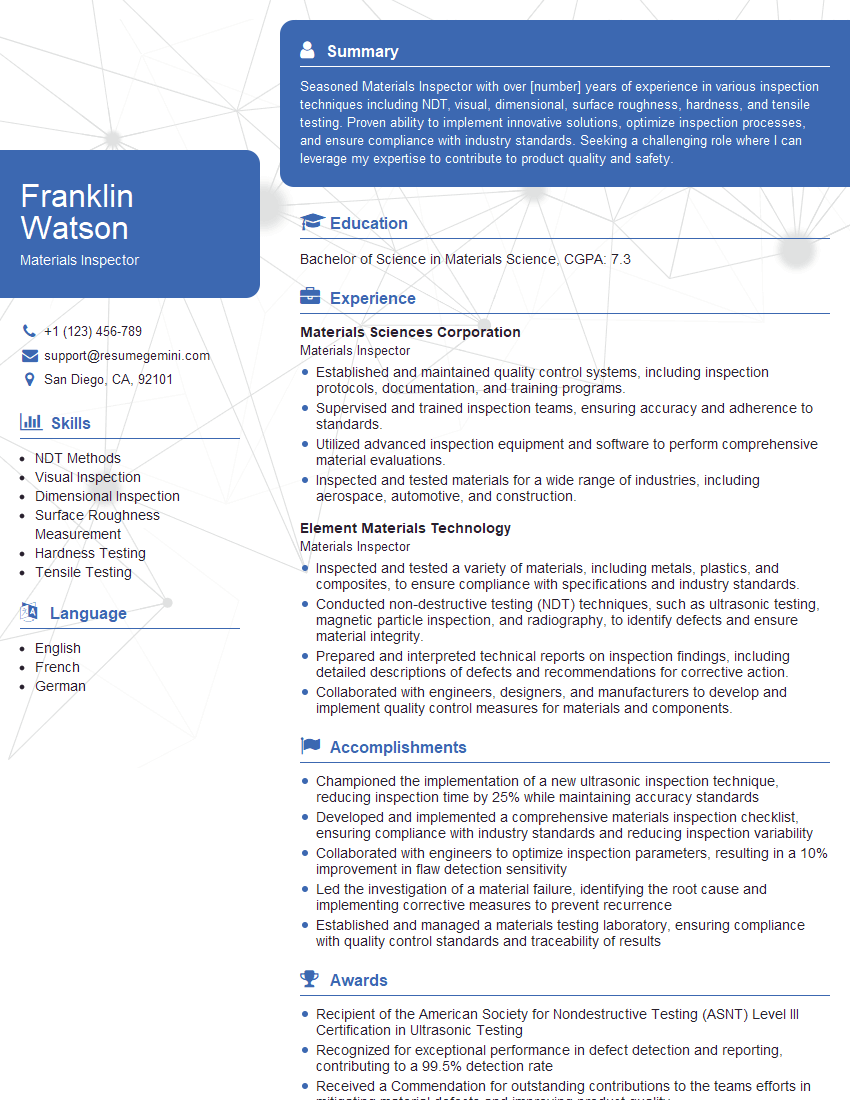
Materials Inspector Resume Sample
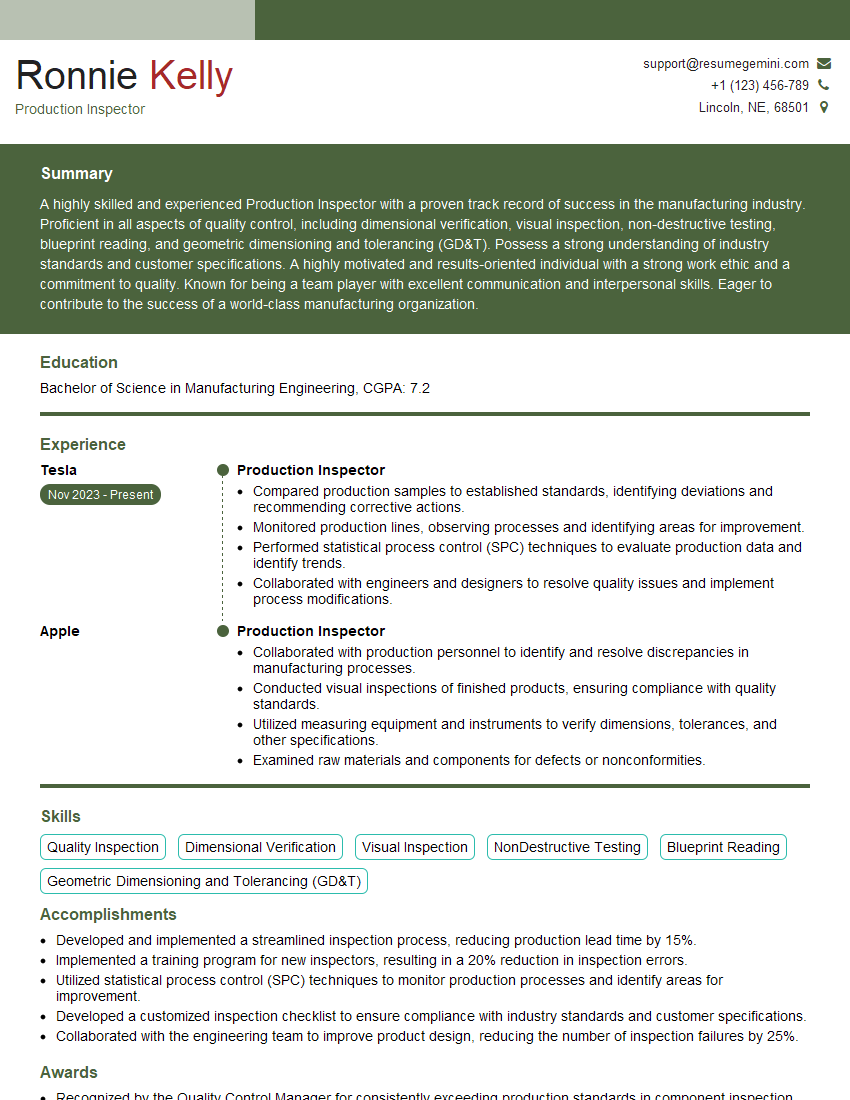
Production Inspector Resume Sample

Quality Control Inspector Resume Sample

Technical Inspector Resume Sample
Explore more articles
Users Rating of Our Blogs
Share Your Experience
We value your feedback! Please rate our content and share your thoughts (optional).
What Readers Say About Our Blog
Very informative content, great job.
good