Preparation is the key to success in any interview. In this post, we’ll explore crucial Inspection and Damage Assessment interview questions and equip you with strategies to craft impactful answers. Whether you’re a beginner or a pro, these tips will elevate your preparation.
Questions Asked in Inspection and Damage Assessment Interview
Q 1. Explain the different types of inspection methods you are familiar with.
Inspection methods vary greatly depending on the asset being inspected and the type of damage being assessed. I’m proficient in a range of techniques, broadly categorized as visual, non-destructive, and destructive methods.
- Visual Inspection: This is the most common starting point, involving a thorough examination with the naked eye, sometimes aided by magnifying glasses or basic tools like flashlights. It’s crucial for identifying surface defects, cracks, corrosion, and general wear and tear. For example, during a building inspection, I might visually assess the condition of the roof shingles, looking for missing tiles or signs of water damage.
- Non-Destructive Testing (NDT): These methods allow for assessment without causing damage to the asset. Examples include ultrasonic testing (UT) to detect internal flaws in materials, radiographic testing (RT) using X-rays to identify internal cracks or voids, and magnetic particle inspection (MPI) to detect surface and near-surface flaws in ferromagnetic materials. I’ve used UT extensively to assess the integrity of pipelines and welds.
- Destructive Testing: In some cases, small samples need to be removed and tested in a lab to determine the extent of damage or material properties. This is often done after non-destructive methods have indicated a potential problem. For instance, coring a concrete sample to analyze its compressive strength if there’s a concern about structural integrity.
The choice of method depends on factors like the material, accessibility, required accuracy, and cost constraints. Often, a combination of methods is used to get a comprehensive picture.
Q 2. Describe your experience with damage assessment documentation and reporting.
Damage assessment documentation and reporting are critical for maintaining a clear record of findings and supporting decision-making. My experience involves creating detailed reports that include:
- Photographs and Videos: High-resolution images and videos are essential for documenting the location and extent of damage. I utilize a combination of wide-angle and close-up shots to capture all relevant details.
- Detailed Sketches and Diagrams: Hand-drawn or digital sketches can help illustrate complex damage patterns or relationships between different components. These are particularly helpful for structural assessments.
- Quantitative Data: Numerical measurements (e.g., crack lengths, depth of corrosion) are vital for objective assessment. I utilize calibrated tools and recording equipment to ensure accuracy.
- Qualitative Observations: Descriptive notes about the condition, color, texture, or other relevant characteristics of the damage are included.
- Analysis and Conclusions: I analyze the collected data to draw conclusions about the cause, severity, and potential consequences of the damage, including safety implications.
- Recommendations: Finally, the report includes recommendations for repair, remediation, or further investigation, potentially including cost estimates.
I am meticulous in ensuring that all reports are well-organized, easy to understand, and comply with relevant standards and regulations. I’ve presented my findings to various stakeholders, including engineers, insurance adjusters, and clients, adapting my communication style accordingly.
Q 3. How do you prioritize multiple inspection tasks with competing deadlines?
Prioritizing multiple inspection tasks with competing deadlines requires a structured approach. I typically use a combination of techniques:
- Urgency and Impact Assessment: I assess each task based on its urgency (deadline proximity) and potential impact (safety risks, financial consequences, project delays). Tasks with high urgency and high impact are prioritized.
- Task Breakdown and Scheduling: Complex tasks are broken down into smaller, manageable units, allowing for more effective time management. I then use project management tools (like Gantt charts or Kanban boards) to create a realistic schedule and track progress.
- Resource Allocation: I consider available resources (personnel, equipment, time) when scheduling tasks. I might delegate simpler tasks to free up time for more complex ones.
- Communication and Collaboration: Open communication with stakeholders is essential. If deadlines are unrealistic or conflicting priorities emerge, proactive discussion and negotiation are key to finding workable solutions.
For example, if I have an urgent inspection needed for a safety hazard and a less urgent scheduled inspection, I prioritize the safety hazard inspection first, even if it means rescheduling the other. Flexibility and effective communication are crucial in managing competing priorities.
Q 4. What software or tools are you proficient in for inspection and damage assessment?
My proficiency in software and tools enhances my efficiency and the accuracy of my assessments. I’m adept at using:
- AutoCAD: For creating detailed drawings, sketches, and documenting findings.
- Microsoft Office Suite (Word, Excel, PowerPoint): Essential for report writing, data analysis, and presentations.
- Specialized NDT software: Software that controls and analyzes data from ultrasonic, radiographic, and other NDT equipment. This software provides detailed images and reports.
- Project Management Software (e.g., Microsoft Project, Asana): To manage multiple tasks, deadlines, and resources.
- Data Analysis Software (e.g., statistical packages): For analyzing large datasets and identifying trends or patterns in damage occurrences.
Furthermore, I’m familiar with various mobile applications for field data collection and image management, enhancing on-site efficiency and report generation.
Q 5. How do you handle discrepancies between visual inspection and other assessment methods?
Discrepancies between visual inspection and other assessment methods require careful investigation. It’s crucial to understand the limitations of each method and avoid premature conclusions.
For example, a visual inspection might reveal a crack on the surface, but ultrasonic testing might reveal that the crack extends much deeper than initially observed. In such scenarios, I follow these steps:
- Review the data: Carefully re-examine the visual inspection notes and the data from the other assessment method (e.g., UT scans).
- Identify possible causes of discrepancy: Consider factors like limitations of the equipment used, variations in material properties, or human error.
- Employ additional assessment methods: If necessary, utilize alternative NDT methods or even destructive testing to resolve the discrepancy.
- Document findings and analysis: Thoroughly document the discrepancy, the investigation steps, and the final conclusions in the report.
The goal is to arrive at the most accurate and reliable assessment. Often, a combination of methods helps to clarify ambiguities and enhance confidence in the findings. The process is iterative and requires critical thinking to resolve conflicts.
Q 6. Describe your experience with various damage assessment methodologies (e.g., cost estimation, repair specifications).
My experience encompasses a wide range of damage assessment methodologies, including cost estimation and repair specifications. I understand that a comprehensive assessment goes beyond simply identifying the damage.
- Cost Estimation: This involves developing accurate estimates for the cost of repairs or replacements based on material costs, labor rates, and other factors. I use various estimating methods, including unit pricing, parametric modeling, and detailed quantity takeoff.
- Repair Specifications: I can prepare detailed specifications for repairs, including the materials, tools, and techniques to be used. This ensures that repairs are carried out correctly and to a high standard, thereby preventing future damage or problems. I often need to adhere to specific building codes and industry standards in creating these specifications.
- Life-Cycle Cost Analysis (LCCA): In some cases, conducting an LCCA helps in choosing the most cost-effective repair strategy, considering the long-term maintenance and replacement costs.
For example, during an assessment of water damage in a building, my cost estimation would include the cost of removing damaged materials, repairing structural elements, and restoring finishes. The repair specifications would detail the type of materials to be used, waterproofing treatments, and procedures to ensure proper drying and ventilation.
Q 7. How do you determine the root cause of damage in a complex scenario?
Determining the root cause of damage in complex scenarios requires a systematic and analytical approach. I often utilize a structured problem-solving methodology, such as the ‘5 Whys’ technique or a fault tree analysis.
The process involves:
- Gathering Information: Collecting comprehensive data from various sources, including visual inspection, NDT, historical records, and witness accounts. This stage is crucial to build a complete picture of the damage and its context.
- Developing Hypotheses: Formulating potential explanations for the damage based on the gathered information. Considering multiple hypotheses helps avoid biases.
- Testing Hypotheses: Evaluating each hypothesis by further investigation or analysis. This might involve additional inspections, testing, or simulations.
- Eliminating False Leads: Ruling out hypotheses that are not supported by the evidence.
- Identifying Root Cause: Determining the underlying cause that initiated the damage process. This often involves tracing back the chain of events to identify the primary factor.
- Documentation: Thoroughly documenting the entire process, including the hypotheses, evidence, and final conclusion regarding the root cause. This documentation supports decision-making regarding prevention and remediation.
For instance, if I’m assessing damage to a bridge, I might consider factors like overloading, material degradation, design flaws, or environmental effects (e.g., freeze-thaw cycles, corrosion). A systematic investigation would help identify the primary cause, be it a design flaw leading to inadequate stress distribution, or years of corrosion weakening the structural elements.
Q 8. Explain your understanding of building codes and regulations relevant to inspections.
Building codes and regulations are the cornerstone of safe and functional structures. They’re essentially legal requirements specifying minimum standards for design, construction, and maintenance of buildings to protect public health and safety. My understanding encompasses a broad range, including International Building Code (IBC), local amendments, and specialized codes for different building types (residential, commercial, industrial). I’m familiar with codes addressing structural integrity, fire safety, accessibility, energy efficiency, and even specific material requirements. For example, the IBC dictates minimum load-bearing capacities for structural members, while local codes might have specific requirements regarding seismic design in earthquake-prone areas. A thorough understanding of these codes is crucial for accurate inspections, identifying code violations, and ensuring compliance.
In practice, this means I meticulously review the applicable codes for each project before commencing an inspection. I use checklists and cross-reference building plans against code requirements to identify potential discrepancies. For instance, if a building’s electrical wiring doesn’t meet the National Electrical Code (NEC) standards, I document this as a code violation in my report. My knowledge extends beyond simple code recognition to understanding the reasoning behind these requirements, allowing me to assess the potential risks associated with any violations.
Q 9. What is your experience with different types of construction materials and their failure modes?
My experience encompasses a wide variety of construction materials, including concrete, steel, wood, masonry, and various composites. Understanding their failure modes is paramount to effective damage assessment. For example, concrete can fail due to cracking from shrinkage, overloading, or corrosion of reinforcing steel. Steel can fail through yielding, fatigue, or buckling. Wood can succumb to rot, insect infestation, or excessive loading. Masonry can suffer from deterioration due to freeze-thaw cycles or inadequate mortar. Each material’s failure is influenced by factors like age, environmental conditions, and the quality of workmanship during construction.
I’ve encountered situations where improper use of materials led to significant damage. In one case, a building’s foundation settled due to inadequate compaction of the soil beneath a concrete footing, resulting in cracking in the walls and foundation. Another instance involved the premature failure of wood beams due to hidden termite damage. Understanding these failure modes enables me to accurately assess the extent of damage, identify the root cause, and recommend appropriate remediation strategies. I often utilize non-destructive testing techniques such as ultrasonic testing or ground penetrating radar to investigate hidden defects and ensure a thorough assessment.
Q 10. How do you ensure accuracy and objectivity in your inspections?
Accuracy and objectivity are maintained through a rigorous and systematic approach. This begins with a well-defined scope of work, ensuring I clearly understand the objectives of the inspection. I utilize standardized checklists and detailed photographic documentation, meticulously recording every observation. This allows for a comprehensive and reproducible record of the inspection. Furthermore, I adhere to established inspection protocols and guidelines, applying consistent criteria to each assessment. My findings are based solely on factual evidence, avoiding personal biases or assumptions.
To ensure objectivity, I often employ independent verification methods whenever possible. If I suspect a structural problem, I might consult engineering drawings or consult with a structural engineer for a second opinion. Transparency is key; my reports clearly outline my methodology, findings, and any limitations in the assessment. By following these principles, I strive to produce unbiased and reliable reports that serve as a basis for informed decision-making.
Q 11. Describe a situation where you had to make a critical decision during an inspection.
During an inspection of a historic building, I discovered significant water damage in a concealed area behind a decorative wall. The damage was extensive and threatened the structural integrity of the building. I had to make a critical decision: whether to proceed with a limited scope of repair, which would be less disruptive but potentially overlook further damage, or to recommend a more thorough investigation, which would cause more immediate disruption but ensure complete assessment of the issue.
After carefully weighing the risks and benefits, considering the building’s historical significance and the potential for further, more costly damage if left unaddressed, I recommended a complete investigation, including the removal of sections of the wall. This decision proved crucial as it revealed substantial further decay and enabled timely repairs preventing catastrophic structural failure.
Q 12. How do you communicate complex technical information to non-technical audiences?
Communicating complex technical information to non-technical audiences requires clear, concise language and avoidance of jargon. I use analogies and visual aids to make the information easily understandable. For instance, instead of saying “the shear strength of the beam was compromised,” I might explain that the beam was weakened and could potentially fail under load, comparing it to a broken chair leg.
I also prioritize active listening to understand their level of understanding and tailor my explanations accordingly. I frequently use diagrams, photos, and even simple 3D models to illustrate complex concepts. In addition, I structure my reports with an executive summary that highlights key findings in plain language, followed by more detailed technical information for those who require it. This ensures everyone can understand the key takeaways from the inspection, regardless of their technical background.
Q 13. How familiar are you with insurance claims processes related to damage assessment?
I am very familiar with insurance claims processes related to damage assessment. My understanding encompasses the roles of adjusters, appraisers, and engineers in the claims process. I know the importance of providing detailed documentation, including photographs, measurements, and supporting data, to support the claims. I understand the need to adhere to the insurer’s specific guidelines and reporting requirements. This includes using industry-standard terminology and properly documenting repair costs.
Experience has taught me that clear, concise, and unbiased reporting is crucial for a smooth claims process. In my reports, I carefully document the cause of damage, the extent of the damage, and the cost of repair. This ensures that the insurance claim is properly processed and the claimant receives fair compensation.
Q 14. Describe your experience with report writing and presentation of findings.
Report writing and presentation of findings are integral parts of my work. My reports are structured, comprehensive, and easy to understand. They include a clear executive summary, detailed descriptions of the inspection methodology, a comprehensive list of findings, and recommendations for remediation or repair. I use high-quality photographs and diagrams to visually support my findings, making the reports more informative and easier to understand.
I often tailor my presentations to the audience. For instance, a presentation for insurance adjusters will emphasize cost estimates and the causal relationship between damage and events, while a presentation for homeowners will focus on the nature and urgency of repairs. I strive to deliver my findings clearly and professionally, whether in a written report, a verbal presentation, or through visual aids. I’m confident in my ability to present technical information effectively to any audience.
Q 15. How do you manage and resolve conflicts with clients or contractors during inspections?
Conflict resolution is a crucial skill in inspection and damage assessment. My approach centers on proactive communication and collaborative problem-solving. I begin by actively listening to all parties involved – clients and contractors – to understand their perspectives and concerns. Then, I present my findings objectively, using clear, non-technical language whenever possible. For example, if a contractor disputes my assessment of damage to a foundation, I would show them photographic evidence, explain the relevant building codes, and demonstrate how my assessment aligns with those standards. If a disagreement persists, I facilitate a structured discussion, focusing on common goals. We might explore alternative solutions together, perhaps involving independent expert opinions or further investigations, to reach a mutually agreeable resolution. Ultimately, I aim to maintain professional relationships, even when disagreements arise, because a strong working relationship benefits everyone involved. Documentation is crucial; every step of the process, including the disagreements and their resolutions, is meticulously documented.
Career Expert Tips:
- Ace those interviews! Prepare effectively by reviewing the Top 50 Most Common Interview Questions on ResumeGemini.
- Navigate your job search with confidence! Explore a wide range of Career Tips on ResumeGemini. Learn about common challenges and recommendations to overcome them.
- Craft the perfect resume! Master the Art of Resume Writing with ResumeGemini’s guide. Showcase your unique qualifications and achievements effectively.
- Don’t miss out on holiday savings! Build your dream resume with ResumeGemini’s ATS optimized templates.
Q 16. What are your strategies for handling challenging or unexpected situations during an inspection?
Unexpected situations during an inspection are part of the job, requiring adaptability and quick thinking. For instance, if I discover an unforeseen hazard during a routine building inspection – let’s say, a significant electrical fault – my priority is safety. I’d immediately secure the area, alerting occupants and contractors, and contacting the relevant authorities (e.g., the fire department or power company). I’d then proceed to document the hazard thoroughly using photography and detailed notes. Another example could be encountering an aggressive dog on site. In this case, I wouldn’t proceed with the inspection until the animal is safely secured. I would either reschedule or contact the client to arrange alternative arrangements. Thorough preparation, including a pre-inspection site assessment when possible, helps mitigate the unexpected. But, ultimately, successfully handling challenging situations relies on my problem-solving skills, resourcefulness, and strong safety consciousness.
Q 17. How do you stay updated on industry best practices and new technologies in inspection and damage assessment?
Staying current in this field demands continuous learning. I actively participate in professional organizations like the American Society for Testing and Materials (ASTM) and attend relevant conferences and workshops. Many organizations offer continuing education courses, providing updates on new techniques and technologies. I also subscribe to industry journals and publications, staying abreast of the latest research and best practices. New technologies, like drone-based inspections for hard-to-reach areas and advanced software for 3D modeling of damage, are constantly emerging, improving efficiency and accuracy. I regularly review and update my knowledge on software such as those for structural analysis and damage quantification, allowing me to efficiently incorporate the latest advancements in my work.
Q 18. What are the key safety precautions you observe during inspections?
Safety is paramount. Before each inspection, I meticulously plan the visit, assessing potential hazards and developing a safe working procedure. I always wear appropriate personal protective equipment (PPE), including safety helmets, high-visibility clothing, and safety boots. I familiarize myself with the site’s safety rules and regulations, and comply strictly with them. When inspecting elevated areas, I use harnesses and fall protection systems. I also carry a first-aid kit and communicate my location and schedule to a colleague or supervisor. At sites with potential chemical exposures, I ensure I have the correct respirators and protective clothing. Regular safety training keeps my practices updated and helps me recognize and respond to hazards quickly and effectively.
Q 19. How do you handle situations involving hazardous materials or unsafe conditions?
Hazardous materials and unsafe conditions necessitate immediate action. Upon encountering asbestos, lead paint, or other hazardous substances, I cease work and immediately contact the relevant authorities for remediation. I document the situation thoroughly with photos and notes, highlighting the location and type of hazardous material. If unsafe conditions exist, like unstable structures or exposed wiring, I will immediately halt the inspection and communicate the risks to the client and any contractors on-site. I would refuse to proceed until the conditions are made safe. This often involves coordinating with contractors specializing in hazardous material removal or structural stabilization. My priority remains the safety of myself and others involved.
Q 20. Describe your experience with using various measuring instruments and equipment.
I’m proficient in using a wide array of measuring instruments and equipment. This includes total stations for precise surveying and measurements, laser distance meters for rapid measurements, crack meters for accurate crack width assessment, and moisture meters for detecting moisture content in building materials. I’m also experienced with using non-destructive testing (NDT) equipment, such as ultrasonic flaw detectors for detecting internal damage in concrete or other materials. For documentation, I use high-resolution cameras and video equipment to capture detailed visual records. I am adept at utilizing various software to process the data collected from these instruments and generate comprehensive reports. My experience includes using specialized software for 3D modeling and structural analysis to accurately assess the extent and severity of damage.
Q 21. Explain your understanding of different types of structural damage (e.g., cracking, settlement).
Understanding different types of structural damage is fundamental to my work. Cracking, for example, can indicate various issues, from minor shrinkage cracks due to drying to serious structural problems resulting from overloading or settlement. The location, width, orientation, and pattern of cracks offer valuable clues about their cause. Settlement, the gradual sinking of a structure, often results in uneven floors, cracked walls, and foundation issues. Other common types of damage include bowing walls (indicating potential foundation problems), spalling concrete (a sign of deterioration), and corrosion of reinforcing steel (weakening the structure). I analyze damage considering its location in the structure, the type of material affected, and the surrounding environmental conditions. Careful observation, combined with my understanding of structural mechanics and building codes, allows me to accurately assess the severity and potential consequences of structural damage.
Q 22. How do you determine the severity and extent of damage?
Determining the severity and extent of damage involves a systematic approach combining visual inspection, non-destructive testing (NDT) methods, and detailed documentation. Severity is assessed based on the impact on the structure’s functionality, safety, and longevity. Extent refers to the spatial distribution of the damage.
- Visual Inspection: This initial step involves carefully examining the damaged area for cracks, deformations, corrosion, or other visible signs of distress. We document these observations with photos and detailed notes, noting size, location, and orientation of damage.
- Non-Destructive Testing (NDT): For hidden or internal damage, NDT methods like ultrasonic testing (UT), ground penetrating radar (GPR), or infrared thermography (IRT) are employed to assess the extent of damage without causing further harm. For example, UT can reveal the depth of a crack in a concrete beam, while GPR can detect voids beneath a pavement.
- Damage Classification: We classify damage based on established standards and guidelines (e.g., ACI 318 for concrete structures). This helps standardize reporting and ensures consistency in assessment. We consider factors like the type of damage, its location, and its impact on load-bearing capacity. For instance, a small crack in a non-structural wall is less severe than a large crack in a load-bearing column.
- Documentation: Comprehensive documentation is crucial. This includes detailed written reports with photographic and/or video evidence, sketches, and NDT results. This record provides a clear and accurate representation of the damage for future reference and facilitates informed decision-making regarding repairs.
For example, in a recent assessment of a building affected by a minor earthquake, visual inspection revealed hairline cracks in several walls. Further investigation using ultrasonic testing revealed that these cracks were superficial and didn’t compromise the structural integrity, thus classified as minor damage. A detailed report with photos, measurements, and UT results supported this conclusion.
Q 23. What is your experience with analyzing blueprints and architectural drawings?
I have extensive experience analyzing blueprints and architectural drawings, a skill crucial for accurate damage assessment. My understanding extends beyond simply reading the drawings; it involves interpreting them within the context of the actual built structure. This includes identifying discrepancies between the design and the as-built condition, which is common in older structures or those with renovations.
- Identifying Building Components: I can quickly identify various structural elements (beams, columns, foundations) and non-structural elements (walls, finishes) based on their representation in the drawings.
- Understanding Design Intent: I can interpret design specifications to understand the intended function of different components and how they interact with each other.
- Detecting Discrepancies: By comparing drawings with the existing structure, I can identify any deviations from the original design, such as changes made during construction or subsequent renovations. This understanding is vital to properly assess damage and its potential impact.
- Using Drawings for Quantifications: The drawings provide essential information for quantifying damage, such as the dimensions of damaged components, which is key for preparing cost estimates for repairs.
For instance, in one project, analyzing the blueprints helped me identify that a seemingly minor crack in a wall was actually located at a critical structural connection, necessitating a more thorough investigation and a more comprehensive repair strategy than initially assumed.
Q 24. Describe your understanding of liability and legal considerations related to inspections.
Liability and legal considerations are paramount in inspection and damage assessment. My understanding encompasses the responsibilities and potential legal ramifications related to the accuracy and thoroughness of inspections. I adhere to strict professional standards to minimize risk.
- Standard of Care: Inspectors are held to a standard of care, meaning they must perform their duties with the level of skill and diligence that a reasonably competent professional would exercise in similar circumstances. Failure to meet this standard could lead to legal action.
- Negligence: Negligence occurs if an inspector fails to identify significant damage due to carelessness or lack of expertise. This can result in substantial legal liabilities if the failure to identify the damage leads to further harm or injury.
- Professional Indemnity Insurance: I carry professional indemnity insurance to protect against potential claims arising from errors or omissions in my inspections.
- Ethical Conduct: Maintaining ethical conduct, accurate reporting, and clear communication with clients are crucial in mitigating legal risks.
- Contractual Obligations: All inspections are undertaken with a clear understanding of the scope of work and contractual obligations, ensuring transparency and accountability.
For example, a failure to correctly identify a significant structural defect could lead to the collapse of a portion of the structure, resulting in injuries or property damage, thus bringing significant legal ramifications.
Q 25. How do you manage your time effectively during on-site inspections?
Effective time management during on-site inspections is crucial for maximizing productivity and minimizing disruptions. I employ several strategies to manage my time efficiently.
- Pre-Inspection Planning: Before arriving on-site, I thoroughly review all available documentation (drawings, previous reports, etc.) to familiarize myself with the site and prioritize areas needing attention.
- Structured Inspection Approach: I follow a systematic approach, inspecting the structure in a logical sequence to avoid redundancy and ensure all areas are covered.
- Prioritization: I prioritize areas of the structure that are most critical from a structural or safety standpoint. This ensures that potential hazards are addressed promptly.
- Use of Technology: I utilize digital tools like tablets and smartphones for documentation, enabling faster report generation and minimizing paperwork.
- Clear Communication: Maintaining open and clear communication with clients and other stakeholders ensures the inspection proceeds smoothly and without unexpected delays.
Imagine a large industrial facility. By prioritizing critical equipment areas, reviewing past inspection records, and organizing my inspections in a sequential manner, I can ensure the most efficient inspection possible.
Q 26. What is your experience with preparing cost estimates for repairs?
Preparing accurate cost estimates for repairs is a critical aspect of my work. This requires a detailed understanding of construction practices, material costs, and labor rates. My experience involves a combination of practical knowledge and utilizing specialized software.
- Detailed Damage Assessment: An accurate cost estimate begins with a thorough assessment of the damage, including the type, extent, and location of damage.
- Material Quantification: I accurately determine the quantities of materials needed for the repair work, considering factors like waste and potential losses.
- Labor Cost Estimation: I estimate labor costs based on the complexity of the repairs and local labor rates.
- Software and Databases: I utilize cost estimation software and online databases that provide up-to-date pricing for materials and labor.
- Contingency Planning: I always include a contingency factor in my estimates to account for unforeseen circumstances or changes in the scope of work.
For example, when estimating the cost of repairing a water-damaged wall, I need to account for material costs (drywall, paint, etc.), labor costs (demolition, installation, finishing), and potential unforeseen expenses, like mold remediation.
Q 27. How do you ensure the confidentiality of inspection information?
Confidentiality is paramount in my work. I understand the sensitivity of inspection information and strictly adhere to confidentiality agreements and ethical professional practices.
- Confidentiality Agreements: I always sign confidentiality agreements with clients before undertaking any inspection work.
- Secure Data Handling: I utilize secure data storage and transmission methods to protect sensitive information. This includes password-protected files, encrypted emails, and secure cloud storage.
- Limited Access: Access to inspection reports and data is limited to authorized personnel only.
- Data Destruction: When no longer needed, I securely destroy sensitive documents and data in accordance with relevant regulations.
- Professional Ethics: I adhere to strict professional ethical guidelines that emphasize confidentiality and data protection.
For instance, I’ve worked on projects involving sensitive information relating to security systems and building vulnerabilities. I treat this information with the utmost discretion.
Q 28. How do you handle situations where you disagree with the findings of other inspectors?
Disagreements with other inspectors’ findings are handled professionally and objectively. The goal is to ensure the most accurate assessment of the damage, not to win an argument.
- Review of Evidence: I would first carefully review all available evidence, including the other inspector’s report, my own findings, and any supporting documentation (photos, test results, etc.).
- Open Communication: I would attempt to discuss the discrepancies with the other inspector in a professional and respectful manner. The aim is to understand the reasoning behind their conclusions and to identify any potential misunderstandings.
- Third-Party Consultation: If the disagreement cannot be resolved through discussion, I would suggest seeking the opinion of a third-party expert. A qualified expert can provide an unbiased review and help reach a consensus.
- Documentation: All disagreements and attempts at resolution are meticulously documented to provide a clear record of the process.
- Client Communication: I maintain open communication with the client, keeping them informed of the situation and any steps taken to resolve the disagreement.
For example, I once had a difference of opinion with another inspector regarding the cause of damage to a building foundation. After reviewing the evidence and discussing our findings, we discovered a previously overlooked factor that clarified the cause. The collaborative approach led to a more accurate assessment.
Key Topics to Learn for Inspection and Damage Assessment Interview
- Visual Inspection Techniques: Understanding various methods for visual assessment of structures, equipment, or materials, including close-up examinations, remote sensing, and the use of specialized tools.
- Non-Destructive Testing (NDT) Methods: Familiarity with different NDT techniques like ultrasonic testing, radiographic testing, magnetic particle inspection, and liquid penetrant testing; knowing their applications and limitations in damage assessment.
- Damage Mechanisms and Failure Analysis: Thorough understanding of common causes of damage (e.g., fatigue, corrosion, impact, wear) and ability to analyze failure modes to identify root causes.
- Material Properties and Behavior: Knowledge of the mechanical properties of various materials (e.g., metals, composites, concrete) and how these properties influence damage assessment and remaining life predictions.
- Data Analysis and Reporting: Proficiency in collecting, analyzing, and interpreting inspection data, creating clear and concise reports that effectively communicate findings and recommendations.
- Safety Regulations and Standards: Awareness of relevant safety procedures and industry standards (e.g., OSHA, ASTM) for conducting inspections and assessments.
- Risk Assessment and Mitigation: Ability to identify and evaluate potential risks associated with damaged structures or equipment and develop strategies for mitigation.
- Software and Tools: Familiarity with software used for data analysis, report generation, and 3D modeling relevant to damage assessment.
- Practical Case Studies: Preparing examples from your experience showcasing your problem-solving skills in real-world scenarios involving damage assessment.
Next Steps
Mastering Inspection and Damage Assessment opens doors to exciting career opportunities and higher earning potential within various industries. A strong resume is crucial for showcasing your skills and experience to prospective employers. Creating an ATS-friendly resume significantly increases your chances of getting your application noticed. ResumeGemini is a trusted resource to help you build a professional and impactful resume that stands out. We provide examples of resumes tailored specifically to Inspection and Damage Assessment to guide you in crafting the perfect application. Take the next step towards your dream career today!
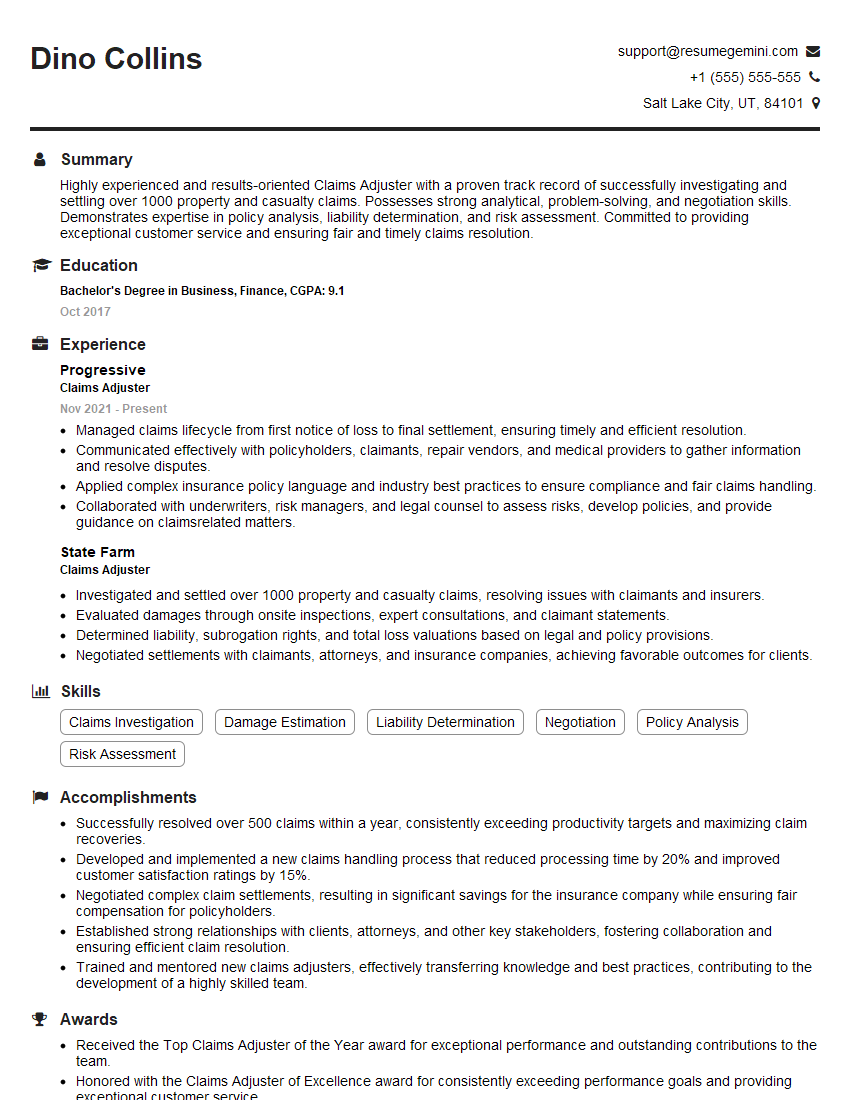
Claims Adjuster Resume Sample
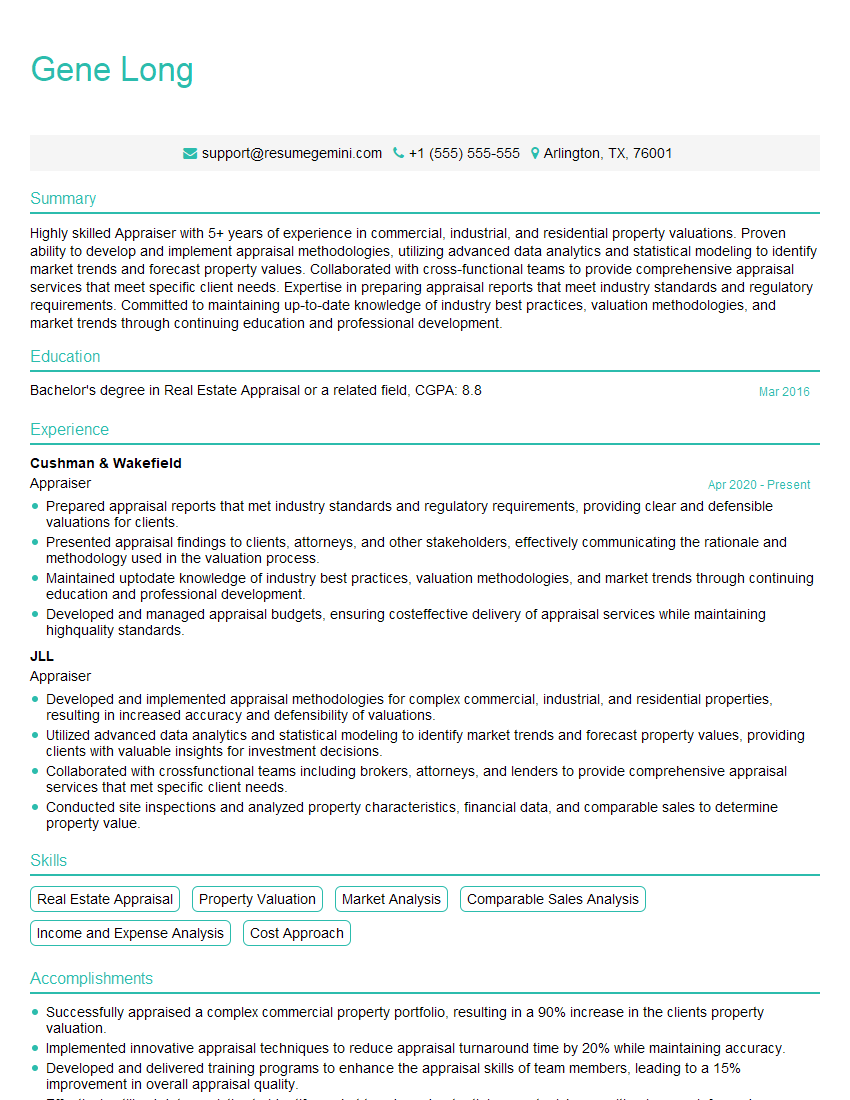
Appraiser Resume Sample
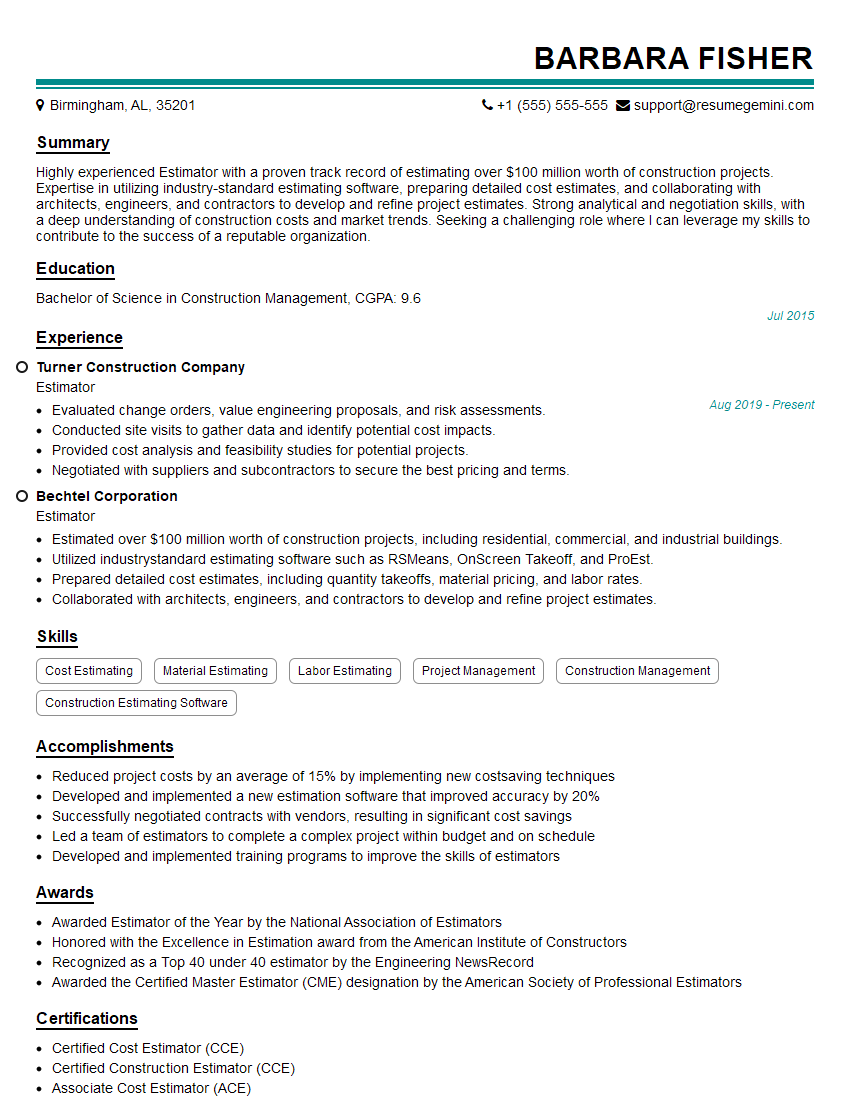
Estimator Resume Sample
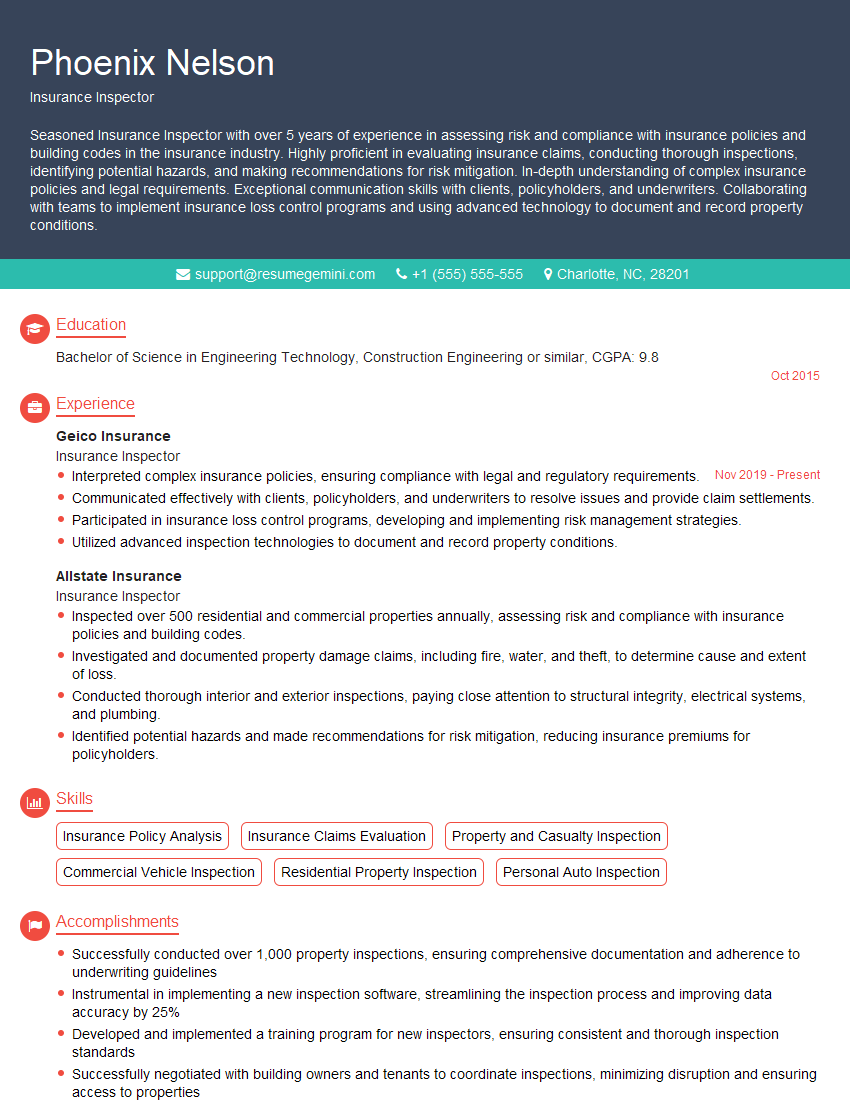
Insurance Inspector Resume Sample
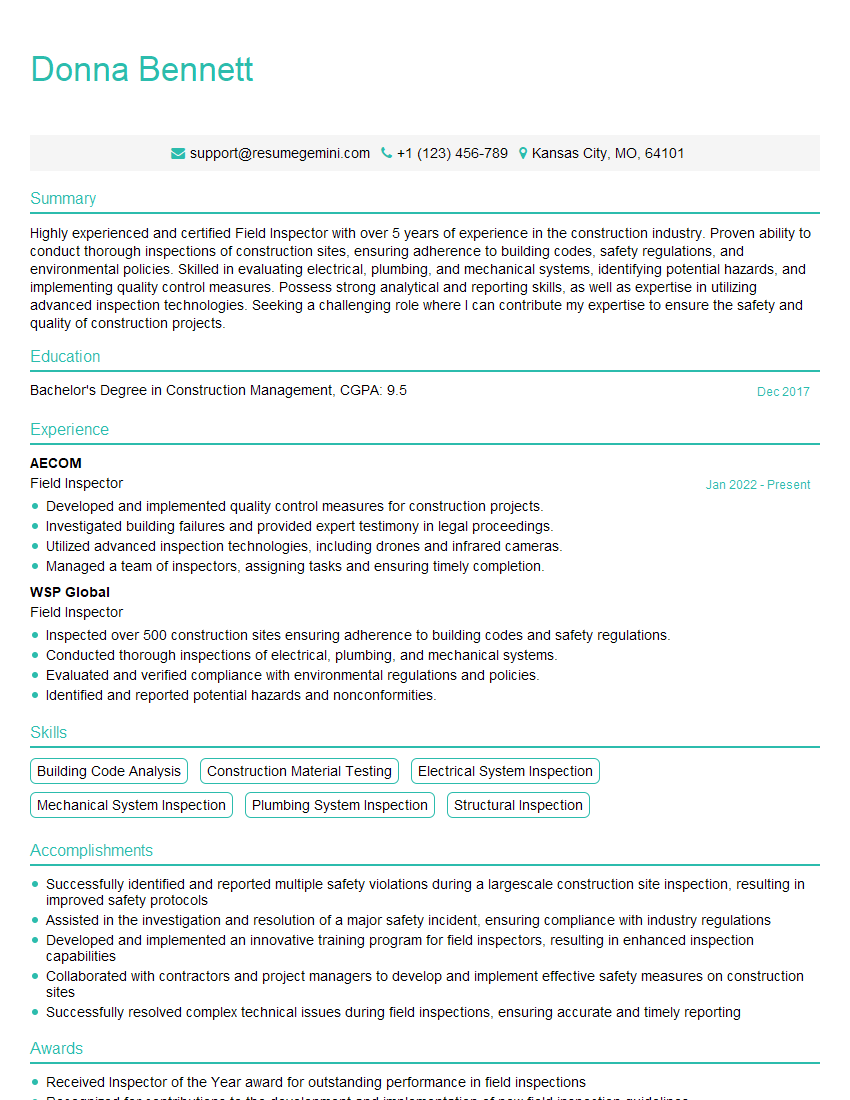
Field Inspector Resume Sample
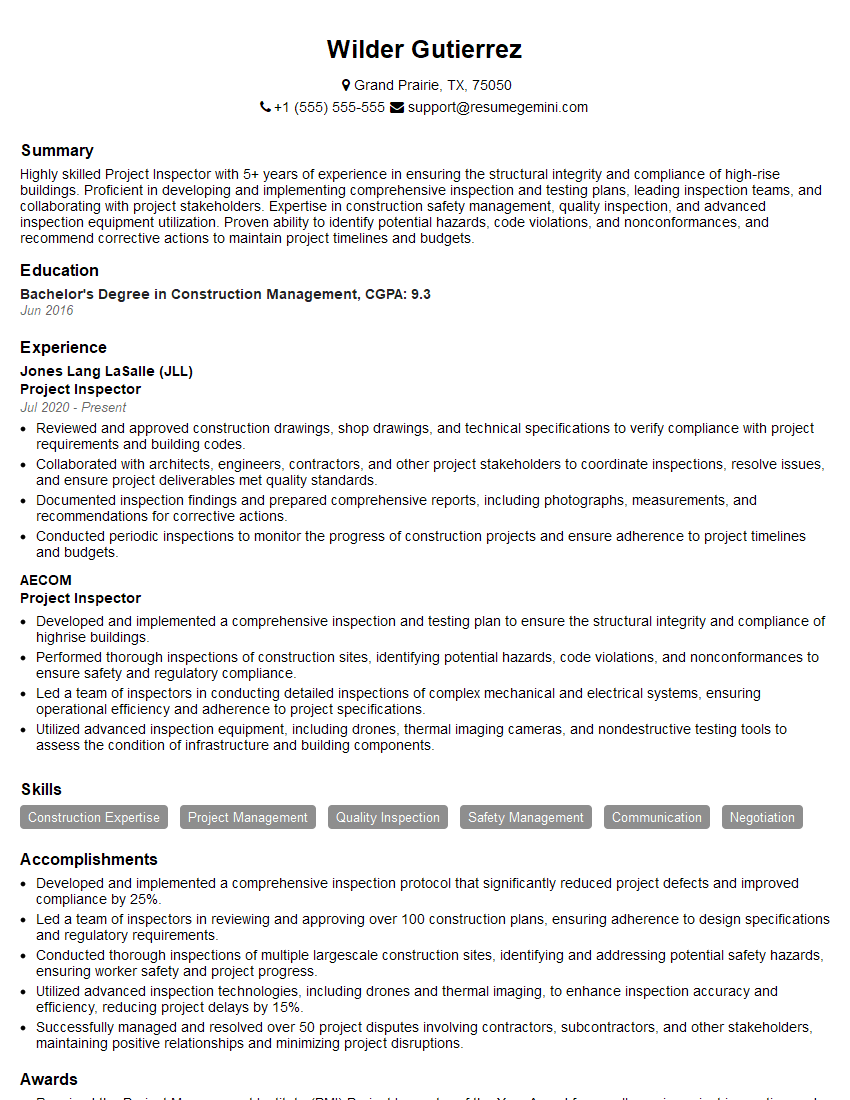
Project Inspector Resume Sample
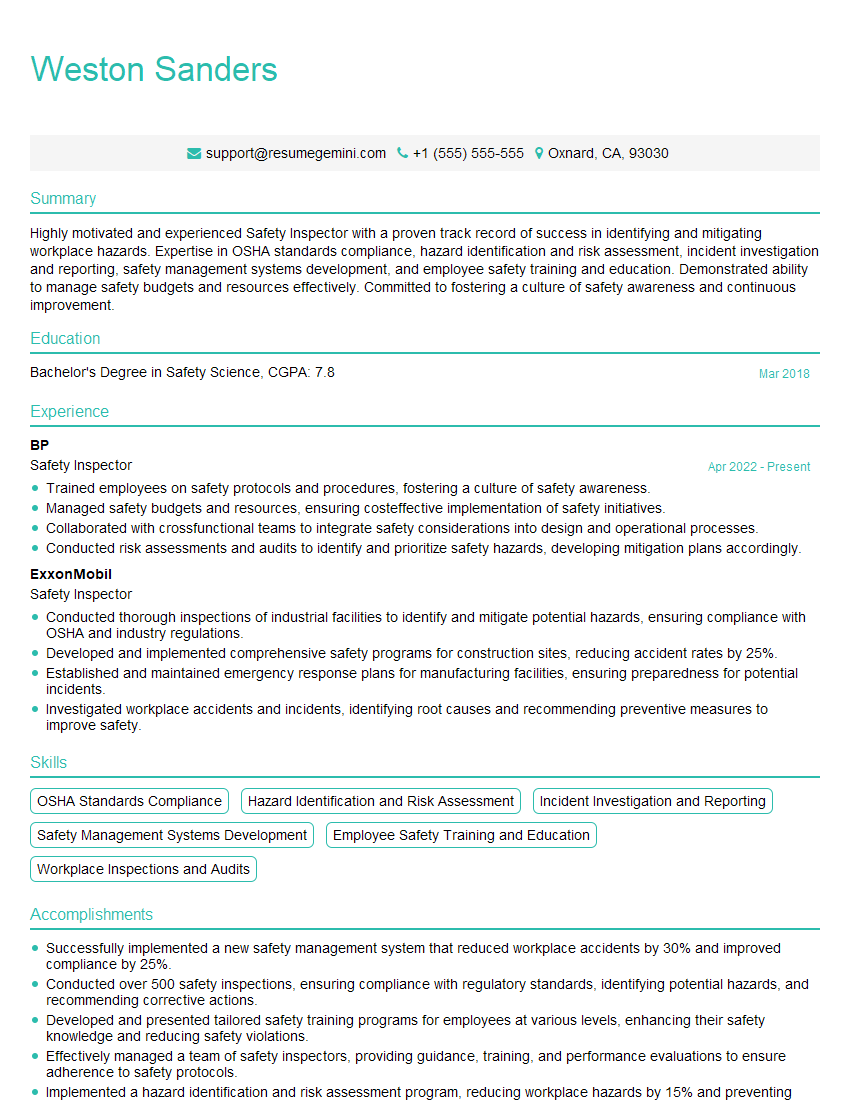
Safety Inspector Resume Sample
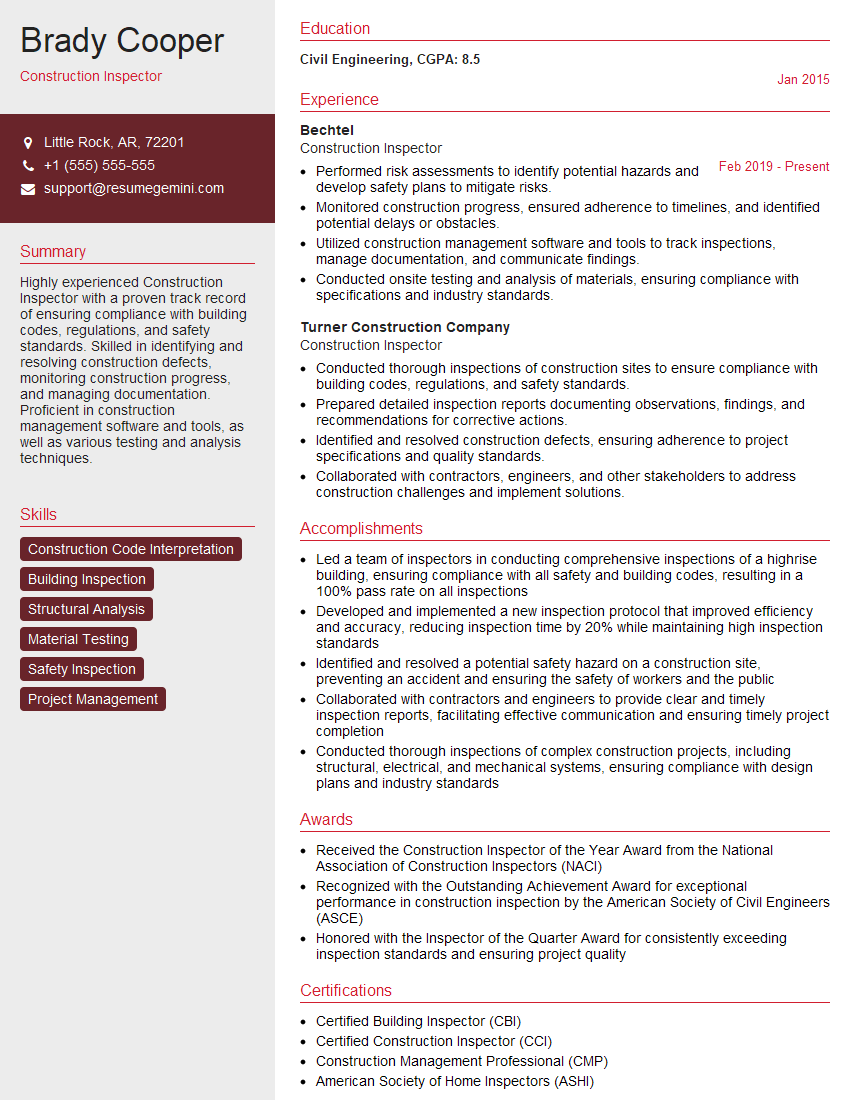
Construction Inspector Resume Sample
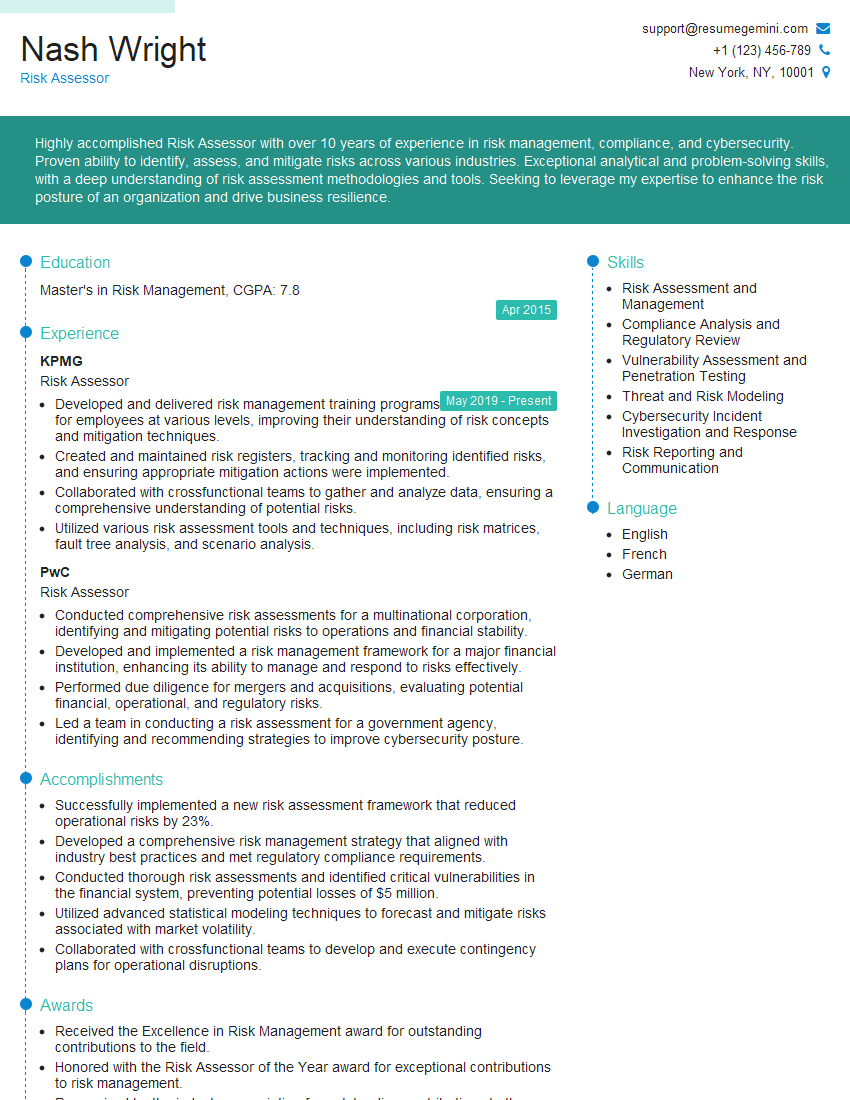
Risk Assessor Resume Sample
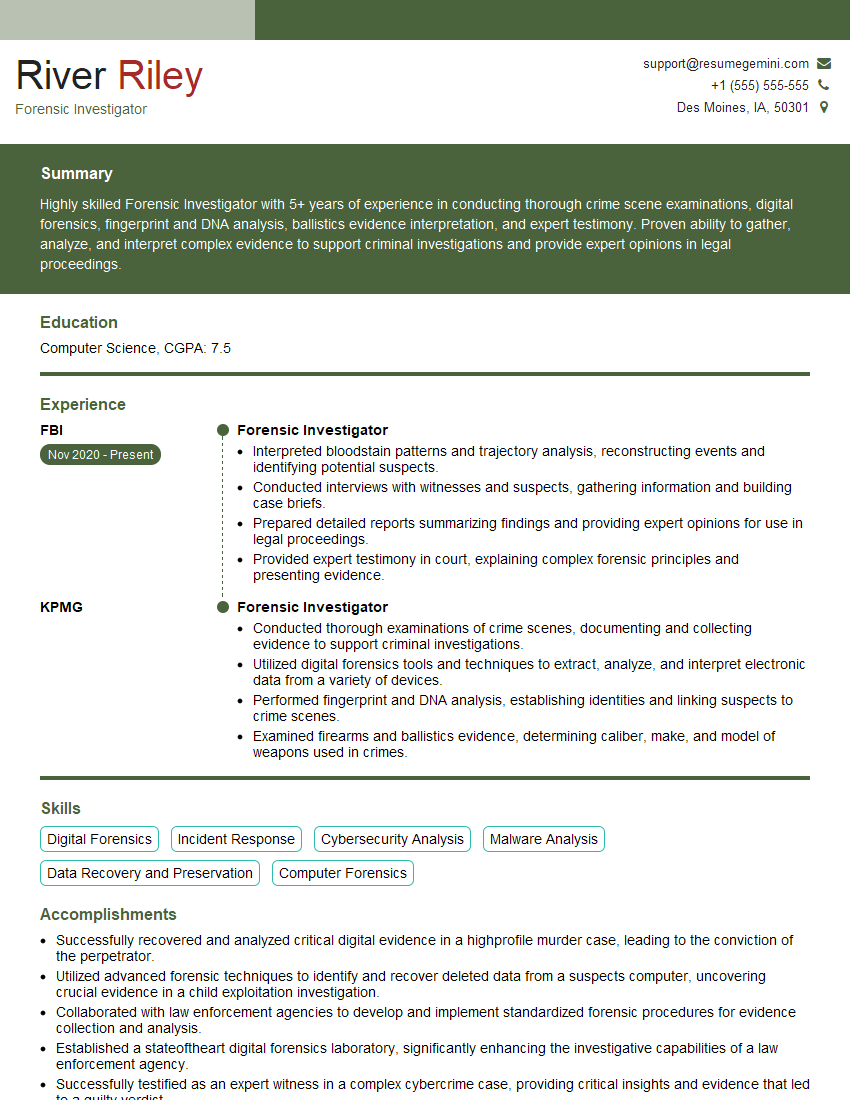
Forensic Investigator Resume Sample
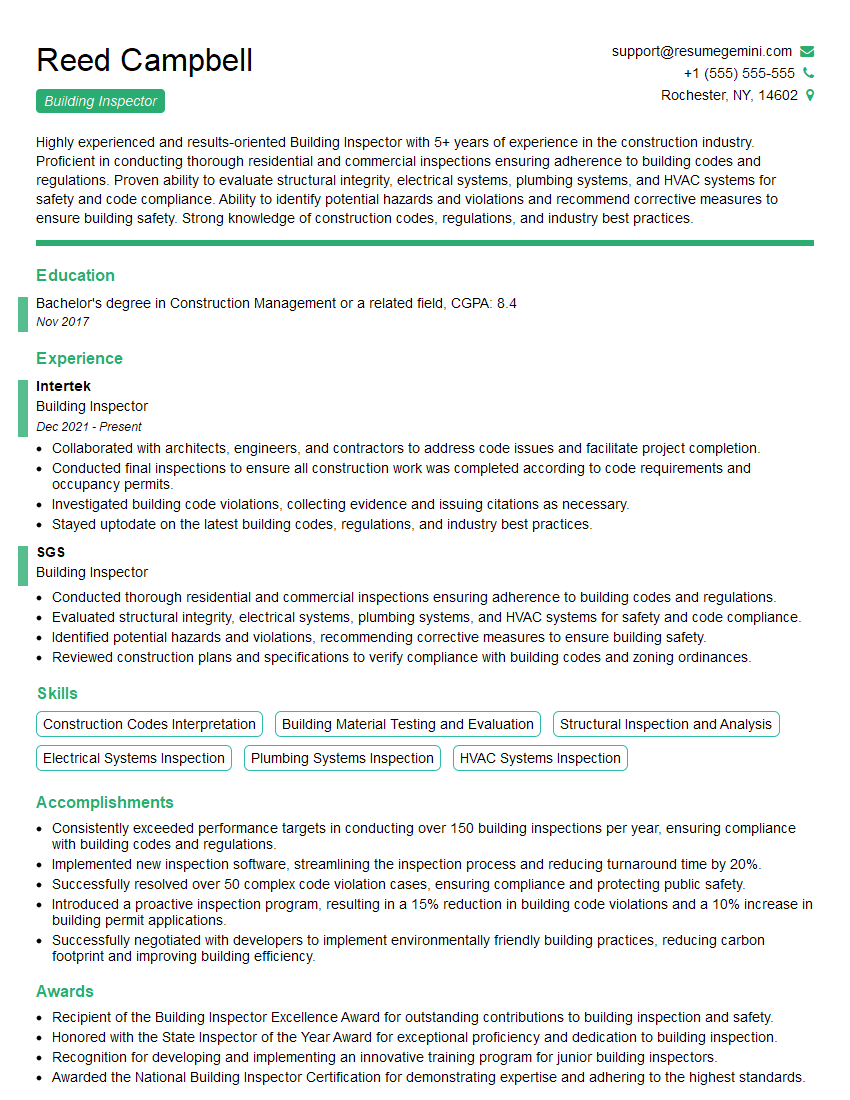
Building Inspector Resume Sample
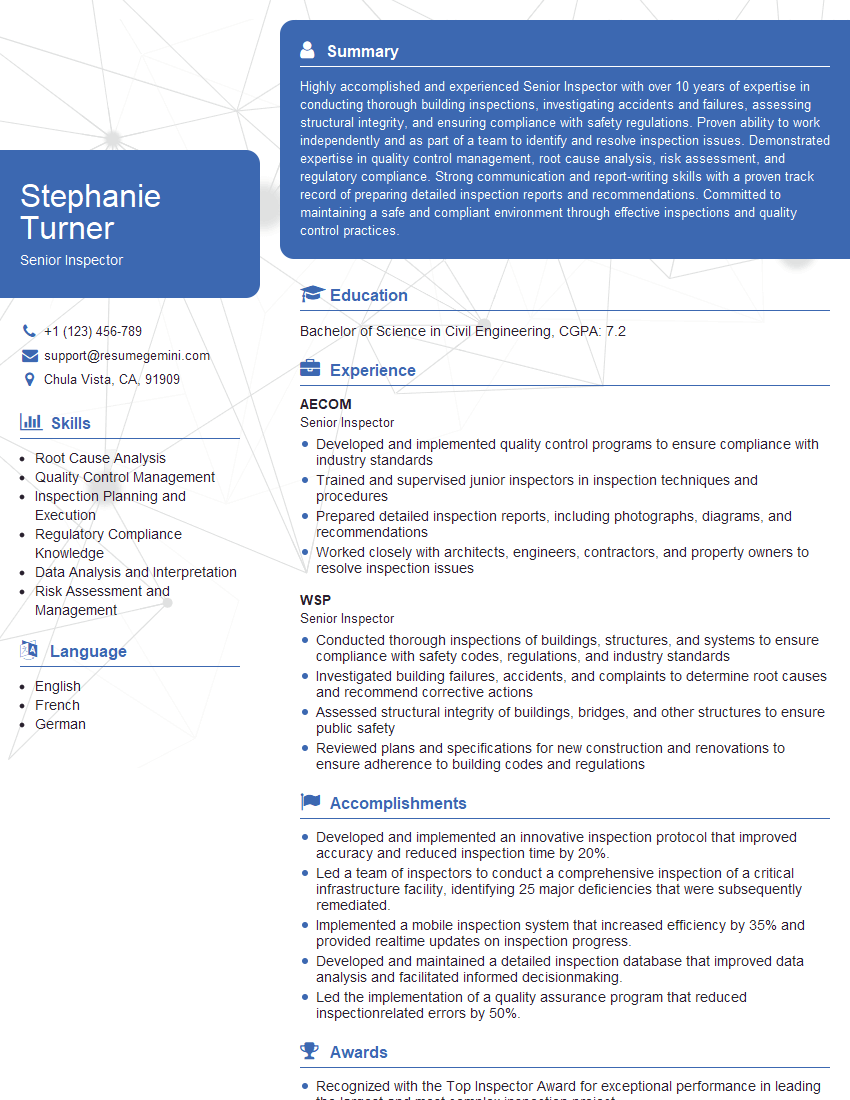
Senior Inspector Resume Sample
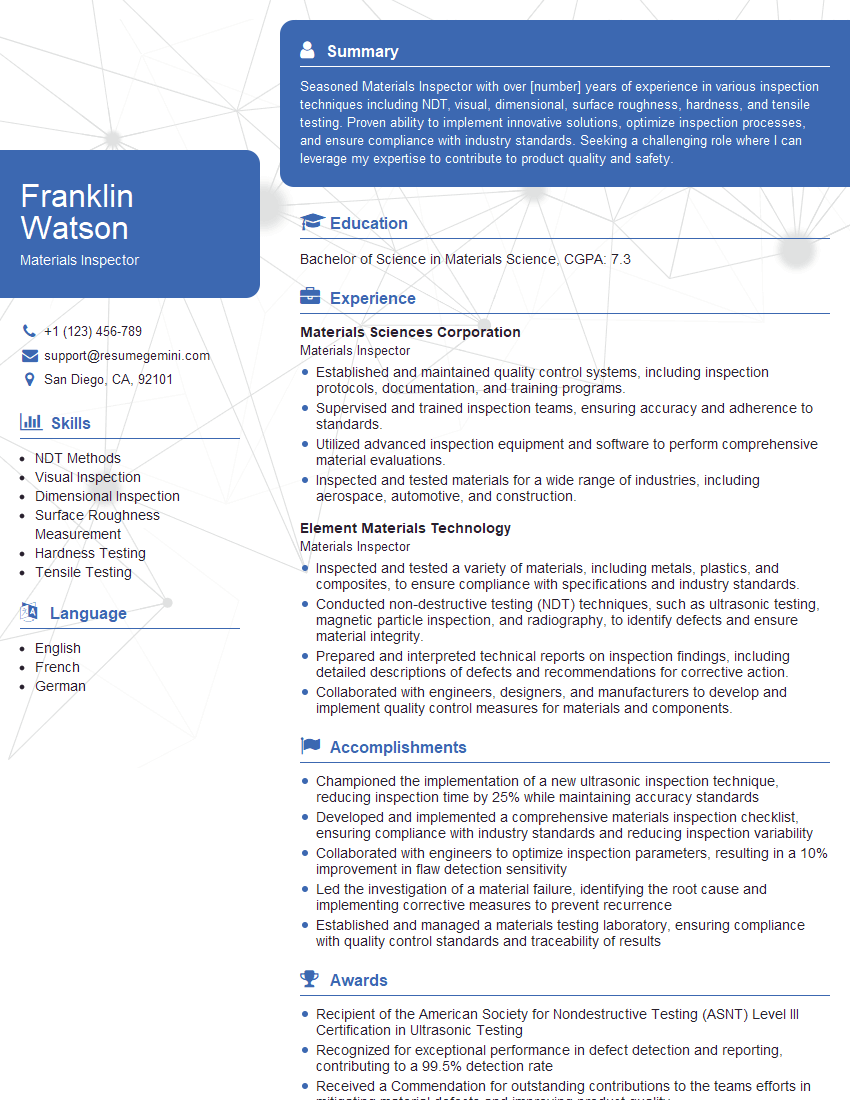
Materials Inspector Resume Sample
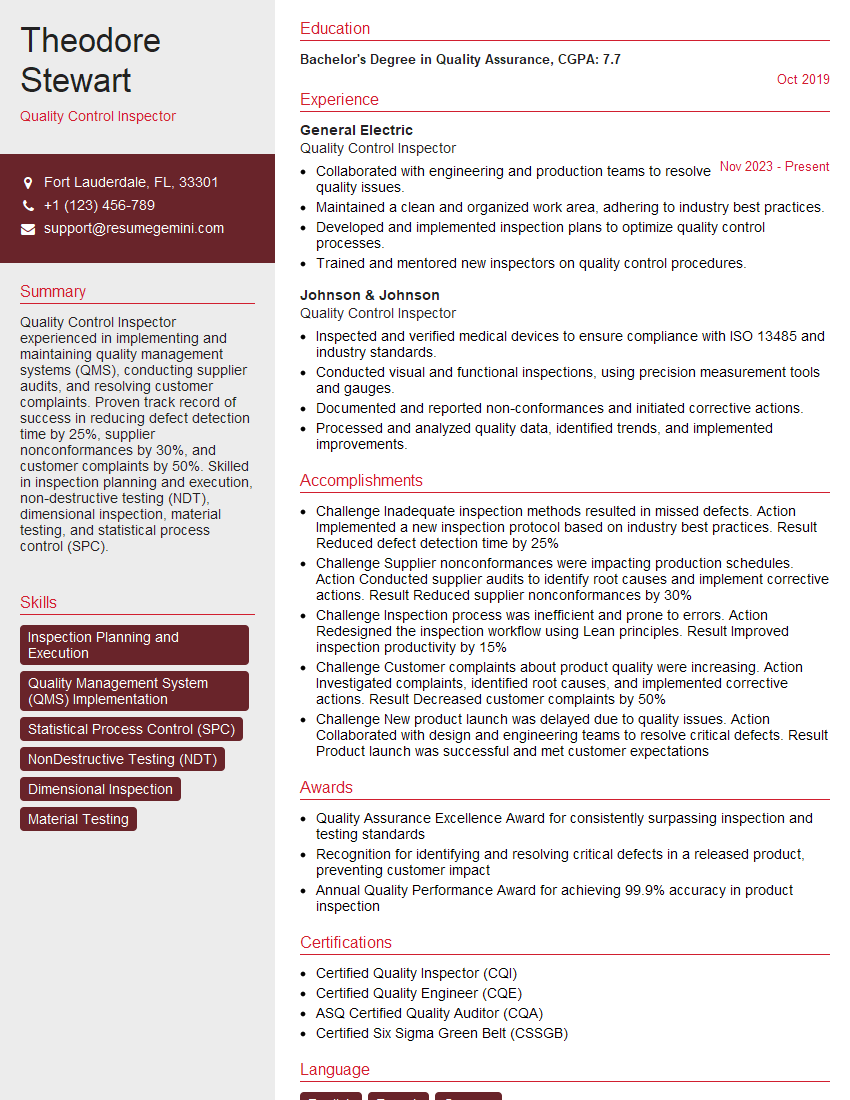
Quality Control Inspector Resume Sample
Explore more articles
Users Rating of Our Blogs
Share Your Experience
We value your feedback! Please rate our content and share your thoughts (optional).
What Readers Say About Our Blog
Very informative content, great job.
good