Interviews are opportunities to demonstrate your expertise, and this guide is here to help you shine. Explore the essential Installing and setting up new machinery interview questions that employers frequently ask, paired with strategies for crafting responses that set you apart from the competition.
Questions Asked in Installing and setting up new machinery Interview
Q 1. Describe your experience with hydraulic systems in machinery installation.
Hydraulic systems are the lifeblood of many heavy machines, responsible for power transmission and actuation. My experience encompasses everything from identifying potential leaks and pressure issues during installation to performing routine maintenance and repairs. I’ve worked extensively with various hydraulic components such as pumps, valves, cylinders, and accumulators. For instance, during the installation of a large injection molding machine, I had to carefully inspect all hydraulic lines for leaks and ensure proper connection of the high-pressure hoses to prevent catastrophic failures. This involved meticulously checking for leaks using soapy water and ensuring the correct torque settings for all fittings were met, per the manufacturer’s specifications. Another critical aspect of my work involves understanding hydraulic schematics to diagnose problems effectively. I can trace the flow of hydraulic fluid through the system, identify potential bottlenecks, and determine the root cause of any malfunctions.
Q 2. Explain the process of aligning and leveling heavy machinery.
Aligning and leveling heavy machinery is crucial for optimal performance, safety, and longevity. It’s a multi-step process that requires precision and patience. First, I always consult the manufacturer’s specifications for precise leveling requirements and tolerances. Then, I use a combination of laser levels, plumb bobs, and precision measuring tools to establish reference points. The process typically involves:
- Foundation Preparation: Ensuring the foundation is properly prepared—level, solid, and of sufficient load-bearing capacity—is paramount. Any irregularities can lead to vibrations and machine malfunction.
- Machinery Placement: Carefully positioning the machinery on the foundation, often using shims and adjustable leveling feet.
- Leveling: Precisely adjusting the leveling feet using measuring instruments to achieve the specified level and alignment within tight tolerances. We may need to make multiple adjustments until the machine sits perfectly.
- Verification: Final verification is done through repeated measurements, checking for both levelness and alignment across multiple axes.
For example, while installing a large CNC milling machine, we had to use precision shims under its massive base to correct for slight foundation imperfections. Achieving the perfect level in all directions was critical to the machine’s accuracy and preventing uneven wear on its components. Incorrect leveling could lead to inaccurate machining and ultimately, damage the equipment and jeopardize safety.
Q 3. How do you troubleshoot electrical issues during machinery installation?
Troubleshooting electrical issues during machinery installation demands systematic and safe procedures. It starts with understanding the electrical schematics provided by the manufacturer. I systematically check for the most common problems using multimeters and other testing equipment, following these steps:
- Visual Inspection: First, a thorough visual inspection for loose connections, damaged wiring, or obvious signs of short circuits.
- Voltage and Continuity Tests: Using a multimeter to check voltage levels at various points in the circuit and to verify continuity in wiring and components.
- Component Testing: Isolating individual components (motors, sensors, control units) for testing if necessary using various electrical testing methods.
- Grounding Verification: Ensuring proper grounding of the machine to prevent electrical shock hazards and potential damage.
For instance, during the installation of a packaging machine, a faulty sensor was causing intermittent stoppages. Using a multimeter, I quickly identified a broken wire within the sensor’s cabling, which I repaired and tested before resuming operation. It’s vital to be methodical, systematic, and adhere to all electrical safety regulations, especially when dealing with high voltage.
Q 4. What safety precautions do you prioritize during machinery installation?
Safety is my top priority throughout the entire machinery installation process. I always adhere to the following:
- Lockout/Tagout Procedures: Implementing lockout/tagout procedures to prevent accidental energization of machinery during installation or maintenance.
- Personal Protective Equipment (PPE): Consistent use of appropriate PPE, including safety glasses, gloves, hard hats, and steel-toed boots.
- Lifting Equipment: Using appropriate lifting equipment and techniques for handling heavy components, with a focus on teamwork and adherence to proper lifting techniques.
- Confined Space Entry: Following safe entry procedures for confined spaces, with proper ventilation and monitoring.
- Emergency Response Plan: Ensuring a readily accessible emergency response plan and communicating it to the entire team.
Following proper safety procedures prevented a potential serious accident during the installation of a large press. While positioning a heavy die, a lifting strap slipped, but because we used proper lifting techniques and redundancy in the support structure, the die was safely controlled and no one was injured. This highlights the critical importance of prioritizing safety at each step.
Q 5. Describe your experience with pneumatic systems in machinery installation.
Pneumatic systems, utilizing compressed air, are common in machinery automation. My experience covers a range of pneumatic components and applications. I’m adept at installing and troubleshooting pneumatic actuators, valves, and air compressors. For instance, I’ve worked on several projects involving robotic arms and automated assembly lines that use compressed air for gripping and positioning components. Proper installation involves ensuring correct air pressure, leak-free connections, and proper sizing of components for the application’s demands. Troubleshooting may involve identifying air leaks, verifying valve operation, and ensuring the air compressor is sufficient for the system’s needs. Identifying air leaks is often done by listening for hissing sounds and using a soapy water solution to visualize leaks.
Q 6. How do you interpret and follow technical blueprints and schematics?
Interpreting technical blueprints and schematics is fundamental to my work. I’m proficient in reading various types of drawings, including: electrical schematics, hydraulic schematics, pneumatic diagrams, and mechanical assembly drawings. I understand symbols, annotations, dimensions, and tolerances. I use a methodical approach: first, I thoroughly review the overall design; second, I break down the schematics into smaller, manageable sections; and third, I cross-reference information across multiple drawings to ensure a comprehensive understanding. For example, during the installation of a complex packaging line, I used the schematics to trace the path of pneumatic signals from the control panel to the various actuators, ensuring that all connections were made correctly and efficiently.
Q 7. What software are you proficient in for machinery installation planning?
I’m proficient in several software applications used for machinery installation planning and design. AutoCAD is essential for reviewing and understanding detailed 2D and 3D drawings. I also use SolidWorks for reviewing 3D models and understanding the spatial relationships between components. Project management software such as Microsoft Project helps me schedule and coordinate tasks, manage resources, and track progress. Furthermore, I have experience using specialized software provided by machinery manufacturers for simulations and troubleshooting, enhancing my ability to proactively prevent issues during the installation process.
Q 8. Explain your experience with preventative maintenance procedures.
Preventative maintenance is crucial for maximizing the lifespan and efficiency of machinery. It involves regularly scheduled inspections and servicing to identify and address potential problems before they cause significant downtime or damage. My experience encompasses a wide range of procedures, from lubrication and cleaning to more complex tasks such as replacing worn parts and conducting functional tests.
For example, during my time at Acme Manufacturing, I implemented a preventative maintenance program for our automated packaging line. This involved creating a detailed schedule specifying tasks like lubricating gearboxes every 500 operating hours, inspecting conveyor belts weekly for wear and tear, and performing a comprehensive check of all sensors and actuators monthly. This proactive approach significantly reduced unexpected breakdowns, leading to a 20% increase in production efficiency.
- Lubrication: Regular lubrication prevents friction and wear, extending the life of moving parts.
- Cleaning: Removing debris prevents blockages and damage to sensitive components.
- Inspection: Visual inspections and functional testing identify early signs of wear or malfunction.
- Part Replacement: Proactive replacement of worn parts avoids catastrophic failures.
Q 9. How do you handle unexpected delays or problems during an installation?
Unexpected delays and problems are inevitable in machinery installation. My approach involves a structured problem-solving methodology.
- Identify the Problem: First, I thoroughly assess the nature and scope of the delay or problem. This often involves consulting manuals, schematics, and collaborating with the engineering team.
- Develop Solutions: I brainstorm potential solutions, prioritizing those that are efficient, safe, and compliant with regulations. This might include contacting suppliers for replacement parts, seeking expert advice, or adapting the installation plan.
- Implement Solution: I implement the chosen solution, meticulously documenting all steps and modifications made. Safety is always paramount.
- Communicate and Update: I maintain open communication with all stakeholders, keeping them informed about the progress and any changes to the schedule. Transparent communication helps prevent misunderstandings and ensures everyone is on the same page.
- Post-Incident Review: After resolving the issue, I conduct a thorough post-incident review to identify root causes and implement corrective actions to prevent similar problems in the future. This might involve revisions to installation procedures or enhanced training for the team.
For instance, during the installation of a high-speed press, we encountered a misaligned component that caused a safety interlock to malfunction. We quickly identified the issue using precision measurement tools, adjusted the alignment, and thoroughly tested the safety interlock before resuming the installation. This proactive approach prevented a potentially serious accident and minimized the overall delay.
Q 10. Describe your experience with PLC programming and troubleshooting.
I have extensive experience with PLC (Programmable Logic Controller) programming and troubleshooting, using various brands like Allen-Bradley and Siemens. My expertise ranges from ladder logic programming to configuring communication networks and HMI (Human Machine Interface) design.
For example, I recently debugged a PLC program that controlled a robotic arm in a packaging system. The robot was experiencing erratic movements, causing production delays. By carefully analyzing the ladder logic program, I discovered a logic error in a timing loop that was causing the issue. I corrected the code, tested it thoroughly, and resolved the problem, restoring full production efficiency.
My troubleshooting skills include using diagnostic tools such as:
- PLC Programming Software: To monitor program execution, view variables, and debug code.
- Logic Analyzers: To analyze digital signals and identify timing issues.
- Multimeters: To test voltage, current, and continuity in electrical circuits.
I’m also proficient in using various communication protocols such as Ethernet/IP, Profinet, and Modbus for PLC communication and data acquisition.
Q 11. How familiar are you with different types of bearings and their applications?
I’m familiar with a wide range of bearing types and their applications. The selection of a bearing depends heavily on factors such as load type (radial, axial, or combined), speed, operating temperature, and required lifespan.
- Ball Bearings: Suitable for high-speed applications with lighter loads. Commonly used in motors, pumps, and conveyor systems.
- Roller Bearings: Better suited for heavier loads and slower speeds. Various types exist, including cylindrical, tapered, and spherical roller bearings, each with its specific application.
- Spherical Roller Bearings: Excellent for applications with misalignment, like those found in heavy machinery.
- Thrust Bearings: Designed to handle primarily axial loads. Used in applications like turbines and vertical shafts.
During the installation of a large milling machine, we carefully selected the appropriate roller bearings for the main spindle based on the high radial and axial loads it would experience. Incorrect bearing selection could have resulted in premature failure and costly downtime.
Q 12. How do you ensure proper grounding and bonding during electrical installations?
Proper grounding and bonding are critical for safety and preventing electrical hazards during installations. Grounding provides a low-impedance path for fault currents to flow to the earth, preventing dangerous voltage buildup, while bonding connects metallic parts to ensure they are at the same potential, minimizing the risk of electrical shock.
My approach involves:
- Identifying Grounding Points: Locating suitable grounding points with low resistance to earth.
- Using Appropriate Conductors: Employing correctly sized and insulated grounding conductors.
- Ensuring Tight Connections: Making sure all connections are clean, secure, and properly tightened.
- Testing Ground Resistance: Measuring ground resistance to verify the effectiveness of the grounding system. Acceptable resistance varies depending on the application and local regulations.
- Bonding Metallic Parts: Connecting exposed metallic parts to prevent voltage differences.
For example, in a recent industrial control panel installation, we used a dedicated grounding busbar to connect all equipment grounds, and we tested the ground resistance using a megohmmeter to ensure it met safety standards. Failure to properly ground and bond the control panel could have resulted in electrical shocks or equipment damage.
Q 13. What experience do you have with different types of welding techniques?
My welding experience encompasses various techniques, tailored to specific materials and applications. Safety is always paramount in my welding practices.
- Shielded Metal Arc Welding (SMAW): Commonly known as stick welding, this is a versatile technique suitable for various materials, particularly in outdoor or less controlled environments.
- Gas Metal Arc Welding (GMAW): Also known as MIG welding, this process uses a continuous wire feed for faster and more efficient welding, ideal for high-volume production work.
- Gas Tungsten Arc Welding (GTAW): Often called TIG welding, this is a precision technique commonly used for welding thin materials and critical applications where high quality and appearance are essential. It requires higher skill and precision.
During a project involving the fabrication of a custom steel frame, I utilized a combination of SMAW and GMAW, selecting the most appropriate technique depending on the joint design and material thickness. I ensured adherence to all relevant safety protocols, including proper ventilation and use of appropriate personal protective equipment (PPE).
Q 14. Describe your experience with the installation of conveyor systems.
I have significant experience in the installation and commissioning of conveyor systems, encompassing various types and configurations. This involves careful planning, precise alignment, and rigorous testing to ensure smooth and reliable operation.
My work on conveyor systems includes:
- Layout and Design Review: Analyzing the proposed layout to ensure efficiency and ergonomics.
- Component Installation: Precise installation of rollers, belts, motors, and other components, ensuring proper alignment and tension.
- Drive System Installation and Configuration: Setting up the drive system, including motors, gearboxes, and controllers.
- Safety System Integration: Ensuring the system incorporates necessary safety features, like emergency stops and interlocks.
- Testing and Commissioning: Performing rigorous tests to ensure proper operation and safety before handover to the client.
In a recent project installing a high-capacity package handling conveyor, I ensured precision alignment of the rollers using laser alignment tools, resulting in a smooth and quiet operation, minimizing vibration and wear on the system. This attention to detail is crucial for maximizing the lifespan and reliability of the conveyor system.
Q 15. How do you ensure the correct torque settings during bolt tightening?
Ensuring correct torque settings is crucial for preventing premature bolt failure and ensuring the structural integrity of the machinery. Improper torque can lead to leaks, vibrations, and even catastrophic equipment failure. I use a combination of methods to guarantee accuracy.
Torque Wrenches: I always utilize calibrated torque wrenches, either click-type or digital, specifically chosen for the size and type of bolt. These tools allow me to apply the precise amount of torque specified in the manufacturer’s instructions. For example, when installing a large pump, I’d use a high-capacity digital torque wrench to ensure accuracy down to the Newton-meter.
Torque Specification Charts: Before beginning any assembly, I meticulously review the manufacturer’s documentation for precise torque values for each bolt. This includes noting any specific requirements for lubrication or tightening sequence.
Regular Calibration: I ensure all torque wrenches are regularly calibrated to maintain accuracy. This is done through a certified calibration lab to guarantee readings are within acceptable tolerances. A calibration sticker is attached with the date for easy tracking.
Lubrication: The type and amount of lubricant used can affect the torque required. I always follow the manufacturer’s recommendation to ensure optimal results. Incorrect lubrication can significantly alter the required torque, leading to incorrect tightening.
Proper Sequence: The order in which bolts are tightened can also be important, especially in large or complex assemblies. The manual will specify the correct sequence; this prevents uneven stress on the components.
By combining these methods, I ensure consistent and accurate torque settings, leading to a robust and reliable machinery installation.
Career Expert Tips:
- Ace those interviews! Prepare effectively by reviewing the Top 50 Most Common Interview Questions on ResumeGemini.
- Navigate your job search with confidence! Explore a wide range of Career Tips on ResumeGemini. Learn about common challenges and recommendations to overcome them.
- Craft the perfect resume! Master the Art of Resume Writing with ResumeGemini’s guide. Showcase your unique qualifications and achievements effectively.
- Don’t miss out on holiday savings! Build your dream resume with ResumeGemini’s ATS optimized templates.
Q 16. How familiar are you with OSHA safety regulations?
I’m very familiar with OSHA safety regulations, particularly those pertaining to machinery installation, lockout/tagout procedures, and working at heights. My experience includes understanding and implementing regulations concerning personal protective equipment (PPE), hazard communication, and confined space entry. I regularly review updated OSHA guidelines to stay current with best practices and legal requirements. I incorporate OSHA guidelines into every project and ensure the safety of myself and my colleagues is paramount. I actively participate in safety training and can demonstrate proficiency in conducting job hazard analyses (JHA) before any work commences. I am also comfortable explaining these regulations to other team members, creating a collaborative safety-conscious work environment. One recent example involves implementing stricter lockout/tagout protocols after a training refresher on preventing accidental machine start-ups.
Q 17. Explain your process for testing and commissioning newly installed machinery.
Testing and commissioning new machinery is a multi-step process designed to validate its functionality and safety before full operational use. My process is meticulous and involves:
Pre-commissioning Inspection: A thorough visual inspection of all components, checking for any damage or anomalies during the installation process.
Functional Testing: Individual component testing (e.g., checking motor rotations, sensor readings, and hydraulic system pressure) to ensure all parts work correctly in isolation.
System Integration Testing: Testing the interaction between all components to check the system’s overall operation and identify any communication or integration issues. This step often involves running the machine at low speed to assess the overall functioning of integrated components.
Performance Testing: Running the machine at full capacity to check its performance against specified parameters, such as output, efficiency, and accuracy. This stage involves monitoring critical parameters to ensure they align with expectations.
Safety Testing: Thorough testing of all safety features, including emergency stops, interlocks, and guarding, to ensure they function correctly and comply with all safety regulations.
Documentation: Meticulous documentation of all test results, observations, and any corrective actions taken. This detailed record assists in troubleshooting and future maintenance.
For example, when commissioning a new automated packaging line, we ran test packages through the entire system, verifying each stage’s functionality and then performed a comprehensive safety check before release to the production floor.
Q 18. How do you document your work and maintain detailed records?
Detailed documentation is critical for efficient maintenance, troubleshooting, and future upgrades. My documentation strategy employs multiple methods.
Daily Logs: I maintain comprehensive daily logs detailing all work performed, including parts used, time spent on each task, and any challenges encountered. This includes sketches, diagrams, and photos where applicable.
Checklists: I use pre-designed and customized checklists to ensure consistency and avoid missing steps. These checklists are tailored to specific equipment and regularly reviewed.
Digital Records: All digital records are stored in a secure, organized database and cloud service with version control. This enables easy access for team members and provides a backup in case of physical document loss. Examples include scanned documents, photos, videos of machinery operation, and software configurations.
As-Built Drawings: I update as-built drawings to reflect any changes made during the installation process, ensuring the drawings always accurately reflect the final installed state of the machinery.
This multi-faceted approach ensures that all information is readily accessible, easily auditable, and consistently maintained.
Q 19. Describe your experience with troubleshooting mechanical issues in machinery.
Troubleshooting mechanical issues requires a systematic approach combining practical experience and technical knowledge. My process usually follows these steps:
Problem Identification: Precisely define the problem by observing symptoms, listening to sounds, and collecting data. This is crucial for effective diagnosis.
Data Collection: Gather relevant data such as error codes, sensor readings, historical performance data, and environmental factors. This helps eliminate guesswork.
Hypothesis Formation: Develop several potential causes based on the collected data and experience.
Testing and Verification: Systematically test each hypothesis using appropriate tools and techniques. This may involve checking wiring, lubrication levels, pressure readings, or component functionality.
Corrective Action: Implement the necessary repairs or adjustments once the root cause is identified. This might include replacing parts, tightening connections, or re-calibrating sensors.
Verification: Verify that the corrective actions have resolved the issue. This ensures the problem is completely solved and doesn’t reoccur.
Documentation: Record the problem, the troubleshooting steps, and the solution in detail for future reference.
For instance, I once resolved a recurring vibration issue in a conveyor system by identifying a misalignment in the drive shaft through a combination of vibration analysis and visual inspection. This systematic approach resulted in a quick and effective resolution.
Q 20. How do you handle working at heights and in confined spaces?
Safety is paramount when working at heights and in confined spaces. I adhere strictly to safety protocols and utilize appropriate equipment and procedures.
Working at Heights: I always utilize appropriate fall protection, such as harnesses, lanyards, and anchor points. I ensure all equipment is inspected and properly rated before use. I never work at heights alone and always follow a buddy system.
Confined Spaces: Before entering any confined space, I ensure a proper confined space entry permit is obtained. This involves atmospheric testing for oxygen levels, hazardous gases, and flammables. I use appropriate respiratory protection, harnesses, and communication systems within the confined space, and always have a standby person present outside.
I’ve undergone specialized training in both areas, and my experience ensures I prioritize safety in any work environment.
Q 21. What experience do you have with robotic system integration?
My experience with robotic system integration includes the complete process, from initial design review through to final commissioning. I’m proficient in:
Robot Selection and Programming: I have experience selecting appropriate robots for specific applications, programming their movements and operations using industry-standard software (e.g., Fanuc Karel, ABB RAPID). This involves configuring the robot to interact with other equipment effectively. I also understand different robotic arms and their applications (SCARA, six-axis, etc.).
Integration with PLC Systems: I’m experienced in integrating robots with programmable logic controllers (PLCs) to control their operation and synchronize them with other parts of the production line. This includes understanding communication protocols (e.g., Ethernet/IP, Profinet).
Safety Integration: Integrating safety features to ensure safe operation of the robot, including light curtains, emergency stops, and area scanners, is critical. I understand the importance of risk assessments when using industrial robots.
Troubleshooting and Maintenance: I possess the skills to troubleshoot robotic systems, identifying and resolving mechanical, electrical, and software issues. I also understand basic preventative maintenance practices to maximize uptime.
For example, I recently integrated a six-axis robot into a palletizing system, programming its movements to accurately stack products onto pallets, significantly improving efficiency and reducing manual labor.
Q 22. Describe your understanding of vibration analysis in machinery maintenance.
Vibration analysis is a crucial predictive maintenance technique used to detect developing mechanical issues in machinery before they lead to catastrophic failures. It involves measuring the vibrations produced by rotating equipment like motors, pumps, and turbines. These vibrations contain valuable information about the machine’s health. Different frequencies and amplitudes of vibrations correspond to specific problems such as imbalance, misalignment, bearing wear, or looseness.
For example, a high amplitude vibration at a specific frequency might indicate an imbalance in a rotating component. Conversely, a broad range of high-frequency vibrations might suggest bearing damage. By analyzing the vibration data using specialized software and sensors (accelerometers), we can identify the root cause of the problem and plan for timely maintenance. This prevents unexpected downtime and costly repairs. I’ve used vibration analysis extensively during installations to ensure proper alignment and balance of newly installed equipment and in regularly scheduled maintenance programs to proactively address issues before they escalate.
Q 23. Explain your experience with different types of pumps and their applications.
My experience encompasses a wide range of pump types, including centrifugal, positive displacement (like gear pumps and piston pumps), and submersible pumps. Centrifugal pumps are commonly used for moving large volumes of liquids at moderate pressures – think water distribution systems. Positive displacement pumps excel at handling high viscosity fluids or delivering precise flow rates – imagine applications in chemical processing or lubrication systems. Submersible pumps, as their name suggests, operate underwater and are ideal for well applications or dewatering processes.
For instance, during a recent project involving a water treatment facility, we installed several large centrifugal pumps for water transfer. The selection process carefully considered factors like flow rate, pressure requirements, and the fluid’s properties (temperature, viscosity, etc.). In another project, a manufacturing plant required high-pressure, low-flow piston pumps for delivering a specialized chemical to its production line. Proper selection is critical to ensure efficient operation and longevity of the machinery.
Q 24. How do you ensure proper lubrication and maintenance of machinery components?
Proper lubrication is paramount for machinery longevity and optimal performance. It minimizes friction, wear, and heat generation. My approach involves several key steps. First, I carefully consult the manufacturer’s specifications to determine the appropriate type and grade of lubricant for each component. This information often dictates the viscosity, the type of lubricant (grease or oil), and the lubrication intervals.
Secondly, I ensure the use of clean lubrication equipment. Contaminated lubricants can introduce abrasive particles, damaging the equipment. Finally, I utilize lubrication management systems that involve scheduled lubrication checks, detailed records, and analysis of used lubricants for identifying potential problems such as excessive wear or contamination. Think of it like a routine car checkup –regular maintenance prevents future breakdowns and ensures reliable operation.
Q 25. What experience do you have with the use of specialized tools and equipment?
My experience spans a broad spectrum of specialized tools and equipment, including laser alignment tools for precise shaft alignment, vibration analyzers for predictive maintenance, thermal imaging cameras for detecting overheating components, and various hydraulic and pneumatic tools for assembly and disassembly. I’m also proficient in using diagnostic software for troubleshooting electronic controls and PLC (Programmable Logic Controller) systems.
For example, using laser alignment tools, I’ve ensured precise alignment of pumps and motors, crucial for preventing excessive vibrations and premature wear. Thermal imaging cameras have helped me identify potential overheating issues in electrical connections, avoiding potential fires. I am also comfortable with various lifting equipment, always prioritizing safety when working with heavy machinery.
Q 26. How do you identify and address potential safety hazards during an installation?
Safety is my top priority. My approach to identifying and addressing safety hazards during an installation begins with a thorough risk assessment. This involves identifying potential hazards, such as electrical shock, falling objects, confined space entry, and exposure to hazardous materials. We then develop a detailed safety plan outlining the necessary precautions, personal protective equipment (PPE), and safety procedures. This plan is reviewed with the entire team before installation begins.
For example, before working on electrical systems, we utilize lockout/tagout procedures to prevent accidental energization. When working at heights, we implement fall protection measures. Throughout the installation, safety briefings are conducted regularly to reinforce safety procedures and address any emerging concerns. This proactive approach ensures a safe working environment and prevents accidents.
Q 27. Describe your experience with working within a team environment during installation projects.
I thrive in team environments. Effective communication and collaboration are crucial during installation projects. My experience includes working with cross-functional teams, comprising engineers, electricians, technicians, and safety personnel. I believe in fostering open communication, actively participating in team meetings, and providing clear direction to team members.
One instance involves coordinating a team of five to install a complex processing line within a tight deadline. Through effective communication and careful task assignment, we completed the project successfully, on time and within budget. Open communication, mutual respect, and shared responsibility foster teamwork which ultimately contributes to successful and safe project completion.
Q 28. What is your experience with commissioning and validation documentation?
I have extensive experience with commissioning and validation documentation. This includes creating detailed commissioning plans, documenting test procedures, recording test results, and generating comprehensive validation reports compliant with industry regulations (like FDA, ISO). The commissioning process verifies that the installed machinery meets the design specifications and operates as intended. Validation ensures that the entire system performs its intended function reliably and consistently.
This documentation is crucial for demonstrating compliance with safety standards and regulatory requirements. For example, in a pharmaceutical facility, we carefully documented the commissioning and validation of a new cleanroom equipment, ensuring the highest level of hygiene and quality control.
Key Topics to Learn for Installing and Setting Up New Machinery Interviews
- Safety Procedures and Regulations: Understanding and adhering to all relevant safety protocols, including lockout/tagout procedures, personal protective equipment (PPE) requirements, and risk assessments. Practical application: Describe your experience conducting a pre-installation safety briefing.
- Mechanical Drawings and Schematics: Interpreting blueprints, schematics, and technical documentation to understand the machinery’s components and assembly process. Practical application: Explain how you’ve used technical drawings to guide a complex installation.
- Installation Techniques and Methodology: Mastering various installation techniques, including alignment, leveling, bolting, and connecting power and control systems. Practical application: Detail your experience with different types of machinery foundations and alignment procedures.
- Troubleshooting and Diagnostics: Identifying and resolving common installation problems, such as misalignment, malfunctioning components, and hydraulic/pneumatic leaks. Practical application: Describe a situation where you successfully diagnosed and resolved a problem during machinery installation.
- Testing and Commissioning: Conducting thorough testing and commissioning procedures to verify the machinery’s proper operation and compliance with specifications. Practical application: Outline your experience with functional testing and performance verification.
- Preventive Maintenance and Documentation: Understanding and implementing preventive maintenance procedures to ensure long-term equipment reliability and documenting all installation and maintenance activities. Practical application: Describe your experience with maintaining comprehensive installation records.
- Specific Machinery Types: Gaining in-depth knowledge of the specific types of machinery relevant to your target roles (e.g., CNC machines, conveyor systems, robotic arms). Practical application: Highlight your experience with a specific type and its installation nuances.
Next Steps
Mastering the installation and setup of new machinery is crucial for career advancement in many manufacturing and industrial sectors. It demonstrates a valuable skillset that is highly sought after. To increase your job prospects, it’s essential to create a professional and ATS-friendly resume that highlights your skills and experience effectively. ResumeGemini is a trusted resource to help you build a compelling resume that showcases your abilities. They provide examples of resumes tailored specifically to roles involving the installation and setup of new machinery, enabling you to craft a document that truly stands out to potential employers.
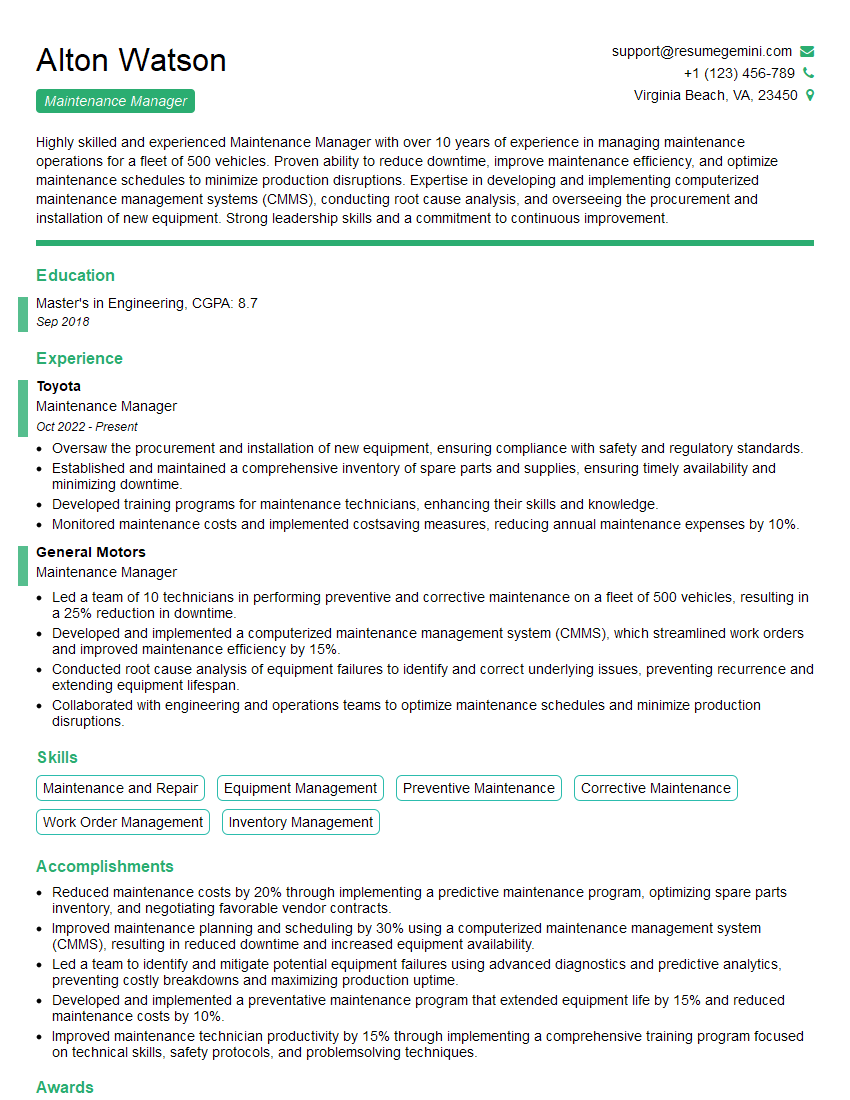
Maintenance Manager Resume Sample

Project Engineer Resume Sample
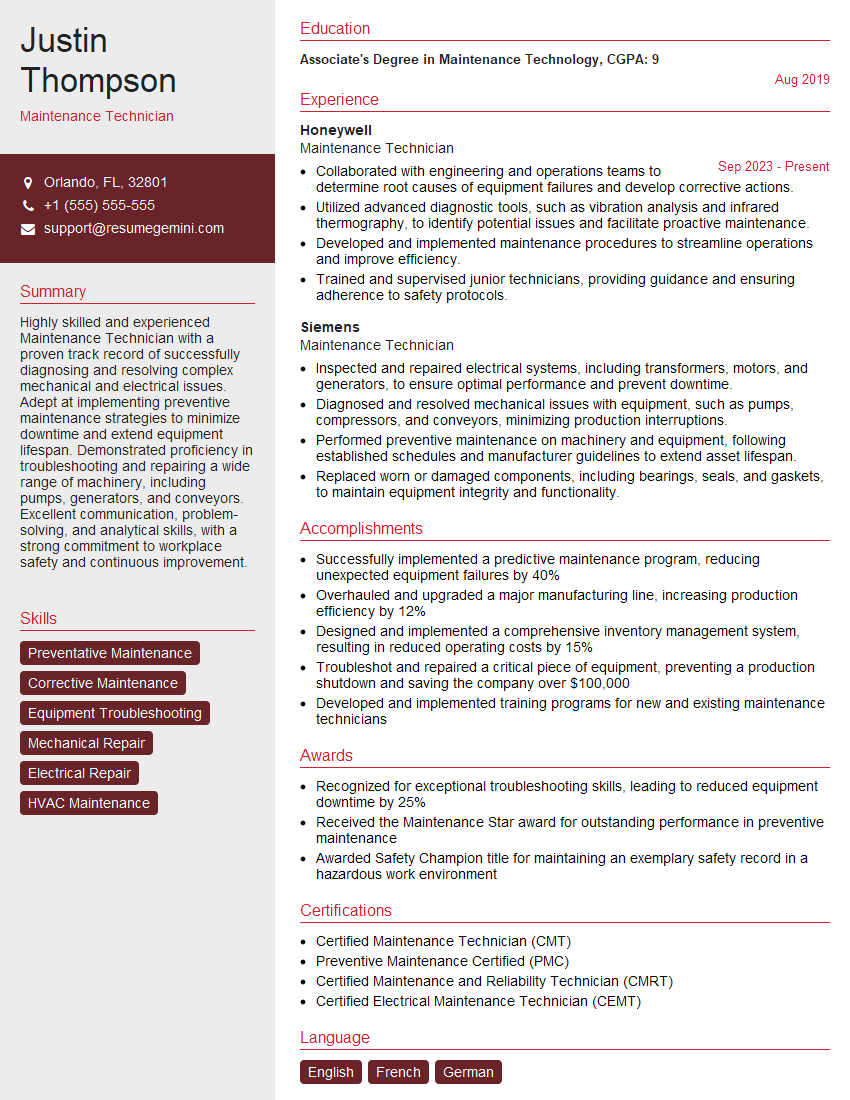
Maintenance Technician Resume Sample
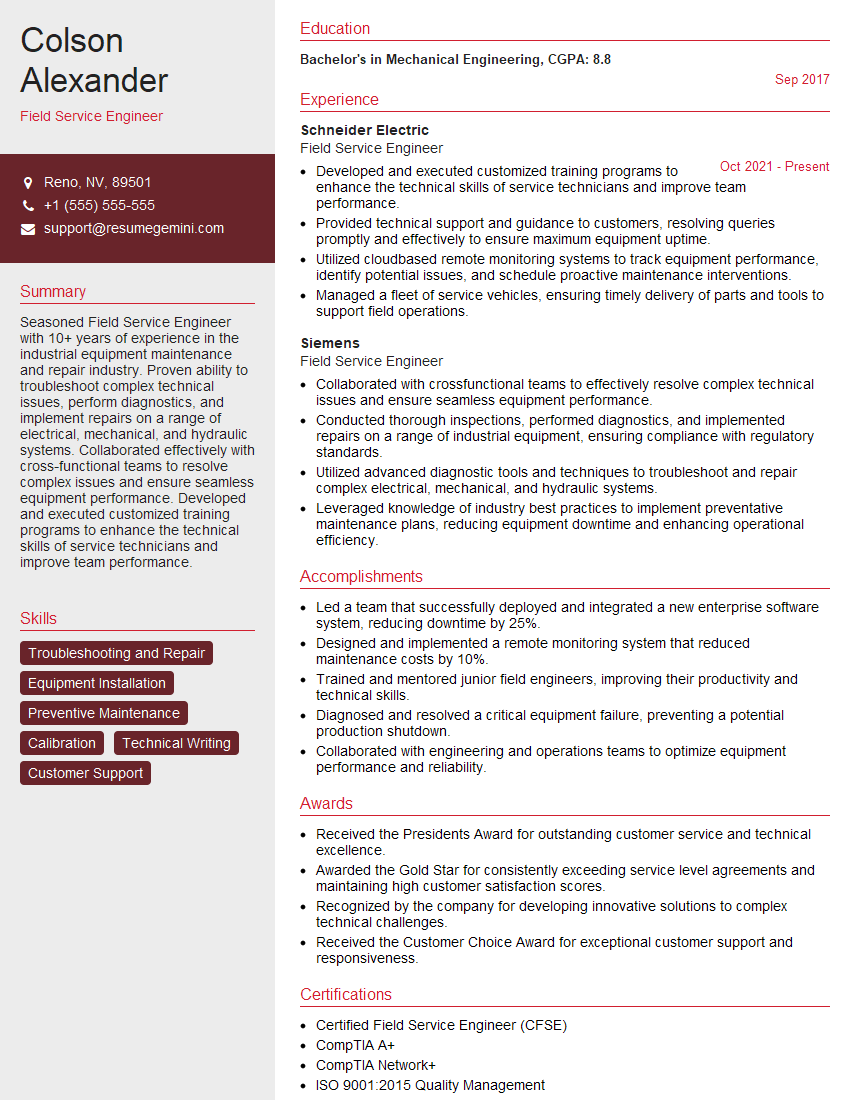
Field Service Engineer Resume Sample
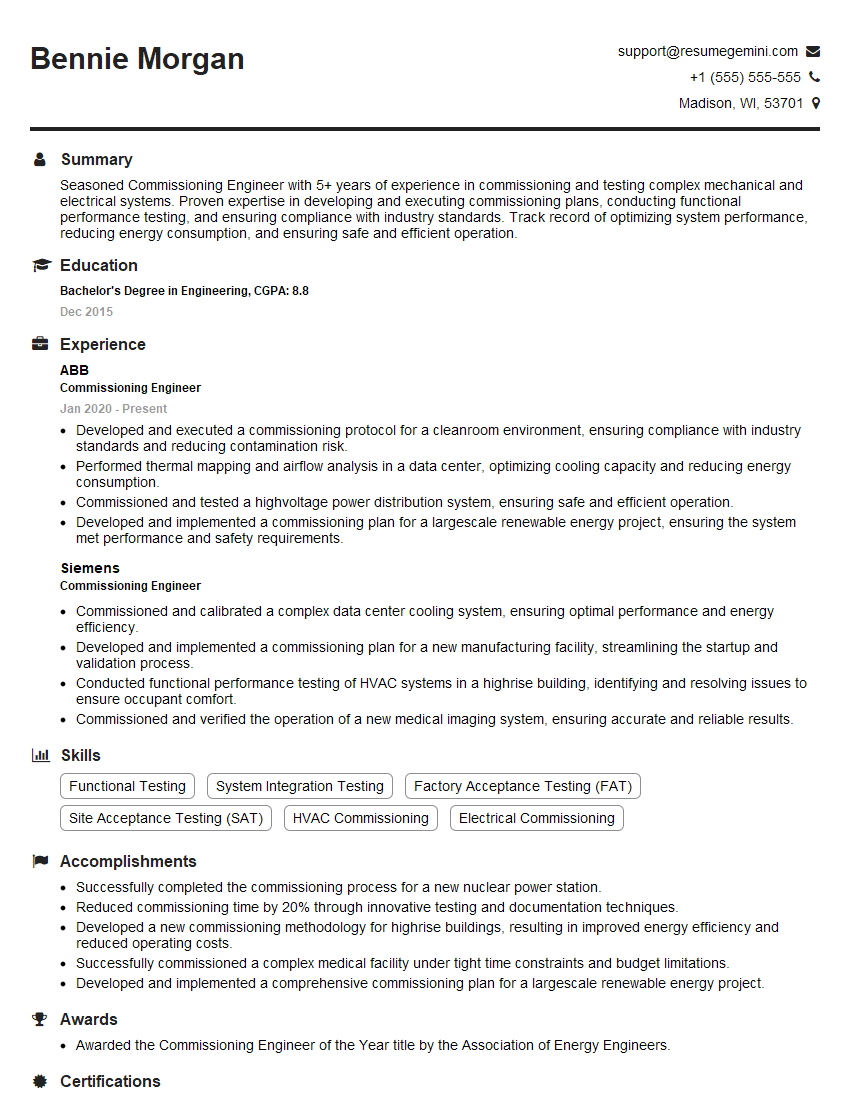
Commissioning Engineer Resume Sample
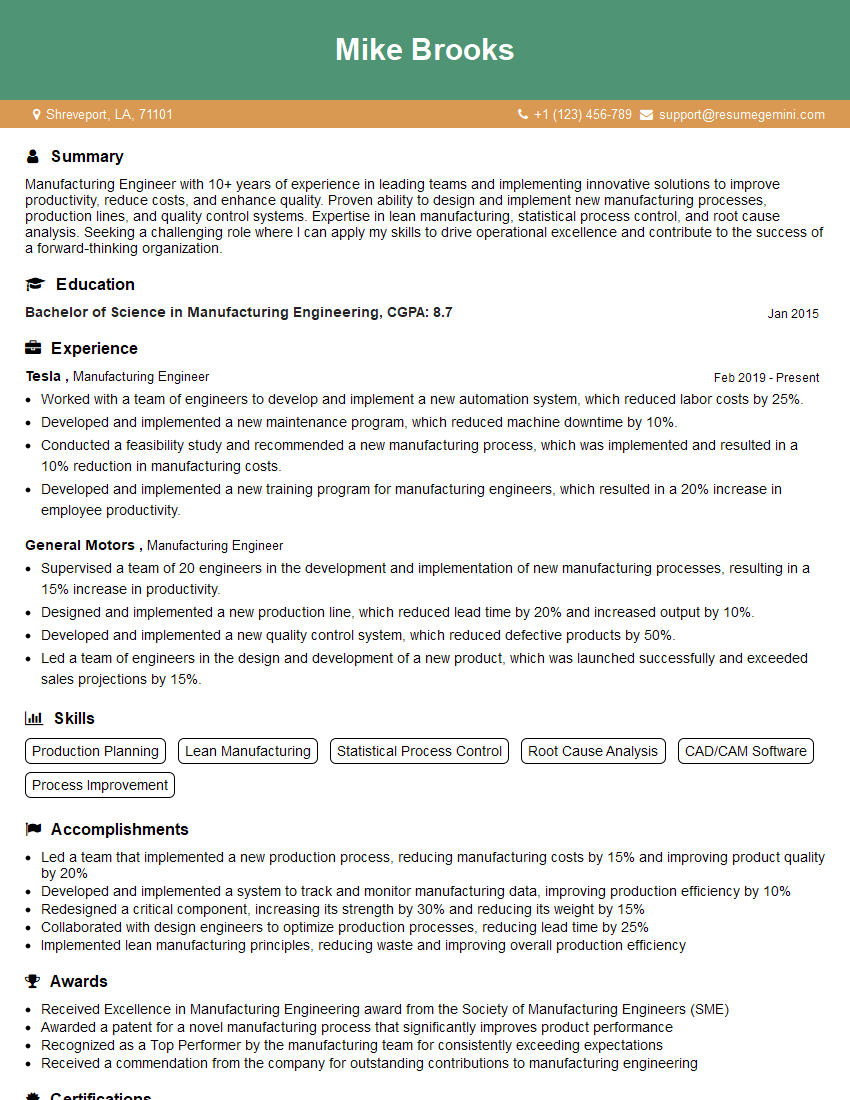
Manufacturing Engineer Resume Sample
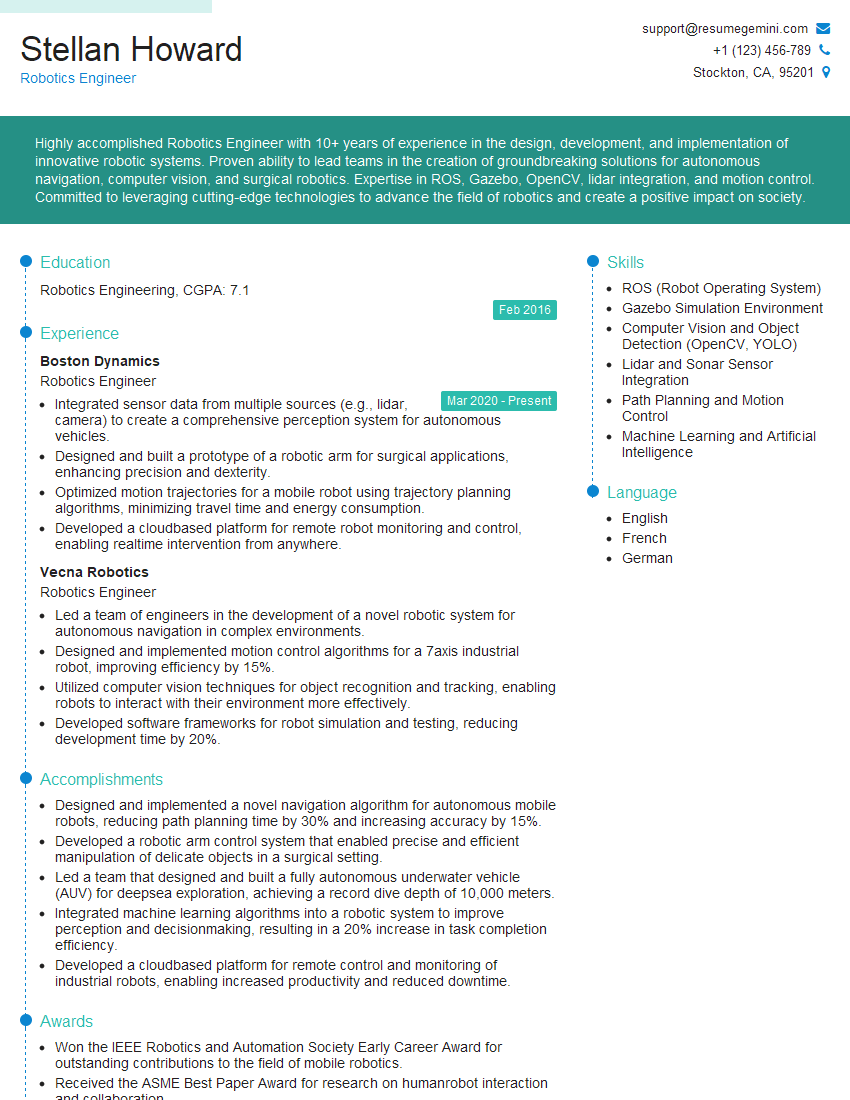
Robotics Engineer Resume Sample
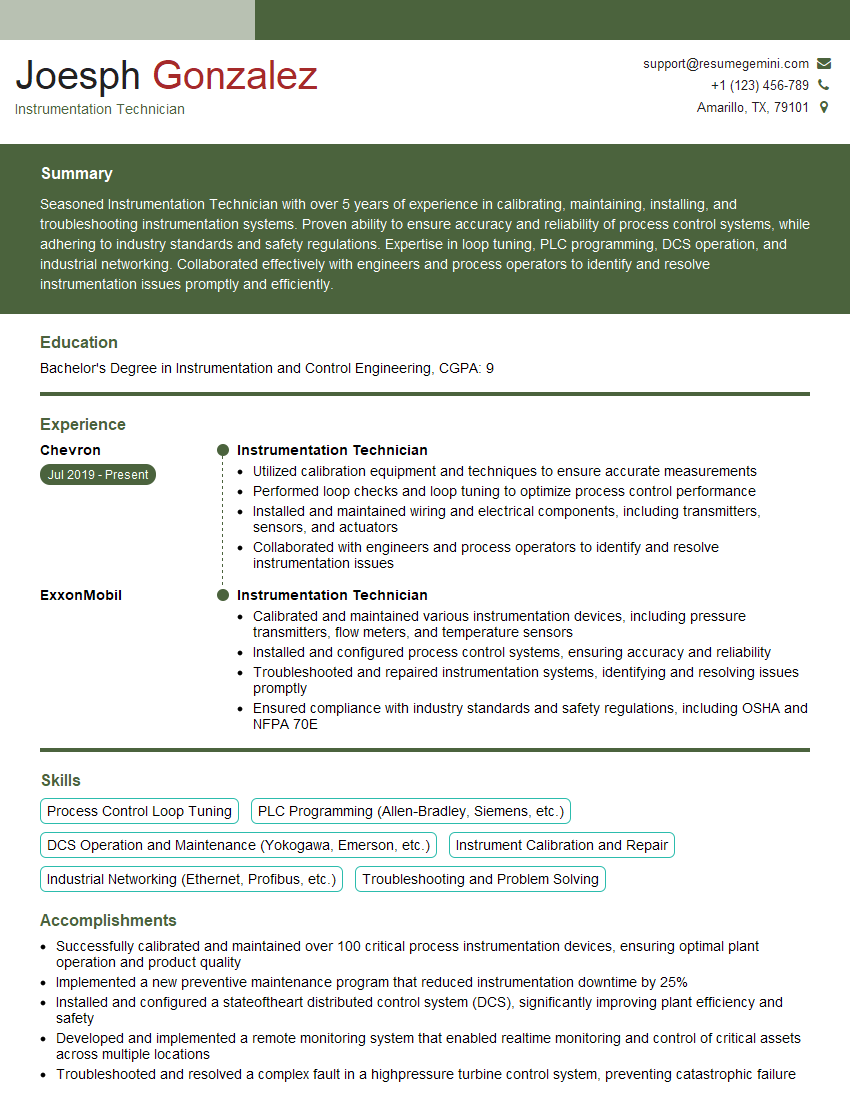
Instrumentation Technician Resume Sample
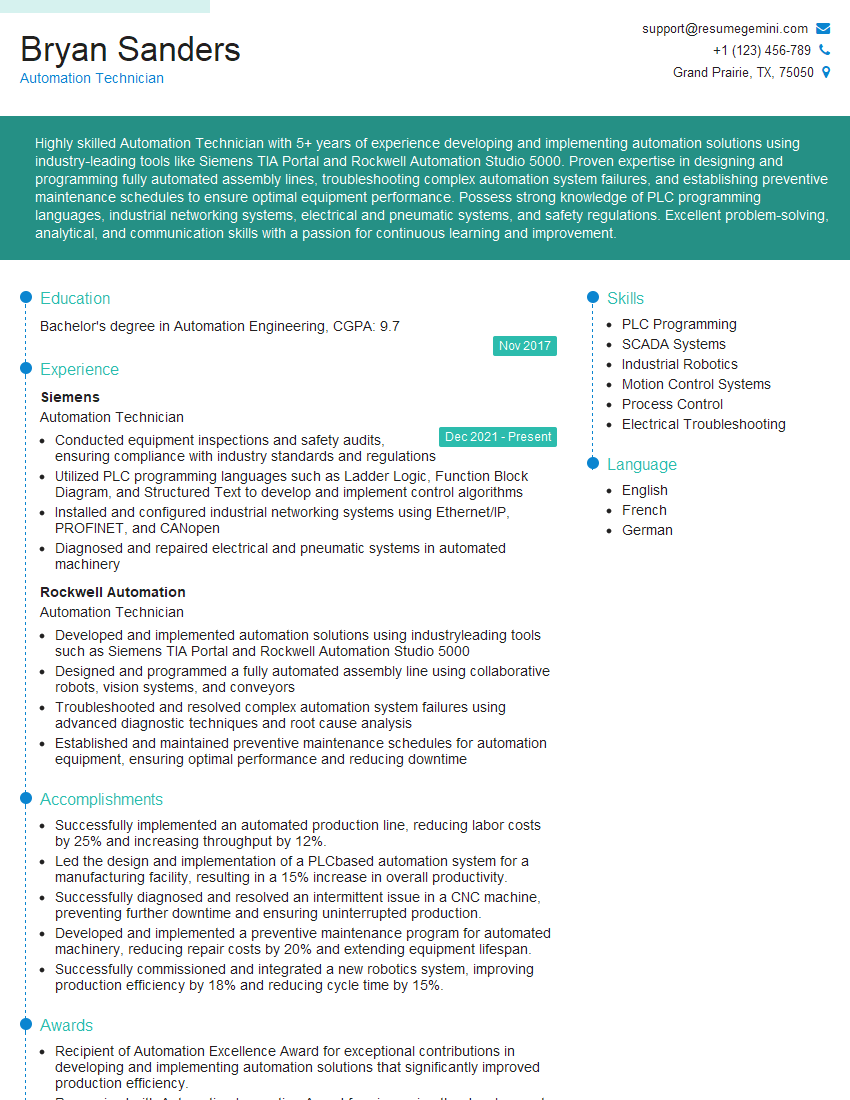
Automation Technician Resume Sample
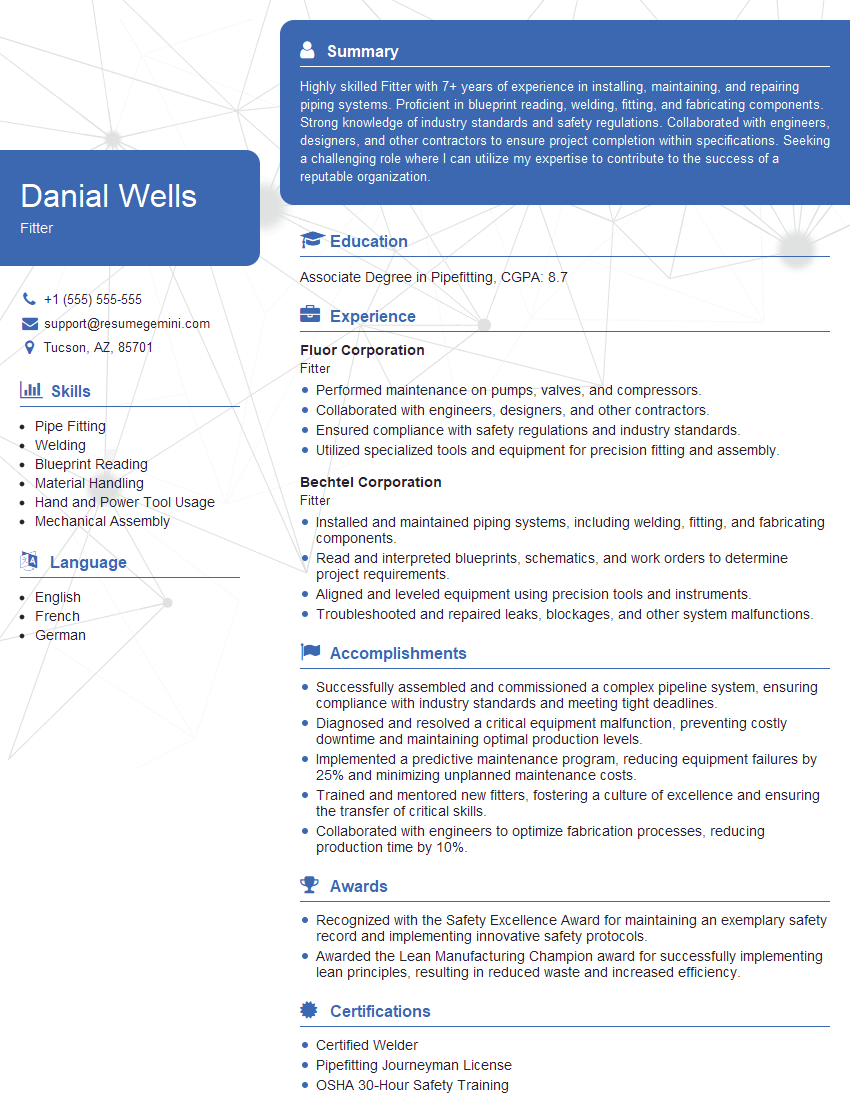
Fitter Resume Sample
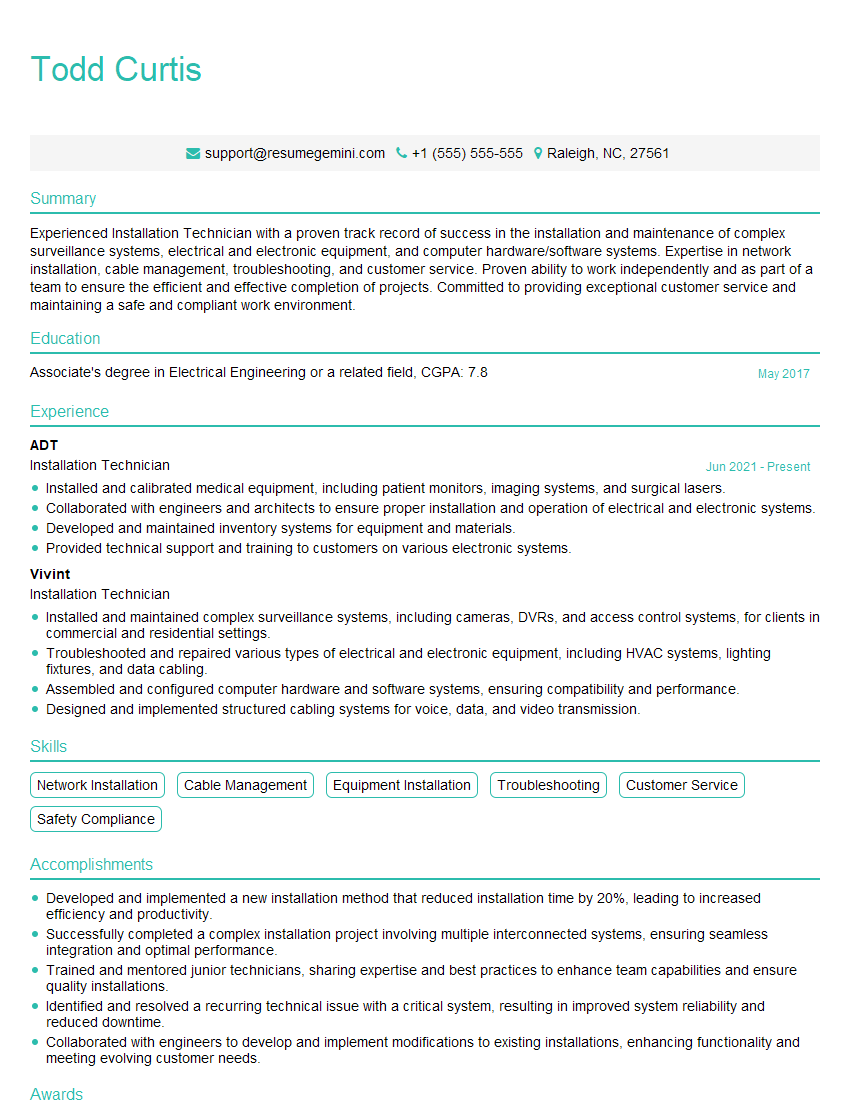
Installation Technician Resume Sample
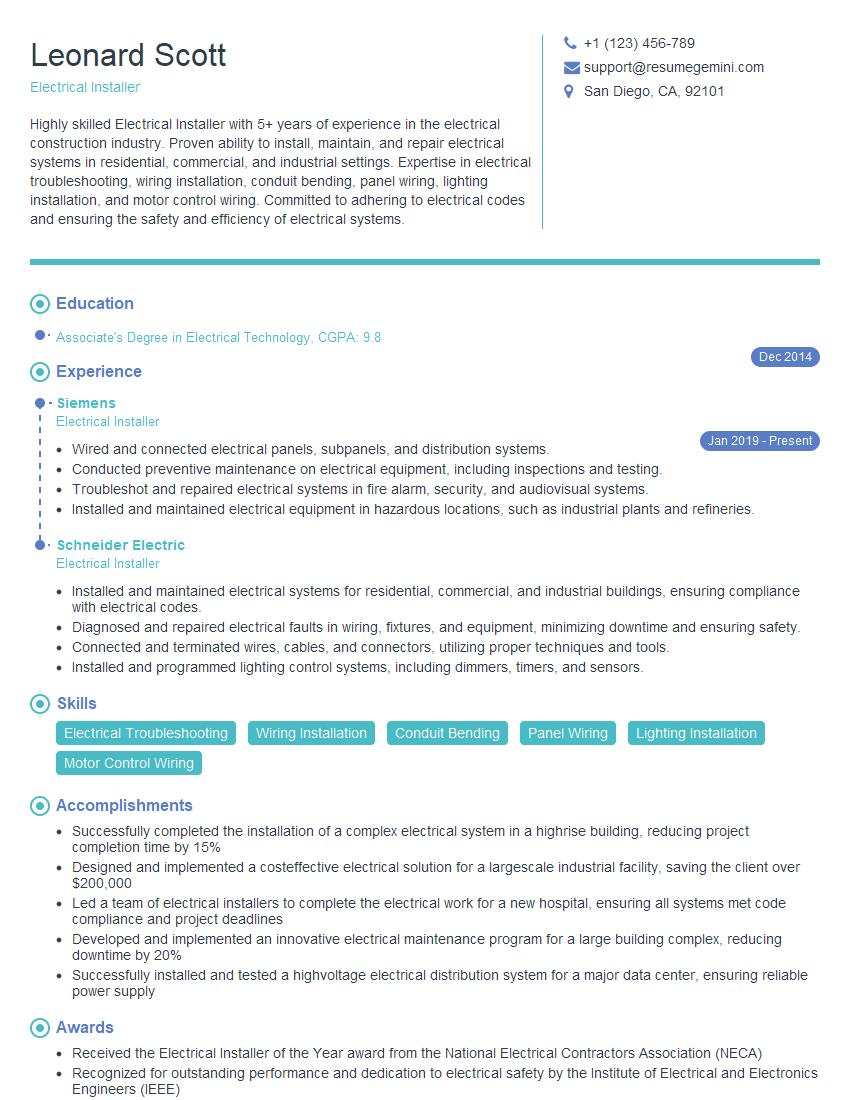
Electrical Installer Resume Sample
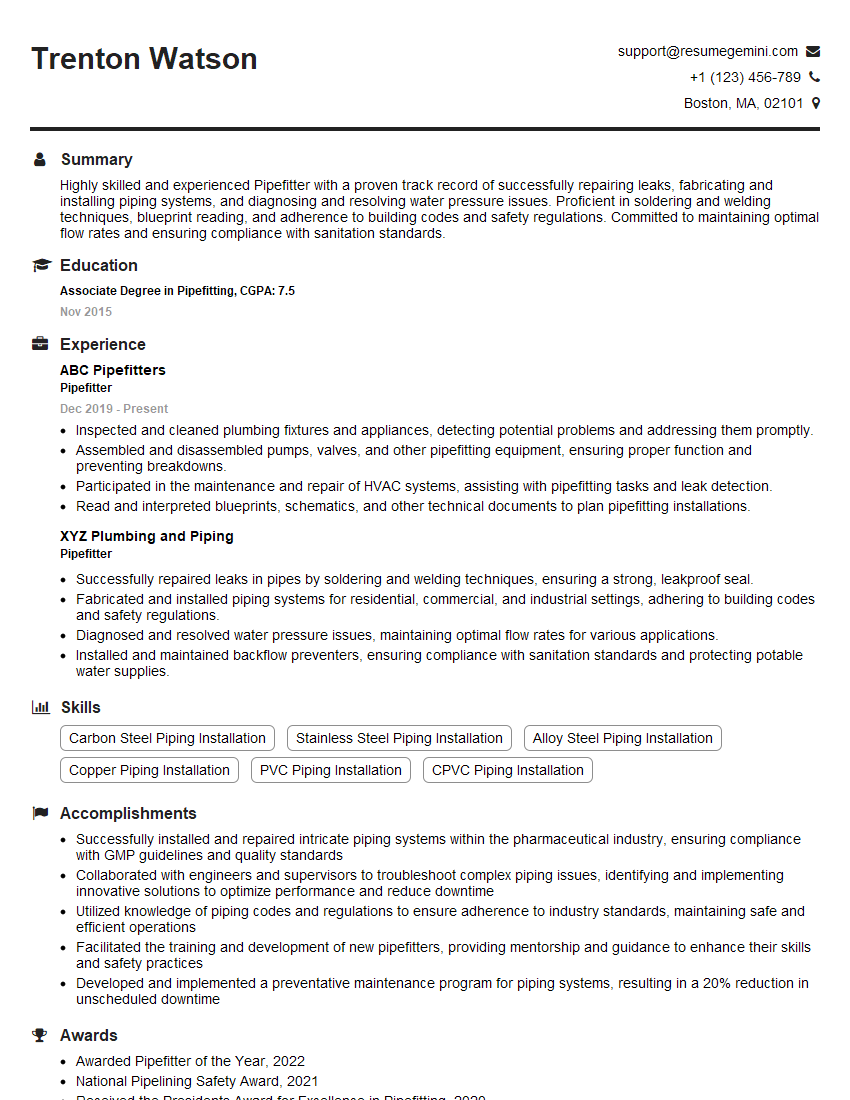
Pipefitter Resume Sample
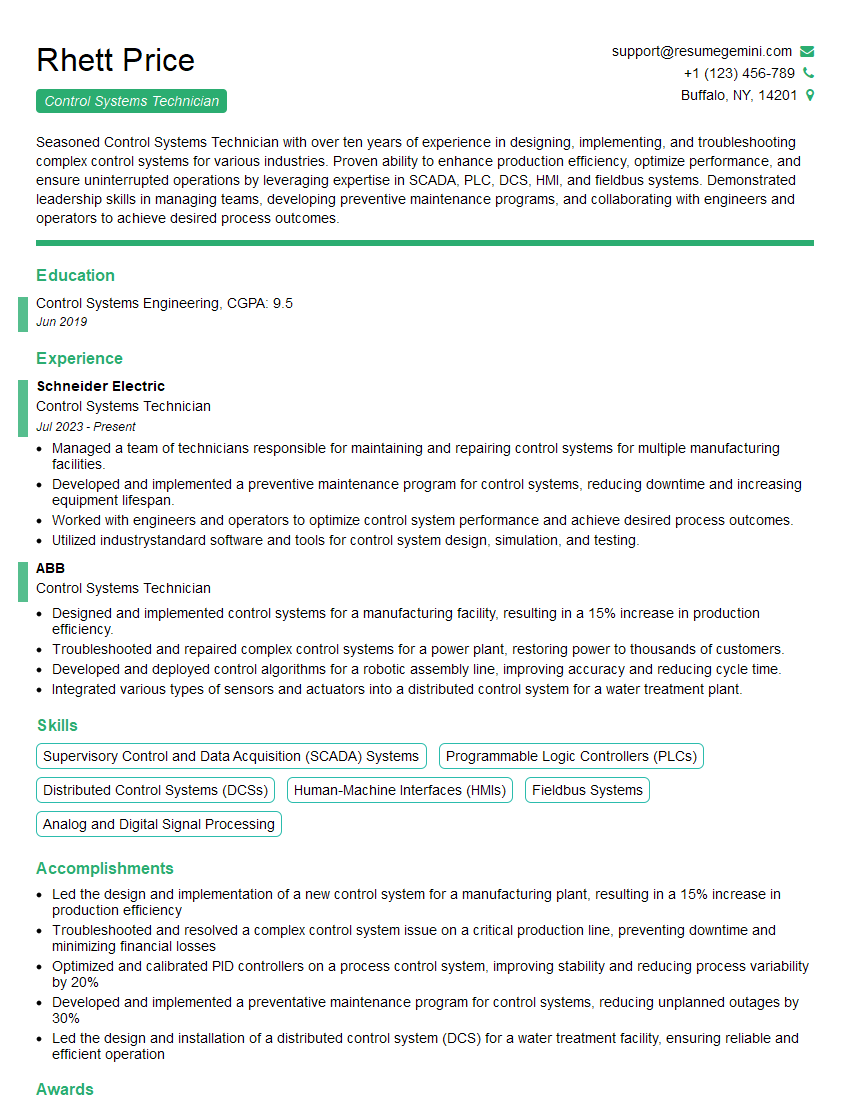
Control Systems Technician Resume Sample
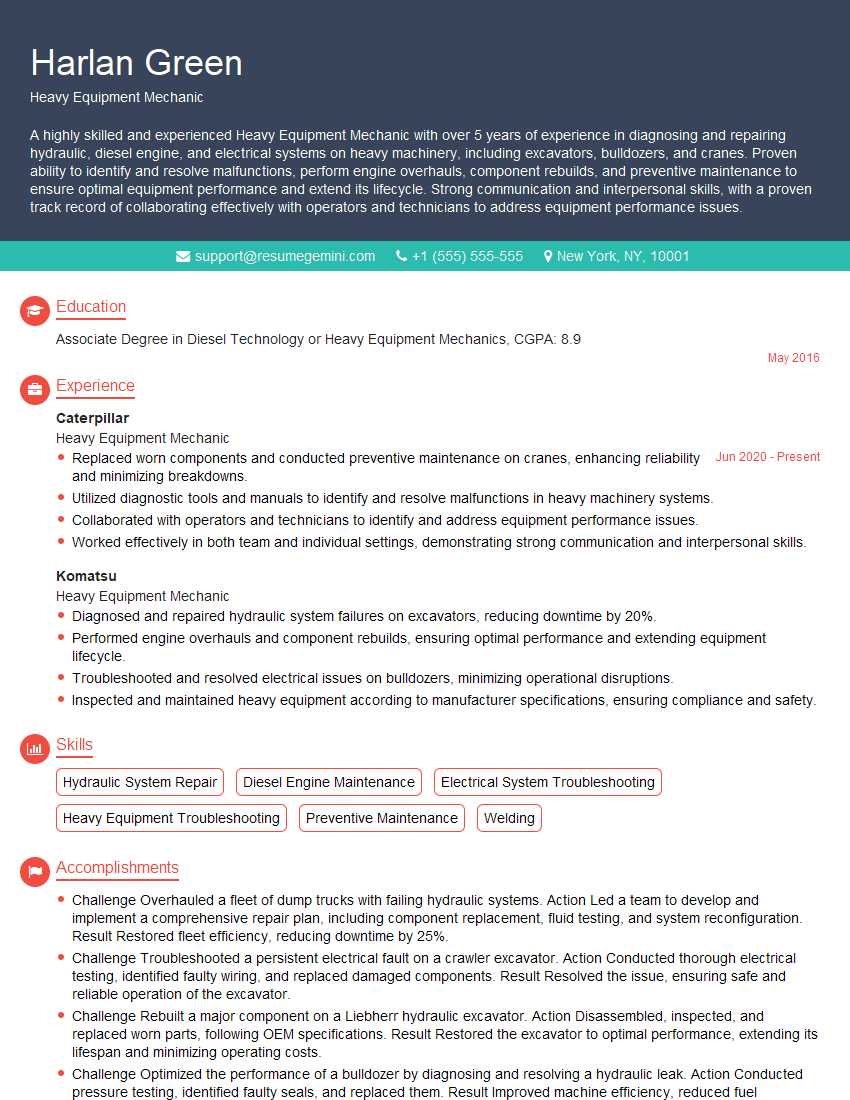
Heavy Equipment Mechanic Resume Sample

Welder Resume Sample
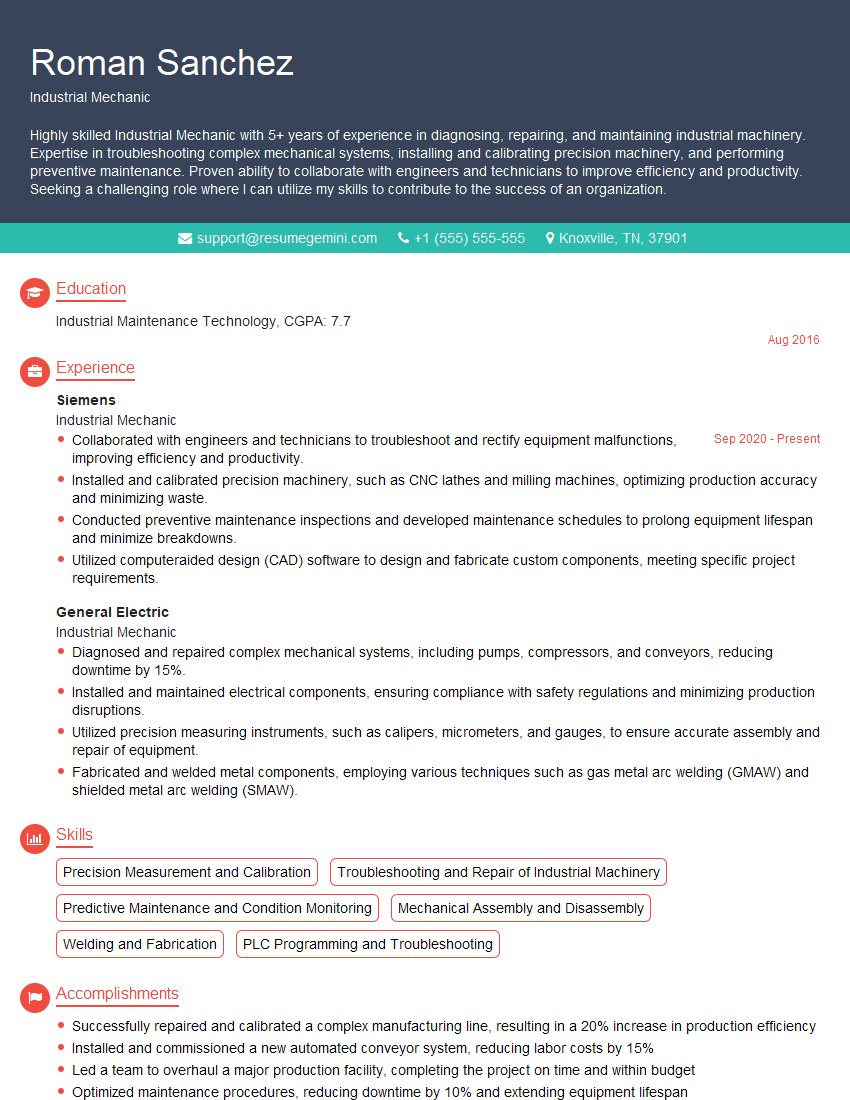
Industrial Mechanic Resume Sample
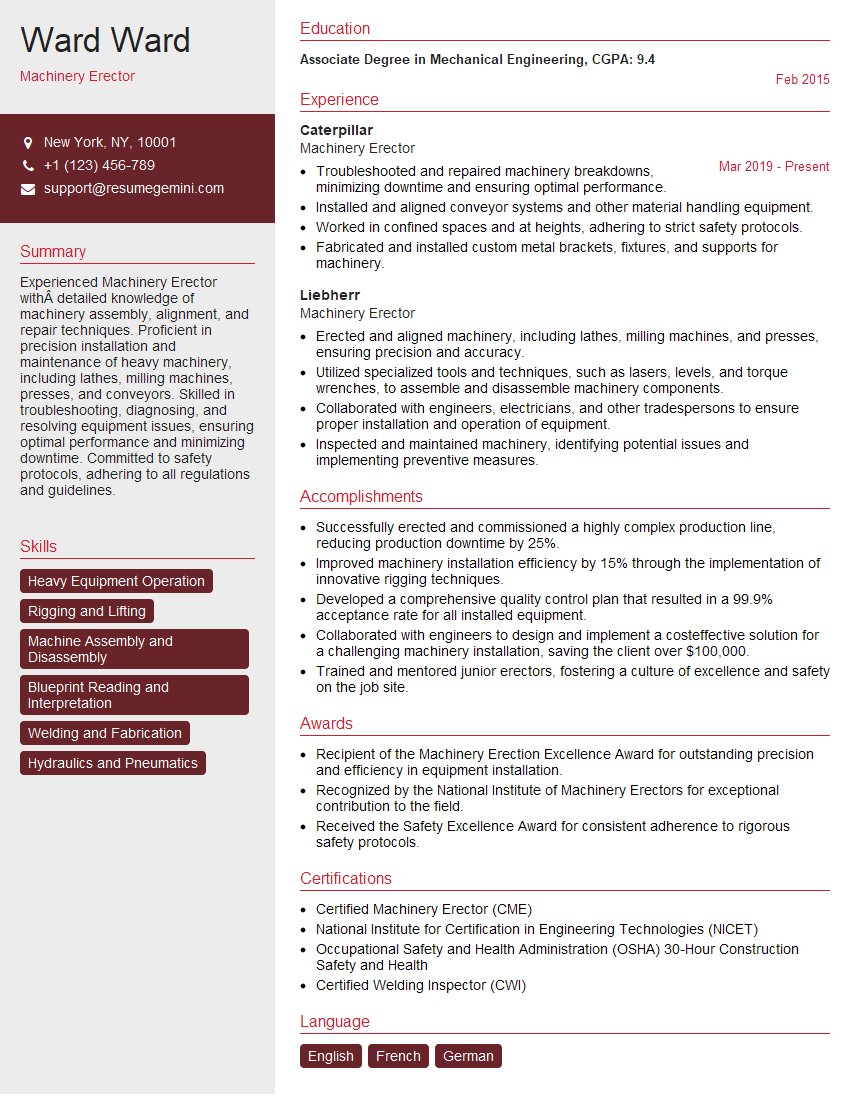
Machinery Erector Resume Sample
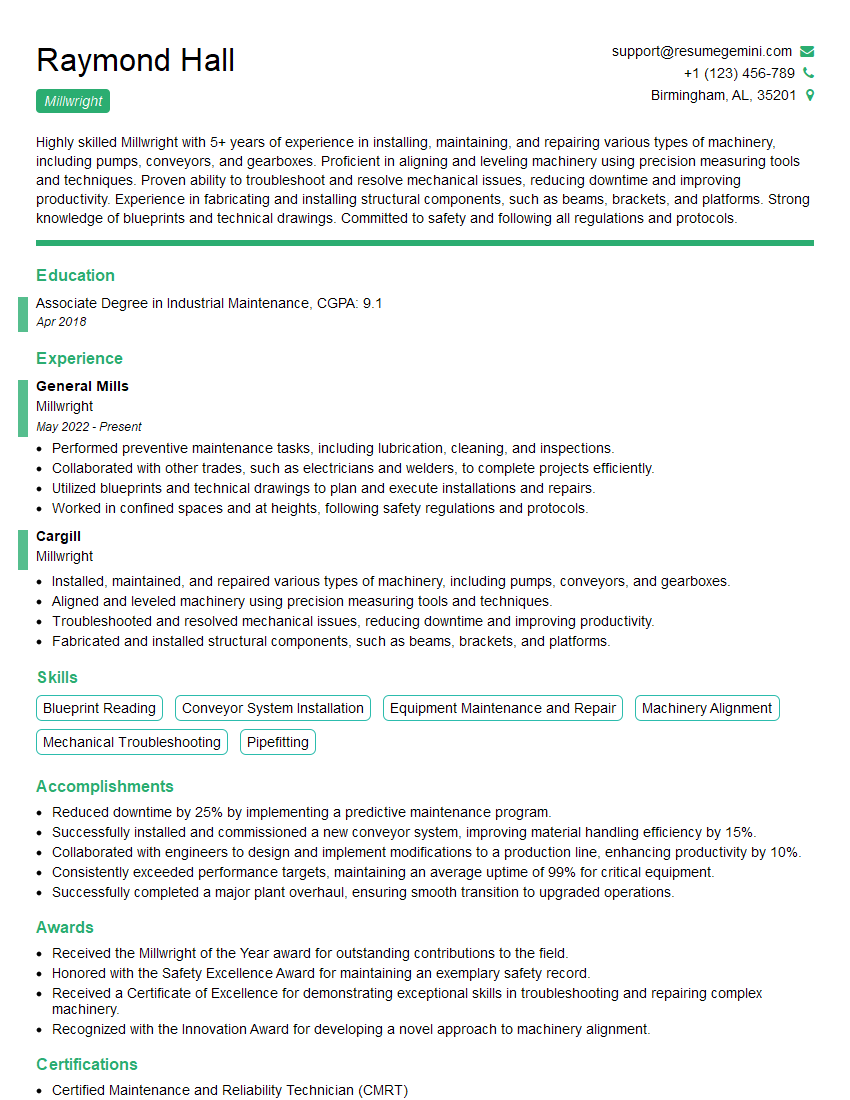
Millwright Resume Sample
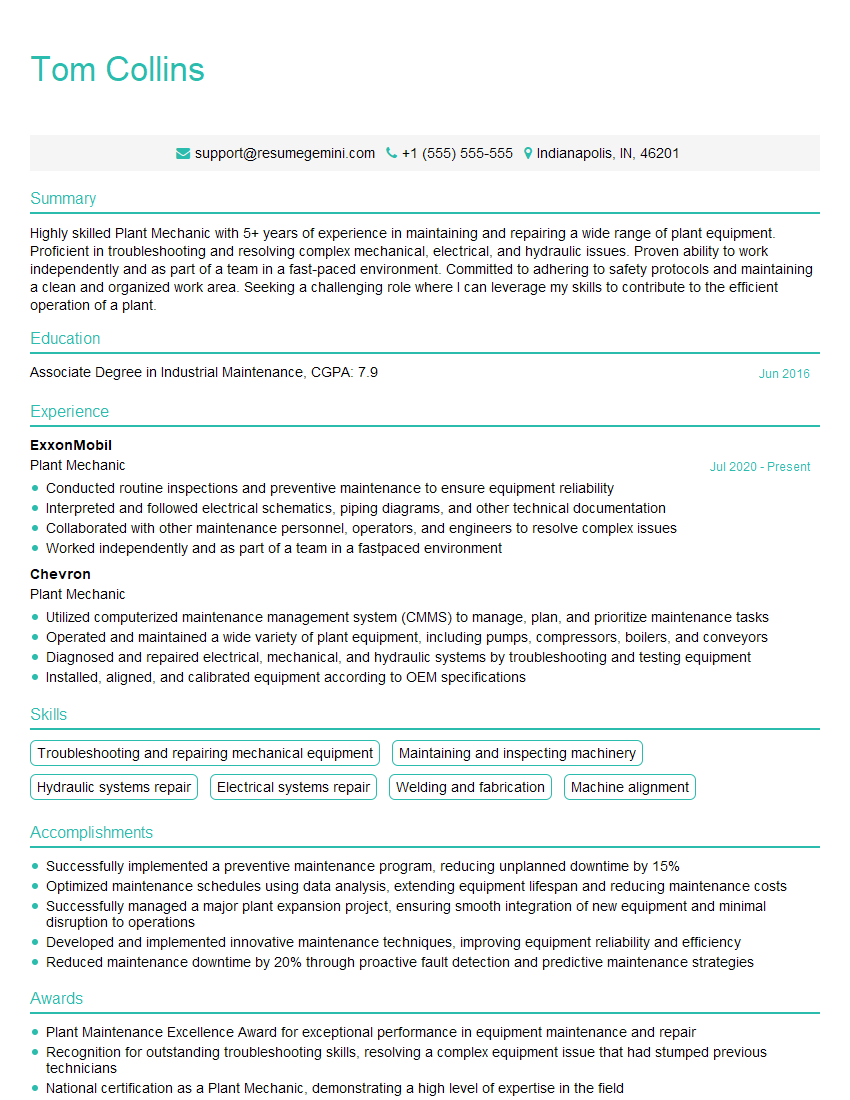
Plant Mechanic Resume Sample
- Maintenance Manager
- Project Engineer
- Maintenance Technician
- Field Service Engineer
- Commissioning Engineer
- Manufacturing Engineer
- Robotics Engineer
- Instrumentation Technician
- Automation Technician
- Fitter
- Installation Technician
- Electrical Installer
- Pipefitter
- Control Systems Technician
- Heavy Equipment Mechanic
- Welder
- Industrial Mechanic
- Machinery Erector
- Millwright
- Plant Mechanic
Explore more articles
Users Rating of Our Blogs
Share Your Experience
We value your feedback! Please rate our content and share your thoughts (optional).
What Readers Say About Our Blog
Very informative content, great job.
good