The thought of an interview can be nerve-wracking, but the right preparation can make all the difference. Explore this comprehensive guide to Instrumentation and Data Analysis interview questions and gain the confidence you need to showcase your abilities and secure the role.
Questions Asked in Instrumentation and Data Analysis Interview
Q 1. Explain the difference between accuracy and precision in instrumentation.
Accuracy and precision are two crucial aspects of measurement that are often confused but are distinct concepts. Accuracy refers to how close a measurement is to the true or accepted value. Precision, on the other hand, refers to how close repeated measurements are to each other. Think of it like shooting an arrow at a target:
- High Accuracy, High Precision: All arrows are clustered tightly together and near the bullseye.
- High Accuracy, Low Precision: Arrows are scattered but the average position is close to the bullseye.
- Low Accuracy, High Precision: Arrows are clustered tightly together, but far from the bullseye.
- Low Accuracy, Low Precision: Arrows are scattered randomly across the target.
In instrumentation, achieving both high accuracy and high precision is ideal. For instance, a highly accurate and precise thermometer will consistently give readings very close to the actual temperature. A poorly calibrated instrument might have high precision (consistent readings) but low accuracy (wrong readings).
Q 2. Describe different types of sensors and their applications.
Sensors are transducers that convert a physical phenomenon (like temperature, pressure, or light) into a measurable electrical signal. There’s a vast array of sensors, each suited to specific applications. Here are a few examples:
- Temperature Sensors (Thermocouples, RTDs, Thermistors): Used in industrial processes, weather stations, automotive applications, and medical devices to measure temperature.
- Pressure Sensors: Used in weather forecasting, aerospace, automotive tire pressure monitoring, and medical equipment to measure pressure.
- Light Sensors (Photodiodes, Photoresistors): Used in cameras, light meters, automated lighting systems, and robotics to measure light intensity.
- Accelerometers: Used in smartphones, gaming consoles, and inertial navigation systems to measure acceleration.
- Proximity Sensors: Used in robotics, automotive safety systems, and automated doors to detect the presence of objects.
- Ultrasonic Sensors: Used in parking sensors, distance measurement, and flow measurement to determine distance or flow rate.
The choice of sensor depends entirely on the application’s specific requirements, considering factors like accuracy, range, response time, and environmental conditions.
Q 3. How do you handle missing data in a dataset?
Missing data is a common problem in data analysis. The best way to handle it depends on the context and the amount of missing data. Several strategies exist:
- Deletion: This involves removing rows or columns with missing values. This is simple but can lead to significant information loss, especially with a large percentage of missing data. It’s usually only suitable when the amount of missing data is small and random.
- Imputation: This involves filling in the missing values with estimated values. Common methods include:
- Mean/Median/Mode Imputation: Replacing missing values with the mean, median, or mode of the respective column. Simple but can distort the distribution if missing data is not random.
- Regression Imputation: Predicting missing values using a regression model based on other variables. More sophisticated but requires careful consideration of model assumptions.
- K-Nearest Neighbors (KNN) Imputation: Imputing missing values based on the values of similar data points (neighbors) in the dataset. Effective for handling non-random missing data.
- Model-Based Methods: Some machine learning algorithms (like EM algorithm or multiple imputation) are specifically designed to handle missing data during the model-building process.
Choosing the right method requires careful consideration of the nature of the missing data (Missing Completely at Random (MCAR), Missing at Random (MAR), Missing Not at Random (MNAR)) and the potential impact on the analysis.
Q 4. What are the common methods for data cleaning?
Data cleaning is a crucial step in any data analysis project. It involves identifying and correcting (or removing) inconsistencies, errors, and inaccuracies in the data. Common methods include:
- Handling Missing Values: As described above.
- Outlier Detection and Treatment: Identifying and handling data points that significantly deviate from the rest of the data. Outliers can be due to errors or represent genuine extreme values. Treatment options include removal, transformation (e.g., log transformation), or imputation.
- Data Transformation: Converting data into a more suitable format for analysis. This might involve scaling (e.g., standardization or normalization), converting data types, or creating new variables.
- Data Smoothing: Reducing noise or irregularities in the data, often used with time-series data. Techniques include moving averages and filtering.
- Error Correction: Correcting data entry errors, inconsistencies, and other inaccuracies. This often requires manual inspection and correction.
- Duplicate Removal: Identifying and removing duplicate entries.
Effective data cleaning ensures that the analysis is based on reliable and consistent data, leading to more accurate and meaningful results.
Q 5. Explain the concept of signal-to-noise ratio.
The signal-to-noise ratio (SNR) is a measure that compares the level of a desired signal to the level of background noise. A high SNR indicates a strong signal relative to the noise, while a low SNR indicates a weak signal that is easily obscured by noise. It’s often expressed in decibels (dB):
SNR (dB) = 10 * log10(Signal Power / Noise Power)
In instrumentation, a high SNR is crucial for accurate measurements. Noise can come from various sources, including electronic components, environmental interference, and sensor limitations. For instance, a microphone with a low SNR will struggle to pick up faint sounds due to background noise. Techniques like signal filtering and averaging can improve the SNR.
Q 6. How do you choose the appropriate statistical test for a given dataset?
Selecting the appropriate statistical test depends on several factors, including:
- The type of data: Is it continuous, categorical, ordinal?
- The number of groups being compared: Are you comparing two groups or more?
- The research question: Are you testing for differences between means, proportions, or associations?
- Assumptions about the data: Are the data normally distributed? Are the variances equal?
Here’s a simplified guide:
- Comparing means of two groups: t-test (for normally distributed data with equal variances) or Mann-Whitney U test (for non-normally distributed data or unequal variances).
- Comparing means of three or more groups: ANOVA (for normally distributed data with equal variances) or Kruskal-Wallis test (for non-normally distributed data or unequal variances).
- Comparing proportions: Chi-square test or Fisher’s exact test.
- Testing for correlation: Pearson correlation (for linearly related continuous data) or Spearman correlation (for non-linearly related or ordinal data).
It’s vital to understand the assumptions of each test and to check whether your data meets those assumptions before applying the test. Incorrectly chosen tests can lead to unreliable conclusions.
Q 7. What are some common data visualization techniques?
Data visualization is essential for understanding and communicating insights from data. Common techniques include:
- Histograms: Show the distribution of a single continuous variable.
- Scatter plots: Show the relationship between two continuous variables.
- Line charts: Show trends over time or other continuous variables.
- Bar charts: Show comparisons between different categories.
- Pie charts: Show proportions of different categories.
- Box plots: Show the distribution of a single continuous variable, including median, quartiles, and outliers.
- Heatmaps: Show the values of a matrix or table using color coding.
- Geographic maps: Show data geographically.
The choice of visualization technique depends on the data type and the message you want to convey. Effective visualizations should be clear, concise, and easy to interpret.
Q 8. Describe your experience with different data analysis tools (e.g., Python, R, Tableau).
My experience with data analysis tools is extensive, encompassing both scripting languages like Python and R, and visual analytics platforms such as Tableau. Python, with libraries like Pandas, NumPy, and Scikit-learn, forms the backbone of my data manipulation and modeling work. I use Pandas for data cleaning, transformation, and exploration, NumPy for efficient numerical computations, and Scikit-learn for implementing various machine learning algorithms. R, with its powerful statistical capabilities and packages like ggplot2 for visualization, is my go-to for advanced statistical analysis and creating publication-quality graphs. Finally, Tableau allows me to create interactive dashboards and visualizations, enabling clear communication of complex findings to both technical and non-technical audiences. For example, in a recent project involving sensor data analysis, I used Python to preprocess the data, R for statistical modeling to identify trends, and Tableau to present the key findings in an easily digestible format for stakeholders.
Q 9. Explain your understanding of different data structures (e.g., arrays, linked lists, trees).
Understanding data structures is fundamental to efficient data analysis. Arrays are ordered collections of elements of the same data type, providing fast access to elements via indexing. They are ideal for numerical computations and are extensively used in NumPy. Linked lists, on the other hand, are dynamic structures where each element points to the next, allowing for efficient insertion and deletion of elements but slower random access. Trees are hierarchical structures, useful for representing relationships between data points. Different types of trees, such as binary trees and decision trees, offer varying levels of efficiency depending on the application. For instance, decision trees are widely used in machine learning for classification problems, where the hierarchical structure represents decision rules based on features. In a recent project involving network analysis, I used graph data structures (a type of tree), which are particularly well-suited to represent complex relationships within the data set.
Q 10. How do you identify and handle outliers in your data?
Outlier detection and handling are crucial for ensuring data accuracy and model robustness. I typically employ a combination of visual methods and statistical techniques. Box plots provide a quick visual identification of outliers, showing data points beyond the interquartile range (IQR). Statistically, I often use the Z-score method, where outliers are defined as points falling beyond a certain number of standard deviations from the mean. Other techniques include the modified Z-score and the interquartile range (IQR) method. The approach I take depends on the nature of the data and the potential impact of outliers. For example, in a project analyzing manufacturing yields, I used the IQR method to identify outliers in the daily output, which were then investigated for root cause analysis. After determining whether an outlier is a result of a measurement error or an actual event, I might choose to remove, transform (e.g., Winsorizing or capping), or model the outlier separately.
Q 11. What is the difference between supervised and unsupervised learning?
Supervised and unsupervised learning are two fundamental paradigms in machine learning. In supervised learning, the algorithm learns from labeled data, meaning the data includes both input features and corresponding target variables. The algorithm aims to learn a mapping between inputs and outputs, allowing it to predict the target variable for new, unseen data. Examples include linear regression and support vector machines. In unsupervised learning, the algorithm learns from unlabeled data, where only input features are provided. The algorithm aims to uncover underlying structure or patterns in the data. Examples include clustering algorithms like k-means and dimensionality reduction techniques like principal component analysis. To illustrate, classifying images of cats and dogs would be a supervised learning task (labeled data with ‘cat’ or ‘dog’ as target variables), while grouping similar customers based on purchasing behavior would be an unsupervised learning task (unlabeled data focusing on purchasing patterns).
Q 12. Explain your experience with regression analysis.
Regression analysis is a powerful statistical method used to model the relationship between a dependent variable and one or more independent variables. I have extensive experience using linear regression, polynomial regression, and other advanced regression techniques such as ridge and lasso regression to handle multicollinearity. Linear regression is widely used to determine the linear relationship between two variables while polynomial regression can model non-linear relationships. Regularization techniques like ridge and lasso regression are used when the number of independent variables is large compared to the number of observations. In a past project involving predicting energy consumption, I used multiple linear regression to model the relationship between energy consumption and various factors such as temperature and occupancy. I also used diagnostics tools to assess the model’s assumptions and adjusted the model as necessary to ensure accuracy and reliability.
Q 13. Describe your experience with classification algorithms.
Classification algorithms are used to assign data points to predefined categories or classes. I have experience with various algorithms, including logistic regression, support vector machines (SVMs), decision trees, and random forests. Logistic regression is suitable for binary classification problems, while SVMs can handle both linear and non-linear classification tasks. Decision trees and random forests are ensemble methods that combine multiple decision trees to improve accuracy and robustness. In a project related to fault detection in a manufacturing process, I implemented a random forest classifier to predict the likelihood of different types of faults based on sensor readings. I evaluated the performance of different classifiers using metrics such as precision, recall, F1-score, and AUC to select the most suitable algorithm for the specific task.
Q 14. What is the purpose of calibration in instrumentation?
Calibration in instrumentation is the process of adjusting an instrument to ensure that its readings are accurate and consistent with a known standard. This is crucial for obtaining reliable and trustworthy data. Without calibration, instruments can drift over time due to various factors such as temperature changes, aging components, and wear and tear, leading to inaccurate measurements. The process typically involves comparing the instrument’s readings to those of a traceable standard and applying corrections to minimize any discrepancies. Calibration procedures are documented and followed strictly to maintain the instrument’s accuracy and traceability. For example, a temperature sensor used in a critical manufacturing process needs regular calibration against a certified thermometer to ensure the temperature readings used in process control are accurate. Failure to calibrate could result in production defects or safety hazards. The frequency of calibration depends on the criticality of the application and the stability of the instrument.
Q 15. How do you ensure the reliability and validity of your data analysis results?
Ensuring the reliability and validity of data analysis results is paramount. Reliability refers to the consistency of results – would we get similar findings if we repeated the analysis? Validity refers to whether the analysis actually measures what it intends to measure. Both are crucial for drawing meaningful conclusions.
Data Quality Control: Before any analysis, I meticulously check data quality. This includes handling missing values (imputation or removal depending on the context and extent), identifying and addressing outliers (potentially indicating errors or interesting sub-populations needing separate analysis), and ensuring data consistency (e.g., consistent units of measurement).
Robust Statistical Methods: I choose statistical methods appropriate for the data type and research question. For example, non-parametric tests are used when assumptions of normality aren’t met. I also consider the power of my tests, ensuring I have enough data to detect meaningful effects.
Cross-Validation and Resampling Techniques: Techniques like k-fold cross-validation help assess the generalizability of my models. This involves splitting the data into multiple subsets, training the model on some subsets, and testing it on the remaining subset. This helps prevent overfitting, where a model performs well on the training data but poorly on unseen data.
Sensitivity Analysis: I explore the sensitivity of my results to changes in assumptions or data. For instance, if a small change in a parameter drastically alters the conclusions, it indicates a less robust finding.
Peer Review and External Validation: I always strive for peer review, where other experts can critique the methodology and results. External validation, replicating the study with independent data, is the ultimate test of reliability and validity.
For example, in a project analyzing sensor data from a manufacturing plant, I ensured data reliability by implementing rigorous quality checks, including data consistency validation, outlier detection through visualization and statistical methods, and employing time series analysis techniques appropriate for the nature of the data. This rigorous approach increased the confidence in the insights drawn from the analysis, improving decision-making for the factory.
Career Expert Tips:
- Ace those interviews! Prepare effectively by reviewing the Top 50 Most Common Interview Questions on ResumeGemini.
- Navigate your job search with confidence! Explore a wide range of Career Tips on ResumeGemini. Learn about common challenges and recommendations to overcome them.
- Craft the perfect resume! Master the Art of Resume Writing with ResumeGemini’s guide. Showcase your unique qualifications and achievements effectively.
- Don’t miss out on holiday savings! Build your dream resume with ResumeGemini’s ATS optimized templates.
Q 16. Explain your experience with data mining techniques.
My experience with data mining techniques is extensive. I’m proficient in various techniques, ranging from association rule mining to clustering and classification.
Association Rule Mining (e.g., Apriori): I’ve used this to discover interesting relationships between variables in large datasets. For example, in retail, this can reveal which products are frequently purchased together, informing marketing strategies.
Clustering (e.g., k-means, hierarchical clustering): I’ve applied clustering to group similar data points together. This is useful for customer segmentation, anomaly detection, and image processing. For instance, in customer segmentation, I’ve used k-means clustering to segment customers based on their purchasing behavior and demographics, allowing for more targeted marketing campaigns.
Classification (e.g., decision trees, support vector machines, neural networks): I’ve used classification to predict categorical outcomes. Applications include fraud detection (predicting fraudulent transactions), medical diagnosis (predicting disease based on patient data), and spam filtering.
Regression (e.g., linear regression, logistic regression): I’ve used regression to predict continuous outcomes. This is applicable in forecasting (e.g., predicting sales), pricing optimization, and risk assessment.
In one project, I utilized association rule mining to analyze customer transaction data from an e-commerce platform. This led to the identification of unexpected product combinations frequently purchased together, which was then used to optimize product placement and recommendations, resulting in a significant boost in sales.
Q 17. How do you interpret and present your data analysis findings?
Interpreting and presenting data analysis findings requires clear communication. My approach involves a combination of visual aids and narrative explanations tailored to the audience.
Visualizations: I use various charts and graphs (e.g., histograms, scatter plots, box plots, heatmaps) to effectively communicate patterns and trends in the data. The choice of visualization depends on the type of data and the message I want to convey.
Summary Statistics: I present key summary statistics (e.g., mean, median, standard deviation, correlation coefficients) to quantify findings. I avoid overwhelming the audience with unnecessary details.
Narrative Explanation: I provide a clear and concise narrative explaining the findings in plain language, avoiding technical jargon whenever possible. I relate findings back to the original research question and discuss their implications.
Uncertainty Quantification: I acknowledge uncertainty and limitations in the data and analysis. For example, I report confidence intervals or p-values to indicate the reliability of my findings.
Interactive Dashboards (when appropriate): For complex datasets and interactive exploration, I develop interactive dashboards that allow stakeholders to explore the data themselves.
For example, when presenting findings from a clinical trial, I used bar charts to show the treatment effect, confidence intervals to indicate the precision of the estimate, and a narrative explaining the clinical significance of the results for both medical professionals and the general public. The approach ensured all stakeholders could understand the implications of the data.
Q 18. Describe your experience with different types of data (e.g., numerical, categorical, time series).
I have extensive experience working with diverse data types, including numerical, categorical, and time series data. Understanding the nuances of each data type is critical for appropriate analysis.
Numerical Data: This represents quantitative measurements (e.g., height, weight, temperature). Analysis techniques include descriptive statistics, hypothesis testing, and regression analysis.
Categorical Data: This represents qualitative data (e.g., color, gender, species). Analysis techniques include frequency distributions, chi-square tests, and logistic regression.
Time Series Data: This represents data collected over time (e.g., stock prices, weather data). Analysis techniques include time series decomposition, forecasting models (ARIMA, Prophet), and change point detection. For example, I used time series analysis to forecast energy consumption in a smart building, which allowed for optimization of energy management.
In a project involving customer feedback, I analyzed both numerical data (customer ratings) and categorical data (customer demographics and feedback comments). By combining these analyses, I was able to develop a more comprehensive understanding of customer satisfaction and identify key areas for improvement.
Q 19. How do you handle large datasets?
Handling large datasets efficiently requires strategic approaches. My experience involves techniques like data sampling, distributed computing, and database optimization.
Data Sampling: For exploratory analysis or model training, I often use random sampling or stratified sampling to reduce the dataset size while maintaining representativeness. This allows for faster processing and reduced computational cost.
Distributed Computing (e.g., Spark, Hadoop): For extremely large datasets that don’t fit into a single machine’s memory, I utilize distributed computing frameworks to parallelize the computation across multiple machines. This significantly speeds up processing time.
Database Optimization: I optimize database queries for efficiency. Techniques include indexing, query optimization, and data partitioning to reduce query execution time and resource consumption.
Data Reduction Techniques: Techniques like Principal Component Analysis (PCA) can reduce the dimensionality of the data, simplifying analysis and improving computational efficiency without significant loss of information.
In a project analyzing sensor data from thousands of devices, I employed Spark to process the data in parallel, enabling timely analysis and reporting. Database optimization was crucial in minimizing query response time for the real-time dashboard.
Q 20. What is your experience with database management systems (e.g., SQL, NoSQL)?
I possess extensive experience with both SQL and NoSQL database management systems. The choice between them depends on the specific requirements of the project.
SQL (e.g., MySQL, PostgreSQL, SQL Server): I’m proficient in SQL for relational databases, which are ideal for structured data with well-defined schemas. SQL allows for efficient querying and manipulation of structured data, ensuring data integrity.
NoSQL (e.g., MongoDB, Cassandra): I’m experienced with NoSQL databases for unstructured or semi-structured data. NoSQL databases are highly scalable and flexible, making them suitable for handling large volumes of rapidly changing data.
For example, in a project involving customer relationship management (CRM), I utilized a SQL database to manage structured customer data (e.g., name, address, purchase history). In another project dealing with sensor data from numerous devices, the scalability and flexibility of a NoSQL database proved invaluable in handling the high volume and velocity of the data.
Q 21. Explain your understanding of different error types (e.g., systematic, random).
Understanding different error types is essential for reliable data analysis. Errors can significantly affect the validity and reliability of findings.
Systematic Errors (Bias): These are consistent and predictable errors that affect all measurements in the same way. They can be due to faulty equipment, incorrect calibration, or flawed experimental design. Systematic errors lead to inaccurate results that consistently deviate from the true value.
Random Errors: These are unpredictable errors that vary from measurement to measurement. They are due to random fluctuations in the measurement process. Random errors lead to imprecision but don’t necessarily introduce a consistent bias.
Example: Imagine measuring the length of a table. A systematic error might occur if the measuring tape is incorrectly calibrated (consistently showing a measurement that’s too long or short). Random error might be caused by slight variations in how accurately the tape is placed against the table each time a measurement is taken.
In a project involving environmental monitoring, understanding and accounting for systematic errors (e.g., due to sensor drift) and random errors (e.g., due to environmental noise) was critical in ensuring the accuracy and reliability of the environmental data.
Q 22. How do you validate your instrumentation setup?
Validating an instrumentation setup is crucial to ensure the data collected is accurate and reliable. This process involves several steps, starting with calibration. We use certified standards and traceable calibration procedures to verify the accuracy of sensors and instruments against known values. For example, a temperature sensor might be calibrated against a NIST-traceable thermometer.
Next, we perform verification tests. This might involve comparing readings from our instrumentation to those from a known good instrument or by using a redundant measurement technique. For example, if measuring flow rate, we could compare our flow meter to a separate, independently calibrated flow meter.
Data quality checks are also essential. We analyze the collected data for outliers, drifts, or inconsistencies that might indicate a problem with the instrumentation or the measurement process. Statistical methods like control charts (e.g., Shewhart charts) can help identify these issues.
Finally, we conduct uncertainty analysis to quantify the uncertainty associated with our measurements. This helps us understand the limitations of our instrumentation and allows us to assess the overall reliability of the data. We often use methods based on the Guide to the Expression of Uncertainty in Measurement (GUM). A comprehensive validation report documents all these steps, providing evidence of the accuracy and reliability of our instrumentation.
Q 23. What is your experience with data warehousing and ETL processes?
My experience with data warehousing and ETL (Extract, Transform, Load) processes spans several projects. I’ve worked with various data warehousing tools, including Snowflake and Amazon Redshift, and am proficient in ETL frameworks like Apache Airflow and Informatica PowerCenter.
In a recent project, we needed to consolidate data from several disparate sources—a CRM system, marketing automation platform, and several operational databases—into a centralized data warehouse. My role involved designing the ETL pipelines, defining data transformations, and ensuring data quality. This included handling data cleansing, normalization, and validation to ensure data integrity.
For example, we used Apache Airflow to orchestrate the ETL process, defining tasks for data extraction, transformation using Python scripts (handling data type conversions, outlier detection, and data enrichment), and loading into the data warehouse. We implemented robust error handling and monitoring to detect and address issues promptly. Data governance and metadata management were critical aspects, ensuring traceability and compliance.
Q 24. Describe a time you had to troubleshoot a complex instrumentation problem.
I once encountered a situation where a complex array of sensors monitoring a high-pressure gas pipeline started reporting erratic data. The initial troubleshooting involved checking the obvious—sensor power, cabling, and communication protocols. Everything appeared normal. However, the data remained unreliable.
We systematically investigated each sensor individually, comparing its readings to redundant sensors and validating against expected operational parameters. This revealed that one sensor’s readings were consistently higher than others, and the discrepancy increased with pressure. Initially, we suspected a faulty sensor. However, after a deeper analysis of the sensor’s calibration history, we noticed a consistent bias over time which hadn’t been adequately addressed during previous calibrations.
The solution involved not only replacing the problematic sensor but also revising our calibration procedures to identify and address such gradual drifts earlier. We implemented a more rigorous calibration schedule with improved documentation and quality control. The revised procedures and updated calibration parameters resolved the problem, improving data reliability and reducing the risk of future incidents.
Q 25. Explain your experience with statistical process control (SPC).
Statistical Process Control (SPC) is essential for monitoring and improving process performance. My experience involves using control charts to track key process parameters and identify potential sources of variation. I’m proficient in various control chart techniques, including Shewhart charts, CUSUM charts, and EWMA charts.
In a manufacturing setting, I used SPC to monitor the diameter of manufactured parts. We established control limits based on historical data and used Shewhart charts to track the process mean and standard deviation. When data points fell outside the control limits or exhibited non-random patterns, it indicated potential process instability.
This allowed for timely intervention. For instance, a sudden shift in the mean might indicate tool wear, while an increase in variability could suggest inconsistencies in raw materials. By identifying these issues early, we prevented defects, optimized the manufacturing process, and improved product quality. Beyond simple charts, I’ve also utilized capability analysis to determine the process’s ability to meet specifications.
Q 26. How do you ensure data security and privacy?
Data security and privacy are paramount. My approach involves implementing a multi-layered security strategy. This starts with access control, restricting access to sensitive data based on the principle of least privilege. We use role-based access control (RBAC) to manage user permissions.
Data encryption is another crucial element. Data both in transit and at rest is encrypted using industry-standard algorithms. We leverage technologies like TLS/SSL for secure communication and database encryption for protecting data stored in databases.
Regular security audits and vulnerability assessments are conducted to identify and mitigate potential security risks. We also implement robust logging and monitoring systems to detect and respond to security incidents. Compliance with relevant regulations like GDPR and HIPAA is strictly adhered to, ensuring that data is handled responsibly and ethically.
Finally, data anonymization and pseudonymization techniques are utilized where appropriate to protect individual privacy while still enabling data analysis.
Q 27. What are some common challenges in data analysis and how do you address them?
Data analysis faces several common challenges. One is data quality—inconsistent data, missing values, and outliers can significantly affect analysis results. To address this, I employ data cleaning and preprocessing techniques including imputation for missing values, outlier detection and handling, and data transformation.
Another challenge is data volume and velocity. Working with large datasets requires efficient data management and processing techniques, leveraging distributed computing frameworks like Spark or Hadoop.
Data interpretation can also be challenging. It’s important to avoid making causal inferences based on correlation alone and to consider confounding variables. Robust statistical methods and visualization techniques are crucial for accurate interpretation.
Finally, ensuring the analysis is relevant and actionable requires careful consideration of the business context and stakeholders’ needs. Clear communication of results and recommendations is crucial for effective data-driven decision-making.
Q 28. Describe your experience with model evaluation metrics (e.g., accuracy, precision, recall).
Model evaluation metrics are crucial for assessing the performance of predictive models. My experience encompasses the use of various metrics depending on the specific problem and model type.
For classification problems, I regularly use accuracy, precision, recall, and F1-score. Accuracy represents the overall correctness of the model, while precision measures the proportion of true positives among all predicted positives. Recall measures the proportion of true positives among all actual positives. The F1-score provides a balance between precision and recall.
For regression problems, I utilize metrics like Mean Squared Error (MSE), Root Mean Squared Error (RMSE), and R-squared. MSE quantifies the average squared difference between predicted and actual values. RMSE represents the square root of MSE. R-squared measures the proportion of variance in the dependent variable explained by the model.
The choice of metric depends on the specific problem and the relative importance of different types of errors. For example, in fraud detection, recall (minimizing false negatives) might be prioritized over precision, while in spam filtering, precision (minimizing false positives) might be more important. I always consider the context when selecting and interpreting these metrics.
Key Topics to Learn for Instrumentation and Data Analysis Interview
- Sensor Technologies and Principles: Understanding various sensor types (e.g., temperature, pressure, flow), their operating principles, limitations, and calibration methods. Practical application: Analyzing sensor data to identify equipment malfunctions or process deviations.
- Data Acquisition Systems (DAQ): Familiarize yourself with DAQ hardware and software, including data sampling rates, signal conditioning, and noise reduction techniques. Practical application: Designing and implementing a DAQ system for a specific industrial process monitoring application.
- Signal Processing Techniques: Mastering signal filtering (e.g., low-pass, high-pass, band-pass), noise reduction, and data smoothing techniques. Practical application: Improving the accuracy and reliability of measurements from noisy sensor data.
- Data Analysis and Interpretation: Proficiency in statistical analysis methods (e.g., regression, hypothesis testing), data visualization, and report generation. Practical application: Identifying trends and patterns in large datasets to optimize process parameters or predict equipment failures.
- Data Management and Databases: Understanding relational databases, data warehousing, and data cleaning techniques. Practical application: Efficiently storing, retrieving, and managing large volumes of sensor data.
- Programming and Scripting Languages (e.g., Python, MATLAB): Proficiency in at least one programming language for data analysis, visualization, and automation. Practical application: Developing custom scripts for data processing and analysis tasks.
- Instrumentation Control Systems: Understanding Programmable Logic Controllers (PLCs), Supervisory Control and Data Acquisition (SCADA) systems, and industrial communication protocols (e.g., Modbus, Profibus). Practical application: Designing and implementing control strategies for industrial processes based on sensor data.
- Troubleshooting and Diagnostics: Developing skills to identify and resolve problems related to instrumentation and data acquisition systems. Practical application: Diagnosing malfunctions in sensor networks or data processing pipelines.
Next Steps
Mastering Instrumentation and Data Analysis opens doors to exciting and impactful careers in various industries. Your expertise in extracting actionable insights from data will be highly valued. To maximize your job prospects, creating a strong, ATS-friendly resume is crucial. ResumeGemini is a trusted resource to help you build a professional and impactful resume that highlights your skills and experience effectively. We provide examples of resumes tailored specifically for Instrumentation and Data Analysis professionals to help guide you. Invest time in crafting a compelling resume – it’s your first impression with potential employers.
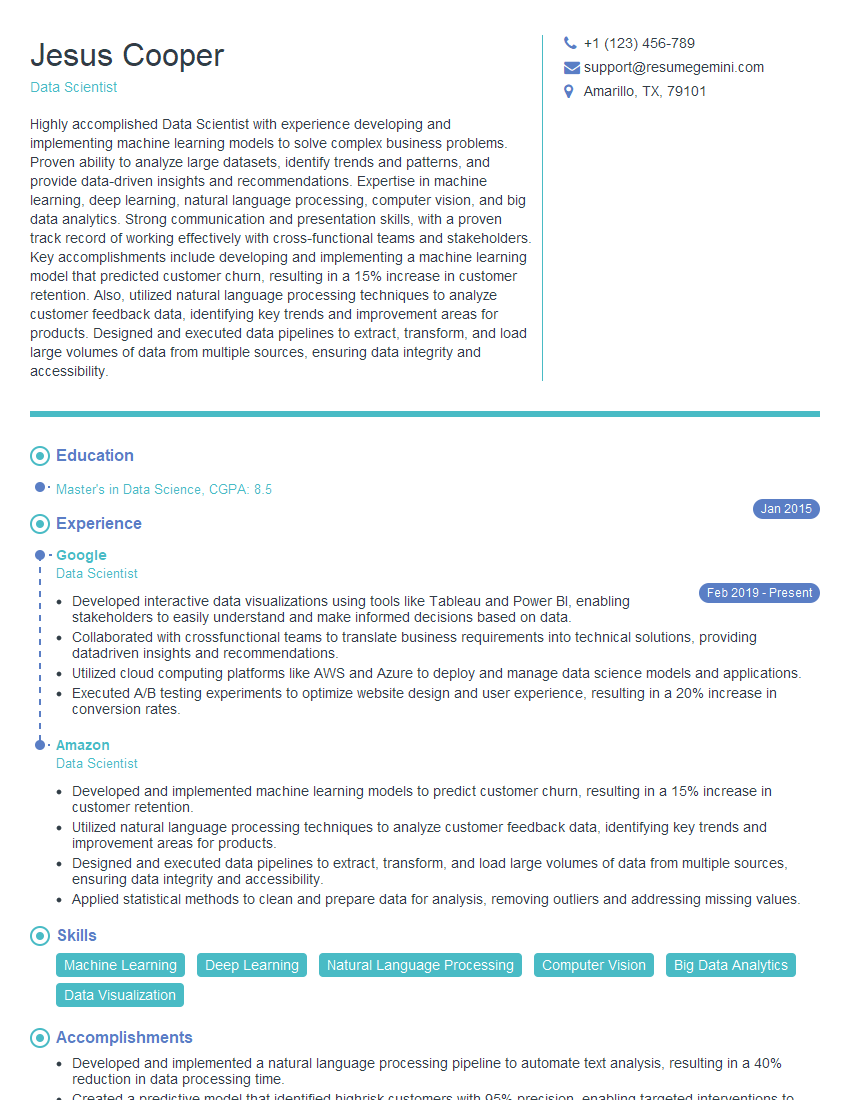
Data Scientist Resume Sample

Research Scientist Resume Sample
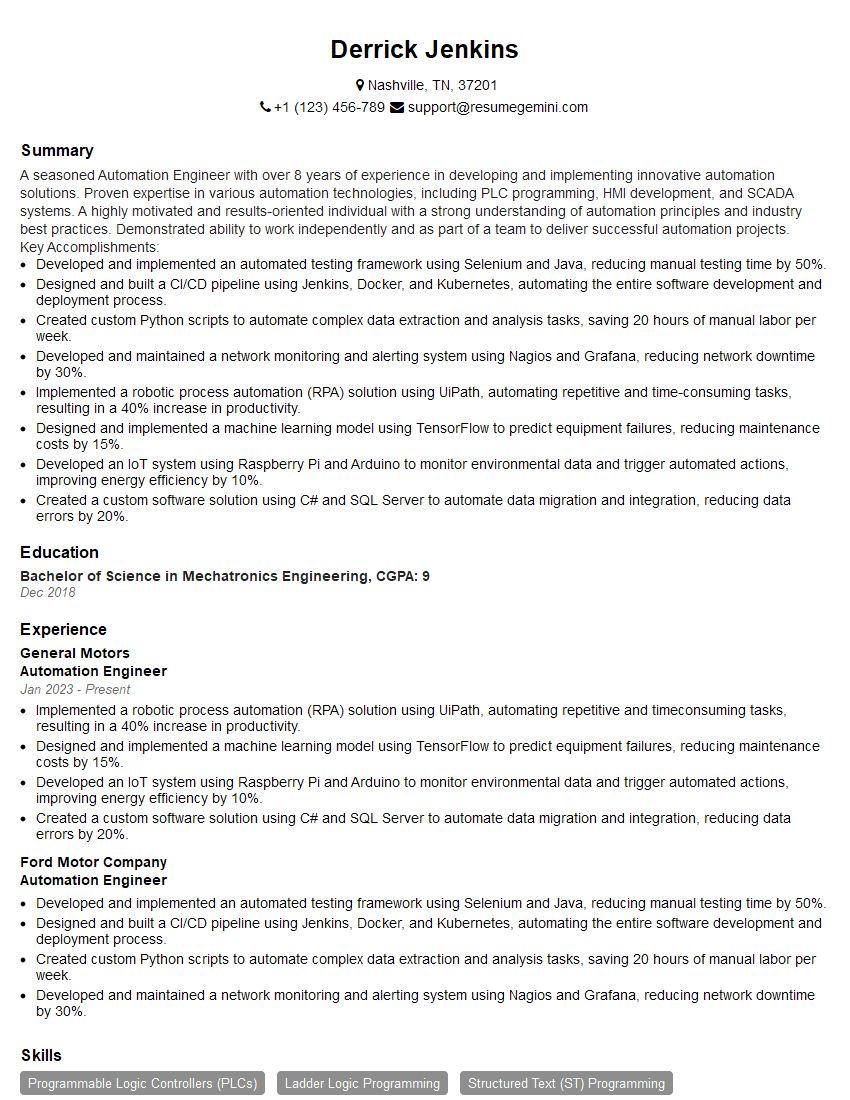
Automation Engineer Resume Sample
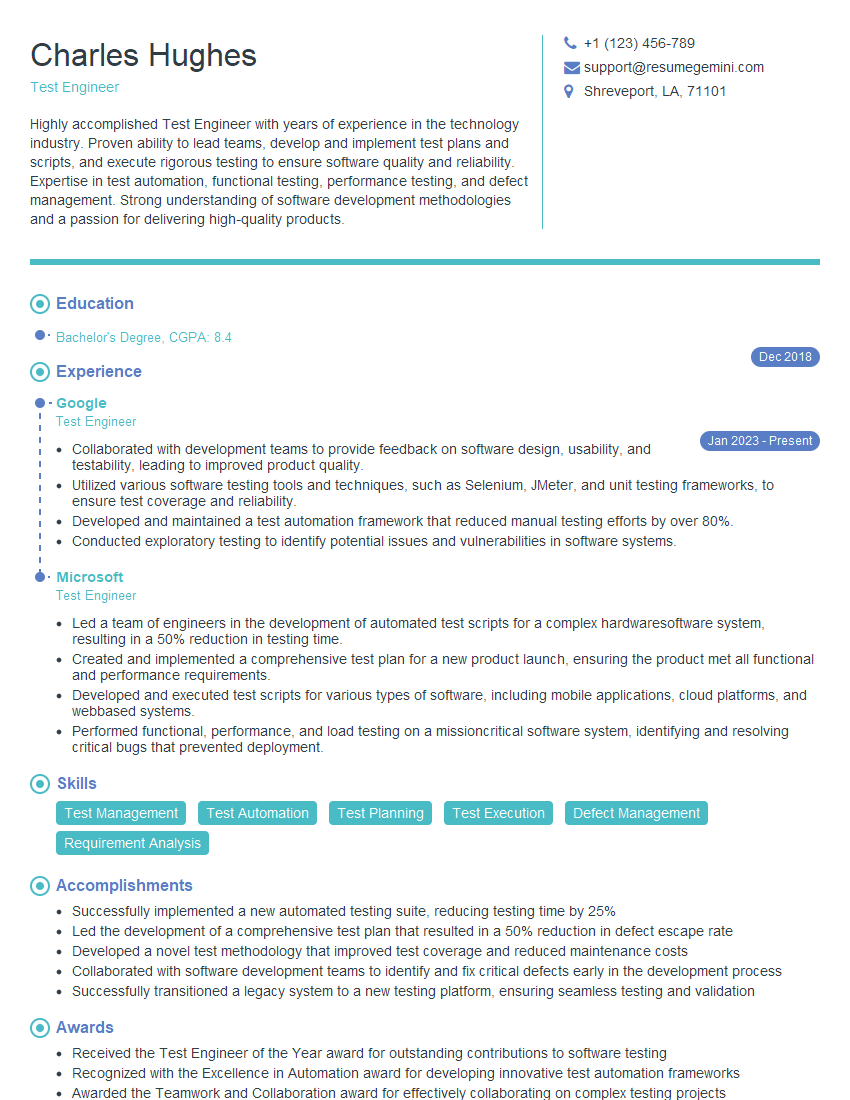
Test Engineer Resume Sample

Statistical Analyst Resume Sample

Control Systems Engineer Resume Sample

Instrumentation Technician Resume Sample
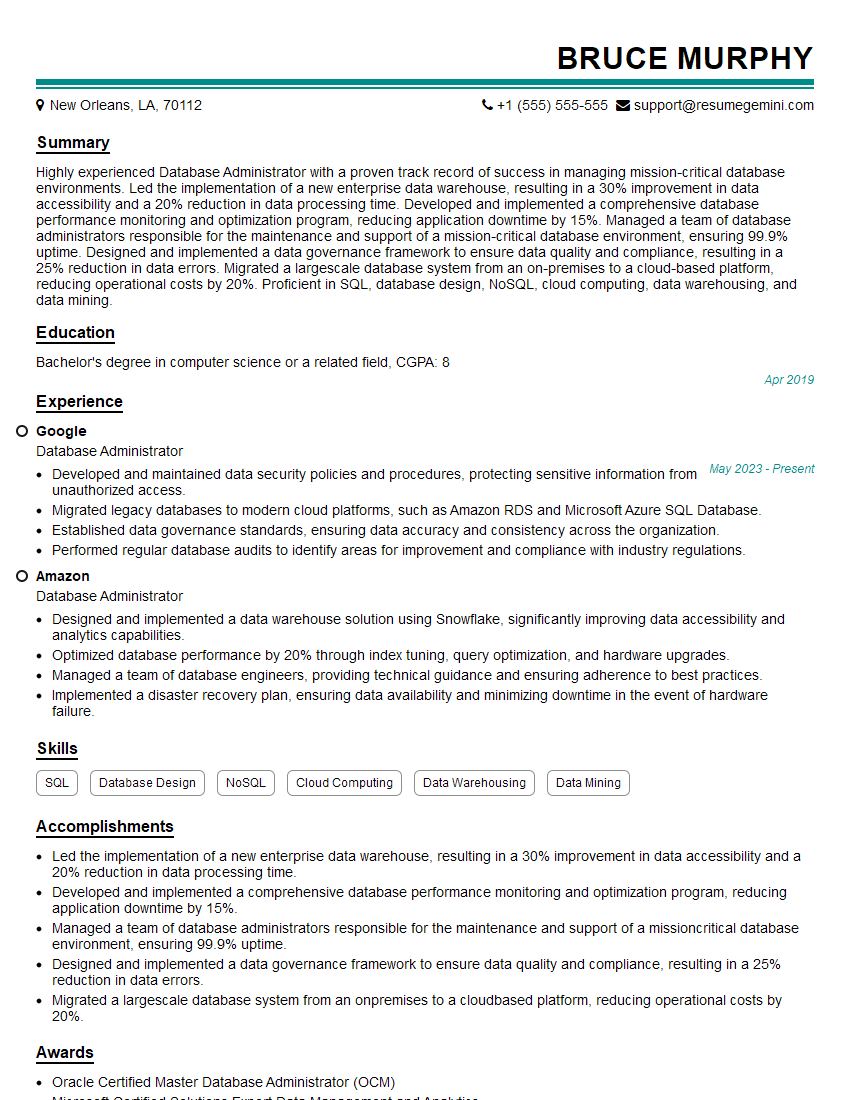
Database Administrator Resume Sample
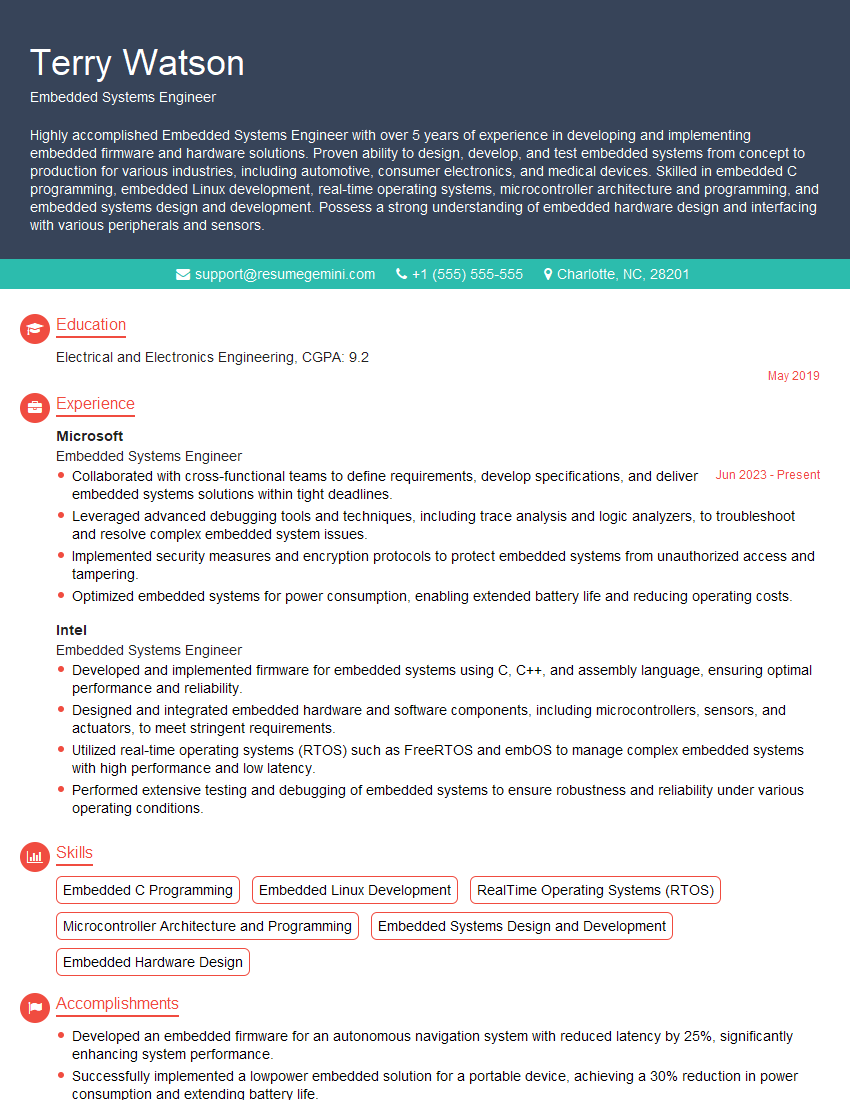
Embedded Systems Engineer Resume Sample
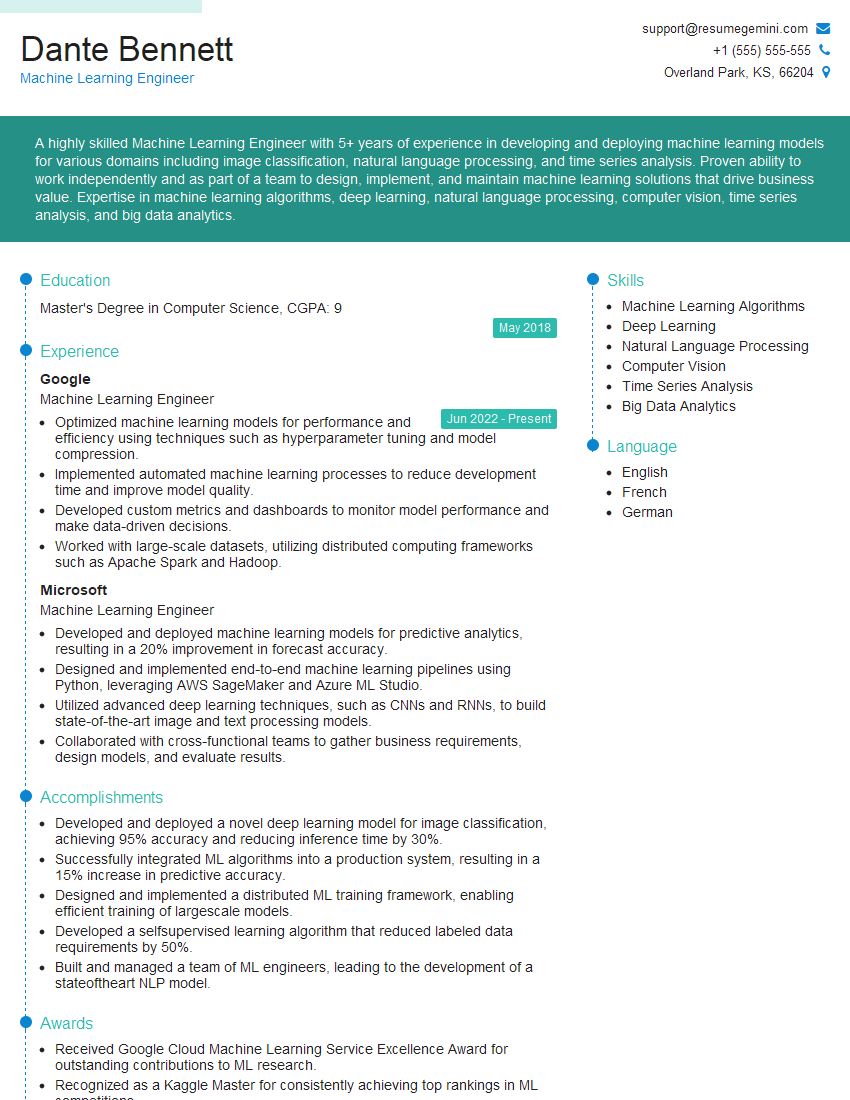
Machine Learning Engineer Resume Sample
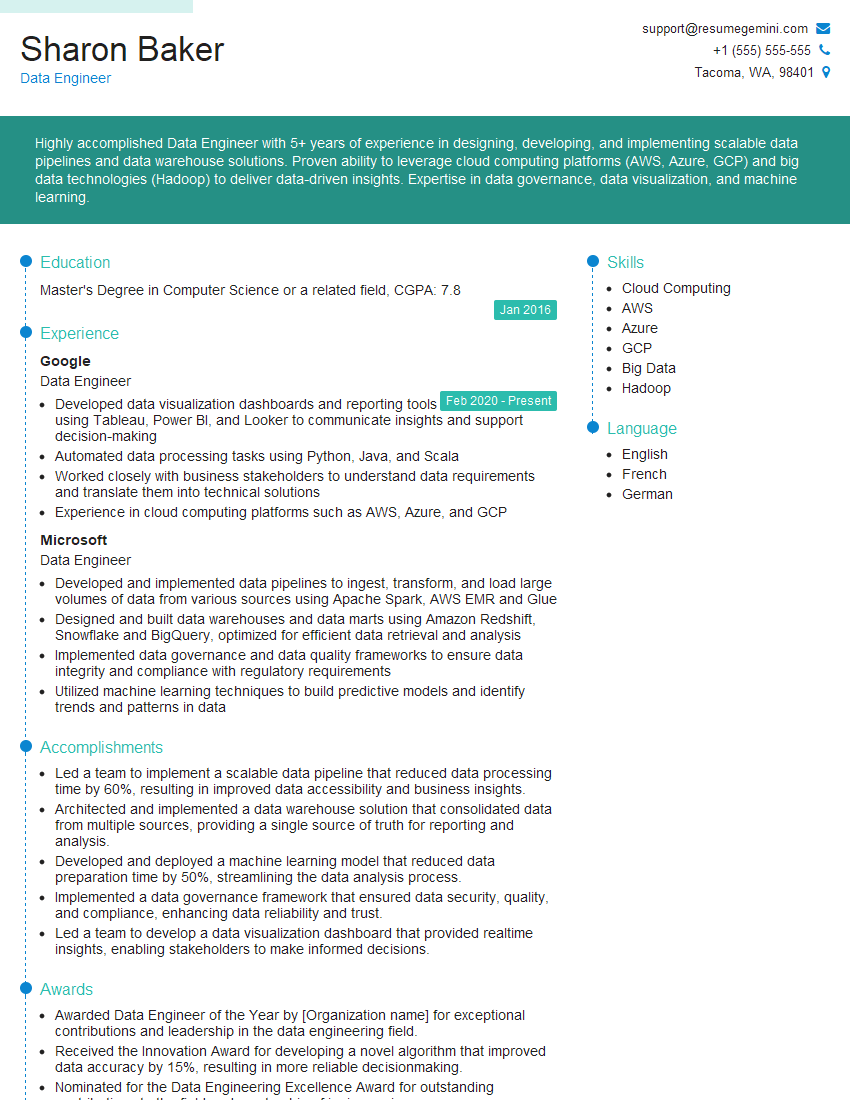
Data Engineer Resume Sample
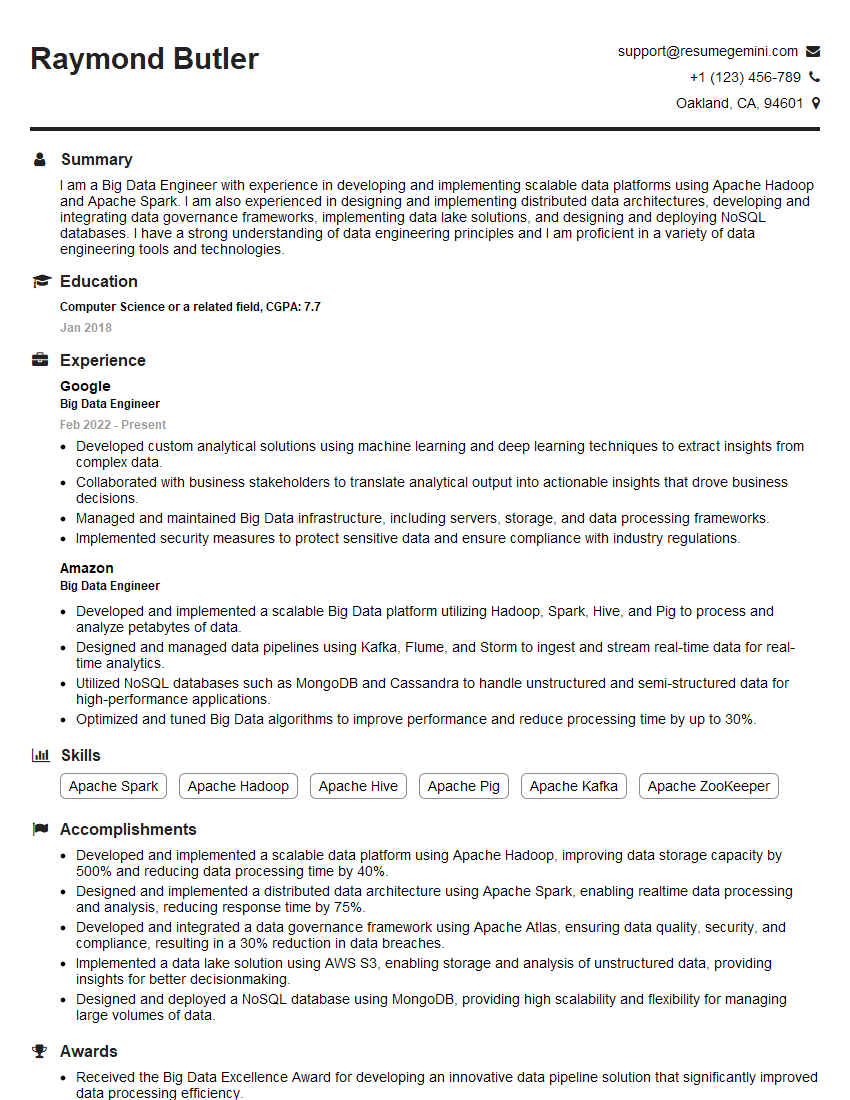
Big Data Engineer Resume Sample
Explore more articles
Users Rating of Our Blogs
Share Your Experience
We value your feedback! Please rate our content and share your thoughts (optional).
What Readers Say About Our Blog
Very informative content, great job.
good