Every successful interview starts with knowing what to expect. In this blog, we’ll take you through the top International Organization for Standardization (ISO) 9001 interview questions, breaking them down with expert tips to help you deliver impactful answers. Step into your next interview fully prepared and ready to succeed.
Questions Asked in International Organization for Standardization (ISO) 9001 Interview
Q 1. Explain the core principles of ISO 9001.
ISO 9001’s core principles form the foundation of a robust Quality Management System (QMS). They guide organizations in consistently meeting customer requirements and enhancing customer satisfaction. These principles are not merely guidelines; they are interconnected and mutually supportive. Think of them as the pillars holding up a strong building.
- Customer focus: Understanding and meeting customer needs and expectations is paramount. This involves actively seeking feedback and incorporating it into processes and product development.
- Leadership: Leaders at all levels must create and maintain a quality-focused culture. This includes setting clear objectives, providing resources, and fostering a climate of continuous improvement.
- Engagement of people: Empowering employees at all levels is crucial. Their skills, experience, and ideas are essential drivers of quality improvements.
- Process approach: Defining and managing processes systematically ensures efficiency and effectiveness. This involves identifying, analyzing, and improving processes continuously.
- Improvement: Continuously striving for better performance is essential for competitiveness. This is achieved through data analysis, identifying areas for improvement, and implementing corrective actions.
- Evidence-based decision making: Decisions must be supported by objective evidence, such as data from audits and performance monitoring. This ensures informed choices and minimizes guesswork.
- Relationship management: Building strong relationships with suppliers and other stakeholders contributes significantly to achieving quality objectives. Effective communication and collaboration are key.
For example, a manufacturing company might achieve customer focus by conducting regular customer surveys to gauge satisfaction and using the feedback to refine their product design or service delivery.
Q 2. Describe the Plan-Do-Check-Act (PDCA) cycle and its application in a QMS.
The Plan-Do-Check-Act (PDCA) cycle is a cornerstone of continuous improvement within a QMS. It’s a cyclical process that allows for iterative refinement and problem-solving. Imagine it as a never-ending loop of learning and improvement.
- Plan: Identify the problem or opportunity for improvement. Define objectives, establish processes, and determine necessary resources.
- Do: Implement the planned changes on a small scale (pilot project) to test their effectiveness.
- Check: Monitor the results of the implemented changes. Collect data, analyze performance, and compare results against objectives.
- Act: Based on the results from the check phase, take action. Standardize successful changes, address shortcomings, and plan for the next cycle.
For instance, a call center might use PDCA to reduce customer wait times. They’d plan by analyzing current wait times and exploring solutions like additional staffing or improved call routing. They’d do a trial of a new routing system. They’d check the average wait time after implementing the system. Finally, they’d act by implementing the new system fully if successful or refining it if not.
Q 3. What are the key clauses in ISO 9001:2015?
While all clauses in ISO 9001:2015 are important, some are particularly crucial. These clauses define the framework for establishing, implementing, maintaining, and continually improving a QMS.
- Clause 4: Context of the organization: Understanding the internal and external factors affecting the organization’s ability to achieve its quality objectives. This includes considering the market, regulatory requirements, and the organization’s own capabilities.
- Clause 5: Leadership: Emphasizes the role of leadership in setting quality policy, promoting a quality culture, and providing resources. It’s about fostering a culture where everyone ‘owns’ quality.
- Clause 6: Planning: Establishing quality objectives that are aligned with the organization’s strategic goals, defining processes, and managing risks and opportunities. It’s about having a clear roadmap.
- Clause 7: Support: Addressing the resources needed to support the QMS, including infrastructure, competent people, and work environment. This ensures that the system has what it needs to function effectively.
- Clause 8: Operation: Focuses on planning, controlling, and monitoring operational processes, ensuring that products and services meet requirements. This is about the day-to-day execution of the QMS.
- Clause 9: Performance evaluation: Monitoring and measuring the effectiveness of the QMS through internal audits, management review, and corrective and preventive actions. This helps maintain the system’s efficacy and drive improvement.
- Clause 10: Improvement: Continuously improving the QMS through nonconformity analysis, corrective actions, and preventive actions. This is about the ongoing refinement and enhancement of the system.
Q 4. How does a documented Quality Management System contribute to business success?
A well-documented QMS is far more than a tick-box exercise; it’s a strategic asset that drives business success. It provides a structured approach to quality, which leads to various benefits:
- Improved customer satisfaction: By consistently meeting customer requirements, businesses build trust and loyalty, leading to increased sales and market share.
- Increased efficiency and productivity: Streamlined processes and reduced waste lead to better resource utilization and improved efficiency, boosting profitability.
- Reduced costs: Fewer errors, defects, and rework translate to significant cost savings.
- Enhanced risk management: Identifying and mitigating potential risks early on prevents major disruptions and protects the bottom line.
- Improved compliance: Meeting regulatory requirements and standards minimizes legal and financial risks.
- Competitive advantage: ISO 9001 certification provides a competitive edge by demonstrating a commitment to quality and customer satisfaction.
- Enhanced employee morale: A well-managed QMS fosters a positive work environment, increasing employee engagement and retention.
Imagine a software company with a documented QMS. Clear processes for testing and deployment reduce bugs, leading to happier customers and reduced support costs. This translates to higher customer retention and positive word-of-mouth referrals.
Q 5. What is the difference between internal and external audits?
Both internal and external audits are vital components of a robust QMS, but they differ significantly in their scope and purpose.
- Internal audits: Conducted by internal personnel (trained auditors) to assess the effectiveness of the QMS against ISO 9001 requirements and the organization’s own processes. They’re like a ‘health check’ for the QMS, identifying areas of strength and weakness. This provides a proactive approach to improvement before external scrutiny.
- External audits: Performed by independent, certified auditors to verify the organization’s compliance with ISO 9001 standards. This provides an objective assessment for certification and involves a detailed review of processes and documentation. It’s a rigorous test to ensure that the claim of quality is valid.
An example: A company might conduct internal audits monthly, identifying minor nonconformities related to documentation and fixing them immediately. An external audit, say annually, would verify the overall effectiveness of the system, ensuring compliance and offering a fresh perspective.
Q 6. Explain the concept of risk-based thinking in ISO 9001.
Risk-based thinking is a fundamental principle in ISO 9001:2015. It’s not about avoiding risk entirely—that’s impossible—but about proactively identifying, assessing, and managing risks and opportunities throughout the QMS. It’s about making informed decisions with a clear understanding of potential pitfalls and benefits.
This involves:
- Identifying risks: Determining potential events that could affect the ability to achieve quality objectives.
- Analyzing risks: Evaluating the likelihood and impact of each identified risk.
- Evaluating risks: Determining which risks require actions to be addressed.
- Planning responses to risks: Implementing control measures to mitigate identified risks or maximize opportunities.
- Monitoring risks: Regularly reviewing and updating the risk assessment process.
For example, a food processing company might identify the risk of contamination during production. They could analyze the likelihood of contamination and its potential impact (e.g., product recalls, legal penalties). Their response might include implementing stricter hygiene protocols, enhanced quality control checks, and staff training.
Q 7. How would you handle a nonconformity detected during an audit?
Handling nonconformities discovered during an audit is crucial for maintaining a robust QMS. It’s about learning from mistakes and preventing recurrence. The process typically involves these steps:
- Immediate action: If a nonconformity poses an immediate risk, take immediate corrective action to prevent further damage. For instance, if a safety hazard is identified, immediate steps to mitigate the hazard must be implemented.
- Documentation: Document the nonconformity, including details of the issue, its location, and potential impact. This serves as evidence for future analysis and improvement.
- Root cause analysis: Investigate the root cause of the nonconformity to prevent recurrence. This might involve interviewing staff, reviewing processes, and analyzing data.
- Corrective action: Develop and implement effective corrective actions to eliminate the nonconformity and prevent it from happening again. This might include updating procedures, improving training, or modifying equipment.
- Verification: Verify that the corrective action is effective in resolving the nonconformity. This may involve monitoring the relevant processes and collecting data to show improvement.
- Preventive action (if applicable): Consider if similar nonconformities could occur elsewhere in the organization and take steps to prevent them. This demonstrates proactive management of risks.
- Management review: The corrective and preventive actions should be reviewed during management review meetings to evaluate their effectiveness and any further necessary adjustments.
For example, if an audit reveals inconsistencies in product labeling, the root cause might be insufficient employee training. The corrective action could be to provide additional training and implement a verification checklist to ensure correct labeling. The effectiveness of this training would then be verified by subsequent internal audits.
Q 8. Describe your experience with corrective and preventive actions (CAPA).
Corrective and Preventive Actions (CAPA) are crucial elements of a robust ISO 9001 Quality Management System (QMS). They’re a systematic approach to identifying, analyzing, and addressing issues to prevent recurrence. Corrective actions focus on fixing existing problems, while preventive actions aim to stop potential problems before they arise.
In my experience, implementing a successful CAPA process involves several key steps:
- Identify the nonconformity: This involves thoroughly documenting any deviation from established procedures or specifications. For example, if a batch of products fails a quality check, this is the nonconformity.
- Analyze the root cause: This is critical. We use tools like the 5 Whys, fishbone diagrams (Ishikawa diagrams), and fault tree analysis to delve deeper than the surface symptoms. For instance, if products are failing, we might find the root cause is a faulty machine setting, inadequate training, or a flaw in the raw materials.
- Implement corrective action: Once the root cause is identified, we implement targeted solutions. This could involve recalibrating equipment, revising training materials, or changing suppliers.
- Implement preventive action: To prevent similar issues in the future, we might implement process improvements, like adding more robust quality checks, implementing stricter quality controls, or changing our training protocols.
- Verify effectiveness: After implementing actions, we monitor the system to confirm the effectiveness of the corrective and preventive measures. This often involves ongoing monitoring and data analysis.
I’ve successfully led CAPA teams across various industries, ensuring prompt issue resolution and preventing recurring problems. For instance, in one project, we traced consistent product defects to a poorly maintained machine, leading to its replacement and a significant reduction in defects.
Q 9. What are the key performance indicators (KPIs) for measuring QMS effectiveness?
Key Performance Indicators (KPIs) are vital for assessing the effectiveness of a QMS. They provide measurable data to track progress and identify areas for improvement. Choosing the right KPIs is crucial, and they should align with the organization’s strategic goals. Some key KPIs include:
- Customer satisfaction: Measured through surveys, feedback forms, and complaint rates.
- Defect rate: The number of defective products or services compared to the total output. This can be broken down by process or product type.
- On-time delivery: Percentage of orders delivered on or before the scheduled date.
- Process cycle time: Time taken to complete a process from start to finish.
- Internal audit findings: Number and severity of nonconformities found during internal audits.
- Customer returns: The number of products returned due to defects or other issues.
- Compliance rate: The extent to which the organization meets regulatory and legal requirements.
Using a balanced scorecard approach, incorporating both leading (predictive) and lagging (reactive) indicators provides a comprehensive view of QMS effectiveness. For example, while a low defect rate is a lagging indicator, the number of employee training hours is a leading indicator that can predict future defect reduction.
Q 10. How do you ensure continuous improvement within a QMS?
Continuous improvement is the backbone of ISO 9001. It’s not a one-time event but an ongoing process of refinement. The Plan-Do-Check-Act (PDCA) cycle is a widely used framework for driving continuous improvement.
In practice, this means:
- Plan: Identify opportunities for improvement. This often involves analyzing KPIs, customer feedback, and audit findings.
- Do: Implement changes based on the plan. This might involve new processes, training programs, or technology upgrades.
- Check: Monitor the effects of the changes. Gather data to assess whether the changes have achieved the desired results.
- Act: Standardize successful changes and take corrective action if necessary. This involves documenting improvements and integrating them into standard operating procedures.
Regular management reviews, internal audits, and employee involvement are all essential for fostering a culture of continuous improvement. For instance, I’ve implemented suggestion schemes where employees can propose improvements, leading to innovative solutions and increased efficiency.
Q 11. Explain the role of management responsibility in ISO 9001.
Management responsibility is paramount in ISO 9001. Top management must demonstrate leadership and commitment to the QMS. This goes beyond simply signing off on documents; it involves actively shaping the quality culture.
Key aspects of management responsibility include:
- Establishing the QMS: Defining the scope, objectives, and policies of the QMS.
- Providing resources: Ensuring the availability of necessary resources, such as personnel, equipment, and funding.
- Defining roles and responsibilities: Clearly outlining the responsibilities of all personnel involved in the QMS.
- Promoting a culture of quality: Encouraging employee participation and feedback.
- Conducting management reviews: Regularly reviewing the performance of the QMS and taking corrective actions as needed.
Without strong management commitment, the QMS will likely struggle. I’ve seen firsthand how dedicated management leadership directly correlates with the successful implementation and maintenance of a certified QMS.
Q 12. Describe your experience with conducting internal audits.
Internal audits are a crucial part of the QMS. They’re a systematic, independent examination of the QMS to ensure it conforms to ISO 9001 requirements and the organization’s own quality policies. I have extensive experience conducting both planned and unplanned internal audits.
My audit process typically includes:
- Planning: Determining the scope, objectives, and schedule of the audit.
- Conducting the audit: Reviewing documents, observing processes, and interviewing personnel.
- Reporting findings: Documenting any nonconformities, observations, and recommendations for improvement.
- Following up on corrective actions: Verifying that corrective actions are implemented effectively.
I use a risk-based approach, focusing on areas of higher risk. In one instance, an internal audit identified a weakness in our supplier management process which, if left unchecked, could have led to serious quality issues. The corrective action, implementation of a robust supplier qualification process, mitigated this risk effectively.
Q 13. How familiar are you with ISO 9001 documentation requirements?
ISO 9001 requires documented information to demonstrate the establishment, implementation, maintenance, and effectiveness of the QMS. This includes a range of documents, from the quality manual to procedures, records, and work instructions. The documentation needs to be controlled and readily accessible.
My familiarity extends to:
- Quality manual: The overarching document outlining the QMS.
- Procedures: Step-by-step instructions for performing specific tasks.
- Records: Evidence of activities and results.
- Work instructions: Detailed guidance on specific work activities.
- Forms and templates: Standardized forms for recording data and information.
I’ve been involved in developing and maintaining documentation systems for various organizations, focusing on clarity, accessibility, and version control. A well-structured documentation system is essential for ensuring the QMS is easily understood, implemented, and audited.
Q 14. What is your experience with root cause analysis?
Root cause analysis is a critical problem-solving technique used to identify the underlying causes of problems, rather than just addressing the symptoms. This is essential for effective CAPA.
I’m proficient in several root cause analysis methods, including:
- 5 Whys: A simple yet effective technique that involves repeatedly asking ‘why’ to uncover the underlying causes of a problem.
- Fishbone diagrams (Ishikawa diagrams): A visual tool that helps to brainstorm potential causes of a problem, categorized into different areas such as people, methods, machines, materials, environment, and measurements.
- Fault tree analysis: A top-down approach used to identify the causes of a specific event or failure.
In a past project involving recurring equipment failures, using a combination of the 5 Whys and a fishbone diagram revealed the root cause to be inadequate operator training and poor maintenance procedures. By addressing these underlying causes, we were able to significantly reduce equipment failures and improve overall productivity.
Q 15. Describe your experience with process mapping.
Process mapping is a crucial tool in understanding and optimizing workflows within an ISO 9001 compliant Quality Management System (QMS). It involves visually representing the steps involved in a particular process, identifying key inputs and outputs, responsibilities, and potential bottlenecks. I’ve extensively used various mapping techniques, including flowcharts, swim lane diagrams, and value stream mapping, to analyze processes ranging from customer order fulfillment to internal document control. For instance, in a previous role, we used swim lane diagrams to clarify responsibilities in the new product development process, highlighting handoffs between design, engineering, and manufacturing. This visual representation immediately identified a communication gap leading to delays. We addressed this by implementing regular cross-functional meetings and a standardized communication protocol, significantly improving efficiency.
My experience includes using software tools like Lucidchart and Visio to create professional, shareable process maps. Beyond simply documenting the current state, I also utilize process mapping to simulate improvements and analyze their potential impact. This proactive approach ensures the chosen improvements will truly optimize the process and enhance efficiency.
Career Expert Tips:
- Ace those interviews! Prepare effectively by reviewing the Top 50 Most Common Interview Questions on ResumeGemini.
- Navigate your job search with confidence! Explore a wide range of Career Tips on ResumeGemini. Learn about common challenges and recommendations to overcome them.
- Craft the perfect resume! Master the Art of Resume Writing with ResumeGemini’s guide. Showcase your unique qualifications and achievements effectively.
- Don’t miss out on holiday savings! Build your dream resume with ResumeGemini’s ATS optimized templates.
Q 16. How would you develop and implement a quality management plan?
Developing and implementing a Quality Management Plan (QMP) is a systematic process. It starts with a thorough understanding of the organization’s context, including its internal and external factors that can impact its ability to meet customer requirements and comply with ISO 9001. This understanding forms the foundation for defining the scope of the QMS.
- Defining Scope: Clearly specify which processes, products, and services are included in the QMS.
- Establishing Objectives and Targets: Set measurable, achievable, relevant, and time-bound (SMART) objectives related to quality. This might include reducing defect rates, improving customer satisfaction scores, or shortening lead times.
- Process Mapping and Analysis: Use process mapping (as discussed earlier) to identify potential risks and opportunities for improvement. Analyze existing processes to ensure they are efficient and effective.
- Resource Allocation: Determine the necessary resources – personnel, equipment, materials, and budget – to support the QMP.
- Responsibility and Authority: Clearly define roles and responsibilities for implementing and maintaining the QMS. This includes establishing a management representative to oversee the system.
- Implementation and Training: Implement the plan, providing thorough training to all relevant personnel on the new procedures and standards.
- Monitoring and Review: Regularly monitor the effectiveness of the QMP using key performance indicators (KPIs), internal audits, and management review meetings.
- Continuous Improvement: Continuously evaluate the QMP for areas of improvement and implement changes as needed. The PDCA (Plan-Do-Check-Act) cycle is essential here.
For example, I once helped a small manufacturing company implement a QMP focusing on reducing waste. We mapped their production process, identified bottlenecks, and implemented lean manufacturing principles. The result was a 15% reduction in waste and a significant improvement in their bottom line.
Q 17. Explain the importance of customer satisfaction in a QMS.
Customer satisfaction is paramount in a QMS compliant with ISO 9001. It’s not just a nice-to-have; it’s a fundamental requirement. The standard explicitly emphasizes understanding and meeting customer requirements. A QMS focused on customer satisfaction fosters loyalty, repeat business, and positive word-of-mouth marketing – crucial for long-term success.
Understanding customer needs goes beyond simply fulfilling orders. It involves actively seeking feedback through surveys, focus groups, and analysis of customer complaints. This feedback is used to continuously improve products, services, and processes. For example, consistently high scores on customer satisfaction surveys act as a KPI, indicating the effectiveness of the QMS. Conversely, a drop in satisfaction scores triggers a thorough investigation into root causes and subsequent corrective actions. I’ve seen firsthand how proactive customer feedback mechanisms, combined with prompt resolution of issues, can transform customer relationships and drive business growth.
Q 18. How do you ensure the effectiveness of your internal audit program?
The effectiveness of an internal audit program hinges on several key factors. First, the audit scope must be comprehensive, covering all aspects of the QMS. Second, auditors need to be competent and objective, possessing the necessary knowledge and skills to conduct thorough audits. Third, the audit process itself needs to be well-defined, following established procedures and checklists.
- Auditor Competence: Auditors should receive appropriate training on auditing techniques and ISO 9001 requirements. Regular updates ensure they stay abreast of any changes.
- Audit Planning: Audits should be planned carefully, considering the risks and critical processes within the QMS. A well-defined audit plan ensures that all relevant areas are assessed.
- Objective Evidence: Auditors must gather objective evidence to support their findings. This could include reviewing documents, observing processes, and interviewing personnel.
- Reporting and Follow-up: Audit findings should be clearly documented and communicated to management. A robust follow-up process ensures that corrective actions are implemented and verified.
- Management Review: The results of internal audits are crucial input to management review, helping to identify areas needing improvement in the QMS.
To ensure the effectiveness of our internal audit program, we regularly review auditor performance, update audit checklists to reflect changes in the QMS, and conduct audits in accordance with a predetermined schedule. We also analyze audit findings over time to identify trends and recurring issues, helping to prevent future problems.
Q 19. Describe your understanding of document and data control.
Document and data control are fundamental elements of a robust QMS. It involves establishing and maintaining a system for creating, reviewing, approving, distributing, and revising documents and data necessary for the effective operation of the QMS. This ensures that all personnel are working with the latest, accurate, and approved versions. Poor document control can lead to inconsistencies, errors, and non-conformances.
My experience includes implementing and managing document control systems using both paper-based and electronic methods. A well-designed system includes a document register, version control, and a clearly defined approval process. For instance, we might use a software solution that tracks document versions, assigns reviewers, and automatically notifies relevant parties of updates. Critical to this is establishing clear procedures for document retention and disposal. Data control, while closely related, focuses on managing the integrity and availability of data used within the QMS. This encompasses aspects of data security, backup procedures, and access control.
Q 20. What is your experience with implementing changes to a QMS?
Implementing changes to a QMS requires a structured and controlled approach. It is essential to follow the principles of change management to ensure that changes are effective and do not negatively impact the QMS’s overall effectiveness. This usually involves a documented change control process, where proposed changes are evaluated for potential impact, approved by relevant authorities, and implemented systematically.
- Change Request: Formal documentation of the proposed change, including justification and potential impacts.
- Impact Assessment: Evaluation of the potential effects of the change on other processes and aspects of the QMS.
- Approval Process: Review and approval by appropriate management levels, ensuring compliance with relevant standards and regulations.
- Implementation Plan: A detailed plan for implementing the change, including timelines, responsibilities, and resource allocation.
- Verification and Validation: Checking to ensure the change is implemented correctly and achieves the intended results.
- Documentation Update: Updating relevant documentation, including procedures, work instructions, and records.
In a past project, we implemented a new ERP system, which necessitated significant changes to our QMS. We used a phased rollout approach, starting with a pilot project to test the new system and identify any issues. This minimized disruption and allowed us to fine-tune the implementation before deploying it across the entire organization.
Q 21. Describe a situation where you had to resolve a quality issue.
In a previous role, we experienced a significant increase in customer complaints regarding a specific product feature. Our initial investigation revealed a flaw in the manufacturing process that was causing the defect. We immediately implemented a corrective action plan that involved:
- Root Cause Analysis: Utilizing 5 Whys and Ishikawa diagrams (Fishbone diagrams) to identify the underlying causes of the issue.
- Corrective Actions: Implementing process improvements to eliminate the root causes, including retraining operators and upgrading equipment.
- Preventive Actions: Developing measures to prevent similar issues from occurring in the future, such as improved inspection procedures.
- Customer Communication: Proactively contacting affected customers to apologize, explain the situation, and offer solutions.
- Record Keeping: Documenting all corrective and preventive actions, including effectiveness checks.
This situation highlighted the importance of robust processes, proactive monitoring, and a commitment to customer satisfaction. By systematically addressing the issue, we were able to restore customer confidence and improve our product quality.
Q 22. How do you ensure traceability within your processes?
Traceability in ISO 9001 is about ensuring we can track any product, process, or activity back to its origin and forward through its lifecycle. Think of it like a breadcrumb trail – we always know where something came from and where it’s going. This is crucial for identifying defects, preventing recurrence, and meeting customer requirements.
- Unique Identification: We assign unique identifiers to all critical materials, components, and products. Imagine a serial number on a car part – it’s traceable.
- Documented Processes: Our procedures are meticulously documented, clearly outlining every step and responsible party. This creates a clear audit trail.
- Record Keeping: Comprehensive records are kept throughout the process, including test results, inspection reports, and calibration certificates. These act like checkpoints in our trail.
- Calibration and Maintenance Logs: We track the calibration and maintenance history of all our equipment. Imagine a chef meticulously tracking the calibration of their kitchen scales – essential for consistency.
- Supplier Management: We work with suppliers who can equally demonstrate traceability of their materials and processes.
For example, if a faulty component is discovered in the final product, we can immediately trace it back to the specific batch, supplier, and even the individual who installed it. This allows for prompt corrective action and prevents similar issues in the future.
Q 23. How would you train employees on the QMS procedures?
Employee training on our Quality Management System (QMS) is a continuous process, not a one-off event. We use a blended learning approach combining different methods to ensure effective knowledge transfer and retention.
- Initial Training: All new employees receive comprehensive initial training covering the QMS, relevant procedures, and their specific roles and responsibilities. This often involves interactive sessions, practical exercises, and assessments.
- On-the-Job Training: Experienced colleagues mentor new employees, providing hands-on guidance and support. This ‘learning by doing’ approach is invaluable.
- Refresher Training: Regular refresher training is conducted to ensure employees stay up-to-date with changes to procedures, new technologies, and evolving best practices. This might involve short online modules, workshops, or departmental meetings.
- Targeted Training: Specific training is provided based on identified skill gaps or the introduction of new processes or equipment.
- Documentation and Assessments: We document all training activities, including attendance records, assessment results, and feedback. This allows us to track employee proficiency and identify areas for improvement.
We also use a variety of training materials, including manuals, videos, presentations, and interactive online modules, catering to different learning styles. Regular quizzes and practical exercises are used to assess comprehension and ensure competence.
Q 24. Explain the concept of management review.
The Management Review is a formal process where top management systematically reviews the QMS’s performance. Think of it as a high-level check-up on the health of the entire system. It ensures the system remains effective, efficient, and aligned with the organization’s strategic goals.
- Regularity: Reviews are scheduled at defined intervals (e.g., quarterly or annually), ensuring consistent oversight.
- Data Review: The review analyzes various data sources, including audit reports, customer feedback, key performance indicators (KPIs), and corrective action reports. This gives a holistic picture of performance.
- Opportunity for Improvement: The review identifies areas for improvement in the QMS, highlighting potential risks and opportunities.
- Resource Allocation: It facilitates decisions related to resource allocation, ensuring sufficient resources are available to support QMS activities.
- Strategic Alignment: The review confirms that the QMS aligns with the organization’s broader business objectives and strategic goals.
For instance, a management review might uncover that customer satisfaction scores are declining. This triggers an investigation into root causes, leading to improvements in processes or products, and ultimately, higher customer satisfaction.
Q 25. How familiar are you with statistical process control (SPC)?
Statistical Process Control (SPC) is a powerful tool for monitoring and controlling process variation. It helps us identify trends, predict potential problems, and prevent defects before they occur. I have extensive experience applying SPC techniques across various projects.
- Control Charts: I’m proficient in using different types of control charts (e.g., X-bar and R charts, p-charts, c-charts) to monitor process characteristics.
- Data Analysis: I can analyze control chart data to identify patterns, trends, and shifts in the process mean or variability.
- Process Capability Analysis: I use SPC data to assess process capability, determining if a process is capable of meeting specified requirements.
- Root Cause Analysis: I’m skilled in employing SPC data as part of root cause analysis to pinpoint the reasons behind process instability.
For example, in a manufacturing environment, we might use control charts to monitor the diameter of a manufactured part. By continuously monitoring the data, we can detect any shifts in the process mean before significant defects occur, allowing for timely corrective actions.
Q 26. What is your experience with process capability analysis?
Process capability analysis (PCA) is a crucial part of ensuring our processes consistently meet customer requirements. It determines whether a process is capable of producing output that meets predefined specifications. My experience involves applying various PCA techniques to different processes.
- Cp and Cpk Calculations: I’m experienced in calculating Cp and Cpk indices to assess process capability. These indices quantify how well the process performs relative to its specifications.
- Process Sigma Levels: I understand and utilize process sigma levels to express process capability in terms of defects per million opportunities (DPMO).
- Data Interpretation: I can interpret the results of PCA to identify areas needing improvement, and suggest appropriate corrective actions.
- Software Applications: I have used various software packages (like Minitab) to perform PCA and generate reports.
For instance, if the Cp and Cpk indices for a particular process are low, it indicates that the process is not capable of consistently meeting the specifications. This would prompt an investigation to identify the root causes of variation and implement improvements.
Q 27. Describe your experience with using quality management software.
I have extensive experience using quality management software, including both cloud-based and on-premise solutions. This experience encompasses various aspects, from data entry and reporting to advanced analysis.
- Data Entry and Management: I’m proficient in entering and managing various types of quality data, including non-conformances, corrective actions, preventive actions, and audit findings.
- Reporting and Analysis: I can generate various reports to track key performance indicators (KPIs) and analyze trends.
- System Customization: I’ve adapted and customized software to meet the specific needs of our organization. This includes creating custom reports and workflows.
- Software Selection and Implementation: I’ve participated in the selection and implementation of quality management software, ensuring it integrates seamlessly with our existing systems.
For example, we use a quality management software to track and manage customer complaints, allowing us to identify recurring issues, implement corrective actions, and improve overall customer satisfaction. The software also provides detailed reporting on key quality metrics, enabling data-driven decision-making.
Q 28. How do you stay updated with the latest changes and revisions in ISO 9001?
Staying current with ISO 9001 revisions is paramount. I employ a multi-faceted approach to ensure my knowledge remains up-to-date.
- Professional Organizations: I actively participate in professional organizations and attend conferences to stay abreast of the latest changes and best practices.
- Industry Publications: I regularly read industry publications and journals to understand new trends and emerging challenges in quality management.
- Training Courses: I participate in regular training courses and workshops to update my knowledge on ISO 9001 and related standards.
- Networking: I actively network with other quality professionals to exchange information and learn from best practices.
- ISO Website and Updates: I monitor the official ISO website and subscribe to relevant updates and newsletters.
By consistently pursuing these activities, I can ensure that our QMS remains aligned with the latest ISO 9001 requirements and best practices, enhancing its effectiveness and efficiency.
Key Topics to Learn for International Organization for Standardization (ISO) 9001 Interview
- Understanding the ISO 9001 Standard: Grasp the core principles, clauses, and the overall framework of the standard. Focus on its intent and purpose – achieving consistent customer satisfaction through a robust quality management system.
- Context of the Organization: Learn how to effectively determine and manage the context of the organization, identifying internal and external issues that impact quality. This includes understanding stakeholder needs and expectations.
- Leadership and Commitment: Explore the role of leadership in establishing a quality management system. Understand how to demonstrate commitment to the standard and fostering a culture of continuous improvement.
- Risk-Based Thinking: Familiarize yourself with the importance of proactively identifying, assessing, and addressing risks and opportunities that affect the conformity of products and services.
- Resource Management: Understand the need for appropriate resources (human, infrastructure, etc.) to effectively implement and maintain the quality management system. This includes competency assessment and training.
- Operational Control: Learn how to plan and control operational processes to meet requirements and enhance customer satisfaction. This includes process mapping and monitoring.
- Performance Evaluation: Understand the methods used to monitor, measure, analyze, and evaluate the effectiveness of the quality management system. This involves understanding key performance indicators (KPIs) and corrective actions.
- Improvement: Familiarize yourself with the principles of continuous improvement, including methods such as Plan-Do-Check-Act (PDCA) cycle and root cause analysis.
- Internal Audits and Management Review: Understand the purpose and processes of internal audits and management reviews in ensuring the effectiveness of the quality management system.
- Practical Application: Be prepared to discuss real-world scenarios and how ISO 9001 principles would be applied to solve problems and improve processes within a specific organizational context.
Next Steps
Mastering ISO 9001 demonstrates a commitment to quality and process improvement, significantly enhancing your career prospects in various industries. A well-crafted, ATS-friendly resume is crucial for showcasing your skills and experience effectively. ResumeGemini is a trusted resource to help you build a professional resume that highlights your ISO 9001 knowledge and experience. We provide examples of resumes tailored to International Organization for Standardization (ISO) 9001 to help guide you. Take the next step towards your dream job today!

Operations Manager Resume Sample
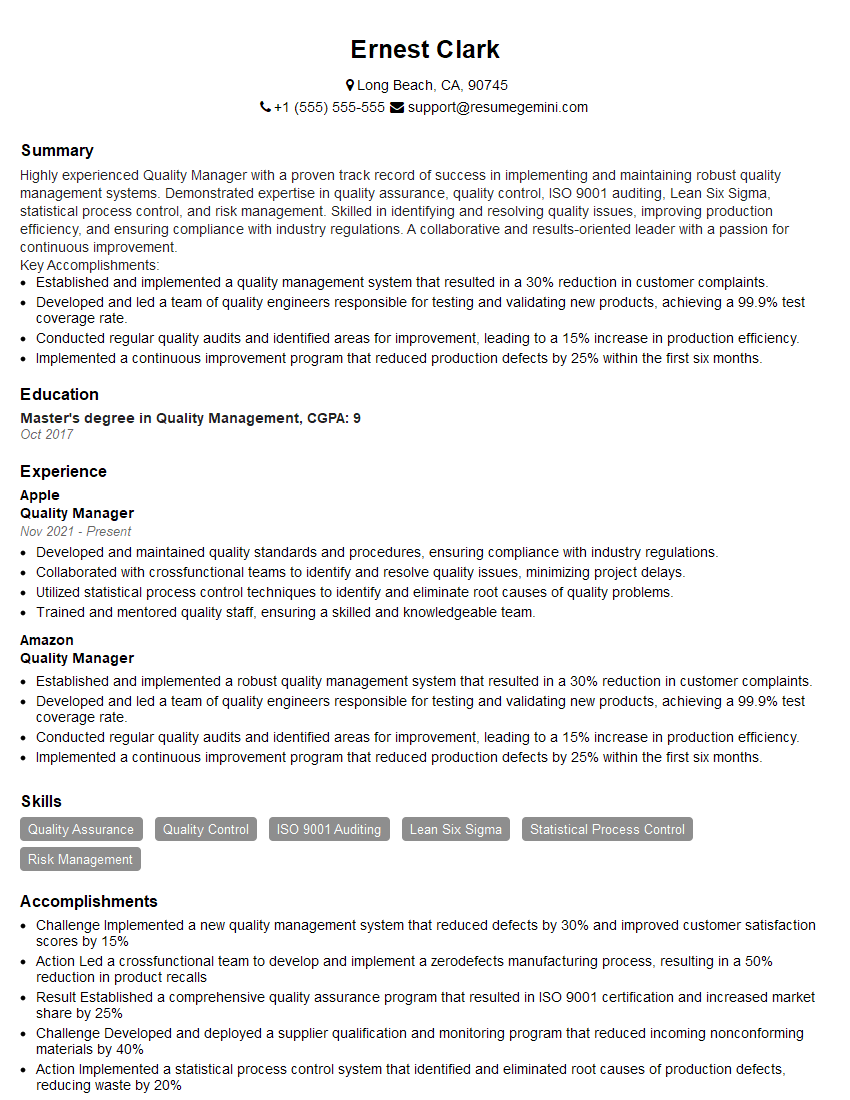
Quality Manager Resume Sample
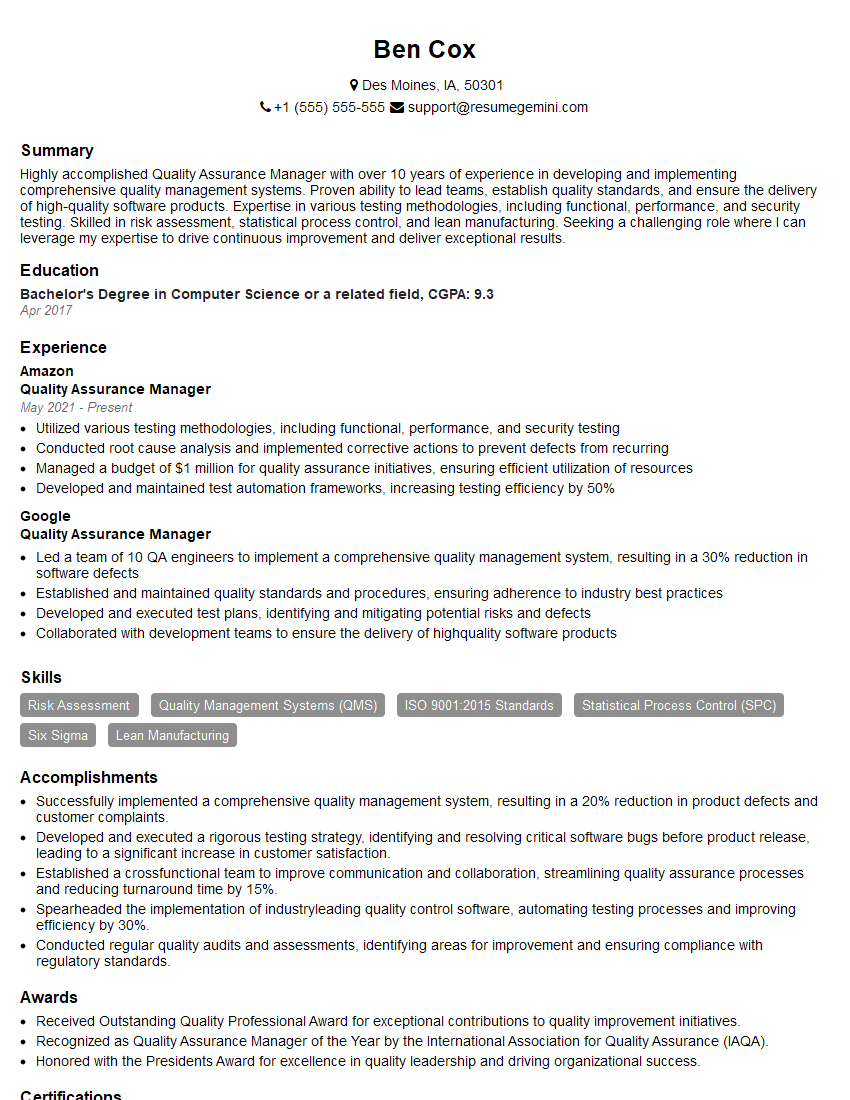
Quality Assurance Manager Resume Sample
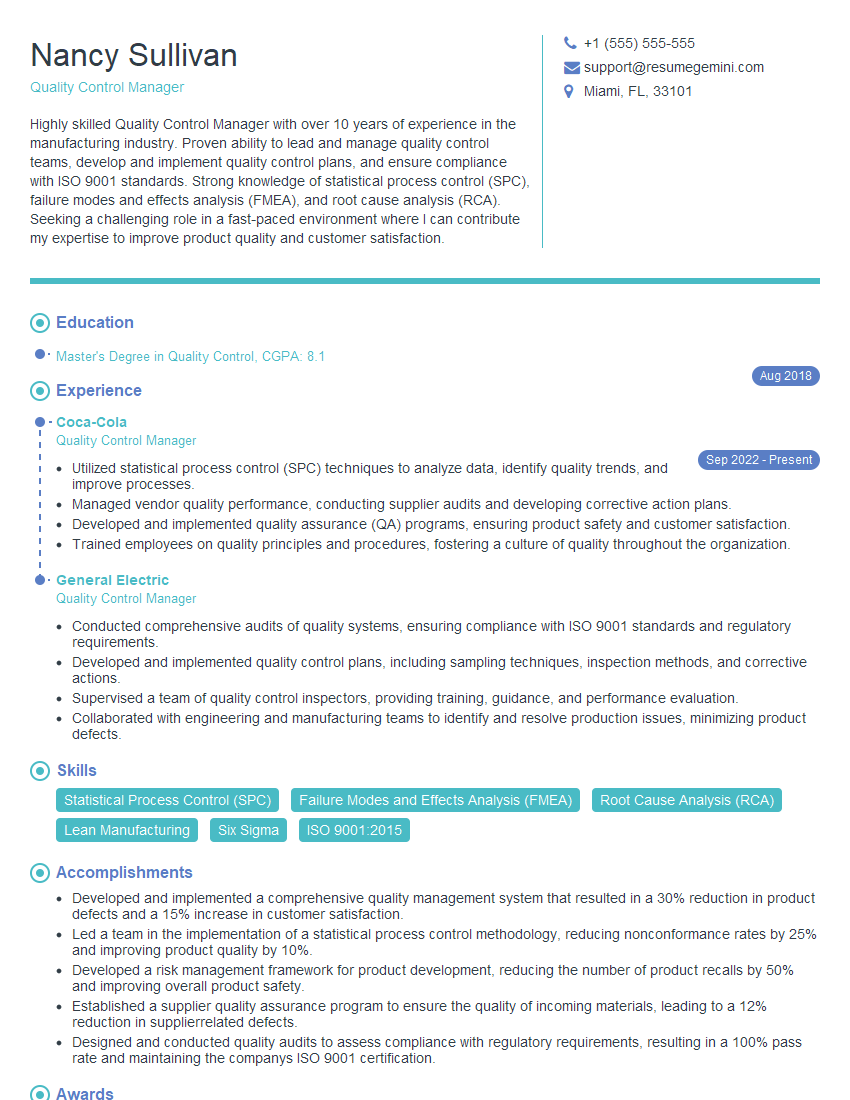
Quality Control Manager Resume Sample
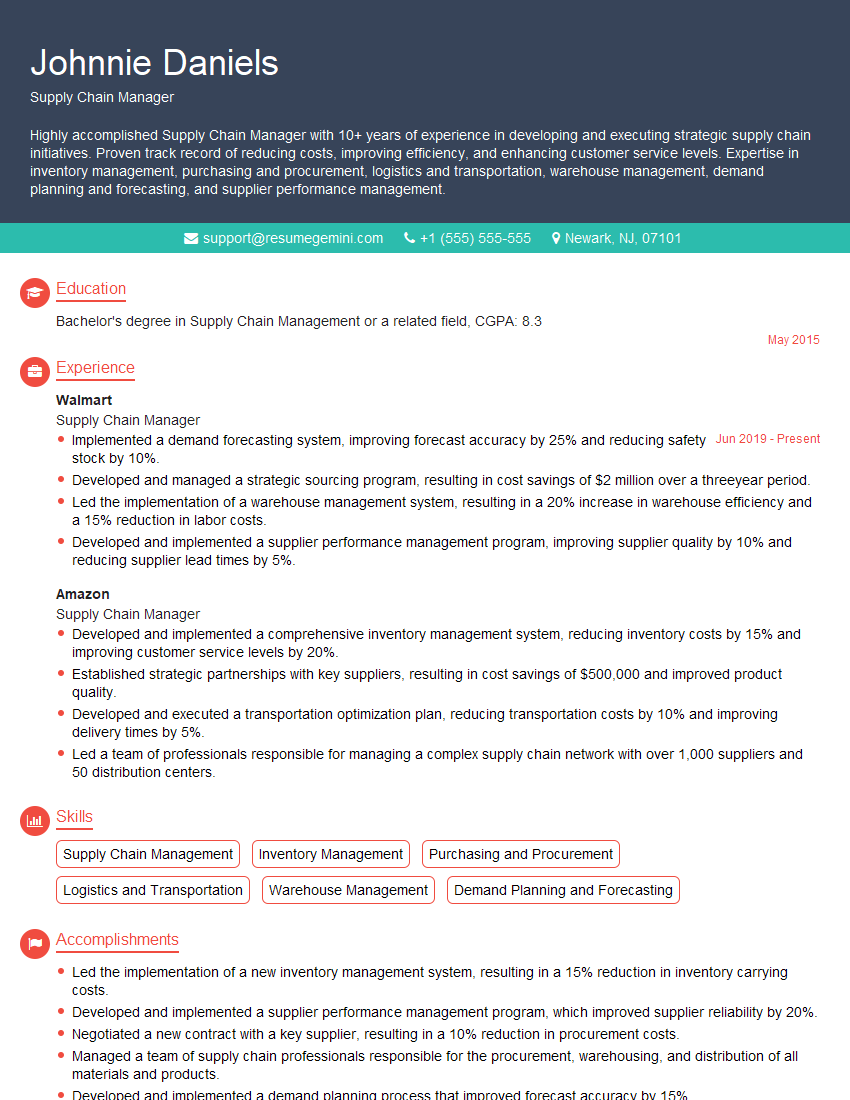
Supply Chain Manager Resume Sample
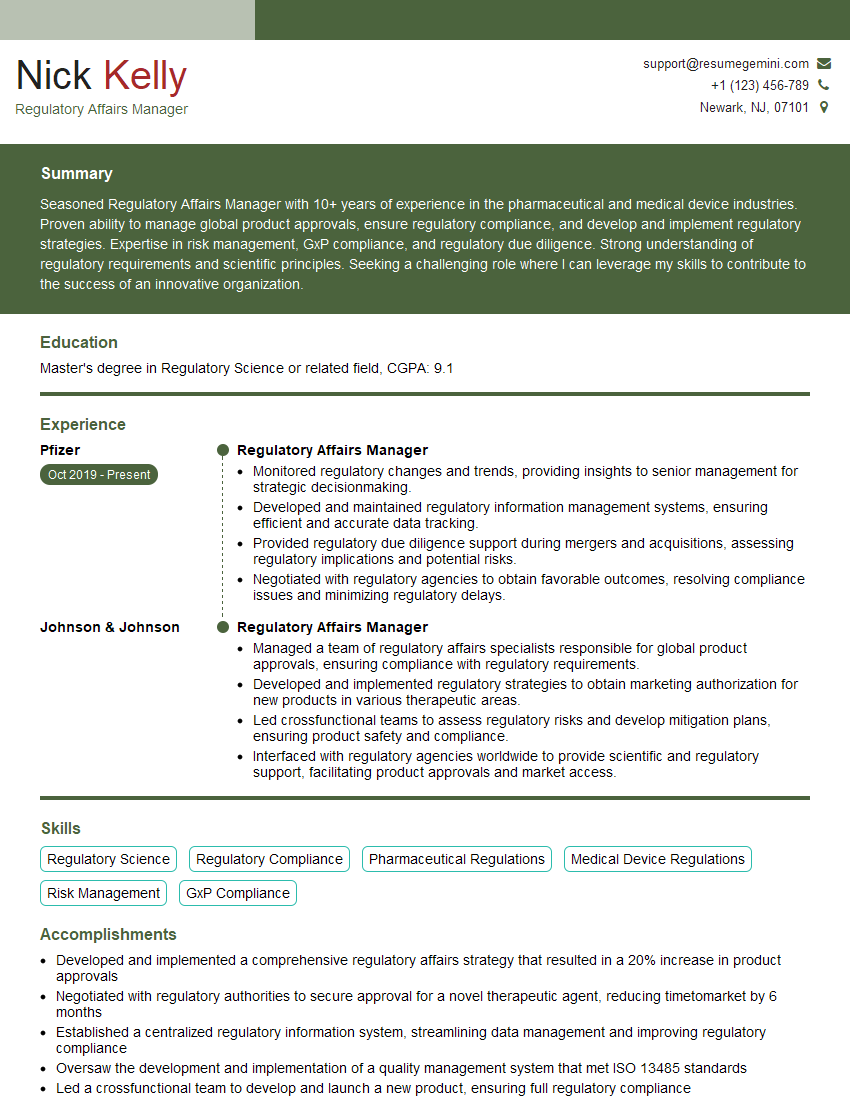
Regulatory Affairs Manager Resume Sample
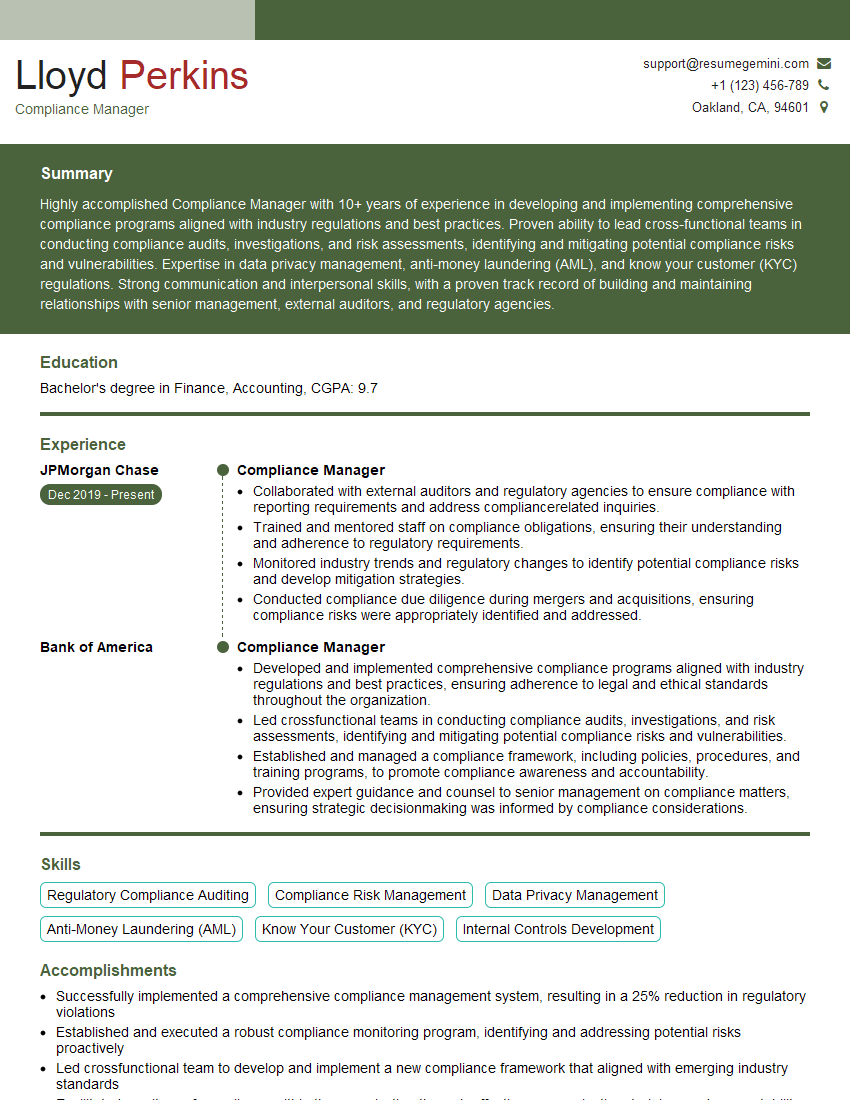
Compliance Manager Resume Sample

Compliance Officer Resume Sample
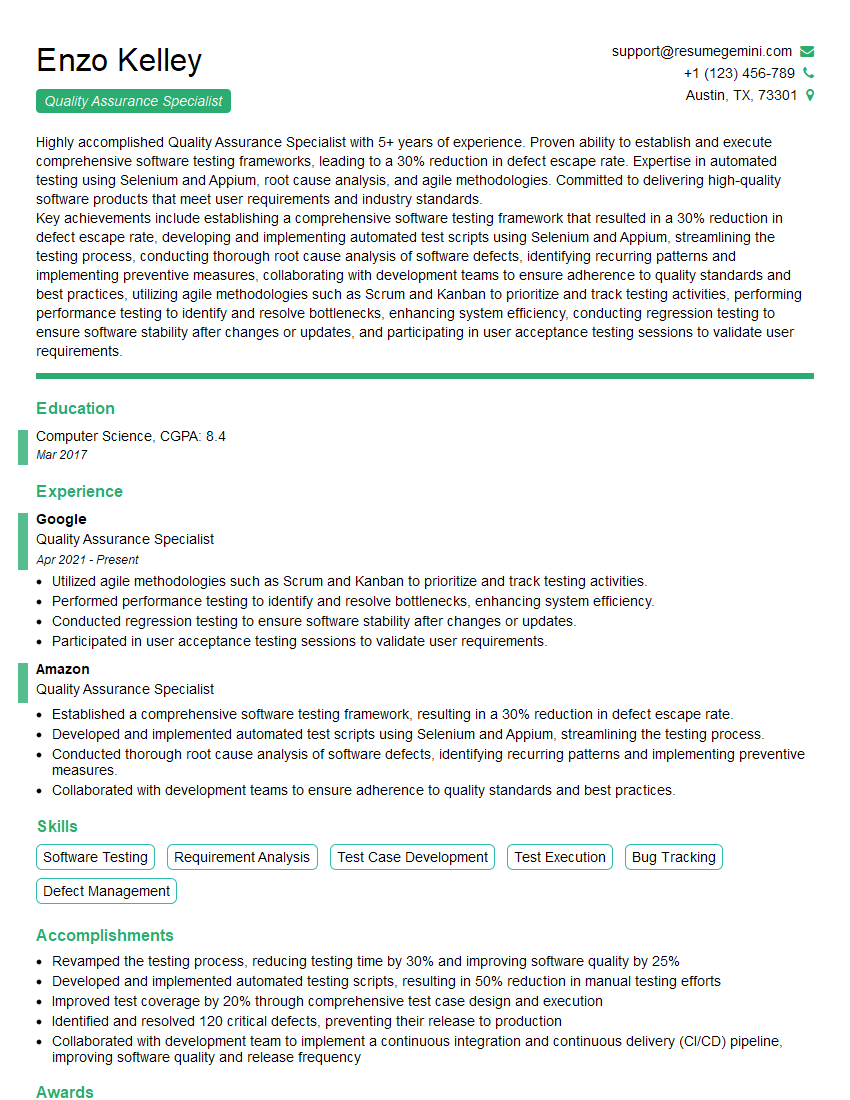
Quality Assurance Specialist Resume Sample
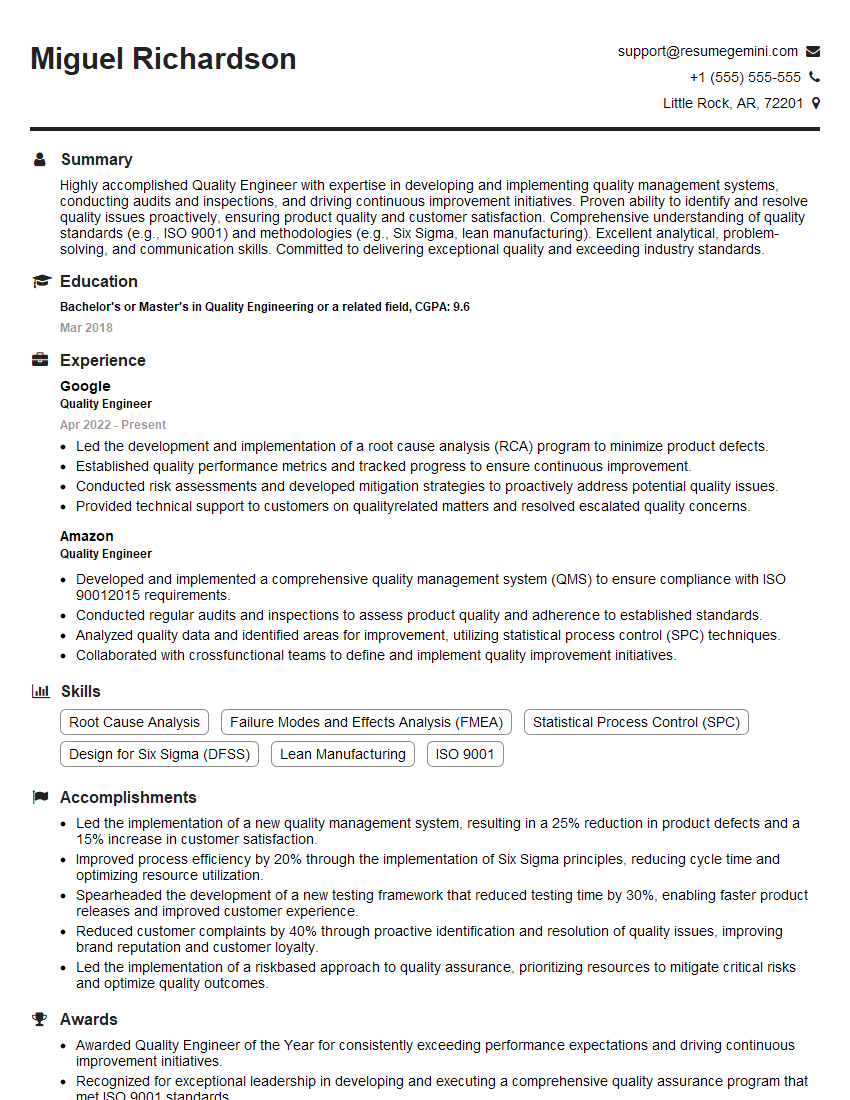
Quality Engineer Resume Sample
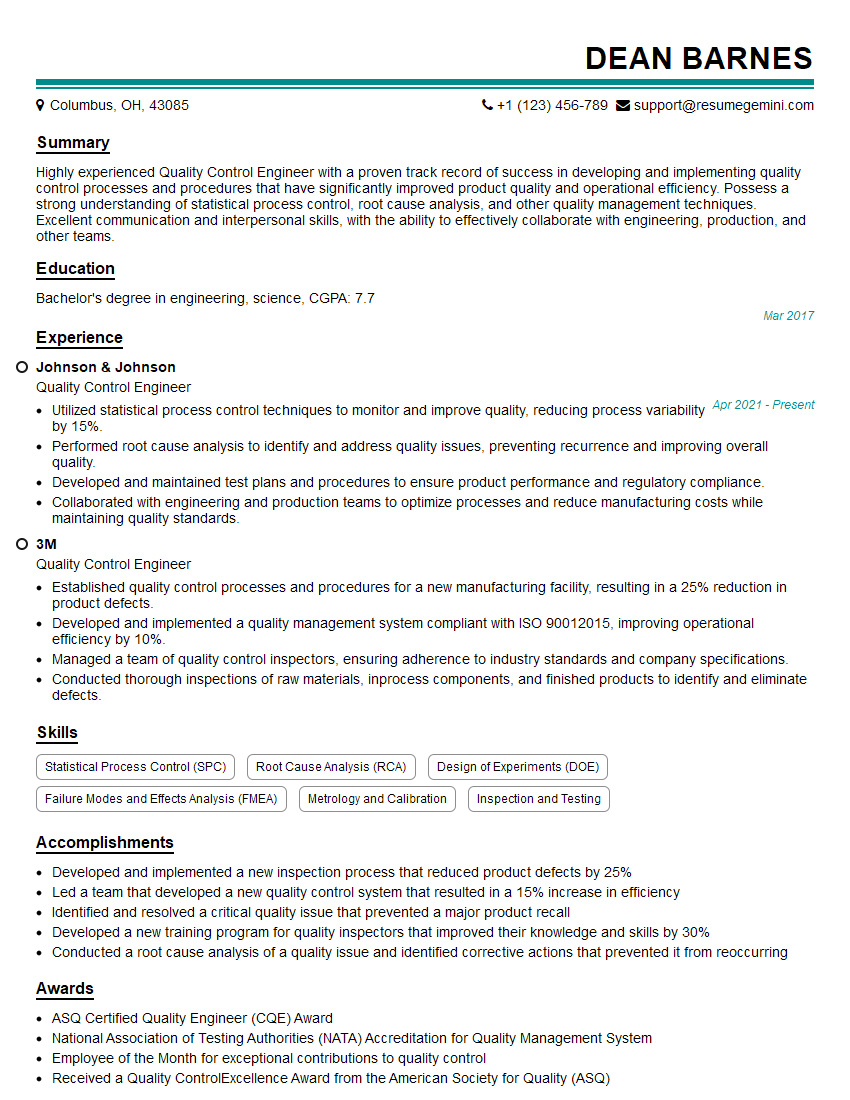
Quality Control Engineer Resume Sample
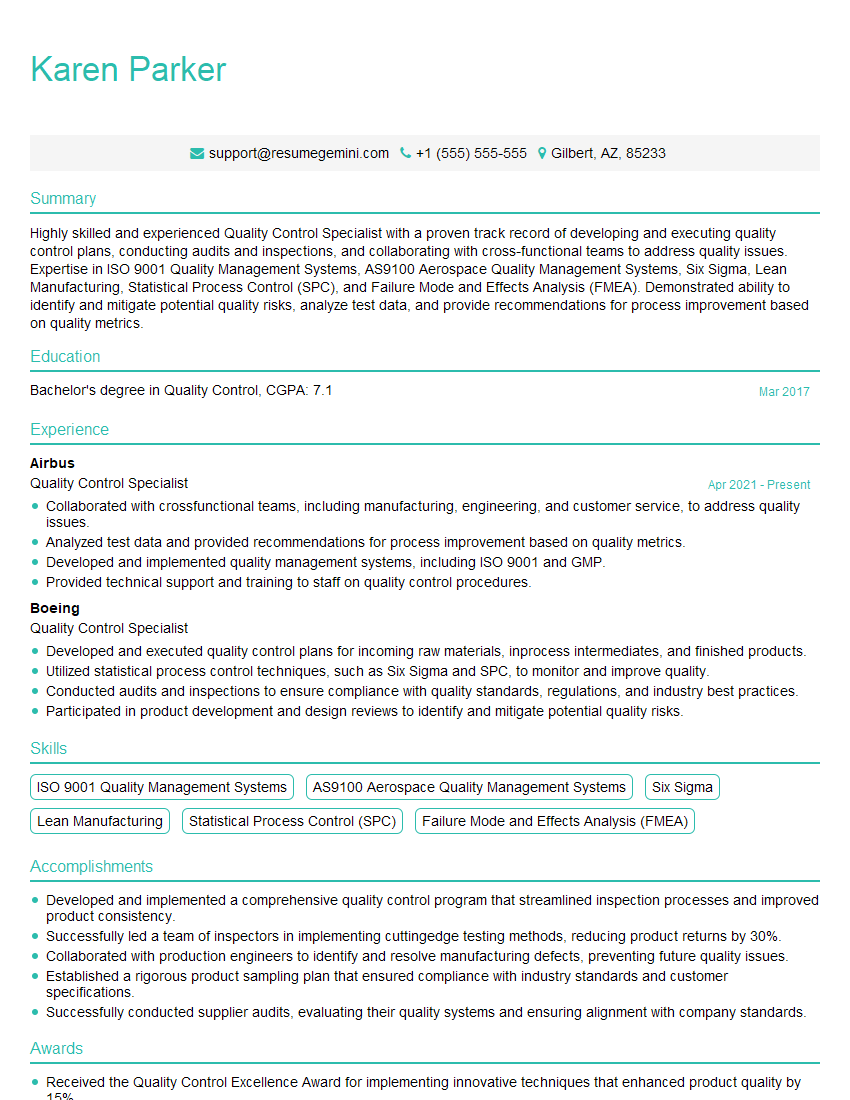
Quality Control Specialist Resume Sample
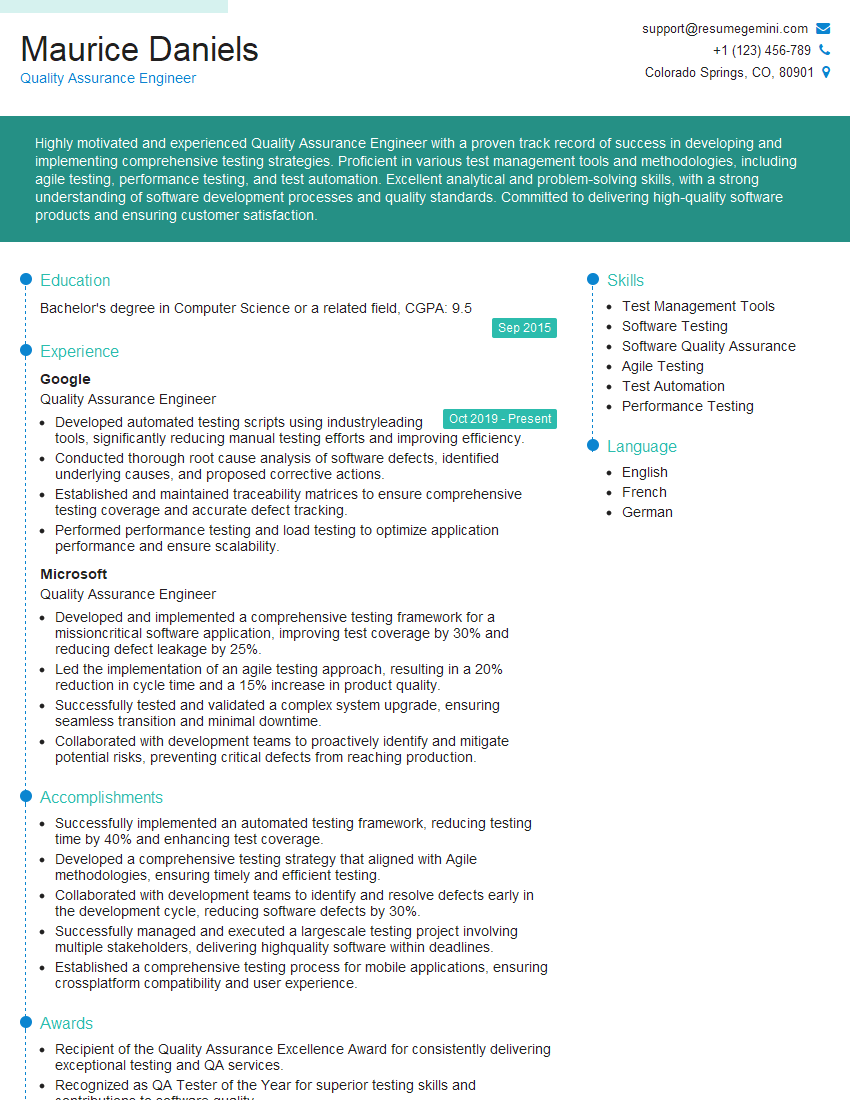
Quality Assurance Engineer Resume Sample
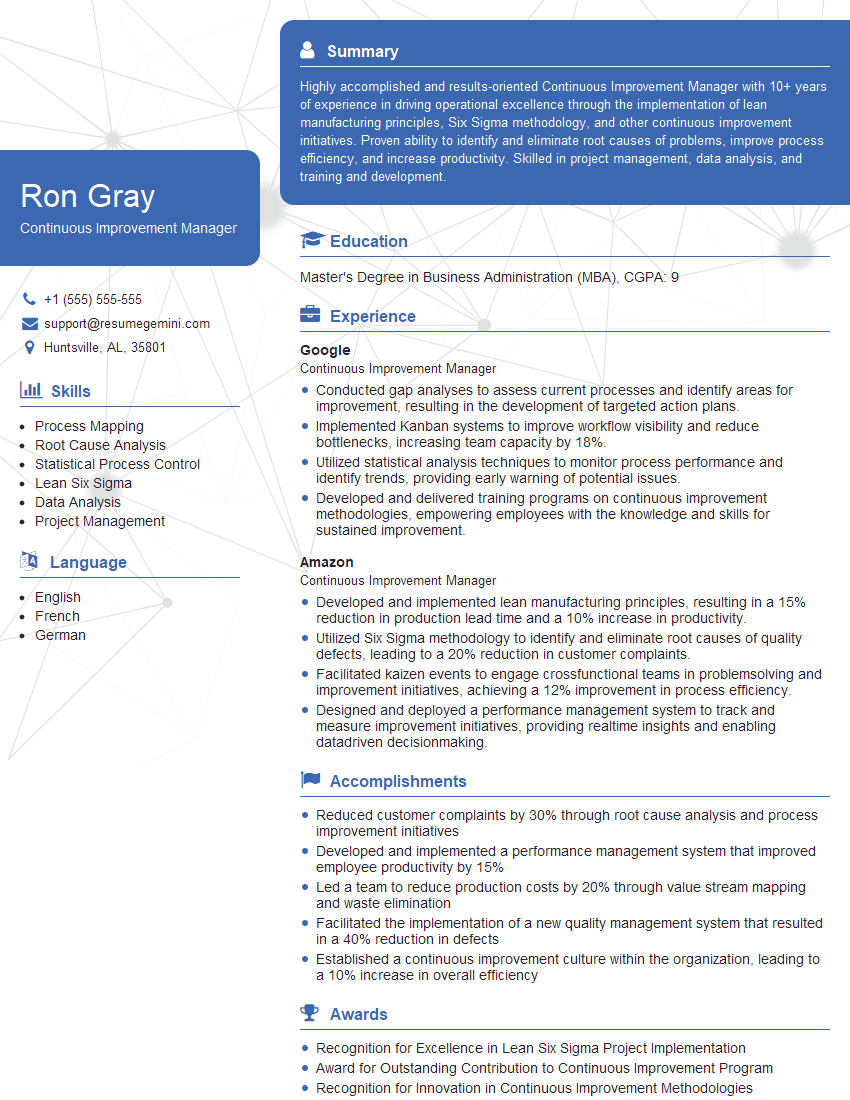
Continuous Improvement Manager Resume Sample
- Operations Manager
- Quality Manager
- Quality Assurance Manager
- Quality Control Manager
- Supply Chain Manager
- Regulatory Affairs Manager
- Compliance Manager
- Compliance Officer
- Quality Assurance Specialist
- Quality Engineer
- Quality Control Engineer
- Quality Control Specialist
- Quality Assurance Engineer
- Continuous Improvement Manager
Explore more articles
Users Rating of Our Blogs
Share Your Experience
We value your feedback! Please rate our content and share your thoughts (optional).
What Readers Say About Our Blog
Very informative content, great job.
good