Unlock your full potential by mastering the most common Interpreting engineering drawings interview questions. This blog offers a deep dive into the critical topics, ensuring you’re not only prepared to answer but to excel. With these insights, you’ll approach your interview with clarity and confidence.
Questions Asked in Interpreting engineering drawings Interview
Q 1. Explain the difference between orthographic and isometric projections.
Orthographic and isometric projections are two different ways of representing a 3D object in 2D. Think of it like taking photos of a building: orthographic projections are like taking several photos from directly in front, above, and the side – each showing only one face at a time. Isometric projections are like taking a single photo from a slightly elevated angle, showing multiple faces simultaneously, though with some distortion.
Orthographic Projection: Uses multiple views (typically front, top, and side) to show the object’s true dimensions and shape. Each view is a 2D representation of a single face, showing only features visible from that specific direction. It’s precise and accurate for manufacturing and detailed design.
Isometric Projection: Presents a single view showing three faces of the object at the same time. While providing a more holistic visual, the dimensions are not to scale; they appear foreshortened, meaning they are smaller than their true size. It’s often used for quick visualization and conceptual design.
Example: Imagine a simple cube. An orthographic projection would show three separate squares, each representing a face. An isometric projection would show a single drawing showing three faces of the cube, converging at a central point, resulting in a visually recognizable cube, even if the measurements are not perfectly accurate.
Q 2. How do you interpret dimensioning and tolerances on an engineering drawing?
Dimensioning and tolerances on an engineering drawing define the precise size and allowable variation of features. Imagine baking a cake; the recipe specifies exact measurements, but slight variations are acceptable (within reason!). Dimensioning tells us the ideal size, while tolerances indicate the acceptable range of variation.
Dimensioning: Provides numerical values (measurements) for lengths, diameters, angles, and other geometric features. These dimensions are usually indicated by dimension lines, arrowheads, and numerical values. For example, Ø10 ± 0.1 indicates a diameter of 10 units with a tolerance of ±0.1 units.
Tolerances: Specify the permissible deviations from the nominal (ideal) dimensions. They’re essential for manufacturing as perfect precision is often impractical and expensive. Tolerances are indicated using various methods, such as plus/minus values (±), unilateral tolerances (e.g., 10 +0.2/-0.0), or geometric dimensioning and tolerancing (GD&T) symbols. These symbols define acceptable variations in form, orientation, location, and runout.
Interpreting them: Carefully analyze each dimension and its corresponding tolerance. Understand whether it’s a linear, angular, or other type of dimension. Ensure you grasp the meaning of the tolerance symbols and their impact on the acceptable range of variation. This helps determine whether a manufactured part conforms to the drawing’s specifications.
Q 3. What are the common types of lines used in engineering drawings and their significance?
Engineering drawings employ different line types to convey specific information. It’s like using different fonts and styles in a document to highlight different elements.
- Object Lines (Solid): Thick, continuous lines defining the visible outlines of the object.
- Hidden Lines (Dashed): Dashed lines indicating features not visible from the current view.
- Center Lines (Dashed-Dotted): Represent axes of symmetry or centers of circular features.
- Dimension Lines (Thin Solid with Arrows): Indicate the size and location of features, terminating in arrowheads.
- Extension Lines (Thin Solid): Extend from the object to the dimension lines.
- Leader Lines (Thin Solid): Point to specific features and connect to notes or other annotations.
- Phantom Lines (Dashed with Long Dashes): Illustrate alternate positions or adjacent parts.
- Break Lines (Zigzag or Sawtooth): Shorten long objects to save space on the drawing.
Significance: The various line types ensure clarity and accuracy in communication. Without a standardized system, drawings could become confusing and lead to errors in manufacturing or construction. Properly interpreting each line type is crucial for understanding the drawing completely.
Q 4. Describe your experience using CAD software for interpreting drawings (e.g., AutoCAD, Revit, SolidWorks).
I’ve extensive experience with CAD software, primarily AutoCAD, SolidWorks, and Revit, utilizing them for both creating and interpreting engineering drawings. In my previous role, I frequently used AutoCAD to review architectural drawings, checking for dimensional accuracy and clash detection. I also used SolidWorks to perform 3D model analysis and verify the manufacturability of components based on 2D drawings. With Revit, I worked on construction projects, interpreting architectural, structural, and MEP (mechanical, electrical, plumbing) drawings to coordinate the various disciplines and identify potential conflicts.
My skills extend beyond simply viewing drawings; I can leverage CAD software to measure distances, extract information, and create sections or details. I’m comfortable navigating complex assemblies and extracting relevant data for analysis, such as material quantities or surface areas. This proficiency helps me ensure drawing integrity and aids in problem-solving during design reviews or construction phases.
Q 5. How do you identify different materials specified on an engineering drawing?
Material identification on engineering drawings typically uses material specifications, often in the form of codes or symbols. These might be industry standards, such as ASTM (American Society for Testing and Materials) designations, or company-specific codes. Sometimes a material’s properties are directly specified, including density or tensile strength.
Methods of Identification: Materials are often indicated in a material list or specification section, alongside a part number or reference identifier. The drawing itself might show material notations near the relevant parts, such as AISI 1018 for steel or Aluminum 6061-T6 for aluminum alloy. Material selection is critical for the successful operation and longevity of a design.
Example: In a drawing, a particular component might be labeled with 'Steel - ASTM A36'. This tells us the part is made of structural steel complying with the ASTM A36 standard, providing insights into its strength and other properties. This helps in selecting appropriate manufacturing processes and evaluating the component’s performance characteristics.
Q 6. Explain your process for interpreting complex assembly drawings.
Interpreting complex assembly drawings requires a systematic approach. It’s like assembling a complex puzzle, requiring careful planning and attention to detail. My process typically involves the following steps:
- Review the Title Block and General Notes: Understand the drawing’s purpose, revision history, and any important notes or specifications.
- Identify Major Components: Recognize the key parts of the assembly and their relationships.
- Analyze Individual Part Drawings: If available, consult individual part drawings to understand the details of each component.
- Follow the Assembly Sequence: If an assembly sequence is provided, follow it step-by-step. If not, carefully study the drawing to determine the logical order of assembly.
- Identify Fasteners and Connections: Note the types of fasteners (bolts, screws, welds) and how they connect different parts.
- Check for Interference: Verify whether components interfere with each other, impacting assembly or function.
- Verify Dimensional Accuracy: Ensure that component dimensions are compatible and meet the overall assembly specifications.
- Create a Mental Model: Build a mental 3D model of the assembly to visualize how the parts fit together. I often sketch a rough 3D model on paper to aid my understanding.
This step-by-step approach reduces the risk of errors and misunderstandings, ensuring an accurate and complete understanding of the assembly’s design and function.
Q 7. How do you handle discrepancies or ambiguities in engineering drawings?
Discrepancies or ambiguities in engineering drawings are serious issues that can lead to costly mistakes. My approach to handling them involves a structured investigation and clear communication.
- Identify the Discrepancy: Pinpoint the exact location and nature of the ambiguity or conflict.
- Review Related Drawings and Documents: Consult other drawings, specifications, or design documents to search for clarification.
- Consult with the Design Team: Contact the designers or engineers to seek clarification or correction.
- Analyze for Potential Errors: Determine if the discrepancy is a genuine issue or a potential drawing error.
- Document the Issue: Create a clear and concise record of the discrepancy, including any corrective actions or assumptions made.
- Implement Corrective Measures: If changes are needed, ensure the relevant parties are aware and that the necessary revisions are made and approved.
My approach emphasizes thoroughness and effective communication to minimize the risk of errors and ensure the project proceeds smoothly. I always document my findings and assumptions to maintain a clear audit trail.
Q 8. What are your strategies for quickly understanding a new engineering drawing?
My strategy for quickly understanding a new engineering drawing involves a systematic approach focusing on key elements. First, I identify the drawing’s title block – this crucial section provides essential information such as the drawing number, revision level, date, scale, and the designer’s name. This immediately gives context. Next, I scan the drawing for overall views and major components, getting a ‘bird’s-eye’ perspective. I then look for section views, detail views, and notes, which provide deeper insights into specific areas. Think of it like assembling a puzzle; you start with the big picture before focusing on the intricate details. Finally, I check for any revision clouds or notes indicating changes from previous versions. This ensures I’m working with the most up-to-date information. For example, if it’s a mechanical drawing of a pump, I’d first locate the main pump assembly before inspecting the detailed drawings of its individual components like impellers or bearings.
Q 9. How do you use section views and detail views to understand complex components?
Section views and detail views are invaluable tools for understanding complex components. A section view essentially ‘slices’ through a component to reveal its internal structure. Imagine cutting an apple in half to see the core – it’s the same principle. This is crucial for understanding the relationships between different parts and their relative positions. For example, a section view of a gearbox would reveal the arrangement of gears, shafts, and bearings. Detail views provide magnified views of specific areas, showing minute features that might be too small to see clearly in the overall view. Think of a zoom function on a camera; it allows you to focus on critical details. These details might include dimensions, tolerances, surface finishes, or other crucial design aspects that need close scrutiny. Often, a combination of section views and detail views are used to fully grasp a complex part’s design. I frequently use both to understand how intricate mechanisms operate, which is very helpful in manufacturing or troubleshooting.
Q 10. Describe your experience with reading and understanding piping and instrumentation diagrams (P&IDs).
I have extensive experience reading and interpreting Piping and Instrumentation Diagrams (P&IDs). P&IDs are schematic drawings that represent the flow of fluids (liquids, gases) and the instrumentation used to control and monitor that flow in a process system. My understanding includes recognizing standard symbols for valves, pipes, instruments (e.g., pressure gauges, flow meters, temperature sensors), and process equipment (e.g., pumps, heat exchangers, reactors). I’m adept at tracing fluid pathways, identifying control loops, and understanding the overall process flow. For instance, I can easily identify a pressure control loop by tracing the signal from a pressure transmitter to a control valve. Understanding P&IDs is vital for process engineers, maintenance personnel, and safety engineers. In my previous role, I used P&IDs to troubleshoot issues in a chemical processing plant, helping to identify the root cause of a process upset and implement corrective actions.
Q 11. How proficient are you in interpreting electrical schematics?
I’m highly proficient in interpreting electrical schematics. These diagrams illustrate the electrical connections within a system, showing components such as switches, relays, motors, transformers, and circuit breakers. My expertise encompasses understanding different schematic symbols, tracing signal paths, identifying power sources, and analyzing circuit functionality. I can read both simple and complex schematics, including those using ladder logic diagrams, which are common in industrial control systems. I’m comfortable with various drawing styles and can identify potential problems within the electrical system based on the schematic. For example, I can determine if a circuit is properly grounded or if there are any potential short circuits. During my time at [Previous Company Name], I reviewed and approved many electrical schematics before they went into production. This ensured that our products met safety and regulatory compliance requirements.
Q 12. How do you determine the scale of an engineering drawing?
The scale of an engineering drawing is determined by looking at the title block. The title block will usually specify a scale using a ratio, such as 1:10, 1:50, or 1:100. This indicates that one unit of measurement on the drawing represents 10, 50, or 100 units in real life, respectively. Sometimes, a scale bar is included on the drawing itself for visual reference. If neither a scale ratio nor a scale bar is provided, then a known dimension on the drawing needs to be compared to its real-world equivalent. For instance, if the drawing depicts a component with a known dimension of 100mm, and that dimension measures 10mm on the drawing, then the scale is 1:10. A correct scale is paramount; an incorrect scale can lead to disastrous errors in manufacturing or construction.
Q 13. Explain your understanding of different drawing formats (e.g., DWG, PDF).
I’m familiar with various drawing formats, including DWG and PDF. DWG is a proprietary format used by AutoCAD and other CAD software. It allows for editing and modification of the drawing. PDF (Portable Document Format), on the other hand, is a universally compatible format used for sharing and archiving. PDFs are generally read-only, preventing accidental changes. The choice of format depends on the purpose of the drawing. If collaboration and modification are needed, DWG is preferable. For distribution and archival purposes, PDF is ideal. I am proficient in using software that can both create and interpret these formats. This includes, but is not limited to, AutoCAD, SolidWorks, and Adobe Acrobat. Moreover, I am also comfortable with other formats like DXF and TIFF, should they arise.
Q 14. How do you identify revisions and changes on a drawing?
Revisions and changes on a drawing are typically indicated using revision clouds or revision tables. Revision clouds are circles or other shapes that highlight the areas of the drawing that have been changed. These clouds are often accompanied by a revision letter or number. A revision table usually provides a list of all revisions made to the drawing, including the revision number, date, description of the changes, and the person who made the changes. Sometimes, a revision block in the title block summarises the revision history. I meticulously check for these indicators on any drawing I review to ensure I’m working with the latest version and understand any modifications that have been made since the initial drawing release. Understanding the changes is key to avoid confusion and errors during the manufacturing process. For example, a revision might indicate a change in material specification, a dimension adjustment, or an addition of a critical feature.
Q 15. Describe your experience working with different types of drawing standards (e.g., ANSI, ISO).
My experience spans various drawing standards, primarily ANSI (American National Standards Institute) and ISO (International Organization for Standardization). Understanding these standards is crucial because they dictate the way drawings are created, interpreted, and used globally. ANSI is prevalent in North America, known for its clear and concise representation, while ISO, a more internationally recognized standard, offers a more detailed and comprehensive approach. I’ve worked extensively with both in projects involving mechanical, electrical, and architectural drawings. For instance, in one project using ANSI Y14.5, I had to precisely interpret tolerances specified using geometric dimensioning and tolerancing (GD&T), crucial for ensuring the parts manufactured would fit seamlessly. In another, using ISO standards, I was involved in a global collaboration, where the adherence to consistent standards for dimensioning, tolerances, and symbols was essential for smooth communication and accurate interpretation across different teams based in various countries.
The differences often lie in the specific symbols used, the methods for specifying tolerances, and the overall layout of the drawing. Knowing these nuances ensures I can effectively interpret any drawing, regardless of its origin. I regularly consult the relevant standard documents to ensure my interpretation is accurate and aligns with the specified requirements.
Career Expert Tips:
- Ace those interviews! Prepare effectively by reviewing the Top 50 Most Common Interview Questions on ResumeGemini.
- Navigate your job search with confidence! Explore a wide range of Career Tips on ResumeGemini. Learn about common challenges and recommendations to overcome them.
- Craft the perfect resume! Master the Art of Resume Writing with ResumeGemini’s guide. Showcase your unique qualifications and achievements effectively.
- Don’t miss out on holiday savings! Build your dream resume with ResumeGemini’s ATS optimized templates.
Q 16. How do you identify and interpret symbols and abbreviations used in engineering drawings?
Identifying and interpreting symbols and abbreviations in engineering drawings requires a combination of knowledge and experience. It’s like learning a specialized language. Each symbol and abbreviation has a precise meaning that directly impacts the design and manufacturing process. I approach this systematically:
- Reference Manuals and Standards: I always begin by checking the drawing’s title block for the standard used (ANSI, ISO, etc.) and consult the corresponding standard manual. This manual provides a comprehensive list of symbols, their meanings, and how they are used in different contexts.
- Symbol Recognition: Through years of experience, I’ve developed strong symbol recognition skills. I can instantly identify common symbols for materials, finishes, welding processes, and other features. For example, I immediately recognize a triangle with a circle inside it as representing a weld.
- Contextual Understanding: Sometimes the exact meaning of a symbol or abbreviation isn’t immediately clear. In such cases, I use the surrounding information on the drawing to infer its meaning. Looking at the overall design, adjacent components, and notes provides clues. For instance, an unfamiliar abbreviation might be defined within a parts list or a specific note within the drawing.
- Cross-referencing: Many drawings reference other documents or specifications. I expertly cross-reference these documents to gather additional information that clarifies ambiguous symbols or abbreviations.
Think of it like solving a puzzle – each piece of information, from symbols to annotations, contributes to the complete picture.
Q 17. How do you utilize engineering drawings in a practical manufacturing or construction setting?
Engineering drawings are the lifeblood of any manufacturing or construction project. They serve as the primary communication tool between the design team and the production team. My experience shows how drawings are utilized in these settings:
- Manufacturing: In manufacturing, drawings guide the fabrication process. They precisely define the dimensions, tolerances, materials, and finishes for each component. Machine operators use them to set up their equipment, ensuring that parts are manufactured to specification. For example, a CNC machine operator directly uses the drawing dimensions to program their machine, and inspectors use the tolerances and specifications to check the manufactured parts.
- Construction: In construction, drawings are vital for site layout, building design, and structural integrity. They provide information about the location of foundations, walls, columns, beams, and other structural components. They’re also critical for coordinating different trades. For example, a plumber uses the drawings to lay out pipes while an electrician uses them to run electrical wiring. Errors in drawings can lead to costly rework and delays.
In both settings, accurate and detailed drawings are paramount. Any errors or inconsistencies can lead to significant problems. I’ve been involved in projects where diligent drawing interpretation helped catch potential issues early in the process, thereby saving time and resources.
Q 18. Describe your experience in identifying potential design flaws or inconsistencies in drawings.
Identifying design flaws or inconsistencies is a critical aspect of my role. It requires a sharp eye for detail and a thorough understanding of engineering principles. My approach involves:
- Dimensional Analysis: I meticulously check for inconsistencies in dimensions, making sure they are compatible and follow the rules of geometry and physics. I look for discrepancies or overlaps between different parts and verify clearance, interference, and assembly.
- Material Selection Review: I carefully examine the specified materials to ensure they are appropriate for the intended application and comply with industry standards and regulations. For example, using a material that isn’t strong enough could cause structural failure.
- Tolerance Stack-up Analysis: This involves assessing how cumulative tolerances of various components could affect the final assembly. If the tolerances are too tight, it will be very difficult, or impossible, to manufacture the parts to meet the assembly requirements.
- GD&T Verification: I analyze the GD&T specifications to ensure they are correctly applied and that the tolerances are feasible. For example, a misplaced feature control frame could lead to misinterpretations.
- Cross-referencing: inconsistencies may exist between multiple drawings, a BOM (bill of materials), or external specifications.
By systematically reviewing all aspects of the drawings, I can often prevent costly errors before they occur. I remember a project where I identified a critical interference issue between two components – a clash detected only through careful dimensional analysis that would have led to a complete assembly failure. This was caught before manufacturing, saving significant time and cost.
Q 19. Explain how you communicate technical information extracted from drawings to non-technical personnel.
Communicating technical information from drawings to non-technical personnel requires clear and concise explanations, avoiding technical jargon. I use a multi-pronged approach:
- Visual Aids: I use simplified diagrams, illustrations, and annotated sections from the original drawings to explain complex concepts visually. A picture is worth a thousand words, especially when dealing with technical details.
- Analogies and Real-World Examples: I relate technical aspects to everyday objects or experiences. For example, explaining tolerances using the analogy of fitting a key into a lock. This makes the information more relatable and easier to understand.
- Step-by-step Explanations: I break down complex information into simple, sequential steps, avoiding overwhelming the audience with technical details all at once.
- Active Listening and Feedback: I encourage questions and feedback to ensure the information is properly understood. This allows me to adjust my communication style and address any misunderstandings.
It’s important to remember that the goal is to convey the essential information accurately without confusing the non-technical person. I strive to ensure everyone involved is on the same page.
Q 20. How familiar are you with Geometric Dimensioning and Tolerancing (GD&T)?
I am very familiar with Geometric Dimensioning and Tolerancing (GD&T). It’s a crucial aspect of engineering drawing interpretation and ensures the manufacturing of parts that meet the design intent. GD&T utilizes symbols and notations to precisely define the allowable variations in form, orientation, location, and runout of features. My experience includes:
- Interpreting GD&T Symbols: I can accurately interpret various GD&T symbols, including position, parallelism, perpendicularity, flatness, circularity, and more. I understand the implications of different tolerance zones and how they affect part functionality.
- Analyzing Tolerance Stack-up: I’m proficient in performing tolerance stack-up analysis to assess the cumulative effect of individual tolerances on the assembly. This allows me to identify potential issues and propose solutions to maintain part functionality.
- Applying GD&T in Design Reviews: I actively participate in design reviews, providing insights on the GD&T specifications to ensure they are appropriate, unambiguous, and manufacturable. I’m capable of identifying and resolving potential issues early in the design process.
Understanding GD&T is essential for ensuring that manufactured parts function correctly within an assembly. An incorrectly interpreted GD&T specification can lead to parts that don’t fit or function properly.
Q 21. How do you use engineering drawings to create bill of materials (BOMs)?
Creating a Bill of Materials (BOM) from engineering drawings involves systematically extracting information about the components required to assemble a product. My process typically involves:
- Reviewing the Assembly Drawing: I begin by carefully examining the main assembly drawing to understand the overall structure and the components involved.
- Identifying Components and Part Numbers: I identify each component in the assembly and note its part number or reference designator as listed in the drawing. Some drawings will have a separate parts list; other times the relevant information is shown in a component callout or directly within the drawing itself.
- Quantity Determination: I determine the quantity of each component required for the complete assembly. For instance, if a drawing shows four bolts, I’ll note this in the BOM.
- Material Specification: I note the material of each component (e.g., steel, aluminum, plastic). This information is typically included in the drawing’s parts list, material callouts, or other specifications.
- Creating the BOM Table: I organize the collected data into a structured BOM table, typically including columns for part number, description, material, quantity, and potentially other relevant attributes.
Accurate BOMs are critical for purchasing, manufacturing, and inventory management. Inaccurate or incomplete BOMs can lead to delays, cost overruns, and production issues.
Q 22. Describe your approach to using engineering drawings for quality control inspections.
My approach to using engineering drawings for quality control inspections is systematic and thorough. It begins with a complete understanding of the drawing itself – its revision level, tolerances, and any associated specifications. I then create a detailed checklist based on the drawing, itemizing all critical dimensions, tolerances, materials, and surface finishes. During the inspection, I meticulously compare the manufactured part or assembly against this checklist, using appropriate measuring instruments like calipers, micrometers, and height gauges. Any discrepancies are documented with photographic evidence and precise measurements, highlighting deviations from the drawing specifications. This approach ensures consistent quality checks and facilitates efficient problem-solving.
For example, if a drawing specifies a 10mm ±0.1mm diameter hole, I would measure the hole’s diameter multiple times using a micrometer and record the readings. If any measurement falls outside the acceptable range (9.9mm to 10.1mm), it’s flagged as a non-conformance. This rigorous method ensures that even minor deviations are caught and addressed promptly, preventing major quality issues down the line.
Q 23. How would you handle a situation where a drawing is incomplete or contains errors?
Handling incomplete or erroneous drawings requires a proactive and communicative approach. First, I would verify the drawing’s revision status to ensure I’m working with the most up-to-date version. If the drawing is incomplete, I’d immediately contact the design engineer or the drafting team to clarify missing information, such as dimensions, tolerances, or material specifications. For errors, I would document them clearly, specifying the nature of the error, its location on the drawing, and its potential impact on the manufacturing process. I would then propose a solution, either by suggesting a correction based on engineering principles or by working collaboratively with the design team to resolve the issue. Before proceeding with any manufacturing, I would always seek confirmation of any proposed changes or clarifications.
Imagine a situation where a critical dimension is missing. Instead of guessing, I’d immediately reach out to the design team, providing them with context of why the information is necessary for the manufacturing process and requesting clarification. This avoids costly mistakes and delays. For errors, similar communication ensures that corrected drawings are distributed to all relevant parties before proceeding.
Q 24. Describe a time you successfully interpreted a complex engineering drawing to solve a problem.
In a previous project involving the assembly of a complex hydraulic pump, the provided assembly drawing was ambiguous regarding the sequence of installing several internal components. The initial attempts at assembly resulted in interference issues. By carefully analyzing the individual component drawings, noting the tolerances and clearances specified, and then visualizing the three-dimensional relationships between the components, I was able to determine the correct assembly sequence. This involved systematically reviewing the drawings and cross-referencing component dimensions to ensure proper alignment and clearance during assembly. This solved the assembly problem, preventing costly rework and delays.
This was a classic case of using spatial reasoning and detailed understanding of engineering drawings. Instead of simply following the ambiguous assembly instructions blindly, a careful examination and interpretation of the underlying component details provided the solution. The resolution highlighted the importance of having solid spatial reasoning skills and the ability to interpret drawings in a 3D context.
Q 25. Explain your understanding of surface finishes and how they are indicated on drawings.
Surface finishes are crucial for functionality, aesthetics, and durability. They describe the texture and quality of a surface, influencing factors like friction, corrosion resistance, and appearance. Engineering drawings indicate surface finishes using symbols and sometimes numerical codes, according to standards like ASME Y14.5. Common symbols might include symbols for roughness (Ra), indicating the average deviation from a mean line, or symbols specifying surface texture such as ground, polished, or honed. Often, the symbol includes a numerical value representing the desired roughness in micrometers (µm). For instance, a symbol might indicate a surface roughness of Ra 0.8 µm.
For example, a drawing might show a symbol ► 0.4 next to a part feature. This indicates a surface roughness of Ra 0.4 µm, suggesting a relatively smooth finish. The understanding of this annotation is critical in selecting the correct manufacturing process to achieve the desired finish.
Q 26. How familiar are you with different types of fasteners and how they are represented in drawings?
I am very familiar with a wide range of fasteners including bolts, screws, rivets, welds, and pins. Engineering drawings represent these using standardized symbols and notations. For example, a bolt might be represented by a circle with a line through it, with dimensions like diameter and length specified nearby. Screws have their own unique symbols, often showing the type of head (e.g., hex, pan, countersunk). Rivets are depicted differently, usually with a simplified graphical representation indicating the rivet’s head and shank. The drawings also specify materials, dimensions (diameter, length), and thread type (e.g., metric, UNC).
Understanding these symbols is crucial for selecting the appropriate fastener for a given application and for ensuring the correct parts are procured. Misinterpreting a fastener symbol could lead to using an incorrect component and causing structural failure or other issues.
Q 27. Describe your experience using engineering drawings for project planning and scheduling.
Engineering drawings are fundamental to project planning and scheduling. By carefully reviewing the drawings, I can identify the sequence of operations, the required materials and components, and potential bottlenecks in the manufacturing process. This information forms the basis for creating a detailed bill of materials (BOM) and a realistic project schedule. I use the drawings to estimate the time required for each manufacturing step, considering factors like machining time, assembly time, and inspection time. The drawings are also vital in identifying potential clashes or interference issues between components early in the design process, enabling proactive mitigation strategies.
For example, in a recent project, a review of the assembly drawings highlighted a critical path involving multiple machining steps, potentially leading to delays. By re-sequencing some operations and streamlining the process, based on the information from the drawings, we managed to shorten the overall project timeline by a considerable margin. This is a direct application of drawing interpretation to project management.
Q 28. Explain your understanding of welding symbols and their application in drawings.
Welding symbols are a specialized form of notation used on engineering drawings to specify weld types, dimensions, and locations. They are typically presented as a combination of a reference line, arrow, and various symbols that define the weld’s characteristics. The arrow indicates the location of the weld, the reference line connects to the arrow and often includes dimensions like weld size, length, and spacing. Different symbols indicate whether the weld is a fillet weld, groove weld, or a spot weld, as well as their configuration (e.g., single-sided, double-sided, continuous, intermittent). The symbols often include specifications for weld preparation, such as bevel angles and root openings.
For instance, a symbol might look like this (this is a textual representation; actual welding symbols are graphical): Reference Line --> ● Weld Size 6mm. This symbol indicates a fillet weld with a size of 6mm. Understanding these symbols is essential to ensure correct weld preparation and execution, crucial for achieving the desired strength and structural integrity.
Key Topics to Learn for Interpreting Engineering Drawings Interviews
- Blueprint Reading Fundamentals: Understanding scales, dimensions, annotations, and symbols used in various drawing types (e.g., orthographic, isometric, sectional).
- Practical Application: Interpreting dimensions to accurately determine component sizes and spatial relationships. Using drawings to understand assembly procedures and manufacturing processes.
- Geometric Dimensioning and Tolerancing (GD&T): Understanding GD&T symbols and their application in specifying tolerances and controlling variations in manufacturing.
- Material Specifications: Identifying material types and properties from drawings, and understanding their implications for design and manufacturing.
- Working Drawings and Detail Drawings: Distinguishing between different drawing types and their purpose within a larger project.
- CAD Software Familiarity: Demonstrating basic understanding of CAD software commonly used in engineering (e.g., AutoCAD, SolidWorks) and how drawings are created and modified.
- Problem-Solving: Identifying potential design flaws or inconsistencies in drawings and proposing solutions.
- Communication: Effectively communicating technical drawing information to engineers, technicians, and other stakeholders.
- Manufacturing Processes: Understanding how drawings relate to various manufacturing methods (e.g., machining, welding, casting).
Next Steps
Mastering the interpretation of engineering drawings is crucial for advancement in many engineering fields. It demonstrates a foundational understanding of design, manufacturing, and technical communication, opening doors to more challenging and rewarding roles. To maximize your job prospects, create an ATS-friendly resume that highlights your skills and experience effectively. ResumeGemini is a trusted resource to help you build a professional and impactful resume. We provide examples of resumes tailored specifically to professionals in Interpreting Engineering Drawings to help guide you in showcasing your expertise.

Engineering Manager Resume Sample

Project Engineer Resume Sample

Engineering Technician Resume Sample
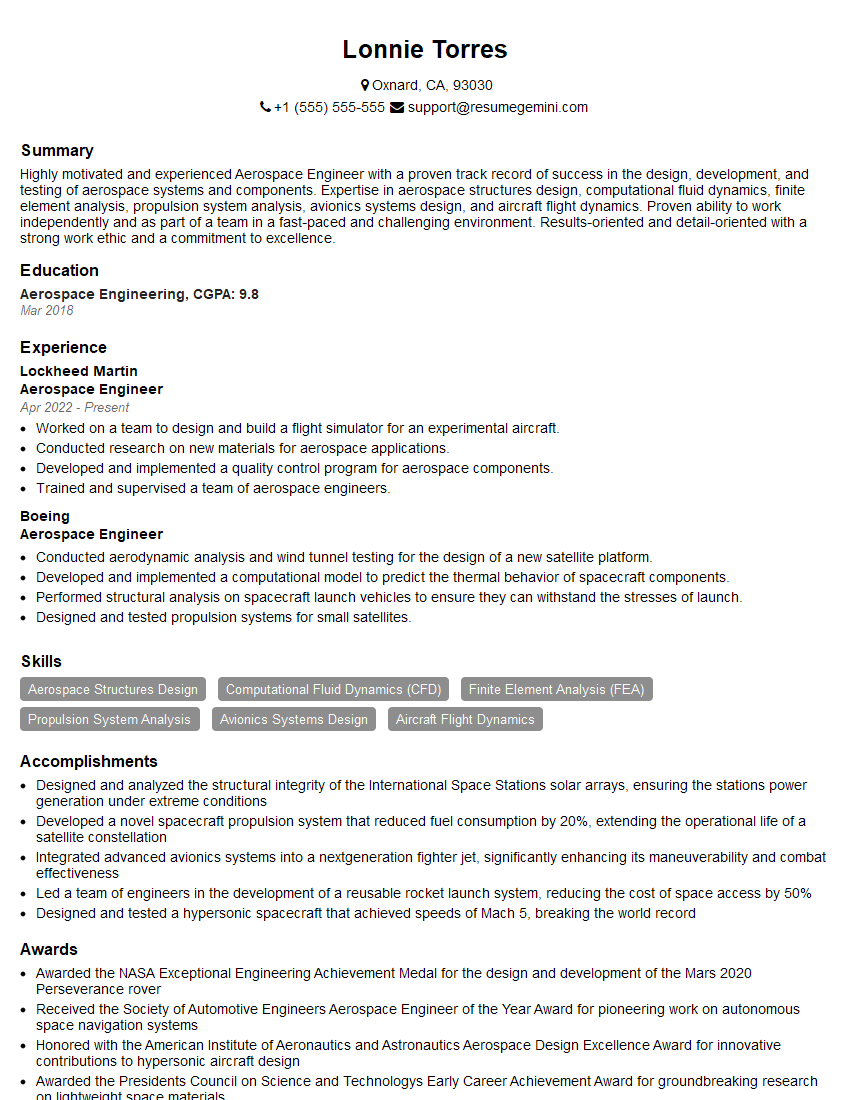
Aerospace Engineer Resume Sample

Civil Engineer Resume Sample

Electrical Engineer Resume Sample
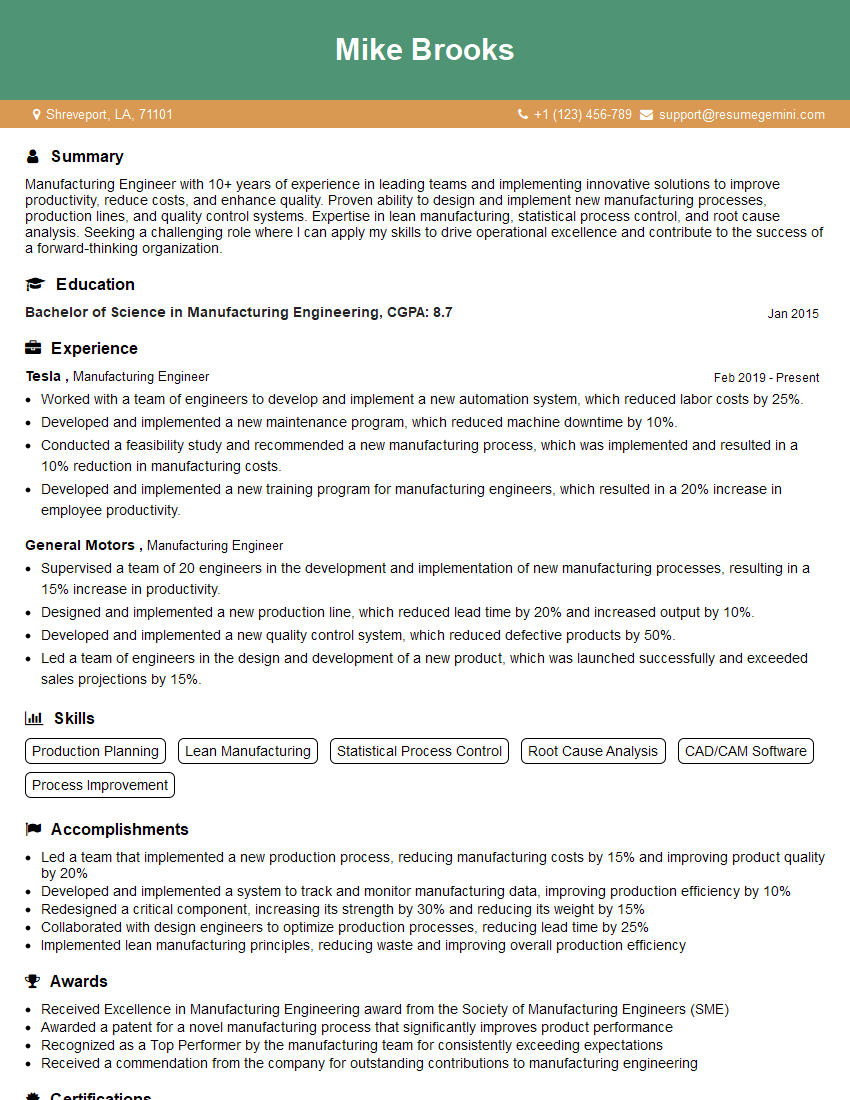
Manufacturing Engineer Resume Sample
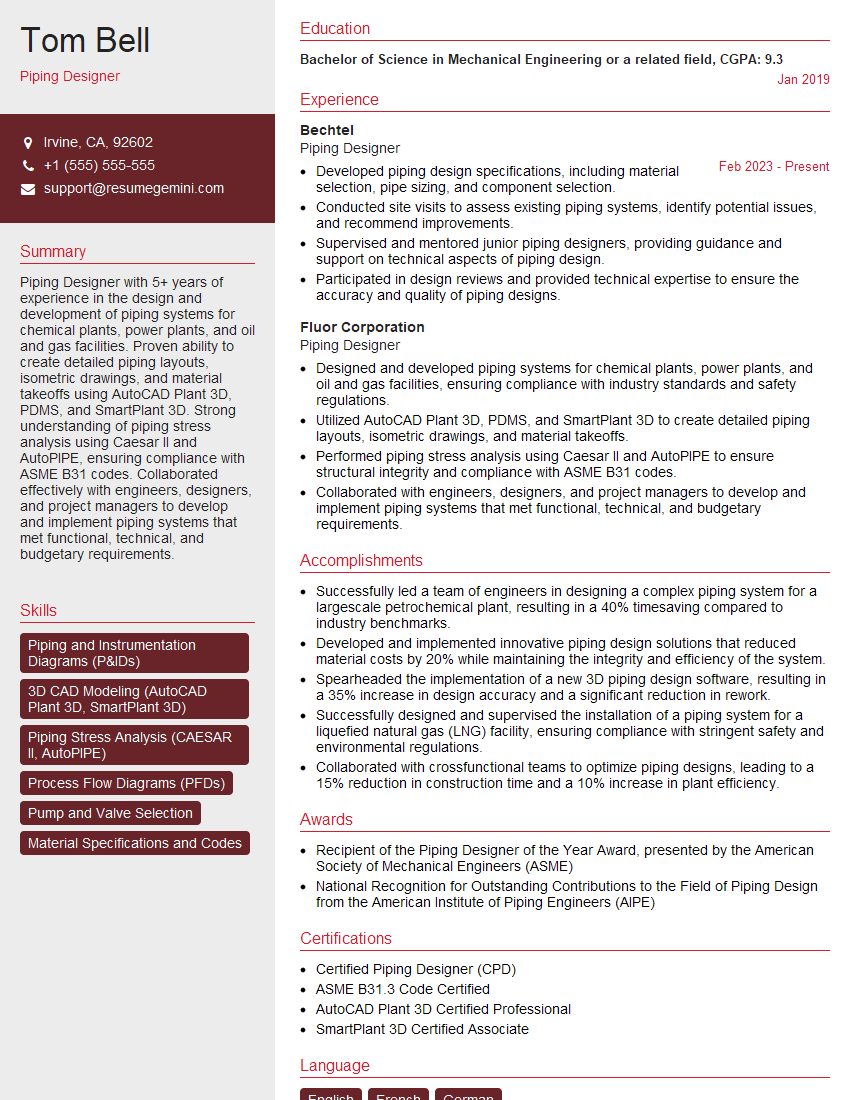
Piping Designer Resume Sample
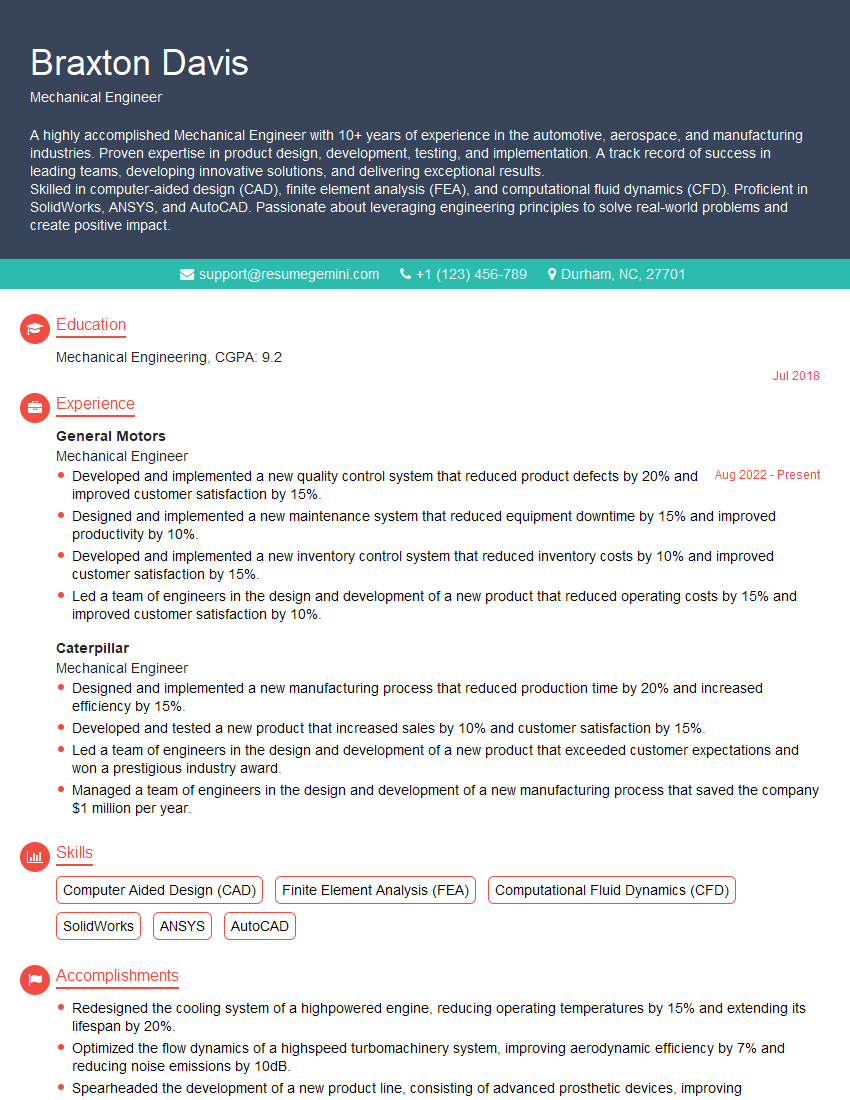
Mechanical Engineer Resume Sample
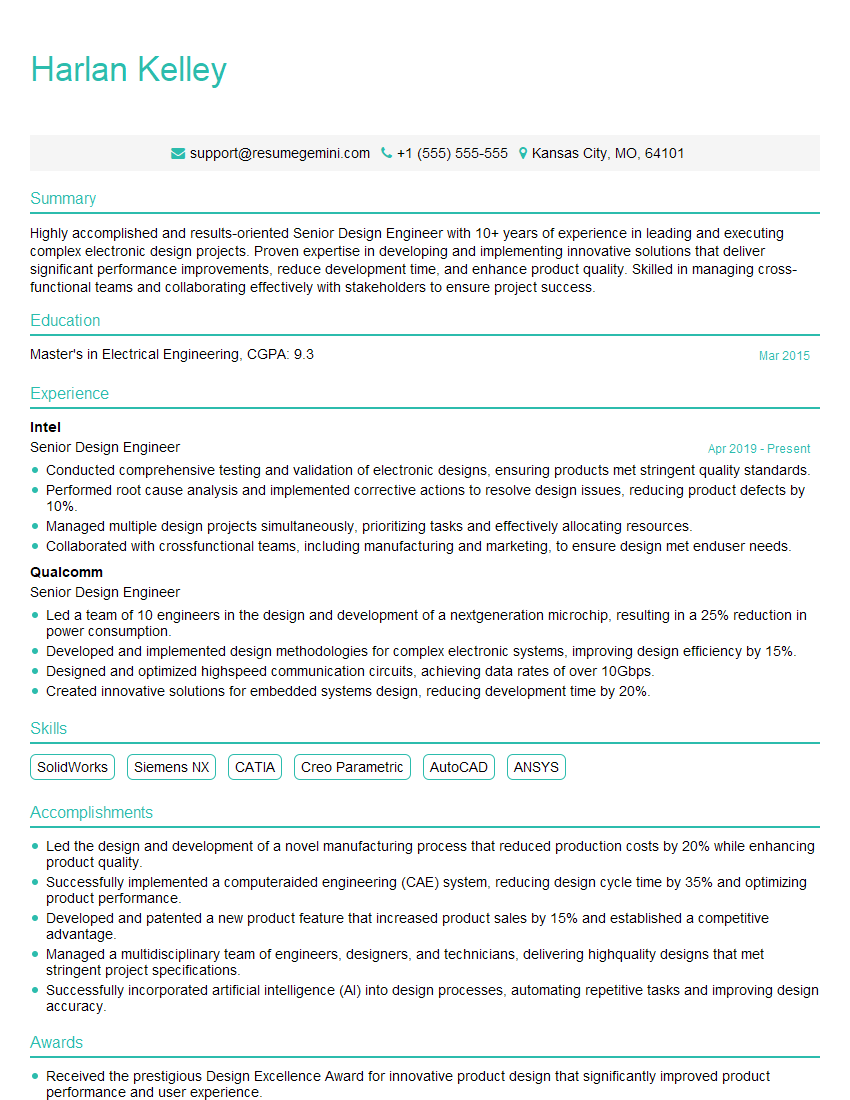
Senior Design Engineer Resume Sample
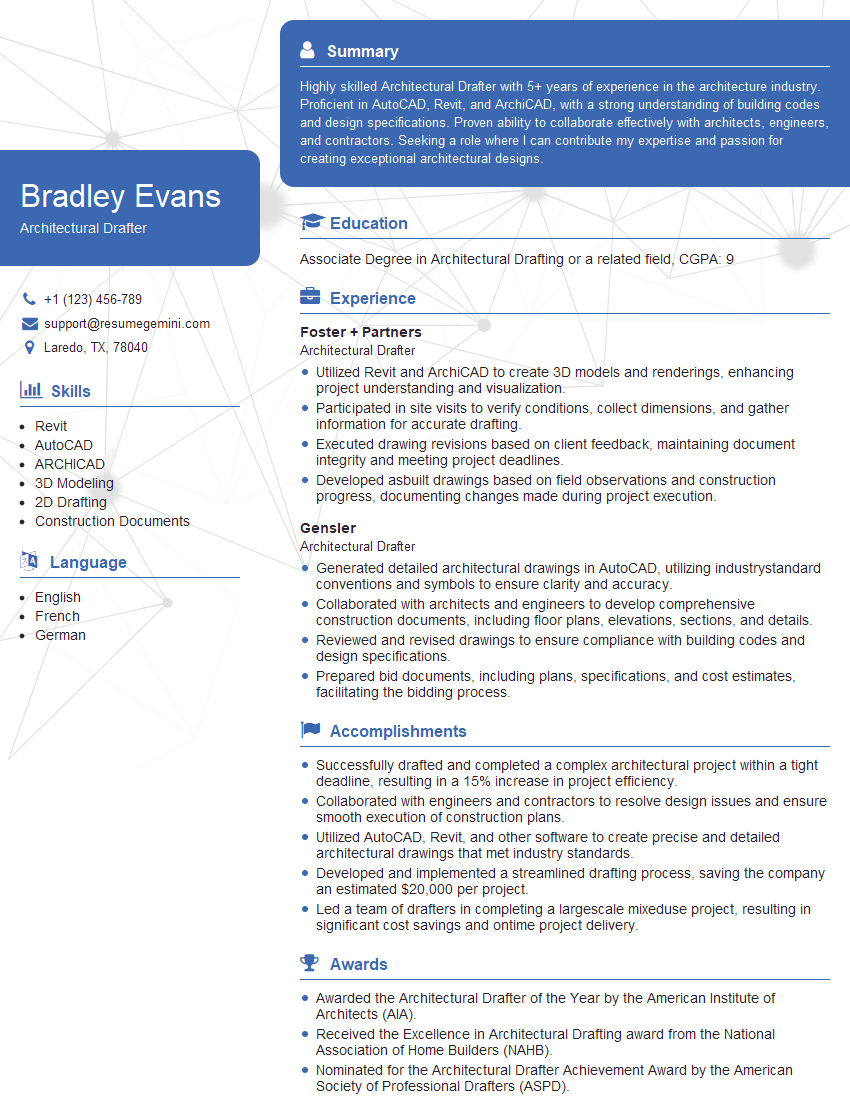
Architectural Drafter Resume Sample
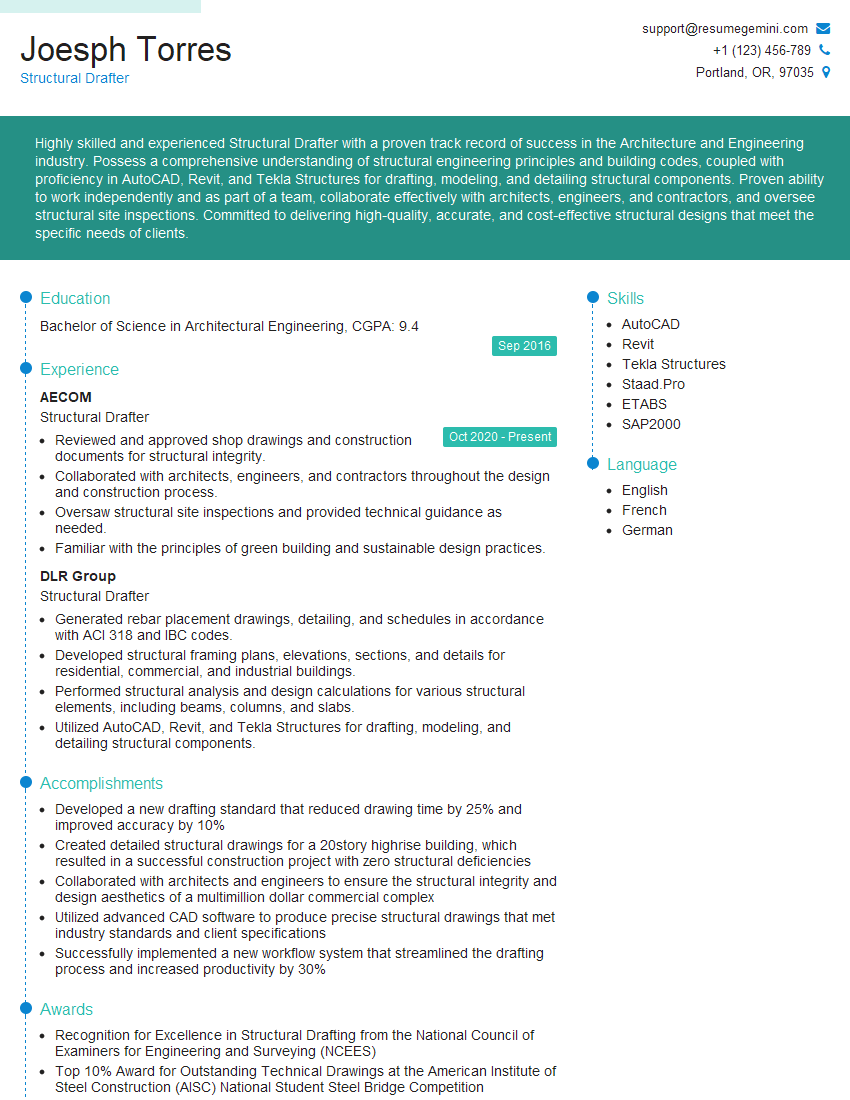
Structural Drafter Resume Sample
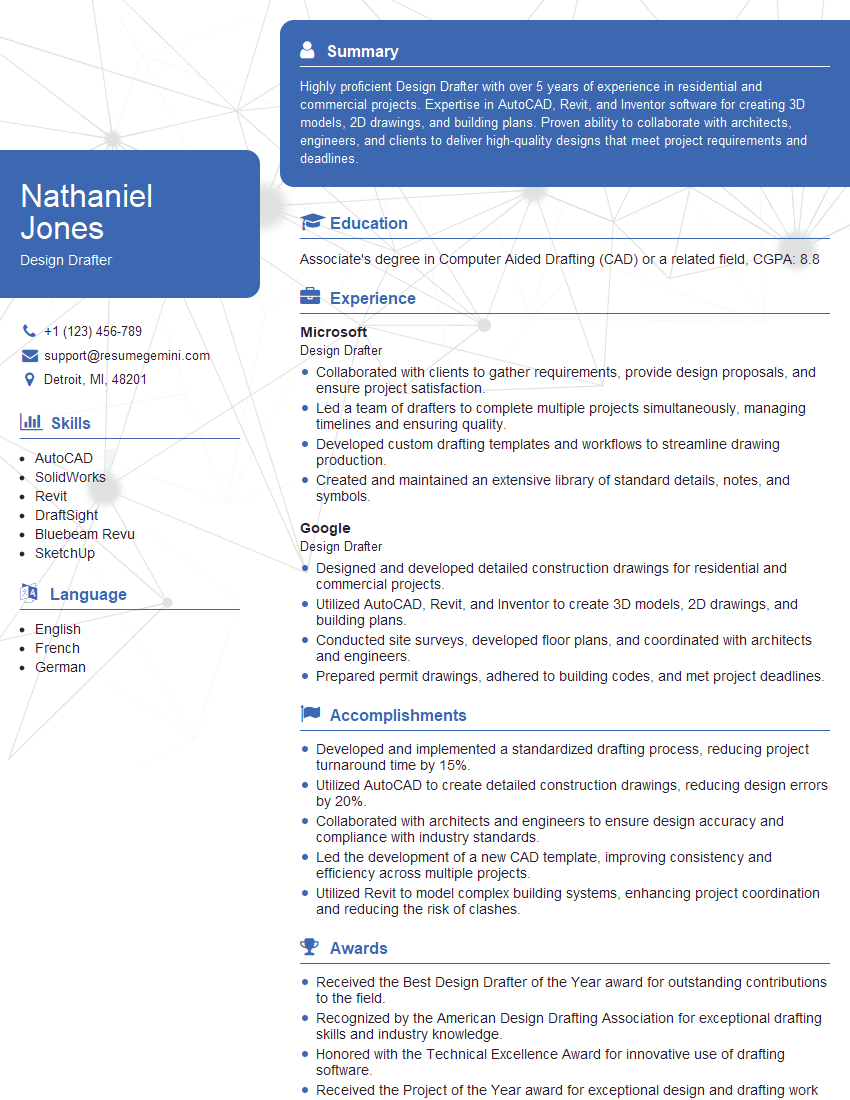
Design Drafter Resume Sample
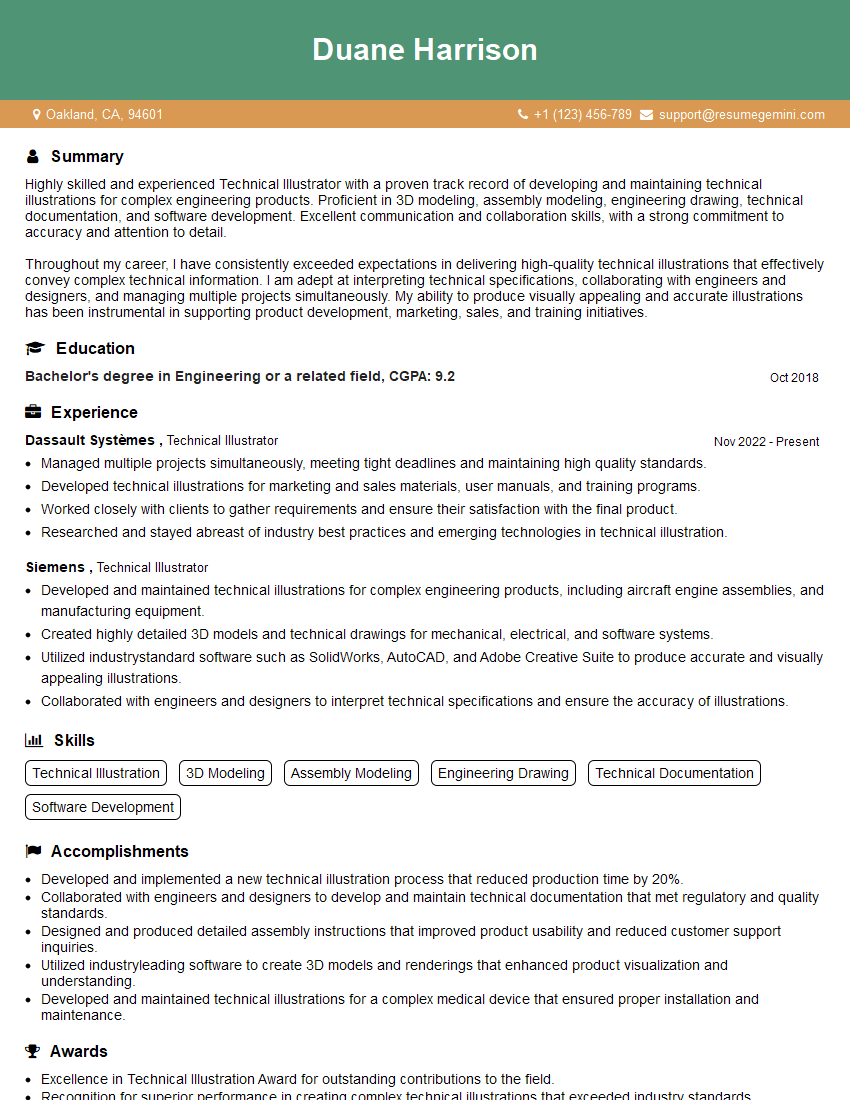
Technical Illustrator Resume Sample
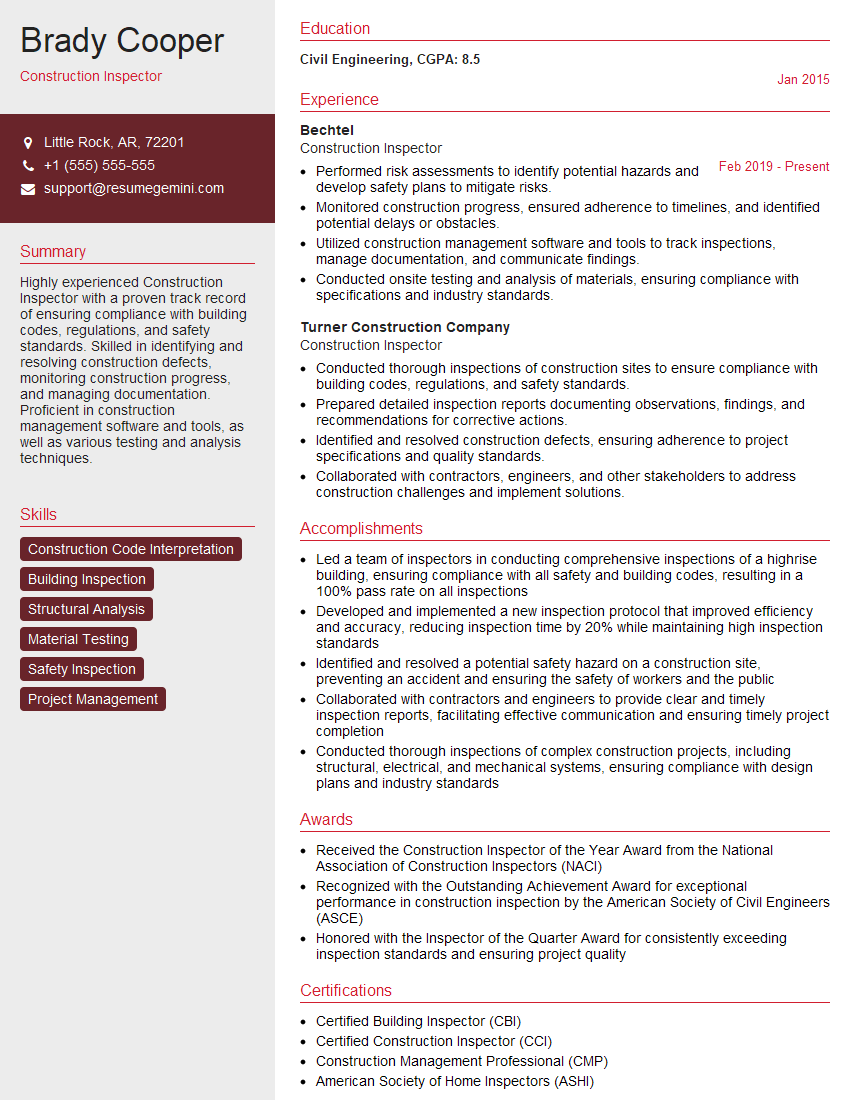
Construction Inspector Resume Sample
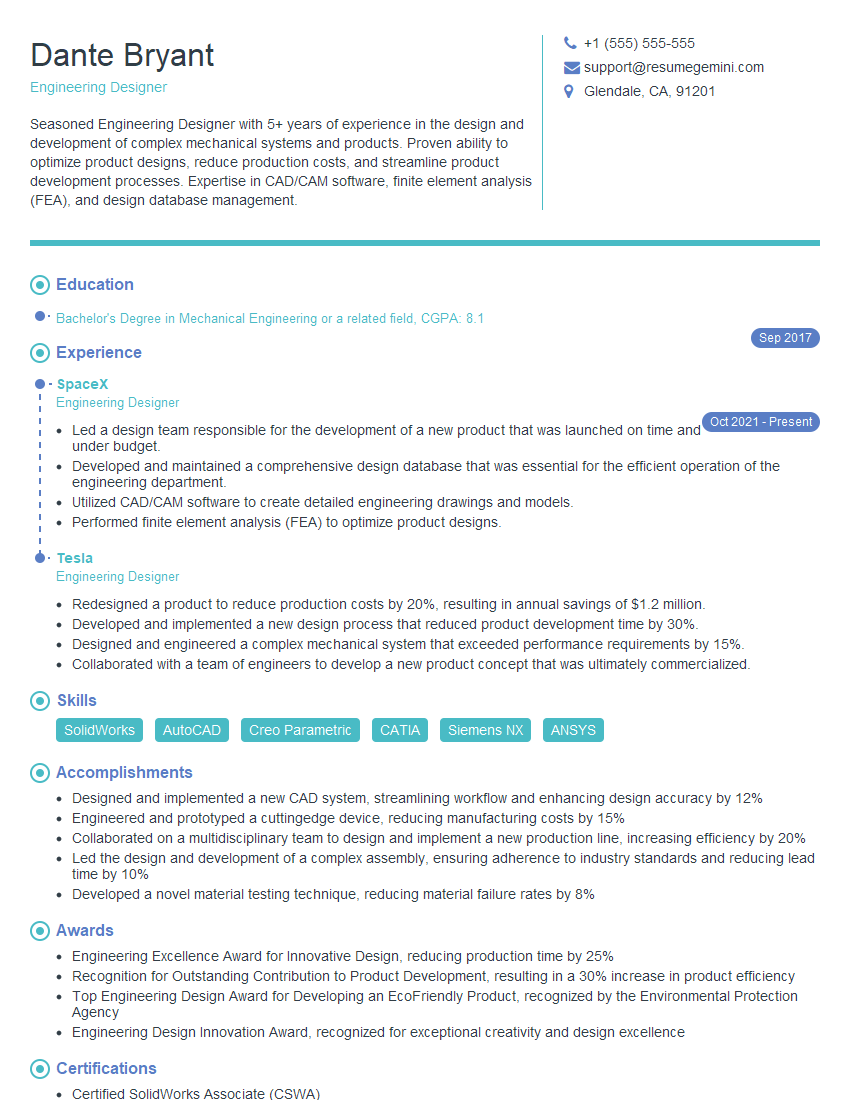
Engineering Designer Resume Sample

Quality Control Inspector Resume Sample
- Engineering Manager
- Project Engineer
- Engineering Technician
- Aerospace Engineer
- Civil Engineer
- Electrical Engineer
- Manufacturing Engineer
- Piping Designer
- Mechanical Engineer
- Senior Design Engineer
- Architectural Drafter
- Structural Drafter
- Design Drafter
- Technical Illustrator
- Construction Inspector
- Engineering Designer
- Quality Control Inspector
Explore more articles
Users Rating of Our Blogs
Share Your Experience
We value your feedback! Please rate our content and share your thoughts (optional).
What Readers Say About Our Blog
Very informative content, great job.
good