Feeling uncertain about what to expect in your upcoming interview? We’ve got you covered! This blog highlights the most important Interpreting Production Diagrams and Specifications interview questions and provides actionable advice to help you stand out as the ideal candidate. Let’s pave the way for your success.
Questions Asked in Interpreting Production Diagrams and Specifications Interview
Q 1. Explain the difference between a process flow diagram and a piping and instrumentation diagram (P&ID).
Process flow diagrams (PFDs) and piping and instrumentation diagrams (P&IDs) are both crucial for visualizing industrial processes, but they serve different purposes and have distinct levels of detail. Think of a PFD as a high-level overview of a process, similar to a roadmap showing major cities and highways. It illustrates the main process steps, equipment, and material flow but omits intricate details about piping, instrumentation, and control systems. A P&ID, on the other hand, is a detailed blueprint providing a comprehensive view, like a street map showing every street, building, and traffic signal. It includes all the piping, valves, instruments, and control loops necessary for the process.
- PFD: Focuses on the overall process sequence, major equipment, and material flow. It’s useful for initial process design and understanding the big picture.
- P&ID: Provides a detailed representation of the process, including piping, instrumentation, valves, control systems, and safety devices. It’s essential for construction, operation, and maintenance.
For example, a PFD for a distillation column might show the feed entering, distillate exiting overhead, and bottoms exiting from the base. The P&ID would then detail the specific piping connections, the type of valves used, the level transmitters, temperature sensors, and the control system used to maintain the column’s operation.
Q 2. How do you interpret symbols and notations commonly used in production diagrams?
Interpreting symbols and notations in production diagrams requires familiarity with industry standards like ISA (Instrument Society of America) symbols. Each symbol represents a specific piece of equipment or instrument. For example, a circle with a line through it often represents a valve, while a filled circle might represent a control valve. Different shapes and internal markings often indicate the type of valve (ball valve, globe valve, etc.). Similarly, various shapes represent other instruments like temperature sensors, pressure transmitters, flow meters, and level indicators. Understanding these symbols and their associated tags (e.g., FIC-101 indicating a flow indicator controller with tag number 101) is critical for interpreting the diagram accurately.
Beyond the standard symbols, diagrams often contain additional notations specifying material flows (e.g., Water (100 gpm)), operating pressures and temperatures, and line sizes. Careful examination of legends, tables, and notes accompanying the diagram is crucial for correct interpretation.
Consider this example: FT-205 would typically represent a flow transmitter with tag number 205, suggesting a sensor measuring flow rate at a particular point in the process. The tag number itself allows for easy cross-referencing to instrument specifications and other documentation.
Q 3. Describe your experience reading and interpreting engineering drawings.
Throughout my career, I’ve extensively worked with various engineering drawings, including P&IDs, PFDs, electrical schematics, and mechanical drawings. My experience spans across different industries, primarily focusing on chemical processing and refining. I’m proficient in reading and interpreting these drawings to understand system functionality, identify equipment, trace material flows, and understand the integration of different process units. I’ve successfully used this skill to troubleshoot process issues, plan maintenance activities, and contribute to project design and implementation. For example, I once reviewed electrical schematics to identify the cause of a power failure in a critical process unit, pinpointing a faulty relay using the diagram and on-site inspection.
My approach involves a systematic review: starting with the legend to understand symbols, then tracing the process flow, checking equipment specifications, and verifying consistency with the related process descriptions and specifications. I am adept at understanding isometric drawings, orthographic projections, and even three-dimensional models, using software tools to enhance my understanding.
Q 4. How do you identify potential errors or inconsistencies in production diagrams?
Identifying errors or inconsistencies in production diagrams requires a keen eye and systematic approach. I typically check for the following:
- Inconsistent Tag Numbers: Missing or duplicated tag numbers are a major red flag.
- Loop Inconsistencies: In P&IDs, control loops must be closed correctly. I meticulously verify that each instrument and valve is correctly connected in the loop.
- Material Balance Discrepancies: Checking that material inputs equal outputs across unit operations is important. Significant discrepancies indicate errors.
- Missing or Conflicting Information: Any missing data like line sizes, material specifications, or operating parameters requires clarification.
- Dimensional Errors: In some cases, there might be issues with equipment placement and sizing that would become obvious through careful review.
My strategy involves cross-checking information across different drawings and documentation. For instance, I compare information from the P&ID with the equipment datasheets and process specifications. I also use software tools to help me identify potential inconsistencies by automatically checking for loop closures or inconsistencies in piping networks.
Q 5. What software are you proficient in for viewing and manipulating production diagrams?
I am proficient in several software packages commonly used for viewing and manipulating production diagrams. This includes AutoCAD, which is widely used for creating and editing engineering drawings. I’m also experienced with specialized process simulation and engineering software like Aspen Plus and HYSYS, which often integrate with CAD software. In addition to these, I’m familiar with various PDF editing and annotation tools for reviewing and collaborating on diagrams. My skill set allows me to effectively work with the various formats and levels of detail commonly found in production environments.
Q 6. Describe a time you had to troubleshoot a production issue using diagrams and specifications.
In a previous role, we experienced unexpected fluctuations in a reactor’s temperature, leading to reduced product yield. Using the P&ID and the process data historian, I traced the temperature control loop. I quickly identified that a faulty temperature transmitter was providing inaccurate readings to the control system. The P&ID allowed me to quickly locate the transmitter’s location and identify its tag number, which aided in quickly acquiring replacement equipment, preventing further production delays. The issue was resolved by replacing the faulty transmitter, restoring stable operation, and demonstrating the importance of accurate, up-to-date production diagrams and specifications.
Q 7. How do you ensure the accuracy of your interpretation of production specifications?
Ensuring the accuracy of my interpretation involves a multi-step process. First, I always verify the version of the document I am reviewing, making sure I have the latest revision. Second, I cross-reference information across multiple sources. This includes comparing data from the P&ID with process descriptions, equipment specifications, and operating procedures. Third, I seek clarification whenever there are ambiguities or inconsistencies. I communicate with engineers, technicians, and operators to resolve any uncertainties. Finally, when working on critical aspects of a process, I often perform a sanity check by comparing the information in the diagrams with real-time process data. This helps validate the accuracy and consistency of my interpretation.
Q 8. Explain the importance of following safety procedures while interpreting diagrams and specifications.
Safety is paramount when interpreting production diagrams and specifications. Ignoring safety protocols can lead to accidents, injuries, and even fatalities. My approach begins with a thorough risk assessment of the specific documents and the processes they describe. This involves identifying potential hazards, such as high-voltage equipment, hazardous materials, or complex machinery shown in the diagrams.
Then, I meticulously follow all documented safety procedures. This might involve wearing appropriate personal protective equipment (PPE), such as safety glasses, gloves, or hard hats, depending on the hazards indicated. Furthermore, I’d always ensure the work environment is safe and compliant with all relevant regulations before starting the interpretation. For example, if a diagram shows a high-pressure system, I would verify the pressure relief valves are functioning correctly before proceeding with any analysis.
I also incorporate a layer of proactive safety by double-checking measurements, calculations, and assumptions within the diagrams and specifications. A simple mistake in interpretation can have severe consequences. This rigorous attention to detail is essential to prevent accidents and ensure a safe working environment.
Q 9. How do you communicate your interpretation of production diagrams and specifications to others?
Communicating my interpretation effectively is crucial for successful production. I utilize various methods tailored to the audience and context. For a team of engineers, I’d likely employ precise technical language and detailed explanations, possibly incorporating technical drawings or 3D models. For management, I prioritize concise summaries highlighting key findings and potential challenges, focusing on the business implications of my interpretation.
I often use visual aids like annotated diagrams or presentations. This allows me to pinpoint specific sections of the documents and explain my reasoning in a clear and understandable manner. I also believe in active listening and soliciting feedback. This ensures that everyone involved has a clear understanding of the production process and my interpretation of the documentation.
For instance, if I were to communicate the interpretation of a piping and instrumentation diagram (P&ID) to a team of technicians, I would use the diagram itself and point out critical elements like valve locations, flow directions, and safety systems while explaining their functionalities. This visual approach ensures accurate understanding and prevents misinterpretations.
Q 10. How would you handle conflicting information presented in different production documents?
Conflicting information is a common challenge. My approach involves a systematic investigation to identify the source of the discrepancy. First, I verify the validity and currency of each document. Older or superseded documents might be the source of the conflict. I cross-reference the information with other relevant documents, seeking corroboration or clarification.
If the conflict remains, I would escalate the issue to the appropriate authority—possibly a senior engineer, project manager, or the document’s originator. Documenting the conflicting information and my investigation process is crucial for traceability and accountability. In some cases, I might need to contact the original author or designer of the diagrams for clarification. A well-documented process helps to resolve the conflict and prevent similar issues in the future.
Imagine a scenario where one document specifies a specific material for a component, while another document shows a different material. I would investigate revision dates, document owners, and any related change requests to determine the most accurate and current information before proceeding. If no clear resolution is found, a formal discrepancy report would be raised to initiate a change control process.
Q 11. How do you prioritize different tasks when multiple production diagrams and specifications need to be reviewed?
Prioritizing tasks when reviewing multiple production diagrams and specifications hinges on understanding the critical path and potential dependencies. I use a risk-based approach, focusing first on documents related to safety-critical systems or processes. Next, I prioritize documents impacting project deadlines or those with high potential for rework if errors are discovered later.
I utilize tools like Gantt charts or project management software to visualize dependencies and timelines. This allows me to effectively sequence my review to optimize efficiency. For instance, if a process diagram is linked to several equipment specifications, I would review the process diagram first to gain a holistic understanding and then move on to the relevant equipment specifications, streamlining the review and identifying inconsistencies early.
Furthermore, I clearly document the rationale behind my prioritization decisions to ensure transparency and maintain accountability. This documented prioritization strategy enables better communication and allows others to understand the reasoning behind the chosen sequence of document reviews.
Q 12. Describe your approach to identifying potential risks associated with a production process based on diagrams and specifications.
Identifying potential risks is a proactive measure. I meticulously examine each diagram and specification, looking for potential hazards, such as inadequate safety mechanisms, unclear instructions, or design flaws. I consider both immediate and long-term risks, including those related to operational safety, environmental impact, and cost overruns.
My approach involves a systematic review using checklists and standardized risk assessment matrices. This includes considering human factors like operator error or maintenance issues. For example, a poorly labeled valve in a piping and instrumentation diagram could lead to a critical system failure. A thorough review would highlight this potential risk.
I document all identified risks, assess their likelihood and severity, and propose mitigation strategies. This documentation forms the basis for a comprehensive risk assessment report, which serves as a valuable input for the overall project risk management plan. Risk register templates help to properly record the risk, its assessment and mitigation plan.
Q 13. How do you stay updated on industry best practices for interpreting production diagrams?
Staying updated on industry best practices is essential. I actively participate in professional organizations like ASME or ISA, attending conferences and workshops to learn about new techniques and standards. I also regularly review relevant industry publications, journals, and online resources.
I engage in continuous learning through online courses and training programs focusing on areas such as CAD software updates, new design standards, and emerging safety regulations. This ongoing professional development ensures I remain proficient in interpreting the latest production diagrams and specifications across various industries.
Furthermore, I leverage my network of colleagues and peers, discussing challenges and best practices to enhance my understanding and problem-solving capabilities. This multifaceted approach ensures my skills remain sharp and aligned with the latest industry advancements.
Q 14. How do you determine the scale of a production diagram and its impact on interpretation?
The scale of a production diagram is crucial; it directly impacts the level of detail and accuracy of interpretation. A large-scale diagram offers greater detail, enabling precise measurements and analyses of individual components. A small-scale diagram provides a broader overview but might lack the detail for precise interpretations.
I always check the scale indicated on the diagram (often represented as a ratio, e.g., 1:100). If the scale is missing or unclear, I attempt to derive it from known dimensions or references within the diagram. Incorrect interpretation of the scale can lead to significant errors in planning and implementation. For example, misinterpreting the scale of a piping diagram can lead to ordering the wrong lengths of pipe or fittings.
Understanding the scale also influences my choice of tools and techniques. For large-scale diagrams, I might utilize precision measuring tools, while smaller-scale diagrams might only require a general understanding for a high-level overview. The chosen interpretation method directly depends on the scale and the required level of detail needed for the given task.
Q 15. What are the key differences between 2D and 3D production diagrams?
The core difference between 2D and 3D production diagrams lies in their dimensionality and the information they convey. 2D diagrams, like blueprints or schematics, provide a top-down or side view of a product or process. They are excellent for showing the spatial relationships between components but lack depth. Think of a floor plan – it shows where walls and rooms are but not their height or three-dimensional form.
3D diagrams, on the other hand, offer a complete three-dimensional representation. They provide a far more comprehensive view, allowing for a better understanding of assembly, clearances, and potential interference issues. Imagine comparing a 2D image of a car to a 3D model – the 3D model gives you a much clearer understanding of the car’s overall structure and design.
In practice, 2D diagrams are often used for simpler products or when detail is less critical, while 3D diagrams are crucial for complex assemblies where spatial relationships and potential conflicts need careful consideration. Software like AutoCAD, SolidWorks, and CATIA are often used to create these 3D models, and they usually incorporate features like exploded views and cross-sections to help visualize intricate details.
Career Expert Tips:
- Ace those interviews! Prepare effectively by reviewing the Top 50 Most Common Interview Questions on ResumeGemini.
- Navigate your job search with confidence! Explore a wide range of Career Tips on ResumeGemini. Learn about common challenges and recommendations to overcome them.
- Craft the perfect resume! Master the Art of Resume Writing with ResumeGemini’s guide. Showcase your unique qualifications and achievements effectively.
- Don’t miss out on holiday savings! Build your dream resume with ResumeGemini’s ATS optimized templates.
Q 16. Explain the importance of understanding tolerances when interpreting production specifications.
Understanding tolerances is paramount when interpreting production specifications, as it dictates the acceptable range of variation for a given dimension or characteristic. Tolerances are essentially the permissible error in a measurement. Without considering tolerances, a seemingly minor discrepancy could lead to parts that don’t fit together or fail to function correctly. For example, if a bolt is specified to have a diameter of 10mm ± 0.1mm, it means that any bolt with a diameter between 9.9mm and 10.1mm is acceptable. A bolt slightly outside this range would be considered defective.
Tolerances are usually expressed using various notations, including plus/minus (±), limits (e.g., 10mm max, 9.8mm min), and geometric dimensioning and tolerancing (GD&T) symbols. Misinterpreting tolerances can result in costly rework, scrap, or even product failures. A thorough understanding of these notations and their implications is essential for anyone involved in production.
Q 17. How do you identify and resolve discrepancies between production diagrams and the actual production process?
Discrepancies between production diagrams and the actual production process are a common challenge. Identifying these discrepancies often involves a systematic approach. First, a thorough comparison between the diagram and the physical setup is necessary. This can involve visual inspection, measurements, and potentially using advanced tools like 3D scanning to capture the real-world state.
Once discrepancies are identified (e.g., missing components, incorrect dimensions, different material usage), I use a structured problem-solving approach to resolve them. This involves analyzing the root cause: was there an error in the design, a misunderstanding of the instructions, or a problem with the equipment? The resolution strategy will depend on the severity and root cause of the discrepancy, ranging from simple adjustments to major design changes or process revisions. Good documentation, along with change management processes, is vital in tracking and resolving these discrepancies and preventing similar issues in the future.
For example, if a diagram specifies a specific type of fastener but the production line uses a different one, this discrepancy needs to be addressed, potentially leading to a revision of the bill of materials or operator training.
Q 18. Describe your experience using production diagrams to identify bottlenecks in production.
I’ve extensively used production diagrams to pinpoint bottlenecks. My approach often starts by analyzing the flow of materials and information within the process as depicted in the diagram. I look for areas where the process slows down or where there are significant delays. These areas are potential bottlenecks.
For instance, in a manufacturing process illustrated using a flowchart, a significant queuing time before a particular machine might indicate that the machine is a bottleneck – it’s not processing materials fast enough to keep up with the upstream processes. Similarly, in an assembly diagram, identifying a complex sub-assembly that takes significantly longer than other steps could highlight a bottleneck.
Once a bottleneck is identified, I further analyze the root cause. Is it due to insufficient machine capacity, operator inefficiencies, poor material flow, or something else? Then, I work on solutions, which might involve upgrading equipment, optimizing workflows, improving operator training, or redesigning parts to simplify the assembly process. This data-driven approach ensures the improvements focus on the areas that truly impede production flow.
Q 19. How do you use production specifications to identify materials and components needed for a project?
Production specifications are the primary source for identifying the necessary materials and components. They contain a detailed bill of materials (BOM), listing every part and its properties (like quantity, material type, dimensions, tolerances). I carefully review this BOM, paying close attention to the required quantities and any specific material requirements or specifications. For example, a specification might specify a particular grade of steel or a specific type of coating.
Beyond the BOM, I examine other sections of the specifications that might include material selection criteria, or details on surface treatments or finishes. This ensures I account for all necessary materials, not just the basic components. Using this comprehensive approach ensures the project has all the necessary materials and components for smooth execution and prevents delays caused by missing parts.
Q 20. How do you ensure the production diagrams and specifications are up to date and accurate?
Keeping production diagrams and specifications current and accurate is crucial for efficient production. This involves a multi-pronged approach. First, a version control system is vital. Every revision, whether a minor change or a major update, should be documented and tracked. This allows for easy access to the most recent versions and helps to prevent confusion and errors.
Regular audits and reviews are essential to compare the diagrams and specifications with the actual production process. This ensures that the documentation accurately reflects reality and helps identify any discrepancies early on. Furthermore, feedback from production personnel is invaluable in updating diagrams and specifications. They may identify areas for improvement or discrepancies that the design team might have missed.
Finally, using a collaborative software platform where the engineering, design, and production teams can all access and update the documents can be effective, enabling a real-time view of the most up-to-date information.
Q 21. Explain the importance of understanding the different types of production diagrams and their applications.
Understanding various production diagram types and their applications is fundamental. Different diagrams serve different purposes. For example, flowcharts illustrate the sequence of operations and the flow of materials in a process, identifying potential bottlenecks. Assembly diagrams show how individual components are put together to create a finished product. Process flow diagrams (PFDs) provide a high-level overview of a system, emphasizing the flow of materials and energy. Wiring diagrams display the electrical connections within a system, while piping and instrumentation diagrams (P&IDs) illustrate the piping, instrumentation, and equipment within a plant.
Each of these diagrams has a specific application and provides different insights. For example, a flowchart would be helpful in streamlining a production line, while an assembly diagram is essential for assembling a product accurately. Understanding which diagram type to use for a specific task is crucial for effective communication and problem-solving. Misusing a diagram type can lead to misunderstanding, mistakes and delays.
Q 22. Describe your experience in using production diagrams and specifications in problem-solving.
My experience in using production diagrams and specifications for problem-solving is extensive. I’ve consistently leveraged them to identify root causes of manufacturing defects, optimize production processes, and prevent future issues. For instance, in a recent project involving the assembly of a complex electromechanical device, we encountered recurring failures in the final testing phase. By meticulously reviewing the assembly diagrams and comparing them to the actual assembly procedures, we discovered a misinterpretation of a crucial step regarding cable routing. This misinterpretation led to short circuits. Correcting the diagram and retraining the assembly team immediately resolved the problem. Another example involves using process flow diagrams to identify bottlenecks. By analyzing the time spent at each stage of the production process, we were able to pinpoint areas for improvement, leading to a 15% increase in production efficiency.
In essence, I approach problem-solving with production diagrams and specifications as a detective would approach a crime scene. I meticulously examine each detail, looking for inconsistencies, ambiguities, and potential areas for improvement. My analytical skills, coupled with my deep understanding of manufacturing processes, allow me to quickly identify and resolve issues before they escalate.
Q 23. How do you contribute to improving the clarity and accuracy of production diagrams and specifications?
Improving the clarity and accuracy of production diagrams and specifications is crucial for efficient and error-free manufacturing. My contribution focuses on several key areas. First, I advocate for the use of standardized symbols and notations, ensuring everyone interprets the diagrams consistently. Second, I meticulously review every diagram and specification, identifying and correcting any ambiguities or inconsistencies. This involves thorough cross-checking with other relevant documents and, if needed, consulting with engineers and other stakeholders. Third, I promote the use of digital tools for creating and managing production documents. These tools allow for easier updates, version control, and collaboration, thereby minimizing errors and promoting clarity.
For example, I’ve implemented a system for reviewing diagrams using a checklist, ensuring all necessary views (orthographic projections, cross-sections, etc.) are included and correctly labeled. This structured approach minimizes the likelihood of oversight. Furthermore, I encourage the use of 3D modeling software to create virtual prototypes, which can be used to validate designs and identify potential assembly issues before physical production begins. This proactive approach reduces rework and improves the overall quality of the product.
Q 24. How familiar are you with different types of manufacturing processes and their associated diagrams?
My familiarity with various manufacturing processes and their associated diagrams is extensive. I have practical experience with processes ranging from subtractive manufacturing (e.g., milling, turning) to additive manufacturing (e.g., 3D printing), as well as assembly processes, and injection molding. I’m proficient in interpreting diagrams specific to each process. For example, I understand the nuances of process flow charts for assembly lines, operation sheets for machine tools, and tooling diagrams for injection molding. I can readily interpret process capability studies based on the associated charts and data to find inconsistencies in the manufacturing process.
My understanding extends to the different types of diagrams used, including: assembly drawings, process flow diagrams, work instructions, electrical schematics, piping and instrumentation diagrams (P&IDs), and others, depending on the specific manufacturing process involved. I’m confident in my ability to translate these diagrams into practical manufacturing instructions.
Q 25. Can you explain the use of GD&T (Geometric Dimensioning and Tolerancing) on technical drawings?
Geometric Dimensioning and Tolerancing (GD&T) is a standardized system for specifying the precise dimensions and tolerances of parts on technical drawings. It uses symbols and notations to clearly communicate the allowable variations in a part’s geometry. This is crucial to ensuring parts fit together correctly and function as intended. Understanding GD&T is essential for preventing costly errors in manufacturing.
For instance, a simple dimension might specify a hole diameter as 10mm ±0.1mm. GD&T would add further specifications. A symbol indicating ‘Position’ might specify that the hole’s center must be within 0.05mm of a designated location. This level of precision prevents misalignment issues in assemblies. Another example would be using ‘Flatness’ to indicate the acceptable amount of deviation from a perfectly flat surface on a component. Without GD&T, such details could lead to ambiguity and manufacturing errors.
Q 26. How do you interpret cross-sectional views within production diagrams?
Cross-sectional views within production diagrams are critical for showing the internal features of a part or assembly that would otherwise be hidden in a standard view. I interpret these by recognizing the cutting plane indicated on the drawing and understanding that the resulting view displays the internal structure along that plane. I pay close attention to the hatching or cross-hatching used to distinguish different materials within the cross-section.
For example, in a cross-section of a pipe assembly, I would expect to see the different layers – perhaps a steel pipe, insulation, and an outer protective layer – clearly delineated through distinct hatching patterns. The cross-section will also show features like the internal diameter, wall thickness, and any internal components. Analyzing these details is essential for determining the part’s function and ensuring its structural integrity.
Q 27. How proficient are you in using measurement tools to verify dimensions from production diagrams?
I’m highly proficient in using various measurement tools to verify dimensions from production diagrams. This includes using calipers, micrometers, dial indicators, height gauges, and coordinate measuring machines (CMMs). My experience extends to understanding the limitations of each tool and selecting the appropriate one based on the specific measurement required. I also understand the importance of proper measurement techniques to ensure accurate and reliable results. I’m aware of the different measurement systems and conversions (e.g., metric, imperial).
For example, I would use a micrometer to accurately measure the diameter of a small shaft, a caliper for measuring the length of a longer part, and a CMM for complex three-dimensional measurements. Knowing how to account for instrument error and repeat measurements for greater accuracy are essential skills I’ve honed over years of experience. It’s not just about obtaining a measurement, but about understanding the tolerances and GD&T specified on the drawing and verifying that the manufactured part falls within those specifications.
Q 28. Describe your experience working with multi-disciplinary teams to interpret complex production specifications.
My experience collaborating with multi-disciplinary teams to interpret complex production specifications is extensive. I’ve worked effectively with engineers, designers, manufacturing technicians, quality control personnel, and procurement specialists to achieve common goals. This often involves translating technical information into easily understood language for team members from different backgrounds. Effective communication is vital to avoid misunderstandings and ensure everyone is working from the same set of information.
A recent project involved a complex assembly with components sourced from various suppliers. We encountered discrepancies between the supplier’s specifications and our assembly drawings. By facilitating communication and collaboration between engineering, procurement, and manufacturing, we were able to identify and resolve the discrepancies efficiently, preventing delays and avoiding costly rework. Active listening, clear communication, and a willingness to explain complex technical concepts in simple terms are key to my success in this area.
Key Topics to Learn for Interpreting Production Diagrams and Specifications Interview
- Diagram Types & Conventions: Understanding various diagram types (e.g., P&IDs, flowcharts, schematics) and their associated symbols, notations, and standards.
- Process Flow Analysis: Analyzing production diagrams to trace material and information flow, identify bottlenecks, and understand process dependencies.
- Specification Interpretation: Deciphering technical specifications, including material properties, tolerances, and performance requirements, to understand design intent.
- Data Extraction & Interpretation: Extracting relevant information from diagrams and specifications to answer specific questions or solve problems related to production processes.
- Problem-Solving & Troubleshooting: Applying knowledge of diagrams and specifications to identify and resolve potential issues or inconsistencies in production processes.
- Safety & Compliance: Understanding the safety implications of production processes and the role of diagrams and specifications in ensuring compliance with industry standards and regulations.
- Integration with Other Systems: Understanding how production diagrams and specifications relate to other aspects of the production system, such as control systems and maintenance procedures.
- Communication & Collaboration: Effectively communicating findings and interpretations of production diagrams and specifications to colleagues and stakeholders.
Next Steps
Mastering the interpretation of production diagrams and specifications is crucial for career advancement in many technical fields. A strong understanding of these skills demonstrates a critical ability to analyze complex systems, solve problems, and contribute effectively to production optimization and efficiency. To maximize your job prospects, creating a well-structured, ATS-friendly resume is essential. ResumeGemini can help you build a professional resume that showcases your skills and experience effectively. We provide examples of resumes tailored to highlight expertise in Interpreting Production Diagrams and Specifications, so you can leverage best practices and present yourself powerfully to potential employers.

Operations Manager Resume Sample
Plant Manager Resume Sample

Maintenance Planner Resume Sample
Manufacturing Manager Resume Sample

Quality Assurance Manager Resume Sample
Production Supervisor Resume Sample

Supply Chain Manager Resume Sample
Logistics Coordinator Resume Sample
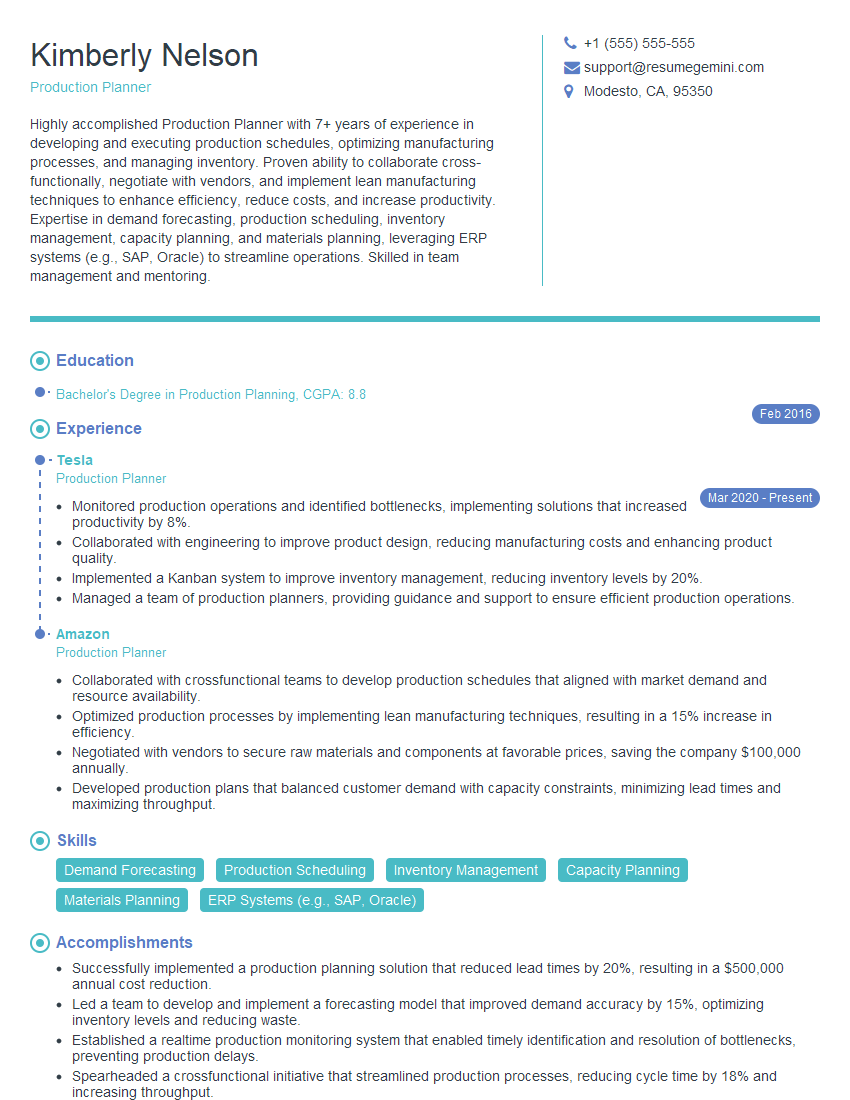
Production Planner Resume Sample

Scheduling Coordinator Resume Sample
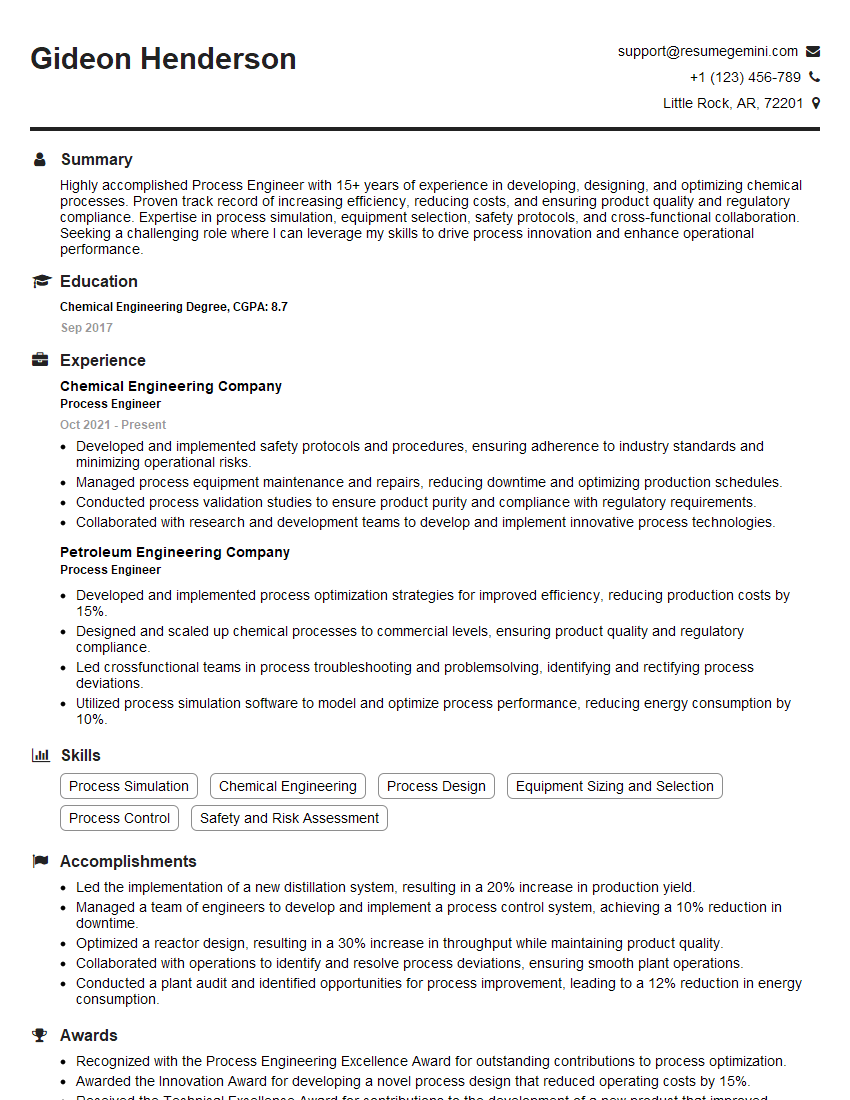
Process Engineer Resume Sample

Implementation Specialist Resume Sample
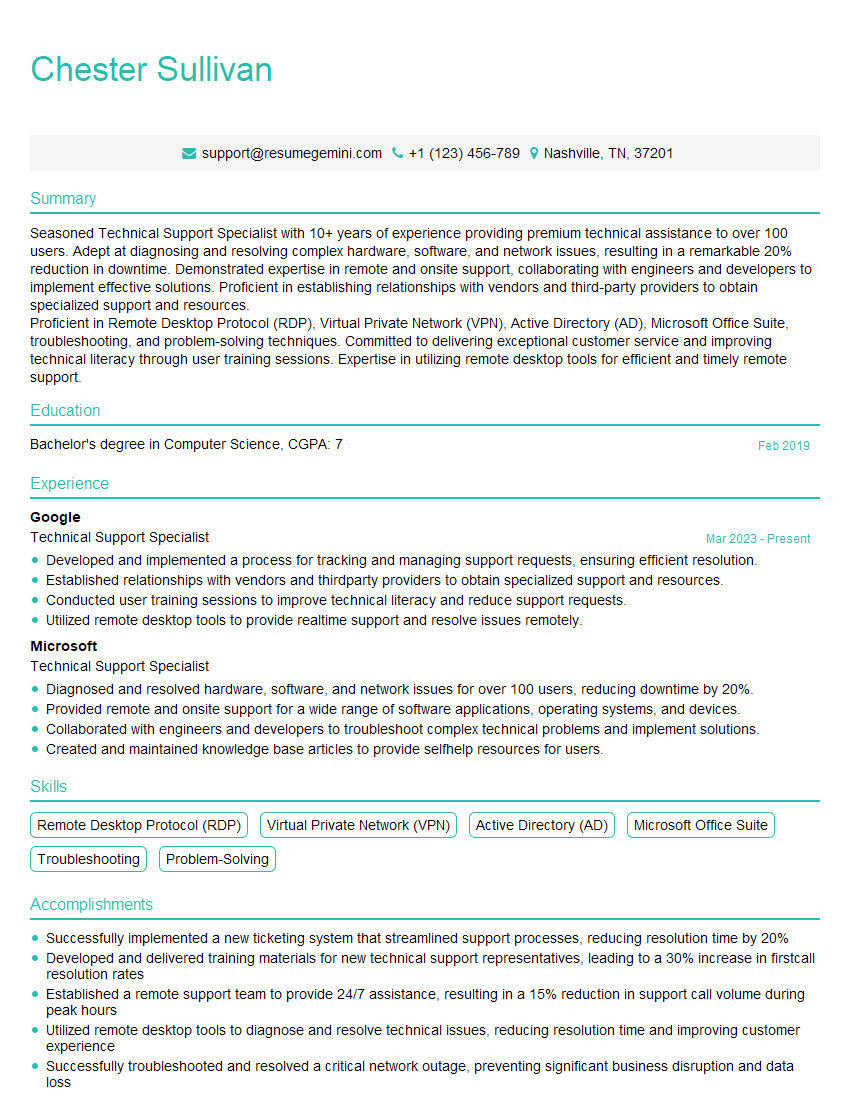
Technical Support Specialist Resume Sample
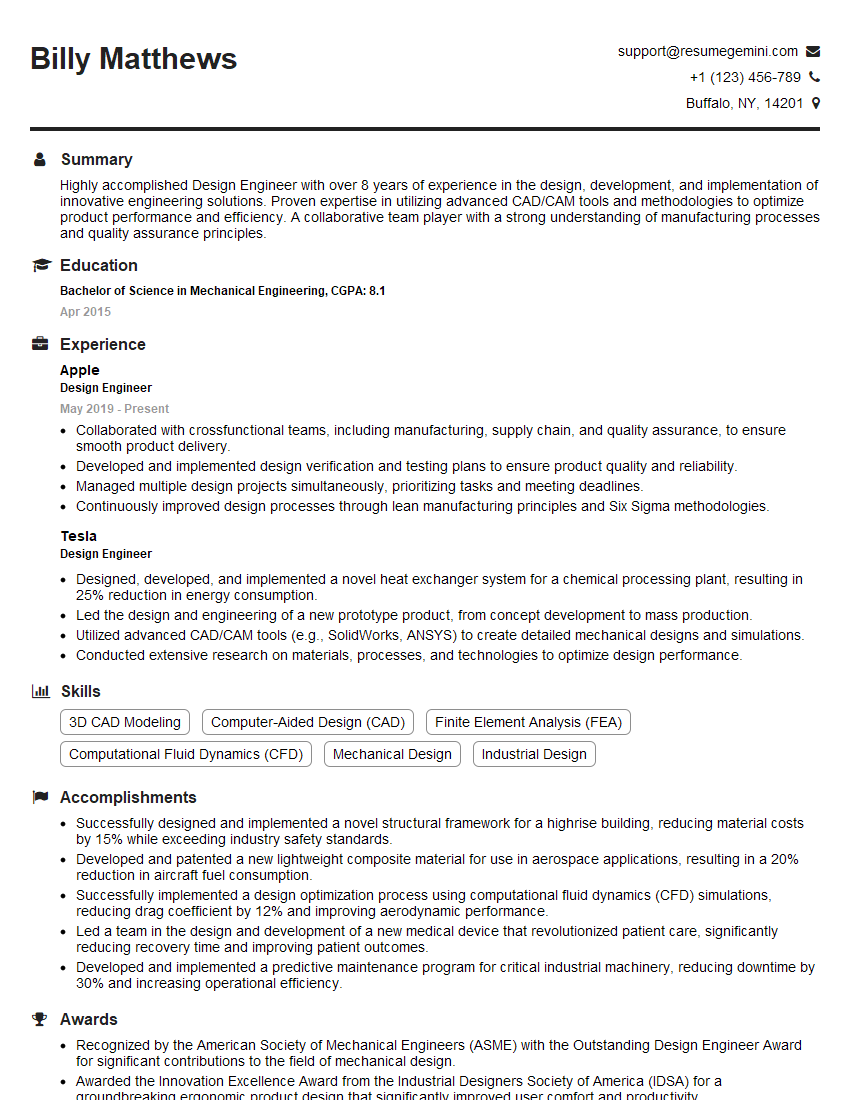
Design Engineer Resume Sample

Engineering Technician Resume Sample
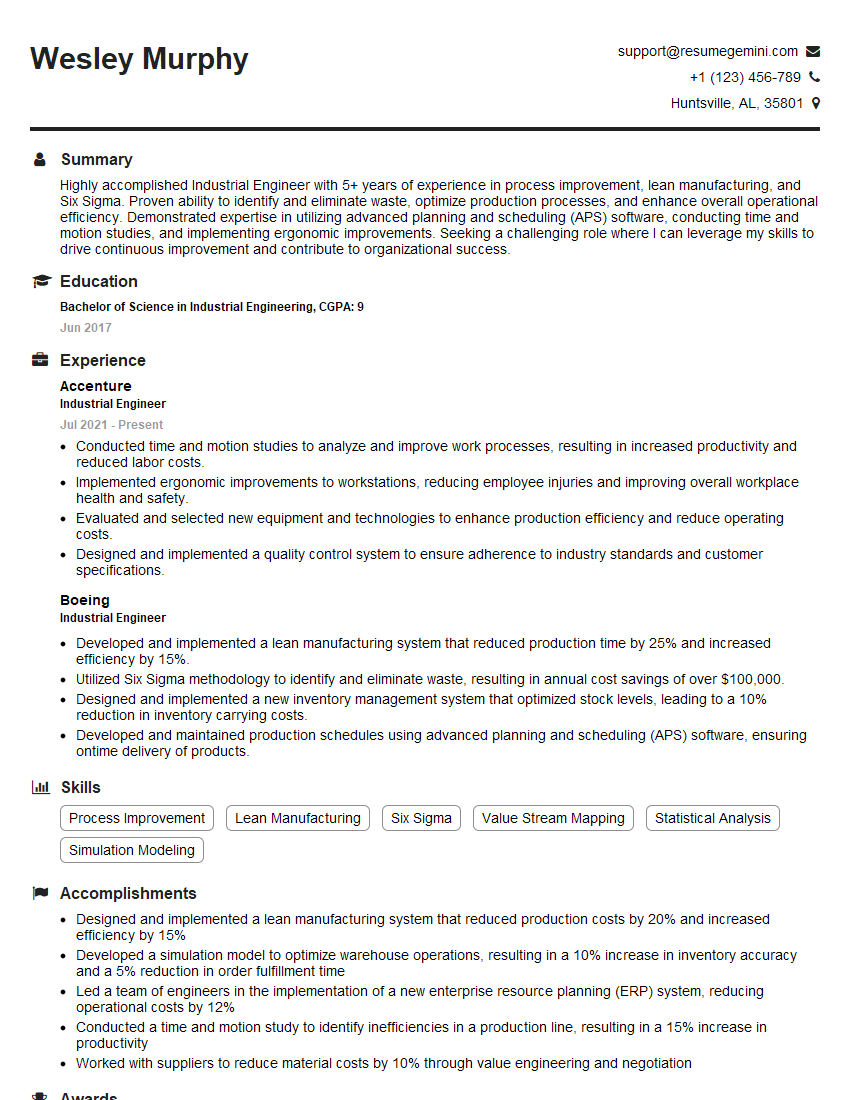
Industrial Engineer Resume Sample
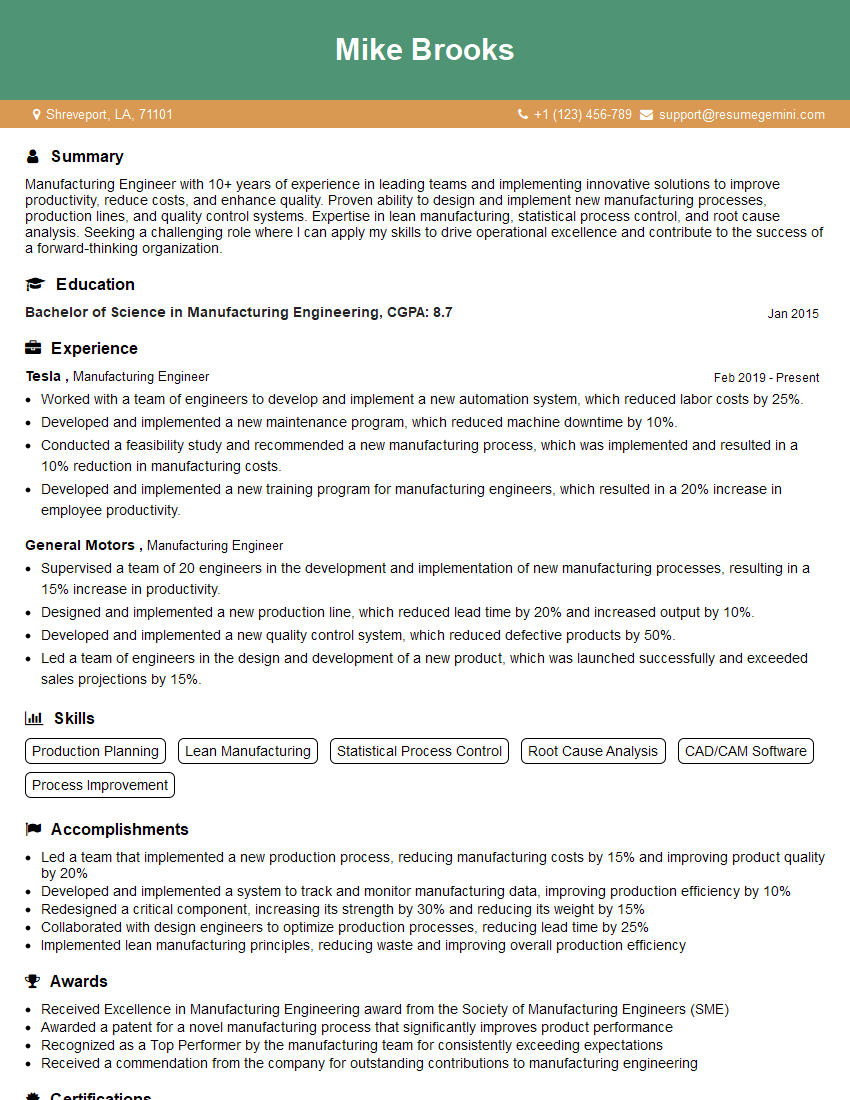
Manufacturing Engineer Resume Sample
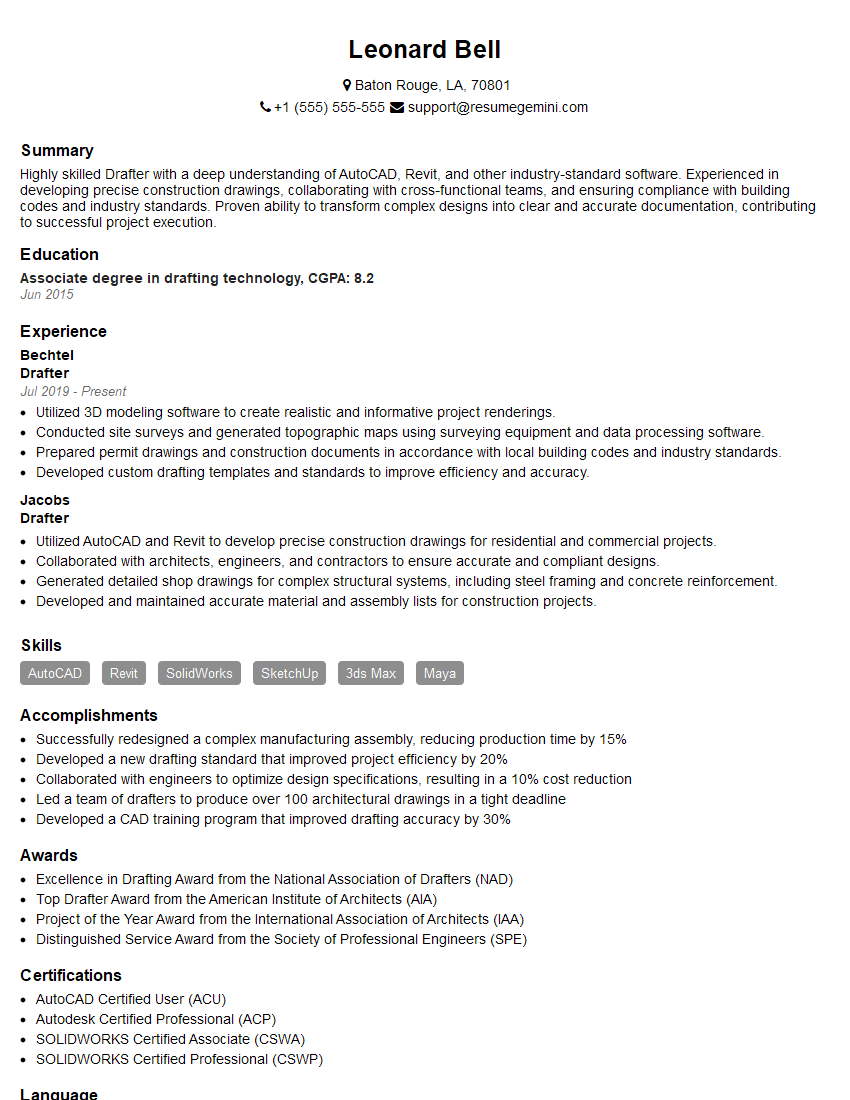
Drafter Resume Sample
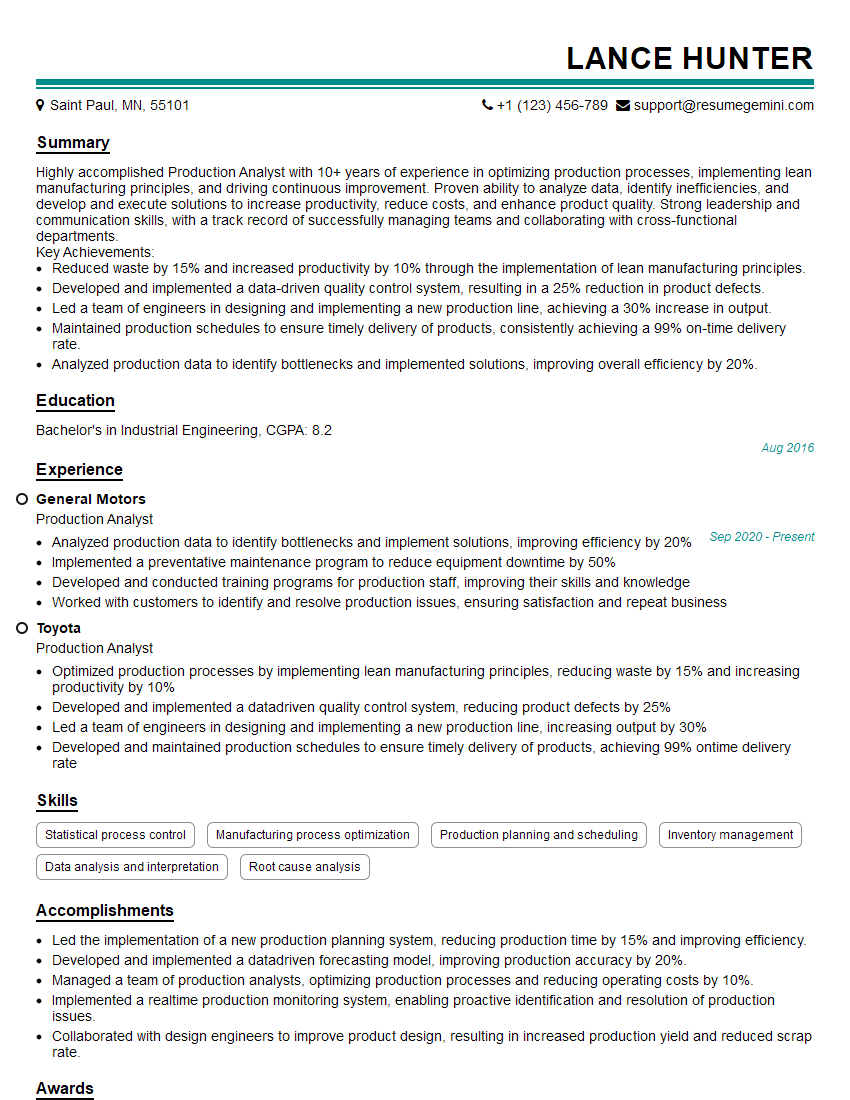
Production Analyst Resume Sample

Technical Writer Resume Sample
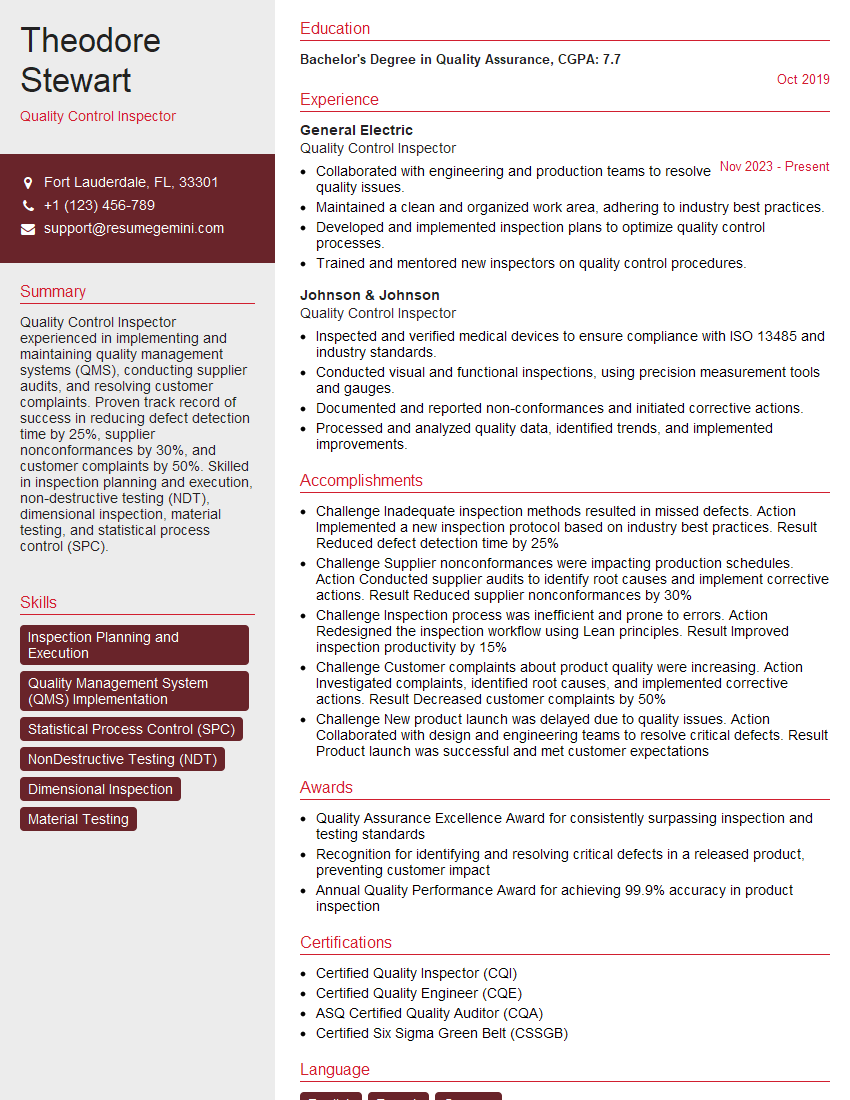
Quality Control Inspector Resume Sample

Production Control Specialist Resume Sample
- Operations Manager
- Plant Manager
- Maintenance Planner
- Manufacturing Manager
- Quality Assurance Manager
- Production Supervisor
- Supply Chain Manager
- Logistics Coordinator
- Production Planner
- Scheduling Coordinator
- Process Engineer
- Implementation Specialist
- Technical Support Specialist
- Design Engineer
- Engineering Technician
- Industrial Engineer
- Manufacturing Engineer
- Drafter
- Production Analyst
- Technical Writer
- Quality Control Inspector
- Production Control Specialist
Explore more articles
Users Rating of Our Blogs
Share Your Experience
We value your feedback! Please rate our content and share your thoughts (optional).
What Readers Say About Our Blog
Very informative content, great job.
good