Cracking a skill-specific interview, like one for Interview and Interrogation Techniques, requires understanding the nuances of the role. In this blog, we present the questions you’re most likely to encounter, along with insights into how to answer them effectively. Let’s ensure you’re ready to make a strong impression.
Questions Asked in Interview and Interrogation Techniques Interview
Q 1. Explain the difference between an interview and an interrogation.
The key difference between an interview and an interrogation lies in the subject’s cooperation and the interviewer’s approach. An interview is a conversation aimed at gathering information, typically from a willing participant. The atmosphere is generally collaborative and the interviewer seeks to build rapport. An interrogation, on the other hand, is a more accusatory and controlled process, typically used when a suspect is believed to possess crucial information related to a crime. The interviewer employs techniques designed to elicit a confession, and the atmosphere can be confrontational.
Think of it this way: an interview is like a friendly chat to gather information, while an interrogation is a more focused, potentially tense, process to uncover the truth, often from someone suspected of wrongdoing.
Q 2. Describe the Reid Technique and its potential drawbacks.
The Reid Technique is a widely known, but controversial, interrogation method. It involves several stages, including building rapport, gathering information, and using accusatorial questioning. A key element is the presentation of evidence, even if it’s circumstantial, to create a sense of overwhelming evidence against the suspect. The technique also focuses on minimizing the perceived consequences of confession and maximizing the perceived consequences of withholding information.
However, the Reid Technique has significant drawbacks. Its accusatory nature can lead to false confessions, particularly from vulnerable individuals or those with cognitive impairments. The emphasis on deception can also compromise the integrity of the investigation and lead to wrongful convictions. Studies have shown a strong correlation between the Reid Technique and false confessions, raising serious ethical concerns.
Q 3. What are the ethical considerations in conducting interviews and interrogations?
Ethical considerations in interviews and interrogations are paramount. Key principles include:
- Respect for individual rights: Subjects have the right to remain silent, to legal counsel, and to be treated with dignity and respect, regardless of their guilt or innocence.
- Truthfulness and accuracy: Interviewers should not mislead or coerce subjects, and they must accurately record and document the proceedings.
- Avoiding coercion and deception: The use of threats, intimidation, or manipulative tactics is unethical and can lead to unreliable information.
- Fairness and impartiality: Interviewers should remain objective and avoid bias, ensuring a fair and impartial process.
- Protecting vulnerable populations: Special care should be taken when interviewing children, individuals with disabilities, or other vulnerable groups.
Violations of these ethical principles can lead to legal challenges, damage to reputation, and, most importantly, injustices.
Q 4. How do you establish rapport with a subject during an interview?
Establishing rapport is crucial for a successful interview, especially when dealing with reluctant or potentially deceptive individuals. It involves creating a connection based on trust and understanding. This can be achieved through:
- Active listening: Demonstrating genuine interest in what the subject has to say.
- Empathy and understanding: Showing that you understand their perspective, even if you don’t agree with it.
- Nonverbal communication: Maintaining appropriate eye contact, using open body language, and mirroring their demeanor (to a degree).
- Finding common ground: Identifying shared interests or experiences to establish a connection.
- Clear and respectful communication: Speaking clearly, using appropriate language, and showing respect for the subject’s dignity.
For instance, starting a conversation with a personal, yet professional anecdote can help break the ice and build trust.
Q 5. What nonverbal cues indicate deception?
Nonverbal cues can be indicative of deception, but it’s crucial to remember that they are not definitive proof. They should be interpreted in context and alongside other evidence. Some potential indicators include:
- Inconsistent body language: Discrepancies between verbal statements and nonverbal cues, such as fidgeting or avoiding eye contact when describing a specific event.
- Microexpressions: Fleeting facial expressions that reveal true emotions.
- Excessive sweating or changes in breathing: Physiological responses to stress or anxiety.
- Avoidance of eye contact: Although cultural norms can influence this, prolonged avoidance can be suspicious.
- Nervous fidgeting or touching the face: These actions often indicate discomfort or anxiety.
It’s important to note that these cues can also be caused by factors other than deception, such as nervousness or discomfort.
Q 6. Explain the importance of active listening in investigative interviewing.
Active listening is fundamental to investigative interviewing. It involves paying close attention to both the verbal and nonverbal messages the subject conveys. This goes beyond simply hearing words; it requires understanding the meaning and context behind them. Active listening helps to:
- Build rapport: The subject feels heard and understood.
- Gather accurate information: Subtle cues and nuances are picked up.
- Identify inconsistencies: Discrepancies between statements or body language can be detected.
- Guide the conversation: Following up on interesting points and clarifying ambiguous statements.
- Establish credibility: The interviewer demonstrates genuine interest and professionalism.
Techniques such as paraphrasing, summarizing, and asking clarifying questions are crucial for active listening.
Q 7. How do you handle a subject who becomes evasive or hostile?
Handling an evasive or hostile subject requires patience, skill, and a flexible approach. Here’s a strategy:
- Remain calm and professional: Never match their hostility. Maintain control of the situation.
- Acknowledge their feelings: Validate their emotions without necessarily agreeing with their behavior. For example: “I understand you’re upset, but we need to focus on…”
- Reframe the question: Rephrase questions in a less confrontational way.
- Take a break: If the situation escalates, suggest a brief pause to allow the subject to calm down.
- Consult with a supervisor: If the situation remains unmanageable, seek guidance from a more experienced interviewer.
- Document everything: Meticulously record the subject’s behavior and responses.
The goal is to de-escalate the situation and, if possible, regain cooperation, but safety is paramount. If the subject poses a threat, prioritize your safety and the safety of others.
Q 8. Describe your approach to questioning witnesses versus suspects.
My approach to questioning witnesses differs significantly from how I question suspects. With witnesses, the goal is to gather factual information, corroborate existing evidence, and understand their perspective. I employ a rapport-building approach, using open-ended questions to encourage narrative responses. I aim to create a comfortable environment where they feel safe sharing details without feeling pressured. For example, instead of asking ‘Did you see the suspect?’, I might ask ‘Can you describe what you saw leading up to the incident and what happened afterwards?’
Conversely, when interviewing suspects, the goal shifts to obtaining a confession or uncovering inconsistencies in their story. While rapport-building remains important, the questioning becomes more direct and confrontational, employing techniques like strategic pauses, planned interruptions, and focusing on inconsistencies between their statements and evidence. I might present the evidence first, then ask targeted questions to challenge their narrative and expose any discrepancies. For instance, after presenting a clear piece of forensic evidence, I might ask, ‘Considering this evidence, can you explain your previous statement about your whereabouts?’ This approach requires a delicate balance; excessive pressure can lead to false confessions, while insufficient pressure might fail to elicit the truth.
Q 9. What techniques do you employ to obtain accurate and reliable information?
Obtaining accurate and reliable information requires a multi-faceted approach. Firstly, active listening is paramount. I pay close attention not only to what is said, but also to nonverbal cues like body language and tone of voice. This helps in identifying inconsistencies or deception. Secondly, I utilize a variety of questioning techniques including open-ended questions to encourage detailed narratives, closed-ended questions for specific details, and probing questions to clarify ambiguities. I often use the funnel technique, starting with broad questions and progressively narrowing down to specific details. Thirdly, I meticulously document everything – the interview setting, the person’s demeanor, and all responses. Finally, corroborating information from multiple sources, including physical evidence, witness accounts, and other investigative findings, is crucial in validating the reliability of information obtained.
Q 10. How do you document an interview or interrogation?
Documentation is critical. I use a combination of methods for comprehensive recording. Interviews are generally recorded using audio and/or video recording devices, ensuring a faithful record of the conversation. Simultaneously, I maintain detailed written notes, including the date, time, location, individuals present, and a verbatim transcript (or as close as possible) of the interview. These notes capture important nonverbal cues and contextual information not always evident on audio or video recordings. The notes highlight key statements, inconsistencies, and emotional responses. After the interview, I prepare a comprehensive report summarizing the findings and integrating all forms of documentation. This ensures accuracy, prevents any potential disputes, and aids in effective case reconstruction.
Q 11. Explain the importance of maintaining chain of custody in evidence collection during interviews.
Maintaining chain of custody is absolutely vital to ensuring the admissibility of evidence in court. Chain of custody refers to the unbroken and documented sequence of control, transfer, and possession of evidence from the time it’s collected until it’s presented in court. Any break in this chain can severely compromise the evidence’s integrity and credibility. During interviews, if evidence is collected or handled, I meticulously document each step, including who handled the item, when, where, and under what circumstances. Every transfer is documented, signed, and dated. This rigorous process assures the court that the evidence has not been tampered with, and its integrity remains intact, bolstering the reliability of our findings and increasing the likelihood of a successful prosecution or defense.
Q 12. How do you adapt your interviewing style to different personalities and communication styles?
Adaptability is key. I adjust my interviewing style based on the individual’s personality and communication style. For example, with someone who’s reserved and hesitant, I’ll employ a more patient and gentle approach, using encouraging language and allowing for pauses. Conversely, with someone who’s more outgoing and talkative, I might use more direct questioning to focus the conversation. I also consider cultural differences and communication styles. Active listening and observation are vital in assessing the individual’s communication style and adapting accordingly. Understanding their nonverbal cues, building rapport, and demonstrating empathy are essential in fostering trust and eliciting truthful responses. A rigid approach will invariably hinder the interview process and potentially compromise the accuracy of information gathered.
Q 13. Describe your experience with conducting interviews in high-pressure situations.
I have experience conducting interviews in high-pressure situations, such as hostage negotiations or immediate post-incident interviews. In these circumstances, maintaining composure and control is paramount. I focus on clear and concise communication, employing active listening to understand the immediate needs and concerns. Time management is crucial; rapid assessment of the situation and prioritization of key information gathering are vital. In high-stakes scenarios, I utilize a structured approach, focusing on factual data collection, minimizing emotional distractions, and applying crisis communication techniques. Building rapport quickly, conveying empathy, and ensuring the individual feels heard can be incredibly effective in achieving positive outcomes even during chaotic or stressful events.
Q 14. How do you deal with conflicting accounts from multiple witnesses?
Conflicting accounts from multiple witnesses are common. I address this by systematically comparing and contrasting the accounts, looking for areas of agreement and disagreement. I analyze the accounts in the context of any available physical evidence. I consider the witnesses’ individual perspectives, biases, and potential memory limitations. Techniques like cognitive interviewing, which uses memory-enhancing strategies to retrieve more detailed information, can be valuable. Additionally, I explore the possibility of collaborative deception or unintentional misremembering. By carefully examining all information, identifying patterns, and conducting further investigation, I work to reconcile the conflicting accounts, determine the most credible version of events, or at least highlight the points of uncertainty that require further investigation.
Q 15. What is the significance of Miranda Rights in the context of interrogation?
Miranda Rights, stemming from the Supreme Court case Miranda v. Arizona (1966), are crucial safeguards protecting individuals’ Fifth Amendment right against self-incrimination and Sixth Amendment right to counsel. Essentially, before custodial interrogation—meaning questioning while someone is deprived of their freedom in a significant way—law enforcement must inform the suspect of their rights. These include the right to remain silent, the knowledge that anything said can be used against them in court, and the right to an attorney.
The significance lies in ensuring fairness and preventing coerced confessions. Without Miranda warnings, any statements obtained could be inadmissible in court, potentially undermining a case. Imagine a scenario where a suspect, unaware of their rights, confesses under duress. Miranda ensures this confession is legally challenged and protected against.
Career Expert Tips:
- Ace those interviews! Prepare effectively by reviewing the Top 50 Most Common Interview Questions on ResumeGemini.
- Navigate your job search with confidence! Explore a wide range of Career Tips on ResumeGemini. Learn about common challenges and recommendations to overcome them.
- Craft the perfect resume! Master the Art of Resume Writing with ResumeGemini’s guide. Showcase your unique qualifications and achievements effectively.
- Don’t miss out on holiday savings! Build your dream resume with ResumeGemini’s ATS optimized templates.
Q 16. Explain the concept of cognitive interviewing.
Cognitive interviewing is a technique used to enhance the recall of witnesses and victims. Unlike traditional interviews, which might disrupt memory retrieval, cognitive interviewing aims to recreate the context of the event, encouraging the subject to access memories more effectively. This is achieved through four key principles:
- Context reinstatement: Guiding the interviewee to mentally return to the scene, recalling details like the environment, time of day, and their emotional state.
- Report everything: Encouraging the subject to recount every detail, even if seemingly insignificant. Often, small details can trigger larger memories.
- Recall in different orders: Instead of chronological order, asking the interviewee to recall events from different perspectives (e.g., from end to beginning) or focusing on specific aspects can improve recall.
- Change perspectives: Encouraging the interviewee to recall events from different points of view (e.g., another witness’s perspective) can unearth hidden details.
For example, imagine a witness to a robbery. Cognitive interviewing might involve asking them to describe the scene, their feelings, and then to recount the events backward. This process enhances memory retrieval compared to simply asking chronological questions.
Q 17. How do you assess the credibility of a statement or testimony?
Assessing credibility is a complex process involving a multi-faceted approach. It’s not simply about believing or disbelieving a statement; instead, it’s about critically evaluating the evidence supporting it.
- Statement Consistency: Are the statements consistent across different interviews or testimonies? Inconsistencies can raise doubts.
- Witness Memory: How reliable is the witness’s memory? Factors like time elapsed, stress levels, and pre-existing biases affect accuracy.
- Corroborating Evidence: Does the testimony align with other forms of evidence (physical, forensic, witness accounts)? Support from multiple sources strengthens credibility.
- Demeanor and Body Language: While not definitive, demeanor can be an indicator; however, it is crucial not to over-rely on these observations alone, as individuals react differently under pressure.
- Motivation: What could be the witness’s motivation for lying or providing false information? Understanding potential biases or incentives is critical.
For example, a witness identifying a suspect is more credible if that identification is consistent across multiple interviews and corroborated by physical evidence like fingerprints or DNA found at the scene.
Q 18. How do you handle a subject who invokes their right to remain silent?
When a subject invokes their right to remain silent, it’s crucial to respect their constitutional rights. Continuing to question them after this invocation is a violation.
The interrogation must cease immediately. Any attempts to circumvent this right, such as using psychological manipulation or indirect questioning, are unethical and potentially illegal. It’s essential to document the invocation clearly and accurately. Future interactions might be possible after a significant time lapse and with legal counsel present. The focus shifts to other investigative avenues, like securing additional evidence or interviewing other witnesses. The suspect’s silence cannot be used as evidence against them.
Q 19. What are the legal implications of using coercive interrogation techniques?
The legal implications of using coercive interrogation techniques are severe. Coercive methods, such as torture, sleep deprivation, or threats, violate fundamental human rights and produce unreliable evidence. Confessions obtained through coercion are inadmissible in court and can lead to criminal charges against the interrogator.
International laws and many national legal systems explicitly prohibit such techniques. Cases involving coerced confessions have led to overturned convictions, significant legal battles, and, in some instances, the prosecution of law enforcement officials. This underscores the importance of ethical and legal interrogation practices.
Q 20. Discuss the role of body language in deception detection.
Body language plays a significant role in deception detection, but it is vital to understand that it’s not a foolproof method. While certain behaviors might be associated with deception (e.g., fidgeting, avoiding eye contact), these are not definitive indicators. Many factors can influence body language, including nervousness, cultural background, and personality.
Observing body language should be done cautiously and interpreted within the context of the entire interview. A skilled interviewer recognizes that relying solely on body language cues is unreliable. It’s one piece of the puzzle, but not the solution itself. Other factors, such as the consistency of statements and supporting evidence, are far more crucial.
Q 21. How do you utilize open-ended and closed-ended questions effectively?
Open-ended and closed-ended questions are essential tools in interviews, each serving a distinct purpose.
- Open-ended questions encourage detailed responses and allow the interviewee to lead the conversation. They typically begin with words like ‘how,’ ‘what,’ ‘why,’ or ‘tell me.’ For example, ‘Tell me about your activities on the day of the incident’ encourages a narrative response.
- Closed-ended questions elicit short, specific answers—usually ‘yes’ or ‘no’ or a single word. They are useful for clarifying details or confirming specific information. For example, ‘Were you at the scene of the crime?’ requires a simple ‘yes’ or ‘no’ answer.
Effective interviewers use a combination of both question types. Open-ended questions initiate the conversation and gather comprehensive information, while closed-ended questions help clarify ambiguities and confirm crucial details. The skillful use of these question types allows for a fluid and comprehensive interview process.
Q 22. How do you manage interruptions and distractions during an interview?
Managing interruptions during an interview is crucial for maintaining focus and obtaining accurate information. My approach is multifaceted and prioritizes minimizing distractions before they occur, and having effective strategies to handle them if they do.
- Proactive Measures: I choose a quiet, private location for interviews. I inform others in advance about the interview and request they avoid interrupting. I also turn off or silence all unnecessary electronic devices, such as my phone and computer notifications.
- Reactive Measures: If an interruption occurs despite these precautions, I politely but firmly address it. For example, ‘I appreciate you letting me know, but I’m in the middle of a sensitive interview. Can we discuss this later?’ If the interruption is unavoidable, I briefly pause the interview, make a mental note of where I left off, and restart smoothly once the disruption is resolved.
- Maintaining Control: It’s important to regain control of the interview after an interruption. I might briefly re-establish rapport with the interviewee before resuming with a clear transition: ‘Now, where were we? We were discussing…’ This reassures both parties and demonstrates professionalism.
For example, during a high-stakes interview with a key witness, a sudden power outage occurred. I calmly reassured the witness, quickly located a backup light source, and continued the interview, emphasizing the importance of their testimony. By maintaining composure and professionalism, I successfully avoided compromising the quality of the interview.
Q 23. Explain your process for preparing for an interview or interrogation.
My preparation process for an interview or interrogation is rigorous and thorough, aiming to maximize the efficiency and effectiveness of the session. It involves several key steps:
- Defining Objectives: First, I clearly define the goals of the interview. What information do I need? What are the key questions I need to ask? This ensures the interview stays focused and productive.
- Background Research: This stage involves gathering as much relevant information as possible. This might include reviewing case files, background checks, previous statements, or relevant articles. The more I know beforehand, the better I can formulate questions and understand the context.
- Question Development: I then craft a series of open-ended questions designed to elicit detailed responses. I also prepare follow-up questions to probe deeper into their answers, ensuring clarity and accuracy. I avoid leading questions which could bias responses.
- Strategy Development: I develop a strategy for managing the interview, considering the individual’s personality and communication style. This might involve using different interviewing techniques (e.g., rapport-building, motivational interviewing) depending on the situation.
- Logistics: Finally, I ensure all the logistics are in place: securing the interview location, arranging for any necessary technology (recording devices, translation services), and confirming the interviewee’s availability.
For example, before interviewing a suspect in a theft case, I carefully reviewed the crime scene report, witness statements, and the suspect’s criminal record. This allowed me to formulate targeted questions and anticipate potential evasiveness.
Q 24. Describe the importance of pre-interview planning and research.
Pre-interview planning and research are absolutely vital for conducting successful and productive interviews. They’re the foundation upon which a successful interview is built.
- Informed Questions: Research allows me to formulate more informed and relevant questions, avoiding wasted time on irrelevant topics. I can tailor questions to the individual, anticipating their potential responses.
- Establishing Credibility: Demonstrating knowledge of the subject matter builds trust and rapport with the interviewee. It shows them I’m prepared and serious about the interview.
- Identifying Potential Challenges: Research helps identify potential biases, inconsistencies, or areas of conflict, allowing me to approach the interview strategically and anticipate challenges.
- Ensuring Thoroughness: A well-planned interview minimizes the risk of overlooking key information. It ensures comprehensive coverage of all relevant aspects.
Imagine interviewing a corporate executive about a financial scandal. Thorough research on the company’s financial statements, internal memos, and news articles would allow me to ask pointed questions about specific transactions and inconsistencies, increasing the chances of uncovering the truth.
Q 25. How do you ensure the confidentiality of information obtained during an interview?
Confidentiality is paramount in interviews and interrogations. My commitment to protecting sensitive information is unwavering and guided by ethical and legal guidelines.
- Secure Storage: All interview recordings and documentation are stored securely, with access strictly limited to authorized personnel. This includes using password-protected files and secure storage systems.
- Data Protection Policies: I adhere to all relevant data protection policies and regulations, ensuring compliance with legal requirements.
- Limited Access: I only share information with individuals who have a legitimate need to know, strictly on a need-to-know basis.
- Anonymisation: Whenever possible, I anonymize information to protect the identities of individuals involved, especially in sensitive situations.
- Confidentiality Agreements: In some cases, I may require interviewees to sign confidentiality agreements, reinforcing the importance of protecting sensitive information.
For example, during an interview with a victim of domestic abuse, I ensured their identity remained confidential by using pseudonyms in my reports and limiting access to their personal information.
Q 26. What are some common pitfalls to avoid during interviewing?
Several common pitfalls can significantly compromise the effectiveness of an interview. Avoiding these is key to obtaining accurate and reliable information.
- Interrupting: Interrupting the interviewee can disrupt their train of thought, hindering their ability to provide complete and accurate information.
- Leading Questions: Leading questions bias the interviewee’s responses, potentially shaping their answers to align with your preconceived notions.
- Lack of Active Listening: Failing to actively listen and show genuine interest can make the interviewee feel disrespected, reducing their willingness to cooperate.
- Judgmental Behaviour: Expressing judgment or disapproval towards the interviewee can create a defensive atmosphere, making them less likely to be truthful or forthcoming.
- Ignoring Nonverbal Cues: Nonverbal cues (body language, tone of voice) are crucial sources of information. Ignoring them can lead to missed opportunities to understand the situation more fully.
For instance, a rushed interview with a leading question like ‘Did you steal the money?’ would likely result in an inaccurate and potentially unreliable answer.
Q 27. Describe your experience using technology (e.g., recording devices) during interviews.
My experience with technology in interviews is extensive and involves both the ethical considerations and practical applications of recording devices and other tools.
- Legal and Ethical Considerations: Before using any recording device, I always ensure I have obtained the necessary consent from the interviewee and am compliant with all applicable laws and regulations regarding recording conversations. Transparency is key.
- Types of Technology: I’m proficient in using various recording devices, including audio and video recorders, ensuring high-quality recordings for later review and analysis. I also utilize note-taking software to complement recordings.
- Data Management: Recorded interviews are stored securely and managed using robust data management systems, ensuring the integrity and confidentiality of the data.
- Transcription: I am capable of transcribing recordings, which can be essential for thorough analysis and generating accurate reports.
In a recent investigation, I used video recording to capture both verbal and nonverbal communication during an interview, providing a rich source of evidence that proved invaluable to the case.
Q 28. How do you handle situations where a translator is required?
When a translator is required, it’s essential to ensure accurate and effective communication. My approach includes several key considerations:
- Qualified Translator: I always use a qualified and experienced translator who is fluent in both languages. Ideally, the translator will have experience in legal or investigative settings.
- Pre-Interview Briefing: Before the interview begins, I brief the translator on the case details, the interview objectives, and any sensitive topics to ensure they are fully prepared.
- Neutral Demeanor: The translator must remain neutral and impartial, avoiding any influence on the interviewee’s responses. I actively monitor their interpretation for accuracy.
- Confirmation and Clarification: Throughout the interview, I regularly check with the interviewee to ensure they understand the questions and responses being translated. Clarifications are crucial for removing ambiguity.
- Documentation: All translated documents and recordings are carefully documented, specifying the translator used and any potential challenges encountered during the translation process.
In one instance, interviewing a witness who only spoke Mandarin, I engaged a certified translator with experience in law enforcement. By carefully briefing them and monitoring the translation process, I ensured a smooth and accurate interview, which greatly aided the investigation.
Key Topics to Learn for Interview and Interrogation Techniques Interview
- Active Listening & Nonverbal Communication: Understanding and interpreting both verbal and nonverbal cues to effectively gather information and build rapport.
- Questioning Techniques: Mastering open-ended, closed-ended, probing, and clarifying questions to elicit detailed and truthful responses. Practical application involves practicing different questioning styles in mock interview scenarios.
- Behavioral Analysis: Identifying inconsistencies and deception through observation and analysis of body language and verbal responses. This includes understanding cognitive biases that might impact your assessment.
- Structuring the Interview: Developing a logical flow for interviews, ensuring all relevant information is gathered efficiently and professionally.
- Handling Difficult Individuals: Developing strategies for managing challenging personalities and maintaining composure during tense situations. Problem-solving involves role-playing scenarios involving difficult interviewees.
- Legal and Ethical Considerations: Understanding the legal and ethical boundaries within interview and interrogation contexts to ensure compliance and professionalism.
- Report Writing & Documentation: Accurately documenting interview findings in a clear, concise, and legally sound manner.
Next Steps
Mastering Interview and Interrogation Techniques is crucial for career advancement in many fields, showcasing your ability to gather critical information, analyze situations effectively, and communicate professionally. A strong resume is your first step towards securing interviews. Building an ATS-friendly resume significantly increases your chances of getting noticed by recruiters. To create a compelling and effective resume that highlights your skills in this area, we encourage you to use ResumeGemini. ResumeGemini provides a user-friendly platform to build a professional resume tailored to your specific career goals. Examples of resumes tailored to Interview and Interrogation Techniques are available, providing you with valuable templates and guidance.

Compliance Officer Resume Sample
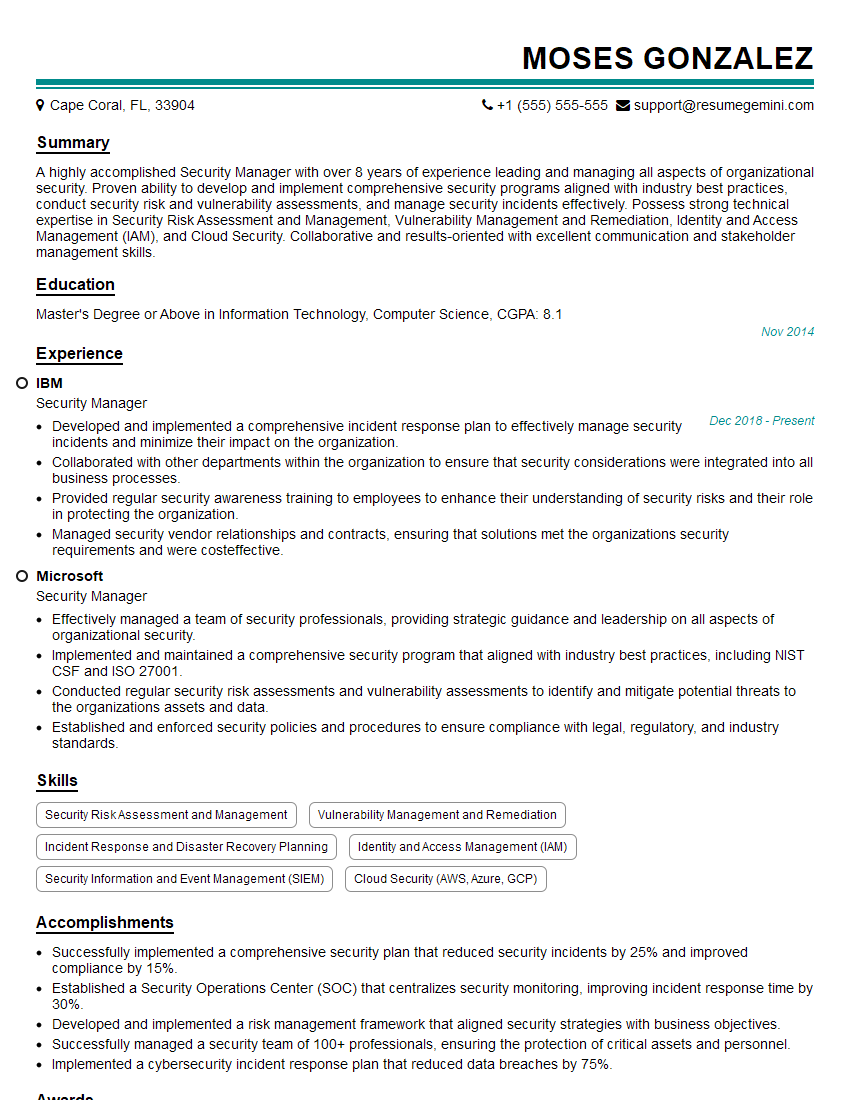
Security Manager Resume Sample
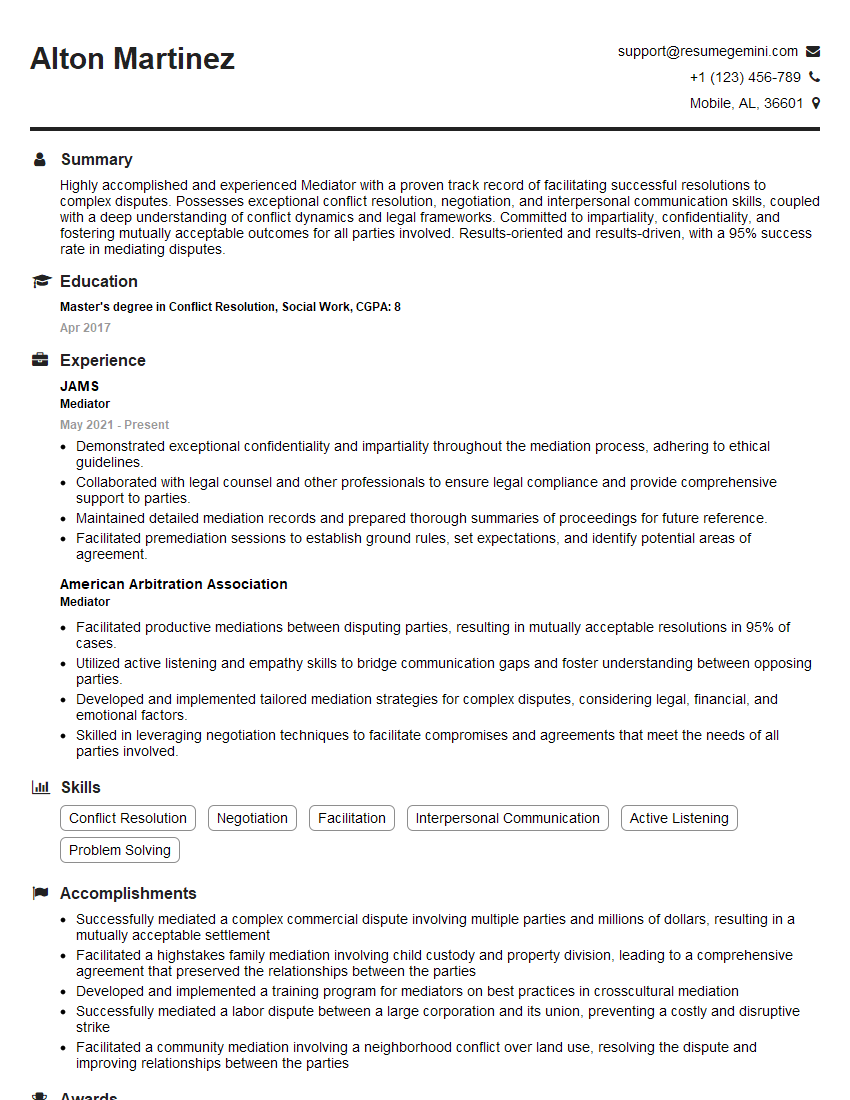
Mediator Resume Sample
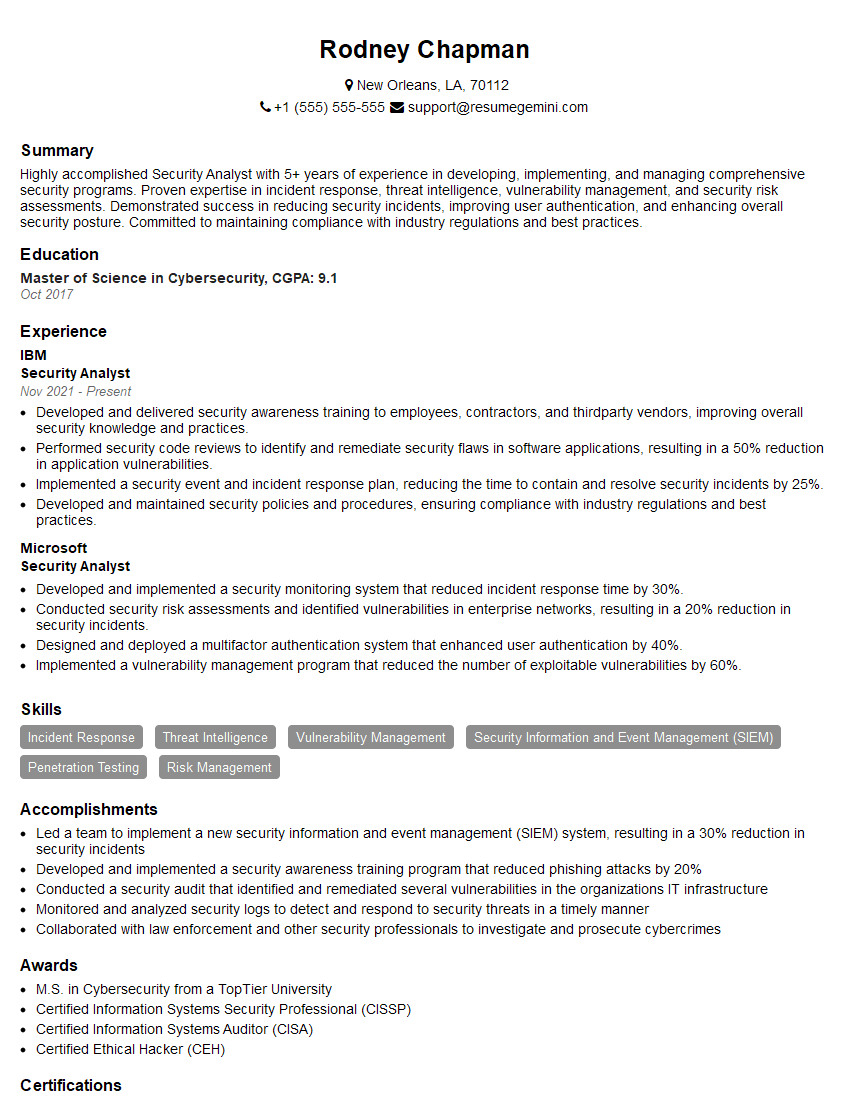
Security Analyst Resume Sample
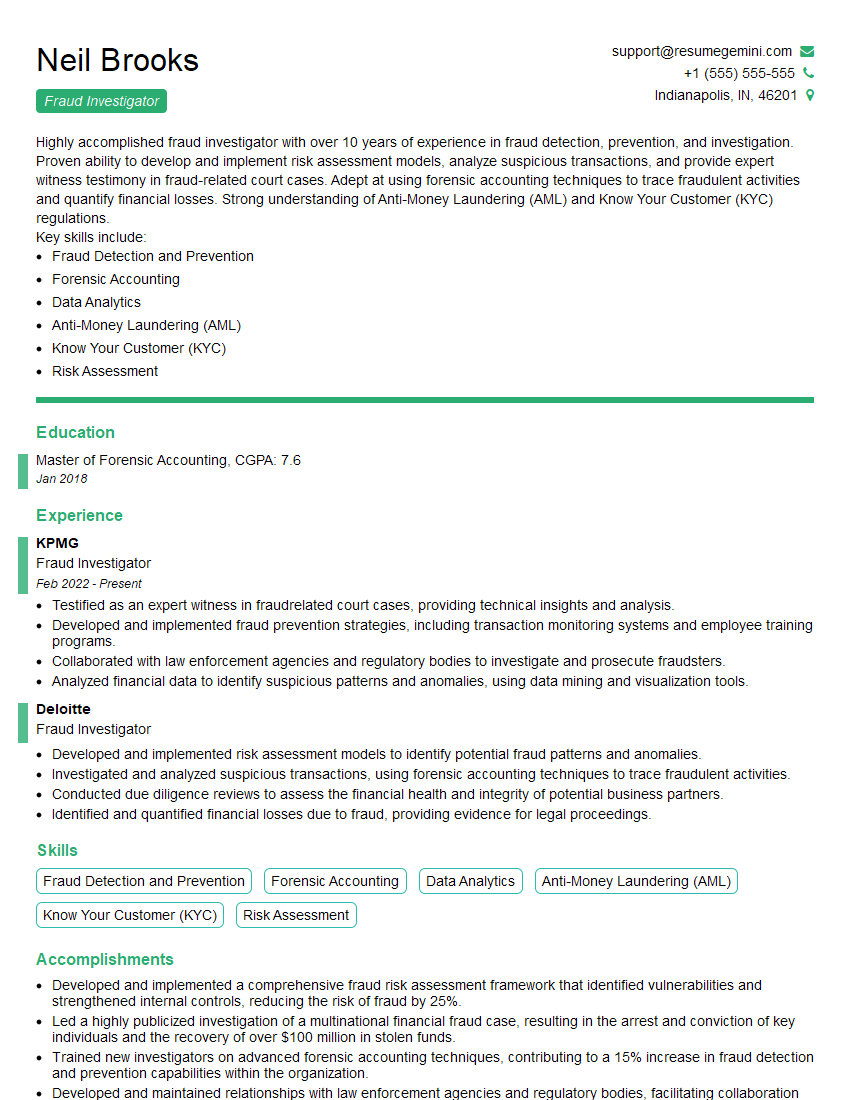
Fraud Investigator Resume Sample
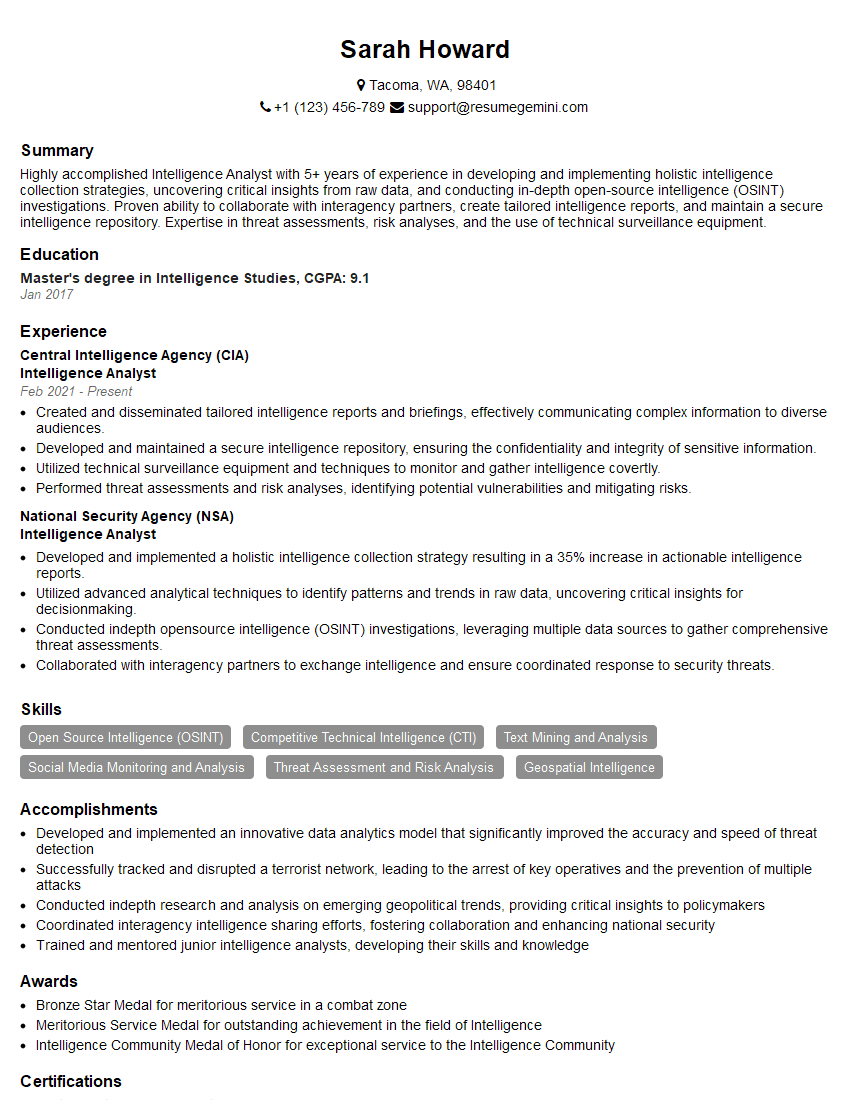
Intelligence Analyst Resume Sample
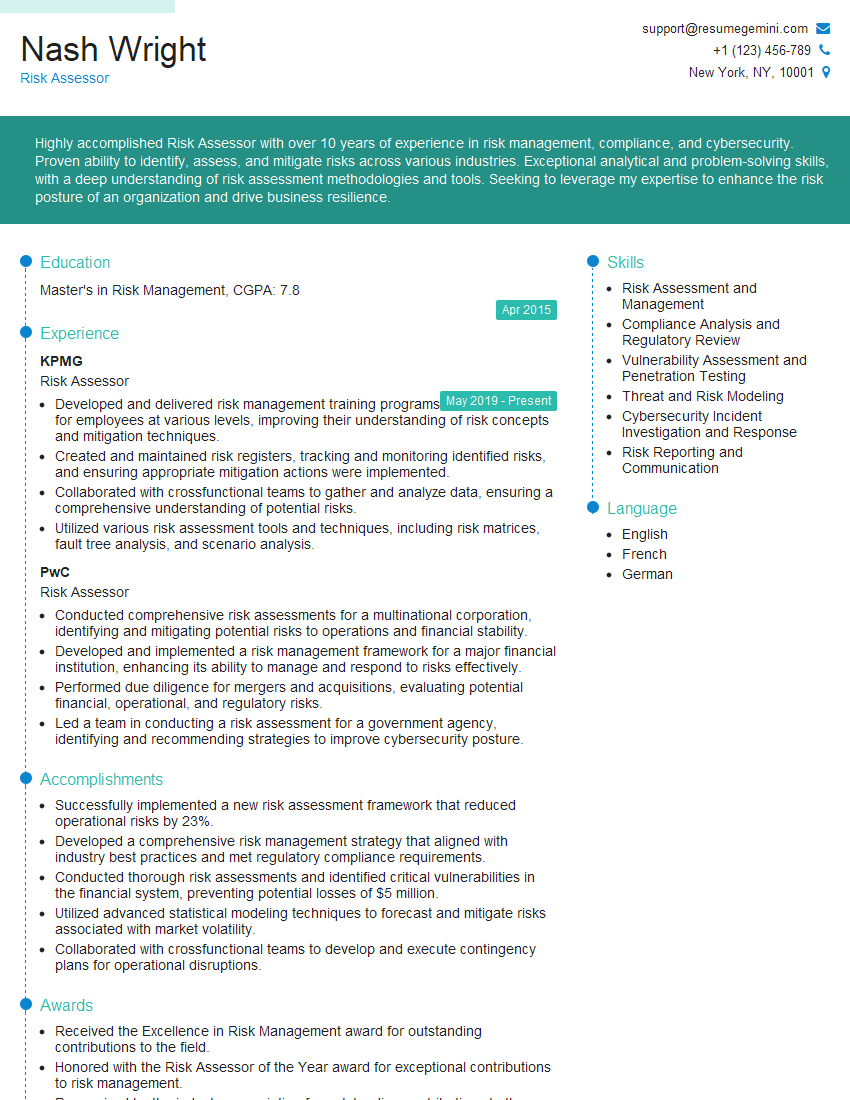
Risk Assessor Resume Sample
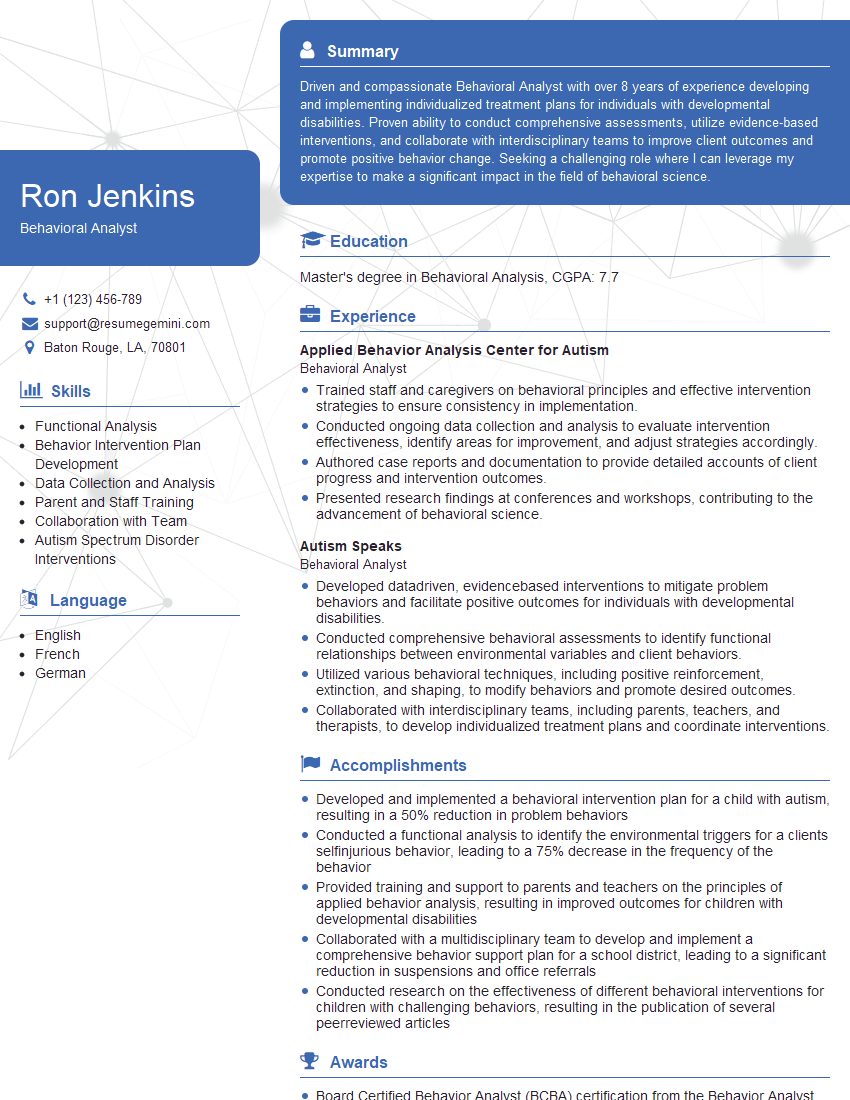
Behavioral Analyst Resume Sample
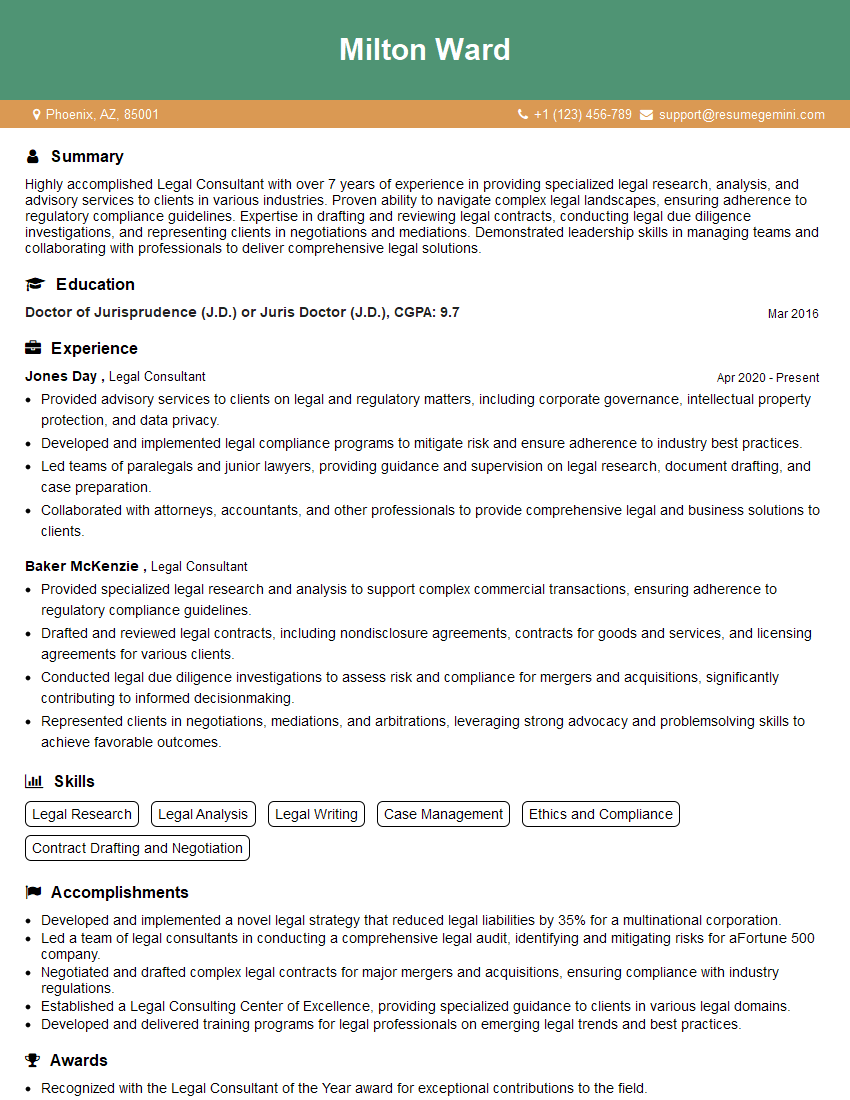
Legal Consultant Resume Sample
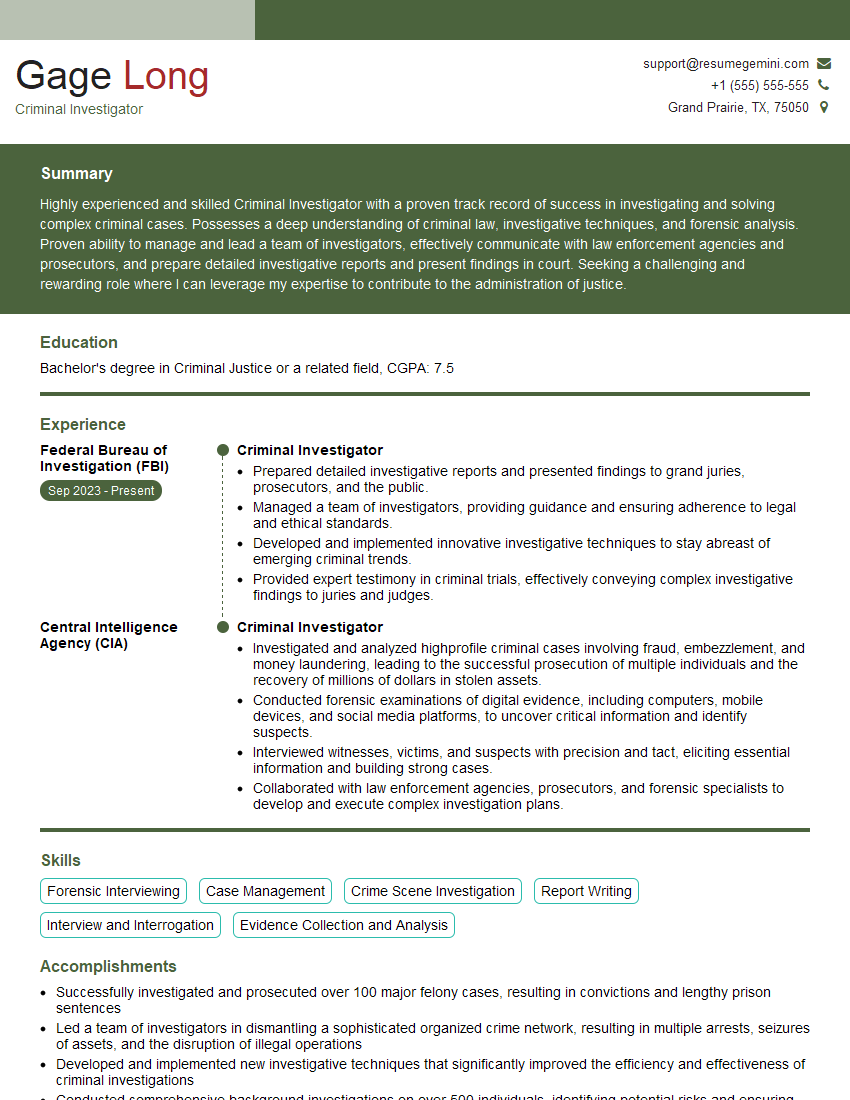
Criminal Investigator Resume Sample
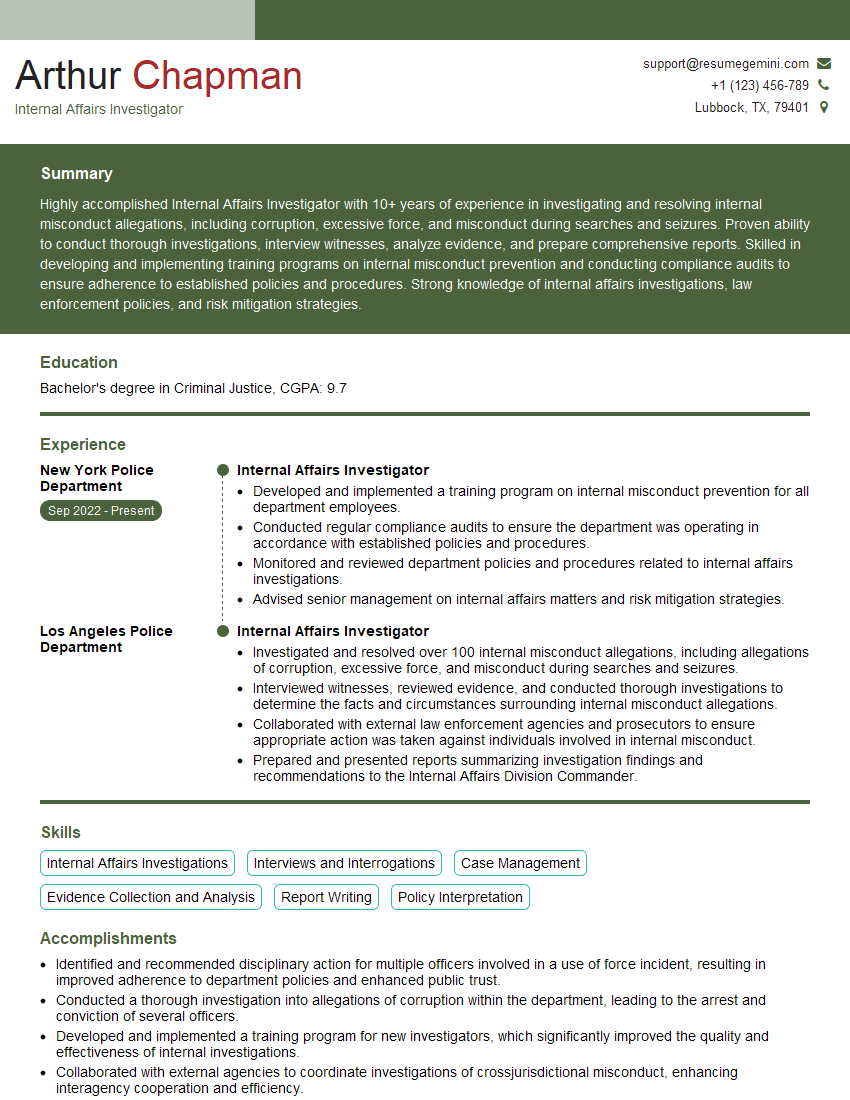
Internal Affairs Investigator Resume Sample
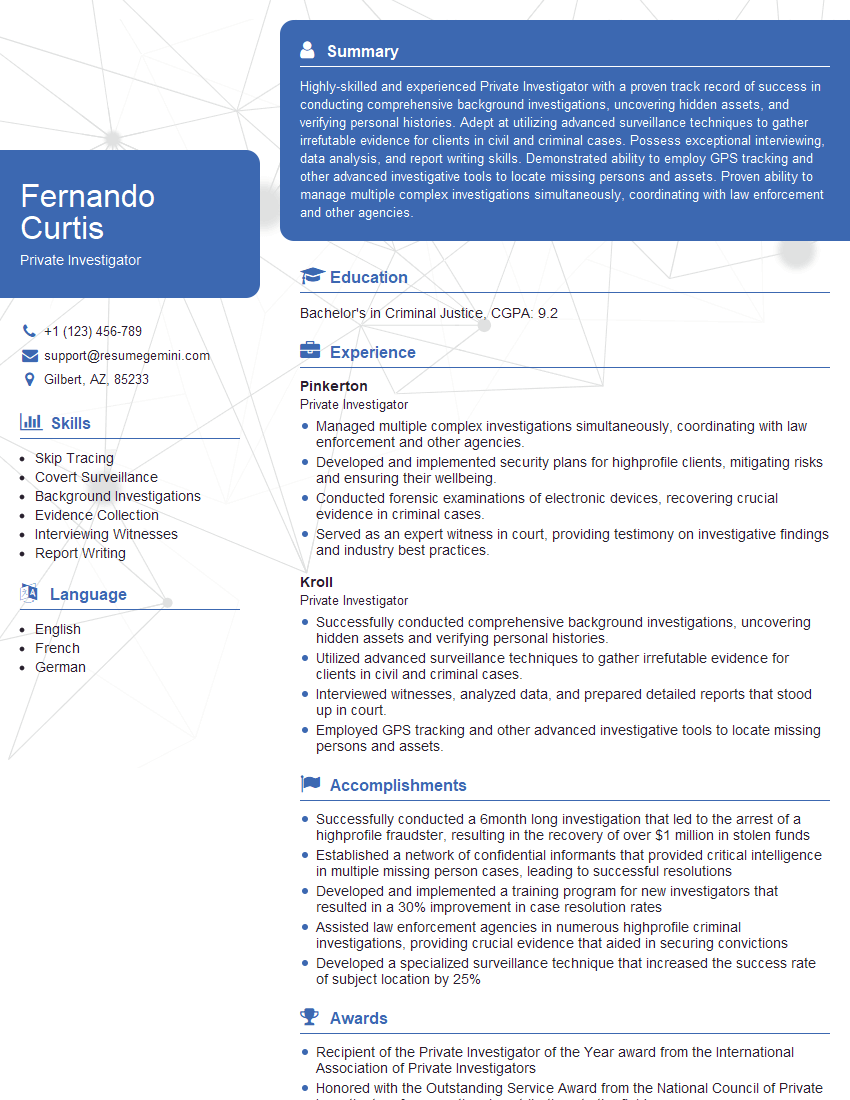
Private Investigator Resume Sample
Explore more articles
Users Rating of Our Blogs
Share Your Experience
We value your feedback! Please rate our content and share your thoughts (optional).
What Readers Say About Our Blog
Very informative content, great job.
good