Unlock your full potential by mastering the most common Ironing Machine Operation interview questions. This blog offers a deep dive into the critical topics, ensuring you’re not only prepared to answer but to excel. With these insights, you’ll approach your interview with clarity and confidence.
Questions Asked in Ironing Machine Operation Interview
Q 1. What types of ironing machines have you operated?
Throughout my career, I’ve operated a wide range of ironing machines, from basic household irons to industrial-scale flatwork ironers and conveyor systems. My experience encompasses both steam and dry ironing machines, with varying levels of automation. For example, I’m proficient with rotary ironers, which are excellent for large volumes of linens, and also with smaller, more versatile models ideal for delicate fabrics and intricate designs. I’ve also worked extensively with tunnel finishers, which provide a streamlined, high-volume ironing process.
- Rotary Ironers: These machines use a heated cylinder to iron large quantities of flat goods such as sheets and tablecloths.
- Flatwork Ironers: These typically consist of multiple heated rollers to iron larger items flat.
- Pressing Machines: These offer precise control and pressure, useful for garments and more delicate fabrics.
- Industrial Steam Generators: Responsible for providing high-pressure steam to the ironing machines.
Q 2. Describe your experience with different fabric types and their ironing requirements.
Different fabrics necessitate different ironing techniques and temperatures. My experience includes working with a vast array of materials, each with unique characteristics. For instance, linen requires high heat and steam to remove wrinkles, while silk needs a low temperature and minimal pressure to avoid damage. Cotton can usually handle medium to high heat, but synthetics like polyester require a lower setting to prevent melting or scorching. Wool requires careful handling and often benefits from a press cloth to protect the fabric’s delicate surface.
I’ve developed a keen sense for identifying fabric types and instinctively adjusting machine settings for optimal results. For example, when faced with a garment of unknown composition, I might perform a small, inconspicuous test on an inner seam to determine the best ironing temperature and pressure.
Q 3. How do you maintain the optimal temperature and steam pressure for various fabrics?
Maintaining optimal temperature and steam pressure is crucial for preventing fabric damage and achieving a professional finish. Each ironing machine has its own control panel for adjusting these settings, usually with dials or digital displays. I begin by identifying the fabric type and consulting a fabric guide or my own experience to determine the appropriate temperature range. For example, I’d use a higher temperature for cotton and a lower one for silk. Steam pressure should be adjusted accordingly; higher pressure is often needed for thicker fabrics to penetrate deeper and release wrinkles more effectively.
Regular monitoring is essential. I frequently check the steam output and temperature gauges during operation to ensure they remain within the desired parameters and make necessary adjustments. In some advanced machines, automated controls help maintain consistent settings, but even then, regular monitoring is a best practice.
Q 4. Explain the process of troubleshooting common ironing machine malfunctions.
Troubleshooting is a regular part of my job. Common malfunctions include issues with steam generation (low or no steam), temperature inconsistencies, mechanical jams (feed problems), and electrical faults. My approach is systematic. I always start by isolating the problem – is it related to steam, heating, or mechanical functions?
For example, if there’s no steam, I would first check the water level and then inspect the steam generator for any blockages or leaks. If the temperature is erratic, I’d examine the thermostat and associated wiring. Mechanical jams often require careful examination of the rollers, belts, and feed mechanisms. In more complex situations, I might consult the machine’s manual or contact a technician.
I keep a detailed log of all maintenance and repair activities, including the issue, the solution implemented, and the date of the event. This log helps prevent future problems and assists in identifying recurring issues.
Q 5. How do you identify and resolve jams or feed issues in an ironing machine?
Jams or feed issues usually stem from fabric bunching or obstructions in the machine’s pathway. My approach involves carefully switching off the machine and disconnecting it from the power supply before attempting any intervention. I then visually inspect the entire feed path to identify any trapped fabrics or foreign objects. Often, this simple check allows me to quickly resolve the problem by removing the obstruction.
If the problem persists, I might need to disassemble certain parts (following the machine’s manual carefully) to examine and clean the rollers, belts, or other components. Lubrication might be necessary to reduce friction and prevent future jams.
In complex cases where I cannot identify the source of the jam, I would always prioritize safety and contact a qualified technician instead of forcing the machine, which can cause further damage.
Q 6. What safety procedures do you follow when operating ironing machines?
Safety is paramount. Before operating any ironing machine, I ensure the area is clear of obstructions and that there’s adequate ventilation to dissipate steam. I always wear appropriate protective gear, including heat-resistant gloves to prevent burns. I am aware of the potential risks associated with hot surfaces, high-pressure steam, and moving parts. I check all safety interlocks are functioning correctly.
I never operate a machine if it seems faulty or unsafe. In case of any accident or malfunction, I immediately shut down the machine, report the incident to my supervisor, and seek necessary medical attention if needed. Regular safety checks and adherence to company safety protocols are a vital part of my daily routine.
Q 7. Describe your experience with preventative maintenance on ironing equipment.
Preventative maintenance is crucial for extending the lifespan of ironing machines and ensuring consistent performance. My experience includes daily, weekly, and monthly maintenance tasks. Daily maintenance typically involves cleaning the machine, checking the water level, and inspecting the feed path for debris. Weekly tasks might include a more thorough cleaning, lubricating moving parts, and checking the heating elements for wear and tear.
Monthly checks involve more detailed inspections, including testing the thermostat, checking for leaks, and examining the steam generator for scale buildup. I keep meticulous records of all maintenance activities to track performance and anticipate potential issues. A well-maintained machine is less likely to break down, resulting in less downtime and increased efficiency.
I also actively participate in scheduled professional maintenance visits with qualified technicians. These visits often include more in-depth checks and specialized cleaning procedures that may be beyond the scope of my daily maintenance tasks.
Q 8. How do you ensure the consistent quality of ironed garments?
Consistent ironing quality hinges on a meticulous approach. It’s not just about removing wrinkles; it’s about achieving a smooth, crisp finish that enhances the garment’s appearance. This starts with understanding the fabric. Different materials require different temperatures and pressures. For example, linen needs a hotter iron and more pressure than silk.
Next, proper machine maintenance is crucial. Regular cleaning of the soleplate removes any build-up that could scorch or stain the fabric. Ensuring the steam function is working optimally is vital for a professional finish.
Finally, consistent technique is key. This includes ironing in the direction of the fabric’s grain to prevent stretching or damage, using a consistent pressure, and paying attention to detail such as properly pressing seams and pleats. Think of it like painting – a steady hand and attention to detail lead to a better outcome.
Q 9. What are the different types of finishes you can achieve with various ironing techniques?
Ironing techniques allow for a surprising variety of finishes. A sharp crease, like that on dress pants, is achieved with a hot iron and firm pressure, using the edge of the iron’s soleplate to create a clean line. A softer, more relaxed look, ideal for casual shirts, can be achieved with a lower temperature and gentler pressure, perhaps employing a pressing cloth to prevent shine.
Steam plays a critical role. A burst of steam can help to relax stubborn wrinkles, while a consistent flow of steam creates a smoother, more even finish. For delicate fabrics, a lower steam setting is necessary. For example, a crisp, tailored look on a cotton shirt is achieved through controlled steam and pressure, while the soft drape of a silk scarf is obtained using minimal steam and a light touch.
Q 10. How do you handle delicate or specialty fabrics during the ironing process?
Handling delicate fabrics requires a gentler approach. Always check the garment’s care label for specific instructions. For silks, satins, and other sensitive materials, I always use a low temperature and minimal pressure. A pressing cloth is essential to prevent scorching or shine. I might even iron these fabrics on the wrong side to further protect them.
For specialty fabrics like velvet or corduroy, I often use a low temperature and avoid excessive steam, working with the nap of the fabric to maintain its texture. Remember, patience is key when handling delicate garments. Rushing can lead to damage. If unsure, always err on the side of caution, opting for a lower temperature and a more delicate approach.
Q 11. Explain your experience with different types of ironing machine controls.
My experience encompasses a range of ironing machine controls, from simple dial-based models to advanced digital systems with programmable settings. The dial-based systems require manual adjustment of temperature and steam, relying on experience to select the right settings. Digital models often offer pre-programmed settings for various fabrics, simplifying the process.
I’ve worked with machines featuring variable steam output, allowing for fine-tuning depending on the fabric and wrinkle intensity. Some also include features like automatic shutoff for safety and self-cleaning cycles for easy maintenance. My proficiency extends to understanding the nuances of each control system and adapting my technique accordingly. Irrespective of the controls, maintaining consistent pressure and movement is key.
Q 12. Describe your understanding of steam generation and its impact on ironing quality.
Steam generation is fundamental to quality ironing. The steam penetrates the fibers of the fabric, relaxing wrinkles and allowing for a smoother finish. The quality of steam, its consistency, and its temperature are all important factors.
Insufficient steam can lead to incomplete wrinkle removal, leaving garments looking dull. Excessive steam, especially at high temperatures, can damage delicate fabrics. Therefore, understanding the steam generation mechanism within the ironing machine—its capacity, pressure, and temperature control—is vital. Maintaining the water reservoir and descaling the machine regularly ensures consistent, high-quality steam generation.
Q 13. How do you adjust the ironing machine settings for varying fabric thicknesses?
Adjusting settings for varying fabric thicknesses is crucial for preventing damage and achieving optimal results. Thicker fabrics, like denim or heavy cotton, require higher temperatures and potentially more pressure to penetrate the material and remove wrinkles effectively. Thinner fabrics, like silk or linen, need a lower temperature and lighter pressure to prevent scorching or damage.
Many modern ironing machines offer pre-set options for different fabric types, often categorized by thickness. When dealing with a fabric whose type is not pre-programmed, I always err on the side of caution, starting with a lower setting and gradually increasing the temperature and pressure as needed. The goal is to remove wrinkles without causing any damage to the fabric. It’s better to take multiple passes with a lower setting than to risk damaging the material.
Q 14. How do you ensure efficient production rates while maintaining quality?
Balancing efficient production rates with quality requires a systematic approach. It’s not about speed; it’s about effective, consistent speed. This involves careful planning and organization, including efficiently sorting garments by fabric type and ironing complexity.
Effective work flow is crucial. This includes optimizing the ironing board setup and positioning to minimize wasted movement. It also includes utilizing the machine’s features, such as steam settings and temperature controls, to speed up the ironing process without sacrificing quality. Regular maintenance of the machine helps to avoid delays due to malfunction. By employing these methods, I can achieve high production rates without compromising the quality of the finished garments.
Q 15. What is your experience with cleaning and lubricating ironing machine components?
Cleaning and lubricating ironing machine components is crucial for maintaining optimal performance and extending the machine’s lifespan. It’s a systematic process I approach with meticulous care.
- Regular Cleaning: I start by unplugging the machine and allowing it to cool completely. Then, I carefully wipe down the exterior with a damp cloth, paying close attention to areas prone to build-up, such as the steam vents and the soleplate. Any stubborn residue can be gently removed with a mild detergent solution.
- Internal Cleaning (where applicable): Depending on the machine’s design, I may need to access internal components for more thorough cleaning. For example, I’d clean the water reservoir, removing any mineral deposits that could affect steam production. I’d also inspect and clean the steam chamber, ensuring no blockages impede steam flow.
- Lubrication: Many ironing machines require periodic lubrication of moving parts, especially those with mechanical controls or moving parts. I use the manufacturer-recommended lubricant and follow their instructions precisely to avoid damaging the machine. I meticulously apply the lubricant to designated areas, ensuring even distribution. I also check for signs of wear and tear during this process.
For example, once I worked with a commercial-grade iron that had become sluggish due to mineral build-up in the steam chamber. After thoroughly cleaning and descaling the chamber, the machine resumed its high-performance operation.
Career Expert Tips:
- Ace those interviews! Prepare effectively by reviewing the Top 50 Most Common Interview Questions on ResumeGemini.
- Navigate your job search with confidence! Explore a wide range of Career Tips on ResumeGemini. Learn about common challenges and recommendations to overcome them.
- Craft the perfect resume! Master the Art of Resume Writing with ResumeGemini’s guide. Showcase your unique qualifications and achievements effectively.
- Don’t miss out on holiday savings! Build your dream resume with ResumeGemini’s ATS optimized templates.
Q 16. Describe your experience with different ironing machine brands and models.
My experience encompasses a wide range of ironing machine brands and models, from small, domestic irons to large, industrial-grade machines used in commercial laundries. I’ve worked extensively with brands such as [Brand Name 1], [Brand Name 2], and [Brand Name 3], using models ranging from basic steam irons to those with advanced features like digital temperature control and automatic shut-off.
This experience has given me a strong understanding of the nuances of each brand and model, including their strengths, weaknesses, and specific maintenance requirements. For instance, I’ve found that [Brand Name 1] models typically require more frequent cleaning of the steam vents compared to [Brand Name 2], which has a self-cleaning function. This understanding helps me to troubleshoot problems efficiently and operate each machine to its optimal capacity.
Working with diverse models has also provided insights into various ironing techniques best suited for different fabric types. Each machine’s heat and steam capabilities impact the ironing process, and I adjust my technique accordingly to achieve the best results.
Q 17. How do you handle damaged or soiled garments during the ironing process?
Handling damaged or soiled garments requires a careful and methodical approach. My priority is to prevent further damage while ensuring the garment is ironed to the best possible standard.
- Pre-Ironing Inspection: Before ironing, I carefully inspect each garment for stains, tears, or loose buttons. I’ll note the type of fabric and any special care instructions.
- Stain Treatment: For removable stains, I’ll pre-treat them according to the fabric’s care instructions. If the stain is severe, I may recommend the garment be professionally cleaned before ironing.
- Careful Ironing Technique: I avoid ironing directly over damaged areas. For delicate fabrics or areas with embellishments, I use a pressing cloth or lower the iron’s temperature setting.
- Damaged Items: In cases of significant damage, such as a large tear, I may need to refer the garment to a specialist for repair before ironing or consider alternative methods, such as steaming, to refresh the garment without potentially causing more harm.
For example, I once encountered a silk shirt with a small ink stain. I carefully pre-treated the stain with a specialized stain remover, then used a pressing cloth to iron around the stain, avoiding direct heat on the affected area. The stain was minimized, and the shirt was ironed to a perfect finish without causing further damage.
Q 18. What is your experience with working in a fast-paced laundry environment?
I thrive in fast-paced laundry environments. My experience in such settings has honed my efficiency, multitasking abilities, and problem-solving skills. I’m adept at prioritizing tasks, managing my time effectively, and maintaining a high level of productivity under pressure.
In a busy laundry, accuracy and speed are equally vital. I’ve developed a streamlined workflow to ensure garments are processed promptly and efficiently without compromising quality. This involves effective organization, anticipating potential bottlenecks, and being proactive in addressing any delays.
For instance, in my previous role, we faced peak periods with a massive influx of laundry. I used my organizational skills to prioritize items based on urgency and fabric type, ensuring the fastest turnaround time without compromising quality. This proactive approach helped minimize delays and ensure customer satisfaction.
Q 19. Describe your method for efficiently loading and unloading ironing machines.
Efficient loading and unloading of ironing machines is vital for maximizing productivity. My method focuses on organization and speed without sacrificing safety or garment care.
- Organized Loading: Before loading, I sort garments by fabric type and desired temperature, grouping similar items together to streamline the ironing process. This allows for efficient use of the machine’s heat settings and minimizes the need for adjustments.
- Systematic Placement: I carefully place the garments onto the ironing board or machine surface, ensuring there is sufficient space for proper ironing and minimizing wrinkles. Overcrowding can lead to inefficient ironing and potentially damage the garments.
- Efficient Unloading: Once ironed, I immediately fold or hang the garments to prevent creasing and ensure a smooth workflow. I arrange the finished items neatly to facilitate easy collection and return.
I approach this with an assembly-line mentality, ensuring a smooth and continuous flow of garments. This system helps me avoid bottlenecks and maintain consistent speed, improving the overall efficiency of the ironing process.
Q 20. How do you monitor the machine’s performance to identify potential problems?
Regular monitoring of the machine’s performance is essential to identify potential problems before they escalate. My monitoring strategy combines visual inspections with attentive listening and operational checks.
- Visual Inspection: I regularly check the machine for signs of overheating, leaks, or damage. I visually inspect the soleplate for any signs of scorching or debris build-up.
- Operational Checks: I monitor the steam output, heat consistency, and responsiveness of controls. Any deviations from the norm might indicate a potential problem.
- Sound Monitoring: Unusual sounds, such as grinding or unusual vibrations, may also signal underlying mechanical issues.
For example, I noticed a slight decrease in steam output from a particular machine. By carefully examining the water tank, I discovered a small mineral deposit buildup, which I subsequently cleaned. This preventative measure prevented a more serious problem later.
Q 21. What are the signs of machine malfunction you are trained to recognize?
Recognizing signs of machine malfunction is a critical aspect of my expertise. I am trained to identify several key indicators, including:
- Leaks: Water leaking from the machine is a clear sign of a problem, potentially related to seals or internal components.
- Overheating: Excessive heat or the inability to maintain the set temperature could indicate issues with the heating element or thermostat.
- Reduced Steam Output: Diminished steam production often suggests blockages in the steam vents or problems with the water reservoir.
- Unusual Noises: Grinding, squealing, or rattling sounds are often indicative of mechanical problems that require attention.
- Malfunctioning Controls: If the buttons or controls are unresponsive or erratic, it might signal an electrical fault.
In each case, I would follow established safety procedures and notify the appropriate personnel. Addressing these issues promptly helps to prevent more serious damage and downtime.
Q 22. What is your process for reporting machine malfunctions to supervisors?
Reporting machine malfunctions is crucial for maintaining productivity and safety. My process begins with a thorough assessment of the problem. I note the specific malfunction, the time it occurred, and any preceding events that might be relevant. I then immediately inform my supervisor, either in person or via the designated communication channel (e.g., radio, internal messaging system). My report includes the machine’s identification number, a clear description of the issue (avoiding technical jargon unless absolutely necessary), and the extent to which it impacts production. For instance, if the steam pressure is low, I’d specify the reading on the gauge and state whether it affects the ironing process. Finally, I document the report in the designated logbook, including any actions taken to mitigate the issue while waiting for maintenance.
- Example: ‘Machine #34 malfunction – reduced steam pressure (gauge reading 20 PSI instead of 40 PSI) affecting ironing quality – reported to supervisor John Smith at 10:15 AM. Awaiting maintenance.’
Q 23. Describe a time you had to solve a complex ironing machine problem.
During a busy period, the main ironing machine’s roller started slipping, causing uneven ironing and slowing down production significantly. This wasn’t a simple belt adjustment. After carefully inspecting the roller and drive mechanism, I noticed that the rubber coating on the roller was worn down and uneven. A quick fix like tightening the belt wouldn’t solve the underlying problem. I systematically checked the machine’s manual and online resources to understand the roller replacement procedure, ensuring I followed all safety protocols before proceeding. The process involved carefully removing the worn roller, cleaning the shaft, and installing the new one according to the manufacturer’s specifications. This involved precision and the correct torque settings for the fasteners. After reassembling the machine, I tested it thoroughly to verify that it was functioning correctly. Solving this problem not only restored productivity but also prevented further damage and potential safety hazards.
Q 24. How familiar are you with relevant safety regulations regarding ironing machine operation?
I am very familiar with relevant safety regulations concerning ironing machine operation. My knowledge encompasses aspects like lockout/tagout procedures for maintenance, proper handling of hot surfaces (steam, rollers), the use of personal protective equipment (PPE) such as heat-resistant gloves and eye protection, and safe handling of electricity and water connections. I am also aware of emergency shutdown procedures and the importance of regular safety inspections. I am trained to identify potential hazards such as frayed wiring, leaking steam, or damaged rollers and report them immediately. Think of safety regulations as a roadmap for preventing accidents; by adhering to them, I’m contributing to a safe and efficient work environment for myself and my colleagues.
Q 25. How do you handle situations where the machine needs emergency shutdown?
Emergency shutdowns require swift, decisive action. My training emphasizes prioritizing safety. The first step is to immediately shut off the power supply to the machine using the main emergency stop button (usually a large, red button prominently displayed). Then, I secure the area around the machine to prevent accidents. Depending on the situation (e.g., steam leak, electrical fault), I might need to take additional steps, like closing steam valves or isolating the water supply. After ensuring the immediate danger is averted, I carefully assess the situation, making sure to note any damages or contributing factors. I report the incident to my supervisor immediately and follow their instructions for further action. For example, if a significant malfunction is detected, the machine won’t be restarted until a qualified technician assesses and repairs it.
Q 26. How do you ensure the longevity of ironing machine parts through proper maintenance?
Ensuring the longevity of ironing machine parts involves a multi-faceted approach centered around preventive maintenance. This includes regular cleaning to remove lint and debris that can cause wear and tear. I meticulously inspect the rollers, belts, and other moving parts for signs of wear, damage, or misalignment. Lubrication of moving parts, as recommended by the manufacturer, prevents friction and extends their lifespan. Regularly checking and tightening loose screws and bolts ensures that the machine remains stable and operates as intended. Careful handling of the machine (avoiding overloading and harsh operations) significantly minimizes stress on components. By following these maintenance steps, I help avoid costly repairs and downtime, ensuring a consistently efficient and safe operation of the ironing machine. Think of it as caring for a finely tuned engine; regular attention ensures smooth and efficient performance.
Q 27. What are your preferred methods for quality control of finished garments?
My preferred method for quality control involves a multi-stage approach. First, during the ironing process itself, I visually inspect the garment for wrinkles, creases, or any signs of damage. I also check for consistent ironing, ensuring there are no burnt areas or uneven heat distribution. After the ironing process is complete, I perform a final inspection, paying close attention to details like collar points, cuffs, and pleats. I use a standardized checklist to ensure consistency and identify recurring issues. This final check often involves holding the garment up to light to check for any imperfections not readily visible. Reporting any defects to the appropriate personnel immediately ensures that issues can be addressed promptly and prevents substandard garments from leaving the facility. This process maintains high standards and reduces costly rework.
Q 28. Describe your experience with working in a team environment within a laundry setting.
In a laundry setting, teamwork is paramount. I have extensive experience collaborating effectively with colleagues – be it during peak workloads, assisting with equipment malfunctions, or sharing knowledge and best practices. I believe effective communication and mutual respect are essential. In a previous role, we faced a backlog due to a machine breakdown. As a team, we reorganized our workflow and rotated tasks to support each other and clear the backlog efficiently. Open communication helped identify problems quickly and find solutions collectively. This experience highlighted the power of team collaboration in problem-solving, particularly within a fast-paced environment. We celebrated our shared success – demonstrating that a positive and cooperative team environment is key to overcoming challenges and maintaining high productivity levels.
Key Topics to Learn for Your Ironing Machine Operation Interview
- Machine Operation & Safety: Understanding the controls, safety protocols, and emergency procedures of various ironing machine types. This includes pre-operation checks and safe shutdown procedures.
- Fabric Handling & Care: Identifying different fabric types, understanding their properties, and selecting appropriate ironing techniques and temperatures to avoid damage. Practical application includes recognizing delicate fabrics and adjusting settings accordingly.
- Troubleshooting & Maintenance: Identifying common malfunctions (e.g., steam issues, heating problems), performing basic maintenance tasks (e.g., cleaning, refilling water), and knowing when to escalate issues to a supervisor. This also involves understanding preventative maintenance schedules.
- Production Efficiency & Quality Control: Optimizing ironing speed and quality while maintaining consistent results. This includes understanding production targets and quality standards for different garment types.
- Ergonomics & Workplace Safety: Understanding proper posture and techniques to prevent injuries. This involves recognizing potential hazards and practicing safe work habits.
- Industry Standards & Best Practices: Familiarity with relevant industry regulations and best practices for ironing machine operation and workplace safety.
Next Steps: Launch Your Career in Ironing Machine Operation
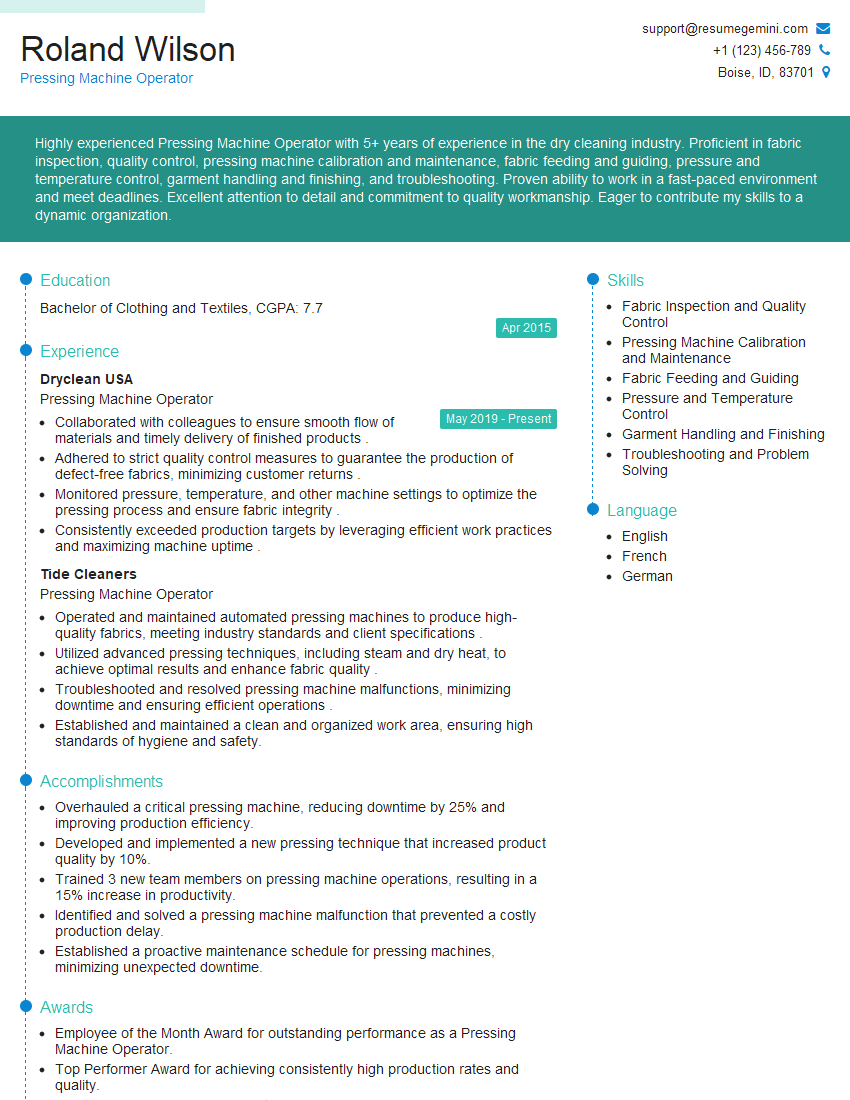
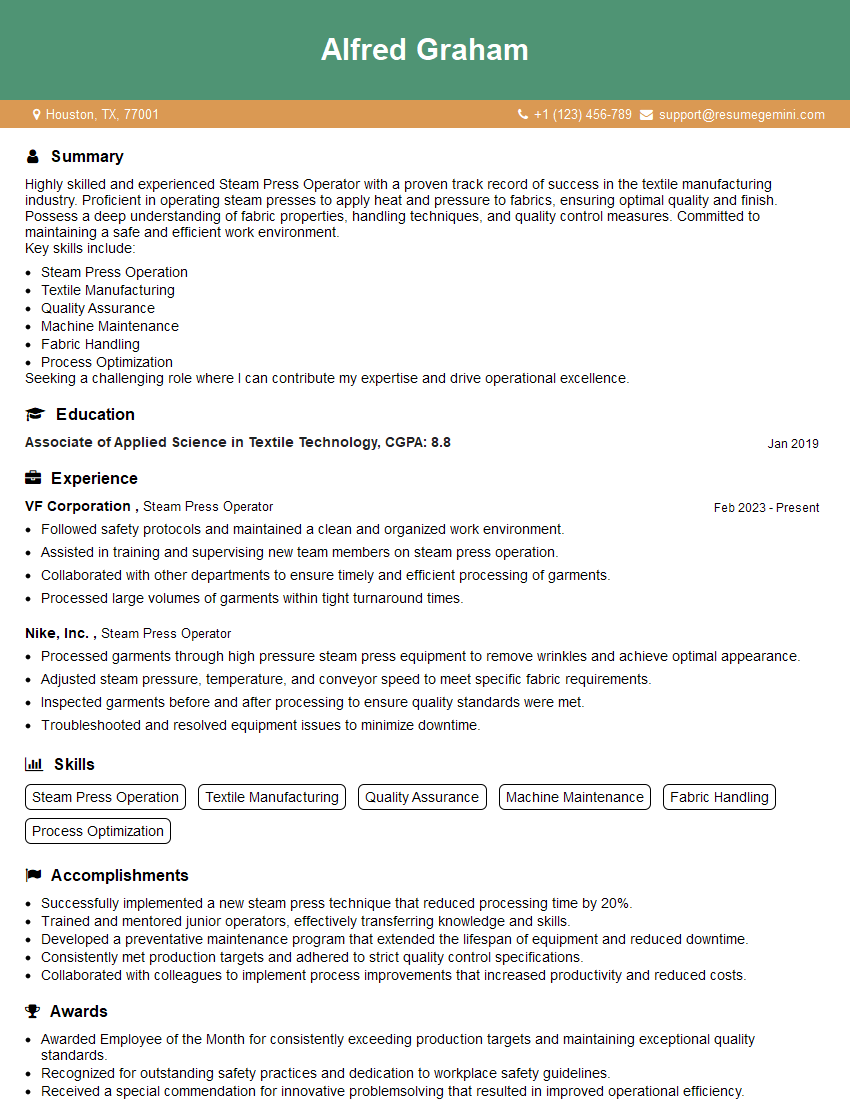
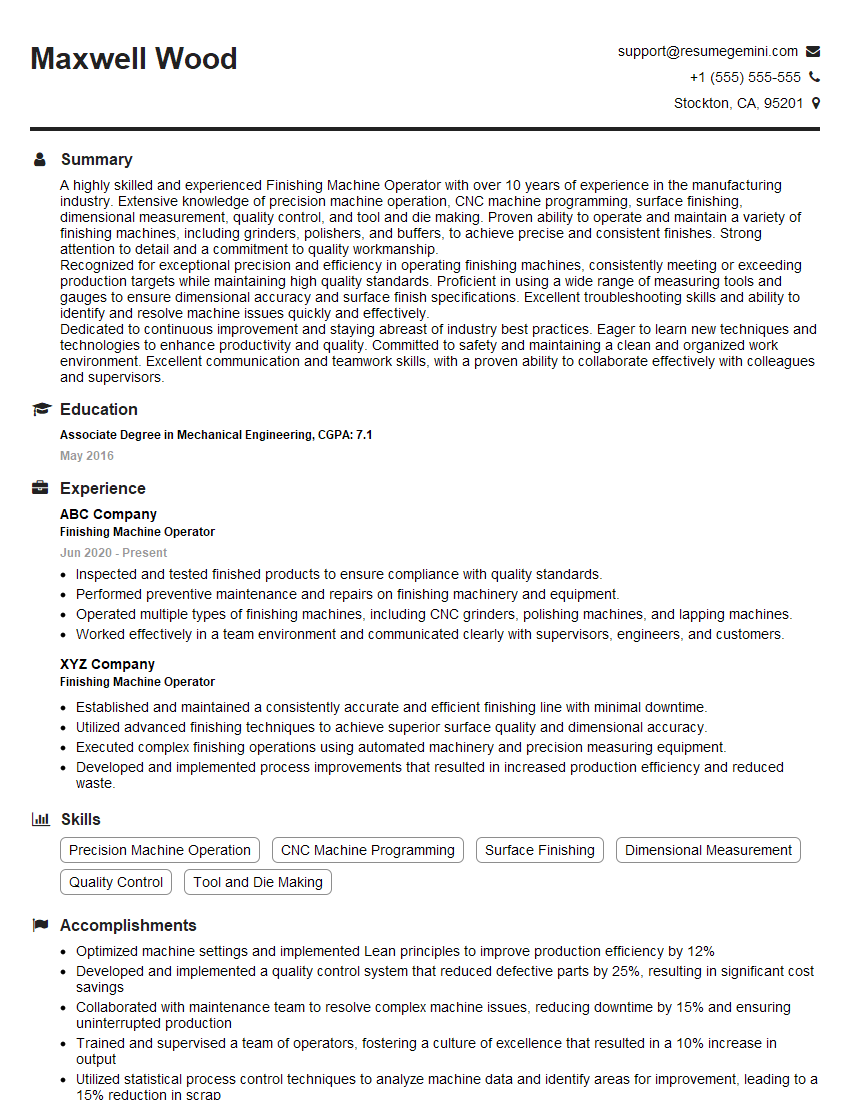
Mastering ironing machine operation opens doors to a rewarding career with opportunities for advancement and increased responsibility. To maximize your job prospects, creating a strong, ATS-friendly resume is crucial. This helps your application get noticed by hiring managers. ResumeGemini is a trusted resource to help you build a professional and effective resume that highlights your skills and experience. We provide examples of resumes tailored to Ironing Machine Operation to guide you. Take the next step towards your successful career today!

Explore more articles
Users Rating of Our Blogs
Share Your Experience
We value your feedback! Please rate our content and share your thoughts (optional).
What Readers Say About Our Blog
good