Are you ready to stand out in your next interview? Understanding and preparing for ISO 8015:2011 interview questions is a game-changer. In this blog, we’ve compiled key questions and expert advice to help you showcase your skills with confidence and precision. Let’s get started on your journey to acing the interview.
Questions Asked in ISO 8015:2011 Interview
Q 1. Explain the scope of ISO 8015:2011.
ISO 8015:2011, “Conformity assessment — Requirements for bodies providing audit and certification services,” specifies the requirements for bodies that provide audit and certification services. It’s not about a specific management system like ISO 9001 (quality) or ISO 14001 (environmental), but rather about the bodies that audit and certify organizations against those systems (or any other system). Think of it as the rulebook for the auditors themselves.
Its scope encompasses the competence, impartiality, and consistent operation of these certification bodies. It covers everything from the initial assessment to surveillance audits and the management of appeals.
Q 2. Describe the key principles of ISO 8015:2011.
ISO 8015:2011 rests on several key principles, all aimed at ensuring trust and confidence in the certification process. These include:
- Competence: Auditors must be qualified and have the necessary skills and experience. This includes technical expertise in the relevant management system and auditing techniques.
- Impartiality: No conflicts of interest are allowed. The auditor’s judgment must not be influenced by any external pressures.
- Confidentiality: Information obtained during the audit must remain confidential, protecting the client’s business secrets.
- Due process: Fair and transparent procedures are followed throughout the audit process, giving clients the opportunity to respond to findings.
- Effective management: The certification body itself must have a robust management system to ensure consistent performance and continuous improvement.
Q 3. What are the main differences between ISO 8015:2011 and other ISO standards?
The crucial difference is that ISO 8015:2011 doesn’t define a management system for organizations; it defines requirements for the auditors of those systems. Standards like ISO 9001 (Quality Management Systems) or ISO 14001 (Environmental Management Systems) provide frameworks for organizations to implement and manage specific aspects of their operations. ISO 8015:2011 ensures the bodies auditing those systems are themselves competent and impartial.
For instance, an organization seeking ISO 9001 certification will be audited by a certification body that needs to be compliant with ISO 8015:2011. The ISO 9001 standard details the quality system requirements, while ISO 8015:2011 details the requirements for the entity auditing the organization’s compliance with ISO 9001.
Q 4. How does ISO 8015:2011 relate to risk management?
ISO 8015:2011 indirectly relates to risk management because a competent and impartial certification body proactively manages risks that could compromise the objectivity and integrity of its audits. This includes risks related to:
- Auditor competence: Ensuring auditors possess the necessary skills and experience to identify potential risks within the audited organization.
- Conflict of interest: Establishing and enforcing processes to avoid conflicts of interest that could bias audit findings.
- Data security: Protecting confidential information obtained during audits.
- Audit process effectiveness: Implementing and regularly reviewing the audit process to identify and mitigate weaknesses.
By effectively managing these risks, the certification body contributes to the reliability of the certification process and enhances confidence in the certified organizations.
Q 5. What are the requirements for establishing and maintaining an ISO 8015:2011 compliant system?
Establishing and maintaining an ISO 8015:2011 compliant system involves several key requirements:
- Establishing a documented management system: This includes defining roles, responsibilities, and procedures for all aspects of the audit and certification process.
- Ensuring auditor competence: Recruiting, training, and evaluating auditors to ensure they possess the necessary technical expertise and auditing skills.
- Managing impartiality: Implementing policies and procedures to prevent and address conflicts of interest.
- Maintaining confidentiality: Establishing protocols to protect confidential information.
- Implementing a documented audit process: Defining the steps, methodologies, and documentation required for conducting audits.
- Managing complaints and appeals: Establishing a process for handling client complaints and appeals.
- Continual improvement: Regularly reviewing and improving the management system based on audit findings, client feedback, and other relevant information.
Q 6. Explain the process of conducting an internal audit according to ISO 8015:2011.
An internal audit according to ISO 8015:2011 involves a systematic and documented examination of the certification body’s own processes. It’s a self-assessment to verify compliance with the standard. The process typically involves:
- Planning the audit: Defining the scope, objectives, and criteria for the audit.
- Selecting audit team members: Choosing qualified and impartial auditors with relevant expertise.
- Conducting the audit: Gathering evidence through interviews, document reviews, and observations.
- Documenting findings: Recording audit findings, both positive and negative, in a detailed report.
- Reporting findings: Presenting the audit findings to management for review and action.
- Follow-up: Monitoring the implementation of corrective actions to address identified nonconformities.
The internal audit report should be comprehensive and clearly communicate the findings, conclusions, and recommendations for improvement.
Q 7. How do you ensure the objectivity and impartiality of an audit?
Objectivity and impartiality are paramount in ensuring the credibility of audits. Several measures can be implemented:
- Clear separation of roles and responsibilities: Preventing individuals involved in the certification process from influencing the audit process. This often includes distinct teams for sales, audits, and appeals.
- Documented impartiality policy: A clear policy that outlines procedures for managing conflicts of interest and preventing bias.
- Regular training on impartiality: Keeping auditors updated on ethical considerations and best practices.
- Independent oversight: Having an independent review process to ensure the objectivity of audits, potentially involving external experts.
- Regular monitoring of performance: Continuously evaluating the certification body’s performance and addressing any deviations from impartiality.
- Transparency: Openly communicating the audit process and findings to clients, allowing for appeals and clarifications.
By implementing these measures, the certification body demonstrates its commitment to maintaining the integrity of its services and building trust with its clients.
Q 8. Describe the key elements of an audit plan.
An audit plan for ISO 8015:2011, focusing on the certification of welding personnel, is a meticulously crafted document that guides the entire audit process. It’s essentially a roadmap ensuring a thorough and consistent evaluation. Key elements include:
- Scope Definition: Clearly outlining the specific welding processes, personnel, and locations covered by the audit. For example, it might specify audits for only GMAW welding of stainless steel in a particular factory section.
- Objectives: Defining the audit’s goals. These might include verifying compliance with the ISO 8015:2011 standard, identifying areas for improvement in welder qualification, and assessing the effectiveness of the training program.
- Audit Criteria: Detailing the specific standards, procedures, and requirements against which the welding activities and personnel will be assessed. This directly references ISO 8015:2011 clauses.
- Methodology: Specifying the audit methods, such as document review, interviews, observations of welding activities, and examination of welder performance records and qualifications. This might include a detailed checklist.
- Resources: Identifying the auditors, their qualifications, any special equipment needed, and the estimated time required for the audit. This section needs to be realistic and address any specialized equipment needed for testing specific weld types.
- Schedule: Providing a timeline for each stage of the audit, including pre-audit planning, on-site activities, and report writing. A practical schedule is key to maintain an efficient audit process.
- Reporting Procedures: Describing how the audit findings will be documented, reported, and followed up. This section includes defining nonconformity reporting procedures.
A well-structured audit plan is crucial for a successful and efficient audit, ensuring all relevant aspects are covered and that findings are properly documented.
Q 9. What are the common nonconformities found during ISO 8015:2011 audits?
Common nonconformities during ISO 8015:2011 audits often stem from gaps in welder qualification, training, or record-keeping. Some typical examples include:
- Inadequate Welder Training Records: Missing or incomplete records of welder training, including practical assessments and theoretical knowledge.
- Insufficient Qualification Testing: Failure to perform the necessary welding tests (e.g., macro examination, bend tests) to validate welder skills according to the standard.
- Lack of Procedure Documentation: Absence of documented welding procedures (WPS/PQR) or failure to follow established procedures consistently.
- Poorly Maintained Equipment: Using faulty or improperly calibrated welding equipment can lead to inconsistent results and nonconformities.
- Inadequate Quality Control: Insufficient inspection and testing of welds after completion, lacking visual inspection, or non-destructive testing (NDT).
- Lack of Management Review: Absence of regular management review of the welding management system, leading to potential oversight of systemic issues.
- Inconsistent Application of Standard: Inconsistent implementation of the ISO 8015:2011 requirements across different personnel or projects.
These nonconformities highlight the importance of a robust and well-maintained welding management system that prioritizes training, documentation, and quality control.
Q 10. How do you handle nonconformities discovered during an audit?
Handling nonconformities involves a systematic approach. Upon discovery, I would first:
- Document the Nonconformity: Clearly and precisely describe the nonconformity, including its location, severity, and potential impact. I use a standardized nonconformity report form.
- Gather Evidence: Collect supporting evidence such as photographs, test results, or witness statements to substantiate the finding.
- Communicate with Management: Report the nonconformity to the appropriate management personnel, explaining its implications and recommending immediate corrective actions, where applicable.
- Verify Corrective Actions: Once corrective actions are implemented, I verify their effectiveness by re-auditing the affected area.
Throughout this process, maintaining objectivity and clear communication is crucial. The goal is not to find fault but to identify areas needing improvement and ensure the organization is compliant with ISO 8015:2011. For example, if a welder’s qualification records are incomplete, I’d work with the organization to develop a plan to rectify the missing information and ensure all future records are complete.
Q 11. Explain the concept of corrective actions and preventive actions (CAPA).
Corrective Actions (CA) and Preventive Actions (PA) are crucial elements of a robust quality management system, aimed at preventing the recurrence of nonconformities.
- Corrective Actions (CA): These address existing nonconformities. They aim to eliminate the cause of the nonconformity and prevent its reoccurrence in the same area. Example: If a welder consistently fails bend tests, CA would involve retraining or a reassessment of their welding technique.
- Preventive Actions (PA): These address potential nonconformities. They focus on identifying and eliminating the root cause of potential problems *before* they become actual nonconformities. Example: If a review of welder qualification records shows a potential trend of missing records for a specific type of training, PA would involve improvements to the record-keeping process.
Effective CAPA implementation requires a systematic approach involving root cause analysis, implementation of corrective/preventive actions, verification of effectiveness, and documentation of the entire process. It’s a continuous improvement cycle.
Q 12. How do you determine the root cause of a nonconformity?
Determining the root cause of a nonconformity requires a thorough investigation. I often employ techniques like the ‘5 Whys’ or Fishbone diagrams (Ishikawa diagrams).
The ‘5 Whys’ method involves repeatedly asking ‘why’ to delve deeper into the cause of the problem. For example, if a weld fails inspection:
- Why? The weld failed the bend test.
- Why? The weld lacked proper penetration.
- Why? The welder used an incorrect welding parameter.
- Why? The welding procedure was not clear about the parameter setting.
- Why? The welding procedure was not properly reviewed before implementation.
This method helps to uncover the underlying systemic issues, not just the immediate symptom. Fishbone diagrams provide a visual representation of potential causes categorized by categories like materials, methods, manpower, machinery, environment, and management. After identifying the root cause using such methods, a corrective action can then be effectively designed and implemented.
Q 13. What is the role of management in maintaining an ISO 8015:2011 system?
Management plays a vital role in maintaining an ISO 8015:2011 system. Their responsibilities include:
- Commitment and Resource Allocation: Providing the necessary resources (personnel, equipment, training) and demonstrating a strong commitment to the system.
- Defining the Scope and Objectives: Clearly defining the scope of the welding management system and establishing the objectives to be achieved.
- Establishing and Maintaining the System: Implementing and maintaining the required processes and procedures for welder qualification, training, and quality control.
- Ensuring Competence: Ensuring that all personnel involved in the welding activities possess the necessary competence and skills.
- Management Review: Regularly reviewing the system’s performance to identify areas for improvement. Management should take ownership of the findings and facilitate the necessary corrective and preventive actions.
- Promoting Continuous Improvement: Fostering a culture of continuous improvement and actively seeking ways to improve the effectiveness of the welding management system.
Without active management involvement, the effectiveness of an ISO 8015:2011 system is severely compromised. It’s the management’s responsibility to ensure the system is not merely a document but a living, breathing element of the organization’s operations.
Q 14. How do you ensure the effectiveness of an ISO 8015:2011 management system?
Ensuring the effectiveness of an ISO 8015:2011 management system involves a multi-faceted approach:
- Regular Audits: Conducting internal audits to identify gaps and nonconformities. These audits should be planned, documented and regularly reviewed.
- Management Review: Regular management reviews are essential to evaluate the system’s performance, address any issues and improve the system’s effectiveness.
- Corrective and Preventive Actions: Implementing a robust CAPA process to address identified nonconformities and prevent future occurrences.
- Employee Training and Competence: Ensuring that all personnel involved in welding activities are properly trained, qualified, and competent.
- Record Keeping: Maintaining accurate and complete records of welder qualifications, training, welding procedures, and inspection results.
- Continuous Improvement: Adopting a culture of continuous improvement, constantly seeking ways to improve the effectiveness of the system and adapt to changes in technology and requirements.
- External Audits: Undergoing regular external audits (for certification) to provide independent verification of the system’s effectiveness and conformity to the ISO 8015:2011 standard.
The effectiveness of the system shouldn’t be judged solely by the absence of nonconformities, but also by the organization’s ability to learn from its experiences and improve its practices over time. A key indicator of an effective system is the consistent production of high-quality welds meeting the required specifications.
Q 15. Describe the process of documenting and maintaining audit records.
Documenting and maintaining audit records in accordance with ISO 8015:2011 is crucial for demonstrating compliance and facilitating continuous improvement. It involves a systematic approach ensuring all audit activities are meticulously recorded and securely stored.
- Audit Plan and Scope: The initial audit plan, including objectives, scope, and methodology, must be documented. This acts as a roadmap for the entire process.
- Audit Evidence: All evidence gathered during the audit, such as interview notes, test results, and observed nonconformities, needs to be carefully recorded. This might involve checklists, photographs, or data extracts.
- Audit Findings: Each finding, whether a conformity or nonconformity, should be clearly documented, including its location, severity, and any supporting evidence. Using a standardized reporting format is beneficial.
- Corrective Actions: Any corrective or preventive actions identified during the audit, along with their implementation status and verification, should be documented. This demonstrates the organization’s commitment to addressing issues.
- Audit Report: A comprehensive audit report summarizing the findings, conclusions, and recommendations should be prepared and distributed to relevant parties. This serves as an official record of the audit.
- Record Retention: ISO 8015:2011 doesn’t specify a retention period, but organizations should establish a policy compliant with legal and regulatory requirements. This ensures that records are accessible for future audits or investigations.
For example, imagine an audit of a food processing plant. The records would include the planned inspection areas, temperature logs from various stages of production, interview notes with staff on hygiene procedures, photographs of equipment, and a final report detailing any deviations from the required standards and proposed actions to resolve them.
Career Expert Tips:
- Ace those interviews! Prepare effectively by reviewing the Top 50 Most Common Interview Questions on ResumeGemini.
- Navigate your job search with confidence! Explore a wide range of Career Tips on ResumeGemini. Learn about common challenges and recommendations to overcome them.
- Craft the perfect resume! Master the Art of Resume Writing with ResumeGemini’s guide. Showcase your unique qualifications and achievements effectively.
- Don’t miss out on holiday savings! Build your dream resume with ResumeGemini’s ATS optimized templates.
Q 16. What are the key performance indicators (KPIs) for measuring the effectiveness of an ISO 8015:2011 system?
Key Performance Indicators (KPIs) for measuring the effectiveness of an ISO 8015:2011 system focus on the efficiency and efficacy of the audit process itself, as well as the impact on the audited system. They should be measurable, specific, achievable, relevant, and time-bound (SMART). Here are some examples:
- Number of nonconformities identified and resolved: A reduction in the number of nonconformities demonstrates improvement in the managed system.
- Time taken to complete audits: This reflects the efficiency of the audit process. A reduction indicates improved planning and execution.
- Cost of audits: Tracking audit costs helps in optimizing resource allocation and improving cost-effectiveness.
- Percentage of audit findings closed within the agreed timeframe: This measures the effectiveness of corrective and preventive actions.
- Client satisfaction with audit services: Gathering feedback from audited organizations helps identify areas for improvement in the audit process.
- Auditor competence levels: Regular training and competency assessment ensure auditors maintain the necessary skills and knowledge.
- Number of audit findings leading to significant improvements: This KPI focuses on the impact of audits beyond simple conformity checks. It measures the value added by the audit process.
It’s important to tailor the KPIs to the specific context and objectives of the audit program. Regularly reviewing and adjusting KPIs is essential to ensure they remain relevant and effective.
Q 17. How do you ensure the confidentiality of audit information?
Confidentiality of audit information is paramount and is addressed in ISO 8015:2011 through several mechanisms. It’s not just about protecting sensitive data; it’s about maintaining trust and integrity.
- Access Control: Restricting access to audit information to authorized personnel only is vital. This can be achieved through password protection, physical security of documents, and data encryption.
- Non-Disclosure Agreements (NDAs): NDAs with auditors and other involved parties ensure legal protection for confidential information.
- Data Encryption: Using encryption software to protect electronic audit records enhances security and prevents unauthorized access.
- Secure Storage: Audit records should be stored in secure locations, both physically and electronically, minimizing the risk of loss or unauthorized disclosure.
- Data Disposal: Once the retention period expires, audit records must be securely destroyed to prevent unauthorized access or disclosure. Methods include shredding, secure deletion software, or specialized data destruction services.
- Training and Awareness: Auditors and all personnel handling audit information should receive comprehensive training on confidentiality procedures and the importance of data protection.
Imagine an audit revealing a significant security vulnerability in a client’s system. Protecting the confidentiality of this information is crucial for preventing potential exploitation and maintaining the client’s trust.
Q 18. Explain the importance of continual improvement within an ISO 8015:2011 framework.
Continual improvement is a cornerstone of ISO 8015:2011. It ensures that the audit process itself remains effective, efficient, and adaptable to changing circumstances. This iterative approach involves regularly evaluating the effectiveness of the audit process and implementing changes to enhance its performance.
- Regular Audits of the Audit Process: The audit program itself should be regularly audited to ensure it’s meeting its objectives and adhering to best practices.
- Feedback Mechanisms: Gathering feedback from audited organizations, auditors, and other stakeholders is vital for identifying areas for improvement.
- Performance Monitoring: Tracking KPIs allows for the identification of trends and areas needing attention.
- Corrective Actions: Addressing identified shortcomings promptly and effectively is crucial for continuous improvement.
- Training and Development: Regular training and development for auditors ensure they possess the necessary skills and knowledge.
- Benchmarking: Comparing performance against best practices and industry standards can reveal areas for improvement.
For example, if audits consistently take longer than planned, a review might reveal inefficiencies in the audit planning or execution. Addressing these inefficiencies through improved training, revised procedures, or updated tools will drive continual improvement in the audit process.
Q 19. Describe your experience with ISO 8015:2011 implementation.
I have extensive experience implementing ISO 8015:2011 in various organizational settings. My experience includes designing and implementing audit programs, training auditors, conducting audits, and managing audit records. I’ve worked with organizations across different sectors, such as manufacturing, healthcare, and finance.
In one particular project, we helped a manufacturing company implement a new ISO 8015:2011-compliant audit system. This involved developing tailored audit procedures, providing training to internal auditors, and conducting a series of internal audits to identify areas for improvement. The implementation resulted in a more efficient and effective audit process, leading to improved product quality and reduced nonconformities.
Another example involves developing and delivering a customized training program for auditors focusing on risk assessment and the application of ISO 19011 within the context of ISO 8015:2011. The training significantly enhanced their audit skills, leading to a higher quality and more consistent audit results.
My approach always prioritizes a collaborative and risk-based approach, tailoring the implementation process to each organization’s specific needs and context.
Q 20. How do you handle conflicts of interest during an audit?
Conflicts of interest are a serious concern in auditing and must be proactively addressed. Transparency and objectivity are essential.
- Disclosure: Any potential conflict of interest must be disclosed immediately. This ensures transparency and allows for appropriate action to be taken.
- Recusal: If a conflict of interest exists, the auditor must recuse themselves from the audit to maintain impartiality.
- Independent Review: An independent review of the audit process can help identify and mitigate potential conflicts of interest.
- Documented Procedures: Clear procedures for handling conflicts of interest should be documented and communicated to all parties involved.
- Ethical Conduct: Adherence to a strict code of ethics is essential for maintaining objectivity and integrity.
For example, if an auditor has a personal relationship with an employee of the organization being audited, this should be disclosed. The auditor might then be removed from the audit team or assigned to a different area to avoid any bias in their assessment.
Q 21. What is your understanding of the audit trail?
The audit trail is a chronological record of all activities related to an audit. It provides a complete and verifiable history of the audit process, from initial planning to final reporting. This detailed documentation is crucial for ensuring the integrity and traceability of the audit.
It includes documents such as the audit plan, audit evidence (interview notes, test results, observations), audit findings, corrective actions, and the final audit report. A well-maintained audit trail allows for easy verification of the audit process and enables a clear understanding of how conclusions were reached. It’s essential for demonstrating compliance, identifying areas for improvement, and providing evidence in case of disputes.
A strong audit trail acts like a detective’s meticulous case file. Every step of the investigation (audit) is documented, allowing for reconstruction, review, and confirmation of the process and its results.
Q 22. Explain the importance of sampling techniques in auditing.
Sampling techniques are crucial in auditing because they allow us to draw reliable conclusions about a larger population based on a smaller, representative sample. It’s simply not feasible or cost-effective to examine every single transaction or process within a system. ISO 8015:2011 emphasizes the importance of selecting samples that accurately reflect the characteristics of the entire audited area. This ensures the audit findings are statistically valid and representative of the overall management system performance.
Effective sampling involves several key steps: defining the population (the entire area under audit), determining the sample size (using statistical methods or risk-based approaches), selecting the sampling method (random, stratified, systematic, etc.), and documenting the process. For example, when auditing a company’s financial records, instead of checking every invoice, we might use stratified random sampling to select a representative sample from different invoice categories (e.g., high-value, low-value, and recurring invoices). This ensures that we capture the diversity within the population and minimize sampling bias.
The chosen sampling method must be appropriate to the audit objectives and the characteristics of the population. Careful consideration of sample size is essential to ensure that the results are statistically meaningful and support the audit conclusions. Poorly chosen samples can lead to inaccurate findings and potentially flawed audit reports.
Q 23. How do you evaluate the effectiveness of corrective actions?
Evaluating the effectiveness of corrective actions is a critical part of any audit. It’s not enough to simply identify a nonconformity; we must verify that the corrective action taken has actually resolved the root cause and prevented recurrence. This involves several steps, beginning with a clear definition of what constitutes effective corrective action. This might involve reviewing supporting documentation, conducting interviews with responsible parties, and potentially revisiting the processes or systems in question to directly assess the implementation.
For instance, if a nonconformity relates to a faulty process, the corrective action might involve process improvement, employee retraining, or system upgrades. To evaluate effectiveness, I’d review evidence demonstrating the successful implementation of the corrective actions – this could include revised procedures, training records, and evidence from post-implementation monitoring or re-auditing of the affected area. Furthermore, I’d look for evidence of ongoing monitoring that demonstrates sustained effectiveness. The goal isn’t just to fix the immediate problem but to ensure the organization has learned from the experience and taken steps to prevent it from happening again. A simple checklist can be used to ensure that all aspects of verification have been fulfilled.
Q 24. Describe your experience with using audit software or tools.
Throughout my career, I’ve extensively utilized various audit software and tools to enhance efficiency and objectivity. I’m proficient in using tools like ACL for data analysis, helping me identify trends and anomalies in large datasets quickly. This software allows for efficient sampling and testing, and reduces manual effort significantly. For instance, I’ve used ACL to analyze financial transaction data, identifying unusual patterns or potentially fraudulent activities that might not be easily discernible through manual review.
I also have experience with audit management software that facilitates the entire audit process – from planning and scheduling to reporting and follow-up. This software streamlines workflow, improves communication among team members, and provides a centralized repository for all audit-related documents and evidence. The use of such tools significantly reduces the potential for human error and allows for more robust and traceable audit trails, aligning with the requirements of ISO 8015:2011 for well-documented and objective processes.
Q 25. What are the potential benefits of ISO 8015:2011 certification?
ISO 8015:2011 certification offers several significant benefits. It demonstrates to clients, stakeholders, and regulatory bodies that an organization’s auditing processes are robust, consistent, and reliable. This enhanced credibility can lead to improved trust and confidence in the organization’s quality management system. From a business perspective, certification can improve efficiency through process optimization and standardization, minimize the risk of nonconformities, facilitate better communication within the organization, and potentially lead to cost savings through improved resource management. Certification also often opens doors to new business opportunities, demonstrating a commitment to high standards of quality and compliance.
Furthermore, ISO 8015:2011 fosters a culture of continuous improvement within the organization. The auditing process itself identifies areas for enhancement, and the implementation of corrective actions strengthens internal controls and processes. This results in a more efficient, effective, and reliable system overall. The resulting improvement in processes can also contribute to enhanced customer satisfaction and employee morale.
Q 26. How do you stay updated on changes and revisions to ISO 8015:2011?
Staying updated on changes and revisions to ISO 8015:2011 is crucial for maintaining competence as an auditor. I actively monitor the International Organization for Standardization (ISO) website for updates and revisions. I am also a member of several professional organizations related to auditing and quality management that provide regular updates and training on ISO standards. Additionally, I regularly attend industry conferences and workshops to stay abreast of best practices and emerging trends in auditing. Through these different channels, I ensure my knowledge remains current and I can effectively apply the most up-to-date standards and techniques in my work.
Subscription to relevant newsletters and journals related to quality management and auditing also helps me stay updated. Participating in peer reviews and sharing knowledge with other auditors contributes to continuous professional development. It is not enough to simply know the standard; one must continually develop one’s skill set and interpret the standard within the context of the constantly evolving operational landscape.
Q 27. Describe a situation where you had to deal with a difficult audit finding.
During an audit of a manufacturing facility, we discovered a significant discrepancy in their inventory records. The physical inventory count differed substantially from the recorded figures, suggesting potential losses or mismanagement. Initially, the management team was defensive and reluctant to acknowledge the problem’s severity. The situation was challenging because it could have indicated serious internal control weaknesses or even fraudulent activity.
To address this, I employed a collaborative approach. Instead of directly accusing the team, I presented the evidence objectively and explained the potential implications of the discrepancy. I worked closely with the management team to understand the root causes of the problem. We collaboratively identified systemic gaps in their inventory management processes, including inadequate record-keeping procedures and lack of regular reconciliation. The subsequent corrective actions included implementing a new inventory management system, improving employee training, and establishing regular reconciliation procedures. The situation was ultimately resolved through transparent communication, collaborative problem-solving, and a commitment to implementing effective corrective actions. Regular follow-up ensured the corrective actions remained effective.
Q 28. How do you ensure the competence of auditors involved in an ISO 8015:2011 audit?
Ensuring auditor competence is paramount to the credibility of any ISO 8015:2011 audit. This involves a multifaceted approach. First, all auditors must possess the necessary qualifications and experience relevant to the audit scope. This could include certifications such as Certified Internal Auditor (CIA) or similar qualifications, demonstrating a thorough understanding of auditing principles and techniques. We also verify their experience through reviewing their resumes and past audit reports. Continued professional development is also a core requirement, where training, workshops and ongoing education keeps auditors up-to-date with the latest changes to the ISO standards.
Prior to any audit, a thorough review of each auditor’s expertise and experience is conducted to ensure they possess the skills and knowledge necessary to effectively carry out the assignment. Regular performance evaluations provide feedback and identify areas for improvement, contributing to the continual growth of the audit team. This focus on competency ensures that audits are conducted in a professional, unbiased, and effective manner, ultimately enhancing the quality and reliability of the audit findings and strengthening the integrity of the certification process.
Key Topics to Learn for ISO 8015:2011 Interview
Ace your ISO 8015:2011 interview by focusing on these key areas. Understanding both the theory and practical application is crucial for demonstrating your expertise.
- Terminology and Definitions: Master the core terminology within the standard. Be prepared to define key concepts and explain their relevance.
- Requirements for Quality Management Systems: Understand the specific requirements outlined in ISO 8015:2011 for establishing, implementing, maintaining, and improving a quality management system. Focus on the practical implications of these requirements.
- Internal Audits and Corrective Actions: Demonstrate your understanding of conducting effective internal audits and implementing corrective actions to address identified nonconformities. Be ready to discuss real-world scenarios and solutions.
- Documentation and Record Keeping: Know the importance of proper documentation and record keeping within the framework of ISO 8015:2011. This includes understanding what needs to be documented and how it should be maintained.
- Management Responsibility and Commitment: Explain the role of top management in driving quality management and commitment to the standard. Discuss how this commitment is reflected in the organization’s practices.
- Continuous Improvement: Showcase your understanding of the principles of continuous improvement and how they are applied within the context of ISO 8015:2011. Be prepared to discuss methods and tools for driving improvement.
- Risk-Based Thinking: Understand how risk-based thinking is integrated into the quality management system and how potential risks are identified, assessed, and mitigated.
Next Steps
Mastering ISO 8015:2011 significantly enhances your career prospects in quality management. It demonstrates a commitment to excellence and opens doors to exciting opportunities. To maximize your chances, create a compelling, ATS-friendly resume that highlights your skills and experience. ResumeGemini is a trusted resource for building professional resumes that get noticed. They even provide examples of resumes tailored to ISO 8015:2011 to help you get started. Invest the time to craft a strong resume – it’s your first impression with potential employers.
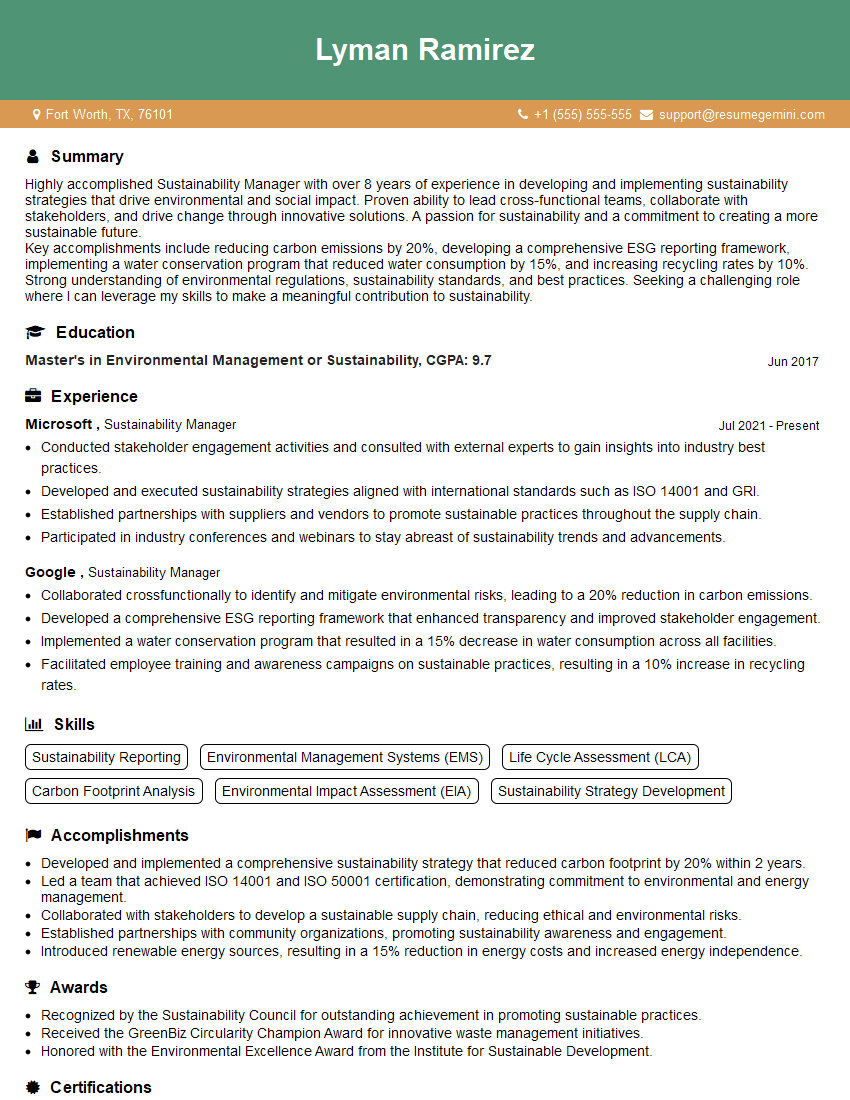
Sustainability Manager Resume Sample
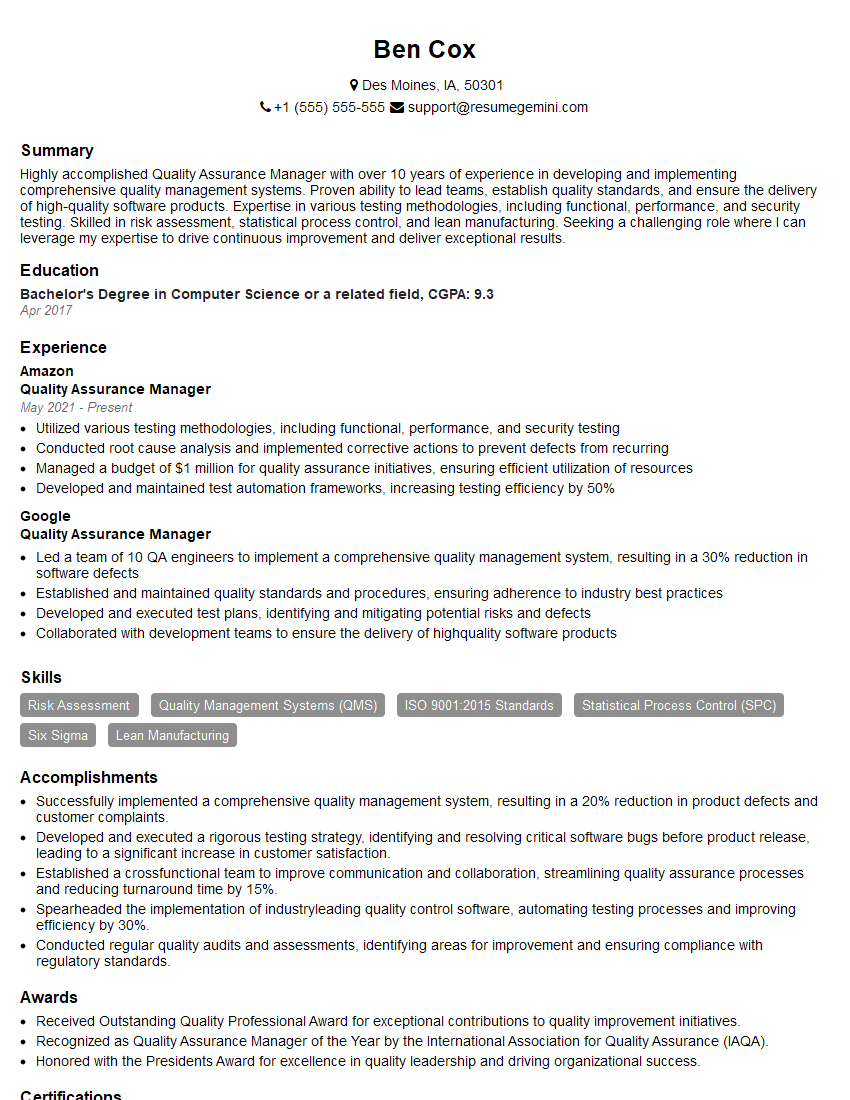
Quality Assurance Manager Resume Sample
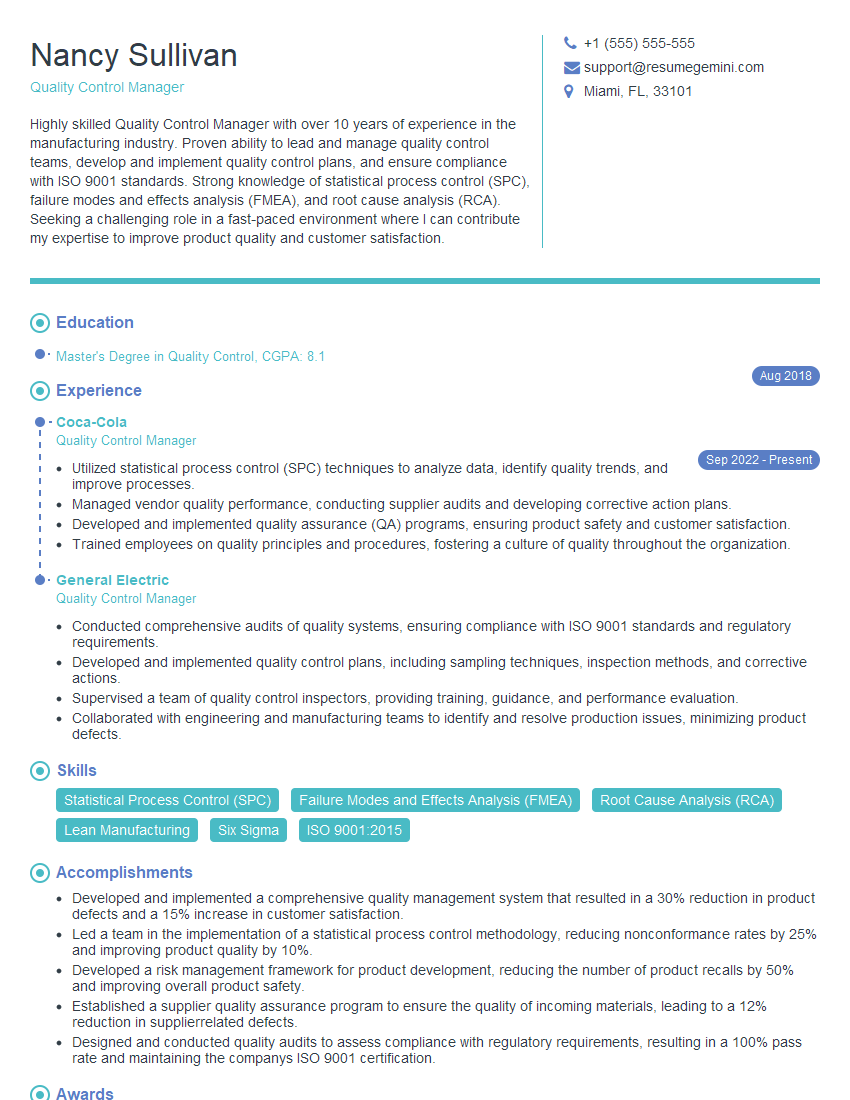
Quality Control Manager Resume Sample
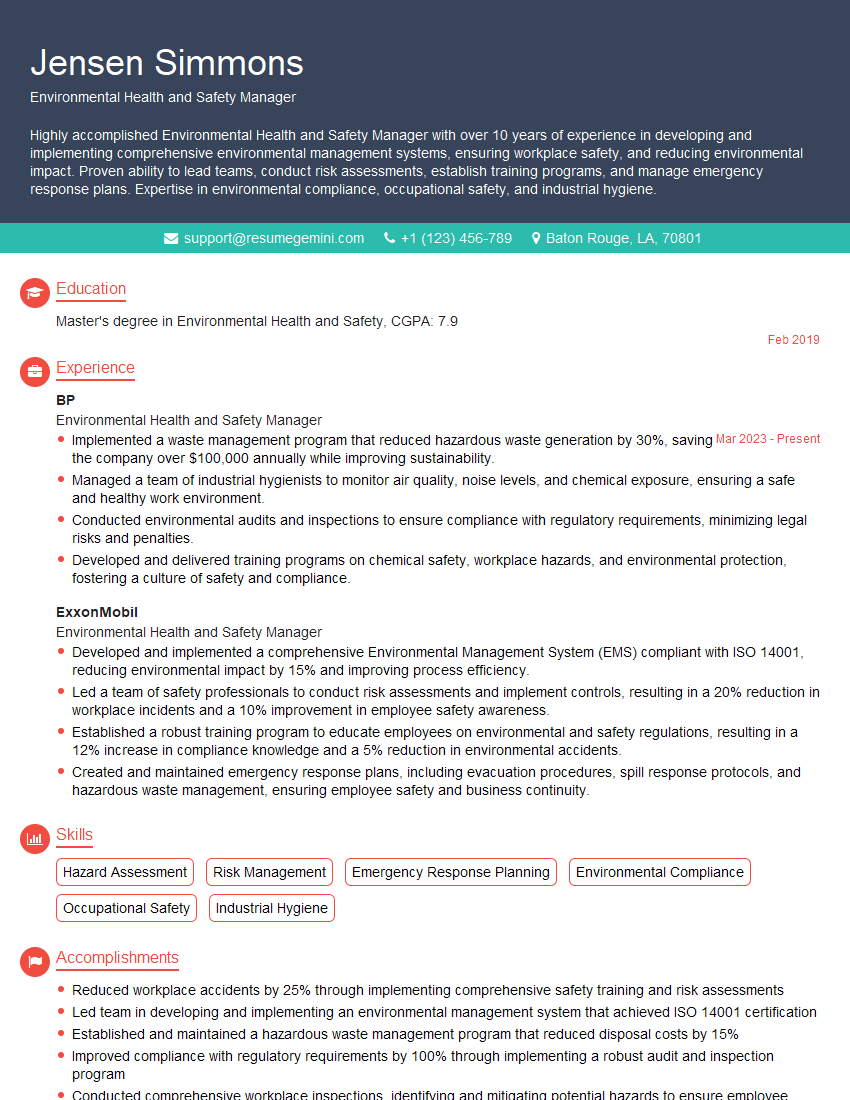
Environmental Health and Safety Manager Resume Sample
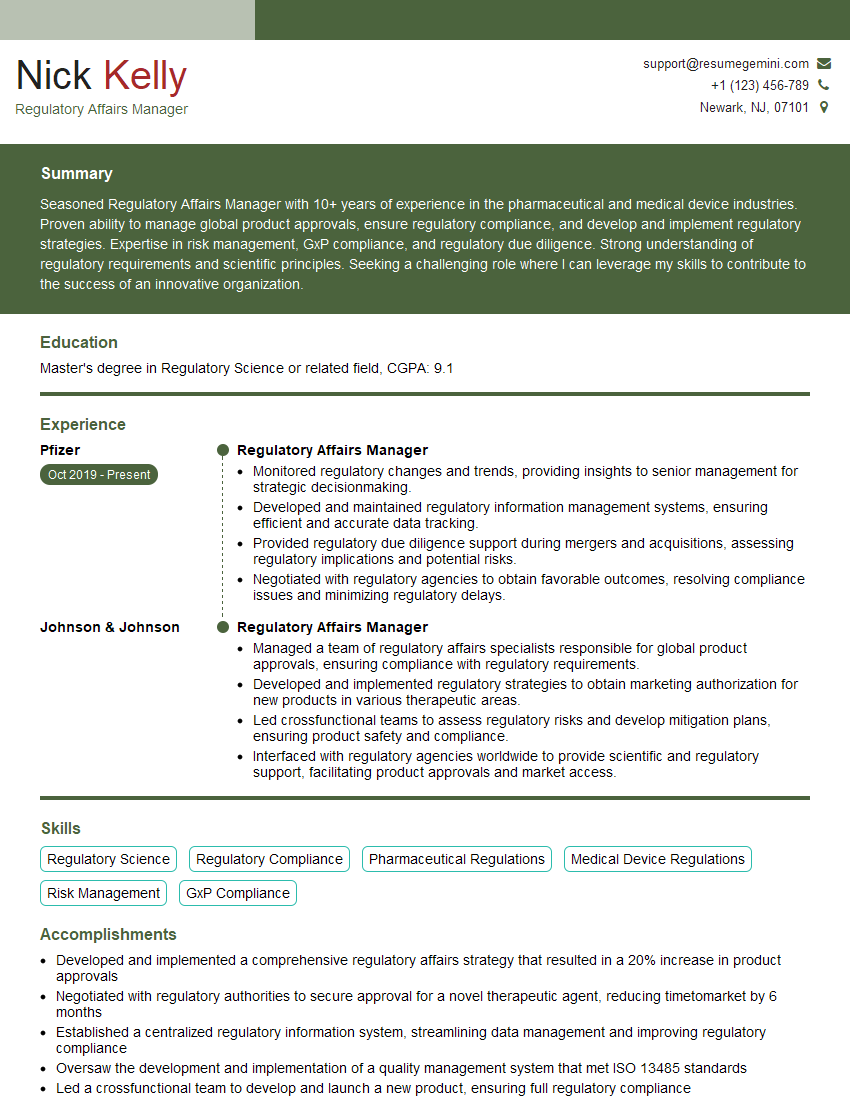
Regulatory Affairs Manager Resume Sample
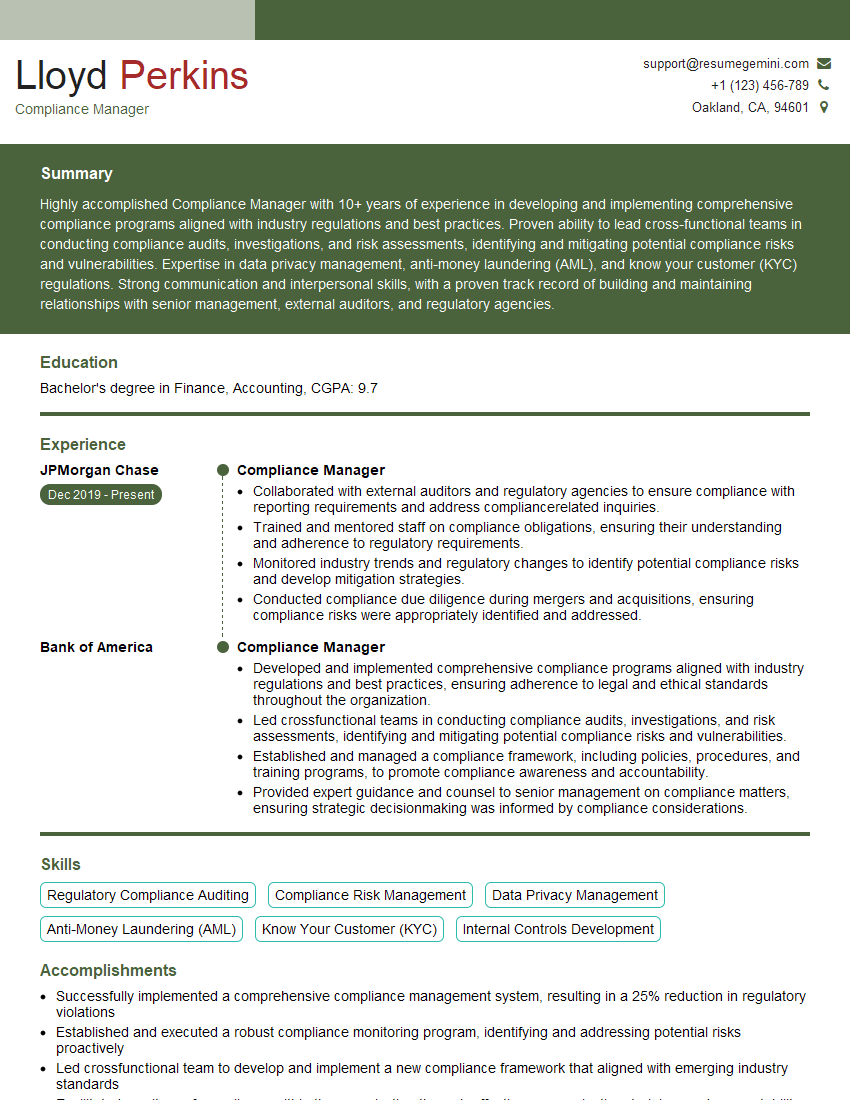
Compliance Manager Resume Sample
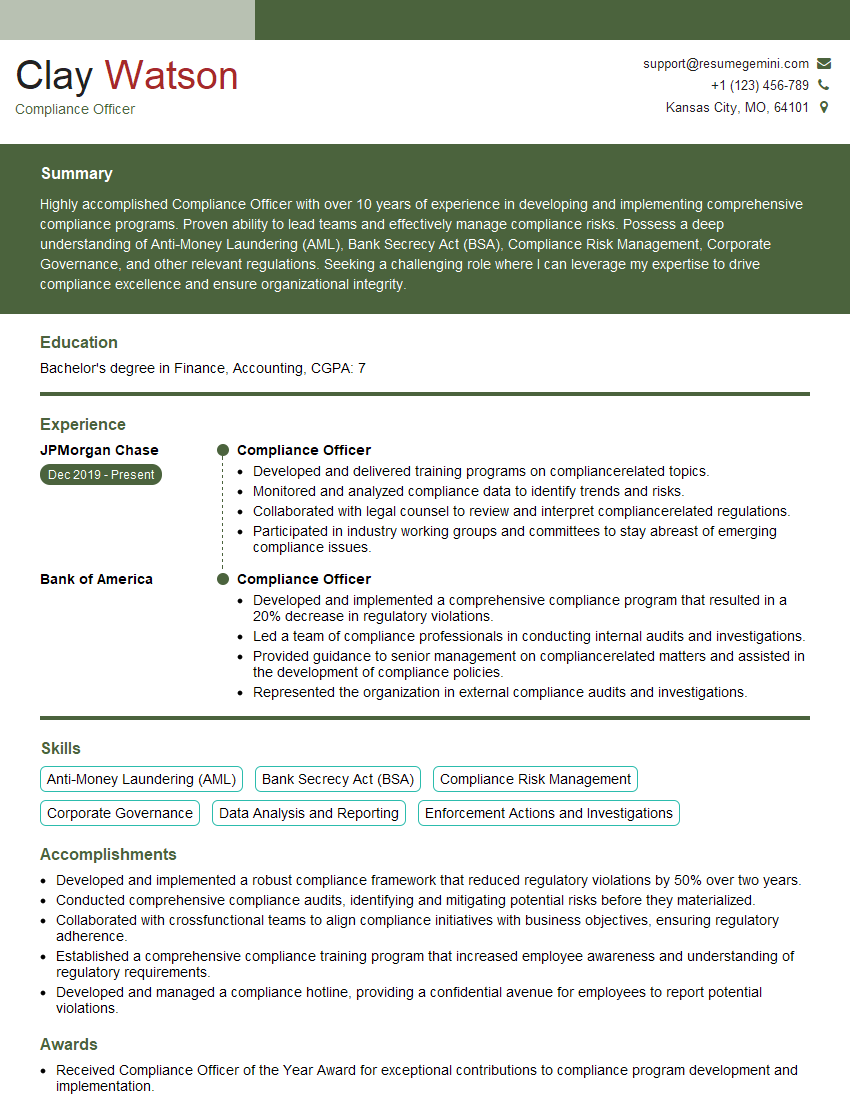
Compliance Officer Resume Sample
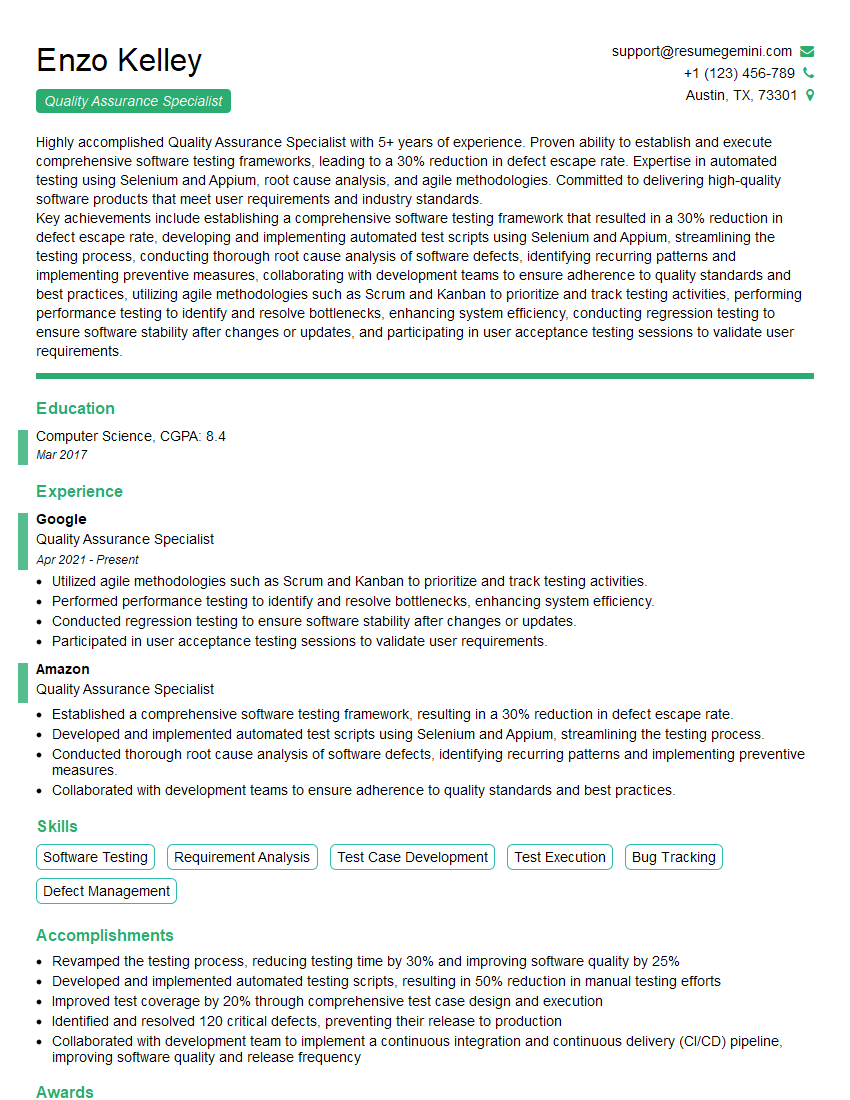
Quality Assurance Specialist Resume Sample
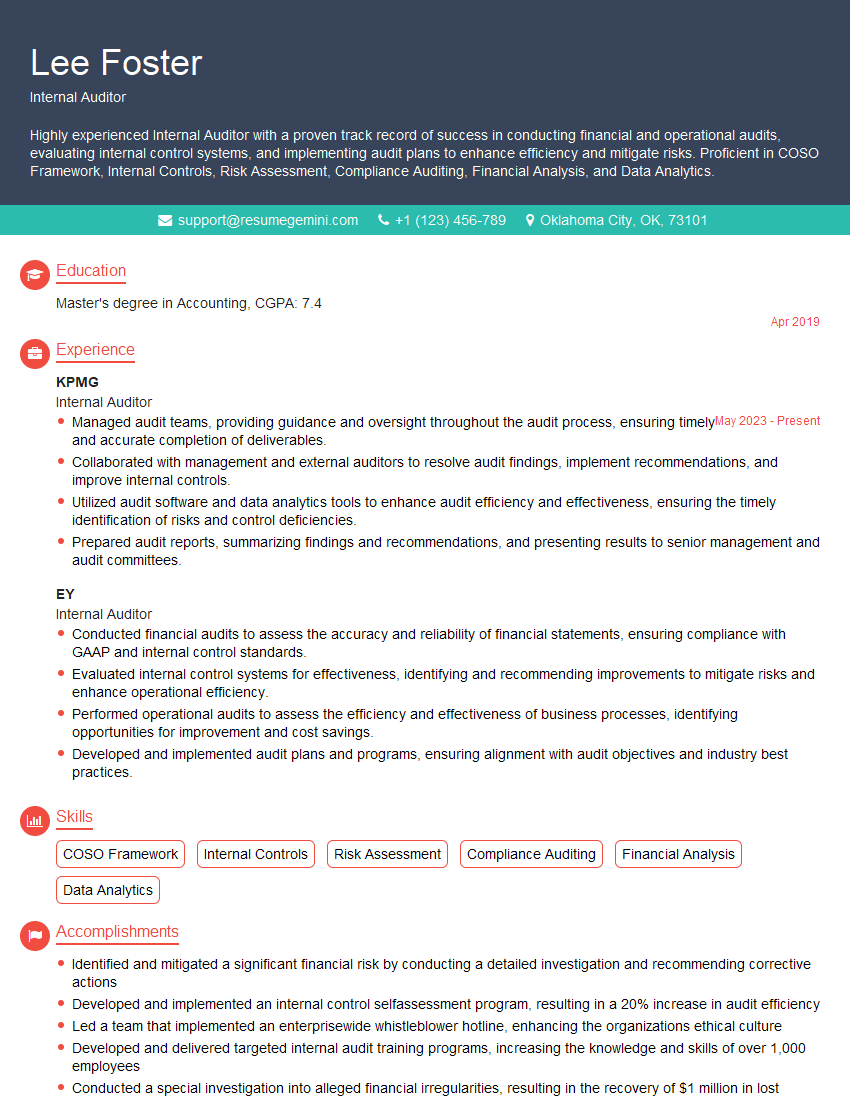
Internal Auditor Resume Sample

Risk Management Specialist Resume Sample
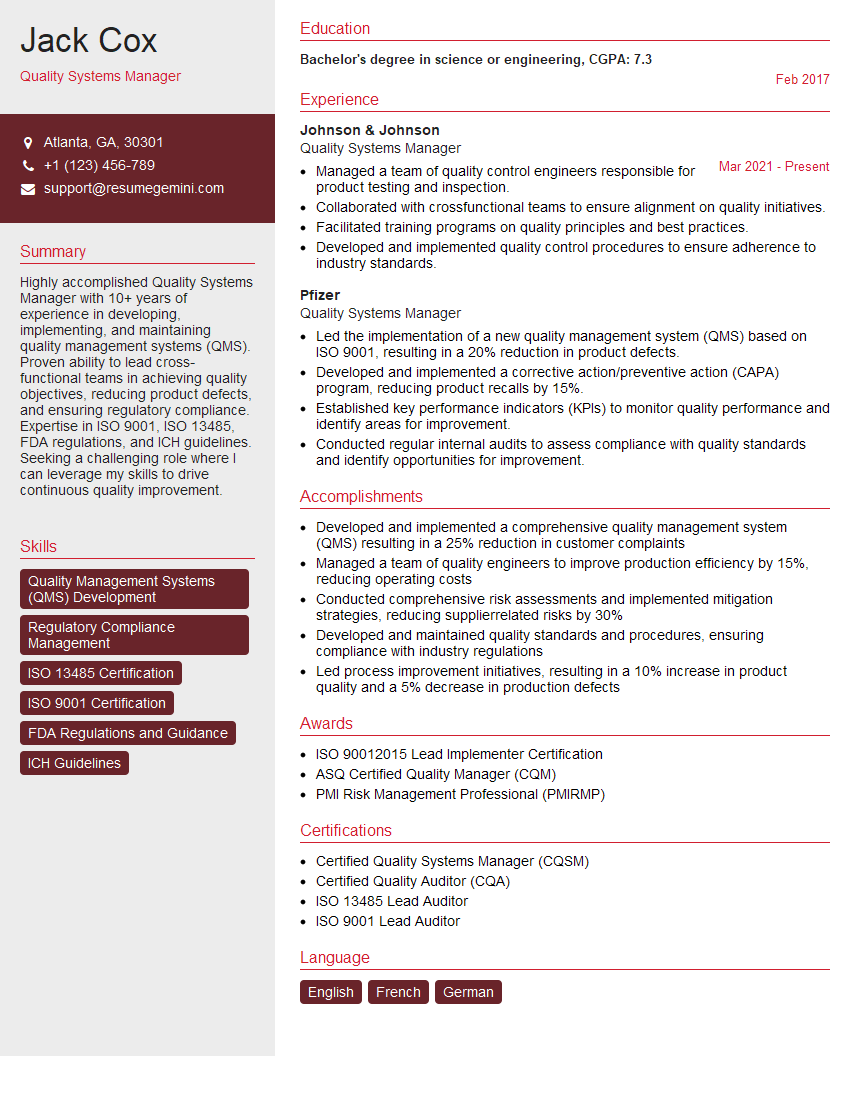
Quality Systems Manager Resume Sample
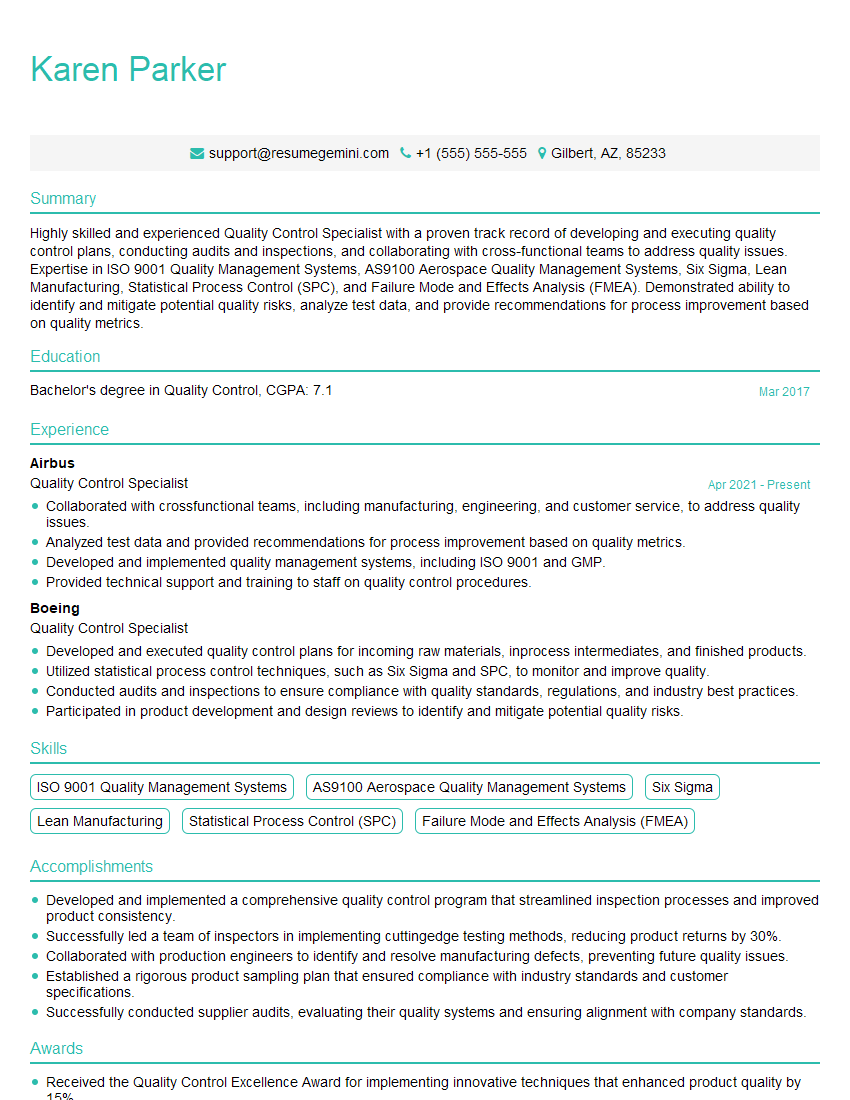
Quality Control Specialist Resume Sample
- Sustainability Manager
- Quality Assurance Manager
- Quality Control Manager
- Environmental Health and Safety Manager
- Regulatory Affairs Manager
- Compliance Manager
- Compliance Officer
- Quality Assurance Specialist
- Internal Auditor
- Risk Management Specialist
- Quality Systems Manager
- Quality Control Specialist
Explore more articles
Users Rating of Our Blogs
Share Your Experience
We value your feedback! Please rate our content and share your thoughts (optional).
What Readers Say About Our Blog
Very informative content, great job.
good