Feeling uncertain about what to expect in your upcoming interview? We’ve got you covered! This blog highlights the most important ISO 9001 and ISO 13485 Quality Management Systems interview questions and provides actionable advice to help you stand out as the ideal candidate. Let’s pave the way for your success.
Questions Asked in ISO 9001 and ISO 13485 Quality Management Systems Interview
Q 1. Explain the differences between ISO 9001 and ISO 13485.
Both ISO 9001 and ISO 13485 are Quality Management System (QMS) standards focused on achieving consistent customer satisfaction through effective processes. However, ISO 13485 is specifically tailored for medical device manufacturers, incorporating stricter requirements due to the higher risk associated with medical products.
- Scope: ISO 9001 has a broader scope, applicable to various industries. ISO 13485 is specifically for medical devices and related services.
- Regulations: ISO 13485 aligns more closely with regulatory requirements like FDA’s 21 CFR Part 820 and MDR (Medical Device Regulation) in Europe, emphasizing regulatory compliance and post-market surveillance.
- Risk Management: ISO 13485 places a greater emphasis on risk management throughout the entire product lifecycle, from design to post-market activities. ISO 9001 addresses risk, but not to the same extent.
- Traceability: ISO 13485 demands robust traceability of materials and products, vital for ensuring patient safety. While traceability is important in ISO 9001, the requirements are less stringent.
- Validation and Verification: ISO 13485 mandates more rigorous validation and verification processes to ensure the effectiveness of processes and the safety and performance of medical devices.
Imagine building a house (ISO 9001) versus a hospital (ISO 13485). Both require quality management, but the hospital faces stricter regulations, higher safety standards, and more rigorous oversight.
Q 2. Describe your experience conducting internal audits against ISO 9001 and ISO 13485.
I’ve conducted numerous internal audits for both ISO 9001 and ISO 13485 across various medical device companies. My approach involves a combination of documented procedures review, process observation, and staff interviews. For ISO 9001, I’d focus on the effectiveness of the QMS in meeting customer requirements, while for ISO 13485, I’d pay additional attention to areas like risk management, design controls, and post-market surveillance. For example, during an ISO 13485 audit, I’d verify that design input, design output, and verification and validation activities are thoroughly documented and support the intended use of the medical device. A common finding is insufficient risk management documentation; during the audit, I would assess whether the company accurately identified hazards, assessed risks, and implemented suitable risk controls.
I use a checklist based on the standard requirements and often tailor it based on the specific company’s processes and products. I document all findings and observations objectively, classifying them according to their severity and impact. This documentation forms the basis for a comprehensive audit report, which includes recommendations for corrective actions.
Q 3. What is a Corrective Action Preventive Action (CAPA) process and how have you implemented it?
A Corrective Action Preventive Action (CAPA) process is a systematic approach to identifying, investigating, and resolving nonconformances (actual problems) and preventing their recurrence (potential problems). It’s a crucial element of both ISO 9001 and ISO 13485.
In my experience, implementing a CAPA involves the following steps:
- Identify the Nonconformity: This could be a customer complaint, internal audit finding, or deviation from a process.
- Investigate the Root Cause: Thorough investigation using tools like 5 Whys, Fishbone diagrams, etc., is essential to understand the underlying cause and not just treat the symptoms.
- Implement Corrective Actions: Address the immediate problem to prevent recurrence. This might include procedural changes, staff training, or equipment upgrades.
- Implement Preventive Actions: Focus on preventing similar issues from happening in the future. This could involve proactively changing a process to eliminate the root cause, implementing improved controls, or updating training materials.
- Verify Effectiveness: Confirm that the implemented actions have resolved the problem and prevented recurrence. This often involves monitoring key performance indicators (KPIs).
- Document the Entire Process: Meticulous documentation is crucial, ensuring traceability and auditability of the entire CAPA process.
For example, if a batch of medical devices fails a quality test, the CAPA process would identify the root cause (e.g., faulty component), implement corrective actions (e.g., replace faulty component, re-test batch), and preventive actions (e.g., implement stricter incoming inspection procedures).
Q 4. How do you ensure traceability of materials and products in a medical device manufacturing environment?
Ensuring traceability in a medical device manufacturing environment is critical for patient safety and regulatory compliance. It involves maintaining a clear and unbroken chain of custody for all materials and products, from raw materials to finished goods and post-market surveillance. This is achieved through a combination of unique identification codes, detailed documentation, and robust tracking systems.
- Unique Identification: Each component, subassembly, and finished device is assigned a unique identifier, typically a serial number or lot number, tracked through each stage of the manufacturing process.
- Material Tracking System: A sophisticated system, often computerized, records the movement and transformation of materials through the production process. This system should be able to trace the origin of any material used in a finished device.
- Document Control: Complete and accurate documentation records the process history, including material certifications, test results, and manufacturing steps, thus linking all the information to the unique identifiers.
- Batch Records: Detailed batch records document the complete history of a batch of medical devices, including raw materials, process parameters, quality control test results, and the final disposition of the batch.
Imagine a recall scenario: If a problem is identified with a specific batch of devices, full traceability allows for quick identification and retrieval of all affected products and investigation of the root cause.
Q 5. Explain your understanding of risk management within the context of ISO 13485.
Risk management in ISO 13485 is a proactive and systematic process to identify, analyze, evaluate, and control risks associated with medical devices throughout their entire lifecycle. It’s not just about identifying hazards; it’s about understanding their likelihood and severity and implementing controls to mitigate the risks to an acceptable level.
ISO 13485 necessitates a risk management plan that includes:
- Hazard identification: Identifying potential hazards associated with the device and its use.
- Risk analysis: Evaluating the likelihood and severity of each hazard.
- Risk evaluation: Determining the acceptability of the risk.
- Risk control: Implementing controls to mitigate risks to an acceptable level.
- Risk monitoring: Regularly reviewing and updating the risk management plan based on new information or changes.
A risk management file would contain documentation of the hazards identified, risk analysis results, risk mitigation strategies, and post-market surveillance data. Tools like Failure Mode and Effects Analysis (FMEA) are commonly used to systematically evaluate potential failures and their effects on the safety and performance of the device.
Q 6. Describe your experience with document control within a QMS.
Document control is vital for a functional QMS. It’s the process of creating, reviewing, approving, distributing, updating, and archiving documents to ensure consistency, accuracy, and accessibility. Effective document control is essential for traceability and compliance.
My experience encompasses all facets of document control: creation of standardized templates, version control using numbering systems, distribution via controlled access systems, and regular review cycles to ensure documents remain relevant and accurate. I’ve implemented and managed document control systems using electronic document management systems (EDMS) which provides version control, audit trails, and access control. This offers significant benefits over paper-based systems.
For example, a change control process is fundamental; any change to a document must go through a formal review and approval process to ensure its accuracy and validity. This includes assigning document owners, establishing change request forms, and maintaining an audit trail of all revisions. This is crucial for assuring that the company is operating with the most current, validated versions of procedures and instructions.
Q 7. How do you manage nonconformances and customer complaints?
Managing nonconformances and customer complaints is crucial for maintaining a robust QMS. Both ISO 9001 and ISO 13485 require a structured approach to address these issues.
Nonconformances: These are deviations from specified requirements. My approach involves immediate investigation to determine the root cause using appropriate techniques. Corrective actions are then implemented to rectify the nonconformance and prevent recurrence, in accordance with the CAPA process already described. This includes documented corrective actions, verification of their effectiveness, and review of the affected product.
Customer Complaints: Customer complaints are treated with utmost seriousness and are viewed as valuable feedback. My process includes:
- Acknowledgment: Prompt acknowledgment of the complaint and initial contact with the customer.
- Investigation: Thorough investigation of the complaint to determine the root cause and the impact on the customer.
- Response: Providing a timely response to the customer explaining the corrective action taken.
- Resolution: Implementing corrective actions to resolve the customer’s issue, prevent recurrence, and improve customer satisfaction.
- Analysis of trends: Analyzing customer complaints and nonconformances to identify trends and improve the QMS. This feedback often feeds directly into the CAPA process.
In both cases, maintaining detailed records is crucial for traceability and continuous improvement. This data is crucial for identifying systemic issues and implementing preventive actions.
Q 8. What is your experience with root cause analysis techniques?
Root cause analysis (RCA) is a systematic process for identifying the underlying causes of problems, not just the symptoms. My experience encompasses a range of techniques, including the 5 Whys, Fishbone diagrams (Ishikawa diagrams), Fault Tree Analysis (FTA), and Failure Mode and Effects Analysis (FMEA).
For instance, in a previous role, we used the 5 Whys to investigate recurring failures in a medical device assembly. By repeatedly asking ‘Why?’ after each identified cause, we unearthed a root cause related to improper training of assembly line personnel, leading to inconsistent torque application on a critical fastener. This ultimately led to improved training materials and a significant reduction in failures.
Fishbone diagrams are excellent for brainstorming multiple potential causes categorized by different factors (e.g., manpower, materials, methods, machinery). FTA visually represents the various failure modes and their contributing factors, particularly useful for complex systems. FMEA proactively identifies potential failures in a design or process and assesses their severity, likelihood, and detectability, allowing for preventative actions.
Q 9. Explain the concept of process validation within a regulated environment.
Process validation in a regulated environment like medical devices (ISO 13485) is the documented evidence that a process consistently produces a product meeting its predetermined specifications and quality attributes. It’s not a one-time event, but an ongoing process encompassing design qualification (DQ), installation qualification (IQ), operational qualification (OQ), and performance qualification (PQ).
DQ verifies the suitability of the equipment and facilities for intended use. IQ confirms correct installation and configuration. OQ demonstrates that the equipment performs as intended under defined operating conditions. PQ shows the process consistently meets predetermined quality and performance criteria under actual operating conditions.
For example, in validating a sterilization process for a medical instrument, DQ would involve selecting a sterilizer appropriate for the device’s material. IQ would document the installation, calibration, and functionality tests. OQ would demonstrate that the sterilizer consistently reaches the target temperature and pressure. Finally, PQ would involve testing the sterility of multiple batches of the instrument processed under routine operating conditions.
Q 10. How do you ensure the effectiveness of your QMS?
Ensuring QMS effectiveness requires a multi-faceted approach. Internal audits are crucial for assessing compliance with the established QMS and identifying areas for improvement. Regular management reviews provide a high-level perspective on QMS performance and effectiveness. Data analysis helps track key performance indicators (KPIs) such as defect rates, customer complaints, and corrective action effectiveness. Corrective and preventive actions (CAPA) are vital for addressing identified nonconformities and preventing recurrence.
Furthermore, continuous improvement methodologies like Plan-Do-Check-Act (PDCA) cycle should be actively used to drive enhancements. Employee training and awareness of QMS requirements and responsibilities play a significant role in success. Finally, regular calibration and maintenance of equipment ensure consistent and accurate results.
Q 11. What is your experience with management review meetings?
Management review meetings are a critical component of any effective QMS, serving as a forum for top management to review the QMS’s performance and effectiveness. My experience includes facilitating and participating in these meetings, focusing on key performance indicators (KPIs), reviewing audit findings, addressing customer feedback, and assessing the adequacy of resources. I’ve found that a well-structured agenda, including pre-meeting data compilation and clear communication of expectations, ensures productive meetings.
Examples of topics covered include: review of audit results, customer satisfaction data, performance against key quality objectives, review of CAPA effectiveness, resource allocation decisions, and planning for future improvements. Minutes of the meeting are meticulously documented and distributed, ensuring accountability and traceability of actions.
Q 12. Describe your understanding of Design Control within ISO 13485.
Design control in ISO 13485 is a crucial process to ensure that medical devices are safe, effective, and meet regulatory requirements. It encompasses a systematic approach for planning, implementing, and controlling all aspects of the design process, from initial concept to final product release.
Key elements include: defining design inputs (customer needs, regulatory requirements), planning design outputs, designing and developing the device, conducting design reviews, verifying and validating the design, performing design transfer to manufacturing, and maintaining design records. Each stage involves detailed documentation and rigorous verification and validation processes to ensure the device meets its intended purpose while mitigating risks.
For example, a design review would involve a multidisciplinary team evaluating design specifications, identifying potential risks and proposing mitigating actions. Verification ensures the design conforms to specified requirements, while validation confirms it meets user needs and intended use.
Q 13. Explain your experience with Supplier Management within a QMS.
Effective supplier management is essential for maintaining the quality of products and services within a QMS. My experience involves establishing and implementing robust supplier selection, evaluation, and monitoring processes. This typically includes creating a supplier selection criteria based on factors like quality capabilities, capacity, and compliance with relevant standards (e.g., ISO 9001, ISO 13485).
Supplier performance is continuously monitored using key indicators such as on-time delivery, quality of incoming materials, and adherence to agreed-upon specifications. Regular audits and inspections of suppliers are conducted to verify their quality management systems. A documented process is in place for addressing supplier nonconformances and improving their performance. The selection process often employs a weighted scoring system, allowing for objective comparison of potential suppliers and informed decision-making.
Q 14. What are the key elements of a robust quality policy?
A robust quality policy is a high-level statement that outlines an organization’s commitment to quality. Key elements include a clear statement of commitment to meeting customer and regulatory requirements, continuous improvement, and the prevention of nonconformities. The policy must define the organization’s quality objectives and how these objectives will be achieved. It should be concise, easily understood, and accessible to all employees.
It should also explicitly state the commitment to compliance with relevant standards (such as ISO 9001 and ISO 13485, if applicable) and regulatory requirements. The policy should be regularly reviewed and updated to reflect changes in the organization’s operations, customer needs, and regulatory landscape. A strong policy is not just a document; it’s a living guide that drives organizational culture and behaviors.
Q 15. How do you measure the effectiveness of your quality management system?
Measuring the effectiveness of a Quality Management System (QMS) isn’t a one-size-fits-all approach; it’s a continuous process of monitoring, analysis, and improvement. We use a multifaceted approach incorporating both leading and lagging indicators.
- Lagging Indicators: These measure the results of our QMS, like the number of customer complaints, the rate of non-conformances, the percentage of customer satisfaction, and the cost of quality (prevention, appraisal, internal failure, and external failure). A consistently low rate of customer complaints, for instance, suggests a well-functioning QMS.
- Leading Indicators: These anticipate potential problems by focusing on the processes themselves. Examples include employee training completion rates, the effectiveness of our internal audits, the timeliness of corrective actions, and the proactive identification of potential risks through Failure Mode and Effects Analysis (FMEA). High training completion rates indicate a proactive approach to ensuring competence, a key element of a robust QMS.
We regularly analyze this data, using tools like control charts and Pareto diagrams to identify trends and pinpoint areas needing attention. This data-driven approach allows for targeted improvements and prevents problems from escalating.
Career Expert Tips:
- Ace those interviews! Prepare effectively by reviewing the Top 50 Most Common Interview Questions on ResumeGemini.
- Navigate your job search with confidence! Explore a wide range of Career Tips on ResumeGemini. Learn about common challenges and recommendations to overcome them.
- Craft the perfect resume! Master the Art of Resume Writing with ResumeGemini’s guide. Showcase your unique qualifications and achievements effectively.
- Don’t miss out on holiday savings! Build your dream resume with ResumeGemini’s ATS optimized templates.
Q 16. Explain your experience with implementing a quality management system.
My experience spans over ten years, encompassing both ISO 9001 and ISO 13485 implementations across various industries, including medical device manufacturing and pharmaceuticals. I’ve been involved in every stage, from initial gap analysis and documentation development to full-scale implementation, internal audits, and management review.
In one instance, I led the ISO 13485 implementation for a startup medical device company. This involved defining clear roles and responsibilities, establishing robust document control procedures, implementing a comprehensive risk management process (including FMEA and hazard analysis), and creating a traceability system to track devices from raw materials to post-market surveillance. We faced challenges such as limited resources and a steep learning curve, but by employing iterative planning and focusing on key regulatory requirements, we successfully achieved certification within six months.
Another experience involved helping a larger pharmaceutical company improve their existing ISO 9001 system by streamlining processes and integrating new technologies, like electronic document management. We focused on reducing waste, improving efficiency and enhancing data traceability through digitalization.
Q 17. How do you handle conflicts between different departments regarding quality issues?
Conflicts between departments regarding quality issues are inevitable in any organization. My approach emphasizes collaboration and open communication. I utilize a structured approach to conflict resolution, involving the following steps:
- Identify the root cause: The conflict usually stems from differing perspectives or misunderstandings about responsibilities. Facilitated discussions involving all parties are essential to understand the underlying issues.
- Establish common goals: Reframing the situation to highlight shared objectives – ensuring product quality and customer satisfaction – helps everyone focus on the bigger picture.
- Develop a collaborative solution: Instead of imposing a solution, I facilitate brainstorming sessions that empower each department to contribute ideas. This fosters ownership and commitment to the final resolution.
- Implement and monitor: Once a solution is agreed upon, we establish clear responsibilities and timelines for implementation. Regular follow-up ensures the solution is effective and that conflicts don’t re-emerge.
The use of data and objective evidence is crucial. For instance, if conflicting data exists about a certain process, we carefully review the evidence to find the source of error or discrepancy.
Q 18. Describe your experience with data analysis and reporting within a QMS.
Data analysis and reporting are cornerstones of a functioning QMS. My experience involves using various techniques to analyze data from multiple sources. This includes using data from internal audits, customer feedback surveys, nonconformances reports, CAPA (Corrective and Preventive Actions) records and key performance indicators (KPIs).
I’m proficient in using statistical software and tools like Minitab or JMP to perform advanced analysis. For instance, I’ve used control charts to monitor process stability, Pareto charts to identify the most frequent causes of defects, and scatter plots to examine correlations between variables.
Reporting is equally important. I create concise and visually appealing reports that highlight key findings and communicate recommendations to management. This includes using dashboards and scorecards to provide a high-level overview of QMS performance. Transparency and clear communication are paramount, enabling all stakeholders to understand the current status of the QMS and areas for improvement.
Q 19. What are the key regulatory requirements for medical devices in your region?
(Note: This answer will vary depending on the region. The following example uses the United States as a reference point. Replace with the relevant region for a complete answer).
In the United States, the key regulatory requirements for medical devices are governed primarily by the Food and Drug Administration (FDA). These regulations cover various aspects of the product lifecycle, including:
- Premarket Notification (510(k)): For devices substantially equivalent to a predicate device already on the market.
- Premarket Approval (PMA): For high-risk devices requiring rigorous premarket review and clinical data.
- De Novo Classification: For novel devices without a predicate.
- Quality System Regulations (QSR): 21 CFR Part 820 outlines the quality system requirements for medical device manufacturers, encompassing design controls, manufacturing processes, and post-market surveillance.
- Medical Device Reporting (MDR): Mandates reporting of adverse events associated with medical devices.
Compliance with these regulations is critical to ensure patient safety and market access.
Q 20. How do you stay current with changes and updates to ISO 9001 and ISO 13485 standards?
Staying current with ISO 9001 and ISO 13485 is crucial. I employ a multi-pronged approach:
- Subscription to Standards Organizations: I subscribe to updates from organizations like ISO and relevant regulatory bodies. This provides direct access to the latest revisions and interpretations.
- Professional Development: I actively participate in conferences, webinars, and training courses focused on ISO 9001 and ISO 13485, ensuring I’m familiar with the latest best practices and interpretations.
- Networking with Peers: Engaging with other quality professionals through industry associations and online forums facilitates the exchange of information and best practices.
- Regular Internal Training: I provide updates to my team members on significant changes and encourage ongoing professional development to ensure organizational compliance.
By combining these methods, I can maintain a high level of competence and ensure our QMS remains compliant and effective.
Q 21. Describe a time you identified and resolved a significant quality issue.
During a routine internal audit, we discovered a significant discrepancy in the calibration records for a crucial piece of testing equipment used in our medical device manufacturing process. The equipment was out of calibration for several weeks, meaning numerous devices may have been produced outside of specifications.
My immediate response was to initiate a full investigation. We traced all affected devices using our traceability system and conducted a thorough review of the calibration procedures. The root cause analysis revealed a failure in the scheduling and notification system for calibration.
We implemented corrective actions, including improvements to the calibration process, including automated reminders and a more robust tracking system. The affected devices were either recalled or re-tested and released according to established procedures. We also implemented preventive actions to avoid a recurrence, including staff retraining and process standardization. A thorough CAPA report was completed and documented. This experience highlighted the importance of robust process controls and the critical role of internal audits in identifying potential risks before they impact patient safety.
Q 22. Explain your experience with statistical process control (SPC).
Statistical Process Control (SPC) is a powerful methodology used to monitor and control processes by identifying and addressing variations. It’s like having a dashboard for your processes, showing you if they’re running smoothly or heading towards trouble. I’ve extensively used SPC tools like control charts (e.g., X-bar and R charts, p-charts, c-charts) in various projects. For example, in a medical device manufacturing setting, we used X-bar and R charts to monitor the diameter of a crucial component. By plotting the data, we could quickly identify any trends or outliers indicating potential issues with the manufacturing process before they led to defects. This allowed us to proactively adjust parameters and prevent non-conformances, ensuring consistent product quality. Another example involved using p-charts to monitor the defect rate in the assembly process. This helped us identify a specific step in the assembly that was contributing to higher defect rates, allowing for targeted improvements.
My experience also includes interpreting control chart data to determine process capability and identifying assignable causes of variation, using techniques like Pareto analysis to prioritize corrective actions. In short, SPC isn’t just about charting data; it’s about using that data to drive proactive improvements and maintain consistent, high-quality outputs, essential for both ISO 9001 and ISO 13485 compliance.
Q 23. How do you handle customer complaints and resolve them efficiently?
Handling customer complaints is crucial for maintaining customer satisfaction and identifying areas for improvement. My approach is based on a structured process that prioritizes prompt response and effective resolution. I start by acknowledging the complaint promptly and empathizing with the customer. Then, I gather all relevant information to fully understand the issue. This involves asking clarifying questions, reviewing documentation, and potentially conducting an on-site investigation. Once the root cause is identified, I work collaboratively with the relevant teams to develop and implement corrective actions. This might involve redesigning a product, improving a process, or providing additional training to staff.
Following resolution, I follow up with the customer to ensure they are satisfied. This is vital not only for immediate customer retention but also for building long-term relationships. Importantly, I also document the entire process, including the complaint, investigation, resolution, and follow-up. This information is valuable for identifying trends and improving the overall quality management system. For example, several similar complaints about a specific product feature might indicate a design flaw needing attention.
Q 24. Describe your experience with audits from regulatory bodies.
I have extensive experience undergoing audits from various regulatory bodies, including those focused on ISO 9001 and ISO 13485. These audits are rigorous, and I’ve learned to approach them proactively. My approach includes thorough preparation, ensuring all documentation is up to date and compliant. This involves maintaining meticulous records, ensuring that our processes are consistently implemented, and having staff trained and ready to answer auditor questions. During the audit itself, I maintain open communication with the auditors and address any non-conformances promptly and thoroughly. I’ve found that a collaborative approach is key. By demonstrating a commitment to continuous improvement, we’ve consistently received positive audit outcomes.
One example involved a recent audit where a minor non-conformity was identified related to documentation control. We addressed it immediately by clarifying the procedure, providing additional training to staff, and implementing an improved system for document version control. This proactive approach demonstrated our commitment to compliance and resulted in a positive audit outcome.
Q 25. What is your familiarity with quality tools such as FMEA, 5 Whys, and Fishbone diagrams?
I’m proficient in several quality tools, including FMEA (Failure Mode and Effects Analysis), 5 Whys, and Fishbone (Ishikawa) diagrams. These tools are invaluable for proactive problem-solving and risk mitigation.
- FMEA helps anticipate potential failures in a process or product and assess their severity, occurrence, and detectability. This allows us to prioritize preventative actions. For example, in a medical device development, we used FMEA to identify potential risks associated with a specific component, leading us to implement design changes and rigorous testing protocols.
- 5 Whys is a simple yet powerful technique to drill down to the root cause of a problem by repeatedly asking “Why?” This iterative questioning helps move beyond superficial explanations to reveal the underlying issues. For instance, if a patient reported a malfunctioning device, we might use 5 Whys to trace the cause to a faulty component, a flaw in the assembly process, or a problem in quality control.
- Fishbone diagrams are used for brainstorming potential causes of a problem, categorized by different factors like materials, methods, manpower, and machinery. They provide a visual representation of all potential contributing factors, which is helpful in collaborative problem-solving sessions. I have used Fishbone diagrams to identify the root causes of high defect rates in a specific manufacturing process.
Using these tools in combination allows for comprehensive risk management and problem-solving, crucial for maintaining high-quality products and compliant QMS.
Q 26. How do you ensure that your QMS is compliant with all applicable regulations?
Ensuring QMS compliance involves a multi-faceted approach. It starts with a thorough understanding of all applicable regulations, which vary significantly depending on the industry and location. For medical devices, this includes ISO 13485, relevant FDA regulations (21 CFR Part 820 in the US), and other country-specific requirements. For general manufacturing, ISO 9001 is a fundamental standard. We maintain a regulatory register that tracks all applicable regulations and standards.
Regular internal audits are essential, focusing on process adherence, documentation control, and compliance with regulatory requirements. Corrective and preventive actions are implemented promptly to address any identified gaps. We also conduct management reviews to evaluate the effectiveness of the QMS and ensure alignment with business objectives and regulatory requirements. Maintaining up-to-date training for all personnel on relevant regulations and procedures is critical. Continuous monitoring and improvement are key; regular updates to procedures and processes ensure our QMS remains compliant as regulations evolve. Finally, using a robust document control system that ensures traceability and version control is crucial for maintaining compliance.
Q 27. Describe your experience with quality planning and control during product development.
Quality planning and control during product development are paramount. My approach integrates quality considerations throughout the entire product lifecycle, starting with the initial design phase. We conduct thorough risk assessments using tools like FMEA, which helps identify and mitigate potential quality issues early in the development process. Design verification and validation activities are essential, ensuring the product meets its intended specifications and performance requirements. This often involves rigorous testing and data analysis. During manufacturing, quality control processes are implemented to monitor production parameters, inspect finished products, and ensure consistency. We use statistical process control (SPC) to monitor critical process parameters and identify and correct potential variations before they lead to defects. Close collaboration with manufacturing and engineering teams is critical throughout the entire process to ensure that quality is built into the product from design to manufacturing. For example, involving quality engineers in design reviews, regularly monitoring manufacturing processes, and implementing stringent quality checks during assembly can significantly minimize defects and product recalls. This proactive approach significantly reduces issues in the later stages and minimizes costs.
Q 28. What is your understanding of the concept of continuous improvement within a QMS?
Continuous improvement (CI) is the cornerstone of any effective QMS, and it’s not just about fixing problems; it’s about proactively seeking better ways of doing things. It’s a mindset that permeates all aspects of the organization. CI is driven by data, utilizing metrics to identify areas for improvement and tracking progress towards goals. Tools like PDCA (Plan-Do-Check-Act) cycle are fundamental. We use this cycle to implement small, iterative improvements, continuously refining our processes. Employee involvement is critical; empowering employees to identify and propose improvements fosters a culture of continuous improvement. Regular management reviews ensure that the CI initiatives are aligned with the overall organizational goals. One example of continuous improvement is using data from customer feedback surveys to identify areas of weakness and subsequently improve our products or services. Another example is analyzing defect data to pinpoint areas where process improvements can reduce waste and increase efficiency. Continuous improvement is an ongoing journey that demands consistent effort, commitment, and adaptation to remain competitive and deliver superior quality.
Key Topics to Learn for ISO 9001 and ISO 13485 Quality Management Systems Interview
- Understanding the Scope and Context: Defining the organization’s boundaries and understanding how the QMS interacts with external factors. Consider practical application in diverse organizational structures.
- Leadership and Commitment: Exploring the role of top management in establishing and maintaining the QMS. Discuss practical examples of effective leadership in quality initiatives.
- Risk-Based Thinking: Identifying, analyzing, and addressing risks and opportunities affecting the QMS. Practice applying risk assessment methodologies in real-world scenarios.
- Resource Management: Understanding the resources needed (human, physical, financial) to implement and maintain the QMS. Develop examples of efficient resource allocation strategies.
- Operational Planning and Control: Determining operational processes, controlling them, and ensuring continuous improvement. Practice troubleshooting common operational issues.
- Performance Evaluation: Monitoring, measuring, analyzing, and evaluating QMS performance. Explore different performance indicators (KPIs) and their interpretation.
- Improvement: Understanding the processes for nonconformity management, corrective actions, and continuous improvement. Practice root cause analysis techniques.
- ISO 13485 Specifics: Focus on the unique requirements for medical devices, including regulatory compliance, risk management specific to medical devices, and post-market surveillance. Explore the differences between ISO 9001 and ISO 13485 requirements.
- Document Control and Record Management: Understand the importance of version control, record retention, and the overall management of documentation within the QMS. Analyze best practices for effective document management.
- Internal Audits and Management Review: Prepare to discuss the purpose and methodology of internal audits and management reviews as key mechanisms for system oversight and continuous improvement.
Next Steps
Mastering ISO 9001 and ISO 13485 Quality Management Systems significantly enhances your career prospects in various industries, demonstrating a valuable skillset highly sought after by employers. Investing time in understanding these systems will open doors to numerous opportunities and higher earning potential. To maximize your job search success, creating an ATS-friendly resume is crucial. ResumeGemini is a trusted resource that can help you build a professional and impactful resume. We provide examples of resumes tailored to ISO 9001 and ISO 13485 Quality Management Systems to guide you in crafting your own compelling application materials.
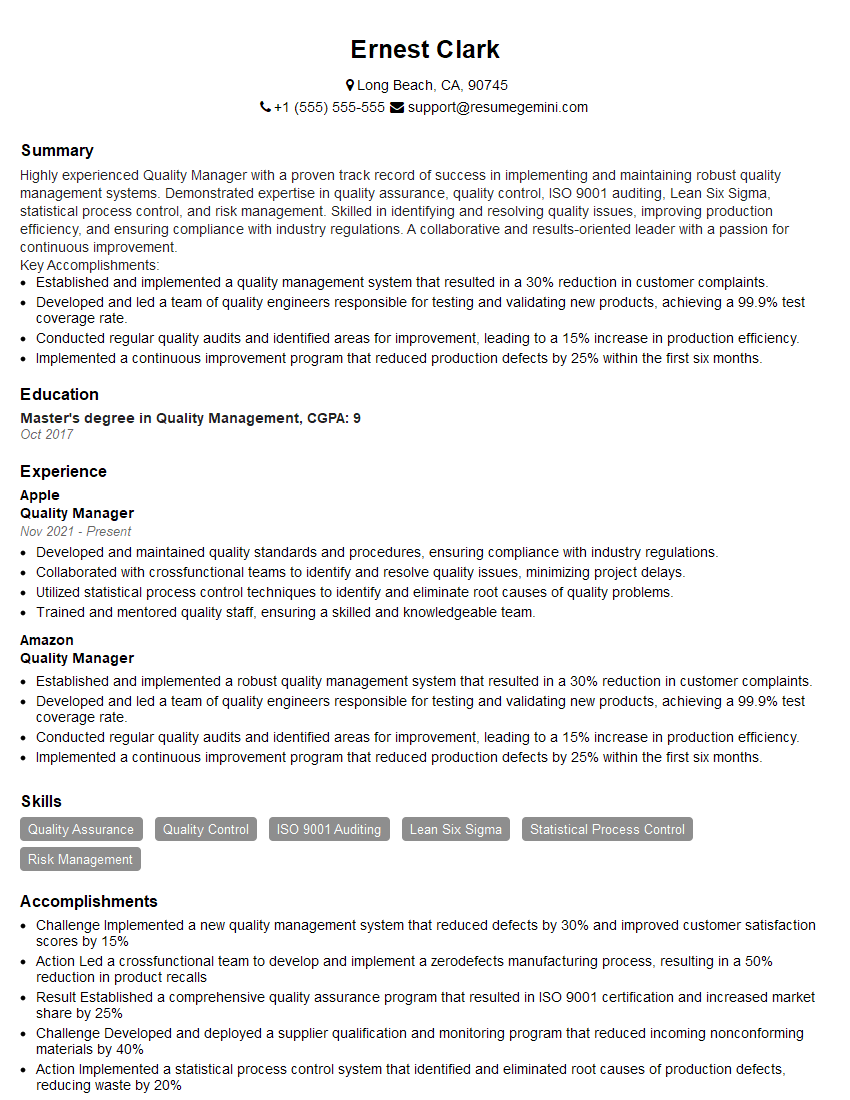
Quality Manager Resume Sample
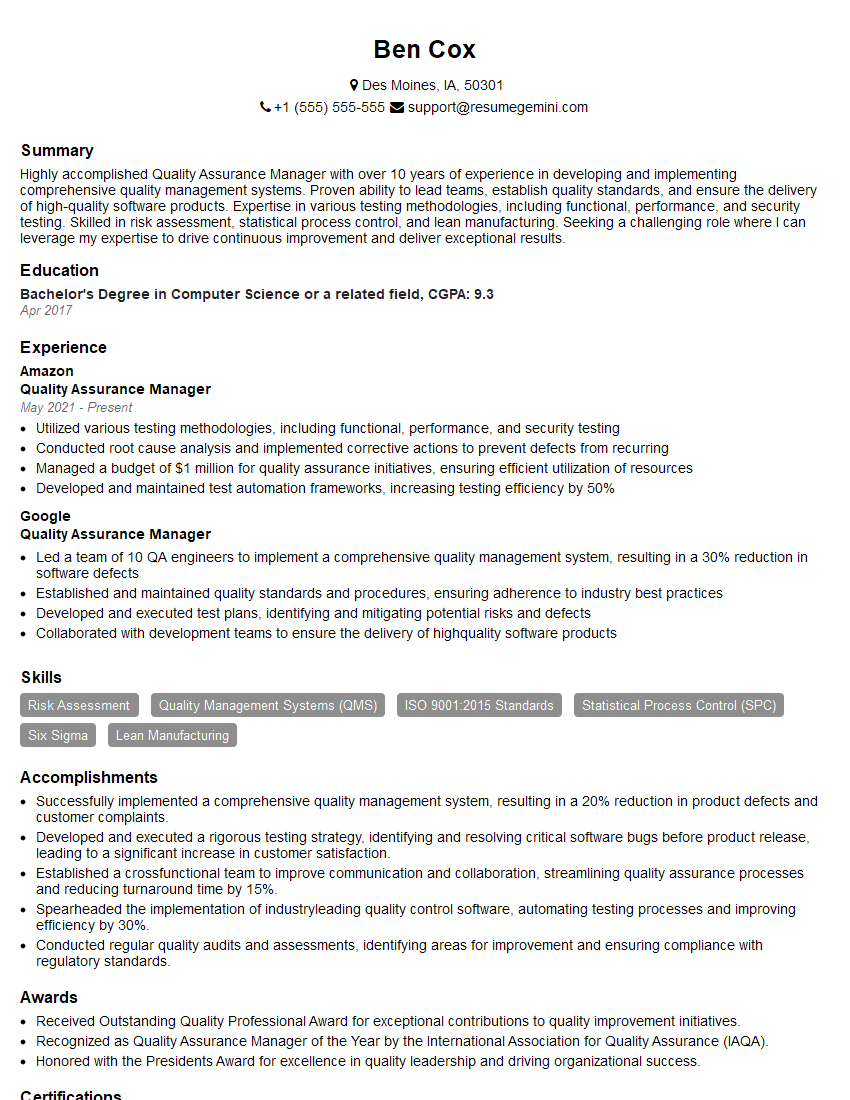
Quality Assurance Manager Resume Sample
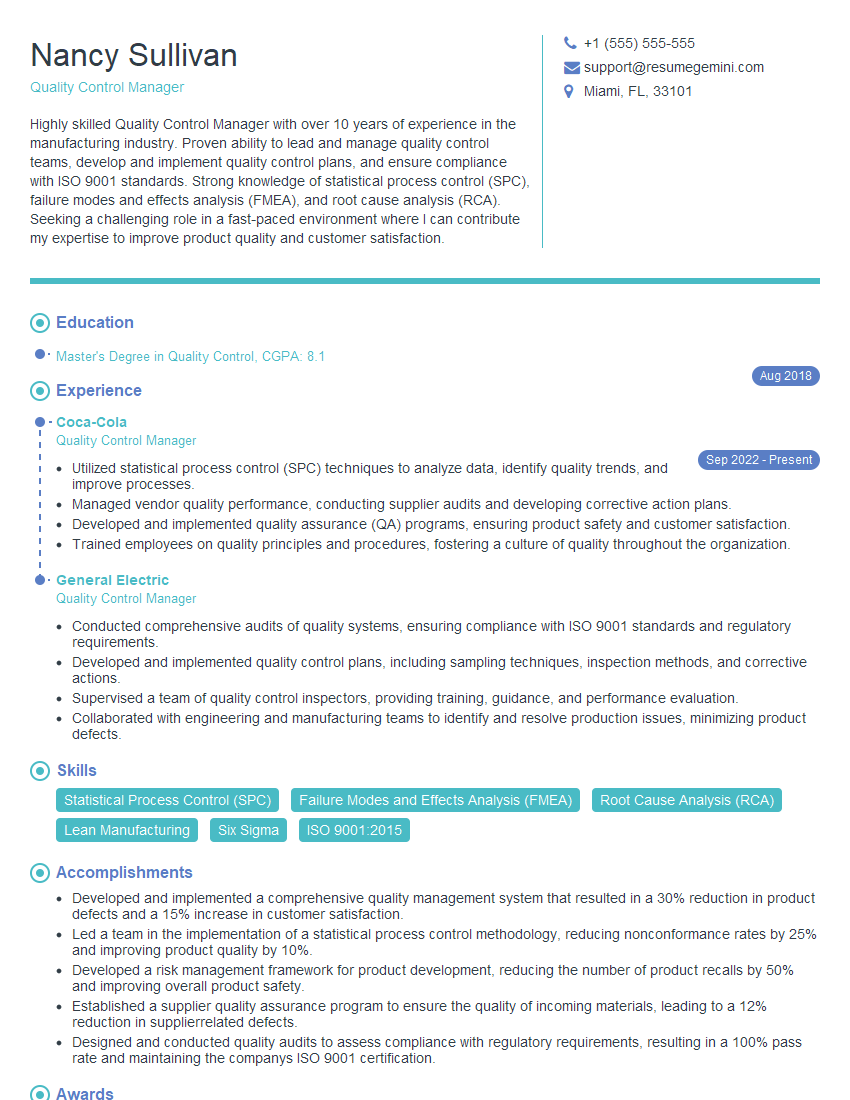
Quality Control Manager Resume Sample
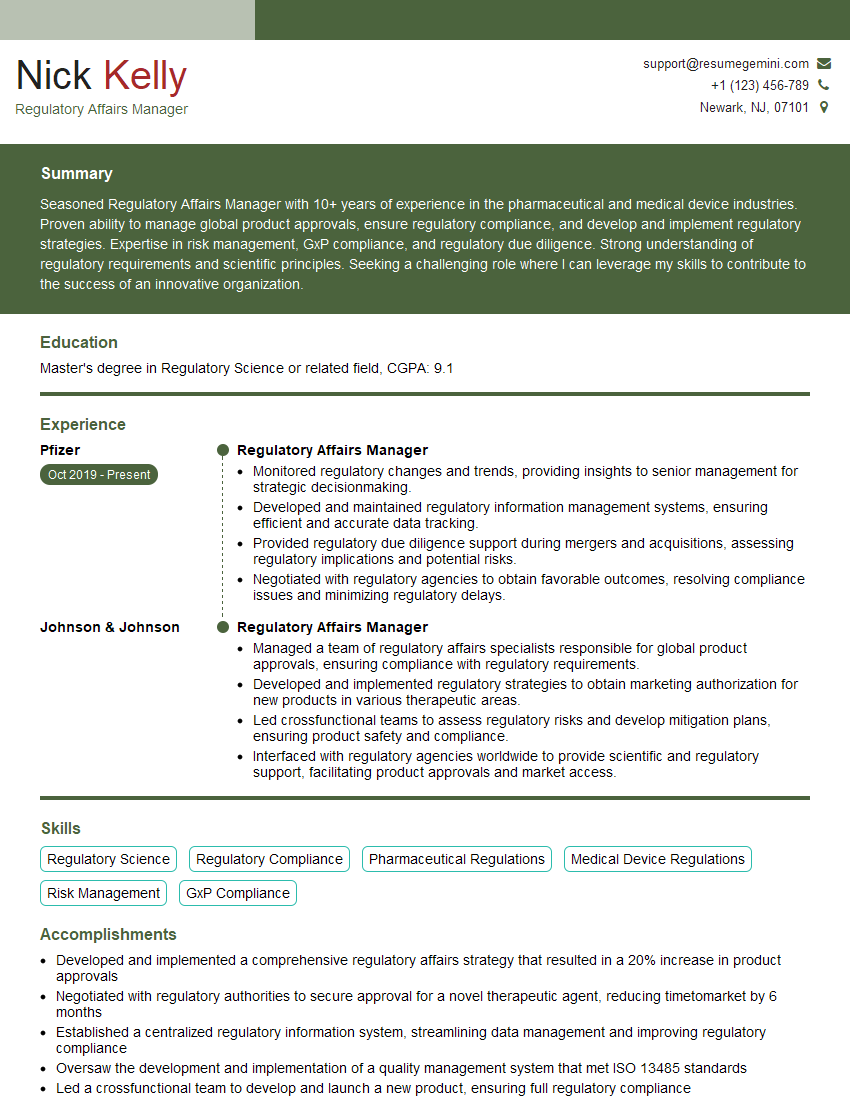
Regulatory Affairs Manager Resume Sample
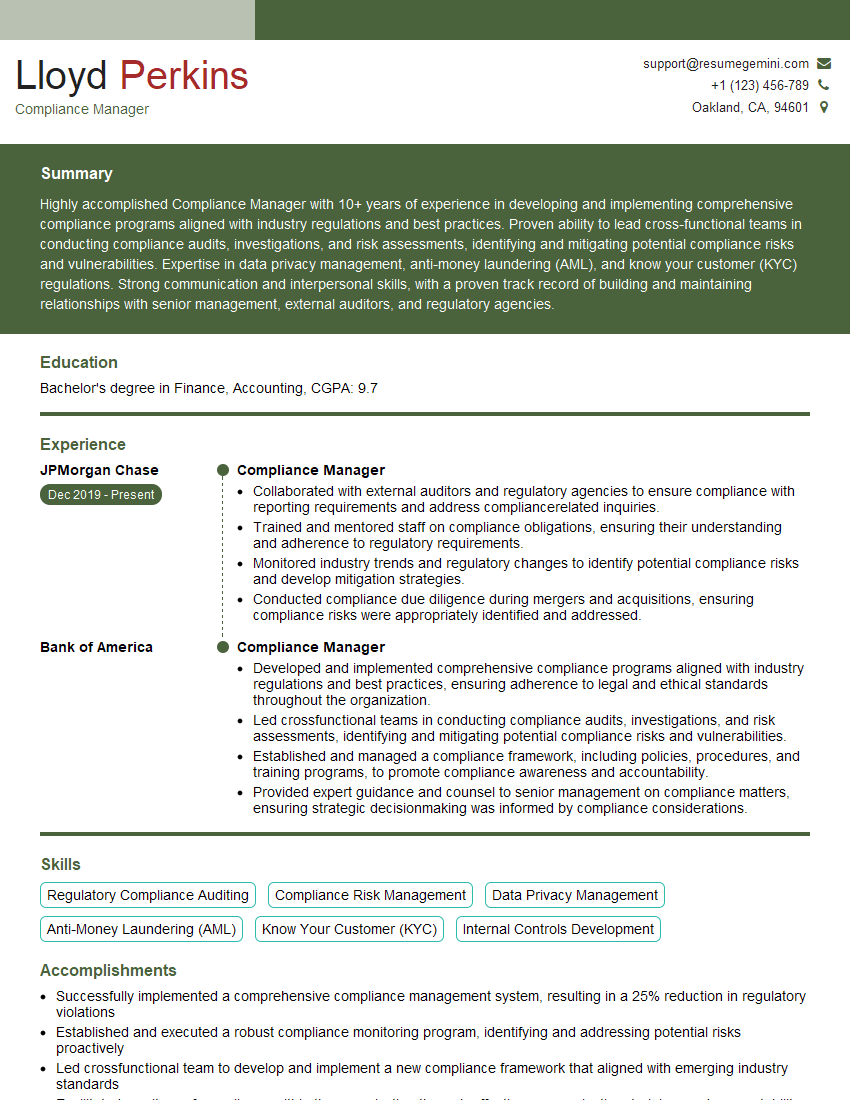
Compliance Manager Resume Sample
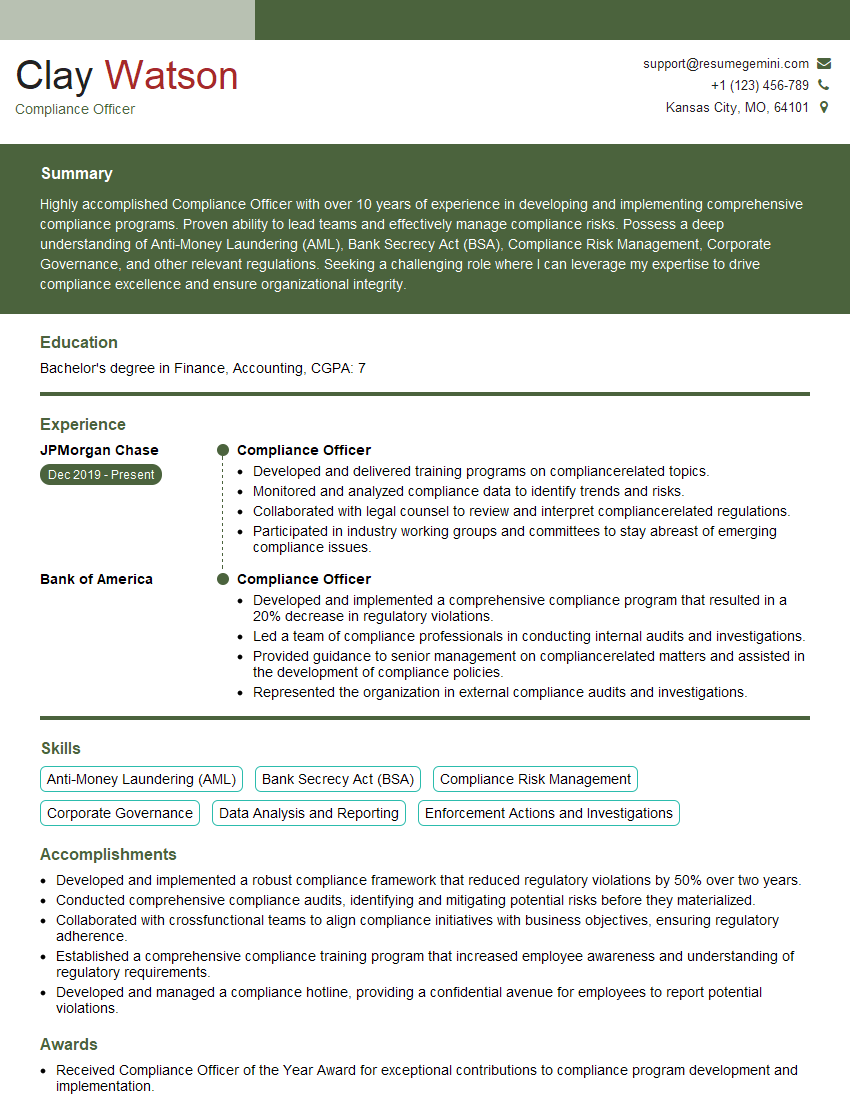
Compliance Officer Resume Sample
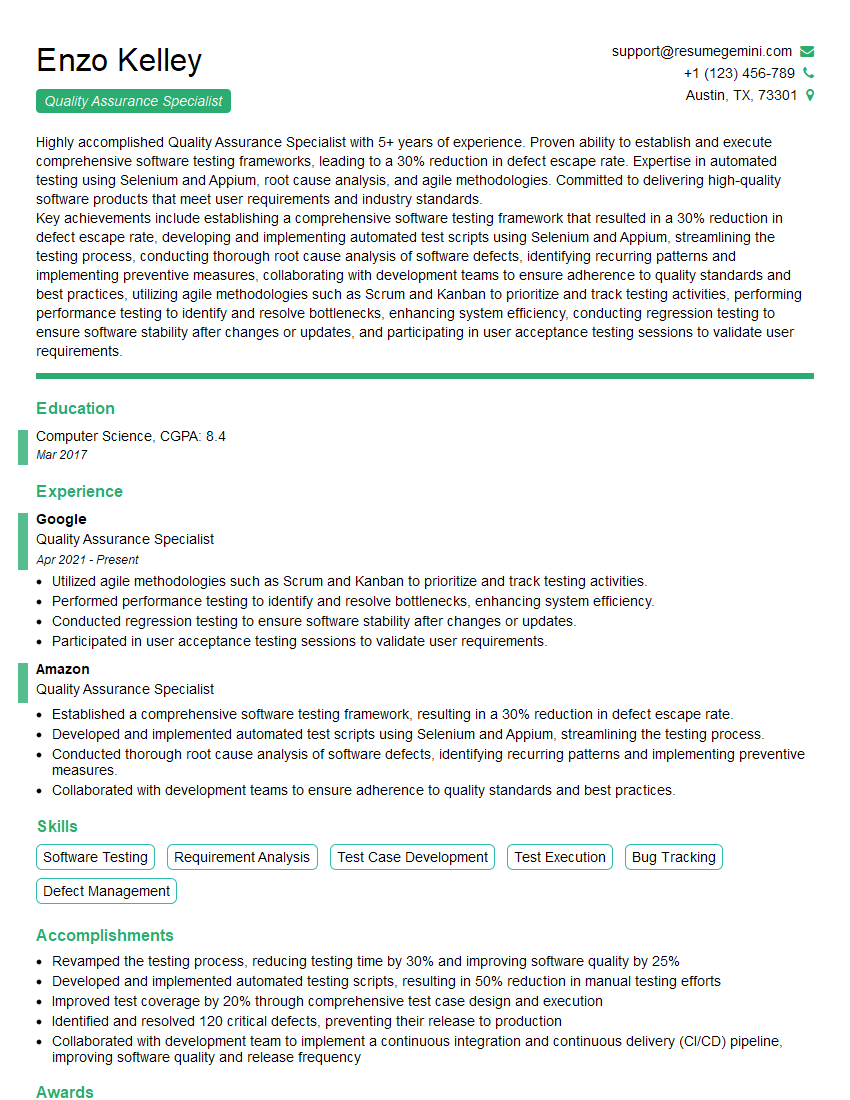
Quality Assurance Specialist Resume Sample
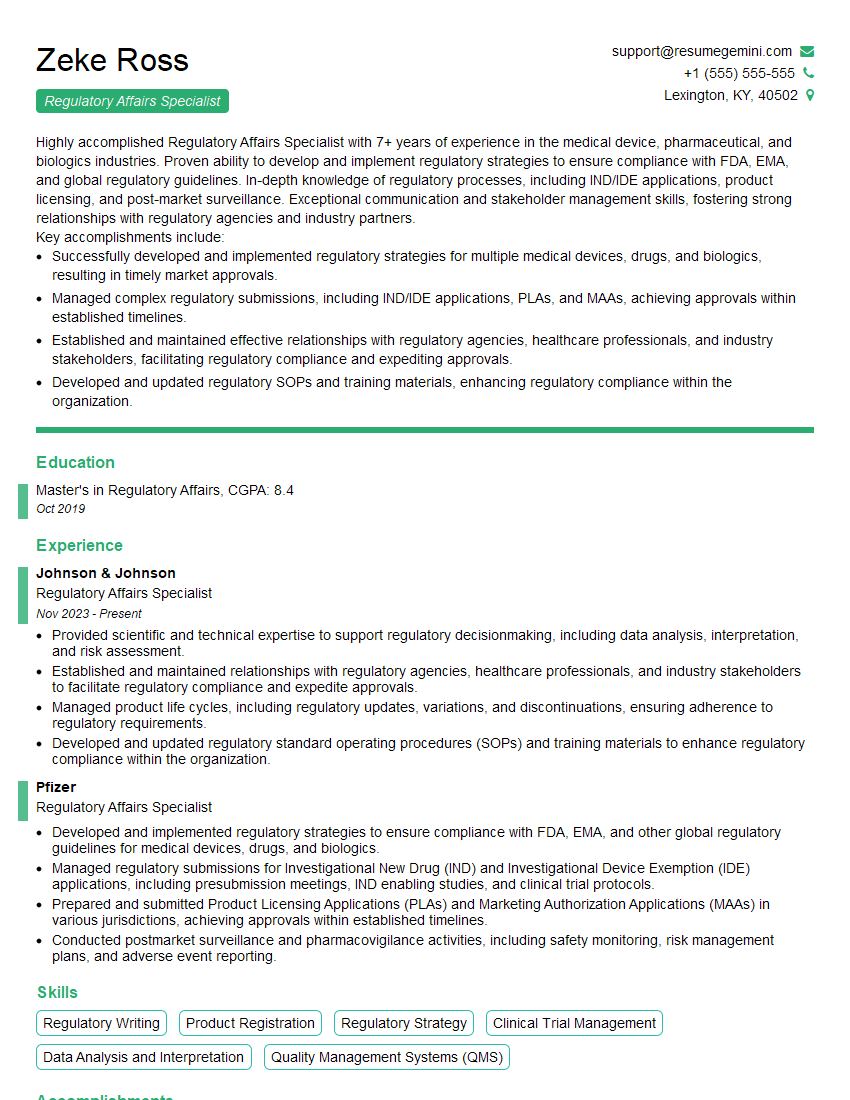
Regulatory Affairs Specialist Resume Sample
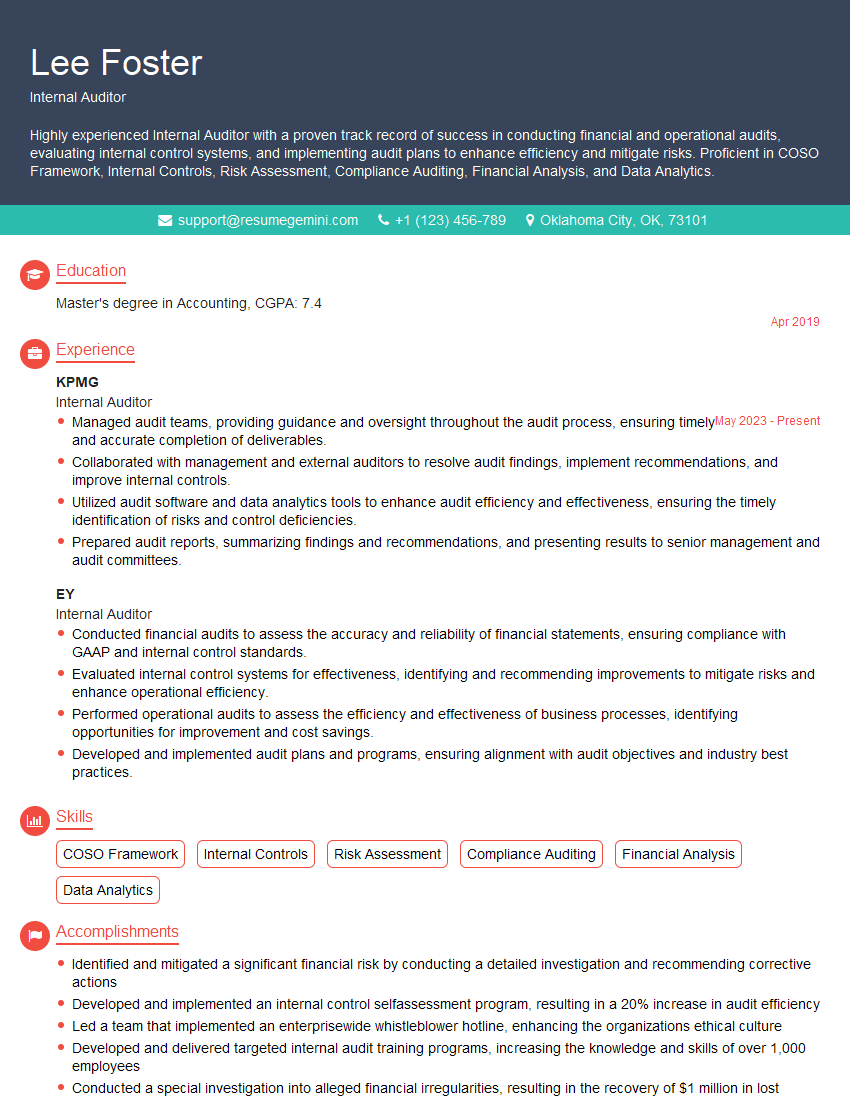
Internal Auditor Resume Sample
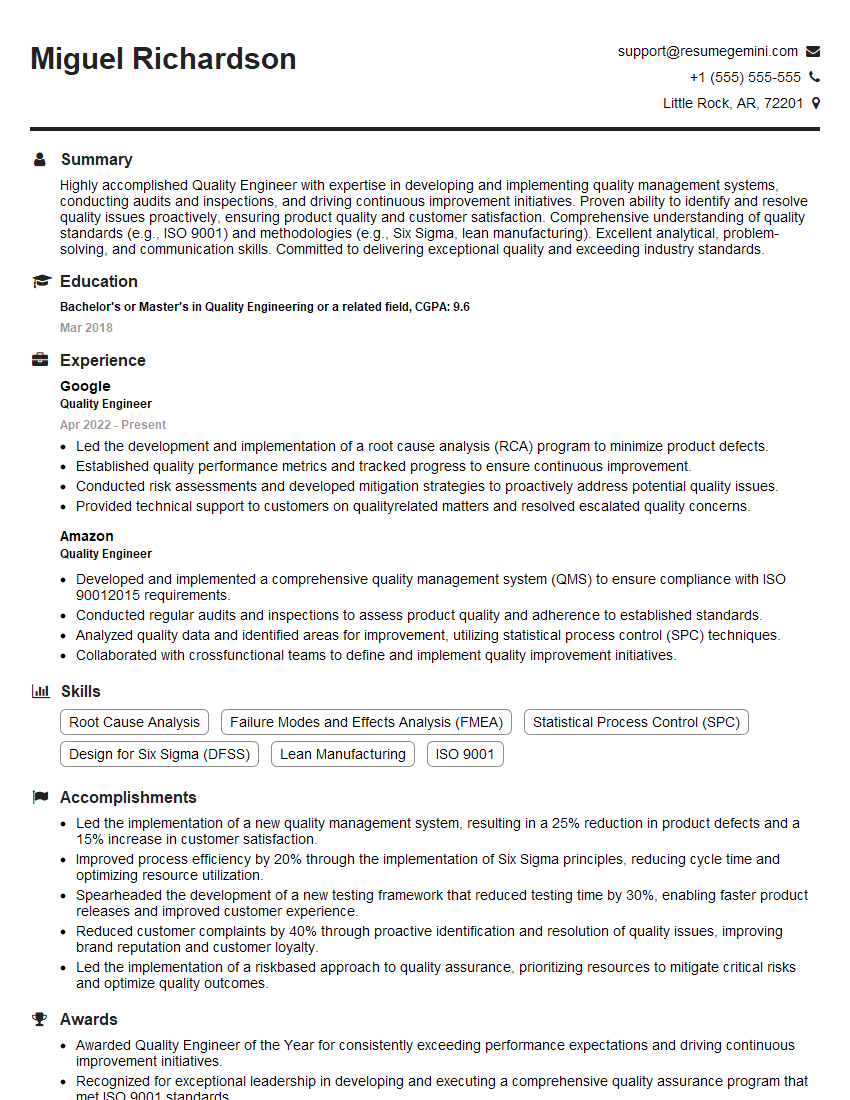
Quality Engineer Resume Sample
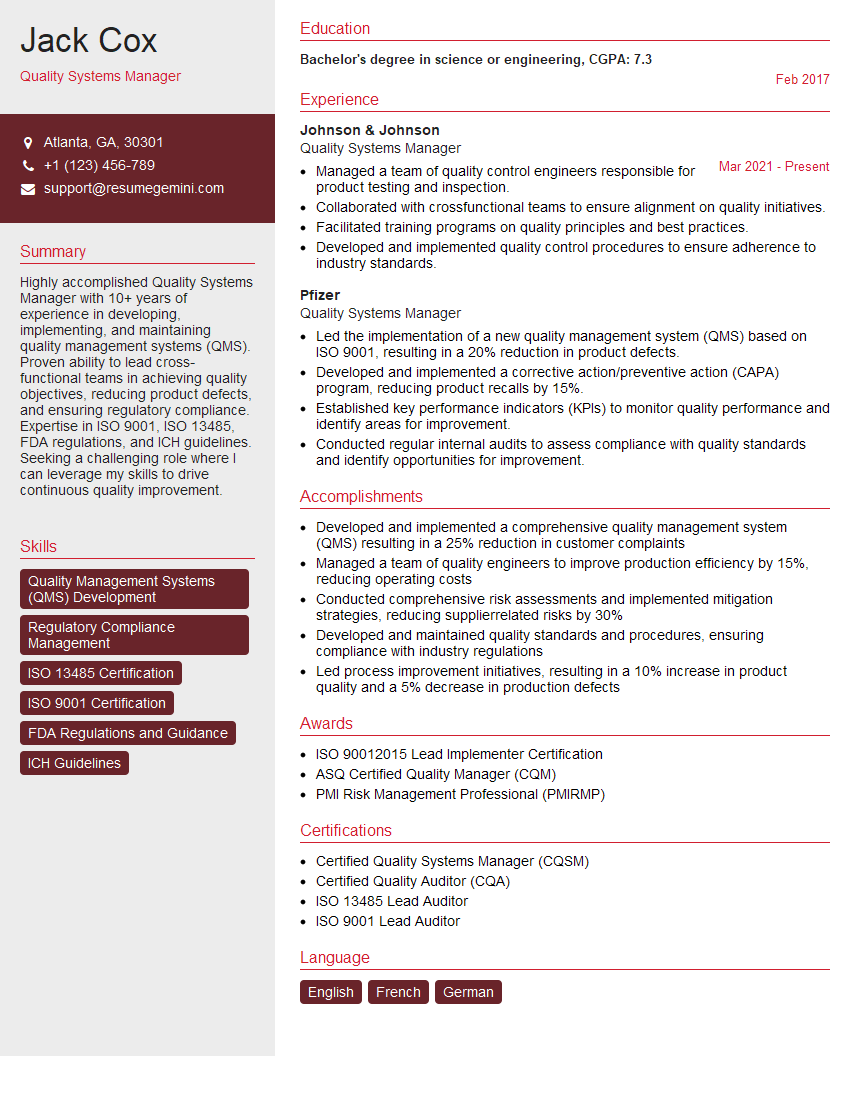
Quality Systems Manager Resume Sample
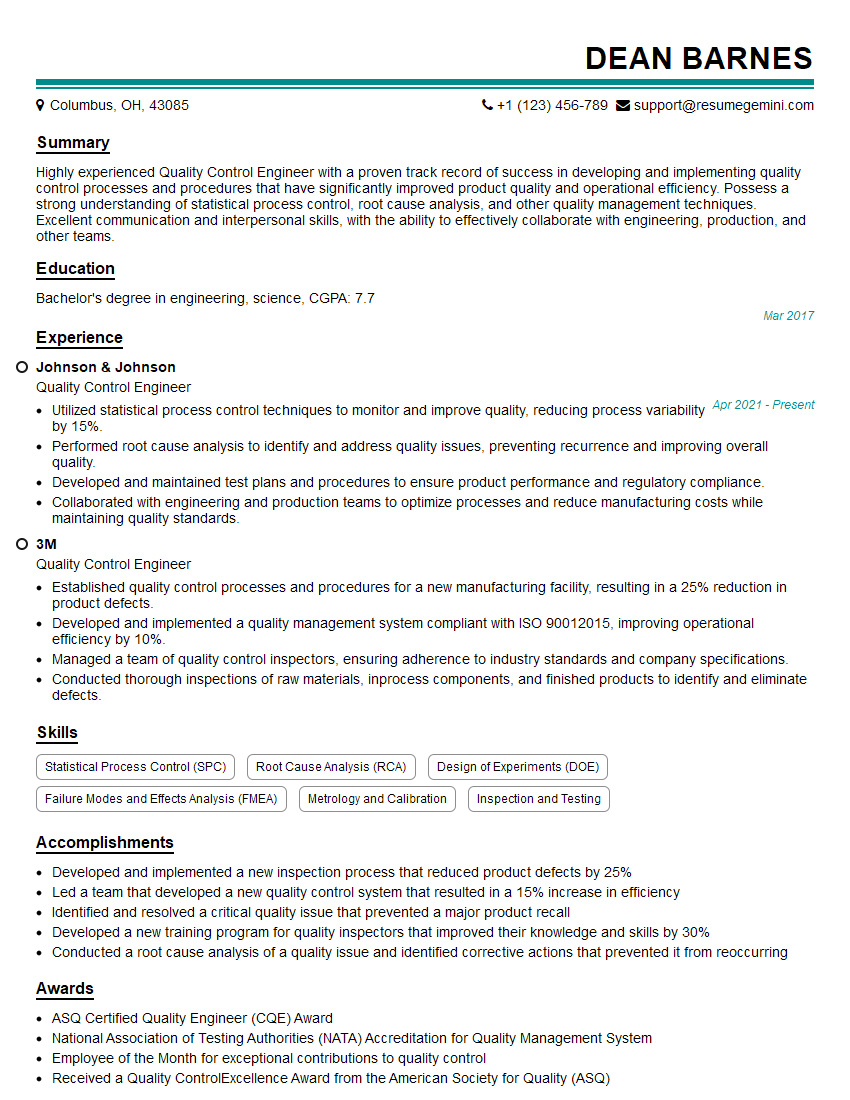
Quality Control Engineer Resume Sample
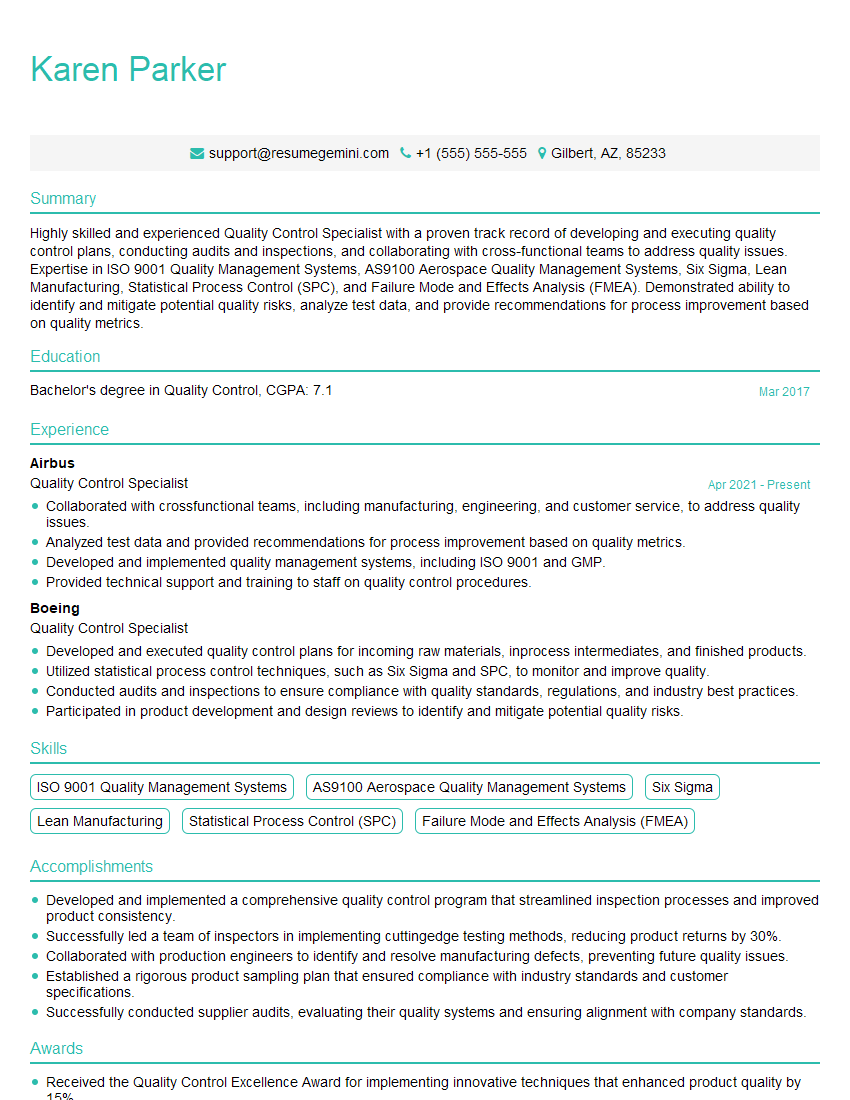
Quality Control Specialist Resume Sample
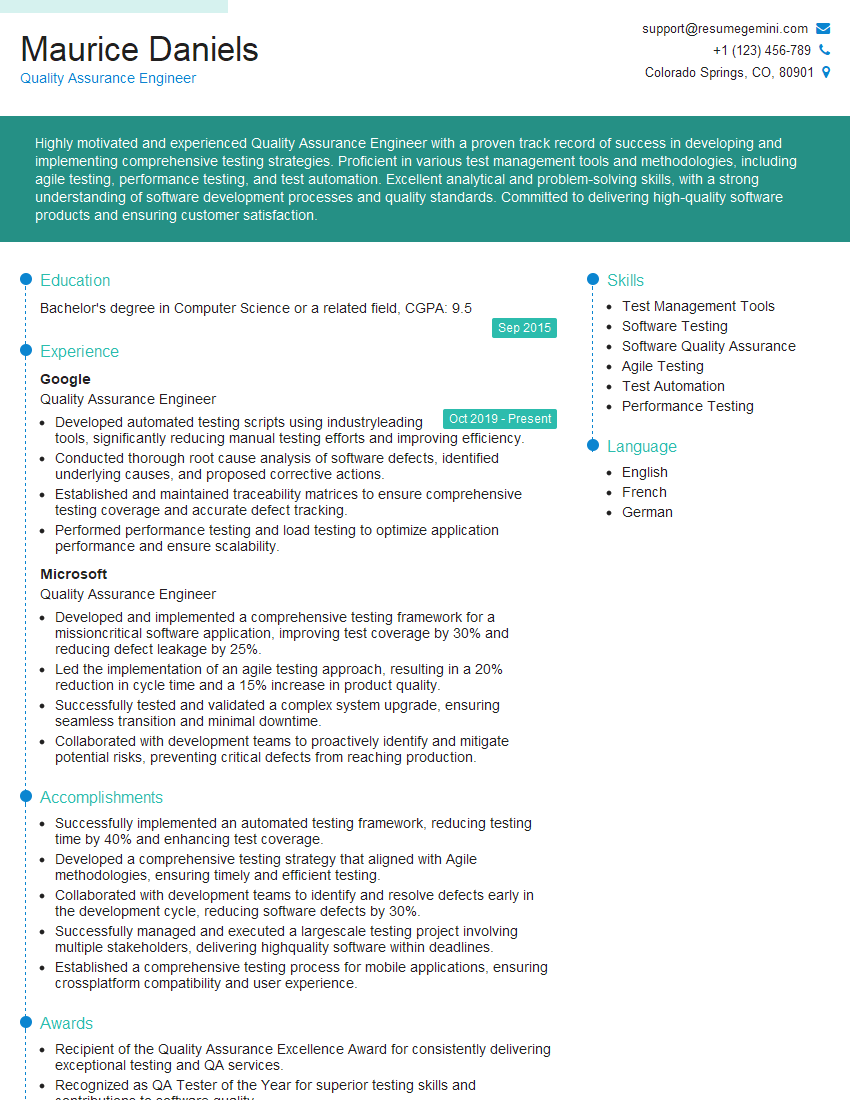
Quality Assurance Engineer Resume Sample
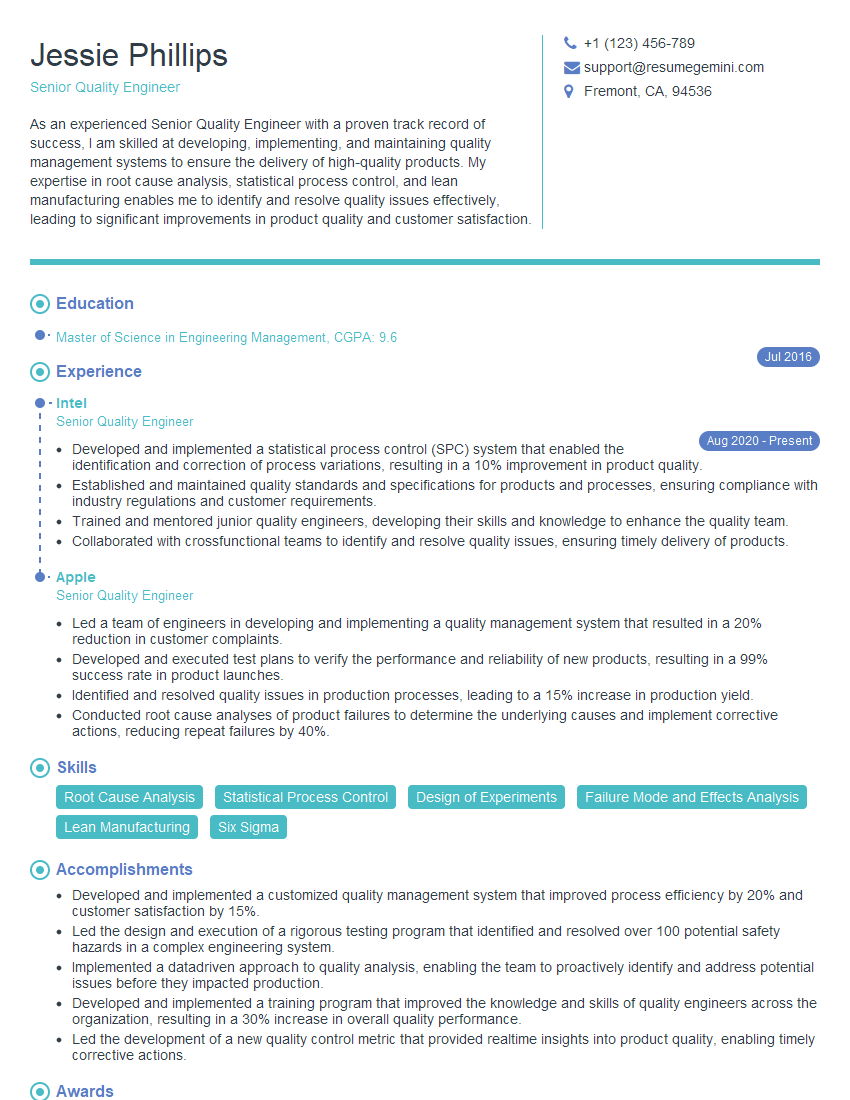
Senior Quality Engineer Resume Sample
- Quality Manager
- Quality Assurance Manager
- Quality Control Manager
- Regulatory Affairs Manager
- Compliance Manager
- Compliance Officer
- Quality Assurance Specialist
- Regulatory Affairs Specialist
- Internal Auditor
- Quality Engineer
- Quality Systems Manager
- Quality Control Engineer
- Quality Control Specialist
- Quality Assurance Engineer
- Senior Quality Engineer
Explore more articles
Users Rating of Our Blogs
Share Your Experience
We value your feedback! Please rate our content and share your thoughts (optional).
What Readers Say About Our Blog
Hello,
we currently offer a complimentary backlink and URL indexing test for search engine optimization professionals.
You can get complimentary indexing credits to test how link discovery works in practice.
No credit card is required and there is no recurring fee.
You can find details here:
https://wikipedia-backlinks.com/indexing/
Regards
NICE RESPONSE TO Q & A
hi
The aim of this message is regarding an unclaimed deposit of a deceased nationale that bears the same name as you. You are not relate to him as there are millions of people answering the names across around the world. But i will use my position to influence the release of the deposit to you for our mutual benefit.
Respond for full details and how to claim the deposit. This is 100% risk free. Send hello to my email id: [email protected]
Luka Chachibaialuka
Hey interviewgemini.com, just wanted to follow up on my last email.
We just launched Call the Monster, an parenting app that lets you summon friendly ‘monsters’ kids actually listen to.
We’re also running a giveaway for everyone who downloads the app. Since it’s brand new, there aren’t many users yet, which means you’ve got a much better chance of winning some great prizes.
You can check it out here: https://bit.ly/callamonsterapp
Or follow us on Instagram: https://www.instagram.com/callamonsterapp
Thanks,
Ryan
CEO – Call the Monster App
Hey interviewgemini.com, I saw your website and love your approach.
I just want this to look like spam email, but want to share something important to you. We just launched Call the Monster, a parenting app that lets you summon friendly ‘monsters’ kids actually listen to.
Parents are loving it for calming chaos before bedtime. Thought you might want to try it: https://bit.ly/callamonsterapp or just follow our fun monster lore on Instagram: https://www.instagram.com/callamonsterapp
Thanks,
Ryan
CEO – Call A Monster APP
To the interviewgemini.com Owner.
Dear interviewgemini.com Webmaster!
Hi interviewgemini.com Webmaster!
Dear interviewgemini.com Webmaster!
excellent
Hello,
We found issues with your domain’s email setup that may be sending your messages to spam or blocking them completely. InboxShield Mini shows you how to fix it in minutes — no tech skills required.
Scan your domain now for details: https://inboxshield-mini.com/
— Adam @ InboxShield Mini
Reply STOP to unsubscribe
Hi, are you owner of interviewgemini.com? What if I told you I could help you find extra time in your schedule, reconnect with leads you didn’t even realize you missed, and bring in more “I want to work with you” conversations, without increasing your ad spend or hiring a full-time employee?
All with a flexible, budget-friendly service that could easily pay for itself. Sounds good?
Would it be nice to jump on a quick 10-minute call so I can show you exactly how we make this work?
Best,
Hapei
Marketing Director
Hey, I know you’re the owner of interviewgemini.com. I’ll be quick.
Fundraising for your business is tough and time-consuming. We make it easier by guaranteeing two private investor meetings each month, for six months. No demos, no pitch events – just direct introductions to active investors matched to your startup.
If youR17;re raising, this could help you build real momentum. Want me to send more info?
Hi, I represent an SEO company that specialises in getting you AI citations and higher rankings on Google. I’d like to offer you a 100% free SEO audit for your website. Would you be interested?
Hi, I represent an SEO company that specialises in getting you AI citations and higher rankings on Google. I’d like to offer you a 100% free SEO audit for your website. Would you be interested?
good