The thought of an interview can be nerve-wracking, but the right preparation can make all the difference. Explore this comprehensive guide to Jobsite Inspection interview questions and gain the confidence you need to showcase your abilities and secure the role.
Questions Asked in Jobsite Inspection Interview
Q 1. Describe your experience with different types of construction inspections.
My experience encompasses a wide range of construction inspections, from initial site assessments and foundation inspections to framing, MEP (Mechanical, Electrical, and Plumbing) systems, and final walkthroughs. I’ve worked on projects of varying sizes and complexities, including residential, commercial, and industrial builds. For example, I’ve inspected the structural integrity of high-rise buildings, ensuring compliance with stringent building codes, and also meticulously reviewed the installation of intricate HVAC systems in large-scale commercial projects. I’m proficient in identifying potential safety hazards and quality control issues at each stage of the construction process. My experience also includes inspections related to specific materials, like concrete testing and rebar placement verification, ensuring adherence to specified mix designs and reinforcement patterns.
- Foundation Inspections: Verifying proper excavation, formwork, and reinforcement placement.
- Framing Inspections: Checking for proper wall bracing, header placement, and compliance with structural plans.
- MEP Inspections: Inspecting the installation and testing of electrical, plumbing, and HVAC systems.
- Final Inspections: Performing a thorough review of the completed project to identify any remaining deficiencies before occupancy.
Q 2. How do you identify and document non-conformances on a jobsite?
Identifying and documenting non-conformances is a crucial aspect of my role. I use a systematic approach. First, I carefully compare the as-built conditions with the approved plans and specifications. Discrepancies are noted, using precise measurements and photographic evidence. For example, if a wall is not plumb, I’ll measure the deviation from vertical, taking photos from multiple angles. I also note the location and provide a clear description of the issue. I use a standardized non-conformance report form to document each finding. This form typically includes sections for the location, description of the deficiency, severity level (minor, major, critical), and recommended corrective actions. I always prioritize clarity and accuracy to ensure there’s no ambiguity. A photograph is worth a thousand words, and I use digital cameras and sometimes even drone footage to capture comprehensive visual documentation.
Think of it like a detective’s investigation – I meticulously gather evidence to present a clear picture of the problem. This ensures contractors understand the exact nature and extent of the non-conformances, facilitating effective remediation.
Q 3. Explain your process for reporting and tracking inspection findings.
My reporting process ensures timely communication and efficient tracking. After each inspection, I prepare a detailed report outlining all findings, including non-conformances and any positive observations. These reports are typically submitted electronically through a project management system, which allows for efficient tracking and collaboration. The system provides a centralized repository for all inspection documents, readily accessible to all stakeholders. Each non-conformance is assigned a unique ID for tracking purposes. The system facilitates the assignment of corrective actions to the relevant contractors, setting deadlines for completion and allowing for follow-up inspections to verify the rectification of issues. I regularly use email and meetings to discuss findings and ensure timely resolution of identified problems. Progress is monitored carefully, and the system sends automated reminders when deadlines approach.
Consider this a carefully orchestrated process, ensuring transparency, accountability, and efficient communication throughout the construction lifecycle.
Q 4. What safety protocols do you follow during jobsite inspections?
Safety is paramount during jobsite inspections. I always adhere to the site-specific safety plan and wear appropriate personal protective equipment (PPE), including hard hats, safety glasses, high-visibility vests, and steel-toed boots. Before entering the site, I familiarize myself with any potential hazards and the location of emergency exits. I maintain a safe distance from operating machinery and moving vehicles. I actively observe the contractor’s safety practices, ensuring compliance with regulations and reporting any unsafe conditions immediately. For instance, if I observe workers not using fall protection at height, I immediately bring it to the attention of the site supervisor. Proactive safety awareness is as critical as identifying non-conformances.
In essence, my goal is to conduct the inspection safely and without causing disruptions, maintaining the highest safety standards.
Q 5. How do you handle disagreements with contractors regarding inspection findings?
Disagreements can arise, but I handle them professionally and constructively. My first step is to calmly review the inspection findings with the contractor, clarifying any misunderstandings. I present the evidence I have collected—measurements, photographs, and relevant codes—to support my findings. Open communication is vital. I encourage a collaborative dialogue, aiming to reach a mutually acceptable resolution. If a resolution cannot be reached, I escalate the matter to the project manager or relevant authority, providing a comprehensive report documenting the disagreement and the steps I have taken to resolve it. My focus is always on ensuring project quality and safety.
Think of it as mediation; I facilitate a discussion, presenting factual evidence, aiming for a collaborative solution.
Q 6. Describe your experience using inspection software or digital tools.
I have extensive experience using various inspection software and digital tools, including PlanGrid, Procore, and Autodesk BIM 360. These platforms allow me to efficiently manage inspection data, create and share reports, and collaborate with project stakeholders. For example, I use PlanGrid to mark up architectural plans directly on a tablet, identifying non-conformances and recording their locations. Procore allows me to easily create and submit inspection reports, track corrective actions, and maintain a central repository of project documentation. Autodesk BIM 360 offers advanced features for comparing the as-built model with the original design model, allowing for a more comprehensive and efficient inspection process.
These tools significantly enhance efficiency and accuracy, improving overall project quality.
Q 7. How do you prioritize inspection tasks on a large or complex project?
Prioritizing inspection tasks on large projects requires a well-defined strategy. I typically start by identifying critical areas and high-risk elements based on the project’s complexity and potential impact. For instance, structural elements, life safety systems, and areas with complex construction methods receive priority. I then develop an inspection schedule, considering the project timeline and the various construction phases. This schedule incorporates critical path activities and milestones. I utilize project management software to help manage and track these tasks, assigning deadlines and tracking progress. This allows for effective resource allocation and ensures that high-risk areas are inspected frequently and thoroughly throughout the construction process. Flexibility is key, adapting the schedule as needed based on changing project conditions and newly identified risks. A risk-based approach ensures efficient use of time and resources, mitigating potential issues effectively.
Prioritization is akin to triage in a medical setting – addressing critical issues first while effectively managing the overall workflow.
Q 8. What are your methods for ensuring complete and accurate documentation?
Complete and accurate documentation is paramount in jobsite inspection. My method involves a multi-faceted approach, prioritizing both digital and physical records. I start by creating a detailed inspection plan outlining the areas to be inspected, the specific criteria to be assessed, and the documentation methods to be used.
- Digital Records: I utilize tablets or laptops equipped with specialized inspection software or apps. These tools allow for real-time data entry, photo and video capture, and automated report generation. This ensures that all findings are immediately documented, minimizing the risk of omission or error. I also leverage cloud-based storage for easy access and seamless collaboration with project stakeholders.
- Physical Records: In addition to digital records, I maintain a physical logbook where I make handwritten notes, sketches, and attach physical samples (e.g., pieces of damaged materials). This serves as a backup in case of technological failures and provides a tangible record for review.
- Cross-referencing: To ensure accuracy and completeness, I regularly cross-reference digital and physical records. I compare photos and videos with written notes, ensuring consistency and minimizing discrepancies.
- Checklists and Templates: To ensure consistency and completeness across different inspections, I utilize standardized checklists and templates tailored to the specific type of inspection and project requirements.
For instance, during an inspection of a concrete pour, I’ll not only record measurements and observations but also take photos of the formwork, the curing process, and any observed defects. This multi-layered approach guarantees comprehensive documentation that allows for easy tracing of issues and facilitates efficient problem-solving.
Q 9. How familiar are you with relevant building codes and regulations?
I possess a comprehensive understanding of relevant building codes and regulations, including but not limited to OSHA, IBC (International Building Code), and local ordinances. My familiarity stems from years of practical experience conducting inspections and staying updated on code changes. I routinely consult the latest code versions, attend continuing education courses, and actively participate in industry forums to maintain my proficiency.
I recognize that building codes are not merely guidelines, but legally binding requirements that ensure public safety and structural integrity. Therefore, my inspections meticulously assess compliance with these regulations. If any discrepancies or violations are identified, I clearly document them, detailing the specific code section violated and suggesting corrective actions.
For example, I am well-versed in the requirements for fall protection systems (OSHA 1926 Subpart M), fire protection systems, and electrical safety standards. Understanding these codes enables me to identify potential hazards proactively and ensure that projects comply with all safety and regulatory standards.
Q 10. Explain your understanding of quality control principles in construction.
Quality control in construction is a systematic process aimed at ensuring that the final product meets the specified quality standards and requirements. It’s a proactive approach, not simply reactive. My understanding centers on several key principles:
- Planning and Prevention: Effective quality control starts with meticulous planning. This includes defining clear quality standards, identifying potential risks, and developing strategies to mitigate these risks early in the project lifecycle.
- Inspection and Testing: Regular inspections and testing are crucial for monitoring compliance with established standards. This involves visual inspections, non-destructive testing (NDT) methods, and material testing as needed.
- Corrective Action: When deficiencies are identified, immediate corrective actions must be taken to address the issues. This includes documenting the defect, implementing corrective measures, and verifying the effectiveness of those measures.
- Continuous Improvement: Quality control is a continuous process. Regular review of inspection findings and feedback from project stakeholders allows for identification of areas for improvement and refinement of processes to prevent future occurrences.
- Documentation: Meticulous documentation of all inspection activities, findings, corrective actions, and improvements is essential for accountability and traceability.
Think of it like baking a cake. You wouldn’t just throw ingredients together and hope for the best; you follow a recipe, check the oven temperature, and ensure the cake is baked to the right consistency. In construction, quality control serves a similar purpose, ensuring that the final product meets the required standards and specifications.
Q 11. Describe a time you identified a critical safety hazard on a jobsite. What actions did you take?
During an inspection of a high-rise building under construction, I noticed workers operating a crane without proper fall protection harnesses. This was a critical safety hazard with potentially fatal consequences.
My immediate actions were:
- Immediate Stoppage: I immediately stopped the crane operation, explaining the severity of the hazard and the lack of compliance with OSHA regulations.
- Reporting to Supervisor: I promptly reported the violation to the site supervisor and the project manager, providing photographic evidence of the unsafe practices.
- Corrective Action Plan: I worked collaboratively with the supervisor to implement a corrective action plan, which included providing all crane operators with proper fall protection equipment and ensuring mandatory training on its correct use.
- Follow-Up: I conducted a follow-up inspection to verify that the corrective actions had been implemented and that the workers were adhering to the safety regulations.
This situation highlighted the importance of proactive hazard identification and swift action to prevent accidents. Preventing a potential fatality was paramount, and my immediate response ensured that the safety of the workers was prioritized.
Q 12. How do you ensure timely completion of inspections without compromising quality?
Ensuring timely completion of inspections without compromising quality requires efficient planning and execution. My approach centers around:
- Prioritization: I prioritize inspections based on risk assessment. High-risk areas requiring critical attention are inspected first.
- Efficient Scheduling: I work closely with the project team to schedule inspections strategically, minimizing disruptions to the construction process.
- Technology Utilization: Utilizing digital tools such as mobile apps and cloud-based systems streamlines the inspection process, reducing the time spent on paperwork and report generation.
- Standardized Procedures: Employing standardized checklists and templates ensures consistency and efficiency in inspection procedures, reducing the time spent on each inspection.
- Teamwork: Collaborating with the construction team facilitates efficient inspections. Clear communication and cooperation between the inspectors and the construction crew helps identify issues quickly and resolve them promptly.
For example, if a critical structural element needs inspection, I would prioritize that over a less critical area. This enables me to address the most important aspects efficiently and in a timely manner while still maintaining the necessary level of quality and attention to detail.
Q 13. How do you communicate inspection results effectively to project stakeholders?
Effective communication of inspection results is essential for project success. My approach involves several methods:
- Clear and Concise Reports: I generate clear, concise reports detailing my findings, including photos, videos, and specific recommendations. I avoid technical jargon when communicating with non-technical stakeholders, ensuring that the information is easily understandable.
- Targeted Communication: I tailor the level of detail in my reports to the audience. Detailed technical reports are provided to engineers and supervisors, while summarized reports are shared with clients.
- Visual Aids: Using visual aids like photos, diagrams, and charts helps illustrate inspection findings and makes the information more accessible.
- Regular Meetings: I conduct regular meetings with project stakeholders to discuss inspection results, answer questions, and address concerns. This allows for open dialogue and ensures that everyone is aligned on the project status.
- Digital Platforms: Leveraging project management software and cloud-based platforms facilitates easy sharing of inspection reports and allows for real-time collaboration and feedback.
This multi-pronged approach ensures that the inspection results are effectively conveyed to all relevant stakeholders, fostering transparency and enabling timely action on identified issues.
Q 14. What is your experience with different types of inspection equipment?
My experience with inspection equipment encompasses a wide range of tools, catering to various aspects of construction inspections. This includes:
- Measuring Tools: I am proficient in using laser measuring tools, tape measures, levels, and plumb bobs for accurate dimensional measurements and alignment checks.
- Visual Inspection Tools: I use magnifying glasses, borescopes, and endoscopes to inspect hard-to-reach areas and identify minute defects.
- Non-Destructive Testing (NDT) Equipment: I have experience with ultrasonic testing (UT) equipment for detecting internal flaws in materials and concrete testing tools for evaluating compressive strength and other properties.
- Moisture Meters: I utilize moisture meters to assess the moisture content in materials like wood and concrete, helping to identify potential problems related to water damage or improper curing.
- Cameras and Drones: High-resolution cameras and drones provide comprehensive visual documentation and allow for safe inspection of hard-to-reach areas, such as high-rise buildings or large structures.
My proficiency in using this equipment enables me to conduct thorough and accurate inspections, ensuring the quality and safety of construction projects.
Q 15. How do you manage your workload and prioritize tasks effectively?
Effective workload management is crucial for a jobsite inspector. I utilize a combination of techniques, starting with a detailed project plan that breaks down the inspection tasks into manageable segments. This often involves creating a schedule that aligns with the construction schedule, factoring in key milestones like foundation pouring, framing completion, and MEP rough-in.
Prioritization is based on risk assessment. I focus first on critical aspects impacting structural integrity, safety, or compliance with building codes. For instance, ensuring proper foundation reinforcement is prioritized over aesthetic details. I leverage project management tools to track progress, deadlines, and dependencies between tasks. For example, I might use a Kanban board to visualize my workflow and identify bottlenecks. Regular review of this plan allows me to adapt to unforeseen circumstances and maintain efficiency.
Finally, I believe in proactive communication. Keeping the general contractor and other stakeholders informed about my progress and any potential issues ensures that we’re all aligned and working towards the same goal. This prevents misunderstandings and helps ensure the timely resolution of problems.
Career Expert Tips:
- Ace those interviews! Prepare effectively by reviewing the Top 50 Most Common Interview Questions on ResumeGemini.
- Navigate your job search with confidence! Explore a wide range of Career Tips on ResumeGemini. Learn about common challenges and recommendations to overcome them.
- Craft the perfect resume! Master the Art of Resume Writing with ResumeGemini’s guide. Showcase your unique qualifications and achievements effectively.
- Don’t miss out on holiday savings! Build your dream resume with ResumeGemini’s ATS optimized templates.
Q 16. What are your strategies for mitigating risks identified during inspections?
Mitigating risks involves a multi-step process. First, accurate identification is key. This requires a thorough inspection using various methods (discussed in a later answer). Once risks are identified, I document them meticulously, including photographs and detailed descriptions in my inspection reports.
Mitigation strategies are then developed in collaboration with the general contractor. This could involve recommending corrective actions – for instance, suggesting reinforcement of a weak support beam or requiring the replacement of substandard materials. We’ll agree on a timeline for these corrections and I’ll follow up to ensure they’re implemented correctly. In cases where immediate action is needed for safety, I might issue a stop-work order until the hazard is resolved.
My approach also includes preventative measures. For instance, by highlighting potential issues early on in the project, I can help prevent them from escalating into bigger problems. Regular communication with the project team, and detailed documentation of all risks and their mitigation strategies, minimizes liabilities and contributes to a safer and more efficient project.
Q 17. Describe your experience with different inspection methods (visual, testing, etc.)
My experience encompasses a wide range of inspection methods. Visual inspection forms the foundation, where I carefully examine the work for visible defects, inconsistencies, or deviations from the plans. This includes checking for proper alignment, plumbness, level, and the overall quality of workmanship.
Beyond visual inspection, I utilize various testing methods depending on the situation. For example, I might use a moisture meter to check for excessive moisture in wood framing or concrete, or employ a non-destructive testing method like ultrasonic testing to evaluate the integrity of concrete without causing damage. I’m also proficient in performing basic material testing on-site, such as verifying concrete slump or checking the tensile strength of reinforcing steel (within the limits of available tools on site).
The selection of the inspection method depends entirely on the specific task. For instance, inspecting electrical wiring might involve visual inspection coupled with functional testing, while evaluating the structural soundness of a beam might require more specialized testing.
Q 18. How do you handle situations where deadlines are tight or resources are limited?
Tight deadlines and limited resources demand efficient prioritization and strategic resource allocation. I start by focusing on the most critical tasks, ensuring that safety and code compliance issues are addressed first. This might require adjustments to my inspection schedule to concentrate on high-risk areas. For example, if facing a tight deadline for a final inspection, I’ll prioritize elements impacting occupancy permits over less urgent aspects.
Regarding limited resources, I often leverage technology to optimize my workflow. This could involve using mobile apps for documentation, reducing the time spent on paperwork. Collaborating effectively with the contractor’s team is essential, sharing responsibilities where appropriate to maximize efficiency. Open communication regarding limitations and potential delays is crucial to manage expectations and maintain a productive relationship with all stakeholders. In some cases, I might propose a phased inspection approach, focusing on critical areas first and scheduling follow-up inspections as resources allow.
Q 19. How familiar are you with different types of construction materials and their properties?
My familiarity with construction materials is extensive. I understand the properties of various materials, including their strengths, weaknesses, and typical applications. This knowledge spans lumber, concrete, steel, masonry, various types of roofing materials, insulation, and many others.
For example, I know the importance of selecting appropriate lumber grades for different structural elements, the impact of moisture content on wood, and how various concrete mixes affect its strength and durability. I also understand the different properties of various metals and how environmental conditions can affect their longevity. This includes understanding issues such as corrosion, expansion and contraction, and material fatigue. This knowledge helps me assess the quality of the work, identify potential material defects and propose suitable alternatives.
Q 20. Describe your experience with reviewing and interpreting construction drawings and specifications.
Reviewing and interpreting construction drawings and specifications is a fundamental aspect of my role. I’m proficient in reading architectural, structural, mechanical, electrical, and plumbing (MEP) drawings. I understand symbols, notations, and details provided within these drawings, including dimensions, material specifications, and construction methods.
I use these drawings to verify that the construction work aligns with the approved plans. I cross-reference drawings and specifications to ensure consistency and identify any discrepancies. For instance, I might compare a detail drawing of a steel connection to the actual construction to ensure it matches. Any deviations or ambiguities are documented and discussed with the relevant parties to ensure alignment and avoid potential problems down the line. My experience allows me to quickly identify potential conflicts or omissions within the documents.
Q 21. Explain your understanding of the inspection process from start to finish.
The inspection process starts with a thorough review of the construction plans and specifications, which informs the development of a detailed inspection plan that outlines the scope and schedule of inspections. This is tailored to the project’s specific needs and phases.
On-site inspections follow, utilizing various methods as previously described. Detailed documentation is essential throughout the process, including photographs, written notes, and measurements. Any deviations from the plans or identified defects are meticulously documented, including their location, description, severity, and potential impact.
Following the field inspection, I prepare a comprehensive report that summarizes my findings. This report highlights any non-conformances, proposes corrective actions, and suggests follow-up inspections where necessary. This report is crucial for facilitating communication among all stakeholders and ensuring timely resolution of any identified issues. The process culminates in the completion of the work and the issuance of final inspection reports once all satisfactory conditions are met.
Q 22. What are the key indicators of poor workmanship or substandard materials?
Identifying poor workmanship or substandard materials requires a keen eye for detail and a thorough understanding of construction practices. Key indicators often fall into several categories: visual defects, dimensional inaccuracies, and material deficiencies.
Visual Defects: These are readily apparent problems like cracks in walls, uneven finishes on surfaces (e.g., paint, plaster), misaligned framing members, gaps in sealant, or damaged components. For example, seeing significant cracks in a newly poured concrete slab is a clear sign of potential problems with the mix or curing process.
Dimensional Inaccuracies: This refers to deviations from the approved plans and specifications. Out-of-square walls, doors that don’t close properly, or uneven floor levels all indicate errors in measurement and execution. Imagine a door jamb that’s installed crooked, making the door difficult to open and close – a clear indicator of improper installation.
Material Deficiencies: This involves using inferior materials or materials not meeting specified standards. Examples include using undersized lumber, employing incorrect fasteners, or applying insufficient amounts of insulation. Using plywood rated for interior use in exterior applications would be a significant material deficiency leading to potential rot and structural compromise.
Documenting these observations with photos and detailed notes is crucial for addressing the issues and preventing future problems.
Q 23. How do you maintain professional relationships with contractors and project teams?
Maintaining positive relationships with contractors and project teams is paramount for effective jobsite inspections. It’s about building trust and fostering open communication. I approach this through several key strategies:
Clear and Respectful Communication: I always ensure my feedback is constructive and delivered professionally. I explain the reasons behind my observations, focusing on solutions rather than blame. I treat everyone with respect, regardless of their role in the project.
Proactive Collaboration: I involve contractors in the inspection process whenever possible, encouraging them to explain their work and address concerns immediately. This collaborative approach turns inspections into problem-solving sessions, building shared ownership of quality.
Fair and Consistent Application of Standards: I apply inspection criteria consistently to all contractors, ensuring fairness and transparency. This helps prevent misunderstandings and fosters trust.
Regular Meetings and Updates: I conduct regular meetings with the project team to discuss progress, address outstanding issues, and plan future inspections. This ensures everyone is on the same page and prevents issues from escalating.
By focusing on collaboration and mutual respect, I’ve found that I can achieve high-quality results while maintaining strong working relationships with the project team.
Q 24. Describe your experience with various types of construction projects (residential, commercial, industrial).
My experience spans a wide range of construction projects, including residential, commercial, and industrial settings. This diverse background allows me to adapt my inspection approach based on the specific requirements and challenges of each project type.
Residential: I’ve inspected numerous single-family homes, multi-family dwellings, and custom builds, focusing on details like framing, MEP (Mechanical, Electrical, Plumbing) systems, finishes, and overall quality of workmanship. I’m familiar with the nuances of residential codes and common issues in this sector.
Commercial: I’ve been involved in inspecting office buildings, retail spaces, and hospitality projects. This often entails more complex building systems, larger scale projects, and stricter adherence to commercial building codes and accessibility standards. I’m adept at understanding and verifying complex plans and specifications for these projects.
Industrial: My experience in this sector includes inspecting manufacturing facilities, warehouses, and specialized industrial structures. This often involves specialized inspections considering structural integrity, safety regulations, and the unique demands of industrial operations. I’m knowledgeable about safety protocols relevant to industrial settings and working with heavy machinery.
My exposure to these varied project types has broadened my understanding of different construction methods, materials, and codes, allowing me to effectively address the unique challenges of each context.
Q 25. How do you balance the need for thorough inspections with the need to maintain project schedules?
Balancing thorough inspections with project timelines requires careful planning and efficient execution. I achieve this by:
Prioritized Inspection Plan: I develop a prioritized inspection plan that focuses on critical aspects of the project first. This often means concentrating on structural elements, life safety systems, and other high-risk items early in the process. I’ll address less critical aspects later, streamlining the process.
Targeted Inspections: Instead of performing a comprehensive inspection at every stage, I conduct targeted inspections focusing on specific systems or aspects of the work as they are completed. This allows for quicker turnaround times without compromising the thoroughness of the inspection.
Effective Communication: Open communication with the project team is vital. Any delays caused by necessary rework are clearly communicated to avoid major schedule disruptions.
Technological Tools: Utilizing digital inspection tools, such as mobile apps and cloud-based platforms, streamlines data collection and reporting, saving time and improving efficiency.
By focusing my efforts on high-impact areas and utilizing efficient techniques, I ensure comprehensive inspections without significantly impacting the project schedule.
Q 26. What are some common challenges you face during jobsite inspections, and how do you overcome them?
Jobsite inspections often present challenges. Some common ones include:
Accessibility Issues: Limited access to certain areas of the construction site, particularly in confined spaces or during inclement weather, can hinder thorough inspections.
Incomplete Work: Inspecting incomplete work can make it difficult to assess the overall quality and identify potential problems early.
Conflicting Information: Discrepancies between the plans, specifications, and the actual construction can lead to confusion and delays.
Communication Barriers: Language barriers or poor communication between the inspection team and the construction crew can create misunderstandings.
To overcome these challenges, I employ several strategies:
Planning and Coordination: I meticulously plan inspections to ensure access to all areas and coordinate with the construction team to schedule inspections around critical activities.
Phased Inspections: I conduct inspections in phases to mitigate the impact of incomplete work.
Clear Documentation: I meticulously document all observations and discrepancies with photos and detailed notes, providing clarity and facilitating communication.
Collaboration and Communication: I actively seek clarification and work collaboratively to resolve conflicts and overcome communication barriers.
Proactive planning and effective communication are vital in overcoming these obstacles.
Q 27. Describe your experience with using checklists and other standardized inspection procedures.
Checklists and standardized inspection procedures are essential for ensuring consistency and thoroughness in my inspections. I rely heavily on them to:
Ensure Consistency: Checklists ensure that all critical aspects of a project are inspected consistently across different projects and phases of construction.
Improve Efficiency: They streamline the inspection process, making it faster and more efficient. This is particularly crucial when working on larger or more complex projects.
Reduce Errors: By following a structured approach, checklists minimize the chances of overlooking critical items.
Enhance Documentation: Checklists provide a framework for documenting inspection findings, facilitating accurate record-keeping and report generation.
I use both general checklists adaptable across project types and customized checklists tailored to specific projects based on plans and specifications. I often supplement these with digital inspection software to allow for easier documentation and data analysis.
For example, a general checklist might include items like checking for proper bracing, ensuring adequate clearances, and verifying compliance with building codes. A custom checklist might include specific details about a building’s unique features or special requirements.
Q 28. How do you stay current with changes in building codes, regulations, and best practices?
Staying current with evolving building codes, regulations, and best practices is crucial for maintaining expertise. I employ several strategies:
Professional Development: I actively participate in industry conferences, workshops, and training courses to keep abreast of the latest developments and innovations in building codes and construction techniques. Many professional organizations offer valuable continuing education opportunities.
Subscription to Industry Publications: I subscribe to industry-specific publications and journals that provide updates on the latest codes, regulations, and best practices. This keeps me informed about emerging trends and technologies.
Networking with Professionals: I engage with other professionals in the field through networking events and online communities to exchange information and learn from their experiences. Sharing knowledge is an invaluable way to stay up-to-date.
Online Resources: I leverage online resources, such as government websites and professional organizations’ websites, to access updated building codes and regulations. Many jurisdictions offer downloadable code books and updates online.
Continuous learning and professional engagement are essential for maintaining the highest standards of quality and expertise in jobsite inspections.
Key Topics to Learn for Jobsite Inspection Interview
- Safety Regulations and Compliance: Understanding OSHA regulations, local building codes, and company-specific safety protocols. Practical application: Describe how you’d identify and address a safety violation on a construction site.
- Quality Control and Assurance: Inspecting materials, workmanship, and adherence to blueprints and specifications. Practical application: Explain your approach to documenting discrepancies and ensuring corrective actions are taken.
- Documentation and Reporting: Creating clear, concise, and accurate reports, including photos and detailed descriptions of findings. Practical application: Describe your experience with various reporting software or methods.
- Problem-Solving and Decision-Making: Identifying potential problems, assessing risks, and proposing solutions to ensure project success. Practical application: Explain how you’ve handled a challenging inspection situation in the past.
- Blueprint Reading and Interpretation: Understanding architectural and engineering drawings to accurately assess construction progress. Practical application: Describe your experience interpreting complex blueprints and identifying potential conflicts.
- Communication and Collaboration: Effectively communicating findings to contractors, supervisors, and clients. Practical application: Explain how you’d handle a disagreement with a contractor regarding inspection findings.
- Technology and Tools: Familiarity with relevant software and technology used in jobsite inspections (e.g., mobile apps, digital cameras, measurement tools). Practical application: Describe your experience using any inspection-related software or technology.
Next Steps
Mastering jobsite inspection is crucial for career advancement in the construction industry, opening doors to supervisory roles and increased earning potential. A well-crafted resume is your key to unlocking these opportunities. An ATS-friendly resume increases your chances of getting noticed by recruiters and hiring managers. We strongly encourage you to use ResumeGemini to build a professional resume that highlights your skills and experience. ResumeGemini provides examples of resumes tailored to Jobsite Inspection to help you create a compelling application.
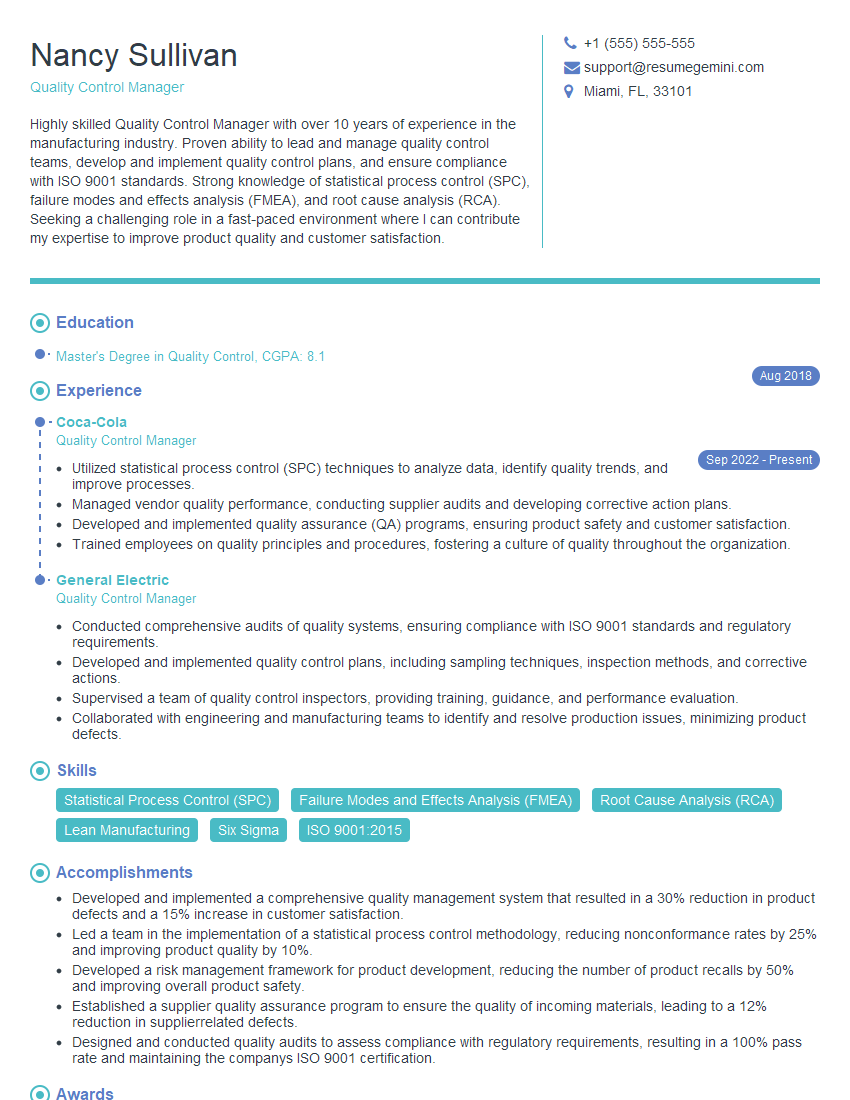
Quality Control Manager Resume Sample

Construction Superintendent Resume Sample
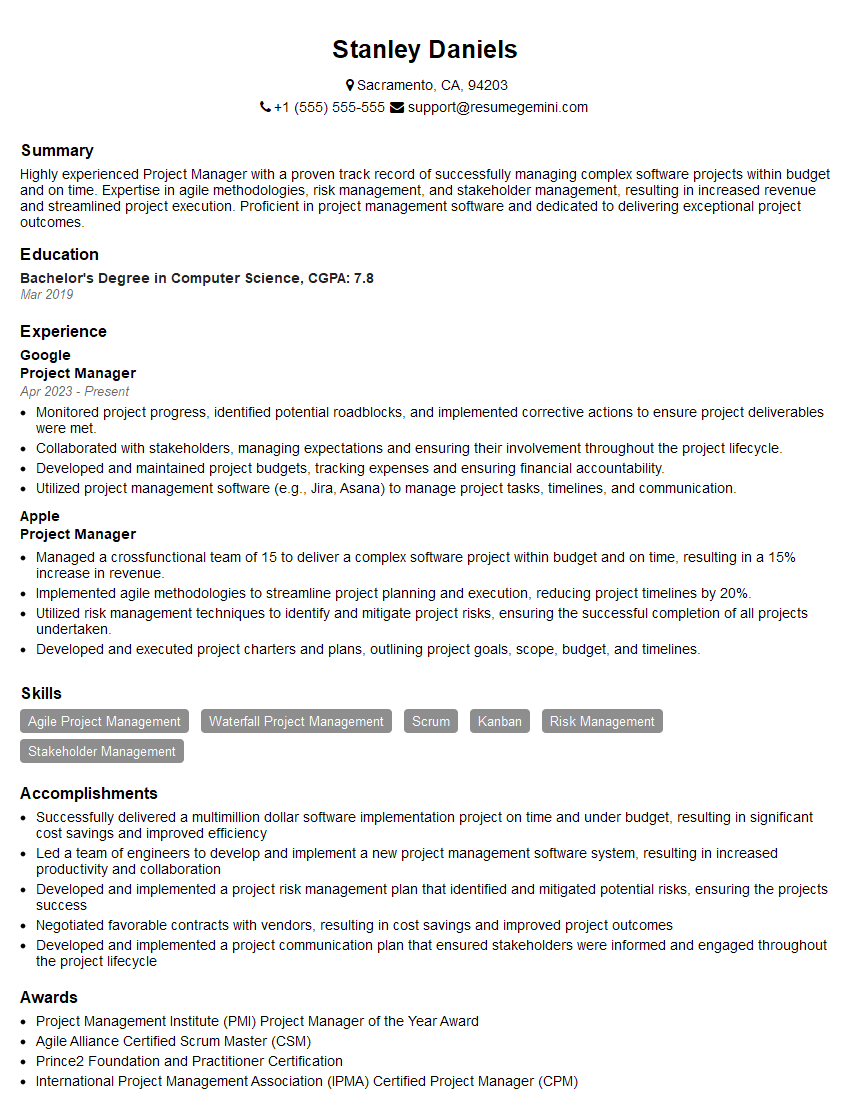
Project Manager Resume Sample
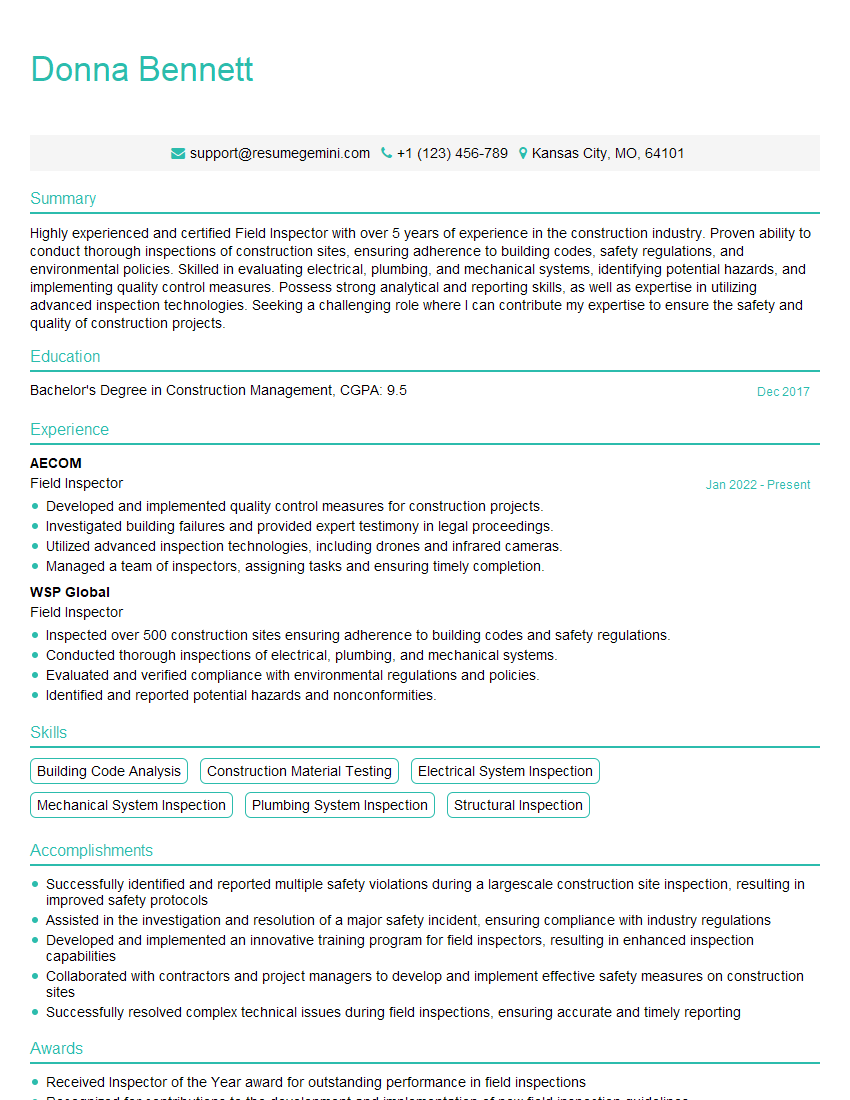
Field Inspector Resume Sample
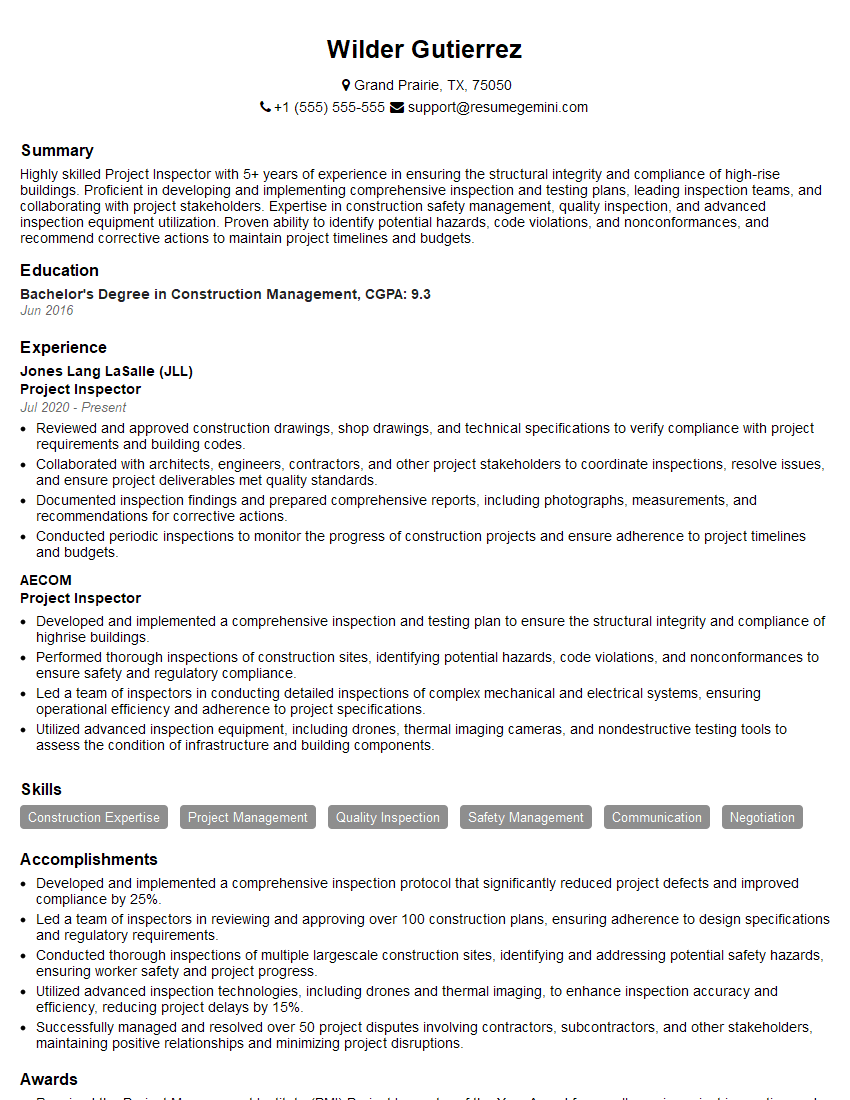
Project Inspector Resume Sample
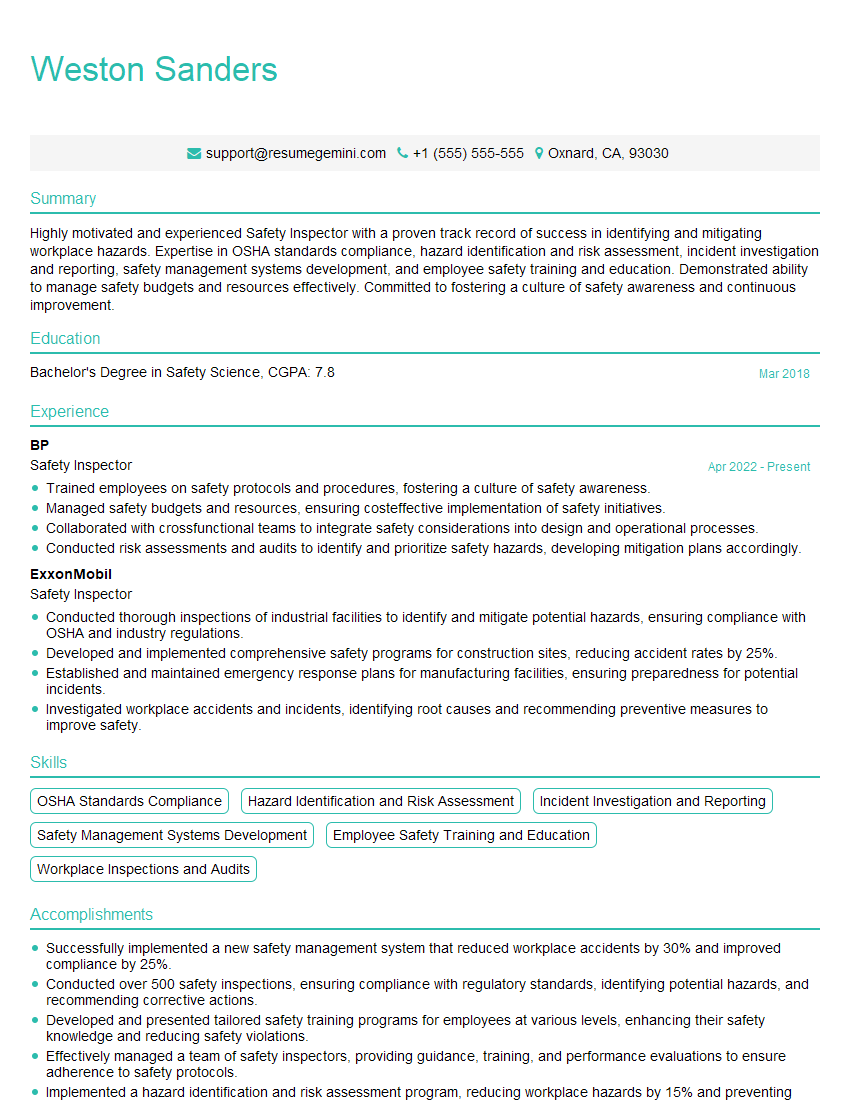
Safety Inspector Resume Sample
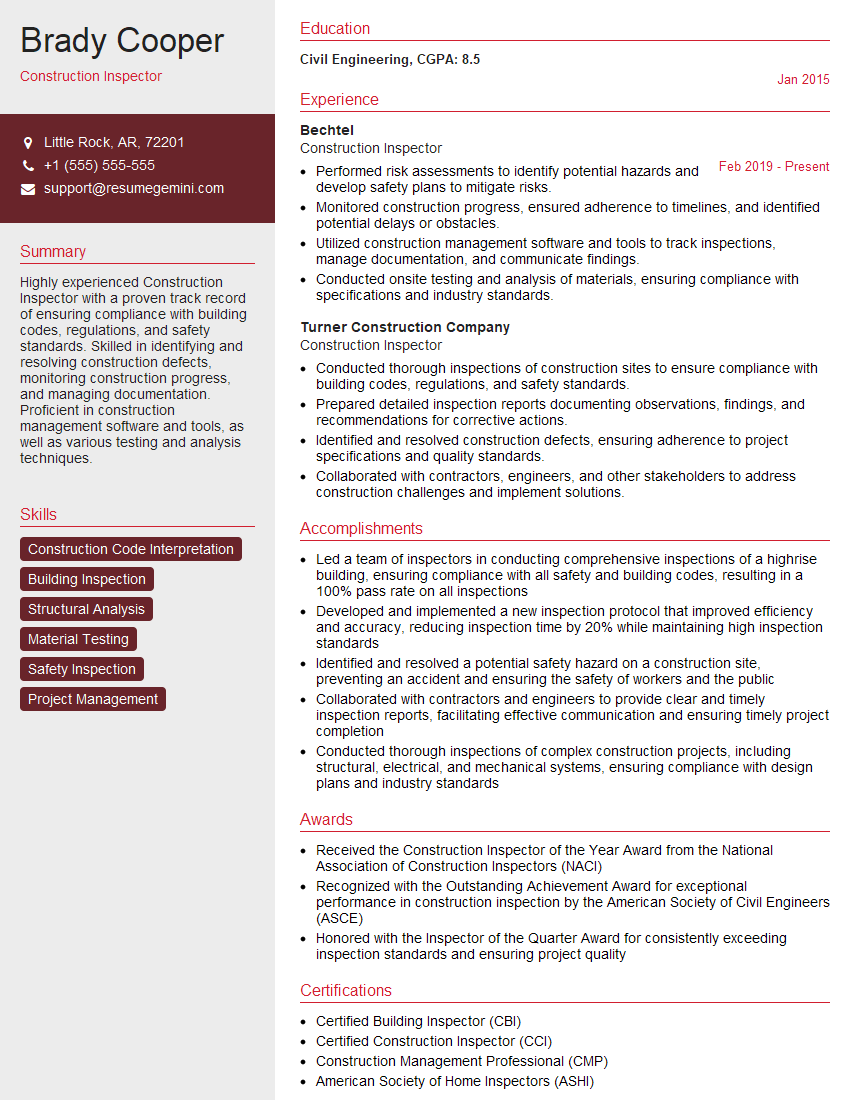
Construction Inspector Resume Sample
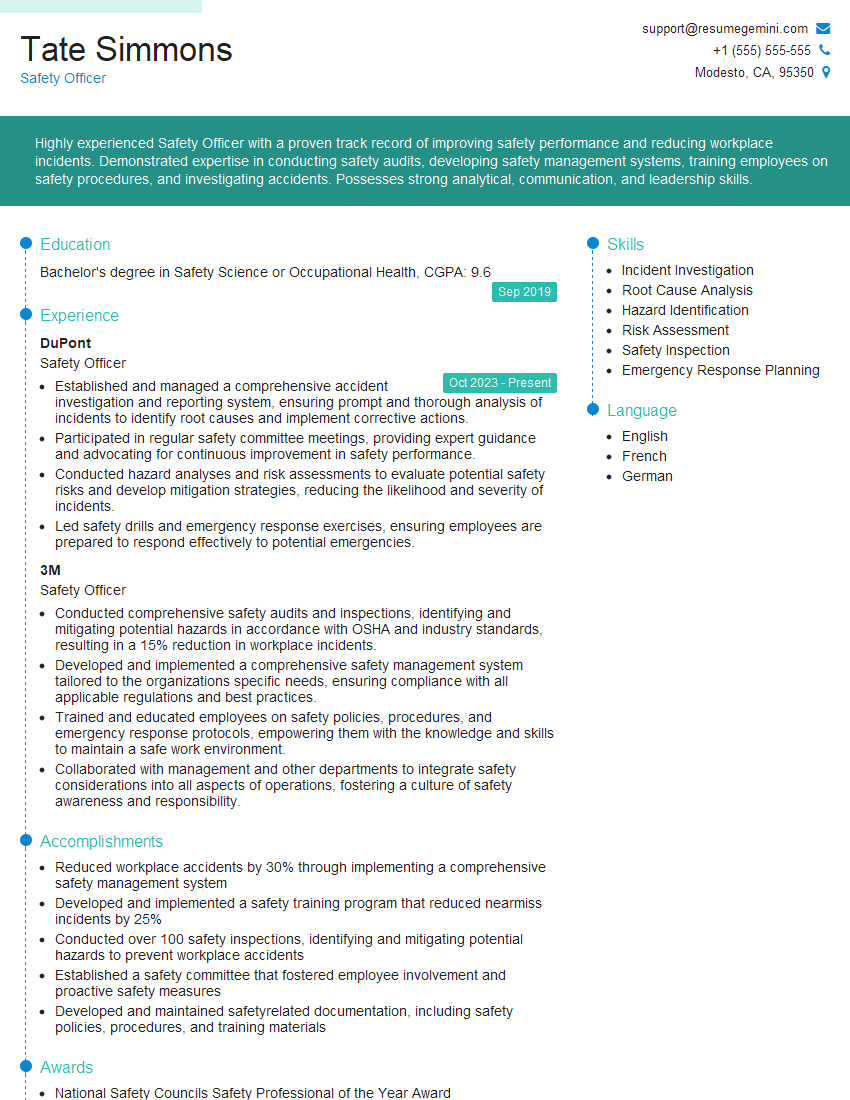
Safety Officer Resume Sample
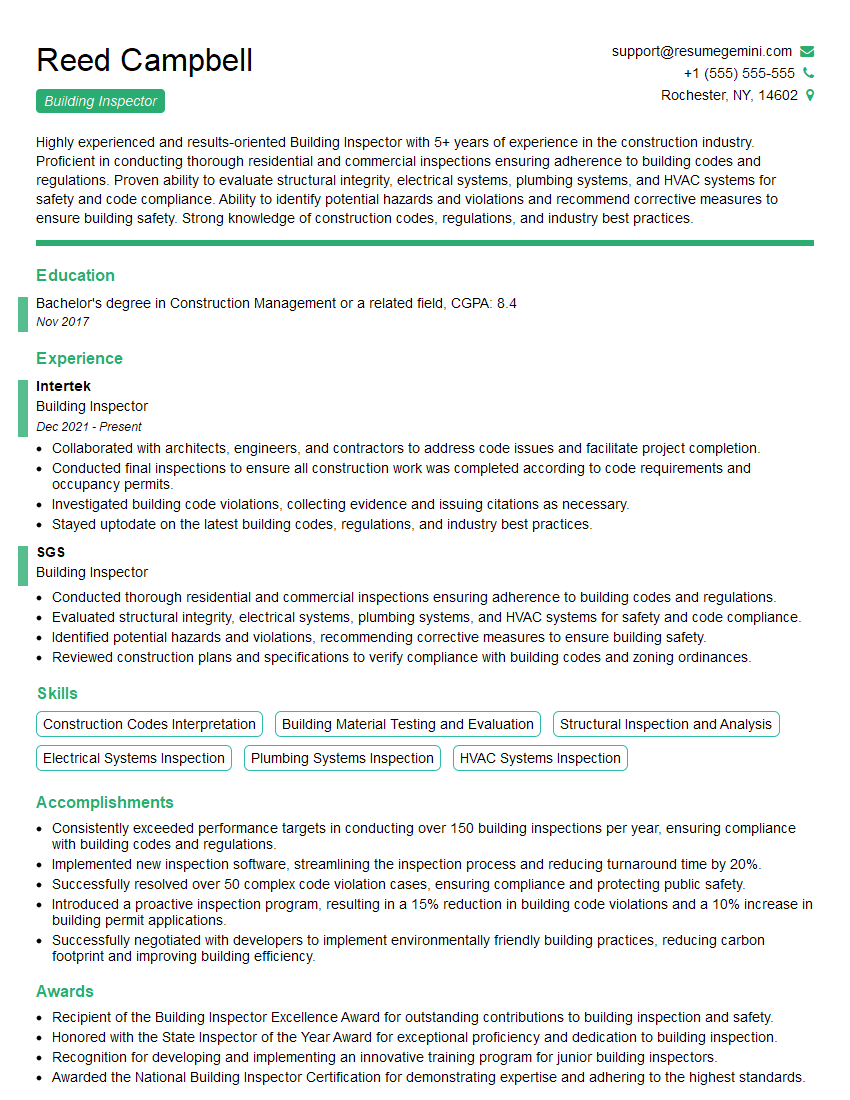
Building Inspector Resume Sample
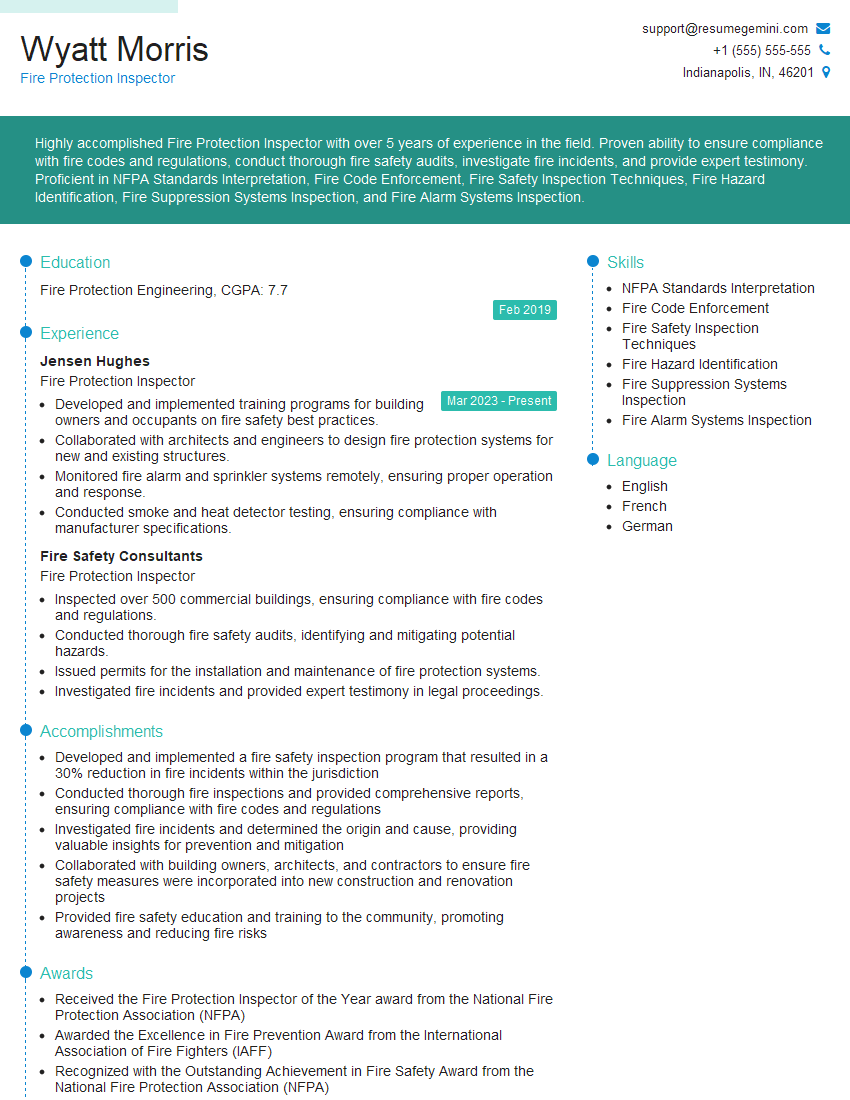
Fire Protection Inspector Resume Sample
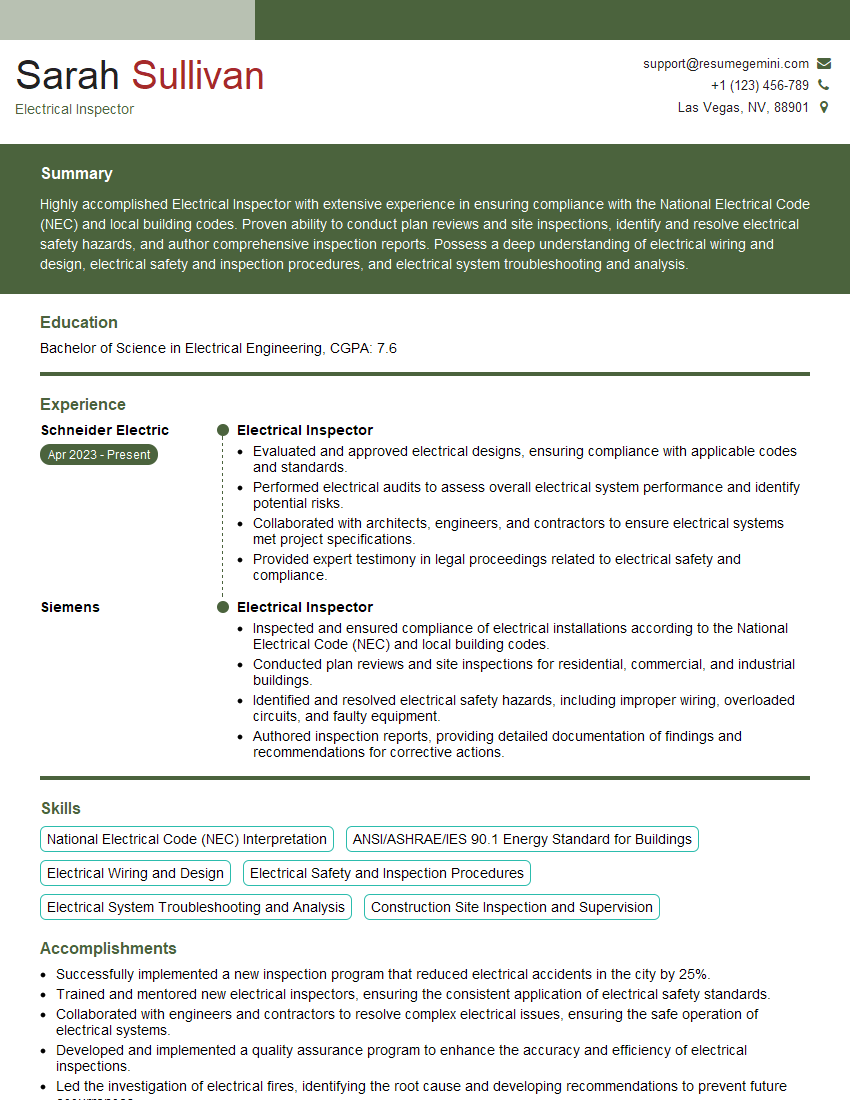
Electrical Inspector Resume Sample
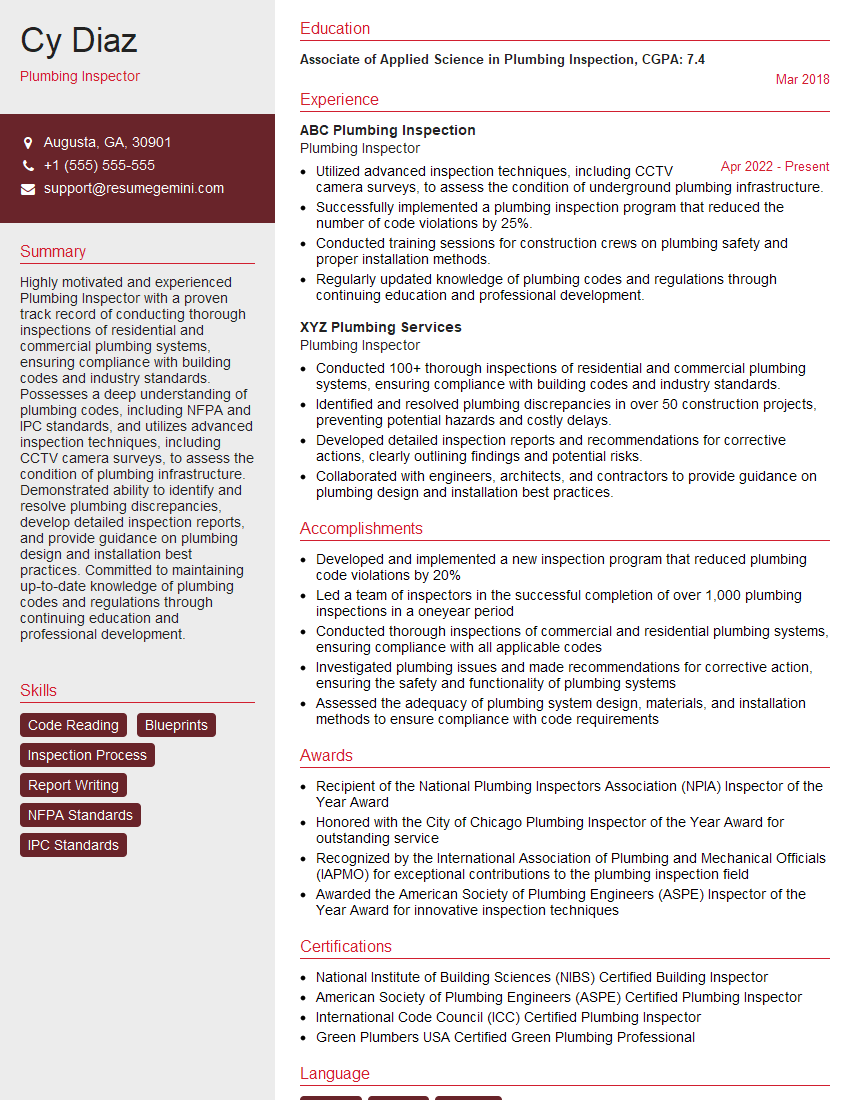
Plumbing Inspector Resume Sample
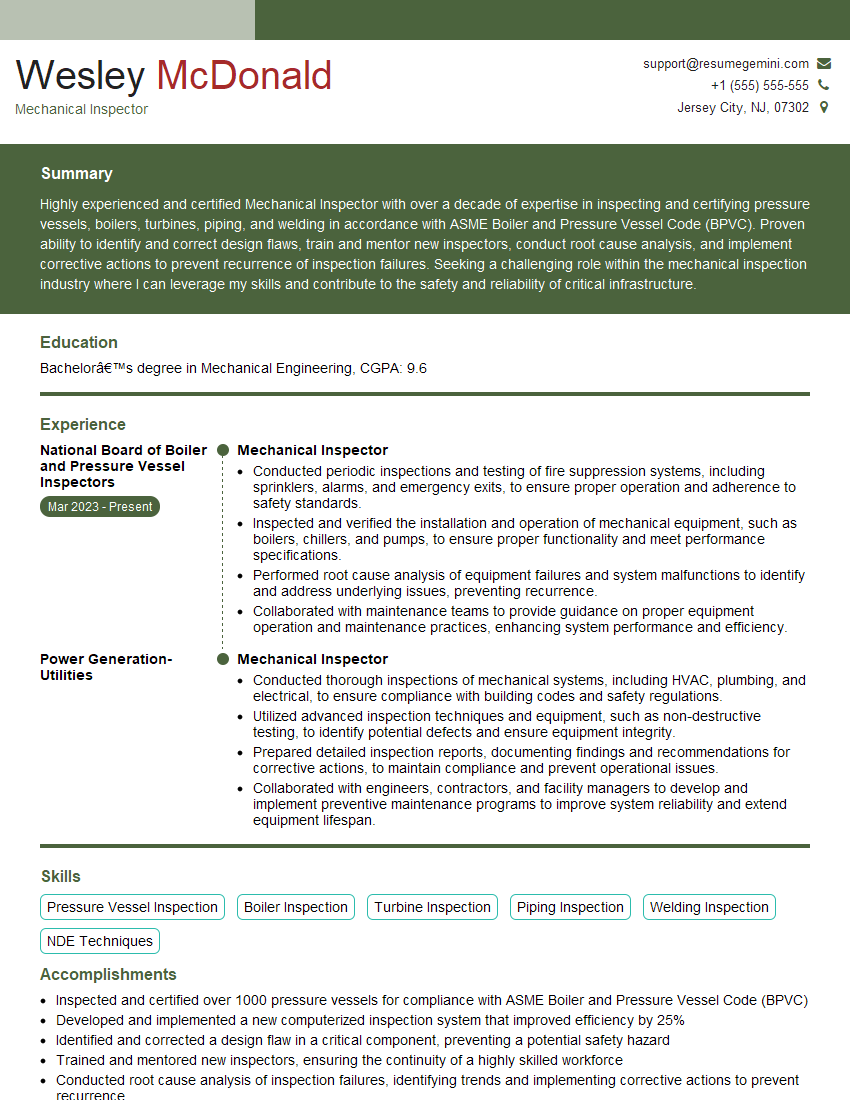
Mechanical Inspector Resume Sample
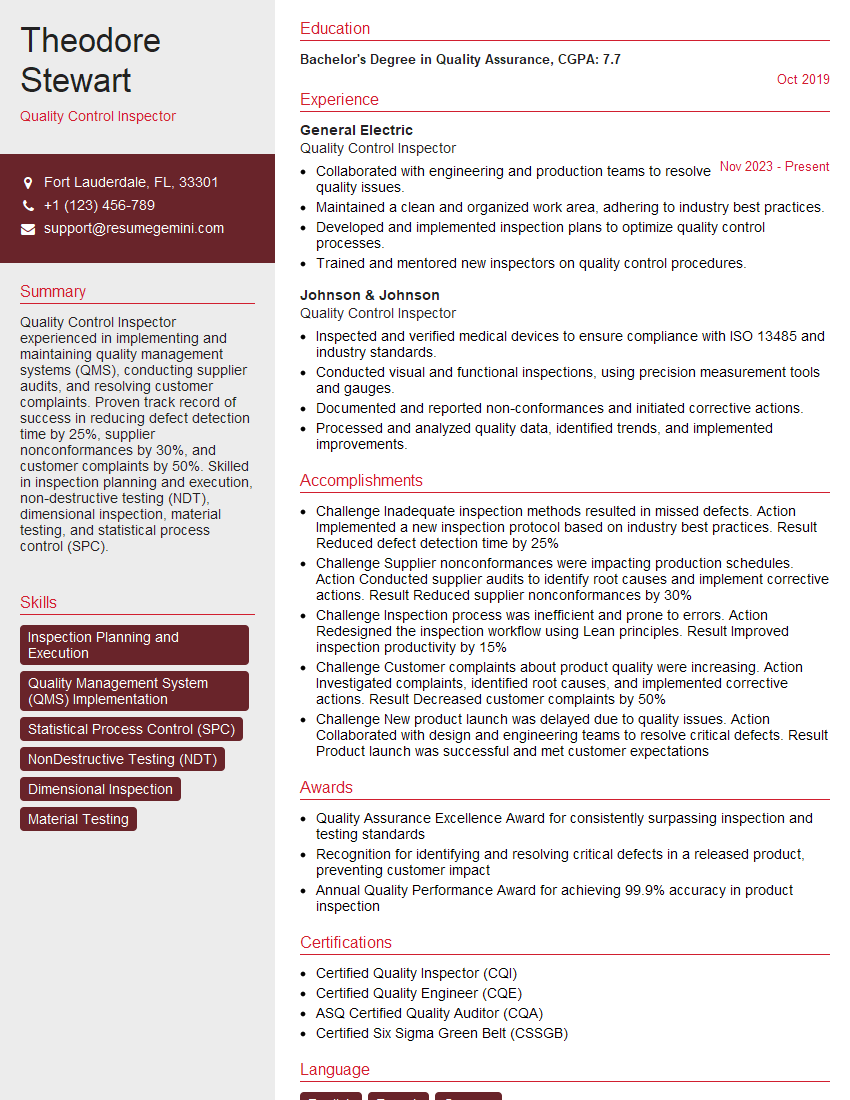
Quality Control Inspector Resume Sample
Explore more articles
Users Rating of Our Blogs
Share Your Experience
We value your feedback! Please rate our content and share your thoughts (optional).
What Readers Say About Our Blog
Very informative content, great job.
good