Interviews are more than just a Q&A session—they’re a chance to prove your worth. This blog dives into essential Kiss Cutting interview questions and expert tips to help you align your answers with what hiring managers are looking for. Start preparing to shine!
Questions Asked in Kiss Cutting Interview
Q 1. Explain the process of kiss cutting.
Kiss cutting is a specialized cutting process used primarily in the manufacturing of labels, stickers, and decals. Unlike a full-through cut that completely separates the material, kiss cutting only partially cuts through a substrate, leaving the cut material adhered to a backing sheet. Imagine using a very sharp knife to just barely score a piece of paper; that’s the essence of kiss cutting. The result is a cleanly cut shape that’s easily peeled from the backing, ready for application.
The process involves a custom-made steel rule die that’s precisely engineered to match the shape of the desired cut. This die is pressed against the material and a specialized cutting mechanism slices through the top layers, leaving the backing intact. Think of it like making cookies with a cookie cutter – the cutter creates the shape, but the cookie remains attached to the dough sheet until you remove it.
Q 2. What are the advantages of kiss cutting over other cutting methods?
Kiss cutting offers several advantages over other cutting methods:
- Ease of peeling and application: The partially cut material is easily removed from its backing sheet, making it ideal for stickers and labels. No messy trimming or cleanup is required.
- High precision and consistency: With a properly designed die, kiss cutting delivers very accurate and consistent cuts, ensuring perfect shapes and clean edges across a large batch.
- Cost-effectiveness for large runs: Once the die is made, kiss cutting can be very efficient for high-volume production, minimizing labor costs compared to manual cutting methods.
- Versatility in material handling: Different types of dies and processes allow for kiss cutting various substrates and thicknesses.
Compared to die-cutting (which cuts all the way through) or rotary cutting (often used for large rolls), kiss cutting offers a unique balance of precision, ease of use, and efficiency for specific applications.
Q 3. What types of materials are best suited for kiss cutting?
Materials best suited for kiss cutting are those that possess a balance of flexibility and strength. The material needs to be easily cut, yet strong enough to withstand the peeling process without tearing or stretching. Common materials include:
- Vinyl: Various vinyl films are widely used for stickers and decals due to their durability and ability to adhere to diverse surfaces.
- Paper: Sticker papers, particularly those with a slightly thicker or coated backing, work well for kiss cutting, creating aesthetically pleasing labels.
- Thin plastics: Certain types of thin plastic films or sheets can be kiss cut for creating specialized labels and packaging components.
- Foils: Metallized films and foils can be used, though die selection and pressure adjustments become crucial.
The choice of material depends heavily on the intended application, desired durability, and aesthetic requirements of the final product.
Q 4. What are the limitations of kiss cutting?
While highly effective for many applications, kiss cutting has some limitations:
- Material thickness limitations: Very thick materials are challenging to kiss cut cleanly. The die might not be able to penetrate enough to allow easy peeling, or it might damage the material.
- Complex designs: Extremely intricate designs with very thin bridges between cut sections can be difficult or impossible to kiss cut without breakage or tearing.
- Die cost and setup time: Creating custom steel rule dies requires specialized tooling and expertise, which involves a significant upfront investment. This makes kiss cutting less cost-effective for very small production runs.
- Material consistency: Inconsistent material thickness can affect the cutting quality, requiring careful adjustments to the die pressure and cutting process.
Q 5. Describe the different types of kiss cutting dies.
Kiss cutting dies are typically made from hardened steel and are designed to create a specific shape. The most common type is the steel rule die, which uses precisely shaped steel blades embedded within a more substantial metal frame. These blades are carefully sharpened and positioned to ensure clean and consistent cuts.
Other variations include:
- Rotary kiss cutting dies: Used in high-speed automated cutting systems, often employing circular blades to create a continuous cut in roll-fed materials.
- Combination dies: These integrate kiss cutting with other cutting or stamping operations, increasing efficiency by performing multiple actions in a single pass.
The choice of die depends greatly on the production volume, material type, and the complexity of the design.
Q 6. How do you select the appropriate die for a specific job?
Selecting the appropriate die is crucial for successful kiss cutting. The process involves considering several factors:
- Material type and thickness: The die needs to be designed to cut through the specific material without causing damage. Thicker materials require stronger dies and possibly different blade configurations.
- Design complexity: Intricate designs need more precise dies with thinner blades and potentially more support structures to prevent blade breakage or bending.
- Production volume: High-volume production warrants a durable, high-quality die, while smaller runs might justify a less expensive option.
- Budget: Die production cost can vary significantly. Balancing quality, durability, and budget is essential.
Collaborating with a specialized die maker is highly recommended to ensure a properly designed and fabricated die that meets your specific requirements.
Q 7. Explain the importance of die pressure in kiss cutting.
Die pressure is critical in kiss cutting. Insufficient pressure leads to incomplete cuts, resulting in difficult peeling and inconsistent results. Excessive pressure can damage the material, cause the die to wear out prematurely, and potentially lead to safety hazards.
Finding the optimal die pressure involves careful experimentation and fine-tuning. Factors such as material type, thickness, and the die’s design all influence the ideal pressure. Too little pressure leads to incomplete cuts, while excessive pressure can cause damage. Pressure is usually adjusted through the machine settings and often requires testing to achieve the desired result.
Precise pressure control is often a key feature of high-end kiss cutting machines, allowing operators to fine-tune the process for optimal results with minimal material waste.
Q 8. How do you ensure accurate and consistent cuts?
Ensuring accurate and consistent kiss cuts relies on a multi-faceted approach encompassing machine calibration, material selection, and operator skill. Think of it like baking a cake – precise measurements and the right ingredients are crucial for a perfect result.
Precise Die Cutting: The accuracy of the kiss-cut starts with the die. A well-designed and meticulously manufactured die is paramount. Any imperfections in the die will be replicated in every cut. Regular inspection and maintenance of the die is essential.
Material Consistency: The substrate’s thickness and consistency directly impact the cut quality. Variations in material thickness can lead to inconsistent cuts, some too deep, others too shallow. Using consistent material from a single batch or supplier helps minimize this variability.
Machine Calibration: Regular calibration of the kiss-cutting machine is critical. This includes checking pressure, speed, and blade sharpness. A poorly calibrated machine will produce inconsistent cuts, potentially ruining the material.
Operator Expertise: Skilled operators understand how different materials react to the cutting process and can adjust machine settings accordingly. Experience enables them to identify and address subtle inconsistencies in real-time.
Q 9. What are the common problems encountered during kiss cutting?
Common kiss-cutting problems often stem from issues with the machine, the die, or the material. Imagine it’s like trying to cut a perfect circle with a dull knife – it’s frustrating and the results aren’t clean.
Inconsistent Cuts: This is often caused by variations in material thickness, dull blades, or improper machine calibration.
Sticking or Adhesion: This can happen if the material is too sticky or the cutting pressure is too low, leaving the cut pieces stuck together.
Incomplete Cuts: This often indicates a dull blade, insufficient cutting pressure, or a poorly designed die.
Material Damage: Excessive pressure or a sharp blade can cause damage to the material, such as tearing or scoring.
Die Problems: A damaged or poorly made die will inevitably lead to inconsistent and flawed cuts.
Q 10. How do you troubleshoot common kiss cutting issues?
Troubleshooting kiss-cutting issues requires a systematic approach. Think of it as detective work – examining clues to find the root cause.
Inspect the Die: Check for burrs, damage, or misalignment. Replace or repair as needed.
Examine the Material: Assess for variations in thickness or inconsistencies. Consider changing material suppliers or batches.
Calibrate the Machine: Check and adjust the pressure, speed, and blade sharpness. Refer to the machine’s manual for proper calibration procedures.
Adjust Cutting Parameters: Fine-tune pressure and speed to optimize for the specific material being used.
Replace Blades: Dull blades are a major source of problems; replacing them regularly is crucial for consistent cuts.
Test Cuts: Perform test cuts with different settings to find the optimal combination for consistent and clean separation.
Q 11. Describe your experience with different types of kiss cutting machines.
My experience spans various types of kiss-cutting machines, from simple hand-cranked models to fully automated, high-speed systems. Each type presents unique challenges and advantages.
Hand-cranked Machines: Suitable for small-scale projects, these offer excellent control but are labor-intensive and slower. They are ideal for prototyping and small-batch production.
Semi-automatic Machines: These machines automate some aspects of the process, such as feeding the material, increasing productivity compared to hand-cranked models.
Fully Automated Machines: These high-speed systems are used for large-scale production. They are incredibly efficient but require significant investment and specialized training.
Rotary Die Cutters: These use a rotating cylinder die for high-speed production of kiss-cut stickers and labels.
My experience encompasses working with all these machine types, allowing me to adapt my approach based on project requirements and available resources.
Q 12. What safety procedures do you follow when operating kiss cutting equipment?
Safety is paramount when operating kiss-cutting equipment. Think of it as a rule – always prioritize safety first. Neglecting safety can lead to serious injury.
Personal Protective Equipment (PPE): Always wear safety glasses and appropriate gloves to protect against flying debris and sharp blades.
Machine Guards: Ensure all safety guards are in place and functioning correctly before operating the machine.
Proper Training: Only trained and authorized personnel should operate the equipment.
Lockout/Tagout Procedures: Follow proper lockout/tagout procedures before performing any maintenance or repairs.
Emergency Stop Procedures: Be familiar with the location and operation of the emergency stop button.
Machine Inspection: Before each use, thoroughly inspect the machine for any signs of damage or malfunction.
Q 13. How do you maintain and clean kiss cutting machinery?
Maintaining and cleaning kiss-cutting machinery is crucial for ensuring its longevity and optimal performance. Regular maintenance is similar to regular car servicing – preventative care saves time and money in the long run.
Regular Cleaning: Remove material scraps and debris from the machine after each use. This prevents build-up and ensures smooth operation.
Blade Maintenance: Regularly inspect and replace blades as needed. Dull blades lead to poor cuts and can even damage the machine.
Lubrication: Lubricate moving parts according to the manufacturer’s recommendations. This reduces friction and extends the machine’s lifespan.
Die Maintenance: Regularly inspect the die for damage and clean it thoroughly. Store dies properly to prevent damage.
Preventative Maintenance Schedule: Establish a preventative maintenance schedule that includes regular inspections, cleaning, and lubrication.
Q 14. How do you measure the quality of a kiss cut?
Measuring the quality of a kiss-cut involves both visual inspection and functional testing. Think of it as quality control – making sure the product meets the required standards.
Visual Inspection: Check for clean separation, consistent cut depth, and the absence of tearing, scoring, or other damage.
Peel Strength: Evaluate the ease with which the top layer peels away from the backing. A good kiss-cut will have consistent peel strength.
Dimensional Accuracy: Measure the dimensions of the cut pieces to ensure they conform to the specifications.
Statistical Process Control (SPC): For large-scale production, SPC methods can be used to monitor and control the kiss-cutting process, ensuring consistent quality over time.
Q 15. What are the key quality control checkpoints in kiss cutting?
Quality control in kiss cutting is paramount for ensuring consistent product quality and minimizing waste. It’s a multi-stage process beginning even before the cutting begins.
- Material Inspection: Before cutting, we meticulously inspect the substrate for defects like inconsistencies in thickness, surface imperfections, or pre-existing damage. This prevents these flaws from propagating through the entire batch.
- Die Verification: The kiss-cutting die is crucial. We verify its accuracy and alignment regularly. A misaligned die can lead to inconsistent cuts and wasted material. We often use a magnification tool to check for any burrs or damage to the die itself.
- Sample Run & Inspection: We always perform a test run before committing to a full production run. This allows us to visually inspect the initial cuts for accuracy, ensuring the depth of the cut is correct and the parts are cleanly separated. We also check for any signs of tearing or distortion.
- Statistical Process Control (SPC): We use statistical methods to monitor key parameters throughout the process. This includes measuring the dimensions of the cut parts, checking for variations in cutting depth, and tracking waste generation to identify trends and prevent future issues.
- Visual Inspection of Finished Product: A final visual inspection is crucial. We examine each batch for defects like incomplete cuts, misaligned pieces, or damaged parts. This is often done using magnification and sometimes automated vision systems.
Think of it like baking a cake – you check your ingredients (material), your recipe (die), and then sample the cake (test run) before presenting the final product.
Career Expert Tips:
- Ace those interviews! Prepare effectively by reviewing the Top 50 Most Common Interview Questions on ResumeGemini.
- Navigate your job search with confidence! Explore a wide range of Career Tips on ResumeGemini. Learn about common challenges and recommendations to overcome them.
- Craft the perfect resume! Master the Art of Resume Writing with ResumeGemini’s guide. Showcase your unique qualifications and achievements effectively.
- Don’t miss out on holiday savings! Build your dream resume with ResumeGemini’s ATS optimized templates.
Q 16. How do you handle defective parts produced during kiss cutting?
Handling defective parts depends on the severity of the defect and the cost of correction. Our approach is always to minimize waste and maximize the use of usable materials.
- Minor Defects: If the defect is minor, like a small nick or slight misalignment, and doesn’t affect the functionality, we might salvage the parts by manually trimming them or using them for lower-grade applications.
- Major Defects: Parts with major defects, like incomplete cuts or significant damage, are usually rejected and disposed of according to our waste management plan. This prevents further issues downstream.
- Root Cause Analysis: We always conduct a thorough root cause analysis to understand why defective parts were produced. This might involve examining the die, the material, the machine settings, or even operator error. This is critical for preventing future defects.
- Material Segregation: Defective parts are segregated from good parts to prevent accidental mixing and ensure accurate inventory management.
For instance, if we find a batch of stickers with slightly misaligned cuts, we might separate the perfect ones for retail sale and use the slightly misaligned ones for internal use or promotional giveaways.
Q 17. Describe your experience with different types of substrates used in kiss cutting.
My experience spans a wide range of substrates used in kiss cutting. Each material presents its own unique challenges and requires optimized cutting parameters.
- Paper & Paperboard: This is very common and relatively easy to kiss cut. Different paper weights and coatings (e.g., matte, gloss) influence cutting speed and blade pressure.
- Films (Vinyl, Polyester): Films require sharper blades and often more precise pressure control due to their tendency to stretch or tear. Different film thicknesses call for different settings.
- Foils: Foils, particularly metallic foils, are challenging due to their tendency to wrinkle or crease. Special care is needed to prevent damage to the surface.
- Fabrics: Cutting fabrics requires careful consideration to prevent fraying. Sometimes, specialized blades or techniques are necessary.
- Composite Materials: Kiss-cutting through layered materials (e.g., paper laminated to film) needs precise control over blade depth and pressure to avoid delamination.
For example, cutting a thick vinyl sticker requires a more powerful machine and a sharper blade than cutting thin paper labels. Each material requires a tailored approach.
Q 18. Explain the importance of proper material handling in kiss cutting.
Proper material handling is crucial for preventing defects and ensuring consistent kiss-cutting results. Improper handling can lead to material damage, misalignment, and wasted time and resources.
- Storage: Materials should be stored in a clean, dry, and temperature-controlled environment. This helps maintain the integrity of the material and prevents warping or degradation.
- Feeding: Proper material feeding into the machine is essential. Wrinkles, creases, or misalignment in the feed can cause inconsistent cuts. We often use alignment guides and rollers to ensure smooth feeding.
- Transportation: Materials should be transported carefully to prevent damage. Appropriate packaging and handling procedures are necessary.
- Cleanliness: Maintaining a clean work area is crucial to avoid contaminants that could affect the cutting process or the final product.
Imagine trying to cut a perfectly straight line on a wrinkled piece of paper – it’s impossible! Similarly, proper material handling is the foundation for achieving high-quality kiss-cutting.
Q 19. How do you calculate the cutting speed for different materials?
Calculating cutting speed involves considering several factors. There isn’t a single formula, but rather a process of optimization based on experience and material properties.
- Material Type: Harder and thicker materials generally require slower cutting speeds to avoid damage and ensure clean cuts.
- Blade Type & Sharpness: Sharper blades allow for higher cutting speeds. Dull blades will slow down the process and reduce cut quality.
- Machine Capabilities: The capabilities of the kiss-cutting machine limit the maximum achievable speed. Operating above these limits can lead to machine damage.
- Desired Quality: Higher quality requirements may necessitate slower cutting speeds to reduce the risk of defects.
We often start with a conservative speed and gradually increase it while monitoring the quality of the cuts. This iterative approach allows us to find the optimal balance between speed and quality for each material.
Q 20. How do you determine the appropriate blade sharpness for kiss cutting?
Determining the appropriate blade sharpness is critical for kiss cutting. A dull blade leads to poor cut quality, increased waste, and potentially machine damage.
- Visual Inspection: We regularly inspect the blade for signs of wear and tear, such as chipping, dulling, or deformation. Microscopes are useful for detailed inspections.
- Cutting Test: We often perform cutting tests on sample materials to assess the blade’s sharpness. The quality of the cuts provides a direct indication of blade condition.
- Frequency of Change: The frequency of blade changes depends on usage and material type. Harder materials and high-volume production often require more frequent changes.
- Blade Type: Different blade types are suitable for different materials. The selection of the correct blade is essential for achieving optimal cutting performance.
Imagine trying to cut bread with a dull knife – you’d end up with a ragged, uneven cut. Similarly, a sharp blade is essential for achieving clean, precise cuts in kiss cutting.
Q 21. How do you manage waste material generated during kiss cutting?
Waste management in kiss cutting involves both minimizing waste generation and responsible disposal of the unavoidable waste.
- Die Design Optimization: We design dies to maximize material utilization and minimize waste. Nesting is key to optimizing the layout of parts within the material.
- Waste Collection & Segregation: We collect and segregate waste materials, such as cutting scraps, according to their composition. This enables proper recycling or disposal.
- Recycling: We prioritize recycling whenever possible. For example, paper and cardboard scraps can be recycled through standard channels.
- Responsible Disposal: Waste materials that can’t be recycled are disposed of according to environmental regulations. We work with certified waste management companies.
- Waste Tracking: We carefully track waste generation to identify areas for improvement and monitor our overall efficiency.
Minimizing waste is not only environmentally responsible but also economically beneficial. Reducing waste translates directly to lower production costs.
Q 22. What are the environmental considerations associated with kiss cutting?
Environmental considerations in kiss cutting primarily revolve around material selection and waste management. The type of substrate used – whether it’s paper, film, or a more complex composite – directly impacts the environmental footprint. Using recycled materials or materials from sustainable sources is crucial. Furthermore, minimizing waste is key. Efficient die design and precise cutting reduce material scraps. Proper disposal or recycling of these scraps is also essential, often involving separating different material types for effective recycling streams. For example, we recently switched to a bio-based adhesive film for a client, reducing their carbon footprint considerably, and implemented a program to separate and recycle the different waste materials generated by the process, significantly improving our overall sustainability performance.
Q 23. How do you ensure the proper alignment of dies during the kiss cutting process?
Ensuring proper die alignment is paramount to successful kiss cutting. We employ a multi-pronged approach. Firstly, precision tooling is crucial. We use high-quality dies manufactured to exacting tolerances, often employing laser-cutting techniques for superior accuracy. Secondly, we meticulously check die registration on a proofing press, running test cuts on sample materials before mass production. Any misalignment is immediately identified and corrected, often involving fine adjustments to the die placement within the cutting machine. Finally, during the production run, we regularly monitor the process using automated systems that detect and flag inconsistencies, and employ operators who have been rigorously trained to catch discrepancies and perform on-the-spot corrections. Think of it like building a house; if the foundation (die alignment) is off, the entire structure (the final product) suffers.
Q 24. What is your experience with different types of adhesives used with kiss cut products?
My experience spans a wide range of adhesives used in kiss cutting applications. We commonly utilize pressure-sensitive adhesives (PSAs) due to their ease of application and peelability. These include acrylic, silicone, and rubber-based adhesives, each with its own set of properties, such as tack, adhesion strength, and temperature resistance. The choice depends heavily on the substrate and the application’s end-use requirements. For example, a high-tack acrylic PSA is ideal for labels on curved surfaces, while a silicone PSA might be preferred for high-temperature applications. We’ve also worked with water-based and hot-melt adhesives, though their suitability for kiss cutting is more limited due to their curing requirements and potentially less clean separation of the cut.
Q 25. Explain the importance of accurate registration in kiss cutting.
Accurate registration in kiss cutting is absolutely critical. It dictates the precise positioning of the cut relative to the printed design or other features on the substrate. Poor registration leads to misaligned cuts, rendering products unusable or aesthetically unappealing. Imagine a sticker where the image is significantly offset from the adhesive area. It’s unusable! Accurate registration ensures that the kiss cut is cleanly separated, maintaining the integrity of both the top and bottom layers. This is achieved through careful control of the die design, precise machine setup, and regular monitoring of the cutting process. Any deviation, even slight, accumulates, leading to significant registration problems later in the process. We employ sophisticated quality control measures to ensure that registration remains within acceptable tolerances throughout the production run.
Q 26. Describe your experience with using different types of cutting blades.
We’ve used several types of cutting blades throughout the years, each with its own strengths and weaknesses. Steel blades offer a good balance of durability and sharpness and are widely used for general-purpose kiss cutting. However, for high-volume production with thinner materials, we opt for carbide blades, which offer exceptional longevity and maintain a sharp edge for significantly longer. For intricate cuts requiring precise detail, we use micro-serrated blades to get clean cuts with minimal waste. The selection of a blade depends on factors such as material thickness, desired cut quality, and production volume. Regular blade maintenance, including sharpening or replacement, is a crucial element of maintaining the quality and efficiency of the process. A dull blade causes burrs, tears, and often results in inefficient material waste, so attention to blade sharpness is extremely important.
Q 27. How do you optimize the kiss cutting process for efficiency?
Optimizing the kiss cutting process for efficiency is a continuous effort. We focus on several key areas. First, we employ lean manufacturing principles to streamline the workflow, minimizing unnecessary steps and reducing handling time. Secondly, we use advanced software for efficient die design, maximizing the number of parts cut from each sheet and minimizing waste. This includes optimizing the nesting of designs to maximize material utilization. Thirdly, regularly scheduled maintenance of the cutting machines, including blade sharpening and adjustments to ensure optimal cutting pressure, is paramount. Finally, efficient operator training and workflow analysis contribute to higher output and reduce errors. We constantly monitor key metrics such as units produced per hour, waste generated, and defects to identify areas for further optimization. Think of it as continuously improving a well-oiled machine – small tweaks make a huge difference over time.
Q 28. What are the latest advancements in kiss cutting technology?
Recent advancements in kiss cutting technology are remarkable. The most significant is the integration of automation and digital technologies. CNC-controlled cutting machines offer greater precision, speed, and repeatability. We have integrated systems which allow for real-time monitoring and control, reducing human error and maximizing efficiency. Advances in blade technology, particularly the use of more durable and precise cutting tools, have improved cut quality and reduced downtime. The development of new adhesive materials with improved peelability and adhesion characteristics is another key advancement, enhancing the versatility and application of kiss-cut products. Moreover, the growing use of digital printing methods, coupled with kiss cutting, allows for rapid prototyping and personalized products, opening up new possibilities in diverse industries.
Key Topics to Learn for Your Kiss Cutting Interview
- Die Design and Construction: Understanding die geometry, material selection, and manufacturing processes crucial for efficient kiss cutting.
- Material Properties and Selection: Knowledge of various substrates (films, foils, papers) and their impact on kiss cutting performance. Consider factors like thickness, elasticity, and surface properties.
- Kiss Cutting Machine Operation and Maintenance: Familiarity with different types of kiss cutting machines, their settings, and troubleshooting common issues. This includes understanding blade types and adjustments.
- Quality Control and Inspection: Methods for assessing cut quality, identifying defects (e.g., incomplete cuts, burrs), and implementing corrective actions. Understanding tolerances and specifications is vital.
- Production Optimization: Strategies for maximizing efficiency, minimizing waste, and improving throughput in a kiss cutting operation. This includes understanding workflow and process improvement techniques.
- Safety Procedures and Regulations: Awareness of safety protocols related to operating machinery and handling materials in a kiss cutting environment. Understanding relevant industry standards is key.
- Waste Management and Sustainability: Understanding environmentally responsible practices for material handling and waste reduction in kiss cutting processes.
Next Steps: Elevate Your Career with Kiss Cutting Expertise
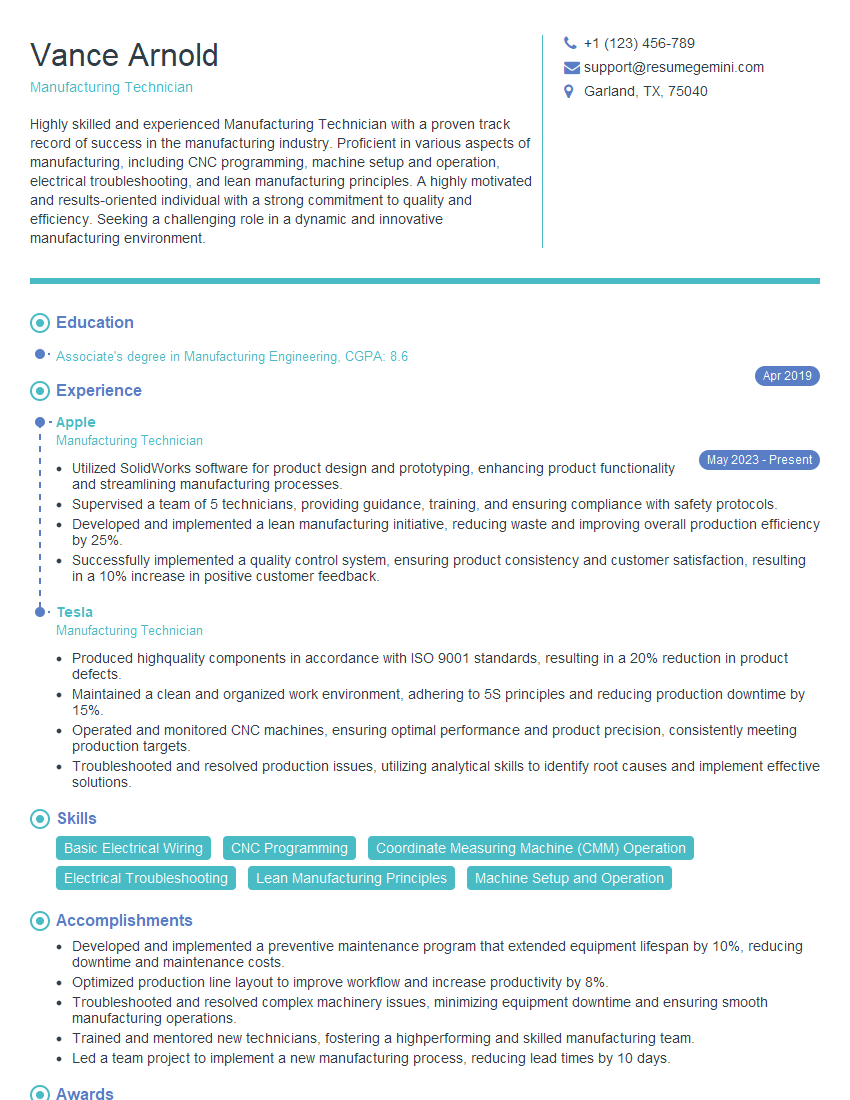
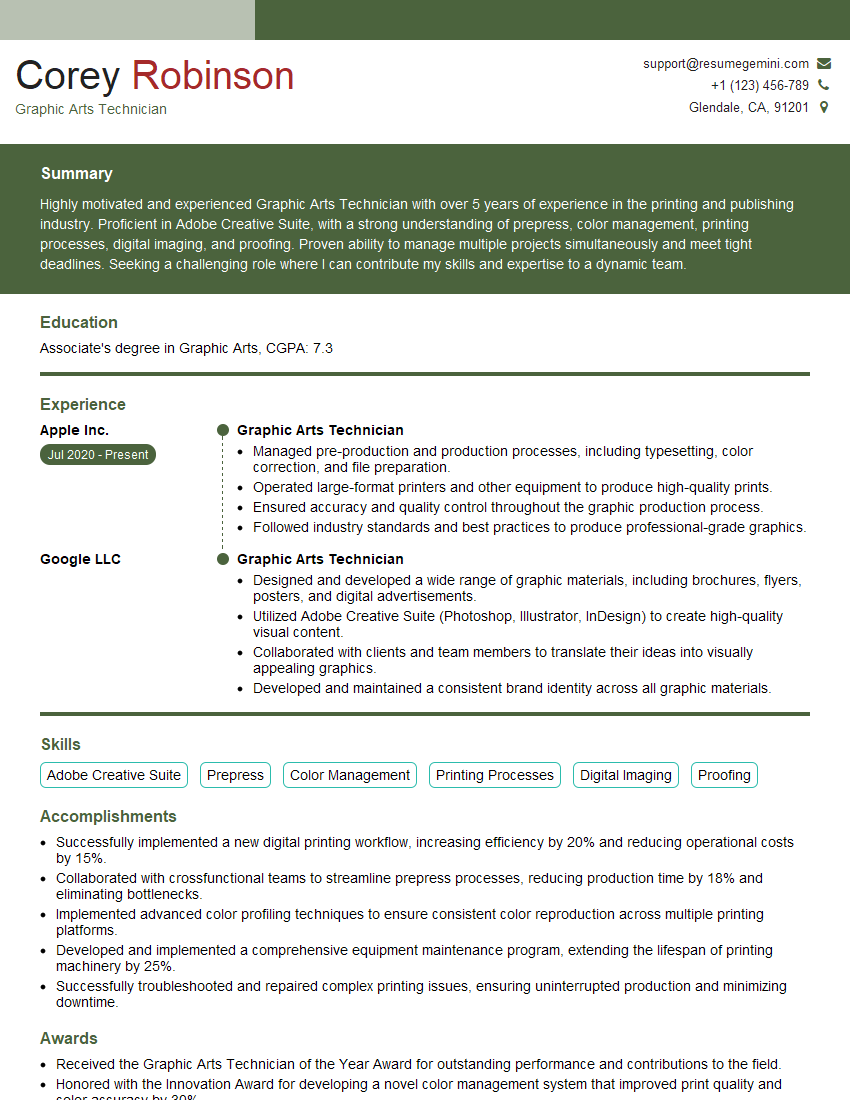
Mastering kiss cutting opens doors to rewarding and specialized roles within manufacturing and packaging industries. To maximize your job prospects, focus on creating a strong, ATS-friendly resume that highlights your skills and experience effectively. ResumeGemini is a trusted resource to help you build a professional and impactful resume that showcases your expertise. We provide examples of resumes tailored specifically to the Kiss Cutting industry to help you craft a compelling application.


Explore more articles
Users Rating of Our Blogs
Share Your Experience
We value your feedback! Please rate our content and share your thoughts (optional).
What Readers Say About Our Blog
Very informative content, great job.
good