The thought of an interview can be nerve-wracking, but the right preparation can make all the difference. Explore this comprehensive guide to Knowledge of Buttonhole Sewing Machine Types and Models interview questions and gain the confidence you need to showcase your abilities and secure the role.
Questions Asked in Knowledge of Buttonhole Sewing Machine Types and Models Interview
Q 1. What are the different types of buttonhole sewing machines?
Buttonhole sewing machines come in several types, primarily categorized by their stitching method and needle configuration. The main categories are:
- Single-needle machines: These use a single needle to create the buttonhole, often employing a specialized stitch pattern that locks the stitches together for strength and durability. They’re versatile and commonly found in both industrial and home settings.
- Double-needle machines: These utilize two needles simultaneously, creating a more robust and faster buttonhole. They are usually preferred for high-volume production.
- Rotary machines: These employ a rotating hook to create a chain stitch, forming the buttonhole quickly and efficiently. They’re popular in industrial settings due to their speed and automation potential.
- Chain-stitch machines: These create buttonholes using a chain stitch, often requiring less complex mechanisms than other types. They are typically more affordable and simpler to maintain.
The choice of machine depends on factors like production volume, desired buttonhole quality, and budget. A tailor might prefer a single-needle machine for precision, while a garment manufacturer would opt for a high-speed rotary or double-needle machine.
Q 2. Explain the difference between a single-needle and a double-needle buttonhole machine.
The core difference lies in the number of needles and the resulting buttonhole construction. A single-needle buttonhole machine uses one needle to create the buttonhole stitch by stitch, often incorporating a complex pattern for strength and neatness. This allows for more intricate designs and greater control over stitch density and length. Think of it like meticulously drawing a perfect line; each stitch is carefully placed.
A double-needle buttonhole machine employs two needles simultaneously, creating two parallel rows of stitching that are then interconnected. This method is significantly faster, producing a robust, double-stitched buttonhole. It’s akin to quickly constructing a sturdy bridge with two parallel support beams.
In short: Single-needle machines offer superior precision and design flexibility, while double-needle machines prioritize speed and strength, making them ideal for mass production.
Q 3. Describe the mechanism of a rotary buttonhole machine.
A rotary buttonhole machine utilizes a rotating hook to create a chain stitch that forms the buttonhole. The process typically involves several steps:
- Fabric Feeding: The fabric is fed under the needle and hook.
- Needle Penetration: The needle pierces the fabric, creating the initial stitch.
- Hook Rotation: The rotating hook catches the loop of thread formed by the needle, pulling it through the fabric and creating a chain stitch.
- Stitch Formation: This process repeats to build the buttonhole stitch, forming the desired length and width.
- Automatic Cutting: Many rotary machines include an automated cutting mechanism that trims the ends of the buttonhole, providing a clean finish.
The speed and efficiency of the rotary hook make these machines highly productive, commonly used in factories producing large quantities of garments.
Q 4. How does a chain-stitch buttonhole machine create a buttonhole?
A chain-stitch buttonhole machine creates a buttonhole by forming a continuous loop of interlocked stitches. Unlike lock stitches found in single or double needle machines, a chain stitch is simpler to create, requiring less complex mechanical movements. The machine feeds the fabric, the needle pierces the fabric, and a hook mechanism catches the thread loop, creating a chain-like structure that forms the buttonhole. The process is repeated until the desired buttonhole length is reached. Often, these machines require a separate cutting mechanism to neatly finish the buttonhole.
Think of it like making a paper chain; each loop links to the next, forming a continuous chain.
Q 5. What are the key adjustments on a buttonhole sewing machine?
Key adjustments on a buttonhole machine typically include:
- Stitch Length: Controls the spacing between individual stitches, affecting the buttonhole’s strength and appearance.
- Stitch Width: Determines the buttonhole’s width, impacting its overall size and proportion.
- Buttonhole Length: Sets the total length of the buttonhole.
- Cutting Mechanism: Controls the cutting function, ensuring a clean finish or leaving a slightly longer buttonhole for hand-finishing.
- Needle Position: Adjusts the position of the needle relative to the fabric, crucial for accurate stitching.
- Presser Foot Pressure: Controls how tightly the fabric is held during stitching, preventing puckering or skipped stitches.
These adjustments are vital for creating high-quality, consistent buttonholes.
Q 6. How do you adjust the stitch length and width on a buttonhole machine?
Adjusting stitch length and width varies depending on the machine’s model and brand. However, most machines have dedicated dials or controls for these settings. The stitch length dial often displays numbers or markings representing the distance between stitches (e.g., 1.5mm, 2.0mm). Turning the dial increases or decreases this distance. The stitch width adjustment, similarly, controls the width of the buttonhole and is usually adjusted via a separate dial or lever.
It’s crucial to consult the machine’s manual for precise instructions and recommendations on these adjustments. Experimentation on scrap fabric is always advised before working on the actual project to achieve desired results.
Q 7. Explain the process of threading a buttonhole sewing machine.
Threading a buttonhole machine is similar to threading a standard sewing machine, but may have additional steps depending on the machine’s design. The general steps usually involve:
- Raise the presser foot: To access the threading path.
- Locate the spool pin: Place the spool of thread onto the pin.
- Guide the thread: Carefully guide the thread through the tension discs, following the threading path indicated on the machine (usually marked with arrows or numbers).
- Engage the bobbin: Make sure the bobbin is correctly placed and wound, and its thread is properly engaged.
- Thread the needle: Insert the thread through the needle eye, ensuring there are no kinks or knots.
- Test stitching: Sew a test stitch to check if the thread is correctly fed and the tension is properly adjusted.
Always refer to your machine’s manual for specific threading instructions, as the steps may differ slightly depending on the model and brand. Visual aids such as diagrams or videos from the manufacturer can be invaluable.
Q 8. How do you troubleshoot common buttonhole machine problems (e.g., skipped stitches, broken needles)?
Troubleshooting buttonhole machine problems requires a systematic approach. Let’s tackle common issues like skipped stitches and broken needles.
Skipped Stitches: This often points to incorrect tension, a dull needle, or improper threading. First, check the upper and lower thread tensions. They should be balanced; too much tension on either will lead to skipped stitches. Next, inspect the needle for damage – even a tiny bend can cause this. Replace it with a new needle of the correct size for your fabric. Finally, verify that the bobbin is correctly wound and inserted. A poorly wound bobbin can cause consistent skipped stitches. If the problem persists, examine the feed dogs; ensure they’re clean and functioning properly.
Broken Needles: Broken needles are usually a sign of hitting a hard object (like a pin or button) in the fabric, using the wrong needle size for the fabric, or incorrect needle placement. Always use the correct needle size for your fabric type (we’ll discuss this further in a later question). Double-check that the needle is inserted correctly into the machine, making sure it’s pushed all the way up and seated firmly. If needles continue to break, examine your fabric for hidden hard objects. Sometimes, a slightly off-kilter presser foot can also contribute to needle breakage.
Example: I once worked on a machine that consistently skipped stitches. After checking the tension and replacing the needle, I discovered a tiny piece of lint lodged in the feed dog. Removing it solved the problem immediately. This highlights the importance of regular cleaning.
Q 9. What are the safety precautions when operating a buttonhole sewing machine?
Safety is paramount when working with any sewing machine. Buttonhole machines are no exception. Here are some crucial precautions:
- Always unplug the machine before cleaning, oiling, or making any adjustments.
- Keep fingers and loose clothing away from moving parts. The needle and other moving components can cause serious injury.
- Use a stable work surface, ensuring the machine is securely placed to prevent accidental falls.
- Use the correct needle and presser foot for the fabric to minimize the risk of needle breakage.
- Never force the fabric through the machine; this can lead to needle breakage or machine damage.
- Take breaks to avoid fatigue, which can lead to mistakes and potential accidents.
- Follow the manufacturer’s instructions carefully. They contain vital information for safe operation.
Think of it this way: Treating your machine with care is like treating a finely tuned instrument. A little caution prevents a lot of problems.
Q 10. How do you maintain a buttonhole sewing machine to ensure optimal performance?
Regular maintenance is crucial for optimal performance and longevity of your buttonhole sewing machine. Think of it like servicing your car – regular checkups prevent larger problems later.
- Clean the machine regularly: Use a soft brush or compressed air to remove lint and dust from the feed dogs, bobbin case, and other areas. Dust accumulation can hinder performance and cause problems.
- Oil the machine periodically: Use a high-quality sewing machine oil on designated lubrication points, as indicated in your machine’s manual. Oil keeps moving parts running smoothly and reduces friction.
- Check and clean the bobbin case: Ensure the bobbin case is free of lint and debris. A clean bobbin case ensures smooth stitching.
- Inspect the needle regularly: Replace bent or dull needles immediately to prevent skipped stitches or fabric damage.
- Check the timing: Some machines have adjustable timing; consulting your manual for proper timing adjustments is essential for consistent buttonholes.
A simple routine: I recommend cleaning your machine after each major project and oiling it monthly, adjusting this frequency based on the intensity of use.
Q 11. What types of needles are used for different fabric types on buttonhole machines?
Needle selection is paramount for achieving high-quality buttonholes. The correct needle size and type significantly impact the result. Using the wrong needle can lead to skipped stitches, broken needles, and damage to the fabric.
- Fine Fabrics (Silk, chiffon): Use a very fine needle, like a size 60/8 or 70/10, to avoid damaging delicate fibers.
- Medium-weight Fabrics (Cotton, linen): A size 70/10 or 80/12 needle works well for medium-weight fabrics. This size offers good strength without excessive fabric damage.
- Heavyweight Fabrics (Denim, canvas): For thick fabrics, you’ll need a heavier needle like a size 90/14 or 100/16. These needles can penetrate thicker materials effectively.
- Needle Type: Sharp needles are generally preferred for most fabric types. Ballpoint needles are better suited for knits to prevent snagging or runs.
Example: Trying to sew a buttonhole on silk with a size 100/16 needle would be disastrous. The large needle would cause holes and damage the delicate fabric. Always choose the needle size that’s appropriate for your fabric’s weight.
Q 12. How do you select the correct presser foot for different fabrics and buttonhole types?
The presser foot plays a crucial role in achieving even buttonholes. Different fabrics and buttonhole types require different feet for optimal results. Using the wrong presser foot can lead to uneven stitching or damage to your fabric.
- Standard Presser Foot: Suitable for many fabric types and buttonhole styles. It provides even pressure across the fabric.
- Buttonhole Foot: This specialized foot is designed specifically for sewing buttonholes and guides the fabric for precise and consistent results. This is often your best bet.
- Adjustable Buttonhole Foot: Allows for customization of the stitch width and length, perfect for achieving precise buttonholes tailored to your needs.
- Open-Toe Presser Foot: Offers better visibility of the stitching area and is ideal when working with thick or bulky materials.
Choosing the right foot: Always consult your machine’s manual; it provides precise recommendations for using different feet with various fabric types and buttonhole applications. For example, a standard presser foot might not suffice when working with thick denim; an open-toe presser foot allows for better visibility and maneuverability in this situation.
Q 13. Explain the importance of proper tension settings for buttonhole sewing.
Proper tension settings are essential for creating even, well-formed buttonholes. Incorrect tension leads to puckering, loose stitches, or broken threads.
Balanced Tension: Both upper and lower tensions must be balanced. Too much upper tension causes the fabric to pucker, and too much lower tension results in loose stitches on the top. The goal is a balanced stitch where both upper and lower threads are neatly interwoven.
Testing Tension: It’s best to test your tension on a scrap piece of fabric before working on your project. Adjust the tension dials until you achieve consistent and even stitching.
Fabric Type Matters: The ideal tension varies depending on the fabric type. Heavier fabrics often require slightly tighter tension, whereas lighter fabrics benefit from looser tension.
Example: If your buttonhole is puckering, it’s a clear sign of too much upper tension. If it looks loose and the stitches are uneven, you may have too much lower tension. Experiment with small adjustments until you find the perfect balance for your fabric.
Q 14. What are the common causes of buttonhole inconsistencies?
Buttonhole inconsistencies often stem from several sources. Let’s examine the common culprits.
- Incorrect Needle and Presser Foot: Using the wrong needle or presser foot can result in uneven stitching and buttonholes of varying sizes or shapes.
- Improper Tension: As discussed earlier, imbalanced tension is a leading cause of buttonhole imperfections.
- Poorly Wound Bobbin: A poorly wound bobbin can cause inconsistent stitches and create irregular buttonholes.
- Dirty or Damaged Machine: Lint and dust build-up in the machine can affect the performance and lead to inconsistent buttonholes. A damaged machine needs professional attention.
- Fabric type and preparation: The type of fabric, its thickness, and its stretching properties all influence your stitching consistency. Pre-washing certain fabrics (such as linen or cotton) can help avoid issues with shrinkage after the buttonhole is completed.
Troubleshooting Tip: When encountering buttonhole inconsistencies, address each of these aspects systematically. Start with the simplest checks – needle, presser foot, and tension – and move on to more complex issues if needed. A methodical approach ensures you pinpoint the source of the problem efficiently.
Q 15. How do you diagnose and repair a broken buttonhole stitch?
Diagnosing a broken buttonhole stitch begins with careful observation. First, identify the exact nature of the problem: is the stitch skipping, inconsistent, breaking frequently, or creating an uneven shape? This helps pinpoint the cause. For example, skipped stitches often indicate a problem with the needle, thread tension, or feed dogs. A consistently uneven stitch might suggest a misaligned presser foot or incorrect buttonhole size settings.
Repairing the issue involves systematically checking each component. Start by inspecting the needle for damage (bent, blunt, or broken). Then, check the thread for knots, fraying, or the wrong type of thread (incorrect weight or material for the fabric). Make sure the bobbin is correctly wound and inserted, as a poorly wound bobbin can lead to uneven stitching. Finally, check the feed dogs to ensure they are functioning correctly and moving the fabric smoothly through the machine. If the problem persists after these checks, more advanced troubleshooting might be needed, potentially involving adjustments to the machine’s internal mechanisms, which requires more specialized knowledge and tools.
Career Expert Tips:
- Ace those interviews! Prepare effectively by reviewing the Top 50 Most Common Interview Questions on ResumeGemini.
- Navigate your job search with confidence! Explore a wide range of Career Tips on ResumeGemini. Learn about common challenges and recommendations to overcome them.
- Craft the perfect resume! Master the Art of Resume Writing with ResumeGemini’s guide. Showcase your unique qualifications and achievements effectively.
- Don’t miss out on holiday savings! Build your dream resume with ResumeGemini’s ATS optimized templates.
Q 16. Describe the process of cleaning and lubricating a buttonhole machine.
Cleaning and lubricating a buttonhole machine is crucial for its longevity and performance. Think of it like regular car maintenance—it prevents bigger problems down the road. First, power down and unplug the machine. Then, gently remove any lint or thread buildup from the hook area, feed dogs, and other accessible parts using a soft brush or compressed air. You can also use a lint brush specifically designed for sewing machines.
Next, apply a high-quality sewing machine lubricant (avoid household oils) to the moving parts, such as the hook race, the shuttle, and the feed dogs. Follow the manufacturer’s instructions for the specific type and application of lubricant. Only use a tiny amount of lubricant at a time to avoid attracting more lint. After lubricating, run the machine for a few minutes to distribute the oil evenly. Wipe off any excess oil. Regular cleaning and lubrication, ideally after each prolonged use, will ensure your buttonhole machine runs smoothly and produces high-quality stitches.
Q 17. How would you adjust a buttonhole machine for different buttonhole sizes?
Most buttonhole machines allow for adjustments to create different buttonhole sizes. The specific method varies depending on the model, but generally, you’ll find adjustment knobs or dials for length and width. The length adjustment controls the overall length of the buttonhole, while the width adjustment dictates its breadth.
Before making any adjustments, always consult the machine’s manual for precise instructions. Typically, you’ll find a numbered scale indicating the size setting. Start by selecting a setting close to your desired size and test it on a scrap of the same fabric you are using for your project. Make small incremental adjustments as needed until you achieve the perfect buttonhole size. Remember to always test the setting on a scrap first to avoid ruining your fabric.
Q 18. What are the different types of buttonhole finishes?
Buttonhole finishes refer to the decorative or functional elements added to the buttonhole’s edges. They enhance the buttonhole’s aesthetics and durability. Some common types include:
- Reinforced ends: These create stronger, more secure stitching at the beginning and end of the buttonhole, preventing unraveling.
- Overlocking: An overlock stitch secures the raw edges, creating a neat and professional finish.
- Eyelets: Small, reinforced holes near the ends of the buttonhole are often used to add strength and prevent stretching.
- Bound buttonholes: These buttonholes have fabric strips bound around their edges, providing a clean and elegant finish.
- Keyhole buttonholes: These have a slightly wider opening at one end for easier button insertion, commonly seen on tailored garments.
The choice of finish depends on the fabric type, garment style, and personal preference. Certain finishes are better suited for certain fabrics.
Q 19. How do you adjust the buttonhole machine for different fabric thicknesses?
Adjusting a buttonhole machine for different fabric thicknesses is vital for consistent stitching quality. Thicker fabrics require more pressure to feed them through the machine evenly. The key adjustment is usually the presser foot pressure. Most machines have a dial or lever to control this pressure.
For thicker fabrics like denim or heavy wool, you’ll need to increase the presser foot pressure. This ensures the fabric is held firmly against the feed dogs, preventing skipped stitches or puckering. Conversely, thinner fabrics like silk or chiffon require less pressure to avoid causing damage or puckering. Start by using the manufacturer’s recommended settings for your fabric type as a baseline and then make small adjustments as needed based on your observations. Always test on a scrap before working with your final fabric.
Q 20. What are some common problems with buttonhole stitching, and how would you fix them?
Several common problems can arise during buttonhole stitching. Some include:
- Skipped stitches: This is often caused by a blunt needle, incorrect thread tension, or lint buildup in the machine.
- Uneven stitching: This may be due to inconsistent fabric feed, improper presser foot pressure, or incorrect buttonhole size settings.
- Broken threads: This can result from a damaged needle, poor thread quality, or excessive tension.
- Puckering or bunching: This is often a consequence of improper presser foot pressure or insufficient feed dog adjustment.
To fix these problems, begin by systematically checking the usual culprits: the needle, thread, bobbin, tension settings, presser foot pressure, and the cleanliness of the machine. Referring to your machine’s manual is crucial for troubleshooting specific issues and understanding the proper adjustments.
Q 21. How do you ensure the consistency of buttonhole creation?
Consistent buttonhole creation relies on several factors. Precision in settings is crucial. Make sure your buttonhole size and length settings are accurate and consistent. Maintain the machine’s cleanliness and lubrication; a well-maintained machine operates more reliably. Use high-quality thread and needles suitable for your fabric type. Check thread tension regularly to prevent inconsistencies.
Before starting your project, always test your settings on a scrap of fabric. This allows you to fine-tune the machine’s settings and observe the buttonholes’ quality before working on your actual garment. Consistency also involves paying attention to the fabric’s placement under the presser foot and ensuring a steady hand during the stitching process. By addressing these factors, you can create uniform and high-quality buttonholes repeatedly.
Q 22. What are the advantages and disadvantages of different types of buttonhole sewing machines?
Buttonhole sewing machines come in various types, each with its own set of advantages and disadvantages. The primary distinctions lie in their mechanism: single-needle machines, double-needle machines, and those using specialized attachments.
- Single-needle machines are generally more affordable and easier to maintain. They create a buttonhole in a single pass, but may require more precise setup and operator skill to achieve perfectly symmetrical holes. Think of them as the ‘workhorse’ of the buttonhole world – reliable and versatile, though possibly slower for high-volume production.
- Double-needle machines sew two parallel lines simultaneously, creating a more robust and durable buttonhole. They’re faster than single-needle machines, ideal for mass production. However, they are typically more complex, expensive, and require more specialized maintenance.
- Machines with specialized attachments offer flexibility to create different buttonhole styles (e.g., keyhole, bound). The advantages include versatility in design, but the downside is that they require changing attachments frequently, increasing setup time and potentially reducing efficiency.
The choice depends heavily on production needs and budget. A small tailor might opt for a reliable single-needle machine, while a large garment manufacturer might prefer the speed and durability of a double-needle model. A company producing a range of styles might invest in a machine with multiple attachments.
Q 23. Can you describe a time you had to troubleshoot a malfunctioning buttonhole sewing machine?
During my time at a high-end shirt manufacturer, our primary buttonhole machine—a sophisticated double-needle model—suddenly started producing inconsistent stitches. The buttonholes were uneven, and some were even breaking.
My troubleshooting process involved a systematic approach:
- Visual Inspection: I first checked for obvious issues like loose threads, damaged needles, or bent parts. I discovered that the bobbin case was slightly misaligned.
- Testing Different Components: I replaced the needles and bobbin, making sure they were correctly installed. This didn’t solve the problem.
- Tension Adjustment: I carefully checked and adjusted the upper and lower thread tensions. This improved things slightly but the problem persisted.
- Timing Check: I realized the problem might be a timing issue, so I consulted the machine’s manual and meticulously checked the timing belt and gears, identifying a slightly loose component that was affecting the stitch formation.
- Repair: After carefully tightening the gear, the machine started producing perfect buttonholes again. I documented the process for future reference.
This experience reinforced the importance of regular maintenance, careful observation, and a methodical approach to troubleshooting.
Q 24. How familiar are you with different brands of buttonhole sewing machines?
I’m very familiar with a range of buttonhole sewing machine brands, including industry leaders like Brother, Juki, Pfaff, and Singer. My experience encompasses both industrial-grade machines used in large-scale manufacturing and lighter-duty models used in tailoring workshops.
Each brand offers different models with varying levels of sophistication and features. For instance, Juki is renowned for its robust industrial models, often preferred for their speed and reliability in high-volume production, while Brother offers a wider range of models, including more affordable options suitable for smaller businesses or home use. Pfaff is known for its high-quality construction and precision engineering, often favored by high-end custom tailors. Singer, though known more for home sewing machines, also offers some reliable industrial models.
Understanding these brand nuances allows for appropriate machine selection based on the specific needs of a project or business.
Q 25. What is the importance of preventative maintenance on a buttonhole machine?
Preventative maintenance on a buttonhole sewing machine is crucial for maintaining efficiency, preventing costly repairs, and ensuring high-quality stitching. Neglecting maintenance can lead to breakdowns, inconsistent stitching, and ultimately, damaged goods.
Key aspects of preventative maintenance include:
- Regular cleaning: Removing lint, dust, and thread buildup from the machine’s internal components prevents jamming and friction.
- Lubrication: Applying the correct lubricant to moving parts ensures smooth operation and reduces wear and tear.
- Needle and bobbin replacement: Using sharp needles and clean bobbins is essential for consistent stitch quality and prevents breakage.
- Tension adjustments: Periodically checking and adjusting thread tension keeps stitching even and prevents puckering or breakage.
- Timing belt inspection: Ensuring the timing belt is properly tensioned and free from damage prevents timing issues that can affect stitch formation.
A well-maintained buttonhole machine operates smoothly, consistently produces high-quality buttonholes, and minimizes downtime. It’s an investment that pays for itself in the long run through increased productivity and reduced repair costs.
Q 26. What are the key performance indicators for a buttonhole sewing machine?
Key performance indicators (KPIs) for a buttonhole sewing machine focus on efficiency, quality, and cost-effectiveness. These include:
- Stitches per minute (SPM): Measures the speed of the machine, a crucial metric for production efficiency.
- Buttonholes per hour: A direct measure of production output.
- Defect rate: The percentage of buttonholes with flaws, such as uneven stitching or broken stitches. A low defect rate indicates high-quality production.
- Downtime: The time the machine is not operational due to breakdowns or maintenance. Minimizing downtime is essential for maintaining production efficiency.
- Maintenance costs: The cost of preventative maintenance and repairs. Keeping these costs low is vital for overall cost-effectiveness.
- Thread breakage rate: The frequency of thread breakage, which can indicate issues with thread tension, needle condition, or machine settings.
Tracking these KPIs allows for continuous improvement and optimization of the buttonhole sewing process.
Q 27. Describe your experience with different buttonhole attachment types.
My experience with buttonhole attachment types is extensive, encompassing various styles and mechanisms. I’ve worked with machines using both fixed and interchangeable attachments.
Fixed attachments are permanently integrated into the machine, often found in specialized, high-volume production machines. While offering speed and consistency, they limit the versatility of the machine. Think of them as specialized tools for a particular job.
Interchangeable attachments allow the operator to quickly switch between different buttonhole styles – keyhole, round, or even decorative buttonholes. This provides flexibility for producing varied products but requires careful handling to ensure proper installation and alignment. The advantage is versatility, particularly beneficial for smaller businesses dealing with diverse orders.
Understanding the nuances of different attachments, their proper installation, and the maintenance they require is critical for maximizing the versatility and efficiency of the sewing machine.
Key Topics to Learn for Knowledge of Buttonhole Sewing Machine Types and Models Interview
- Types of Buttonhole Sewing Machines: Understanding the differences between single-needle, double-needle, and automatic buttonhole machines. This includes recognizing variations in stitch formation and capabilities.
- Machine Models and Their Features: Familiarize yourself with prominent brands and models, comparing their functionalities like stitch length adjustment, buttonhole width control, and automatic features. Knowing the strengths and weaknesses of different models is key.
- Operation and Maintenance: Go beyond basic operation. Understand troubleshooting common issues, performing routine maintenance, and knowing the safety procedures associated with each machine type.
- Stitch Types and Their Applications: Different buttonhole stitches have different properties. Understand the strengths and weaknesses of each type and when to use them (e.g., for heavy fabrics vs. delicate fabrics).
- Fabric Considerations: How does the type of fabric influence buttonhole creation? Learn how to adjust settings and techniques based on fabric weight, texture, and stretch.
- Troubleshooting and Repair: Develop your ability to diagnose and solve common problems encountered during buttonhole sewing, such as skipped stitches, uneven buttonholes, or needle breakage.
- Advanced Techniques: Explore advanced techniques like creating different buttonhole shapes, incorporating decorative elements, and understanding programmable features on advanced models.
Next Steps
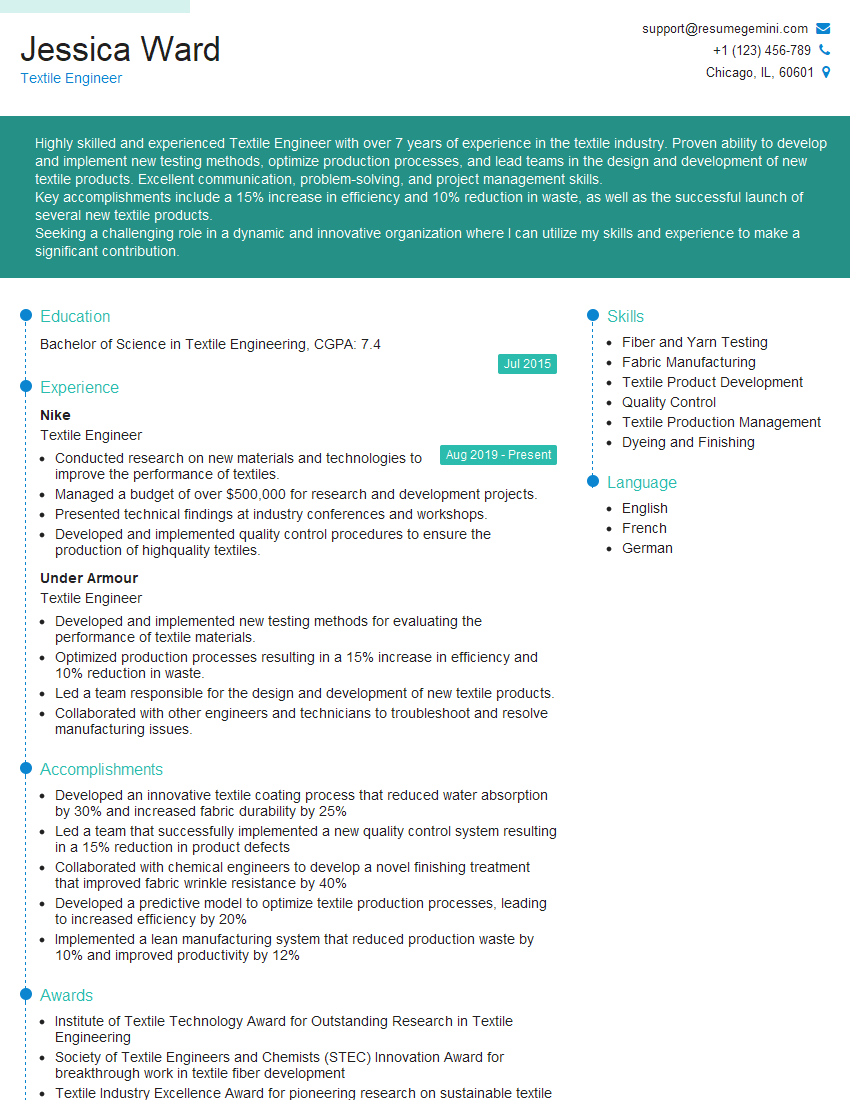
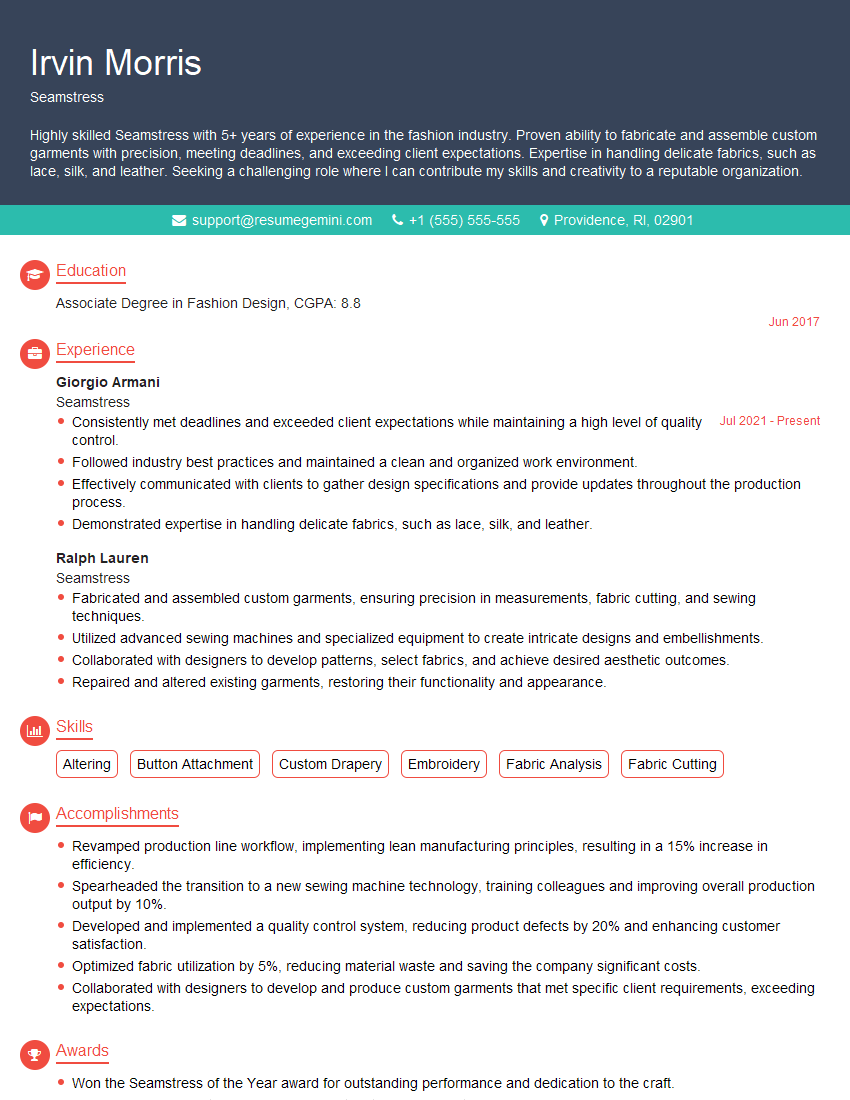
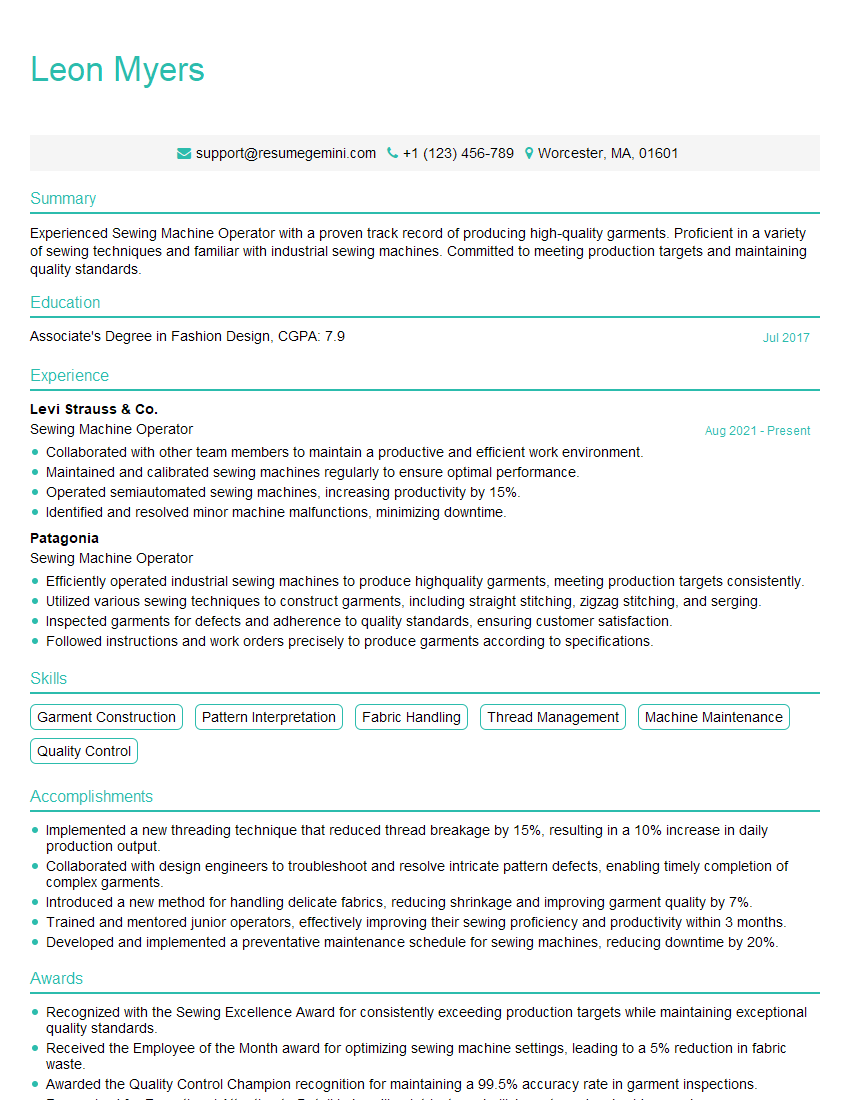
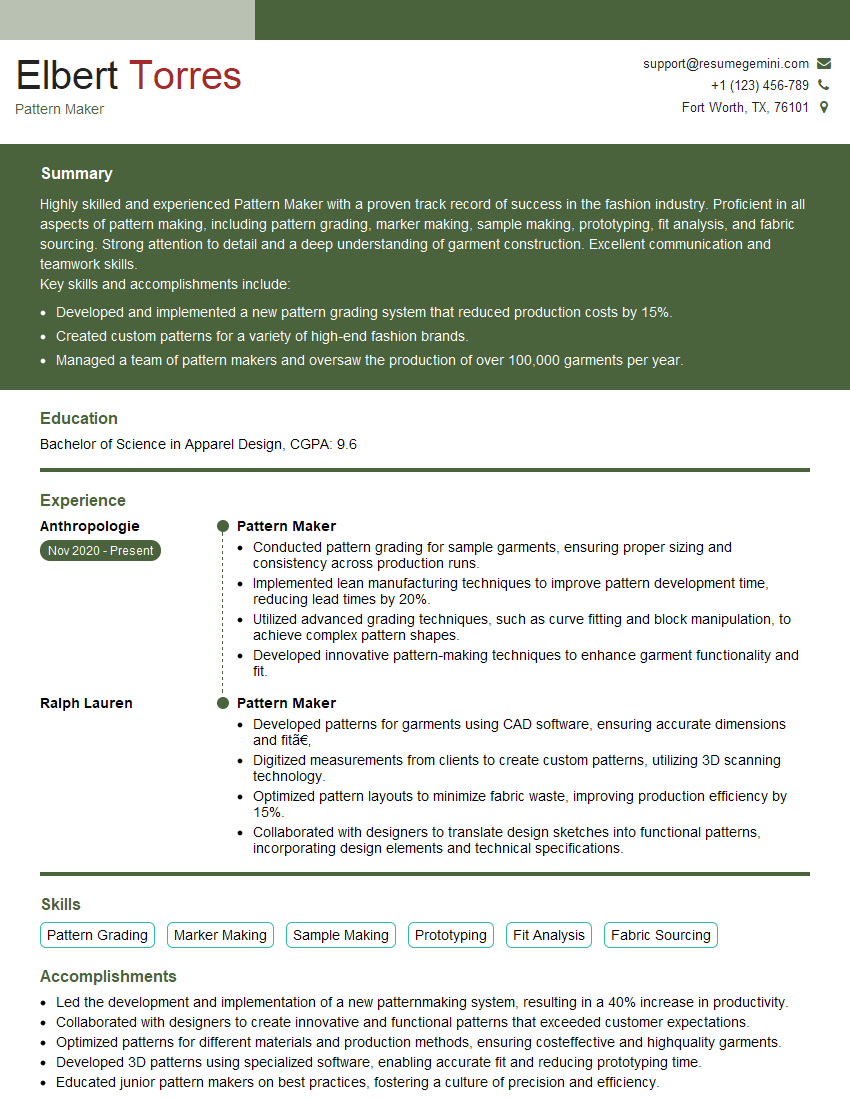
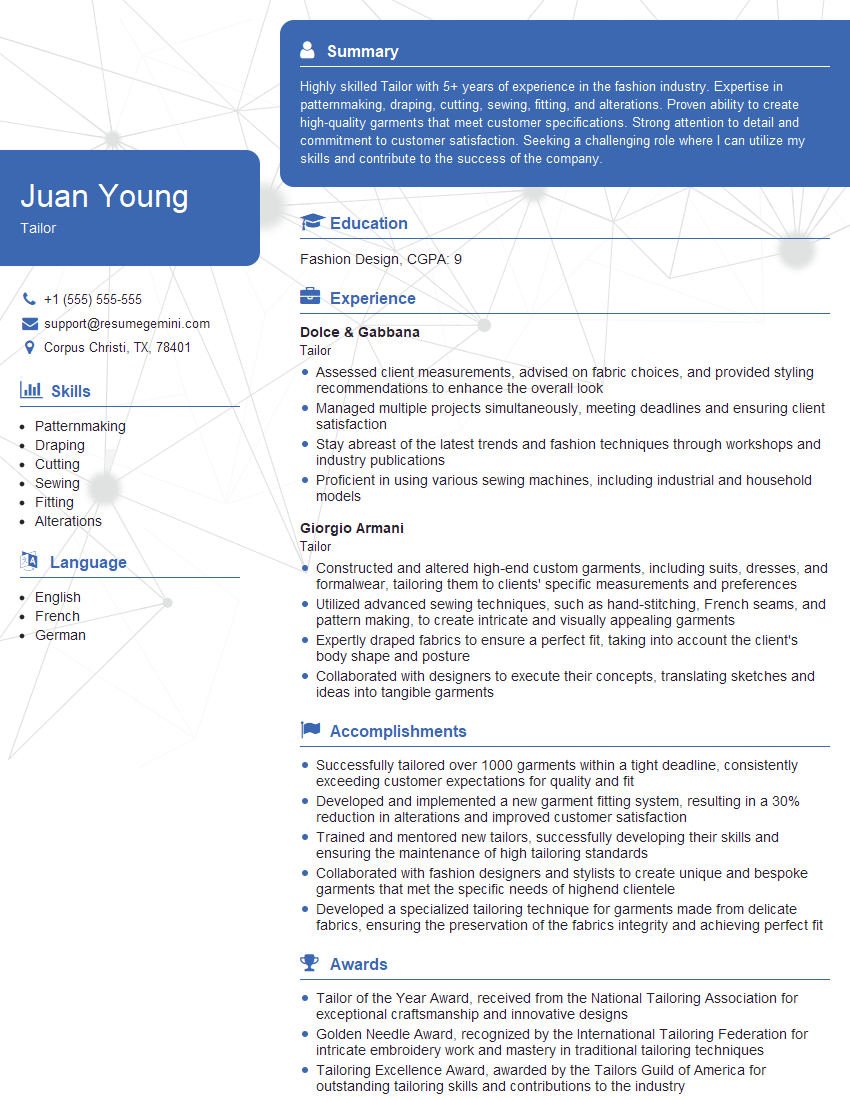
Mastering knowledge of buttonhole sewing machine types and models is crucial for advancement in the garment manufacturing, tailoring, or industrial sewing industries. A strong understanding of these machines demonstrates technical expertise and problem-solving abilities highly valued by employers. To maximize your job prospects, crafting an ATS-friendly resume that highlights your skills is essential. ResumeGemini is a trusted resource to help you build a professional and impactful resume that gets noticed. We provide examples of resumes tailored to showcase expertise in Knowledge of Buttonhole Sewing Machine Types and Models; explore these examples to gain inspiration and refine your own resume.

Explore more articles
Users Rating of Our Blogs
Share Your Experience
We value your feedback! Please rate our content and share your thoughts (optional).
What Readers Say About Our Blog
Very informative content, great job.
good