Are you ready to stand out in your next interview? Understanding and preparing for Knowledge of color theory and visual perception interview questions is a game-changer. In this blog, we’ve compiled key questions and expert advice to help you showcase your skills with confidence and precision. Let’s get started on your journey to acing the interview.
Questions Asked in Knowledge of color theory and visual perception Interview
Q 1. Explain the difference between additive and subtractive color mixing.
Additive and subtractive color mixing are two fundamentally different approaches to creating colors. Think of it like this: additive mixing is like adding light, while subtractive mixing is like subtracting light.
Additive color mixing is used with light sources, such as in screens or projected images. The primary colors in this system are red, green, and blue (RGB). When you combine these colors, you create new colors. Combining all three at maximum intensity produces white light. Imagine shining a red, green, and blue flashlight onto a white wall – where they overlap, you’ll see other colors. For example, red and green create yellow, red and blue create magenta, and green and blue create cyan.
Subtractive color mixing is used with pigments, dyes, and inks. The primary colors are cyan, magenta, and yellow (CMY). These colors absorb (subtract) certain wavelengths of light, reflecting the others back to our eyes. Combining all three ideally produces black, though in practice, a deep brownish color called ‘process black’ is often added for better results (CMYK).
In essence, additive mixing starts with black and adds light to create color, while subtractive mixing starts with white and subtracts light by absorbing certain wavelengths.
Q 2. Describe the Munsell color system.
The Munsell color system is a widely recognized and respected color-order system. Unlike RGB or CMYK, which are device-dependent, Munsell is device-independent, meaning it describes color in a way that’s consistent regardless of the medium or technology used. It’s based on three color dimensions: Hue, Value, and Chroma.
- Hue refers to the pure color, like red, green, blue, etc. It’s represented as a circle on a color wheel.
- Value represents the lightness or darkness of a color, ranging from black (0) to white (10). Think of it as how much gray is mixed in.
- Chroma represents the color’s saturation or intensity. A high chroma color is vibrant, while a low chroma color is muted or dull. It’s represented as a distance from the neutral (gray) axis.
The Munsell system organizes colors into a three-dimensional solid, making it easy to visualize and compare color relationships. It’s used extensively in various fields, including art, design, and scientific colorimetry, for precise color specification and communication.
Q 3. What are the primary, secondary, and tertiary colors?
The terms primary, secondary, and tertiary colors refer to relationships within a specific color model, most commonly the subtractive (pigment) model, or its analogous additive (light) model.
Primary colors are those that cannot be created by mixing other colors. In the subtractive system, these are cyan, magenta, and yellow. In the additive system, they are red, green, and blue.
Secondary colors are created by mixing two primary colors in equal proportions. In the subtractive system, these are green (cyan + yellow), red (magenta + yellow), and blue (cyan + magenta). In the additive system, these are yellow (red + green), cyan (green + blue), and magenta (red + blue).
Tertiary colors are formed by mixing a primary color with an adjacent secondary color. Examples include red-orange, yellow-orange, yellow-green, blue-green, blue-violet, and red-violet. This extends the palette further offering more nuanced choices.
Q 4. Explain the concept of color harmony.
Color harmony refers to the pleasing arrangement of colors in a design. It’s about creating a visually appealing combination that evokes a particular mood or feeling. Several principles guide color harmony, including:
- Complementary Harmony: Using colors opposite each other on the color wheel (discussed later).
- Analogous Harmony: Using colors adjacent to each other on the color wheel.
- Triadic Harmony: Using three colors evenly spaced on the color wheel.
- Tetradic Harmony (Double Complementary): Using two pairs of complementary colors.
- Monochromatic Harmony: Using various shades, tints, and tones of a single color.
Achieving color harmony enhances visual appeal and improves the overall design’s effectiveness. The specific harmony chosen depends on the intended message and emotional effect.
Q 5. What are complementary colors, and how are they used in design?
Complementary colors are pairs of colors located directly opposite each other on the color wheel. For example, red and green, blue and orange, and yellow and violet are complementary pairs.
In design, complementary colors create high contrast and visual excitement. They can be used to:
- Create visual interest and vibrancy: Using a complementary pair as the dominant colors in a design can make it immediately eye-catching.
- Highlight specific elements: A small area of a complementary color can draw attention to a key element within a design.
- Achieve visual depth: Strategic use of complementary colors can add depth and dimension to a design. A background in one complementary color can make a foreground object in the other pop significantly.
- Convey a specific message: Different color combinations can convey different moods. While often bold and energetic, the careful balance of complementary colors can also be sophisticated and dramatic.
However, overuse can be jarring, so it’s important to balance complementary colors effectively. Often, one color is used as a dominant color, with the other as an accent.
Q 6. Explain the concept of color temperature.
Color temperature refers to the warmth or coolness of a color, relating it to the temperature of a black-body radiator. It’s measured in Kelvin (K). A black-body radiator is a theoretical object that emits light based solely on its temperature.
Warm colors (reds, oranges, yellows) have lower color temperatures and are associated with feelings of warmth, comfort, and energy. They evoke feelings of sunset, fire, or cozy environments.
Cool colors (blues, greens, violets) have higher color temperatures and are associated with feelings of calmness, serenity, and coolness. They remind us of water, sky, or nature’s calm.
Color temperature is crucial in design because it profoundly influences the mood and atmosphere of a space or image. For instance, using warm colors in a restaurant can create a welcoming ambiance, while cool colors in a spa might promote relaxation.
Q 7. How does color affect mood and emotion?
Color significantly impacts mood and emotion; it’s a powerful psychological tool. This is due to both learned associations and innate physiological responses.
- Red: Often associated with excitement, energy, passion, but also anger or danger. Think of stop signs or fire engines.
- Orange: Evokes feelings of warmth, enthusiasm, creativity, and playfulness. It’s often used in marketing to suggest energy and affordability.
- Yellow: Can represent joy, happiness, optimism, but also caution or nervousness. Consider road signs and traffic signals.
- Green: Generally associated with nature, freshness, calmness, and growth. It’s frequently used in healthcare and environmental contexts.
- Blue: Often symbolizes peace, tranquility, calmness, trust, but can also evoke sadness or coldness. Think of calm water or a vast sky.
- Purple: Associated with luxury, royalty, wisdom, and creativity, but also sometimes melancholy or mystery.
Understanding this impact allows designers and marketers to use color strategically to evoke desired emotional responses in their audiences. For example, a website selling relaxation products might use calming blues and greens, while a sports brand might use energetic reds and oranges.
Q 8. Describe the principles of Gestalt psychology as they relate to color perception.
Gestalt psychology emphasizes our tendency to perceive things as organized wholes rather than individual parts. In color perception, this means we don’t see colors in isolation; instead, we perceive them in relation to each other, creating a unified visual experience. Key principles include:
- Proximity: Colors close together are perceived as a group. Think of a series of colored dots – if they’re bunched closely, we see them as clusters, not individual dots.
- Similarity: Similar colors are grouped together. For example, a field of red and blue flowers will naturally be perceived as separate groups of red and blue, respectively.
- Closure: We tend to complete incomplete shapes or patterns. If a shape is partially obscured, but the color suggests its continuation, our brains will fill in the gaps.
- Continuity: The eye follows lines and patterns, often ignoring interruptions. This means our perception of color can be affected by its arrangement in a continuous line or shape.
- Figure-Ground: We perceive objects (figures) as separate from their background (ground). A brightly colored object on a neutral background is easily identified because of this principle. The contrast between figure and ground highlights the colors’ visual impact.
Understanding Gestalt principles helps designers create visually appealing and intuitive designs by carefully controlling color proximity, similarity, and contrast to guide the viewer’s eye and convey meaning effectively.
Q 9. Explain how color contrast enhances readability and visual hierarchy.
Color contrast is crucial for readability and visual hierarchy. It helps to differentiate elements, making information easier to scan and understand. High contrast between text and background (e.g., dark text on a light background) improves readability, especially for users with visual impairments. Consider a website with black text on a white background – that’s high contrast. But, white text on a light gray background is low contrast and harder to read.
Visual hierarchy is established by using varying levels of color contrast to draw attention to certain elements. For example, a bright, saturated call-to-action button against a muted background immediately stands out and guides the user’s attention. Subheadings might use a bolder or contrasting color than the body text, creating a clear visual structure.
The effectiveness of color contrast can be measured using tools that calculate the contrast ratio between colors. WCAG (Web Content Accessibility Guidelines) provides specific guidelines for minimum contrast ratios to ensure accessibility. Poor contrast can lead to eye strain and difficulty reading, so prioritizing contrast is essential for user experience.
Q 10. What are some common color palettes used in design, and what are their applications?
Numerous color palettes are used in design, each evoking different moods and serving specific purposes:
- Analogous: Uses colors adjacent on the color wheel (e.g., blues, greens, and blue-greens). It creates a harmonious and soothing effect, often found in nature-inspired designs.
- Complementary: Uses colors opposite each other on the color wheel (e.g., red and green, blue and orange). This pairing creates high contrast and visual excitement. Complementary palettes are often used to create impactful and memorable designs.
- Triadic: Uses three colors equally spaced on the color wheel (e.g., red, yellow, and blue). This offers a balanced and vibrant palette with a high degree of visual interest.
- Monochromatic: Uses variations of a single color (e.g., different shades and tints of blue). This creates a cohesive and elegant look, perfect for branding or when a consistent look and feel is desired.
- Split Complementary: Uses a base color and the two colors adjacent to its complement. This provides a strong contrast but is less jarring than a true complementary palette.
The application of a palette depends on the design’s goal. For instance, a calming spa might use an analogous palette of greens and blues, while a children’s toy brand might use a vibrant triadic palette.
Q 11. How can you use color to create a sense of depth or space?
Color can effectively create a sense of depth and space. This is achieved by manipulating value, saturation, and color temperature:
- Atmospheric Perspective: Colors become less saturated and lighter in value as they recede into the distance. Think of a landscape painting where mountains in the background are paler and less defined than the objects in the foreground. This mimics how our atmosphere scatters light.
- Value Contrast: Using darker colors in the foreground and lighter colors in the background creates depth. A dark, shadowy foreground can make a light background appear further away.
- Warm and Cool Colors: Warm colors (reds, oranges, yellows) tend to advance, appearing closer to the viewer. Cool colors (blues, greens, purples) recede, creating a sense of distance. Imagine a picture with a warm-colored house in the foreground and cool-colored mountains in the distance.
These techniques can be used together to build a convincing sense of depth and three-dimensionality in a two-dimensional design.
Q 12. Discuss the importance of color accessibility for users with visual impairments.
Color accessibility is paramount for users with visual impairments, including color blindness. Many people have some form of color vision deficiency, making it crucial to design with inclusive color palettes. Insufficient color contrast can render text illegible or make interactive elements difficult to use.
Key considerations include:
- Sufficient Color Contrast: Meeting WCAG guidelines for contrast ratios ensures text and interactive elements are easily distinguishable for users with low vision or color blindness. Tools exist to check contrast ratios.
- Avoid Relying Solely on Color for Information: Don’t use color alone to convey meaning. For example, don’t use red only to indicate an error; use a combination of color and text or icons.
- Consider Color Blindness Simulations: Use tools that simulate different types of color blindness to test the accessibility of your design.
- Provide Alternative Text for Images: Always provide alternative text descriptions for images, so screen readers can convey the information to visually impaired users.
By proactively addressing color accessibility, designers create inclusive and user-friendly experiences for everyone.
Q 13. Explain the concept of color saturation and its impact on design.
Color saturation refers to the intensity or purity of a color. A highly saturated color is vibrant and rich, while a less saturated color appears duller or more muted. Think of a bright, cherry red versus a dusty rose – the cherry red is highly saturated, the rose less so.
Saturation’s impact on design is significant:
- Emphasis and Attention: Highly saturated colors tend to grab attention and create emphasis. They are effective for calls to action or highlighting key information.
- Mood and Emotion: Saturation can influence the mood and emotion of a design. High saturation can convey energy and excitement, while low saturation can evoke calmness or sophistication.
- Readability: Very highly saturated colors can sometimes hinder readability, especially in large blocks of text. Balancing saturation is important for overall design effectiveness.
- Visual Harmony: A combination of high and low saturation can create visual interest and harmony in a design.
Designers use saturation strategically to control visual weight and convey specific feelings within their designs.
Q 14. How does color impact brand identity?
Color plays a pivotal role in establishing a brand’s identity. It acts as a visual shorthand, instantly conveying the brand’s personality, values, and message. The right color choices can build brand recognition, trust, and customer loyalty, while poor choices can create confusion or even damage the brand image.
Consider these aspects:
- Brand Personality: Different colors evoke different feelings. For example, green often signifies nature and tranquility, while red might represent energy and excitement. A brand’s chosen color palette should reflect its core personality.
- Target Audience: Color choices should resonate with the brand’s target audience. A youth-oriented brand might use bright, bold colors, while a luxury brand might opt for more sophisticated and muted tones.
- Consistency: Maintaining color consistency across all brand touchpoints (website, packaging, social media) strengthens brand recognition and reinforces the brand’s visual identity.
- Cultural Considerations: Colors hold different meanings across cultures. What’s positive in one culture could be negative in another. Designers need to be aware of cultural connotations.
Choosing the right colors is a strategic decision that impacts a brand’s overall success. A well-defined color palette acts as a powerful tool for communicating a brand’s essence to its audience.
Q 15. Describe the different color modes (RGB, CMYK, LAB).
Different color modes represent color in various ways, each suited to specific applications. Think of them as different languages that computers and printers use to understand color.
- RGB (Red, Green, Blue): This is an additive color model used for screens (monitors, TVs, phones). It mixes red, green, and blue light to create a vast spectrum of colors. Each color is represented by a value from 0-255 (or 0-1 in normalized form), resulting in millions of possible hues. For example,
(255, 0, 0)is pure red,(0, 255, 0)is pure green, and(0, 0, 255)is pure blue. Mixing all three at maximum intensity produces white. - CMYK (Cyan, Magenta, Yellow, Key [Black]): This is a subtractive color model used for printing. It works by subtracting colors from white light reflected from the paper. Cyan, magenta, and yellow inks are combined, with black (key) added for better depth and accuracy. Each color also has a value typically between 0 and 100%. Unlike RGB, CMYK’s color gamut (range of reproducible colors) is smaller, meaning some colors that look vibrant on screen might appear duller when printed.
- LAB (L*a*b*): This is a device-independent color space designed to more closely match human perception of color. ‘L’ represents lightness (0 being black, 100 being white), ‘a’ represents the green-red axis, and ‘b’ represents the blue-yellow axis. LAB is useful for color correction and consistency across different devices because it’s less dependent on specific display technologies or printing processes. It’s often used as an intermediary color space for accurate color reproduction.
Career Expert Tips:
- Ace those interviews! Prepare effectively by reviewing the Top 50 Most Common Interview Questions on ResumeGemini.
- Navigate your job search with confidence! Explore a wide range of Career Tips on ResumeGemini. Learn about common challenges and recommendations to overcome them.
- Craft the perfect resume! Master the Art of Resume Writing with ResumeGemini’s guide. Showcase your unique qualifications and achievements effectively.
- Don’t miss out on holiday savings! Build your dream resume with ResumeGemini’s ATS optimized templates.
Q 16. What is color management, and why is it important?
Color management is the process of ensuring consistent color appearance across different devices and workflows. It’s crucial because colors can appear drastically different on a monitor, printer, or phone due to variations in display technology, ink profiles, and lighting conditions. Imagine designing a vibrant logo, only to find the printed version looking washed out – that’s where color management comes in.
It involves using color profiles (which describe how a device displays or reproduces colors) to standardize the color information. A color management system (CMS) helps bridge the gap between different color spaces, enabling accurate color conversion and prediction. Without proper color management, your designs can look inconsistent, compromising the overall quality and potentially your brand image. For instance, a vibrant brand color might appear completely different across various marketing materials, leading to a confusing and unprofessional impression.
Q 17. How do you choose the right color palette for a specific project?
Choosing the right color palette is a critical aspect of design, significantly impacting mood, message, and brand identity. My approach involves several key steps:
- Understanding the Project Goals: What is the aim of the project? Is it to evoke emotions (e.g., calmness, excitement), convey a specific brand personality (e.g., playful, sophisticated), or target a particular audience?
- Target Audience Research: Who is the intended audience? Different demographics might respond differently to colors. Research and consider cultural contexts and sensitivities.
- Mood Board Creation: I create a visual mood board containing images, textures, and existing design elements to define a specific style and visual language. This helps to solidify a color theme early in the process.
- Color Theory Application: Using the principles of color theory (complementary, analogous, triadic, etc.) ensures harmony and visual appeal. I leverage color wheels and various tools to test combinations and their impact.
- Testing and Iteration: The final palette is tested in context, ensuring it works effectively with typography, imagery, and overall layout. Iterations are made as needed to achieve the desired visual impact.
For example, a children’s app might benefit from bright, playful colors, while a luxury brand might use sophisticated, muted tones.
Q 18. Explain your process for selecting colors for a website or app.
My process for selecting colors for a website or app mirrors the general palette selection but with a strong emphasis on accessibility and usability. It’s a user-centered approach.
- Accessibility Guidelines: I prioritize sufficient color contrast to ensure readability for users with visual impairments. Tools like WebAIM’s contrast checker are vital for this step.
- Brand Guidelines (if applicable): If the project aligns with a pre-existing brand, the color palette must adhere to its established guidelines.
- User Experience (UX) Considerations: Color choices must align with the website’s or app’s purpose and functionality. For example, call-to-action buttons often need to stand out visually using high contrast.
- A/B Testing (optional): To further refine the chosen palette, A/B testing different color schemes can reveal which version resonates better with users. This provides data-driven insights into user preferences.
- Consistent Application: Throughout the website or app, color is used consistently for navigation, branding elements, and functional components. This improves overall user experience and maintains visual unity.
Q 19. Describe a time when you had to resolve a color-related conflict in a design project.
In a recent project for a food delivery app, a disagreement arose regarding the color palette. The client preferred bright, almost neon colors, while I felt these were overly stimulating and could detract from the app’s functionality. My concern was that such a palette wouldn’t appeal to the target demographic, potentially affecting user engagement.
To resolve the conflict, I presented data-driven evidence supporting my argument. I shared research on color psychology, emphasizing how certain colors influence appetite and purchasing decisions, and illustrated how the client’s proposed palette could negatively affect these factors. I also presented alternative palettes that still incorporated some vibrancy while maintaining better contrast and readability. Through collaborative discussions and showcasing visual examples, we arrived at a compromise that satisfied both parties’ needs and ensured the app’s aesthetic aligned with its usability objectives.
Q 20. How do you stay updated on current color trends in design?
Staying updated on color trends is essential for any designer. My approach is multifaceted:
- Design Publications and Blogs: I regularly follow reputable design publications and blogs that feature the latest color palettes and design trends. This includes analyzing examples from other designers and their approaches to color.
- Social Media Platforms: Platforms like Pinterest, Instagram, and Behance showcase current design trends, allowing me to observe how different designers use color in their work. This allows me to passively analyze current color themes.
- Color Trend Reports: Several companies release yearly or seasonal color trend reports, offering insights into popular hues and palettes. This provides a structured view into the color trends.
- Industry Events and Conferences: Attending design conferences and workshops provides opportunities to learn from experts and network with other designers, gaining first-hand insights into current trends.
Q 21. Discuss the limitations of using color alone to convey meaning.
While color is a powerful tool, relying solely on it to convey meaning can be problematic and lead to misinterpretations. Color associations are cultural and subjective – what signifies joy in one culture might symbolize mourning in another. For instance, while red often represents passion or danger in Western cultures, it’s associated with good luck and celebration in many Eastern cultures.
Furthermore, individuals have different perceptions of color due to factors such as personal experiences, cultural background, and even visual impairments. Color blindness, for instance, can significantly alter how certain color combinations are perceived. Therefore, it is critical to always support the message communicated through color with clear visual cues and other means of communication, for instance textual description or accompanying iconography. This ensures the intended meaning is understood universally and leaves little room for ambiguity.
Q 22. Explain the impact of cultural differences on color perception.
Color perception isn’t universal; it’s deeply influenced by cultural background. What one culture considers auspicious, another might find ominous. This stems from learned associations, symbolism, and even linguistic differences in how colors are named and described.
Example: In Western cultures, white often symbolizes purity and innocence, whereas in some Asian cultures, it’s associated with mourning.
Example: The perception of the color ‘pink’ as feminine is a culturally constructed association, not an inherent property of the color itself. In some cultures, pink is associated with masculinity.
Understanding these cultural nuances is critical for designers, ensuring their work resonates positively with the target audience and avoids unintended negative connotations.
Q 23. How can you effectively use color to guide the user’s eye?
Guiding the user’s eye effectively uses principles of visual hierarchy and color contrast. We leverage color to create focal points, establish visual pathways, and organize information.
Contrast: High contrast between the focal point and its background immediately draws attention. A bright button on a dark background, for example, is highly effective. Using color on a wheel that are significantly far apart creates a lot of contrast (e.g., red and green).
Saturation: More saturated colors (more intense) will naturally command more attention than less saturated ones (more muted).
Placement: Strategic placement within a design’s layout influences visual flow. The top left corner is generally where the eye first rests.
Color Temperature: Warm colors (reds, oranges, yellows) tend to advance, while cool colors (blues, greens, purples) tend to recede. This helps create depth and visual interest.
Think of it like creating a visual story; color is the brushstroke that directs the viewer’s gaze through the narrative.
Q 24. What are some common color perception challenges designers face?
Designers often encounter several color perception challenges:
Color Blindness: A significant portion of the population experiences color vision deficiency, making it crucial to design with accessibility in mind. Sufficient contrast and alternative visual cues (e.g., text labels) are necessary.
Individual Variation: People perceive colors differently due to factors like age and lighting conditions. A color that appears vibrant to one person might seem dull to another.
Device Calibration: Colors displayed on different screens (phones, laptops, tablets) can vary widely due to screen calibration differences. This requires careful consideration when working with digital assets. Using a color management system is critical.
Contextual Influence: The perceived color of an object can be altered by its surroundings. A color might look different depending on adjacent colors. Simultaneous contrast is a key example.
Addressing these challenges requires thorough testing, using color accessibility tools, and considering the broader context of display and user variations.
Q 25. Explain the difference between hue, saturation, and brightness (HSB).
Hue, saturation, and brightness (HSB) are three independent attributes that define a color. They are often described as the color model (alternative to RGB).
Hue: This is the pure color, essentially the shade or color name (e.g., red, blue, green). It’s represented by the position on the color wheel.
Saturation: This refers to the intensity or purity of the color. High saturation means a vivid, intense color, while low saturation results in a more muted, pastel-like color.
Brightness: This determines the lightness or darkness of the color. High brightness results in a light color, while low brightness results in a dark color. It’s also sometimes referred to as value or luminance.
Understanding HSB is crucial for precise color selection and manipulation, allowing designers to fine-tune the exact appearance of their color palettes.
Q 26. Discuss the impact of lighting conditions on color perception.
Lighting conditions significantly affect color perception. The same object will appear different under various light sources – incandescent, fluorescent, sunlight, etc. This is because the spectral composition of light varies.
Color Temperature: Different light sources have different color temperatures (measured in Kelvin). Warm light (lower Kelvin) tends to cast yellowish hues, while cool light (higher Kelvin) appears more bluish.
Light Intensity: The amount of light also impacts color perception. Dim light can mute colors, while intense light can make them appear more vibrant.
Metamerism: This refers to the phenomenon where two colors appear identical under one light source but different under another. This is a crucial consideration for print design, where colors need to appear consistent across different printing conditions and environmental lighting.
Designers must account for these lighting variations to ensure color consistency across diverse environments and viewing conditions. Color calibration and proofing techniques are essential.
Q 27. Describe your experience using color analysis tools (e.g., Adobe Color, Coolors).
I have extensive experience with color analysis tools like Adobe Color and Coolors. These tools are invaluable for creating and exploring color palettes.
Adobe Color: This offers advanced features for exploring color harmonies, generating palettes based on images, and exploring different color models (RGB, LAB, HSB). Its integration with Adobe Creative Cloud makes it seamless for workflow.
Coolors: This platform offers a user-friendly interface with a focus on generating visually appealing palettes quickly. Its intuitive features for exploring color schemes and saving palettes are beneficial for brainstorming and ideation.
I often use these tools in conjunction, leveraging Adobe Color’s more advanced features for refined palette creation and Coolors for rapid exploration of initial ideas.
Q 28. How would you approach designing a color palette for a product targeting a specific demographic?
Designing a color palette for a specific demographic requires thorough market research and a deep understanding of the target audience’s cultural background, preferences, and lifestyle.
Research: I would conduct thorough research to understand the target demographic’s cultural associations with color, their preferred aesthetic styles, and any relevant trends.
Demographics: Age, gender, location, and socioeconomic status influence color preferences. Younger demographics might favor bolder, more vibrant colors, while older demographics may prefer more muted or sophisticated palettes.
Psychographics: Understanding the target audience’s personality, values, and lifestyle is crucial. For instance, a luxury brand might use rich, elegant colors, while a playful brand might utilize bright, cheerful ones.
Brand Identity: The brand’s overall identity and message should be reflected in the color palette. The selected colors must be consistent with the brand’s personality and values.
Testing: Testing the palette on the target demographic through surveys or focus groups is vital to ensure its effectiveness.
The process is iterative, requiring refinement and adjustment based on feedback. The goal is to create a palette that resonates with the target audience, reinforces the brand identity, and enhances the user experience.
Key Topics to Learn for Knowledge of Color Theory and Visual Perception Interview
- Color Models (RGB, CMYK, LAB): Understanding the differences and applications of each model in various design contexts. Consider how different color spaces affect perceived color accuracy and reproduction.
- Color Harmony and Contrast: Explore principles like complementary, analogous, triadic, and split-complementary color schemes. Discuss how these principles influence visual hierarchy and readability in design projects.
- Color Psychology and its impact on user experience: Analyze how color evokes emotions and associations. Understand how to apply this knowledge to design effective and targeted user interfaces.
- Visual Perception Principles (Gestalt principles): Discuss how our brains perceive and organize visual information, and how color plays a role in grouping, figure-ground relationships, and creating visual flow.
- Accessibility and Color Contrast: Understand WCAG guidelines and how to ensure sufficient color contrast for users with visual impairments. This includes practical applications for choosing appropriate color palettes and testing contrast ratios.
- Color Management and Calibration: Discuss the importance of consistent color across different devices and workflows. Explain the role of profiles and calibration in maintaining color accuracy.
- Case Studies: Prepare examples from your own work or projects where you have successfully applied principles of color theory and visual perception. Be prepared to discuss the design choices you made and their impact.
Next Steps
Mastering color theory and visual perception is crucial for career advancement in design, marketing, and related fields. A strong understanding of these principles allows you to create more effective and impactful visual communication. To increase your job prospects, create an ATS-friendly resume that highlights your skills and experience. ResumeGemini is a trusted resource to help you build a professional and compelling resume that gets noticed. We offer examples of resumes tailored to showcasing expertise in color theory and visual perception to help you craft your own winning application.
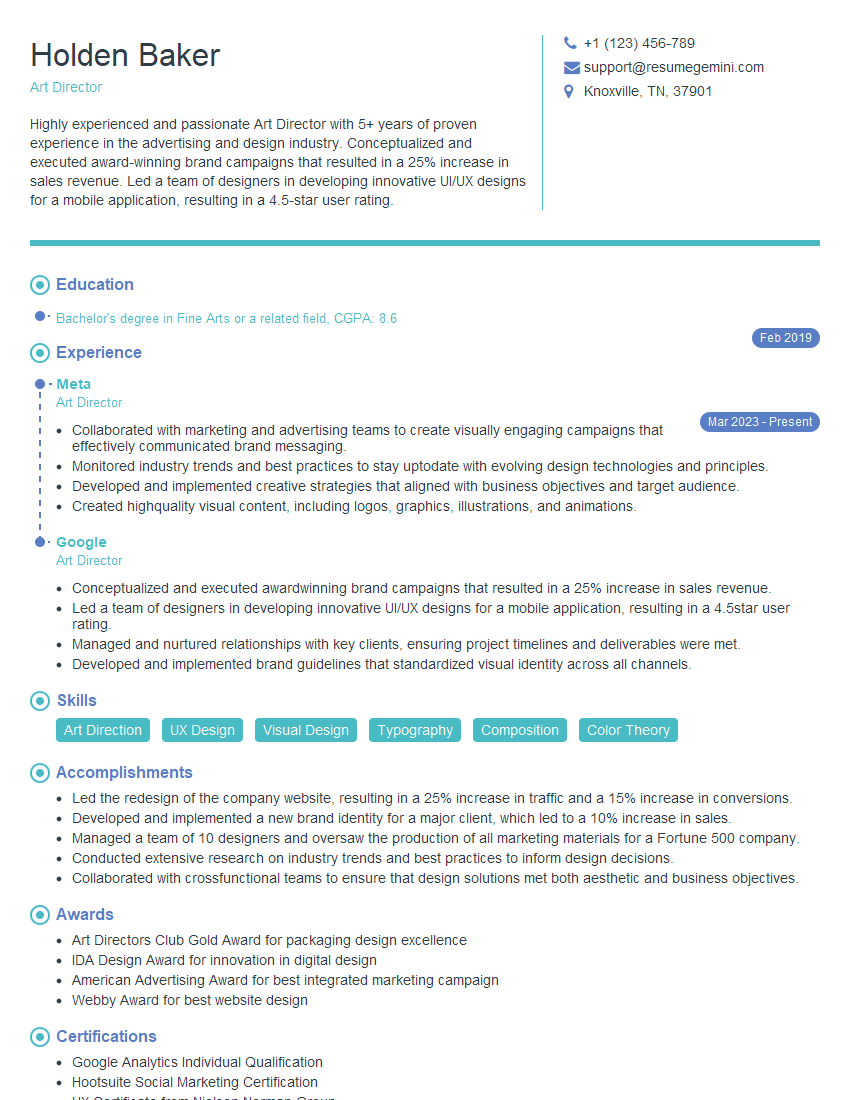
Art Director Resume Sample

Creative Director Resume Sample
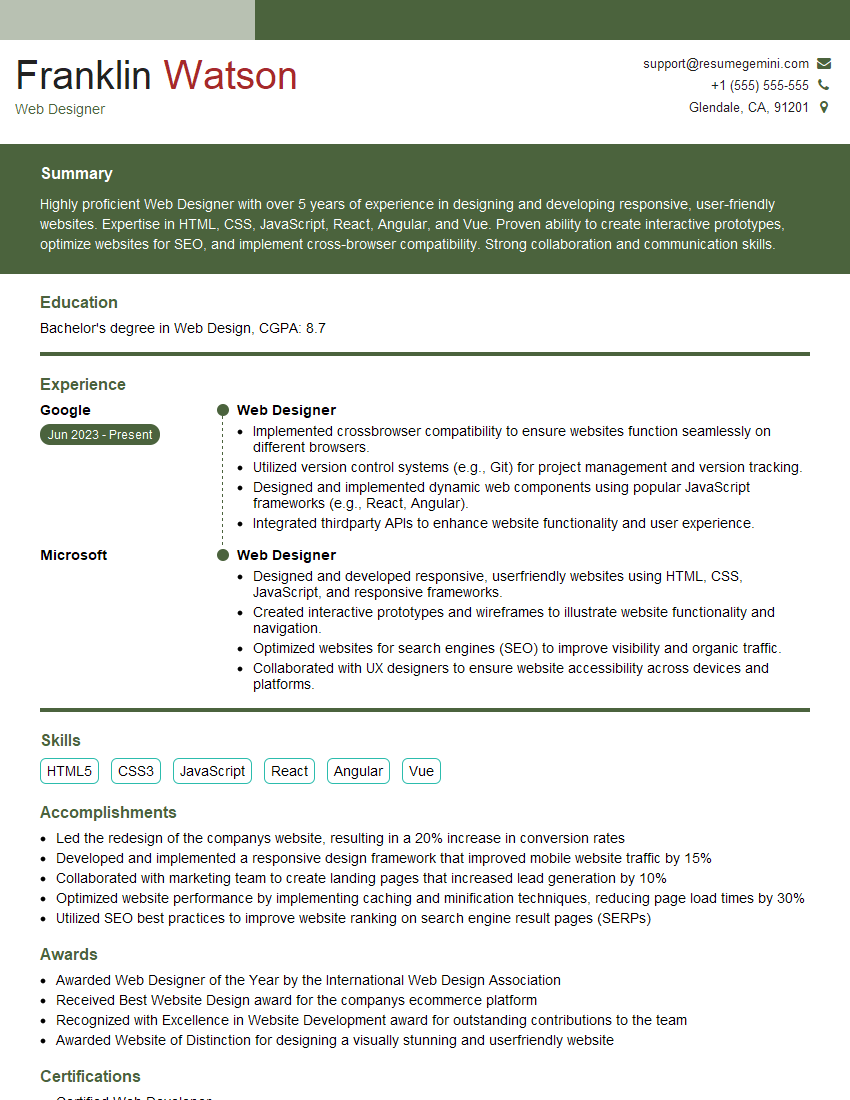
Web Designer Resume Sample
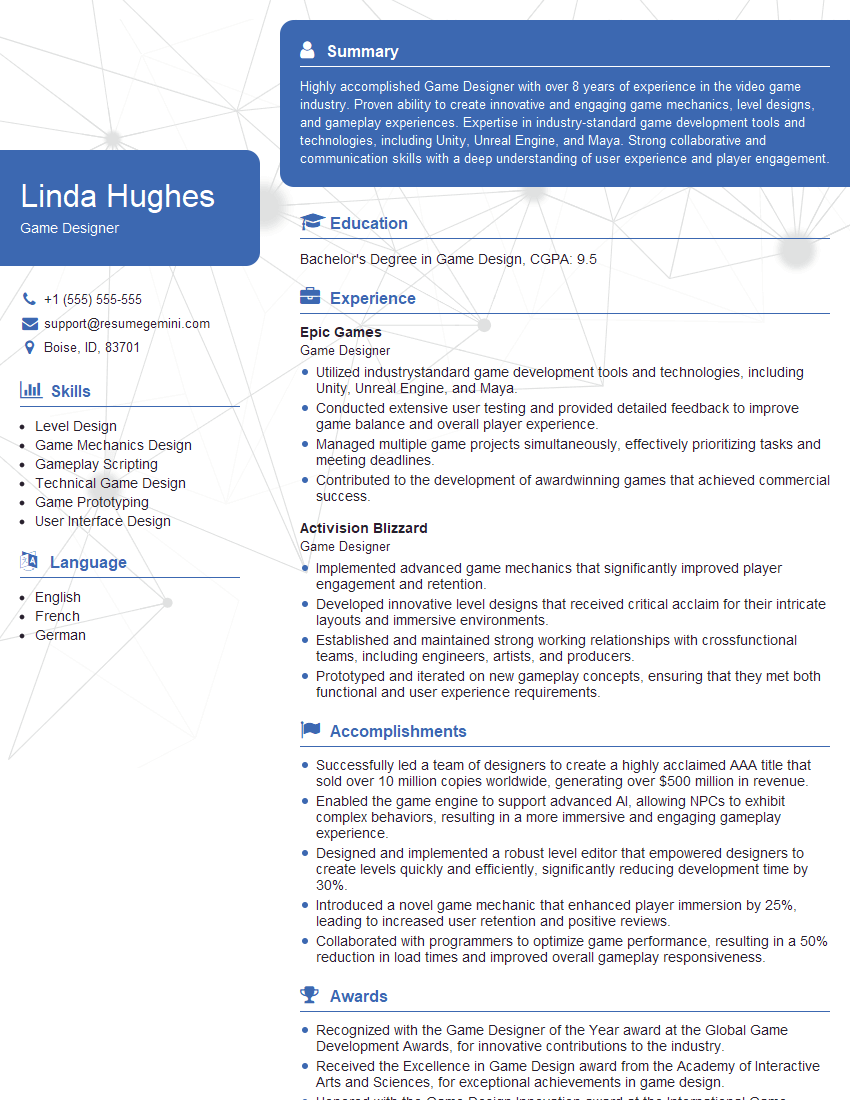
Game Designer Resume Sample
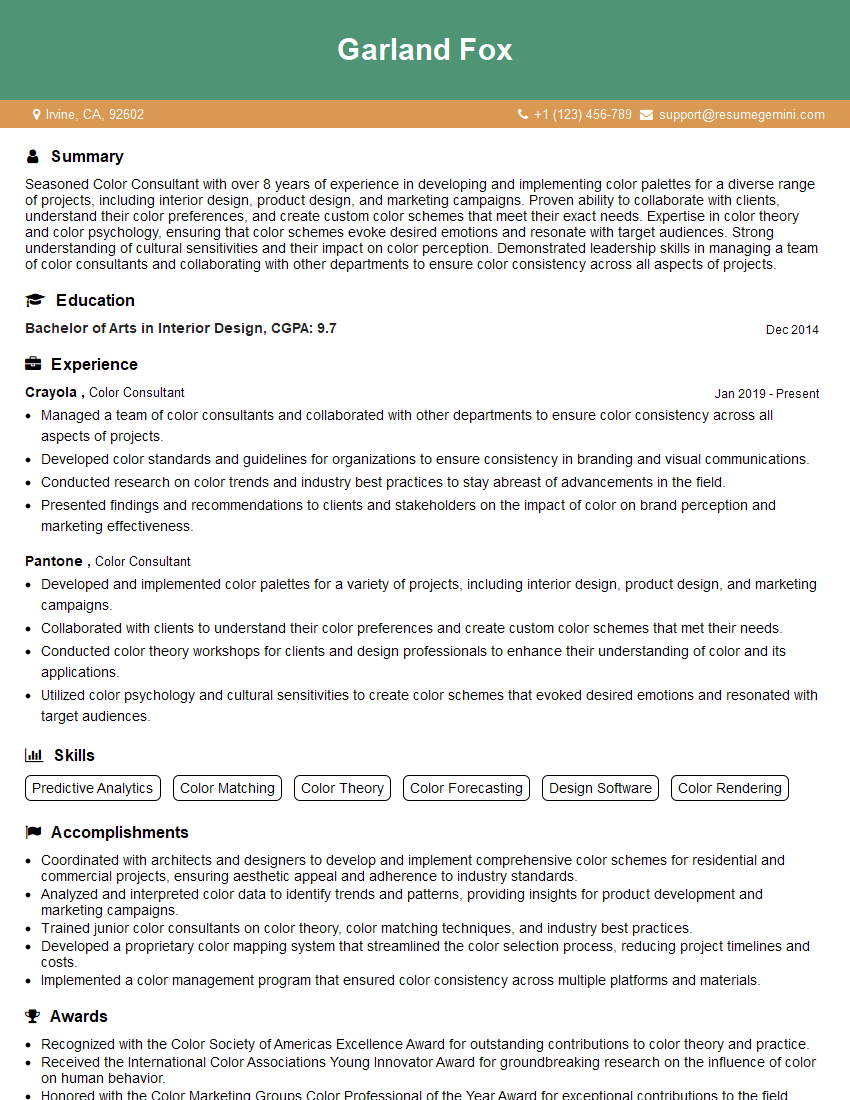
Color Consultant Resume Sample
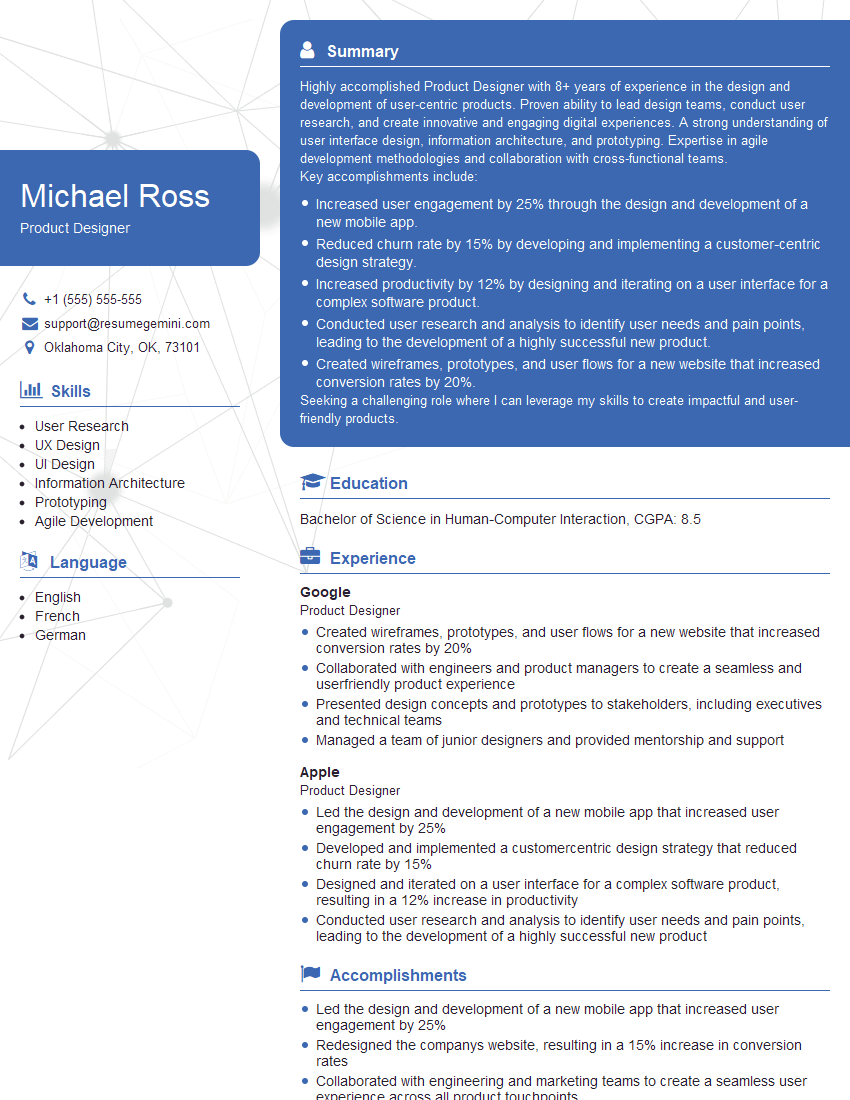
Product Designer Resume Sample
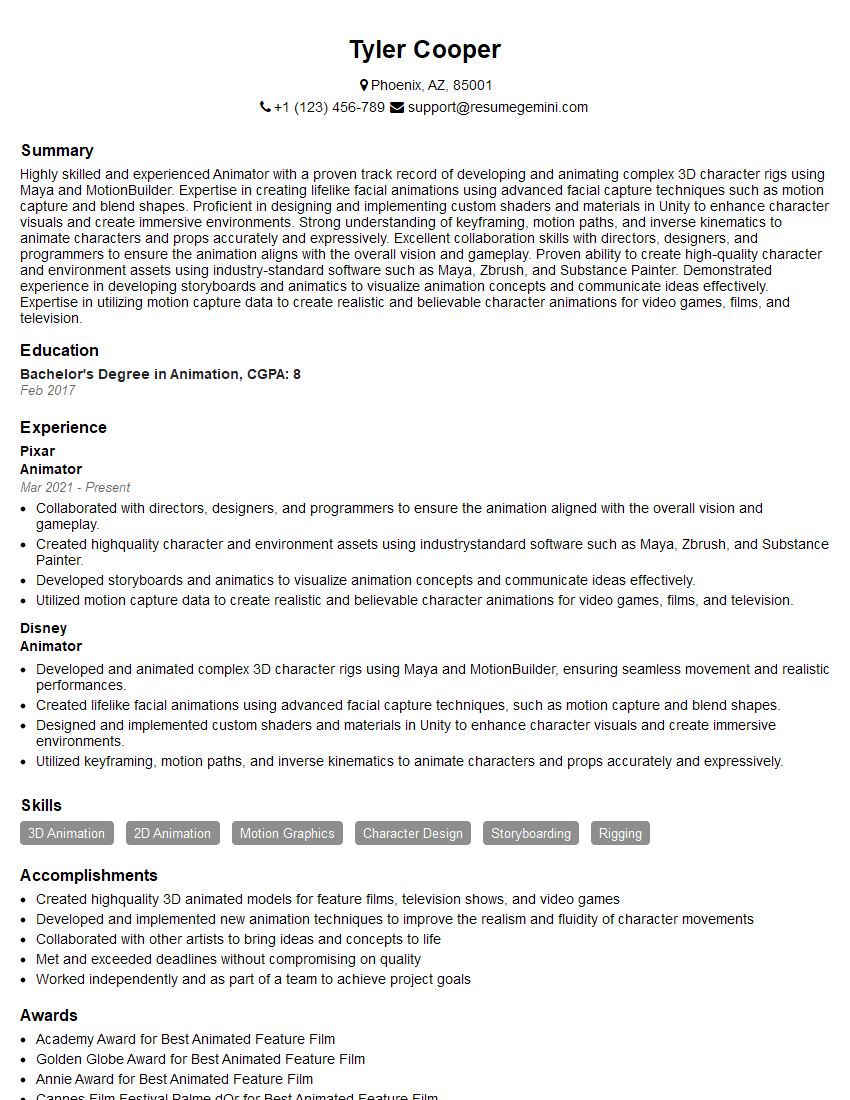
Animator Resume Sample
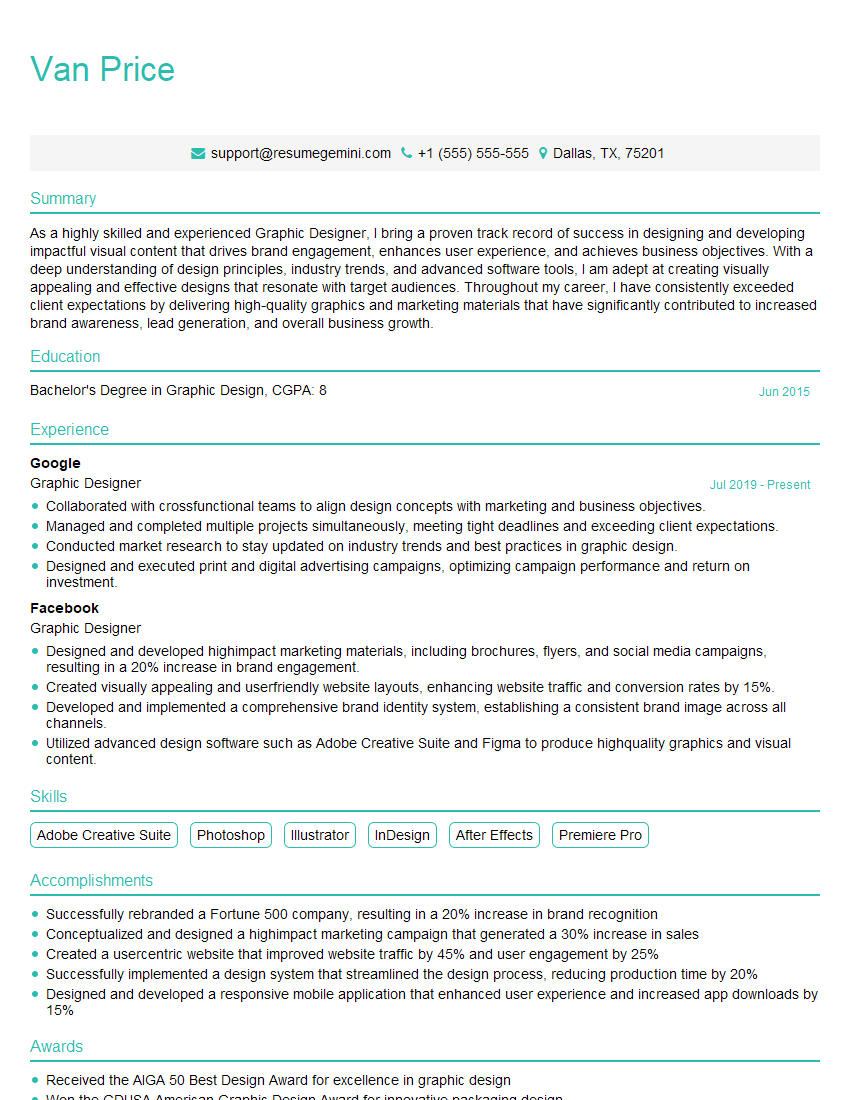
Graphic Designer Resume Sample
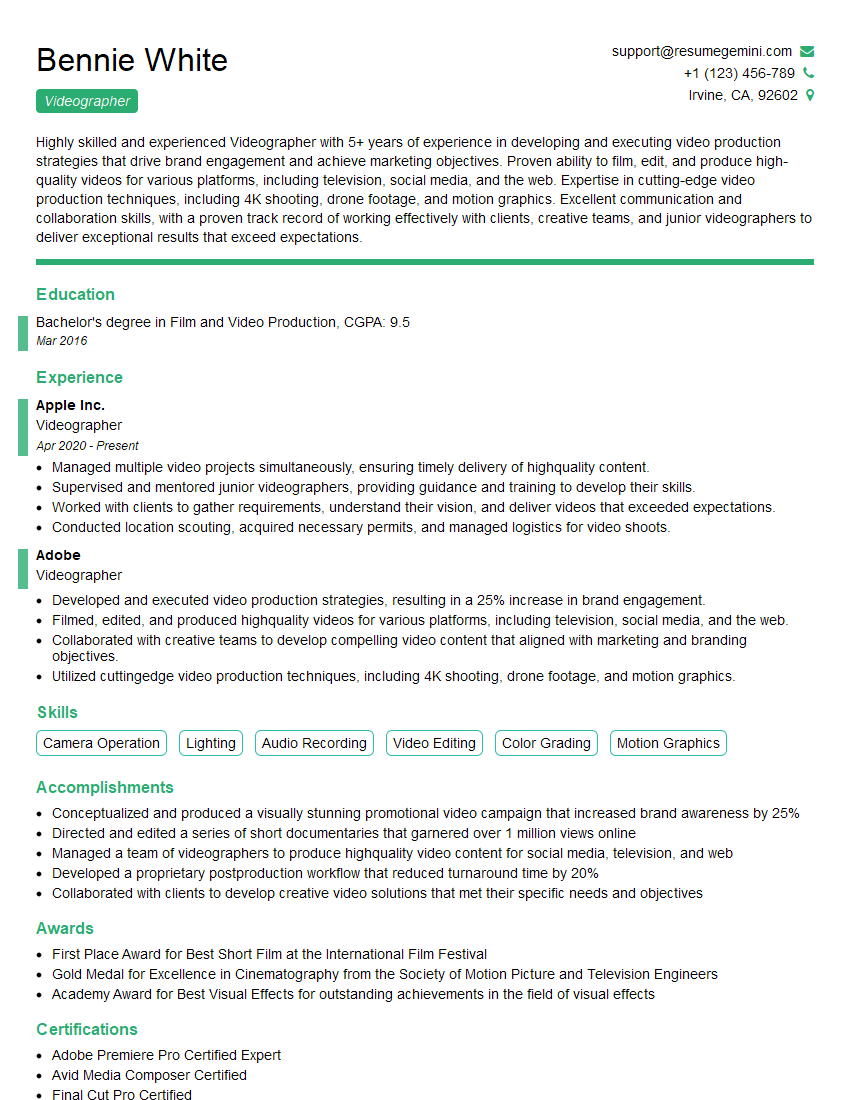
Videographer Resume Sample
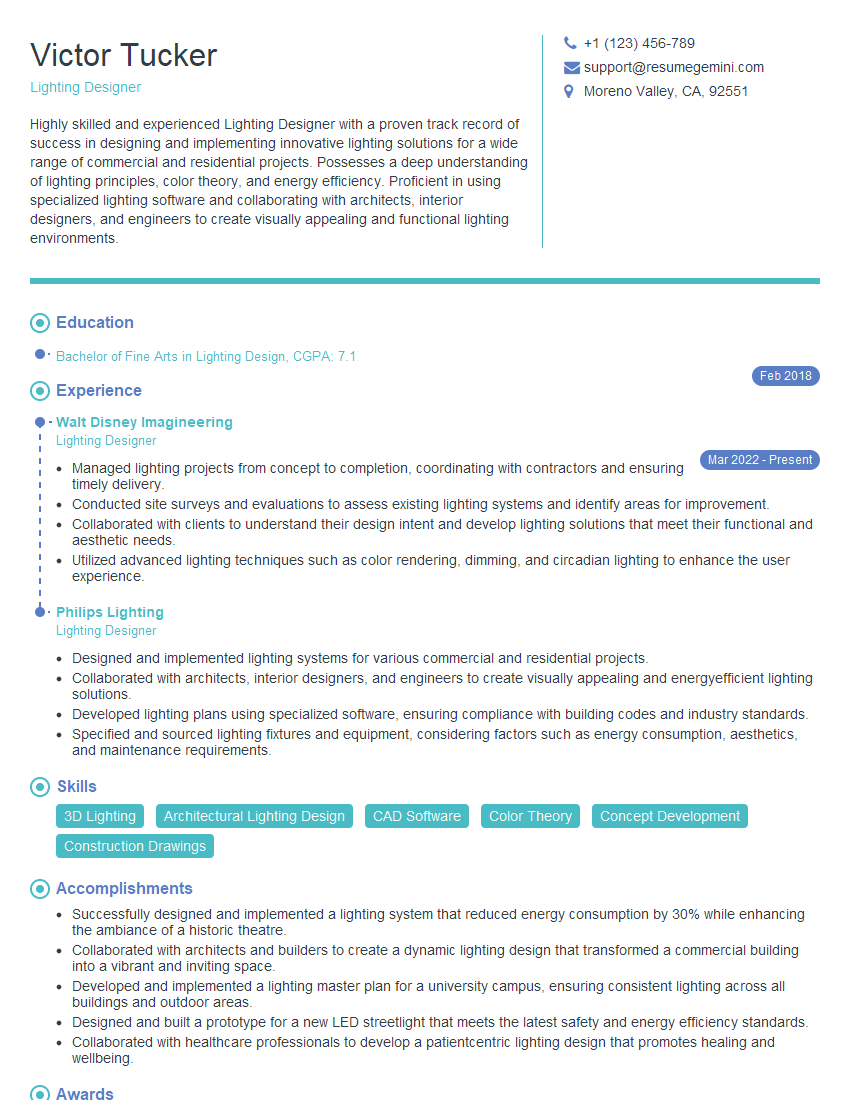
Lighting Designer Resume Sample
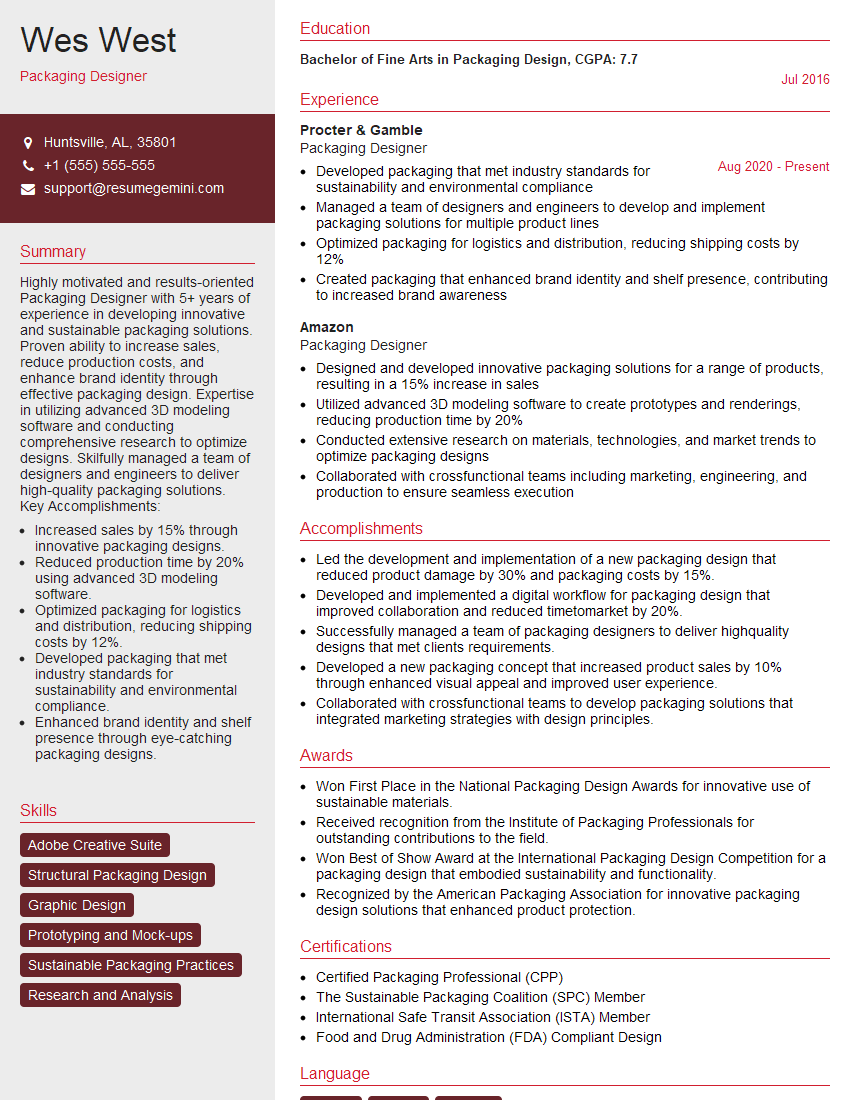
Packaging Designer Resume Sample
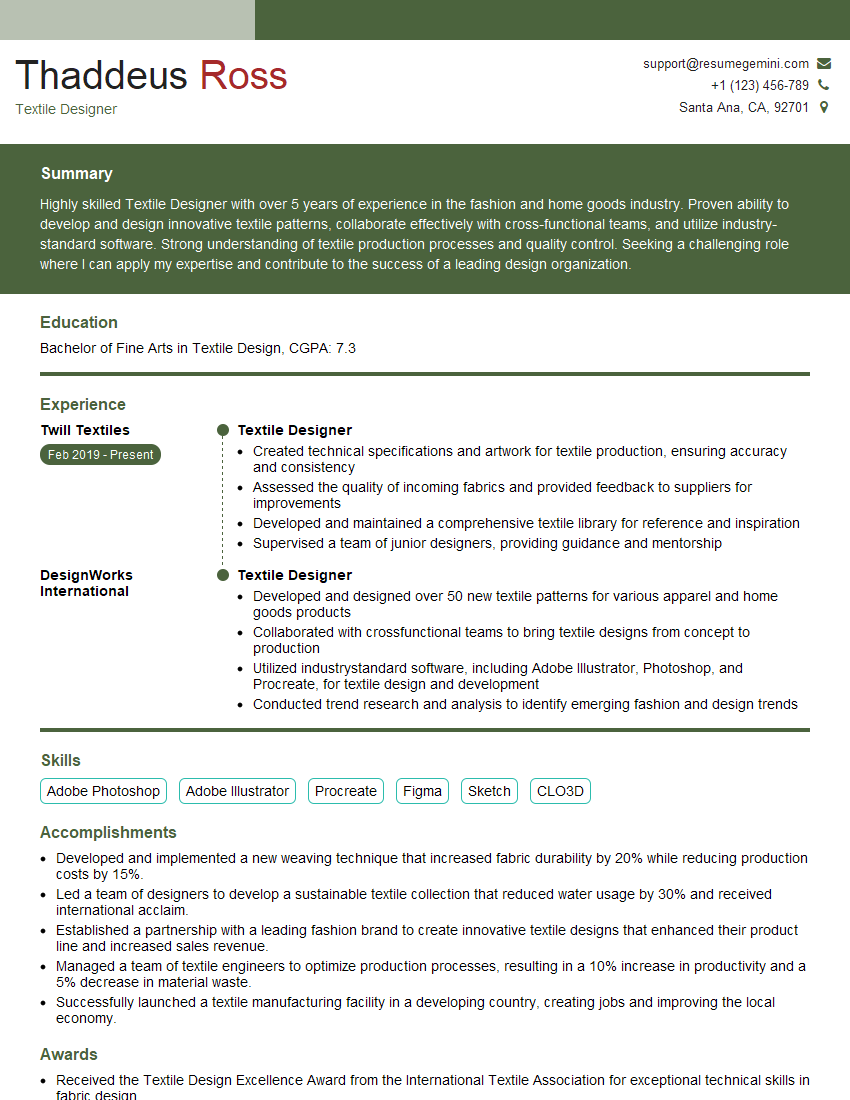
Textile Designer Resume Sample
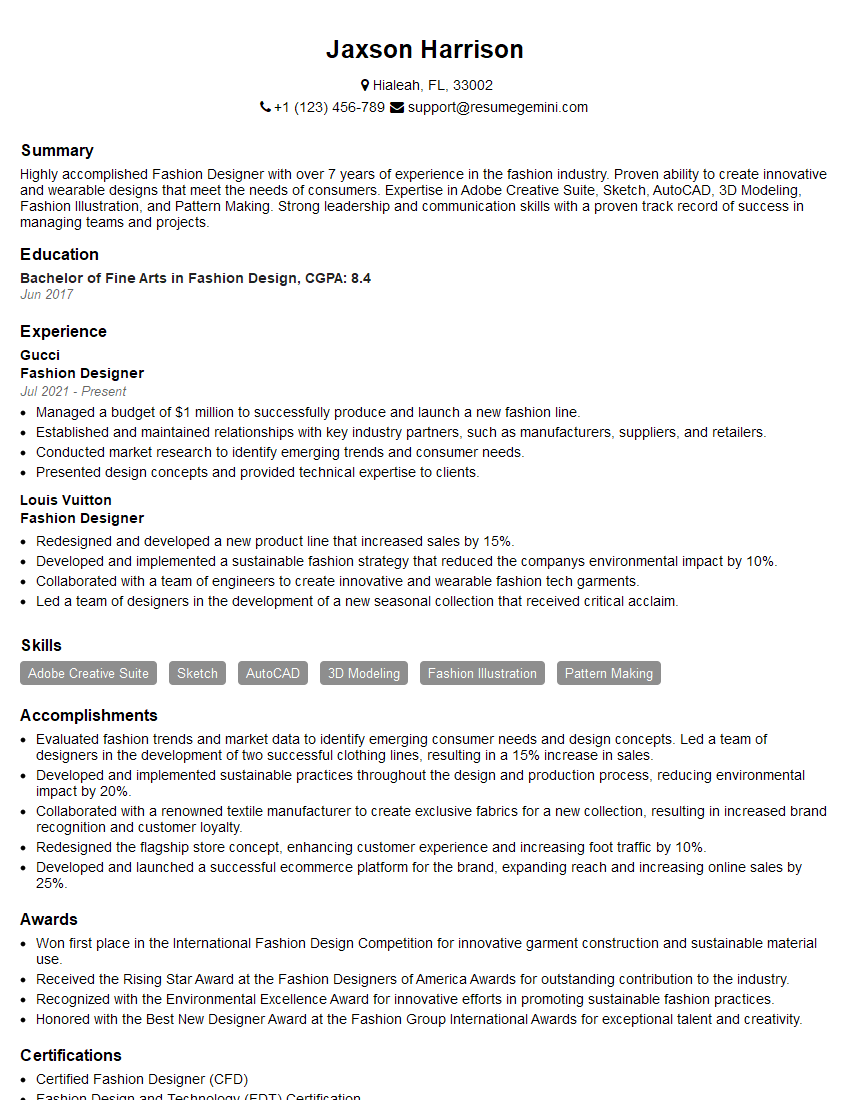
Fashion Designer Resume Sample
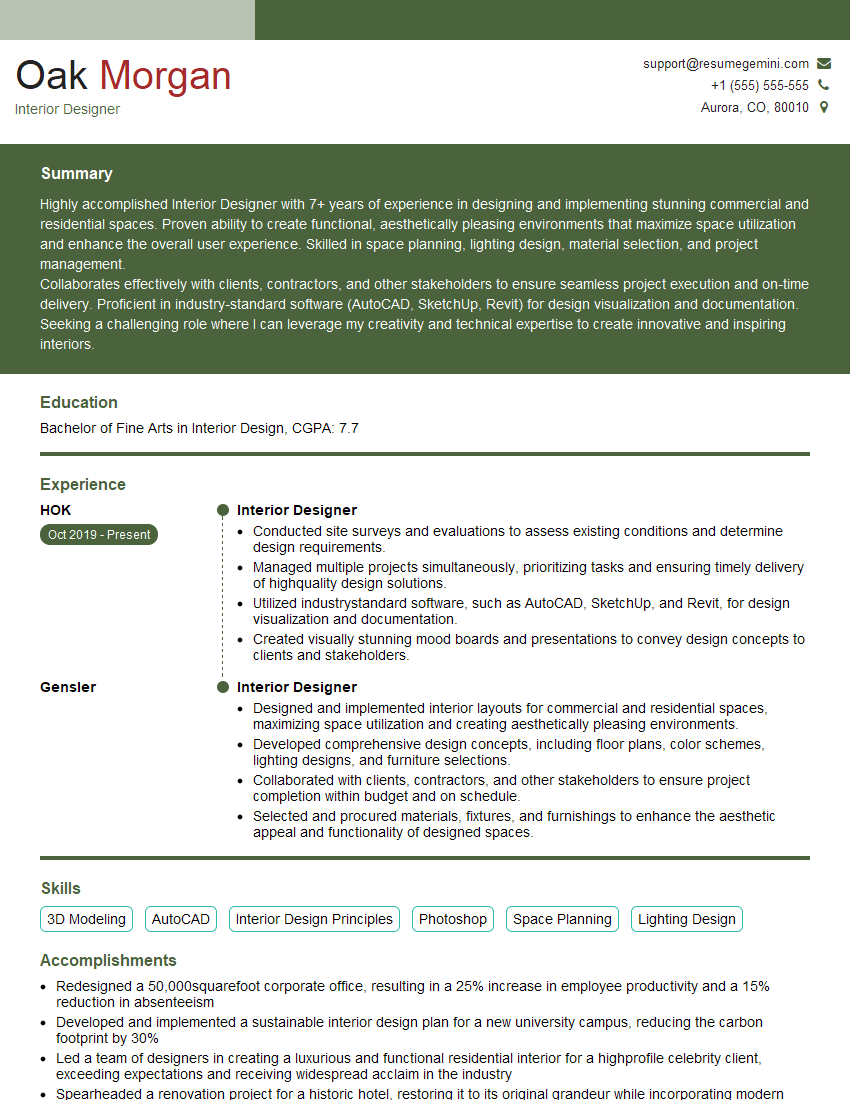
Interior Designer Resume Sample
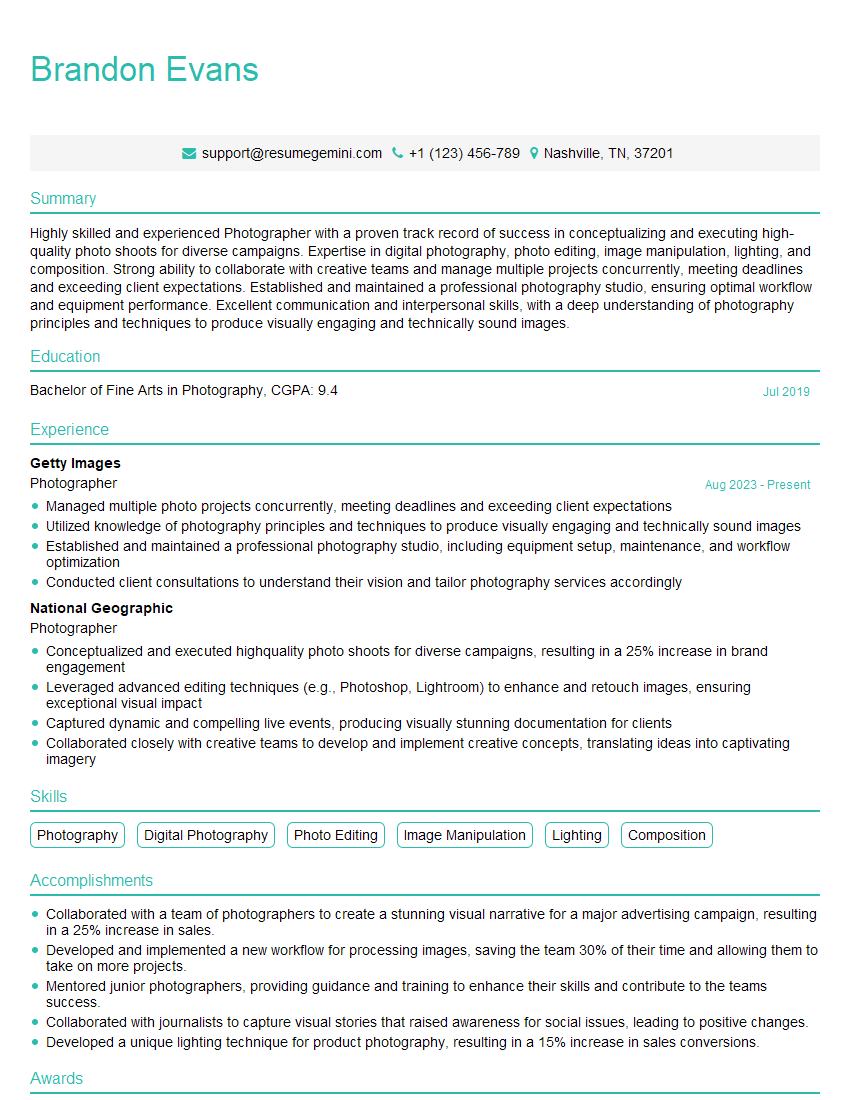
Photographer Resume Sample
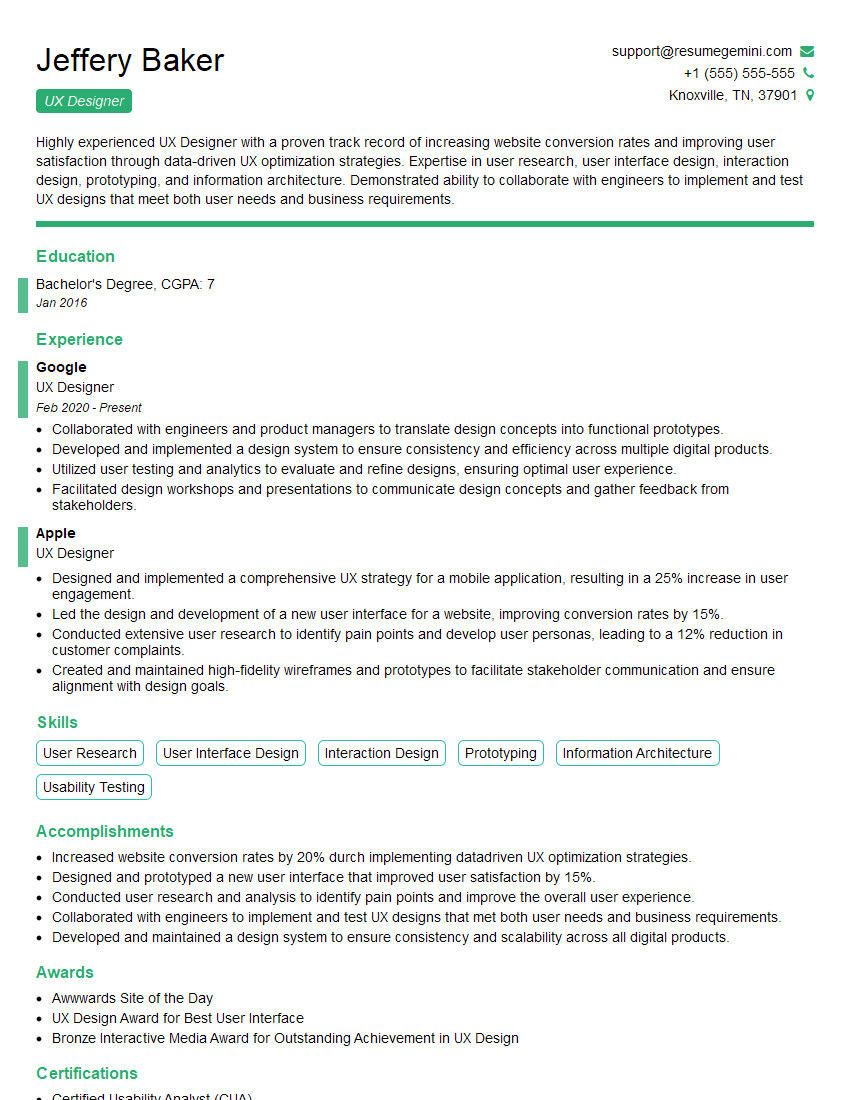
UX Designer Resume Sample
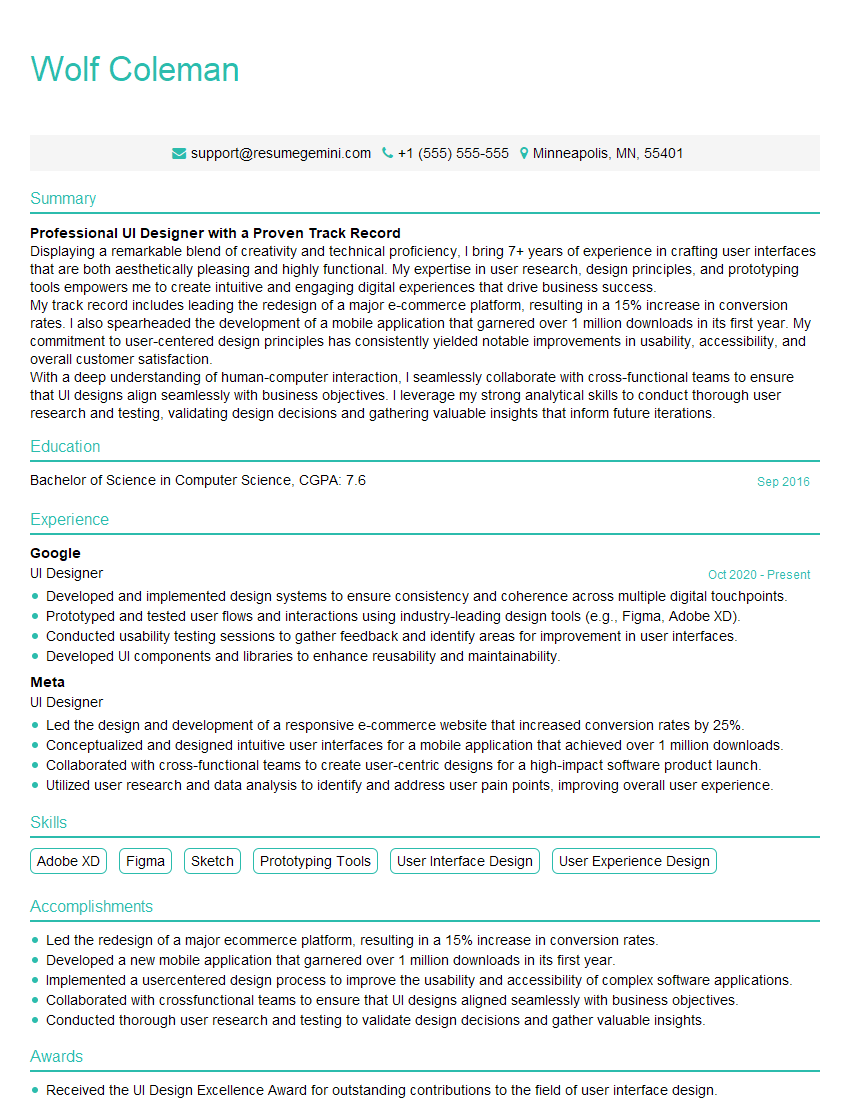
UI Designer Resume Sample
Explore more articles
Users Rating of Our Blogs
Share Your Experience
We value your feedback! Please rate our content and share your thoughts (optional).
What Readers Say About Our Blog
Very informative content, great job.
good