The thought of an interview can be nerve-wracking, but the right preparation can make all the difference. Explore this comprehensive guide to Knowledge of Current Events interview questions and gain the confidence you need to showcase your abilities and secure the role.
Questions Asked in Knowledge of Current Events Interview
Q 1. What is the current geopolitical situation in the South China Sea?
The South China Sea’s geopolitical situation is incredibly complex, characterized by overlapping territorial claims, significant maritime traffic, and abundant resources. Multiple nations, including China, Vietnam, the Philippines, Malaysia, Brunei, and Taiwan, assert sovereignty over various islands, reefs, and maritime areas within the sea. This leads to frequent disputes regarding fishing rights, hydrocarbon exploration, and military presence.
China’s assertive actions, including the construction of artificial islands and the establishment of military bases, have significantly escalated tensions. These actions are seen by many regional nations and the US as violations of international law and a threat to regional stability. The US and its allies regularly conduct freedom-of-navigation operations to challenge China’s claims, further intensifying the situation. International legal frameworks, like the UN Convention on the Law of the Sea (UNCLOS), are invoked by various parties, but their effectiveness remains contested, especially given China’s disregard for certain rulings.
The situation impacts global trade significantly, as a large portion of global maritime traffic passes through the South China Sea. Any escalation could disrupt this flow, impacting global supply chains and economies. The ongoing tension also underscores the broader power dynamics in the Indo-Pacific region, with the US and its allies attempting to counter China’s growing influence.
Q 2. Explain the recent developments in the conflict in Ukraine.
The conflict in Ukraine has witnessed significant developments since Russia’s full-scale invasion in February 2022. Initially marked by a rapid Russian advance, the war has settled into a protracted and brutal conflict, characterized by trench warfare and heavy artillery bombardments in the east and south. Ukraine has shown remarkable resilience, aided significantly by Western military assistance.
Recent developments include ongoing counteroffensives by Ukrainian forces, aimed at reclaiming occupied territories. These offensives, though slow, have yielded some territorial gains. Russia, facing logistical challenges and losses, has intensified its missile and drone attacks targeting Ukrainian civilian infrastructure, causing widespread damage and suffering. The conflict has also witnessed significant international involvement, with extensive sanctions imposed on Russia by Western countries and the provision of substantial military and humanitarian aid to Ukraine. Negotiations for a peaceful resolution have been stalled, with both sides showing little inclination to compromise.
The conflict’s impact extends far beyond Ukraine’s borders. It has sparked a global energy crisis, driven up food prices, and heightened geopolitical tensions. The war also raises significant questions about the future of European security and the global order.
Q 3. Discuss the impact of climate change on global food security.
Climate change poses a severe threat to global food security, impacting crop yields, livestock production, and fisheries. Rising temperatures, changing precipitation patterns, and increased frequency of extreme weather events like droughts, floods, and heatwaves are all major contributors.
- Reduced Crop Yields: Higher temperatures can reduce crop yields significantly, especially in already-stressed agricultural regions. Changes in rainfall patterns can also lead to droughts or floods, damaging crops and reducing harvests.
- Livestock Impacts: Heat stress can affect livestock productivity and health, leading to reduced milk production, lower fertility rates, and increased mortality. Changes in pasture availability due to droughts can further exacerbate these problems.
- Fisheries Disruption: Ocean acidification, caused by increased CO2 absorption, damages marine ecosystems and negatively impacts fish populations. Changes in ocean currents and temperatures also affect fish migration patterns and distribution.
- Increased Pest and Disease Prevalence: Warmer temperatures can expand the geographic range of pests and diseases, affecting crop and livestock yields.
The impact is particularly acute in developing countries, where many rely on agriculture for their livelihoods and are less resilient to climate shocks. Addressing this challenge requires a multifaceted approach involving climate change mitigation, adaptation strategies, improved agricultural practices, and investments in resilient food systems.
Q 4. Analyze the recent economic sanctions imposed on a specific country.
The recent economic sanctions imposed on Russia following its invasion of Ukraine provide a prime example. These sanctions, enacted by numerous countries, including the US, EU members, and others, aimed to cripple the Russian economy and pressure the Russian government to end the war. They encompass a wide range of measures:
- Financial Sanctions: Freezing of Russian central bank assets, exclusion of certain Russian banks from the SWIFT international payment system, and restrictions on transactions with Russian entities.
- Trade Restrictions: Embargoes on specific Russian goods, including oil and gas (although these have been implemented incrementally and with variations amongst different countries), and restrictions on the export of certain technologies to Russia.
- Individual Sanctions: Asset freezes and travel bans on numerous Russian oligarchs and government officials.
The effectiveness of these sanctions is a subject of ongoing debate. While they undoubtedly have had a negative impact on the Russian economy, they have also had some unintended consequences, such as contributing to global inflation and energy price increases. The sanctions also highlight the complexities of using economic tools to achieve geopolitical objectives, showcasing both their potential and their limitations.
Q 5. Describe the ongoing debate surrounding a specific major policy issue (e.g., immigration, healthcare).
The debate surrounding immigration policy in many Western nations is a significant and ongoing issue. The core of the debate often revolves around balancing national interests with humanitarian concerns. Proponents of stricter immigration controls often emphasize national security, economic impacts (such as potential strain on social services and labor markets), and cultural integration challenges. They may advocate for policies like stricter border enforcement, reduced quotas for immigrants, and more stringent requirements for legal immigration.
Conversely, those advocating for more lenient immigration policies emphasize humanitarian responsibilities, the potential economic benefits of immigration (such as filling labor shortages and boosting economic growth), and the enrichment of society through cultural diversity. They may support policies like increasing refugee resettlement quotas, providing pathways to citizenship for undocumented immigrants, and investing in integration programs.
The debate is often highly polarized, with strong opinions on both sides, and is heavily influenced by economic conditions, security concerns, and societal values. Finding a balance that addresses all concerns remains a significant challenge for policymakers worldwide. The debate often involves complex considerations of human rights, labor economics, and social welfare, making it a multifaceted policy challenge.
Q 6. What are the key factors influencing the current global oil prices?
Global oil prices are influenced by a complex interplay of factors, making them notoriously volatile. Some key factors include:
- Geopolitical Instability: Conflicts and political tensions in major oil-producing regions, such as the Middle East and Russia, can significantly disrupt supply and drive prices higher. Supply chain disruptions caused by geopolitical uncertainty can be quite substantial.
- OPEC+ Decisions: The Organization of the Petroleum Exporting Countries (OPEC) and its allies (OPEC+) significantly influence global oil supply through their production quotas. Decisions to increase or decrease production can have a dramatic impact on prices.
- Global Demand: Global economic growth and energy consumption directly affect demand for oil. Strong global economic growth typically leads to higher oil prices, while economic slowdowns can reduce demand.
- Supply Chain Issues: Disruptions to oil transportation and refining infrastructure, such as pipeline outages or refinery maintenance, can constrain supply and push prices up.
- Speculation and Investment: Oil prices are also susceptible to speculation in the futures market. Traders’ expectations about future supply and demand can influence current prices.
- Energy Transition: Growing investments in renewable energy sources and policies aimed at reducing carbon emissions are gradually shifting the demand landscape, but the pace of the transition is also a key variable.
Understanding these interconnected factors is crucial for accurately predicting and responding to fluctuations in oil prices, and for formulating effective energy policies.
Q 7. How has the COVID-19 pandemic affected international relations?
The COVID-19 pandemic significantly impacted international relations in several ways. It initially prompted a surge in international cooperation as nations collaborated on research and vaccine development. However, it also exposed and exacerbated existing tensions and inequalities:
- Nationalism and Protectionism: The pandemic led to a rise in nationalism and protectionism, with countries prioritizing their own citizens’ needs and imposing restrictions on travel and trade.
- Strained Alliances: Differences in pandemic responses and the competition for scarce resources, such as medical supplies and vaccines, strained relationships between nations and even among allies.
- Increased Geopolitical Tensions: The pandemic was used by some nations to advance their geopolitical agendas, further exacerbating existing rivalries.
- Exacerbated Inequalities: The pandemic disproportionately affected vulnerable populations, both within and between countries, highlighting existing global inequalities and the need for more equitable international cooperation.
- Shift in Diplomacy: The pandemic accelerated the shift toward virtual diplomacy, impacting international negotiations and communication.
The pandemic serves as a stark reminder of the interconnectedness of the world and the need for effective international cooperation to address global challenges. It also exposed vulnerabilities in global governance structures and highlighted the importance of robust public health systems.
Q 8. What are the potential consequences of rising inflation in the global economy?
Rising inflation, a sustained increase in the general price level of goods and services in an economy, has far-reaching consequences globally. It erodes purchasing power, meaning consumers can buy less with the same amount of money. This can lead to decreased consumer spending and potentially a recession.
- Reduced Consumer Spending: As prices rise, people feel the pinch and cut back on non-essential purchases. This slows economic growth.
- Increased Interest Rates: Central banks often raise interest rates to combat inflation. Higher rates make borrowing more expensive for businesses and individuals, further dampening economic activity. This can lead to a slowdown in investment and construction.
- Wage-Price Spiral: Inflation can lead to a wage-price spiral. As prices rise, workers demand higher wages to maintain their living standards. Businesses then increase prices to cover the higher labor costs, creating a vicious cycle.
- Social Unrest: Persistent high inflation can lead to social unrest and political instability, particularly if it disproportionately affects low-income households.
- Currency Depreciation: High inflation can weaken a country’s currency, making imports more expensive and potentially leading to trade deficits.
For example, the stagflation of the 1970s, characterized by high inflation and unemployment, demonstrated the devastating impact inflation can have on an economy. Governments and central banks constantly monitor inflation indicators and implement policies to manage it effectively.
Q 9. Discuss the role of social media in shaping public opinion during a major crisis.
Social media plays a powerful, often unpredictable, role in shaping public opinion during a crisis. Its speed and reach allow information—and misinformation—to spread rapidly, influencing how people perceive events and react.
- Rapid Information Dissemination: News, updates, and personal accounts of crises spread quickly via social media, bypassing traditional media outlets. This can be beneficial in disseminating crucial safety information quickly.
- Amplification of Narratives: Social media algorithms can amplify certain narratives, potentially creating echo chambers and polarizing opinions. This can be seen in the spread of conspiracy theories and misinformation during health crises.
- Increased Citizen Engagement: Social media facilitates citizen engagement and collective action, fostering community support and mobilization. Individuals can share their experiences, organize relief efforts, and coordinate responses.
- Spread of Misinformation: The ease and speed of sharing on social media also allow for the rapid spread of misinformation and propaganda, potentially inciting panic or undermining public trust in authorities.
- Government Response and Control: Governments may attempt to control the narrative or combat misinformation during a crisis, which can raise concerns about censorship and freedom of speech.
The COVID-19 pandemic is a prime example. While social media helped disseminate health information and facilitate community support, it also witnessed the widespread spread of conspiracy theories and misinformation, making public health messaging more challenging.
Q 10. Explain the impact of a specific technological advancement (e.g., AI) on society.
Artificial intelligence (AI) is transforming society in profound ways. AI involves creating systems that can perform tasks that typically require human intelligence, such as learning, problem-solving, and decision-making. Its impact spans various sectors and raises significant ethical and societal questions.
- Automation of Jobs: AI-powered automation is transforming various industries, leading to both job displacement and the creation of new roles. While some jobs are automated, new opportunities emerge in AI development, maintenance, and related fields.
- Improved Healthcare: AI is revolutionizing healthcare through improved diagnostics, personalized medicine, and drug discovery. AI algorithms can analyze medical images, predict disease outbreaks, and assist in surgical procedures.
- Enhanced Transportation: Self-driving cars and drones are leveraging AI to improve transportation efficiency and safety. This could reduce traffic congestion and accidents, but also raises questions about job security for drivers and regulatory frameworks.
- Bias and Discrimination: AI systems are trained on data, and if that data reflects existing societal biases, the AI can perpetuate and amplify those biases. Addressing algorithmic bias is crucial to ensure fairness and equity.
- Privacy Concerns: The increasing use of AI involves the collection and analysis of vast amounts of personal data, raising significant privacy concerns. Robust data protection measures are necessary to mitigate these risks.
For example, the use of AI in facial recognition technology raises serious ethical concerns about surveillance and potential misuse. Careful consideration of ethical implications is crucial as AI continues to develop and become more integrated into society.
Q 11. What are the current challenges facing the European Union?
The European Union faces a multitude of complex challenges in the current global landscape.
- Economic challenges: The EU is grappling with high inflation, energy security concerns stemming from the war in Ukraine, and the potential for a recession. Maintaining economic stability and growth while addressing these issues is a priority.
- Geopolitical instability: The war in Ukraine has significantly destabilized the European security environment and increased the importance of EU defense cooperation. The EU also needs to navigate its relationship with a rising China and an increasingly assertive Russia.
- Migration and integration: Managing migration flows and integrating migrants into EU societies remains a persistent challenge, requiring effective policies and strategies to address both security and humanitarian concerns.
- Climate change: The EU is committed to ambitious climate targets, requiring significant investment in renewable energy and a transition to a low-carbon economy. This transition will impact various sectors and requires careful planning to mitigate social and economic consequences.
- Internal divisions: Differences in national interests and political ideologies among EU member states can hinder decision-making and create friction. Maintaining cohesion and unity within the Union is crucial for its effectiveness.
Addressing these challenges requires a multifaceted approach, including strengthening EU institutions, promoting economic resilience, and fostering cooperation among member states. The EU’s ability to overcome these challenges will shape its future role in the global arena.
Q 12. Analyze the recent election results in a specific country and their implications.
(Note: To provide a specific and accurate answer, a particular country and recent election must be specified. This response will use a hypothetical example for illustration.)
Let’s consider a hypothetical election in the country of ‘Atheria,’ where the progressive party unexpectedly won a landslide victory. The implications of this result are multifaceted.
- Policy Shifts: The new government is likely to implement policies prioritizing social justice, environmental protection, and economic redistribution. This might include increased social welfare spending, stricter environmental regulations, and tax reforms to reduce income inequality.
- Economic Impact: The policy shifts could lead to both positive and negative economic consequences. Increased government spending might stimulate economic growth but could also lead to higher inflation or increased national debt. Investor confidence might be affected, influencing market reactions.
- Geopolitical Implications: Atheria’s new government might adopt a different stance on international relations, influencing its relationships with other countries. This could affect trade agreements, military alliances, and diplomatic initiatives.
- Social and Cultural Changes: The election might signal a significant shift in societal values and priorities, impacting public discourse, cultural norms, and social movements. It might indicate a growing demand for social change and progress.
Analyzing this hypothetical outcome requires considering the specifics of Atheria’s political landscape, its economic structure, and the global context. Accurate analysis requires access to current election data and reliable news sources.
Q 13. Discuss the impact of globalization on national economies.
Globalization, the increasing interconnectedness of nations through trade, investment, technology, and cultural exchange, has profoundly impacted national economies.
- Increased Trade and Economic Growth: Globalization has facilitated increased trade and specialization, leading to economic growth for many countries. Businesses can access larger markets and benefit from lower production costs.
- Foreign Direct Investment: Globalization encourages foreign direct investment (FDI), bringing capital, technology, and jobs to recipient countries. However, the benefits of FDI may not always be evenly distributed within a country.
- Job Creation and Displacement: While globalization creates jobs in some sectors, it can lead to job displacement in others as companies relocate production to countries with lower labor costs. This requires retraining programs and adaptation strategies.
- Increased Competition: Domestic businesses face increased competition from foreign companies, requiring them to improve efficiency and innovation. This competition can lead to lower prices for consumers but also risks to domestic industries.
- Economic Dependence and Vulnerability: Globalization can lead to greater economic interdependence between countries, which can make national economies more vulnerable to global economic shocks.
The impact of globalization is complex and varies considerably depending on a nation’s economic structure, policies, and its ability to adapt to the changing global landscape. It’s not uniformly positive or negative, requiring careful management and mitigation strategies to maximize benefits and minimize downsides.
Q 14. Explain the role of international organizations (e.g., UN, WTO) in addressing global issues.
International organizations like the United Nations (UN) and the World Trade Organization (WTO) play crucial roles in addressing global issues. They provide platforms for international cooperation, setting standards, resolving disputes, and coordinating responses to complex challenges.
- UN’s Role: The UN focuses on a wide range of global issues, including peace and security, human rights, development, and humanitarian aid. It provides a forum for diplomatic negotiations, coordinates humanitarian relief efforts, and promotes international cooperation on various issues. Specialized agencies like the WHO (World Health Organization) and UNICEF (United Nations Children’s Fund) address specific global challenges.
- WTO’s Role: The WTO focuses specifically on regulating international trade. It establishes rules for fair trade practices, resolves trade disputes between countries, and promotes the reduction of trade barriers. It aims to create a more open and predictable trading system benefiting participating nations.
- Other International Organizations: Numerous other organizations such as the International Monetary Fund (IMF), the World Bank, and regional organizations like the European Union (EU) also play significant roles in addressing global issues. They often collaborate and coordinate their efforts to tackle shared challenges.
- Limitations: While these organizations play essential roles, they also face limitations. Their effectiveness depends on the willingness of member states to cooperate, their capacity to enforce rules, and their ability to adapt to evolving global challenges.
The COVID-19 pandemic showcased the importance of international cooperation. The WHO’s role in coordinating global responses was essential, highlighting the need for strong, effective international organizations in addressing global crises.
Q 15. How does the current global supply chain affect consumers?
The current global supply chain is a complex network impacting consumers significantly. Disruptions, stemming from factors like the pandemic, geopolitical instability, and extreme weather events, lead to several consequences for consumers.
- Increased Prices: Supply chain bottlenecks mean fewer goods available, driving up prices for everything from groceries to electronics. Think of the recent surge in lumber prices due to mill closures and shipping delays.
- Shortages: Consumers experience difficulty finding certain products, leading to empty shelves in stores and longer wait times for deliveries. The global microchip shortage is a prime example, affecting the production of cars and electronics.
- Reduced Product Variety: Companies may prioritize production of their most profitable items, leading to a reduction in the range of products available to consumers.
- Longer Delivery Times: Shipping delays and port congestion contribute to significant delays in receiving ordered goods, causing frustration for online shoppers and businesses alike.
In essence, consumers feel the pinch through higher costs, limited choices, and extended waiting periods. These issues highlight the interconnectedness of the global economy and the fragility of just-in-time supply chain models.
Career Expert Tips:
- Ace those interviews! Prepare effectively by reviewing the Top 50 Most Common Interview Questions on ResumeGemini.
- Navigate your job search with confidence! Explore a wide range of Career Tips on ResumeGemini. Learn about common challenges and recommendations to overcome them.
- Craft the perfect resume! Master the Art of Resume Writing with ResumeGemini’s guide. Showcase your unique qualifications and achievements effectively.
- Don’t miss out on holiday savings! Build your dream resume with ResumeGemini’s ATS optimized templates.
Q 16. What is the current status of nuclear non-proliferation efforts?
Nuclear non-proliferation efforts face significant challenges. While the Nuclear Non-Proliferation Treaty (NPT) remains the cornerstone, its effectiveness is debated. Several key issues complicate the situation:
- North Korea’s Nuclear Program: North Korea’s continued development and testing of nuclear weapons and ballistic missiles pose a major threat to regional and global security, undermining the NPT’s goals.
- Iran’s Nuclear Ambitions: The Iranian nuclear program remains a source of international concern, despite the 2015 Iran nuclear deal (JCPOA) facing challenges and uncertainty about its future.
- Nuclear Terrorism: The risk of non-state actors acquiring nuclear materials remains a serious concern, requiring increased international cooperation and security measures.
- Lack of Transparency: Some countries lack transparency regarding their nuclear activities, making verification and enforcement of non-proliferation agreements difficult.
Despite these hurdles, international efforts continue through diplomacy, sanctions, and verification mechanisms. However, the future of nuclear non-proliferation depends heavily on renewed commitment from all states to the NPT and effective multilateral cooperation to address the challenges mentioned above.
Q 17. Discuss the ethical implications of a specific recent technological development.
The rapid advancement of artificial intelligence (AI), particularly generative AI models like ChatGPT, raises several ethical concerns. One major issue is the potential for bias and discrimination.
These AI models are trained on vast datasets that may reflect existing societal biases. Consequently, the AI can perpetuate and even amplify these biases in its outputs, leading to unfair or discriminatory outcomes in areas like loan applications, hiring processes, or even criminal justice. For example, if a hiring AI is trained on data reflecting gender bias in a company’s past hiring practices, it might unfairly favor male candidates over equally qualified female candidates.
Addressing this requires careful consideration of data selection, algorithmic design, and ongoing monitoring for bias. Furthermore, transparency and explainability in AI systems are crucial to allow for identification and mitigation of these ethical issues. The development of ethical guidelines and regulations for AI is becoming increasingly important to ensure responsible innovation and prevent harm.
Q 18. Analyze a recent international trade agreement and its potential effects.
The recently concluded [replace with a specific recent trade agreement, e.g., the USMCA] has both positive and negative potential effects. [Describe the agreement briefly].
Potential Positive Effects: [List potential benefits like increased trade, economic growth in specific sectors, etc. Provide specific examples related to the chosen agreement.]
Potential Negative Effects: [Discuss potential drawbacks, such as job displacement in certain industries, increased environmental impact due to trade expansion, or concerns about intellectual property protection. Provide specific examples related to the chosen agreement.]
The overall impact will depend on various factors, including effective implementation mechanisms, government policies to mitigate negative consequences, and the global economic climate. Careful monitoring and analysis are needed to assess the long-term consequences of this agreement.
Q 19. Explain the factors contributing to a recent major global event (e.g., famine, natural disaster).
[Choose a recent major global event, e.g., the Horn of Africa famine]. This devastating famine is a result of a complex interplay of factors:
- Climate Change: Prolonged droughts caused by climate change have severely impacted agricultural production, leading to crop failures and livestock deaths.
- Conflict and Instability: Ongoing conflicts in the region have disrupted food distribution networks, displaced populations, and limited access to humanitarian aid.
- Economic Factors: Poverty, food insecurity, and lack of economic opportunities have made vulnerable populations highly susceptible to the effects of drought and conflict.
- Global Food Prices: Rising global food prices due to various factors (like the war in Ukraine) have exacerbated the food crisis in the region.
Addressing this requires a multi-pronged approach combining humanitarian aid, conflict resolution, investment in climate-resilient agriculture, and support for economic development in the affected areas. It emphasizes the interconnectedness of environmental, political, and economic factors in creating global crises.
Q 20. What are the key characteristics of the current global economic climate?
The current global economic climate is characterized by several key features:
- High Inflation: Many countries are experiencing high inflation rates, driven by factors such as supply chain disruptions, increased energy prices, and strong consumer demand.
- Rising Interest Rates: Central banks around the world are raising interest rates to combat inflation, which could lead to slower economic growth and potential recessionary risks.
- Geopolitical Uncertainty: The war in Ukraine, tensions between major powers, and other geopolitical events contribute to economic uncertainty and volatility.
- Supply Chain Issues: Ongoing disruptions to global supply chains continue to impact production, prices, and economic activity.
- Energy Crisis: The energy crisis, particularly in Europe, is affecting economic growth and household budgets.
This complex interplay of factors creates a challenging economic environment for businesses, governments, and consumers. The outlook remains uncertain, depending on how effectively policymakers address these challenges and the evolution of geopolitical factors.
Q 21. How has the pandemic shifted global power dynamics?
The COVID-19 pandemic has significantly shifted global power dynamics in several ways:
- Rise of China: China’s relatively swift handling of the pandemic, compared to many Western countries, enhanced its international image and influence. Its role in providing medical supplies and vaccines to various countries strengthened its diplomatic leverage.
- Weakening of the West: The pandemic exposed vulnerabilities within Western democracies, highlighting challenges in healthcare systems, economic resilience, and political cohesion. This impacted their international standing and influence relative to some other actors.
- Shift in Supply Chains: The pandemic disrupted global supply chains, prompting companies to diversify sourcing and consider alternatives to relying heavily on single countries for production. This could lead to a more regionally balanced global manufacturing landscape in the future.
- Increased Technological Competition: The race to develop and distribute vaccines and treatments intensified the competition between nations in technology and innovation.
- Rise of Nationalism: The pandemic fueled nationalistic tendencies in some countries, leading to greater focus on domestic issues and a potential retreat from global cooperation.
The long-term implications of these shifts are still unfolding. However, it’s clear that the pandemic has accelerated existing trends and created new opportunities and challenges in the global power balance.
Q 22. Explain the challenges of combating misinformation and disinformation.
Combating misinformation and disinformation is incredibly challenging due to the speed and scale at which false narratives spread online. It’s a multifaceted problem with no single solution.
- The Velocity of Spread: False information can go viral in minutes, reaching millions before fact-checkers can debunk it. Social media algorithms, designed to maximize engagement, often inadvertently amplify misleading content.
- Sophistication of Tactics: Disinformation campaigns are becoming increasingly sophisticated, using AI-powered tools to create realistic deepfakes and employing coordinated networks of bots and trolls to disseminate false narratives.
- Erosion of Trust: Decades of declining trust in traditional media institutions have created a fertile ground for misinformation to flourish. People are more likely to believe information that confirms their pre-existing biases, regardless of its veracity.
- Lack of Media Literacy: Many individuals lack the critical thinking skills needed to discern fact from fiction. This makes them vulnerable to manipulation and exploitation.
- Global Reach & Cross-Border Nature: Misinformation often originates from foreign actors and spreads rapidly across borders, making it difficult for individual countries to effectively combat.
Effective strategies involve a multi-pronged approach: improving media literacy education, promoting fact-checking initiatives, holding social media platforms accountable, and fostering collaboration between governments, researchers, and civil society organizations.
Q 23. Describe the key players involved in a specific recent international conflict.
The recent conflict in Ukraine involves a complex web of actors. Russia’s invasion is the central event, but several other countries have played significant roles:
- Russia: The primary aggressor, aiming to overthrow the Ukrainian government and control Ukrainian territory.
- Ukraine: The nation defending its sovereignty and territorial integrity, supported by its armed forces and civilian resistance.
- NATO: A military alliance of North American and European countries that, while not directly involved in combat, has provided substantial military and humanitarian aid to Ukraine. Their response has been carefully calibrated to avoid direct confrontation with Russia.
- The United States: A key NATO member, the US has been a leading provider of financial, military, and intelligence support to Ukraine. They have also imposed significant sanctions against Russia.
- European Union: The EU has provided substantial financial and humanitarian aid to Ukraine and imposed sanctions against Russia. Internal divisions within the EU on how to best respond to the conflict have been evident.
- Other Countries: Numerous other countries have provided varying levels of humanitarian, financial, or military assistance to Ukraine or have imposed sanctions against Russia, demonstrating a global response to the invasion.
Understanding the complex interplay of these actors is critical to grasping the nuances of the conflict and predicting its potential trajectory.
Q 24. What are the major challenges faced by developing countries today?
Developing countries face a multitude of interconnected challenges:
- Poverty and Inequality: Wide disparities in income and access to resources hinder economic growth and social mobility.
- Limited Access to Education and Healthcare: Inadequate investment in human capital hampers development and productivity.
- Climate Change Vulnerability: Developing nations are disproportionately impacted by climate change, facing more frequent and intense extreme weather events.
- Food Insecurity: Factors like drought, conflict, and poverty contribute to widespread hunger and malnutrition.
- Infrastructure Deficiencies: Lack of adequate infrastructure (roads, electricity, water) hinders economic activity and social development.
- Political Instability and Conflict: Civil wars and political instability disrupt development efforts and displace populations.
- Debt Burden: High levels of external debt can constrain government spending and hinder economic growth.
- Disease Outbreaks: Developing countries are often more vulnerable to infectious diseases due to weak healthcare systems.
Addressing these challenges requires a holistic approach that includes sustainable development initiatives, improved governance, increased investment in human capital, climate change adaptation measures, and strengthened international cooperation.
Q 25. Explain the impact of a significant environmental event on a specific region.
The 2022 Pakistan floods, caused by unprecedented monsoon rains, had a devastating impact on the region.
- Loss of Life and Displacement: Thousands of people perished, and millions were displaced from their homes, creating a massive humanitarian crisis.
- Infrastructure Damage: Roads, bridges, and other critical infrastructure were severely damaged, disrupting supply chains and hindering relief efforts.
- Agricultural Devastation: Vast swathes of farmland were inundated, leading to widespread crop failure and food shortages.
- Economic Losses: The floods inflicted billions of dollars in economic damage, further exacerbating poverty and inequality.
- Health Risks: The stagnant floodwaters created breeding grounds for waterborne diseases, increasing the risk of outbreaks.
The floods highlighted the vulnerability of South Asia to climate change and the urgent need for investment in climate resilience measures, improved disaster preparedness, and effective humanitarian response systems.
Q 26. Analyze the influence of a specific country on global politics.
China’s influence on global politics is undeniable and multifaceted.
- Economic Powerhouse: China’s rapid economic growth has made it a major trading partner for many countries, giving it significant economic leverage.
- Belt and Road Initiative (BRI): This ambitious infrastructure project aims to connect China with Asia, Africa, and Europe, expanding China’s economic and political influence along the way.
- Technological Advancement: China’s advancements in technology, particularly in areas like 5G and artificial intelligence, are reshaping global technological landscapes and creating new dependencies.
- Military Modernization: China’s military buildup has increased its capacity to project power globally and assert its territorial claims in the South China Sea.
- Global Governance Participation: China is playing an increasingly active role in international organizations like the United Nations, seeking to shape global norms and institutions.
- Diplomatic Engagement: China actively engages in diplomacy and fosters relationships with countries across the globe, often offering alternative partnerships to Western nations.
China’s rise presents both opportunities and challenges for the global order. Its economic influence is undeniable, but concerns remain about its human rights record, its assertive foreign policy, and the potential for geopolitical rivalry.
Q 27. How has a specific major technological innovation impacted a global industry?
The development of the internet and mobile technologies has revolutionized the media and entertainment industry.
- Streaming Services: Netflix, Spotify, and other streaming platforms have disrupted traditional television and music distribution, offering consumers on-demand access to a vast library of content.
- Social Media: Platforms like Facebook, Twitter, and Instagram have altered the way news and entertainment are consumed, creating new opportunities for content creation and distribution, but also raising concerns about misinformation and privacy.
- Digital Advertising: Online advertising has become a dominant force, creating new revenue streams for media companies but also raising concerns about data privacy and targeted advertising.
- E-commerce: The growth of e-commerce has enabled media companies to sell merchandise and other products directly to consumers online.
- Global Reach: The internet has broken down geographical barriers, allowing media companies to reach global audiences and create international content.
The internet and mobile technologies have fundamentally reshaped the media and entertainment industry, presenting both challenges and opportunities for companies adapting to this new landscape.
Q 28. Discuss the challenges of maintaining peace and security in a globalized world.
Maintaining peace and security in a globalized world presents unprecedented challenges.
- Interconnected Threats: Globalization has increased the interconnectedness of various threats such as terrorism, cyberattacks, and pandemics, making them harder to contain.
- Rise of Non-State Actors: Terrorist groups, transnational criminal organizations, and other non-state actors pose significant threats that often transcend national borders.
- Cyber Warfare: The growing reliance on technology has increased vulnerability to cyberattacks, which can disrupt critical infrastructure and undermine national security.
- Climate Change: Climate change is exacerbating existing conflicts and creating new ones by increasing competition for scarce resources, such as water and arable land.
- Economic Inequality: Global economic inequality can fuel social unrest and contribute to instability, creating a breeding ground for conflict.
- Migration and Displacement: Large-scale migration and displacement due to conflict, environmental disasters, or economic hardship can strain resources and create social tensions.
Addressing these challenges requires a multi-faceted approach that includes strengthening international cooperation, promoting good governance, investing in conflict prevention and resolution mechanisms, addressing the root causes of instability, and fostering sustainable development.
Key Topics to Learn for Knowledge of Current Events Interview
- Global Politics: Understand major geopolitical events, international relations, and the impact of global issues on various sectors.
- Economics & Finance: Analyze current economic trends, market fluctuations, and their effects on businesses and individuals. Practice applying economic principles to real-world scenarios.
- Social & Cultural Trends: Stay updated on evolving social norms, cultural shifts, and their implications for different industries and communities. Consider the ethical dimensions of these trends.
- Technology & Innovation: Familiarize yourself with groundbreaking technological advancements, their societal impact, and potential challenges. Be prepared to discuss the implications of emerging technologies.
- Environmental Issues: Understand current environmental challenges, sustainable practices, and the role of businesses and governments in addressing climate change and environmental protection.
- Critical Thinking & Analysis: Develop the ability to analyze information from multiple sources, identify biases, and form well-reasoned opinions. Practice summarizing complex information concisely and accurately.
- Communication Skills: Practice articulating your understanding of current events clearly and concisely, both verbally and in writing. Prepare to discuss your perspectives thoughtfully and respectfully.
Next Steps
Mastering knowledge of current events is crucial for career advancement. It demonstrates intellectual curiosity, critical thinking skills, and an awareness of the broader context impacting your field. To maximize your job prospects, create an ATS-friendly resume that highlights these skills. ResumeGemini is a trusted resource to help you build a professional and impactful resume. We offer examples of resumes tailored to showcasing expertise in Knowledge of Current Events to help you get started.
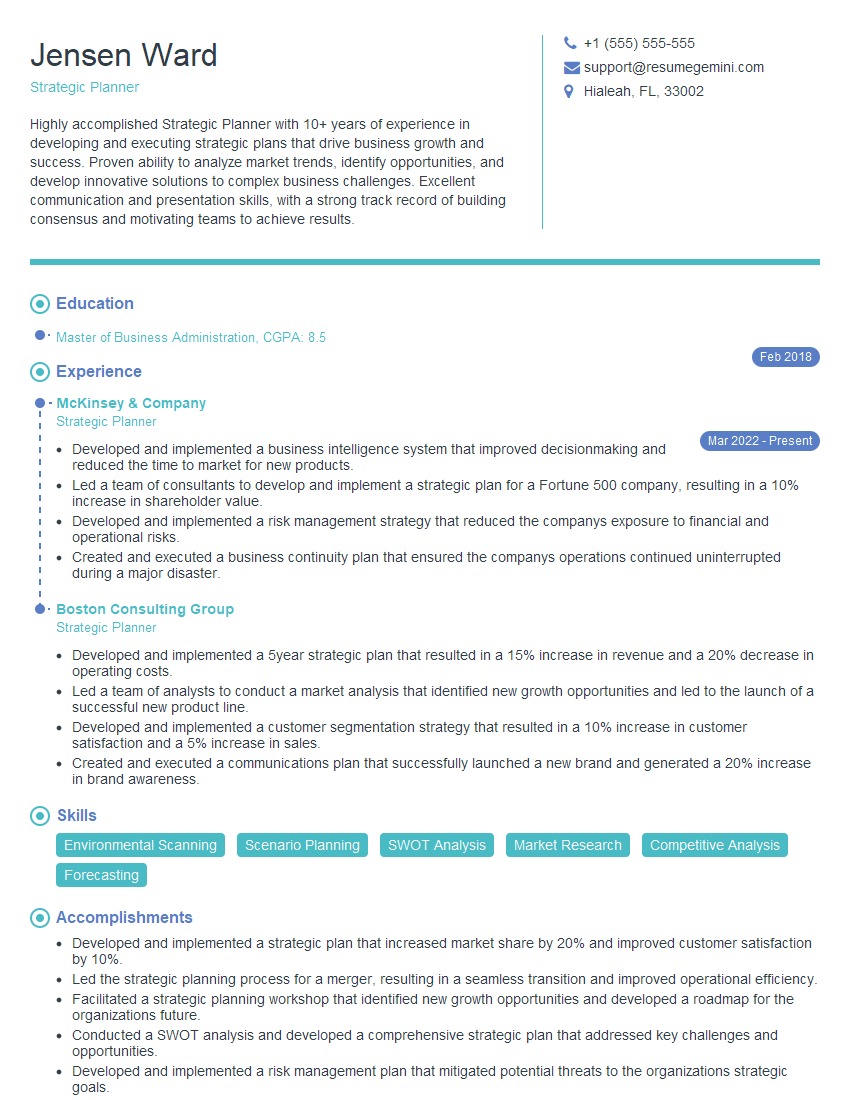
Strategic Planner Resume Sample
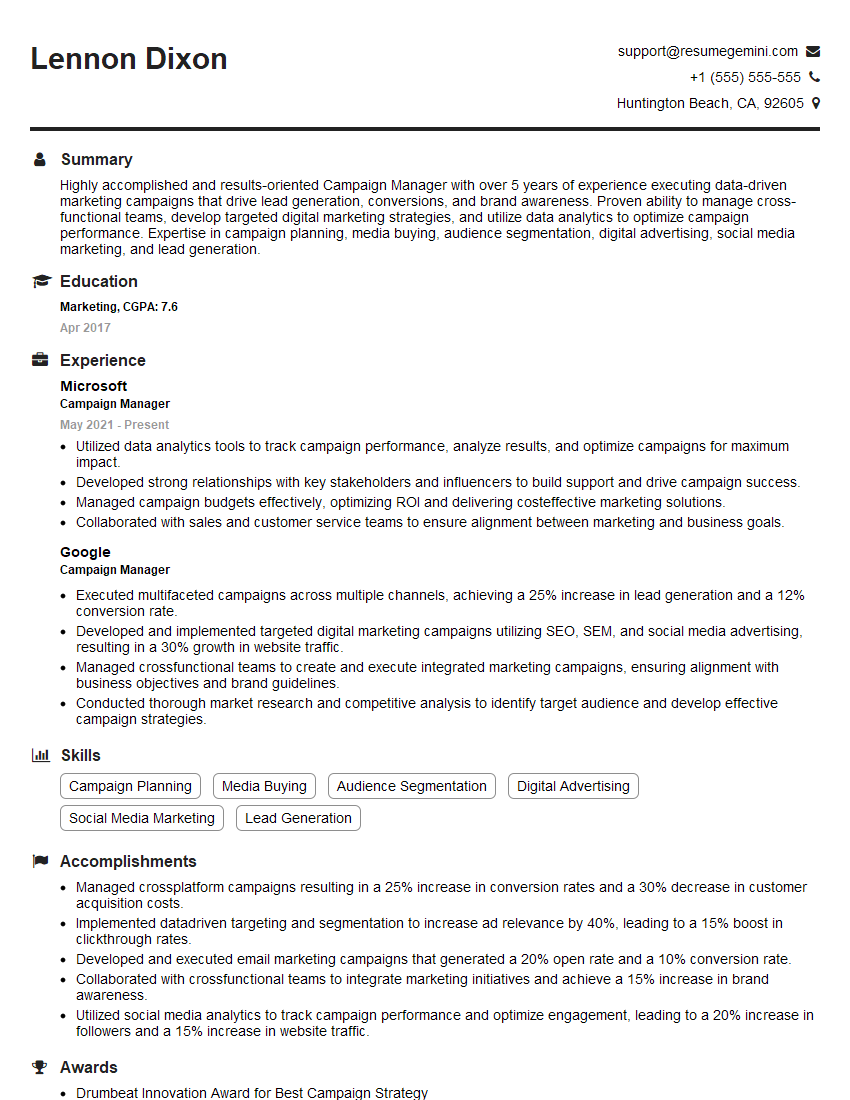
Campaign Manager Resume Sample

Communications Director Resume Sample
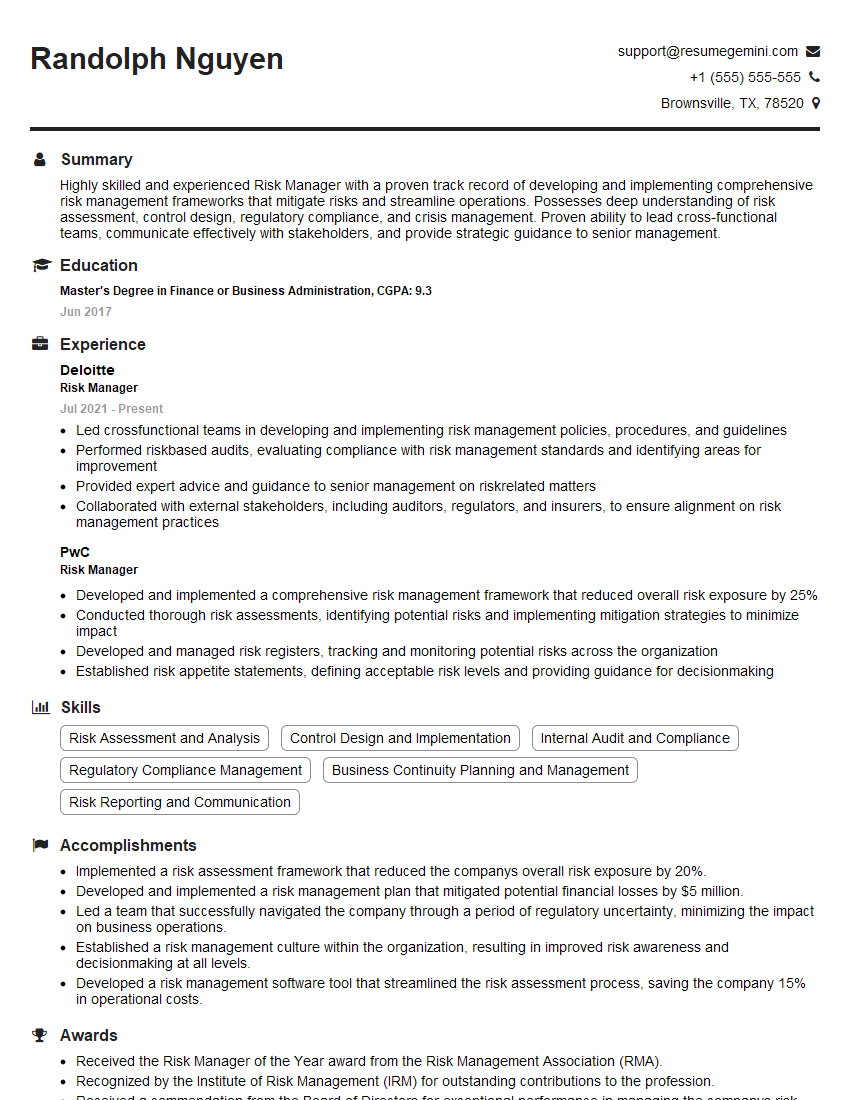
Risk Manager Resume Sample
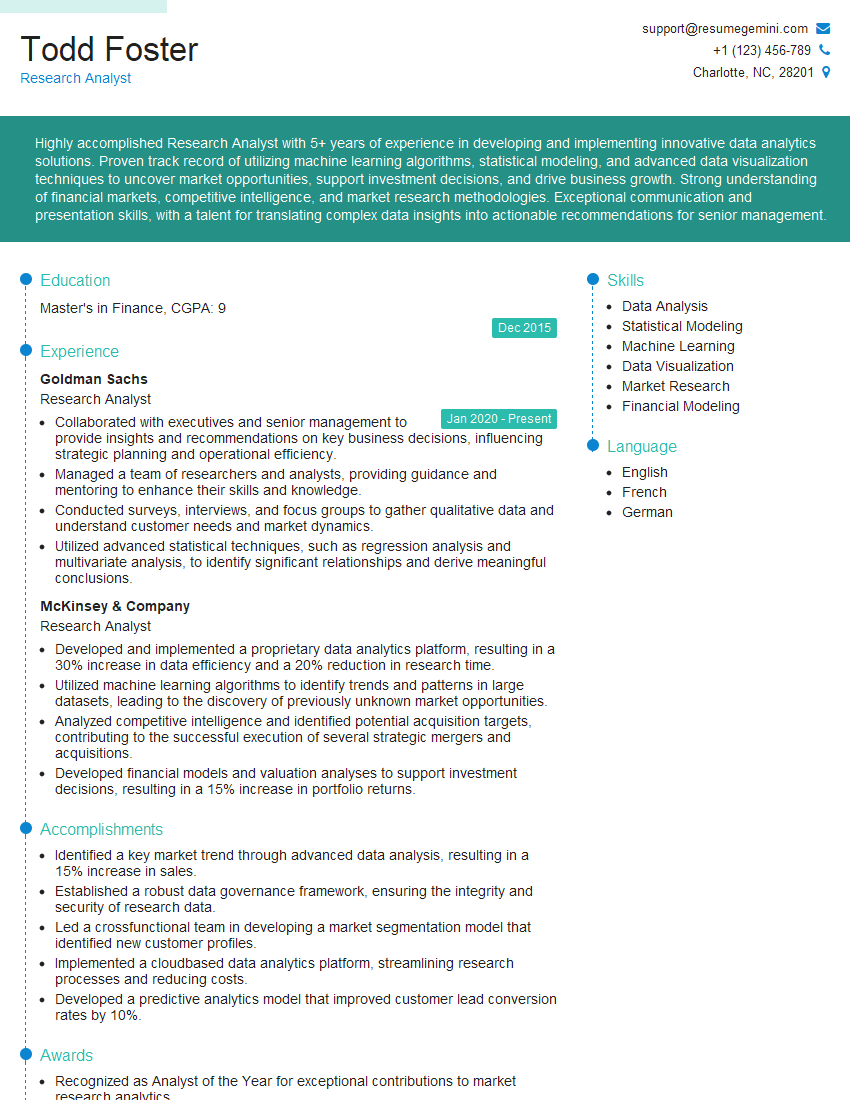
Research Analyst Resume Sample

Social Media Manager Resume Sample
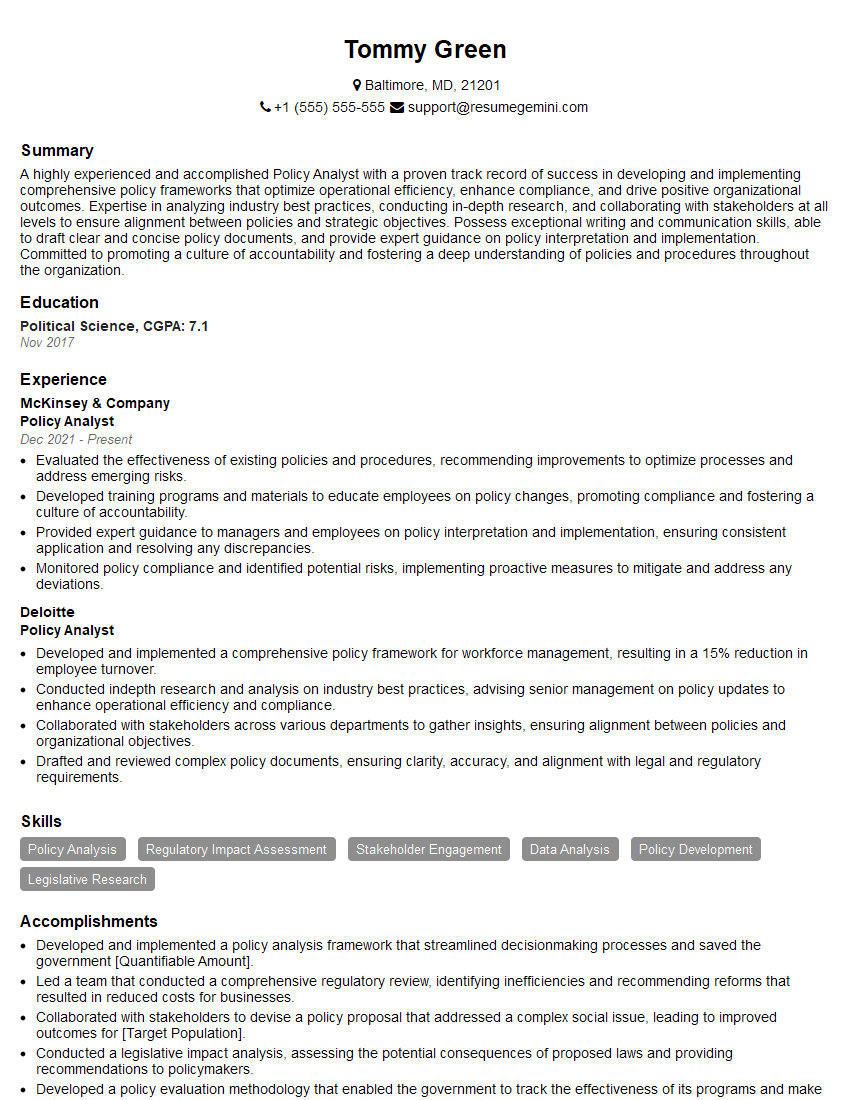
Policy Analyst Resume Sample
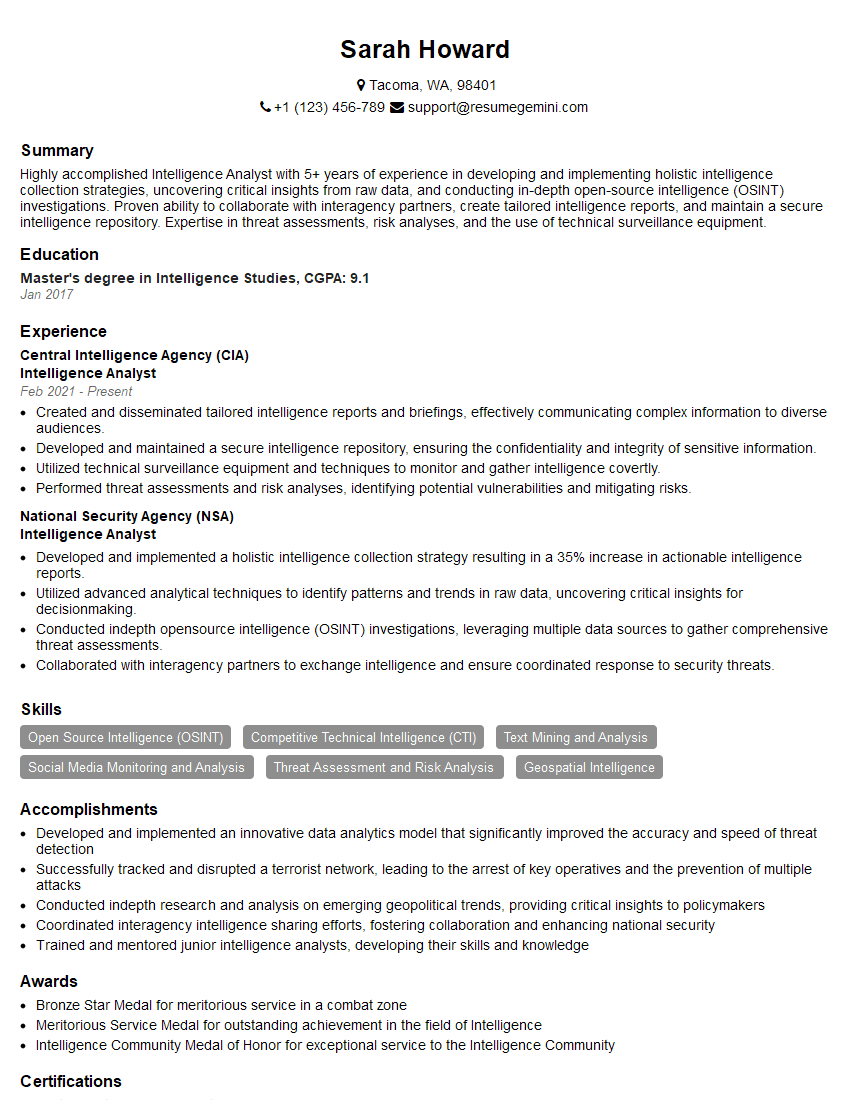
Intelligence Analyst Resume Sample
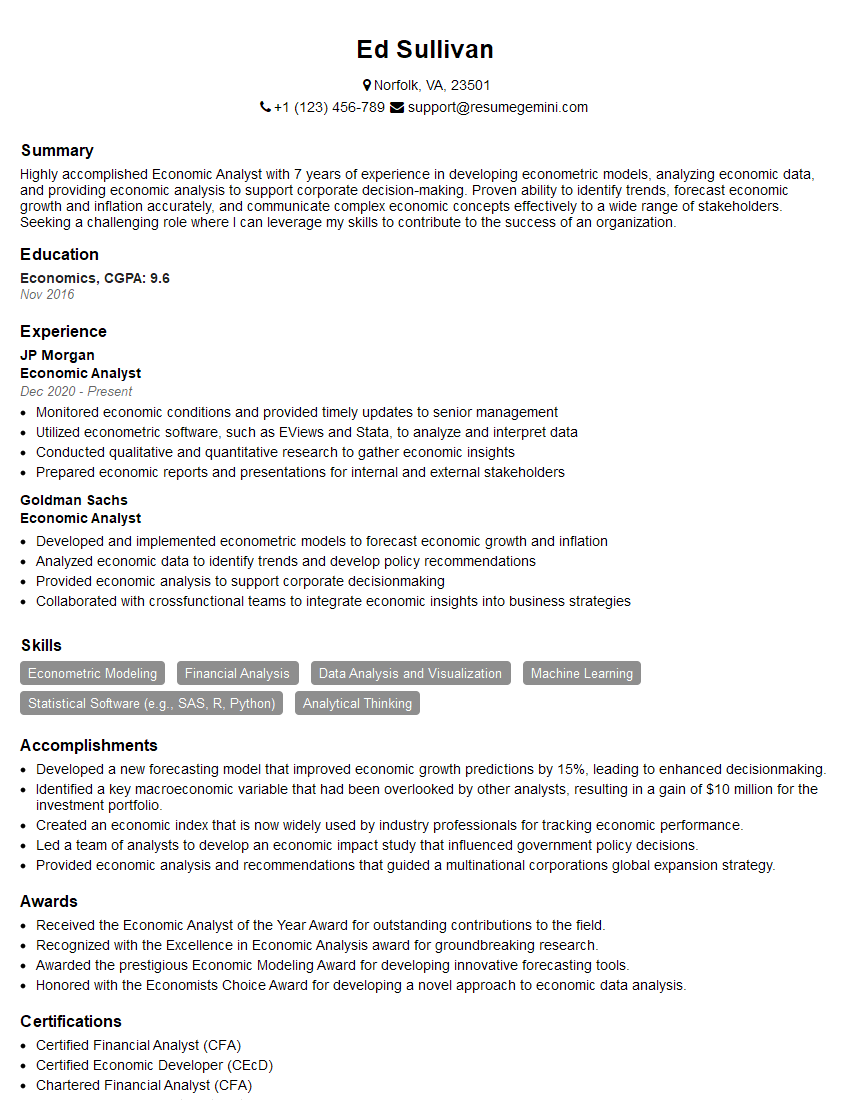
Economic Analyst Resume Sample
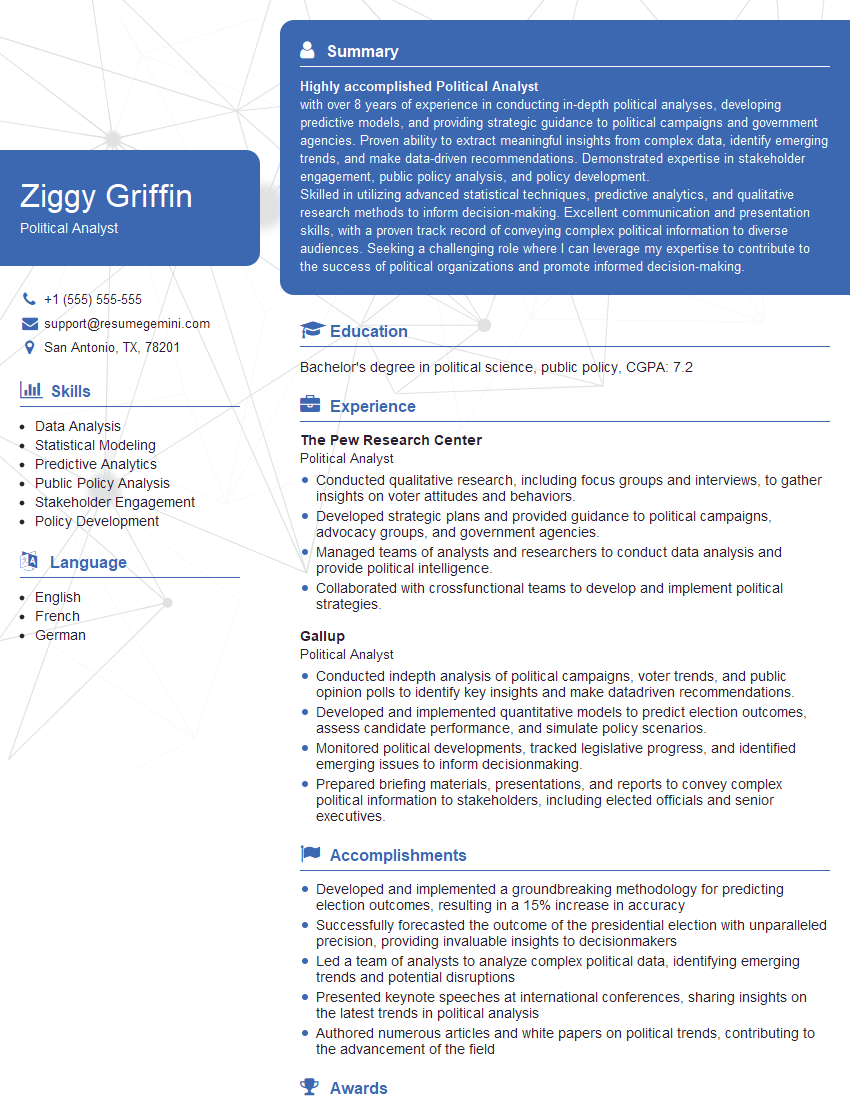
Political Analyst Resume Sample
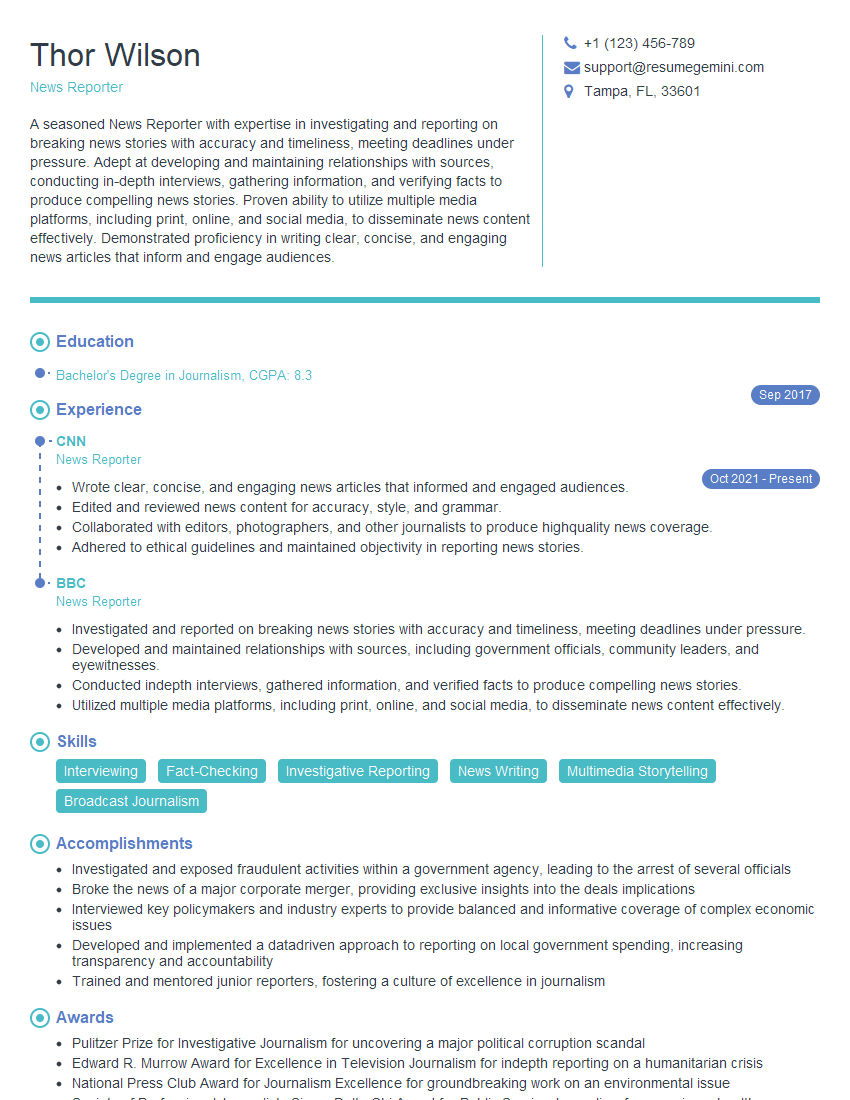
News Reporter Resume Sample
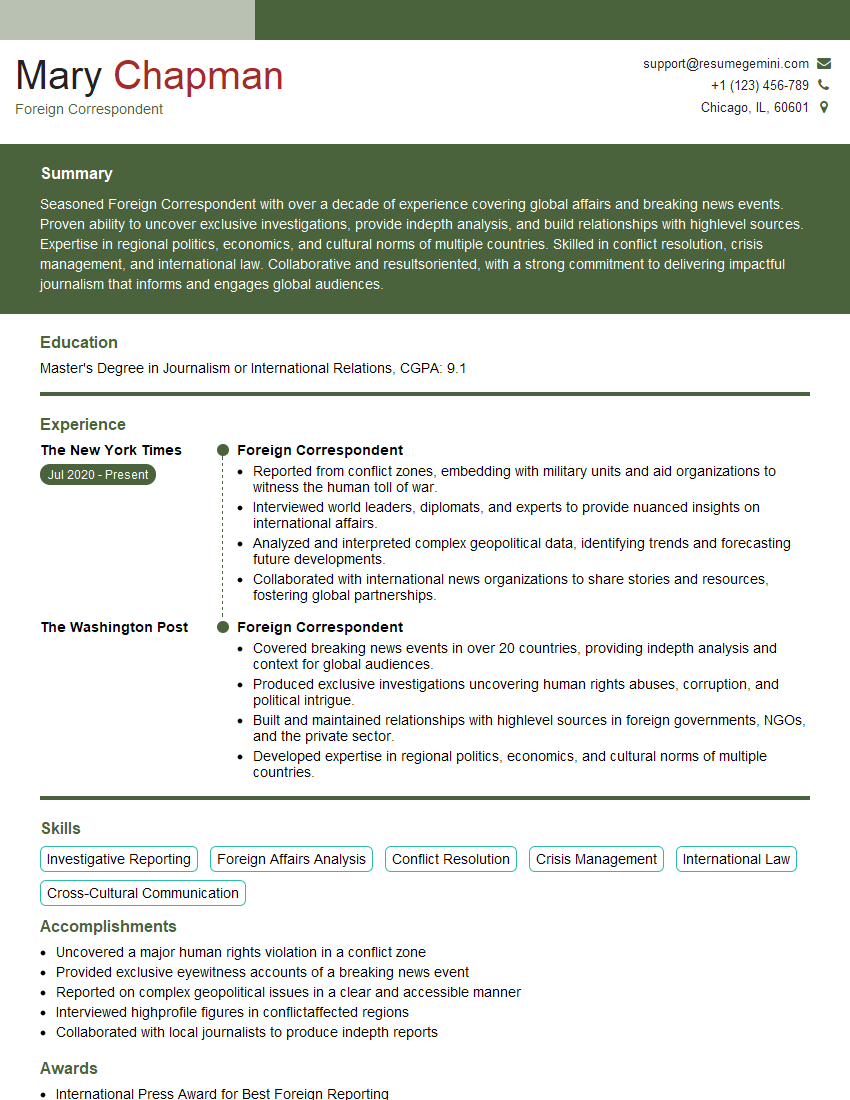
Foreign Correspondent Resume Sample
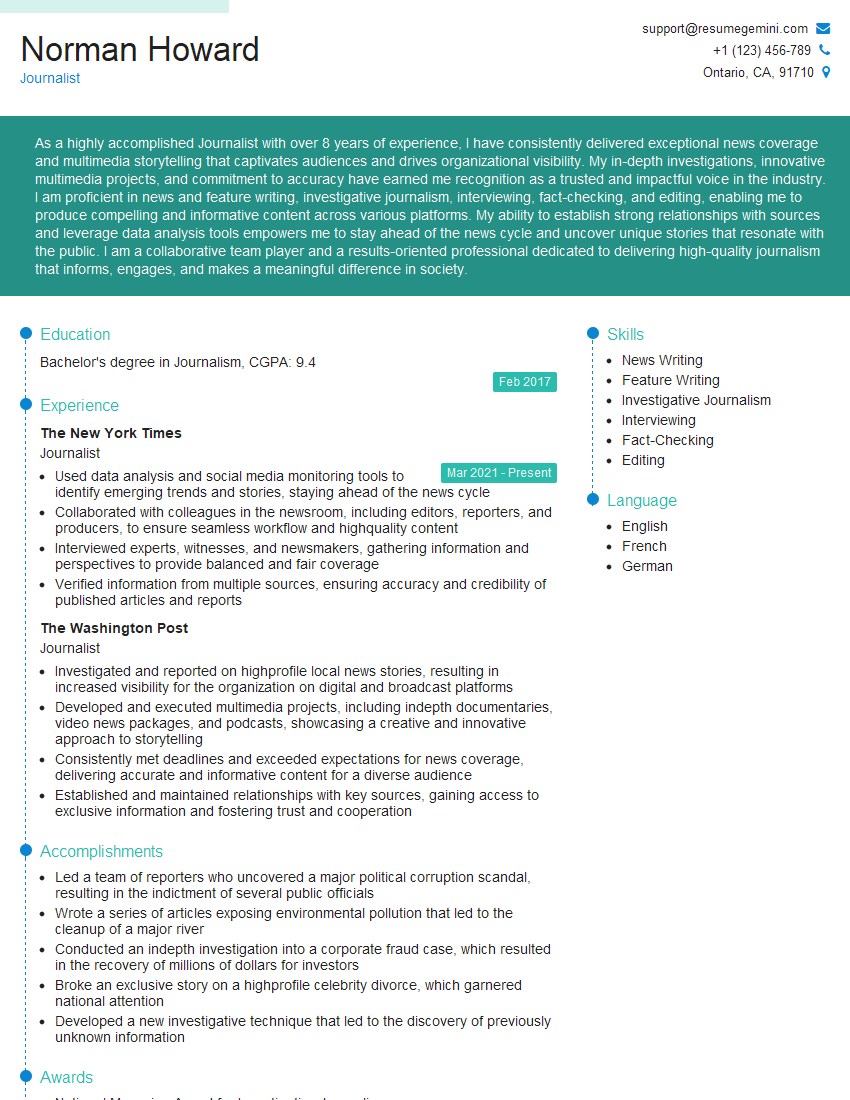
Journalist Resume Sample
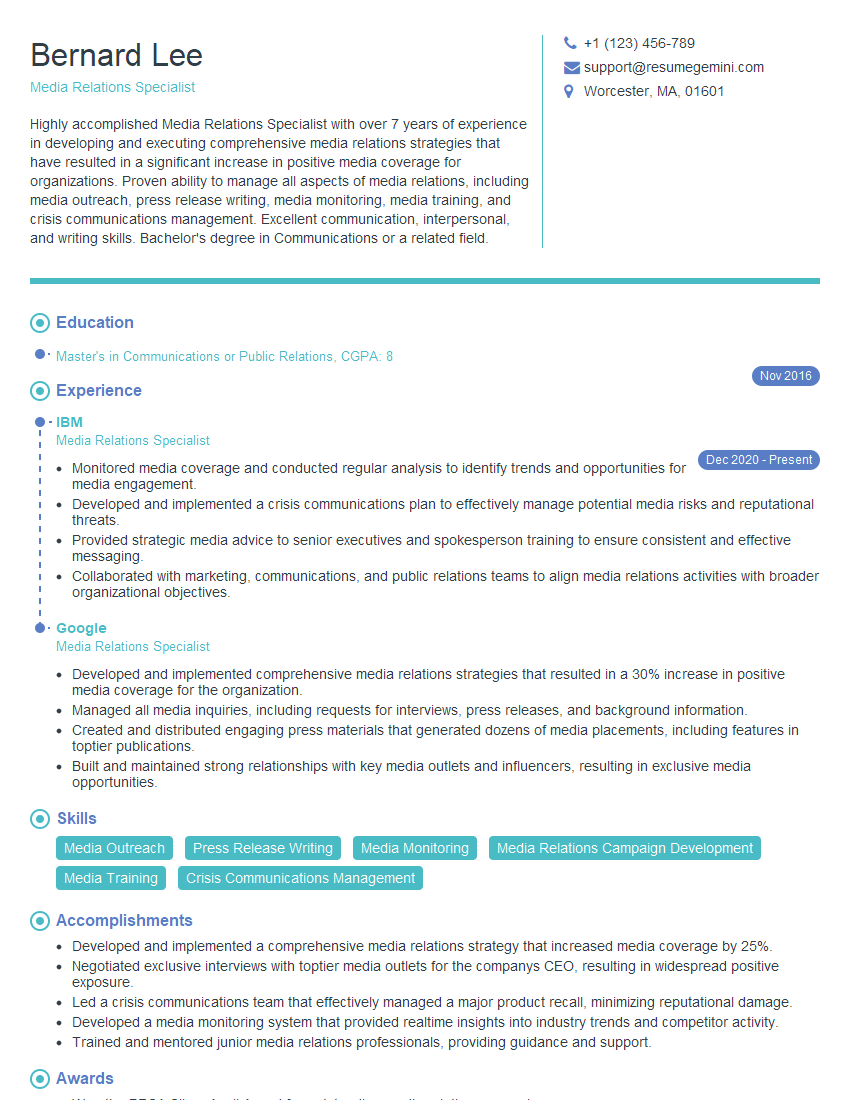
Media Relations Specialist Resume Sample
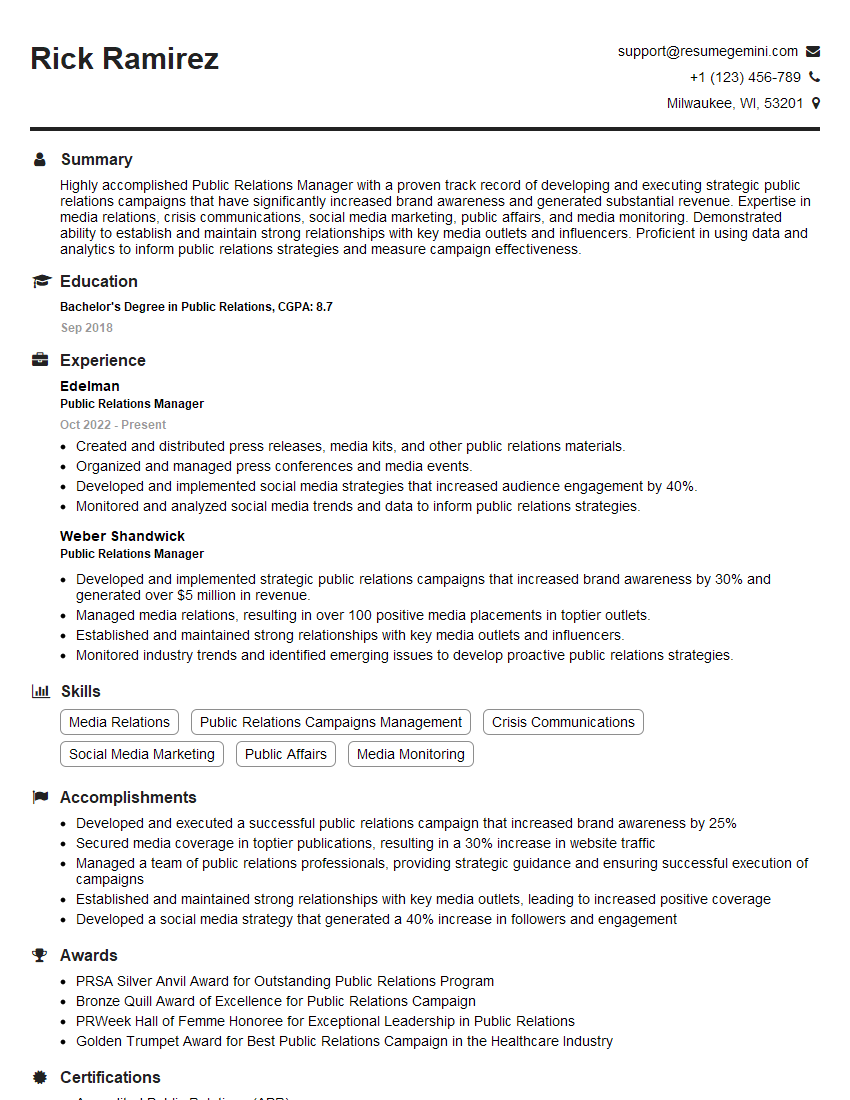
Public Relations Manager Resume Sample
Explore more articles
Users Rating of Our Blogs
Share Your Experience
We value your feedback! Please rate our content and share your thoughts (optional).
What Readers Say About Our Blog
Very informative content, great job.
good