Interviews are opportunities to demonstrate your expertise, and this guide is here to help you shine. Explore the essential Knowledge of different types of garments interview questions that employers frequently ask, paired with strategies for crafting responses that set you apart from the competition.
Questions Asked in Knowledge of different types of garments Interview
Q 1. Describe the difference between woven and knit fabrics.
Woven and knit fabrics differ fundamentally in their construction methods, leading to distinct characteristics. Woven fabrics are created by interlacing two sets of yarns—the warp (lengthwise) and weft (crosswise)—at right angles, much like weaving a basket. This creates a strong, stable structure with a distinct grain. Knit fabrics, on the other hand, are made by interlocking loops of a single yarn, similar to crocheting or knitting. This results in a more flexible and stretchy fabric.
Think of it this way: A woven fabric is like a grid, while a knit fabric is like a net. Woven fabrics tend to drape less, while knit fabrics tend to drape more. A cotton shirt is typically woven, while a sweater is typically knit.
- Woven Fabrics: Stronger, less stretchy, crisper drape, more likely to wrinkle, often used for shirts, trousers, and coats.
- Knit Fabrics: More stretchy, softer drape, less likely to wrinkle, often used for sweaters, t-shirts, and leggings.
Q 2. Explain the construction of a shirt, detailing its main components.
A shirt’s construction involves several key components working together. The most fundamental are the body, sleeves, collar, cuffs, and placket (or closure).
The body is the main rectangular panel forming the front and back of the shirt. The sleeves are attached to the armholes of the body. The collar provides a structured neckline and sits at the top of the body. Cuffs are the finished edges of the sleeves, often with their own closures (buttons or buttonholes). Finally, the placket is the opening usually closed by buttons or a zipper, allowing for easy dressing and undressing. Additional components might include pockets, yokes (shoulder reinforcements), and different types of stitching details.
Consider a classic button-down shirt: The body pieces are cut, sewn, and then the sleeves are set in. The collar, cuffs, and placket are carefully attached, often involving complex techniques like buttonhole stitching. This detailed construction makes up the finished garment.
Q 3. What are the different types of closures used in garments?
Garment closures are crucial for functionality and aesthetics. Many options exist, each with its own strengths and weaknesses:
- Zippers: Versatile and strong, used in jackets, trousers, and dresses. Different types are available (metal, plastic, invisible).
- Buttons and Buttonholes: Classic and widely used in shirts, blouses, and coats. Can be decorative or functional.
- Hooks and Eyes: Small and discreet, often used as secondary closures or in conjunction with zippers.
- Snaps: Easy to use, mostly found in children’s clothing and casual garments.
- Drawstrings: Simple and adaptable, used in hoodies, sweatpants, and bags.
- Velcro: Convenient, but less durable than other options; often used in sportswear or children’s clothing.
- Buckles: Found in belts, straps, and some outerwear.
Q 4. Identify three common types of seams and their applications.
Seams are fundamental in garment construction, joining fabric pieces together. Here are three common types:
- French Seam: Encloses raw edges, creating a very clean and durable finish. Ideal for fine fabrics like silk or linen, it is commonly used in high-end shirts and lingerie.
- Flat-Felled Seam: Extremely durable and used extensively in denim and sturdy workwear. One fabric edge is folded and stitched over the other, creating a smooth, reinforced seam.
- Overlock Seam (Serger Seam): A fast and efficient seam that finishes the raw edges simultaneously. Often used in less-visible seams or for mass production, it is popular in sportswear and T-shirts.
Q 5. What are the key characteristics of different fiber types (e.g., cotton, silk, polyester)?
Different fiber types offer unique properties influencing garment performance and drape.
- Cotton: A natural fiber, soft, breathable, and absorbent. It’s durable but can wrinkle easily. Common in casual wear and bedding.
- Silk: A luxurious natural fiber, known for its smooth, lustrous surface and excellent drape. It’s delicate and requires careful handling. Used in high-end garments and accessories.
- Polyester: A synthetic fiber, strong, wrinkle-resistant, and durable. It’s less breathable than natural fibers and can feel less soft. Widely used in sportswear and many blended fabrics.
- Wool: A natural protein fiber offering warmth, durability, and water resistance. It can be itchy for some people. Used in sweaters, coats, and other outerwear.
- Linen: A natural fiber known for its breathability, strength, and crisp drape. It wrinkles easily. Popular in summer clothing and home textiles.
Q 6. Explain the concept of garment grading.
Garment grading is the process of scaling a garment pattern to create different sizes. Imagine you have a perfect pattern for a size small shirt. Grading systematically adjusts the pattern’s measurements (length, width, etc.) to create accurate patterns for sizes medium, large, and beyond. This is crucial for mass production since it enables manufacturers to make the same style in a variety of sizes without recreating the pattern each time. Specialized software is often used to automate this process.
Think of it like baking a cake: You might have a recipe for one cake, but if you need to make a bigger one, you’d increase the ingredients proportionally. Grading is the same – you proportionally scale the pattern pieces to make larger or smaller garments.
Q 7. What are the different stages of garment manufacturing?
Garment manufacturing is a complex process involving several key stages:
- Design and Development: Creating the garment design, developing the patterns, and selecting fabrics.
- Sourcing: Obtaining the necessary fabrics, trims (buttons, zippers), and other materials.
- Pattern Making and Grading: Creating and grading the patterns for various sizes.
- Cutting: Cutting the fabric according to the graded patterns.
- Sewing: Assembling the garment pieces using various sewing techniques.
- Finishing: Pressing, inspecting, and adding final details like buttons and labels.
- Quality Control: Checking for defects and ensuring quality standards are met.
- Packaging and Distribution: Preparing the garments for shipment and distribution to retailers or consumers.
Q 8. Describe the process of pattern making.
Pattern making is the foundation of garment construction. It’s the process of creating a two-dimensional template, or pattern, that’s used to cut fabric pieces which will be sewn together to form a garment. Think of it as a blueprint for your clothing. This process involves several key steps:
- Design Development: The process starts with a design sketch, detailing the garment’s style, shape, and size.
- Drafting: Using measurements (either from a body form or a client), a base pattern is created. This is often done using computer-aided design (CAD) software or manually on paper. The base pattern acts as the foundation for various sizes and styles.
- Grading: The base pattern is then ‘graded’ to create different sizes. This involves systematically increasing or decreasing the pattern pieces’ dimensions.
- Adjustments & Modifications: Based on the design and fit requirements, the pattern is adjusted and modified. This might involve adding darts, pleats, or other design details.
- Testing & Refinement: A muslin (inexpensive fabric) is usually used to create a test garment to check the fit and make necessary alterations before cutting into the final fabric.
For example, creating a pattern for a simple A-line skirt involves drafting a basic rectangle, then adding curves and shaping to create the desired silhouette. The process is iterative; you’ll likely make several adjustments before achieving the perfect fit and shape.
Q 9. How do you identify fabric flaws or defects?
Identifying fabric flaws is crucial for producing high-quality garments. It requires a keen eye and a thorough inspection process. Here’s what to look for:
- Weave Irregularities: Look for inconsistencies in the fabric’s weave, such as holes, broken or missing yarns, or areas where the weave is too loose or too tight.
- Color Variations: Check for noticeable differences in shade or hue across the fabric. This is particularly important for large garments where the fabric needs to match consistently.
- Stains or Marks: Inspect the fabric for any stains, dirt, or other marks that may have occurred during production or shipping.
- Fabric Defects: Look for imperfections like slubs (thickened areas of yarn), neps (small knots of tangled fibers), or other irregularities that could impact the garment’s appearance or durability.
- Damage: Check for tears, cuts, or other types of physical damage to the fabric.
I often use a systematic approach, inspecting each roll of fabric meticulously before it enters the cutting process. Good lighting is essential, and sometimes, a magnifying glass can be helpful for identifying very small flaws.
Q 10. Explain the importance of quality control in garment production.
Quality control (QC) is paramount in garment production; it ensures consistent quality and customer satisfaction. A robust QC system minimizes defects, improves efficiency, and protects the brand’s reputation. It involves several key stages:
- Incoming Inspection: Checking the quality of raw materials (fabric, trims, etc.) upon arrival.
- In-Process Inspection: Monitoring quality throughout the production process, from cutting and sewing to finishing.
- Final Inspection: A thorough examination of the finished garment to ensure it meets quality standards and design specifications.
- Defect Tracking and Analysis: Identifying trends in defects and implementing corrective actions to prevent recurrence.
Imagine a scenario where a significant number of garments are returned due to poor stitching. A strong QC system would help identify the root cause—perhaps a faulty sewing machine or inadequate training—and implement corrective measures to prevent this from happening again. The result is a higher-quality product and enhanced brand credibility.
Q 11. What are some common challenges faced in apparel manufacturing?
Apparel manufacturing presents unique challenges. Some common ones include:
- Maintaining Consistent Quality: Ensuring consistent quality across large production runs can be challenging, especially with variations in raw materials or labor skills.
- Managing Costs: Balancing the cost of raw materials, labor, and production with the need to maintain profitability is a constant juggling act.
- Meeting Deadlines: The fashion industry is fast-paced, requiring adherence to strict deadlines to meet market demands.
- Supply Chain Disruptions: Unpredictable events like natural disasters or geopolitical issues can severely impact the supply chain, leading to delays and shortages.
- Labor Shortages and Skill Gaps: Finding skilled labor and ensuring fair labor practices are critical but challenging aspects of garment manufacturing.
- Sustainability Concerns: The industry faces increasing pressure to adopt sustainable practices, such as reducing waste and using eco-friendly materials.
For example, a sudden increase in fabric prices could significantly impact a manufacturer’s budget and profitability, requiring them to find alternative solutions such as negotiating with suppliers or finding more cost-effective materials.
Q 12. How do you determine the appropriate fabric choice for a specific garment?
Choosing the right fabric is essential for creating a successful garment. Several factors influence this decision:
- Garment Style: A lightweight fabric is suitable for a summer dress, while a heavier fabric would be more appropriate for a winter coat.
- End Use: A durable fabric like denim is ideal for jeans, whereas a delicate fabric like silk would be better suited for a formal blouse.
- Seasonality: Fabrics with breathability and moisture-wicking properties are preferable for summer garments, while warmer fabrics are suitable for winter wear.
- Drape and Texture: The desired drape and texture of the garment also influence fabric choice. Flowing fabrics like chiffon are suitable for flowing designs, while stiffer fabrics like linen offer structure.
- Cost: The budget for the garment plays a vital role in fabric selection; the cost varies depending on fiber type, production method, and quality.
For instance, designing a tailored blazer would require a fabric with good structure and drape, like wool or gabardine. In contrast, a flowing maxi dress would benefit from a lighter, more fluid fabric, such as silk or rayon.
Q 13. What are the different types of garment finishes?
Garment finishes enhance the appearance, durability, and functionality of clothing. These finishes are applied after the garment has been constructed and can significantly impact its overall quality and feel. Some common types include:
- Hemming: This involves finishing the raw edges of the garment to prevent fraying and provide a clean finish. Different methods exist, such as machine hemming, hand-stitched hemming, and rolled hems.
- Seams: The various seam finishes (like serging, overlocking, or French seams) improve durability and prevent raveling.
- Zippers and Fasteners: Properly attaching zippers and buttons ensures that the garment functions correctly and looks professional.
- Labels and Tags: Adding care labels, size tags, and brand labels adds essential information and branding elements.
- Special Treatments: Processes such as pre-shrinking, dyeing, and water-repellent treatments can enhance the fabric’s properties.
For example, a high-end shirt might feature French seams for a clean, professional interior finish, while a casual t-shirt might only require a simple overlock stitch to secure the seams.
Q 14. Explain the significance of understanding garment fit.
Understanding garment fit is crucial for creating comfortable and well-fitting clothing. Poor fit can significantly impact a garment’s appearance and wearer satisfaction. It involves considering several aspects:
- Body Measurement and Proportions: Accurate body measurements are the foundation of good fit. This includes bust, waist, hip, shoulder width, and other key measurements.
- Ease: Ease refers to the extra fabric added to the pattern to allow for comfort and movement. Too little ease can lead to a tight, restrictive fit, while too much can result in a baggy or ill-fitting garment.
- Grainlines: Following the fabric’s grainlines ensures that the garment hangs properly and avoids distortion.
- Balance and Symmetry: The garment should be balanced and symmetrical to ensure it hangs properly on the body.
- Dart Placement: Darts help to shape the garment and create a flattering fit, and their placement is critical for achieving the desired silhouette.
For instance, a poorly fitting dress might be too tight across the bust or too loose in the waist, while proper fit would provide comfort and enhance the overall look. A well-fitting garment not only looks better but feels better, ensuring higher customer satisfaction.
Q 15. Describe different types of linings and their uses.
Linings are interior fabrics added to garments to enhance comfort, durability, and appearance. Different linings serve different purposes.
- Basic Linings: These are lightweight fabrics like polyester or rayon, used to create a smooth surface against the skin, prevent the outer fabric from clinging, and add body to the garment. Think of a simple blouse lining.
- Interlinings: These are lightweight fabrics, often fusible (meaning they bond with heat), placed between the outer fabric and lining to provide structure and support, particularly for collars, cuffs, and lapels. They improve the drape and prevent sagging. Imagine the structured feel of a tailored blazer; that’s due to the interlining.
- Specialty Linings: These can be heavy-duty fabrics (like canvas for coats) to provide additional warmth or protection, or silks/satins for luxury and a smooth finish. A warm winter coat often uses a heavier lining for insulation.
- Functional Linings: Certain linings may be water-resistant or have antimicrobial properties to enhance performance. Examples include waterproof linings in raincoats or antimicrobial linings in athletic wear.
The choice of lining depends on the garment type, its intended use, the outer fabric, and the desired aesthetic.
Career Expert Tips:
- Ace those interviews! Prepare effectively by reviewing the Top 50 Most Common Interview Questions on ResumeGemini.
- Navigate your job search with confidence! Explore a wide range of Career Tips on ResumeGemini. Learn about common challenges and recommendations to overcome them.
- Craft the perfect resume! Master the Art of Resume Writing with ResumeGemini’s guide. Showcase your unique qualifications and achievements effectively.
- Don’t miss out on holiday savings! Build your dream resume with ResumeGemini’s ATS optimized templates.
Q 16. How do you address fit issues in a garment?
Addressing fit issues requires a systematic approach. First, it’s crucial to identify the specific problem areas – is it too tight in the shoulders, too loose in the waist, or uneven hemline? Then we can implement solutions tailored to the issue.
- Muslin Mock-Up: For complex garments, creating a muslin mock-up (a trial version in inexpensive fabric) allows for adjustments before committing to the final fabric.
- Alterations: Simple alterations can address fit issues. Taking in seams, letting out seams, adjusting darts, or replacing the waistband are common techniques. For example, if a garment is too large in the waist, taking in the side seams will create a more tailored fit.
- Grading Patterns: Adjusting patterns based on measurements for a better fit in different sizes is a crucial aspect of professional garment construction.
- Ease and Fit Allowances: Understanding the difference between ease (the extra fabric for comfort) and fit allowance (fabric necessary for the garment’s construction) is key. A well-fitted garment maintains balance and does not strain.
Often, a combination of techniques is required to achieve a perfect fit.
Q 17. What are the different methods used for attaching closures?
Garment closures are essential for functionality and aesthetics. Many methods exist depending on garment style and desired look.
- Zippers: Versatile and widely used, from invisible zippers for sleek aesthetics to metal zippers for durability.
- Buttons and Buttonholes: A classic closure that offers varied styles and visual appeal. Buttonholes can be hand-sewn, machine-sewn, or even created with decorative techniques.
- Hooks and Eyes: Used frequently for necklines, waistbands, or closures that require a tighter fit. These are usually less visible than buttons.
- Snaps: Commonly used on shirts, blouses and childrenswear for easy closure.
- Velcro: Ideal for garments requiring easy and repeated closures, often used in children’s clothing or outerwear.
- Tie Closures: Ranging from simple drawstrings to elaborate ties, offer an elegant or casual look, frequently seen in dresses or robes.
The choice of closure method directly impacts the overall design and function of the garment.
Q 18. How would you assess the quality of a finished garment?
Assessing the quality of a finished garment involves evaluating multiple aspects.
- Seams: Examine seam allowances for consistency, neatness, and appropriate stitching. Straight, even stitching indicates quality craftsmanship.
- Fabric Quality: Inspect the fabric for durability, colorfastness, and texture. High-quality fabrics feel good to the touch and have a consistent drape.
- Construction Techniques: Assess the overall construction, looking for proper use of interfacing, proper pressing, and attention to detail in finishing. Loose threads or puckering often indicate poor construction.
- Finishing Details: Pay attention to details like hems, buttonholes, closures, and facings. These are areas where poor workmanship is easily visible.
- Fit and Drape: How well does the garment hang and fit on the body? A quality garment drapes smoothly and hangs naturally.
A holistic approach, looking beyond just superficial elements, reveals a garment’s true quality.
Q 19. What are some sustainable practices in the apparel industry?
Sustainable practices in the apparel industry aim to minimize environmental impact and promote ethical labor practices.
- Sustainable Materials: Using organic cotton, recycled fibers, or innovative materials with lower environmental footprints.
- Reduced Water Consumption: Implementing water-efficient dyeing and finishing processes.
- Waste Reduction: Minimizing textile waste through efficient pattern cutting and utilizing fabric scraps.
- Ethical Sourcing: Ensuring fair wages and safe working conditions for garment workers.
- Circular Economy: Designing garments for durability, recyclability, and reuse, closing the loop in the fashion lifecycle.
- Carbon Footprint Reduction: Implementing measures to decrease greenhouse gas emissions throughout the supply chain.
Sustainable practices require a collective effort from designers, manufacturers, and consumers.
Q 20. Explain the difference between a set-in sleeve and a raglan sleeve.
Set-in and raglan sleeves are two fundamental sleeve styles, distinguished by their construction and resulting silhouette.
- Set-in Sleeve: This classic sleeve style is sewn into the armhole with a distinct shoulder seam. It results in a more structured and tailored look. Think of a typical shirt or blazer.
- Raglan Sleeve: The raglan sleeve extends from the neckline to the underarm, eliminating the shoulder seam. This style offers greater freedom of movement and a more relaxed fit. Imagine the sporty look of a baseball jacket or many sweatshirts.
The choice between set-in and raglan sleeves is a design decision based on the intended style and fit of the garment.
Q 21. What are different types of collars and their construction?
Collars are essential design features that add to the aesthetic and functionality of a garment. Their construction can vary greatly.
- Shirt Collar: The most common collar type, featuring a pointed or rounded shape, often with a collar band. Construction typically involves interfacing for structure and stitching to the neckline.
- Peter Pan Collar: A small, flat, round collar that sits just above the neckline. Simple construction, often made from a single layer of fabric.
- Shawl Collar: A wide, soft collar that wraps around the neck. Construction generally involves minimal interfacing and a soft drape.
- Mandarin Collar: A stand-up collar with a short, close-fitting band. Usually involves interfacing and precise stitching for a neat appearance.
- Turtleneck Collar: A high collar that fits snugly around the neck. Typically knitted or made from stretchy fabric.
Collar construction requires attention to detail and precision to achieve a polished finish. The use of interfacing plays a significant role in defining the collar’s structure and overall appearance.
Q 22. Describe different types of pockets and their construction.
Pockets are functional and often stylistic elements of garments. Their construction varies greatly depending on the garment type, fabric, and desired aesthetic. Let’s explore some common types:
- Patch Pockets: These are the simplest, sewn directly onto the garment’s exterior. They’re easily identifiable and offer a casual, utilitarian look. Construction involves cutting a pocket piece, often with a facing for reinforcement and a neater finish, and then attaching it to the garment with seams. Example: Jeans commonly feature patch pockets.
- In-Seam Pockets: Constructed within the seam allowances of the garment, these are less visible and provide a sleeker look. They’re typically found in tailored garments like trousers or jackets. The pocket bag is created and carefully inserted into the seam during construction.
- Welt Pockets: More intricate, welt pockets involve a small, decorative welt or opening stitched onto the garment’s surface. A pocket bag is then attached underneath. They add a sophisticated touch to garments. Example: Blazers often feature welt pockets.
- Slashed Pockets: These pockets are created by making a slit in the garment and adding a facing or lining to finish the opening. Commonly found in skirts or jackets. A carefully finished edge is key to prevent fraying.
- Kangaroo Pockets: A single, large pocket that extends across the front of the garment, typically found in sweatshirts or hoodies.
The choice of pocket type depends heavily on the garment’s design and intended function. For instance, a formal suit would benefit from welt pockets for a polished appearance, while workwear might utilize robust patch pockets for durability and ease of access.
Q 23. What are the key factors to consider when selecting a fabric for a specific garment?
Fabric selection is crucial for garment success. Several factors need consideration:
- Fiber Content: Natural fibers like cotton, wool, silk, and linen offer different drape, breathability, and durability. Synthetics like polyester, nylon, and spandex provide varied levels of stretch, wrinkle resistance, and water resistance. The choice depends on the garment’s end use and desired properties.
- Weight: Fabric weight (measured in GSM – grams per square meter) influences the garment’s drape and warmth. Lightweight fabrics are suitable for summer clothing, while heavier fabrics are better suited for winter garments.
- Drape: How the fabric hangs and flows is critical for the garment’s silhouette and overall look. Stiff fabrics create structured garments, while flowing fabrics create softer, more fluid shapes.
- Texture: The surface feel of the fabric impacts the garment’s comfort and aesthetic appeal. Smooth, rough, or textured fabrics create different visual effects.
- Durability: The fabric’s resistance to wear and tear is vital, especially for frequently worn items. Certain fibers are more durable than others.
- Cost: Fabric cost varies greatly depending on the fiber type, quality, and production methods. Budget constraints often influence the fabric choice.
For example, a summer dress might utilize a lightweight cotton poplin for breathability, while a winter coat could call for a heavy wool or wool blend for warmth and durability. Understanding these factors allows for informed fabric selection that aligns with both design and functionality.
Q 24. Explain the concept of drape and how it impacts garment design.
Drape refers to the way a fabric hangs and falls when it is not supported. It’s a critical factor in garment design, influencing the silhouette and overall aesthetic of the finished product. A fabric with good drape will flow gracefully, while a fabric with poor drape will appear stiff and rigid.
The drape of a fabric is influenced by several factors, including fiber content, weight, weave, and finish. For example, silk has an excellent drape due to its long, smooth fibers, while a heavy canvas fabric has very little drape. Understanding drape is key to choosing the right fabric for a specific garment. For instance, a flowing evening gown needs a fabric with excellent drape, whereas a structured jacket requires a fabric with less drape to hold its shape. Designers use pattern manipulation techniques (explained in the next answer) to enhance or control drape as well.
Different drapes can create various effects. A fabric with a crisp drape might be used to create sharp lines and defined shapes, while a fabric with a soft drape might be used to create a more fluid and relaxed look. Drape even impacts how well a garment fits a body; a fabric with too little drape may look rigid and ill-fitting, while excessive drape can lead to a sloppy appearance.
Q 25. What are the various methods used for pattern manipulation?
Pattern manipulation is the process of altering a basic pattern block to create new designs. It’s a fundamental skill for designers to achieve desired shapes and fits. Common methods include:
- Grading: Adjusting pattern pieces to accommodate different sizes.
- Dart Manipulation: Moving, removing, or adding darts to change the shape and fit of a garment. For instance, removing a bust dart can create a smoother silhouette.
- Ease: Adding extra fabric to a pattern for comfort and movement. This is crucial for achieving a good fit without constriction.
- Slash and Spread: Cutting a pattern piece and spreading it to widen or narrow specific areas. This technique is helpful in creating curved or flared shapes.
- Pivot Techniques: Rotating sections of a pattern piece around a pivot point to alter its shape.
- Adding or Removing Panels: Altering the number of pattern pieces to achieve a different look. Adding panels can create design detail, while removing panels can simplify a garment.
- Using Design Details: Involving adding details such as pleats, gathers, ruffles to add dimension to the pattern design.
For example, to create a flared skirt from a basic A-line skirt pattern, the designer might use the ‘slash and spread’ technique. They would cut the pattern along the side seams, spread the fabric apart, and re-draw the new shape. Mastering these techniques allows designers to adapt existing patterns and create unique, well-fitting garments.
Q 26. How would you explain a technical drawing to a production team?
A technical drawing, or tech pack, is a crucial document for garment production. It provides the production team with all the necessary information to construct the garment accurately. When explaining it, clarity and precision are paramount. I would approach this by:
- Starting with an overview: Explain that the tech pack contains all the information needed for manufacturing – not just the illustration but also the measurements, fabric specs, construction details, and more.
- Going through each section systematically: Start with the sketches or illustrations that show the garment from different angles. Then, discuss the measurements and specifications such as the size chart, detailed measurements of each pattern piece, stitch specifications and the bill of materials (BOM).
- Highlighting critical details: Explain the fabric requirements (type, weight, color) and any special finishes (e.g., water-resistant coating). Highlight specific construction details, like seam allowances, stitching methods, and any special features like pockets or closures.
- Using clear and concise language: Avoid technical jargon whenever possible and explain any terms that might be unfamiliar to the production team.
- Providing examples: Point out specific details in the tech pack and connect them to the garment’s construction. If a certain seam needs a particular stitch, I would show them exactly where it’s indicated in the drawing and explanation.
- Facilitating questions and feedback: Encourage the production team to ask questions to ensure complete understanding. Address any concerns they might have and iterate if necessary.
The goal is to ensure everyone is on the same page to avoid costly mistakes during production. A well-explained tech pack translates the designer’s vision into a tangible product.
Q 27. Describe your experience with different CAD software for apparel design.
Throughout my career, I’ve had extensive experience with various CAD (Computer-Aided Design) software for apparel design. My proficiency includes:
- Adobe Illustrator: Excellent for creating vector-based illustrations and technical drawings, crucial for accurate pattern making and tech pack creation. I’ve used it for generating detailed sketches, flats, and pattern pieces.
- Clo3D: A powerful 3D design software ideal for virtual prototyping and visualizing garment designs before production. I’ve utilized its capabilities for fitting and draping virtual garments, checking for construction errors early in the design process.
- Optitex: Another leading CAD software used for pattern making and grading. Its features allow for precise pattern adjustments, helping me develop optimized patterns for various body types and sizes.
My experience with these software packages extends from basic pattern creation and manipulation to advanced 3D modeling and virtual prototyping. I’m comfortable using their specialized tools to design and optimize patterns, create tech packs, and simulate various design elements to enhance the overall design process’ efficiency and accuracy.
Q 28. What are some ethical considerations in the apparel industry?
Ethical considerations are paramount in the apparel industry. Several key areas demand attention:
- Sustainable Practices: Minimizing environmental impact through responsible sourcing of materials, reducing waste, and employing eco-friendly production methods. This includes opting for organic cotton, recycled fabrics, and water-efficient dyeing techniques.
- Fair Labor Practices: Ensuring fair wages, safe working conditions, and reasonable working hours for garment workers throughout the supply chain. Supporting ethical manufacturers and auditing production facilities to verify compliance with labor standards is vital.
- Transparency and Traceability: Providing clear information about the origin of materials and the manufacturing process. Open communication with consumers regarding the environmental and social impact of the garments is crucial for building trust.
- Animal Welfare: Avoiding the use of animal products in garments, or ensuring their ethical sourcing, such as ensuring leather is sourced from tanneries that adhere to strict animal welfare standards.
- Consumer Protection: Accurate labeling and marketing practices are essential to ensure consumers receive truthful information about garment composition and care instructions.
By actively promoting ethical sourcing, fair labor practices, and environmental responsibility, we can contribute to a more sustainable and equitable apparel industry. These ethical considerations are not merely peripheral but form the foundation of a responsible and successful business within the industry. They resonate directly with consumers increasingly prioritizing ethical and sustainable choices.
Key Topics to Learn for Knowledge of Different Types of Garments Interview
- Fabric Types and Properties: Understand the characteristics of various fabrics (e.g., cotton, silk, wool, synthetics), their drape, durability, and suitability for different garment types. Consider how these properties impact garment construction and care.
- Garment Construction Techniques: Familiarize yourself with different sewing techniques, such as seams, hems, closures (zippers, buttons, snaps), and finishing methods. Be prepared to discuss the advantages and disadvantages of various construction methods.
- Pattern Making and Draping: Understand the basic principles of pattern making and draping, including how to adapt patterns for different body types and styles. Consider the impact of fit and silhouette on garment design.
- Apparel Styles and Trends: Stay updated on current fashion trends and the evolution of different garment styles across various eras and cultures. Be able to discuss the historical context and design elements of key garment types.
- Quality Control and Manufacturing: Learn about the stages of garment production, from design and pattern making to manufacturing and quality control. Be prepared to discuss common manufacturing defects and quality assurance measures.
- Sustainability and Ethical Considerations: Discuss the environmental and social impact of garment production, including sustainable materials, ethical labor practices, and responsible disposal of clothing.
Next Steps
Mastering knowledge of different garment types is crucial for career advancement in the fashion industry, opening doors to diverse roles in design, production, quality control, and retail. A well-crafted resume is your key to unlocking these opportunities. Building an ATS-friendly resume significantly improves your chances of getting noticed by recruiters. We encourage you to leverage ResumeGemini, a trusted resource, to create a professional and impactful resume that showcases your expertise. ResumeGemini provides examples of resumes tailored to roles requiring knowledge of different types of garments, helping you present your skills effectively.
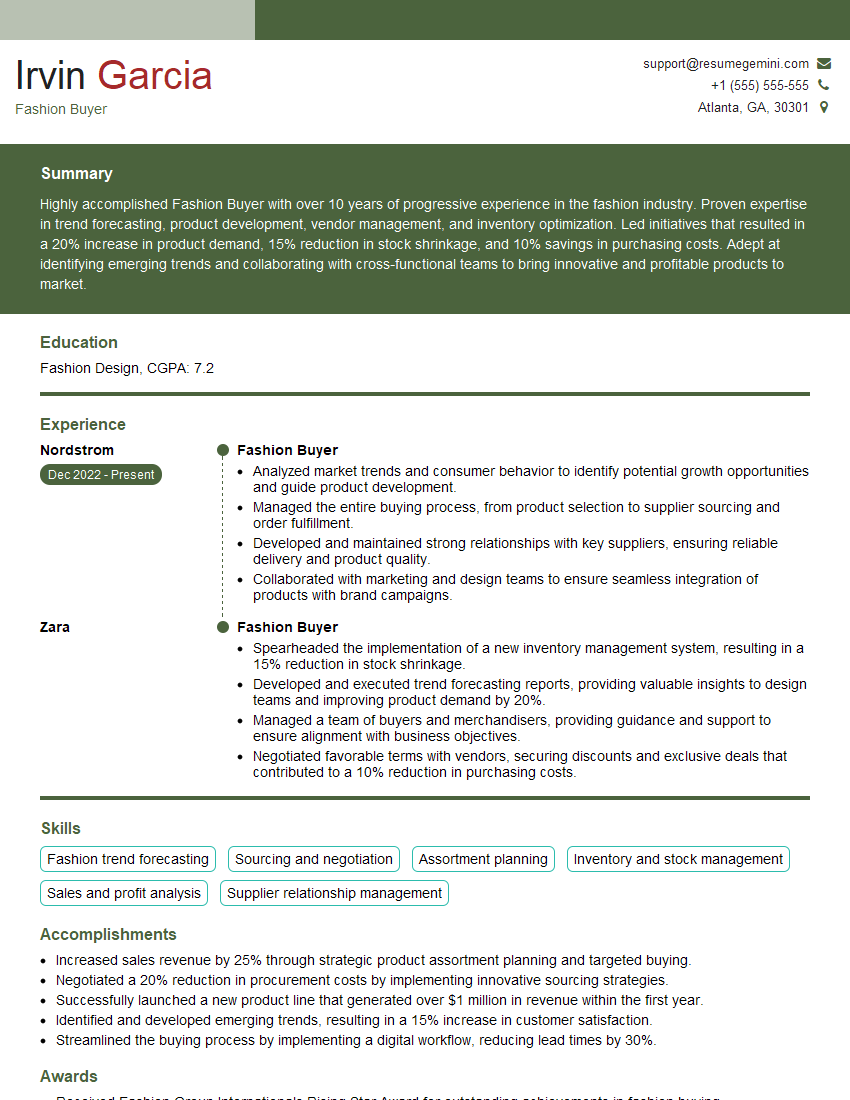
Fashion Buyer Resume Sample
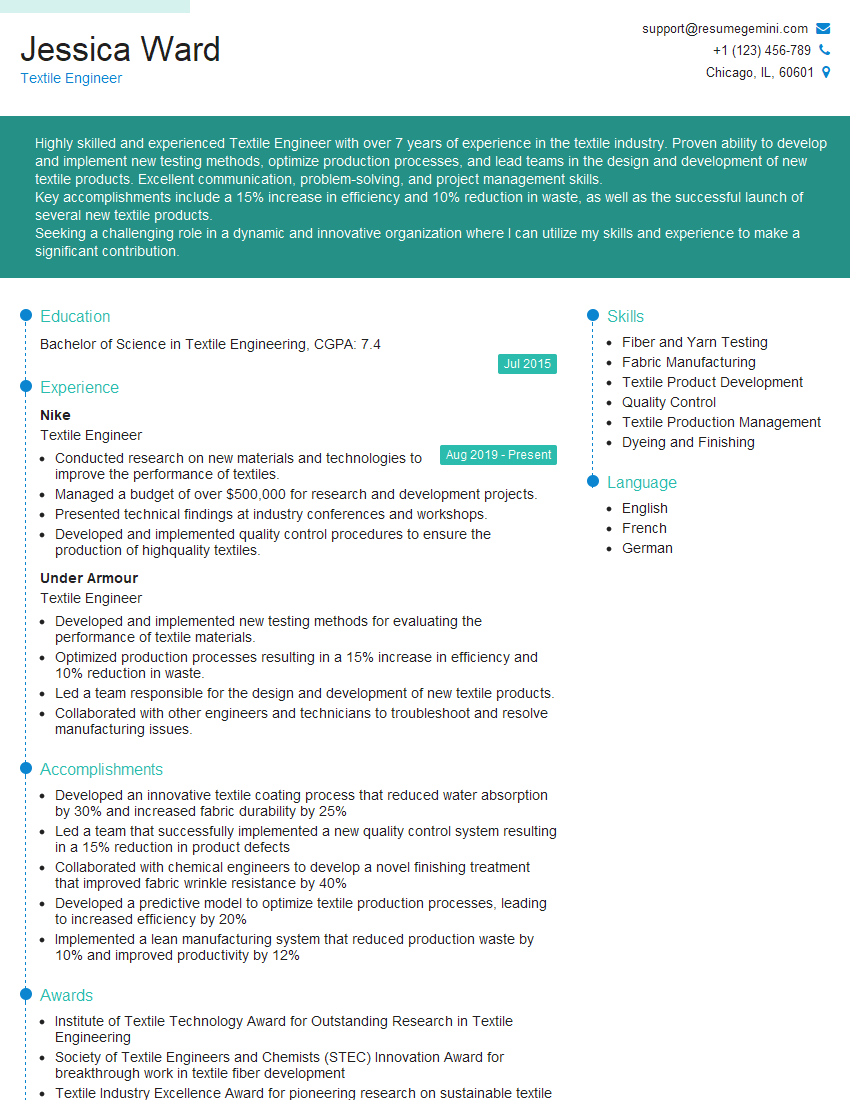
Textile Engineer Resume Sample
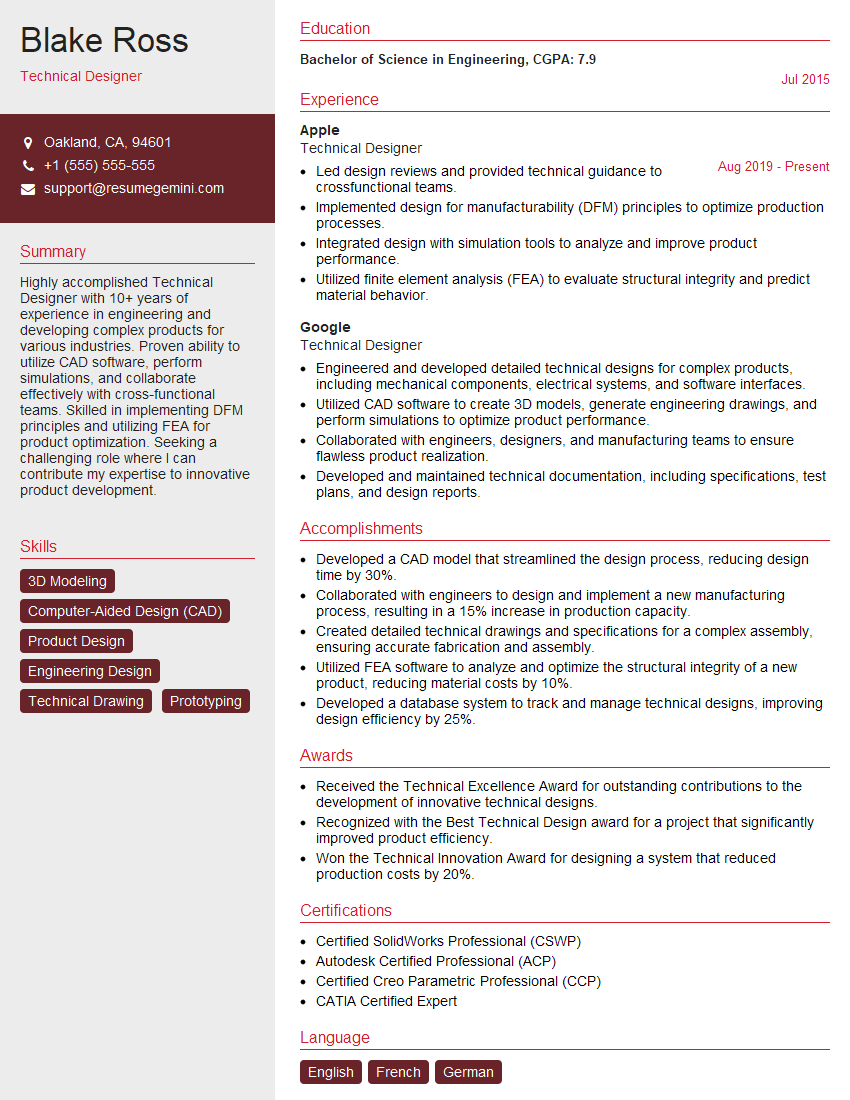
Technical Designer Resume Sample
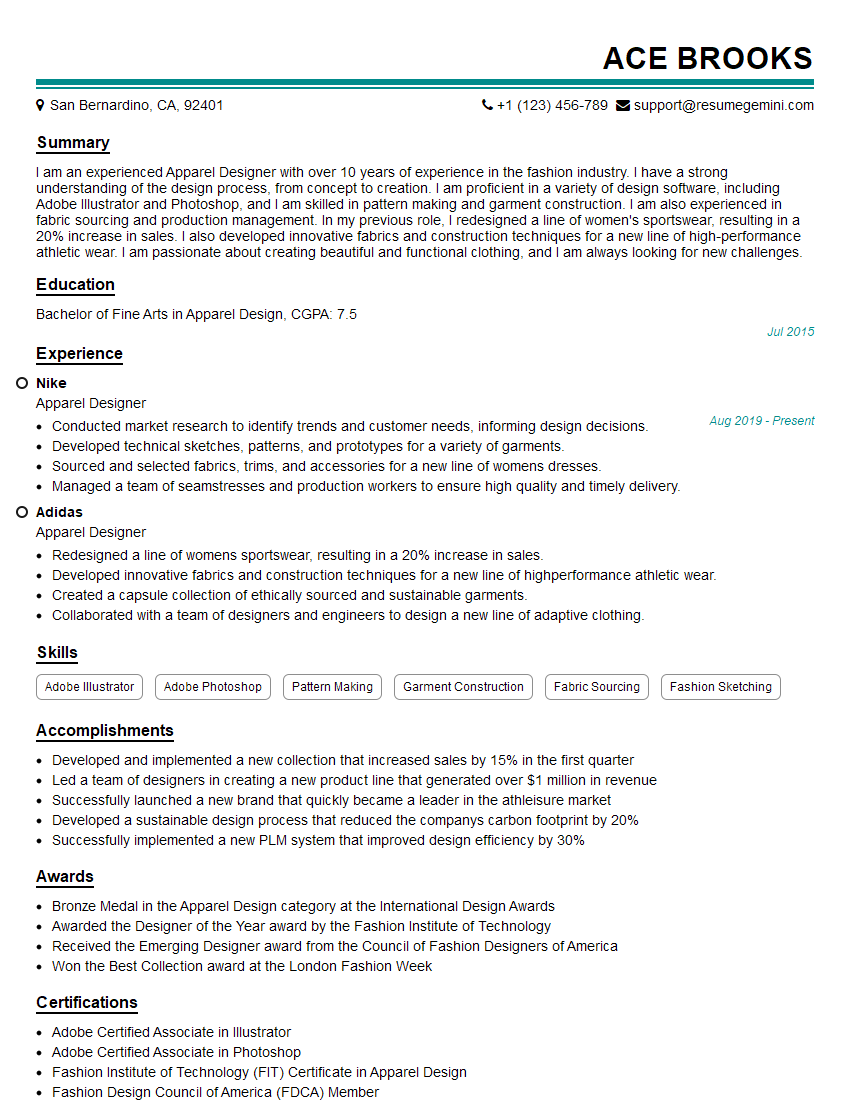
Apparel Designer Resume Sample
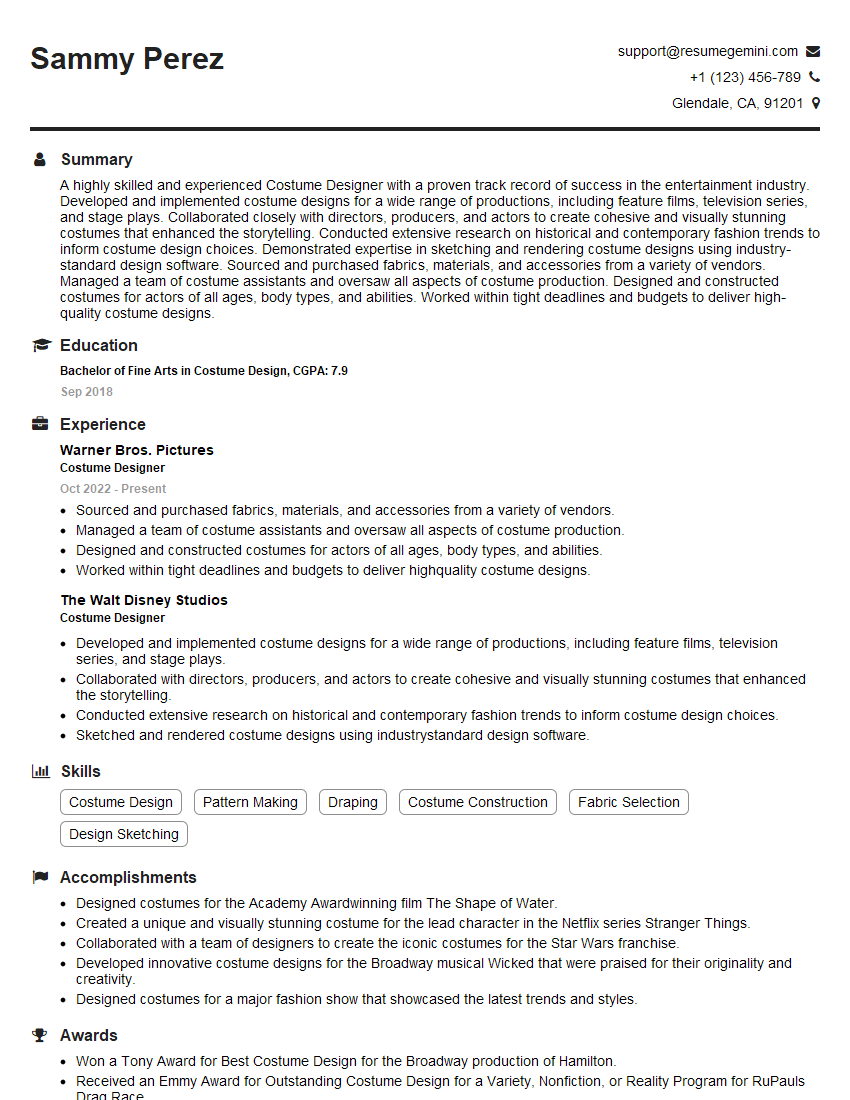
Costume Designer Resume Sample

Fashion Consultant Resume Sample
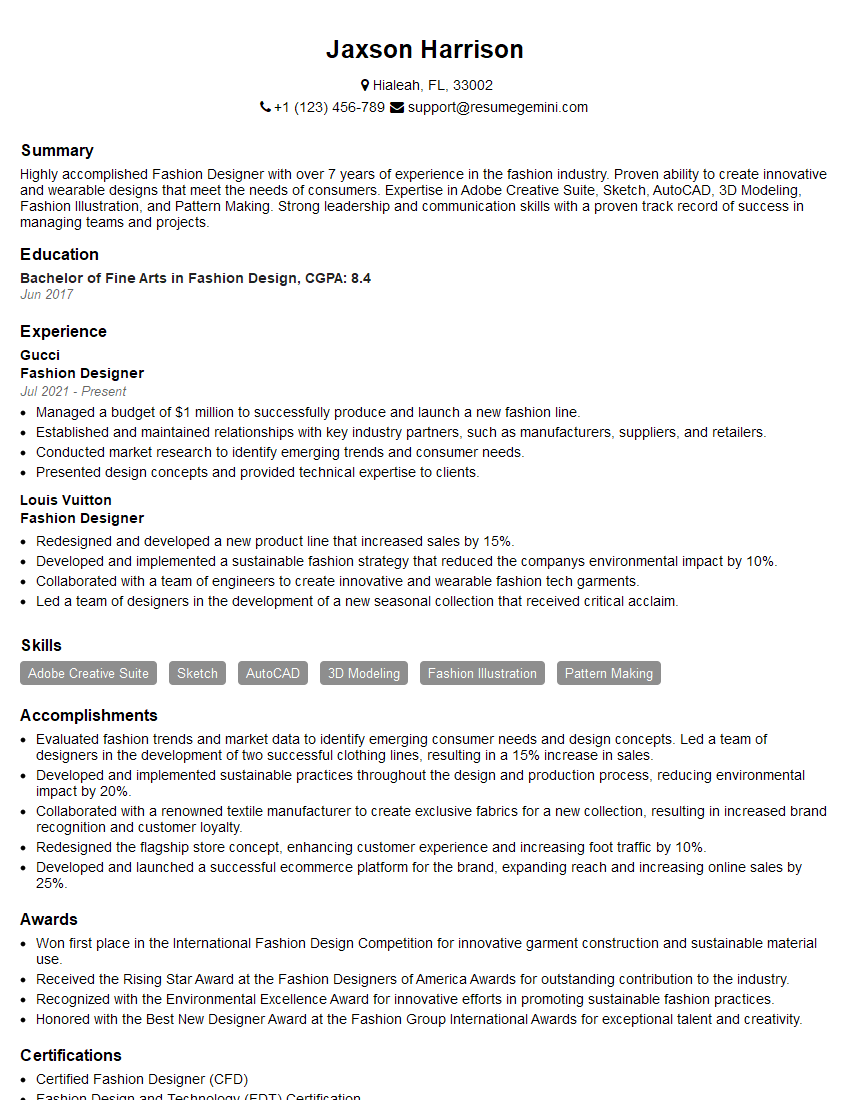
Fashion Designer Resume Sample
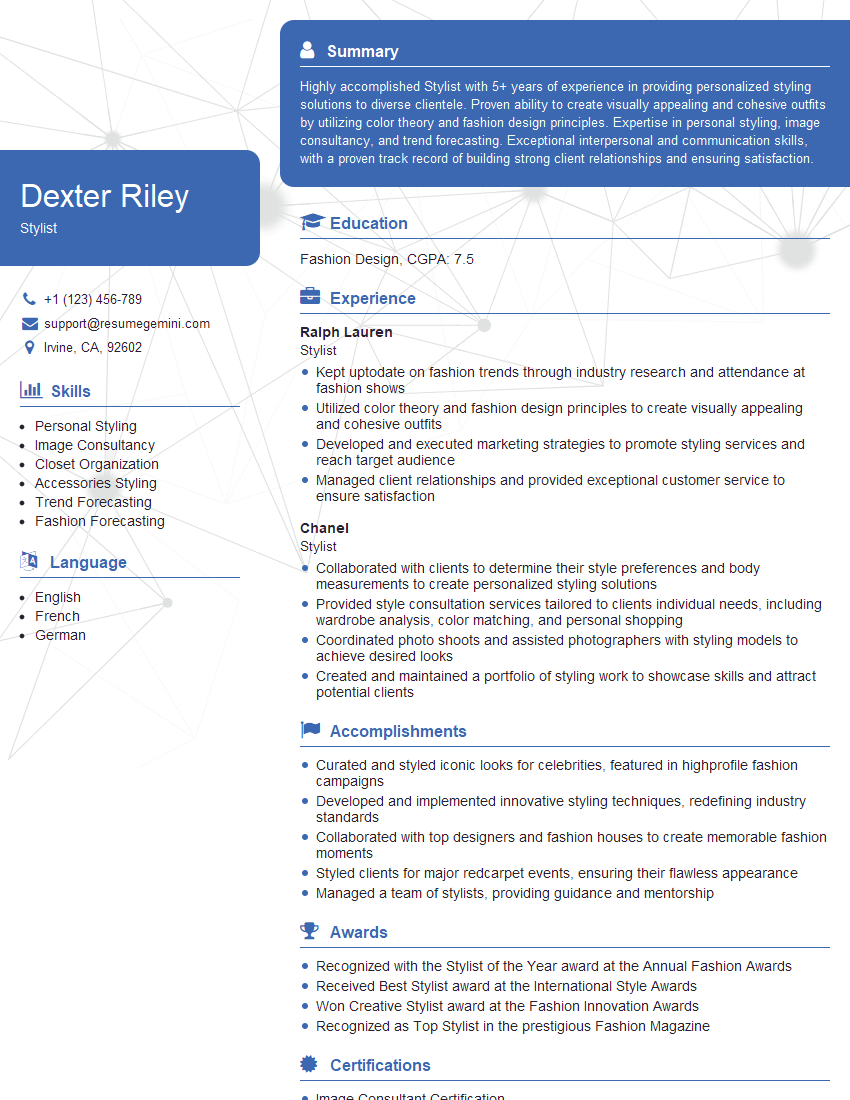
Stylist Resume Sample

Draper Resume Sample
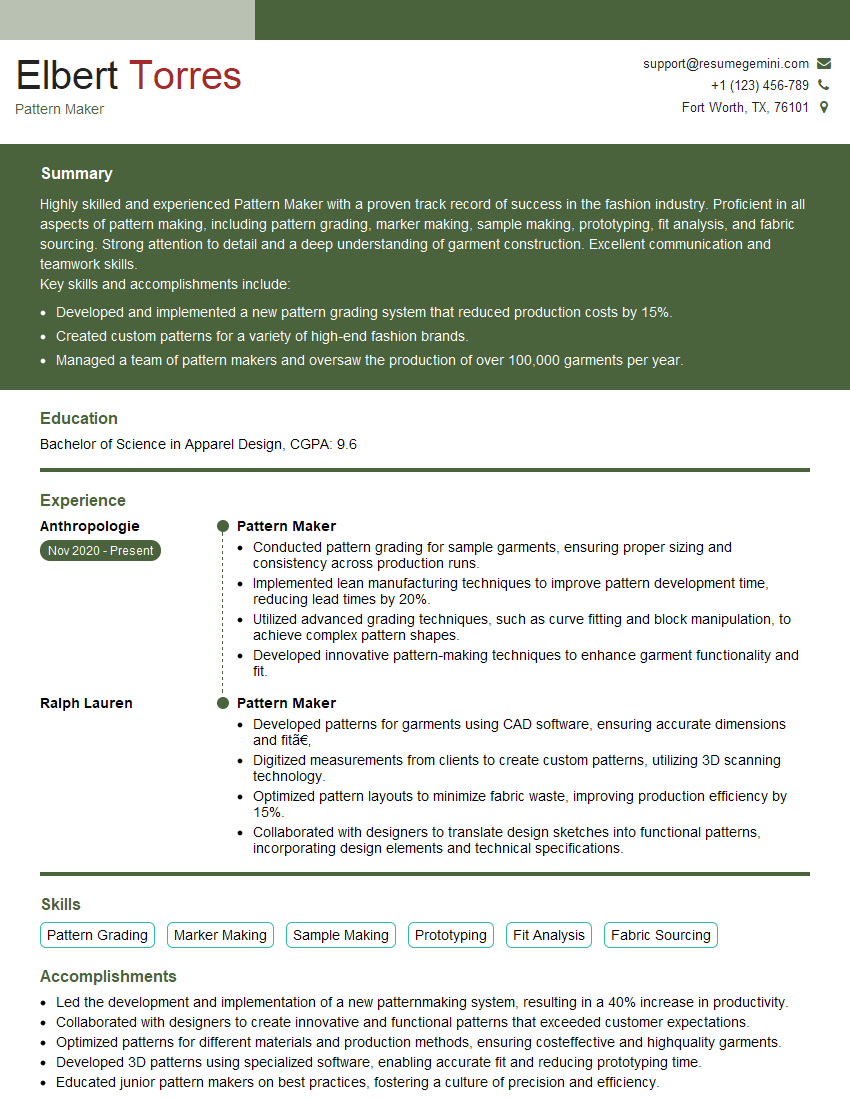
Pattern Maker Resume Sample
Explore more articles
Users Rating of Our Blogs
Share Your Experience
We value your feedback! Please rate our content and share your thoughts (optional).