Unlock your full potential by mastering the most common Knowledge of different types of stitching techniques interview questions. This blog offers a deep dive into the critical topics, ensuring you’re not only prepared to answer but to excel. With these insights, you’ll approach your interview with clarity and confidence.
Questions Asked in Knowledge of different types of stitching techniques Interview
Q 1. Explain the difference between a running stitch and a backstitch.
Both running stitch and backstitch are fundamental hand stitches, but they differ significantly in their appearance and application. A running stitch is a simple stitch where you make small, even stitches along a line, inserting the needle in and out at regular intervals. Think of it like quickly drawing a line with your needle. It’s quick and easy, ideal for basting (temporary stitching) or gathering fabric. A backstitch, on the other hand, creates a stronger, more durable stitch. Each stitch is made by inserting the needle a short distance ahead of the previous stitch’s exit point and then bringing it back to that point. This creates a continuous line of stitches that lie close together, resulting in a very secure seam. Imagine making tiny overlapping steps with your needle. Backstitch is excellent for seams that need to withstand stress, like seams on trousers or bags.
In short: Running stitch is fast and temporary; backstitch is slower but much stronger and permanent.
Q 2. Describe the advantages and disadvantages of using a zigzag stitch.
The zigzag stitch is a versatile machine stitch that creates a series of diagonal stitches that interlock. Its primary advantage lies in its ability to prevent fraying and add elasticity to seams. This makes it excellent for stretchy fabrics like knits or for finishing raw edges. It can also be used for decorative purposes. However, zigzag stitches can be less strong than straight stitching, and if the tension is incorrect it can create puckering.
- Advantages: Prevents fraying, adds elasticity, decorative potential, simple to use on a machine.
- Disadvantages: Can be less strong than straight stitches, prone to puckering with improper tension, may not be suitable for all fabrics.
For example, I once used a wide zigzag stitch to finish the edges of a jersey dress, preventing the knit fabric from unraveling and creating a neat, professional finish. Conversely, I wouldn’t use a zigzag stitch to sew a heavy-duty canvas bag – a straight stitch would be far more appropriate.
Q 3. What types of stitches are best suited for stretchy fabrics?
Stretchy fabrics require stitches that can accommodate their movement without breaking. The best options are stitches that have some give or stretch built-in.
- Zigzag stitch: As discussed earlier, its elasticity makes it ideal for knit fabrics.
- Serger/Overlock stitch: This professional machine stitch creates a neat, overlocked edge that’s both strong and stretchy, preventing fraying. It’s the gold standard for stretchy fabrics.
- Stretch stitches (specific machine stitches): Many modern sewing machines have dedicated ‘stretch’ stitches designed for knit fabrics. These are often variations on a zigzag or other flexible stitches.
- Hand-sewn variations: A slightly looser running stitch or a variation called the ‘catch stitch’ can be used on stretchy fabrics by hand, though it’s more time-consuming.
Choosing the right stitch is crucial. Using a straight stitch on a stretchy fabric will almost certainly lead to the seam breaking when the garment is stretched.
Q 4. How would you repair a broken seam?
Repairing a broken seam involves several steps, depending on the type of seam and the extent of the damage. First, you need to assess the damage. Is the seam completely ripped apart, or is it just a few loose stitches?
- Assess the damage: Carefully examine the broken seam to determine the extent of the damage.
- Prepare the fabric: Press the seam edges to remove any wrinkles or creases. For large gaps, carefully clip any loose threads and try to align the fabric edges as closely as possible.
- Re-sew the seam: Use a suitable stitch, taking into account the fabric type (refer to question 3 for fabric-specific recommendations). If the seam was originally machine-stitched, you can use a sewing machine if possible. For heavier damage or hand-sewn seams, hand-stitching might be necessary.
- Reinforce the seam (optional): For extra strength, consider reinforcing the repaired area with a backstitch or a zigzag stitch. You could even use a stitch ripper to carefully remove the existing seam slightly beyond the broken area and redo it in its entirety.
- Press the seam: Once the seam is repaired, press it gently to flatten and set the stitches.
This approach ensures a durable, well-hidden repair. Remember to choose your thread carefully – match it as closely as possible to the original thread.
Q 5. Explain the importance of proper stitch length and tension.
Proper stitch length and tension are paramount for creating high-quality, durable seams. Stitch length refers to the distance between each stitch. A shorter stitch length creates a denser, stronger seam, but it can also be more time-consuming and might cause the fabric to pucker. Longer stitch lengths are faster but might be less durable. The optimal length varies depending on the fabric and its weight; thicker fabrics generally require longer stitches.
Stitch tension controls how tightly the threads are pulled together. Incorrect tension leads to puckering (too tight) or loose stitching (too loose). Correct tension ensures that both the top and bottom threads interlock evenly, creating a neat and sturdy seam. Experimentation and practice will refine your feel for the perfect tension and stitch length.
Imagine trying to build a wall with bricks: too much space between the bricks (long stitch length) and the wall will be flimsy. If the mortar is too thick (tight tension), you’ll have bumpy walls! Careful consideration of both aspects is crucial for a well-constructed, aesthetically pleasing end result.
Q 6. What are the different types of seams and when would you use each?
Several seam types exist, each with its own advantages and uses:
- Plain seam: This is the most basic seam, created by sewing two fabric pieces together with a straight stitch. Simple, strong, and widely used for many applications.
- French seam: Encloses all raw edges within the seam, creating a clean, professional finish ideal for lightweight fabrics. More on this below.
- Seam allowance: The distance between the stitching line and the raw edges of the fabric. It varies depending on the project and the seam type. (Often 1/4 inch or 5/8 inch).
- Overlocked seam/Serged seam: Uses a serger/overlocker machine to create a professional and durable seam that prevents fraying. Often used on stretchy fabrics or where a clean finish is necessary.
- Hong Kong seam: Uses bias binding to enclose the raw edges of a seam. Provides a clean, professional finish and adds durability, suitable for fine or delicate fabrics.
- Flat-felled seam: A very durable seam used commonly in durable clothing construction (like jeans). It’s very strong due to it’s construction.
The choice of seam depends entirely on the fabric, the intended use of the garment or item, and the desired aesthetic.
Q 7. Describe how to sew a French seam.
A French seam is a beautiful, durable seam that completely encloses the raw edges, making it ideal for delicate or sheer fabrics. Here’s how to sew one:
- Wrong sides together: Pin and stitch the two fabric pieces together with a 1/4 inch seam allowance on the wrong side of the fabric (the inside).
- Trim and press: Trim the seam allowance down to 1/8 of an inch. Press the seam open.
- Fold and sew: Turn the fabric so the right sides are now together. Enclose the first seam within a second seam allowance – sewing approximately 1/4 of an inch from the edge. This encloses the raw edges inside a neat finish.
- Press: Press the seam to set it. The seam will now be completely finished.
French seams are ideal for garments where a clean finish is a priority or where the raw fabric edge may fray easily. Think of fine blouses or lingerie. It’s a more time-consuming seam to create but is well worth the effort for professional results.
Q 8. How do you prevent puckering when sewing curved seams?
Puckering on curved seams is a common sewing frustration, often caused by the fabric stretching unevenly during stitching. Preventing it requires careful attention to technique and fabric handling.
- Reduce Seam Allowance: Use a smaller seam allowance (3/8 inch instead of ½ inch) on curves to minimize fabric bulk and stress.
- Clip Curves: After sewing, carefully clip into the seam allowance almost to the stitching line, but not through it. This helps the fabric lie flat. Think of it like easing the tension in a stretched rubber band.
- Grading Seam Allowances: Trim one seam allowance slightly smaller than the other, especially on multiple layers. This reduces bulk and helps the fabric flow around the curve.
- Use a Smaller Stitch Length: A smaller stitch length (around 2.0-2.5 mm) provides more control and prevents skipped stitches, which can cause puckering.
- Use a Seam Ripper Sparingly: If a little puckering occurs, carefully use a seam ripper to release the tension, then re-sew with the techniques above.
- Use a Walking Foot (Optional): A walking foot helps feed multiple layers of fabric evenly, which is particularly useful for thicker materials on curved seams.
Imagine sewing a curved neckline; using these techniques prevents a bunching effect around the throat.
Q 9. What are different types of needles and threads and when would you use them?
Needles and threads are crucial for successful sewing. Choosing the correct ones depends heavily on the fabric you’re working with.
- Needles:
- Universal Needles: A good all-purpose choice for most woven fabrics.
- Ballpoint Needles: Designed for knit fabrics; their rounded tip prevents snagging the delicate loops.
- Sharp Needles: Ideal for natural fibers like linen and silk that have a tight weave.
- Jeans Needles: Extra-strong needles for heavy fabrics like denim and canvas.
- Embroidery Needles: Feature a large eye to accommodate thicker embroidery threads.
- Threads:
- Cotton Thread: A versatile choice for most projects. Comes in various weights and colors.
- Polyester Thread: Strong and durable, ideal for projects requiring durability.
- Silk Thread: Adds a luxurious sheen; best for delicate fabrics and embroidery.
- Rayon Thread: Offers a smooth finish and is suitable for most fabrics.
For example, you wouldn’t use a sharp needle on a jersey knit t-shirt; the sharp point would snag the fabric. Similarly, using lightweight thread on denim would lead to breakage.
Q 10. How do you select the correct needle and thread for different fabrics?
Fabric type dictates needle and thread selection. Think of it like choosing the right tool for the job.
- Lightweight fabrics (silk, chiffon): Use fine needles (size 60/8 or smaller) and lightweight threads (e.g., 50 wt or finer).
- Medium-weight fabrics (cotton, linen): Use medium needles (size 70/10 or 80/12) and medium-weight threads (e.g., 40 wt or 60 wt).
- Heavyweight fabrics (denim, canvas): Use heavy-duty needles (size 90/14 or larger) and heavy-duty threads (e.g., 30 wt or heavier).
- Knit fabrics: Always use ballpoint needles to avoid damaging the fabric’s delicate loops. Use a thread that stretches slightly with the fabric to maintain its shape.
Using an incorrect needle can lead to skipped stitches, broken needles, or damaged fabric. Using a too-heavy thread on a fine fabric can lead to puckering and distort the finished product.
Q 11. Explain the process of topstitching.
Topstitching is a decorative and functional stitching technique that encloses seams or adds decorative accents to the surface of the garment. It’s all about creating a clean, professional finish and a visually appealing look.
- Prepare the Fabric: Press seams flat and make sure your fabric is aligned correctly.
- Select your Needle and Thread: Use a needle appropriate for your fabric and a thread that matches the fabric color or is an interesting contrast.
- Adjust your Sewing Machine Settings: Choose a straight stitch and a stitch length appropriate for your fabric. (Usually a length slightly longer than standard.)
- Sew a Test Stitch: This is crucial! Before stitching the final piece, sew a test stitch on a scrap of the same fabric to check the tension and stitch length.
- Stitch Along the Seam Line: Sew parallel to the seam line, maintaining a consistent distance and even stitch length. Guides on the sewing machine or tailor’s chalk can help.
- Finish the Stitch: Secure the stitching at the beginning and end by backstitching or tying a knot.
Topstitching is often seen on jeans pockets, seams, and as a decorative detail on blouses or skirts. It strengthens seams and gives a neat, professional appearance.
Q 12. What are blind stitches and how are they used?
Blind stitches are invisible stitches used to join two pieces of fabric together in a way that leaves minimal visible stitching. They’re perfect for hemming garments and creating clean, seamless finishes.
- Types of Blind Stitches: There are several techniques, including slip stitch, ladder stitch, and machine blind hem stitch.
- Slip Stitch: This is a hand-sewing technique that involves catching a few threads from the top fabric and a few threads from the bottom fabric, creating almost invisible stitches.
- Ladder Stitch: Similar to the slip stitch but involves picking up tiny loops from both sides of the edges.
- Machine Blind Hem Stitch: Many modern sewing machines have a special blind hem stitch setting that creates a near-invisible hem.
Blind stitches are essential when hemming trousers or skirts neatly so the stitches are barely noticeable. Think about a perfectly finished hem on a tailored garment—that’s the magic of blind stitching.
Q 13. Describe how to sew a buttonhole.
Sewing a buttonhole involves creating a strong, reinforced opening for a button. Several techniques exist, depending on your machine and preference.
- Mark the Buttonhole: Measure the button and mark the desired length on the fabric with tailor’s chalk or a fabric marker.
- Use a Buttonhole Foot (Recommended): This specialized foot guides the sewing machine and creates a consistent stitch.
- Choose the Buttonhole Setting: Most sewing machines have automatic buttonhole settings, which guide the process. You might have a choice of different types, such as a four-step or one-step buttonhole.
- Sew the Buttonhole: Follow the machine’s instructions carefully. Often this involves sewing around the marked area to create the buttonhole.
- Cut the Buttonhole Opening: Use small, sharp scissors or a buttonhole cutter to carefully snip the stitching between the two rows of stitching, creating the hole for the button.
- Reinforce (If Necessary): For extra strength, you might use a stitch to reinforce each end of the buttonhole.
Sewing a buttonhole might seem daunting, but with practice and the right tools, it becomes second nature and creates a professional finish.
Q 14. How do you finish seam allowances to prevent fraying?
Finishing seam allowances prevents fraying and adds durability. Several methods exist depending on the fabric and the project.
- Serging/Overlocking: Using a serger machine creates a neat, finished edge that prevents fraying. It’s ideal for most fabrics.
- Zigzag Stitching: Using a zigzag stitch on a regular sewing machine helps prevent fraying by securing the raw edges. Good for medium-weight fabrics.
- Pinking Shears: Pinking shears create a decorative, serrated edge that inhibits fraying. Simple and quick to use, but not ideal for all fabrics.
- Seam Binding/Bias Tape: Applying bias tape or seam binding neatly covers raw edges. Great for delicate fabrics and creating a professional look.
- French Seams: Enclosing raw edges completely within the seam itself; providing a strong and elegant finish for lightweight fabrics.
For instance, a French seam is ideal for a fine linen shirt, ensuring the raw edges are entirely concealed. For denim jeans, serging offers a durable and strong finish.
Q 15. What are different methods for finishing raw edges?
Finishing raw edges is crucial for garment durability and a professional finish. Leaving them untreated leads to fraying and a less polished look. Several methods exist, each suited to different fabrics and garment types.
- Serging/Overlocking: This uses a special machine that creates a neat, closed stitch along the edge, preventing fraying. It’s ideal for knit fabrics and seams requiring strength.
- Zigzag Stitch: A common machine stitch that creates a zig-zag pattern along the raw edge, preventing unraveling. It’s versatile and works well on most woven fabrics.
- Pinking Shears: These shears create a serrated edge, reducing fraying. They’re quick but less effective than stitching for heavily-stressed areas.
- Binding: This involves encasing the raw edge with a strip of fabric, providing a clean, professional finish, often seen on quilts and garment hems.
- French Seams: This technique encloses the raw edges within the seam allowance, providing a very neat and durable finish, especially for sheer fabrics.
Choosing the right method depends on the fabric weight, seam type, and desired aesthetic. For instance, a delicate silk blouse might benefit from French seams, while sturdy denim jeans might use serging.
Career Expert Tips:
- Ace those interviews! Prepare effectively by reviewing the Top 50 Most Common Interview Questions on ResumeGemini.
- Navigate your job search with confidence! Explore a wide range of Career Tips on ResumeGemini. Learn about common challenges and recommendations to overcome them.
- Craft the perfect resume! Master the Art of Resume Writing with ResumeGemini’s guide. Showcase your unique qualifications and achievements effectively.
- Don’t miss out on holiday savings! Build your dream resume with ResumeGemini’s ATS optimized templates.
Q 16. Explain the process of inserting a zipper.
Inserting a zipper is a fundamental skill in garment construction. The process varies slightly depending on the zipper type (invisible, centered, etc.) and the garment, but the general steps remain similar.
- Prepare the zipper: If using an invisible zipper, the zipper tape needs to be pressed flat.
- Pin the zipper: With right sides together, pin the zipper tape to one side of the garment opening, matching the raw edges.
- Stitch the zipper: Stitch close to the zipper teeth, using a zipper foot to prevent catching the teeth.
- Repeat for the other side: Repeat steps 2 & 3 for the opposite side of the garment opening.
- Topstitch (optional): For a cleaner finish, topstitch along the zipper tape on both sides of the opening.
- Press: Press the zipper and the surrounding fabric flat to achieve a smooth finish.
For invisible zippers, the process involves stitching close to the teeth, concealing them beneath the fabric. This requires a special invisible zipper foot and meticulous placement.
Q 17. How do you sew darts effectively?
Darts are stitched folds of fabric used to shape garments and create curves. Sewing them effectively is essential for a well-fitting garment.
- Mark the darts accurately: Use a tailor’s chalk or marker to precisely mark the dart points and lines. Accuracy here is vital for a smooth, natural curve.
- Pin accurately: Carefully pin the dart legs together, ensuring the lines match perfectly. This prevents puckering or unevenness.
- Stitch from wide to narrow: Begin stitching at the wide end of the dart and stitch to the point, keeping the stitch length consistent. Leave a small tail of thread to tie off at the end.
- Press the dart: Carefully press the dart towards the center, keeping it flat. This secures the dart and helps it lay smoothly.
Example: When making a fitted bodice, darts at the bust and waist shape the garment to the body’s natural curves. Incorrectly sewn darts can lead to a garment that looks bulky or uneven.
Q 18. Describe how to sew a welt pocket.
A welt pocket is a type of pocket with a clean, tailored finish, commonly found in high-end garments. It involves creating a small, rectangular opening through which the pocket bag is inserted.
- Cut the pocket pieces: Cut the welt pocket pieces from the fabric, ensuring accurate measurements.
- Stitch the welt: Stitch the welt pieces to the garment, creating the pocket opening.
- Cut the opening: Carefully cut the stitching to create the pocket opening, removing the excess fabric.
- Turn and stitch the pocket bag: Stitch the pocket bag to the back side of the welt, ensuring all raw edges are enclosed.
- Insert the pocket bag: Insert the pocket bag through the opening. Press and stitch around the pocket opening to secure it.
The process involves precise stitching and careful handling to achieve the clean, professional look characteristic of a welt pocket.
Q 19. What are the common causes of skipped stitches?
Skipped stitches are a frustrating sewing machine problem. Several factors can contribute:
- Bent or broken needle: A damaged needle is a common culprit. Inspect the needle closely for bends or breaks.
- Incorrect needle size: Using the wrong needle size for the fabric can cause skipped stitches. Always consult your machine’s manual for recommended needle sizes.
- Thread tension issues: Improperly adjusted tension causes the top and bottom thread to not interlock properly.
- Fabric issues: Thick or stretchy fabrics can sometimes make it harder for the machine to feed smoothly. Adjust your stitch length and presser foot pressure accordingly.
- Lint or debris: Lint and debris can accumulate in the machine’s mechanism, leading to skipped stitches. Regular cleaning is vital.
Troubleshooting involves systematically checking each of these potential causes, one by one.
Q 20. How do you troubleshoot a sewing machine that’s not sewing straight?
A sewing machine that doesn’t sew straight is a common problem. The causes can range from simple adjustments to more complex mechanical issues.
- Check the needle: Ensure the needle is correctly inserted and not bent.
- Check the presser foot: Make sure the presser foot is properly aligned and lowered.
- Clean and lubricate the machine: Accumulated lint and dirt can affect the machine’s mechanism. Regular cleaning and lubrication are essential.
- Check the feed dogs: Ensure the feed dogs are properly aligned and not obstructed.
- Check for alignment: In some cases, the sewing machine’s internal mechanisms may need professional adjustment or repair.
If the problem persists after trying these steps, it’s best to consult a sewing machine repair technician.
Q 21. Explain the different types of embroidery stitches.
Embroidery stitches are incredibly diverse, offering a wide range of textures and visual effects. Some common types include:
- Running Stitch: A simple stitch used for outlining and filling, creating a textured effect.
- Backstitch: A strong, secure stitch often used for outlining and creating bold lines.
- Satin Stitch: A closely spaced stitch that creates a smooth, solid surface; ideal for filling in shapes.
- French Knots: Small, decorative knots that add texture and dimension.
- Chain Stitch: A looped stitch that creates a flowing, continuous line.
- Cross Stitch: A distinctive stitch created by two intersecting diagonal stitches; used extensively in counted-thread embroidery.
The choice of stitch depends on the desired design and effect. Combining different stitches can create rich and complex embroidered pieces.
Q 22. What is the difference between serging and overlocking?
While often used interchangeably, serging and overlocking are distinct stitching techniques. Both are used to finish raw edges of fabric, preventing fraying and adding durability, but they achieve this in slightly different ways.
Overlocking uses one or more loops of thread to bind the edges of the fabric together, creating a neat, finished seam. It’s commonly used in garment construction for seams and hems. Think of it like a tightly woven, protective barrier along the edge of the fabric.
Serging, on the other hand, is a more robust technique. A serger uses multiple threads to create a decorative stitched edge, often with a zig-zag pattern. It simultaneously cuts and stitches the fabric, making it more efficient than overlocking for bulk production. While it provides a similar finish to overlocking, the wider stitch and potential for decorative patterns distinguish it. Imagine a robust, slightly wider trim along the edge of the fabric, adding a touch of style alongside functionality.
In essence, overlocking focuses primarily on functional edge finishing, while serging combines functionality with aesthetic appeal. The choice often depends on the garment’s style, the fabric’s weight, and production requirements.
Q 23. Describe the process of creating a pattern from a garment.
Creating a pattern from a garment is a process called draping or pattern making. It involves carefully deconstructing the garment to understand its construction and then translating that information into a flat pattern that can be used to reproduce the garment.
The process typically involves:
- Disassembly: Carefully taking apart the garment at the seams, paying attention to seam allowances, interfacing, and construction details.
- Tracing: Laying out the individual garment pieces on paper or fabric, accurately tracing their shape and marking key points like darts, pleats, and pocket placements. This often requires pinning the pieces flat to prevent distortion.
- Grading: Adjusting the traced pieces to account for seam allowances and different sizes. This is crucial for producing patterns in various sizes.
- Testing: Constructing a muslin (test garment) from the pattern to check for fit, balance, and ease. This allows for adjustments before cutting into the final fabric.
- Refinement: Making necessary adjustments to the pattern based on the muslin test, ensuring a precise and well-fitting final garment.
This process necessitates a good understanding of garment construction, pattern drafting techniques, and attention to detail. Each step is important in creating a usable and accurate pattern.
Q 24. How do you adjust pattern pieces for different body types?
Adjusting patterns for different body types involves making alterations to the basic pattern to accommodate variations in measurements like bust, waist, hip, and height. Several techniques are commonly used:
- Full Bust Adjustment (FBA): Adds width and height to the bust area for larger busts, ensuring proper fit and preventing gaping or tightness.
- Small Bust Adjustment (SBA): Reduces the bust area for smaller busts, again, preventing excess fabric or a poor fit.
- Waist Adjustment: Reduces or adds width at the waist, balancing the overall silhouette and ensuring the garment sits comfortably.
- Hip Adjustment: Alters the hip area for a proper fit, accommodating variations in hip circumference.
- Length Adjustment: Adjusts the overall length of the garment to suit height and desired style. This often involves adding or removing length at the hem or shoulders.
These adjustments are typically made by adding or subtracting wedges or seams in specific areas of the pattern, altering the curve of the pattern piece, or adjusting the length of specific sections. Understanding body proportions and how different alterations affect the overall shape is key to success.
Q 25. What are different types of fabric finishes and how do they affect stitching?
Fabric finishes significantly impact stitching. These finishes alter the fabric’s properties, making it more or less suitable for certain stitching techniques and affecting the final look and feel of the garment.
Some common fabric finishes include:
- Pre-shrinking: Prevents shrinkage after washing, crucial for preventing distortion after stitching.
- Mercerization: Improves luster and strength, resulting in a smoother surface for better stitching.
- Calendering: Creates a smooth, even surface, improving drape and stitch quality.
- Waterproofing: Adds water resistance, but can sometimes make the fabric stiffer and more difficult to stitch.
- Dyeing: Adds color, but some dyes can weaken the fabric fibers, impacting stitching strength.
Different finishes will influence stitch selection, needle type, and sewing machine settings. For instance, a heavily starched fabric may require a stronger needle and slower stitch speed to prevent breakage. Similarly, a slippery fabric might need a special stitch that helps prevent the fabric from slipping under the presser foot.
Q 26. How do you identify different fabric types?
Identifying fabric types requires a combination of visual inspection and tactile assessment. Key factors to consider include:
- Fiber Content: Natural fibers like cotton, wool, silk, and linen have distinct textures and properties. Synthetics such as polyester, nylon, and rayon also have unique characteristics.
- Weave Structure: The way the yarns are interlaced creates various textures and appearances. Common weaves include plain weave, twill weave, satin weave, and knit structures. A magnifying glass can be helpful here.
- Texture: Feel the fabric. Is it smooth, rough, soft, stiff, drapey, or crisp?
- Drape: How the fabric hangs. Does it drape softly or hold its shape?
- Weight: How heavy is the fabric per square yard or meter? This will influence its suitability for different garment types.
- Transparency: How sheer is the fabric?
- Stretch: Does the fabric have any stretch or give?
Burn tests can help identify fiber types, but caution is advised as this is a destructive test. Combining these methods helps accurately identify the fabric type, which is vital for selecting appropriate sewing techniques and patterns.
Q 27. Explain the importance of quality control in garment construction.
Quality control is paramount in garment construction, ensuring customer satisfaction and brand reputation. It encompasses several stages:
- Fabric Inspection: Checking for defects in the fabric before cutting, such as flaws, inconsistencies in color, or damage.
- Pattern Accuracy: Ensuring the pattern pieces are accurate and consistent, preventing sizing issues.
- Cutting Accuracy: Precise cutting of fabric pieces, minimizing waste and ensuring proper alignment of pattern pieces.
- Stitching Quality: Consistent and even stitching, free of skipped stitches, broken threads, or other imperfections.
- Seam Finishing: Proper finishing of seams to prevent fraying and enhance durability.
- Final Inspection: Thorough inspection of the finished garment to identify any defects, inconsistencies, or quality issues before it reaches the customer.
Implementing a robust quality control system reduces errors, enhances efficiency, and ensures the final product meets the required quality standards. A well-defined quality control process establishes clear guidelines, minimizing defects and maintaining consistency throughout the production line.
Q 28. Describe your experience with industrial sewing machines.
I have extensive experience with industrial sewing machines, having worked with various models and brands throughout my career. My experience encompasses operating, maintaining, and troubleshooting different types of industrial machines, including:
- Single-needle lockstitch machines: Proficient in using these machines for various sewing applications, adjusting stitch length, tension, and needle position as needed.
- Double-needle lockstitch machines: Experienced in creating parallel seams, essential for professional finishes on many garments.
- Overlock/serger machines: Skilled in operating sergers for efficient seam finishing and edge binding. I understand the importance of proper thread tension and differential feed adjustments.
- Coverstitch machines: I’m familiar with using coverstitch machines to create professional hems and decorative stitching.
I’m adept at identifying and resolving common machine issues such as thread breakage, needle breakage, skipped stitches, and timing adjustments. I understand preventive maintenance and its critical role in machine longevity and operational efficiency. I’m also proficient in using different types of industrial sewing machine feet and attachments, adapting my work to the specific needs of the project. This broad experience allows me to tackle a wide range of sewing projects with efficiency and precision.
Key Topics to Learn for Knowledge of Different Stitching Techniques Interview
- Hand Stitching Techniques: Understanding the basics like running stitch, backstitch, blanket stitch, slip stitch, and their applications in various fabrics and projects. Consider the strengths and weaknesses of each stitch for different purposes.
- Machine Stitching Techniques: Familiarity with different machine stitch types (straight stitch, zigzag, satin stitch, etc.), their uses, and how to adjust stitch length and width for optimal results. Troubleshooting common machine stitching problems is crucial.
- Types of Stitches by Application: Explore how specific stitch types are best suited for different fabrics (e.g., delicate silks vs. heavy denim) and project needs (e.g., seams, decorative elements, closures). This demonstrates a practical understanding.
- Seam Finishes: Understanding different seam finishes (serging, pinking, zig-zagging, French seams) and their impact on garment durability and appearance. Be prepared to discuss the selection criteria for choosing an appropriate finish.
- Stitch Strength & Durability: Analyze the factors influencing stitch strength (thread type, needle size, stitch density) and be ready to discuss techniques to improve the overall durability of your stitching.
- Troubleshooting & Repair: Be prepared to discuss how to identify and repair common stitching errors, such as skipped stitches, broken threads, or uneven seams. Practical problem-solving skills are highly valued.
- Specialized Stitches: Depending on the role, you may need to research specialized techniques like embroidery stitches, quilting stitches, or specific stitches used in leatherwork or upholstery.
Next Steps
Mastering different stitching techniques is essential for career advancement in various fields, including fashion design, tailoring, upholstery, and quilting. A strong understanding of these techniques demonstrates skill and attention to detail, highly valued by employers. To increase your job prospects, focus on building an ATS-friendly resume that highlights your expertise. ResumeGemini is a trusted resource that can help you create a professional and effective resume. Examples of resumes tailored to showcasing expertise in different stitching techniques are available, providing valuable templates and guidance.

Draper Resume Sample
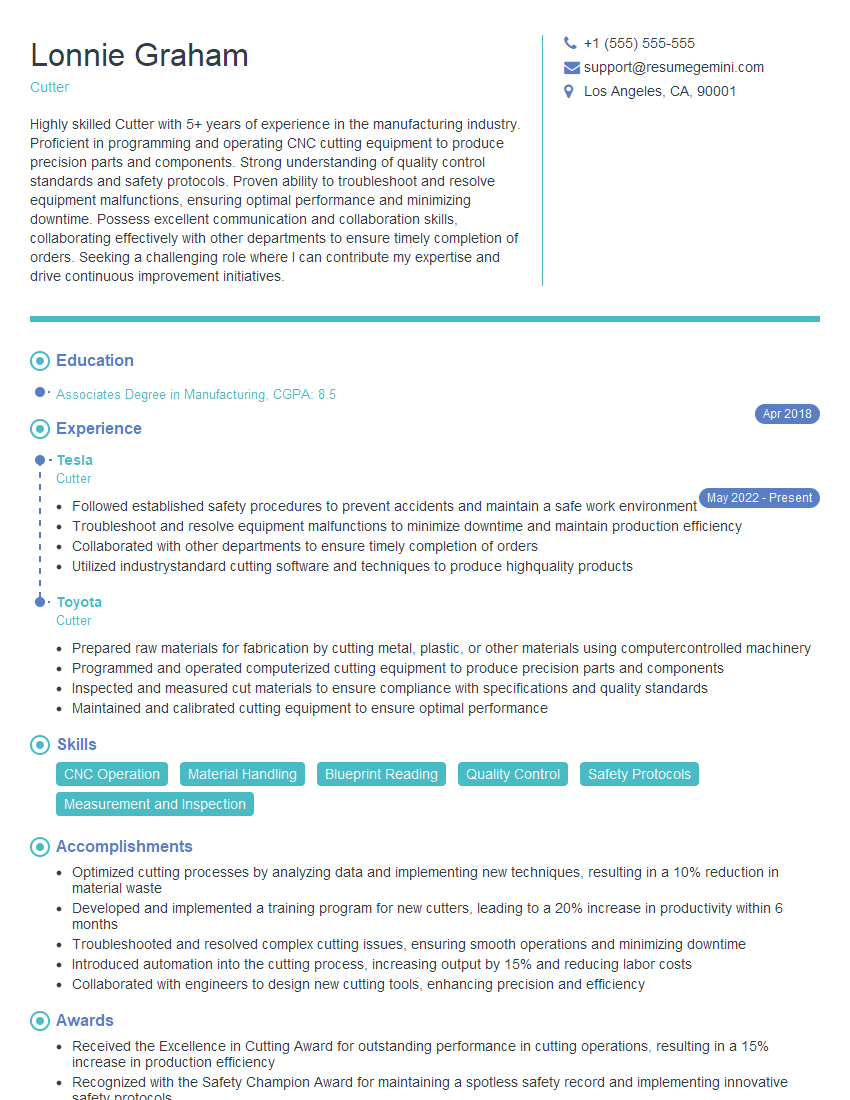
Cutter Resume Sample

Seamstress Resume Sample
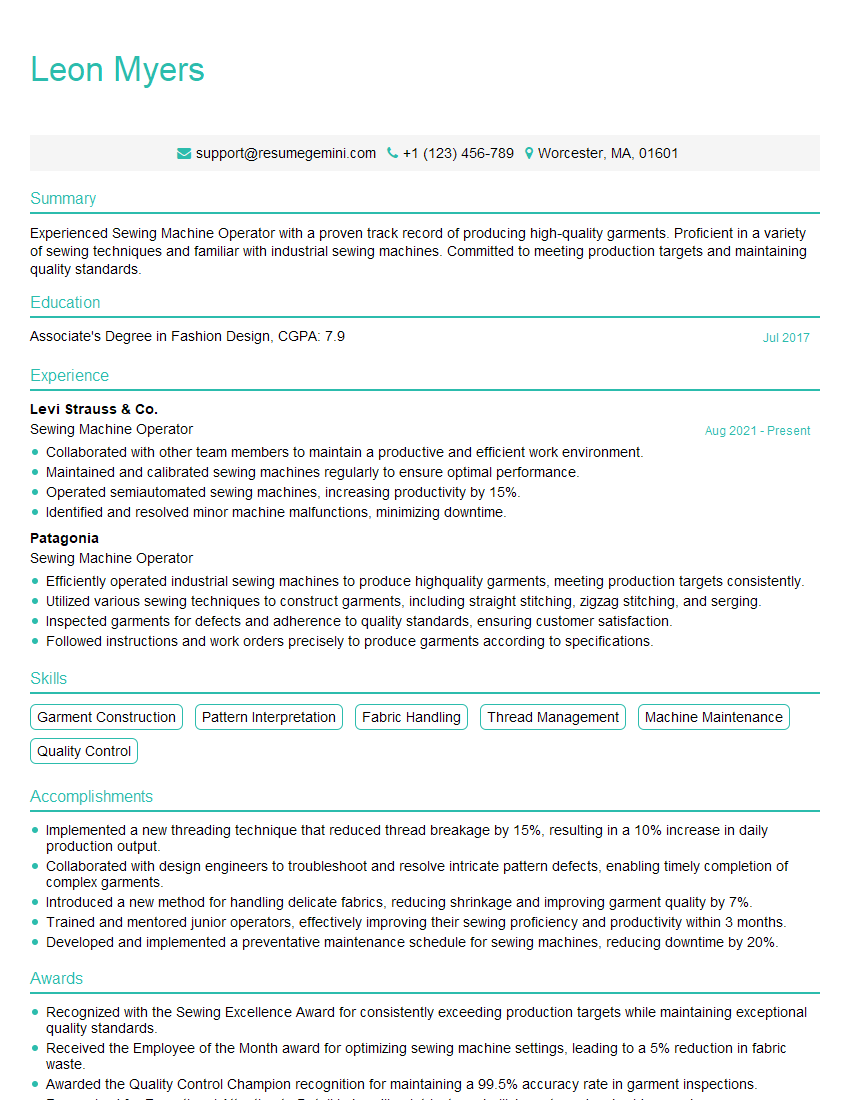
Sewing Machine Operator Resume Sample
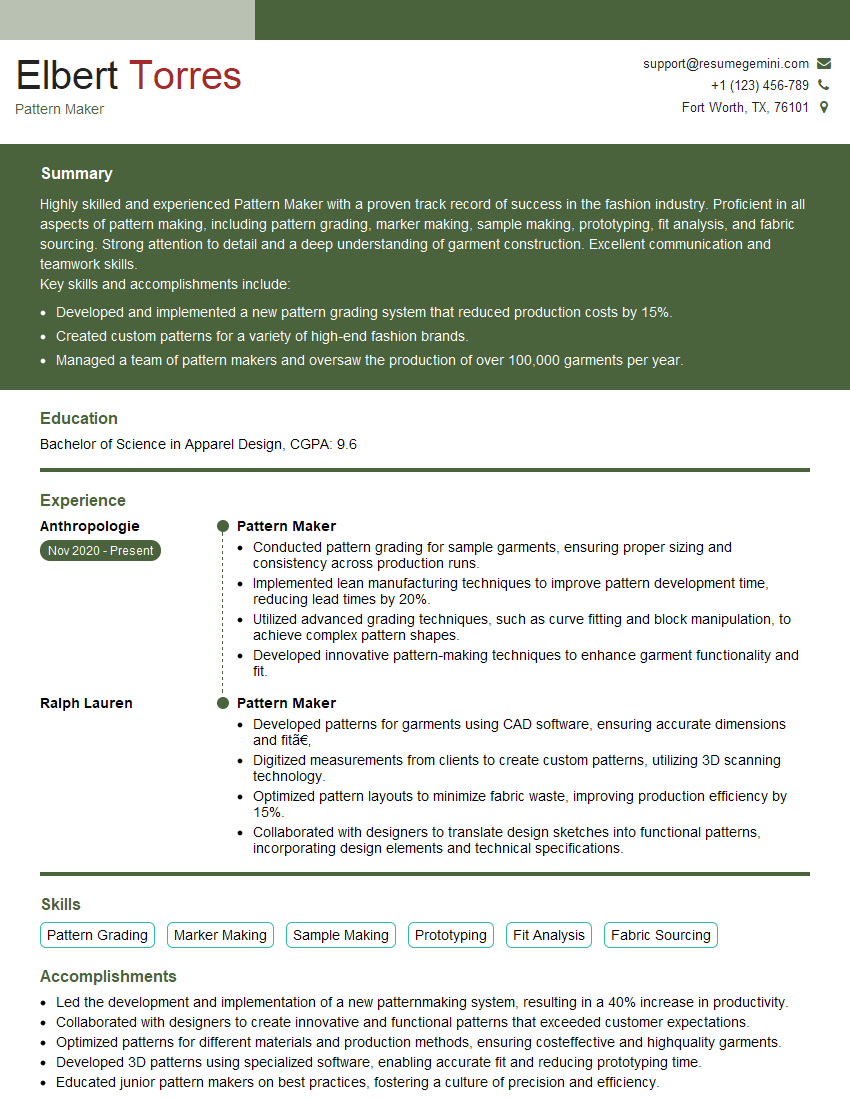
Pattern Maker Resume Sample

Sample Maker Resume Sample

Stitcher Resume Sample
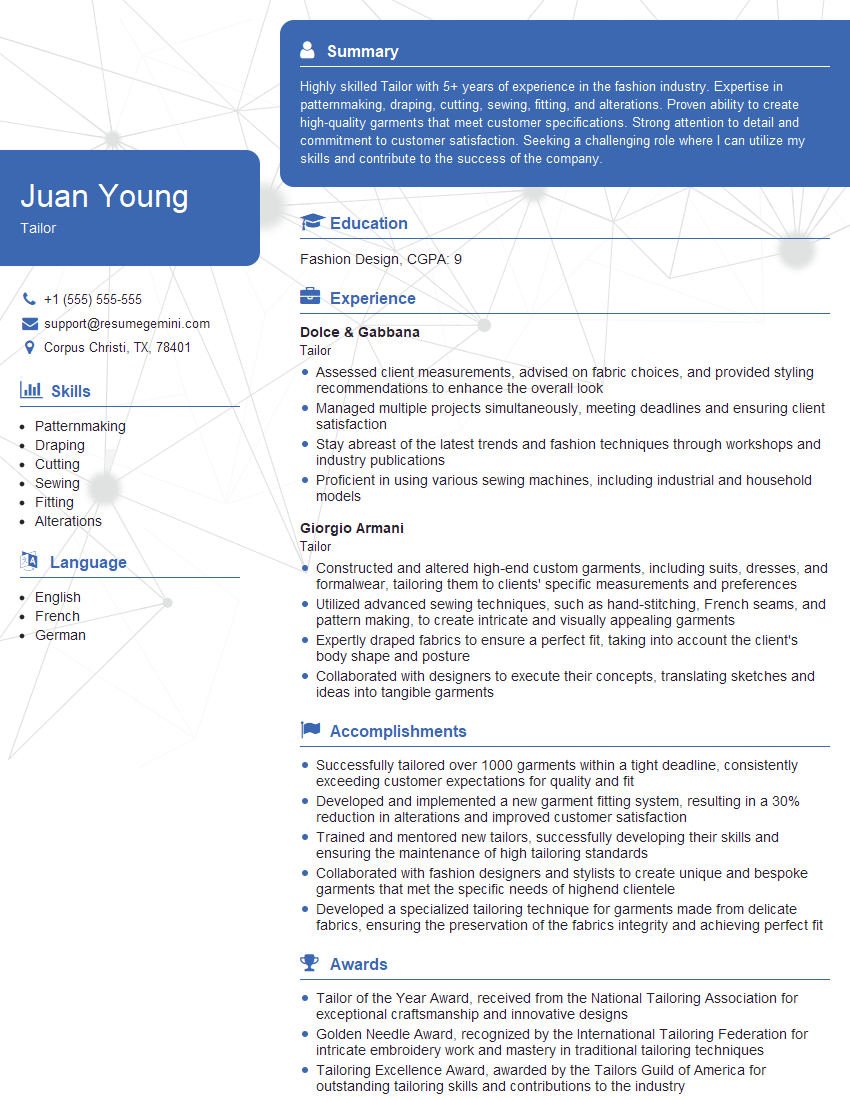
Tailor Resume Sample

Saddle Maker Resume Sample

Shoemaker Resume Sample

Embroidery Specialist Resume Sample

Upholsterer Resume Sample
Explore more articles
Users Rating of Our Blogs
Share Your Experience
We value your feedback! Please rate our content and share your thoughts (optional).
What Readers Say About Our Blog
Very informative content, great job.
good