The thought of an interview can be nerve-wracking, but the right preparation can make all the difference. Explore this comprehensive guide to Knowledge of Electric Utilities interview questions and gain the confidence you need to showcase your abilities and secure the role.
Questions Asked in Knowledge of Electric Utilities Interview
Q 1. Explain the difference between transmission and distribution in electric power systems.
Transmission and distribution are two crucial stages in delivering electricity from power plants to consumers. Think of it like a water system: transmission is the large-diameter pipes carrying water long distances, while distribution is the smaller pipes branching out to individual homes.
Transmission involves the high-voltage movement of electricity over long distances, often hundreds of miles, from generating stations to substations. High voltage is used to minimize energy loss during transmission due to resistance. Typical transmission voltages range from 115 kV to 765 kV. Transmission lines use massive steel towers to support the conductors.
Distribution, on the other hand, involves the lower-voltage delivery of electricity from substations to individual customers. The voltage is stepped down through transformers at substations to safer levels for homes and businesses, typically 120V/240V in North America. Distribution networks are more complex, with many branches and smaller lines.
In essence, transmission focuses on bulk power movement, while distribution focuses on localized delivery.
Q 2. Describe the role of a substation in the power grid.
Substations are critical control centers in the power grid, acting as the interface between the high-voltage transmission system and the lower-voltage distribution system. Imagine them as ‘water treatment plants’ in our water analogy, prepping the water for household use. They perform several key functions:
- Voltage Transformation: Substations use power transformers to step down the high voltage from transmission lines to lower voltages suitable for distribution networks. This is crucial for safety and efficient distribution.
- Switching and Protection: They contain circuit breakers, relays, and other protective devices to isolate faulty sections of the grid, preventing widespread outages. This is like having valves in the water system to quickly shut off flow in case of a leak.
- Monitoring and Control: Substations house equipment for monitoring the power flow and voltage levels, enabling operators to control and optimize the grid’s performance. Modern substations often incorporate SCADA (Supervisory Control and Data Acquisition) systems for remote monitoring and control.
- Power Flow Management: Substations regulate the flow of power within the distribution system, ensuring that electricity is efficiently delivered to meet demand.
Q 3. What are the common types of power transformers and their applications?
Power transformers are essential components in electric power systems, changing voltage levels. There are several types:
- Power Transformers: These are the workhorses of the power grid, used in substations for stepping up or stepping down voltage in bulk power transmission and distribution. They are large and powerful, typically oil-filled for cooling.
- Distribution Transformers: These smaller transformers are used in distribution networks to step down voltage to levels suitable for consumers (e.g., 120V/240V). They are often mounted on poles or underground.
- Autotransformers: These transformers have only one winding, offering cost-effectiveness for certain voltage adjustments but with less isolation between primary and secondary sides. They’re used in applications needing voltage regulation.
- Instrument Transformers: These transformers step down current and voltage levels for safe metering and measurement in control and protection systems. Current transformers (CTs) measure current, and potential transformers (PTs) measure voltage.
The application depends on the voltage level and power handling requirements. For instance, large power transformers are used at generating stations and high-voltage transmission substations, while smaller distribution transformers are found closer to customers.
Q 4. Explain the concept of power factor and its importance.
Power factor (PF) represents the efficiency of electrical power usage. It’s the cosine of the angle between voltage and current in an AC circuit. Ideally, PF should be 1 (or 100%), meaning voltage and current are perfectly in phase. However, inductive loads (like motors) cause current to lag behind voltage, resulting in a lower PF.
Importance: A low power factor means that more current is drawn from the power system to deliver the same amount of real power. This leads to:
- Increased losses: Higher current results in greater energy loss in transmission and distribution lines (I²R losses).
- Higher operating costs: Utilities often penalize consumers with low power factor for exceeding their current capacity.
- Reduced equipment capacity: A low power factor can overload the equipment, leading to premature failure.
Improving the power factor, often by using power factor correction capacitors, is crucial for efficient energy usage and cost savings. Imagine it as reducing water waste in a pipe – less flow for the same amount of water delivered.
Q 5. What are the different methods for protecting power systems from faults?
Power systems are protected from faults (like short circuits and overloads) using several methods:
- Protective Relays: These devices constantly monitor voltage, current, and other parameters. When a fault is detected, they send a signal to the circuit breaker to trip.
- Circuit Breakers: These are electromechanical switches that quickly interrupt the flow of current to isolate the faulted section of the grid.
- Fuses: These are simpler protective devices that melt and open the circuit when excessive current flows.
- Grounding: Connecting system components to earth provides a low-resistance path for fault currents, reducing voltage surges and protecting equipment.
- Lightning Arresters: These devices protect equipment from voltage surges caused by lightning strikes.
- Overcurrent Protection: This strategy employs relays and circuit breakers to trip when current exceeds a predefined threshold.
- Differential Protection: This technique compares the currents entering and leaving a protected zone. Any discrepancy suggests a fault within the zone.
These methods work in coordination to quickly detect and isolate faults, minimizing damage and ensuring the continued operation of the power system.
Q 6. Describe the operation of a circuit breaker.
A circuit breaker is a crucial safety device in power systems that acts as an automatic on/off switch. It’s designed to interrupt the flow of current in case of a fault, preventing damage to equipment and ensuring the safety of personnel. Think of it like a sophisticated fire sprinkler system: it’s dormant until a problem occurs.
Operation: A circuit breaker typically contains a detection mechanism (relays) to sense faults (overcurrent, ground fault, etc.). When a fault occurs, the relays send a signal to a tripping mechanism, which operates a mechanism to separate contacts and interrupt the current. This process happens very quickly, often within milliseconds, to prevent damage.
There are different types of circuit breakers: Vacuum, SF6 (sulfur hexafluoride), and air circuit breakers are examples, each with its advantages and disadvantages in terms of speed, interrupting capacity, and environmental impact. Circuit breakers are crucial for protecting both the power grid and its users.
Q 7. What are the different types of insulators used in transmission lines?
Insulators are critical in transmission lines, preventing current leakage to the ground. Several types are commonly used:
- Pin-type insulators: These are simple and cost-effective insulators used for lower voltage lines. They consist of a porcelain or glass insulator mounted on a pin on the transmission tower.
- Suspension insulators: These are used for high-voltage lines. They consist of a string of disc-shaped insulators, improving the mechanical strength and voltage-withstanding capability compared to pin insulators. This design makes them better suited to high voltage and spans.
- Strain insulators: These are specialized insulators used at the ends of spans or at points where the line changes direction, to withstand higher mechanical stress. They can be either pin or suspension type.
- Post insulators: These insulators have a solid core and are usually used in areas with higher pollution levels or where space is limited. They are better at preventing surface flashover.
The choice of insulator type depends on the voltage level, environmental conditions (pollution, temperature), and mechanical loading. Proper insulation is vital for reliable and safe operation of transmission lines.
Q 8. Explain the concept of voltage regulation in power systems.
Voltage regulation in power systems refers to the ability of the system to maintain a relatively constant voltage at all points in the network, despite variations in load and generation. Think of it like a water pipe system; you want consistent water pressure (voltage) throughout the system, even when more taps (loads) are opened or the pump (generation) changes its output.
Ideally, we want minimal voltage fluctuations to ensure reliable operation of equipment connected to the grid. Excessive voltage deviations can damage appliances, lead to inefficient operation, and even cause system instability. Voltage regulation is achieved through various methods, including:
- Tap-changing transformers: These transformers can adjust their turns ratio to alter the voltage level. They are like adjustable valves in our water pipe analogy, controlling the flow (voltage).
- Voltage regulators: These devices are installed at substations and along transmission lines to regulate voltage locally. They act as pressure regulators in our analogy, ensuring consistent pressure.
- Reactive power compensation: This involves using devices like capacitor banks or synchronous condensers to control reactive power flow, which directly impacts voltage levels. This is like adding or removing constrictions in the water pipe to maintain consistent flow.
Poor voltage regulation can result in power quality issues, leading to customer complaints and equipment malfunctions. Effective voltage regulation is crucial for maintaining a stable and reliable power system.
Q 9. What are the various renewable energy sources integrated into electric grids?
Many renewable energy sources are now integrated into electric grids, significantly contributing to cleaner energy production. These include:
- Solar Photovoltaic (PV): Sunlight is directly converted into electricity using solar panels. Large-scale solar farms are becoming increasingly common.
- Concentrated Solar Power (CSP): This uses mirrors to concentrate sunlight onto a receiver, generating heat to drive turbines and produce electricity. This technology offers energy storage capabilities.
- Wind Energy: Wind turbines convert wind’s kinetic energy into electricity. Offshore wind farms are emerging as a significant source of clean energy.
- Hydropower: Using the power of flowing water to generate electricity through hydroelectric dams. While not a new technology, it remains a substantial contributor.
- Geothermal Energy: Harnessing heat from the Earth’s interior to generate electricity via geothermal power plants. This is particularly useful in volcanically active regions.
- Biomass Energy: Using organic matter like wood, agricultural residues, or dedicated energy crops to generate electricity through combustion or gasification.
The increasing penetration of these renewable sources is transforming the electricity landscape, pushing the boundaries of grid management and control.
Q 10. Describe the challenges associated with integrating renewable energy into the grid.
Integrating renewable energy sources presents several challenges:
- Intermittency: Solar and wind power are inherently intermittent, meaning their output fluctuates based on weather conditions. This requires sophisticated grid management to maintain balance between supply and demand.
- Predictability: Accurately forecasting renewable energy generation is difficult, making grid planning and operation more complex. Advanced forecasting techniques and models are crucial.
- Location constraints: Suitable locations for renewable energy projects are not always close to load centers, leading to long transmission lines and potential transmission losses.
- Grid stability issues: The variability of renewable energy can affect grid stability and frequency regulation. This necessitates deploying advanced control strategies and grid support technologies.
- Cost considerations: The initial investment for renewable energy projects can be high, although costs have significantly reduced in recent years. Integrating these sources requires careful economic analysis.
Overcoming these challenges necessitates investment in smart grids, advanced energy storage solutions, and sophisticated grid management systems.
Q 11. What are smart grids and their key benefits?
Smart grids are modernized electricity networks that utilize advanced technologies to improve efficiency, reliability, and sustainability. Think of them as the next generation of power grids, enhancing the traditional grid with digital capabilities.
Key benefits include:
- Improved reliability: Smart grids can automatically detect and isolate faults, minimizing outages and improving system resilience.
- Enhanced efficiency: Smart meters and advanced analytics optimize energy use and reduce transmission losses.
- Increased renewable energy integration: Smart grids facilitate the seamless integration of renewable energy sources by improving grid flexibility and control.
- Better demand-side management: Smart grids enable dynamic pricing and load control, encouraging energy conservation and shifting demand to off-peak hours.
- Improved grid security: Cyber security measures and advanced monitoring enhance grid protection against threats.
Smart grid technologies are crucial for ensuring a sustainable and resilient energy future.
Q 12. Explain the role of SCADA systems in electric utilities.
Supervisory Control and Data Acquisition (SCADA) systems are essential components of electric utilities, providing real-time monitoring and control of power systems. They act as the central nervous system of the grid, allowing operators to oversee and manage the entire network from a central control room.
SCADA systems collect data from various points across the network, including substations, power plants, and transmission lines. This data includes voltage levels, current flows, power generation, and equipment status. Operators use this information to monitor system health, manage load flow, and respond to emergencies.
SCADA systems also provide control functionalities, allowing operators to remotely adjust equipment settings, such as tap changers on transformers or switching devices. This ensures efficient grid operation and allows for quick responses to changing conditions.
In essence, SCADA is the backbone of modern grid management, ensuring reliable and efficient power delivery.
Q 13. What are the common types of power system studies performed?
Electric utilities routinely perform several power system studies to ensure grid reliability and efficiency. These include:
- Load flow studies: These studies analyze the steady-state operation of the power system, determining voltage magnitudes, angles, and power flows under various load conditions.
- Fault studies: These analyze the impact of various faults (short circuits) on the system, determining fault currents and the effectiveness of protective devices.
- Transient stability studies: These examine the system’s response to large disturbances, such as loss of generation or transmission lines, assessing the system’s ability to maintain synchronism.
- Small-signal stability studies: These evaluate the system’s ability to maintain stability under small disturbances, assessing the risk of oscillations or instability.
- Protection coordination studies: These ensure that protective devices operate correctly and in coordination to isolate faults without causing widespread outages.
These studies guide operational decisions, investment planning, and system upgrades, ensuring a robust and reliable power system.
Q 14. Describe your experience with power system modeling software (e.g., PSS/E, PowerWorld Simulator).
Throughout my career, I’ve extensively used power system modeling software, primarily PSS/E and PowerWorld Simulator. I’ve leveraged these tools for various applications, including:
- Load flow and fault analysis: Performing detailed analysis to assess system performance under normal and fault conditions.
- Transient and small-signal stability studies: Evaluating the system’s dynamic behavior and identifying potential stability issues.
- Optimal power flow (OPF) studies: Determining optimal generation dispatch and voltage control settings to minimize operational costs and improve efficiency.
- State estimation: Developing models to estimate the real-time state of the power system using measurements from SCADA systems.
- Planning studies: Modeling and analyzing the impact of proposed upgrades, expansions, and new generation resources on system performance.
For example, in a recent project involving the integration of a large wind farm, I used PSS/E to model the system and conduct transient stability studies, ensuring the wind farm’s integration wouldn’t compromise system stability. This involved creating detailed models of the wind turbines, their control systems, and the associated transmission infrastructure. My expertise in these tools enables me to design, simulate and analyze power systems to improve their reliability and efficiency.
Q 15. Explain the concept of load flow analysis.
Load flow analysis is a crucial process in power system engineering that determines the steady-state operating condition of an electrical power system. Think of it like a detailed map showing the flow of electricity throughout the entire network at a specific point in time. It calculates various parameters such as voltage magnitude and angle at each bus (connection point), real and reactive power flow in each line, and the overall system losses.
This analysis is performed using complex mathematical models and iterative numerical techniques, often employing software tools like PowerWorld Simulator or ETAP. The input data includes network topology (lines, transformers, generators), generator specifications (power output, voltage setpoints), and load demands at different buses. The output provides a snapshot of the system’s condition, highlighting potential issues like voltage violations or overloaded lines.
For example, imagine a large city’s power grid. A load flow analysis can help predict the impact of adding a new industrial facility or residential area on the existing infrastructure. It can pinpoint potential bottlenecks and inform decisions about upgrading transmission lines or installing new substations to ensure reliable power delivery.
Career Expert Tips:
- Ace those interviews! Prepare effectively by reviewing the Top 50 Most Common Interview Questions on ResumeGemini.
- Navigate your job search with confidence! Explore a wide range of Career Tips on ResumeGemini. Learn about common challenges and recommendations to overcome them.
- Craft the perfect resume! Master the Art of Resume Writing with ResumeGemini’s guide. Showcase your unique qualifications and achievements effectively.
- Don’t miss out on holiday savings! Build your dream resume with ResumeGemini’s ATS optimized templates.
Q 16. How do you ensure the reliability of an electric power system?
Ensuring the reliability of an electric power system is paramount. It involves a multi-faceted approach that encompasses planning, operation, and maintenance. Reliability means minimizing the frequency and duration of outages, ensuring consistent voltage levels, and maintaining system stability.
- Redundancy: Building redundancy into the system is critical. This means having backup generators, multiple transmission paths, and automated switching mechanisms that can reroute power in case of a fault. Think of it like having multiple routes to your destination – if one road is closed, you can easily take another.
- Preventive Maintenance: Regular inspections, testing, and maintenance of equipment are essential. This reduces the likelihood of failures and extends the lifespan of assets. Regular check-ups on your car prevent major breakdowns, similarly, maintaining power system equipment prevents larger-scale outages.
- Protection Systems: Sophisticated protection systems, including relays and circuit breakers, are crucial for quickly isolating faults and preventing cascading failures. These systems act like safety valves, isolating a problem area and preventing it from affecting the entire network.
- Smart Grid Technologies: Integrating smart grid technologies, such as advanced metering infrastructure (AMI) and distribution automation systems, enhances system visibility and enables faster response to disturbances.
- System Monitoring and Control: Real-time monitoring of system parameters and sophisticated control strategies are essential for maintaining system stability and responding effectively to unforeseen events.
All these elements work together to ensure a reliable and robust power system.
Q 17. What are the different types of power system stability?
Power system stability refers to the ability of the system to maintain synchronism between generators following a disturbance. There are several types:
- Angle Stability (Rotor Angle Stability): This concerns the ability of synchronous generators to remain in synchronism after a disturbance, primarily related to large disturbances affecting the balance between mechanical input and electrical output of generators. It’s like keeping dancers in a synchronized ballet—a sudden push might throw them off, but their ability to regain synchronicity is crucial.
- Frequency Stability: This refers to the system’s ability to maintain the frequency near its nominal value after a disturbance. Think of it as maintaining a steady beat in a musical performance—variations can be jarring.
- Voltage Stability: This relates to the ability of the system to maintain acceptable voltage levels at all buses following a disturbance. Maintaining proper voltage levels is like keeping the lighting in a theatre consistent—too dim or too bright, and the performance suffers.
These stability aspects are interconnected, and a disturbance in one area can affect the others. Maintaining all three is crucial for a stable and reliable power system.
Q 18. Explain the concept of energy efficiency and demand-side management.
Energy efficiency and demand-side management (DSM) are closely related concepts focused on optimizing energy use and reducing peak demand. Energy efficiency focuses on reducing energy consumption for a given level of service. For example, using energy-efficient appliances or improving building insulation.
Demand-side management, on the other hand, focuses on managing customer energy consumption patterns to reduce peak demand. This can be achieved through various programs such as:
- Time-of-Use (TOU) Pricing: Charging customers different rates at different times of the day, encouraging them to shift their energy consumption to off-peak hours.
- Incentive Programs: Offering financial incentives for customers to adopt energy-efficient technologies or participate in demand response programs.
- Demand Response Programs: Engaging customers to reduce their energy consumption during periods of high demand, often through automated control systems or direct communication.
Both energy efficiency and DSM contribute significantly to reducing the overall energy burden on the power system, minimizing the need for new generation capacity and lowering emissions.
Q 19. Describe your experience with fault analysis and troubleshooting.
My experience with fault analysis and troubleshooting involves utilizing a combination of analytical skills and specialized software tools. I’ve worked extensively on identifying and resolving faults in various parts of the power system, from transmission lines to substations and distribution networks. This includes using advanced fault location algorithms and protection system analysis techniques.
A recent example involved a prolonged outage in a rural distribution area. Through systematic investigation, utilizing SCADA data, and field measurements, I was able to isolate the fault to a faulty transformer within a substation. This required analyzing relay settings, examining fault recordings, and coordinating with field crews for repairs. Successfully pinpointing the issue and restoring power quickly minimized customer impact.
My approach is methodical. I begin by gathering all available data, then systematically analyze the information to identify potential causes. This might involve running simulations, reviewing historical data, and coordinating with field personnel to gather on-site information. Effective communication and collaboration are key to efficient troubleshooting.
Q 20. What safety procedures do you follow when working on electrical equipment?
Safety is paramount when working with electrical equipment. My adherence to safety protocols is unwavering and encompasses several key aspects:
- Lockout/Tagout Procedures: Always following strict lockout/tagout (LOTO) procedures to ensure equipment is de-energized before any work is performed. This involves physically locking out the power source and tagging it to prevent accidental energization.
- Personal Protective Equipment (PPE): Consistent use of appropriate PPE, including insulated gloves, safety glasses, and arc flash suits where necessary. This protects against electrical shock, burns, and other hazards.
- Proper Training and Certification: Maintaining up-to-date training and certifications in electrical safety practices. This ensures a thorough understanding of risks and safety procedures.
- Work Permits and Safety Briefings: Always obtaining the necessary work permits and attending thorough safety briefings before starting any work. This ensures everyone involved is aware of the potential hazards and the safety measures to be followed.
- Awareness of Surrounding Environment: Maintaining situational awareness of the surroundings, including potential hazards like overhead lines or underground cables, and taking precautions to avoid contact.
These safety measures aren’t just guidelines—they’re non-negotiable steps that I take to ensure my safety and the safety of my colleagues.
Q 21. What are the key performance indicators (KPIs) for electric utilities?
Key Performance Indicators (KPIs) for electric utilities are crucial for measuring efficiency, reliability, and customer satisfaction. These metrics often vary depending on the specific utility’s goals and the regulatory environment, but some common KPIs include:
- System Average Interruption Duration Index (SAIDI): The average duration of customer interruptions per year.
- System Average Interruption Frequency Index (SAIFI): The average number of customer interruptions per year.
- Customer Average Interruption Duration Index (CAIDI): The average duration of interruptions experienced by each customer per year.
- Power Outage Frequency: The number of outages experienced over a specified time period.
- Energy Efficiency Improvements: Percentage reduction in energy consumption through efficiency programs.
- Customer Satisfaction: Measured through surveys and feedback mechanisms.
- Return on Equity (ROE): A financial metric indicating the profitability of the utility.
- Transmission and Distribution Losses: Percentage of energy lost during transmission and distribution.
Tracking and analyzing these KPIs allows utilities to identify areas for improvement, optimize operations, and demonstrate their performance to regulators and stakeholders.
Q 22. Explain the role of regulatory bodies in the electric utility industry.
Regulatory bodies in the electric utility industry play a crucial role in ensuring safe, reliable, and affordable electricity service for consumers. They establish and enforce rules and regulations governing various aspects of the industry, from the planning and construction of power plants and transmission lines to the pricing of electricity and the protection of the environment.
- Setting Safety Standards: Bodies like the Federal Energy Regulatory Commission (FERC) in the US or equivalent agencies in other countries set safety standards for power plants, transmission lines, and distribution systems. These standards aim to minimize risks to workers and the public.
- Rate Regulation: Regulators often oversee the rates utilities can charge consumers for electricity. This involves balancing the utility’s need to recover its costs with the interests of consumers in keeping electricity affordable. They might approve rate increases based on demonstrable costs and investments.
- Environmental Regulations: Regulatory bodies enforce environmental regulations to minimize the environmental impact of electricity generation and transmission. This includes standards for air and water quality, greenhouse gas emissions, and waste management.
- Reliability and Grid Security: These bodies often play a role in ensuring the reliable and secure operation of the electricity grid. This might involve overseeing grid planning, emergency preparedness, and cybersecurity measures.
For example, a utility company seeking to build a new power plant would need to obtain permits and approvals from relevant regulatory bodies, demonstrating compliance with all applicable environmental and safety standards before commencing construction. The regulatory process ensures accountability and transparency, promoting a safe and reliable electricity supply.
Q 23. Describe your experience with GIS (Geographic Information System) in the context of electric utilities.
Geographic Information Systems (GIS) are indispensable in electric utility operations. I’ve extensively used GIS to manage and analyze spatial data related to the electricity grid, improving efficiency and decision-making across various departments.
- Asset Management: GIS helps in tracking the location, condition, and attributes of all grid assets – substations, transmission lines, poles, transformers, etc. This allows for efficient maintenance scheduling and proactive replacement of aging equipment, reducing outages and enhancing reliability. Imagine pinpointing a faulty transformer’s location on a map quickly, minimizing service interruptions.
- Outage Management: During outages, GIS facilitates rapid identification of affected areas and facilitates efficient restoration efforts. Real-time data overlays can show the extent of the outage, helping crews prioritize restoration activities.
- Network Planning: GIS is crucial for planning new transmission lines and substations. Analyzing geographic data helps determine optimal routes, minimizing environmental impacts and maximizing efficiency. It allows for simulations of various scenarios to identify potential bottlenecks or vulnerabilities.
- Work Management: GIS integrates with work management systems, providing field crews with real-time access to relevant maps and asset information. This ensures that crews have the right information at their fingertips, streamlining fieldwork and improving safety.
In my previous role, I used GIS software (ArcGIS primarily) to analyze the impact of a proposed new development on the existing distribution network. The analysis helped us identify areas requiring network upgrades to handle the increased load, ultimately ensuring reliable service to new customers without compromising existing service quality.
Q 24. What is your understanding of the electric utility industry’s future trends?
The electric utility industry is undergoing a significant transformation driven by several key trends:
- Decarbonization and Renewable Energy Integration: The shift towards renewable energy sources like solar and wind power is accelerating. Utilities need to adapt their grid infrastructure to accommodate the intermittent nature of these sources and manage the increasing integration of distributed generation.
- Digitalization and Smart Grid Technologies: Smart grid technologies such as advanced metering infrastructure (AMI), distribution automation systems, and grid-edge technologies are improving grid efficiency, reliability, and resilience. This involves managing vast amounts of data and implementing cyber security measures.
- Energy Storage: Energy storage solutions, like batteries, are becoming increasingly important in managing the intermittency of renewable energy sources and ensuring grid stability. This adds a new layer of complexity to grid operation and planning.
- Electric Vehicles (EVs): The rapid growth of electric vehicles is placing additional stress on the electricity grid, necessitating grid upgrades and expansion to handle the increased demand. Utilities need strategies to manage peak demand and integrate EV charging infrastructure.
- Customer Engagement and Distributed Energy Resources (DERs): Utilities are increasingly engaging with customers and incorporating DERs, such as rooftop solar panels, into grid management. This requires new business models and regulatory frameworks.
These trends are creating both challenges and opportunities for electric utilities. Adapting to these changes requires significant investment in infrastructure upgrades, workforce development, and innovative technologies.
Q 25. Explain your familiarity with NERC (North American Electric Reliability Corporation) standards.
NERC (North American Electric Reliability Corporation) standards are critical for ensuring the reliability and security of the bulk power system in North America. I’m familiar with a wide range of NERC standards, including those related to:
- Cybersecurity: NERC CIP (Critical Infrastructure Protection) standards are crucial for protecting the electric grid from cyber threats. These standards address areas such as access control, security awareness training, and incident response planning.
- Reliability Standards: These standards cover various aspects of grid operations, including planning, maintenance, and emergency response. They aim to prevent major outages and ensure the grid’s resilience to various disturbances.
- System Operations: These standards govern how the electricity grid is operated, including procedures for managing the flow of electricity and maintaining system stability. They define requirements for real-time monitoring, control, and coordination.
Compliance with NERC standards is mandatory for all bulk power system entities, and understanding these standards is fundamental for ensuring reliable grid operations. Non-compliance can result in significant penalties. In my previous projects, I actively participated in audits to ensure our processes adhered to relevant NERC standards and developed plans to mitigate identified risks.
Q 26. Describe your experience with project management in the electric utility sector.
My experience in project management within the electric utility sector spans several areas, from infrastructure upgrades to grid modernization initiatives. I’ve successfully employed various project management methodologies, including Agile and Waterfall, adapting to project specifics.
- Project Planning and Execution: I’ve led teams through all phases of projects, from initiation and planning through execution, monitoring, controlling, and closure. This includes developing detailed project plans, allocating resources, managing budgets, and tracking progress against milestones.
- Risk Management: In the utility sector, risk management is paramount. I’ve developed and implemented robust risk management strategies, identifying potential hazards, assessing their impact, and developing mitigation plans to minimize disruption and ensure project success.
- Stakeholder Management: Utility projects often involve multiple stakeholders, including regulators, customers, and internal teams. I’ve developed strong communication and collaboration strategies to effectively manage expectations and maintain positive relationships throughout the project lifecycle.
- Change Management: Adapting to unexpected changes is crucial in the utility industry. I’ve implemented change management processes to address scope changes, budget adjustments, and schedule modifications effectively, minimizing their impact on project deliverables.
For example, I successfully managed the construction of a new substation, coordinating the work of multiple contractors, managing material procurement, ensuring compliance with all safety and environmental regulations, and delivering the project on time and within budget. This required strong leadership, meticulous planning, and effective communication with all stakeholders.
Q 27. What are your strengths and weaknesses regarding working in a utility environment?
My strengths in a utility environment include my strong analytical and problem-solving abilities, combined with my proven project management skills and a deep understanding of the regulatory landscape. I thrive in collaborative environments and excel at managing complex projects with multiple stakeholders. My ability to translate technical information into easily understandable terms for non-technical audiences is also a valuable asset.
An area I am continuously working to improve is my delegation skills. While I’m comfortable taking ownership and tackling challenges head-on, I recognize the importance of effectively delegating tasks to empower team members and optimize resource allocation. I actively seek opportunities to improve my delegation skills through mentoring and team-based projects.
Q 28. Describe a situation where you had to solve a complex technical problem in the power industry.
During a severe winter storm, our system experienced widespread outages due to ice accumulation on power lines. Locating and restoring power to critical facilities, such as hospitals, was our top priority. The challenge was the sheer scale of the outage and the difficulty of accessing many areas due to hazardous road conditions.
My solution involved a multi-pronged approach:
- Prioritization: We used GIS to identify critical facilities affected by the outage and prioritized restoration efforts based on their importance and the number of affected customers.
- Resource Allocation: We strategically allocated repair crews based on the severity of the damage and the accessibility of the affected areas. This included utilizing helicopters in remote areas where ground access was impossible.
- Communication: We implemented a robust communication plan to keep stakeholders, including customers and regulatory bodies, informed about the progress of restoration efforts. This built trust and managed expectations effectively.
- Data Analysis: Following the event, we analyzed outage data to identify vulnerabilities in our system and implement preventive measures to reduce the impact of future storms. This included strengthening poles in high-risk areas and developing improved ice-melting strategies.
Through proactive planning, efficient resource allocation, and clear communication, we successfully restored power to critical facilities within a reasonable timeframe, significantly minimizing the impact of the storm on our customers.
Key Topics to Learn for Knowledge of Electric Utilities Interview
- Power Generation: Understanding different generation sources (e.g., fossil fuels, nuclear, renewables), their efficiency, and environmental impact. Consider practical applications like comparing the lifecycle costs of various generation technologies.
- Transmission & Distribution: Familiarize yourself with high-voltage transmission lines, substations, and the distribution network reaching individual consumers. Think about real-world scenarios involving grid stability and fault analysis.
- Smart Grid Technologies: Explore the role of advanced metering infrastructure (AMI), distributed generation, and demand-side management in modernizing the electricity grid. Practice problem-solving related to integrating renewable energy sources.
- Grid Reliability & Operations: Understand the importance of system reliability, including preventative maintenance, fault detection, and restoration procedures. Consider the challenges of ensuring continuous power supply during extreme weather events.
- Electricity Market & Regulation: Learn about electricity markets, pricing structures, and regulatory frameworks. Explore the interplay between market forces and grid operations.
- Safety Regulations & Compliance: Understand relevant safety standards and regulations for working with high-voltage electricity. This includes personal protective equipment (PPE) and safe work practices.
- Power System Analysis: Develop a foundational understanding of power flow analysis, short-circuit calculations, and stability studies. Be prepared to discuss relevant software tools used in these analyses.
Next Steps
Mastering knowledge of electric utilities is crucial for advancing your career in this dynamic and essential industry. A strong understanding of these concepts will significantly enhance your interview performance and open doors to exciting opportunities. To maximize your job prospects, creating an ATS-friendly resume is paramount. This ensures your qualifications are effectively highlighted to recruiters and applicant tracking systems. We strongly recommend using ResumeGemini to build a professional and impactful resume. ResumeGemini offers a streamlined process and provides examples of resumes tailored to the Knowledge of Electric Utilities field, giving you a head start in showcasing your expertise.
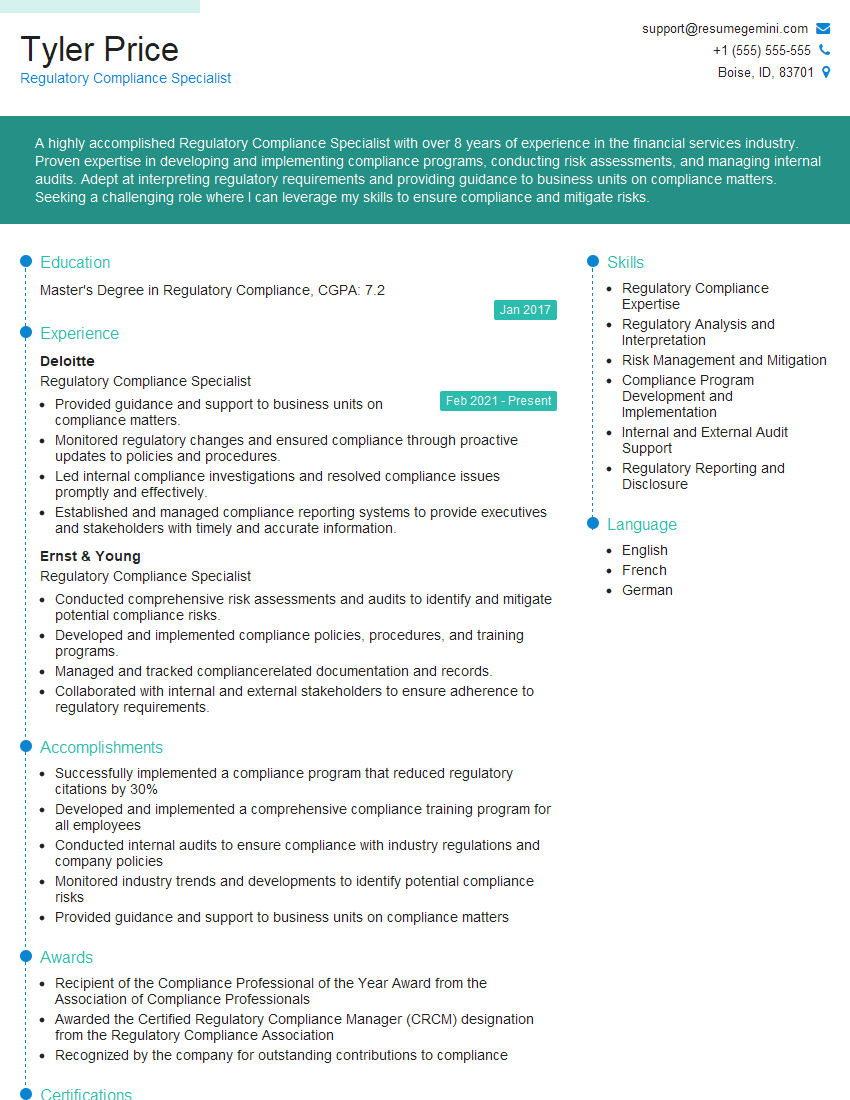
Regulatory Compliance Specialist Resume Sample
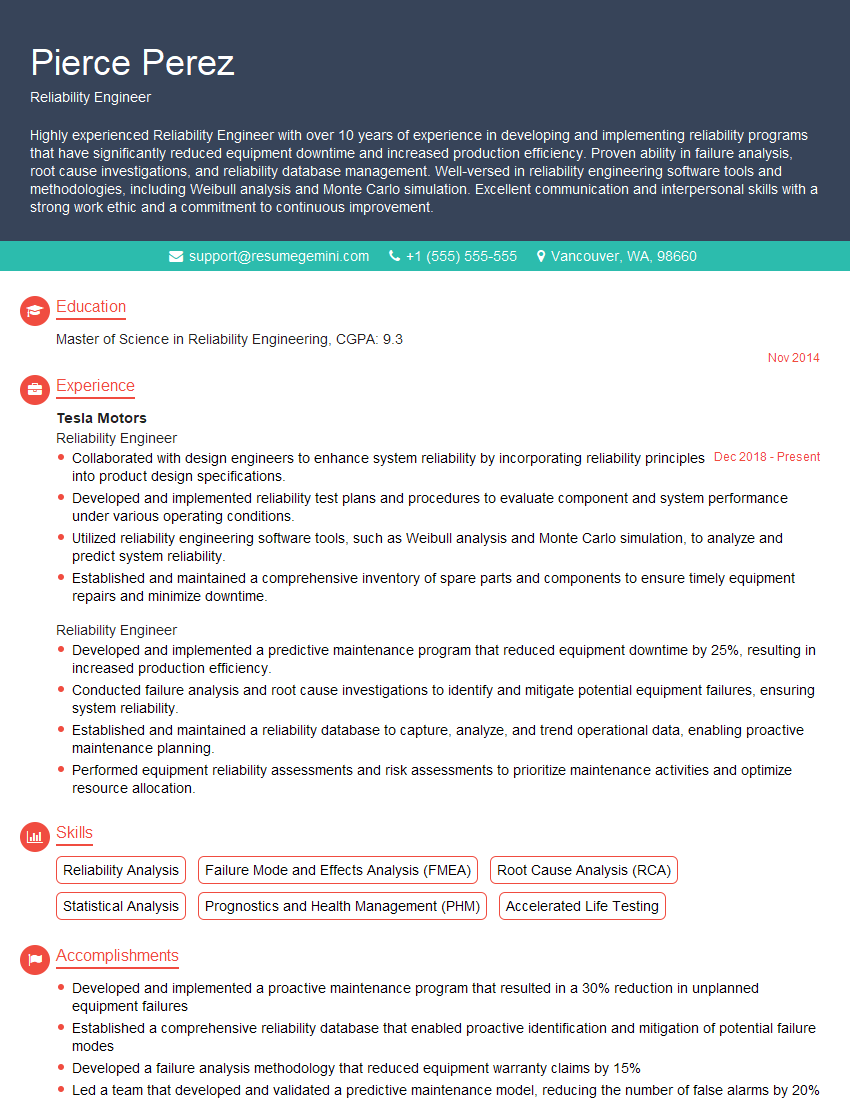
Reliability Engineer Resume Sample
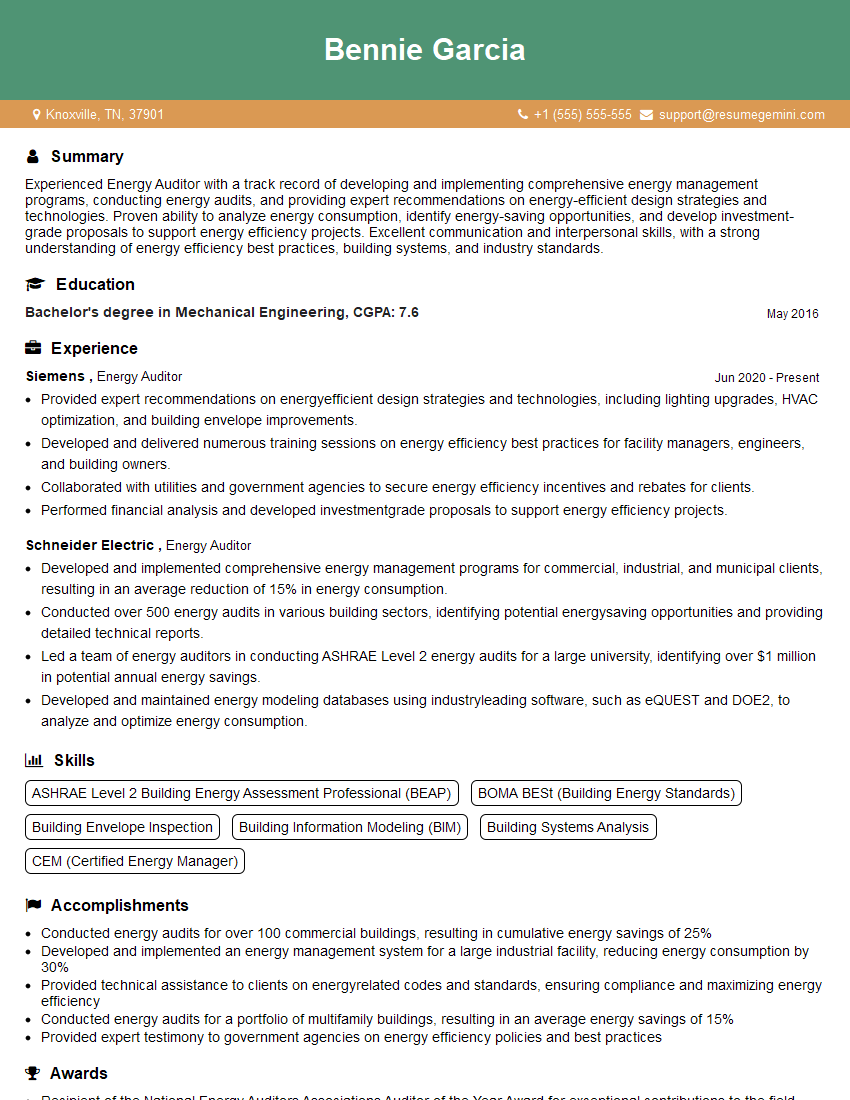
Energy Auditor Resume Sample
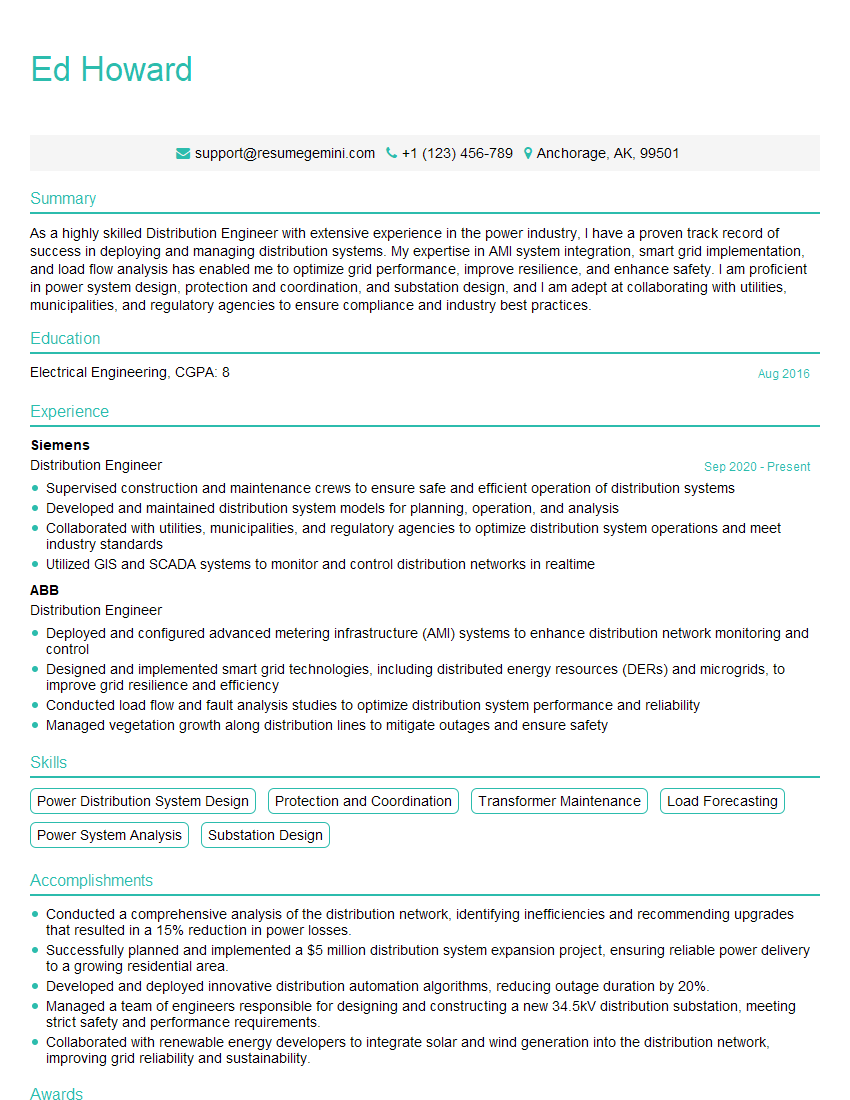
Distribution Engineer Resume Sample
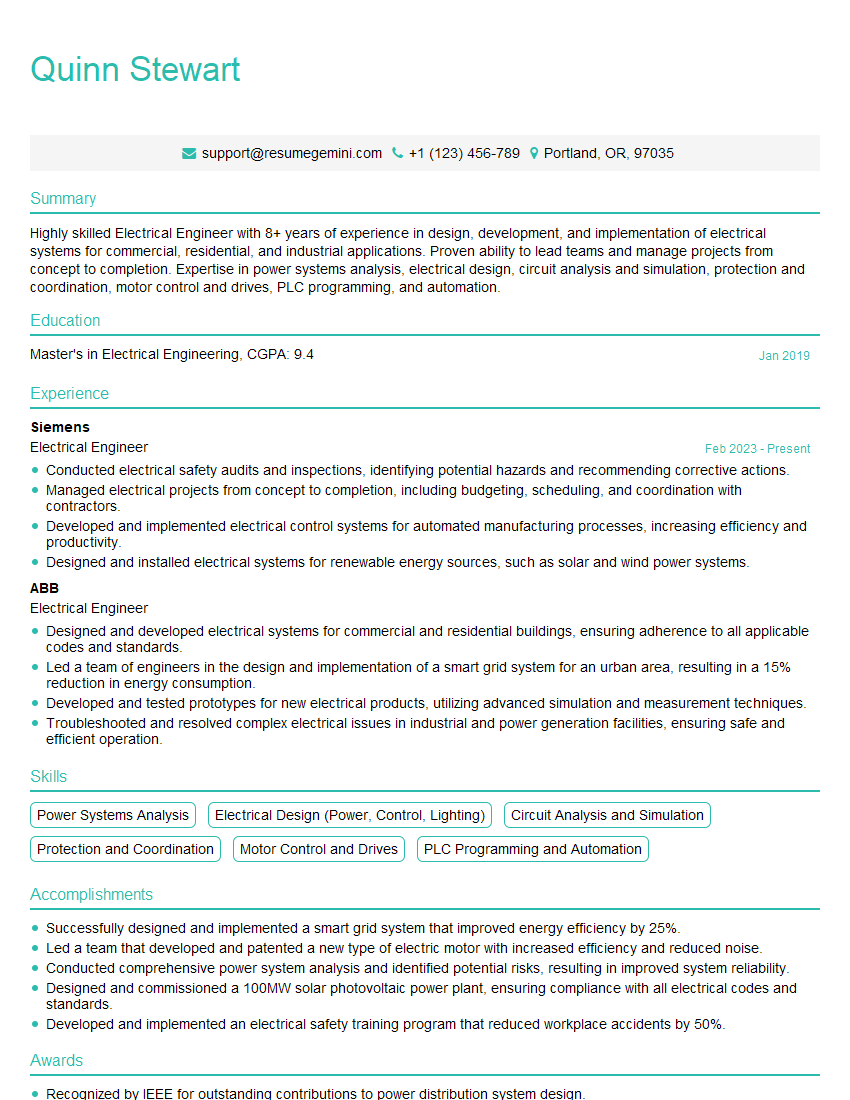
Electrical Engineer Resume Sample
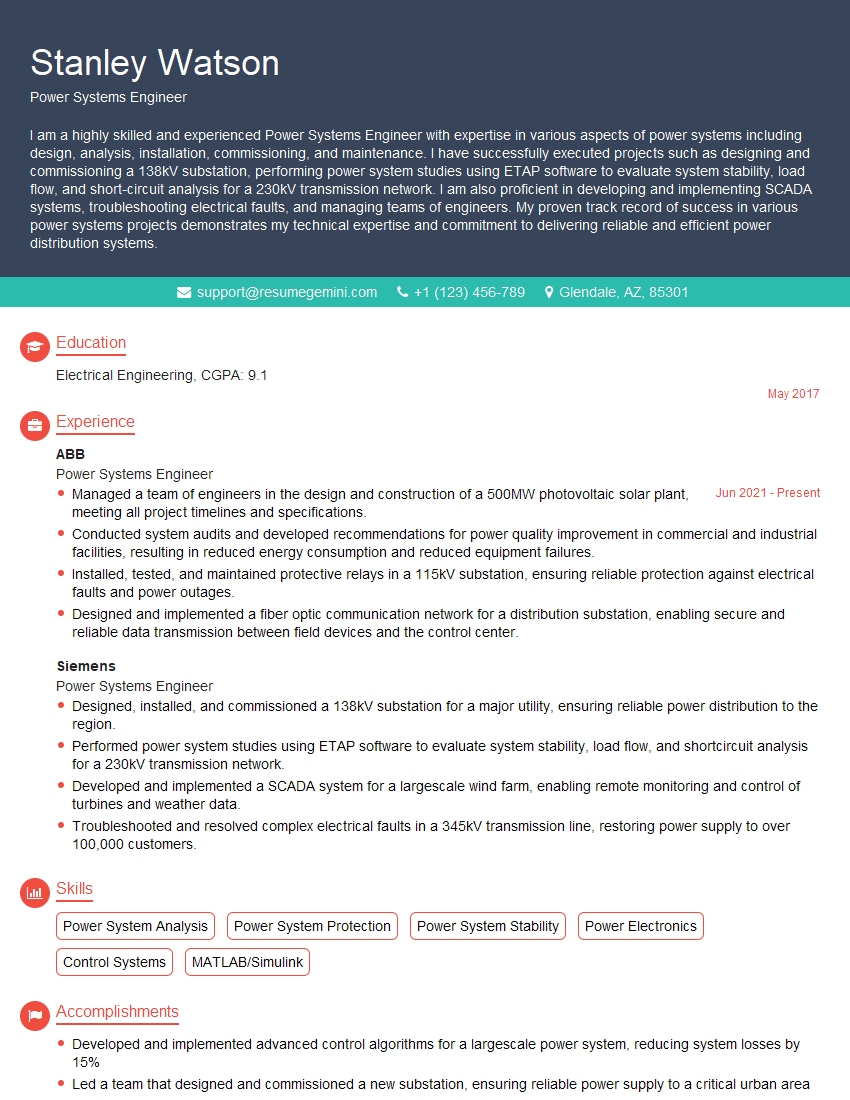
Power Systems Engineer Resume Sample
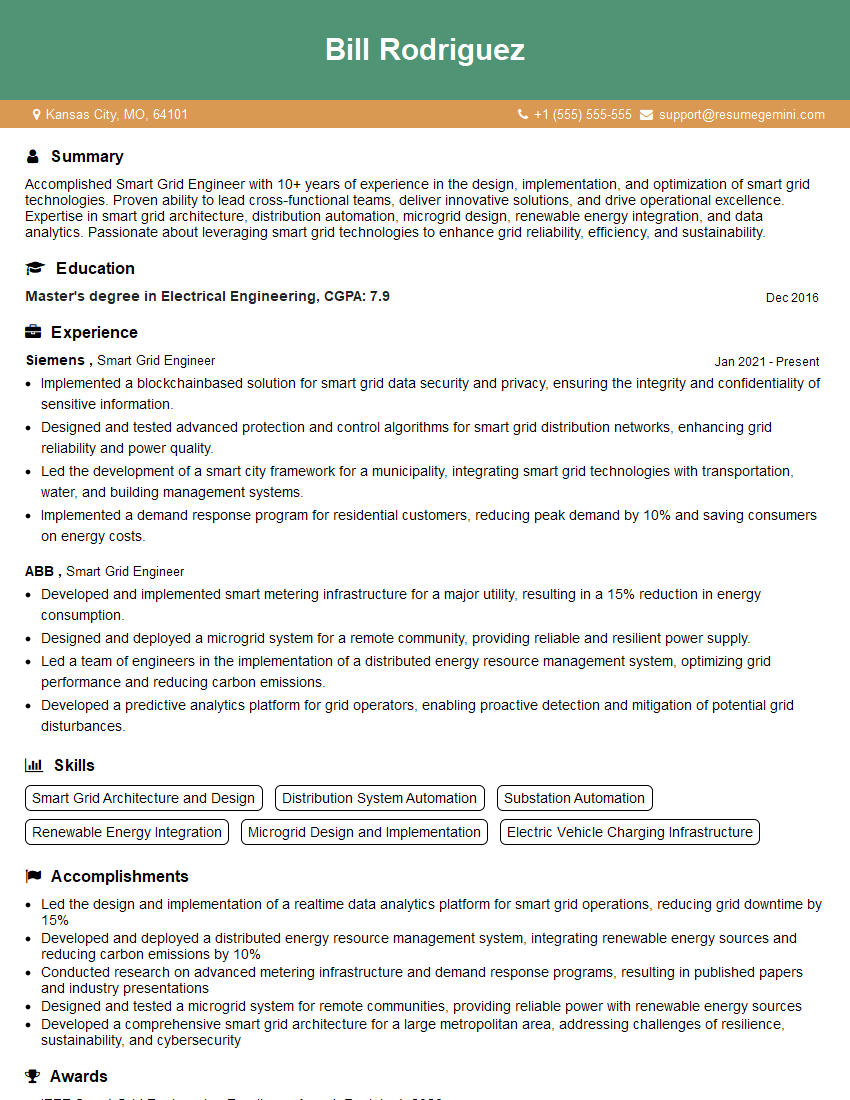
Smart Grid Engineer Resume Sample
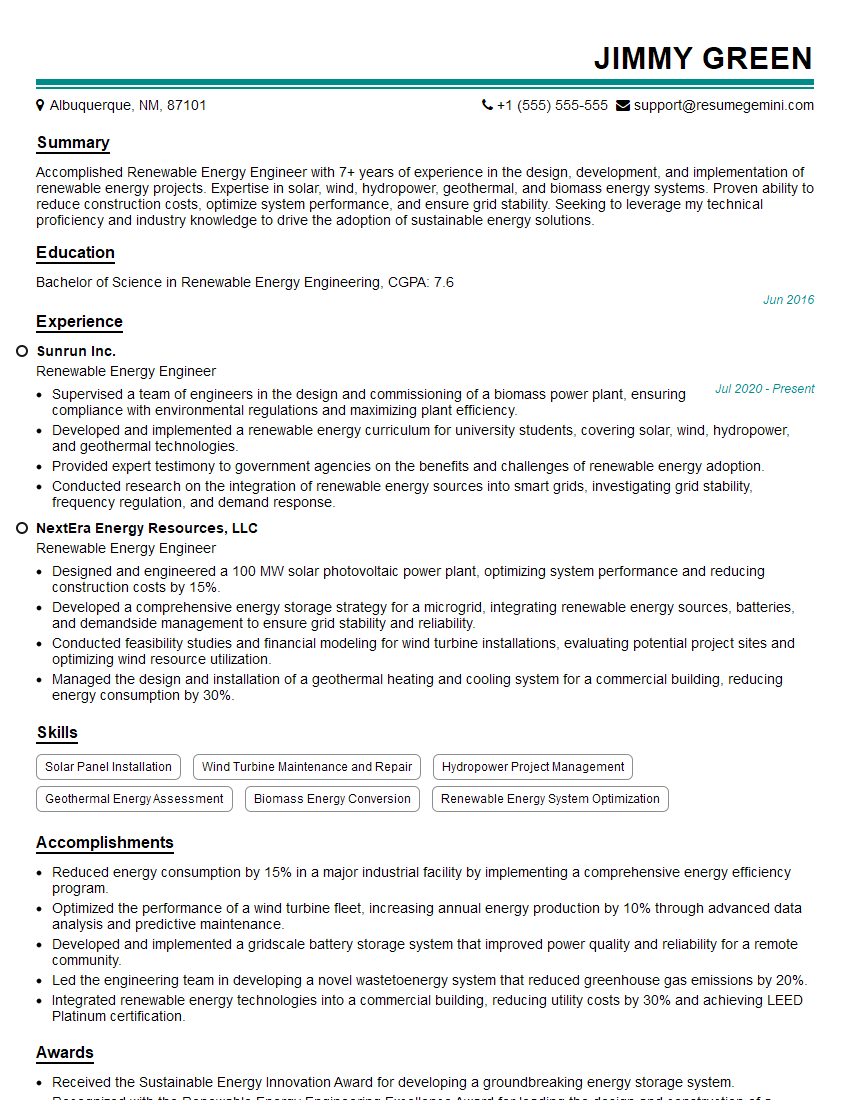
Renewable Energy Engineer Resume Sample
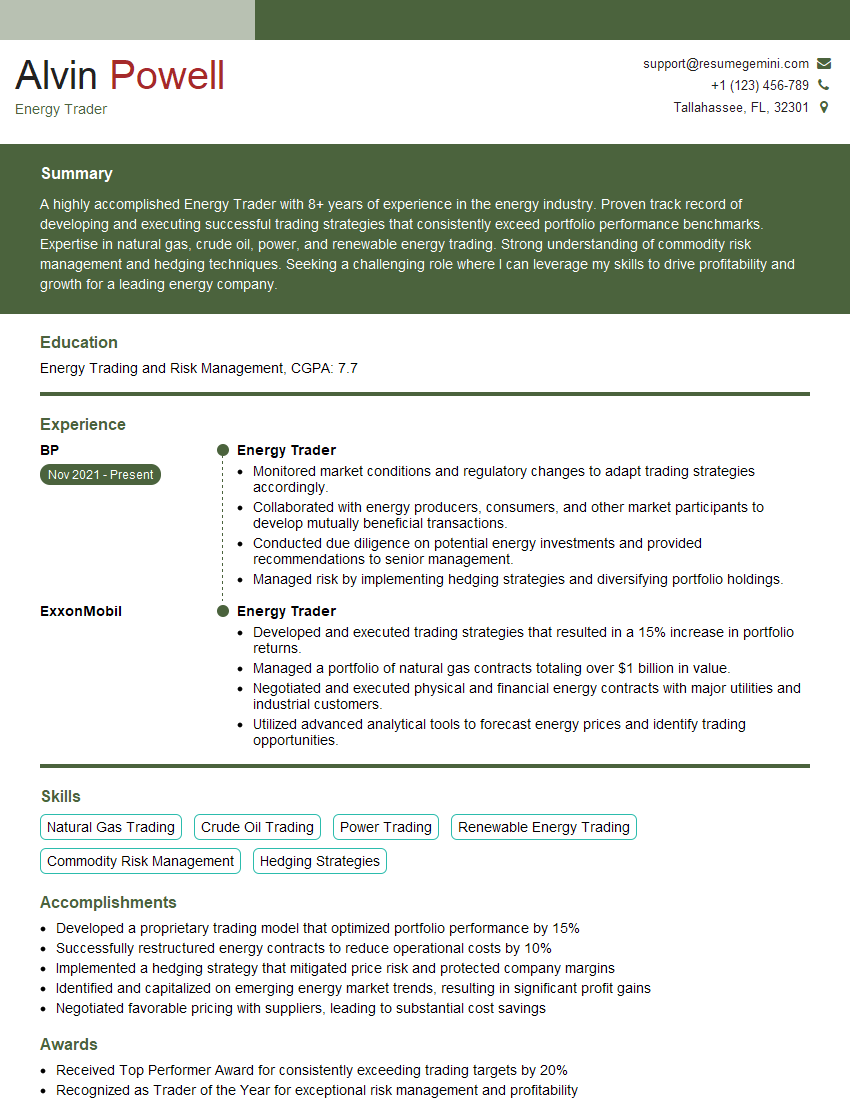
Energy Trader Resume Sample
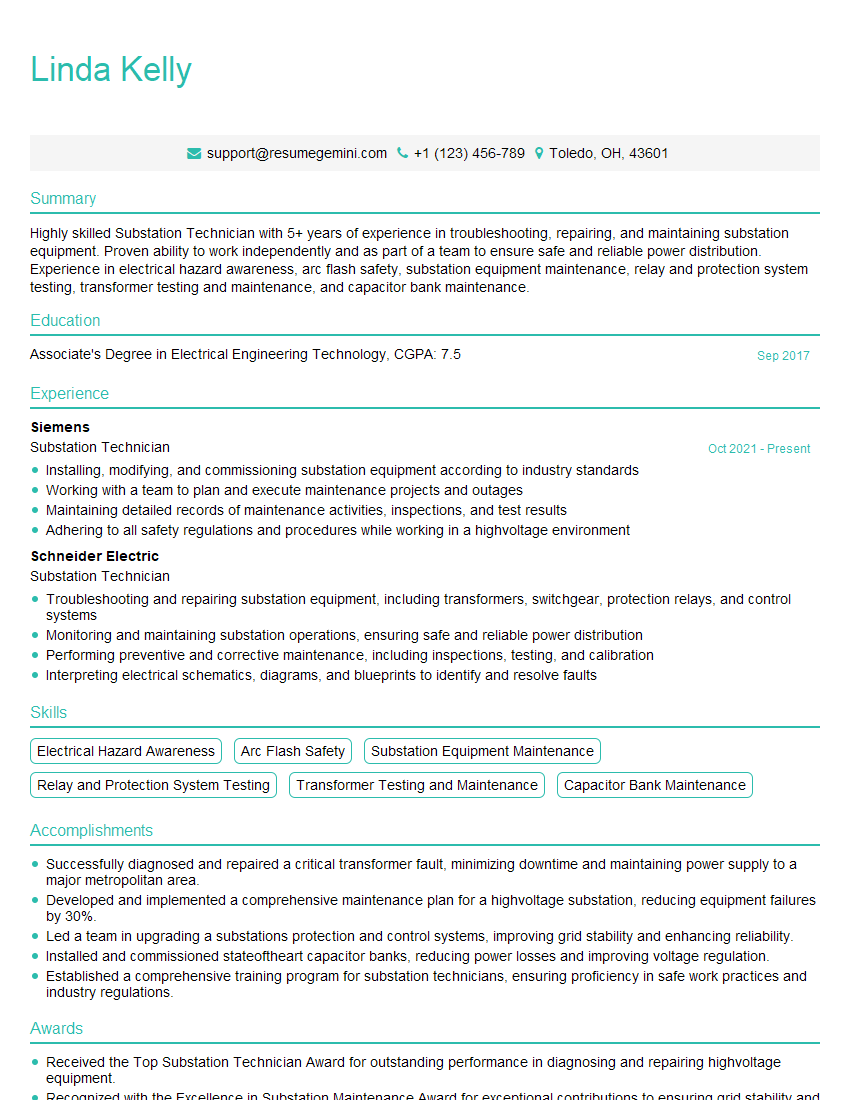
Substation Technician Resume Sample
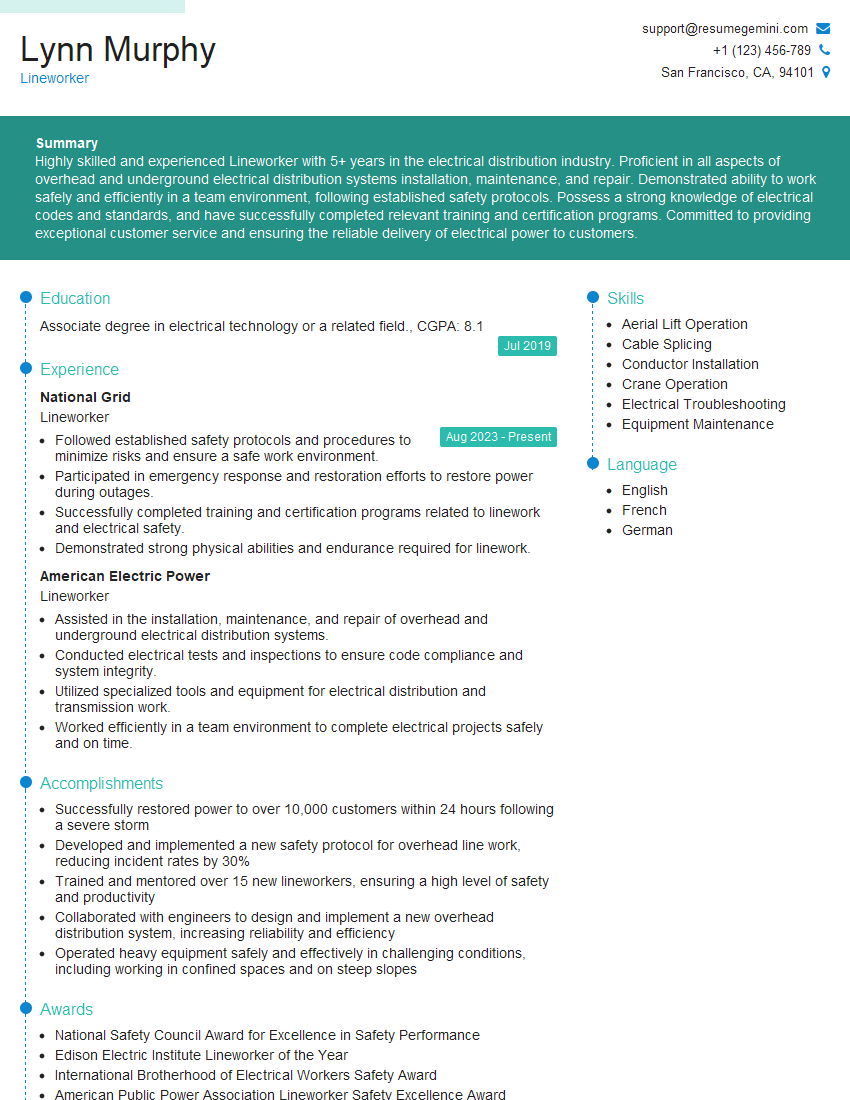
Lineworker Resume Sample
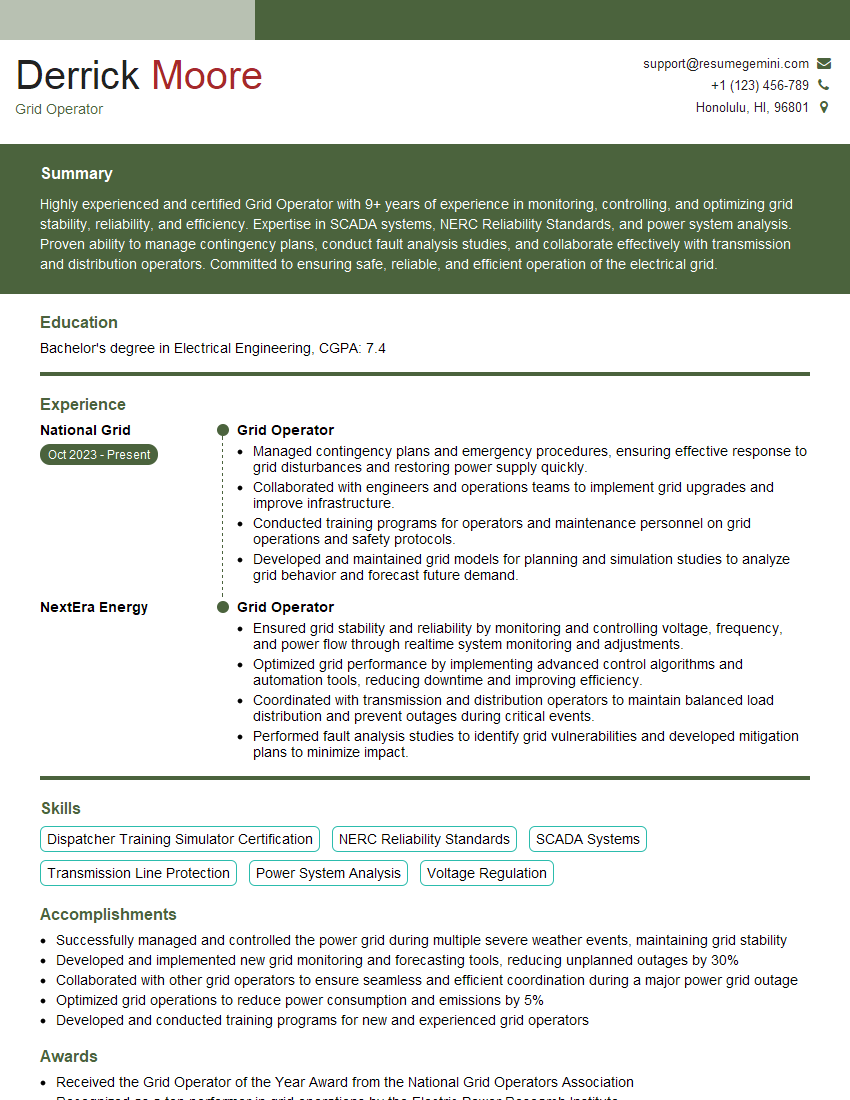
Grid Operator Resume Sample
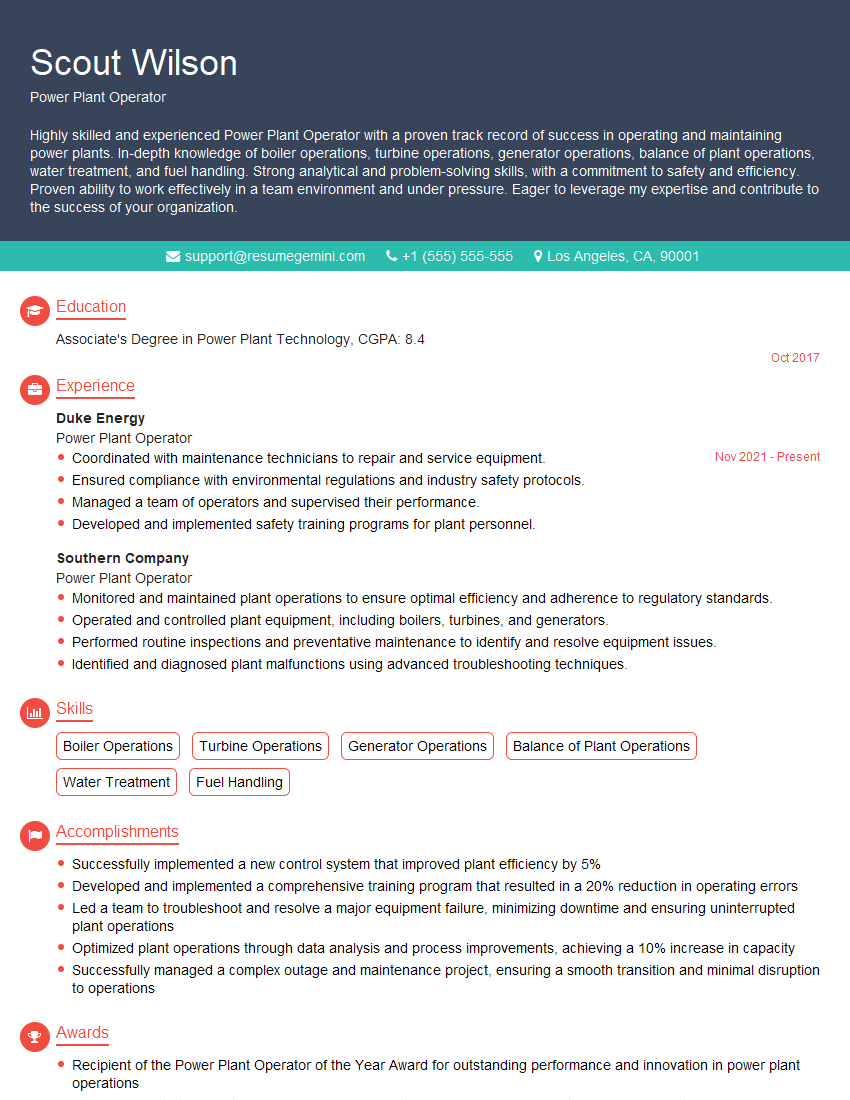
Power Plant Operator Resume Sample
Explore more articles
Users Rating of Our Blogs
Share Your Experience
We value your feedback! Please rate our content and share your thoughts (optional).
What Readers Say About Our Blog
Very informative content, great job.
good