Interviews are opportunities to demonstrate your expertise, and this guide is here to help you shine. Explore the essential Knowledge of Fashion History and Trends interview questions that employers frequently ask, paired with strategies for crafting responses that set you apart from the competition.
Questions Asked in Knowledge of Fashion History and Trends Interview
Q 1. Name three key designers who revolutionized women’s fashion in the 1920s.
The 1920s, a decade of dramatic social and cultural shifts, saw a corresponding revolution in women’s fashion. Three designers who significantly shaped this era were:
Paul Poiret: Although his most impactful work was in the preceding years, Poiret’s influence continued. He’s credited with liberating women from the restrictive corsetry of the Victorian and Edwardian eras, paving the way for looser, more comfortable silhouettes. His designs often featured vibrant colors, luxurious fabrics, and exotic inspirations.
Madeleine Vionnet: Vionnet is celebrated for her innovative bias-cut technique, which allowed for fluid, body-conforming garments that moved with the wearer. This departure from rigid structures was incredibly influential, offering a new level of elegance and sophistication to women’s attire. Her gowns were known for their exquisite drape and simplicity.
Coco Chanel: While her impact spanned far beyond the 1920s, Chanel’s introduction of simpler, more comfortable clothing for women in this decade was groundbreaking. Her use of jersey, a previously unconventional fabric for haute couture, allowed for more relaxed styles, and her designs often incorporated menswear-inspired elements, challenging conventional feminine aesthetics.
Q 2. Discuss the impact of Coco Chanel on 20th-century fashion.
Coco Chanel’s impact on 20th-century fashion is immeasurable. She revolutionized women’s wardrobes by championing practicality and comfort while maintaining an unparalleled level of chic. Key contributions include:
The Little Black Dress (LBD): Chanel’s LBD, democratizing elegance, became a timeless staple, proving that simplicity and sophistication can coexist.
The Chanel Suit: This iconic ensemble, characterized by its tailored jacket and skirt, redefined women’s professional attire, providing comfort and style without sacrificing a powerful aesthetic. It remains a symbol of effortless elegance.
Embracing Masculine Elements: Chanel famously incorporated menswear-inspired elements into her designs, such as tailored trousers and jackets, challenging traditional gender roles in fashion and empowering women through clothing.
The Use of Jersey: Her innovative use of jersey as a couture fabric revolutionized production and wearability. Previously considered unsuitable for high fashion, it allowed for a more fluid, less constricting silhouette.
The Chanel No. 5 Perfume: Beyond clothing, Chanel established a fragrance empire with her iconic perfume, demonstrating the power of branding and the holistic approach to luxury fashion.
Chanel’s legacy extends beyond specific garments; she fundamentally shifted the power dynamic in fashion, empowering women through clothing that was both stylish and practical.
Q 3. Explain the significance of the ‘New Look’ in post-war fashion.
Christian Dior’s ‘New Look,’ introduced in 1947, marked a significant turning point in post-war fashion. Emerging from a period of wartime austerity, the New Look was a dramatic departure from the utilitarian styles of the previous years. It signaled a return to femininity and glamour, embodying a sense of optimism and hope for the future.
Key characteristics of the New Look included a cinched waist, a full, A-line skirt, and a generally more opulent aesthetic. The use of luxurious fabrics and intricate detailing contrasted sharply with the wartime restrictions on materials and embellishments. Think full skirts, rounded shoulders, and a nipped-in waist, creating an hourglass silhouette. This was a radical change from the practical, more masculine styles prevalent during WWII.
The significance of the New Look lies in its psychological impact as much as its aesthetic one. It represented a rejection of wartime hardship and a longing for a more refined and feminine ideal. Its impact resonates even today, serving as a touchstone for designers referencing historical silhouettes.
Q 4. Describe the key characteristics of the Victorian era’s fashion.
Victorian-era fashion (roughly 1837-1901) was characterized by a complex interplay of formality, romanticism, and societal constraints. The silhouette evolved throughout the period, but some key characteristics remained consistent:
Emphasis on the Waist: Corsets were crucial in creating the desired hourglass figure, emphasizing a small waist and full bust and hips. This restrictive garment significantly influenced the overall style of clothing.
Full Skirts: Crinoline (a stiff underskirt) and later bustle (a padded structure at the back) were used to create dramatically full skirts, representing wealth and status. These structures dictated the shape and volume of dresses.
Romantic Aesthetics: Lace, ruffles, embroidery, and other decorative details were heavily used, reflecting the romantic ideals of the era. These embellishments added to the overall ornate appearance of the clothing.
Differentiated Class and Status: Dress played a crucial role in signaling social standing, with elaborate details and materials reserved for the upper classes. The quality and amount of fabric, trims and embellishments clearly marked social position.
Moral Undertones: Clothing reflected Victorian society’s strict moral codes. High necklines, long sleeves, and modest silhouettes were expected from women, showcasing the conservatism of the time.
Victorian fashion, while seemingly restrictive, offers a fascinating insight into the social dynamics and aesthetic preferences of the period. The evolution of the silhouette throughout the era shows the adaptation and change within the constraints of society and available technology.
Q 5. Analyze the influence of subcultures on mainstream fashion trends (e.g., punk, grunge).
Subcultures have consistently played a crucial role in shaping mainstream fashion trends. They offer a powerful counter-narrative to dominant aesthetics, often reflecting rebellion, social commentary, or the desire for self-expression. The influence is typically a two-way street: subcultures adopt and adapt existing styles, but their interpretations often become absorbed into mainstream culture.
Punk: The punk subculture of the 1970s revolutionized fashion with its DIY ethos, deliberately ripped clothing, safety pins, and anti-establishment attitude. While initially shocking, punk aesthetics influenced designers and filtered into mainstream trends through deconstructed elements and rebellious styling.
Grunge: Emerging in the early 1990s, grunge embraced an anti-fashion sensibility, utilizing oversized flannels, ripped jeans, and a generally unkempt appearance. It challenged the polished glamour of previous decades, offering a more relaxed and relatable style that heavily influenced mainstream fashion trends in the mid-90s.
Other subcultures like hip-hop, rave, and goth have also significantly influenced mainstream styles. The process usually involves a filtering mechanism; initially rebellious and niche styles are gradually adopted and commercialized, losing some of their original subcultural meaning but contributing to the broader evolution of fashion.
Q 6. How has technology impacted the fashion industry’s design and production processes?
Technology has profoundly impacted the fashion industry, revolutionizing both design and production processes.
Computer-Aided Design (CAD): CAD software allows designers to create and manipulate designs digitally, speeding up the process, enabling greater precision, and facilitating easier collaboration. This also allows for virtual fittings and pattern making, saving time and resources.
3D Printing: 3D printing is transforming prototyping and production, allowing for customized garments and complex designs that are difficult or impossible to create using traditional methods. It allows for faster prototyping and potentially more sustainable production methods.
Digital Fabrication: Laser cutting, embroidery machines, and other digital fabrication tools allow for precise and efficient manufacturing of intricate details, facilitating both high fashion and mass production.
E-commerce and Social Media: Online platforms have drastically changed the way fashion is marketed, sold, and consumed. Social media platforms provide opportunities for direct-to-consumer sales, influencer marketing, and real-time feedback on trends.
Supply Chain Management: Technology improves supply chain management through better tracking, inventory control, and logistics, leading to increased efficiency and reduced waste. This also allows brands to better monitor their ethical and environmental impact.
The integration of technology is ongoing, constantly reshaping the industry’s landscape and pushing the boundaries of design and production possibilities.
Q 7. Compare and contrast the aesthetics of Minimalism and Maximalism in fashion.
Minimalism and Maximalism represent contrasting approaches to aesthetic expression in fashion. They offer different perspectives on how clothing can communicate style and individuality.
Minimalism: Characterized by simplicity, clean lines, and a limited color palette, minimalism prioritizes functionality and timeless elegance. Minimalist fashion avoids excessive ornamentation or embellishments, focusing on high-quality materials and impeccable tailoring. Think neutral colors, simple silhouettes, and understated elegance.
Maximalism: Maximalism embraces excess, complexity, and vibrant colors. It is characterized by layering, bold patterns, and abundant embellishments. Maximalist fashion prioritizes individual expression and making a statement through clothing. Think vibrant colors, layered textures, and a maximalist approach to accessories and decoration.
While seemingly opposed, both aesthetics offer valid expressions of personal style. Minimalism represents a refined approach to elegance and understated sophistication, while maximalism celebrates creativity, individuality, and bold self-expression. The choice between them reflects different preferences and approaches to aesthetics.
Q 8. What are some current fashion trends you see emerging?
Several exciting fashion trends are emerging right now. One prominent trend is the resurgence of Y2K aesthetics, characterized by low-rise jeans, crop tops, vibrant colors, and playful silhouettes reminiscent of the early 2000s. This isn’t a simple copy-paste, however; designers are reinterpreting these elements with modern fabrics and silhouettes. Another significant trend is the continued growth of sustainable and ethical fashion. Consumers are increasingly conscious of the environmental and social impact of their clothing choices, leading to a higher demand for eco-friendly materials, transparent supply chains, and fair labor practices. We also see a strong emphasis on individuality and self-expression, moving away from strict adherence to trends and celebrating unique personal style. Think maximalism versus minimalism — a push and pull influencing the market. Finally, reimagining classic pieces, such as the tailored blazer or the denim jacket, is a key trend, with designers adding unique twists and details to elevate timeless styles.
Q 9. What are the key factors that contribute to the lifespan of a fashion trend?
The lifespan of a fashion trend is influenced by several interconnected factors. Media saturation plays a crucial role; trends heavily promoted across various platforms tend to have a shorter lifespan due to overexposure. Technological advancements, such as 3D printing and new fabric innovations, can either extend or shorten a trend’s life, offering fresh takes on established styles or making them obsolete faster. Social and cultural shifts significantly impact trends; a trend reflecting a particular societal mood or value might quickly fade as the mood changes. The rate of adoption is another key element; a trend adopted quickly by a wide audience might burn out sooner, while a trend with slower adoption can enjoy a longer run. Finally, the cyclical nature of fashion itself, with trends often returning in updated forms, can extend the lifespan of a style over decades. Think of bell bottoms, which have reappeared multiple times throughout fashion history.
Q 10. How do you predict future fashion trends?
Predicting future fashion trends is a complex task, blending art and science. I utilize a multi-faceted approach. First, I analyze current socio-cultural shifts – looking at changing demographics, political climates, and technological advancements. Second, I closely observe emerging subcultures and youth trends; these often provide early indicators of future mainstream styles. Third, I study historical fashion cycles, understanding that trends often reappear in revised forms. Fourth, I scrutinize the work of avant-garde and independent designers; they often push boundaries and experiment with innovative styles and techniques that may influence mainstream fashion later. Finally, I utilize data analysis, examining sales figures, social media trends, and consumer behavior patterns to identify emerging patterns. This holistic approach allows for more informed predictions, but it’s crucial to remember that even the most insightful predictions have room for surprises.
Q 11. Discuss the ethical considerations in the fashion industry.
The fashion industry faces considerable ethical concerns. Labor exploitation in garment factories, often in developing countries, is a major issue. Many workers face unsafe working conditions, low wages, and long hours. Environmental damage caused by textile production and waste disposal is another pressing issue; the industry is a major contributor to water pollution and greenhouse gas emissions. Animal welfare is also a significant concern, with the use of animal products like fur, leather, and angora wool raising ethical questions. Transparency and traceability in the supply chain are often lacking, making it difficult to ensure ethical practices throughout the production process. Addressing these issues requires a multifaceted approach, including stricter regulations, increased consumer awareness, and greater corporate social responsibility from fashion brands.
Q 12. Explain the concept of ‘fast fashion’ and its impact on society.
Fast fashion refers to the production of trendy and inexpensive clothing at a rapid pace. Its impact on society is multifaceted and largely negative. It contributes significantly to environmental degradation due to the massive consumption and disposal of garments. The emphasis on low prices often results in poor working conditions for garment workers. Fast fashion encourages overconsumption, fostering a culture of disposability and reducing the appreciation for quality and longevity in clothing. Furthermore, the constant churn of new trends contributes to waste and resource depletion. While offering accessible clothing, fast fashion’s negative environmental and social consequences far outweigh its benefits, prompting a growing movement towards sustainable and ethical alternatives.
Q 13. Describe the evolution of denim from its origins to its current status.
Denim’s journey is a fascinating example of fashion evolution. Originating in the 19th century as durable workwear for miners and laborers in Nîmes, France (hence the name “denim,” from “de Nîmes”), it was originally a sturdy, coarse cotton fabric. Its rise to popularity was gradual. In the early 20th century, it became associated with cowboys and the American West, solidifying its image as rugged and practical. The mid-20th century saw denim’s transformation into a youth counter-culture symbol, particularly with the rise of jeans as a staple of rebellious styles, notably through the 1950s and 60s. From there, various styles emerged – bell bottoms, boot-cut, skinny jeans – each reflecting the times. Today, denim retains its versatility and enduring appeal, available in countless washes, styles, and embellishments. It transcends age and subculture, consistently evolving while retaining its fundamental essence of durable practicality and adaptability.
Q 14. How has social media impacted the dissemination and adoption of fashion trends?
Social media has revolutionized the dissemination and adoption of fashion trends. Platforms like Instagram, TikTok, and Pinterest act as powerful visual mediums, instantly showcasing new styles and trends globally. Influencers and celebrities play a crucial role, shaping trends through their posts and endorsements. Social media facilitates rapid trend diffusion, allowing styles to spread across geographical boundaries quickly. It allows for direct consumer feedback and engagement, influencing design and production decisions in real-time. However, it also contributes to trend cycles becoming shorter and faster, fueling overconsumption. The curated nature of social media can also create an unrealistic image of fashion, leading to anxieties and pressures related to body image and style.
Q 15. What is the difference between haute couture and ready-to-wear?
Haute couture and ready-to-wear represent the two ends of the fashion spectrum, differing primarily in production methods, exclusivity, and price. Haute couture, literally translated as ‘high sewing,’ is the highest level of fashion. It involves one-of-a-kind garments, meticulously handcrafted for individual clients by highly skilled artisans. Each piece undergoes extensive fittings and personalized adjustments. This process is incredibly labor-intensive and expensive, limiting its accessibility to a very small, affluent clientele. Think of iconic houses like Chanel, Dior, and Givenchy. Their collections are showcases of exceptional artistry and technique.
Ready-to-wear, on the other hand, refers to mass-produced clothing manufactured in standard sizes. It’s designed for a broader market and offers greater accessibility in terms of price and availability. This category encompasses a wide range of styles and brands, from fast fashion to more established brands focusing on quality and design. Ready-to-wear allows fashion trends to reach a significantly larger audience compared to the exclusivity of haute couture.
Career Expert Tips:
- Ace those interviews! Prepare effectively by reviewing the Top 50 Most Common Interview Questions on ResumeGemini.
- Navigate your job search with confidence! Explore a wide range of Career Tips on ResumeGemini. Learn about common challenges and recommendations to overcome them.
- Craft the perfect resume! Master the Art of Resume Writing with ResumeGemini’s guide. Showcase your unique qualifications and achievements effectively.
- Don’t miss out on holiday savings! Build your dream resume with ResumeGemini’s ATS optimized templates.
Q 16. Discuss the role of sustainability in contemporary fashion design.
Sustainability is no longer a niche concept in fashion; it’s a critical imperative. Contemporary fashion design is increasingly integrating sustainable practices across the entire lifecycle of a garment – from sourcing materials to end-of-life management. This involves several key aspects:
- Ethical Sourcing: Prioritizing organic, recycled, or upcycled materials, and ensuring fair labor practices throughout the supply chain. This means supporting farmers and manufacturers who adhere to environmental and social responsibility standards.
- Circular Design: Designing garments with longevity and recyclability in mind. This could involve using durable materials, employing modular design principles to extend a garment’s lifespan, and designing for easy disassembly and material recovery.
- Reduced Consumption: Encouraging mindful consumption habits through timeless designs, durable garments, and promoting clothing rental or resale platforms. Slow fashion, which focuses on quality over quantity, is a key component.
- Waste Reduction: Minimizing textile waste through efficient production processes and innovative technologies. This includes employing zero-waste pattern cutting techniques and investing in water-efficient dyeing and finishing processes.
Brands like Stella McCartney and Patagonia are leading examples of companies that are actively integrating sustainability into their business models, proving that ethical practices and commercial success can coexist. Consumers are also increasingly demanding sustainable options, driving further change in the industry.
Q 17. Analyze the influence of a specific fashion magazine on shaping consumer preferences.
Vogue magazine has significantly shaped consumer preferences throughout its history. Its influence stems from its editorial power, global reach, and ability to establish trends and create aspirational lifestyles. For instance, Vogue‘s editorial choices dictate which designers, styles, and brands receive prominent coverage, directly influencing what consumers perceive as fashionable and desirable.
By showcasing specific garments, accessories, and beauty looks, Vogue creates a visual narrative that consumers internalize. This is amplified by the magazine’s influence on social media, further enhancing its impact. The magazine has consistently positioned itself as a curator of taste, influencing not only what people wear but also how they present themselves and their lifestyle. Trends presented in Vogue often translate into widespread adoption, demonstrating the significant power of a fashion magazine in shaping global consumer preferences.
Q 18. Name three iconic fashion garments and explain their cultural significance.
Three iconic fashion garments with significant cultural impact are:
- The Little Black Dress (LBD): Popularized by Coco Chanel in the 1920s, the LBD transcends trends and remains a timeless staple. It symbolizes sophistication, versatility, and effortless chic, empowering women with a simple yet elegant garment. Its enduring popularity speaks to its adaptability across various contexts.
- Blue Jeans: Initially workwear, jeans evolved into a global symbol of rebellion, youth culture, and individuality. From their association with the counter-culture movement to their adoption as everyday attire, jeans’ cultural significance is undeniable, reflecting societal shifts and evolving perceptions of style.
- The T-Shirt: Initially undergarments, T-shirts transitioned into mainstream fashion. Their versatility, comfort, and ability to be personalized through graphics and messaging have made them a blank canvas for self-expression. They’ve become vehicles for political statements, brand endorsements, and personal style affirmations.
Q 19. Describe the impact of a major historical event (e.g., World War II) on fashion.
World War II profoundly impacted fashion. The war’s rationing of materials (fabric, dyes, buttons) and workforce shortages led to a shift away from extravagant styles toward practicality and functionality. Skirts became shorter and simpler, shoulders were padded less, and silhouettes streamlined. This era saw the rise of utilitarian styles, reflecting the need for clothing suitable for both work and wartime conditions.
The ‘Victory Suit’ is a prime example, characterized by its simple design and limited use of fabric. This period also saw an increase in the use of recycled materials and the repurposing of existing garments. Post-war, the pent-up desire for extravagance and glamour fueled a resurgence of elaborate fashion, but the wartime experiences irrevocably changed the landscape of fashion design, emphasizing practicality and efficiency in previously unseen ways.
Q 20. How do different cultures influence global fashion trends?
Different cultures exert a powerful influence on global fashion trends through a diverse exchange of aesthetics, techniques, and values. Traditional garments and textile traditions from various cultures are increasingly incorporated into contemporary designs, creating fusion styles that reflect global interconnectedness. For instance, the popularity of kimonos in Western high fashion, the use of Indian block prints, or the integration of African wax prints into mainstream collections. This demonstrates the growing recognition and appreciation for diverse cultural heritage in the fashion world.
Furthermore, cultural shifts and social movements also inspire fashion trends. For example, the rise of modest fashion, reflecting cultural and religious values, has significantly impacted design choices and the availability of clothing options. This shows how fashion is a reflection of and a contributor to cultural evolution.
Q 21. Discuss the importance of understanding fashion history for successful fashion design.
Understanding fashion history is crucial for successful fashion design. It provides designers with a vast repertoire of styles, techniques, and silhouettes. By studying past eras, designers can gain insights into the evolution of fashion, identifying recurring trends, and understanding the cultural context that shaped them. This knowledge enables them to create designs that are both innovative and informed.
Furthermore, understanding the historical impact of materials, manufacturing methods, and socio-cultural shifts allows designers to make informed choices about their own creations. They can draw inspiration from the past while simultaneously innovating, avoiding the repetition of past mistakes, and creating designs that are relevant to contemporary audiences while also respecting fashion’s rich history. Designers who neglect this historical context risk producing derivative work, lacking depth and originality.
Q 22. Explain how to use trend forecasting tools and techniques.
Trend forecasting in fashion isn’t about predicting the future with certainty; it’s about identifying emerging signals and interpreting them to inform design and business decisions. Effective trend forecasting relies on a multifaceted approach, combining quantitative and qualitative data.
- Quantitative Analysis: This involves analyzing sales data, social media analytics (tracking hashtags, mentions, and sentiment), and consumer surveys to identify patterns and emerging preferences. For example, a surge in searches for ‘sustainable fashion’ on Google Trends might indicate a growing market segment.
- Qualitative Analysis: This involves deeper exploration of cultural trends, socio-economic factors, and artistic movements. This might include attending fashion weeks, analyzing runway shows, studying street style, and reviewing design blogs and magazines to identify recurring themes and aesthetics. For instance, noticing a recurring use of vibrant colors across multiple runway collections suggests a potential color trend.
- Trend Forecasting Tools: Several tools facilitate this process. Dedicated trend forecasting platforms aggregate data from various sources, providing analyses and trend reports. Social listening tools can monitor online conversations to uncover emerging trends in real-time. Data visualization tools help represent this complex data clearly and effectively, making patterns more readily apparent.
- Techniques: Techniques like SWOT analysis (Strengths, Weaknesses, Opportunities, Threats) help assess the viability of a trend. Scenario planning allows for exploring different potential future outcomes, depending on various factors. Mind mapping is helpful for organizing and visualizing the interconnectedness of different trends and influences.
In practice, a fashion brand might use trend forecasting to anticipate upcoming demand for oversized silhouettes or specific fabrics, allowing them to optimize their production and marketing strategies to meet that demand effectively.
Q 23. What are some of the challenges facing the fashion industry today?
The fashion industry is currently grappling with a multitude of complex challenges. These challenges are interconnected and often exacerbate one another.
- Sustainability Concerns: The industry’s environmental impact, from water pollution to textile waste, is under intense scrutiny. Consumers are increasingly demanding sustainable and ethically produced clothing, forcing brands to rethink their production processes.
- Supply Chain Disruptions: Geopolitical instability, pandemics, and unforeseen events can severely impact global supply chains, leading to delays, increased costs, and shortages of materials.
- Fast Fashion’s Impact: The rapid turnover of cheap, trend-driven clothing has led to immense waste and ethical concerns regarding labor practices. Balancing affordability with sustainability remains a major hurdle.
- Evolving Consumer Preferences: Consumer expectations are shifting rapidly. Demand for personalized experiences, inclusivity, and transparency regarding production processes is putting pressure on brands to adapt.
- Digital Transformation: The industry needs to adapt to the increasingly important roles of e-commerce and digital marketing, which require sophisticated strategies and technologies.
- Competition and Market Saturation: The sheer number of brands and products makes standing out increasingly difficult, requiring innovative strategies for marketing and branding.
Addressing these challenges requires collaborative efforts across the entire industry, encompassing designers, manufacturers, retailers, and consumers, fostering a more sustainable, ethical, and resilient fashion ecosystem.
Q 24. How do you stay updated on current fashion trends and developments?
Staying abreast of the latest fashion trends is a continuous process that requires a multifaceted approach. I leverage various resources to ensure I remain informed.
- Trade Publications and Magazines: Regularly reading publications like Vogue, WWD, and specialized industry magazines keeps me updated on runway shows, upcoming collections, and general industry news.
- Online Platforms: I actively monitor fashion blogs, websites, and social media platforms like Instagram and Pinterest, observing emerging styles, color palettes, and design details.
- Runway Shows and Fashion Weeks: Attending or virtually following runway shows offers invaluable insights into the creative direction of leading designers and emerging trends.
- Street Style and Social Media Analytics: Analyzing street style photography and social media trends provides a sense of how consumers interpret and adapt high fashion into their personal styles.
- Trend Forecasting Reports: Consulting reports from trend forecasting agencies provides valuable analyses and predictions of future trends.
- Networking and Industry Events: Participating in industry events and networking with designers, stylists, and other professionals provides valuable first-hand information and insights.
This combination of formal and informal sources ensures a comprehensive understanding of the current fashion landscape and its trajectory.
Q 25. Describe your process for analyzing fashion trends and identifying potential future trends.
My process for analyzing current and predicting future trends is iterative and involves several key stages.
- Data Collection: I gather data from a wide array of sources (as detailed in the previous answer). This includes both quantitative data (sales figures, social media analytics) and qualitative data (runway shows, street style, cultural observations).
- Pattern Identification: I analyze the collected data to identify recurring themes, color palettes, silhouettes, and other stylistic elements. This involves looking for commonalities and divergences across different sources.
- Trend Categorization: I categorize identified trends based on their potential longevity and impact. Some trends might be fleeting micro-trends, while others may represent more significant shifts in style.
- Contextual Analysis: I consider the socio-cultural context surrounding each trend. Understanding the historical, economic, and technological factors that shape trends is crucial for accurate prediction.
- Prediction and Forecasting: Based on the analysis, I create forecasts regarding the potential evolution and trajectory of identified trends. This includes predicting the timing of peak popularity and potential variations.
- Validation and Refinement: I regularly revisit and refine my forecasts as new information emerges. The forecasting process is not static; it requires constant monitoring and adaptation.
This systematic approach ensures that my trend analyses are well-informed, grounded in data, and account for the complex interplay of factors influencing fashion.
Q 26. How do you translate historical fashion trends into contemporary designs?
Translating historical fashion trends into contemporary designs requires a delicate balance between authenticity and modernity. It’s not about mere replication; it’s about extracting the essence of a historical style and reinterpreting it for a modern audience.
- Identify Core Elements: First, I focus on identifying the key elements that define the historical period’s aesthetic. This could involve specific silhouettes, fabric choices, embellishments, or color palettes.
- Modern Adaptation: I then adapt these core elements to contemporary sensibilities. This might involve updating the silhouette to be more streamlined, using modern fabrics or techniques, or adjusting the color palette to reflect current trends.
- Contextualization: It is crucial to understand the socio-cultural context of the historical period. This helps to avoid creating a design that feels like a mere costume.
- Innovation and Creativity: While drawing inspiration from history, I also focus on incorporating innovative design elements and creative techniques to avoid a mere copy. The goal is to create something fresh and original, informed by the past but firmly rooted in the present.
For example, a collection inspired by the flapper dresses of the 1920s might retain the dropped waistline and loose silhouette but update the fabric to a modern material like silk crepe or incorporate asymmetrical details for a contemporary twist.
Q 27. Discuss your experience with fashion research methods (primary and secondary sources).
My fashion research utilizes both primary and secondary sources to ensure a comprehensive and nuanced understanding.
- Primary Sources: These are firsthand accounts and artifacts from the period under study. Examples include original garments, design sketches, photographs, diaries, letters, and interviews with individuals who lived during the period. Accessing primary sources requires meticulous archival research, often involving visits to museums, libraries, and private collections.
- Secondary Sources: These are interpretations and analyses of primary sources. They include books, academic articles, documentaries, and fashion history texts. Secondary sources provide valuable context and analysis, helping me to interpret and understand the primary source material more effectively.
For instance, when researching Victorian fashion, I would examine original garments in museums, alongside academic articles that interpret social and technological influences on clothing design. This allows for a multi-layered understanding that goes beyond surface-level aesthetics.
Q 28. How would you approach the design of a collection inspired by a specific historical period?
Designing a collection inspired by a specific historical period is a highly creative and research-intensive process. My approach is structured and methodical.
- Thorough Research: Begin with extensive research, using both primary and secondary sources, to understand the socio-cultural context and the key stylistic elements of the chosen period. This research informs the design direction and ensures historical accuracy.
- Mood Board Creation: Create a mood board to visually represent the chosen historical period. Include images, fabrics, colors, and textures that capture the essence of the era.
- Silhouette and Structure: Determine the core silhouette and structural elements characteristic of the chosen period. This might include specific waistlines, necklines, sleeve lengths, or overall body shapes.
- Fabric Selection: Choose fabrics that are appropriate for the period and reflect the available technology and materials at the time. Consider both the visual and tactile qualities of the fabric.
- Color Palette: Establish a color palette that is consistent with the chosen historical period. Research common color choices and their symbolic meanings.
- Detailing and Embellishment: Incorporate details and embellishments that are authentic to the period. This might include specific types of embroidery, beading, lace, or buttons.
- Modern Interpretation: While referencing historical styles, introduce a contemporary twist to avoid a literal copy. This could involve updating silhouettes, modifying details, or using modern fabric techniques.
The result is a collection that pays homage to the chosen historical period but resonates with contemporary audiences through its innovative use of historical references and modern design sensibilities.
Key Topics to Learn for Your Knowledge of Fashion History and Trends Interview
- Major Fashion Eras: Understand the key characteristics, influential designers, and socio-cultural contexts of significant periods in fashion history (e.g., Victorian Era, Art Deco, 1960s Mod, etc.). Consider how these eras inform contemporary design.
- Design Movements and Their Impact: Analyze the impact of movements like Bauhaus, Futurism, and Pop Art on fashion design, and how these influences are still visible today. Be prepared to discuss how these movements translated into garment construction, silhouette, and overall aesthetic.
- Key Designers and Their Contributions: Familiarize yourself with the work of influential designers throughout history, understanding their unique styles, innovations, and lasting legacies. Be ready to discuss the evolution of their design philosophies.
- Textile History and Innovation: Explore the evolution of textile production and its impact on fashion. Discuss the significance of different fabrics and their association with various eras and styles.
- Current Fashion Trends and Forecasting: Analyze current fashion trends, identify emerging trends, and understand the methodologies used in trend forecasting. Be prepared to discuss the factors influencing these trends (e.g., social media, technology, global events).
- The Business of Fashion: Understand the different facets of the fashion industry, from design and manufacturing to marketing and retail. This includes understanding supply chains, sustainability, and ethical considerations.
- Analyzing Fashion Imagery and Communication: Develop your ability to critically analyze fashion photography, runway shows, and other forms of visual communication in fashion. Understand how these communicate brand identity and trends.
- Problem-solving in Fashion: Consider how you might approach design challenges, such as adapting historical styles to modern contexts or resolving production issues while maintaining design integrity.
Next Steps
Mastering knowledge of fashion history and trends is crucial for a successful career in the dynamic fashion industry. A strong understanding of these topics demonstrates a deep appreciation for the craft, a keen eye for detail, and the ability to contextualize current trends. To maximize your job prospects, creating a compelling and ATS-friendly resume is essential. ResumeGemini is a trusted resource that can help you build a professional resume that showcases your skills and experience effectively. We provide examples of resumes tailored to roles requiring knowledge of fashion history and trends, helping you present your qualifications in the best possible light.
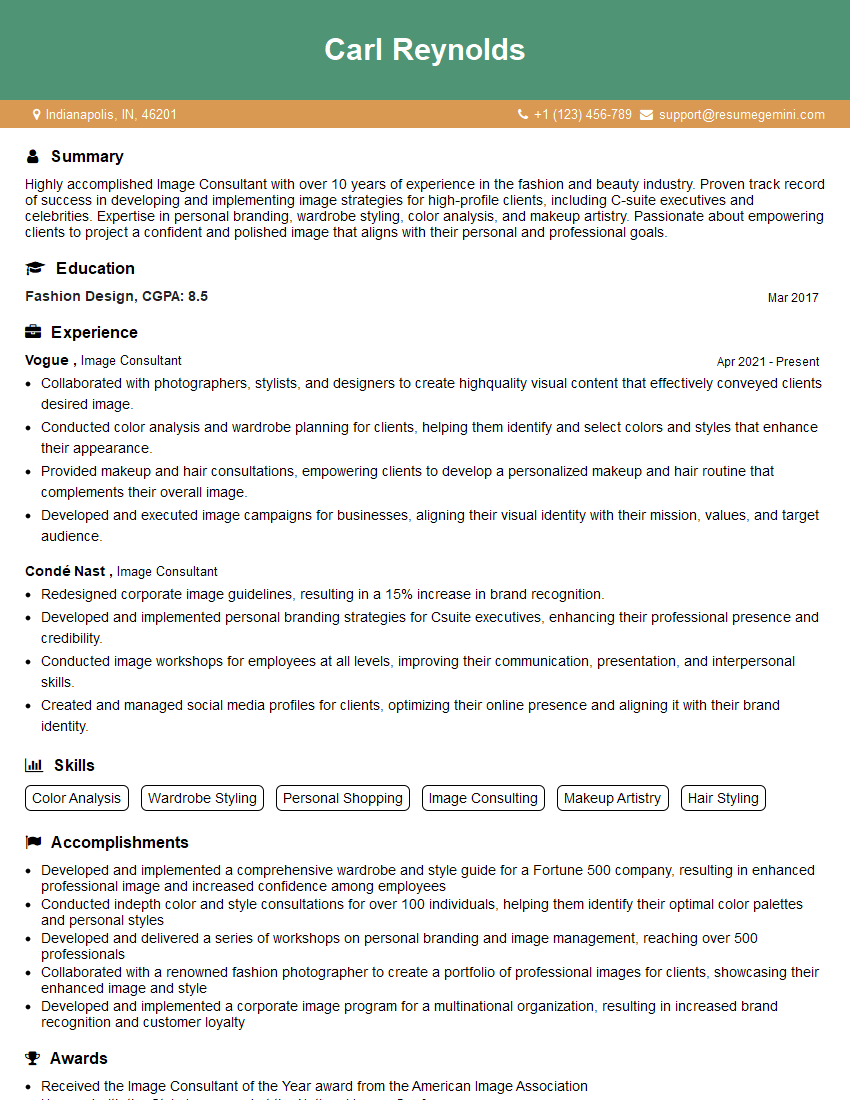
Image Consultant Resume Sample
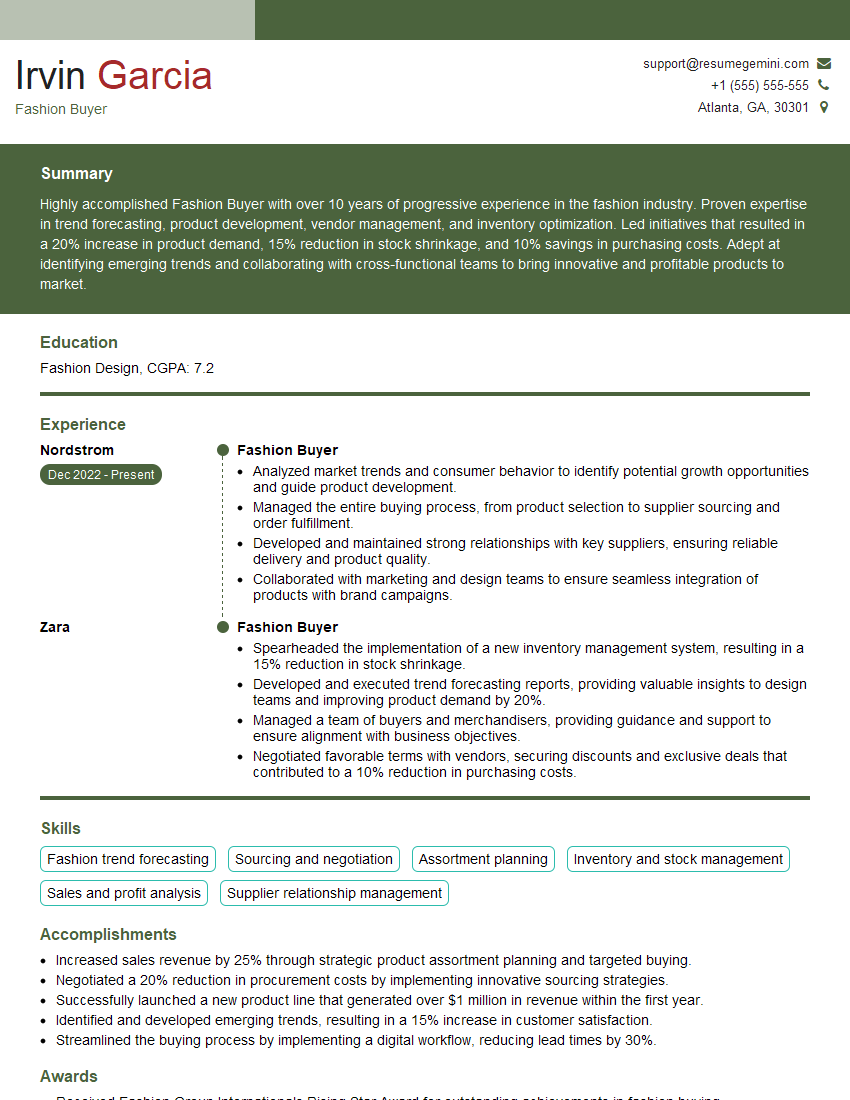
Fashion Buyer Resume Sample
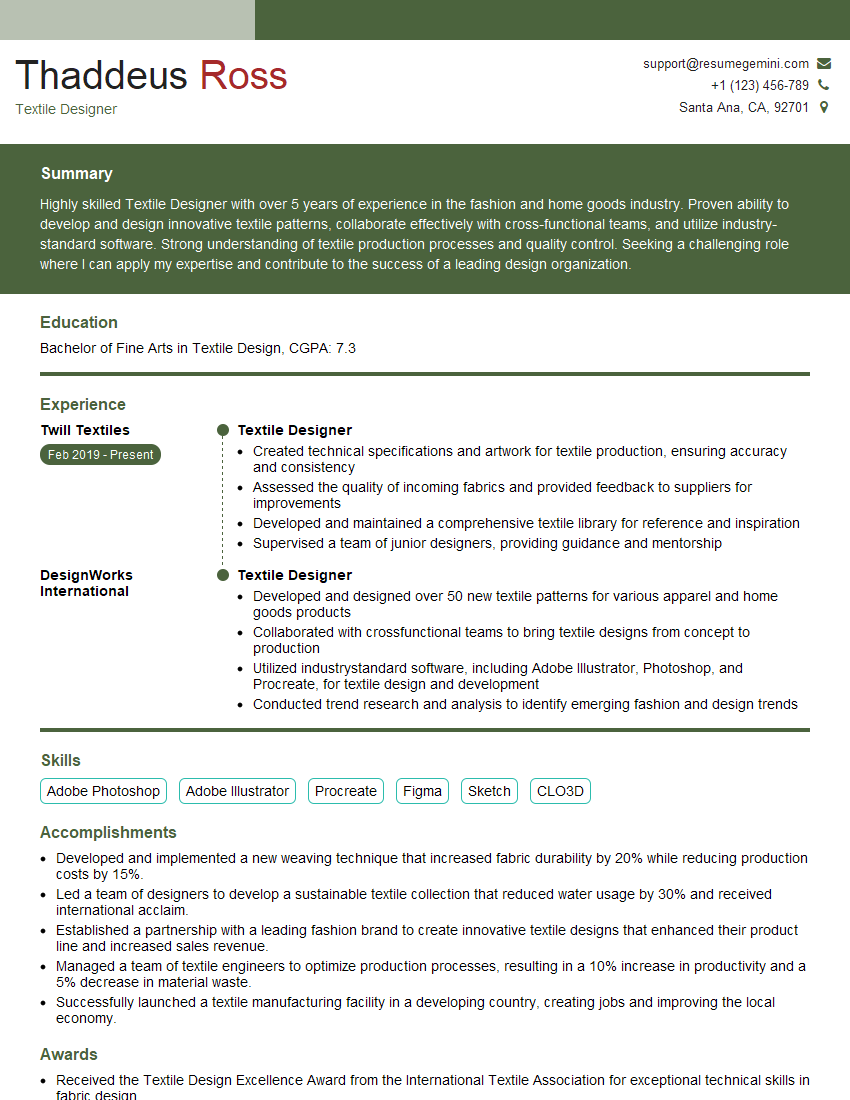
Textile Designer Resume Sample
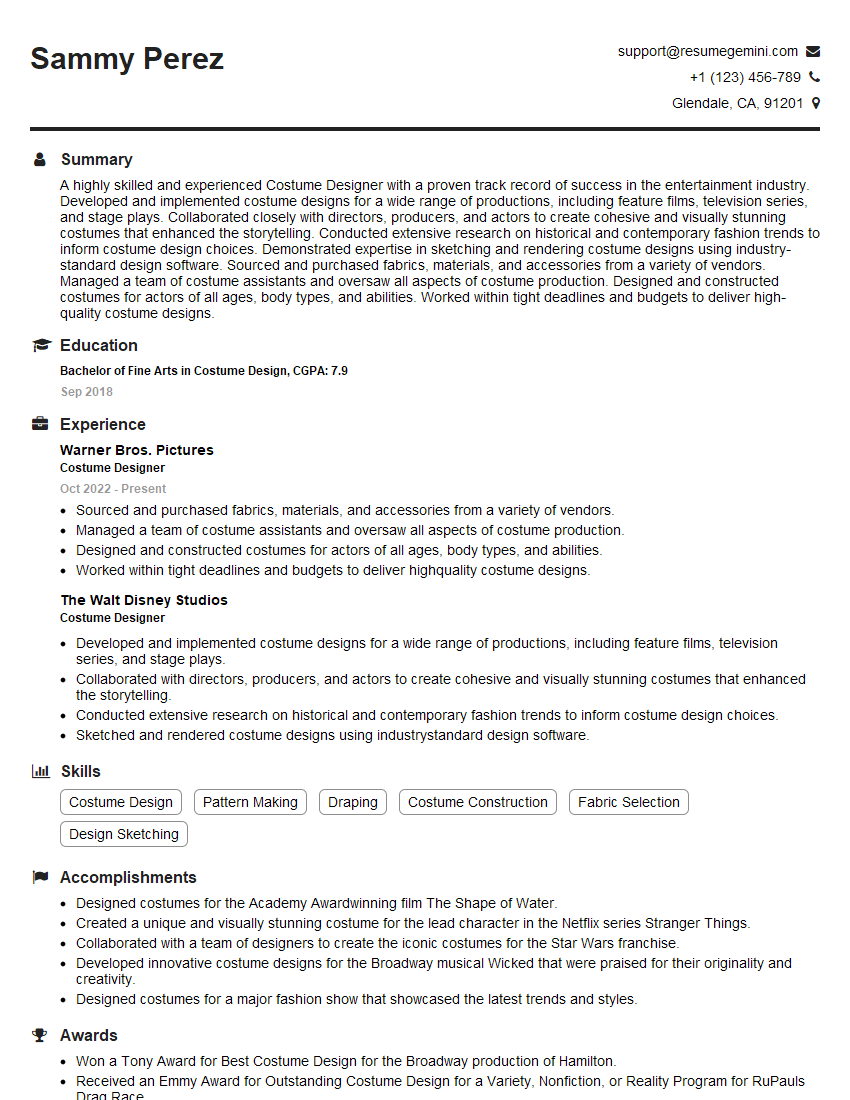
Costume Designer Resume Sample
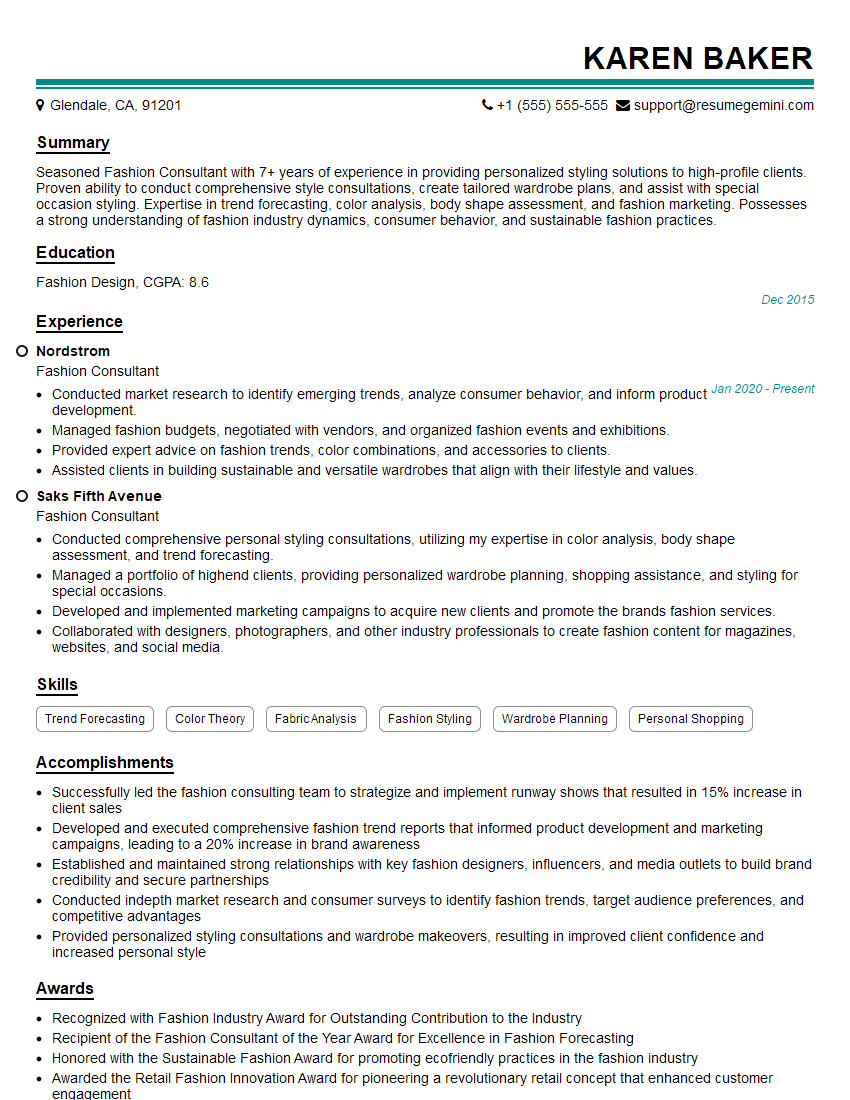
Fashion Consultant Resume Sample
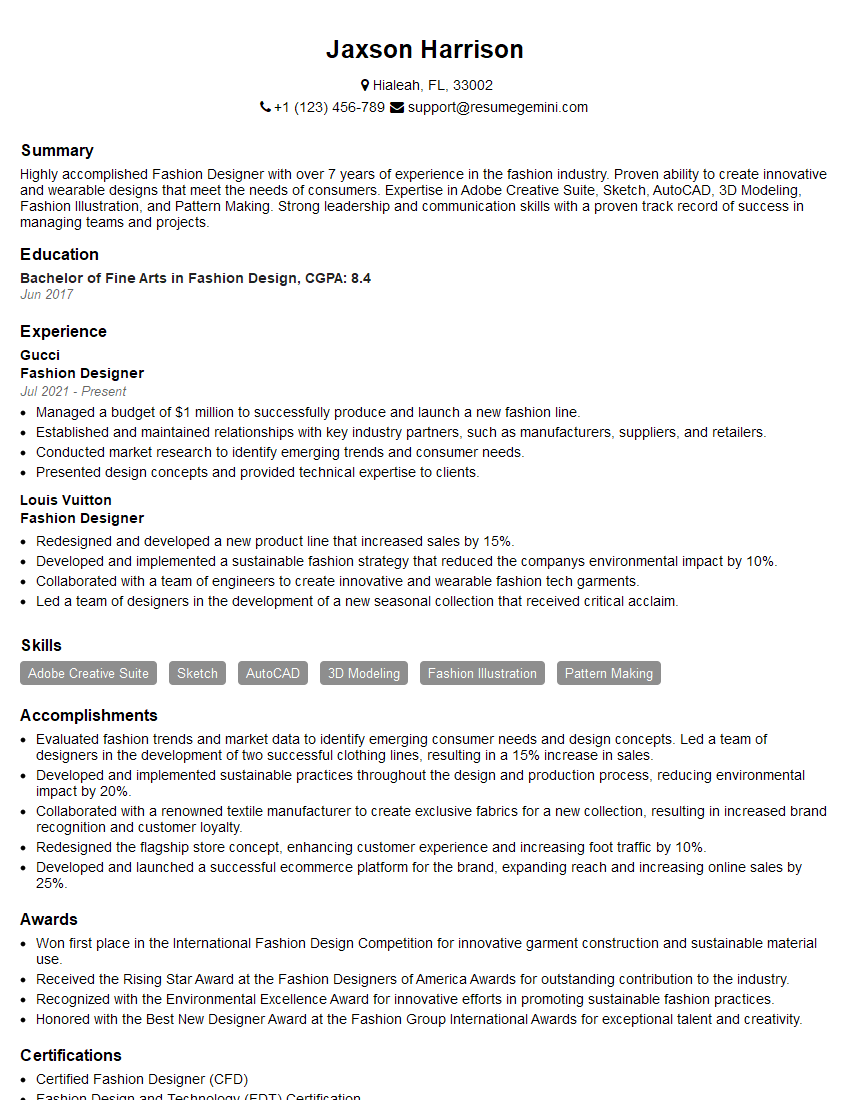
Fashion Designer Resume Sample
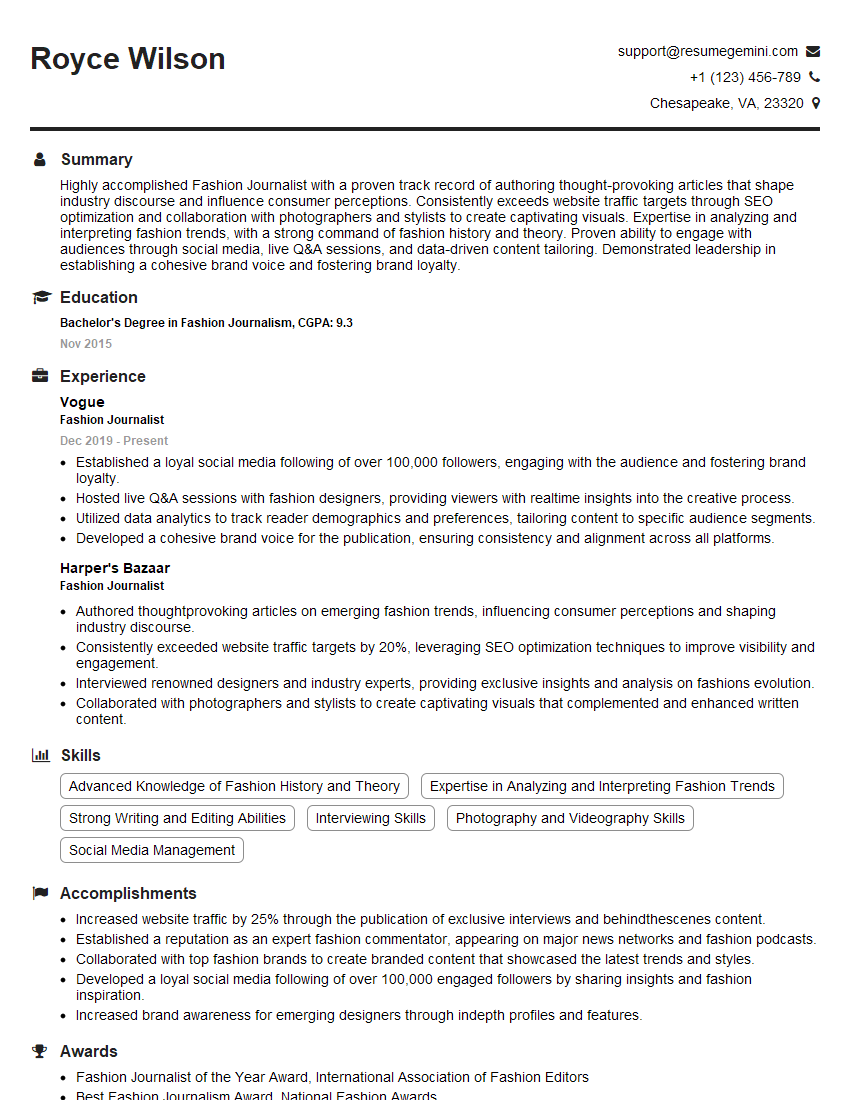
Fashion Journalist Resume Sample
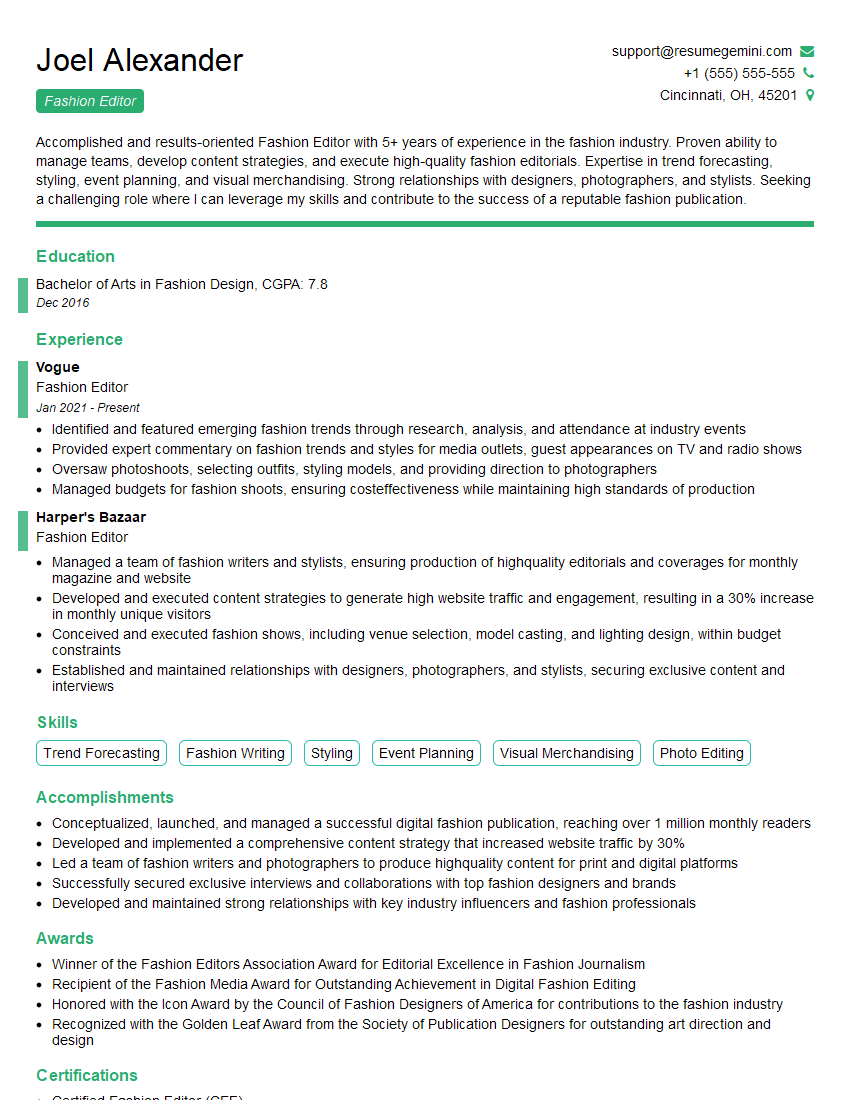
Fashion Editor Resume Sample
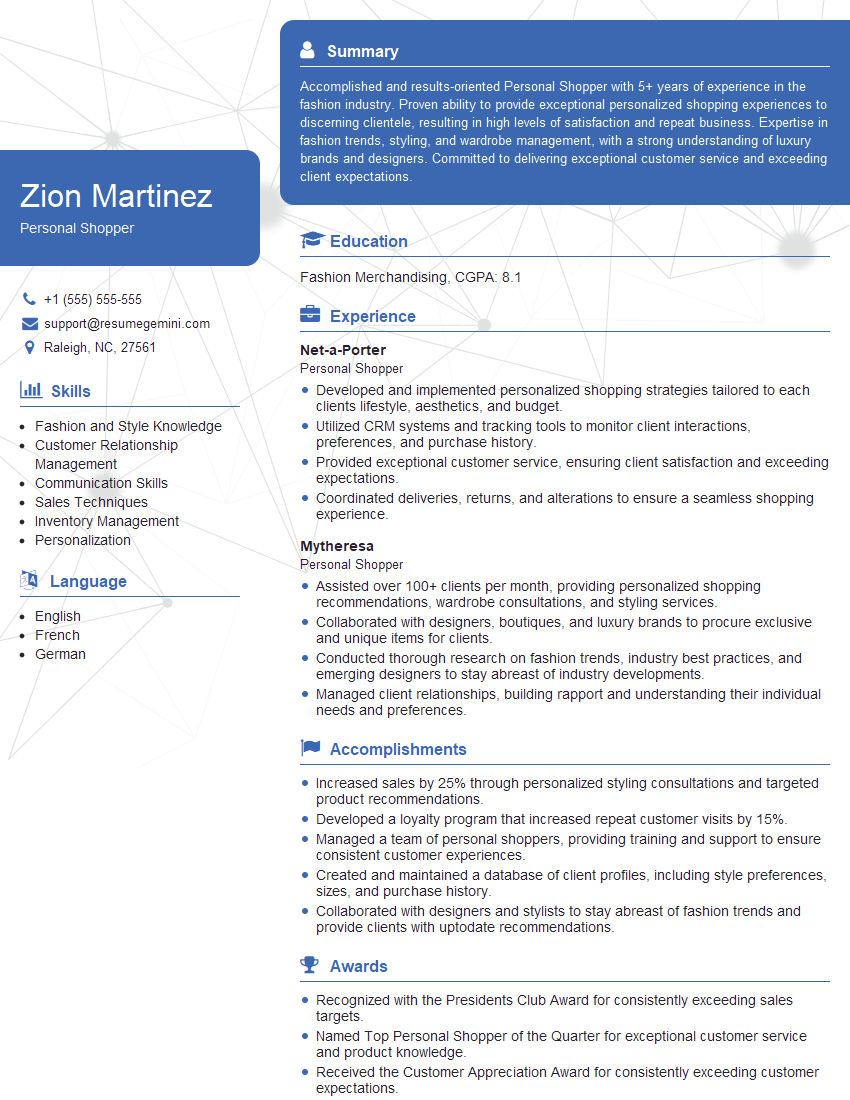
Personal Shopper Resume Sample
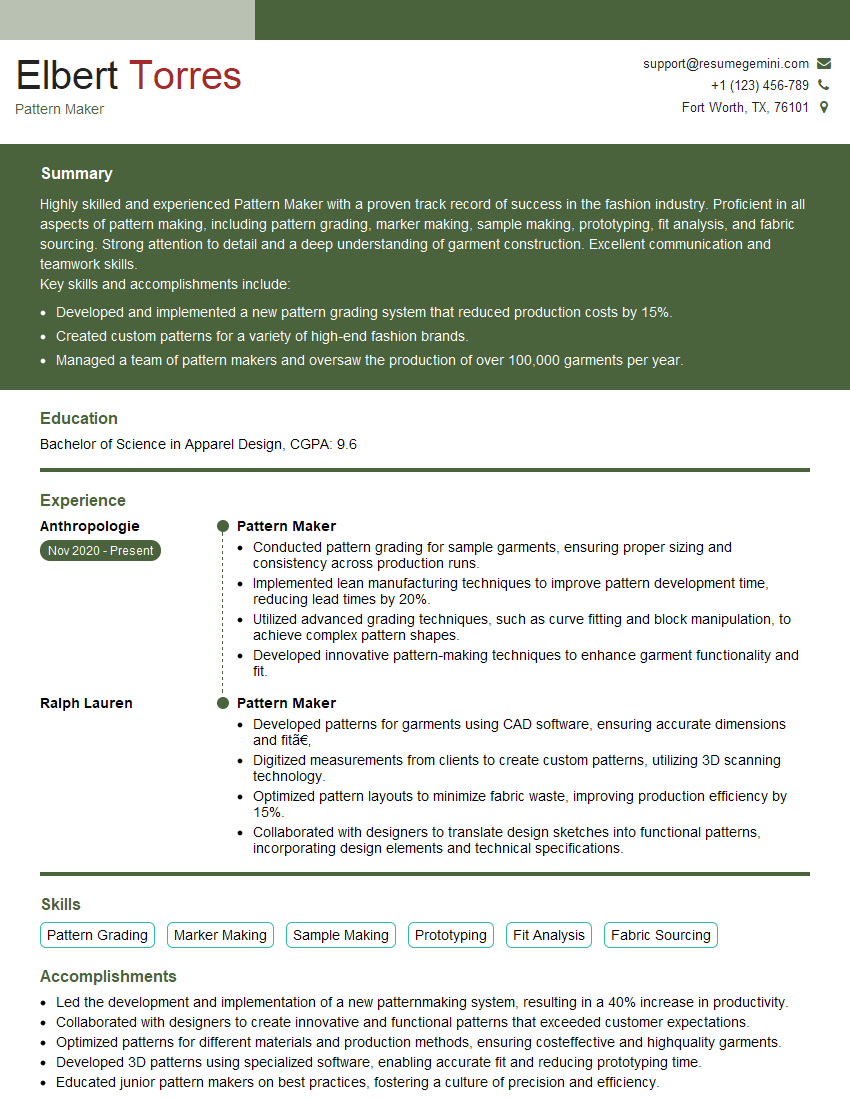
Pattern Maker Resume Sample
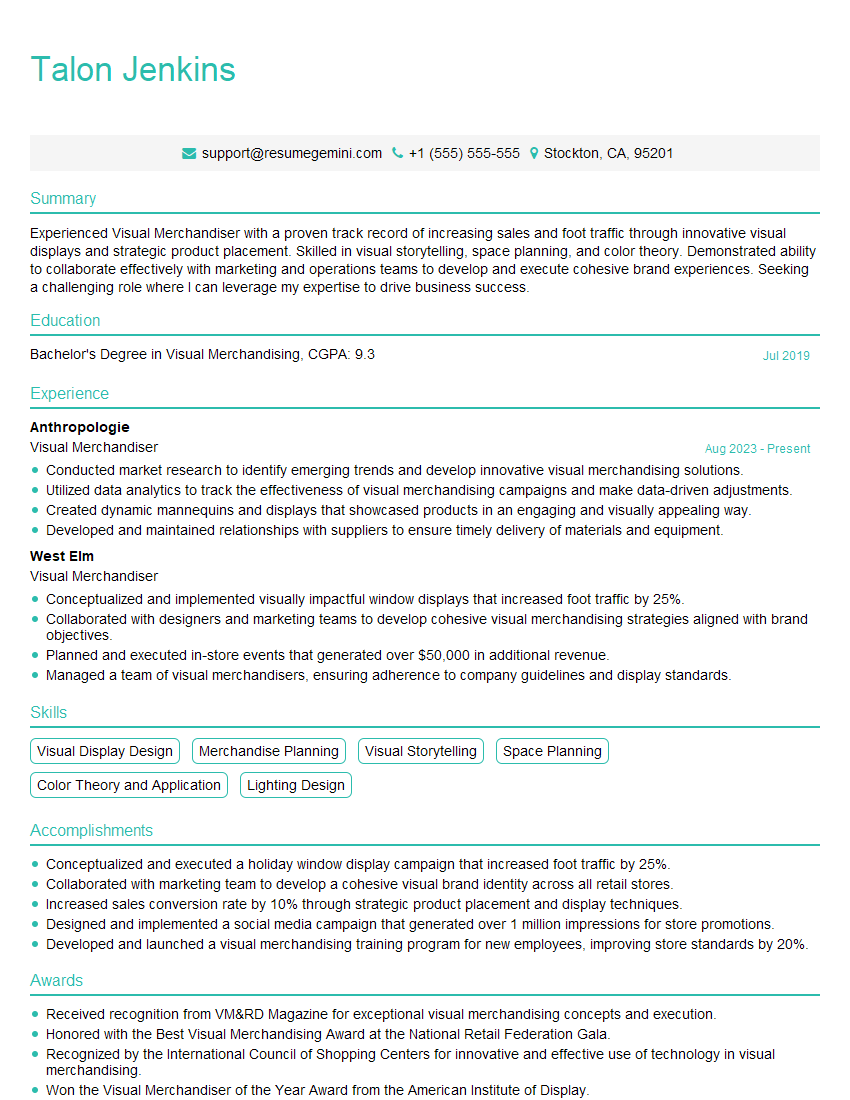
Visual Merchandiser Resume Sample
Explore more articles
Users Rating of Our Blogs
Share Your Experience
We value your feedback! Please rate our content and share your thoughts (optional).
What Readers Say About Our Blog
Very informative content, great job.
good