The right preparation can turn an interview into an opportunity to showcase your expertise. This guide to Knowledge of Food Safety interview questions is your ultimate resource, providing key insights and tips to help you ace your responses and stand out as a top candidate.
Questions Asked in Knowledge of Food Safety Interview
Q 1. Explain the principles of HACCP.
HACCP, or Hazard Analysis and Critical Control Points, is a systematic, preventative approach to food safety. Instead of simply reacting to contamination, HACCP proactively identifies potential hazards and puts controls in place to prevent them from occurring. It’s a science-based approach that focuses on controlling biological, chemical, and physical hazards throughout the food production process, from farm to table. Think of it as a proactive safety net, rather than a reactive cleanup crew.
Q 2. Describe the seven HACCP principles.
The seven principles of HACCP are:
- Conduct a hazard analysis: Identify potential hazards (biological, chemical, physical) that could occur at each step of the food production process. For example, in a bakery, a hazard analysis might identify the risk of E. coli contamination from flour or cross-contamination from different ingredients.
- Determine critical control points (CCPs): These are the points in the process where control can be applied to prevent or eliminate a hazard or reduce it to an acceptable level. In the bakery example, baking at a high enough temperature might be a CCP to eliminate E. coli.
- Establish critical limits: Set specific measurable limits for each CCP. For example, the baking temperature might need to reach 212°F (100°C) for a specific duration to be considered safe.
- Establish monitoring procedures: Develop procedures to monitor CCPs and ensure critical limits are met. This could involve using a thermometer to monitor oven temperature constantly during baking.
- Establish corrective actions: Determine what actions to take if monitoring shows that a CCP is not under control. If the oven temperature drops below the critical limit, corrective actions might include increasing the oven temperature and discarding any product baked at a lower temperature.
- Establish verification procedures: Implement procedures to confirm that the HACCP system is working effectively. This could involve regular audits and staff training.
- Establish record-keeping and documentation procedures: Maintain complete and accurate records of all aspects of the HACCP system. These records would demonstrate compliance with safety standards and allow for tracing in case of a food safety incident.
Q 3. What are critical control points (CCPs)?
Critical Control Points (CCPs) are steps in the food production process where a control measure can be applied and is essential to prevent or eliminate a food safety hazard or reduce it to an acceptable level. They are the points where things can go wrong, and where we must have tight control to ensure safety. Not every step in food production is a CCP; only those that directly affect safety.
Q 4. How do you identify and manage CCPs?
Identifying and managing CCPs is a crucial aspect of HACCP. It involves a systematic approach:
- Hazard Analysis: First, identify all potential hazards. Consider biological (bacteria, viruses), chemical (pesticides, toxins), and physical (glass, metal) hazards.
- Decision Tree: Use a decision tree to evaluate each step in the process. Ask: Does this step have the potential to introduce a hazard? Can this hazard be prevented or reduced to a safe level at this step? If yes to both, it’s a potential CCP.
- CCP Determination: Based on the hazard analysis and decision tree, determine the points where control is essential. This might involve temperature control during cooking, proper sanitation practices, or metal detection in packaging.
- Critical Limits: For each CCP, establish clear, measurable, and achievable limits (e.g., minimum cooking temperature, maximum storage time, pH level).
- Monitoring: Regularly monitor each CCP using appropriate methods (thermometers, timers, visual inspection).
- Corrective Actions: Establish protocols for when limits aren’t met, such as discarding affected products, cleaning equipment, or retraining staff.
- Verification: Regularly verify that the CCP system is working effectively through audits, reviews, and testing.
For example, in a canning factory, the sterilization step is a crucial CCP. Failure to achieve the required temperature and time will result in bacterial growth and potentially cause botulism.
Q 5. What are the common foodborne illnesses and their prevention?
Common foodborne illnesses include Salmonella (from poultry, eggs, and produce), E. coli (from undercooked beef and contaminated produce), Listeria (from ready-to-eat foods), Campylobacter (from poultry and unpasteurized milk), and Norovirus (from contaminated food and surfaces). Prevention strategies include:
- Proper cooking temperatures: Cook food to safe internal temperatures to kill harmful bacteria.
- Safe food handling: Wash hands frequently, avoid cross-contamination, and refrigerate perishable foods promptly.
- Source control: Use safe sources of food, choose pasteurized products over unpasteurized ones, and ensure food suppliers adhere to safety regulations.
- Good hygiene practices: Maintain cleanliness of food preparation surfaces and equipment.
- Proper storage: Store food at safe temperatures to prevent bacterial growth.
Q 6. Explain the importance of proper handwashing in food safety.
Proper handwashing is paramount in food safety. Hands can easily transfer bacteria and viruses from various sources to food, causing illness. Think about everything your hands touch throughout the day – doorknobs, phones, raw meat. Then imagine those same hands preparing a meal. Thorough handwashing prevents this chain of contamination.
Effective handwashing involves:
- Using warm water and soap.
- Scrubbing hands vigorously for at least 20 seconds.
- Washing all surfaces, including between fingers and under nails.
- Rinsing thoroughly.
- Drying hands with a clean towel or air dryer.
Handwashing is especially critical before, during, and after food preparation, after using the restroom, and after handling raw meat or other potentially contaminated items. Frequent handwashing significantly reduces the risk of foodborne illness.
Q 7. Describe different food preservation methods and their effectiveness.
Many methods preserve food by inhibiting microbial growth and slowing down spoilage. Their effectiveness varies depending on the food and the specific method:
- Refrigeration: Low temperatures slow microbial growth, but don’t kill microorganisms. Effective for short-term preservation.
- Freezing: Lowers temperature significantly, effectively halting microbial growth and enzyme activity. A great long-term preservation method.
- Canning: Food is heated to high temperatures to kill microorganisms and then sealed to prevent recontamination. Effective for long-term storage if done correctly.
- Drying: Reduces water activity, inhibiting microbial growth. Effective for many foods, but can affect texture and nutrient content.
- Pasteurization: Heating food to a specific temperature for a set time kills harmful microorganisms. Commonly used for milk and juices.
- Fermentation: Uses beneficial microorganisms to produce lactic acid or other compounds that inhibit spoilage bacteria. A traditional method for preserving vegetables and meats.
- High-pressure processing (HPP): Uses high pressure to inactivate microorganisms without significantly changing food texture or nutrient content. A relatively new method showing promise.
The choice of preservation method depends on factors such as the type of food, desired shelf life, and available resources. Some methods, like canning, require strict adherence to protocols to ensure safety and prevent botulism.
Q 8. What are the key elements of a food safety management system?
A robust Food Safety Management System (FSMS) is the cornerstone of any food business, ensuring safe food reaches consumers. It’s a proactive approach, not just reactive. Key elements include:
- Hazard Analysis and Critical Control Points (HACCP): This systematic approach identifies potential hazards throughout the food production process, from farm to table, and establishes critical control points (CCPs) where these hazards can be prevented, eliminated, or reduced to safe levels. Think of it as a detailed risk assessment for your entire operation.
- Good Manufacturing Practices (GMPs): These are basic sanitation, hygiene, and operational procedures that prevent contamination. This covers everything from handwashing protocols to equipment cleaning schedules and pest control.
- Standard Operating Procedures (SOPs): Detailed, step-by-step instructions for every task, ensuring consistency and minimizing errors. For example, an SOP for preparing a specific dish would detail ingredient quantities, preparation steps, cooking temperatures, and cooling procedures.
- Supplier Management: Verifying the safety and quality of ingredients from suppliers. This might involve audits of their facilities or checking their food safety certifications.
- Personnel Training: Regular training for all employees on food safety principles, hygiene practices, and the company’s specific SOPs. This is crucial, as human error is a major source of food contamination.
- Monitoring and Record-Keeping: Regular monitoring of CCPs and other critical parameters, and meticulous record-keeping to demonstrate compliance and track any issues. This includes temperature logs, cleaning logs, and any incident reports.
- Corrective Actions: Procedures for identifying, investigating, and correcting any food safety deviations. If a temperature log shows a deviation, a corrective action plan will define steps to prevent it from happening again.
- Verification and Validation: Regular audits and inspections to ensure that the FSMS is effective and that all procedures are being followed. This provides an objective assessment of the system’s efficacy.
Implementing a comprehensive FSMS is not simply about ticking boxes; it’s about building a culture of food safety within the organization.
Q 9. How do you conduct a food safety audit?
Conducting a food safety audit involves a systematic evaluation of a food business’s adherence to food safety regulations and its own FSMS. It’s a multi-step process:
- Planning: Defining the scope of the audit (which areas, processes, and regulations will be assessed), creating a checklist based on relevant regulations and standards, and scheduling the audit.
- Document Review: Examining relevant documentation such as HACCP plans, SOPs, training records, supplier certifications, and temperature logs. This helps identify potential weaknesses before the on-site inspection.
- On-site Inspection: A thorough observation of the facility, including equipment, processes, and employee practices. This involves visually inspecting facilities, observing processes, and interviewing employees. I’d look at things like handwashing practices, equipment sanitation, storage temperatures, and pest control measures.
- Sampling (if applicable): Collecting food samples for laboratory testing to ensure microbiological safety and compliance with chemical and physical standards. The frequency and type of sampling depends on the specific audit and the product.
- Interviewing: Speaking with employees at different levels to assess their understanding of food safety procedures and their compliance. This helps to gauge the awareness and training efficacy.
- Report Writing: Documenting findings, including observations, non-conformances, and recommendations for improvement. This is a crucial step, providing a clear picture of the facility’s strengths and areas for improvement.
- Follow-up: Working with the audited facility to develop and implement a corrective action plan to address any identified non-conformances and verifying the effectiveness of corrective actions.
A successful audit is more than just finding problems; it’s about providing constructive feedback and helping businesses improve their food safety performance.
Q 10. What are your experience with food safety regulations (e.g., FDA, USDA)?
My experience encompasses a wide range of food safety regulations, including the FDA’s Food Safety Modernization Act (FSMA) and the USDA’s regulations for meat and poultry. I’m familiar with the requirements for Hazard Analysis and Critical Control Points (HACCP), Good Manufacturing Practices (GMPs), and the various record-keeping requirements. For example, I’ve assisted numerous companies in achieving FSMA compliance, helping them develop and implement Preventive Controls for Human Food plans. With regards to USDA regulations, I have experience auditing meat processing facilities, ensuring adherence to their specific sanitation and inspection protocols. I understand the nuances of these regulations and how they apply to different food types and processing methods. I’ve seen firsthand how a thorough understanding of these regulations can prevent serious food safety incidents and protect consumers.
Q 11. How do you investigate and handle a food safety incident?
Investigating a food safety incident requires a rapid and systematic approach to identify the root cause, prevent further illness, and implement corrective actions. The steps typically involve:
- Immediate Containment: Quickly isolate the affected product to prevent further distribution. This might involve removing it from shelves or halting production.
- Traceback Investigation: Tracing the affected product back through the supply chain to identify the source of contamination. This may involve reviewing records, interviewing personnel, and testing samples.
- Root Cause Analysis: Determining the underlying cause of the incident. Was it due to improper handling, inadequate sanitation, or a problem with a supplier? This is critical for preventing future incidents.
- Corrective Actions: Implementing measures to eliminate the root cause and prevent recurrence. This might involve improving sanitation procedures, retraining employees, or changing suppliers.
- Notification: Notifying relevant authorities (like the FDA or USDA) and potentially consumers, depending on the severity of the incident and the potential for widespread harm. This is crucial for ensuring transparency and protecting public health.
- Documentation: Maintaining thorough records of the entire investigation, including findings, corrective actions, and follow-up measures.
I’ve been involved in several investigations, ranging from minor contamination events to larger outbreaks, and each case underscores the importance of quick action and meticulous documentation.
Q 12. What is your experience with food recall procedures?
My experience with food recall procedures covers all aspects, from initial assessment to final resolution. I’ve worked on recalls initiated by a variety of factors, including confirmed contamination, labeling errors, and undeclared allergens. A well-managed recall is critical for minimizing harm to consumers and protecting the company’s reputation. Key elements of a food recall include:
- Recall Strategy: Determining the scope of the recall (which products and batches are affected), selecting the appropriate recall classification (Class I, II, or III, depending on severity), and developing a communication plan.
- Communication: Notifying relevant authorities and customers, providing clear instructions on returning or disposing of the affected products.
- Product Removal: Coordinating the retrieval of the recalled products from distribution channels (retailers, warehouses, etc.). This often requires close collaboration with distributors and retailers.
- Investigation: Conducting a thorough investigation to determine the root cause of the problem and prevent future occurrences.
- Documentation: Maintaining detailed records of all recall activities, including communication logs, product retrieval records, and investigation findings.
I’ve found that effective communication and collaboration are essential to a successful recall, minimizing disruption and safeguarding public health.
Q 13. Explain the importance of temperature control in food safety.
Temperature control is paramount in food safety because it directly affects the growth of harmful bacteria. Many bacteria thrive in the “danger zone,” generally between 40°F (4°C) and 140°F (60°C). Keeping food out of this zone significantly reduces the risk of foodborne illness.
- Hot Holding: Keeping hot foods above 140°F (60°C) to prevent bacterial growth. Think of a buffet – food needs to be kept hot to stay safe.
- Cold Holding: Refrigerating cold foods below 40°F (4°C) to slow bacterial growth. This is essential for perishable items like dairy and meat.
- Cooling: Rapidly cooling cooked food to below 40°F (4°C) within two hours (or four hours if the food temperature is initially below 70°F (21°C)). This prevents the danger zone from becoming a breeding ground for bacteria.
- Freezing: Freezing food at 0°F (-18°C) or below stops bacterial growth, but it doesn’t kill bacteria. Thawing must be done safely, usually in the refrigerator.
Failure to control temperature can lead to rapid bacterial growth, resulting in foodborne illness. Accurate temperature monitoring and record-keeping are crucial for demonstrating compliance and identifying potential issues.
Q 14. Describe the different types of food contamination.
Food contamination can be broadly classified into three types:
- Biological Contamination: This involves harmful microorganisms such as bacteria (Salmonella, E. coli), viruses (Norovirus, Hepatitis A), parasites (Toxoplasma gondii), and fungi (aflatoxins). These can cause a range of illnesses, from mild gastrointestinal upset to severe, even life-threatening infections.
- Chemical Contamination: This involves harmful chemicals that may contaminate food, including pesticides, cleaning agents, heavy metals, and toxins produced by certain types of algae or fungi. For instance, pesticide residue exceeding safety limits on produce can be a chemical contamination hazard.
- Physical Contamination: This includes foreign objects such as glass, metal, plastic, hair, or insects that accidentally get into food. This often happens during production, processing, packaging, or storage.
Preventing contamination requires a multi-faceted approach, including good hygiene practices, proper sanitation, effective pest control, and careful monitoring of ingredients and processes throughout the entire food chain. Each type of contamination requires specific preventative measures to minimize risks.
Q 15. How do you ensure proper sanitation and hygiene in a food production facility?
Ensuring proper sanitation and hygiene in a food production facility is paramount to preventing foodborne illnesses. It’s a multi-faceted process involving a combination of preventative measures, monitoring, and rigorous cleaning protocols.
- Preventive Measures: This includes designing the facility with easily cleanable surfaces, minimizing crevices where contaminants can accumulate, providing adequate handwashing stations with readily available soap and sanitizer, and implementing a strict policy for personal hygiene, including hairnets, gloves, and protective clothing. Think of it like building a clean foundation from the ground up.
- Cleaning and Sanitizing Procedures: We utilize a structured cleaning schedule specifying the type of cleaning agent, concentration, and contact time required for each surface. For example, equipment surfaces that come into contact with food are typically cleaned and sanitized after each use, while floors and walls may have a less frequent schedule. Regular checks ensure all equipment is working correctly. Regular training for cleaning staff is also critical.
- Monitoring and Verification: This involves regular inspections of the facility by trained personnel, employing ATP (Adenosine Triphosphate) bioluminescence testing to detect the presence of organic matter, and keeping detailed records of all cleaning and sanitizing activities. Imagine this as a quality control check to ensure effectiveness.
- Pest Control Integration: Pest control measures are deeply integrated into the sanitation program (discussed in more detail in the next answer). A clean facility is the best defense against pests.
In my previous role, I implemented a color-coded cleaning system with different cloths and buckets for different zones, reducing cross-contamination risks. This was significantly successful in improving our hygiene scores in audits.
Career Expert Tips:
- Ace those interviews! Prepare effectively by reviewing the Top 50 Most Common Interview Questions on ResumeGemini.
- Navigate your job search with confidence! Explore a wide range of Career Tips on ResumeGemini. Learn about common challenges and recommendations to overcome them.
- Craft the perfect resume! Master the Art of Resume Writing with ResumeGemini’s guide. Showcase your unique qualifications and achievements effectively.
- Don’t miss out on holiday savings! Build your dream resume with ResumeGemini’s ATS optimized templates.
Q 16. What is your experience with pest control in a food environment?
Pest control in a food environment requires a proactive, integrated approach, focusing on prevention rather than just eradication. It’s not just about killing pests; it’s about preventing them from entering and establishing themselves in the facility.
- Prevention: This is the most crucial aspect. It involves sealing cracks and gaps in walls and floors, regularly inspecting incoming materials for pests, storing food in airtight containers, and maintaining a clean environment (reducing food and water sources). Think of this as ‘defense in depth’.
- Monitoring: Regular pest monitoring through traps and visual inspections helps to identify infestations early. This allows for timely intervention before significant problems occur. Regular inspection and recording these is very important.
- Integrated Pest Management (IPM): IPM utilizes a combination of methods, prioritizing non-chemical approaches like sanitation, physical barriers, and targeted pest control. Chemical pesticides are used only as a last resort and in accordance with strict regulations.
- Professional Pest Control Services: A reputable, licensed pest control company is invaluable. They can provide expertise in identification, treatment, and ongoing monitoring, ensuring compliance with all regulations.
In my experience, I’ve managed pest control programs in facilities with various levels of risk. I developed a system where daily visual inspections were recorded, and any pest activity triggered an immediate response, preventing a small infestation from becoming a major outbreak and keeping our production on schedule.
Q 17. How do you ensure the safety of imported food products?
Ensuring the safety of imported food products requires a multi-layered approach involving verification of the origin, compliance with import regulations, and robust testing procedures.
- Verification of Origin and Supplier: Thorough due diligence is crucial. This involves verifying the reputation and food safety practices of the supplier. Audits of their facilities are usually conducted or requested.
- Compliance with Import Regulations: Strict adherence to regulations set by the importing country is mandatory. This includes documentation requirements such as certificates of origin, health certificates, and analysis reports. Failure to comply could lead to significant penalties or product rejection.
- Testing and Analysis: Imported food products are often subjected to various tests upon arrival, including microbiological testing for pathogens, chemical analysis for contaminants, and allergen testing. This ensures that the products meet the safety standards of the importing country.
- Traceability: Maintaining complete traceability throughout the supply chain is paramount. This allows for rapid identification and recall of contaminated products, minimizing the risk of widespread illness.
I have personally overseen the import of various food products, and a key aspect of this process was building strong relationships with international suppliers, ensuring open communication and proactive sharing of safety information.
Q 18. Explain your understanding of allergen control.
Allergen control is critical for preventing allergic reactions and protecting consumers with food allergies. It involves implementing stringent measures throughout the entire food production process to prevent cross-contamination.
- Allergen Identification and Labeling: Accurate identification of all potential allergens in ingredients is paramount. Compliance with labeling regulations is also necessary, providing clear and accurate information to consumers.
- Segregation and Prevention of Cross-Contamination: Physical separation of allergen-containing ingredients and non-allergenic ingredients is key. This includes dedicated equipment, utensils, and processing lines to avoid accidental cross-contamination. Imagine having separate lines for peanut butter cookies and regular cookies in a bakery.
- Cleaning and Sanitizing Procedures: Rigorous cleaning and sanitizing procedures are vital to remove traces of allergens from equipment and surfaces. A thorough cleaning protocol with appropriate sanitizers should be implemented and adhered to after processing items with allergens.
- Training and Awareness: All personnel involved in food handling must be thoroughly trained on allergen control procedures. This includes understanding allergen sources, proper handling techniques, and the importance of preventing cross-contamination. Regular training refreshers are necessary.
In a past project, we implemented a color-coded system for allergen handling, with specific colors assigned to different allergen groups. This visual system greatly reduced the risk of accidental cross-contamination, making it clear which equipment and surfaces must be meticulously cleaned after handling a specific allergen.
Q 19. How do you manage food waste effectively?
Effective food waste management is crucial for both economic and environmental reasons. It’s not simply about disposal; it’s about minimizing waste at every stage of the process.
- Prevention: This is the most important step. Accurately predicting demand, optimizing inventory management, and improving portion control can significantly reduce waste. Careful planning reduces food getting spoiled before it is used.
- Donation and Composting: Donating edible surplus food to charities or food banks is a socially responsible way to divert waste. Composting organic waste reduces landfill burden and generates valuable compost.
- Recycling: Properly separating and recycling packaging materials minimizes environmental impact.
- Waste Audits and Data Analysis: Regular waste audits help identify areas for improvement. Tracking waste generation by product or process helps pinpoint inefficiencies and target interventions.
In my previous role, we implemented a food waste tracking system, which allowed us to identify that a specific ingredient was often over-ordered, leading to significant spoilage. Adjusting our ordering system significantly reduced waste in that area.
Q 20. What are your experience with GMPs (Good Manufacturing Practices)?
Good Manufacturing Practices (GMPs) are a set of guidelines that ensure the consistent production of high-quality products while minimizing the risk of contamination. They’re crucial for food safety and consumer protection. My experience encompasses a broad range of GMP principles and their implementation.
- Personnel Hygiene: This includes handwashing procedures, use of protective clothing, and proper training on hygiene protocols.
- Sanitation and Hygiene: GMPs emphasize maintaining a clean and sanitary production environment. This includes regular cleaning and sanitizing of equipment and facilities.
- Equipment and Facility Design: GMPs guide the design and layout of the production facility and equipment to ensure ease of cleaning, prevent contamination, and support efficient workflow.
- Process Control: GMPs highlight the importance of monitoring and controlling critical production parameters, such as temperature, time, and humidity, to maintain product quality and safety. This involves implementing testing and monitoring schedules and documentation.
- Quality Assurance: Implementing a robust quality assurance program is a crucial part of GMPs, encompassing raw material inspections, in-process monitoring, and finished product testing.
- Documentation and Record Keeping: Meticulous record-keeping is essential to demonstrate compliance with GMPs. This involves maintaining detailed records of all activities, from raw material sourcing to product distribution.
I have directly applied GMP principles in various settings, from small-scale food processing plants to large-scale manufacturing facilities. This includes developing and implementing GMP-compliant Standard Operating Procedures (SOPs) and conducting regular audits to ensure compliance.
Q 21. How do you maintain accurate food safety records and documentation?
Maintaining accurate food safety records and documentation is vital for demonstrating compliance with regulations, tracing potential contamination sources, and ensuring the safety of the products. This needs a robust, organized system.
- Record Keeping System: A well-defined record-keeping system is crucial, using a combination of paper and electronic systems depending on the facility’s size and needs. This system should be easily accessible, secure, and user-friendly. Digital record keeping software is very common.
- Types of Records: Records should include but are not limited to: supplier information, raw material specifications, production records (including dates, times, batch numbers, temperatures), cleaning and sanitation logs, pest control logs, employee training records, and product testing results.
- Data Integrity: Maintaining data integrity is essential. Records should be accurate, complete, and tamper-proof. Regular checks should be performed to ensure consistency and reliability. For this, many organizations use electronic record keeping software.
- Retention Policies: A defined retention policy must exist, outlining how long records must be kept. This usually varies by the type of document and local regulations.
- Audits and Reviews: Regular audits and reviews are essential to ensure the accuracy, completeness, and accessibility of food safety records. This ensures the system functions as designed and that all records are easily accessible if needed.
In my experience, we used a digital system with a secure access system to improve access and efficiency. This system provided automated alerts for overdue records and enabled easy retrieval for audits. This improved our accuracy and decreased risk significantly.
Q 22. Describe your experience with food safety training programs.
Throughout my career, I’ve been extensively involved in various food safety training programs, both as a participant and an instructor. My experience encompasses a wide range of programs, from introductory HACCP (Hazard Analysis and Critical Control Points) courses to advanced training on allergen management and food defense. I’ve participated in programs offered by organizations such as the FDA, the USDA, and several reputable private training providers. For instance, I completed a comprehensive course on the implementation and auditing of food safety management systems based on ISO 22000. As an instructor, I’ve developed and delivered training modules focusing on practical aspects of food safety, using real-world case studies and interactive exercises to ensure knowledge retention and application. This hands-on approach allows trainees to confidently implement food safety practices in their workplaces.
- HACCP Certification: I’ve developed and delivered training leading to HACCP certification for over 100 food handling professionals.
- Allergen Management Training: I have experience creating and delivering allergen management training, focusing on prevention and mitigation of cross-contamination.
- Food Defense Training: I’ve trained teams on identifying vulnerabilities and implementing measures to protect against intentional contamination.
Q 23. How do you stay up-to-date with food safety regulations and best practices?
Staying current with food safety regulations and best practices is crucial in this dynamic field. I utilize several key strategies: I subscribe to reputable journals and newsletters, such as those published by the FDA and USDA. I actively participate in professional organizations like the International Association for Food Protection (IAFP), attending conferences and webinars to learn about the latest research, regulations and emerging threats. Further, I regularly review updates on government websites and actively engage in online forums and communities dedicated to food safety to share knowledge and stay informed on emerging trends and challenges. This multi-faceted approach ensures I am always at the forefront of food safety knowledge.
- FDA and USDA Websites: I regularly check for updates and changes in regulations.
- Professional Journals: I subscribe to several food safety journals to stay updated on research and best practices.
- Industry Conferences and Webinars: I attend and participate actively to gain insights from experts.
Q 24. Explain your understanding of food labeling requirements.
My understanding of food labeling requirements is extensive, encompassing both federal and state regulations. I know that accurate labeling is critical for consumer safety and protection. This includes understanding requirements for mandatory information, such as the statement of identity (product name), net weight, ingredient list (in descending order of predominance), and allergen information. I am also aware of the nuances involved in nutrition labeling, including serving sizes, calories, and daily values for various nutrients. Furthermore, I understand regulations pertaining to claims made on food labels, such as health claims, nutrient content claims, and structure/function claims. Non-compliance can lead to serious repercussions, including product recalls and legal action. For example, I’ve advised several companies on how to navigate changes in the labeling of genetically modified organisms (GMOs).
- Mandatory Information: I’m proficient in all mandatory labeling requirements.
- Nutrition Facts Panel: I have a deep understanding of the regulations surrounding nutrition labeling.
- Claims Regulation: I’m aware of the legal aspects of making various claims on food packaging.
Q 25. How do you address employee food safety concerns?
Addressing employee food safety concerns is paramount. I foster a culture of open communication where employees feel comfortable raising any concerns without fear of reprisal. This involves regular training sessions to reinforce food safety protocols and creating clear channels for reporting potential hazards. For instance, we have a dedicated anonymous reporting system where employees can share their observations or concerns related to food safety. I address these concerns promptly, conducting thorough investigations and implementing corrective actions as needed. This might involve retraining, improving sanitation practices, or adjusting workflows. The key is to treat every concern seriously, ensuring a safe and compliant work environment.
- Open Communication: I foster a culture where employees feel comfortable reporting concerns.
- Anonymous Reporting System: We have a system to ensure confidential reporting.
- Prompt Investigation: All concerns are investigated thoroughly and corrective actions are implemented.
Q 26. Describe your experience with food safety inspections.
I possess significant experience with food safety inspections, having collaborated with numerous regulatory agencies. This involves preparing for inspections, ensuring all documentation is up to date and readily available. I guide the inspection team through our facilities, highlighting our food safety management systems and demonstrating our adherence to best practices. For example, I’ve coordinated several successful inspections with FDA and USDA officials. During inspections, I readily answer all questions thoroughly and transparently, addressing any non-conformances promptly and collaboratively. This collaborative approach is key to maintaining a strong relationship with regulatory agencies and ensuring continued compliance. Post-inspection, we review findings and implement corrective actions immediately to prevent future issues.
- Documentation: I maintain meticulous records to support regulatory compliance.
- Collaboration: I work cooperatively with inspectors to ensure a smooth process.
- Corrective Actions: I immediately address any identified non-conformances.
Q 27. How do you ensure traceability within your food supply chain?
Ensuring traceability throughout the food supply chain is crucial for preventing and managing foodborne illnesses and maintaining consumer confidence. We achieve this by using a robust traceability system. This includes detailed records of all ingredients, suppliers, processing steps, and distribution channels. We employ barcode scanning and RFID technology to track products from farm to table. This allows us to quickly identify and isolate any contaminated products should a problem arise. Moreover, we maintain strong relationships with our suppliers to ensure they share similar commitment to traceability. Regular audits of our supply chain reinforce this commitment and prevent vulnerabilities in the system. Such a system is vital for rapid response in case of product recalls.
- Record Keeping: We maintain meticulous records of the entire supply chain.
- Technology: We utilize barcode and RFID technology for efficient tracking.
- Supplier Relationships: We work closely with suppliers to ensure traceability across the entire chain.
Q 28. What are your experience with microbiological testing procedures?
My experience with microbiological testing procedures is extensive, covering a wide range of techniques. This includes both traditional methods, such as plate counting and enrichment cultures, and more advanced techniques like PCR and ELISA. I understand the importance of proper sample collection, handling, and analysis to ensure the accuracy and reliability of the results. I’m proficient in interpreting results and taking appropriate actions based on the findings, which may include implementing corrective actions or initiating product recalls. For example, I’ve managed microbiological testing programs for large-scale food production facilities, ensuring compliance with regulatory standards and internal quality control measures. We use accredited laboratories and meticulously document all procedures to guarantee accuracy and transparency.
- Traditional Methods: I’m proficient in plate counting and enrichment techniques.
- Advanced Methods: I have experience with PCR and ELISA methodologies.
- Quality Control: I ensure rigorous quality control throughout the testing process.
Key Topics to Learn for Your Knowledge of Food Safety Interview
Ace your interview by mastering these essential areas of food safety. Remember, practical application and problem-solving skills are key!
- Hazard Analysis and Critical Control Points (HACCP): Understand the principles of HACCP, including hazard identification, critical control point determination, and monitoring procedures. Be prepared to discuss real-world examples of HACCP implementation in different food settings.
- Foodborne Illnesses and Prevention: Know the common pathogens (bacteria, viruses, parasites) that cause foodborne illness, their sources, and effective prevention methods. Consider discussing outbreaks and their impact.
- Food Safety Regulations and Standards: Familiarize yourself with relevant food safety regulations and standards (e.g., FDA, USDA guidelines). Be ready to explain how these standards translate into practical procedures in a food handling environment.
- Personal Hygiene and Sanitation: Discuss the importance of proper handwashing, sanitation of equipment and work surfaces, and the prevention of cross-contamination. Think about how these practices are monitored and enforced.
- Temperature Control and Food Storage: Understand the critical role of temperature control in preventing bacterial growth. Be prepared to explain safe temperature ranges for different food types and proper storage techniques.
- Food Allergens and Management: Discuss common food allergens and how to effectively manage them to prevent allergic reactions. Consider the implications for labeling and menu planning.
- Food Handling Practices: Be ready to discuss safe food handling practices throughout the entire process, from receiving to preparation, cooking, and service.
- Pest Control: Understand effective pest control measures to prevent contamination of food and food preparation areas.
Next Steps: Level Up Your Career
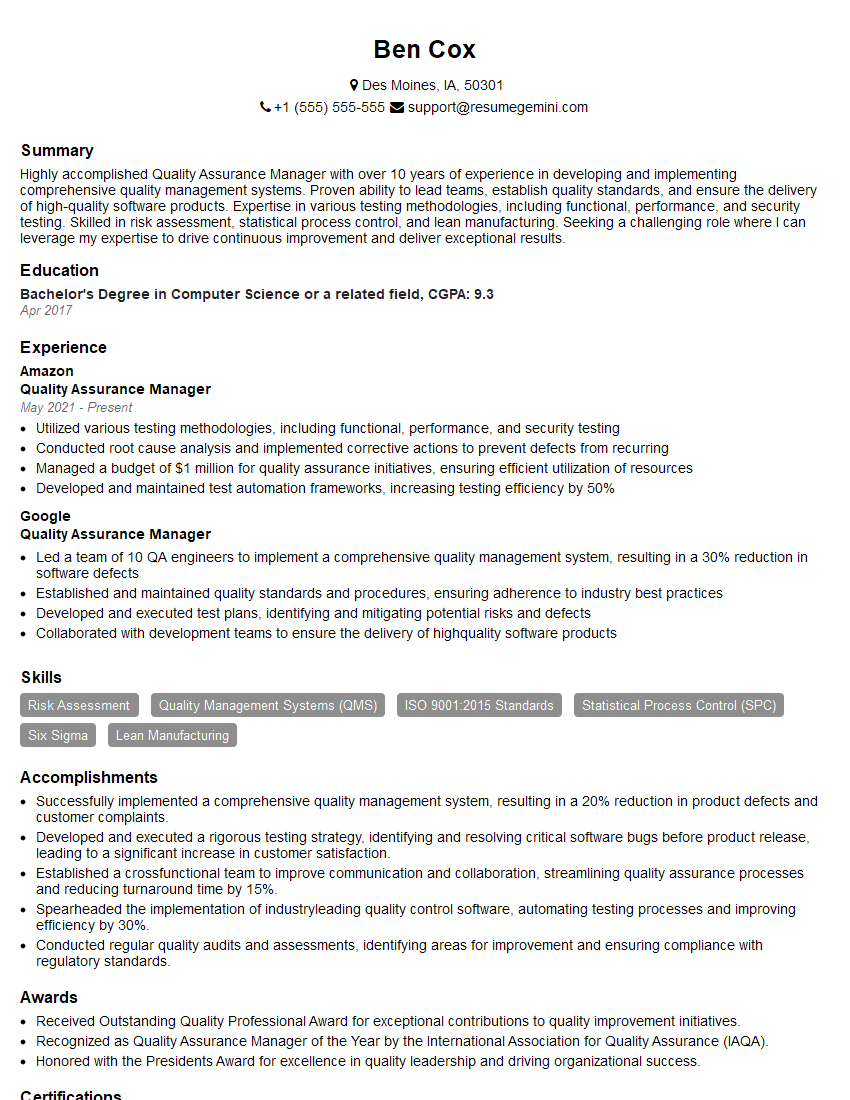
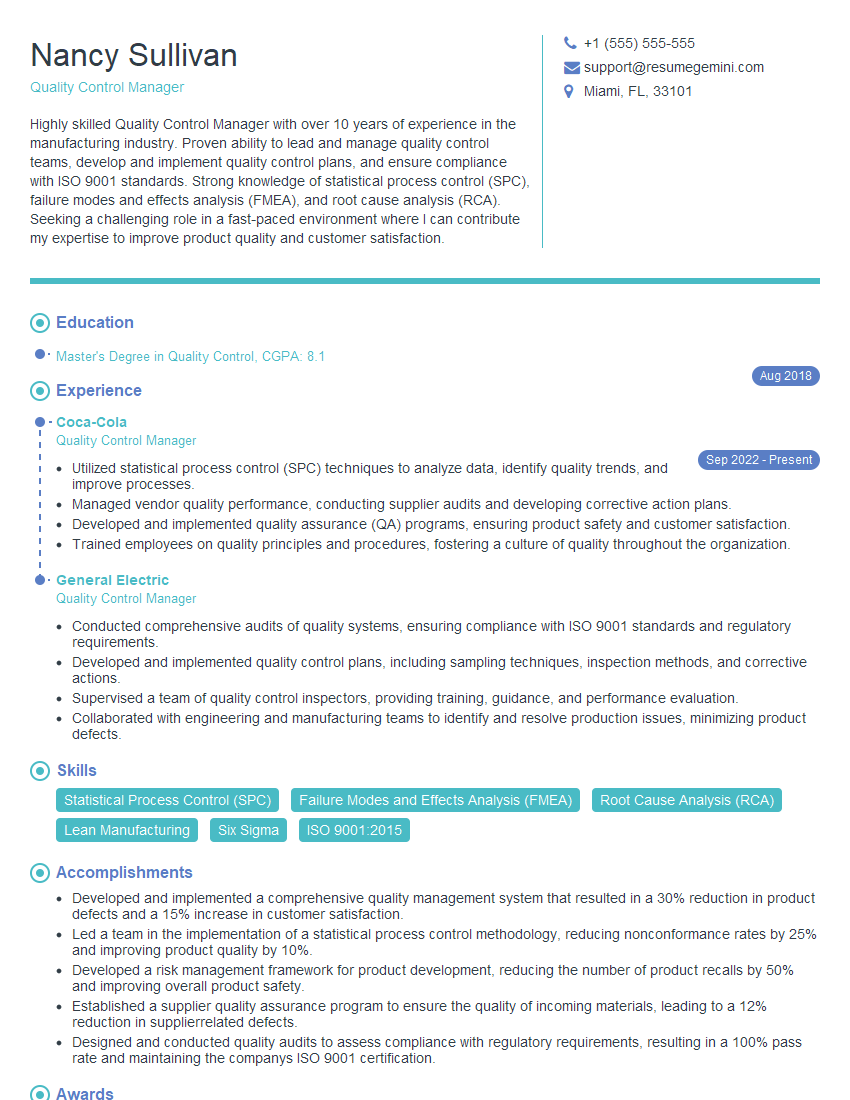
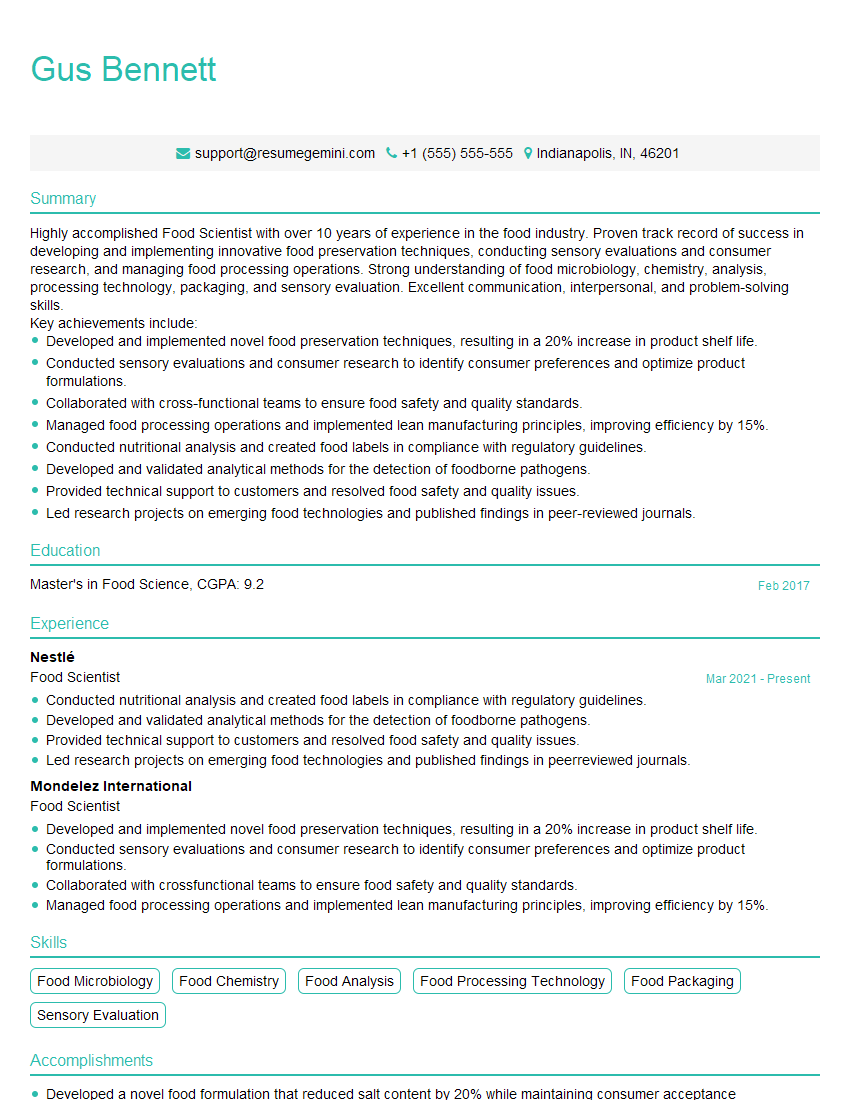
Demonstrating a strong understanding of food safety is crucial for career advancement in the food industry. It shows employers you prioritize safety and possess the necessary knowledge to maintain high standards. To make a strong impression, a well-crafted resume is essential. An ATS-friendly resume will ensure your application gets noticed. ResumeGemini is a trusted resource to help you build a professional, impactful resume that showcases your food safety expertise. Examples of resumes tailored to Knowledge of Food Safety are available to help guide you.

Explore more articles
Users Rating of Our Blogs
Share Your Experience
We value your feedback! Please rate our content and share your thoughts (optional).
What Readers Say About Our Blog
good