Unlock your full potential by mastering the most common Knowledge of forest management and silviculture practices interview questions. This blog offers a deep dive into the critical topics, ensuring you’re not only prepared to answer but to excel. With these insights, you’ll approach your interview with clarity and confidence.
Questions Asked in Knowledge of forest management and silviculture practices Interview
Q 1. Describe the different silvicultural systems and their suitability for various forest types.
Silvicultural systems are the planned methods used to manage forest regeneration, growth, and composition. Different systems are suited to various forest types based on factors like species characteristics, site conditions, and management objectives.
- Clearcutting: All trees are harvested in a single operation. This is suitable for species that regenerate well in full sunlight (e.g., many pines) and on sites with minimal risk of erosion. However, it can lead to significant environmental impacts, such as soil erosion and habitat loss, if not carefully planned.
- Shelterwood: Trees are harvested in a series of cuts, leaving a shelter of seed trees to provide shade and protection for regeneration. This is appropriate for species that require some shade for successful regeneration (e.g., many hardwoods) and helps maintain some forest cover throughout the process.
- Selection Systems (e.g., single-tree selection, group selection): Individual trees or small groups of trees are harvested periodically, mimicking natural disturbance patterns. This system is suitable for maintaining continuous forest cover, biodiversity, and providing a mix of age classes. It’s commonly used in uneven-aged forests and for shade-tolerant species.
- Coppice Systems: Trees are harvested close to the ground, and new stems sprout from the remaining stump. Suitable for species that readily resprout (e.g., some hardwoods) and useful for fuelwood or short rotation cycles.
The choice of silvicultural system depends heavily on the specific forest and its desired future. A boreal forest might benefit from shelterwood methods to gradually transition stands, while a tropical rainforest might require a more nuanced approach, focusing on selective logging and reduced-impact logging techniques to minimize disturbance.
Q 2. Explain the concept of sustainable forest management and its key principles.
Sustainable forest management (SFM) aims to balance the ecological, economic, and social values of forests for the benefit of present and future generations. It’s not just about timber production; it’s about preserving biodiversity, protecting water resources, mitigating climate change, and supporting local communities.
Key principles of SFM include:
- Maintaining biodiversity: Protecting a wide range of species and habitats.
- Conserving soil and water resources: Minimizing erosion and protecting water quality.
- Protecting forest health: Preventing and managing diseases, pests, and wildfires.
- Ensuring economic viability: Balancing costs and revenue streams, supporting local economies.
- Promoting social equity: Respecting the rights of local communities and indigenous peoples.
- Adapting to climate change: Building resilience to changing climate conditions.
In practice, SFM involves careful planning, monitoring, and adaptive management strategies. For example, a sustainably managed forest might implement reduced-impact logging techniques, protect sensitive areas like riparian zones, and promote the use of certified timber products.
Q 3. What are the common methods used for forest regeneration?
Forest regeneration involves establishing new trees after a harvest or natural disturbance. Common methods include:
- Natural Regeneration: Allowing trees to regenerate naturally from seeds dispersed by wind, animals, or from existing root suckers or seedlings. This is a cost-effective approach but can be unpredictable and slower than other methods.
- Artificial Regeneration: Planting seedlings or direct seeding. This provides better control over species and spacing, offering quicker establishment and often better survival rates but requires significant upfront investment.
- Planting seedlings: Seedlings raised in nurseries are planted in the field. This method offers higher survival rates compared to direct seeding, but it is costlier.
- Direct seeding: Seeds are sown directly into the ground. This is a cost-effective option but may have low survival rates due to seed predation and environmental conditions.
The best approach depends on species, site conditions, and management goals. For instance, planting seedlings might be preferable in harsh environments or when rapid reforestation is needed, while natural regeneration might be suitable for resilient species in favorable conditions.
Q 4. Discuss the importance of forest inventory and its various techniques.
Forest inventory is the process of systematically collecting and analyzing data about forests. It’s crucial for managing forests sustainably and making informed decisions about harvesting, regeneration, and other management activities.
Techniques include:
- Ground-based surveys: Measuring trees directly using instruments like diameter tapes, hypsometers (to measure tree height), and clinometers (to measure slope). This provides highly accurate data but can be time-consuming and labor-intensive.
- Remote sensing: Using aerial photos, satellite imagery, and LiDAR (light detection and ranging) to assess forest cover, tree density, and other attributes. This is efficient for large areas but requires specialized equipment and expertise.
- Plot sampling: Establishing a network of sample plots throughout the forest to represent the overall forest condition. Statistical analysis is used to extrapolate data from the samples to the entire forest.
A well-designed forest inventory provides information on tree species, diameter distribution, basal area, volume, biomass, and stand structure. This data is essential for creating management plans, assessing carbon sequestration, and monitoring forest health.
Q 5. How do you assess and manage forest health risks, such as disease and pest infestations?
Assessing and managing forest health risks requires a proactive approach combining monitoring, early detection, and appropriate control measures.
Steps:
- Monitoring: Regularly inspect forests for signs of disease or pest infestations, using ground surveys, aerial surveys, and remote sensing. This may include assessing tree health, identifying symptoms, and monitoring insect populations.
- Early Detection: Implement systems for early detection of outbreaks, such as insect traps and disease monitoring plots. This allows for prompt intervention to prevent widespread damage.
- Risk Assessment: Evaluate the potential impact of various threats, considering factors like species susceptibility, environmental conditions, and the economic consequences of an outbreak.
- Control Measures: Apply appropriate control measures based on the risk assessment. These can include biological control (introducing natural enemies), chemical control (using pesticides – always mindful of environmental impact), silvicultural treatments (adjusting stand density to reduce stress on trees), and sanitation felling (removing infested trees).
- Prevention: Implement preventive measures to reduce the likelihood of outbreaks, such as promoting tree diversity, maintaining forest health, and restricting the introduction of invasive species.
For example, a sudden increase in bark beetle activity in a pine forest might trigger a response involving monitoring, trapping, pheromone disruption (to interfere with insect mating), and targeted removal of infested trees. Early detection and quick action are crucial to minimize damage and prevent widespread losses.
Q 6. Explain the role of prescribed burning in forest management.
Prescribed burning, also known as controlled burning, is the planned application of fire to a forest under specific conditions. It’s a powerful tool for forest management when used responsibly.
Benefits:
- Reducing fuel loads: Removing flammable material to reduce the risk and intensity of wildfires. This can help protect human lives, property, and natural resources.
- Improving forest health: Encouraging the germination of some tree species, removing underbrush to promote tree growth, and controlling insect pests and diseases.
- Restoring ecosystems: Mimicking natural fire regimes to maintain ecosystem function and biodiversity. Some plant communities require periodic fire for regeneration and health.
- Improving habitat: Creating early-successional habitats favored by certain wildlife species.
However, prescribed burning requires careful planning, specialized equipment, and trained personnel. Environmental conditions (wind, humidity, temperature) must be closely monitored to ensure safety and control. Incorrect execution can have devastating consequences.
Q 7. Describe different methods for harvesting timber and their environmental impacts.
Timber harvesting methods vary widely, each with environmental impacts. Careful planning and implementation are crucial to minimize negative consequences.
- Clearcutting: All trees are removed from a designated area. While efficient, it can lead to soil erosion, water pollution, habitat fragmentation, and loss of biodiversity. It may also increase the risk of subsequent wildfires.
- Shelterwood: Trees are harvested in stages, leaving some trees to provide shade and protection. This reduces many of the negative impacts of clearcutting, offering a more sustainable approach, while retaining some forest structure.
- Selection Harvesting (single-tree or group selection): Individual trees or small groups are removed periodically. This method mimics natural processes, minimizing disturbance and maintaining continuous forest cover. Biodiversity and forest structure are better preserved.
- Reduced-Impact Logging (RIL): A set of techniques designed to minimize damage to the forest during logging operations. This includes careful planning of roads and skid trails, minimizing soil compaction, and avoiding damage to residual trees.
The environmental impact of harvesting depends significantly on the method chosen, the site characteristics, and the implementation. RIL techniques, for example, greatly reduce the impacts associated with conventional logging methods.
Q 8. How do you integrate biodiversity conservation into forest management practices?
Integrating biodiversity conservation into forest management is crucial for maintaining healthy and resilient ecosystems. It’s not just about protecting endangered species; it’s about understanding the intricate web of life within the forest and managing it sustainably. This involves a multifaceted approach.
- Maintaining structural diversity: This means creating a mosaic of forest habitats with varying ages, tree species, and canopy structures. Think of it like creating different neighborhoods within a forest city – each with its own unique character, supporting different plant and animal communities. This can be achieved through techniques like uneven-aged silviculture, creating buffer zones, and retaining deadwood.
- Protecting key habitats: Identifying and protecting areas crucial for endangered or sensitive species is essential. This might involve creating protected reserves or implementing specific management practices within these areas to ensure their long-term survival. For example, a riparian zone alongside a stream will be managed differently than a drier upland area to maintain water quality and support specific plants and animals reliant on that habitat.
- Promoting natural regeneration: Allowing natural processes to take their course, such as seed dispersal and seedling establishment, is vital. This minimizes disturbance and fosters natural biodiversity. Techniques like shelterwood cutting, where some mature trees are left to provide shade and protection for seedlings, can enhance this process.
- Monitoring and adaptive management: Continuously monitoring the effects of management practices on biodiversity is crucial. This allows for adjustments and improvements over time, ensuring that the management plan remains effective and adapts to changing circumstances. This often involves biodiversity surveys and using indicators to track changes in species composition and overall ecosystem health.
For example, in a boreal forest, retaining old-growth patches within a managed area could provide critical habitat for species like the boreal owl, while selectively harvesting mature trees in other areas would maintain suitable habitat for younger forests’ inhabitants.
Q 9. What are the challenges of managing forests in a changing climate?
Managing forests in a changing climate presents significant challenges. The increased frequency and intensity of extreme weather events, shifts in species distribution, and changes in forest productivity pose significant threats.
- Increased risk of wildfires: Warmer temperatures and drier conditions increase the risk of severe wildfires, leading to significant habitat loss and carbon emissions. Forest management strategies need to adapt to this by creating fuel breaks, using prescribed burns to reduce fuel loads, and improving forest resilience.
- Pest and disease outbreaks: Changing climate conditions can favour the spread of pests and diseases, leading to widespread tree mortality. This requires careful monitoring, early detection, and proactive management strategies, possibly involving the introduction of pest-resistant tree species.
- Altered species distributions: As temperatures change, species are shifting their ranges, impacting forest composition and ecosystem dynamics. Forest management needs to consider these shifts in planning and adapt to maintain ecosystem integrity. It may involve assisted migration for vulnerable species.
- Changes in forest productivity: Climate change can affect forest growth and productivity, impacting timber yields and the overall economic value of the forest. Understanding these changes and developing adaptive management strategies are crucial for ensuring the long-term sustainability of forest management.
For example, in mountain forests, higher temperatures can lead to shifts in tree lines and species composition, requiring adaptations in silvicultural practices to ensure continued productivity and resilience.
Q 10. Explain the concept of forest certification and its benefits.
Forest certification is a voluntary process where forest management is assessed against a set of pre-defined standards. Think of it as a quality seal for sustainable forest management. These standards typically cover aspects such as biodiversity conservation, water quality protection, social responsibility, and economic viability.
- Increased market access: Certified timber and non-timber forest products often command higher prices, providing economic incentives for sustainable forest management. Consumers are increasingly demanding sustainably sourced products.
- Improved forest management: The certification process encourages better forest management practices, leading to environmental and social benefits. It provides a framework for continuous improvement.
- Enhanced credibility and transparency: Certification provides assurance to consumers, businesses, and investors that the forest products come from sustainably managed forests, reducing ‘greenwashing’ claims.
- Improved stakeholder engagement: The certification process often involves consultations with local communities and other stakeholders, enhancing social equity and promoting collaboration.
Examples of forest certification schemes include the Forest Stewardship Council (FSC) and the Programme for the Endorsement of Forest Certification (PEFC). A company earning FSC certification demonstrates their commitment to responsible forestry, allowing them to market their products as sustainably sourced.
Q 11. How do you assess the economic viability of different forest management strategies?
Assessing the economic viability of different forest management strategies requires a careful analysis of costs and benefits over the long term. It’s not just about the immediate timber yield; it includes considering all aspects of forest ecosystem services.
- Cost-benefit analysis: This involves calculating the costs of different management activities (planting, harvesting, road construction, etc.) and comparing them to the potential revenue from timber sales, non-timber forest products, and other ecosystem services (e.g., carbon sequestration, water regulation).
- Discounting future values: Future revenues and costs need to be discounted to their present-day values to accurately reflect their economic significance.
- Risk assessment: The inherent risks associated with each strategy, such as pest outbreaks, wildfires, or market fluctuations, need to be considered and factored into the analysis.
- Sensitivity analysis: This involves testing the robustness of the economic assessment by varying key parameters (e.g., timber prices, discount rates, growth rates) to see how sensitive the results are to these changes.
For instance, comparing clear-cutting to selective harvesting would involve assessing the immediate timber yield from clear-cutting versus the long-term yield from selective harvesting, factoring in costs associated with regeneration, potential impacts on biodiversity, and carbon storage. A sophisticated economic model would be needed to account for all factors and their interdependencies.
Q 12. Describe your experience with GIS and remote sensing applications in forestry.
GIS (Geographic Information Systems) and remote sensing are invaluable tools in modern forestry. I have extensive experience using them for various tasks, ranging from forest inventory and monitoring to planning and decision-making.
- Forest inventory: Remote sensing data (e.g., satellite imagery, LiDAR) can be used to map forest cover, estimate tree density, assess forest health, and determine biomass. GIS is then used to process and analyze this data, creating maps and reports.
- Monitoring forest change: Time-series analysis of satellite imagery can track changes in forest cover over time, allowing us to identify areas affected by deforestation, wildfires, or pest outbreaks. GIS helps visualize these changes spatially.
- Planning forest management activities: GIS can be used to design optimal harvesting plans, road networks, and other management activities, considering factors such as terrain, accessibility, and ecological sensitivity.
- Developing forest management plans: I integrate GIS data with other relevant information (e.g., soil maps, topographic data, species distribution maps) to create comprehensive forest management plans.
For instance, using LiDAR data, we can create highly accurate digital elevation models and canopy height models, which are critical for assessing forest structure and planning logging operations, minimizing soil compaction and erosion. I’m proficient in using software packages like ArcGIS and QGIS for these applications.
Q 13. What are the key factors to consider when designing a forest road network?
Designing a forest road network is a critical aspect of forest management, balancing accessibility with environmental protection. A poorly designed network can lead to habitat fragmentation, soil erosion, and increased wildfire risk.
- Minimizing environmental impact: Roads should be designed to minimize their footprint and avoid sensitive areas, such as wetlands, riparian zones, and steep slopes. Water crossings should be carefully planned to minimize stream sedimentation.
- Optimizing accessibility: The network needs to provide efficient access to harvesting areas while minimizing road length to reduce construction costs and environmental impacts. Network analysis using GIS is essential here.
- Considering long-term maintenance: Road design must consider long-term maintenance requirements, including drainage and erosion control. Proper drainage is crucial to prevent road degradation.
- Safety: Road design must prioritize safety for workers and the public. This includes appropriate gradients, curves, and sight distances.
- Compliance with regulations: Forest road construction must comply with relevant environmental regulations and permits.
For example, using GIS, we can analyze slope, soil type, and proximity to water bodies to identify optimal road locations, minimizing environmental impact. We’d also analyze transportation costs, access to timber stands, and long-term maintenance needs to ensure efficiency and cost-effectiveness.
Q 14. Explain the process of developing a forest management plan.
Developing a forest management plan is an iterative process that involves several key steps. It’s a blueprint for sustainably managing a forest over a specific period, usually 10-20 years.
- Inventory and assessment: This involves collecting data on forest resources, including species composition, age structure, volume, and health. Remote sensing and field surveys are used for this purpose. GIS is crucial for data analysis and visualization.
- Setting objectives and goals: The plan needs to define clear objectives and goals for the forest, considering ecological, economic, and social aspects. This often involves stakeholder consultation.
- Developing management strategies: Based on the objectives and assessment, appropriate management strategies are developed. This could include silvicultural treatments, harvesting methods, prescribed burns, and conservation measures.
- Implementation and monitoring: The plan is implemented, and its effects are monitored regularly. This involves periodic surveys to assess the success of the management actions and their impact on the forest. Adaptive management is crucial here.
- Evaluation and revision: The plan is periodically evaluated, and adjustments are made based on monitoring results, changing conditions, and new information. This iterative approach is critical for ensuring long-term effectiveness and sustainability.
For example, a forest management plan might aim to increase the proportion of old-growth forest, improve timber yields, and maintain biodiversity. It would outline specific silvicultural techniques, harvesting schedules, and monitoring protocols to achieve these goals. This would involve GIS mapping to visualize management zones, species distributions and logging plans.
Q 15. How do you monitor and evaluate the effectiveness of forest management practices?
Monitoring and evaluating forest management effectiveness requires a multi-faceted approach combining quantitative and qualitative data. We utilize a variety of techniques to assess the success of our practices.
- Growth Monitoring: We regularly measure tree height, diameter at breast height (DBH), and volume using established plots to track growth rates and overall stand productivity. This allows us to compare actual growth against projected growth models and identify areas needing improvement, such as nutrient deficiencies or pest infestations. For example, in a recent project managing Douglas fir plantations, we found that growth rates were significantly lower in areas with poor drainage. Addressing this issue through drainage improvements resulted in a noticeable increase in growth within two years.
- Biodiversity Assessments: We use various methods, including bird surveys, invertebrate sampling, and vegetation surveys, to monitor biodiversity within the managed forest. This helps us assess the impact of our management practices on the overall ecological health of the area. A decline in indicator species could signify a need for adjustments to our approach.
- Soil Health Monitoring: Regular soil sampling assesses nutrient levels, organic matter content, and soil structure. This provides crucial insight into soil health and the long-term sustainability of our practices. For instance, a decrease in organic matter might indicate a need for adjustments in harvesting techniques or the introduction of cover crops to improve soil health.
- Economic Analysis: We evaluate the economic feasibility of our practices, analyzing factors like timber yields, operational costs, and potential revenue streams. A cost-benefit analysis ensures our management is financially sustainable and delivers the desired economic outcomes while balancing ecological concerns.
- Adaptive Management: Crucially, we adopt an adaptive management approach. This means regularly reviewing our monitoring data, comparing results to our goals, and making necessary adjustments to our practices based on what we learn. It’s an iterative process that ensures continuous improvement and responsiveness to changing conditions.
Career Expert Tips:
- Ace those interviews! Prepare effectively by reviewing the Top 50 Most Common Interview Questions on ResumeGemini.
- Navigate your job search with confidence! Explore a wide range of Career Tips on ResumeGemini. Learn about common challenges and recommendations to overcome them.
- Craft the perfect resume! Master the Art of Resume Writing with ResumeGemini’s guide. Showcase your unique qualifications and achievements effectively.
- Don’t miss out on holiday savings! Build your dream resume with ResumeGemini’s ATS optimized templates.
Q 16. What are the common legal and regulatory frameworks governing forest management?
Forest management is governed by a complex web of legal and regulatory frameworks that vary significantly by region and country. Common themes include:
- National Forest Laws: These overarching laws often define the permissible uses of forests, establish ownership rights, and set guidelines for sustainable forest management practices. They often incorporate environmental protection mandates and may involve specific requirements for logging, reforestation, and habitat conservation.
- Environmental Regulations: These regulations are crucial for protecting endangered species, preserving water quality, and minimizing air pollution from logging and other activities. They often involve permitting processes, environmental impact assessments, and compliance monitoring.
- Zoning and Land Use Planning: Land-use plans dictate permitted activities within specific forest areas, potentially restricting development or establishing protected zones. This ensures that forest management aligns with broader land-use objectives.
- International Agreements: Global treaties and agreements, such as those focusing on climate change (reducing deforestation) and biodiversity conservation, impose additional responsibilities on forest managers. These agreements often promote sustainable practices and encourage international cooperation.
- Indigenous and Community Rights: In many regions, laws recognize and protect the rights of indigenous communities and local populations who depend on the forest for their livelihoods. This often involves consultation and collaboration with these communities in forest management planning.
Navigating these legal frameworks is a critical part of responsible forest management. Failure to comply can result in significant legal penalties and reputational damage.
Q 17. Describe your experience with different tree species and their specific silvicultural requirements.
My experience encompasses a wide range of tree species, each with unique silvicultural needs.
- Conifers: I’ve extensively worked with Douglas fir, Ponderosa pine, and Loblolly pine. These species require different approaches to thinning, pruning, and fertilization depending on site conditions and desired outcomes. For example, Douglas fir often benefits from early thinning to promote vigorous growth and high-quality timber. Ponderosa pine, on the other hand, is more tolerant of competition and may require less frequent intervention.
- Hardwoods: My experience also includes managing hardwoods like oak, maple, and beech. These species require different considerations regarding shade tolerance, regeneration methods, and pest management. Oak regeneration, for instance, often involves managing understory vegetation to favor oak seedlings.
- Silvicultural Systems: I’m familiar with various silvicultural systems including clearcutting, shelterwood, selection, and coppice. The choice of system depends on factors such as species, site conditions, and management objectives. For example, clearcutting is often used for fast-growing species on favorable sites but is controversial due to its environmental impact. Shelterwood systems offer a more gradual transition and better protect biodiversity.
Understanding these species-specific requirements and adapting management strategies accordingly is paramount to achieving successful forest regeneration and sustainable timber production.
Q 18. How do you manage conflicts of interest between different stakeholders in forest management?
Managing conflicts of interest among stakeholders—timber companies, environmental groups, local communities, and government agencies—requires a collaborative and transparent approach.
- Stakeholder Engagement: Early and meaningful engagement is key. This involves establishing open communication channels, actively seeking input from all parties, and creating a platform for dialogue. We use participatory workshops, public forums, and individual consultations to ensure everyone’s voice is heard.
- Mediation and Facilitation: When conflicts arise, we employ mediation techniques to facilitate productive discussions and help stakeholders find common ground. A neutral third party can help bridge divides and explore mutually beneficial solutions.
- Transparency and Data Sharing: Openly sharing relevant data, such as forest inventory data, management plans, and monitoring results, builds trust and facilitates informed decision-making. Transparency fosters accountability and reduces suspicion.
- Adaptive Management and Compromise: Acknowledging that not all needs can be fully met, we work towards finding compromises that balance competing interests. This often involves incorporating stakeholder input into adaptive management strategies, allowing for modifications as new information emerges and circumstances change.
- Legal Frameworks: Utilizing appropriate legal frameworks, such as environmental impact assessments and public consultation requirements, can provide a structured way to address conflicts and ensure that management decisions comply with the law.
Building strong relationships and fostering trust are vital for navigating these complex relationships and achieving sustainable forest management that considers the needs of all stakeholders.
Q 19. Explain the importance of soil conservation in forest management.
Soil conservation is fundamental to sustainable forest management. Healthy soil is essential for tree growth, water regulation, and overall ecosystem health.
- Erosion Prevention: Forest soil is susceptible to erosion, particularly on steep slopes or after harvesting. We implement practices like maintaining forest cover, using appropriate harvesting techniques (e.g., directional felling), and establishing buffer strips along waterways to prevent erosion and protect water quality.
- Nutrient Cycling: Healthy forest soils support efficient nutrient cycling, providing essential nutrients for tree growth. We strive to minimize soil disturbance during operations and might implement practices such as adding organic matter (e.g., leaving logging residues on the ground) to improve soil fertility.
- Water Infiltration: Well-structured soil enhances water infiltration, reducing runoff and preventing flooding. Maintaining forest cover improves the soil’s ability to absorb water, benefiting both the forest and surrounding areas.
- Biodiversity: Healthy soil supports a diverse range of soil organisms, which contribute to overall ecosystem health and resilience. Protecting soil health contributes to biodiversity conservation in the forest.
- Carbon Sequestration: Forest soils play a critical role in carbon sequestration, storing significant amounts of carbon and helping mitigate climate change. Protecting soil health helps maintain this crucial carbon sink.
Neglecting soil conservation can lead to long-term damage, including reduced tree growth, water pollution, and increased susceptibility to pests and diseases. Prioritizing soil health ensures the long-term sustainability of forest ecosystems.
Q 20. Describe your experience with forest fire prevention and suppression.
Forest fire prevention and suppression are critical components of forest management. My experience spans both proactive prevention strategies and reactive suppression efforts.
- Prevention: Proactive measures include creating fuel breaks (removing vegetation to create barriers to fire spread), reducing fuel loads (thinning forests to reduce the amount of flammable material), and implementing prescribed burns (controlled burns to reduce fuel buildup and improve forest health). Public education campaigns are also essential to raise awareness and prevent human-caused fires.
- Suppression: When fires occur, rapid response is crucial. This involves deploying fire crews, utilizing aerial support (e.g., helicopters and air tankers), and employing various fire suppression techniques (e.g., water drops, creating fire lines). Effective communication and coordination with fire agencies are vital during suppression efforts.
- Post-Fire Management: After a fire, post-fire rehabilitation is necessary to restore the forest. This can involve reforestation efforts, erosion control measures, and managing wildlife affected by the fire.
- Technology: We leverage technology such as fire weather forecasting, remote sensing, and Geographic Information Systems (GIS) to enhance our fire prevention and suppression capabilities. These tools help us identify high-risk areas, monitor fire spread, and optimize resource allocation.
The goal is to minimize the devastating impacts of wildfires through a combination of proactive prevention and effective suppression strategies.
Q 21. How do you assess and mitigate the risks associated with logging operations?
Logging operations present inherent risks to both workers and the environment. A comprehensive risk assessment and mitigation strategy is essential.
- Worker Safety: This is paramount. Risk assessments should identify potential hazards, such as falling trees, heavy machinery, and steep terrain. Implementing appropriate safety protocols, providing training and personal protective equipment (PPE), and enforcing safety regulations are crucial to prevent accidents.
- Environmental Protection: Risks to the environment include soil erosion, water pollution, and habitat fragmentation. Mitigation strategies include careful planning of logging roads and skid trails, minimizing soil disturbance, using best management practices (BMPs) for water protection, and preserving key wildlife habitats.
- Risk Assessment Methodology: We use a systematic risk assessment methodology, identifying potential hazards, analyzing their likelihood and severity, and developing control measures to reduce risks. This often involves a hierarchical risk assessment approach starting with a broader overview and progressively drilling down to specific tasks and equipment.
- Emergency Preparedness: Having a clear emergency response plan is vital, including procedures for evacuating personnel and responding to equipment malfunctions or environmental incidents. Regular drills are essential to ensure preparedness.
- Monitoring and Evaluation: Regularly monitoring logging operations and evaluating the effectiveness of risk mitigation measures helps identify areas for improvement and ensures continuous improvement in safety and environmental protection.
Proactive risk management is crucial for minimizing risks and ensuring safe and environmentally responsible logging operations.
Q 22. What are the key indicators of forest ecosystem health?
Assessing forest ecosystem health involves evaluating multiple interconnected factors. It’s not just about the trees; it’s about the whole system. Key indicators fall into several categories:
- Structural indicators: These relate to the physical aspects of the forest. Examples include tree species diversity (a high number of different species suggests resilience), canopy cover (a measure of forest density and its impact on the understory), stand density (number of trees per unit area), and the presence of deadwood (essential for nutrient cycling and habitat). For instance, a healthy forest might have a mix of mature and younger trees, ensuring a continuous cycle of growth and regeneration.
- Compositional indicators: This focuses on the species present and their abundance. A balanced mix of tree species, shrubs, and herbaceous plants is a good sign. The presence of indicator species – those particularly sensitive to environmental changes – can also provide valuable insights. For example, the presence of certain lichen species can indicate air quality.
- Functional indicators: These assess the forest’s processes and functions. Examples include soil health (nutrient levels, organic matter content), water cycling (infiltration rates, stream flow), and nutrient cycling (decomposition rates). Healthy forests exhibit efficient nutrient cycling, meaning nutrients are continually recycled and available for plant growth.
- Resilience indicators: This concerns the forest’s ability to withstand and recover from disturbances like fire, disease, or insect outbreaks. High resilience is demonstrated by a diverse community capable of adapting to changes.
By monitoring these indicators over time, forest managers can gain a comprehensive picture of ecosystem health and identify areas requiring attention. A decline in diversity, for example, might signal the need for intervention.
Q 23. Explain your understanding of carbon sequestration in forests.
Carbon sequestration in forests is the process by which trees and other plants absorb carbon dioxide (CO2) from the atmosphere during photosynthesis and store it in their biomass (leaves, stems, roots) and in the soil. Essentially, forests act as giant carbon sinks, helping to regulate the Earth’s climate.
Trees take in CO2, using the carbon to build their structures and releasing oxygen. This carbon is stored for decades or even centuries, depending on the lifespan of the trees and whether the wood is harvested and used for long-lasting products. Furthermore, the soil under a forest acts as a significant carbon reservoir, storing organic matter from decaying leaves, roots, and other organic materials.
The amount of carbon sequestered depends on several factors including tree species, forest age, climate, and management practices. Sustainable forest management practices, such as avoiding deforestation and promoting reforestation, significantly enhance carbon sequestration. For example, selecting fast-growing species can increase the rate of carbon uptake, while avoiding clear-cutting and promoting selective logging minimizes carbon release from disturbance.
Q 24. How do you communicate complex forestry information to non-technical audiences?
Communicating complex forestry information to non-technical audiences requires clear, concise language, relatable analogies, and visual aids. I avoid jargon and technical terms whenever possible. Instead, I focus on the overall message and its importance. For example, instead of saying “improving stand density to optimize biomass production,” I might say “planting more trees in a strategic way helps the forest grow stronger and better absorb carbon dioxide from the air, improving air quality and our planet’s health.”
I often use storytelling to make the information more engaging. Sharing real-world examples of successful forest management practices or the impact of deforestation can be very impactful. I might explain the importance of biodiversity by comparing a forest ecosystem to a well-functioning team where each member has a vital role to play. Visual aids such as maps, charts, and infographics are invaluable tools, making data more accessible and easier to understand.
Active listening and ensuring understanding are crucial. I check in with the audience frequently to gauge comprehension and adapt my communication style accordingly.
Q 25. Describe your experience with using data analysis to inform forest management decisions.
I’ve extensively used data analysis in forest management, leveraging various tools and techniques to inform critical decisions. For example, I’ve used Geographic Information Systems (GIS) to map forest stands, assess species distribution, and analyze habitat suitability. This allows for targeted interventions, like selective thinning or prescribed burns, based on spatially explicit data. I’ve also used statistical software like R to analyze forest inventory data to predict growth and yield, helping optimize timber harvesting schedules while maintaining forest health.
Remote sensing data, such as satellite imagery, has been critical in assessing forest health, detecting disease outbreaks, or monitoring deforestation. I can process this imagery to identify areas with low tree vitality or signs of stress, enabling early intervention. This data-driven approach significantly improves our understanding of the forest dynamics and enables more effective and sustainable management strategies. For instance, analyzing tree growth data over several years allowed us to identify specific factors affecting growth, informing choices of species and management regimes for optimal results.
Q 26. What are the ethical considerations involved in forest management practices?
Ethical considerations in forest management are paramount. The primary concern is ensuring sustainability, meaning meeting the needs of the present without compromising the ability of future generations to meet their own needs. This involves balancing economic, social, and ecological considerations. Key ethical challenges include:
- Balancing timber production with conservation: Finding the right balance between harvesting timber for economic gain and preserving biodiversity and ecosystem services is crucial. Sustainable forestry practices aim to achieve this balance.
- Indigenous rights and community involvement: Forest management practices must respect the rights and traditional knowledge of indigenous communities who often have deep connections to the forests.
- Transparency and accountability: Open and transparent decision-making processes are essential to ensure that forest management is equitable and accountable to all stakeholders.
- Biodiversity conservation: Protecting endangered species and maintaining genetic diversity are ethical imperatives. Careful planning and monitoring are essential to avoid negative impacts on biodiversity.
Adhering to strict ethical guidelines and engaging in open dialogue with stakeholders are critical to ensure that forest management practices are responsible and sustainable.
Q 27. How do you adapt forest management strategies to address specific site conditions?
Adapting forest management strategies to specific site conditions is fundamental for success. This requires a thorough understanding of the site’s characteristics, including:
- Topography: Slope, aspect (direction the slope faces), and elevation significantly influence sunlight, moisture, and soil conditions. For example, steep slopes may require different harvesting techniques to prevent erosion.
- Soil type: Soil texture, drainage, and nutrient content dictate tree species suitability and growth potential. Poorly drained soils might require different tree species choices to avoid root rot.
- Climate: Temperature, precipitation, and wind patterns influence the growth and survival of tree species. Drought-prone areas require drought-resistant species.
- Existing vegetation: The composition and structure of existing vegetation dictate silvicultural treatments. For example, managing an existing stand might involve thinning to promote growth of desirable species.
I typically conduct detailed site assessments before developing any management plan. This involves collecting data on soil, topography, vegetation, and climate. This information informs species selection, planting density, harvesting methods, and other management practices tailored to the unique characteristics of that particular location. For instance, on a dry, south-facing slope, I might select drought-tolerant species and adjust planting density to reduce competition for limited water resources.
Q 28. Describe your experience with using forest modeling software.
I have significant experience using various forest modeling software packages, including ForestryPro, FVS (Forest Vegetation Simulator), and Sim4Forest. These tools are invaluable for simulating forest growth, predicting yield, and evaluating different management scenarios. For example, I use FVS to model the impact of thinning regimes on tree growth and timber yield, helping to optimize harvest schedules and maximize sustainable timber production. Sim4Forest allows for more complex simulations, incorporating factors such as climate change, pest outbreaks, and fire risk.
These models help us anticipate the long-term consequences of different management choices, allowing for informed decision-making. I use the output from these models to develop forest management plans that are both ecologically sound and economically viable. By experimenting with various parameters within these models, I can compare different management options and select the strategy that best aligns with the specific goals of the forest management plan, whether it’s maximizing timber yield, enhancing biodiversity, or improving carbon sequestration.
Key Topics to Learn for a Forest Management and Silviculture Practices Interview
- Forest Ecosystem Dynamics: Understanding forest structure, composition, and function; the impact of abiotic and biotic factors on forest health and productivity. Consider practical applications like assessing forest resilience to climate change.
- Silvicultural Systems: Mastering various silvicultural techniques (e.g., clearcutting, selection cutting, shelterwood) and their ecological and economic implications. Be prepared to discuss the practical application of these systems in different forest types and contexts, including site preparation and species selection.
- Forest Mensuration and Inventory: Developing proficiency in forest measurement techniques (e.g., tree diameter, height, volume estimation) and inventory methods for assessing forest resources. Practice problem-solving scenarios involving data analysis and interpretation.
- Forest Growth and Yield Modeling: Understanding the principles of forest growth and yield prediction, including the use of models to forecast future forest conditions and inform management decisions. Explore the practical applications of these models in sustainable forest management.
- Forest Health and Protection: Knowledge of common forest pests, diseases, and wildfire risks, and the strategies for prevention, detection, and control. Be prepared to discuss integrated pest management approaches and their practical applications.
- Sustainable Forest Management Principles: A thorough understanding of sustainable forestry principles, including certification schemes (e.g., FSC) and their practical implications for forest management practices. Be ready to discuss balancing ecological, economic, and social objectives.
- Forest Planning and Policy: Familiarity with the legal and regulatory frameworks governing forest management, and the process of developing and implementing forest management plans. This includes understanding relevant environmental regulations and stakeholder engagement.
Next Steps
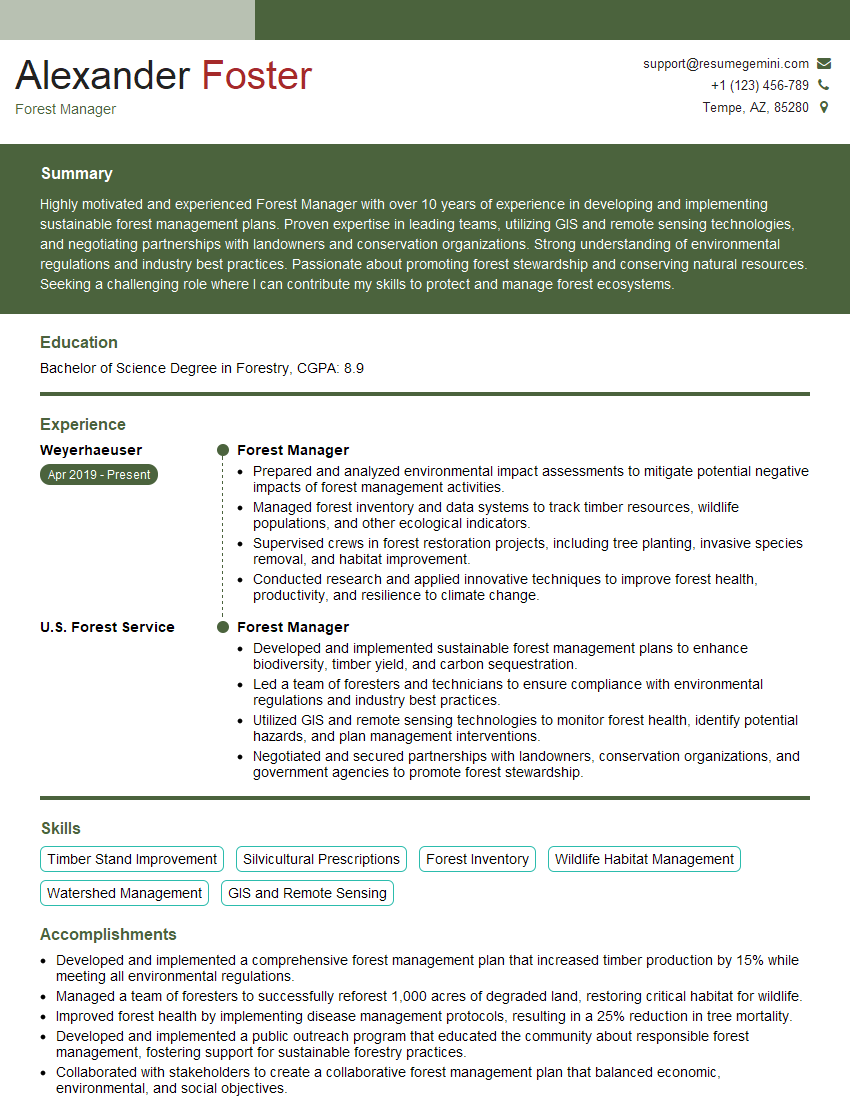
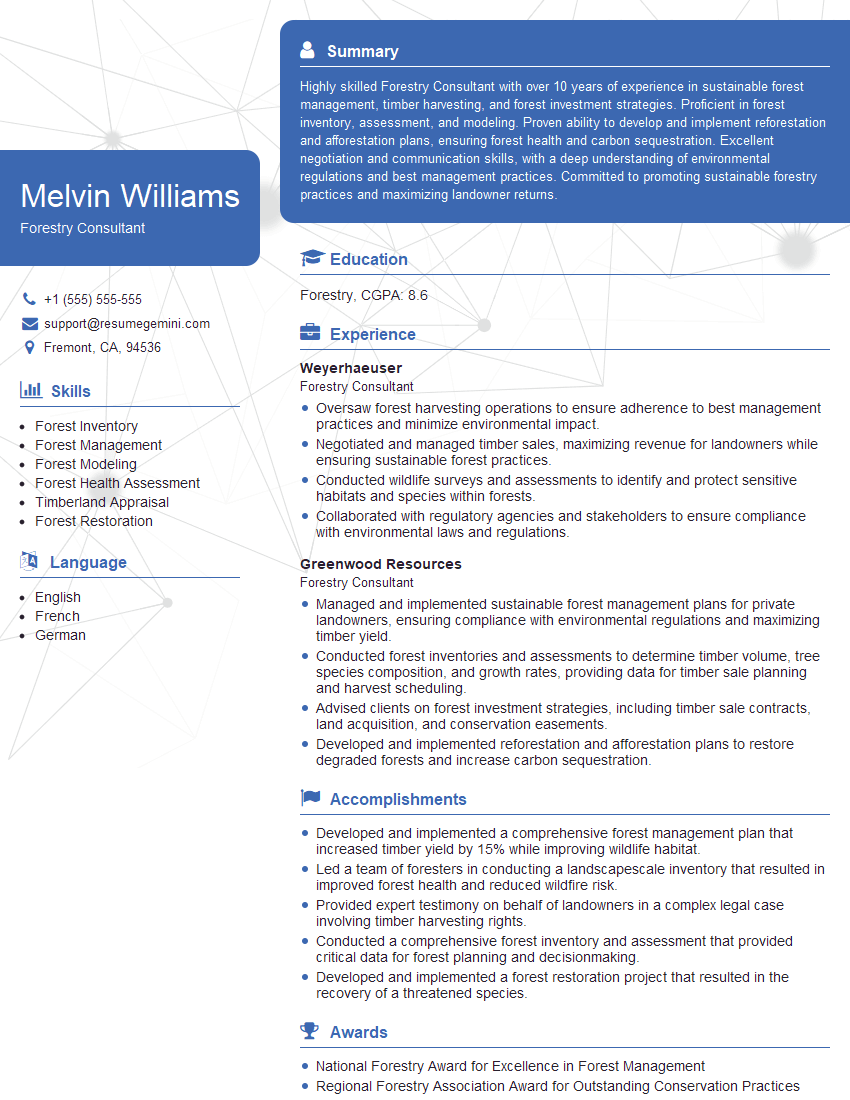
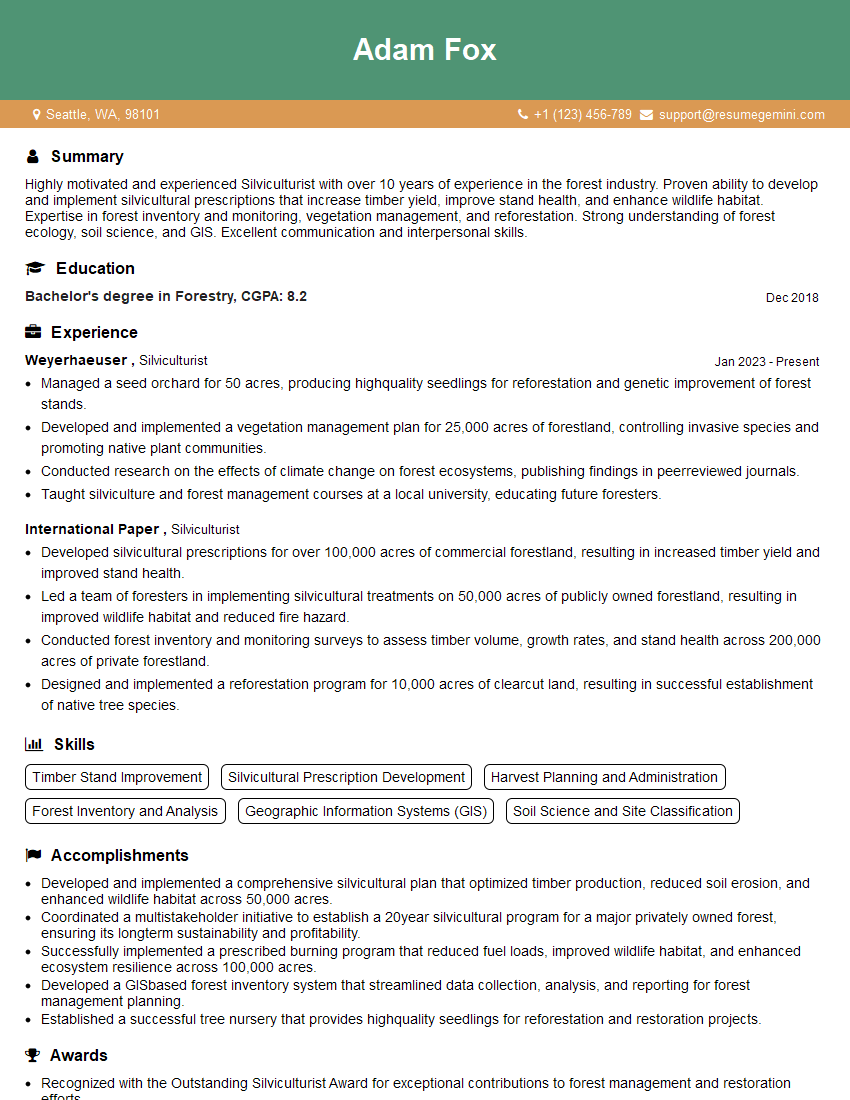
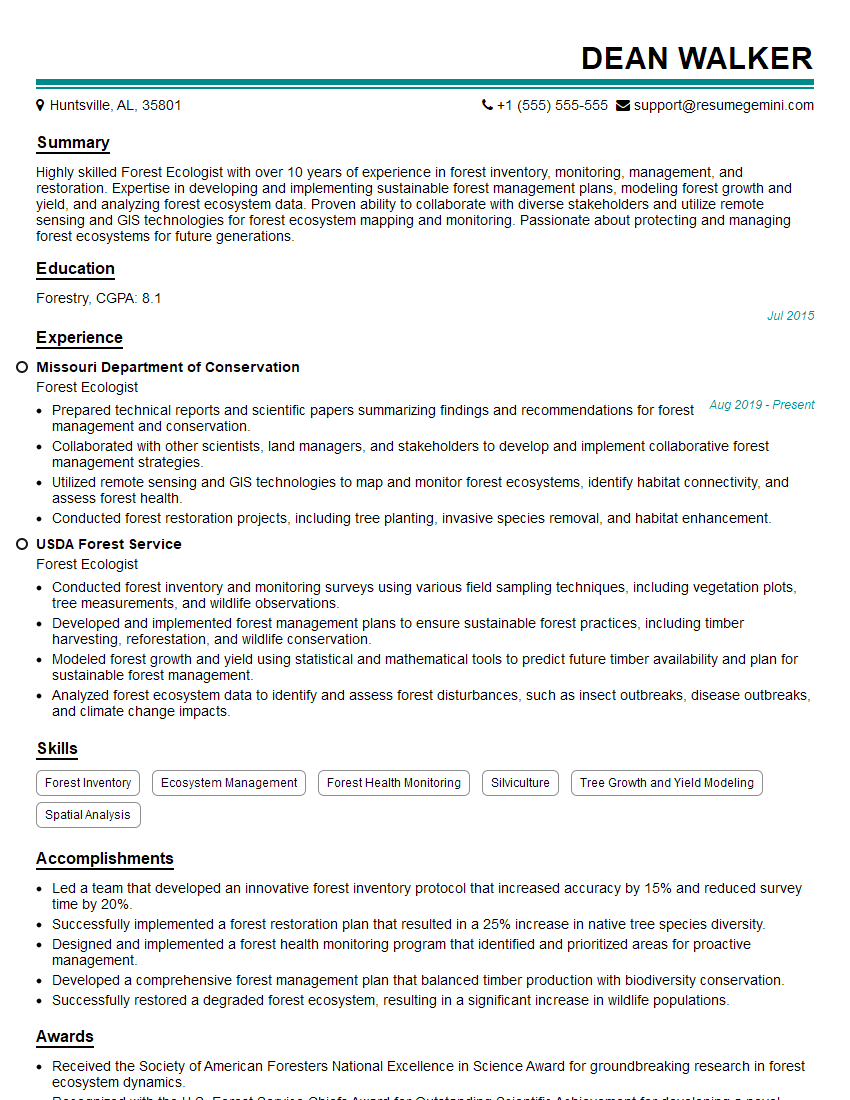
Mastering forest management and silviculture practices is crucial for career advancement in this dynamic field. A strong understanding of these principles demonstrates your commitment to sustainable resource management and opens doors to exciting opportunities. To significantly increase your chances of landing your dream role, it’s essential to create a compelling and ATS-friendly resume. ResumeGemini is a trusted resource that can help you build a professional resume that highlights your skills and experience effectively. We provide examples of resumes tailored to forest management and silviculture practices to help you craft a winning application. Take the next step towards your career goals today.




Explore more articles
Users Rating of Our Blogs
Share Your Experience
We value your feedback! Please rate our content and share your thoughts (optional).
What Readers Say About Our Blog
Very informative content, great job.
good