The thought of an interview can be nerve-wracking, but the right preparation can make all the difference. Explore this comprehensive guide to Knowledge of industry standards (e.g., ISO, ASME) interview questions and gain the confidence you need to showcase your abilities and secure the role.
Questions Asked in Knowledge of industry standards (e.g., ISO, ASME) Interview
Q 1. Explain the key differences between ISO 9001 and ISO 14001.
ISO 9001 and ISO 14001 are both internationally recognized standards, but they focus on different aspects of an organization’s operations. ISO 9001 focuses on Quality Management Systems (QMS), ensuring consistent product quality and customer satisfaction. ISO 14001, on the other hand, centers on Environmental Management Systems (EMS), aiming to minimize environmental impact.
- ISO 9001: Deals with processes, product conformity, and customer satisfaction. It’s about doing things right, consistently. Think of it like a recipe – following the steps precisely to produce a consistently delicious cake.
- ISO 14001: Focuses on legal compliance, pollution prevention, and continual environmental improvement. It’s about minimizing harm to the environment. Think of it as being a responsible baker, minimizing waste and using eco-friendly ingredients.
In essence, ISO 9001 is about product quality, while ISO 14001 is about environmental responsibility. An organization can, and often does, hold certification for both.
Q 2. Describe your experience implementing an ISO 9001 quality management system.
During my time at Acme Manufacturing, I led the implementation of an ISO 9001 QMS. This involved a multi-stage process:
- Gap Analysis: We first assessed our existing processes against ISO 9001 requirements, identifying areas needing improvement. This was done through internal audits and document reviews.
- Documentation: We developed and implemented a comprehensive suite of documented procedures, work instructions, and quality records, ensuring traceability and accountability.
- Training: We provided thorough training to all employees on the new QMS, emphasizing their roles and responsibilities in maintaining quality.
- Internal Audits: Regular internal audits were conducted to ensure compliance with the established QMS and identify areas for continuous improvement. This involved using checklists and documented audit procedures.
- Management Review: Management regularly reviewed the effectiveness of the QMS, using data from internal audits, customer feedback, and performance indicators.
- Certification Audit: Finally, we successfully completed the certification audit by an accredited registrar, demonstrating our compliance with the ISO 9001 standard.
The successful implementation resulted in reduced product defects, improved customer satisfaction, and enhanced operational efficiency.
Q 3. How do you ensure compliance with ASME standards in a manufacturing environment?
Ensuring compliance with ASME standards in a manufacturing environment requires a multifaceted approach. ASME, the American Society of Mechanical Engineers, sets standards for various mechanical engineering components and processes. Compliance depends on the specific ASME codes relevant to the products being manufactured.
- Design Compliance: Engineers must design products in accordance with the applicable ASME codes, incorporating necessary safety factors and materials specifications. This often involves using approved calculation methods and software.
- Material Selection and Testing: Materials used must meet ASME specifications, and rigorous testing and inspection programs are essential to verify material properties and product quality.
- Manufacturing Processes: Manufacturing processes must be controlled to ensure consistent quality and adherence to ASME standards. This may involve the use of specialized equipment, skilled personnel, and documented procedures.
- Quality Control and Inspection: A robust quality control and inspection program, including non-destructive testing (NDT) techniques, is crucial to ensure that finished products conform to ASME standards. Regular calibration of equipment is also vital.
- Documentation and Traceability: Maintaining comprehensive documentation, including design calculations, material test reports, and inspection records, is essential for demonstrating compliance.
For example, if we’re manufacturing pressure vessels, compliance with ASME Section VIII, Division 1, is mandatory. This requires meticulous adherence to design rules, material specifications, and fabrication procedures.
Q 4. What are the common challenges in maintaining ISO certification?
Maintaining ISO certification presents ongoing challenges. Common difficulties include:
- Maintaining Documentation: Keeping documentation up-to-date and accurate can be time-consuming and requires consistent effort. Processes and procedures need to be reviewed and updated regularly.
- Staff Turnover: Loss of trained personnel can compromise the effectiveness of the QMS or EMS. Robust training programs and knowledge retention strategies are crucial.
- Changes in Requirements: ISO standards are periodically revised, requiring organizations to adapt their systems and processes accordingly. Staying abreast of updates and implementing changes smoothly is a challenge.
- Cost of Compliance: Maintaining certification requires ongoing investment in audits, training, and system improvements. Balancing cost-effectiveness with maintaining a robust system is crucial.
- Integration with Other Systems: Integrating the QMS or EMS with other management systems (e.g., environmental, health, and safety) can be complex and require careful planning.
Regular internal audits, management review meetings, and employee involvement are key to proactively addressing these challenges.
Q 5. Explain the concept of a quality audit and your role in one.
A quality audit is a systematic and independent examination to determine whether quality management activities and related results comply with planned arrangements and whether these arrangements are implemented effectively and are suitable to achieve the objectives.
My role in a quality audit can vary, depending on the context. As a lead auditor, I would plan the audit, assemble the audit team, conduct the audit, and report the findings. As an internal auditor, I would perform audits within my department to ensure we comply with our established quality system. As an auditee, I would participate in audits of my department or area of responsibility, providing documentation and answering questions.
Regardless of my role, my focus would be on objectivity, thoroughness, and professionalism to identify areas of strength and opportunity for improvement.
Q 6. Describe your experience with corrective and preventive actions (CAPA).
Corrective and Preventive Actions (CAPA) are crucial for continuous improvement. My experience involves a systematic approach:
- Identify the Problem: Begin by clearly identifying the non-conformity, including root cause analysis (using tools like 5 Whys or fishbone diagrams).
- Implement Corrective Action: This involves taking immediate steps to correct the non-conformity and prevent its recurrence. This may involve fixing a defective product, revising a procedure, or retraining personnel.
- Implement Preventive Action: This focuses on preventing similar non-conformities in the future. It could involve changing processes, improving training, or upgrading equipment.
- Verification and Validation: Once implemented, corrective and preventive actions must be verified to ensure effectiveness. This might involve monitoring key metrics and conducting follow-up audits.
- Documentation: Every step of the CAPA process must be thoroughly documented and tracked, including the root cause, corrective actions, preventive actions, and verification results.
For example, if a batch of products failed a critical test, a CAPA would be initiated to identify the root cause (e.g., faulty equipment, incorrect process parameters), correct the immediate problem, and prevent future occurrences through equipment calibration or process adjustments.
Q 7. How do you handle non-conformances related to industry standards?
Handling non-conformances related to industry standards requires a structured approach focused on prompt resolution and prevention of recurrence.
- Immediate Containment: First, isolate or contain the non-conforming item or process to prevent further problems. This might involve quarantining a batch of products or temporarily suspending a production line.
- Investigation and Root Cause Analysis: A thorough investigation is necessary to determine the root cause of the non-conformance. This often involves interviews, data analysis, and review of procedures.
- Corrective Action: Once the root cause is understood, corrective actions are implemented to rectify the immediate problem. This could range from simple repairs to extensive process changes.
- Preventive Action: Prevent future non-conformances by addressing underlying issues. This often involves process improvements, updated training, or equipment upgrades.
- Verification: Confirm that the corrective and preventive actions were effective. This may involve monitoring key performance indicators, follow-up inspections, or audits.
- Documentation: Maintain thorough records of the entire process, including the non-conformity details, investigation findings, corrective actions, and verification results. This supports audits and continuous improvement.
Effective non-conformance handling is essential to maintain compliance, improve product quality, and enhance customer satisfaction.
Q 8. What are the key elements of a robust internal audit program?
A robust internal audit program is the backbone of any effective quality management system (QMS). It’s not just about finding faults; it’s about proactively identifying areas for improvement and ensuring consistent compliance with standards like ISO 9001. Key elements include:
- Scope Definition: Clearly defining which processes, departments, or locations will be audited. For instance, an audit might focus solely on the manufacturing process or encompass the entire supply chain.
- Audit Planning: Developing a detailed audit plan outlining the objectives, scope, methodology, and timeline. This includes identifying auditors with relevant expertise and scheduling audits strategically.
- Competent Auditors: Selecting and training auditors who possess the necessary knowledge, skills, and objectivity to conduct effective audits. This might involve formal training programs on auditing techniques and relevant ISO standards.
- Audit Execution: Following a structured approach during the audit, using checklists, conducting interviews, reviewing documents, and observing processes. This ensures a consistent and thorough assessment.
- Objective Reporting: Preparing a clear and concise report that summarizes the audit findings, including both strengths and weaknesses. The report should identify any nonconformities and propose corrective actions.
- Corrective Action & Verification: Establishing a system for tracking and verifying that corrective actions are implemented effectively to address the identified nonconformities. This could involve follow-up audits or management review.
- Management Review: Regularly reviewing the audit program’s effectiveness and making necessary adjustments to maintain its relevance and efficiency. This might involve reviewing audit data to identify trends and areas needing attention.
- Continuous Improvement: Using audit findings as a catalyst for continuous improvement within the organization. This means actively working to prevent future nonconformities and enhance overall performance.
For example, in a previous role, we implemented an internal audit program for a medical device manufacturer. By focusing on critical processes like sterilization and documentation, we identified several weaknesses that could have resulted in significant quality issues. Through corrective actions and ongoing monitoring, we significantly improved compliance and reduced the risk of product recalls.
Q 9. Explain your understanding of risk assessment and mitigation in relation to ISO standards.
Risk assessment and mitigation are fundamental to ISO standards, particularly ISO 9001 and ISO 14001. They involve systematically identifying potential hazards, analyzing their likelihood and potential impact, and implementing controls to reduce or eliminate those risks.
Risk Assessment: This process involves identifying potential risks that could affect the achievement of organizational objectives. This could range from operational risks like equipment failure to compliance risks like failing to meet regulatory requirements. Methods include Failure Mode and Effects Analysis (FMEA), HAZOP (Hazard and Operability Study) and brainstorming sessions.
Risk Mitigation: Once risks are identified and assessed, mitigation strategies are developed and implemented to reduce the likelihood or impact of those risks. This could include implementing new processes, providing additional training, investing in new technology, or changing procedures.
ISO Context: ISO standards require organizations to integrate risk assessment and mitigation into their management systems. For example, ISO 9001 requires organizations to consider risks related to the quality of their products or services. ISO 14001 demands the same for environmental impacts. The aim is to proactively manage risks to prevent non-conformities and improve overall performance. This process is often documented in a risk register and reviewed regularly.
For instance, in a previous project involving a food processing plant, a risk assessment identified a potential risk of bacterial contamination during the production process. Through mitigation strategies like implementing stricter hygiene protocols and investing in advanced cleaning equipment, we significantly reduced this risk.
Q 10. Describe your familiarity with root cause analysis techniques.
Root cause analysis (RCA) is a systematic approach to identifying the underlying causes of problems or nonconformities, not just the symptoms. It aims to prevent recurrence by addressing the root causes instead of simply treating the immediate effects.
Several techniques are used, including:
- 5 Whys: Repeatedly asking “why” to uncover the root cause. It’s simple yet effective for straightforward issues.
- Fishbone Diagram (Ishikawa Diagram): A visual tool that organizes potential causes into categories (e.g., people, methods, machines, materials, environment, measurement). It helps brainstorm and visually map out potential causes.
- Fault Tree Analysis (FTA): A top-down, deductive approach that starts with the undesired event and works backward to identify contributing factors. It’s particularly useful for complex systems.
- Pareto Analysis: Identifying the “vital few” causes that account for the majority of problems. It prioritizes efforts on the most impactful causes.
Practical Application: Imagine a manufacturing line experiencing frequent stoppages. A 5 Whys analysis might reveal that the stoppages are due to worn-out parts, which is caused by inadequate maintenance, which stems from a lack of training for maintenance personnel. Addressing the root cause – inadequate training – prevents future stoppages.
Q 11. How do you ensure traceability of materials and processes according to industry standards?
Material and process traceability is crucial for ensuring quality and compliance across industries. It involves maintaining a clear and unbroken chain of custody from raw materials through manufacturing to the final product. Industry standards like ISO 9001 and others in specific industries (e.g., automotive) mandate traceability systems.
Methods for ensuring traceability:
- Unique Identification: Assigning unique identifiers (e.g., serial numbers, batch numbers) to materials and products throughout the process.
- Documented Processes: Maintaining detailed records of all processing steps, including dates, times, operators, and equipment used. This allows for tracking any deviations or issues.
- Controlled Environments: Maintaining controlled environments to prevent contamination or alteration of materials. For example, in pharmaceutical manufacturing, maintaining strict environmental controls is paramount.
- Barcodes and RFID: Utilizing technologies like barcodes and RFID tags to automate tracking and minimize human error. These provide instantaneous identification and can be scanned throughout the production process.
- Database Systems: Employing database systems to manage and access traceability information effectively. This allows for efficient retrieval of information for audits or investigations.
For example, in the aerospace industry, traceability of materials is paramount for safety reasons. Each part must be traceable to its origin, and its manufacturing history must be fully documented to ensure that only qualified parts are used in aircraft construction. This involves detailed record-keeping and often the use of barcodes and sophisticated databases.
Q 12. Explain your experience with document control and record management.
Document control and record management are critical aspects of a robust QMS. They ensure that information is accurate, current, accessible, and appropriately protected. Poor document control can lead to errors, nonconformities, and legal issues.
Document Control: This involves establishing processes for creating, reviewing, approving, distributing, and revising documents. This could include standard operating procedures (SOPs), specifications, drawings, or work instructions.
Record Management: This entails establishing systems for creating, storing, retrieving, and disposing of records. Records are evidence of activities performed. This might encompass quality records (e.g., inspection results, calibration certificates) or other operational documentation.
Key elements of effective document and record management:
- Version Control: Maintaining a system for controlling document revisions to ensure everyone uses the latest version.
- Access Control: Limiting access to documents based on roles and responsibilities.
- Retention Policies: Establishing policies that define how long records need to be kept and how they should be stored (physical or electronic).
- Data Integrity: Implementing measures to ensure data accuracy, completeness, and reliability.
In a previous role, we implemented a document control system using a centralized electronic repository. This improved access to documents, reduced the risk of using outdated versions, and streamlined the document approval process. We also implemented a robust record management system ensuring compliance with data retention regulations.
Q 13. How do you stay updated on changes and revisions to industry standards?
Staying updated on changes and revisions to industry standards is essential for maintaining compliance and competitiveness. My approach involves a multi-pronged strategy:
- Subscriptions to Standards Organizations: Subscribing to organizations such as ISO, ASME, and relevant industry-specific bodies to receive updates on revisions and new publications. This often involves alerts and notifications.
- Professional Networks: Engaging with professional networks and attending industry conferences and workshops. These provide opportunities to learn about the latest standards and best practices from peers and experts.
- Online Resources: Monitoring reputable online resources and industry publications for news and updates on standards revisions. This includes websites, journals and newsletters relevant to specific standards.
- Internal Training: Organizing internal training sessions to keep the team informed about relevant changes to the standards and their implications for our work.
For example, I regularly check the ISO website for updates on ISO 9001 and related standards. I also participate in industry forums and attend webinars to ensure that my understanding of the standards remains current. This proactive approach helps my organization maintain a high level of compliance and stay ahead of the curve.
Q 14. What is your experience with internal audits of quality management systems?
I have extensive experience conducting internal audits of quality management systems, primarily based on ISO 9001. My experience includes:
- Planning and Scoping Audits: Defining the audit scope, objectives, and criteria based on the specific QMS requirements. This includes identifying key processes and areas of focus.
- Conducting Audits: Utilizing various audit techniques, such as document reviews, interviews, observations, and process walkthroughs to assess compliance.
- Identifying Nonconformities: Objectively documenting any deviations from the documented QMS and relevant standards.
- Reporting Findings: Preparing comprehensive audit reports that clearly outline the findings, including both positive aspects and areas needing improvement. This includes recommendations for corrective action.
- Following Up on Corrective Actions: Verifying that corrective actions are effectively implemented to address identified nonconformities. This often includes follow-up audits.
For instance, in a previous role, I audited a manufacturing facility’s QMS. I identified a critical nonconformity in their calibration process, which could have resulted in significant product quality issues. My audit report led to improvements in the calibration system and prevented potential quality failures.
Q 15. Describe a situation where you had to deal with a conflict between different standards.
One project involved designing a pressure vessel for a chemical plant. ASME Section VIII, Division 1, dictated the design and fabrication requirements, emphasizing safety through robust stress calculations and material specifications. Simultaneously, the client’s internal standards, influenced by their specific operational environment and risk assessment, required additional corrosion protection beyond the minimum ASME requirements. This created a conflict. We resolved it through a collaborative approach, documenting a comprehensive risk assessment that justified the deviations from strict ASME adherence while ensuring equivalent or greater safety through the enhanced corrosion protection. This documentation was crucial for demonstrating compliance to both sets of standards to the client and regulatory bodies. The key was demonstrating that our chosen approach met, or exceeded, the intent of the ASME code, even if it deviated in specifics.
Career Expert Tips:
- Ace those interviews! Prepare effectively by reviewing the Top 50 Most Common Interview Questions on ResumeGemini.
- Navigate your job search with confidence! Explore a wide range of Career Tips on ResumeGemini. Learn about common challenges and recommendations to overcome them.
- Craft the perfect resume! Master the Art of Resume Writing with ResumeGemini’s guide. Showcase your unique qualifications and achievements effectively.
- Don’t miss out on holiday savings! Build your dream resume with ResumeGemini’s ATS optimized templates.
Q 16. How do you measure the effectiveness of your quality management system?
Measuring the effectiveness of a quality management system (QMS) requires a multi-faceted approach. We utilize a combination of methods focusing on both leading and lagging indicators. Leading indicators predict future performance, while lagging indicators reflect past performance. For example, a leading indicator might be the number of employee training hours completed on quality procedures (ISO 9001 emphasizes training), demonstrating our commitment to preventative measures. A lagging indicator would be the number of customer complaints or defect rates, which directly measure product or service quality. Beyond these, regular internal audits, management reviews, and customer satisfaction surveys provide critical feedback on the overall effectiveness and areas for improvement. Data from these sources are analyzed using statistical process control (SPC) techniques to identify trends and pinpoint root causes of issues.
Q 17. Explain the importance of continuous improvement in maintaining compliance.
Continuous improvement is paramount for maintaining compliance because standards themselves evolve, and the operational environment changes. Think of it like this: Imagine a ship navigating a constantly shifting sea. The navigational charts (standards) are updated periodically, but the currents and winds (operational factors) are always changing. Continuous improvement is our navigation system— constantly adjusting our course to maintain compliance. Regular internal audits, coupled with a robust corrective and preventive action (CAPA) system, ensures that we identify non-conformances, implement corrective actions, and proactively prevent future issues. ISO 9001’s Plan-Do-Check-Act (PDCA) cycle is central to this process, allowing for systematic review and refinement of our QMS.
Q 18. What are the key performance indicators (KPIs) you use to track quality?
Key Performance Indicators (KPIs) for tracking quality vary by industry and the specific QMS, but some commonly used ones include: defect rate (the percentage of defective products or services), customer satisfaction scores (measured through surveys or feedback mechanisms), process cycle time (how long it takes to complete a process), on-time delivery rate, and the number of non-conformances identified during audits. For a manufacturing setting, we would also track metrics such as First Pass Yield (the percentage of products passing inspection on the first try) and Overall Equipment Effectiveness (OEE) reflecting equipment uptime and efficiency. Regular monitoring of these KPIs provides a clear picture of our quality performance, highlighting areas requiring attention and demonstrating to stakeholders our commitment to quality excellence.
Q 19. How do you ensure effective communication regarding compliance issues?
Effective communication regarding compliance issues is critical. We employ several strategies, including regular team meetings, dedicated communication channels (like internal project management software), and formal reporting mechanisms. For major compliance issues, a documented escalation process ensures timely attention from upper management. We also use visual tools like dashboards to communicate KPI performance and potential areas of concern clearly. Transparency and open communication are key to fostering a culture of compliance and preventing misunderstandings. When issues arise, we follow a clear communication plan, specifying who should be notified, what information needs to be shared, and the required timeline. This ensures everyone is informed and can contribute to resolution.
Q 20. Describe your experience with implementing process improvements to meet standards.
In a previous role, we implemented a new inventory management system to meet ISO 9001 requirements for traceability and control. The existing system was inefficient, leading to stock discrepancies and delays. Our solution involved a phased implementation of a new bar-coding system, integrated with the existing ERP software. The process involved: 1) mapping the existing inventory processes, 2) designing the new system to meet ISO traceability requirements, 3) training employees on the new system, 4) conducting pilot tests, 5) gradually rolling out the system across all departments, and 6) monitoring key metrics (stock accuracy, order fulfillment time) to evaluate effectiveness. This resulted in significantly improved inventory accuracy, reduced waste, and enhanced traceability throughout the supply chain—directly contributing to improved compliance.
Q 21. What are some common pitfalls in implementing ISO standards?
Some common pitfalls in implementing ISO standards include: 1) Lack of top management commitment—standards implementation requires active support from the top down. 2) Insufficient employee training and awareness—employees must understand the requirements and their roles in maintaining compliance. 3) Poor documentation—inadequate documentation makes it difficult to demonstrate compliance. 4) Treating ISO implementation as a one-time project rather than a continuous process—compliance requires constant monitoring and improvement. 5) Failing to integrate ISO requirements into daily operations—the standards should not be treated as separate from business operations but should be integrated. 6) Not focusing on customer needs—the goal of any QMS should be customer satisfaction. Addressing these pitfalls requires careful planning, robust implementation strategies, and a long-term commitment to quality management principles.
Q 22. Explain your understanding of the PDCA cycle (Plan-Do-Check-Act).
The PDCA cycle, or Plan-Do-Check-Act cycle, is a four-step management method used in business for the control and continuous improvement of processes and products. It’s a cyclical process, meaning it repeats continuously for ongoing refinement.
- Plan: This stage involves defining objectives, identifying potential problems, developing solutions, and creating a detailed action plan. For example, if a manufacturing process is producing a high defect rate, the plan might involve identifying the root causes of the defects through data analysis and designing a corrective action.
- Do: This is the implementation phase. The planned actions are carried out, and data is collected to monitor the progress. In our manufacturing example, this would involve implementing the corrective actions, such as adjusting machinery settings or retraining personnel.
- Check: This stage involves analyzing the collected data to determine whether the implemented changes have achieved the desired results. This often includes comparing actual results against planned targets. In the example, this would be analyzing the defect rate after implementing the corrective actions to see if it has decreased.
- Act: Based on the results of the Check phase, appropriate actions are taken. If the changes were successful, they are standardized. If not, the cycle returns to the Plan phase for further refinement. If the defect rate hasn’t improved, further investigation and adjustment of the corrective actions would be necessary.
The PDCA cycle is not a one-time process; it’s iterative. Think of it as a continuous feedback loop that drives improvement. It’s widely used in industries governed by ISO 9001 for quality management.
Q 23. How do you handle customer complaints related to quality or compliance?
Handling customer complaints regarding quality or compliance is crucial for maintaining reputation and ensuring continuous improvement. My approach involves a structured process:
- Acknowledgement and Empathy: I begin by acknowledging the customer’s concern and expressing empathy for their frustration. This sets a positive tone and builds rapport.
- Gather Information: I systematically gather detailed information about the complaint, including the specifics of the issue, the date of occurrence, and any relevant documentation (photos, videos, etc.).
- Investigation and Root Cause Analysis: A thorough investigation is conducted to identify the root cause of the problem. This may involve analyzing data, reviewing processes, and consulting with relevant personnel. Tools like 5 Whys or fishbone diagrams can be very helpful here.
- Corrective and Preventive Actions (CAPA): Once the root cause is identified, appropriate corrective actions are implemented to resolve the immediate issue, and preventive actions are put in place to avoid recurrence. This often involves updating procedures, providing training, or modifying equipment.
- Communication and Resolution: I keep the customer informed throughout the process and provide updates on the progress of the investigation and the implementation of corrective actions. I aim for a timely and satisfactory resolution to the complaint.
- Documentation: The entire process, including the complaint details, investigation findings, corrective actions, and customer interactions, is meticulously documented for future reference and continuous improvement.
For example, if a customer complained about a faulty product, I’d not only replace the product but also analyze the manufacturing process to determine why the defect occurred, implement corrective actions, and potentially update quality control procedures.
Q 24. Explain your understanding of the role of management in maintaining compliance.
Management plays a pivotal role in maintaining compliance. Their responsibilities encompass setting the tone at the top, establishing a robust compliance program, and allocating necessary resources. This involves:
- Establishing a Culture of Compliance: Management sets the ethical tone and demonstrates a clear commitment to compliance. This includes clear communication of compliance expectations and the consequences of non-compliance.
- Developing and Implementing a Compliance Program: This includes defining policies, procedures, and work instructions that align with relevant industry standards (e.g., ISO 9001, ASME Y14.5) and regulations. Regular audits and internal reviews are essential components.
- Resource Allocation: Sufficient resources, including personnel, training, and technology, must be allocated to support the compliance program. Cutting corners here is a significant risk.
- Monitoring and Measuring: Management needs to regularly monitor the effectiveness of the compliance program through key performance indicators (KPIs) and metrics. Regular audits and management reviews are crucial.
- Corrective Action and Continuous Improvement: When non-compliance is identified, management is responsible for implementing timely and effective corrective actions and integrating them into the overall improvement process. This might involve revising policies, improving training, or upgrading equipment.
Imagine a company ignoring safety regulations. Management’s failure to prioritize safety and provide adequate training could lead to accidents, injuries, and significant legal and reputational damage. Strong management commitment and a proactive approach are essential.
Q 25. Describe your experience with conducting management reviews.
I have extensive experience conducting management reviews, which are a critical part of any effective quality management system (QMS). My approach involves:
- Preparation: Before the review, I gather relevant data, including audit reports, performance indicators, customer feedback, and non-conformances. I also prepare a detailed agenda that addresses key areas of the QMS.
- Review Meeting: The review meeting is conducted with relevant management representatives. We discuss the performance of the QMS against established objectives and identify areas for improvement. This is a collaborative process.
- Data Analysis and Discussion: During the meeting, we analyze the collected data and discuss key trends, successes, and areas needing attention. This includes examining effectiveness of corrective actions taken following previous audits or incidents.
- Action Planning: Based on the review, we develop an action plan with clear responsibilities, deadlines, and resources allocated for implementing necessary improvements. This is crucial for driving change.
- Documentation: The entire process is meticulously documented, including the meeting minutes, action plans, and any decisions made. This serves as a record of improvements and helps track progress.
- Follow-up: Following the management review, I track the progress of the action plan and ensure that the agreed-upon improvements are implemented. This ensures accountability and sustainability of improvements.
For example, during a recent management review, we discovered a slight increase in customer complaints related to delivery times. The review helped us identify bottlenecks in the logistics process, allowing us to implement improvements that resulted in significantly reduced lead times.
Q 26. How do you prioritize tasks when dealing with multiple compliance requirements?
Prioritizing tasks when dealing with multiple compliance requirements necessitates a systematic approach. I typically use a risk-based prioritization matrix. This involves:
- Identifying All Compliance Requirements: I begin by creating a comprehensive list of all applicable compliance requirements, including regulations, standards, and internal policies.
- Assessing Risk: Each requirement is assessed based on its potential impact and likelihood of occurrence. This could use a simple high/medium/low risk assessment or a more quantitative approach. Consider the potential fines, safety risks, or reputational damage associated with non-compliance.
- Prioritizing Based on Risk: Requirements are then prioritized based on their risk level. High-risk requirements are addressed first, followed by medium and then low-risk requirements.
- Resource Allocation: Appropriate resources, including personnel and budget, are allocated to each requirement based on its priority and complexity.
- Regular Monitoring: The prioritization is regularly reviewed and adjusted as needed, reflecting any changes in risk assessment or new requirements.
For instance, addressing a high-risk safety regulation violation would take precedence over a less critical data privacy requirement.
Q 27. What are your strengths and weaknesses regarding your knowledge of industry standards?
My strengths lie in my broad and deep understanding of industry standards, particularly ISO 9001, ISO 14001, and relevant ASME standards. I have practical experience in implementing and maintaining these standards across various industries. I’m also adept at conducting audits, analyzing data, and identifying areas for improvement. I can quickly grasp new standards and integrate them into existing compliance programs.
An area for continuous improvement is expanding my expertise in emerging standards related to cybersecurity and data privacy. While I’m familiar with the basics, dedicated study and practical application in this rapidly evolving field would enhance my capabilities further. I actively seek opportunities to expand my knowledge in these areas through training and professional development.
Key Topics to Learn for Knowledge of Industry Standards (e.g., ISO, ASME) Interview
- Understanding ISO Standards: Focus on the purpose and structure of ISO 9001 (Quality Management), ISO 14001 (Environmental Management), and other relevant ISO standards within your field. Understand the core principles and how they translate into practical workplace applications.
- ASME Standards and their Applications: Explore key ASME codes and standards relevant to your industry (e.g., pressure vessel design, boiler and pressure relief device codes). Learn how these standards ensure safety and reliability.
- Implementation and Compliance: Understand the practical steps involved in implementing and maintaining compliance with these standards. This includes documentation, audits, and continuous improvement processes.
- Interpreting Standards Documents: Practice interpreting technical documents and specifications. Be prepared to explain complex technical terminology in clear, concise language.
- Problem-Solving Using Standards: Consider scenarios where industry standards are crucial for resolving technical challenges or ensuring product quality and safety. Develop your ability to apply these standards in problem-solving contexts.
- Differences and Overlaps Between Standards: Explore the relationship between different standards (ISO and ASME, for example) and how they might interact or overlap in specific applications.
- Emerging Trends and Future of Standards: Demonstrate awareness of current industry trends and evolving standards. This shows proactive learning and engagement with the field.
Next Steps
Mastering industry standards like ISO and ASME is crucial for career advancement. A strong understanding demonstrates your commitment to quality, safety, and professional best practices, opening doors to more challenging and rewarding roles. To maximize your job prospects, create an ATS-friendly resume that highlights your knowledge and experience. ResumeGemini is a trusted resource to help you build a professional and impactful resume that showcases your skills effectively. We provide examples of resumes tailored to highlight expertise in Knowledge of industry standards (e.g., ISO, ASME), so you can craft a resume that truly stands out.

Operations Manager Resume Sample
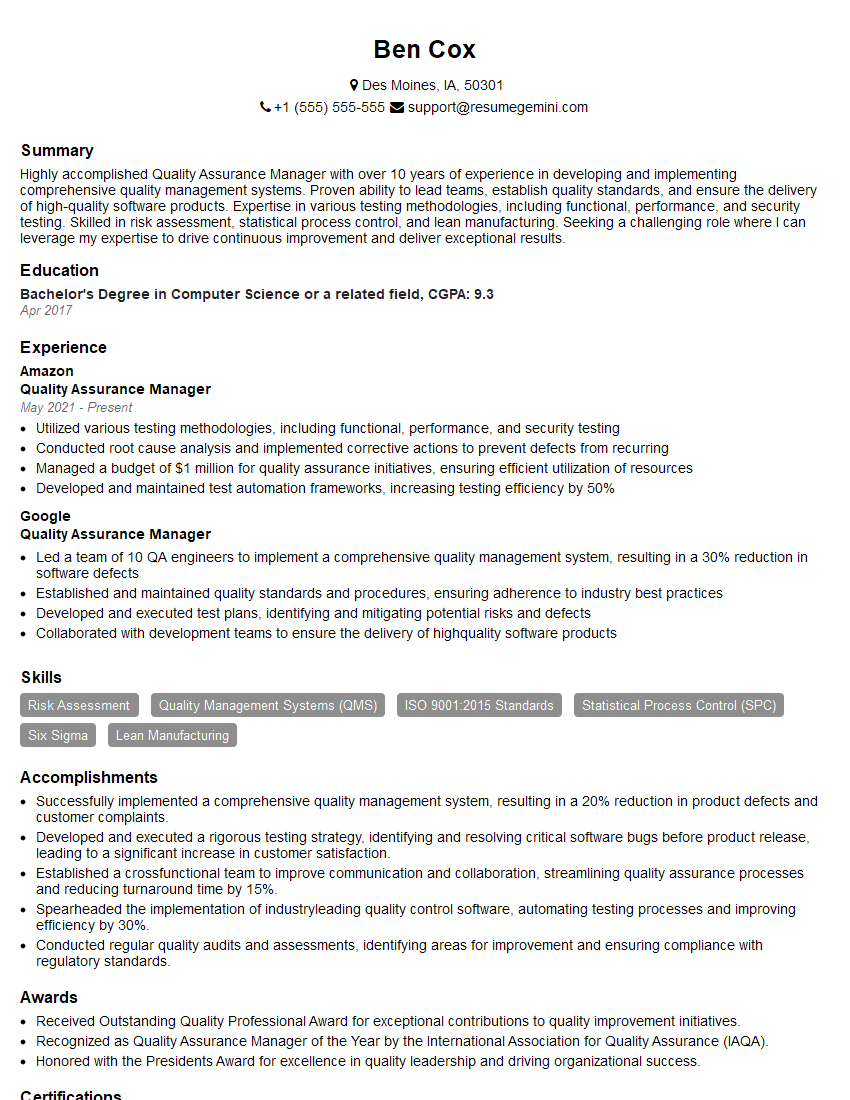
Quality Assurance Manager Resume Sample

Supply Chain Manager Resume Sample
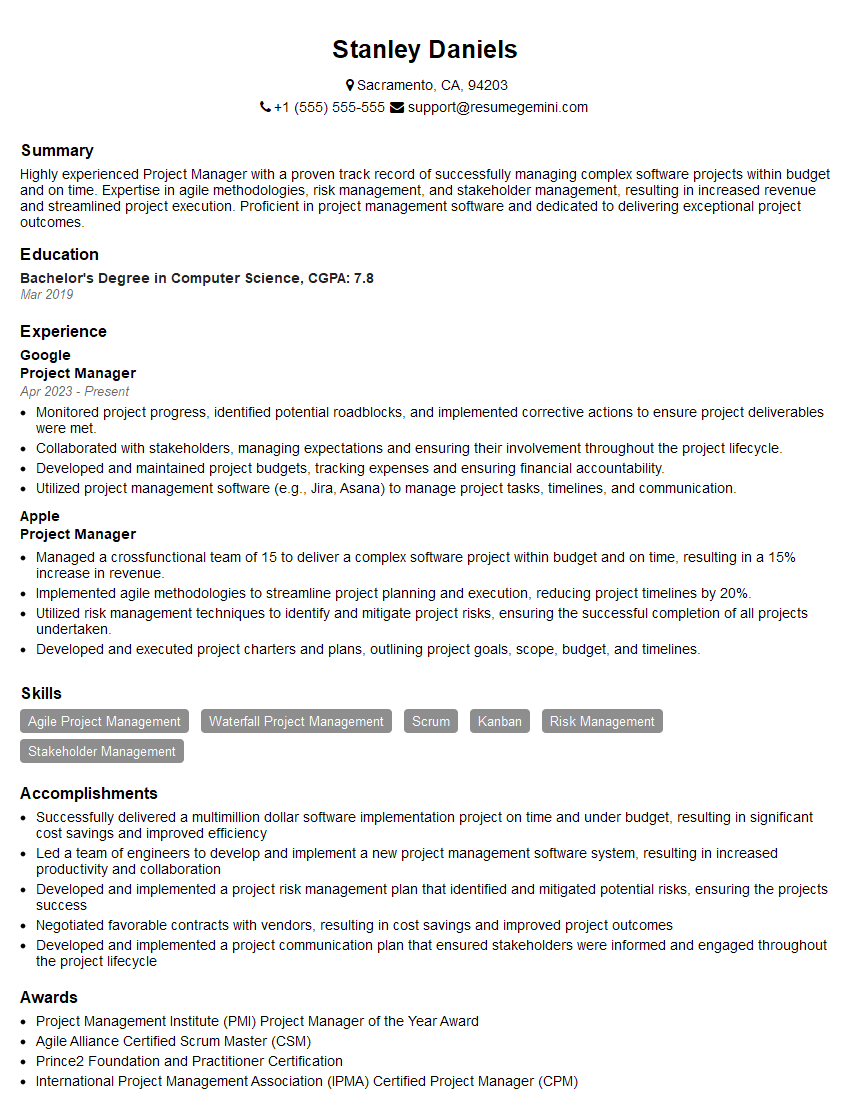
Project Manager Resume Sample
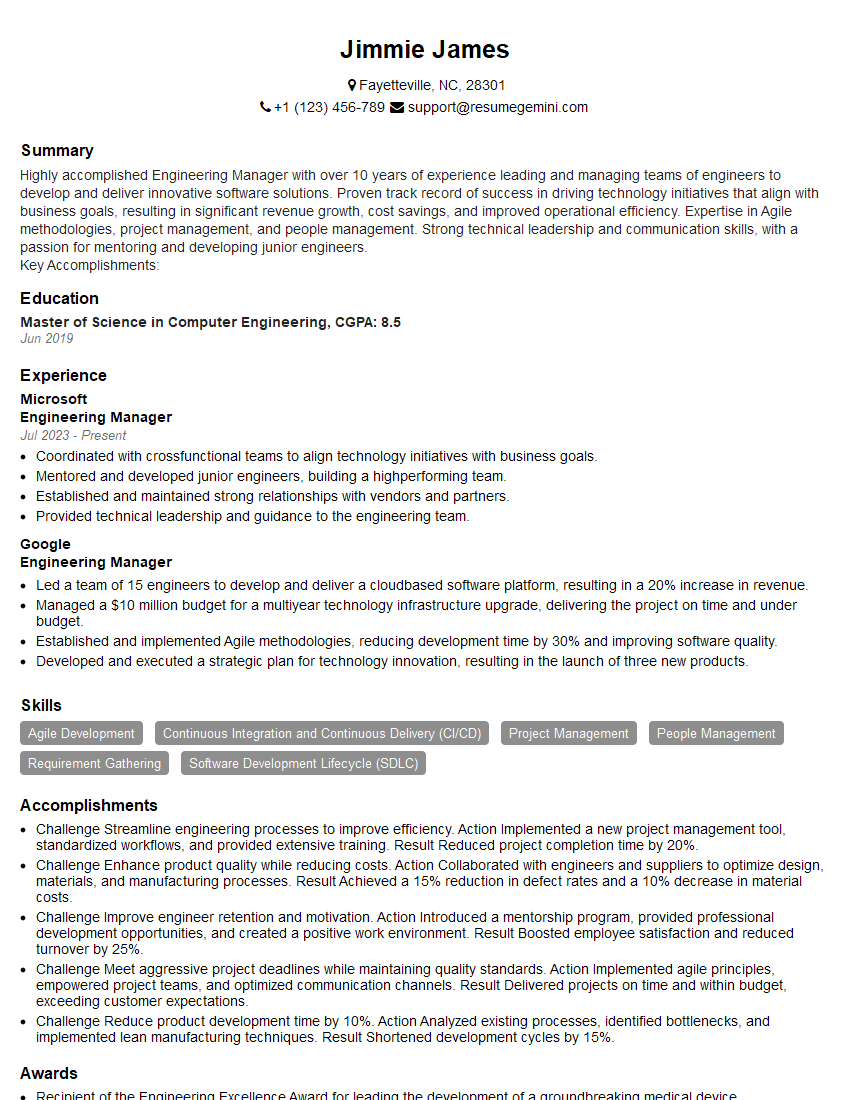
Engineering Manager Resume Sample
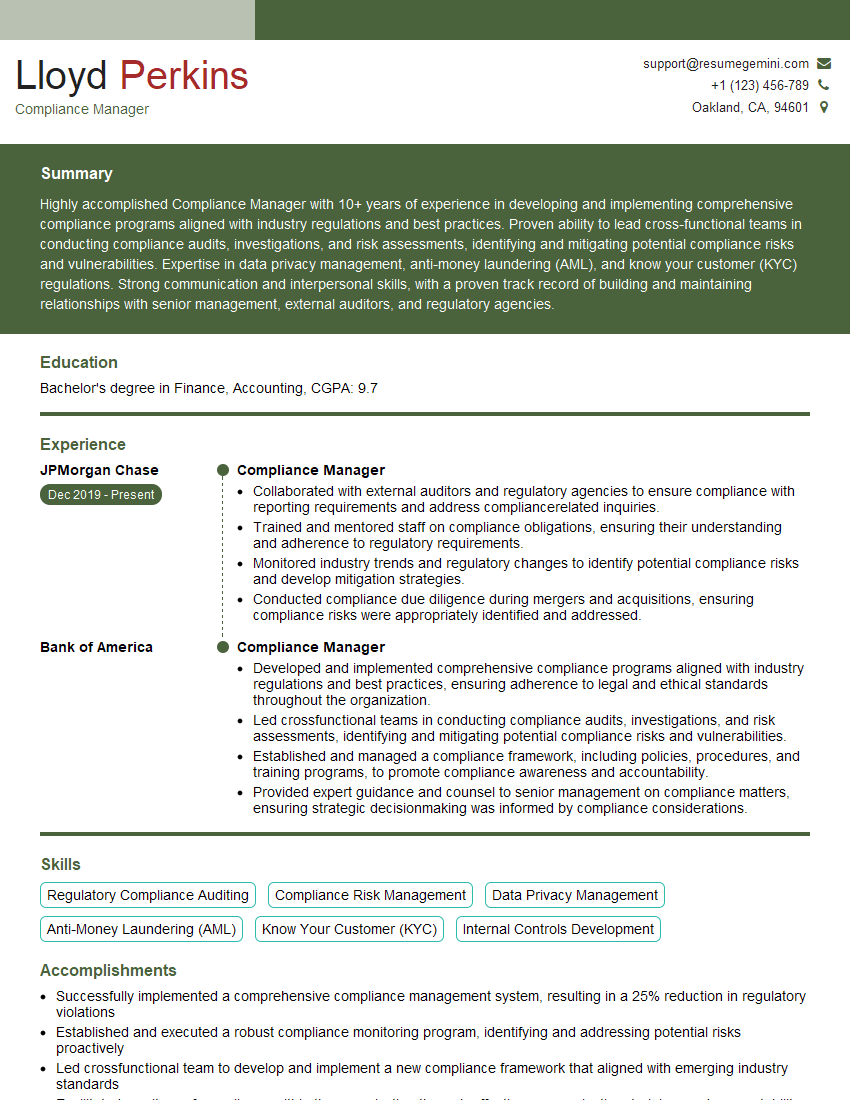
Compliance Manager Resume Sample

Compliance Officer Resume Sample
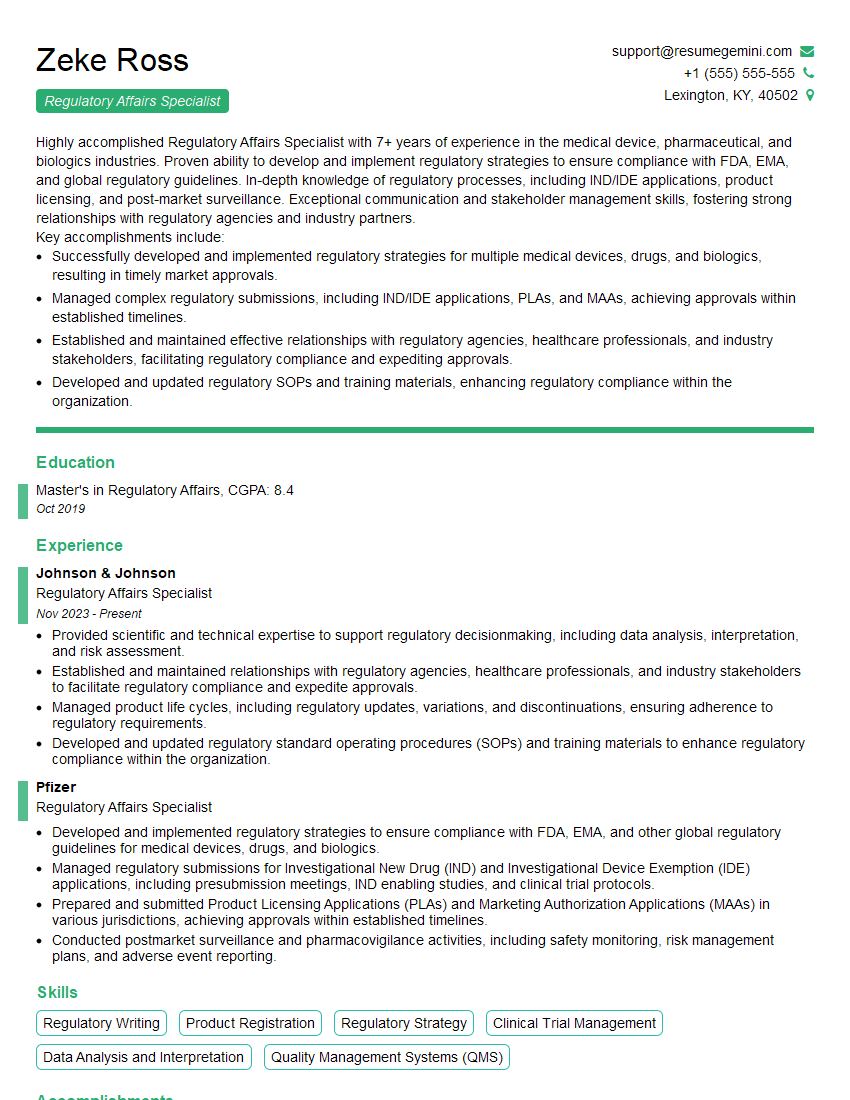
Regulatory Affairs Specialist Resume Sample

Risk Management Specialist Resume Sample
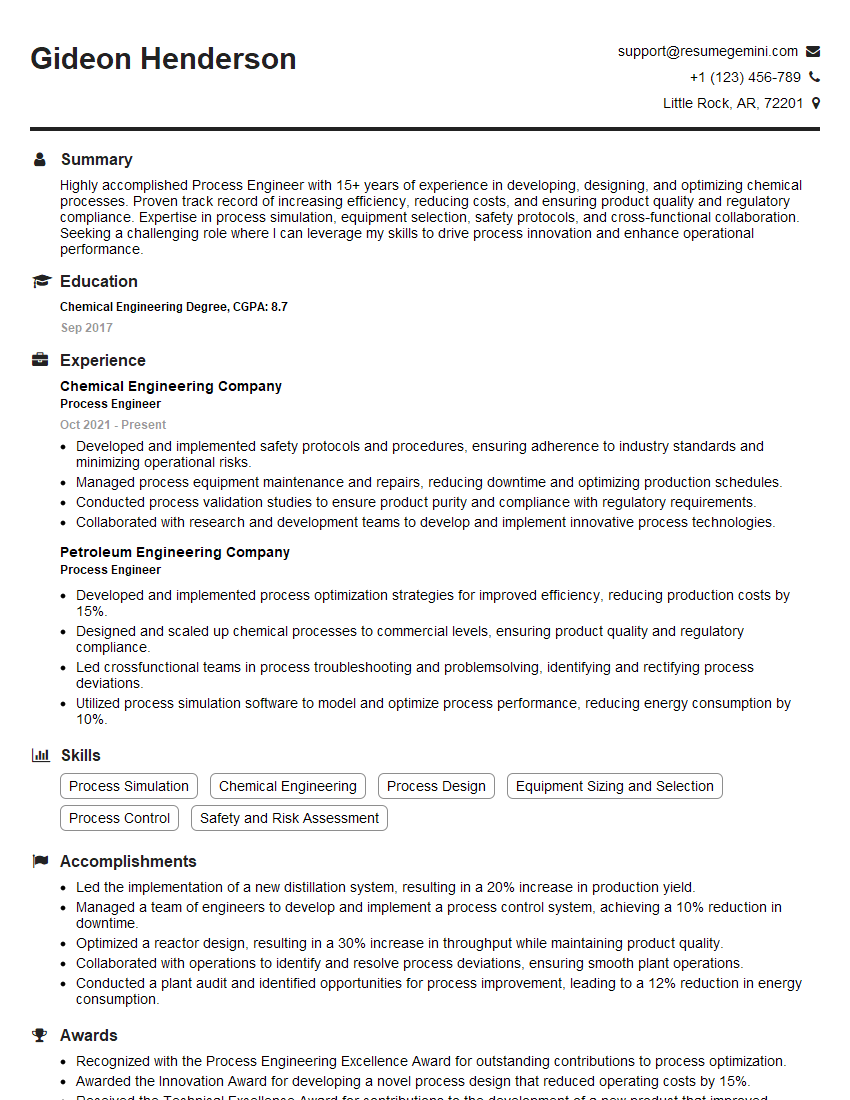
Process Engineer Resume Sample
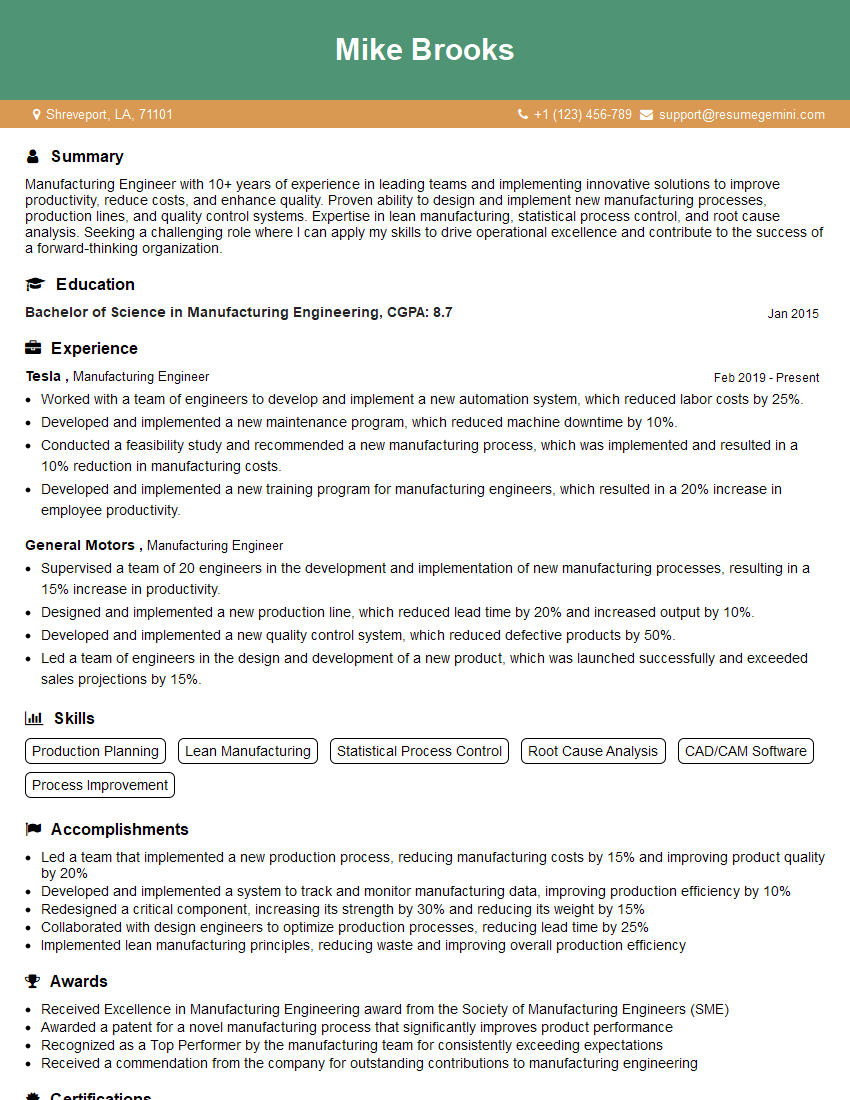
Manufacturing Engineer Resume Sample
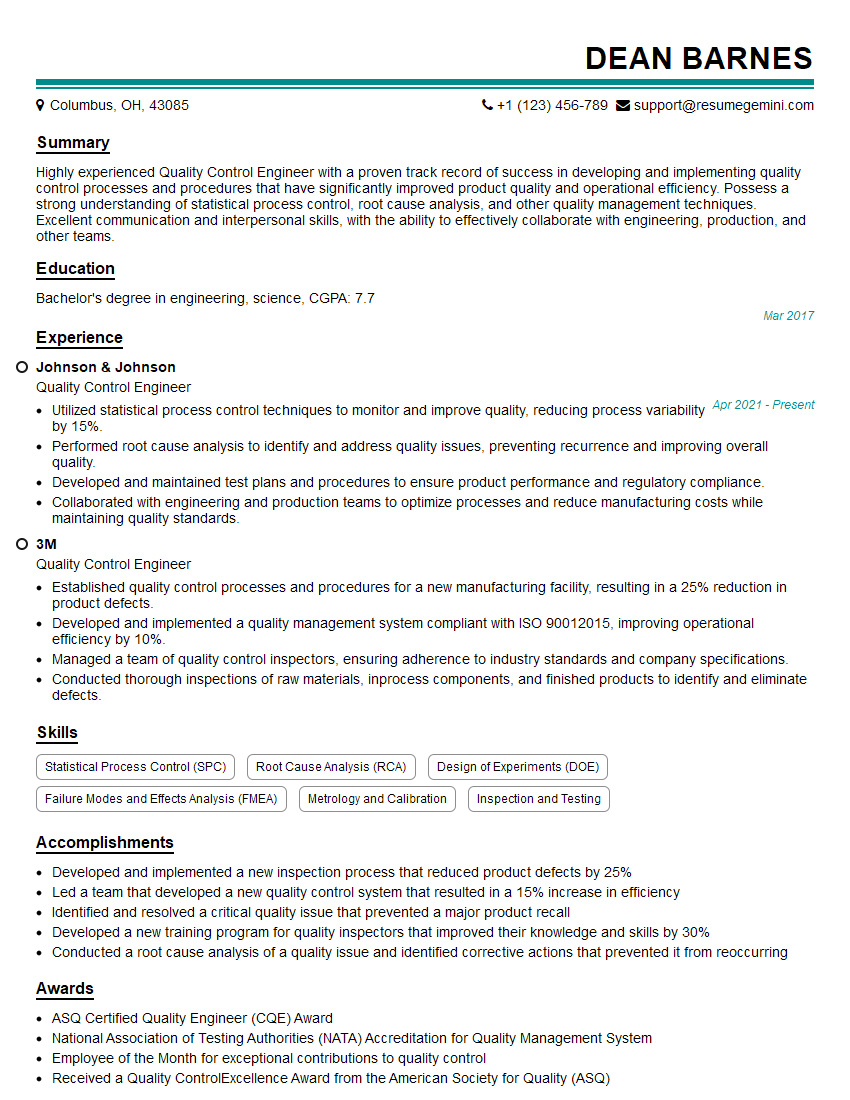
Quality Control Engineer Resume Sample
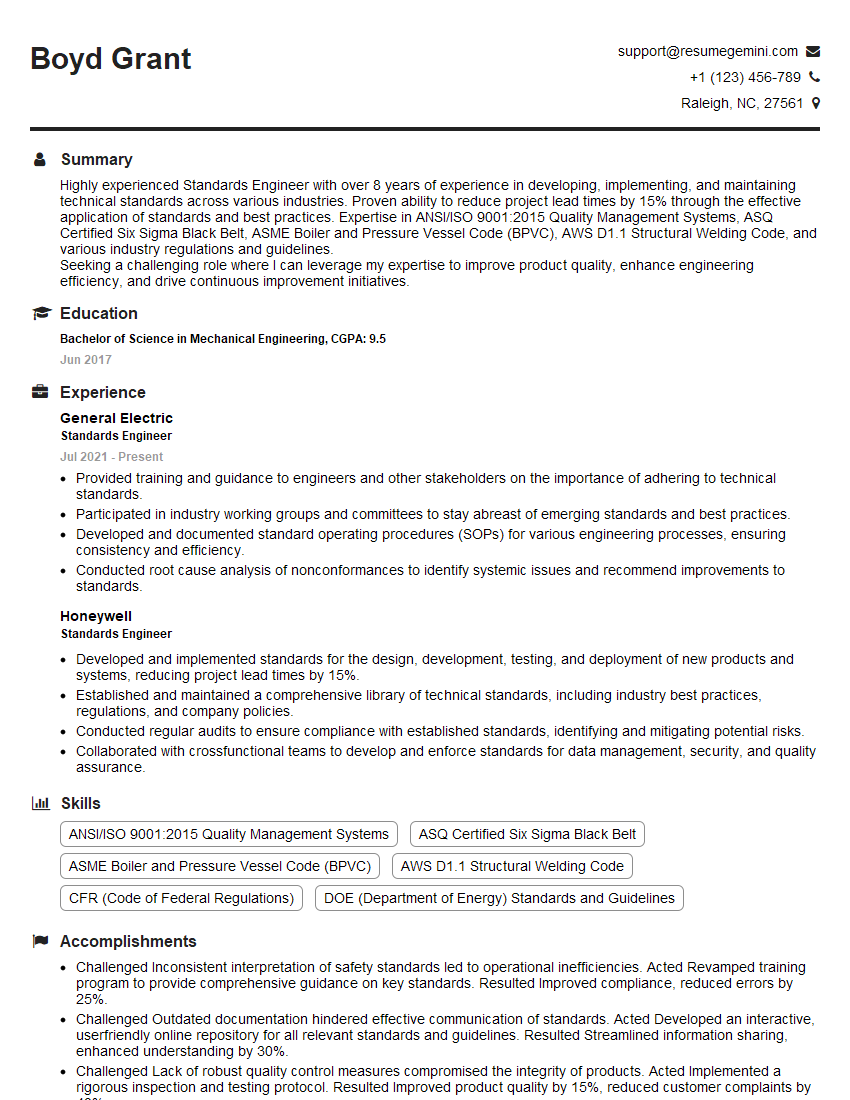
Standards Engineer Resume Sample
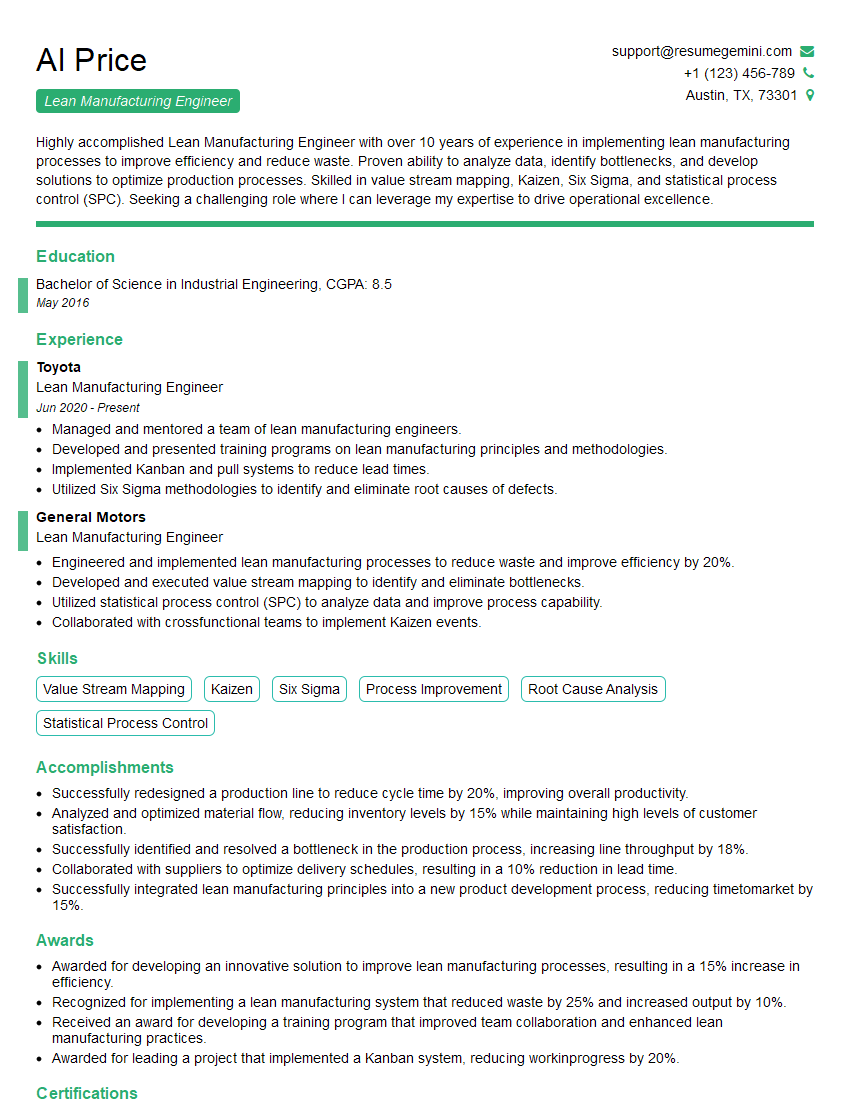
Lean Manufacturing Engineer Resume Sample
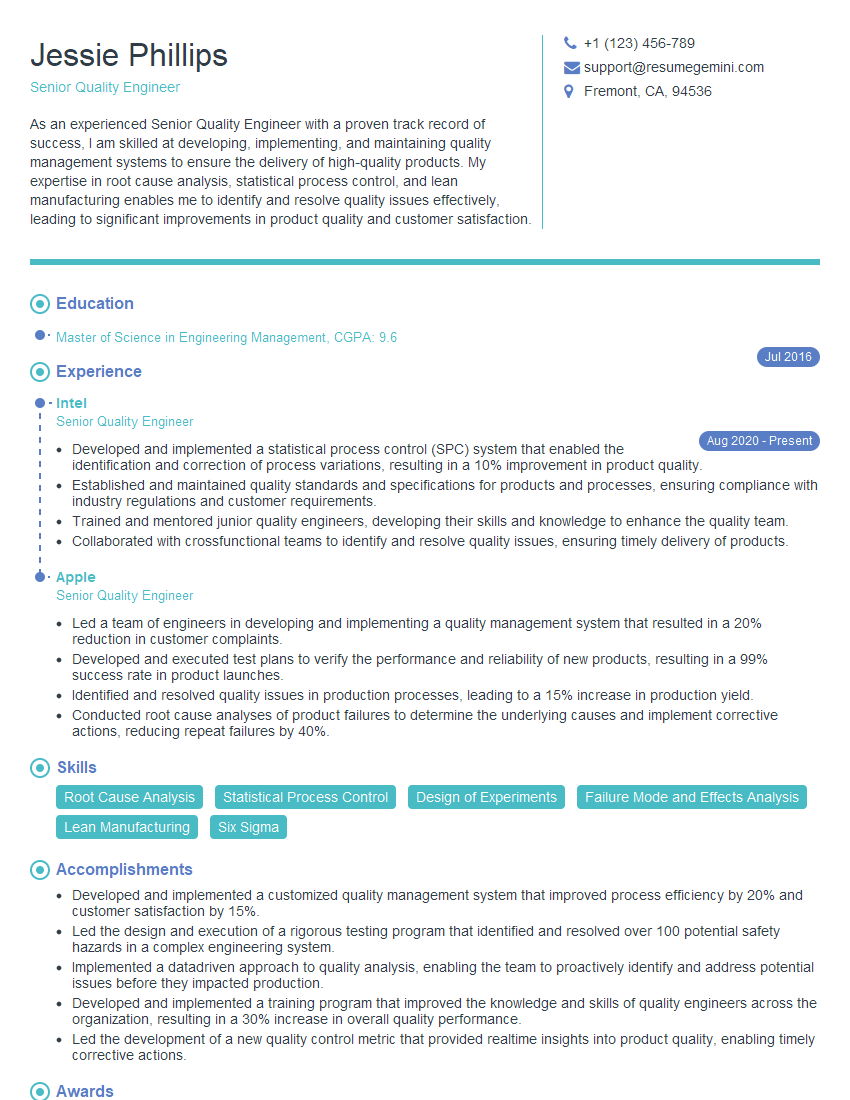
Senior Quality Engineer Resume Sample

Product Development Manager Resume Sample

Technical Writer Resume Sample
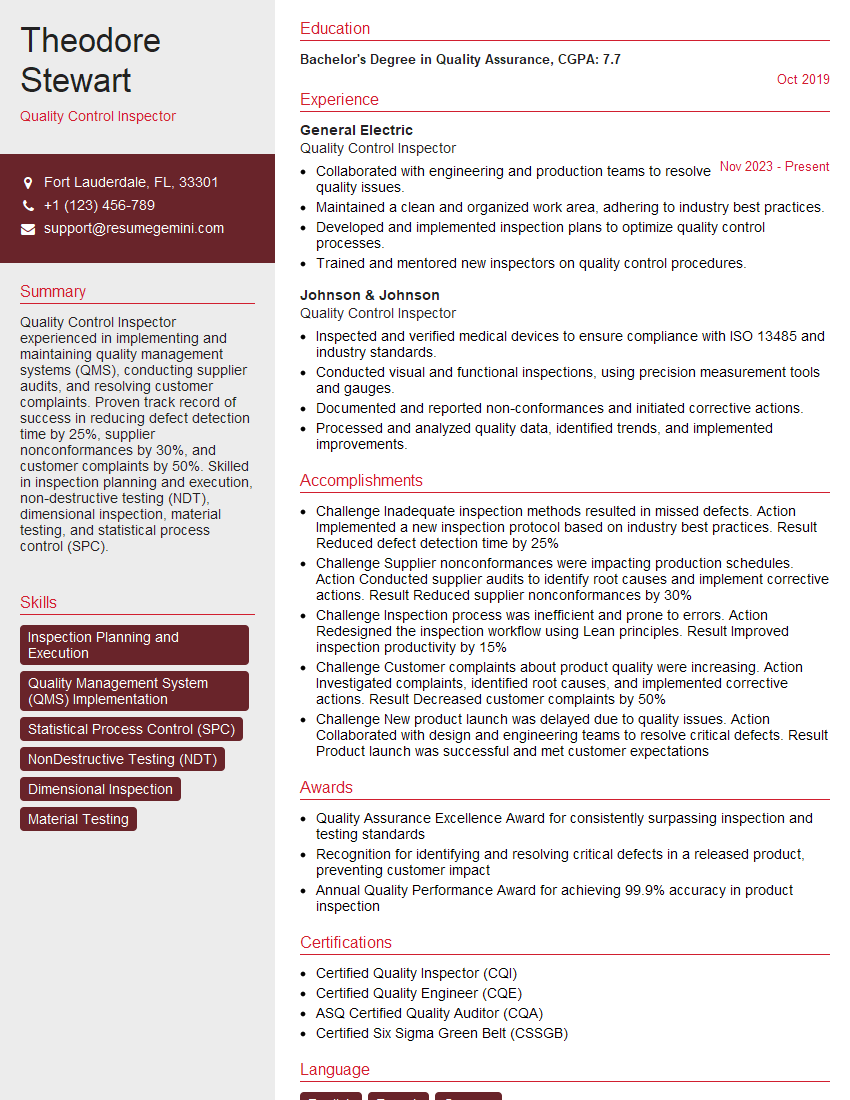
Quality Control Inspector Resume Sample
- Operations Manager
- Quality Assurance Manager
- Supply Chain Manager
- Project Manager
- Engineering Manager
- Compliance Manager
- Compliance Officer
- Regulatory Affairs Specialist
- Risk Management Specialist
- Process Engineer
- Manufacturing Engineer
- Quality Control Engineer
- Standards Engineer
- Lean Manufacturing Engineer
- Senior Quality Engineer
- Product Development Manager
- Technical Writer
- Quality Control Inspector
Explore more articles
Users Rating of Our Blogs
Share Your Experience
We value your feedback! Please rate our content and share your thoughts (optional).
What Readers Say About Our Blog
Very informative content, great job.
good