Interviews are more than just a Q&A session—they’re a chance to prove your worth. This blog dives into essential Knowledge of manufacturing processes (e.g., CNC machining, injection molding) interview questions and expert tips to help you align your answers with what hiring managers are looking for. Start preparing to shine!
Questions Asked in Knowledge of manufacturing processes (e.g., CNC machining, injection molding) Interview
Q 1. Explain the difference between CNC milling and turning.
CNC milling and turning are both subtractive manufacturing processes using computer numerical control (CNC) machines, but they differ significantly in how they remove material. Think of it like this: milling is like carving with a chisel, while turning is like shaping wood on a lathe.
CNC Milling: Uses rotating cutting tools to remove material from a workpiece, typically held stationary. The cutting tool moves in multiple axes (X, Y, and Z, and sometimes A and B for rotary axes) to create complex shapes. It’s ideal for creating intricate 3D parts, pockets, and features on a flat surface. Imagine making a detailed sculpture from a block of metal. This is milling.
CNC Turning: Uses a rotating workpiece against a stationary cutting tool. The tool moves along the axis of rotation to create cylindrical or conical shapes. Think of creating a perfectly round wooden bowl on a lathe. This is turning. It’s best suited for parts with rotational symmetry, like shafts, axles, and pins.
- Milling: Multiple axes, creates complex 3D shapes, works on flat surfaces.
- Turning: Primarily uses a single axis (Z), creates cylindrical or conical parts.
Q 2. Describe the process of injection molding, including stages and tooling.
Injection molding is a high-volume manufacturing process used to create plastic parts. It involves injecting molten plastic into a mold cavity, allowing it to cool and solidify, and then ejecting the finished part. It’s like baking a cake in a specialized pan.
Stages:
- Molding Material Preparation: Plastic pellets are fed into a hopper and melted in a heated barrel using a screw mechanism.
- Injection: The molten plastic is injected under high pressure into a precisely engineered mold cavity.
- Cooling and Solidification: The molten plastic cools and hardens within the mold, taking on the shape of the cavity.
- Ejection: The mold opens, and ejector pins push the solidified part out of the cavity.
- Part Removal and Trimming (if needed): Parts are removed from the machine, and excess material, known as sprues and runners, are usually trimmed.
Tooling: The heart of injection molding is the mold, or tooling. It’s a highly precise, two-part metal structure, usually steel or aluminum, with cavities that mirror the final part’s geometry. It’s extremely expensive to create and is a significant investment in any injection molding operation. Other essential components include the sprue, runners (channels to fill the cavity), and ejector pins.
Q 3. What are the common causes of defects in injection molding?
Defects in injection molding can stem from various sources, impacting part quality and functionality. A common cause is improper machine settings; for instance, insufficient pressure can cause incomplete filling. Let’s categorize the defects:
- Short Shots: Insufficient material fills the mold, resulting in incomplete parts.
- Flashing: Molten plastic squeezes out between the mold halves, creating excess material.
- Sink Marks: Surface depressions caused by material shrinkage during cooling.
- Warping: Parts become distorted due to uneven cooling or internal stresses.
- Burn Marks: Discoloration or degradation of the plastic due to excessive heat or residence time in the barrel.
- Weld Lines: Visible lines where two molten plastic flows meet.
Identifying the root cause requires careful analysis of processing parameters, material properties, and mold design. For example, a short shot could be due to low injection pressure, low melt temperature, or a clogged nozzle.
Q 4. How do you troubleshoot a CNC machine that is producing inaccurate parts?
Troubleshooting inaccurate CNC parts requires a systematic approach. It’s like detective work! We need to eliminate possible sources of error one by one.
- Verify the Program: Double-check the CNC program (G-code) for errors in toolpaths, feed rates, and other parameters. Simulate the program on the machine’s controller to visualize the tool movements before actually running it. Common errors include typos, incorrect coordinate values, or missing commands.
- Check Tooling: Inspect the cutting tools for wear, damage, or improper setup. A dull or broken tool will produce inaccurate cuts. Make sure the tools are securely clamped and correctly positioned in the spindle.
- Inspect Workholding: Ensure the workpiece is securely clamped and accurately positioned in the machine’s vise or fixture. Any misalignment or vibration will lead to inaccurate parts.
- Machine Calibration and Maintenance: Verify the machine’s accuracy by running a calibration test or measuring known dimensions. Regular maintenance, including lubrication and cleaning, is crucial for preventing issues such as backlash or play in the machine’s axes.
- Environmental Factors: Consider environmental factors, like temperature changes, that might affect the machine’s accuracy. Extreme temperatures can cause expansions in the machine components and affect cutting precision.
- Material Properties: Ensure the material’s suitability for the operation. For example, excessive hardness could lead to tool chatter, while excessively soft materials can deform during machining.
Documenting each step and recording measurements is crucial. Using measurement tools like calipers and CMM (Coordinate Measuring Machine) is vital to verify part dimensions and detect any deviation from specifications.
Q 5. Explain the concept of tolerance in manufacturing.
Tolerance in manufacturing refers to the permissible variation in a dimension or other characteristic of a part. It defines an acceptable range of values, not a single precise value. Think of it like a target with a bullseye: the bullseye is the ideal dimension, and the tolerance zone is the allowable deviation around that bullseye. Parts falling outside the tolerance range are considered defective.
Tolerance is specified using numerical limits (e.g., 10 ± 0.1 mm). A smaller tolerance indicates higher precision and tighter control over dimensions, which typically results in a higher cost of production. It’s a balance between precision and cost. For example, a high-precision engine part requires very tight tolerances for proper functionality, while a plastic toy may have looser tolerances.
Q 6. What are different types of plastics used in injection molding and their properties?
Many different plastics are used in injection molding, each with unique properties that determine suitability for specific applications.
- Polyethylene (PE): Flexible, low density, good chemical resistance, used in films, bottles, and packaging.
- Polypropylene (PP): Strong, resistant to chemicals and heat, used in containers, automotive parts, and fibers.
- Polyvinyl Chloride (PVC): Rigid or flexible, inexpensive, widely used in pipes, flooring, and window frames.
- Polyethylene Terephthalate (PET): Strong, lightweight, good barrier properties, used in beverage bottles and food packaging.
- Acrylonitrile Butadiene Styrene (ABS): Tough, durable, impact-resistant, used in electronics, automotive parts, and toys.
- Polycarbonate (PC): High impact resistance, transparent, high heat resistance, used in safety glasses, automotive parts, and medical devices.
Choosing the right plastic depends on factors such as the part’s intended use, required mechanical properties, chemical resistance needs, and cost considerations. For instance, a medical device might require a biocompatible plastic, while a simple toy might use a less expensive, but durable plastic.
Q 7. Describe your experience with different CNC programming languages (e.g., G-code).
My experience with CNC programming languages centers around G-code, the most common language in the industry. I am proficient in writing, reading, and editing G-code for both milling and turning applications. I’ve worked with various control systems, including Fanuc, Siemens, and Haas. I understand the intricacies of G-code commands such as G00 (rapid traverse), G01 (linear interpolation), G02/G03 (circular interpolation), and the various codes for tool changes, spindle speed control, and coolant activation.
Beyond basic G-code, I’m also experienced in using CAM (Computer-Aided Manufacturing) software to generate G-code from CAD (Computer-Aided Design) models. I have worked with software like Mastercam and Fusion 360 to generate efficient and optimized toolpaths. For example, I’ve successfully programmed complex parts requiring multiple operations and tool changes, optimizing toolpaths to minimize machining time and enhance surface finish. My experience also includes working with macros and subroutines to streamline repetitive tasks in programming, improving efficiency and reducing programming errors. I continually update my skills to stay current with advancements in CNC programming and CAM software.
Example G-code snippet for a simple milling operation:
G90 G00 X0 Y0 Z10 ; Rapid positioning to starting point G01 Z-1 F100 ; Linear interpolation to cutting depth G01 X10 F100 ; Linear movement along X-axis G01 Y10 F100 ; Linear movement along Y-axis G01 X0 Y0 Z10 ; Return to starting point M30 ; Program endQ 8. How do you ensure quality control in a manufacturing process?
Quality control in manufacturing is a systematic process to ensure that products consistently meet predefined specifications and customer expectations. It involves a multi-faceted approach, beginning even before production starts with design review and material selection, and continuing throughout the manufacturing process and even post-production.
Incoming Inspection: Verifying the quality of raw materials and components before they enter the production process. This might involve dimensional checks, material testing, or visual inspections.
In-Process Inspection: Monitoring the quality of the product at various stages of manufacturing. For example, in CNC machining, this could involve regular checks of dimensions and surface finish using CMMs (Coordinate Measuring Machines) or other inspection tools. In injection molding, this might involve visual checks for defects, weight checks, and dimensional measurements of samples from each production run.
Final Inspection: Thoroughly examining the finished product to ensure it meets all specifications. This often involves functional testing and visual inspection for defects.
Statistical Process Control (SPC): Using statistical methods to monitor and control the manufacturing process. Control charts are crucial in identifying trends and potential problems before they become major issues.
Corrective and Preventive Actions (CAPA): Establishing a system to identify the root cause of quality problems, implement corrective actions to resolve immediate issues, and implement preventive actions to prevent recurrence.
For example, imagine producing precision metal parts on CNC machines. A slight deviation in tool wear could lead to dimensional inaccuracies. By regularly monitoring tool life and performing in-process inspections with CMMs, we can catch and correct these issues before a large batch of defective parts is produced, saving significant time and resources.
Q 9. What are the key performance indicators (KPIs) you would monitor in a manufacturing setting?
Key Performance Indicators (KPIs) in manufacturing are metrics that track the efficiency and effectiveness of various processes. They provide insights into areas needing improvement and help measure progress towards goals. Some critical KPIs include:
Overall Equipment Effectiveness (OEE): Measures the percentage of planned production time that is actually used to produce good parts. It considers availability, performance, and quality.
Production Rate/Throughput: The number of units produced within a specific timeframe.
Defect Rate: The percentage of defective units produced relative to the total production.
Inventory Turnover: The number of times inventory is sold or used in a period (e.g., annually). Low turnover indicates potential storage costs and risks of obsolescence.
Lead Time: The time taken to complete a product from order placement to delivery.
Manufacturing Cost: The total cost involved in producing a product, including material costs, labor costs, and overhead.
On-Time Delivery Rate: The percentage of orders delivered on or before the scheduled date.
For instance, a low OEE might signal problems with equipment maintenance, while a high defect rate indicates a need for improvements in quality control processes. Tracking these KPIs allows for data-driven decision-making to optimize manufacturing operations.
Q 10. Explain the concept of Six Sigma in manufacturing.
Six Sigma is a data-driven methodology aimed at reducing variation and defects in manufacturing processes. Its goal is to achieve a level of quality where defects occur only 3.4 times per million opportunities (DPMO). This translates to incredibly high levels of consistency and reliability.
The methodology relies on several key components:
DMAIC (Define, Measure, Analyze, Improve, Control): A structured problem-solving approach used to identify, analyze, and improve processes.
Statistical Tools: Utilizing statistical methods to analyze data, identify root causes of variation, and measure improvements.
Process Capability Analysis: Assessing the ability of a process to meet specified requirements.
Control Charts: Monitoring process performance over time to detect deviations and prevent defects.
Imagine a company manufacturing medical devices. Even a tiny defect could have severe consequences. Six Sigma principles would be crucial to ensure that the manufacturing process is highly consistent and produces devices that meet rigorous quality standards, minimizing the risk of failure.
Q 11. Describe your experience with lean manufacturing principles.
Lean manufacturing focuses on eliminating waste and maximizing value for the customer. My experience includes implementing lean principles in a variety of settings, from optimizing CNC machining workflows to streamlining material handling in injection molding operations. Specific examples of my application of lean principles include:
5S Methodology: Implementing this organization system (Sort, Set in Order, Shine, Standardize, Sustain) to improve workspace efficiency and reduce waste.
Value Stream Mapping: Identifying and eliminating non-value-added steps in the production process. This involved analyzing the entire workflow, from raw material arrival to finished product shipment.
Kaizen Events: Participating in short, focused improvement events to address specific process bottlenecks and inefficiencies.
Kanban Systems: Implementing visual scheduling systems to manage inventory flow and minimize waste.
In one project, we significantly reduced lead times in CNC machining by optimizing tool changes and implementing a more efficient material handling system. This resulted in substantial cost savings and improved customer satisfaction.
Q 12. How do you manage inventory in a manufacturing environment?
Inventory management in manufacturing is crucial for balancing supply and demand while minimizing costs and preventing stockouts or excess inventory. Effective strategies involve:
Just-in-Time (JIT) Inventory: Receiving materials only when needed for production, minimizing storage costs and reducing the risk of obsolescence.
Material Requirements Planning (MRP): Using software to plan and schedule material needs based on production schedules and inventory levels.
Economic Order Quantity (EOQ): Calculating the optimal order quantity to minimize total inventory costs (holding costs and ordering costs).
Inventory Tracking Systems: Using barcodes, RFID tags, or other technologies to monitor inventory levels accurately.
Regular Inventory Audits: Physically verifying inventory levels to ensure accuracy and detect discrepancies.
For instance, in injection molding, we used a Kanban system to manage the flow of raw materials to the molding machines, ensuring that the machines always had the required materials available without excessive stockpiling.
Q 13. What are the safety protocols you follow while operating CNC machines?
Safety is paramount when operating CNC machines. Strict adherence to protocols is mandatory to prevent accidents and injuries. These protocols include:
Proper Training: Thorough training on machine operation, safety procedures, and emergency response protocols is essential before operating any CNC machine.
Lockout/Tagout Procedures: Following established procedures to lock out and tag out power sources before performing maintenance or repairs.
Personal Protective Equipment (PPE): Wearing appropriate PPE, including safety glasses, hearing protection, and machine-specific safety gear.
Machine Guards and Safety Interlocks: Ensuring all safety guards and interlocks are in place and functioning correctly.
Regular Machine Inspections: Conducting regular inspections to ensure the machine is in safe working condition and identify potential hazards.
Emergency Procedures: Knowing and practicing emergency procedures, including the location of emergency shut-off switches and first aid kits.
I’ve personally witnessed the importance of these protocols. In one instance, a colleague’s quick response to a malfunctioning machine, using the emergency stop button, prevented a potentially serious accident.
Q 14. What are the different types of tooling used in CNC machining?
CNC machining utilizes a variety of tooling, each specialized for different operations. The choice of tool depends on the material being machined, the desired surface finish, and the specific operation being performed. Some common types include:
End Mills: Used for milling operations, such as profiling, pocketing, and slotting. They come in various designs (ball nose, square end, etc.) depending on the application.
Drills: Used for creating holes in materials. Types include twist drills, step drills, and core drills.
Taps and Dies: Used for creating internal (taps) and external (dies) threads.
Reamer: Used to enlarge or smooth out existing holes.
Milling Cutters: Various milling cutters exist for specialized milling operations, such as face milling, shoulder milling, and fly cutting.
Boring Bars: Used for enlarging pre-existing holes to precise dimensions.
The selection of the correct tool is critical for achieving the desired results and preventing tool breakage. For example, using a dull end mill on a hard material can result in poor surface finish and tool damage.
Q 15. Explain the difference between preventative and corrective maintenance.
Preventative maintenance focuses on preventing equipment failure through scheduled inspections, cleaning, lubrication, and part replacements. Think of it like regular check-ups at the doctor – catching potential problems before they become major issues. Corrective maintenance, on the other hand, addresses problems after they occur. This is akin to visiting the doctor only when you’re already sick. It involves repairs, troubleshooting, and fixing breakdowns. While both are crucial for maintaining efficient production, preventative maintenance significantly reduces the frequency and severity of corrective maintenance needs, ultimately saving time and money.
- Preventative Example: Regularly changing the oil in a CNC machine to prevent wear and tear on the internal components.
- Corrective Example: Repairing a broken spindle on a CNC machine after it unexpectedly fails during operation.
Career Expert Tips:
- Ace those interviews! Prepare effectively by reviewing the Top 50 Most Common Interview Questions on ResumeGemini.
- Navigate your job search with confidence! Explore a wide range of Career Tips on ResumeGemini. Learn about common challenges and recommendations to overcome them.
- Craft the perfect resume! Master the Art of Resume Writing with ResumeGemini’s guide. Showcase your unique qualifications and achievements effectively.
- Don’t miss out on holiday savings! Build your dream resume with ResumeGemini’s ATS optimized templates.
Q 16. How do you handle a production line breakdown?
Handling a production line breakdown requires a systematic approach. My first step is always safety – ensuring the immediate area is secured and no one is at risk. Then, I initiate the following:
- Assess the situation: Determine the exact nature of the breakdown, the affected equipment, and the potential impact on production.
- Emergency response: If the breakdown poses an immediate safety risk or significant production disruption, I’ll involve the appropriate emergency response teams (e.g., maintenance, safety).
- Troubleshooting: Based on my experience and knowledge, I’ll attempt to identify the root cause of the breakdown. This might involve reviewing logs, inspecting components, or consulting with colleagues.
- Repair or replacement: If the issue can be quickly resolved, I’ll initiate repairs. If it requires specialized expertise or parts, I’ll contact the appropriate personnel or suppliers.
- Documentation: I meticulously document the entire process, including the cause of the breakdown, repair actions taken, and the time it took to resolve the issue. This is critical for future preventative maintenance planning and continuous improvement.
- Production recovery: Once the equipment is repaired, I’ll focus on resuming production as efficiently as possible, possibly re-sequencing jobs or adjusting schedules.
For example, in one instance, a hydraulic pump failure on an injection molding machine caused a production halt. After ensuring safety, we quickly diagnosed the issue, ordered a replacement pump, and worked around the clock to minimize production downtime. Thorough documentation of this event helped prevent similar issues in the future.
Q 17. Describe your experience with different types of molding machines (e.g., hydraulic, electric).
I have extensive experience with both hydraulic and electric molding machines. Hydraulic machines use hydraulic fluid under pressure to power the clamping and injection mechanisms. They offer high clamping forces and are often preferred for large parts or high-volume production. However, they are typically less energy-efficient and can be more prone to leaks and maintenance issues. Electric machines utilize servo motors and electric drives for precise control over the molding process. They are generally more energy-efficient, cleaner, and easier to control and maintain, though sometimes with slightly lower clamping force for the same size compared to hydraulics. I’ve worked with various brands and models, adapting my techniques to the specific characteristics of each machine.
- Hydraulic Example: Working on a large-tonnage Engel hydraulic press for automotive parts production.
- Electric Example: Programming and operating a smaller, all-electric Arburg machine for precision medical device molding.
My experience spans diverse applications, allowing me to optimize machine settings for different materials and part geometries.
Q 18. What are the different types of materials used in CNC machining?
CNC machining utilizes a wide range of materials, each with its own properties influencing machinability and final product characteristics. These include:
- Metals: Aluminum, steel (various grades), titanium, brass, copper – offering high strength and durability.
- Plastics: Acrylic, ABS, Delrin, polycarbonate – providing flexibility in design and lower cost in some cases.
- Composites: Carbon fiber reinforced polymers (CFRP), fiberglass – combining high strength-to-weight ratios.
- Wood: Various hardwoods and softwoods – useful for prototyping and specialized applications.
Material selection depends on the part’s intended function, required strength, cost constraints, and aesthetic considerations. For example, aluminum is often chosen for its light weight and ease of machining, while steel is preferred for applications requiring high strength and wear resistance.
Q 19. How do you determine the optimal cutting parameters for CNC machining?
Determining optimal cutting parameters in CNC machining is crucial for achieving high-quality surface finishes, efficient material removal rates, and extended tool life. This involves considering several factors:
- Material properties: Hardness, toughness, and machinability of the material being cut directly affect cutting speed, feed rate, and depth of cut.
- Tool geometry: The type, size, and geometry of the cutting tool will influence the cutting forces and the resulting surface finish.
- Machine capabilities: The machine’s spindle speed range, power, and rigidity limit the feasible cutting parameters.
- Desired surface finish: A smoother finish typically requires lower cutting speeds and feed rates.
- Tool life: Aggressive cutting parameters may increase material removal rates but also reduce tool life and increase the risk of tool breakage.
I typically start with conservative parameters based on established guidelines, then fine-tune them through experimentation and observation. Software tools and manufacturer’s recommendations can be helpful but practical experience guides the process. Data logging helps track tool wear and optimize settings to maximize efficiency and extend tool life.
Q 20. Explain the importance of proper mold design in injection molding.
Proper mold design is paramount in injection molding, directly influencing the quality, consistency, and cost-effectiveness of the final product. A poorly designed mold can lead to:
- Part defects: Sink marks, short shots, flash, warping, etc.
- Mold damage: Premature wear and tear.
- Increased cycle time: Slowing down production and reducing efficiency.
- High manufacturing costs: Requiring more maintenance and potentially more scrap.
Key aspects of proper mold design include:
- Gate and runner design: Ensuring efficient material flow to fill the cavity completely and avoid defects.
- Cooling system: Optimizing cooling channels for consistent part cooling and reduced cycle times.
- Ejection system: Preventing parts from sticking and ensuring smooth part removal from the mold.
- Material selection: Choosing appropriate mold materials for durability and heat resistance.
Experienced mold designers employ advanced simulation software to predict potential problems and optimize design before physical mold construction. This significantly reduces the risk of errors and costly rework.
Q 21. How do you calculate cycle time in injection molding?
Calculating cycle time in injection molding involves summing up the time required for each stage of the process:
- Clamping time: The time it takes for the mold to close and clamp securely.
- Injection time: The time taken for the molten plastic to fill the mold cavity.
- Holding time/Dwell time: The period the plastic is held under pressure to ensure proper packing and prevent shrinkage.
- Cooling time: The time required for the plastic to solidify and reach the appropriate temperature for ejection.
- Ejection time: The time taken for the parts to be ejected from the mold.
- Mold open time: The time required for the mold to open.
Cycle time = Clamping time + Injection time + Holding time + Cooling time + Ejection time + Mold open time
Precise measurement of each stage is crucial for accurate cycle time calculation, and this is often done using sensors and machine monitoring systems. Reducing cycle time is a key objective for improving productivity and reducing manufacturing costs.
Q 22. What are the different types of gating systems used in injection molding?
Gating systems in injection molding are crucial for delivering molten plastic into the mold cavity efficiently and consistently. The choice of gating system significantly impacts part quality, cycle time, and overall production costs. Different systems cater to varying part geometries and material properties.
- Direct Gating: The simplest type, where the sprue directly feeds into the part. It’s cost-effective but can leave marks on the finished part. Best for simple, symmetrical parts.
- Indirect Gating: Uses runners and gates to distribute the melt, reducing flow stress and improving part quality. Sub-types include:
- Tab Gating: A small, thin gate that breaks easily during ejection.
- Edge Gating: Located at the edge of the part, minimizing visible marks.
- Submarine Gating: The gate is submerged beneath the surface, creating a nearly invisible gate location.
- Pinpoint Gating: Very small gates for thin-walled parts or complex geometries.
- Valve Gating (Hot Runner): A sophisticated system using heated runners to keep the plastic molten, eliminating sprues and runners and reducing material waste. Ideal for high-volume production of high-quality parts but has higher upfront costs.
- Multiple Gating: Multiple gates feed into a single part, improving fill balance for large or complex parts. It helps address potential short shots in parts with long, thin sections.
Selecting the right gating system involves considering factors such as part design, material characteristics, production volume, and desired aesthetic quality. For instance, a high-volume production of a complex part might favor a hot runner system, while a small-batch production of a simple part may benefit from direct gating.
Q 23. Describe your experience with statistical process control (SPC).
My experience with Statistical Process Control (SPC) spans several years and involves implementing and interpreting control charts to monitor and improve manufacturing processes. I’m proficient in using various control charts, including X-bar and R charts for variable data and p-charts and c-charts for attribute data. I’ve used these techniques to identify trends, shifts in process parameters, and potential sources of variation.
In a previous role, I implemented an X-bar and R chart for monitoring the diameter of a critical component manufactured on a CNC lathe. Through regular data collection and analysis, we were able to identify a gradual increase in the mean diameter. This led to a timely adjustment of the tooling, preventing a significant number of out-of-specification parts. Beyond chart interpretation, I actively participate in process capability studies and incorporate control chart data in root cause analyses to effect lasting process improvements.
Q 24. How do you interpret process capability studies?
Process capability studies determine if a process is capable of consistently producing parts within specified tolerance limits. I interpret these studies by analyzing the process capability indices Cp, Cpk, and Pp, Ppk. These indices compare the process variation to the specification tolerance.
Cp measures the potential capability of the process, while Cpk considers both the process centering and variation. A Cpk value of 1.33 or higher generally indicates a capable process. Values below this suggest improvements are needed. Pp and Ppk are similar but based on historical data, providing a broader picture of long-term performance.
For instance, if a process shows a Cpk of 0.8, it suggests the process variation is too large relative to the tolerance, even if the mean is centered. This indicates a need for improvements in the process, perhaps through machine maintenance, improved tooling, or operator training. Interpreting these studies guides decisions on process adjustments or further investigation into root causes.
Q 25. Explain your experience with root cause analysis techniques.
Root cause analysis (RCA) is crucial for effective problem-solving in manufacturing. I’m experienced with various techniques, including the 5 Whys, Fishbone diagrams (Ishikawa diagrams), and fault tree analysis. The choice of technique depends on the complexity of the problem and the available data.
For example, we once experienced a significant increase in the number of defective parts due to surface imperfections. Using the 5 Whys, we systematically investigated the issue: Why are parts defective? Because of surface imperfections. Why are there surface imperfections? Because of insufficient cooling. Why insufficient cooling? Because of a clogged cooling line. Why was the line clogged? Because of improper maintenance. This led us to implement a more rigorous maintenance schedule, resolving the root cause of the problem.
Fishbone diagrams are particularly helpful for brainstorming potential causes, while fault tree analysis is better suited for complex systems where multiple contributing factors interact. I always strive to document the RCA process thoroughly, including the problem statement, the chosen technique, the findings, and the implemented corrective actions.
Q 26. How do you improve the efficiency of a manufacturing process?
Improving manufacturing efficiency is a continuous process. My approach involves several key strategies:
- Lean Manufacturing Principles: Eliminating waste (muda) through techniques like 5S, Kaizen, and value stream mapping helps optimize workflows, reduce cycle times, and minimize defects.
- Process Optimization: Analyzing processes to identify bottlenecks and inefficiencies. This can involve using techniques like time studies and process mapping to identify areas for improvement.
- Automation: Automating repetitive tasks using robots or automated guided vehicles (AGVs) increases productivity and reduces labor costs, improving throughput and consistency.
- Preventive Maintenance: Implementing a robust preventive maintenance program reduces downtime and increases equipment lifespan, thus enhancing operational efficiency.
- Employee Empowerment: Engaging employees in problem-solving and improvement efforts fosters a culture of continuous improvement.
For instance, in one project, we implemented 5S in the assembly area, leading to a significant reduction in search time and improved worker safety. Simultaneously, implementing a streamlined workflow reduced the assembly cycle time by 15%, boosting overall efficiency.
Q 27. Describe a time you had to troubleshoot a complex manufacturing problem.
During the production of a complex plastic housing, we experienced a high rate of warping after ejection from the mold. The initial troubleshooting focused on machine parameters like injection pressure and mold temperature. However, despite adjustments, the warping persisted.
Using a combination of root cause analysis techniques, including a fishbone diagram and data analysis of cycle times and ejection forces, we discovered the problem wasn’t solely in the injection molding process. The problem stemmed from a poorly designed cooling system within the mold itself. It wasn’t cooling uniformly, causing uneven shrinkage and warping. By redesigning the mold’s cooling channels, we resolved the issue, improving part quality and minimizing waste. This experience highlights the importance of thoroughly investigating all potential contributing factors, even those seemingly outside the immediate process parameters.
Q 28. What are your strengths and weaknesses in a manufacturing environment?
My strengths include a strong analytical ability, coupled with practical problem-solving skills and a deep understanding of manufacturing processes. I’m adept at identifying and addressing root causes of defects, and I’m comfortable working both independently and collaboratively within a team. I am a strong advocate for continuous improvement and staying up-to-date with industry best practices.
An area I’m actively working on is expanding my knowledge of advanced statistical modeling techniques. While proficient in basic SPC, I aim to gain a more in-depth understanding of techniques such as Design of Experiments (DOE) to optimize processes more effectively. I see this as a strategic investment in my professional growth and a key skill for leading future improvements in manufacturing efficiency and quality.
Key Topics to Learn for Knowledge of Manufacturing Processes (e.g., CNC Machining, Injection Molding) Interview
- CNC Machining: Understanding G-code programming, machining processes (milling, turning, drilling), tool selection and setup, tolerance and surface finish considerations, and common CNC machine types.
- Injection Molding: Knowledge of the injection molding process (material selection, mold design, clamping force, injection pressure, cooling), understanding of plastic properties and behavior, troubleshooting common molding defects, and familiarity with mold maintenance.
- Material Science: Understanding the properties of various metals and plastics used in manufacturing, including their strengths, weaknesses, and machinability. Knowing how material selection impacts the manufacturing process.
- Quality Control: Familiarity with quality control techniques, inspection methods, and statistical process control (SPC). Understanding how to identify and address defects in manufactured parts.
- Manufacturing Processes Comparison: Ability to compare and contrast different manufacturing processes (e.g., CNC machining vs. 3D printing, injection molding vs. casting), highlighting their advantages and limitations for specific applications.
- Problem-Solving & Troubleshooting: Demonstrate your ability to approach manufacturing challenges systematically, identifying root causes and proposing effective solutions. Discuss examples from your experience (if any).
- Safety Procedures: Understanding and adhering to safety regulations and best practices within a manufacturing environment, including machine guarding, personal protective equipment (PPE), and hazard identification.
- Lean Manufacturing Principles: Familiarity with concepts like waste reduction, continuous improvement (Kaizen), and value stream mapping. This demonstrates an understanding of efficiency and process optimization.
Next Steps
Mastering knowledge of manufacturing processes like CNC machining and injection molding is crucial for career advancement in engineering, manufacturing, and related fields. A strong understanding of these processes demonstrates practical skills and problem-solving abilities highly valued by employers. To enhance your job prospects, create an ATS-friendly resume that highlights your skills and experience effectively. ResumeGemini is a trusted resource for building professional resumes that stand out. Examples of resumes tailored to roles requiring expertise in CNC machining and injection molding are available to help you craft a compelling application. Invest time in creating a strong resume—it’s your first impression with potential employers.

Operations Manager Resume Sample
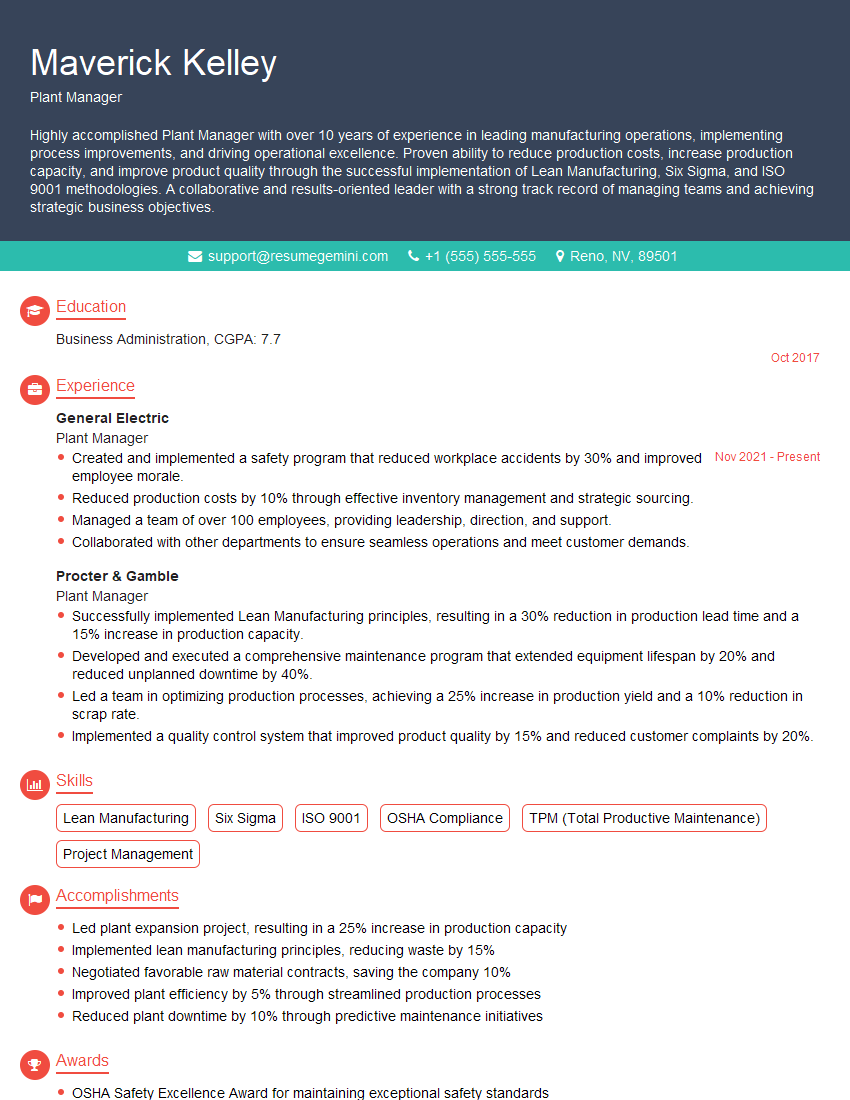
Plant Manager Resume Sample
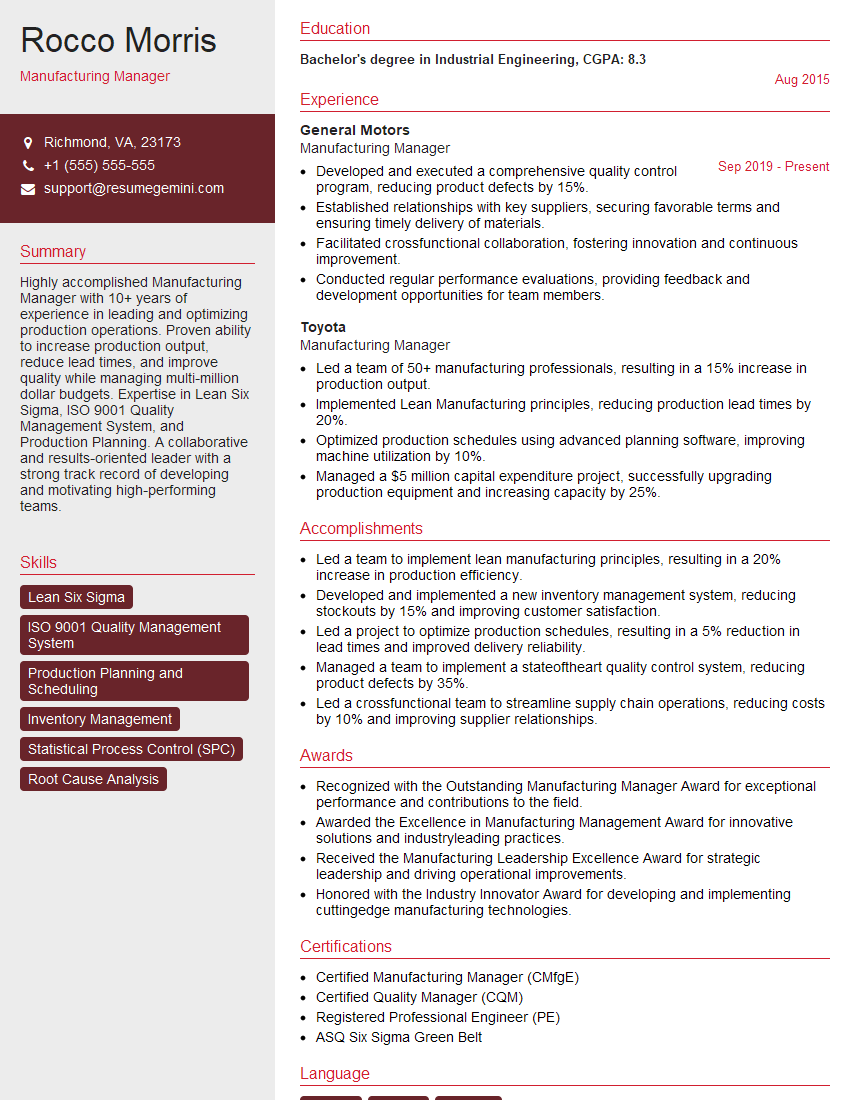
Manufacturing Manager Resume Sample
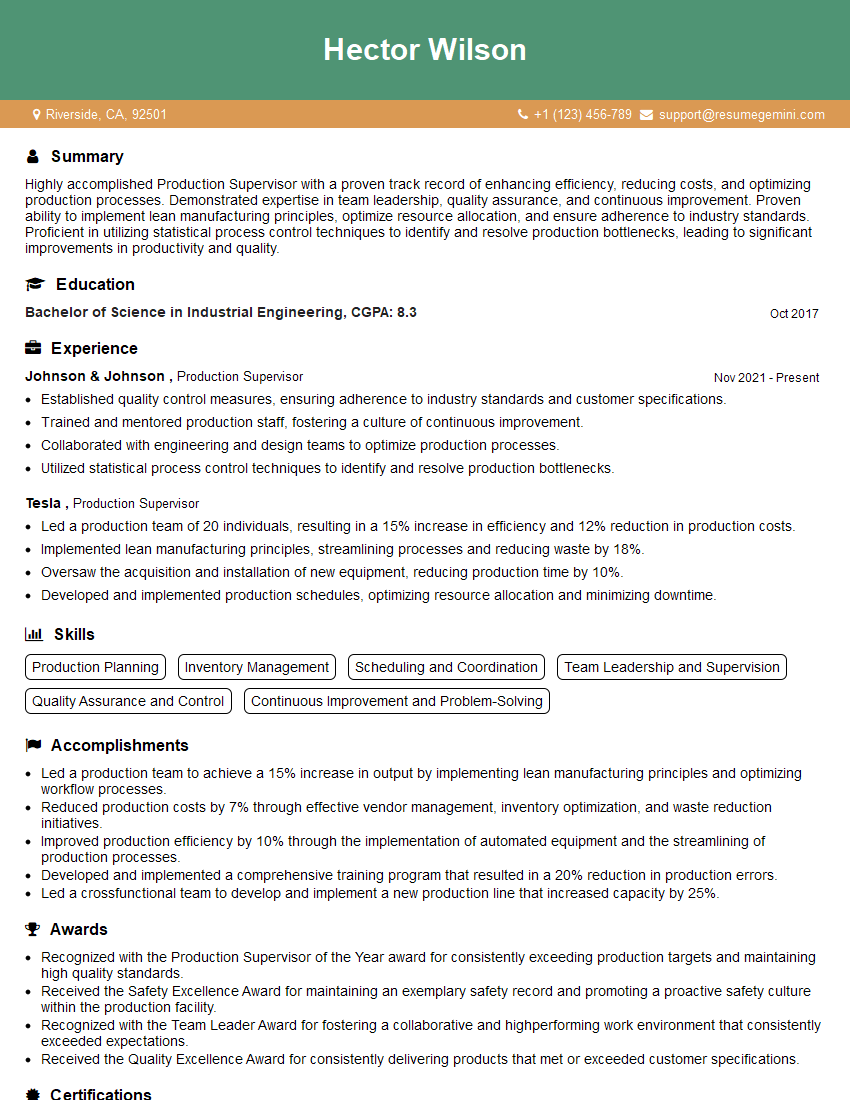
Production Supervisor Resume Sample

Supply Chain Manager Resume Sample

Project Engineer Resume Sample
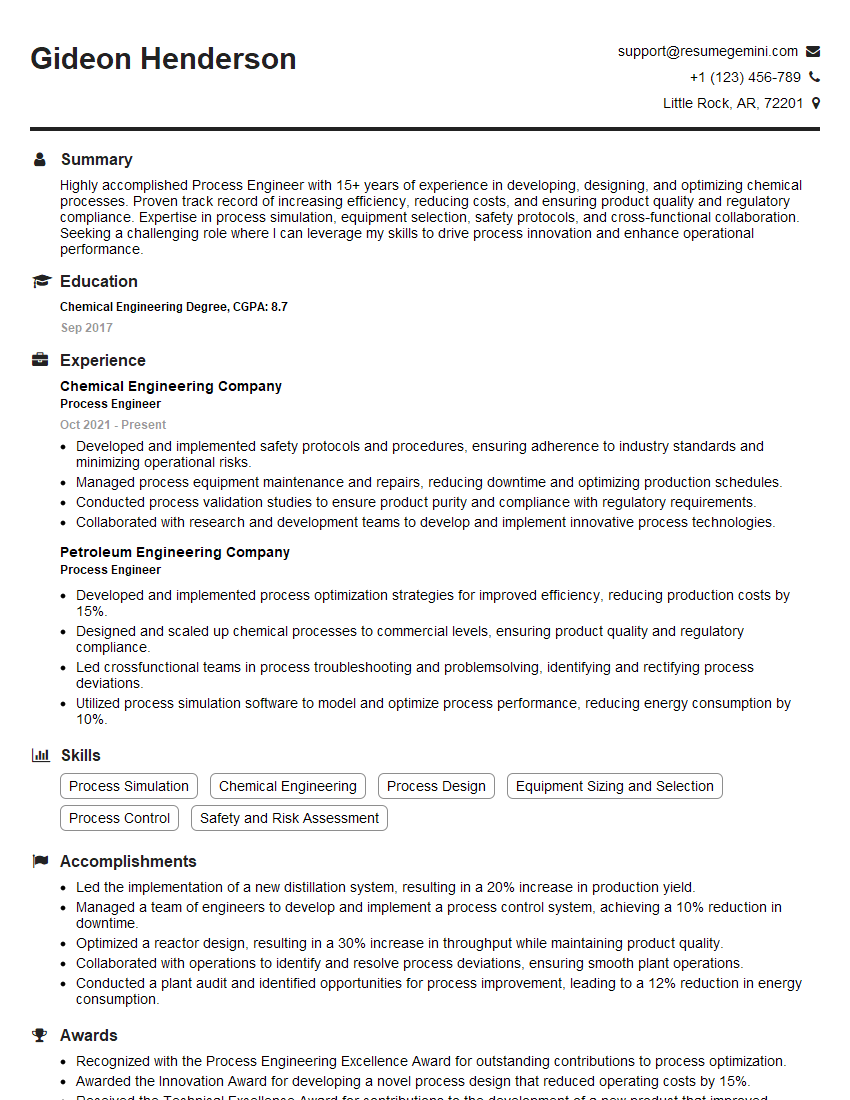
Process Engineer Resume Sample
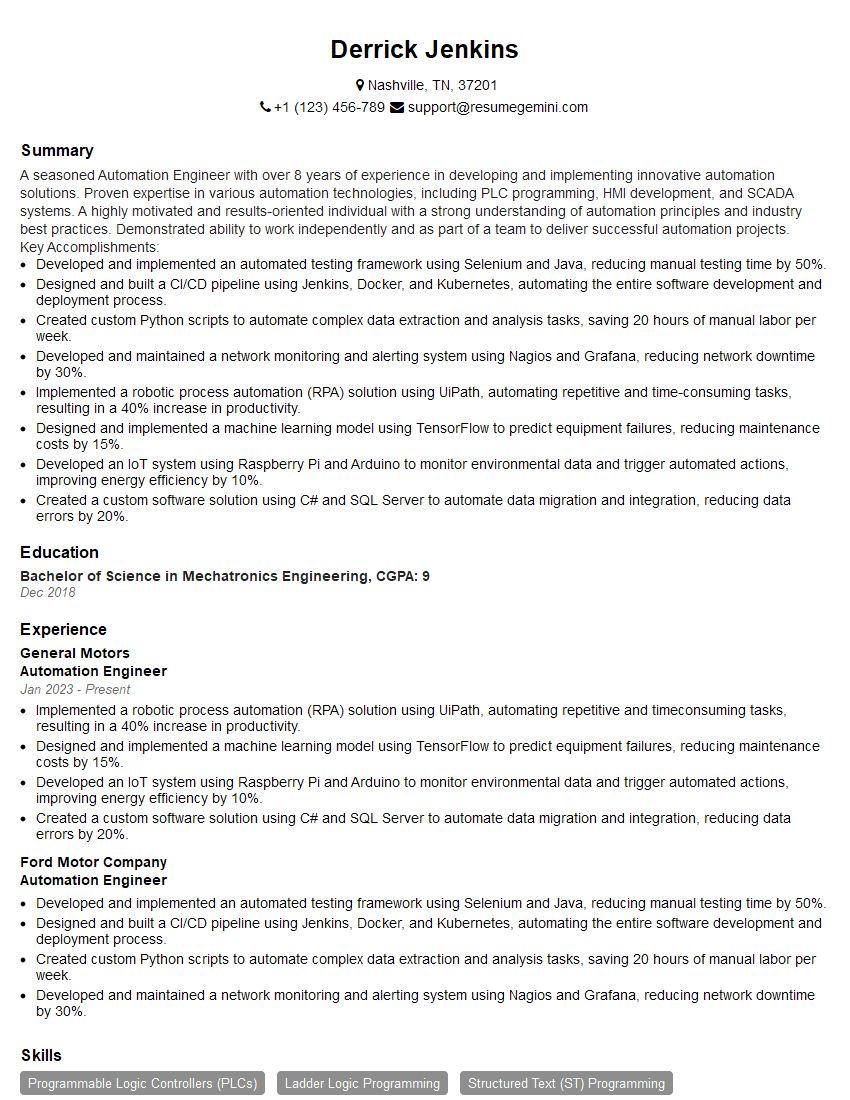
Automation Engineer Resume Sample
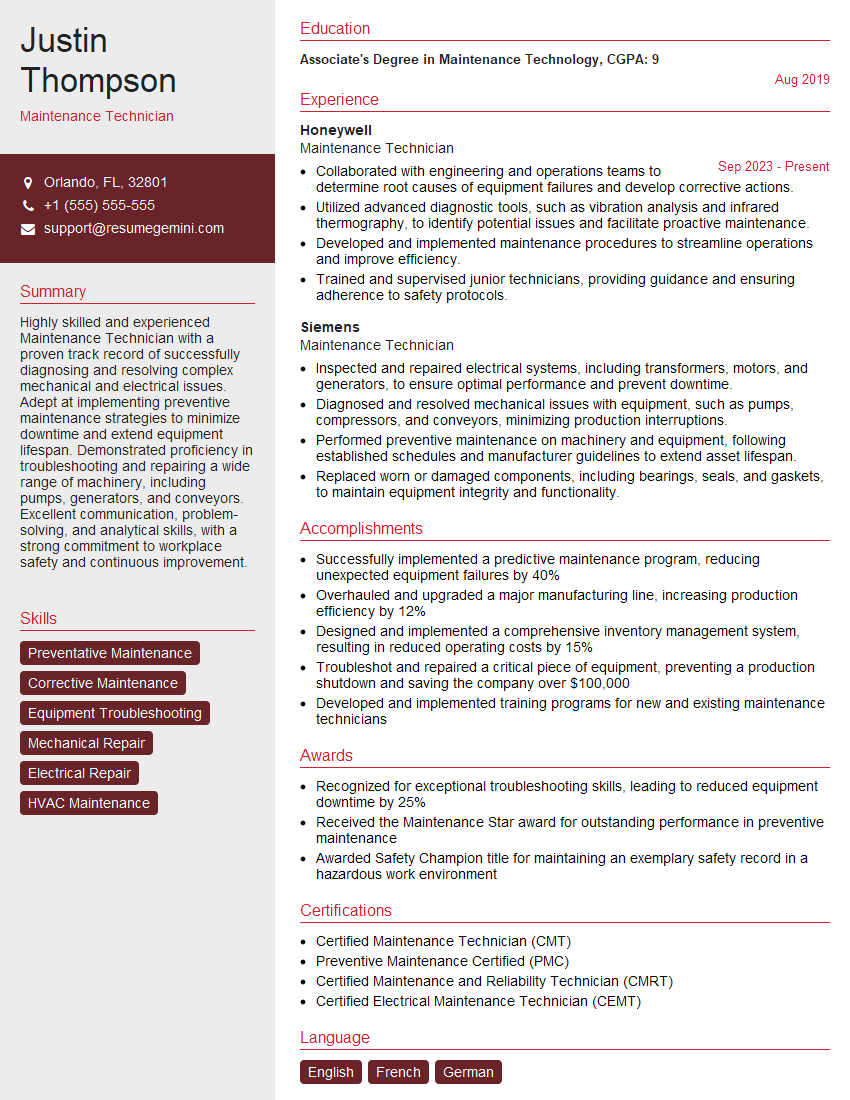
Maintenance Technician Resume Sample
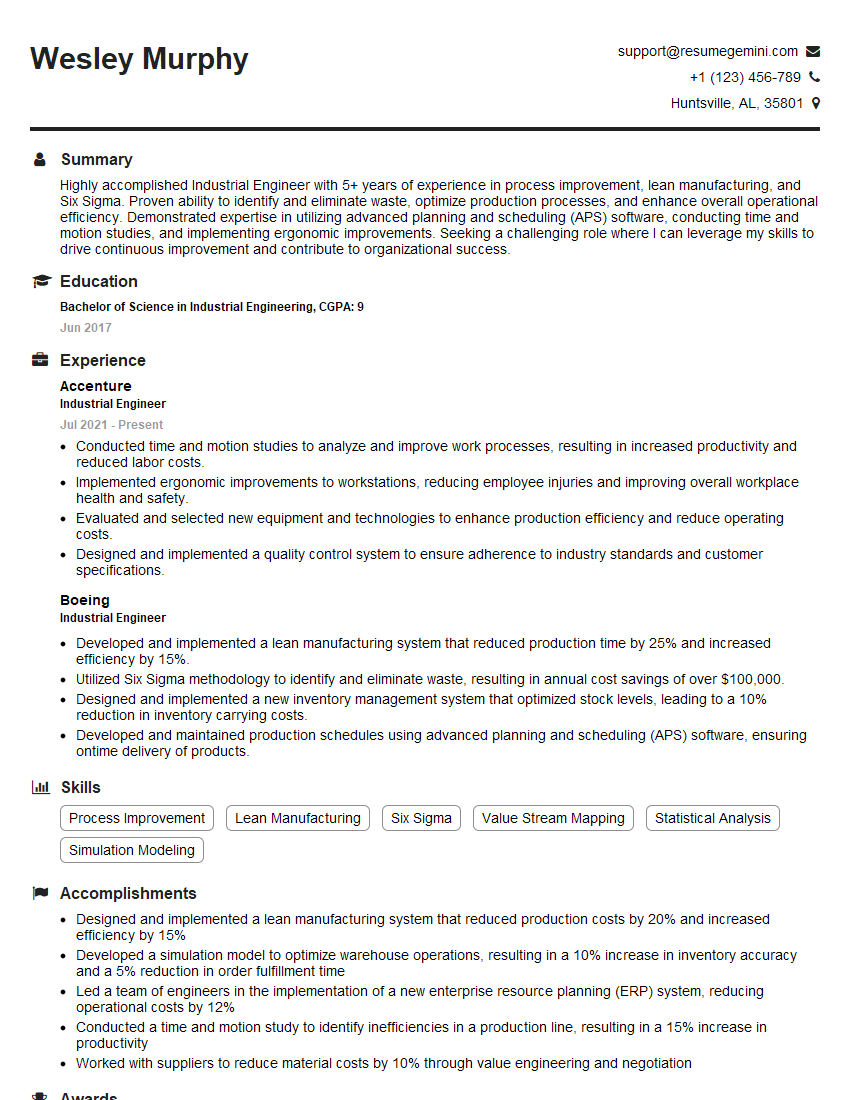
Industrial Engineer Resume Sample
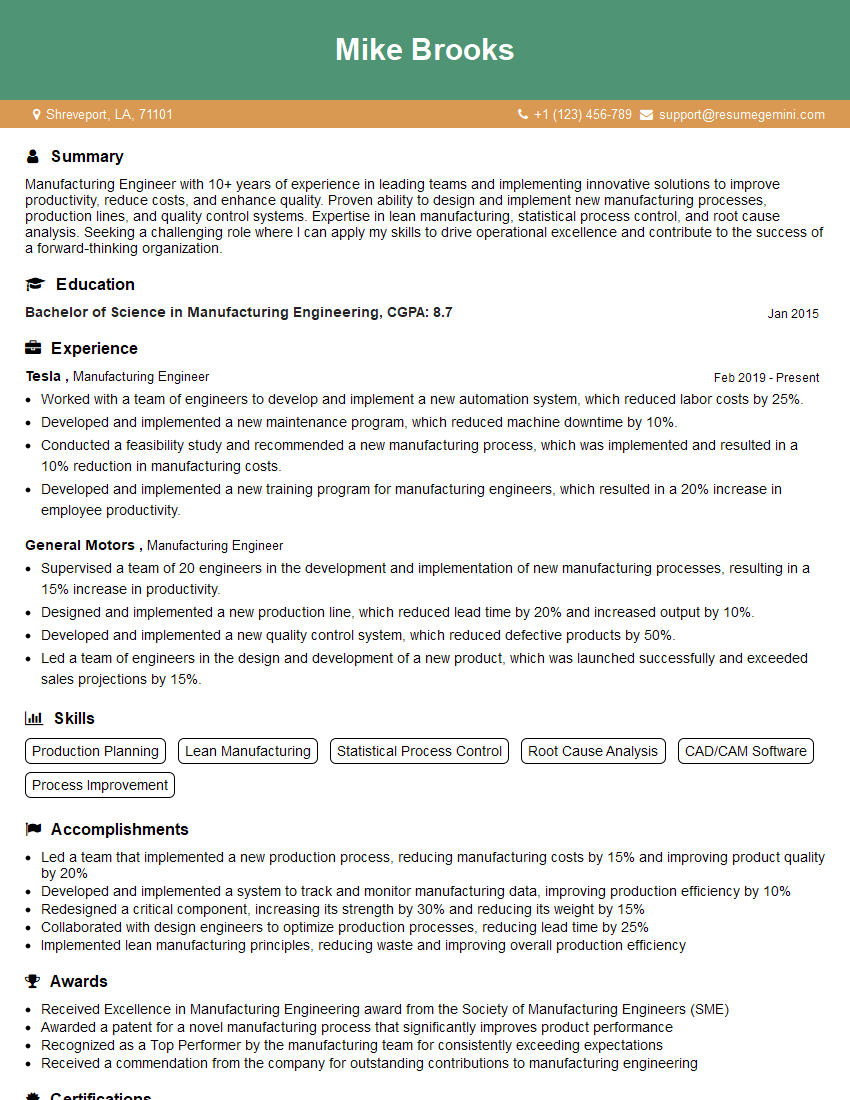
Manufacturing Engineer Resume Sample
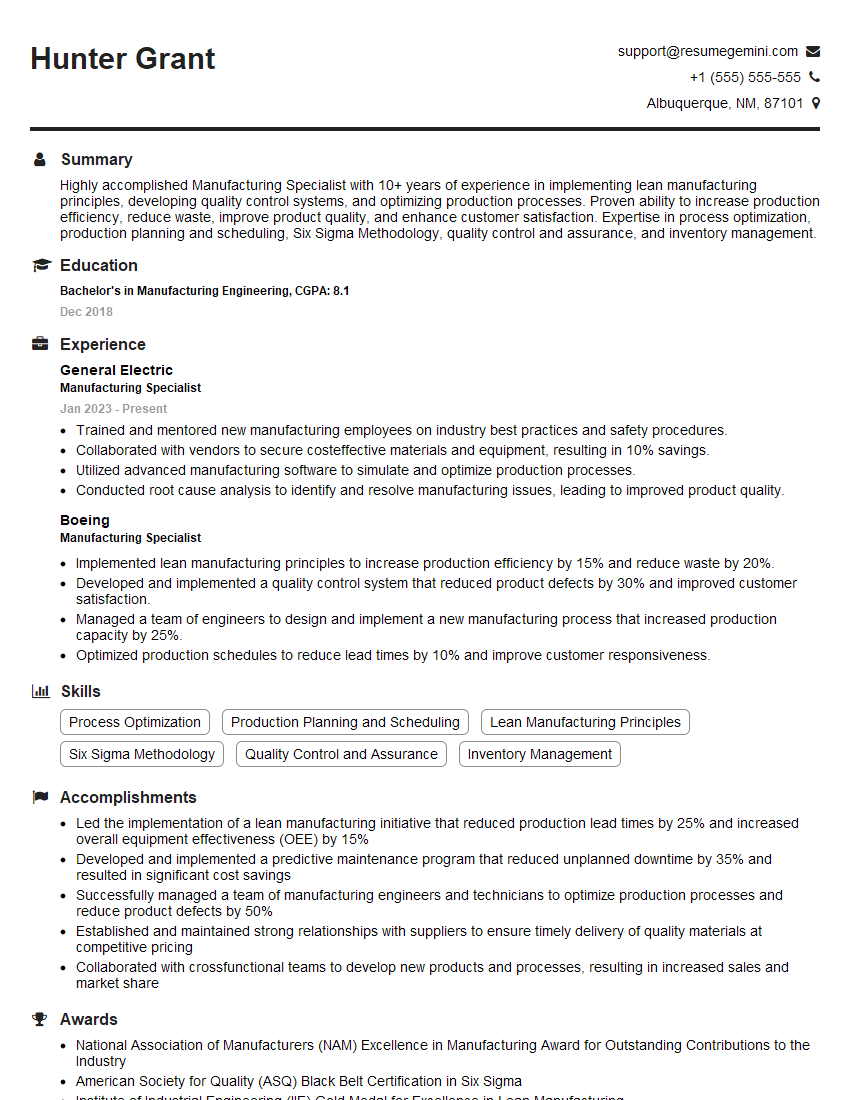
Manufacturing Specialist Resume Sample
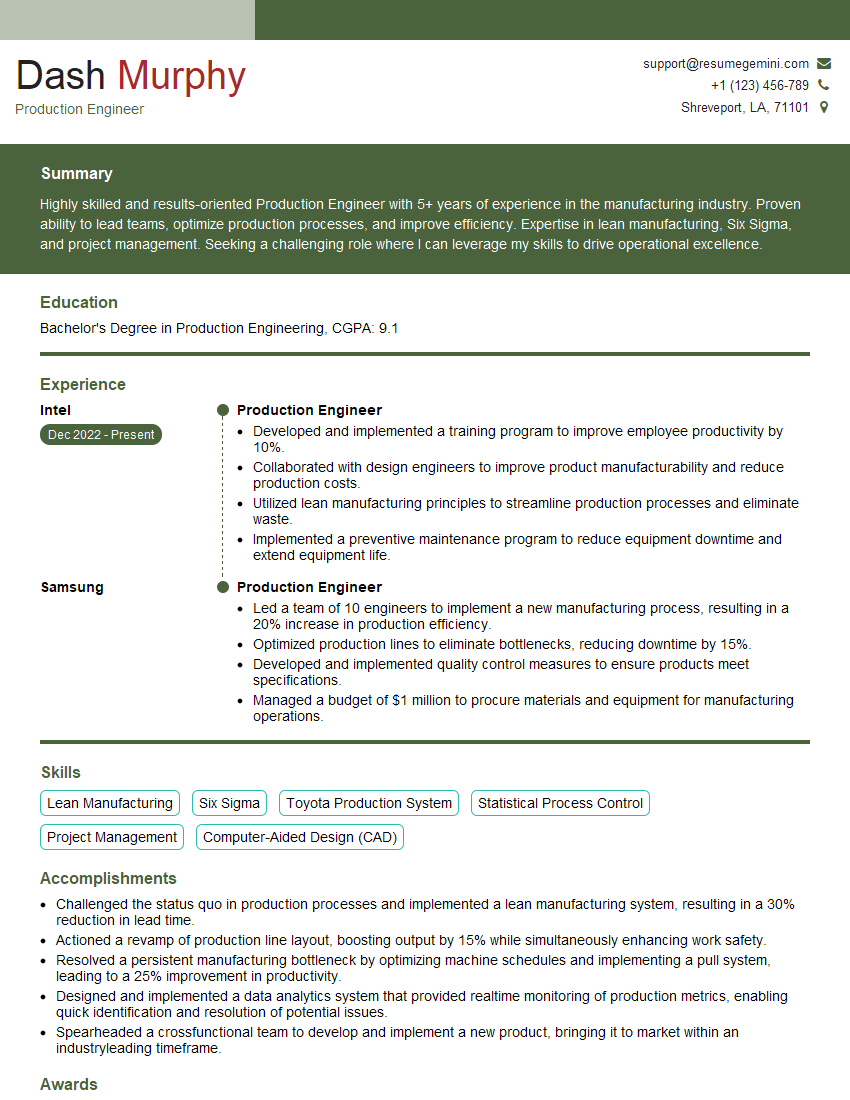
Production Engineer Resume Sample

Quality Assurance Engineer Resume Sample
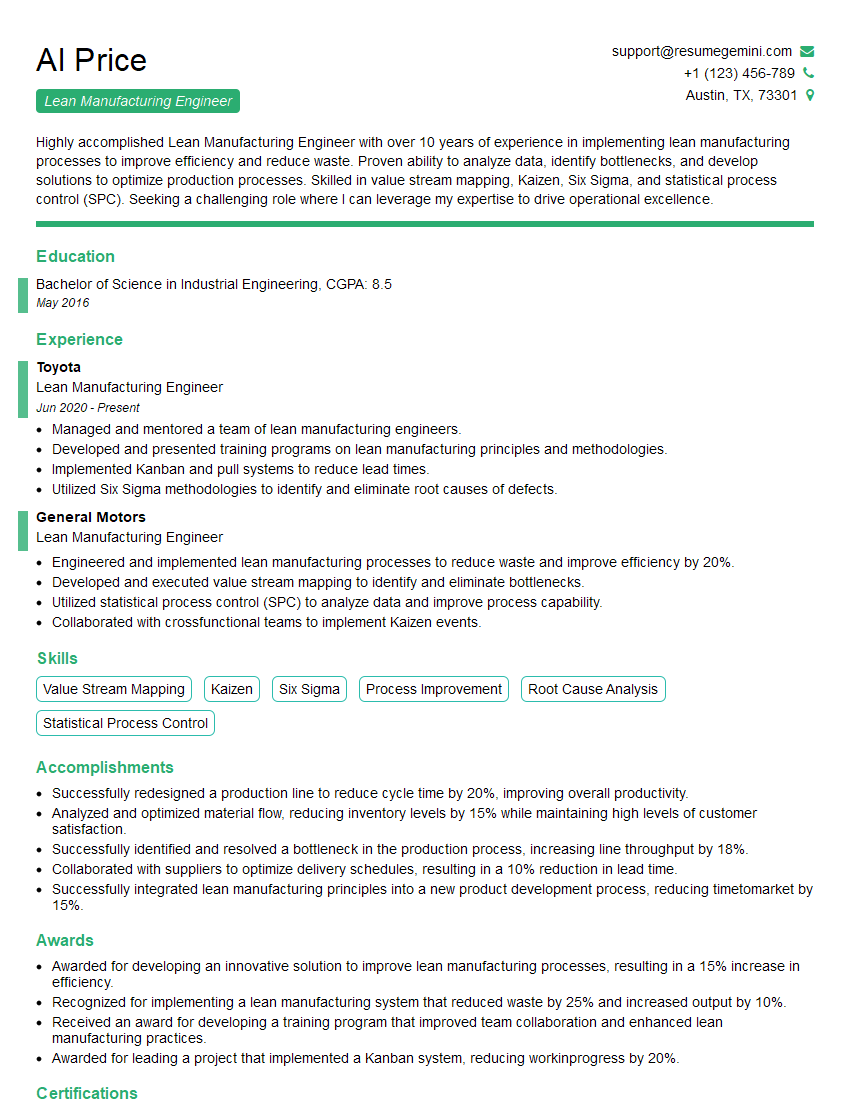
Lean Manufacturing Engineer Resume Sample

Robotics Engineer Resume Sample
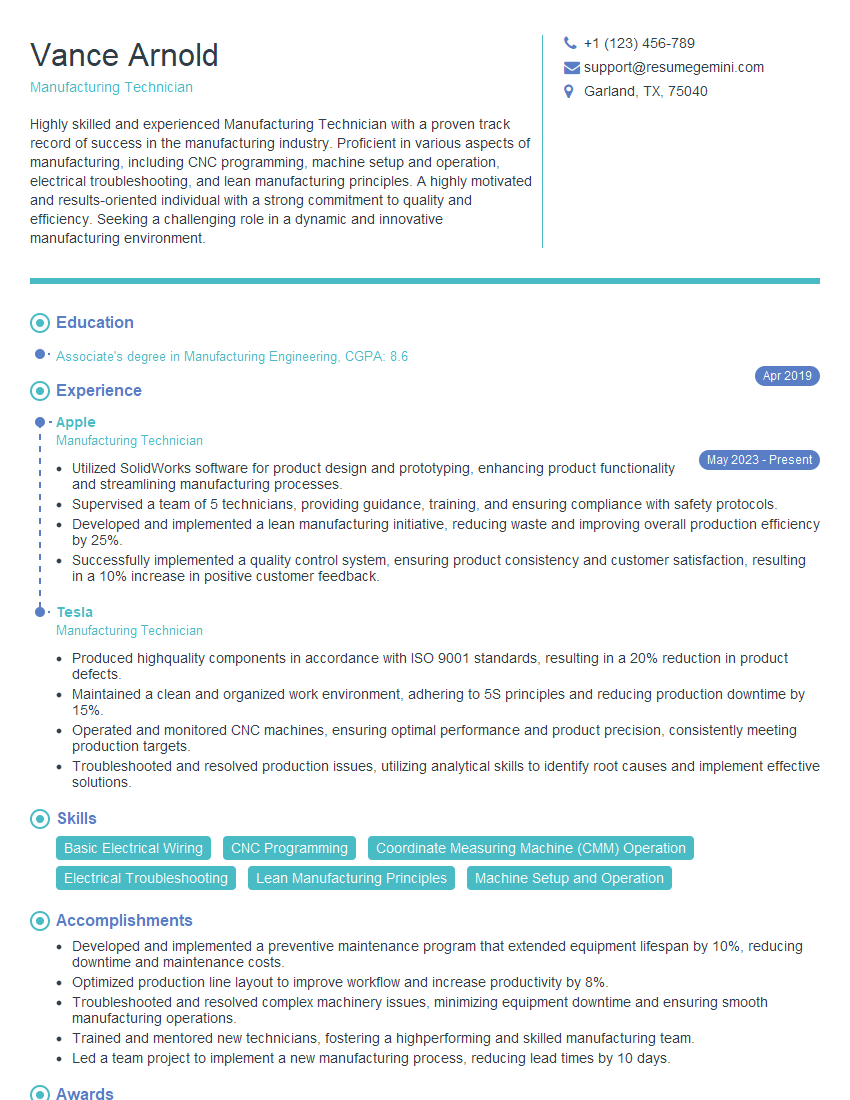
Manufacturing Technician Resume Sample
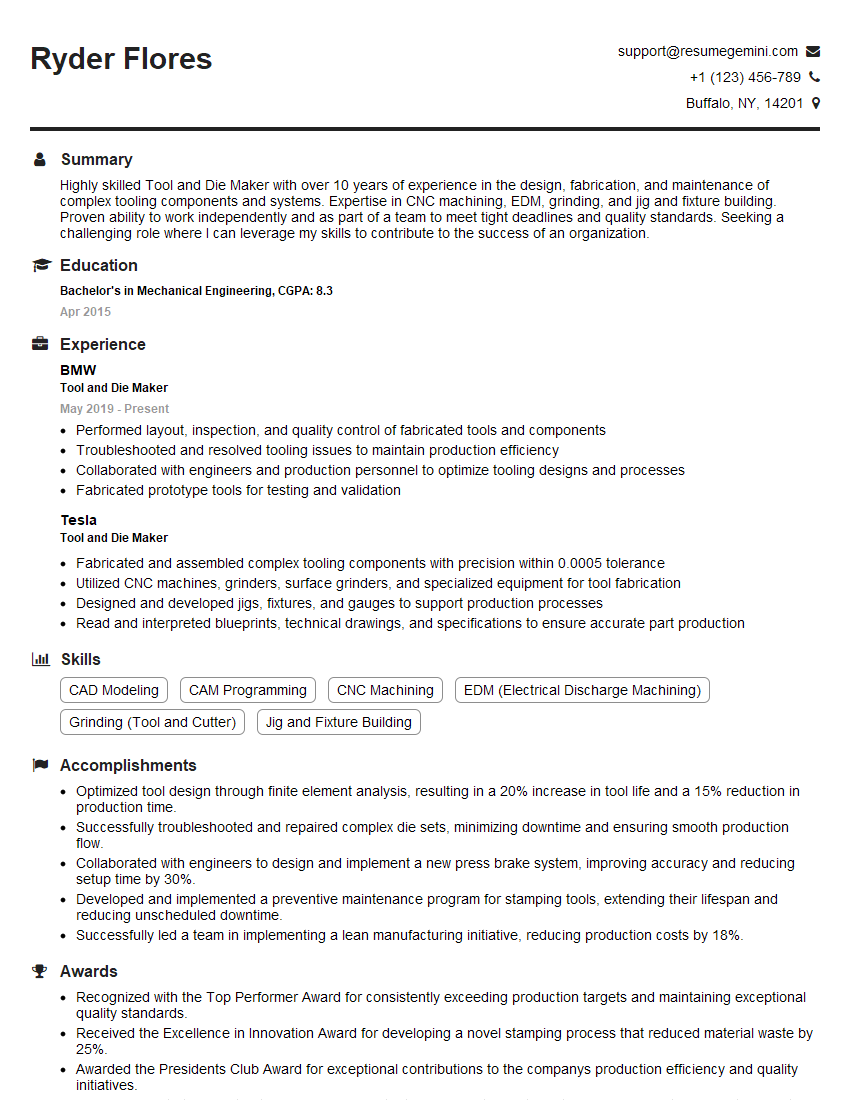
Tool and Die Maker Resume Sample
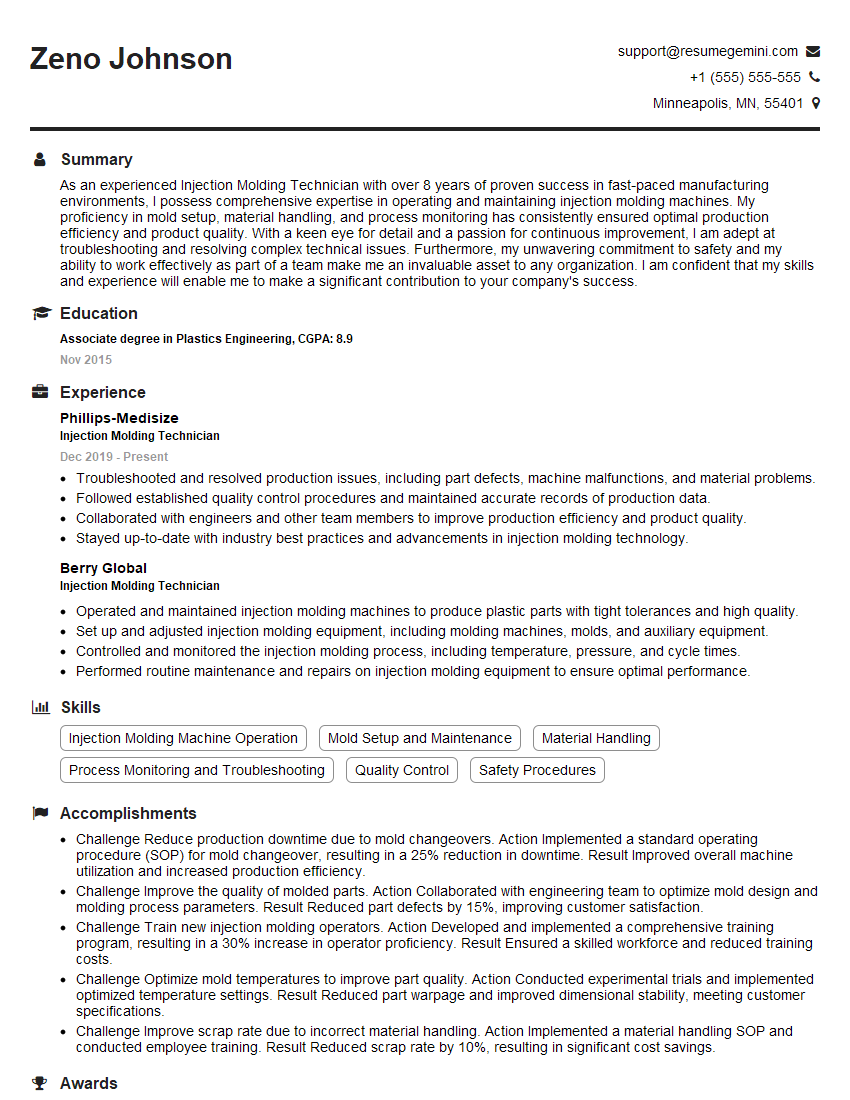
Injection Molding Technician Resume Sample
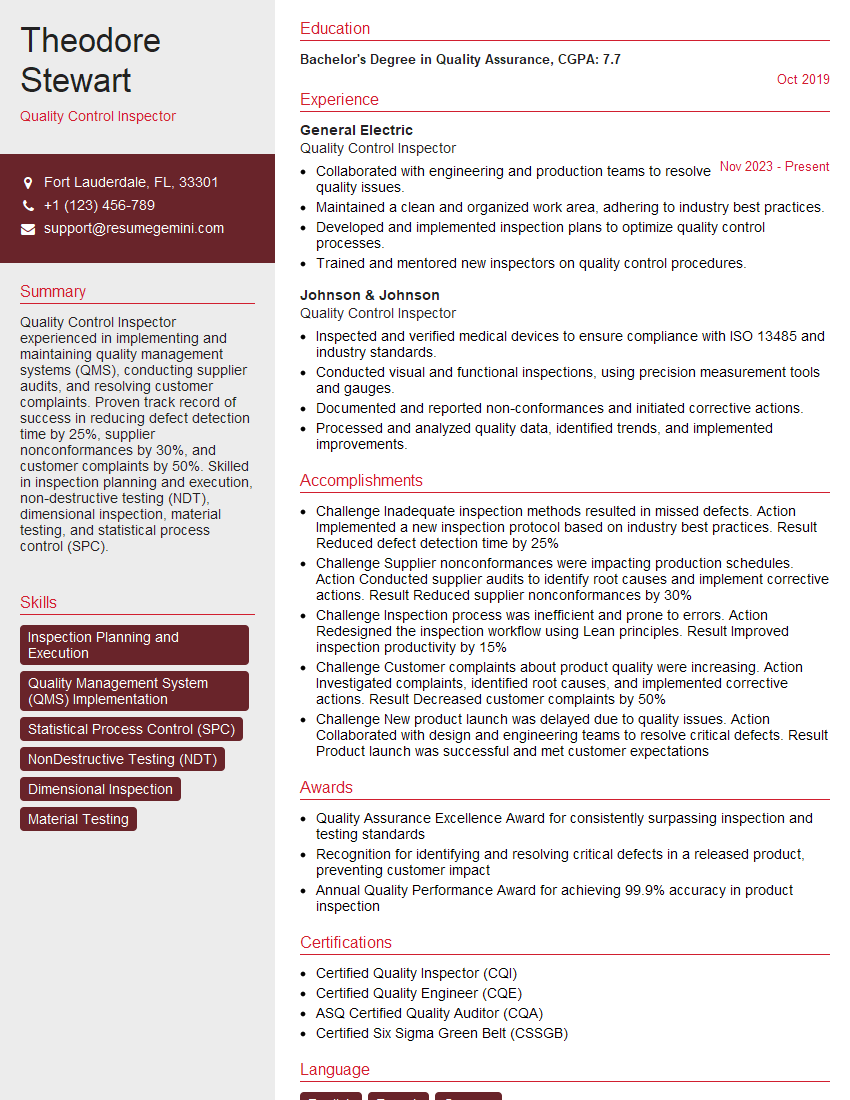
Quality Control Inspector Resume Sample
- Operations Manager
- Plant Manager
- Manufacturing Manager
- Production Supervisor
- Supply Chain Manager
- Project Engineer
- Process Engineer
- Automation Engineer
- Maintenance Technician
- Industrial Engineer
- Manufacturing Engineer
- Manufacturing Specialist
- Production Engineer
- Quality Assurance Engineer
- Lean Manufacturing Engineer
- Robotics Engineer
- Manufacturing Technician
- Tool and Die Maker
- Injection Molding Technician
- Quality Control Inspector
Explore more articles
Users Rating of Our Blogs
Share Your Experience
We value your feedback! Please rate our content and share your thoughts (optional).
What Readers Say About Our Blog
Very informative content, great job.
good