Unlock your full potential by mastering the most common Knowledge of ocean freight forwarding interview questions. This blog offers a deep dive into the critical topics, ensuring you’re not only prepared to answer but to excel. With these insights, you’ll approach your interview with clarity and confidence.
Questions Asked in Knowledge of ocean freight forwarding Interview
Q 1. Explain the Incoterms rules and their implications in ocean freight.
Incoterms rules, short for International Commercial Terms, are standardized trade terms published by the International Chamber of Commerce (ICC). They define the responsibilities of buyers and sellers in international trade transactions, specifically regarding delivery, costs, and risk transfer. In ocean freight, selecting the correct Incoterm is crucial as it dictates who is responsible for arranging and paying for freight, insurance, and handling of goods at various stages of the journey.
- Examples:
FOB (Free On Board)means the seller delivers the goods to the named port of shipment, and the buyer bears all costs and risks from that point onward.CIF (Cost, Insurance, and Freight)places the responsibility of freight and insurance on the seller until the goods arrive at the named port of destination.EXW (Ex Works)puts the onus entirely on the buyer, who arranges for collection and transportation from the seller’s premises. - Implications: Choosing the wrong Incoterm can lead to disputes over costs, liability for damage or loss, and delays. It’s essential to carefully consider the risks and responsibilities associated with each term and align them with the specific needs and risk tolerance of both the buyer and seller. For example, a seller with limited international experience might prefer a term like EXW to minimize their involvement in shipping logistics. Conversely, a buyer might prefer CIF or DDP (Delivered Duty Paid) for simplicity and predictability.
Q 2. Describe the process of booking ocean freight space.
Booking ocean freight space involves securing capacity on a vessel for your shipment. The process typically involves several steps:
- Request for Quotation (RFQ): You provide details about your shipment, including origin, destination, cargo type, quantity, and required delivery date. Freight forwarders then provide quotes based on their network and available space.
- Booking Confirmation: Once you choose a quote, the freight forwarder will secure space with the shipping line and send you a booking confirmation. This document confirms the details of your shipment and is crucial for tracking and managing your cargo.
- Documentation Submission: You will need to provide all necessary documentation, including commercial invoice, packing list, certificate of origin (if required), and any other relevant documents depending on the cargo and destination.
- Cargo Pickup and Delivery: Arrange for pickup of your cargo from your premises or designated location. The freight forwarder will handle the consolidation, customs clearance (if needed at the origin), and delivery to the port.
- Vessel Loading and Tracking: The cargo is loaded onto the vessel, and you will be provided with tracking information to monitor its progress.
It is crucial to book well in advance, especially during peak seasons, to secure sufficient space and avoid delays. A good relationship with your freight forwarder ensures smoother booking and reduced risk.
Q 3. What are the different types of ocean freight containers and their uses?
Ocean freight containers come in various sizes and types, each designed for specific cargo needs:
- Dry Containers (20′ and 40′): The most common type, suitable for general cargo that doesn’t require temperature control or special handling.
- High Cube Containers (40’HC): Offer increased height compared to standard 40′ containers, providing extra capacity for bulky cargo.
- Refrigerated Containers (Reefer Containers): Maintain a controlled temperature for perishable goods like food and pharmaceuticals. Different Reefer units can control humidity as well.
- Open Top Containers: Have a removable roof, allowing for easy loading and unloading of oversized cargo that cannot be lifted through the top door.
- Flat Rack Containers: Lack sides and a roof, ideal for oversized, heavy, or oddly shaped cargo.
- Tank Containers: Used for transporting liquids and gases in bulk.
- Special Purpose Containers: Include insulated containers, hazardous materials containers, and others designed for specific goods.
Choosing the correct container type is vital to protect the cargo and ensure efficient handling during transit. Improper container selection can lead to damage, spoilage, and increased costs. For instance, using a dry container for frozen meat would obviously lead to spoilage.
Q 4. How do you handle customs documentation for ocean shipments?
Handling customs documentation for ocean shipments is critical for smooth and timely cargo clearance. This requires meticulous attention to detail and adherence to regulations in both the exporting and importing countries.
- Commercial Invoice: A detailed description of the goods being shipped, including quantity, value, and payment terms.
- Packing List: Lists the contents of each package, including weight and dimensions.
- Bill of Lading (B/L): A crucial document acting as a receipt, contract of carriage, and title to the goods. There are several different B/L types: Negotiable, Non-Negotiable, and Seawaybill.
- Certificate of Origin (COO): Verifies the origin of the goods for customs duty purposes.
- Other Documents: Depending on the cargo and destination, additional documents may be required, such as sanitary certificates, import permits, and licenses.
Freight forwarders play a crucial role in preparing and submitting these documents to customs authorities. Errors in documentation can lead to delays, fines, or even the seizure of goods. I have experience working with various customs agencies globally, ensuring all regulations are met.
Q 5. Explain the concept of demurrage and detention charges.
Demurrage and detention charges are penalties levied for exceeding the agreed-upon time limits for using shipping equipment.
- Demurrage: Applies to the time a vessel occupies a berth at the port beyond the agreed-upon laytime. This delay typically impacts the shipping line and their schedule.
- Detention: Refers to the charges imposed for holding a container beyond the agreed-upon free time at the port or at the consignee’s premises. This delay typically impacts the terminal and/or the freight forwarder.
Both demurrage and detention charges can significantly increase the overall shipping cost. Proper planning, efficient cargo handling, and clear communication with all parties involved are crucial to avoid these charges. For example, ensuring timely notification of arrival, having sufficient resources for prompt unloading, and effective coordination with trucking companies are critical elements in avoiding detention.
Q 6. What are the common risks associated with ocean freight and how can they be mitigated?
Ocean freight faces various risks, including:
- Damage or Loss of Goods: Can occur due to accidents, poor handling, or natural disasters. Insurance is crucial to mitigate this risk. It’s often helpful to have good photos of the goods’ condition before shipping.
- Delays: Port congestion, bad weather, or logistical issues can cause significant delays, impacting delivery times and potentially leading to financial losses. Diversification of routes and proactive communication are keys to addressing this.
- Theft or Pilferage: Cargo can be stolen or tampered with during transit. Secure containers and proper security measures can minimize this risk.
- Customs Issues: Incorrect documentation or non-compliance with customs regulations can lead to delays, fines, or even seizure of goods. Due diligence and the use of experienced freight forwarders are key here.
- Liability Disputes: Disputes may arise over responsibility for losses or damages. Clear contracts and the use of appropriate Incoterms rules clarify responsibilities and reduce ambiguity.
Mitigation strategies include utilizing reputable shipping lines, comprehensive insurance coverage, careful packaging, proper documentation, and regular communication with all stakeholders. Proactive risk assessment and contingency planning are also vital.
Q 7. Describe your experience with different types of ocean freight contracts.
My experience encompasses a wide range of ocean freight contracts, including:
- Service Contracts: These are long-term agreements with shipping lines, offering negotiated rates and guaranteed capacity. They are advantageous for shippers with consistent, high-volume shipments. I have negotiated such contracts with major shipping lines for several clients.
- Spot Contracts: Short-term agreements for immediate shipments, offering flexibility but potentially higher rates compared to service contracts. These are used frequently when dealing with urgent or one-off shipments.
- Charter Contracts: These involve hiring an entire vessel, providing greater control over the shipment but requiring significant upfront investment. This was useful in projects involving large, oversized cargo.
I am adept at selecting the most appropriate contract type based on client needs, volume, and risk tolerance. The selection is based on factors such as the frequency of shipments, cargo volume, and required transit times. Each contract type requires a unique approach to negotiation and risk management which I’ve honed over my years of experience.
Q 8. How do you track and trace ocean shipments?
Tracking and tracing ocean shipments relies on a combination of technology and established communication protocols. The process begins with the Bill of Lading (B/L), a crucial document that acts like a passport for your cargo, containing unique identifiers.
Here’s how it typically works:
- Carrier’s Tracking System: Most major shipping lines provide online tracking portals where you can enter the B/L number or container number to view the shipment’s location, estimated time of arrival (ETA), and transit events. These systems often use GPS technology on the vessels and at various ports.
- Freight Forwarder’s Portal: Your freight forwarder (the company managing your shipment) also provides a tracking platform aggregating information from multiple carriers if your shipment involves multiple legs. They act as a single point of contact.
- EDI (Electronic Data Interchange): Large companies often use EDI to exchange shipping data electronically with carriers, providing real-time updates without needing manual checks.
Example: Let’s say you shipped goods from Shanghai to Los Angeles. You would log into the carrier’s website or your freight forwarder’s portal, input the B/L number, and see updates such as ‘Vessel departed Shanghai’, ‘Arrived at port of Los Angeles’, and ‘Cargo unloaded’.
Effective tracking and tracing are critical for proactive management, allowing you to anticipate potential delays and communicate effectively with clients.
Q 9. How do you handle cargo claims and disputes?
Handling cargo claims and disputes requires a methodical approach and detailed documentation. The first step is always to thoroughly understand the terms and conditions outlined in the Bill of Lading and any other relevant contracts.
Here’s a structured approach:
- Document Everything: Gather all supporting documents, including the B/L, commercial invoice, packing list, insurance certificates, photos of damage (if applicable), and any communication records with the carrier or other involved parties.
- Notify the Carrier: Submit a formal written claim to the carrier within the stipulated timeframe (usually within a specific number of days after delivery or discovery of damage). This notice should clearly detail the nature and extent of the loss or damage, including supporting evidence.
- Investigate the Cause: Work closely with the carrier to investigate the cause of the loss or damage. This might involve reviewing the cargo manifest, port surveillance footage, or interviewing relevant personnel.
- Negotiate a Settlement: Attempt to reach a mutually agreeable settlement with the carrier. This might involve partial or full compensation for the loss or damage.
- Consider Arbitration or Litigation: If negotiations fail, you may need to pursue alternative dispute resolution methods like arbitration or litigation. This usually involves legal counsel.
Example: If a shipment of electronics arrives with cracked screens, you’d need photos and a detailed report detailing the number of damaged units. You’d then submit a formal claim with the supporting evidence to the carrier, seeking compensation for the damaged goods.
Strong documentation and a proactive approach are crucial to successful claim resolution.
Q 10. What are the key performance indicators (KPIs) used in ocean freight operations?
Key Performance Indicators (KPIs) in ocean freight are used to measure efficiency, cost-effectiveness, and overall performance. These metrics vary based on the specific goals, but common KPIs include:
- On-Time Delivery Rate (OTDR): The percentage of shipments delivered on or before the scheduled delivery date.
- Transit Time: The total time it takes for a shipment to travel from origin to destination.
- Freight Cost per Unit: The cost of shipping per unit of goods, indicating efficiency.
- Cargo Damage Rate: The percentage of shipments that arrive damaged, reflecting handling efficiency.
- Customer Satisfaction: Measured through surveys or feedback, assessing overall service quality.
- Inventory Turnover: Measuring the efficiency of inventory management in relation to shipping schedules.
- Container Utilization Rate: The percentage of container capacity utilized, indicating efficiency of space management.
Example: An OTDR of 95% indicates that 95% of shipments are delivered on time. A low freight cost per unit suggests efficient cost management, while a low cargo damage rate implies effective handling practices.
Regular monitoring and analysis of these KPIs allow for identification of areas for improvement and optimization of operations.
Q 11. Explain the role of a bill of lading in ocean freight.
The Bill of Lading (B/L) is a crucial document in ocean freight, acting as a contract of carriage, receipt for goods, and document of title. It’s essentially a passport for your cargo, outlining the agreement between the shipper, carrier, and consignee.
Key Roles:
- Contract of Carriage: It outlines the terms and conditions of the shipment, including the agreed-upon price, route, and delivery schedule.
- Receipt of Goods: It acknowledges that the carrier has received the goods in apparent good order and condition (unless noted otherwise).
- Document of Title: The B/L represents ownership of the goods. The party holding the original B/L has the right to claim and take possession of the goods.
Different Types of B/Ls: There are several types, including straight B/Ls (non-negotiable), order B/Ls (negotiable), and multi-modal B/Ls (covering multiple modes of transport). The choice depends on the specific needs of the transaction.
Example: Without a valid B/L, the consignee might struggle to claim the shipment at the destination port. Any discrepancies between the B/L details and the actual shipment can lead to complications and potential disputes. The B/L is essential for customs clearance as well.
Q 12. How do you manage freight costs and optimize for efficiency?
Managing freight costs and optimizing for efficiency require a multifaceted approach. It’s not just about finding the cheapest option; it’s about finding the best value proposition.
Strategies for Cost Management and Optimization:
- Negotiate with Carriers: Secure favorable rates through volume discounts and strong relationships with multiple carriers. Leverage market trends and competitor analysis.
- Consolidate Shipments: Combine smaller shipments into larger consolidated loads to reduce per-unit costs. This requires careful planning and coordination.
- Optimize Container Loading: Efficiently utilize container space to minimize the number of containers needed, reducing costs.
- Choose the Right Incoterms: Select appropriate Incoterms (International Commercial Terms) to clarify responsibilities and costs between parties. This can significantly affect the overall pricing.
- Explore Different Routing Options: Evaluate different shipping routes and transit times, considering potential cost-time tradeoffs. Sometimes a slightly longer route might be more cost-effective.
- Utilize Technology: Employ freight management software to track costs, optimize routes, and manage logistics more efficiently.
Example: Negotiating with multiple carriers and consolidating shipments can result in significant cost savings compared to using a single carrier for smaller, individual shipments. Proper container loading reduces the number of containers required, also saving money.
A holistic approach involving negotiation, optimization, and technology is key to achieving optimal freight costs.
Q 13. What are your strategies for dealing with shipping delays and disruptions?
Dealing with shipping delays and disruptions requires a proactive and flexible approach. Preparation is crucial.
Strategies for Handling Delays and Disruptions:
- Real-Time Tracking: Continuously monitor shipments using tracking systems to identify potential problems early.
- Diversification: Don’t rely solely on one carrier or route. Diversification minimizes vulnerability to disruptions affecting a single provider.
- Contingency Planning: Develop plans for potential delays, including alternative transportation modes or storage solutions. Having backup plans is essential.
- Communication: Maintain clear communication with all parties involved, including customers, suppliers, and carriers. Transparency is crucial to managing expectations.
- Risk Assessment: Regularly assess potential risks, considering factors like weather conditions, port congestion, and geopolitical events.
- Proactive Problem-Solving: When delays arise, quickly identify the root cause and implement corrective measures. This might involve rerouting or coordinating with alternative transportation options.
Example: If a port strike is predicted, you might pre-position inventory in a nearby location or explore alternative routes. Clear communication with customers prevents misunderstandings and maintains trust.
Effective communication and proactive planning are critical for minimizing the impact of delays and disruptions.
Q 14. What are some common challenges faced in international ocean freight?
International ocean freight faces several common challenges:
- Port Congestion and Delays: High volumes of cargo at major ports can lead to significant delays and increased costs.
- Geopolitical Instability: Political unrest, trade wars, and sanctions can disrupt shipping routes and schedules.
- Weather-Related Disruptions: Severe weather events like storms and hurricanes can damage ships and delay shipments.
- Supply Chain Disruptions: Unexpected disruptions upstream or downstream in the supply chain can ripple through the entire system, affecting timely delivery.
- Documentation and Customs Compliance: Navigating complex customs regulations and documentation requirements can be time-consuming and error-prone.
- Rising Freight Rates: Fluctuations in fuel prices, demand, and global economic conditions can lead to significant increases in shipping costs.
- Security Concerns: Ensuring the security of goods throughout the shipping process is vital and requires implementing strict measures against theft or piracy.
Example: The Suez Canal blockage in 2021 highlighted the impact of unforeseen events on global shipping. Navigating import/export regulations for specific goods requires specialized knowledge and careful attention to detail.
Successful ocean freight operations require careful planning, proactive risk management, and adaptation to constantly changing global circumstances.
Q 15. Describe your experience with different ocean carriers.
Throughout my career, I’ve worked extensively with a diverse range of ocean carriers, including major global players like Maersk, CMA CGM, and COSCO, as well as several regional carriers specializing in specific trade lanes. My experience encompasses negotiating contracts, securing competitive freight rates, and managing the operational aspects of shipments with each carrier. For instance, I successfully negotiated a long-term contract with Maersk for a client shipping perishable goods from South America to Europe, leveraging their reefer expertise and securing preferential rates due to high volume commitments. With CMA CGM, I navigated a challenging situation involving a port strike, proactively communicating with the carrier to minimize delays and mitigate potential losses for our clients. Understanding each carrier’s strengths, weaknesses, and network capabilities is crucial for optimizing logistics and providing clients with the most efficient and cost-effective solutions.
This experience has given me a deep understanding of the nuances of different carrier services, including their reliability, transit times, handling procedures, and customer service levels. This knowledge enables me to strategically select the best carrier for each specific shipment based on factors like cargo type, destination, budget, and required transit time.
Career Expert Tips:
- Ace those interviews! Prepare effectively by reviewing the Top 50 Most Common Interview Questions on ResumeGemini.
- Navigate your job search with confidence! Explore a wide range of Career Tips on ResumeGemini. Learn about common challenges and recommendations to overcome them.
- Craft the perfect resume! Master the Art of Resume Writing with ResumeGemini’s guide. Showcase your unique qualifications and achievements effectively.
- Don’t miss out on holiday savings! Build your dream resume with ResumeGemini’s ATS optimized templates.
Q 16. How do you ensure compliance with international trade regulations?
Ensuring compliance with international trade regulations is paramount in ocean freight forwarding. My approach is multi-faceted and proactive. It starts with a thorough understanding of the relevant regulations for the specific trade lanes, including the Harmonized System (HS) Codes for classifying goods, country-specific import/export regulations, and the international conventions like the Incoterms rules. I utilize various resources, including government websites, industry publications, and specialized software, to stay abreast of any changes or updates.
For each shipment, I meticulously prepare all necessary documentation, including commercial invoices, packing lists, certificates of origin, and any required permits or licenses. This meticulous approach minimizes the risk of delays, fines, or the seizure of goods. I also work closely with customs brokers and regulatory agencies to ensure a smooth clearance process. For example, when handling shipments of regulated goods like pharmaceuticals or hazardous materials, I’m particularly diligent in ensuring complete compliance with the respective regulations and documentation requirements, often including obtaining necessary certifications and permits well in advance.
Moreover, I conduct regular internal audits and training sessions to reinforce compliance procedures within our team and maintain our commitment to ethical and responsible business practices.
Q 17. Explain the process of cargo consolidation and deconsolidation.
Cargo consolidation involves combining smaller shipments from multiple shippers into a single larger container to reduce shipping costs and improve efficiency. Deconsolidation is the reverse process – separating the consolidated cargo at its destination and delivering it to the individual consignees.
The consolidation process typically begins with receiving shipments from various shippers. These shipments are carefully inspected, documented, and then loaded into a single container. Careful planning is required to optimize space utilization and ensure safe handling. This often involves using specialized packing techniques and securing the cargo to prevent damage during transit. Once the container is fully loaded and sealed, it’s ready for shipment.
Deconsolidation takes place at the destination port. The container is opened, and the cargo is meticulously sorted and separated according to individual consignee information. The process involves careful inventory checks, documentation verification, and preparation for final delivery. Efficient deconsolidation is critical for timely delivery and minimizing the risk of misplacement or damage to individual shipments. It’s akin to a large-scale sorting operation ensuring each package reaches the correct address.
Q 18. How do you handle port congestion and its impact on schedules?
Port congestion presents a significant challenge in ocean freight forwarding. My strategy for managing its impact on schedules is multifaceted and proactive. I begin by monitoring port conditions closely, using real-time data from various sources to anticipate potential delays. This includes tracking vessel arrival times, berth availability, and any reported congestion issues.
When congestion is anticipated, I proactively communicate with clients, providing them with accurate estimations of potential delays and exploring alternative solutions. This might involve rerouting shipments to less congested ports or selecting faster vessels, even if it means a slight increase in cost. Maintaining clear and transparent communication is crucial in mitigating client frustration and maintaining trust.
I also maintain close relationships with port authorities and terminal operators to receive updates and insights into congestion issues. Understanding the underlying reasons for congestion—whether it’s a labor dispute, infrastructure limitations, or increased volume—helps in developing more effective mitigation strategies. For example, during periods of heavy congestion, we might opt for pre-carriage or on-carriage by rail to bypass congested ports.
Q 19. What is your experience with using freight management software?
I have extensive experience using various freight management software, including systems like Descartes Global Logistics Network, Blue Ridge, and CargoWise One. These platforms are integral to my daily operations, enhancing efficiency and improving decision-making.
These systems allow for real-time tracking of shipments, automated documentation generation, and streamlined communication with carriers and clients. Data analytics capabilities within these systems provide valuable insights into shipment performance, cost analysis, and identifying areas for process optimization. For example, using the reporting features in CargoWise, I was able to identify a pattern of delays in a specific trade lane, prompting us to adjust our carrier selection and improve transit times significantly.
Moreover, these software solutions support improved collaboration and data sharing within our team and with partners. Centralized data management reduces manual errors, ensures data accuracy, and enhances overall productivity.
Q 20. How do you prioritize multiple shipments with competing deadlines?
Prioritizing multiple shipments with competing deadlines requires a systematic approach. I employ a prioritization matrix that takes into account several factors: urgency (due date proximity), value (monetary value of the shipment or client importance), and complexity (special handling requirements or regulatory compliance).
High-urgency, high-value shipments with low complexity receive top priority. I allocate resources effectively, ensuring that crucial tasks, such as customs clearance or securing timely vessel space, are addressed promptly. Transparency is essential; I communicate proactively with clients regarding any potential delays and provide regular updates on the status of their shipments. For shipments with less stringent deadlines, I utilize available capacity to ensure efficient and cost-effective movement without compromising the timely delivery of priority cargo. This approach ensures that all shipments are handled effectively while fulfilling the most critical deadlines first.
Q 21. Explain your understanding of Letter of Credit (LC).
A Letter of Credit (LC) is a financial instrument issued by a buyer’s bank (issuing bank) guaranteeing payment to a seller (beneficiary) upon fulfillment of specific conditions. It serves as a secure payment method in international trade, mitigating risk for both parties.
From a freight forwarding perspective, an LC impacts our operations significantly. We need to ensure all documentation required by the LC is accurately prepared and submitted to the issuing bank. This includes commercial invoices, packing lists, bills of lading, and any other specified documents. Any discrepancies in these documents can lead to delays in payment or even rejection of the LC. Therefore, we work meticulously to align all documentation with the LC’s stipulations. We may also need to coordinate closely with the buyer and seller to ensure that all requirements are met and to facilitate timely submission of the documents to secure payment.
The LC provides a clear framework for payment, making it a safer option for sellers and providing assurance to buyers. For the freight forwarder, it implies added responsibility to ensure compliance with the terms and conditions of the LC for a smooth and successful transaction.
Q 22. How do you handle discrepancies in shipping documents?
Discrepancies in shipping documents are a common challenge in ocean freight forwarding. They can range from minor inconsistencies (like a slight difference in weight) to major discrepancies (like a mismatch in the description of goods). My approach involves a systematic process to resolve these issues efficiently and minimize delays.
- Immediate Identification: I meticulously compare all documents – Bill of Lading (B/L), Commercial Invoice, Packing List, and Certificate of Origin – to pinpoint discrepancies.
- Verification and Communication: I verify the information with the shipper, consignee, and other relevant parties. Clear and concise communication is crucial here to avoid misunderstandings.
- Documentation: All communication and actions taken to resolve discrepancies are carefully documented. This creates a detailed audit trail and helps in future reference.
- Negotiation and Resolution: Depending on the nature of the discrepancy, negotiation might be necessary with the carrier or other stakeholders to agree on a solution. This often involves providing supporting documentation.
- Amendment or Correction: If the discrepancy is significant, amendments to the documents may be required, or in some cases, the entire set of documents may need to be recreated.
For example, if the weight on the B/L differs significantly from the Packing List weight, I investigate to determine if there was an error in weighing, or if there were unlisted items included. I work with the shipper to provide proof of the correct weight before the issue can be resolved with the carrier.
Q 23. What is your approach to selecting appropriate insurance coverage for ocean freight shipments?
Selecting the appropriate insurance coverage is critical in mitigating financial risks associated with ocean freight shipments. The choice of coverage depends on various factors, including the value of the goods, the inherent risks of the cargo, and the shipper’s risk tolerance.
- Cargo Value Assessment: The first step involves accurately assessing the value of the goods being shipped – including cost of goods, freight, and insurance. This ensures adequate coverage is in place.
- Risk Analysis: I carefully consider the inherent risks associated with the specific cargo. Perishable goods require different coverage than, say, durable manufactured products. The type of vessel and the shipping route also factor into risk analysis.
- Coverage Options: I familiarize myself with several types of insurance, including Institute Cargo Clauses (ICC) A, B, and C. ICC A provides the broadest coverage, while ICC C offers the most limited.
- Policy Selection: The final step involves selecting the policy that offers the best balance of coverage and cost, considering all the risk factors involved.
For instance, a shipment of high-value electronics might require ICC A coverage due to its susceptibility to damage and theft, while a shipment of less valuable, robust goods could be adequately covered by ICC C.
Q 24. Describe a time you had to solve a complex logistical problem in ocean freight.
One time, we had a shipment of time-sensitive medical equipment delayed due to unforeseen port congestion in the destination port. The equipment was crucial for a life-saving operation and a delay could have had severe consequences.
To overcome this challenge, we first contacted the carrier to investigate the cause of the delay and estimated a revised arrival time. Simultaneously, we explored alternative solutions, including diverting the shipment to a nearby port with less congestion. We also worked closely with customs authorities to expedite the clearance process. We leveraged our relationships with trucking companies to arrange fast delivery from the port to the hospital once the shipment arrived. The extra effort ensured the medical equipment reached its destination on time and successfully avoided the potential disastrous consequences.
Q 25. How familiar are you with various types of shipping documentation (e.g., packing list, commercial invoice)?
I am extremely familiar with a wide range of shipping documentation. These documents are essential for smooth and compliant ocean freight operations. Understanding their content and purpose is crucial for problem-solving and minimizing potential disruptions.
- Bill of Lading (B/L): This is the most important document in ocean freight, acting as a contract of carriage, a receipt for goods, and a document of title.
- Commercial Invoice: This provides details of the transaction between the buyer and seller, including the description of goods, quantity, price, and payment terms.
- Packing List: This document describes the contents of each package in detail, including weight, dimensions, and quantity of items per package.
- Certificate of Origin (COO): This verifies the origin of the goods, which is crucial for customs clearance and trade regulations.
- Shipping Instructions: Clear instructions provided by the shipper to the freight forwarder on all aspects of the shipment including the intended vessel, port details, and delivery arrangements.
I can identify errors or inconsistencies in these documents quickly and efficiently, which prevents delays and potential financial losses.
Q 26. What is your experience with different modes of transportation within the ocean freight process (e.g., trucking, rail)?
Ocean freight often involves multiple modes of transportation before and after the sea voyage. My experience encompasses various intermodal transportation methods to ensure efficient and cost-effective delivery.
- Trucking: This is crucial for transporting goods to and from ports. I work with a network of reliable trucking partners to ensure timely pick-up and delivery.
- Rail: Rail transport is a cost-effective and efficient option for long-distance transportation, especially for large volumes of cargo. I coordinate with rail carriers to integrate rail into the overall transportation plan.
- Intermodal Coordination: Effectively managing the transfer of cargo between different modes of transport – from truck to ship to truck, for example – is crucial for minimizing delays and maintaining the integrity of the shipment. I manage this coordination process seamlessly, minimizing any potential disruptions.
I choose the most suitable combination of modes based on factors such as cost, transit time, and cargo characteristics. For example, a time-sensitive shipment might prioritize trucking despite higher costs, while a large volume of goods going a long distance could benefit from rail freight.
Q 27. Explain the importance of proper cargo securing and its impact on loss prevention.
Proper cargo securing is paramount to preventing loss or damage during transit. Poorly secured cargo can shift during the voyage, causing damage to itself, other goods, or even the vessel.
- Risk Assessment: Careful assessment of the cargo’s characteristics, weight distribution, and the type of vessel are needed to determine the appropriate securing methods. Different types of cargo (e.g., liquids, solids, loose goods) require different techniques.
- Securing Methods: Several methods are used, including lashing, bracing, blocking, and dunnage. The specific method depends on the cargo and journey.
- Compliance: Adhering to international standards and best practices for cargo securing is essential to reduce the risk of accidents and claims. This includes adhering to the SOLAS (Safety of Life at Sea) regulations.
- Documentation: Proper documentation of the securing process, including photographs and diagrams, is essential for demonstrating adherence to best practices.
Imagine a container of fragile ceramic goods shifting during a storm. If not properly secured, this could lead to significant damage and substantial financial losses. Securement ensures a safe journey.
Q 28. How do you stay updated on changes in ocean freight regulations and industry best practices?
Staying abreast of changes in ocean freight regulations and industry best practices is crucial for maintaining competitiveness and ensuring compliance.
- Industry Publications: I regularly read specialized trade journals and publications to stay informed about new regulations and industry trends.
- Professional Organizations: Membership in professional organizations like the FIATA (International Federation of Freight Forwarders Associations) provides access to industry news, updates, and networking opportunities.
- Government Websites: Monitoring government websites of relevant maritime authorities helps to stay updated on new regulations and compliance requirements.
- Seminars and Conferences: Attending industry seminars and conferences provides opportunities to learn from experts and network with other professionals.
- Online Resources: Utilizing online resources such as industry news websites and forums helps to stay informed about the latest developments.
Keeping up-to-date is not just about compliance; it also helps me identify opportunities for improvement and optimization in my services. For example, staying updated on fuel surcharge adjustments allows me to factor these costs into pricing and give more precise quotes to customers.
Key Topics to Learn for Ocean Freight Forwarding Interviews
- Incoterms: Understand the different Incoterms (e.g., FOB, CIF, DDP) and their implications for responsibility and cost allocation throughout the shipping process. Practical application: Analyze a shipping scenario and determine the correct Incoterm based on the agreement between buyer and seller.
- Documentation: Master the creation and understanding of essential shipping documents such as Bills of Lading (B/L), commercial invoices, packing lists, and certificates of origin. Practical application: Identify potential errors or inconsistencies in provided shipping documentation and explain their consequences.
- Freight Rates & Cost Calculation: Learn how to calculate freight costs, including base freight, surcharges (e.g., fuel, currency), and other associated fees. Practical application: Compare different shipping options and justify the selection based on cost-effectiveness and transit time.
- Shipping Modes & Vessel Selection: Understand different vessel types (e.g., container ships, bulk carriers, tankers) and their suitability for various cargo. Practical application: Recommend an appropriate vessel type for a specific cargo considering factors like volume, fragility, and delivery requirements.
- Cargo Handling & Logistics: Familiarize yourself with the entire shipping process, from cargo pickup and consolidation to customs clearance and delivery. Practical application: Outline potential logistical challenges and propose solutions for a complex shipment scenario.
- Risk Management & Insurance: Understand common risks in ocean freight forwarding (e.g., delays, damage, theft) and how insurance policies mitigate these risks. Practical application: Develop a risk management plan for a high-value shipment, including insurance considerations.
- Customs Regulations & Compliance: Gain a strong understanding of import and export regulations, customs procedures, and documentation requirements. Practical application: Explain how to ensure compliance with all applicable regulations and avoid potential penalties.
- Supply Chain Management: Understand the broader context of ocean freight forwarding within the overall supply chain and its impact on efficiency and cost. Practical application: Analyze a supply chain and suggest improvements to optimize the ocean freight component.
Next Steps
Mastering ocean freight forwarding knowledge is crucial for career advancement in the logistics industry, opening doors to higher-paying roles and increased responsibility. Building a strong, ATS-friendly resume is paramount to showcasing your skills and experience effectively to potential employers. ResumeGemini is a trusted resource to help you craft a professional and impactful resume that highlights your expertise. Examples of resumes tailored to ocean freight forwarding professionals are available, providing valuable templates to help you get started.
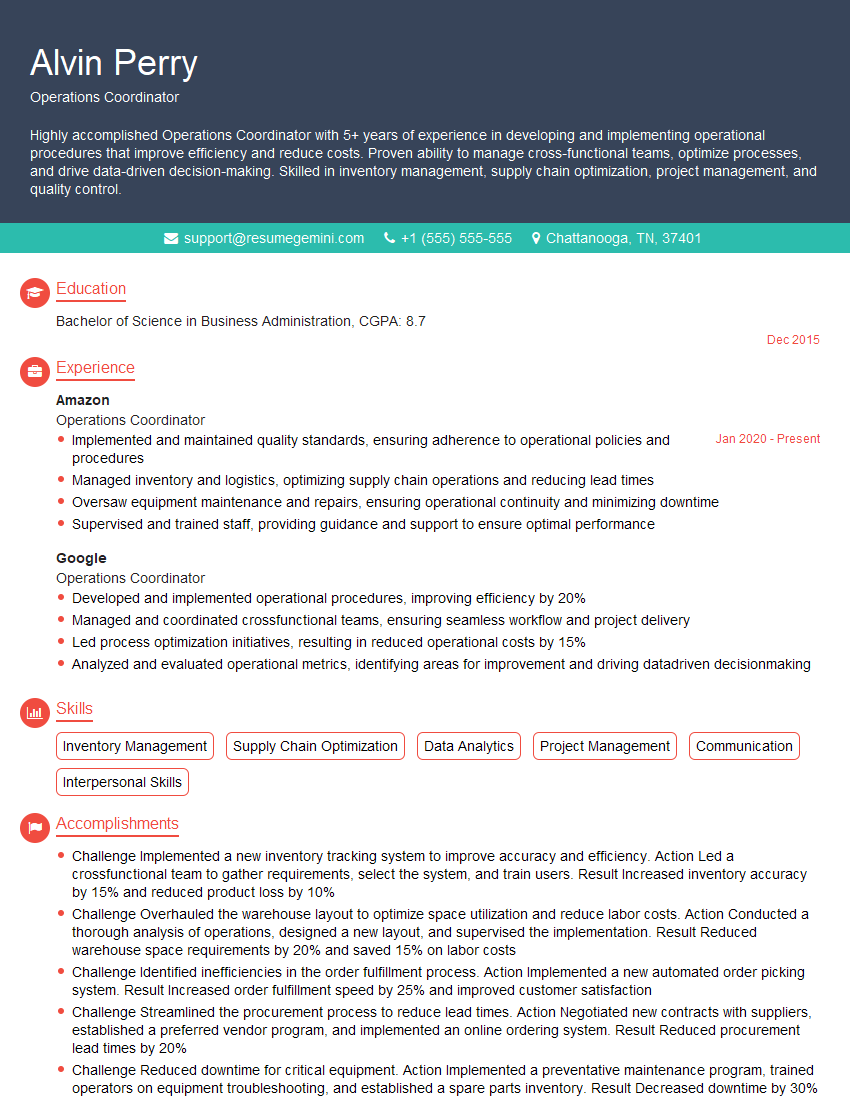
Operations Coordinator Resume Sample

Supply Chain Manager Resume Sample
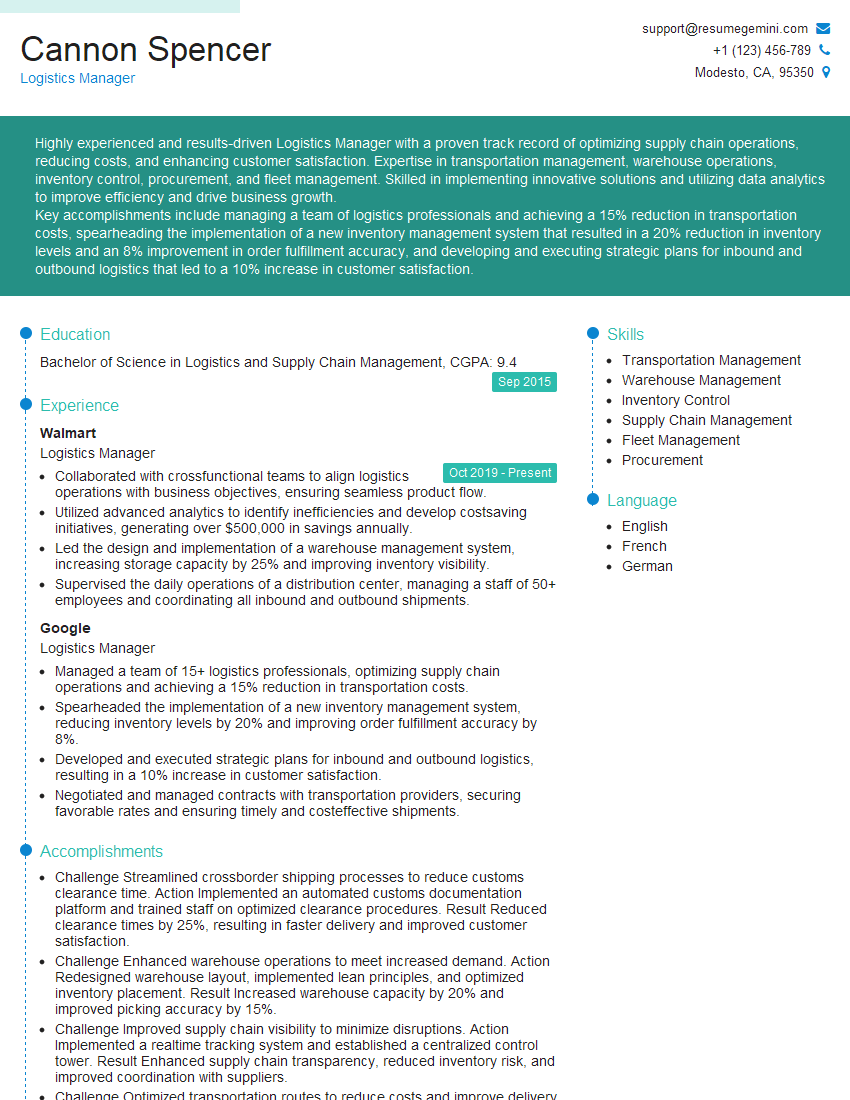
Logistics Manager Resume Sample
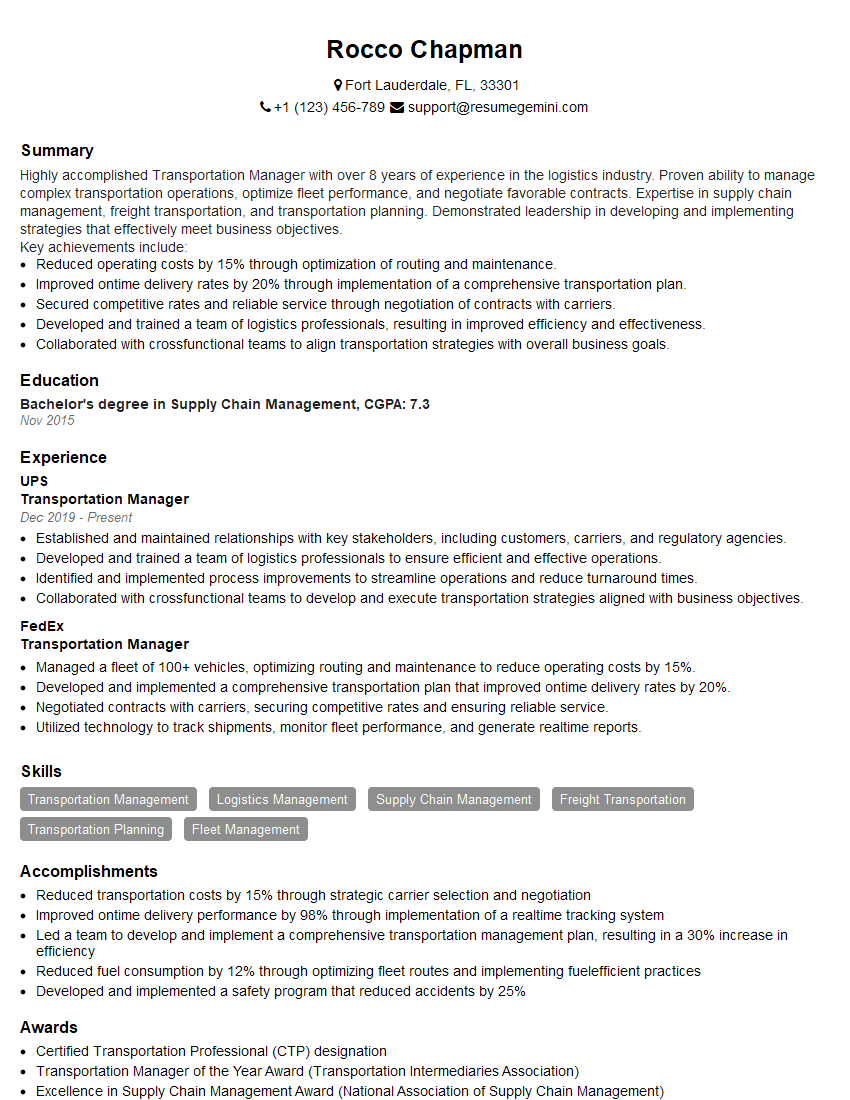
Transportation Manager Resume Sample
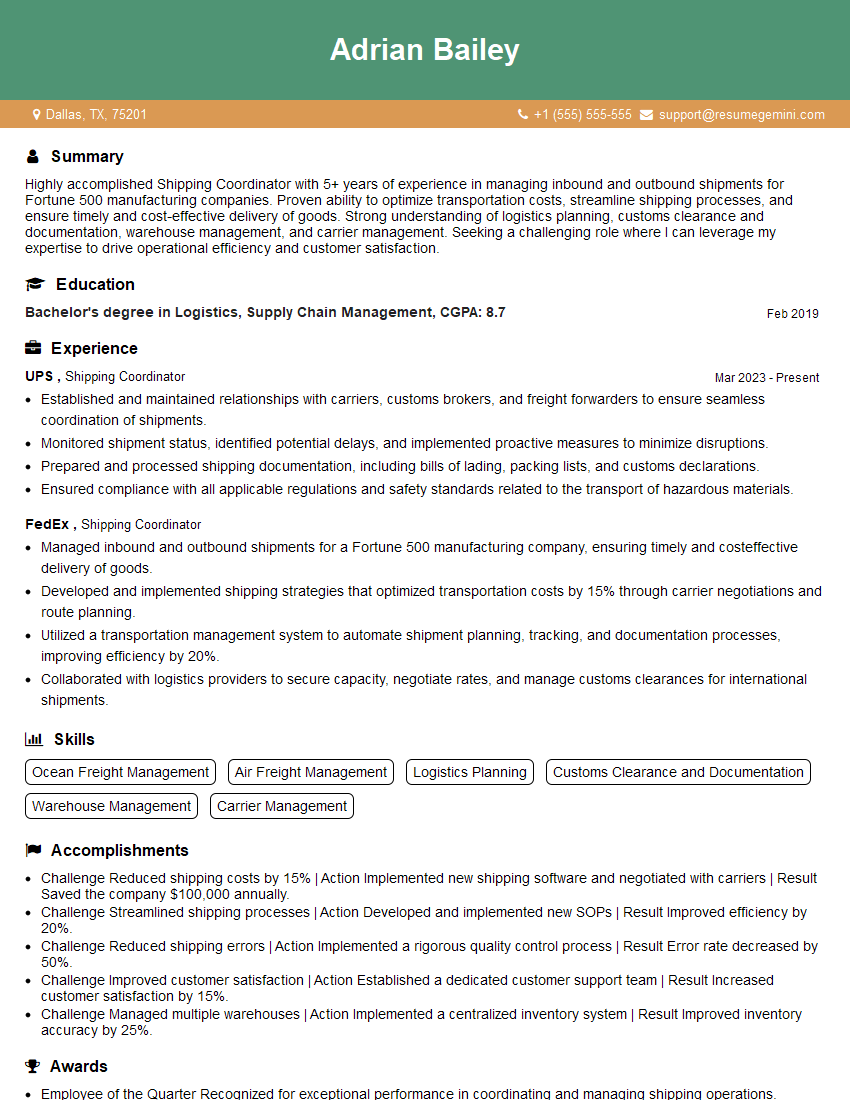
Shipping Coordinator Resume Sample
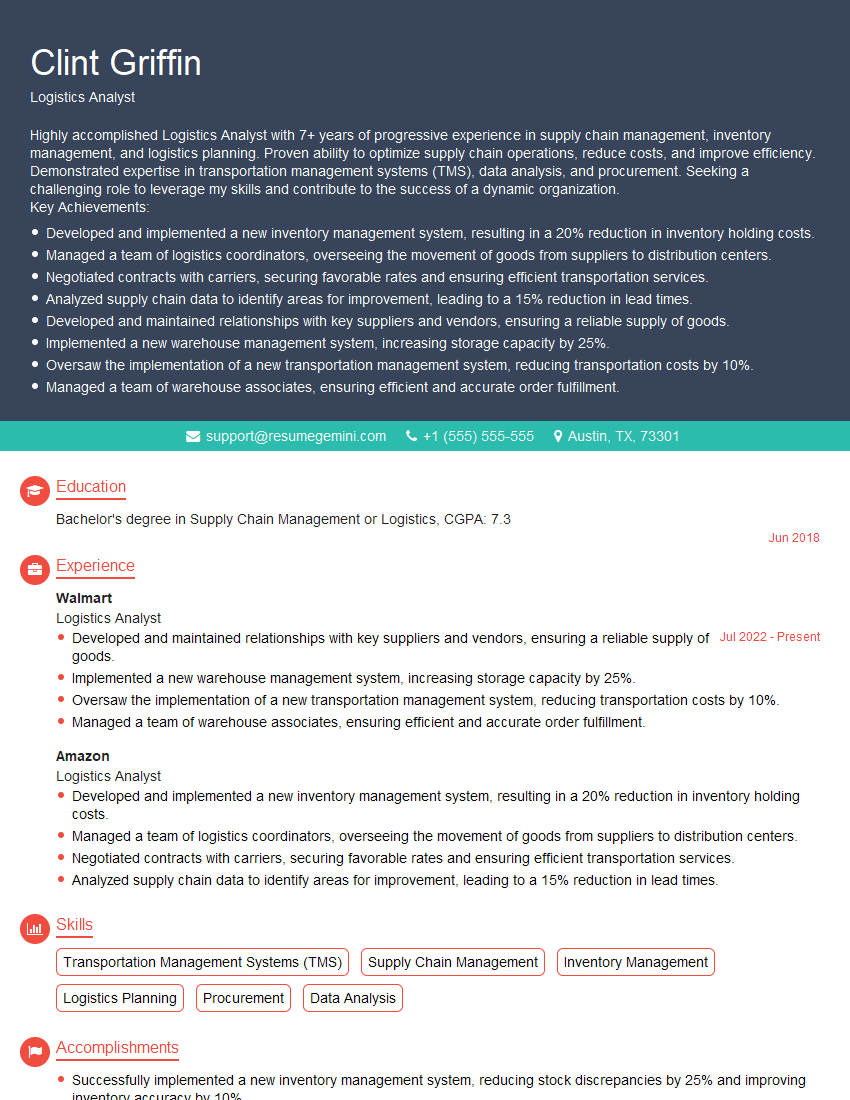
Logistics Analyst Resume Sample
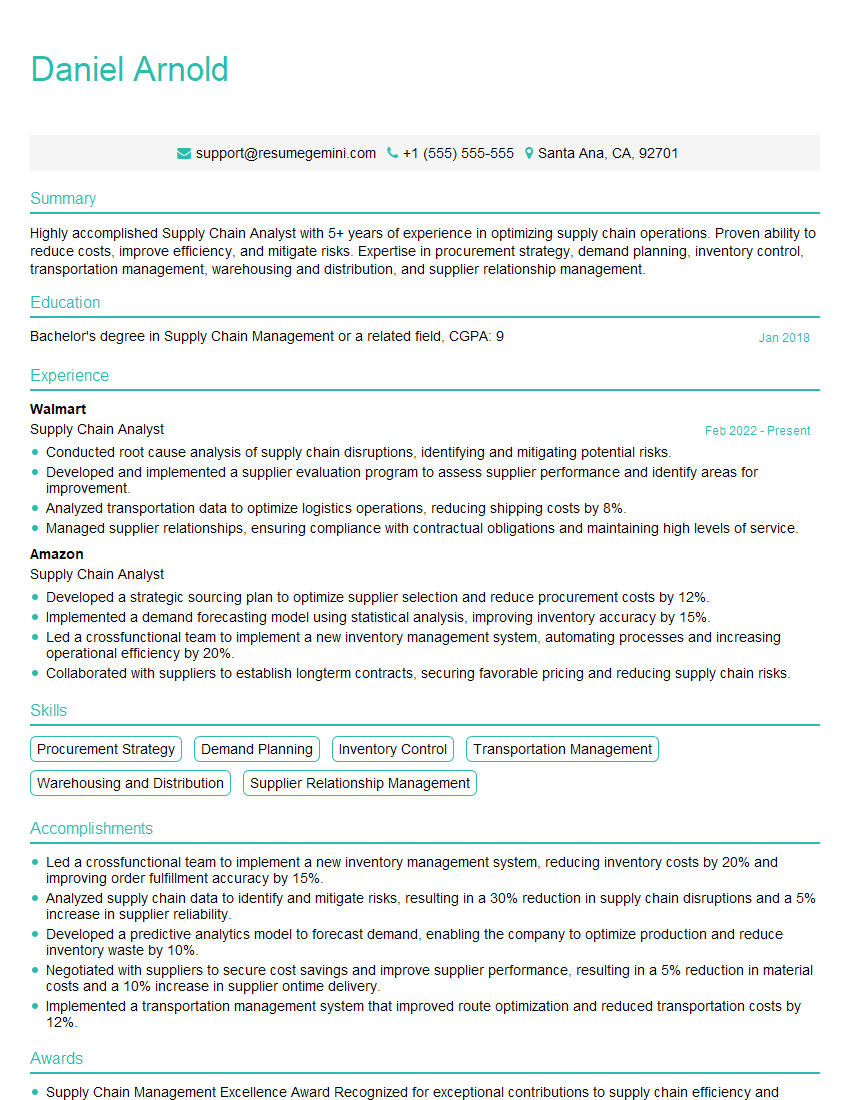
Supply Chain Analyst Resume Sample
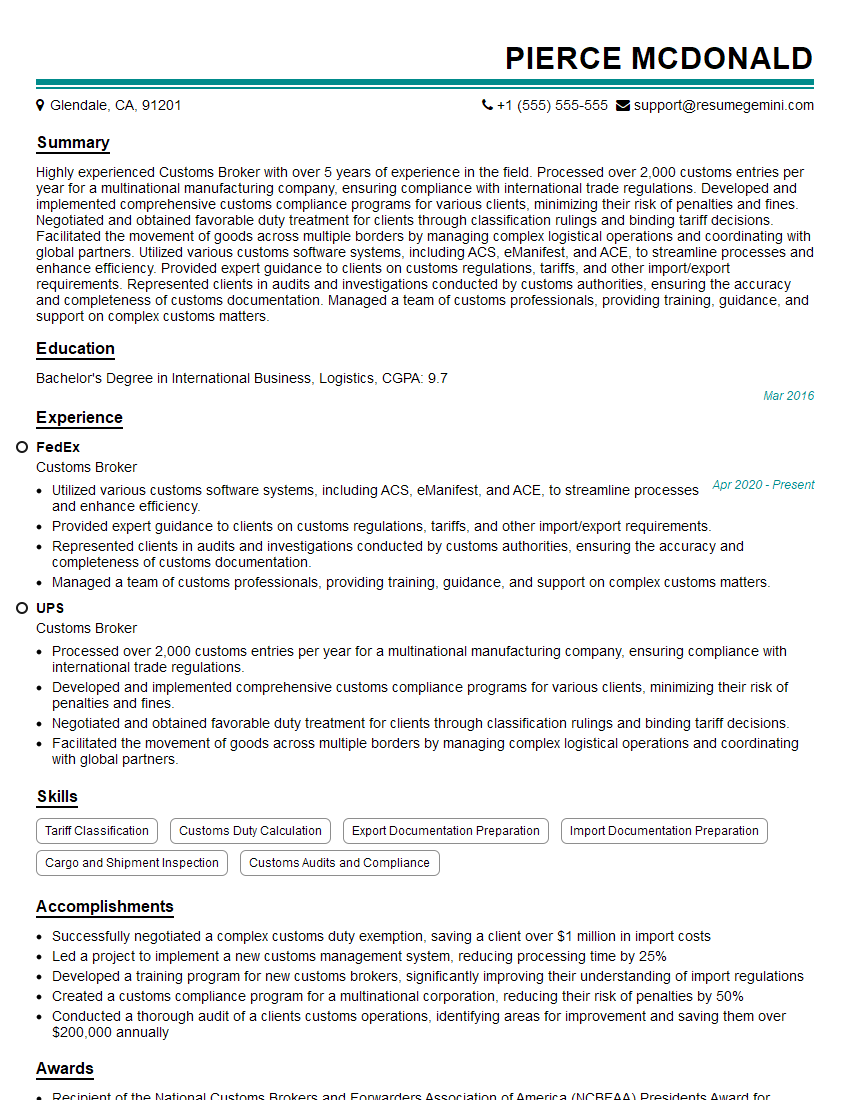
Customs Broker Resume Sample
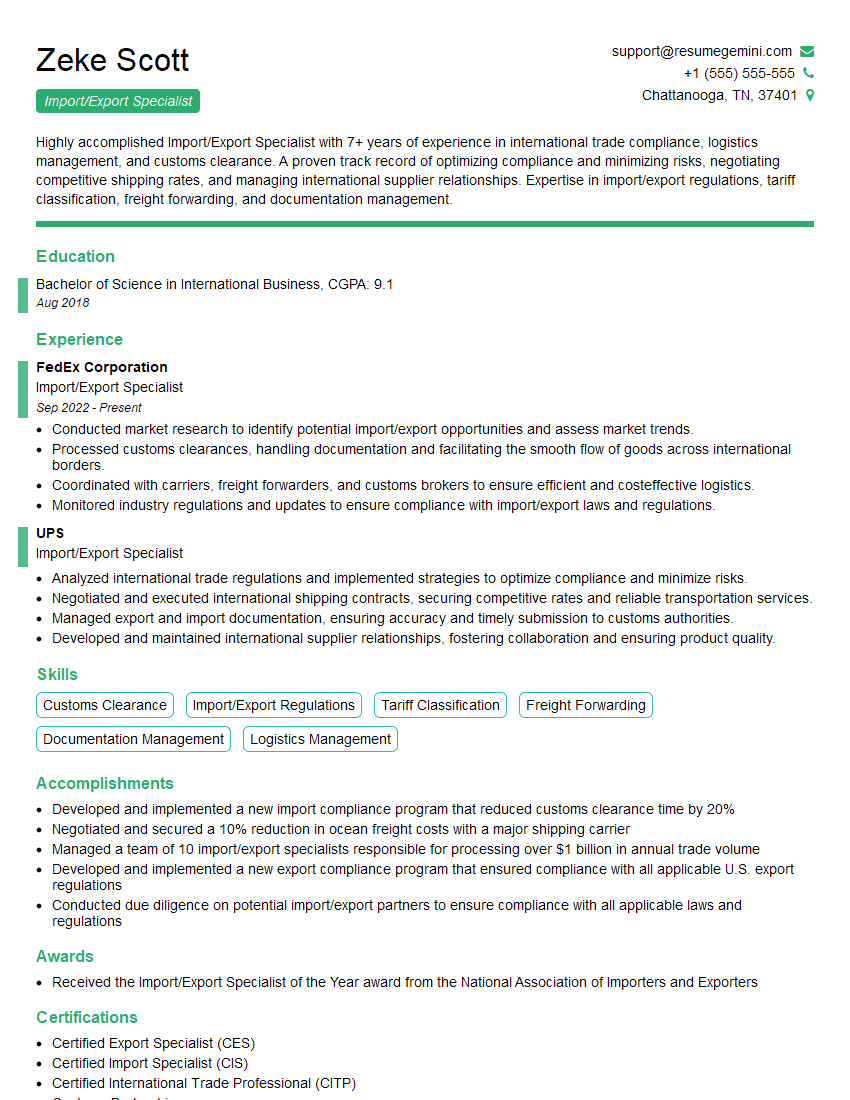
Import/Export Specialist Resume Sample
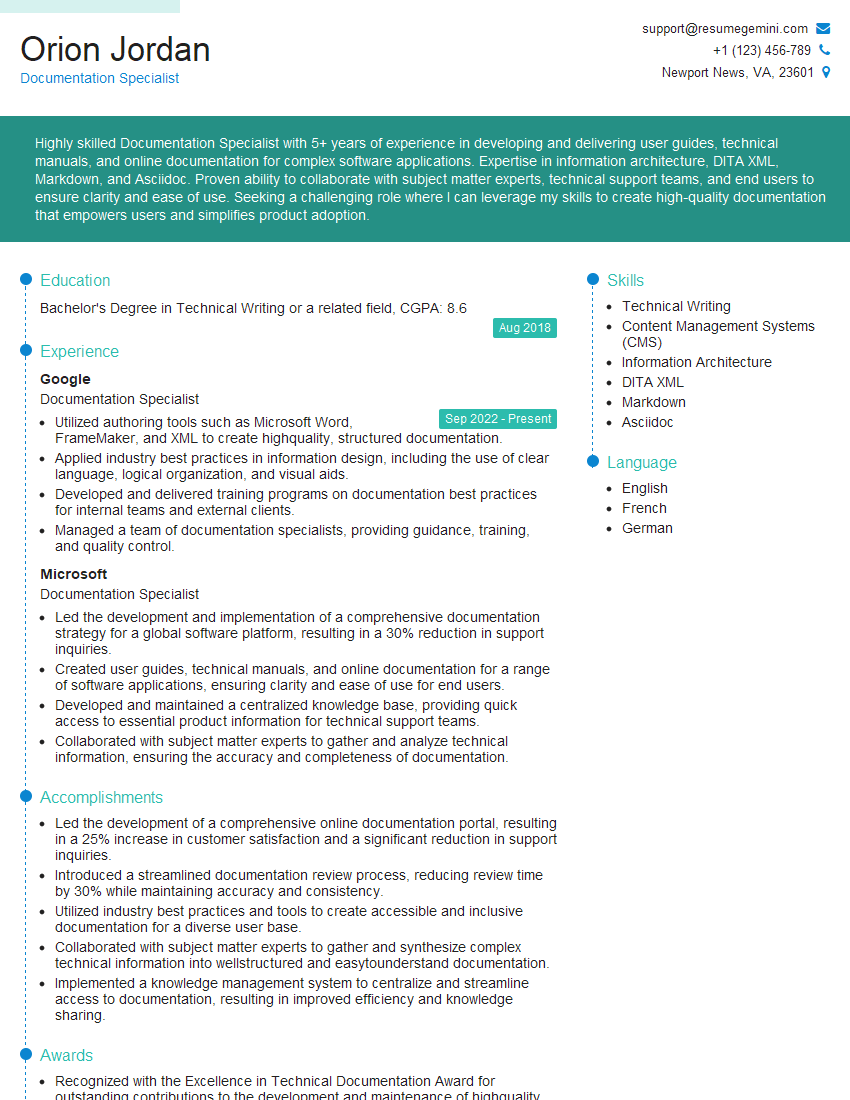
Documentation Specialist Resume Sample
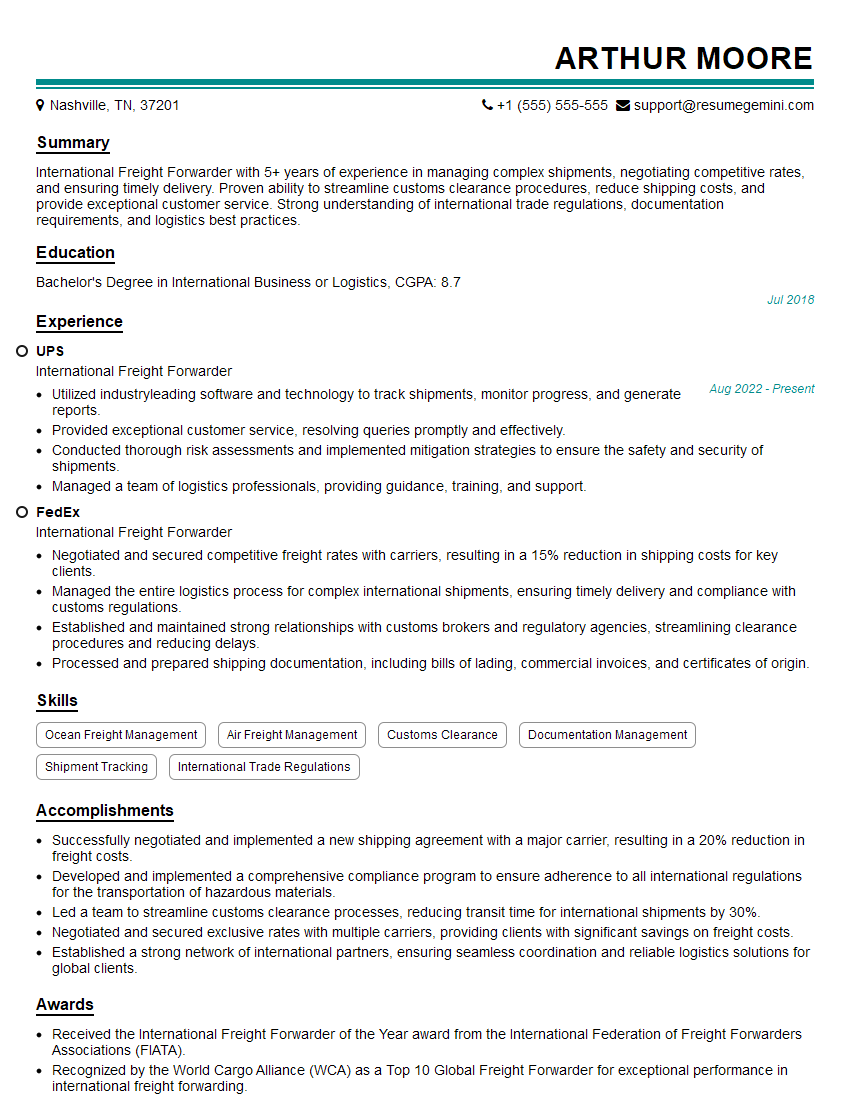
International Freight Forwarder Resume Sample
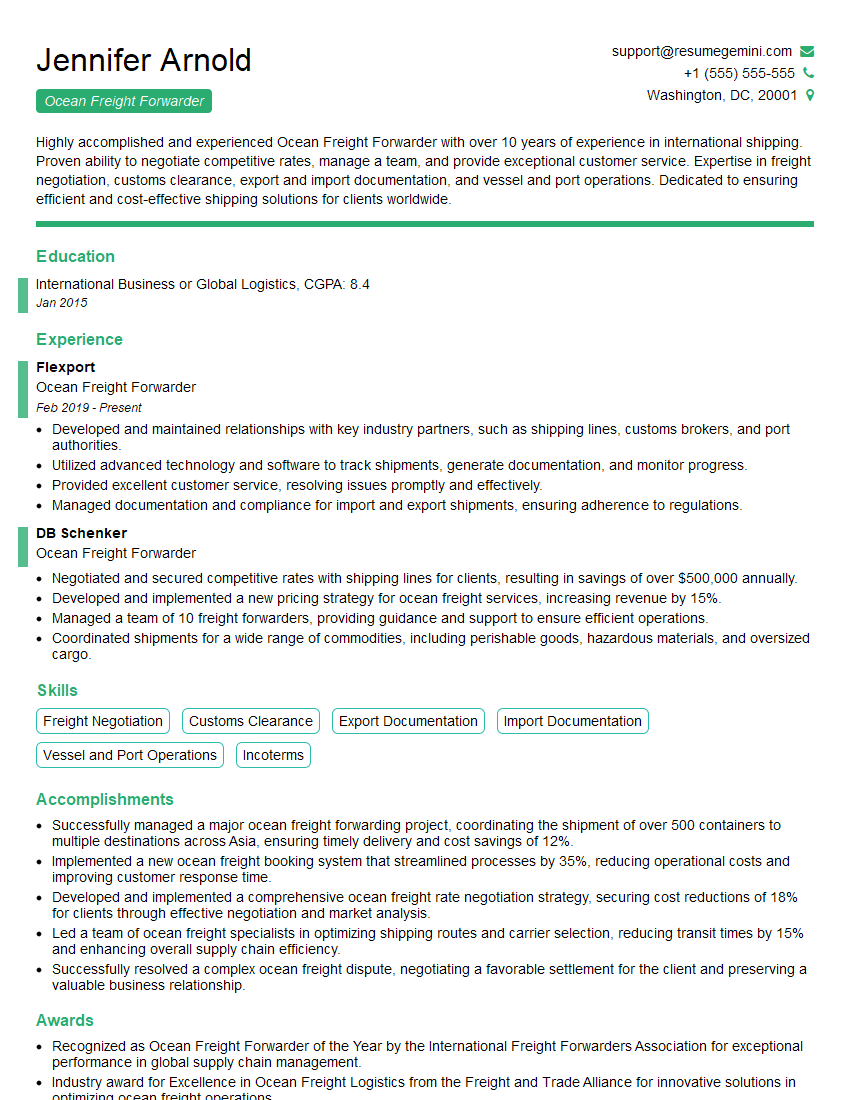
Ocean Freight Forwarder Resume Sample
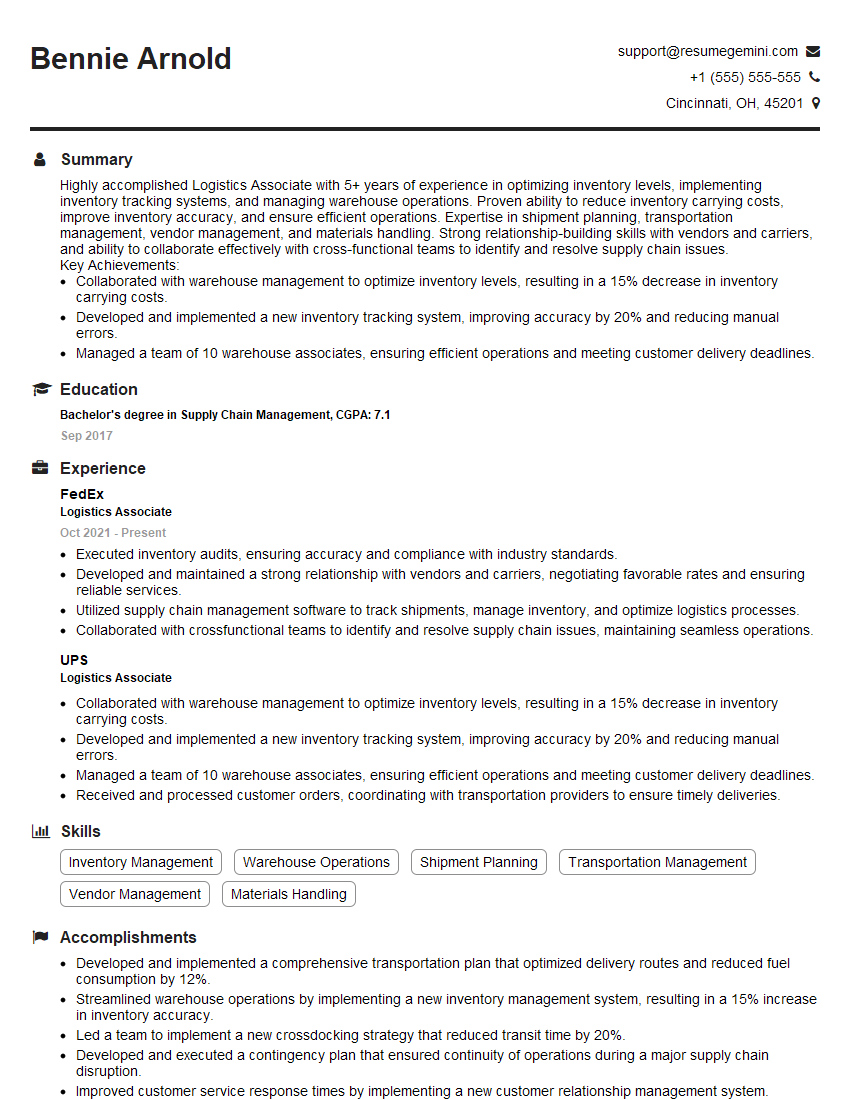
Logistics Associate Resume Sample
Explore more articles
Users Rating of Our Blogs
Share Your Experience
We value your feedback! Please rate our content and share your thoughts (optional).
What Readers Say About Our Blog
Very informative content, great job.
good