Interviews are opportunities to demonstrate your expertise, and this guide is here to help you shine. Explore the essential Knowledge of Plant Materials interview questions that employers frequently ask, paired with strategies for crafting responses that set you apart from the competition.
Questions Asked in Knowledge of Plant Materials Interview
Q 1. Describe the process of plant propagation through cuttings.
Plant propagation through cuttings is a vegetative propagation method where a piece of a plant, a cutting, is separated from the parent plant and grown into a new, independent plant. It’s like taking a clone! This process bypasses the need for seeds, allowing for faster propagation and the preservation of desirable traits.
The process generally involves these steps:
- Selection of Cuttings: Choose healthy, disease-free stems, ideally from non-flowering parts of the plant. The optimal length and number of nodes (points where leaves or branches emerge) vary depending on the plant species. For example, hardwood cuttings (taken from dormant woody stems) are usually longer than softwood cuttings (taken from actively growing stems).
- Preparation of Cuttings: Cuttings should be made with a sharp, clean blade to prevent the spread of diseases. The cut should be made cleanly just below a node. Lower leaves should be removed to prevent rotting. The use of rooting hormone powder can significantly improve the success rate by stimulating root development.
- Planting: Cuttings are then planted in a suitable rooting medium, such as a mix of perlite and vermiculite, or specialized propagation mixes which offer good drainage and aeration. The medium should be kept consistently moist but not waterlogged. Planting depth is usually such that at least one node is buried.
- Care and Maintenance: Cuttings need consistent moisture and high humidity to prevent desiccation. A humidity dome or plastic bag can help maintain humidity. Once roots develop (which can take several weeks to months, depending on the plant species), the cutting can be gradually acclimated to normal conditions and transplanted into individual pots.
Examples include propagating roses from stem cuttings or growing new coleus plants from leaf cuttings.
Q 2. Explain the difference between monocot and dicot plants, providing examples.
Monocots and dicots are two major groups of flowering plants (angiosperms), distinguished by several key differences in their anatomy and morphology.
- Monocots (monocotyledons) have a single cotyledon (embryonic leaf) in their seeds, while dicots (dicotyledons) have two cotyledons.
- Monocots typically have parallel leaf venation (veins run parallel to each other), while dicots usually have reticulate (net-like) leaf venation.
- Monocots have fibrous root systems, whereas dicots typically have taproot systems.
- Monocot flowers usually have flower parts in multiples of three, while dicot flowers often have parts in multiples of four or five.
Examples:
- Monocots: grasses (like corn and wheat), lilies, orchids, tulips, onions.
- Dicots: roses, sunflowers, beans, peas, oak trees, tomatoes.
Understanding this distinction is crucial for plant identification, horticultural practices, and even ecological studies as it influences their growth patterns and ecological roles. For instance, knowing a plant is a monocot can help determine the best planting method and soil requirements.
Q 3. What are the common symptoms of plant diseases caused by fungi?
Fungal diseases in plants manifest in a variety of ways, but some common symptoms include:
- Leaf Spots: Circular or irregular spots on leaves, often with different colors and textures. These spots can be caused by different fungal species and indicate fungal colonization on the leaf surface.
- Powdery Mildew: A white, powdery coating on leaves and stems, caused by various powdery mildew fungi. It obstructs photosynthesis and can weaken the plant.
- Damping-off: A seedling disease where the stems rot at the soil line, causing the seedlings to wilt and die. Often seen in seedlings grown in overly wet conditions.
- Rusts: Orange, brown, or reddish pustules on leaves and stems. These pustules contain fungal spores that spread the disease.
- Wilts: Sudden wilting of plants, even when the soil is moist. This is often caused by vascular wilt fungi that block the xylem vessels, preventing water uptake.
- Molds: Fluffy or fuzzy growths on various plant parts, indicating fungal growth. The color can vary widely depending on the specific fungus.
Early detection of these symptoms is crucial for effective management, which might involve using fungicides or implementing cultural practices like improving air circulation to prevent fungal growth.
Q 4. How do you identify nutrient deficiencies in plants?
Identifying nutrient deficiencies in plants requires careful observation and understanding of the specific symptoms. Different nutrient deficiencies manifest in unique ways:
- Visual Symptoms: Changes in leaf color (chlorosis – yellowing, necrosis – browning), leaf shape, size, and overall plant growth are key indicators. For example, nitrogen deficiency often leads to overall yellowing, while iron deficiency causes interveinal chlorosis (yellowing between leaf veins).
- Tissue Testing: Sending samples of plant tissue to a laboratory for analysis is the most accurate way to diagnose nutrient deficiencies. This provides quantitative data on nutrient concentrations.
- Soil Testing: While not as direct an indicator of plant nutrient uptake, soil tests can give insights into the availability of nutrients in the soil, which can indicate potential deficiency problems.
Specific deficiencies are associated with particular symptoms, for example, magnesium deficiency can cause yellowing between the leaf veins (interveinal chlorosis) with leaf edges remaining green, while potassium deficiency often results in leaf scorching at the margins.
Knowing the specific symptoms of each deficiency along with the plant species, growing conditions, and soil type helps in making accurate diagnosis and implementing corrective actions such as applying fertilizers tailored to address the specific nutrient deficit.
Q 5. Discuss various methods of irrigation and their suitability for different plant types.
Irrigation methods are chosen based on factors such as plant type, water availability, soil type, and budget. Here are some common methods:
- Drip Irrigation: Water is delivered directly to the plant roots through a network of tubes and emitters. This is highly efficient, minimizes water waste, and is suitable for various plants, including vegetables, fruits, and ornamentals.
- Sprinkler Irrigation: Water is sprayed over the plants using sprinklers. This method is suitable for larger areas and plants with higher water requirements, but can be less efficient than drip irrigation due to evaporation and water runoff.
- Flood Irrigation: Water is applied to the entire field, flooding the area. This method is suitable for level fields and rice paddies but is highly inefficient due to water waste and potential soil erosion.
- Overhead Irrigation: Similar to sprinklers, but often utilizes larger spray nozzles. Suitable for large areas but prone to water loss and can lead to fungal diseases if leaves remain wet for long periods.
- Subsurface Irrigation: Water is applied below the soil surface through buried pipes or porous tubes. This is very efficient, reducing evaporation losses but requires significant initial investment.
The choice of irrigation method is crucial for efficient water use and optimal plant growth. For example, drought-tolerant plants might thrive with infrequent deep watering through drip or subsurface irrigation, while plants with high water demands would benefit from frequent overhead irrigation or sprinklers.
Q 6. Explain the principles of soil testing and its importance in plant health.
Soil testing involves analyzing a soil sample to determine its physical and chemical properties, including pH, nutrient levels (nitrogen, phosphorus, potassium, etc.), organic matter content, and salinity. This information is vital for plant health management.
The process usually involves:
- Sample Collection: Representative samples are collected from different areas of the field or garden to get an average soil profile.
- Laboratory Analysis: Samples are sent to a laboratory where various tests are conducted to determine the different parameters.
- Interpretation of Results: The results are interpreted to identify potential problems like nutrient deficiencies, pH imbalances, or salinity issues.
- Recommendations: Based on the analysis, recommendations for soil amendments (e.g., fertilizers, lime) are made to optimize soil conditions for plant growth.
Soil testing is crucial because it provides a proactive approach to plant health management. It allows growers to tailor fertilization and other soil management practices to the specific needs of the plants, leading to improved yields, better plant health, and reduced environmental impact by optimizing fertilizer use. This prevents unnecessary use of fertilizers and avoids problems associated with over-fertilization.
Q 7. Describe the role of photosynthesis in plant growth.
Photosynthesis is the process by which green plants and some other organisms use sunlight to synthesize foods from carbon dioxide and water. It is the foundation of plant growth and provides the energy needed for all other plant processes.
In a simplified way, photosynthesis involves the following steps:
- Light Absorption: Chlorophyll and other pigments in chloroplasts capture light energy from the sun.
- Water Uptake: Plants absorb water from the soil through their roots.
- Carbon Dioxide Intake: Plants take in carbon dioxide from the atmosphere through tiny pores called stomata on their leaves.
- Energy Conversion: The light energy is used to convert carbon dioxide and water into glucose (a sugar), which serves as the plant’s primary energy source.
- Oxygen Release: Oxygen is released as a byproduct of photosynthesis.
The glucose produced during photosynthesis fuels all plant processes, including growth, reproduction, and defense against pathogens. The rate of photosynthesis is influenced by many environmental factors including light intensity, carbon dioxide concentration, temperature, and water availability. Understanding photosynthesis is essential in agriculture and horticulture for maximizing plant productivity through optimizing growing conditions.
Q 8. What are the different types of plant growth regulators and their applications?
Plant growth regulators (PGRs) are naturally occurring or synthetic compounds that influence various aspects of plant growth and development. They are crucial tools in horticulture, agriculture, and plant science.
- Auxins: These promote cell elongation, root initiation, and apical dominance (e.g., Indole-3-acetic acid (IAA)). Applications include rooting hormone in cuttings and weed control (synthetic auxins like 2,4-D).
- Gibberellins (GAs): These stimulate stem elongation, seed germination, and flowering. Applications include increasing fruit size (grapes) and overcoming dormancy in seeds.
- Cytokinins: These promote cell division, delay senescence (aging), and influence shoot development (e.g., Zeatin). Applications include tissue culture, enhancing chlorophyll retention, and delaying leaf drop.
- Abscisic acid (ABA): This hormone promotes seed dormancy, stomatal closure (water stress response), and inhibits growth. Applications include delaying premature germination and managing stress conditions.
- Ethylene: This gas stimulates fruit ripening, abscission (leaf and fruit drop), and senescence. Applications include controlled fruit ripening and promoting flower senescence.
For example, applying gibberellins to seedless grapes increases berry size, resulting in a higher yield and improved market value. Conversely, using cytokinins in tissue culture helps to promote the development of multiple shoots from a single explant, a crucial step in plant propagation.
Q 9. Explain the concept of plant hardiness zones and their significance.
Plant hardiness zones are geographically defined areas with similar minimum winter temperatures. They are crucial for selecting plants that will thrive in a specific climate. The USDA Plant Hardiness Zone Map, for instance, divides North America into zones based on the average annual minimum winter temperature.
Each zone is assigned a number, with lower numbers representing colder climates and higher numbers indicating warmer climates. For example, Zone 7 typically experiences average annual minimum temperatures between 0°F and 10°F (-17.8°C to -12.2°C), while Zone 9 experiences average annual minimum temperatures between 20°F and 30°F (-6.7°C to -1.1°C).
The significance lies in ensuring successful plant establishment. Planting a plant outside its hardiness zone significantly increases the risk of winter kill, impacting plant survival and growth. Choosing appropriate plants based on the hardiness zone increases the chances of garden success.
Q 10. How do you manage weeds in a sustainable way?
Sustainable weed management prioritizes minimizing environmental impact while effectively controlling unwanted plants. It’s about finding balance, rather than eradication.
- Mulching: Organic mulches (straw, wood chips) suppress weed growth by blocking sunlight and improving soil health.
- Cover Cropping: Planting fast-growing plants that cover the soil compete with weeds for resources.
- Crop Rotation: Alternating crops disrupts weed life cycles.
- Targeted Herbicides (when necessary): Using herbicides that specifically target the weeds, minimizing harm to beneficial plants and the environment. Organic options like vinegar or horticultural oils are preferable.
- Hand Weeding: Removing weeds before they go to seed. This is especially effective for small gardens.
- Mechanical Weeding: Using tools like hoes or cultivators to remove weeds.
For instance, using a thick layer of mulch in a vegetable garden can significantly reduce the need for herbicides. Combining this with regular hand-weeding allows for effective weed control in a sustainable and environmentally friendly way.
Q 11. Describe different methods of pest control in horticulture.
Pest control in horticulture requires a multifaceted approach focusing on prevention and integrated pest management (IPM).
- Cultural Control: Includes proper sanitation (removing plant debris), crop rotation, and using resistant varieties.
- Biological Control: Introducing natural enemies of pests (e.g., ladybugs for aphids, beneficial nematodes for soil pests).
- Mechanical Control: Physically removing pests (e.g., handpicking, trapping).
- Chemical Control (used judiciously): Using pesticides only when necessary and selecting the least toxic option. Always follow label instructions precisely.
For example, a grower might use pheromone traps to monitor the population of codling moths in an apple orchard, allowing for timely intervention with minimal pesticide use. Using resistant varieties, however, will be the preferred method to avoid infestations in the first place.
Q 12. What are the challenges in plant breeding and genetic modification?
Plant breeding and genetic modification (GM) face several challenges:
- Technological Limitations: Precise gene editing can be complex and costly. Off-target effects (unintended gene modifications) are a concern.
- Ethical Concerns: Public perception and acceptance of GM crops vary widely, raising concerns about potential risks and unintended consequences.
- Regulatory Hurdles: The regulatory processes for approving new GM crops can be lengthy and expensive.
- Unpredictable Outcomes: The interaction of modified genes with other genes within the plant can be difficult to predict.
- Gene Flow: The potential transfer of modified genes to wild relatives, leading to unpredictable ecological effects.
For example, developing disease-resistant varieties through GM technology can be difficult due to the complex nature of plant-pathogen interactions. Furthermore, concerns about the potential environmental impact of gene flow from GM crops to their wild relatives necessitate extensive research and careful risk assessment before introducing them commercially.
Q 13. Explain the importance of biodiversity in plant ecosystems.
Biodiversity in plant ecosystems is crucial for maintaining ecological balance and resilience. A diverse plant community provides a wider range of ecosystem services.
- Increased Stability: Diverse plant communities are more resistant to disturbances such as pests, diseases, and climate change.
- Enhanced Productivity: Greater species richness often leads to higher overall productivity of the ecosystem.
- Nutrient Cycling: Different plant species contribute to efficient nutrient cycling, enhancing soil fertility.
- Pollination Services: Diverse plants support a wider range of pollinators, ensuring successful reproduction.
- Soil Health: Various plant roots and their associated microbes enhance soil structure and health.
Imagine a forest ecosystem. High biodiversity provides a buffer against disease outbreaks. If one tree species is affected by a pest, others can compensate. Without such diversity, the entire ecosystem becomes vulnerable to collapse.
Q 14. Describe the impact of climate change on plant growth and distribution.
Climate change significantly impacts plant growth and distribution. Rising temperatures, altered precipitation patterns, and increased frequency of extreme weather events pose major challenges.
- Range Shifts: Plants are shifting their geographic ranges towards higher altitudes or latitudes to track suitable climatic conditions.
- Phenological Changes: Changes in the timing of seasonal events like flowering and fruiting can disrupt plant life cycles and interactions with pollinators.
- Increased Stress: Heat stress, drought, and waterlogging negatively impact plant growth and survival.
- Pest and Disease Impacts: Changes in climate can alter the distribution and abundance of pests and diseases, increasing their impact on plant populations.
- Ecosystem Disruption: Changes in plant communities can have cascading effects on other organisms within the ecosystem.
For example, warmer temperatures are causing earlier spring blooms in many plant species. This can lead to a mismatch between flowering time and the emergence of pollinators, resulting in reduced reproductive success. The increasing frequency of extreme weather events, such as droughts and heat waves, further exacerbates the challenges faced by plants.
Q 15. What are the ethical considerations in plant biotechnology?
Ethical considerations in plant biotechnology are multifaceted and crucial for responsible innovation. They revolve around potential impacts on human health, the environment, and socio-economic systems. Key concerns include:
- Biosafety: Ensuring genetically modified (GM) plants don’t pose risks to human health through unintended consequences like allergic reactions or toxin production. Rigorous testing and labeling are essential.
- Biosecurity: Preventing the unintended release of GM plants into the environment, which could lead to gene flow to wild relatives, potentially creating herbicide-resistant weeds or disrupting ecosystems. This includes containment strategies during research and commercialization.
- Environmental Impact: Assessing the effects of GM crops on biodiversity, soil health, and water resources. For example, herbicide-tolerant crops could lead to reduced biodiversity if they require the extensive use of herbicides.
- Socio-economic Impacts: Considering the potential effects on farmers, especially smallholder farmers, who may be impacted by the cost of GM seeds or the market dominance of large corporations. Equitable access to technology and its benefits is paramount.
- Intellectual Property Rights: Addressing issues surrounding ownership and control of GM technology, ensuring fair compensation for inventors while preventing monopolistic practices that limit access.
For instance, the debate surrounding Golden Rice, genetically modified to produce beta-carotene, highlights the ethical tension between potential benefits (reducing vitamin A deficiency) and concerns about corporate control over seed production and potential environmental impacts. A thorough ethical framework guiding plant biotechnology research and development is essential to mitigate these risks and ensure sustainable, equitable progress.
Career Expert Tips:
- Ace those interviews! Prepare effectively by reviewing the Top 50 Most Common Interview Questions on ResumeGemini.
- Navigate your job search with confidence! Explore a wide range of Career Tips on ResumeGemini. Learn about common challenges and recommendations to overcome them.
- Craft the perfect resume! Master the Art of Resume Writing with ResumeGemini’s guide. Showcase your unique qualifications and achievements effectively.
- Don’t miss out on holiday savings! Build your dream resume with ResumeGemini’s ATS optimized templates.
Q 16. How do you assess the health of a plant using visual inspection?
Assessing plant health through visual inspection is a fundamental skill in plant science and horticulture. It involves systematically observing various plant parts for signs of stress, disease, or pest infestation. This includes:
- Overall Vigor: Observe the plant’s growth habit – is it upright and healthy-looking, or stunted and wilting?
- Leaf Appearance: Examine leaf color (chlorosis – yellowing – indicates nutrient deficiencies or disease), texture (crispy leaves may indicate drought stress), and presence of spots, lesions, or discoloration (disease symptoms).
- Stems and Branches: Look for cankers (sunken areas), wilting, discoloration, or unusual growths.
- Roots (if accessible): Check for root rot (dark, mushy roots) or damage from pests.
- Flowers and Fruits: Assess flower development, fruit size and shape, and presence of blemishes or signs of decay.
For example, yellowing leaves between the veins (interveinal chlorosis) often points to iron deficiency, while small, deformed leaves might indicate viral infection. Experienced practitioners can often diagnose many problems simply by looking closely at the plant, enabling early intervention and preventing more serious issues.
Q 17. Describe the process of grafting and budding.
Grafting and budding are horticultural techniques used to join parts of different plants together, resulting in a single plant with the desired characteristics of both. Both involve creating a union between the scion (the desired plant part, usually a stem or bud) and the rootstock (the base plant providing the root system).
Grafting: Involves joining a scion to the rootstock by aligning their cambium layers (the actively growing tissues). The union is then secured, often with tape or grafting wax, to promote healing and fusion. Different grafting methods exist, including whip-and-tongue grafting (commonly used for fruit trees), cleft grafting (used for thicker rootstocks), and bark grafting (used in spring when the bark is loose).
Budding: Uses a single bud (rather than a stem cutting) from the scion. A ‘T’ shaped cut is made in the rootstock bark, and the bud is carefully inserted beneath the bark. The bud is then secured, and after healing, it sprouts, forming a new shoot.
Example: A desirable apple variety (scion) might be grafted onto a rootstock known for its disease resistance or dwarfing qualities. This ensures the new tree inherits both the superior fruit of the scion and the beneficial root system of the rootstock. Similarly, budding is used widely to propagate roses, creating plants with the desired flower characteristics on robust root systems.
Q 18. Explain the principles of plant tissue culture.
Plant tissue culture is a technique for growing plant cells, tissues, or organs under sterile conditions in a nutrient medium. This allows for the propagation of large numbers of plants from a small initial sample, and also provides opportunities for genetic manipulation.
The process generally involves these steps:
- Initiation: Sterilizing the plant material (e.g., seeds, stem segments) and placing it on a nutrient agar medium containing essential nutrients, hormones (auxins and cytokinins), and possibly other growth regulators. This encourages callus formation (undifferentiated cells).
- Proliferation: Subculturing the callus onto fresh medium to induce rapid multiplication of shoots. Hormone ratios are critical for this step.
- Rooting: Transferring the shoots to a rooting medium, often with lower cytokinin and higher auxin concentrations, to stimulate root development.
- Acclimatization: Gradually exposing the rooted plantlets to normal environmental conditions before transplanting them into soil. This allows them to adjust to a less controlled environment.
Applications: Plant tissue culture is extensively used for micropropagation (cloning plants), genetic transformation (introducing new genes), and germplasm preservation (storing plant genetic resources). It is invaluable for propagating rare or endangered plants, producing virus-free plants, and creating genetically modified crops.
Q 19. What are the key considerations for selecting appropriate plant species for a specific landscape?
Selecting appropriate plant species for a specific landscape requires careful consideration of several factors. This ensures a successful and aesthetically pleasing outcome, minimizing maintenance and environmental impact. Key considerations include:
- Climate: Matching plant hardiness zones (indicating minimum winter temperature tolerance) to the local climate. Selecting drought-tolerant species for arid regions, for instance.
- Soil conditions: Determining soil type (e.g., sandy, clay, loamy), pH, and drainage capacity. Selecting plants suited to the specific soil characteristics; for example, azaleas thrive in acidic soil.
- Sunlight exposure: Assessing the amount of sunlight (full sun, partial shade, full shade) a site receives throughout the day. Choosing sun-loving plants for sunny locations and shade-tolerant plants for shady spots.
- Space and size: Considering the mature size of plants, including their height, width, and root system. Choosing plants appropriate for the available space to prevent overcrowding or root competition.
- Aesthetics: Considering factors such as color, texture, form, and flowering times to create a visually appealing and balanced landscape. Think about contrasts and transitions between different plant types.
- Maintenance requirements: Choosing low-maintenance plants to reduce the time and effort required for pruning, watering, and pest control.
- Local ecology: Selecting native plants that support local wildlife and are adapted to the specific environment, minimizing the need for fertilizers and pesticides.
For example, designing a xeriscape (drought-tolerant landscape) in a dry climate requires selecting succulents, native grasses, and other water-wise plants. Conversely, creating a woodland garden in a shady area would necessitate selecting shade-loving plants like ferns, hostas, and astilbes.
Q 20. Discuss the role of mycorrhizae in plant nutrition.
Mycorrhizae are symbiotic relationships between fungi and plant roots. The fungi colonize the plant roots, extending their reach into the soil, significantly enhancing nutrient uptake for the plant. In return, the plant provides the fungi with carbohydrates produced through photosynthesis.
Role in Plant Nutrition:
- Enhanced Nutrient Uptake: Mycorrhizal fungi greatly increase the surface area available for nutrient absorption, particularly phosphorus, nitrogen, and micronutrients. The fungal hyphae (thread-like structures) extend far beyond the root system, accessing nutrients inaccessible to the roots.
- Improved Water Uptake: Some mycorrhizae also improve water uptake by the plant, particularly in dry conditions.
- Protection against pathogens: Mycorrhizal fungi can act as a physical barrier against soilborne pathogens, protecting plant roots from disease.
- Increased Stress Tolerance: Mycorrhizae can improve plant tolerance to various stresses, including drought, salinity, and heavy metal toxicity.
Types: Two main types exist: ectomycorrhizae (fungal hyphae form a sheath around the root) and endomycorrhizae (fungal hyphae penetrate the root cells). The benefits are significant, with many plants relying heavily on mycorrhizal associations for optimal growth and health. Understanding mycorrhizae is increasingly important in sustainable agriculture and horticulture, as promoting these relationships can reduce the need for fertilizers and pesticides.
Q 21. Explain the difference between annual, biennial, and perennial plants.
The classification of plants into annuals, biennials, and perennials is based on their life cycle – the time it takes them to complete their life cycle from seed to seed.
Annuals: Complete their entire life cycle (germination, growth, flowering, seed production, and death) within a single growing season (typically one year). Examples include sunflowers, zinnias, and marigolds.
Biennials: Take two growing seasons to complete their life cycle. In the first year, they produce vegetative growth (leaves and stems). In the second year, they flower, produce seeds, and then die. Examples include carrots, parsley, and many types of foxgloves.
Perennials: Live for more than two years, often flowering and producing seeds repeatedly throughout their lifespan. They typically die back to the ground in winter in temperate climates but regrow in spring. Examples include roses, lavender, and many types of trees and shrubs.
Understanding these life cycle differences is critical in landscape planning and gardening. Annuals provide bursts of color and can be easily replaced each season, while perennials offer long-term structure and interest in the garden.
Q 22. How do you manage plant diseases using integrated pest management (IPM)?
Integrated Pest Management (IPM) for plant diseases prioritizes prevention and utilizes multiple strategies to minimize reliance on chemical pesticides. It’s a holistic approach, focusing on understanding the entire system – the plant, the pathogen, the environment, and the impact of control methods.
Monitoring and Identification: Regular inspection is crucial. Early detection of diseases allows for timely intervention, preventing widespread outbreaks. This involves identifying the specific pathogen – a fungus, bacterium, virus, or nematode – to tailor the control measures.
Cultural Practices: These are fundamental. Proper spacing promotes air circulation, reducing humidity that favors fungal diseases. Crop rotation breaks disease cycles. Selecting disease-resistant cultivars is a powerful preventative measure. Maintaining soil health through proper fertilization and organic matter addition strengthens plant defenses.
Biological Control: Introducing beneficial organisms, like predatory insects or microorganisms that antagonize pathogens, can suppress disease levels naturally. For example, using Trichoderma fungi to control soilborne diseases is a common practice.
Chemical Control (Last Resort): Chemical pesticides are only used when other methods are insufficient and the disease poses a significant threat. This involves choosing the least toxic and most targeted pesticide, applying it at the correct rate and time to minimize environmental impact.
Example: Imagine a tomato plant with early blight (a fungal disease). IPM would start with monitoring for symptoms (brown spots on leaves), identifying the pathogen (Alternaria solani), and then employing cultural practices like improved spacing and removing infected leaves. If the disease persists, a biological control agent might be introduced, and only as a last resort would a fungicide be considered.
Q 23. Describe the various types of plant reproduction strategies.
Plants exhibit diverse reproduction strategies, broadly categorized into sexual and asexual methods. Sexual reproduction involves the fusion of gametes (sperm and egg), resulting in genetic variation in offspring, while asexual reproduction produces genetically identical clones.
Sexual Reproduction: This involves pollination, fertilization, and seed development. Pollination can be achieved by wind (anemophily), water (hydrophily), or animals (zoophily, including insects, birds, and bats). Different plants have evolved specific adaptations to attract pollinators, such as colorful flowers, nectar production, and fragrant scents.
Asexual Reproduction: Various mechanisms facilitate this, including vegetative propagation. This involves the development of new plants from vegetative parts like stems (e.g., cuttings, layering), roots (e.g., suckers), or leaves (e.g., leaf cuttings). Other examples include apomixis (seed production without fertilization) and budding (growth of a new plant from a bud on the parent plant).
Example: Strawberries reproduce both sexually (via seeds) and asexually (via runners, which are horizontal stems that produce new plants at nodes). Many orchids rely entirely on vegetative propagation, while most flowering plants employ sexual reproduction to generate genetic diversity and adaptation.
Q 24. Explain the role of soil microorganisms in plant health.
Soil microorganisms play a vital role in plant health, acting as a critical link between the plant and its environment. They influence nutrient availability, disease suppression, and overall soil structure.
Nutrient Cycling: Bacteria and fungi decompose organic matter, releasing essential nutrients like nitrogen, phosphorus, and potassium in forms plants can readily absorb. Nitrogen-fixing bacteria in the roots of legumes convert atmospheric nitrogen into usable forms, enriching the soil.
Disease Suppression: Certain soil microbes produce antibiotics or other compounds that inhibit the growth of plant pathogens. They compete with pathogens for resources, reducing their impact. This is a cornerstone of biological control strategies in IPM.
Improved Soil Structure: Microbes contribute to the aggregation of soil particles, enhancing water infiltration and aeration, which are crucial for root growth and nutrient uptake. Their metabolic activities influence soil pH and organic matter content.
Example: Mycorrhizal fungi form symbiotic relationships with plant roots, extending the reach of the root system and facilitating nutrient uptake, particularly phosphorus. This mutually beneficial relationship significantly boosts plant growth and resilience.
Q 25. What are some common plant-related environmental issues?
Several environmental issues directly impact plant health and productivity:
Climate Change: Increasing temperatures, altered precipitation patterns, and more frequent extreme weather events (droughts, floods, heatwaves) stress plants, reducing yields and increasing susceptibility to diseases and pests.
Air Pollution: Pollutants like ozone and sulfur dioxide damage plant tissues, reducing photosynthesis and growth. Acid rain can acidify soils, impacting nutrient availability.
Soil Degradation: Erosion, compaction, nutrient depletion, and salinization negatively affect soil structure and fertility, limiting plant growth. Improper agricultural practices can exacerbate these issues.
Water Scarcity: Droughts stress plants, reducing their productivity and increasing vulnerability to pests and diseases. Inefficient irrigation practices exacerbate water scarcity issues.
Invasive Species: Invasive plants compete with native flora for resources, disrupting ecosystems and impacting biodiversity.
Example: The increasing frequency and intensity of droughts in certain regions are causing widespread crop failures and impacting forest health, highlighting the critical link between climate change and plant survival.
Q 26. How do you choose appropriate fertilizers for different plant types?
Choosing appropriate fertilizers depends on understanding the plant’s nutrient needs, the soil’s existing nutrient levels, and the plant’s growth stage. A soil test provides valuable information on the soil’s composition and nutrient deficiencies.
Nutrient Requirements: Different plants have varying nutrient needs. Legumes, for example, require less nitrogen due to their symbiotic relationship with nitrogen-fixing bacteria, while heavy feeders like tomatoes need abundant nutrients.
NPK Ratio: Fertilizers are often labeled with an NPK ratio (e.g., 10-10-10), representing the percentage of nitrogen (N), phosphorus (P), and potassium (K). This ratio should be tailored to the plant’s needs and the soil test results.
Slow-Release vs. Fast-Release: Slow-release fertilizers provide nutrients over a longer period, reducing the risk of nutrient runoff and ensuring steady nutrient availability. Fast-release fertilizers provide a quick boost but may require more frequent applications.
Organic vs. Inorganic: Organic fertilizers (e.g., compost, manure) improve soil structure and microbial activity in addition to providing nutrients, while inorganic fertilizers provide a readily available source of specific nutrients.
Example: A young tomato plant needs a balanced fertilizer (e.g., 10-10-10 or 20-20-20) for vigorous growth. Once established, the ratio can be adjusted based on the observed growth and soil test results. For nitrogen-fixing beans, a fertilizer lower in nitrogen might be chosen, focusing more on phosphorus and potassium.
Q 27. Discuss the importance of proper pruning techniques.
Proper pruning techniques are essential for maintaining plant health, shape, size, and productivity. It involves the selective removal of branches, stems, or leaves to improve the plant’s overall structure and vigor.
Objectives of Pruning: Pruning can improve light penetration, enhance air circulation, control plant size, remove diseased or damaged parts, promote flowering or fruiting, and shape the plant aesthetically.
Types of Pruning: Different pruning methods exist, including heading (removing the terminal bud), thinning (removing entire branches), and pinching (removing terminal buds to promote branching).
Timing of Pruning: The optimal time for pruning depends on the plant species and the desired outcome. Some plants prune best in late winter or early spring before new growth begins, while others are pruned after flowering or fruiting.
Tools and Techniques: Sharp, clean tools are essential to prevent disease transmission. Proper pruning cuts should be made just above a bud or node, angled slightly away from the bud to promote healing.
Example: Pruning rose bushes involves removing spent flowers to encourage more blooms and removing crossing branches to improve air circulation and prevent fungal diseases. Fruit trees are pruned to maintain an open structure, allowing sunlight to penetrate and promoting fruit production.
Q 28. Explain the principles of plant water relations.
Plant water relations encompass the processes by which plants absorb, transport, and lose water. It involves a complex interplay between the plant, soil, and atmosphere.
Water Absorption: Plants primarily absorb water through their roots. Root hairs significantly increase the surface area for water uptake. Water movement into the roots occurs via osmosis, driven by the water potential gradient between the soil and the root cells.
Water Transport: Water is transported upwards from the roots to the leaves via the xylem, a specialized vascular tissue. This process is driven by transpiration, the loss of water vapor from the leaves through stomata (tiny pores on the leaf surface). Cohesion-tension theory explains how water molecules are pulled upwards in a continuous column.
Transpiration: Transpiration is essential for cooling the plant and transporting nutrients from the roots to the leaves. However, excessive transpiration can lead to water stress. Stomatal regulation plays a critical role in controlling transpiration rates.
Water Loss: Plants lose water through transpiration, but also through cuticular transpiration (water loss through the leaf cuticle) and guttation (exudation of water droplets from leaf margins).
Example: A wilting plant indicates water stress, meaning the rate of transpiration exceeds the rate of water absorption. This can be caused by factors like drought, high temperatures, or high wind speeds. Understanding water relations is crucial for efficient irrigation management and drought-tolerant crop selection.
Key Topics to Learn for Knowledge of Plant Materials Interview
- Plant Anatomy and Morphology: Understanding plant structures (roots, stems, leaves, flowers, fruits, seeds), their functions, and variations across different plant species. Consider practical applications like identifying plant species based on morphology.
- Plant Physiology: Mastering concepts like photosynthesis, respiration, transpiration, nutrient uptake, and hormonal regulation. Think about how these processes impact plant growth, yield, and stress response in various agricultural or horticultural settings.
- Plant Taxonomy and Classification: Familiarize yourself with the systems used to classify plants (e.g., binomial nomenclature, phylogenetic trees). Be prepared to discuss the relationships between different plant groups and their evolutionary history.
- Plant Pathology and Pest Management: Understanding common plant diseases, pests, and their management strategies (biological, chemical, cultural). Consider scenarios where you might diagnose a plant problem and recommend solutions.
- Plant Genetics and Breeding: Learn about plant genetics, breeding techniques (e.g., hybridization, genetic modification), and their implications for crop improvement and conservation.
- Plant Ecology and Conservation: Understand plant interactions with their environment (soil, water, climate), ecosystem services provided by plants, and conservation strategies for endangered plant species. Prepare examples of how human activities affect plant populations.
- Sustainable Plant Production: Explore sustainable agricultural practices, including organic farming, integrated pest management, and water conservation techniques in relation to plant material selection and management.
Next Steps
A strong understanding of plant materials is crucial for career advancement in various fields, including agriculture, horticulture, forestry, environmental science, and botany. To maximize your job prospects, it’s essential to create a resume that highlights your expertise and is easily parsed by Applicant Tracking Systems (ATS). ResumeGemini is a trusted resource for building professional and ATS-friendly resumes. We provide examples of resumes tailored to highlight expertise in Knowledge of Plant Materials to help you present your skills effectively and land your dream job.

Greenhouse Manager Resume Sample

Horticulturist Resume Sample

Nursery Manager Resume Sample

Landscape Architect Resume Sample

Agronomist Resume Sample

Arborist Resume Sample
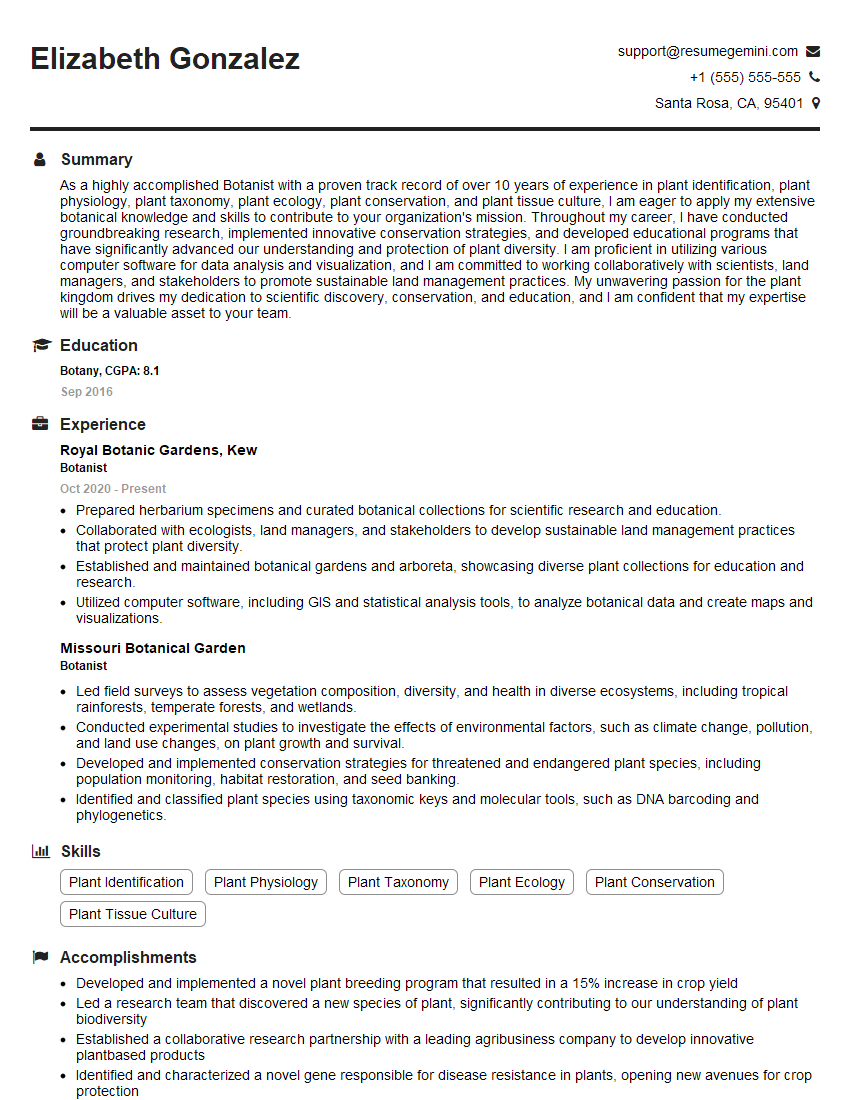
Botanist Resume Sample

Plant Breeder Resume Sample

Plant Pathologist Resume Sample

Plant Physiologist Resume Sample

Restoration Ecologist Resume Sample

Forestry Technician Resume Sample
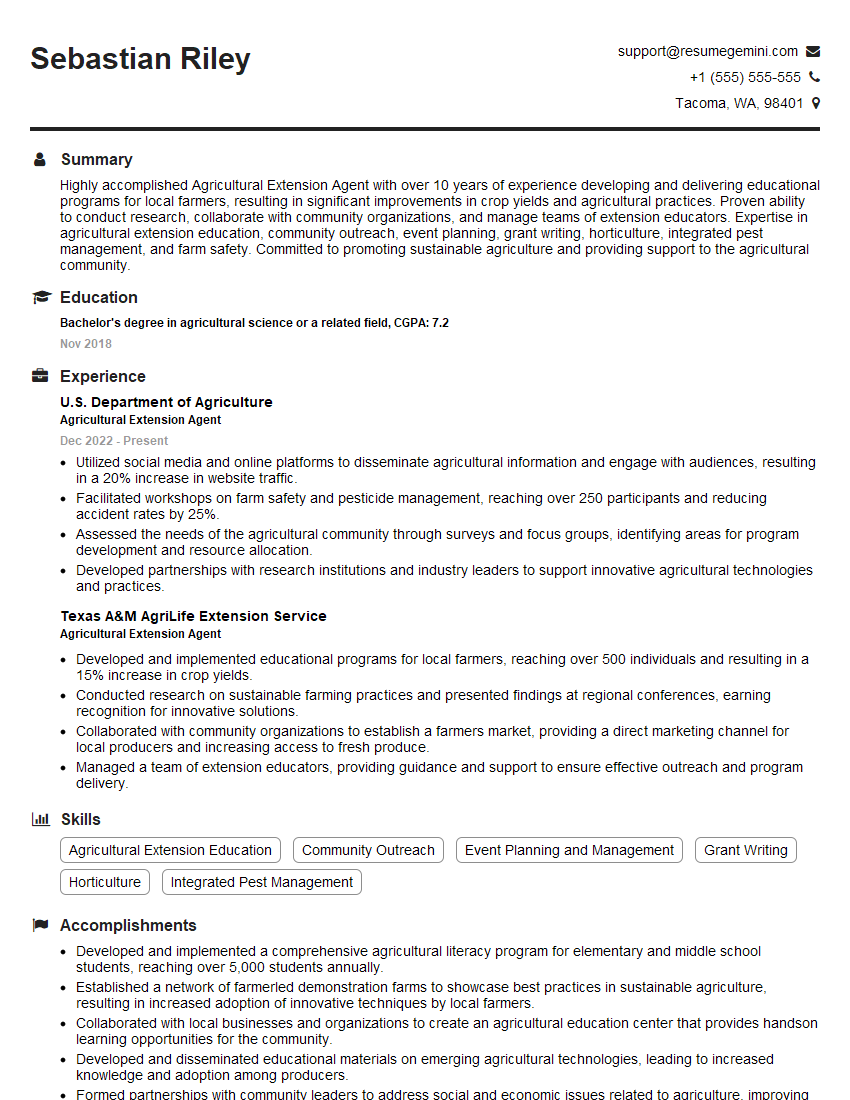
Agricultural Extension Agent Resume Sample

Horticultural Therapist Resume Sample
Explore more articles
Users Rating of Our Blogs
Share Your Experience
We value your feedback! Please rate our content and share your thoughts (optional).
What Readers Say About Our Blog
Very informative content, great job.
good