The right preparation can turn an interview into an opportunity to showcase your expertise. This guide to Knowledge of Project Management Principles interview questions is your ultimate resource, providing key insights and tips to help you ace your responses and stand out as a top candidate.
Questions Asked in Knowledge of Project Management Principles Interview
Q 1. Explain the differences between Agile and Waterfall methodologies.
Agile and Waterfall are two distinct project management methodologies with contrasting approaches. Waterfall follows a linear, sequential approach where each phase must be completed before the next begins. Think of it like a waterfall – each stage cascades into the next. Agile, on the other hand, is iterative and incremental. It emphasizes flexibility and collaboration, with projects progressing through short cycles called sprints, allowing for adjustments based on feedback and changing requirements.
- Waterfall: Suitable for projects with well-defined requirements and minimal anticipated changes. It’s predictable but less adaptable to evolving needs.
- Agile: Best suited for projects with evolving requirements, where flexibility and rapid adaptation are crucial. It’s more adaptable but requires strong team communication and collaboration.
Example: Building a house (Waterfall) versus developing a software application (Agile). For the house, the blueprint is relatively fixed, and stages like foundation, framing, and finishing are sequential. For the software, features can be developed in sprints, user feedback incorporated, and the application iteratively improved.
Q 2. Describe your experience with risk management in a project.
Risk management is a critical aspect of project success. In my previous role at [Previous Company Name], we were developing a new e-commerce platform. We identified several key risks, including potential delays in third-party integrations, security vulnerabilities, and unexpected spikes in user traffic.
We used a combination of methods to manage these risks. We created a risk register, documenting each risk, its likelihood, and potential impact. For the third-party integrations, we built in buffer time and established clear communication channels with the vendors. To address security vulnerabilities, we implemented rigorous testing and penetration testing throughout the development process. For the traffic spikes, we planned for scalable infrastructure and developed a contingency plan to handle increased load.
Regular risk reviews were conducted to monitor the identified risks and to proactively identify and mitigate emerging risks. This proactive approach allowed us to successfully launch the platform on time and within budget, minimizing the impact of unforeseen challenges.
Q 3. How do you prioritize tasks in a project with competing deadlines?
Prioritizing tasks with competing deadlines requires a structured approach. I typically use a combination of techniques, including:
- MoSCoW Method: Categorizing tasks as Must have, Should have, Could have, and Won’t have. This helps focus on the essential tasks first.
- Prioritization Matrix: Using a matrix that considers factors like urgency and importance (e.g., Eisenhower Matrix). Tasks are categorized into Urgent/Important, Important/Not Urgent, etc., guiding prioritization.
- Dependency Analysis: Identifying tasks that depend on others. This ensures that tasks are completed in the correct order.
For example, if a project has a deadline for a critical marketing campaign but also requires some less urgent bug fixes, the MoSCoW method would help categorize tasks, ensuring the marketing campaign elements are prioritized as ‘Must have’ tasks.
Q 4. What project management tools are you familiar with?
I’m proficient in several project management tools, including:
- Jira: For agile project management, issue tracking, and workflow management.
- Asana: For task management, team collaboration, and project tracking.
- Microsoft Project: For planning, scheduling, and tracking complex projects using Gantt charts.
- Trello: For visual task management and Kanban boards, ideal for simpler projects.
- Monday.com: A highly visual and customizable platform for project management and team collaboration.
My choice of tool depends on the project’s complexity, team size, and the specific needs of the project.
Q 5. Explain your experience with stakeholder management.
Stakeholder management is crucial for successful project delivery. My approach involves identifying all key stakeholders early in the project, understanding their interests, expectations, and potential influence. This usually involves creating a stakeholder register. I then develop a communication plan to keep stakeholders informed of progress, challenges, and decisions. This might include regular meetings, email updates, or presentations.
In a past project, involving the development of a new mobile application, I actively engaged stakeholders through regular feedback sessions and demos. This ensured their concerns were addressed and their support was maintained throughout the development process. Open communication and proactive engagement were key in managing expectations and ensuring alignment.
Q 6. How do you handle conflicts within a project team?
Conflict resolution is an essential skill in project management. My approach focuses on facilitating open communication and finding mutually acceptable solutions. I typically follow these steps:
- Identify the conflict: Understand the root cause of the disagreement.
- Facilitate discussion: Create a safe space for team members to express their perspectives without interruption.
- Find common ground: Identify shared goals and objectives.
- Brainstorm solutions: Explore various solutions collaboratively.
- Agree on a solution: Document the agreed-upon solution and ensure everyone understands their responsibilities.
If the conflict cannot be resolved within the team, I would escalate it to the appropriate management level for mediation.
Q 7. Describe a time you had to make a difficult decision in a project.
During a recent project, we encountered a critical bug just two weeks before the launch deadline. Fixing the bug required significant rework, threatening our launch date. This forced me to make a difficult decision: prioritize the bug fix, pushing back the launch date slightly, or risk releasing the software with the bug and potentially damaging the product’s reputation.
After careful consideration of the risks and impact on stakeholders, including the potential financial and reputational costs of releasing a buggy product, I decided to prioritize the bug fix and slightly delay the launch. While this meant adjusting the timeline, it ensured we delivered a higher-quality product, preserving stakeholder trust and ultimately minimizing long-term damage.
This experience reinforced the importance of planning for contingencies and making data-driven decisions, even under pressure.
Q 8. How do you measure project success?
Measuring project success goes beyond simply completing a project on time and within budget. It’s about achieving the intended objectives and delivering value to stakeholders. I utilize a multi-faceted approach, considering factors such as:
- Meeting pre-defined goals: This involves meticulously tracking progress against the project’s SMART (Specific, Measurable, Achievable, Relevant, Time-bound) objectives. For example, if the goal is to increase website traffic by 20%, success is measured by analyzing website analytics after project completion.
- Stakeholder satisfaction: I actively gather feedback from stakeholders throughout the project lifecycle using surveys, interviews, and regular progress updates. High stakeholder satisfaction indicates a successful project, even if minor deviations from the original plan occurred.
- Return on Investment (ROI): Especially for business projects, calculating the ROI helps quantify the project’s financial success. For example, if a project aimed to increase sales by $100,000 and achieved $120,000, the ROI indicates a successful outcome.
- Quality of deliverables: The quality of the final product or service is paramount. This is assessed through quality assurance processes, testing, and user acceptance testing (UAT).
Ultimately, successful project delivery requires a holistic evaluation of these key metrics, allowing for a balanced perspective and a realistic assessment of achievement.
Q 9. What is your experience with budget management in projects?
Budget management is a crucial aspect of any project. My experience involves meticulous planning, tracking, and control. I typically start with a detailed budget breakdown, categorizing expenses into different cost pools (e.g., labor, materials, software). I use various tools and techniques including:
- Baseline budgeting: Creating a detailed, comprehensive budget at the project’s outset, with contingency reserves factored in for unforeseen expenses.
- Regular monitoring and reporting: Tracking actual costs against the budget throughout the project lifecycle, generating regular reports to highlight variances and potential issues.
- Variance analysis: Identifying the reasons for any budget deviations and implementing corrective actions to prevent further overspending. This may involve renegotiating contracts, optimizing resource allocation, or making trade-offs between project elements.
- Earned Value Management (EVM): As explained further in the next question, EVM provides a powerful framework for tracking cost and schedule performance.
In a recent project involving the development of a mobile application, I successfully managed a budget of $50,000 by implementing proactive cost control measures, resulting in a 10% budget surplus.
Q 10. Explain the concept of Earned Value Management (EVM).
Earned Value Management (EVM) is a project management technique for measuring project performance and progress. It integrates scope, schedule, and cost data to provide a comprehensive view of project health. EVM relies on three key metrics:
- Planned Value (PV): The authorized budget assigned to scheduled work.
- Earned Value (EV): The value of the work performed, expressed in budget terms.
- Actual Cost (AC): The actual cost incurred for the completed work.
Several key indicators derived from these metrics help assess project performance:
- Schedule Variance (SV) = EV – PV: Indicates whether the project is ahead or behind schedule. A positive SV indicates the project is ahead.
- Cost Variance (CV) = EV – AC: Shows whether the project is under or over budget. A positive CV indicates the project is under budget.
- Schedule Performance Index (SPI) = EV / PV: Measures the efficiency of schedule performance. An SPI greater than 1 means the project is ahead of schedule.
- Cost Performance Index (CPI) = EV / AC: Measures the efficiency of cost performance. A CPI greater than 1 means the project is under budget.
For example, if PV = $10,000, EV = $12,000, and AC = $11,000, then SV = $2000 (ahead of schedule), CV = $1000 (under budget), SPI = 1.2 (efficient schedule), and CPI = 1.09 (efficient cost).
Q 11. How do you create a project schedule?
Creating a project schedule involves several steps, starting with defining the project scope and breaking down the work into smaller, manageable tasks. I typically utilize a work breakdown structure (WBS) to achieve this. Then, I estimate the duration of each task, considering factors like resource availability, task dependencies, and potential risks.
Next, I sequence the tasks, identifying dependencies and critical paths. The critical path is the longest sequence of tasks, which determines the minimum project duration. I utilize project management software like MS Project or Jira to visually represent the schedule using Gantt charts or Kanban boards.
Finally, I regularly review and update the schedule throughout the project, incorporating changes, addressing delays, and ensuring the project stays on track. This often involves collaboration with the project team to identify potential roadblocks and find solutions.
For instance, in a recent software development project, I used a Gantt chart to visualize task dependencies and deadlines. Regular scrum meetings helped us track progress, identify bottlenecks, and adjust the schedule accordingly.
Q 12. How do you manage project scope creep?
Scope creep, the uncontrolled expansion of project scope, is a significant risk to project success. My approach to managing it involves a proactive and multi-layered strategy:
- Clearly defined scope statement: Ensuring the project scope is well-defined and documented upfront, using a clear and concise scope statement. This forms the baseline against which all changes will be measured.
- Change control process: Establishing a formal change control process, where all scope change requests are reviewed, evaluated, and approved before implementation. This process typically includes documentation of the change request, impact assessment, cost estimation, and schedule adjustments.
- Regular scope reviews: Conducting regular meetings to review the project scope and identify any potential creep. This allows for early detection and mitigation of issues.
- Stakeholder communication: Maintaining transparent communication with stakeholders to manage expectations and gain buy-in for any necessary scope changes.
- Prioritization and trade-offs: When faced with scope change requests, assessing their importance and making informed decisions on prioritization and potential trade-offs, possibly delaying less critical aspects.
In a previous project, we successfully mitigated scope creep by implementing a strict change control process, resulting in the project’s successful completion within budget and timeline.
Q 13. Describe your experience with change management in a project.
Change management is an integral part of project management. My experience demonstrates an ability to adapt to changing circumstances and guide teams through transitions smoothly. I utilize a structured approach that incorporates:
- Proactive change identification: Actively monitoring for potential changes in project requirements, technology, or stakeholder needs. This involves closely tracking progress, receiving regular feedback, and performing risk assessments.
- Impact assessment: Evaluating the impact of any proposed change on the project scope, schedule, budget, and quality. This often involves simulations and cost-benefit analysis.
- Communication and collaboration: Effectively communicating any changes to the project team and stakeholders, ensuring everyone is informed and understands the rationale behind the change. This includes clear, concise communication and stakeholder engagement throughout the process.
- Change implementation: Implementing changes efficiently and effectively, minimizing disruption to the project. This may involve training the team, updating project plans, and monitoring the implementation progress closely.
- Post-implementation review: Reviewing the effectiveness of implemented changes, learning from the experience, and identifying areas for improvement.
In one project, a key technological shift necessitated significant changes mid-stream. By actively communicating the changes, training the team on the new technology, and adjusting the project timeline accordingly, I steered the project toward successful completion.
Q 14. What is your approach to quality assurance in a project?
My approach to quality assurance emphasizes proactive measures throughout the project lifecycle, not just at the end. It involves:
- Defining quality standards: Clearly defining quality standards and metrics relevant to the project’s deliverables. This could include functional requirements, performance benchmarks, or user experience criteria.
- Implementing quality control processes: Integrating quality checks at various stages of the project using techniques like inspections, reviews, and testing. This ensures early identification and correction of defects.
- Utilizing quality assurance tools: Leveraging various software and tools to facilitate quality control. For example, code analysis tools for software development or testing frameworks for web applications.
- Continuous improvement: Regularly reviewing the quality assurance process itself to identify areas for improvement and enhance efficiency. This may involve collecting feedback from team members and implementing best practices.
- Documentation: Maintaining thorough documentation of quality assurance activities, including test cases, results, and defect reports.
In a recent project, our focus on rigorous testing and quality reviews resulted in a near-zero defect rate in the final product, leading to high client satisfaction and positive reviews.
Q 15. How do you utilize project management software?
Project management software is indispensable for efficiently managing projects of any size. I leverage these tools to centralize information, enhance collaboration, and track progress effectively. My experience encompasses using various platforms, including Jira, Asana, and Microsoft Project.
For instance, in a recent software development project using Jira, I utilized its features for task assignment, bug tracking, sprint planning (using Scrum methodology), and progress visualization via Kanban boards. This allowed for real-time monitoring of individual tasks and overall project health, facilitating proactive identification and mitigation of potential roadblocks. In another project using Asana, the Gantt chart feature proved invaluable for scheduling and visualizing task dependencies, improving team coordination and preventing delays stemming from overlooked scheduling conflicts.
My approach involves selecting the software best suited to the project’s needs and team familiarity. I always ensure thorough training for team members to maximize adoption and utilization of the software’s capabilities. This includes not just the basic features but also advanced functionalities like custom workflows and reporting dashboards, leveraging the full potential of the chosen platform.
Career Expert Tips:
- Ace those interviews! Prepare effectively by reviewing the Top 50 Most Common Interview Questions on ResumeGemini.
- Navigate your job search with confidence! Explore a wide range of Career Tips on ResumeGemini. Learn about common challenges and recommendations to overcome them.
- Craft the perfect resume! Master the Art of Resume Writing with ResumeGemini’s guide. Showcase your unique qualifications and achievements effectively.
- Don’t miss out on holiday savings! Build your dream resume with ResumeGemini’s ATS optimized templates.
Q 16. Explain the importance of communication in project management.
Communication is the lifeblood of any successful project. Without clear, consistent, and effective communication, projects are prone to misunderstandings, delays, and ultimately, failure. Think of it as the glue that holds the entire project together.
My approach emphasizes multiple communication channels tailored to the audience and the message. For instance, I use daily stand-up meetings for quick updates and issue identification, email for formal communication and documentation, and project management software for task assignments and progress tracking. Regular status reports, both written and verbal, keep stakeholders informed and aligned with project goals. Crucially, I proactively identify and address communication barriers, ensuring everyone is on the same page.
For example, on a complex marketing campaign, we used a combination of weekly team meetings, a dedicated Slack channel for quick questions, and regular email updates to the client. This multi-faceted approach ensured transparency, fostered collaboration, and minimized confusion leading to a successful campaign launch.
Q 17. Describe your experience with reporting project progress.
Reporting project progress is not simply about ticking boxes; it’s about providing insightful information that allows stakeholders to make informed decisions. My reports are concise, accurate, and tailored to the audience’s needs.
I typically use a combination of visual aids like Gantt charts and dashboards to represent project status and progress against milestones. These are complemented by written reports that detail accomplishments, challenges, risks, and projected timelines. For instance, I might use a burn-down chart to show the remaining work against the time available, highlighting potential areas of concern. I also incorporate key performance indicators (KPIs) relevant to the project’s objectives to demonstrate progress towards desired outcomes.
I’ve developed a template for progress reports that includes sections for task completion status, resource utilization, risk assessment, and any deviation from the planned schedule. This structured approach ensures consistency and provides stakeholders with a clear understanding of the project’s current standing. The reports are delivered regularly – weekly or bi-weekly, depending on project complexity and stakeholder expectations.
Q 18. How do you handle project delays?
Project delays are inevitable, but how you handle them determines the overall impact. My approach is proactive and systematic, focused on identifying the root cause, developing mitigation strategies, and communicating transparently with all stakeholders.
First, I analyze the cause of the delay. Is it due to resource constraints, unforeseen technical issues, or external factors? Once identified, I work with the team to develop a revised schedule, which may involve re-prioritizing tasks, reallocating resources, or seeking additional support. This process often includes a critical path analysis to determine the most time-sensitive tasks and focus efforts on those.
For example, when facing a delay caused by a third-party vendor, I immediately communicated the issue to the stakeholders, presenting potential solutions, such as seeking alternative vendors or negotiating extended deadlines. Throughout the process, open communication is vital to managing expectations and minimizing disruptions.
Crucially, I document all changes to the project plan, including the reasons for the delay and the mitigation strategies implemented. This documentation not only helps in tracking the progress but also serves as valuable learning for future projects.
Q 19. What is your experience with resource allocation?
Resource allocation is a critical aspect of project management, directly impacting project timelines, budgets, and overall success. My approach is data-driven and focuses on optimizing resource utilization while considering individual skillsets and workload capacity.
Before allocating resources, I carefully analyze the project requirements, identifying the skills and expertise needed for each task. I then evaluate the availability and capabilities of the team members, taking into account their current workload and expertise. Tools like resource leveling techniques are employed to balance workloads and prevent bottlenecks. This ensures that the right people are assigned to the right tasks at the right time.
For instance, in a recent project, I used a resource histogram to visualize the workload distribution across the team. This allowed me to identify potential over-allocation and adjust the schedule accordingly, ensuring a more balanced and efficient allocation of resources, preventing burnout and maximizing productivity.
Regular monitoring and adjustments are critical. I track resource utilization throughout the project, making necessary adjustments based on progress, unforeseen challenges, or changes in priorities. This dynamic approach ensures optimal resource allocation throughout the project’s lifecycle.
Q 20. How do you define project success criteria?
Defining project success criteria is fundamental to ensuring a project’s value and achieving its intended outcome. It’s not just about completing the project on time and within budget; it’s about delivering the intended results and meeting stakeholder expectations.
My approach involves collaboratively defining success criteria with key stakeholders at the outset of the project. This ensures alignment and avoids ambiguity later. The criteria are typically SMART – Specific, Measurable, Achievable, Relevant, and Time-bound. For example, instead of a vague objective like “improve website performance,” a SMART criterion would be “increase website load speed by 20% within the next quarter, as measured by Google PageSpeed Insights.”
These criteria are then translated into tangible deliverables and milestones. This allows for the objective measurement of success throughout the project and ensures everyone understands what constitutes a successful outcome. Regular monitoring against these criteria helps to identify potential issues early and make necessary adjustments to the project plan.
Q 21. What is your preferred project management framework?
While I’m proficient in various project management frameworks, my preferred framework is Agile, specifically Scrum. Its iterative approach, emphasis on collaboration, and adaptability to change make it highly effective for managing complex projects in dynamic environments.
Scrum’s emphasis on short sprints (typically 2-4 weeks) allows for frequent feedback loops, enabling quick adjustments based on changing requirements or unforeseen challenges. The daily stand-up meetings, sprint reviews, and retrospectives foster transparency, collaboration, and continuous improvement. This iterative process minimizes risk and allows for the delivery of incremental value throughout the project’s lifecycle.
However, the choice of framework is context-dependent. For projects with well-defined requirements and minimal anticipated changes, a Waterfall approach may be more suitable. I adapt my methodology to align with the project’s specific needs and constraints, ensuring the most effective approach is employed for optimal results.
Q 22. Explain your approach to closing a project.
Project closure isn’t just about wrapping things up; it’s a systematic process ensuring all deliverables are completed, resources are released effectively, and lessons are learned for future projects. My approach involves several key steps:
- Formal Acceptance: Obtaining formal sign-off from the client or stakeholders, confirming that the project meets the agreed-upon requirements and specifications. This often involves a final walkthrough and demonstration.
- Documentation and Archiving: Thoroughly documenting all project information, including final reports, project plans, correspondence, and any relevant technical documentation. This ensures that the project’s history is preserved and readily available for future reference.
- Resource Release: Systematically releasing all project resources, including personnel, equipment, and software licenses. This involves conducting exit interviews with team members, returning equipment, and canceling subscriptions.
- Financial Closure: Completing all financial transactions, ensuring all invoices are paid, and reconciling the project budget. This includes a final review of expenses and revenue to identify any variances.
- Lessons Learned: Conducting a post-project review to identify what went well, what could be improved, and what lessons can be learned for future projects. This usually involves a team meeting to discuss successes, challenges, and areas for improvement, documented in a formal report.
- Celebration: Recognizing and celebrating the team’s achievements is crucial. A team lunch or other celebratory event can boost morale and reinforce a positive project experience.
For example, in a recent software development project, we held a formal acceptance meeting with the client, demonstrating all features. After receiving their formal sign-off, we archived all code, documentation, and test results, released our development team to their next projects, and then held a celebratory team dinner to acknowledge their hard work.
Q 23. Describe a time you failed in a project and what you learned.
In one project, we underestimated the complexity of integrating a third-party API. We failed to allocate sufficient time for testing and troubleshooting the integration, leading to delays and exceeding the budget. The API documentation was inadequate, resulting in unforeseen issues that consumed significant development time.
The most valuable lesson learned was the importance of thorough upfront due diligence. This includes not just reviewing documentation but also conducting extensive proof-of-concept testing with the API, engaging directly with the API provider to clarify any uncertainties, and building buffer time into the schedule to handle unexpected challenges. We now have a rigorous process for evaluating third-party integrations that includes detailed risk assessments and contingency plans.
Q 24. How do you motivate your team members?
Motivating a team isn’t about micromanagement; it’s about fostering a supportive and engaging work environment. My approach focuses on:
- Clear Communication: Keeping the team informed about project progress, challenges, and goals. Open and honest communication builds trust and transparency.
- Recognition and Appreciation: Acknowledging individual and team accomplishments, both big and small. Publicly praising successes boosts morale and reinforces desired behaviors.
- Empowerment and Autonomy: Giving team members ownership of their tasks and encouraging them to take initiative. Empowerment fosters a sense of responsibility and pride.
- Growth Opportunities: Providing opportunities for professional development, such as training, mentorship, or challenging assignments. Investing in the team’s growth demonstrates commitment to their success.
- Team Building: Organizing informal team-building activities to foster camaraderie and improve teamwork. These can be anything from casual lunches to team outings.
For instance, on a recent project, I recognized a team member’s exceptional problem-solving skills by publicly acknowledging their contribution during a team meeting and nominating them for a company award. This not only boosted their confidence but also inspired others.
Q 25. How do you handle pressure and tight deadlines?
Handling pressure and tight deadlines requires a proactive and organized approach. My strategy includes:
- Prioritization: Clearly identifying the most critical tasks and focusing on those first. This requires a thorough understanding of project dependencies and critical path activities.
- Effective Time Management: Utilizing time management techniques, such as time blocking and the Pomodoro Technique, to maximize productivity and prevent task slippage.
- Risk Management: Identifying potential risks and developing mitigation strategies to prevent delays. This involves proactively identifying potential roadblocks and creating backup plans.
- Communication: Keeping stakeholders informed about potential delays and working collaboratively to find solutions. Transparency helps manage expectations and build support.
- Delegation: Effectively delegating tasks based on team members’ skills and availability. This distributes the workload and prevents bottlenecks.
- Self-Care: Prioritizing my own well-being through adequate sleep, exercise, and healthy eating habits. This ensures I have the energy and focus to manage stress effectively.
In a past project with a tight deadline, I used a Kanban board to visually track progress, allowing me to quickly identify and address potential bottlenecks. Regular communication with stakeholders kept them informed, ensuring their support in finding solutions when unexpected problems arose.
Q 26. What are your strengths and weaknesses as a project manager?
My strengths as a project manager include strong organizational skills, excellent communication abilities, and a proactive approach to problem-solving. I excel at building and motivating high-performing teams, and I’m adept at managing budgets and resources effectively.
My weakness is occasionally being too detail-oriented, which can sometimes lead to spending excessive time on minor tasks. I’m actively working on delegating more effectively and prioritizing tasks based on their impact, focusing on the bigger picture rather than getting bogged down in minutiae.
Q 27. Describe your experience with project planning.
My project planning experience encompasses a range of methodologies, including Agile, Waterfall, and hybrid approaches. I’m proficient in using various project management tools and software, such as Microsoft Project, Jira, and Asana. My planning process typically includes:
- Defining Scope: Clearly defining project goals, deliverables, and success criteria. This involves working closely with stakeholders to establish a shared understanding.
- Work Breakdown Structure (WBS): Breaking down the project into smaller, manageable tasks. A WBS provides a hierarchical structure that helps visualize the project’s scope.
- Task Sequencing and Dependencies: Identifying dependencies between tasks and establishing a logical sequence of activities. This ensures tasks are completed in the correct order.
- Resource Allocation: Allocating resources, including personnel, equipment, and budget, to individual tasks. This requires careful consideration of resource availability and skills.
- Timeline Development: Developing a realistic project schedule, considering task durations, dependencies, and resource availability. Tools like Gantt charts help visualize the schedule.
- Risk Assessment: Identifying and assessing potential project risks, including technical challenges, resource constraints, and external factors. This allows for the development of mitigation strategies.
For instance, in a recent construction project, I utilized a hybrid approach, combining elements of Agile and Waterfall. We used Agile sprints for iterative development of the design, while adhering to the Waterfall methodology for the construction phase, ensuring strict adherence to building codes and regulations.
Q 28. How do you ensure projects stay on track and within budget?
Keeping projects on track and within budget requires constant monitoring and proactive management. My approach includes:
- Regular Monitoring: Tracking project progress against the baseline plan, identifying any deviations, and taking corrective action as needed. This often involves daily or weekly status meetings.
- Budget Control: Monitoring actual costs against the budget, identifying variances, and taking corrective action to prevent overspending. This involves tracking expenses and revenue against the planned budget.
- Change Management: Establishing a formal process for managing changes to the project scope, schedule, or budget. This helps to control the impact of changes on the overall project.
- Earned Value Management (EVM): Using EVM techniques to track project performance and predict future outcomes. EVM provides a comprehensive view of project performance by integrating scope, schedule, and cost data.
- Risk Management: Continuously monitoring project risks and implementing mitigation strategies to minimize potential delays and cost overruns. Regular risk assessments help identify emerging threats and allow for proactive interventions.
- Communication: Maintaining clear and frequent communication with stakeholders to keep them informed about project progress and any potential issues. This helps manage expectations and build support.
In a previous marketing campaign, we used a dashboard to visually track key performance indicators (KPIs) against budget, allowing us to make data-driven decisions. When we discovered a variance, we immediately investigated the cause and implemented corrective actions, keeping the campaign on track and within budget.
Key Topics to Learn for Knowledge of Project Management Principles Interview
- Project Initiation & Planning: Understanding project charters, scope definition, work breakdown structures (WBS), and developing realistic project schedules. Consider practical applications like creating a WBS for a hypothetical software development project.
- Risk Management: Identifying, analyzing, and mitigating potential project risks. Explore practical strategies for risk assessment and contingency planning, such as using a risk register.
- Resource Allocation & Management: Effectively assigning and managing project resources (human, financial, material). Think about scenarios requiring resource leveling or conflict resolution.
- Communication & Stakeholder Management: Developing effective communication plans and managing expectations with stakeholders. Practice articulating complex project information clearly and concisely to diverse audiences.
- Project Monitoring & Control: Tracking project progress, managing changes, and ensuring projects stay on track and within budget. Understand the importance of performance reporting and corrective actions.
- Project Closure: Formalizing project completion, conducting post-project reviews, and documenting lessons learned. Consider the processes involved in archiving project documentation and knowledge transfer.
- Agile Methodologies (e.g., Scrum, Kanban): Understanding the principles and applications of Agile frameworks in project management. Be prepared to discuss the benefits and drawbacks of Agile versus traditional approaches.
- Project Management Software & Tools: Familiarity with common project management tools (e.g., MS Project, Jira, Asana) and their functionalities. Focus on practical application rather than detailed software specifications.
Next Steps
Mastering Knowledge of Project Management Principles is crucial for career advancement, opening doors to leadership roles and higher earning potential. A strong understanding of these principles demonstrates your ability to deliver results, manage complex situations, and lead teams effectively. To maximize your job prospects, craft an ATS-friendly resume that highlights your relevant skills and experience. ResumeGemini is a trusted resource to help you build a professional and impactful resume that gets noticed by recruiters. We provide examples of resumes tailored to showcasing expertise in Knowledge of Project Management Principles to give you a head start. Let us help you make a powerful impression.
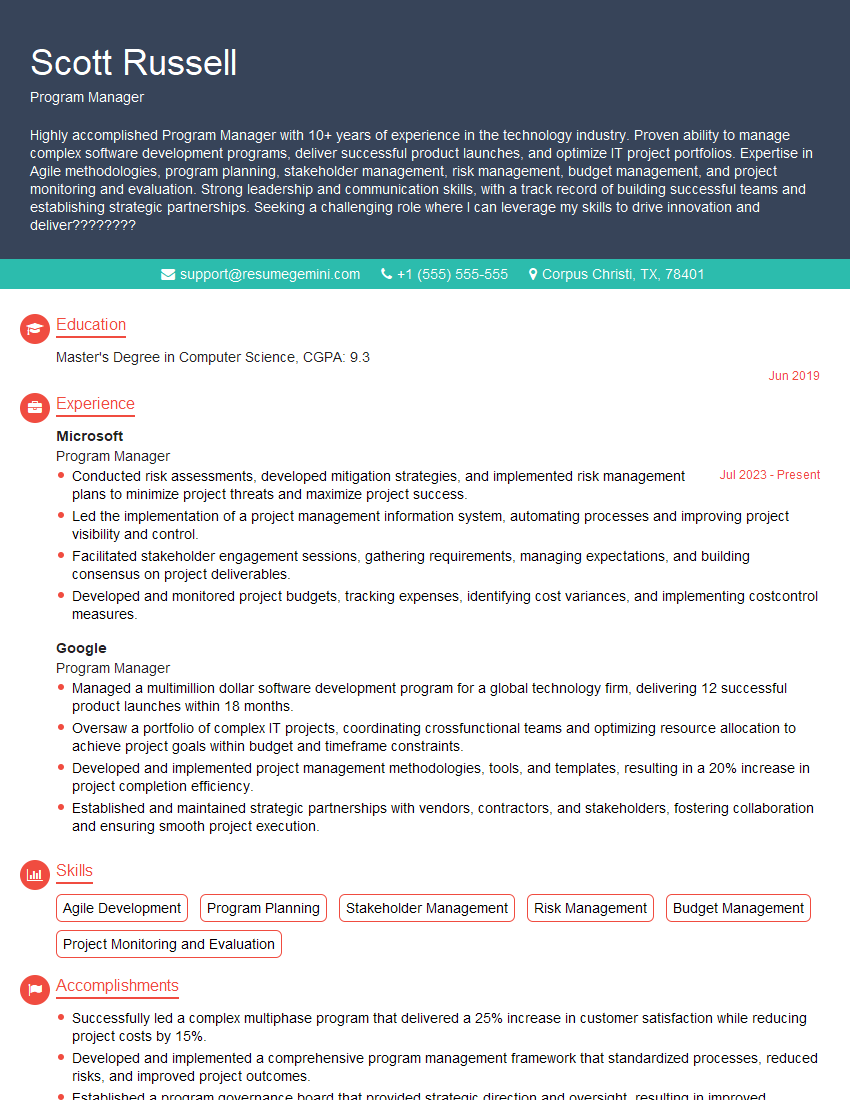
Program Manager Resume Sample
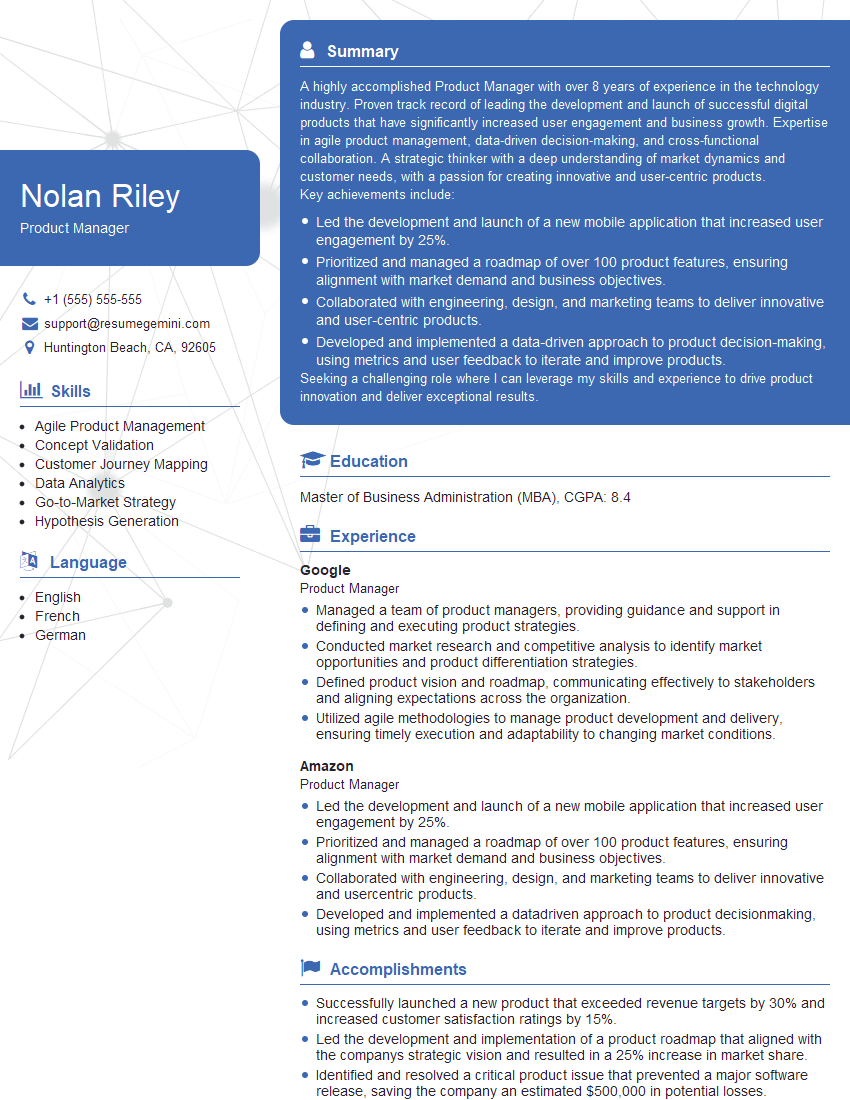
Product Manager Resume Sample
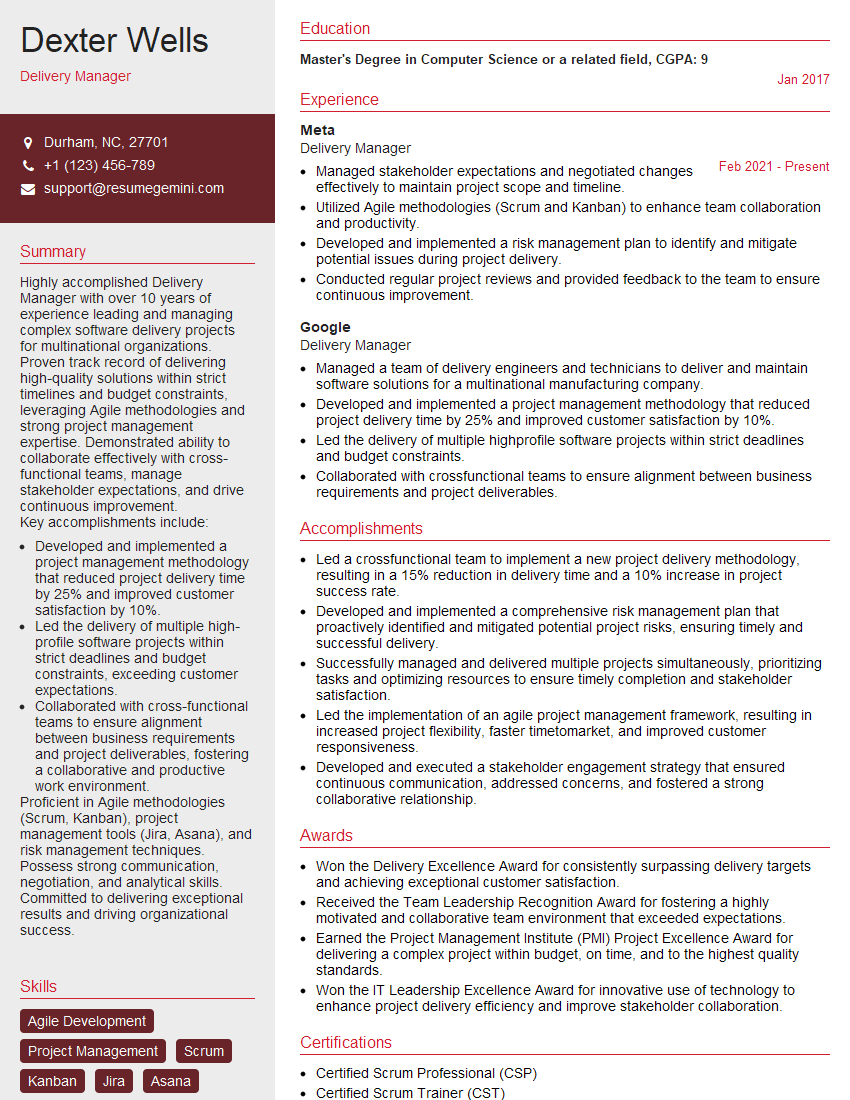
Delivery Manager Resume Sample
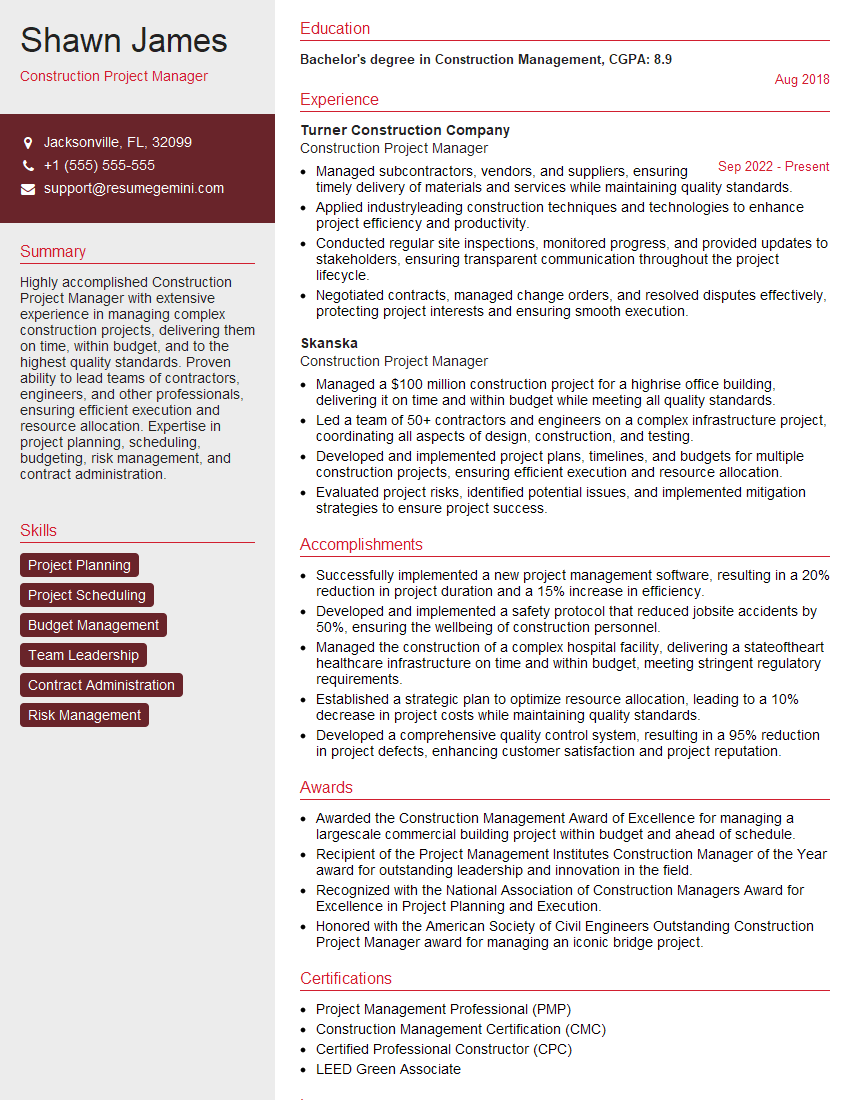
Construction Project Manager Resume Sample
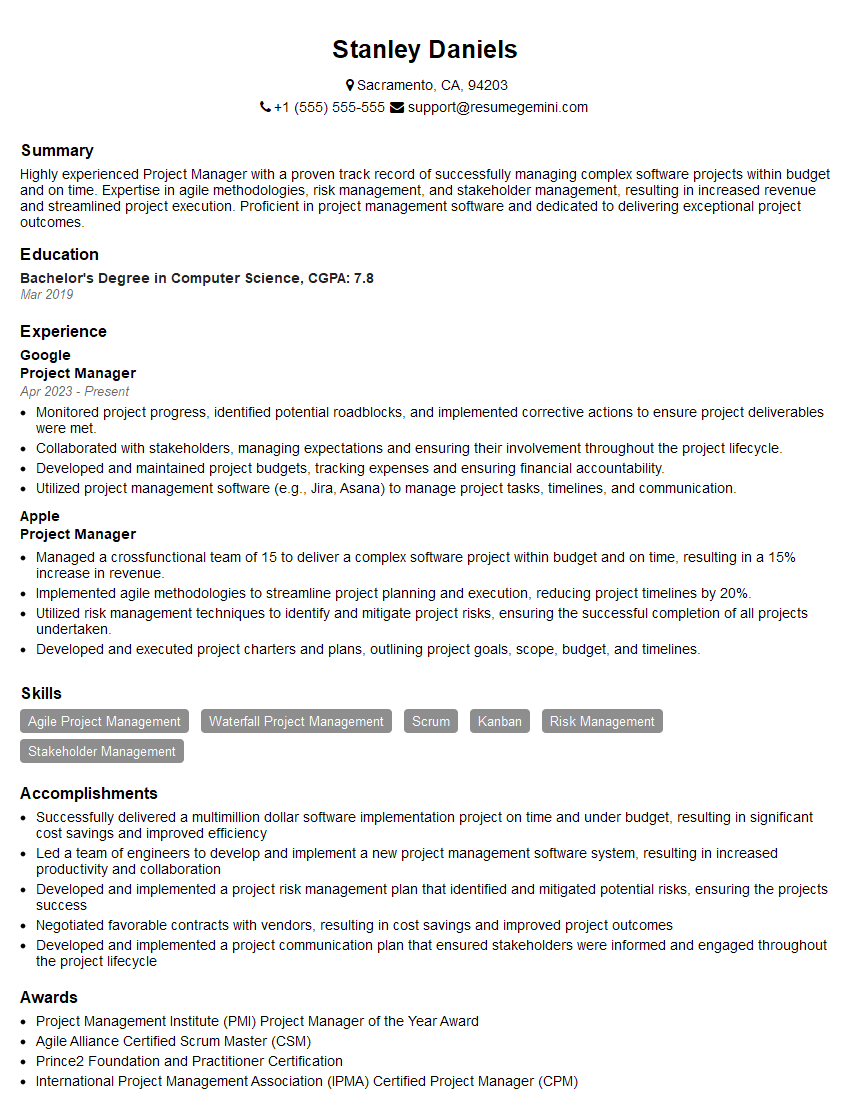
Project Manager Resume Sample
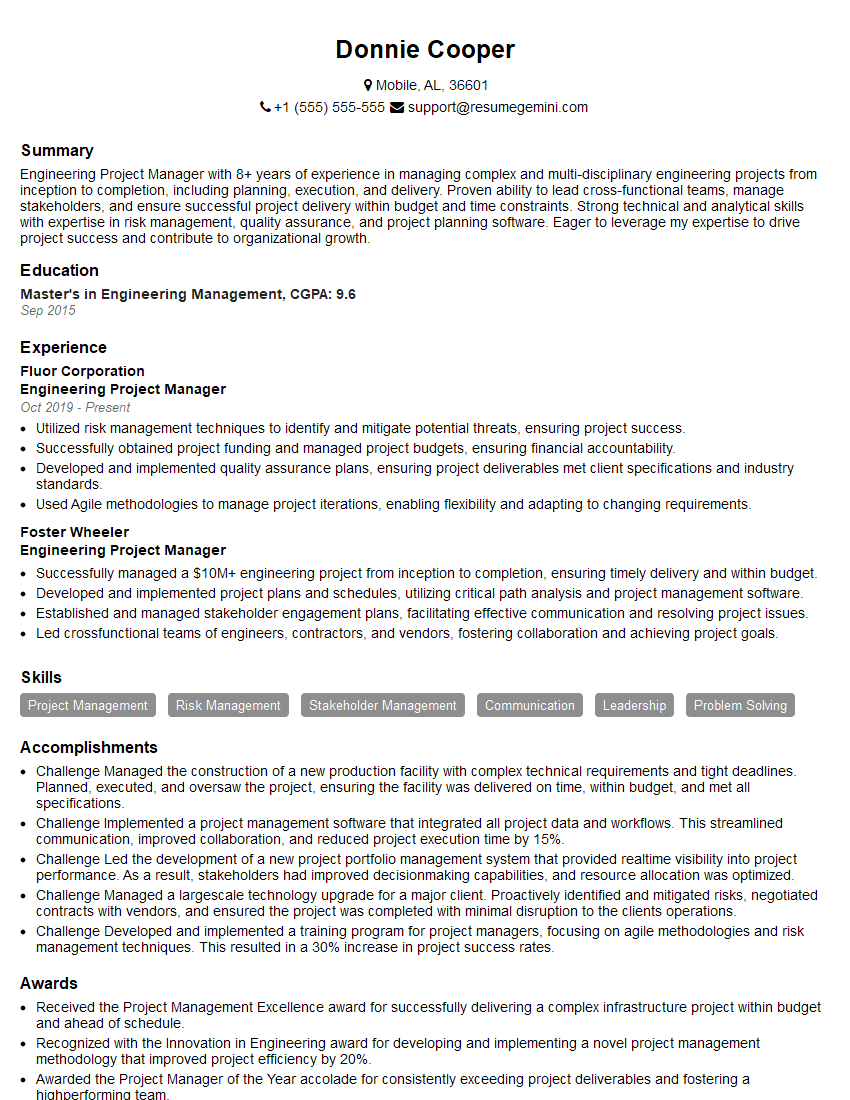
Engineering Project Manager Resume Sample
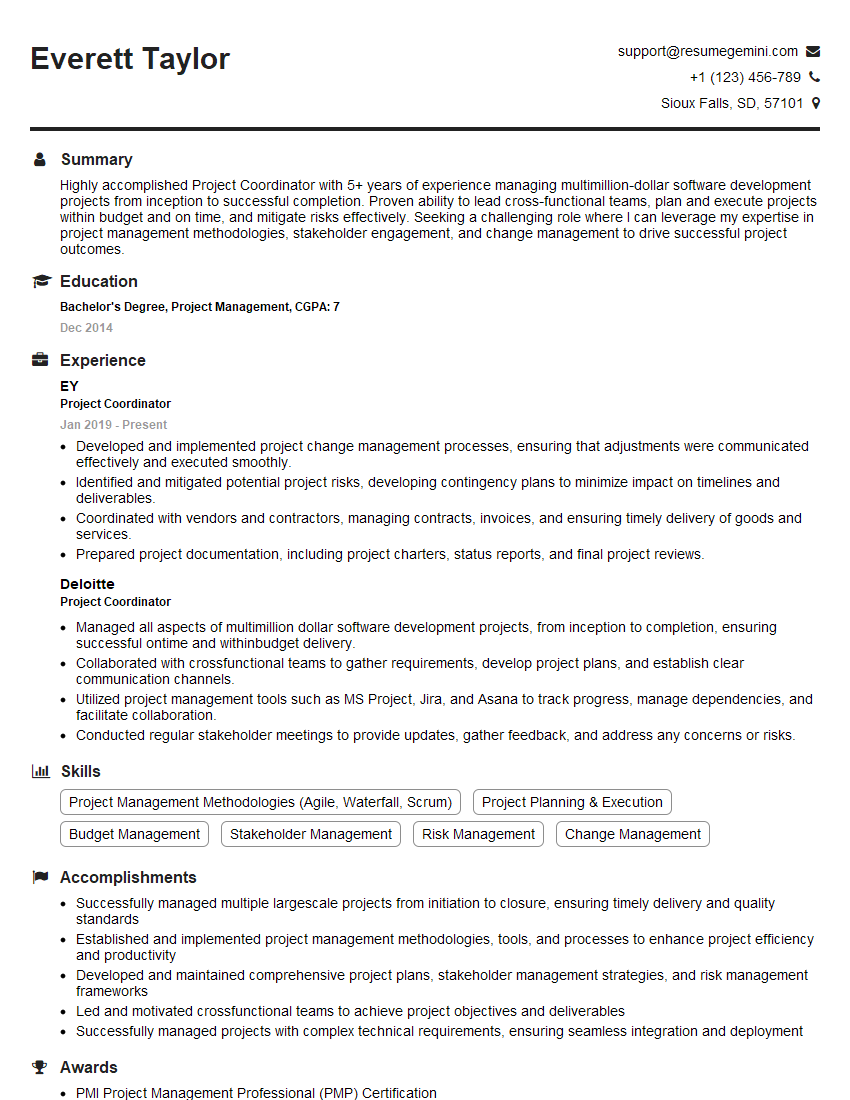
Project Coordinator Resume Sample
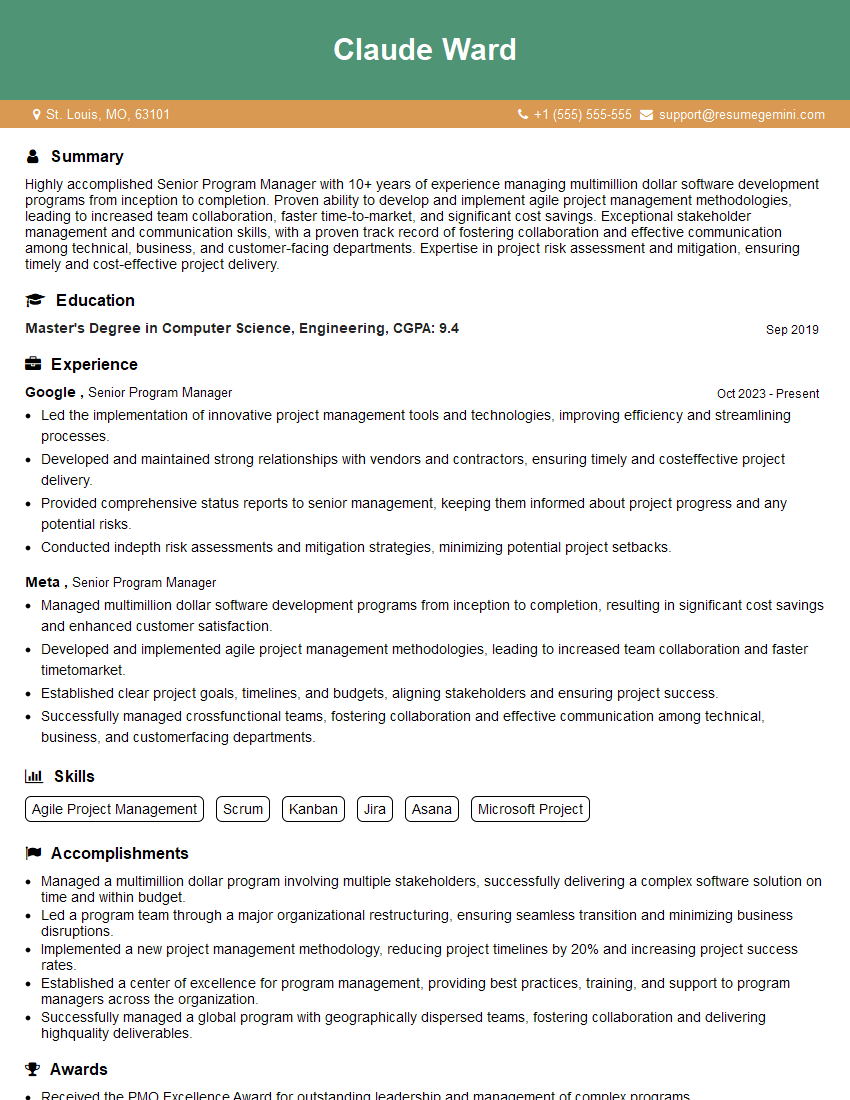
Senior Program Manager Resume Sample
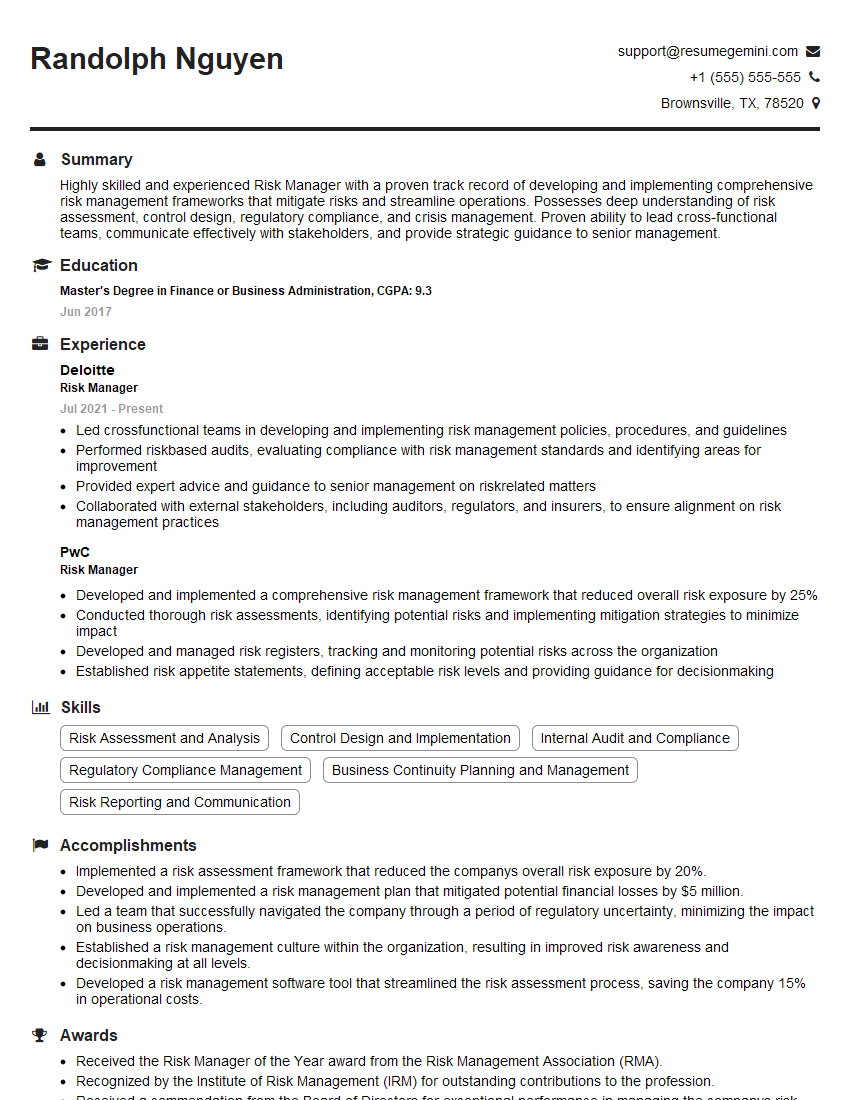
Risk Manager Resume Sample
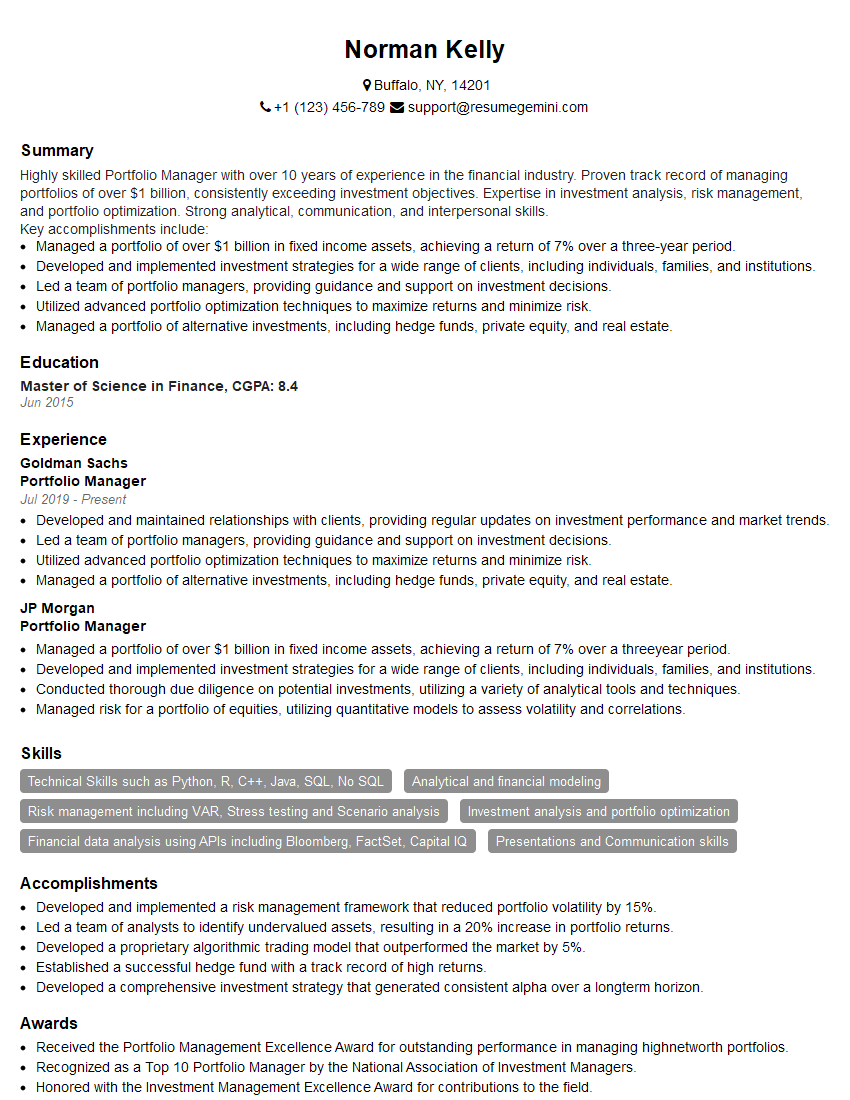
Portfolio Manager Resume Sample
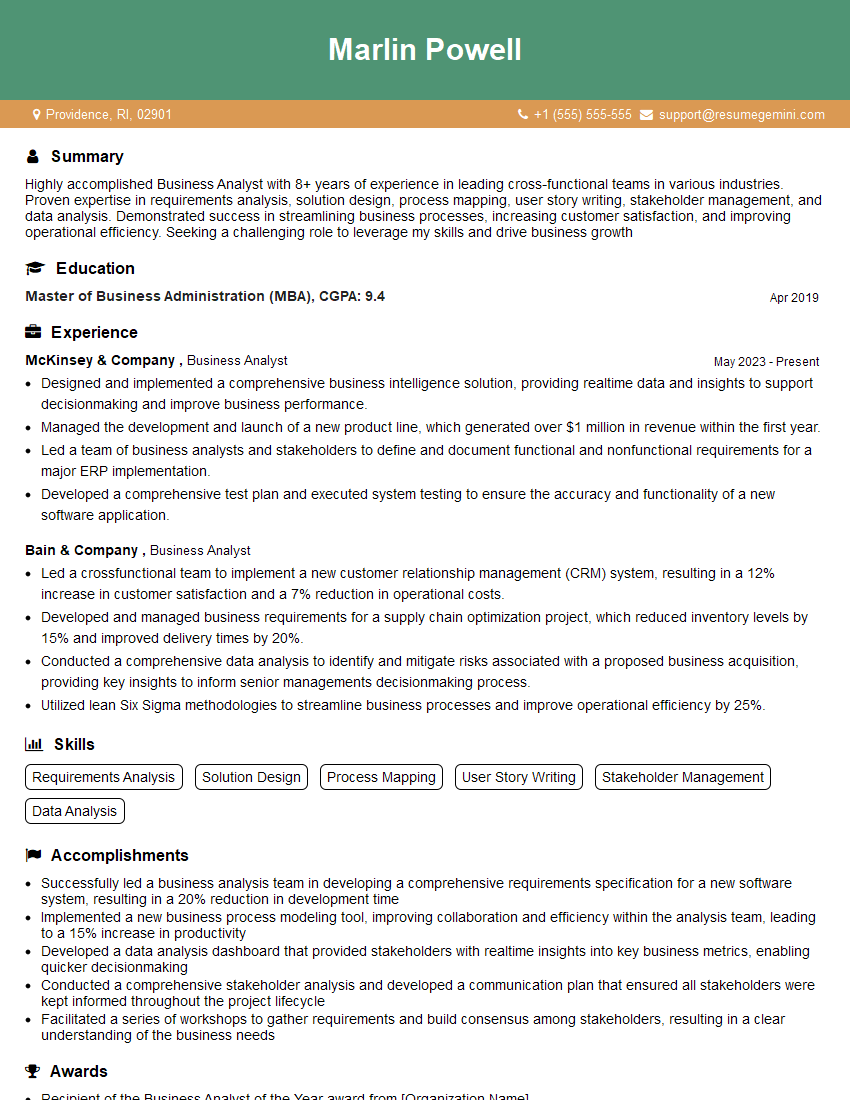
Business Analyst Resume Sample
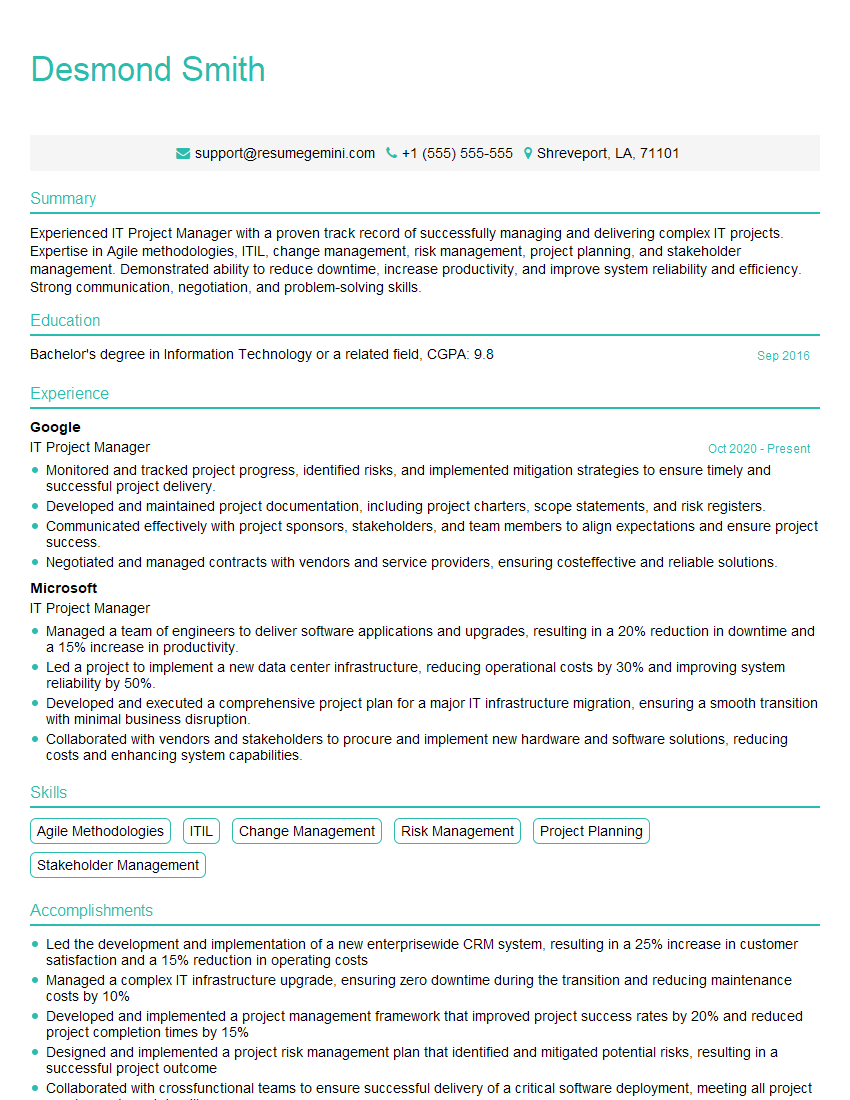
IT Project Manager Resume Sample
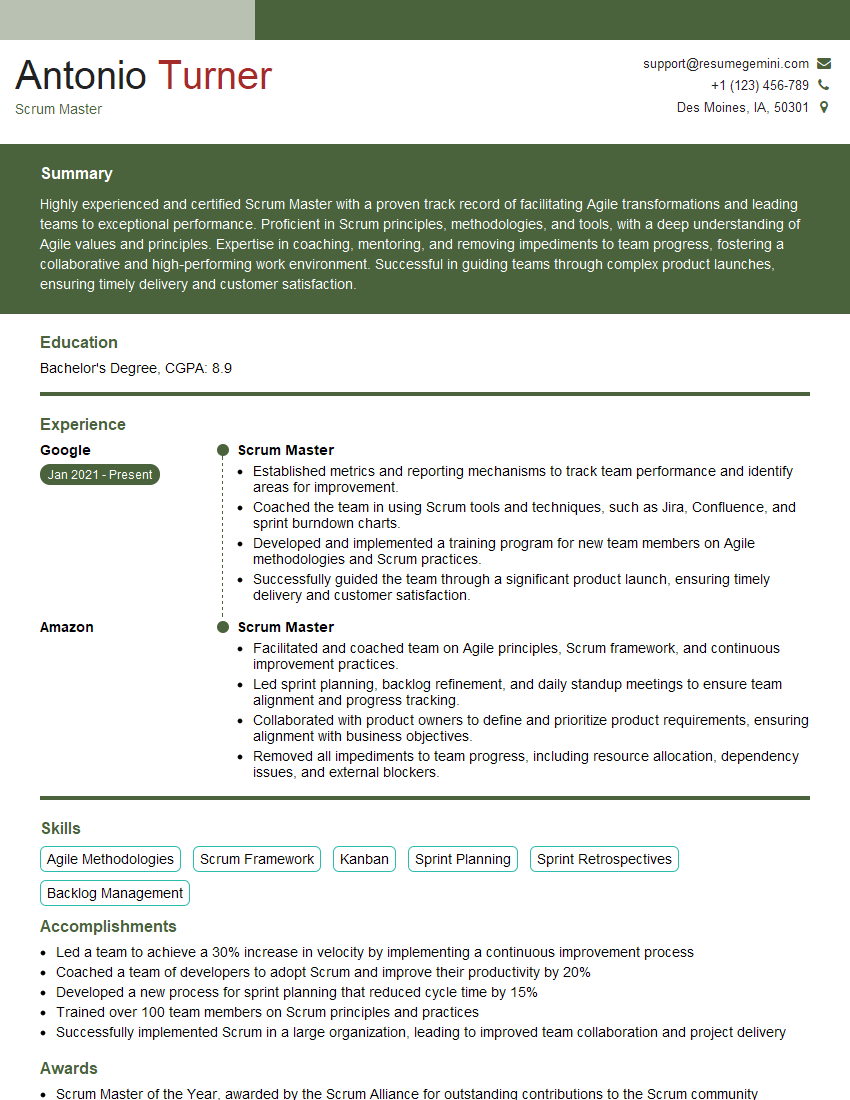
Scrum Master Resume Sample
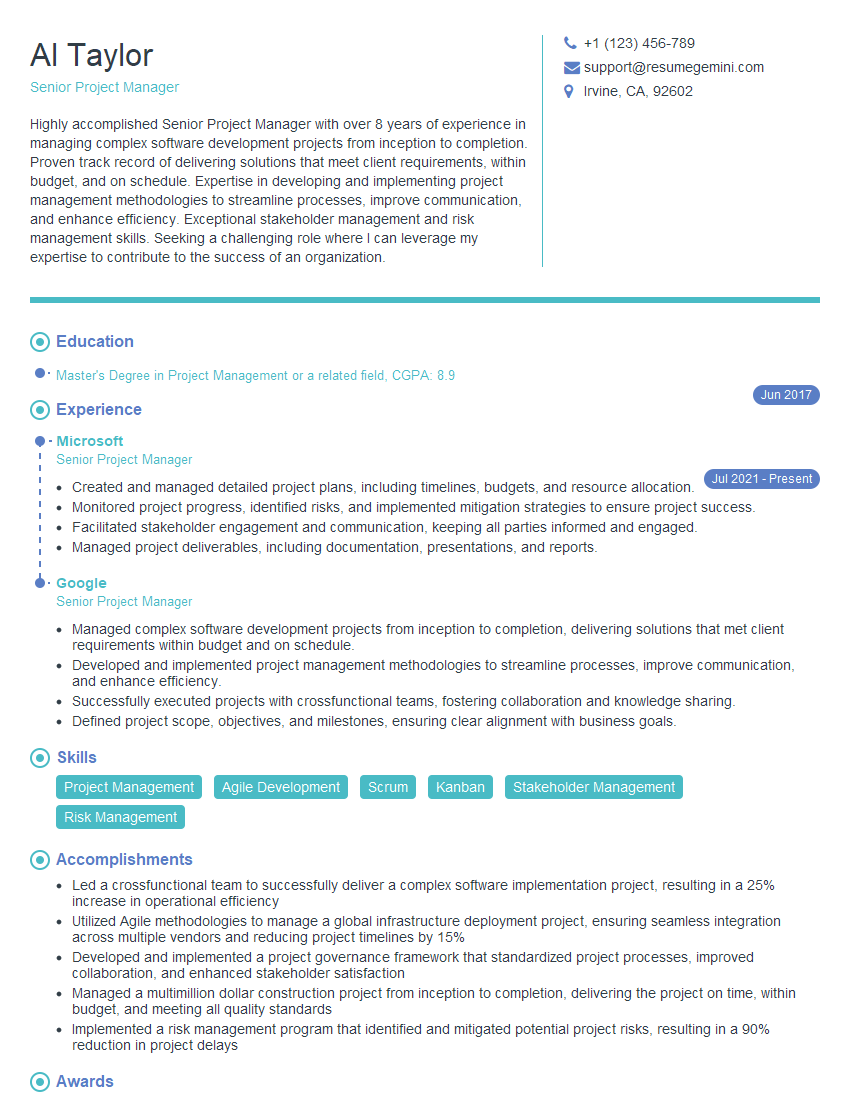
Senior Project Manager Resume Sample
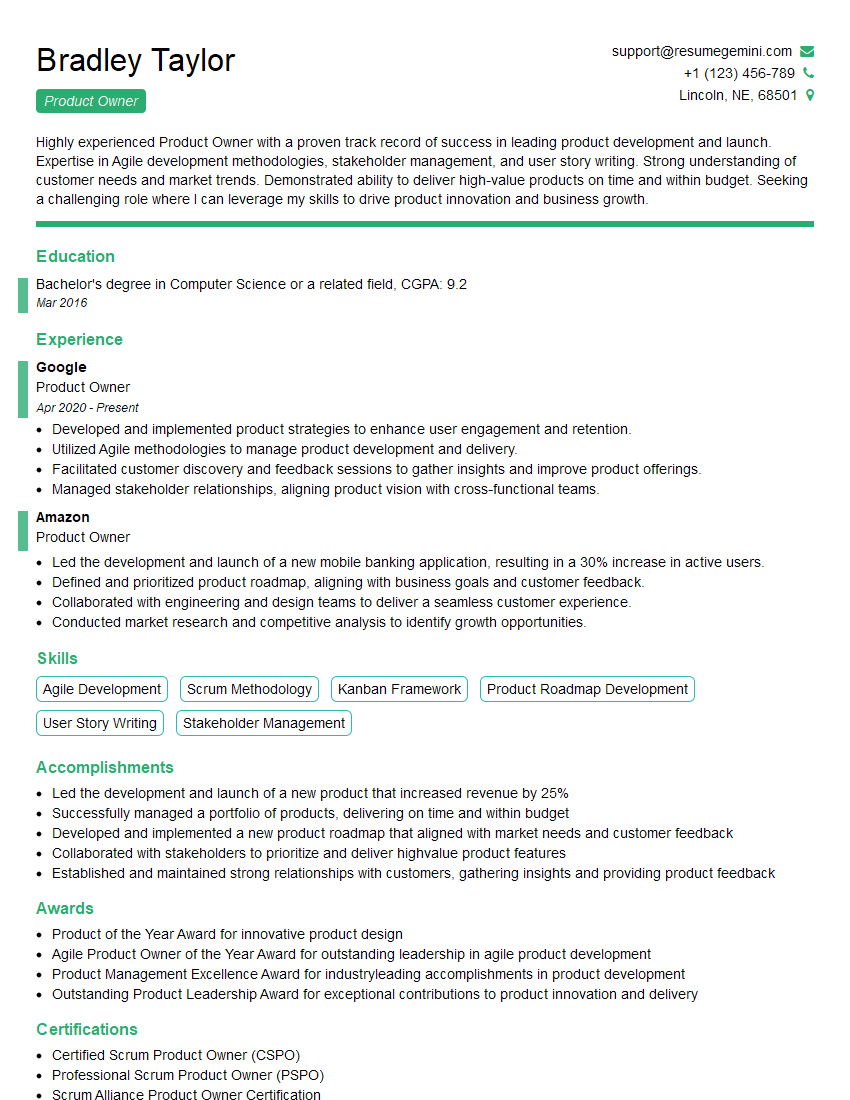
Product Owner Resume Sample
Explore more articles
Users Rating of Our Blogs
Share Your Experience
We value your feedback! Please rate our content and share your thoughts (optional).
What Readers Say About Our Blog
Very informative content, great job.
good