Interviews are opportunities to demonstrate your expertise, and this guide is here to help you shine. Explore the essential Knowledge of Race Track Operations interview questions that employers frequently ask, paired with strategies for crafting responses that set you apart from the competition.
Questions Asked in Knowledge of Race Track Operations Interview
Q 1. Describe your experience in managing race day operations.
Managing race day operations is like orchestrating a complex symphony. It requires meticulous planning, coordination, and real-time problem-solving. My experience encompasses all aspects, from pre-race preparations to post-race analysis. This includes overseeing the entire team – from the racing officials and track maintenance crew to security personnel and customer service representatives.
For instance, at my previous role at [Previous Racetrack Name], I was responsible for coordinating the schedules of over 100 personnel on race days, ensuring all areas were adequately staffed and functioning efficiently. This involved developing detailed operational plans, allocating resources effectively, and proactively addressing potential bottlenecks. We successfully managed over 200 race days, achieving consistent on-time starts and minimal operational disruptions.
- Pre-race preparations: This involves track inspections, ensuring equipment functionality, coordinating with jockeys and trainers, and finalizing race schedules.
- Race day execution: This includes monitoring the races, managing the flow of people through the facility, handling any incidents, and overseeing pari-mutuel wagering operations.
- Post-race activities: This involves reviewing race results, preparing post-race reports, conducting post-event clean-up and maintenance, and addressing any customer feedback.
Q 2. Explain the process of ensuring track safety and integrity.
Ensuring track safety and integrity is paramount. It’s a multifaceted process involving regular inspections, proactive maintenance, and adherence to strict safety protocols. Think of it as constantly maintaining a delicate balance—a high-performance machine requiring constant attention.
- Track inspections: Daily and pre-race inspections are crucial to identify any potential hazards, such as holes, uneven surfaces, or debris. We utilize specialized equipment like lasers and surveying tools for precise measurements.
- Maintenance: This includes regular harrowing, watering, and rolling of the track surface to ensure a consistent and safe running surface. The type of maintenance varies depending on the weather conditions and the type of track surface (dirt or turf).
- Safety protocols: Strict adherence to rules and regulations is mandatory. This includes emergency response plans, safety procedures for personnel and patrons, and regular safety training for all staff.
- Emergency Response Team: A well-trained and equipped emergency response team is critical, including paramedics, fire personnel, and security personnel, ready to respond promptly and efficiently to any incidents.
For example, at [Previous Racetrack Name], we implemented a new track maintenance schedule that reduced track-related incidents by 15% within a year.
Q 3. How do you handle emergencies or unexpected situations during a race?
Handling emergencies requires a calm, decisive approach and a well-rehearsed emergency response plan. It’s about swift action, clear communication, and prioritizing safety. Think of it like a fire drill – the better prepared you are, the smoother the execution.
My experience includes managing incidents such as jockey falls, medical emergencies in the stands, and equipment malfunctions. Our response follows a standardized protocol involving immediate notification of emergency services, securing the area, and coordinating with medical personnel. Communication is key – keeping the crowd informed and minimizing panic is crucial.
For example, during a race at [Previous Racetrack Name], a jockey suffered a fall. Our emergency response team was immediately on the scene, providing medical assistance, clearing the track, and ensuring the safety of other participants and spectators. The incident was handled swiftly and efficiently, minimizing disruption to the rest of the race card and preventing further complications.
Q 4. What are the key performance indicators (KPIs) you monitor for race track efficiency?
Key Performance Indicators (KPIs) for race track efficiency are carefully chosen to measure operational effectiveness and customer satisfaction. They provide critical insights into areas for improvement and help optimize resource allocation.
- On-time starts: Measures the percentage of races that start on schedule.
- Handle (total wagering): Tracks the total amount of money bet on races, reflecting betting activity and customer engagement.
- Customer satisfaction: Gathered through surveys and feedback mechanisms, it reflects overall customer experience.
- Incident rates: Tracks the number of incidents (medical, equipment malfunctions, etc.), reflecting safety and operational effectiveness.
- Track maintenance costs: Monitors expenses related to track maintenance, helping to optimize maintenance strategies.
- Turnaround time between races: Measures the efficiency of transitioning between races, ensuring smooth operations.
Regular monitoring and analysis of these KPIs are essential for continuous improvement and ensuring the profitability and efficiency of the race track operations.
Q 5. Detail your experience with pari-mutuel wagering systems.
Pari-mutuel wagering systems are the backbone of race track revenue generation. My experience encompasses the entire process, from understanding the intricacies of the system to ensuring its efficient and fair operation. Think of it as a complex financial engine requiring precise management.
I’m proficient in various pari-mutuel systems, including [mention specific systems]. My responsibilities involved overseeing the accurate calculation of payouts, ensuring the integrity of the system, and resolving any discrepancies. I also have experience in managing the day-to-day operations of the wagering system, including troubleshooting technical issues and ensuring regulatory compliance. This involves understanding the rules and regulations governing pari-mutuel wagering, ensuring fair play, and maintaining the confidentiality of wagering data.
Q 6. Explain your understanding of the rules of racing and how they’re enforced.
A solid understanding of the rules of racing and their enforcement is essential for fair competition and maintaining the integrity of the sport. The rules encompass everything from horse eligibility and jockey licensing to racing procedures and penalties for infractions. It’s about upholding fairness and sportsmanship.
My understanding covers the rules set forth by [mention relevant racing authorities], including those related to starting procedures, race conduct, and post-race inquiries. This includes working with stewards and judges to ensure the rules are fairly and consistently applied. I’ve been involved in several inquiries, addressing rule infractions and ensuring appropriate penalties are imposed, promoting accountability and fair play.
Q 7. How do you manage and maintain the track surface to ensure optimal conditions?
Maintaining the track surface is crucial for safety and fair racing. It’s a continuous process that requires specialized knowledge and equipment. Think of it as caring for a living organism, constantly adapting to environmental changes.
My experience includes managing the maintenance of both dirt and turf tracks. This involves regular inspections, harrowing, rolling, watering, and aeration to ensure optimal conditions for racing. We use specialized equipment like laser-leveling machines and soil testing tools to maintain a consistent surface. The specific maintenance schedule is tailored to the weather conditions, type of track surface, and the time of year. For example, during dry periods, frequent watering is required, while during wet periods, drainage is critical. We also employ soil analysis to determine appropriate fertilization and amendment strategies, ensuring a consistent, safe, and fair surface for all participants.
Q 8. Describe your experience with equine welfare protocols and regulations.
Equine welfare is paramount in race track operations. My experience encompasses a deep understanding and strict adherence to all relevant regulations, including those set by organizations like the Horseracing Integrity and Safety Authority (HISA) in the US, or equivalent bodies in other jurisdictions. This includes pre-race veterinary checks, ensuring proper hydration and nutrition, monitoring horses for signs of injury or illness, and implementing post-race care protocols. I’ve personally overseen the implementation of stricter medication control programs, and have actively participated in investigations into potential welfare violations. For instance, at my previous track, we implemented a new system of video monitoring of horses both during training and racing to identify potential issues early and prevent injuries. We also invested in advanced stall designs to maximize horse comfort and safety.
Beyond formal regulations, a proactive approach to equine welfare is crucial. This includes educating all staff, from grooms to jockeys, on best practices and the signs of distress in horses. Regular training sessions reinforce these principles. It’s not just about compliance, but about fostering a culture of care where everyone takes responsibility for the well-being of the horses under their supervision. We used a points-based system to incentivize staff adherence to best practices, and that resulted in a noticeable improvement in welfare metrics.
Q 9. How do you coordinate with various departments (e.g., security, veterinary, maintenance) during race days?
Coordinating various departments on race days requires meticulous planning and seamless communication. I utilize a comprehensive pre-race briefing that includes representatives from security, veterinary services, maintenance, and racing officials. We establish clear communication channels – often using a dedicated race day communication platform – to address issues promptly and effectively. This might involve relaying information about a veterinary emergency, a security incident, or a maintenance issue impacting the track surface.
For instance, a sudden power outage necessitates immediate coordination with maintenance to restore power while security manages the crowd and the veterinary team attends to any horses potentially affected by the disruption. Clear roles and responsibilities are defined beforehand, and a designated point person ensures swift and coordinated responses to unexpected situations. Post-race debriefings provide an opportunity to review successes and areas for improvement in our coordination efforts, helping us refine procedures for future race days.
Q 10. What strategies do you use to improve track efficiency and reduce operational costs?
Improving track efficiency and reducing operational costs involves a multifaceted approach. One key strategy is optimizing scheduling and resource allocation. This includes analyzing race day data to identify bottlenecks and streamline processes. For example, leveraging data analytics to optimize the timing of track maintenance and staffing levels during peak and off-peak periods can significantly reduce labor costs without compromising safety or quality.
Another important aspect is investing in technology. Implementing automated systems for things like gate opening and closing, or using sophisticated track maintenance equipment can reduce manual labor and improve efficiency. We also explore opportunities to reduce energy consumption through better lighting and irrigation systems. Finally, proactively addressing equipment maintenance prevents costly breakdowns and downtime. A well-maintained track surface is crucial for racing safety and helps avoid costly repairs later on. Regular inspections and proactive repairs are essential. It’s about creating a lean and efficient operation that prioritizes safety and minimizes waste.
Q 11. Explain your understanding of various race formats (e.g., flat, steeplechase, harness).
My understanding of race formats is comprehensive, encompassing flat racing, steeplechase racing, and harness racing.
- Flat racing: Involves horses running on a flat track, with varying distances and race conditions. Key considerations include track condition, distance, and the horses’ preferred running styles.
- Steeplechase racing: This type of racing involves obstacles, demanding both speed and agility from both horse and rider. Track maintenance and safety around the obstacles are particularly crucial. We need to ensure the obstacles are properly maintained and in line with safety regulations, something that requires specialized personnel and equipment.
- Harness racing: Horses pull a lightweight sulky (a two-wheeled cart) driven by a jockey. This demands careful track preparation to ensure proper footing for both horses and sulkies and special attention to safety protocols around the starting gates.
Each format requires specific operational expertise, including different track maintenance techniques, safety protocols, and equipment. My experience allows me to effectively manage all three types of races, ensuring the safety and integrity of each event. For example, a well-maintained track surface is vital for all formats but requires different approaches depending on the type of race. Knowing the nuances of each format is key to effective management and ensures a smooth racing event.
Q 12. How do you ensure the integrity of the racing program and prevent fraud?
Maintaining the integrity of the racing program is paramount. This involves employing stringent protocols to prevent fraud, including thorough drug testing, strict scrutiny of betting patterns for anomalies, and leveraging technology to enhance surveillance. We employ stewards, investigators, and utilize sophisticated technology like video surveillance systems to monitor races and betting activity closely. Any suspicious activity is immediately investigated.
Furthermore, transparent and well-defined rules and regulations are essential. All participants need to understand and abide by them. Regularly reviewing and updating these rules based on industry best practices and technological advancements is also crucial. For example, we might utilize sophisticated software to detect betting patterns indicative of collusion or other fraudulent activities. A clear and well-publicized appeals process for participants ensures fairness. We also collaborate with regulatory bodies and other racing jurisdictions to share best practices and coordinate efforts to combat fraud. It’s about creating a system of checks and balances that discourages fraudulent behaviour.
Q 13. Describe your experience with risk management in race track operations.
Risk management in race track operations is a proactive and multi-layered process. It begins with identifying potential hazards, which includes everything from horse injuries and track conditions to crowd management and security breaches. A comprehensive risk assessment is conducted, considering the likelihood and potential impact of each risk.
Based on this assessment, we develop mitigation strategies. This might involve implementing enhanced safety protocols, investing in improved equipment, developing emergency response plans, or procuring appropriate insurance. For example, a risk assessment may highlight the risk of a horse falling near the rail, leading to the implementation of rail padding and improved track maintenance protocols. Regular safety audits and employee training play a critical role in reducing risks and improving emergency response times. Furthermore, we continuously monitor emerging risks, keeping abreast of technological advancements and adapting our safety procedures accordingly.
Q 14. How do you handle complaints or disputes from participants or spectators?
Handling complaints and disputes requires a fair and transparent approach. We have an established process for receiving and investigating complaints, ensuring that all parties have the opportunity to present their case. This typically involves documenting the complaint, gathering evidence, conducting interviews, and carefully reviewing all available information.
For instance, a complaint regarding a jockey’s riding style would involve reviewing video footage and potentially interviewing witnesses. A fair and impartial review ensures a just outcome. A designated team handles complaints, ensuring impartiality and efficiency. If necessary, mediation or arbitration may be used to resolve more complex or contentious issues. Our goal is always to achieve a fair and just resolution while maintaining the trust and respect of all stakeholders. Keeping detailed records of all complaints and their resolutions is vital for continuous improvement and building a positive reputation.
Q 15. Explain your knowledge of different types of starting gates and their operation.
Starting gates are crucial for ensuring a fair and safe start in horse racing. There are several types, each with its own mechanism. The most common is the automatic starting gate, a sophisticated system of panels that hold the horses in position before releasing them simultaneously. This system utilizes compressed air or hydraulics to power the gate’s opening. Think of it like a very controlled, high-stakes set of doors! The panels are designed to be relatively low-impact, and their opening is precise and timed.
Another type is the traditional starting gate, often manual and less technologically advanced. These gates may rely on ropes and pulleys, requiring more manpower to operate. Their timing can be less precise than an automatic gate, potentially leading to slight variations in the start. We see these types primarily in smaller or historical tracks.
Finally, some tracks, particularly smaller ones or those with less demanding races, might use a simpler hand-held starting gate – basically, a series of barriers or panels held manually, which relies heavily on the expertise and coordination of the personnel.
My experience encompasses operation and maintenance of all three types. I’ve managed teams responsible for daily inspection, troubleshooting, and repair of automatic gates, understanding the intricacies of the pneumatic systems and safety mechanisms. I’ve also worked with traditional gates, ensuring proper adjustment and maintenance for consistent, safe starts.
Career Expert Tips:
- Ace those interviews! Prepare effectively by reviewing the Top 50 Most Common Interview Questions on ResumeGemini.
- Navigate your job search with confidence! Explore a wide range of Career Tips on ResumeGemini. Learn about common challenges and recommendations to overcome them.
- Craft the perfect resume! Master the Art of Resume Writing with ResumeGemini’s guide. Showcase your unique qualifications and achievements effectively.
- Don’t miss out on holiday savings! Build your dream resume with ResumeGemini’s ATS optimized templates.
Q 16. What is your experience with managing the paddock and stable areas?
Managing paddock and stable areas demands meticulous organization and a keen eye for detail. It’s a balancing act between maintaining a safe and sanitary environment for the horses and accommodating the needs of trainers, owners, and their staff. Think of it like running a small city within the racetrack!
My experience involves overseeing the daily cleaning and maintenance of stables and paddocks, ensuring proper waste disposal, and enforcing strict biosecurity protocols to prevent disease outbreaks. This includes regular inspections to identify any potential hazards, from loose nails to broken fencing. I’ve also managed the allocation of stable spaces, scheduling veterinary visits, and coordinating with farriers and other equine professionals to guarantee the horses’ wellbeing. Efficient communication with the various stakeholders is paramount – keeping everyone informed about schedules and any potential issues that might arise.
I am also proficient in implementing and upholding strict protocols regarding horse movement in and out of restricted areas for quarantine purposes. Proper documentation and tracking are integral elements of this process. For example, in dealing with a possible equine flu outbreak, quick isolation and meticulous record-keeping would be critical.
Q 17. How do you ensure compliance with all relevant safety and regulatory requirements?
Safety and regulatory compliance are non-negotiable in race track operations. My approach involves a multi-faceted strategy encompassing proactive measures, ongoing monitoring, and comprehensive documentation.
- Proactive Measures: This includes regular inspections of all facilities, ensuring adherence to safety standards, and conducting thorough risk assessments to identify potential hazards before they lead to incidents.
- Ongoing Monitoring: This means maintaining up-to-date records of all safety inspections, implementing rigorous training programs for staff on safety protocols, and consistently reviewing and updating our emergency response plan.
- Comprehensive Documentation: I ensure that all safety procedures are clearly documented and readily accessible to all personnel. All incidents, near misses, and safety audits are documented, meticulously tracked, and used for continuous improvement.
I have a deep understanding of and compliance with rules set by organizations like the Horseracing Integrity and Safety Authority (HISA), or other equivalent governing bodies. For example, I’ve successfully overseen the implementation of new safety regulations pertaining to track surfaces, ensuring consistent monitoring and maintenance to meet stipulated standards for track safety and equine welfare.
Q 18. Describe your experience in budget management and resource allocation for race track operations.
Budget management and resource allocation are essential for the efficient operation of a race track. My approach is data-driven, focusing on optimizing resource utilization while prioritizing safety and maintaining quality.
I have extensive experience creating and managing detailed budgets, forecasting expenses, and allocating resources effectively across different departments. This involves close collaboration with various teams, understanding their specific needs, and negotiating contracts with vendors for optimal pricing and service. I’m adept at using budgeting software and financial reporting tools to track expenses, identify cost-saving opportunities, and produce accurate financial reports for stakeholders. For example, during periods of low attendance, I might prioritize reducing operational costs by strategically cutting back on non-essential services or focusing on maintenance during off-peak hours.
I have a proven track record of identifying and securing additional revenue streams. This can include exploring sponsorship opportunities, improving concession sales strategies, or securing grants for upgrades and improvements.
Q 19. What are your strategies for attracting and retaining qualified personnel in the racing industry?
Attracting and retaining qualified personnel is crucial in a highly specialized industry like horse racing. My approach prioritizes building a strong company culture based on safety, professional growth, and fair compensation.
I utilize various recruiting strategies, including targeted online advertising, career fairs, and partnerships with equestrian schools and colleges. To retain employees, I offer competitive salaries and benefits packages, opportunities for professional development, and a collaborative work environment. For example, I have implemented a mentorship program where experienced staff members can mentor younger colleagues, fostering both knowledge transfer and professional growth. Furthermore, I strive to create a safe and respectful workplace where all employees feel valued and respected.
Recognizing that burnout is a major issue in the industry, I’m also very committed to supporting employees by offering flexible working arrangements and promoting a healthy work-life balance. A happy staff means more engaged and productive individuals, leading to safer and more efficient racetrack operations.
Q 20. How familiar are you with different horse racing data systems and reporting tools?
Familiarity with horse racing data systems and reporting tools is critical for informed decision-making and effective management. My experience includes working with various systems to track race results, analyze performance data, manage entries, and generate comprehensive reports for stakeholders.
I’m proficient in using software such as Equibase, Trakus, and other industry-standard systems for data analysis and reporting. I understand the importance of accurate data entry and the use of analytical tools to identify trends, predict outcomes, and inform strategic decisions, such as evaluating the performance of horses and jockeys, identifying areas for improvement in track maintenance or race scheduling, and optimizing wagering operations. For instance, I might use data analytics to identify peak attendance times and adjust concession staffing accordingly, improving efficiency and increasing revenue.
I can interpret complex data sets and translate them into actionable insights, helping to improve race day operations, enhance safety protocols, and make data-driven decisions that impact the overall success and profitability of the racetrack.
Q 21. Describe your experience in handling media relations and public communication.
Effective media relations and public communication are crucial for building a positive image and fostering trust with the public. My approach involves proactive engagement with media outlets, transparency in communication, and a focus on building strong relationships with journalists and other influencers.
I have experience crafting press releases, organizing media events, and handling media inquiries efficiently and professionally. I am adept at addressing sensitive issues and maintaining a consistent brand message. For example, I would proactively inform the media about track maintenance schedules and any potential impact on races, to prevent misunderstandings and maintain trust. I also understand the importance of communicating with the public regarding safety measures, race day information and general updates pertaining to the race track’s operations.
Building and nurturing relationships with key media personnel allows for more streamlined communication and proactive management of potentially negative publicity. In the case of an unfortunate accident, for example, prompt, transparent and empathetic communication with the media would help to manage the public’s perception of the situation.
Q 22. Explain your understanding of anti-doping rules and procedures in horse racing.
Anti-doping rules in horse racing are crucial for ensuring fair competition and protecting horse welfare. They are designed to prevent the use of prohibited substances that could artificially enhance a horse’s performance or harm its health. These rules are typically enforced by regulatory bodies like the Horseracing Integrity and Safety Authority (HISA) in the US, or equivalent organizations internationally.
The procedures involve rigorous testing protocols. This includes both pre-race and post-race testing of blood and urine samples. There are strict guidelines for sample collection, chain of custody, and laboratory analysis. Any violation of these rules results in penalties ranging from fines and suspensions to disqualification of race results and even license revocation. A key element is the establishment of a clear list of prohibited substances, which are regularly updated based on scientific advancements and emerging threats. For example, certain medications or performance-enhancing drugs may be permitted in therapeutic contexts under strict veterinary oversight and with appropriate documentation.
Imagine it like a human Olympic competition: just as athletes face strict rules against performance-enhancing drugs, horses must also compete under a similar fair-play system. The penalties ensure the integrity of the sport and protect the animals’ well-being.
Q 23. How do you balance the needs of horse welfare with the demands of competitive racing?
Balancing horse welfare with the demands of competitive racing is a delicate but essential task. It requires a holistic approach that prioritizes the horse’s health and safety without compromising the integrity of the sport. This is achieved through several key strategies.
- Strict veterinary oversight: Regular veterinary examinations, pre-race screenings, and post-race assessments are crucial to monitor the horses’ fitness and identify any potential health issues.
- Regulation of race distances and conditions: Race schedules and conditions must be carefully designed to avoid overexertion and minimize the risk of injury. For instance, young horses might only compete in shorter distances initially.
- Training standards and limitations: Trainers must adhere to strict guidelines for training and conditioning their horses, ensuring they are not subjected to excessive workloads or inappropriate training methods. This might include rest periods and regulated exercise routines.
- Track maintenance and safety: Well-maintained tracks minimize the risk of accidents and injuries. This includes proper watering, grooming, and regular inspections for potential hazards.
- Emergency protocols: Clear and effective emergency response protocols are crucial for handling injuries on the track promptly and efficiently.
Think of it like a high-performance athlete: you wouldn’t push them beyond their limits without proper rest and recovery. Similarly, horses require careful management to ensure both their performance and their well-being.
Q 24. Describe your experience with implementing and managing track maintenance schedules.
My experience in implementing and managing track maintenance schedules involves a detailed, proactive, and data-driven approach. It begins with a comprehensive assessment of the track’s condition, including the type of surface, its drainage system, and historical data on wear and tear. This informs the creation of a preventative maintenance schedule, incorporating routine tasks such as mowing, harrowing, rolling, and watering. This schedule is adjusted seasonally and in response to specific weather conditions and race frequency.
The process often involves utilizing specialized equipment such as laser graders for precise surface levelling and moisture monitoring systems to optimize watering strategies. Regular inspections are conducted to identify any potential issues before they become significant problems. We also maintain detailed records of all maintenance activities, which helps us track trends, optimize resource allocation, and ensure regulatory compliance. For example, we might implement a more aggressive watering schedule during a heatwave to prevent the track from becoming too hard and potentially increasing the risk of injuries.
This is akin to meticulously maintaining a complex machine. Regular servicing, careful monitoring, and proactive adjustments ensure it operates smoothly and efficiently—in this case, for safe and fair horse racing.
Q 25. What are your methods for identifying and addressing potential safety hazards on the track?
Identifying and addressing potential safety hazards on the track requires a multi-faceted approach combining proactive measures and reactive responses. Proactive measures involve regular track inspections by trained personnel, looking for things like holes, loose materials, uneven surfaces, and broken fences. We also use sophisticated technology, such as ground-penetrating radar in some cases, to detect subsurface issues. Weather conditions are carefully monitored to assess risks of flooding or hazardous surface conditions.
Reactive measures involve immediate response to any reported hazards or incidents. This includes establishing clear communication protocols for reporting such events and setting up efficient procedures for remediation. For example, if a loose rail is spotted, it’s promptly repaired, and the affected area is carefully inspected to rule out other problems. A well-documented system for hazard reporting and remediation is essential to ensure consistent safety standards. We track all reported hazards and corrective actions, allowing us to identify patterns and improve safety protocols over time.
This is much like a flight safety check. A proactive approach reduces risk and prepares for unforeseen events, while a reactive approach allows swift intervention when hazards are identified.
Q 26. How do you handle protests or inquiries regarding race results?
Handling protests or inquiries regarding race results requires a fair, transparent, and thorough process, typically overseen by stewards. This involves meticulously reviewing video footage, examining the race chart, and considering evidence from various stakeholders like jockeys, trainers, and any witnesses. The process is governed by detailed rules and regulations, outlining the grounds for a valid protest and the procedures for investigation. Stewards will carefully evaluate the evidence presented, weigh arguments, and render a decision based on established criteria.
For instance, a protest might allege foul play during the race, such as interference by one horse with another. The stewards would then review the footage to determine if such interference occurred and if it significantly impacted the outcome of the race. Decisions made by the stewards can be appealed through established channels if necessary. Maintaining thorough records of the protest process and the final ruling is crucial for transparency and accountability.
This is analogous to a judge reviewing evidence in a court case: impartiality and adherence to established procedures are paramount to ensuring a just outcome.
Q 27. Explain your experience working with different stakeholders in the racing industry (e.g., owners, trainers, jockeys).
Working with different stakeholders in the racing industry—owners, trainers, jockeys—requires strong communication, diplomacy, and a deep understanding of each role and perspective. Owners are focused on their horse’s performance and return on investment. Trainers are responsible for the horse’s well-being and training, while jockeys are crucial in the execution of the race itself.
Effective collaboration involves clear and transparent communication. This includes regularly scheduled meetings, open forums for discussing race-day procedures and safety protocols, and providing regular updates on track conditions and maintenance schedules. Building trust and fostering a collaborative spirit is critical, allowing for effective problem-solving and dispute resolution. I’ve found that actively listening to each stakeholder’s concerns and addressing them promptly fosters a constructive working relationship.
This resembles orchestra management, where each musician (owner, trainer, jockey) plays a crucial part in the performance (the race), but all need to work together harmoniously under a conductor (the track management).
Q 28. Describe your experience in developing and implementing emergency response plans for race track incidents.
Developing and implementing emergency response plans for race track incidents requires a multidisciplinary approach involving track officials, medical personnel, and emergency services. The plan should cover a range of scenarios, from minor injuries to major accidents, incorporating clear communication protocols, evacuation procedures, and medical response strategies. Regular drills and training exercises are essential to ensure that all personnel are familiar with their roles and responsibilities.
The plan should identify key personnel, establish communication channels, outline procedures for securing the track, and detail transportation of injured horses and personnel to medical facilities. The plan’s effectiveness hinges on its clarity, accessibility, and regular review and updates. We regularly review and update our plans based on lessons learned from previous incidents, changes in best practice, and technological advancements.
Imagine it like a hospital emergency room: speed and efficiency are paramount in handling situations effectively, and having a comprehensive plan that is regularly reviewed is crucial for success.
Key Topics to Learn for Knowledge of Race Track Operations Interview
- Race Day Operations: Understanding the sequence of events from pre-race preparations to post-race procedures, including paddock management, starting gate procedures, and race timing and scoring.
- Safety and Security Protocols: Familiarization with emergency response plans, crowd control measures, and track safety regulations. Practical application involves outlining procedures for handling incidents and ensuring participant and spectator safety.
- Track Maintenance and Upkeep: Knowledge of track surface maintenance, irrigation systems, and overall track condition assessment. This includes understanding the impact of weather conditions on track performance and safety.
- Pari-Mutuel Wagering Systems: Understanding the mechanics of betting systems, odds calculation, payout procedures, and related regulatory compliance. Practical application involves explaining how different wagering types work and their impact on track revenue.
- Horse Care and Welfare: Understanding stable management, veterinary protocols, and the ethical treatment of horses within the racing environment. This demonstrates commitment to animal welfare and responsible racing practices.
- Technology and Data Analysis: Familiarity with race tracking systems, performance data analysis, and the use of technology in enhancing race operations efficiency and integrity. Problem-solving may involve troubleshooting technological failures and ensuring data accuracy.
- Regulatory Compliance and Licensing: Understanding the legal framework governing horse racing, including licensing requirements, rules of racing, and anti-doping regulations. This is crucial for maintaining a fair and ethical racing environment.
Next Steps
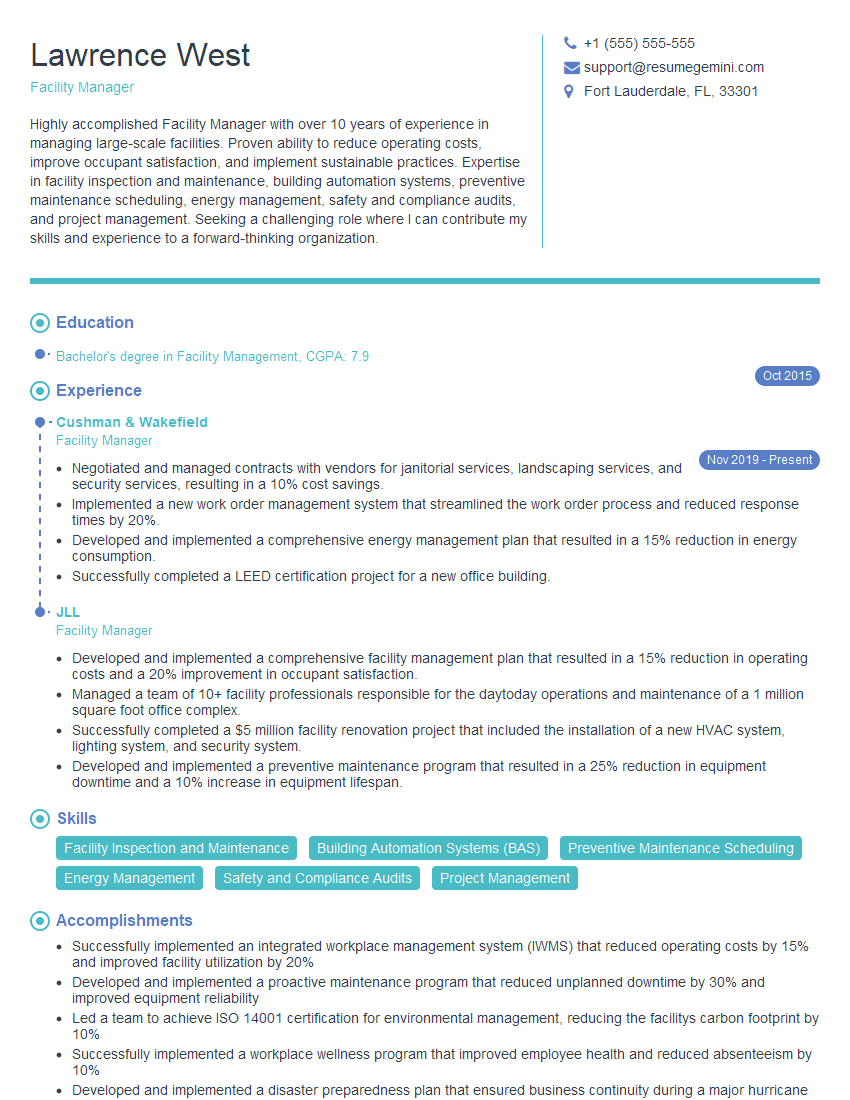
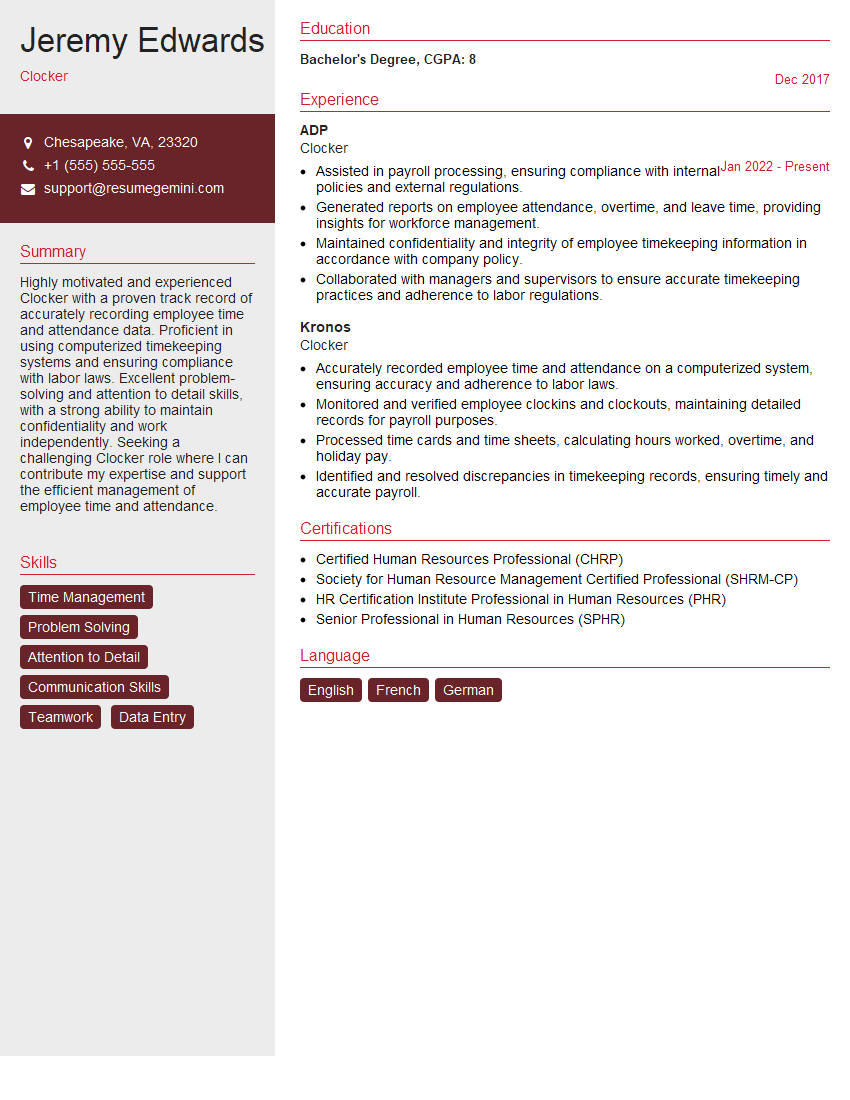
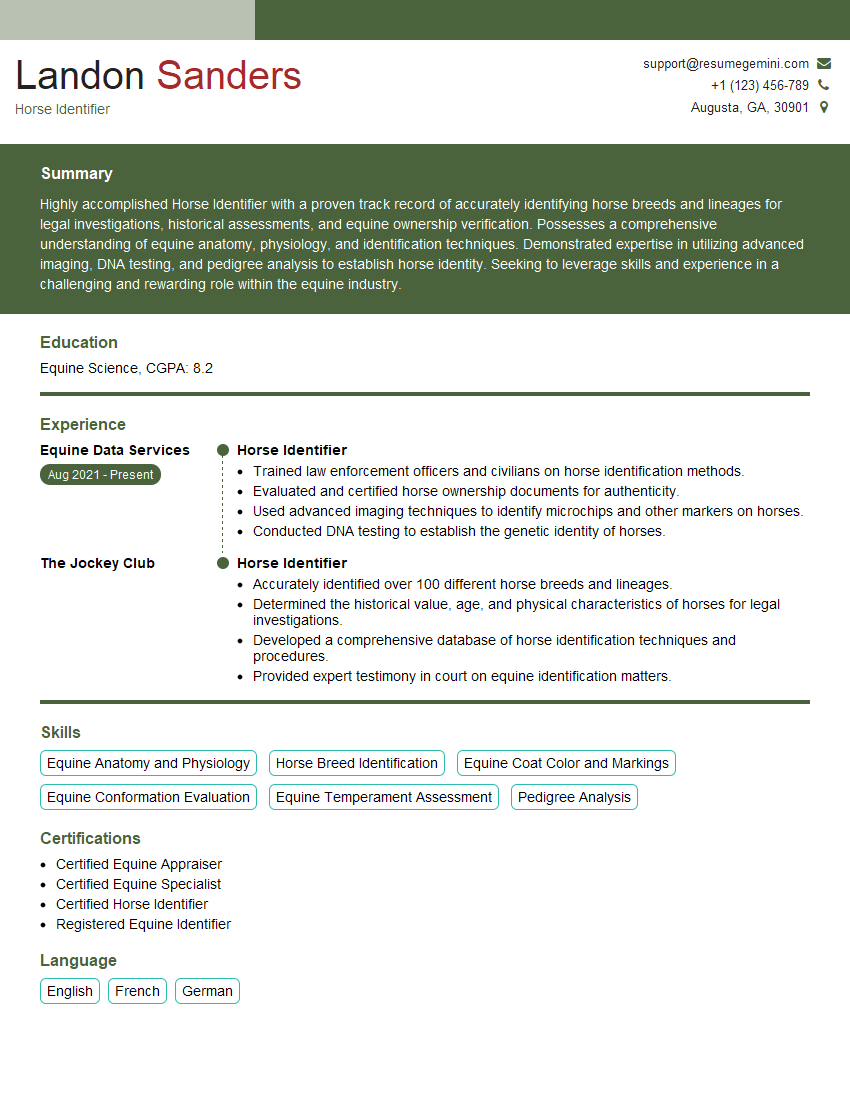
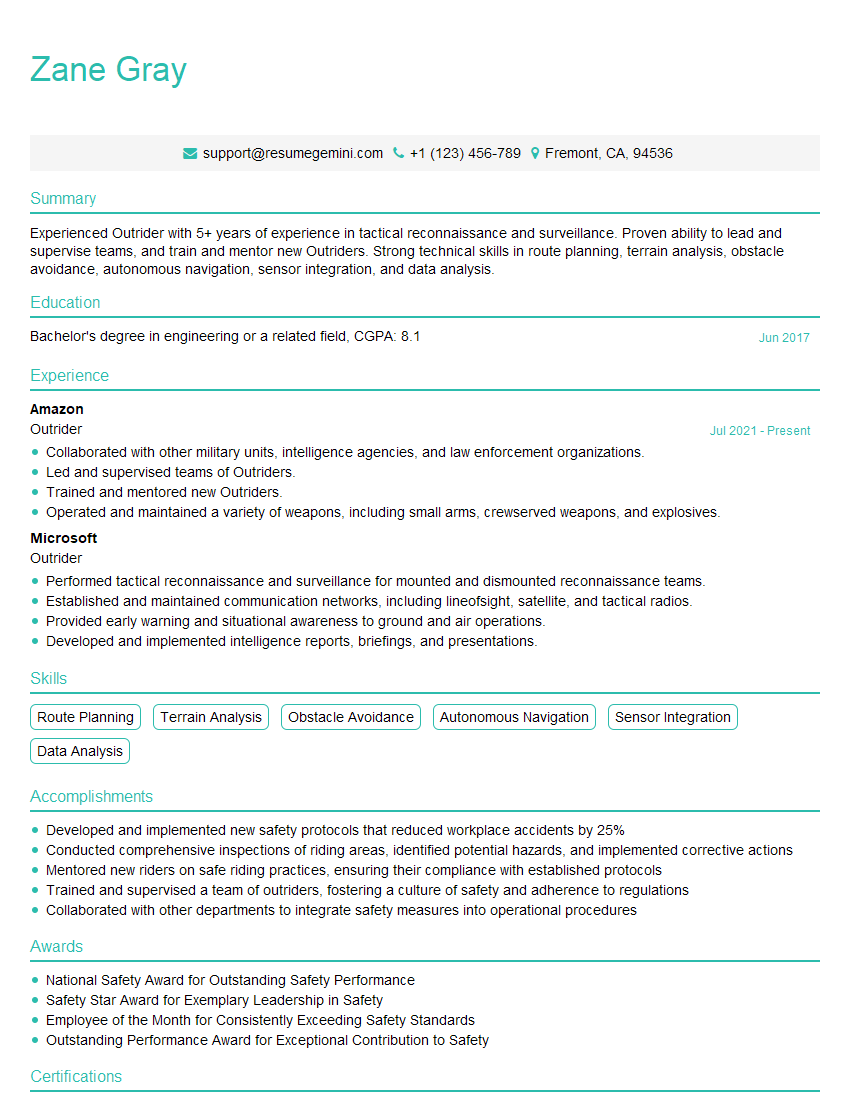
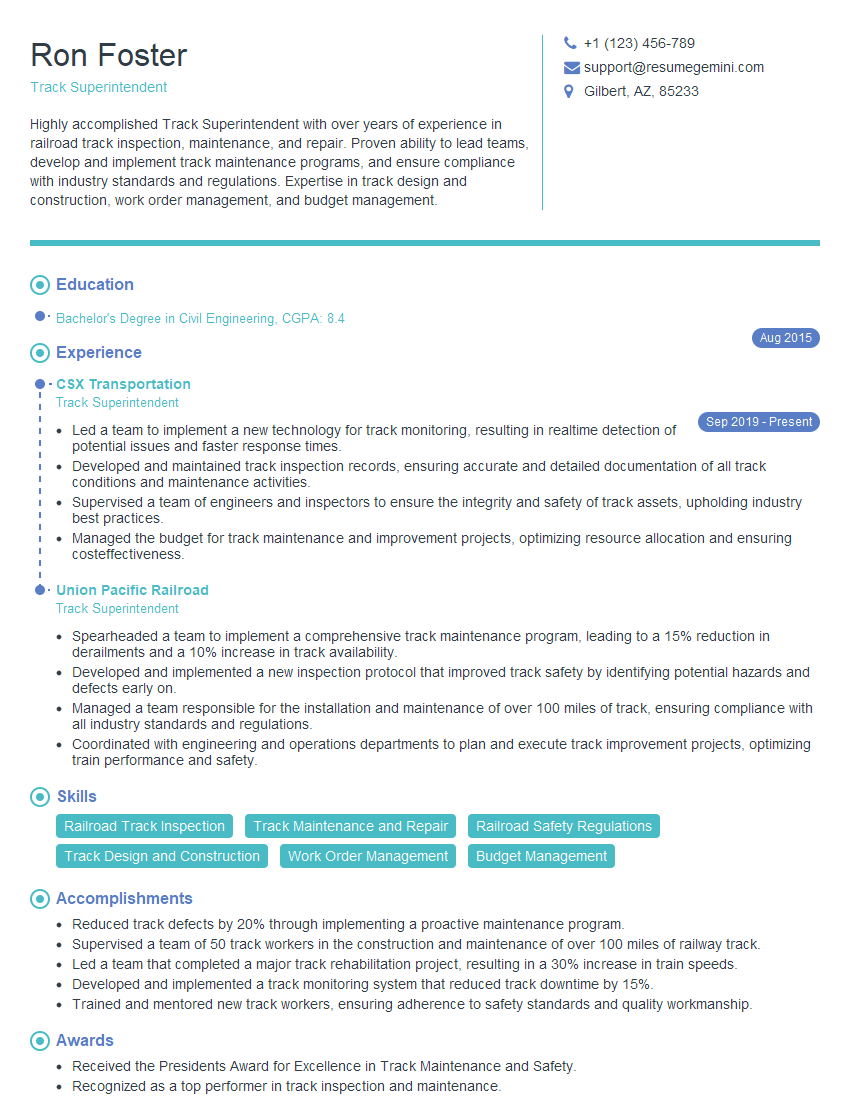
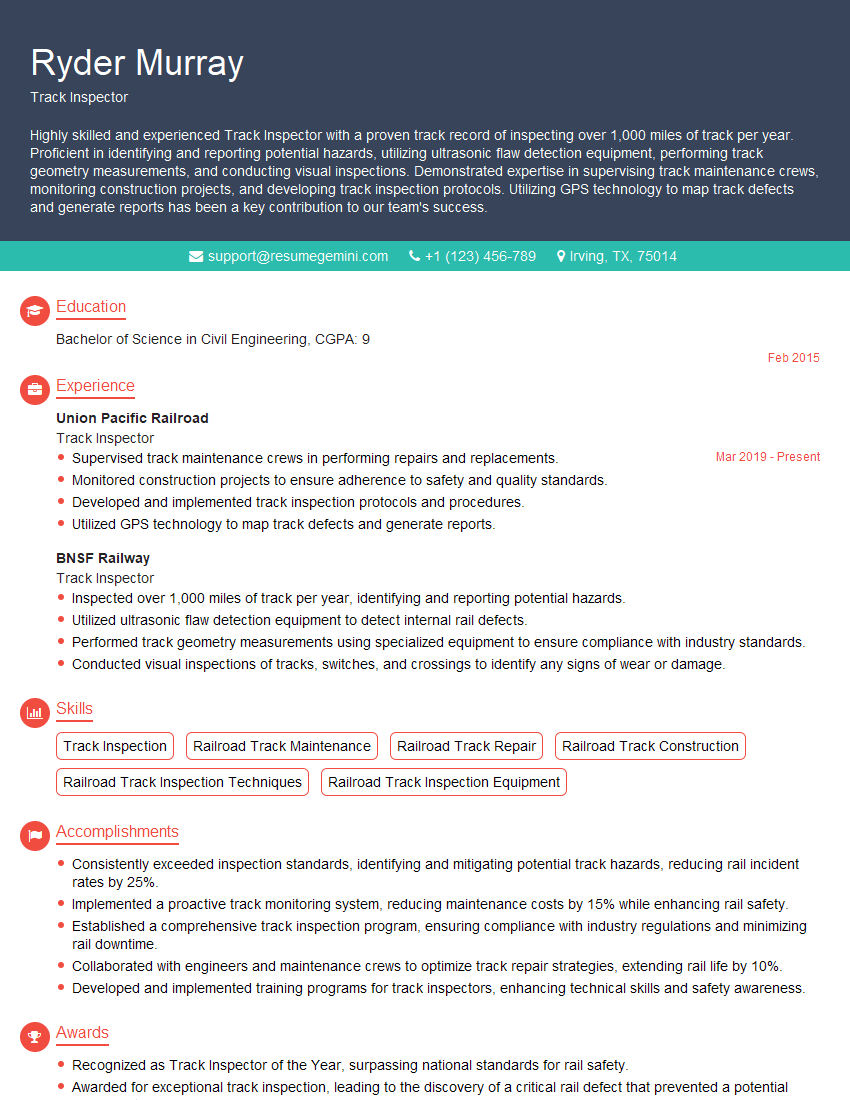
Mastering Knowledge of Race Track Operations is crucial for career advancement in this exciting and dynamic industry. It demonstrates a comprehensive understanding of the sport, commitment to safety, and ability to contribute to efficient and profitable operations. To significantly increase your job prospects, focus on crafting an ATS-friendly resume that highlights your skills and experience effectively. ResumeGemini is a trusted resource that can help you build a professional resume tailored to your specific experience. Examples of resumes tailored to Knowledge of Race Track Operations are available to help guide your resume creation process.


Explore more articles
Users Rating of Our Blogs
Share Your Experience
We value your feedback! Please rate our content and share your thoughts (optional).
What Readers Say About Our Blog
Very informative content, great job.
good