Cracking a skill-specific interview, like one for Knowledge of Shipboard Operations, requires understanding the nuances of the role. In this blog, we present the questions you’re most likely to encounter, along with insights into how to answer them effectively. Let’s ensure you’re ready to make a strong impression.
Questions Asked in Knowledge of Shipboard Operations Interview
Q 1. Explain the SOLAS convention and its relevance to shipboard safety.
The International Convention for the Safety of Life at Sea (SOLAS) is a crucial international maritime treaty that sets minimum safety standards for ships, including construction, equipment, and operation. Think of it as the global rulebook for ensuring ships are seaworthy and safe for their crew and the environment. It’s incredibly relevant because it directly impacts shipboard safety by mandating essential safety measures, from life-saving appliances like lifeboats and life rafts, to fire protection systems and emergency procedures. Non-compliance can lead to serious consequences, including port state control detentions, hefty fines, and even loss of life.
- Safety Management Systems (SMS): SOLAS mandates the implementation of SMS, a structured approach to risk management, ensuring continuous improvement in safety practices on board.
- Emergency Procedures: Detailed emergency procedures for various scenarios (fire, flooding, collisions) are required and regularly drilled.
- Life-Saving Appliances: Regular inspection and maintenance of lifeboats, life rafts, life jackets, and other survival equipment are critical aspects of SOLAS compliance.
- Fire Protection: SOLAS specifies requirements for fire detection, suppression, and escape systems, crucial for minimizing the impact of fires onboard.
For example, a ship failing a SOLAS inspection for inadequate fire detection might be detained until the deficiencies are rectified, illustrating the treaty’s direct impact on operational safety.
Q 2. Describe the process of conducting a pre-departure safety check.
A pre-departure safety check is a crucial process to ensure the ship is safe and seaworthy before leaving port. It’s like a final health check before a long journey. It’s not a rushed checklist; it requires careful attention to detail and a thorough understanding of the vessel’s systems. The process usually involves a team, including the Master, chief engineer, and relevant officers, inspecting various aspects of the ship.
- Navigation Equipment: Verification of the functionality of GPS, radar, AIS (Automatic Identification System), compass, and other navigational aids.
- Engine Room: Checks on fuel levels, oil pressures, engine performance, and emergency systems (fire pumps, bilge pumps). This includes reviewing recent maintenance logs and noting any anomalies.
- Life Saving Appliances: Inspection of lifeboats, life rafts, life jackets, EPIRB (Emergency Position Indicating Radio Beacon), and other survival equipment to ensure they’re in good working order and properly stored.
- Fire Fighting Equipment: Checking the readiness of fire extinguishers, fire hoses, fire detection systems, and sprinkler systems.
- Cargo Securing: Verification that cargo is properly secured and complies with relevant regulations to prevent shifting or damage during the voyage.
- Documentation Review: Confirmation that all necessary documentation, including certificates, permits, and crew lists, are up-to-date and in order.
A documented checklist is essential; any deficiencies found are noted and rectified before departure. For instance, a faulty lifeboat would necessitate repair or replacement before the ship is cleared to sail. This process ensures a safe and incident-free voyage.
Q 3. What are the different types of shipboard emergencies and how are they handled?
Shipboard emergencies can range from minor incidents to catastrophic events. Effective handling requires a well-defined emergency response plan, regular drills, and a well-trained crew.
- Fire: Rapid response is crucial, involving immediate notification, activating fire suppression systems, evacuation of affected areas, and calling for external assistance if necessary. Different fire types require different extinguishing agents.
- Flooding: Identifying the source of flooding, activating bilge pumps, closing watertight doors and hatches, and deploying emergency pumps are key steps. Damage control procedures may involve patching leaks.
- Collision: Assessing damage, activating emergency systems, contacting authorities, and implementing damage control measures are paramount. Crew safety is the priority.
- Grounding: Similar to collision, but also involves checking for hull breaches and assessing potential environmental damage. Efforts focus on freeing the vessel and minimizing further damage.
- Man Overboard (MOB): Immediate actions include activating the MOB alarm, deploying lifebuoys with lights, and maneuvering the vessel to recover the person. Accurate charting of the MOB location is vital.
- Medical Emergency: First aid provision, contacting medical experts via radio, and preparing for possible medical evacuation.
Each emergency has specific procedures; regular training drills are vital to ensure crew competence and rapid, effective response. For instance, a fire drill would familiarize the crew with using fire extinguishers and escape routes, improving their readiness in a real emergency.
Q 4. Explain the International Regulations for Preventing Collisions at Sea (COLREGs).
The International Regulations for Preventing Collisions at Sea (COLREGs) are a set of rules designed to prevent collisions between vessels. They are essentially the ‘rules of the road’ for ships at sea, promoting safe navigation. They cover various aspects of navigation, aiming to prevent collisions and increase safety for all vessels.
- Rules of the Road: Defining the actions vessels must take when approaching one another, including right-of-way rules based on course and visibility.
- Navigation Lights and Shapes: Specifying the lights and shapes vessels must display depending on their type, course, and situation to help other vessels determine their position and intentions.
- Sound Signals: Detailing the sound signals vessels must use in various situations (fog, restricted visibility, maneuvering).
- Visibility and Safe Speed: Emphasizing maintaining a safe speed at all times, particularly in conditions of reduced visibility.
- Action to Avoid Collision: Outlining actions to be taken when a collision becomes imminent, including altering course or speed.
For instance, a vessel meeting another vessel head-on should alter its course to starboard (right) to avoid a collision. Understanding and adhering to COLREGs are fundamental for safe navigation and collision avoidance.
Q 5. How do you manage cargo operations to ensure safety and efficiency?
Managing cargo operations safely and efficiently involves meticulous planning and execution, prioritizing both speed and security. Think of it as a well-orchestrated ballet, where every movement is planned to avoid accidents.
- Pre-loading Checks: Inspection of cargo holds, securing equipment, and verifying the integrity of the ship’s structure to ensure it can safely accommodate the cargo.
- Cargo Planning: Determining the optimal stowage plan to distribute weight evenly and prevent instability. This also minimizes stress on the ship’s structure.
- Cargo Securing: Using appropriate lashing and securing methods to prevent cargo movement during transit. Incorrect securing can lead to damage and ship instability.
- Weight Distribution: Careful distribution of weight to maintain ship stability and prevent excessive stress on any particular area.
- Documentation: Maintaining accurate records of cargo weight, type, and stowage position, crucial for compliance and safety.
- Communication: Effective communication between the crew, stevedores, and shore personnel to ensure a smooth operation.
For example, improper cargo securing could lead to cargo shifting during a storm, potentially causing structural damage or even capsizing. Proper planning and execution of cargo operations are critical for both efficiency and safety.
Q 6. Describe your experience with ballast water management.
Ballast water management is crucial for preventing the spread of invasive aquatic species. Imagine it as controlling the transfer of unwanted hitchhikers from one ocean to another. My experience involves implementing and maintaining the ship’s ballast water management system (BWMS) according to international regulations.
- BWMS Operation and Maintenance: Regular operation and maintenance of the ship’s BWMS, including monitoring the system’s performance and carrying out routine inspections and servicing.
- Ballast Water Record Keeping: Detailed record-keeping of ballast water operations, including the exchange of ballast water, treatment, and reporting as per regulations.
- Compliance with Regulations: Adhering to the International Maritime Organization (IMO) ballast water management convention, understanding the discharge standards and maintaining compliance.
- Sampling and Analysis: Participation in sampling and analysis of ballast water to confirm compliance with regulatory discharge limits.
In a practical scenario, I have been involved in troubleshooting a faulty BWMS filter, which required prompt action to avoid delaying the voyage and potentially causing a breach of regulations. Proper ballast water management is essential for both ecological protection and regulatory compliance.
Q 7. What are the key elements of a ship’s stability?
A ship’s stability refers to its ability to remain upright and avoid capsizing. It’s a dynamic balance affected by several factors, much like a tightrope walker maintaining balance. The key elements are:
- Buoyancy: The upward force exerted on the hull by the water, opposing the ship’s weight.
- Weight Distribution: Even distribution of weight along the ship’s length and breadth is crucial to prevent excessive listing (leaning) or heel (tilting).
- Center of Gravity (CG): The point where the ship’s weight is concentrated. A lower CG contributes to greater stability.
- Center of Buoyancy (CB): The center of the underwater volume of the hull. The relationship between CG and CB is key to stability.
- Metacentric Height (GM): A measure of the initial stability of the vessel; a higher GM indicates greater initial stability.
- Freeboard: The height of the ship’s deck above the waterline, providing a safety margin in case of flooding.
For example, loading heavy cargo low in the hold will lower the CG, enhancing stability, whereas top-heavy cargo distribution can raise the CG, potentially making the vessel less stable and more prone to capsizing. Proper understanding and management of these factors are essential to ensure safe operation.
Q 8. Explain the process of conducting a damage control drill.
Damage control drills are crucial for ensuring the safety and security of the vessel and its crew in the event of an emergency. They are not simply exercises; they’re opportunities to refine procedures and identify weaknesses. A typical drill involves a simulated incident – perhaps a fire, flooding, or collision – announced over the ship’s PA system.
Alarm and Announcement: The alarm sounds, and the nature of the emergency is clearly announced, including the location.
Team Response: Designated teams, such as the fire party, damage control party, or medical team, immediately spring into action according to their pre-assigned roles and procedures. This includes donning appropriate PPE (Personal Protective Equipment).
Damage Control Procedures: Teams will follow established protocols; for example, in a flooding scenario, they might focus on locating and plugging leaks, deploying pumps, and possibly implementing damage control measures to prevent further water ingress. Firefighting drills would focus on extinguishing methods, evacuation, and containment.
Debriefing and Feedback: Following the drill, there’s a crucial debriefing session. This involves reviewing the team’s performance, identifying areas for improvement, and updating procedures based on lessons learned. This is where we truly make the drill effective – turning it from an exercise into a valuable learning experience.
For example, during a recent flooding drill, we identified a delay in activating a specific pump. This prompted us to re-evaluate our training protocols and update the checklist to highlight this step more clearly.
Q 9. How do you handle a medical emergency onboard?
Handling a medical emergency onboard requires a swift and efficient response. The priority is always to stabilize the patient and seek appropriate medical assistance. Our procedures start with an immediate assessment of the situation, which includes contacting the ship’s medical officer or the designated first aider.
Initial Assessment: The first responder assesses the patient’s condition, noting any injuries or symptoms. This involves checking vital signs (breathing, pulse, etc.).
First Aid and Stabilization: Basic first aid is administered to address immediate life-threatening conditions, such as bleeding control or airway obstruction. This might include using oxygen, splints, or other medical supplies.
Communication: We contact the appropriate medical authority, which could be a shore-based medical center via satellite phone or VHF radio, providing details about the patient’s condition and location. We follow their instructions regarding further treatment and potential medical evacuation (medevac).
Documentation: Throughout the event, we meticulously record all actions taken, including the time, treatment administered, and patient’s response. This detailed documentation is crucial for any subsequent investigation or follow-up.
Evacuation if Necessary: Depending on the severity of the emergency and the ship’s location, we may need to arrange for medevac via helicopter or other means. This often involves coordination with maritime authorities and search and rescue operations.
In one instance, we had a crew member suffer a severe allergic reaction. Our immediate response, including administering an EpiPen and contacting medical professionals ashore, ensured a positive outcome. The clear communication and detailed record-keeping were instrumental in facilitating a quick and effective medevac.
Q 10. Describe your experience with navigation and chart reading.
Navigation and chart reading are fundamental aspects of my experience as a ship’s officer. I’m proficient in using both paper charts and Electronic Chart Display and Information Systems (ECDIS). My experience spans various types of vessels and operating environments, including coastal and open ocean navigation.
Chart Work: I can confidently interpret nautical charts, including identifying various symbols, depths, landmarks, and navigational hazards. This includes calculating distances, bearings, and estimated time of arrival (ETA).
ECDIS Proficiency: I’m fully trained in using ECDIS, including route planning, setting waypoints, and monitoring vessel position using GPS and other navigational aids. I understand the importance of maintaining backups and ensuring the system’s integrity.
Celestial Navigation: While ECDIS is now the primary tool, I also have experience in celestial navigation using sextants, which provides a valuable backup system and a deeper understanding of navigation principles.
Piloting: I’m skilled in maneuvering the vessel in confined waters, using aids to navigation (ATONs) effectively, and handling various situations such as pilotage, docking, and mooring operations.
One memorable experience was navigating a complex harbor entrance in low visibility. Accurate chart reading and proficient use of radar and other navigational aids helped us safely navigate and reach our destination without incident.
Q 11. What are the different types of ship propulsion systems?
Ships employ a variety of propulsion systems, each with its own advantages and disadvantages. The choice depends on factors like vessel size, speed requirements, and operational profile.
Diesel Engines: These are the most common propulsion system for most commercial vessels. They offer good fuel efficiency and reliability. Different types include medium-speed and slow-speed diesel engines, with slow-speed engines being more fuel-efficient at lower revolutions.
Gas Turbines: These are typically used in high-speed vessels, such as naval ships or fast ferries. While offering high power output, they are less fuel-efficient than diesel engines.
Steam Turbines: Historically common, these are now less prevalent, largely replaced by diesel and gas turbines. They were predominantly used in large vessels like tankers and container ships.
Nuclear Propulsion: Primarily used in some submarines and icebreakers. This technology offers incredibly long operational ranges without refueling but involves high initial costs and safety considerations.
Electric Propulsion: An increasingly popular option, especially in hybrid systems, where electric motors are combined with diesel or other prime movers. This allows for greater efficiency and maneuverability. For example, it can improve fuel economy by using the diesel engine to charge batteries which then power the electric motor for efficient low-speed operation.
Q 12. Explain the principles of marine diesel engine operation.
Marine diesel engines operate on the principle of the four-stroke cycle (intake, compression, power, exhaust). The process is essentially the same as in automotive engines, but on a much larger scale and with specific adaptations for marine applications.
Intake Stroke: The piston moves downwards, drawing in a mixture of air into the cylinder.
Compression Stroke: The piston moves upwards, compressing the air to a high pressure and temperature.
Power Stroke: Fuel is injected into the compressed air, igniting and causing rapid expansion of gases. This forces the piston downwards, producing mechanical power.
Exhaust Stroke: The piston moves upwards, expelling the burned gases from the cylinder.
Critical components include the fuel injection system, ensuring precise metering of fuel for optimal combustion; the lubrication system, essential for reducing friction and wear; and the cooling system, preventing overheating of the engine’s various parts. Proper maintenance and monitoring of these systems are vital for efficient and safe operation. A sophisticated control system monitors various parameters such as engine speed, temperature, and pressure, allowing for adjustments and preventing malfunctions.
Q 13. How do you maintain engine room logs and records?
Maintaining accurate and detailed engine room logs and records is essential for regulatory compliance, operational efficiency, and troubleshooting. The information logged provides a crucial historical record of the engine’s performance and any maintenance performed.
Logbooks: Official logbooks record key parameters such as engine speed, fuel consumption, oil pressure, temperatures, and any significant events, including maintenance, repairs, or unusual occurrences. Entries are made regularly, often hourly, and signed by the responsible engineer.
Maintenance Records: These records document all scheduled and unscheduled maintenance activities, including parts replaced, work performed, and any observations made. This helps in tracking the engine’s overall health and identifying potential issues early on.
Fuel Consumption Records: Careful monitoring of fuel consumption helps in optimizing engine performance and identifying any anomalies that might indicate a problem.
Defect Reports: Any malfunctions or defects are immediately documented in detail, including the symptoms, actions taken to rectify the issue, and the outcome. This facilitates efficient troubleshooting and prevents recurrence.
Digital Systems: Modern vessels increasingly utilize computerized systems to manage engine room logs and records, reducing the risk of human error and providing easy access to data.
The accuracy and completeness of these logs are paramount and regularly audited by port state control officers to ensure that all regulations are met. In practice, maintaining this documentation is as critical as the operation of the machinery itself.
Q 14. Describe your experience with troubleshooting engine malfunctions.
Troubleshooting engine malfunctions requires a systematic approach, combining technical knowledge with problem-solving skills. My experience involves diagnosing various issues, from minor glitches to major breakdowns.
Initial Assessment: The first step involves carefully evaluating the symptoms, including any unusual noises, vibrations, or changes in performance. This might involve examining gauges, monitoring alarms, and checking for error codes in the engine control system.
Systematic Checks: I systematically check related systems, such as the fuel, lubrication, and cooling systems, looking for any anomalies or signs of failure. This often involves using diagnostic tools and checking pressure, temperature, and flow rates.
Component Inspection: Once a potential area of failure is identified, a thorough inspection of the relevant components is conducted. This might involve opening up parts of the engine for visual inspection or using specialized instruments to perform more in-depth diagnostics.
Data Analysis: I use historical data from engine logs and maintenance records to identify patterns or trends that might be related to the issue. This helps in narrowing down potential causes and avoiding repeating mistakes.
Repair or Replacement: Once the cause is determined, appropriate repairs or component replacements are made, following established maintenance procedures and safety guidelines.
In one case, we experienced a sudden drop in oil pressure. By systematically checking the system, we discovered a blockage in the oil filter which could have led to catastrophic engine failure. Prompt identification and resolution prevented major damage.
Q 15. Explain the role of the Global Maritime Distress Safety System (GMDSS).
The Global Maritime Distress Safety System (GMDSS) is a globally standardized system designed to enhance maritime safety by providing a comprehensive suite of communication tools for distress alerting, search and rescue (SAR) coordination, and general communication at sea. It replaces the older, less reliable systems and ensures that ships can communicate their position and distress signals to the relevant authorities, regardless of their location.
GMDSS relies on a combination of technologies including:
- Inmarsat satellites: For long-range communication, particularly in areas beyond the reach of terrestrial radio systems.
- VHF radio: Used for short-range communication with nearby vessels and coast stations.
- NAVTEX broadcasts: Disseminate navigational warnings and meteorological information.
- EPIRB (Emergency Position-Indicating Radio Beacon): Automatically activates in emergencies, transmitting the ship’s position and distress signal via satellite.
- AIS (Automatic Identification System): Automatically broadcasts the ship’s position, course, and other vital information to other vessels and coast stations, improving collision avoidance.
In essence, GMDSS ensures that a ship in distress can rapidly alert the appropriate authorities and receive assistance, minimizing the risk of loss of life and property. Think of it as a global emergency response system specifically designed for the maritime environment. During my time on board the ‘Ocean Voyager’, we regularly tested the GMDSS equipment to ensure its proper functioning. A regular simulation drill of EPIRB activation greatly improved our confidence in the system.
Career Expert Tips:
- Ace those interviews! Prepare effectively by reviewing the Top 50 Most Common Interview Questions on ResumeGemini.
- Navigate your job search with confidence! Explore a wide range of Career Tips on ResumeGemini. Learn about common challenges and recommendations to overcome them.
- Craft the perfect resume! Master the Art of Resume Writing with ResumeGemini’s guide. Showcase your unique qualifications and achievements effectively.
- Don’t miss out on holiday savings! Build your dream resume with ResumeGemini’s ATS optimized templates.
Q 16. How do you ensure compliance with MARPOL regulations?
Compliance with MARPOL (International Convention for the Prevention of Pollution from Ships) regulations is paramount for responsible and sustainable shipping practices. It requires a multi-faceted approach. We begin with comprehensive training for all crew members on MARPOL Annexes I-VI, covering issues like oil discharge, sewage management, garbage disposal, and air pollution. This training is regularly updated to reflect any changes in regulations.
Secondly, rigorous record-keeping is crucial. We maintain detailed logs of all waste disposal operations, oil transfers, and other relevant activities. These records are meticulously checked and audited regularly both internally and by external port authorities. The ship’s Oil Record Book (ORB) is meticulously maintained as per MARPOL Annex I requirements, providing a detailed record of all oil operations.
Thirdly, preventive maintenance of pollution prevention equipment is paramount. This includes regular inspections and servicing of oil separators, sewage treatment plants, and other key equipment, as well as implementation of preventative maintenance schedules based on manufacturer’s specifications. An example would be our regular scheduled cleaning of the bilge tanks and meticulous maintenance of the oily water separator.
Finally, we actively seek out opportunities for continuous improvement. This includes staying informed about updates to MARPOL regulations and actively participating in industry best practice initiatives. We have proactively implemented energy efficiency measures in our operations, reducing our carbon footprint as much as possible.
Q 17. Describe your experience with ship maintenance and repairs.
My experience with ship maintenance and repairs spans many years and various vessel types. It’s an integral part of safe and efficient ship operation. I’ve been involved in both preventative maintenance – scheduled inspections, cleaning, lubrication, and component replacement – and corrective maintenance, responding to breakdowns or unexpected failures.
On the ‘Seafarer’, for instance, I oversaw a major overhaul of the main engine cooling system, which involved meticulous planning, coordination with external contractors (when needed), and strict adherence to safety protocols. This project required careful management of spare parts inventory, skilled labor, and adherence to manufacturer specifications. Similarly, I was instrumental in troubleshooting and repairing a complex issue with the ballast water management system on the ‘Oceanic Pride’, leading to the restoration of its functionality within a tight timeframe, thereby avoiding potential delays and penalties.
I’m proficient in interpreting technical manuals, identifying potential issues, managing maintenance budgets, and training crew members in basic maintenance tasks. My philosophy is always to prioritize safety, using a well documented preventative maintenance system to minimize the possibility of breakdowns.
Q 18. What are your strategies for effective crew management?
Effective crew management is vital for a safe and productive voyage. My approach involves fostering a positive and collaborative work environment, clear communication channels, fair and consistent application of rules, and clear delegation of responsibilities. It’s about building a cohesive team where everyone feels valued and understood.
This starts with clear and frequent communication. Regular crew meetings, one-on-one sessions, and open door policy ensure everyone can voice their concerns. I also believe in clear and consistent application of company policies and the proper administration of the collective bargaining agreement.
Training and development are also key. I strive to support crew development by encouraging participation in professional development programs and providing opportunities for on-the-job learning. This not only improves individual skill sets but boosts crew morale and enhances team cohesion.
Conflict resolution is another crucial aspect. I always address conflicts swiftly and fairly, ensuring all parties feel heard and respected. Mediation, where necessary, aims to facilitate a solution that satisfies all parties involved.
Q 19. Explain the importance of effective communication onboard a vessel.
Effective communication onboard a vessel is not just important; it’s absolutely critical for safety and efficiency. A breakdown in communication can have dire consequences. Imagine a misunderstanding during a docking maneuver or an unclear emergency instruction. The outcomes could be catastrophic.
To ensure clear communication, we use various methods, including:
- Clear and concise language: Avoiding jargon and ensuring everyone understands the message.
- Multiple communication channels: Using a combination of face-to-face discussions, radio communication, written instructions, and the ship’s internal messaging system.
- Regular briefings: Sharing information about the ship’s status, planned operations, and safety procedures.
- Active listening: Ensuring that messages are understood and acknowledged.
- Utilizing technology: Employing onboard communication systems effectively, such as the ship’s internal network or satellite communication.
For instance, during a challenging storm, maintaining clear communication about the ship’s condition, weather updates, and planned maneuvers ensured the safety of all crew members and the vessel itself. Clear and concise communication saved us from making costly mistakes.
Q 20. How do you handle conflicts within the crew?
Handling conflicts within the crew requires a tactful and fair approach. My strategy focuses on early intervention, open communication, and a focus on finding mutually acceptable solutions. I never let conflicts escalate, addressing them promptly and directly.
The first step is always to listen to all parties involved, understanding their perspectives without judgment. This helps to identify the root cause of the conflict. Next, I facilitate a discussion, guiding the crew members toward a solution that addresses their concerns while upholding company policies and maritime regulations. If direct mediation fails, involving a senior officer may be necessary for objective guidance.
Sometimes, a simple conversation can resolve minor conflicts, while others may need a more structured approach. The key is to promote mutual respect, understanding, and a collaborative problem-solving environment. On one occasion, a conflict between two crew members was resolved by facilitating an open dialogue where both parties could express their grievances. The solution involved adjusting work schedules to better manage their workload. It highlighted the importance of proactive communication and understanding of individual needs.
Q 21. Describe your experience with cargo securing and lashing.
Cargo securing and lashing is a critical aspect of shipboard operations, ensuring the safety of the cargo, the crew, and the vessel itself. Improper securing can lead to cargo shifting, damage, or even loss of life. My experience includes securing various types of cargo, from containers to bulk goods, following international standards (e.g., IMO/SOLAS).
My approach involves a meticulous planning process starting with a careful assessment of the cargo, its weight, dimensions, and stowage plan. This includes verifying that the selected lashing materials meet the requirements of the cargo’s weight and the expected sea conditions. Then comes the proper placement of the cargo, ensuring proper weight distribution. I then implement effective lashing techniques using appropriate securing devices, such as lashing chains, wires, and securing devices. All this is done carefully with documentation at each stage.
Regular inspections throughout the voyage are essential to detect any potential issues with cargo securing. On the ‘Cargo Express,’ I played a vital role in successfully securing a complex shipment of heavy machinery, requiring careful planning and execution to prevent damage and shifting during transit. This involved using specialized equipment and techniques to meet the exact requirements of the load.
Q 22. Explain your understanding of load line regulations.
Load line regulations, also known as Plimsoll lines, are internationally standardized markings on a ship’s hull that indicate the maximum permissible draft (the depth of the hull submerged in water) under various conditions. These lines ensure that a vessel doesn’t overload, increasing the risk of capsizing. Different lines represent different water densities (e.g., freshwater, saltwater, tropical, winter) and loading conditions.
Think of it like a bathtub – you wouldn’t fill it past the rim, right? Load lines are essentially the ‘rim’ for a ship, ensuring it stays afloat safely. Failing to comply with load line regulations can result in severe penalties and poses significant safety risks. The regulations consider factors like the ship’s size, type, and cargo to determine the appropriate draft markings.
- Tropical (T): For warmer waters with higher water density.
- Summer (S): For temperate waters with moderate density.
- Winter (W): For colder waters with lower density.
- Winter North Atlantic (WNA): Specifically for the North Atlantic, known for its harsh conditions.
Each line represents the maximum permissible draft for the corresponding conditions. Exceeding the designated load line is illegal and dangerous, as it increases the risk of instability and potential sinking.
Q 23. How do you ensure the safety of personnel during mooring and unmooring operations?
Ensuring personnel safety during mooring and unmooring operations is paramount. It involves a meticulous approach incorporating pre-operation checks, clear communication, and strict adherence to safety procedures.
- Pre-operation briefing: A thorough briefing outlining the plan, potential hazards, roles and responsibilities, and emergency procedures is crucial. This includes discussing the use of personal protective equipment (PPE) like life jackets, safety harnesses, and gloves.
- Risk assessment: Identifying potential hazards, such as strong currents, limited visibility, and the proximity of other vessels is key to implementing suitable mitigation measures. This might involve adjusting the mooring plan or utilizing extra fenders to prevent collisions.
- Clear communication: Effective communication between the deck crew, the bridge team, and shore personnel is essential. Standardized hand signals and radio communication protocols should be used to ensure everyone understands and acts accordingly. We often use dedicated signaling personnel during these operations.
- Proper equipment: Ensuring all mooring equipment, including ropes, winches, and fenders, is in good working order and correctly secured is crucial for preventing accidents.
- Supervision: Experienced personnel should always supervise the operations and ensure that safety procedures are diligently followed. They should be able to stop the operation if any safety concerns are identified.
For example, on a recent project, I identified a potential hazard of strong crosswinds during unmooring. We adjusted our procedure to use additional lines and secure the vessel more effectively, minimizing the risk of damage or injury to crew members.
Q 24. What are the procedures for dealing with a fire onboard?
Dealing with a fire onboard requires immediate action and adherence to a well-defined plan. The procedure typically involves the following steps:
- Raise the alarm: Immediately activate the ship’s alarm system and notify the bridge and all crew members.
- Contain the fire: Attempt to contain the fire using fire extinguishers appropriate for the type of fire. (Remember the PASS method: Pull, Aim, Squeeze, Sweep).
- Evacuate the area: Ensure the safe evacuation of personnel from the affected area and surrounding spaces.
- Fight the fire: If the fire is beyond the capability of fire extinguishers, utilize the ship’s fire-fighting systems, such as fire hoses and hydrants. The fire-fighting teams should be deployed with specialized equipment.
- Emergency services: Notify the appropriate emergency services (coast guard, fire department) for assistance, providing details on the vessel’s location and the nature of the fire.
- Damage control: After the fire is extinguished, initiate damage control procedures to assess the extent of damage and prevent further spread or risk.
Regular fire drills are essential to ensure that the crew is adequately trained and familiar with all fire-fighting procedures. Knowing the location of fire extinguishers, emergency exits, and assembly points is crucial. Understanding the different classes of fire and the appropriate extinguishing agent is key to effective fire suppression.
Q 25. Describe your experience with using electronic navigation systems (ECDIS).
I have extensive experience using Electronic Chart Display and Information Systems (ECDIS). It has fundamentally changed the way we navigate, improving safety and efficiency significantly. I’m proficient in chart management, route planning, passage planning, and utilizing ECDIS’s various functionalities.
ECDIS allows for electronic chart updates, reducing the risk of using outdated paper charts. Its ability to calculate routes, display navigational warnings, and provide various safety features, like anti-collision alerts and proximity alarms makes navigation far safer. Furthermore, ECDIS assists with under keel clearance calculations, ensuring the vessel avoids running aground.
For example, during a recent voyage through a congested waterway, ECDIS’s anti-collision capabilities alerted us to a potential risk of collision with another vessel well in advance, allowing us to take evasive action and prevent an accident. The system’s detailed chart information, combined with its ability to display various navigational data, proved crucial in successfully navigating the challenging passage.
Q 26. How do you conduct a pre-departure safety briefing for the crew?
A pre-departure safety briefing is crucial for a safe voyage. My approach is structured and interactive, ensuring the crew fully understands the voyage-specific safety concerns.
- Voyage plan review: I begin by reviewing the voyage plan, highlighting key navigational hazards, potential weather challenges, and anticipated traffic density.
- Safety procedures: I then explain the relevant safety procedures specific to the voyage, including emergency procedures, man overboard drills, fire-fighting procedures, and the use of life-saving appliances.
- Personal protective equipment (PPE): I discuss the importance of using appropriate PPE and verify that all crew members have access to and understand how to use necessary equipment.
- Emergency communication: I confirm the crew’s familiarity with emergency communication procedures, including the use of the ship’s radio and distress signals.
- Specific hazards: Depending on the voyage, I address any specific hazards, such as potential piracy risks, challenging weather conditions, or unique navigational features.
- Questions and discussion: I actively encourage questions and discussions, ensuring that all crew members are fully engaged and understand the safety instructions.
I find using visual aids, like charts and diagrams, enhances understanding and retention of information. A successful briefing ensures everyone is on the same page regarding safety, maximizing the chances of a safe and efficient voyage.
Q 27. What is your experience with the use of AIS and its applications?
The Automatic Identification System (AIS) is a crucial tool for enhancing navigational safety and improving situational awareness. It transmits and receives data about a vessel’s position, course, speed, and other relevant information to other vessels and coastal stations.
My experience with AIS includes its usage for collision avoidance, traffic monitoring, and search and rescue operations. AIS assists in tracking vessel movements in real-time, providing a clearer understanding of vessel traffic density and patterns.
For example, while transiting a busy shipping lane, AIS provided real-time data on approaching vessels, enabling us to predict potential collision risks and take necessary maneuvering actions. The system’s information was crucial in avoiding a potential incident. Beyond collision avoidance, AIS aids in tracking the position of vessels during search and rescue operations, significantly increasing the efficiency and speed of rescue efforts. It allows for the identification of vessels in the vicinity of an emergency, enhancing the speed of assistance.
Q 28. Explain your understanding of the ISM Code and its implementation.
The International Safety Management (ISM) Code is a mandatory international standard for the safe management and operation of ships and for pollution prevention. It establishes a safety management system (SMS) framework for shipping companies and ship operators.
The implementation of the ISM Code involves the development and documentation of a SMS, including a Safety Management Manual, detailing the company’s safety policies and procedures. Regular audits and internal verifications are carried out to ensure compliance with the code. This ensures that the company has a clear understanding of its responsibilities in maintaining a safe working environment and preventing accidents.
Key elements of ISM Code implementation include:
- Safety policy: A clearly defined safety policy that commits the company to maintaining safe operations.
- Responsibilities: Clearly defined responsibilities for safety management at all levels within the company.
- Resources and authority: The allocation of sufficient resources and authority to ensure the effective implementation of the SMS.
- Competent personnel: Ensuring that all personnel are adequately trained and competent in their duties.
- Operational procedures: Developing and maintaining clear operational procedures to ensure safe operation.
- Emergency preparedness: Developing and maintaining emergency preparedness plans to handle various emergencies.
- Audits and reviews: Regular audits and reviews of the SMS to identify areas for improvement.
In my experience, the ISM Code implementation is not merely a set of regulations, but a continuous process of improvement and adaptation to evolving safety needs. It forms the bedrock of safety culture aboard vessels, promoting a proactive approach to safety and reducing accidents.
Key Topics to Learn for Knowledge of Shipboard Operations Interview
- Vessel Operation & Navigation: Understanding principles of navigation, chart reading, voyage planning, and ship handling in various weather conditions. Consider practical applications like collision avoidance and emergency procedures.
- Cargo Handling & Management: Familiarize yourself with different cargo types, loading/discharging procedures, stowage planning, and safety regulations related to cargo operations. Think about how you’d handle a cargo damage scenario.
- Safety & Security: Mastering international maritime regulations (SOLAS, MARPOL, STCW), emergency response procedures, fire prevention and control, and security protocols. Prepare to discuss practical examples of implementing safety measures.
- Maintenance & Repair: Understanding ship maintenance schedules, preventative maintenance techniques, basic engine room operations, and troubleshooting common shipboard equipment malfunctions. Be ready to describe your problem-solving skills in a maintenance context.
- Communication & Teamwork: Discuss your experience with effective communication within a team environment, especially in high-pressure situations. Highlight your ability to collaborate with diverse crew members and follow command structures.
- Environmental Regulations & Compliance: Thorough understanding of environmental regulations related to marine pollution prevention and waste management. Be prepared to discuss practical application of these regulations.
- Ship Stability & Load Line: Grasp the principles of ship stability, calculating load lines, and ensuring safe vessel operation under different loading conditions. Be ready to discuss potential stability issues and solutions.
Next Steps
Mastering Knowledge of Shipboard Operations is crucial for career advancement in the maritime industry, opening doors to higher-paying roles and increased responsibilities. A well-crafted resume is your first step towards securing your dream job. Building an ATS-friendly resume is essential to ensure your application gets noticed by recruiters. ResumeGemini is a trusted resource that can help you create a professional and impactful resume, tailored to highlight your skills and experience in this field. Examples of resumes tailored to Knowledge of Shipboard Operations are available to guide you.

Operations Manager Resume Sample
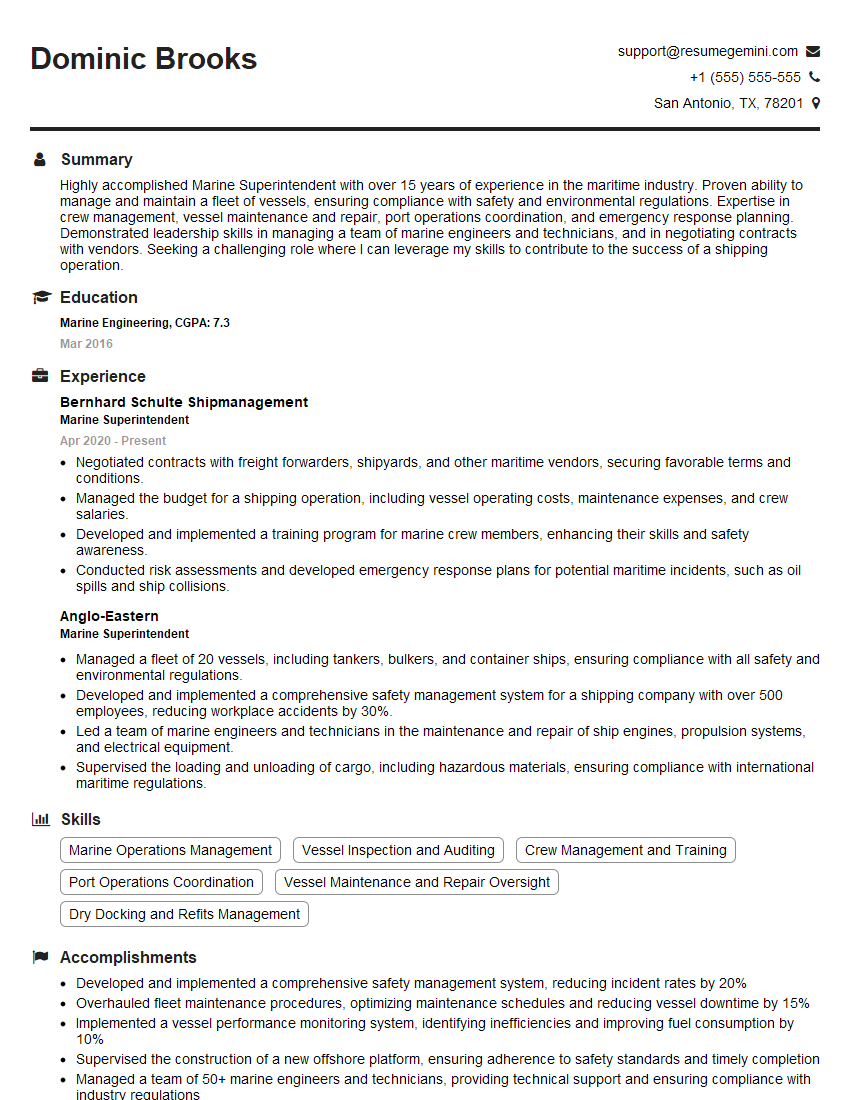
Marine Superintendent Resume Sample
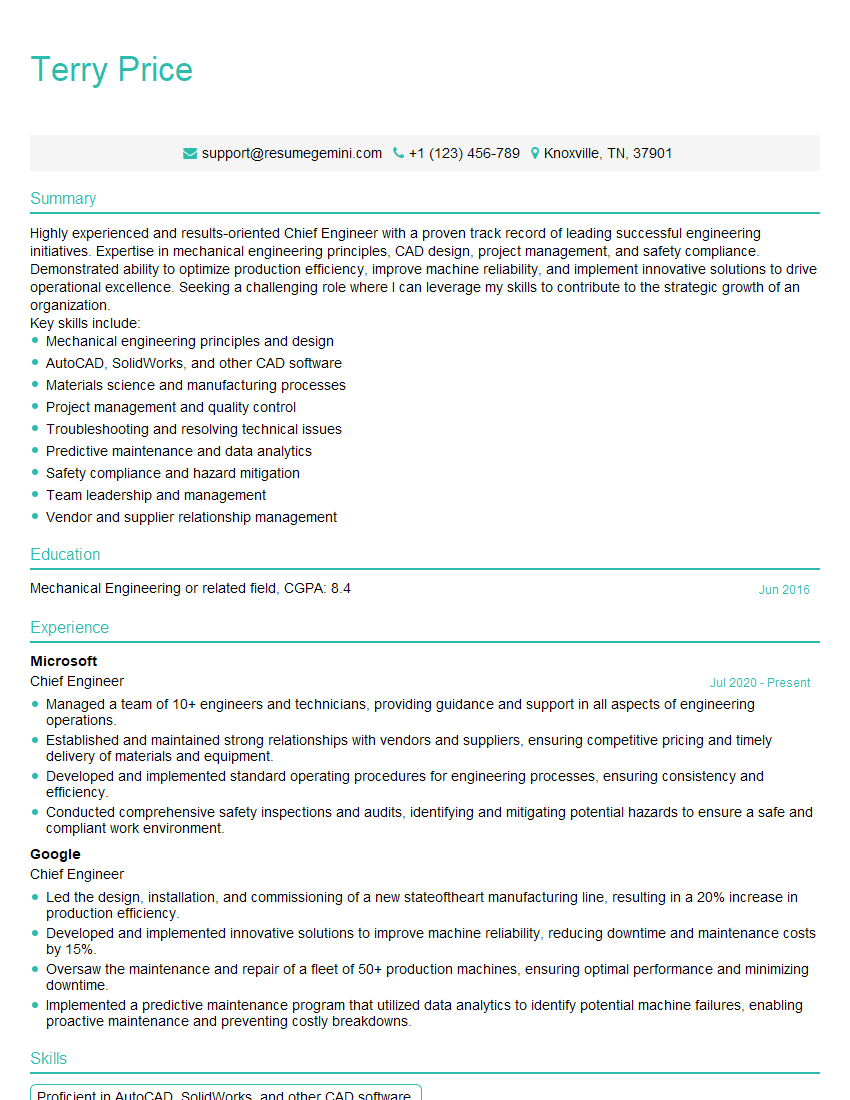
Chief Engineer Resume Sample
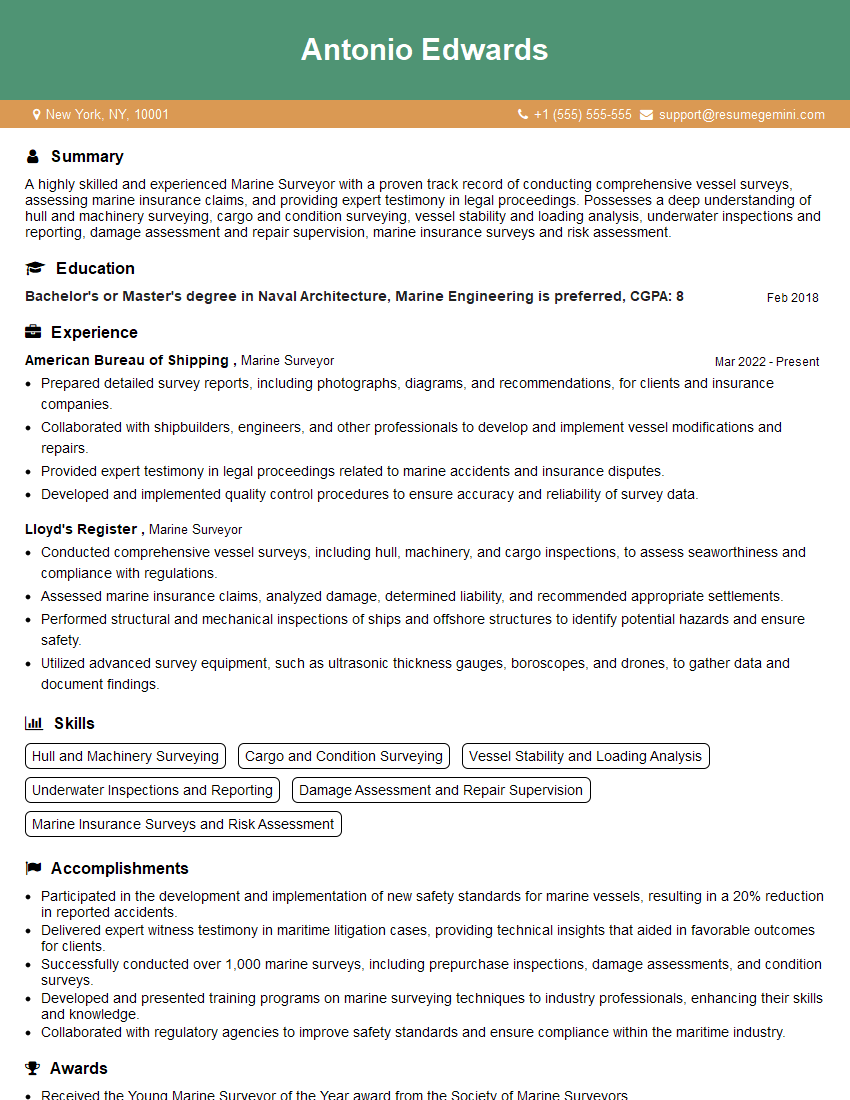
Marine Surveyor Resume Sample
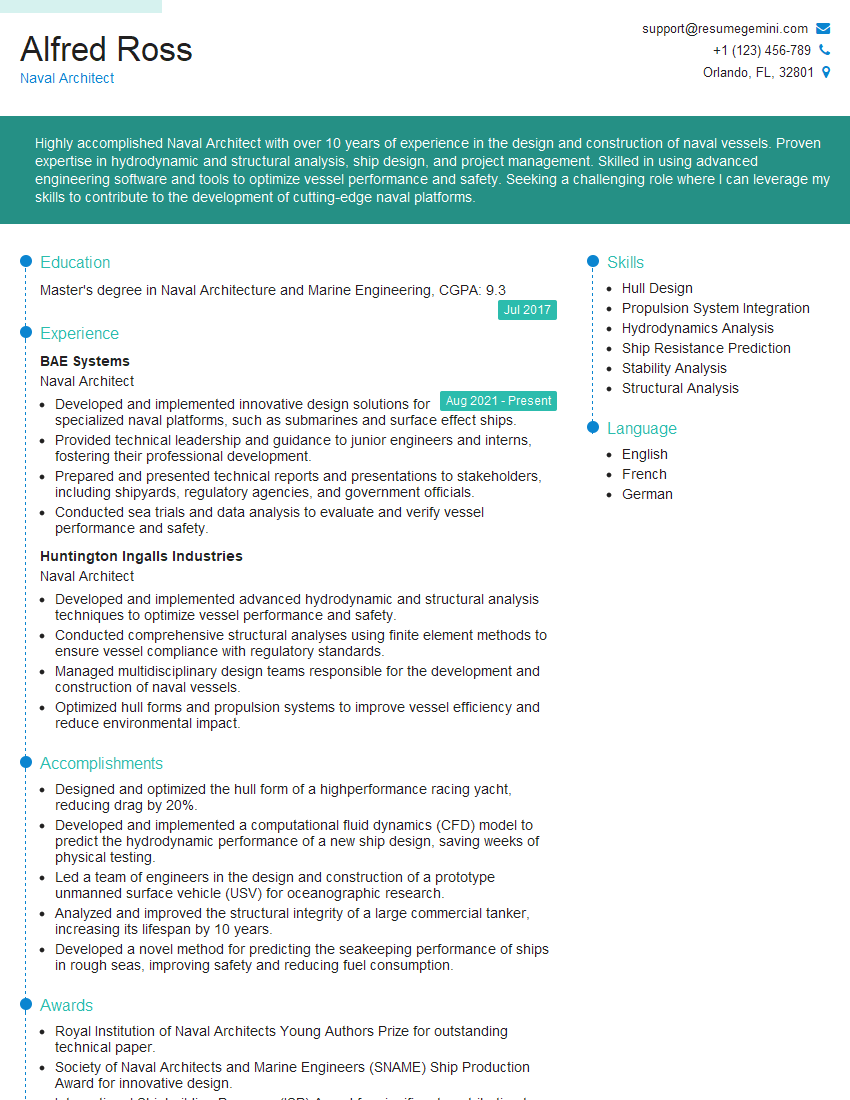
Naval Architect Resume Sample
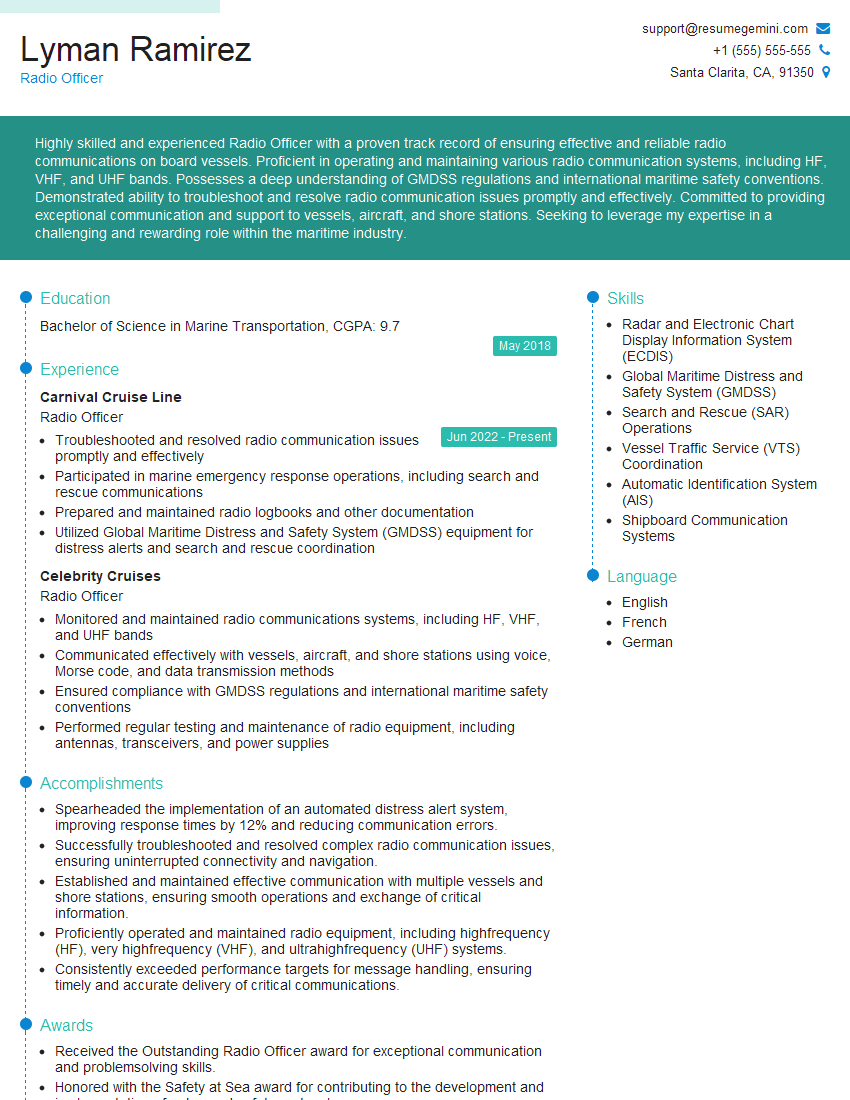
Radio Officer Resume Sample
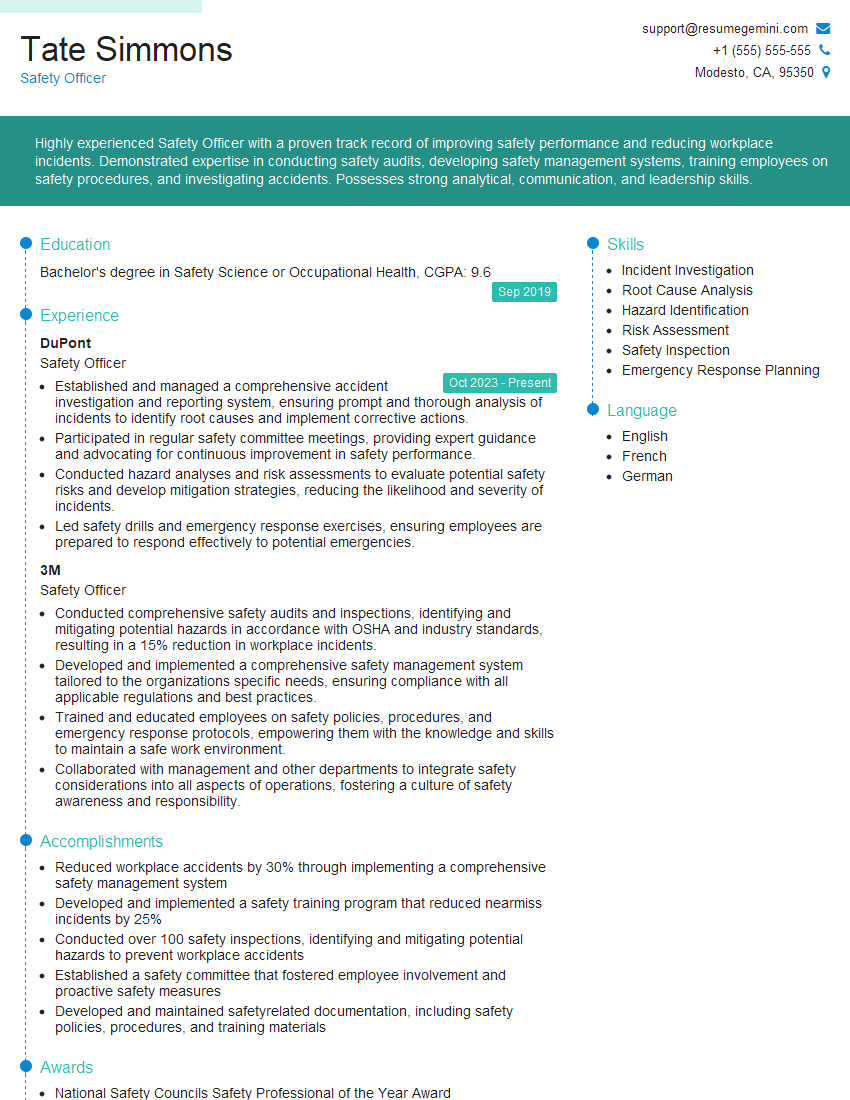
Safety Officer Resume Sample
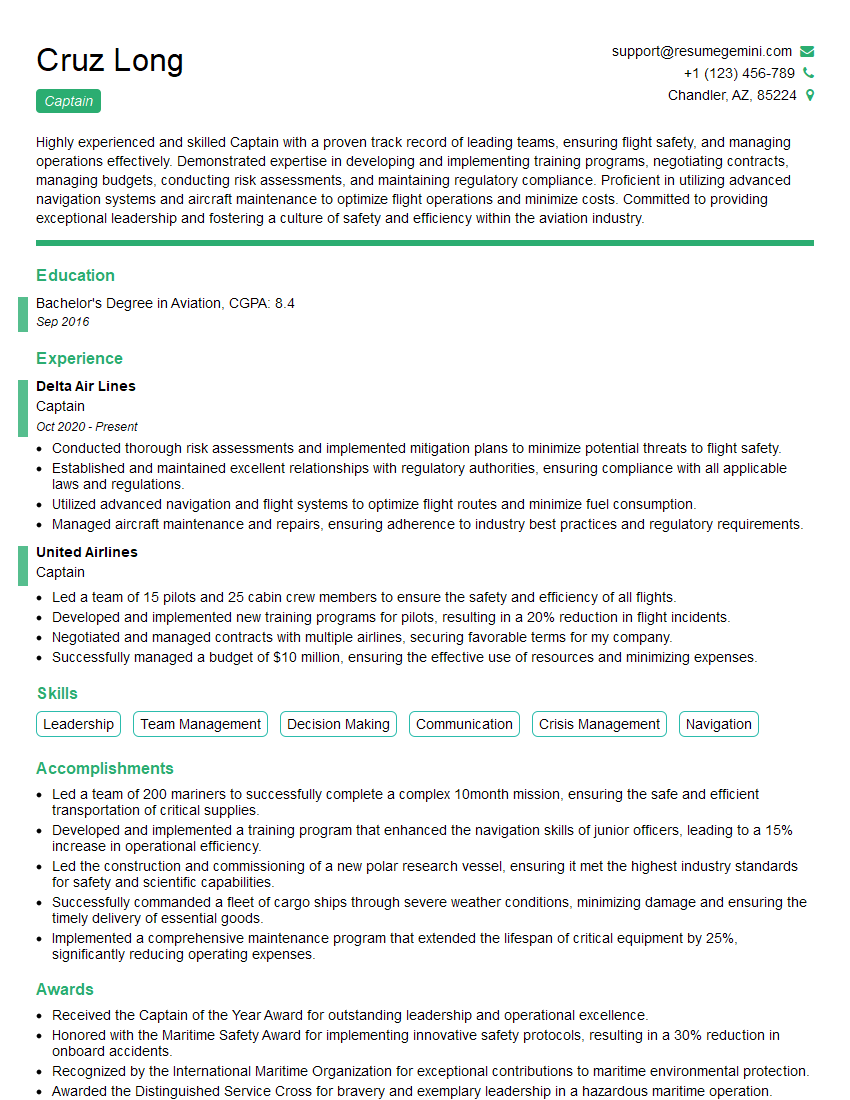
Captain Resume Sample
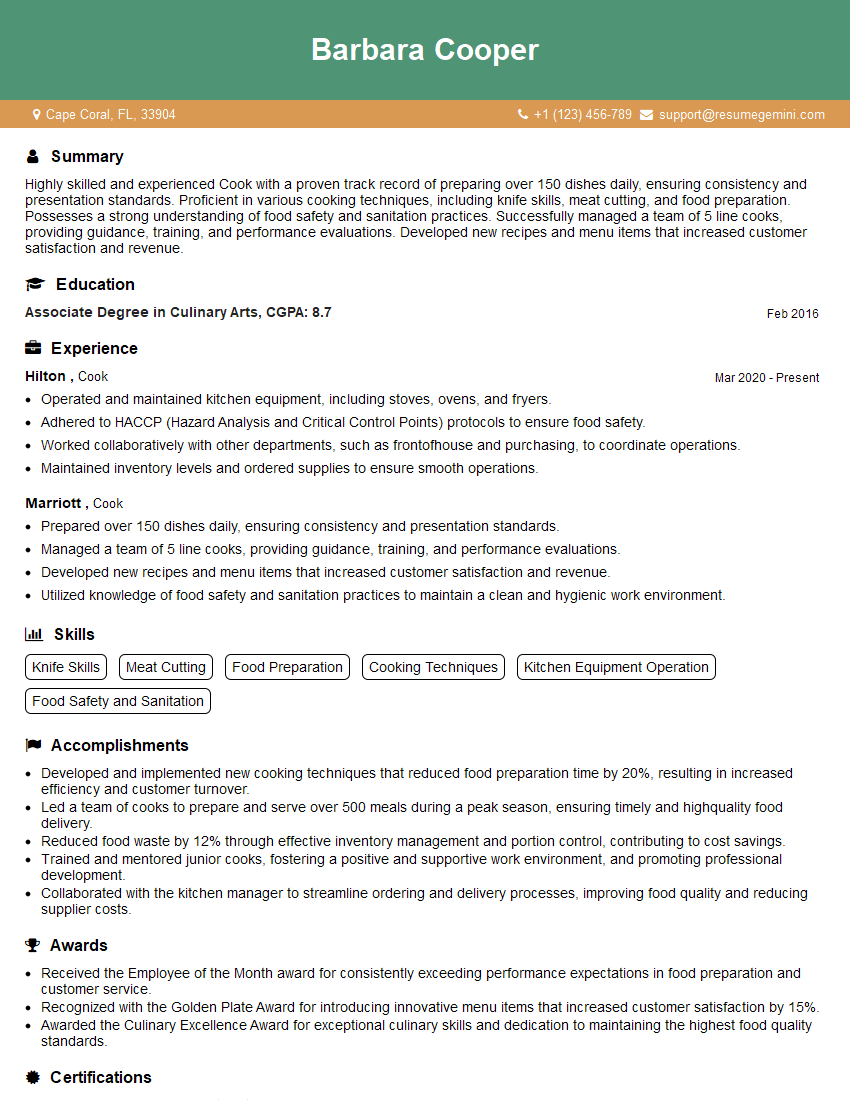
Cook Resume Sample
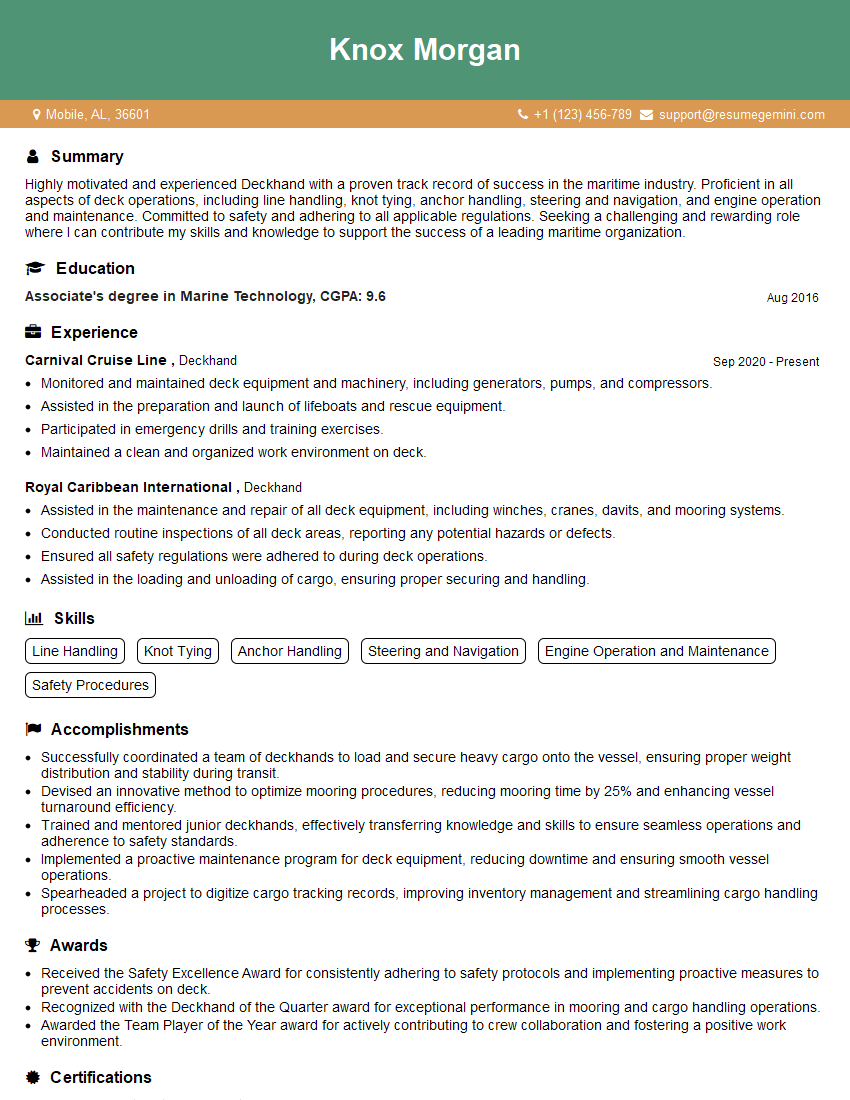
Deckhand Resume Sample
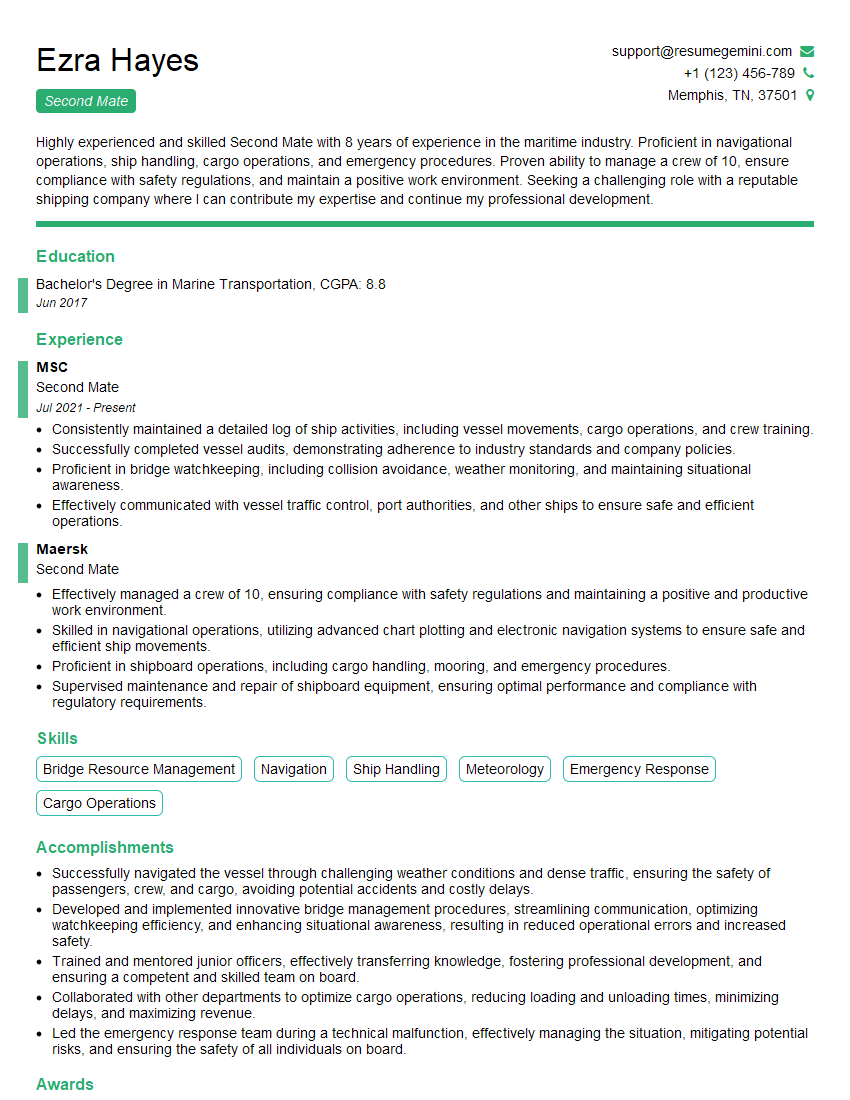
Second Mate Resume Sample
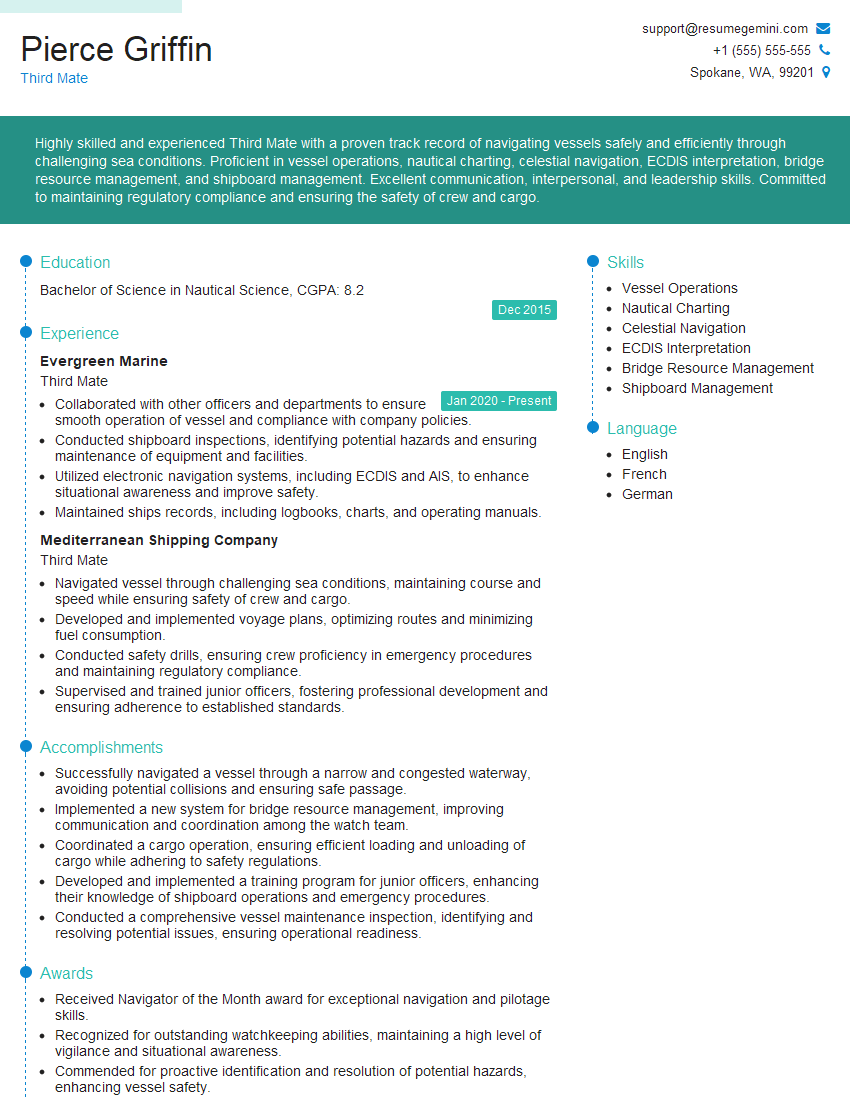
Third Mate Resume Sample
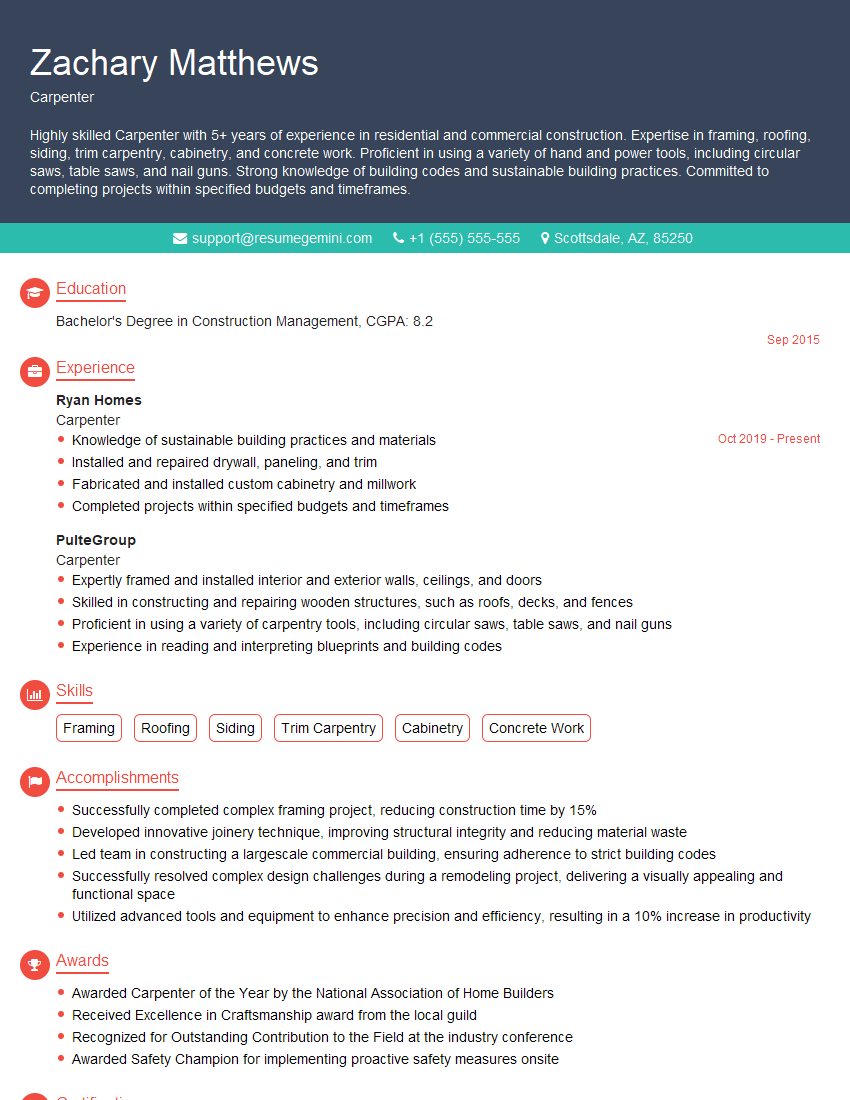
Carpenter Resume Sample
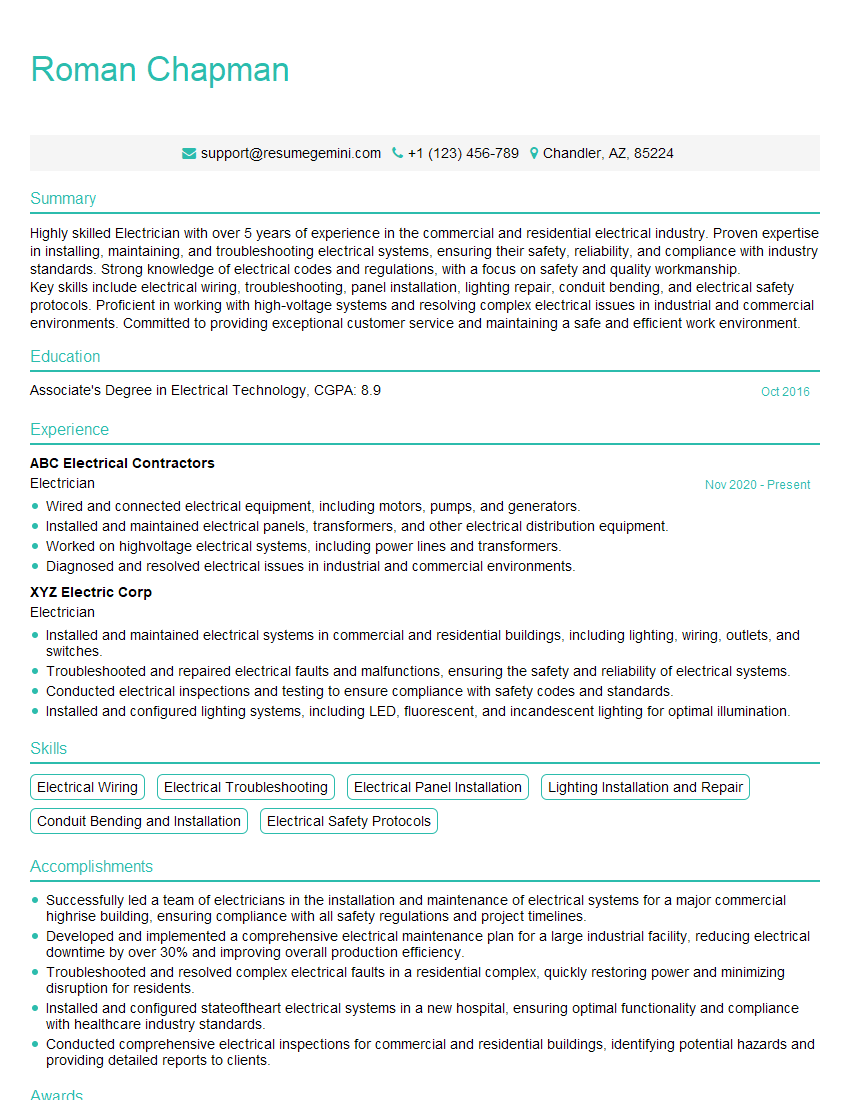
Electrician Resume Sample
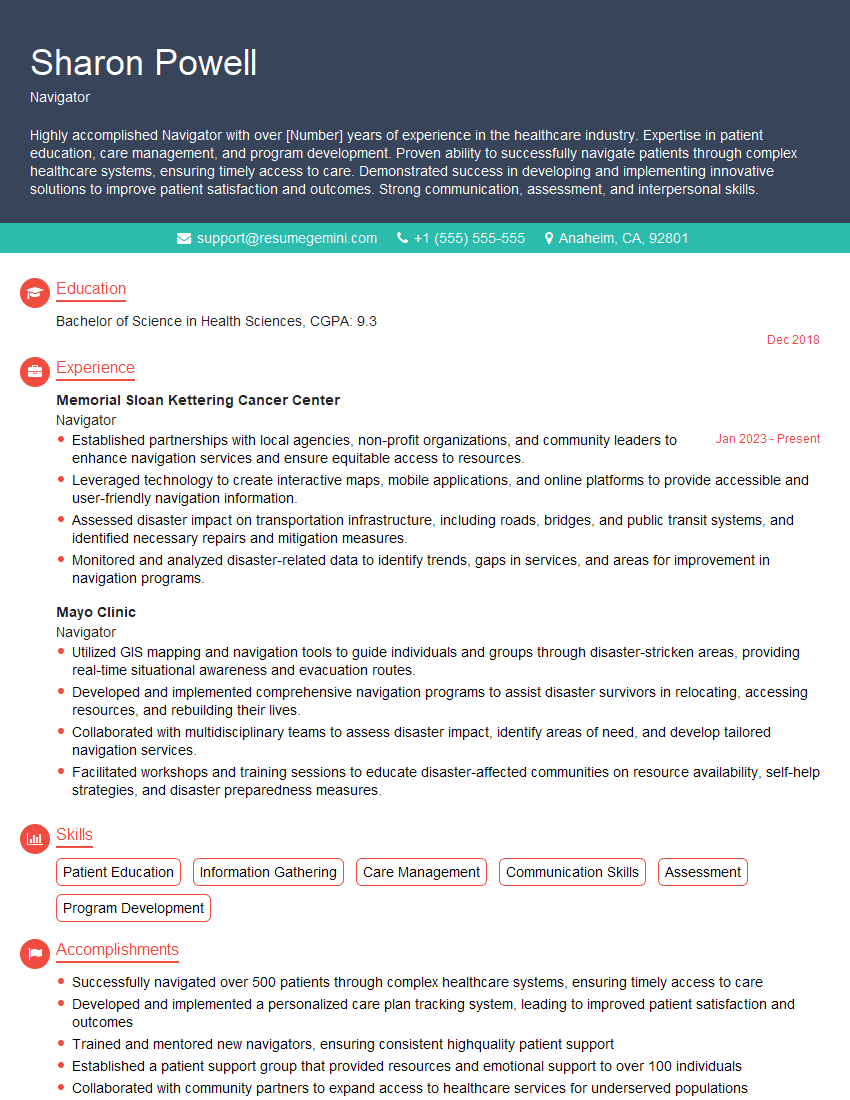
Navigator Resume Sample
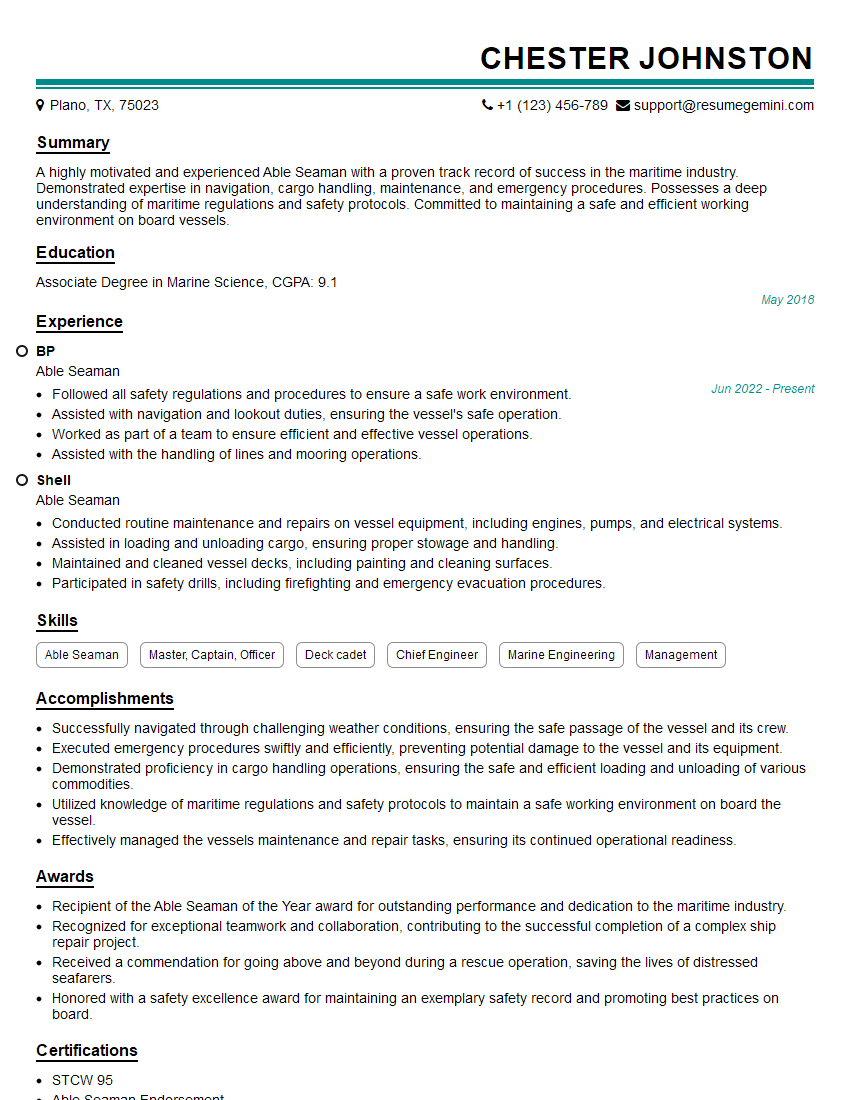
Able Seaman Resume Sample
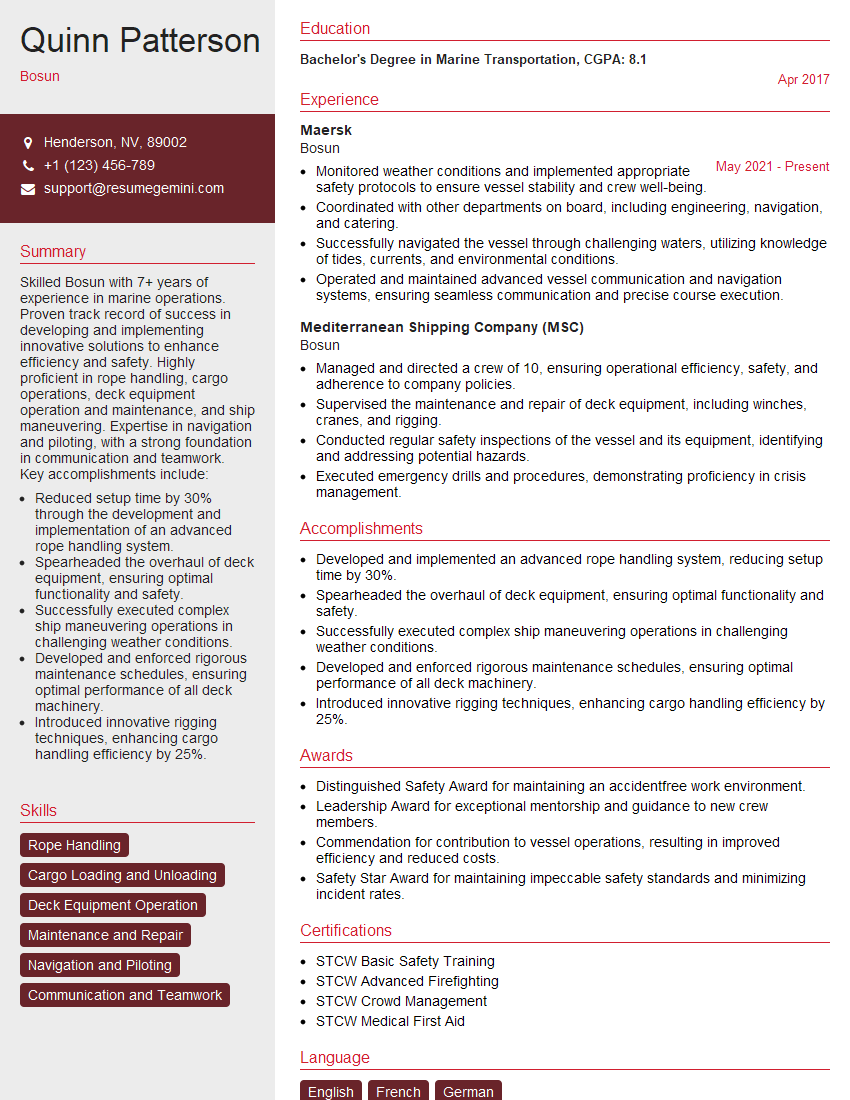
Bosun Resume Sample
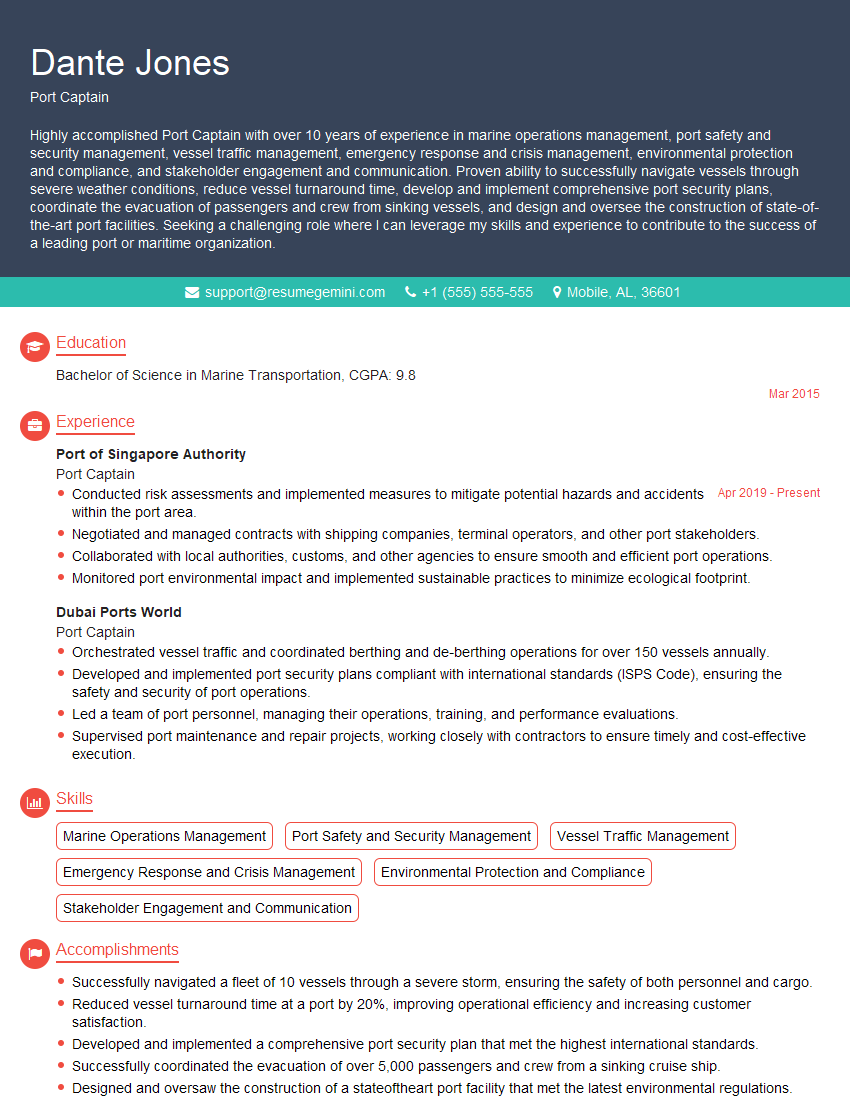
Port Captain Resume Sample
Explore more articles
Users Rating of Our Blogs
Share Your Experience
We value your feedback! Please rate our content and share your thoughts (optional).
What Readers Say About Our Blog
Very informative content, great job.
good