Cracking a skill-specific interview, like one for Knowledge of Stable Procedures, requires understanding the nuances of the role. In this blog, we present the questions you’re most likely to encounter, along with insights into how to answer them effectively. Let’s ensure you’re ready to make a strong impression.
Questions Asked in Knowledge of Stable Procedures Interview
Q 1. Define ‘stable procedures’ in a manufacturing context.
In a manufacturing context, a stable procedure is a precisely defined, documented set of steps for performing a specific task or process. These procedures are designed to consistently produce a high-quality, predictable outcome. They’re not just a list of instructions; they’re meticulously developed to minimize variability and errors. Think of it like a well-rehearsed play: each actor (employee) knows their role and when to execute it, ensuring a smooth, successful production.
A key characteristic of a stable procedure is its reproducibility. No matter who follows the procedure, the result should be the same. This eliminates inconsistencies caused by differing skill levels or interpretations, leading to improved product quality and reduced waste.
Q 2. Explain the importance of documenting stable procedures.
Documenting stable procedures is crucial for several reasons. Firstly, it ensures consistency and reduces errors. Having a written record means everyone follows the same steps, minimizing deviations and potential problems. Secondly, it facilitates training. New employees can easily learn the procedures, speeding up onboarding and ensuring consistent performance. Thirdly, it aids in process improvement. By reviewing documented procedures, you can identify bottlenecks, inefficiencies, and potential areas for optimization. Finally, documentation is essential for regulatory compliance and audits, proving you maintain consistent processes and quality control.
Imagine a bakery without documented recipes. Each baker might make the cake slightly differently, resulting in inconsistent quality and customer dissatisfaction. Documented stable procedures are the ‘recipes’ for manufacturing success.
Q 3. Describe a time you identified a flaw in an existing stable procedure.
In a previous role, we had a stable procedure for assembling a complex electronic component. The procedure specified a specific type of adhesive and a curing time of 30 minutes. However, during a quality control check, we noticed a significant number of components were failing the stress test. After investigation, we found that the adhesive, while technically meeting specifications, wasn’t consistently adhering to the component under stress. We discovered that the 30-minute curing time was insufficient for the ambient temperature variations in our production facility.
We revised the procedure to include a temperature-controlled curing chamber and adjusted the curing time based on temperature. We implemented a new verification step that involved a simple, yet effective, pull test before the final assembly. This improved our assembly yield significantly, reducing waste and improving the product’s reliability.
Q 4. How do you ensure adherence to stable procedures within a team?
Ensuring adherence to stable procedures requires a multi-pronged approach. Firstly, clear communication is key. Make sure the team understands the importance of following the procedures, their rationale, and the potential consequences of deviation. Secondly, regular training and refreshers are vital. This keeps the team updated on any changes or best practices. Thirdly, consistent monitoring and auditing are necessary to identify any discrepancies. This can include regular checks, data analysis, and feedback sessions. Finally, using a combination of visual aids (checklists, flowcharts) and digital tools (tracking systems) can improve adherence and provide a better record.
Think of it like a sports team. Regular practice, clear instructions from the coach, and regular performance review ensures the team plays consistently and effectively.
Q 5. What methods do you use to verify the effectiveness of a stable procedure?
Verifying the effectiveness of a stable procedure involves several methods. Firstly, regular monitoring of key performance indicators (KPIs) is crucial. These KPIs could include yield rates, defect rates, cycle times, and resource utilization. Significant deviations from expected values could indicate problems within the procedure. Secondly, statistical process control (SPC) charts can be utilized to monitor process stability and identify potential issues before they escalate. Thirdly, conducting regular audits and reviews helps ensure procedures are being followed correctly and effectively. Finally, gathering feedback from the team involved in the procedure can provide valuable insights into areas that need improvement.
For example, if a manufacturing procedure for producing circuit boards has a consistently high defect rate, it signals a problem within the procedure that needs to be addressed.
Q 6. How do you handle deviations from established stable procedures?
Deviations from established stable procedures should never be ignored. Any deviation needs to be documented immediately, including the reason for the deviation, actions taken, and the outcome. A thorough investigation is required to determine the root cause. If the deviation was due to a flaw in the procedure itself, the procedure should be revised and updated. If the deviation resulted from human error, additional training or corrective actions might be needed. Crucially, any deviations should be reported, analyzed, and used as a learning opportunity to prevent future occurrences. This systematic approach ensures continuous improvement and maintains the integrity of the process.
Ignoring deviations is like ignoring a warning sign; it could lead to larger problems down the line.
Q 7. Explain the role of risk assessment in developing stable procedures.
Risk assessment plays a pivotal role in developing stable procedures. Before finalizing a procedure, a thorough assessment identifies potential hazards and risks associated with each step. This involves considering potential failure points, safety concerns, environmental impacts, and cost implications. This helps in proactively mitigating risks by incorporating appropriate safety measures, control mechanisms, and contingency plans into the procedure. A well-defined risk assessment minimizes potential problems, reduces waste, and ensures a safer and more efficient process. It’s about identifying and minimizing the risks before they become significant issues.
Imagine building a house without considering the structural integrity. A risk assessment is the blueprint for building a robust and safe procedure.
Q 8. Describe your experience with developing SOPs (Standard Operating Procedures).
Developing Standard Operating Procedures (SOPs) is a crucial aspect of ensuring consistent, high-quality work. My experience encompasses the entire lifecycle, from initial needs assessment to ongoing refinement. I’ve led the development of SOPs for various processes, including manufacturing procedures, laboratory testing protocols, and IT support processes. This involves collaborative sessions with subject matter experts, documenting each step meticulously, incorporating diagrams and flowcharts where appropriate, and ensuring the final document is clear, concise, and easily understood by all users. For instance, while creating an SOP for a new chemical synthesis, we meticulously documented each step, including weighing reagents, mixing conditions, temperature monitoring, and safety protocols. We incorporated visual aids, such as diagrams of the reaction apparatus, and tested the procedure thoroughly before finalizing the SOP.
I utilize a structured approach, often employing a ‘top-down’ methodology where we first define the overall objective before breaking it down into smaller, manageable tasks. We also ensure the SOP includes sections for potential hazards, troubleshooting, and record-keeping.
Q 9. How do you ensure that stable procedures are regularly reviewed and updated?
Regular review and updating of stable procedures are critical to maintain their relevance and effectiveness. I implement a structured review process, typically involving a scheduled annual review, or more frequently if significant changes or issues arise. This process starts with a thorough assessment of the SOP’s efficacy, often analyzing KPI data (as discussed in the next question). We identify areas for improvement, gather feedback from relevant stakeholders, and update the document accordingly. A formal change control process is implemented, with all changes documented and approved before implementation.
For example, if a new piece of equipment is introduced, we immediately review the relevant SOPs to ascertain if updates are necessary to ensure the proper functioning of both the equipment and the overall process. Version control is implemented using a document management system, allowing for easy tracking of changes and access to previous versions.
Q 10. What are the key performance indicators (KPIs) you monitor to assess the effectiveness of stable procedures?
Key Performance Indicators (KPIs) are essential for assessing the effectiveness of stable procedures. The specific KPIs will vary depending on the context, but commonly used metrics include:
- Defect Rate: Measures the frequency of errors or defects resulting from the process. A lower defect rate indicates better process control.
- Cycle Time: Measures the time taken to complete the process. Shorter cycle times indicate efficiency.
- Yield: Measures the output produced relative to the input. High yield demonstrates process efficiency.
- Compliance Rate: Measures adherence to the SOP. High compliance signifies that procedures are understood and followed correctly.
- Employee Satisfaction (relevant to SOP usability): Through surveys or feedback sessions, we gauge user experience and identify areas for improvement in the clarity and practicality of the SOP.
By consistently monitoring these KPIs, we can identify areas where procedures need improvement or further clarification. For example, a sudden increase in the defect rate might signify an issue with the process or a misunderstanding of the SOP, prompting a review and revision.
Q 11. How do you communicate changes to stable procedures to relevant stakeholders?
Communicating changes to stable procedures is crucial to avoid confusion and ensure consistent implementation. I employ a multi-pronged approach, including:
- Formal Notification: All stakeholders receive formal notification of the changes through email, memos, or internal communication platforms. This notification includes the version number, date of implementation, and a summary of the changes.
- Training and Refresher Courses: Where significant changes occur, we conduct training sessions or distribute updated training materials to ensure all staff are aware of the modifications and can properly implement the new procedure.
- Updated SOP Distribution: The updated SOP is made readily available through our document management system. All stakeholders are informed of the location of the updated SOP.
- Feedback Mechanisms: We actively solicit feedback on the new procedure to ensure it remains practical and effective.
For instance, for a change requiring immediate implementation, we might use a company-wide announcement to quickly alert everyone, followed by targeted training for those directly involved.
Q 12. Explain the difference between a standard operating procedure (SOP) and a work instruction.
While both standard operating procedures (SOPs) and work instructions provide guidance on completing tasks, there are key differences:
- SOPs: Are high-level documents outlining the overall process. They focus on the ‘what’ and ‘why’ of a process, aiming for broader applicability and consistency across departments. They are often less detailed.
- Work Instructions: Are more detailed, task-specific documents that provide step-by-step instructions. They focus on the ‘how’ of performing a specific task, typically within a larger process described by an SOP.
Think of it this way: an SOP is the blueprint for building a house, while work instructions are the detailed plans for building a specific wall within that house. A single SOP may support multiple work instructions.
Q 13. How do you troubleshoot problems related to deviations from stable procedures?
Troubleshooting deviations from stable procedures involves a systematic approach. First, I identify the nature of the deviation. Is it a minor variation or a significant problem? Next, I thoroughly investigate the root cause. This may involve reviewing records, interviewing personnel, and analyzing data. Once the root cause is identified, appropriate corrective actions are taken, ranging from minor adjustments to the procedure to major process redesign.
For example, if the defect rate suddenly increases, I might analyze the production logs to identify patterns, interview operators to determine if there were any procedural issues, and inspect the equipment for malfunctions. The corrective action could be anything from retraining operators to replacing faulty equipment or revising the SOP itself. Documentation of the deviation, investigation, and corrective action is crucial for continuous improvement.
Q 14. Describe your experience with implementing process improvements to existing stable procedures.
Implementing process improvements to existing stable procedures often involves leveraging Lean methodologies and Six Sigma principles. I’ve been involved in numerous projects where we analyzed existing procedures to identify bottlenecks, reduce waste, and enhance efficiency. This often begins with mapping the current state of the process and then developing a future state map that incorporates improvements. These improvements can range from simple workflow adjustments to complete process redesigns.
For instance, in a manufacturing process, we analyzed the workflow and identified a bottleneck at a particular machine. Through process mapping, we identified opportunities for streamlining this process – such as modifying the machine setup or changing the sequence of operations. We implemented these changes, monitored the KPIs, and quantified the improvements. This methodical approach, combined with data analysis, ensures that improvements are demonstrably effective.
Q 15. What tools or software do you use to manage and track stable procedures?
Managing and tracking stable procedures requires a robust system. I typically utilize a combination of tools. For documentation and version control, a dedicated document management system (DMS) like SharePoint or a similar platform is crucial. This allows for easy access, version history tracking, and controlled distribution of procedure documents. To track procedure adherence and any deviations, I leverage process mining software or even simpler tools like spreadsheets with clearly defined tracking fields, depending on the complexity and scale of the procedures. For instance, in a previous role, we used a combination of SharePoint for document storage and a custom-built database for tracking performance metrics against each stable procedure, using a dashboard to visualize key indicators such as compliance rates and time spent on each step. This allowed us to identify bottlenecks or areas needing improvement very quickly.
Career Expert Tips:
- Ace those interviews! Prepare effectively by reviewing the Top 50 Most Common Interview Questions on ResumeGemini.
- Navigate your job search with confidence! Explore a wide range of Career Tips on ResumeGemini. Learn about common challenges and recommendations to overcome them.
- Craft the perfect resume! Master the Art of Resume Writing with ResumeGemini’s guide. Showcase your unique qualifications and achievements effectively.
- Don’t miss out on holiday savings! Build your dream resume with ResumeGemini’s ATS optimized templates.
Q 16. How do you ensure the accuracy and completeness of documentation for stable procedures?
Ensuring accuracy and completeness of documentation is paramount. My approach is multifaceted. First, I always involve subject matter experts (SMEs) from relevant departments in the creation and review processes. A structured template for procedures is essential – this should include clear steps, decision points, responsibility assignments, and quality checks. We use a formal review and approval process with multiple levels of sign-off, ensuring everyone agrees the procedure is accurate and complete. Finally, regular audits and updates are vital. Changes are tracked, documented, and communicated effectively. Imagine a manufacturing process where one small error in a procedure could lead to faulty products. Using a version-controlled system and a rigorous review process ensures we catch those errors and prevent such issues.
Q 17. Describe your experience with conducting process audits related to stable procedures.
I’ve extensive experience conducting process audits. My approach involves a combination of document review, observation of procedures in action, and interviews with personnel involved. I use checklists tailored to the specific procedure being audited. The goal is to identify gaps between documented procedures and actual practice, along with areas for improvement. For example, in a recent audit of a customer onboarding process, we found a discrepancy between the documented procedure and the actual steps taken by the team. This discrepancy was leading to delays. By identifying the root cause, we were able to revise the procedure and improve efficiency. The audit report includes findings, recommendations, and a plan for corrective actions, with a follow-up to verify implementation and effectiveness. This structured approach helps ensure continuous improvement of our processes.
Q 18. How do you handle conflicts between different departments regarding stable procedures?
Conflicts between departments regarding stable procedures are inevitable. I address them through collaborative problem-solving. I facilitate meetings bringing together representatives from all affected departments. The focus is on understanding each department’s perspective, identifying the root cause of the conflict, and finding a mutually agreeable solution. This often involves compromising, prioritizing key objectives, and finding alternative solutions that satisfy everyone’s needs without compromising safety or quality. For example, one conflict involved the marketing and sales departments disagreeing on the customer onboarding process. By meeting with each department individually to get the full context and then facilitating a joint meeting to find common ground, we were able to create a solution that benefitted both without compromising the integrity of the process. Documentation is key here, ensuring the revised procedure reflects all agreed-upon changes.
Q 19. What are the potential consequences of failing to follow stable procedures?
The consequences of failing to follow stable procedures can be severe and far-reaching. This could range from minor inefficiencies to significant safety hazards, financial losses, regulatory violations, and reputational damage. In a manufacturing environment, failure to follow a safety procedure could result in workplace accidents. In a healthcare setting, a lapse in procedure might compromise patient safety. In a financial institution, it could lead to fraud or regulatory penalties. The seriousness of the consequences depends on the nature of the procedure and the context in which it’s used. A robust system for enforcing and tracking adherence is vital to mitigate risks. Effective training and regular communication are also critical to reinforce the importance of following established procedures.
Q 20. Explain your understanding of regulatory compliance in relation to stable procedures.
Regulatory compliance is central to my understanding of stable procedures. Many industries are subject to stringent regulations (e.g., GMP, ISO, HIPAA). Stable procedures must adhere to all relevant regulations. This involves a thorough understanding of the applicable regulations, documenting how our procedures ensure compliance, and maintaining meticulous records. Regular audits are performed to ensure continued compliance. We also proactively monitor changes in regulations to ensure our procedures are updated accordingly. Failure to comply can lead to severe penalties including fines, legal action, and reputational damage. Therefore, embedding regulatory compliance within the design, implementation, and maintenance of our stable procedures is non-negotiable.
Q 21. Describe your experience with the validation of stable procedures.
Validation of stable procedures involves verifying that they consistently produce the expected results. The approach depends on the nature of the procedure and the industry. This typically involves a detailed plan outlining the validation strategy, defining acceptance criteria, and executing tests to confirm that the procedure meets these criteria. Comprehensive documentation of the validation process, including test results, is crucial. For example, in a pharmaceutical setting, the validation of a manufacturing process might involve testing multiple batches to ensure consistent quality. A well-documented validation process demonstrates that procedures are reliable and produce consistent, high-quality outcomes which is fundamental for maintaining compliance and demonstrating robust quality control.
Q 22. How do you use data analysis to improve the effectiveness of stable procedures?
Data analysis is crucial for optimizing stable procedures. We can leverage data to pinpoint areas for improvement, identify bottlenecks, and measure the effectiveness of changes. For example, imagine a manufacturing process with a stable procedure for assembling a product. By analyzing historical data on production times, defect rates, and resource utilization, we can identify specific steps that consistently cause delays or errors. This data-driven approach allows us to focus our improvement efforts where they’ll have the greatest impact. We might discover that a particular tool requires more frequent maintenance than anticipated, impacting overall production time. Analysis of this data would suggest a solution such as improved maintenance schedules or a replacement tool with better durability. This targeted approach ensures we optimize the entire procedure, not just making random adjustments.
Specific analytical techniques I use include:
- Statistical Process Control (SPC): Monitoring key process variables over time to identify trends and patterns indicative of instability or potential issues.
- Root Cause Analysis (RCA): Identifying the underlying causes of problems or deviations from established procedures. Techniques like the ‘5 Whys’ method are very helpful here.
- Data Mining: Exploring large datasets to uncover hidden relationships and insights that might not be readily apparent.
Through robust data analysis, we not only improve efficiency but also enhance the overall quality and consistency of the process.
Q 23. What is your approach to identifying and mitigating potential risks within stable procedures?
Identifying and mitigating risks in stable procedures requires a proactive and systematic approach. My methodology involves a three-stage process:
- Risk Identification: This involves a thorough review of the procedure, considering potential points of failure, human error, equipment malfunction, and external factors. We use techniques like Failure Mode and Effects Analysis (FMEA) to systematically identify potential risks and their severity.
- Risk Assessment: Once risks are identified, we assess their likelihood of occurrence and potential impact on the overall process. This helps prioritize mitigation efforts. We often use a risk matrix, plotting likelihood against impact to visually represent the risk level.
- Risk Mitigation: Based on the risk assessment, we develop and implement control measures. These might include redundancy in equipment, improved training for employees, regular maintenance checks, or process modifications. The goal is to reduce the likelihood or impact of each risk to an acceptable level. We document all mitigation strategies as part of the updated procedure.
For instance, in a pharmaceutical manufacturing process, a risk might be contamination. Our assessment might reveal a high likelihood of contamination during a particular step. Mitigation could include implementing stricter hygiene protocols, enhanced air filtration, and regular sterility testing.
Q 24. Describe a time you had to adapt a stable procedure to meet changing circumstances.
During my time at a logistics company, we used a highly efficient, stable procedure for package sorting. This procedure relied heavily on a specific conveyor belt system. However, the introduction of a new, larger-sized package forced us to adapt. The original procedure couldn’t handle this size efficiently. I led a team to analyze the problem and developed a staged approach. First, we conducted a thorough analysis of the system’s limitations and identified the bottlenecks. Then, we redesigned a section of the conveyor belt system to accommodate the larger packages, carefully testing the changes to minimize disruption to the existing procedure. We also incorporated training for employees on handling the larger packages safely. The updated procedure included clear instructions and safety protocols for the modified system. This phased approach minimized disruption and ensured a smooth transition to a system capable of handling the new package size without compromising efficiency or safety. Key to success was open communication throughout the adaptation process.
Q 25. How do you involve employees in the development and improvement of stable procedures?
Employee involvement is critical for successful stable procedures. Their on-the-ground experience provides invaluable insights. My approach uses several methods:
- Workshops and Brainstorming Sessions: We actively involve employees in identifying potential problems, suggesting improvements, and developing solutions. This fosters a sense of ownership and commitment.
- Suggestion Boxes and Feedback Mechanisms: We encourage employees to submit suggestions and provide feedback regularly. This allows for continuous improvement and proactive issue identification.
- Cross-Training and Knowledge Sharing: Employees are trained on multiple aspects of the procedures, fostering a deeper understanding and encouraging collaboration. This enables problem-solving from diverse perspectives.
- Pilot Testing and Feedback Loops: We often pilot test changes with a small group of employees before full implementation, gathering feedback to refine the process. This iterative approach minimizes disruption and maximizes employee buy-in.
These strategies ensure employees feel valued, leading to more effective and sustainable stable procedures.
Q 26. What are your preferred methods for training employees on stable procedures?
Effective training is crucial. My approach is multi-faceted:
- On-the-Job Training (OJT): Experienced employees mentor new hires, providing hands-on experience and personalized guidance. This method works well for practical procedures.
- Classroom Training: Formal classroom sessions provide theoretical knowledge, understanding of procedures, and safety guidelines. This is best for complex procedures with safety implications.
- E-Learning Modules: Interactive online modules offer flexible and convenient training, reinforcing concepts learned through other methods. This is excellent for refresher training or quick knowledge checks.
- Simulation and Role-Playing: Simulations allow employees to practice procedures in a safe environment, addressing potential challenges and building confidence. This is highly effective for procedures with significant safety or consequence implications.
A combination of these methods caters to diverse learning styles and ensures thorough understanding and skill development. Assessment methods are integrated into each training element to measure knowledge acquisition and procedural competence.
Q 27. How do you measure the effectiveness of employee training on stable procedures?
Measuring training effectiveness requires a comprehensive approach that goes beyond simple tests. I employ several metrics:
- Post-Training Assessments: Written or practical tests measure knowledge retention and understanding of the procedures.
- On-the-Job Performance Observation: Direct observation assesses how well employees apply their training in real-world scenarios. This should involve standardized checklists and objective evaluation criteria.
- Error Rates and Defect Rates: Tracking error rates before and after training provides a clear indication of improvement. This is particularly useful for production or operational processes.
- Employee Feedback Surveys: Gathering feedback helps identify areas where training can be enhanced and addresses learning challenges.
- Process Efficiency Metrics: Measuring improvements in process efficiency, such as reduced cycle times or increased throughput, demonstrates the tangible impact of training.
By combining quantitative data with qualitative feedback, we gain a comprehensive understanding of training effectiveness and identify areas for improvement. Regular review of these metrics allows for continuous refinement of training programs, ultimately leading to more efficient and safer work processes.
Key Topics to Learn for Knowledge of Stable Procedures Interview
- Understanding Stability and its Importance: Explore the theoretical foundations of stable procedures, focusing on what constitutes stability and why it’s crucial in various contexts (e.g., software engineering, data science, etc.).
- Identifying Stable Procedures in Practice: Learn to recognize stable procedures in real-world scenarios and examples. Practice differentiating stable from unstable processes and analyze their characteristics.
- Impact of Instability: Understand the consequences of unstable procedures, including potential risks and negative impacts on efficiency and reliability. Be prepared to discuss mitigation strategies.
- Methods for Ensuring Stability: Explore techniques and methodologies used to ensure and maintain stability within systems or processes. Consider both preventative and reactive approaches.
- Testing and Validation: Understand the role of testing and validation in verifying the stability of procedures. Familiarize yourself with relevant testing methodologies and metrics.
- Debugging and Troubleshooting Unstable Procedures: Develop your problem-solving skills by practicing identification, diagnosis, and resolution of instability issues. Be prepared to discuss your approach to debugging.
- Documentation and Communication: Understand the importance of clear and comprehensive documentation of stable procedures. Practice explaining complex technical concepts concisely and effectively.
Next Steps
Mastering knowledge of stable procedures is vital for career advancement in many technical fields. A strong understanding of stability directly translates to improved efficiency, reliability, and reduced risks in your work. To enhance your job prospects, creating an ATS-friendly resume is crucial. ResumeGemini is a trusted resource that can help you build a professional and effective resume tailored to highlight your skills and experience in this area. Examples of resumes tailored to Knowledge of Stable Procedures are available to further assist you in showcasing your qualifications.

Operations Manager Resume Sample
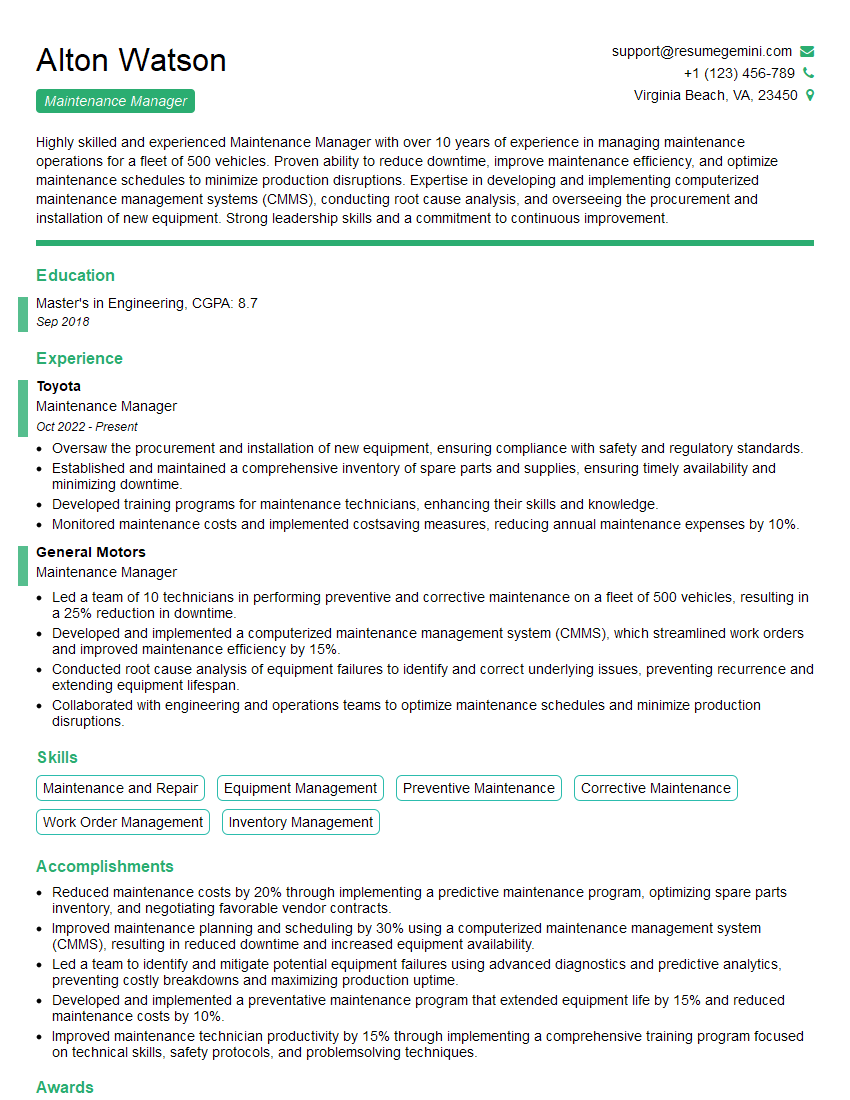
Maintenance Manager Resume Sample
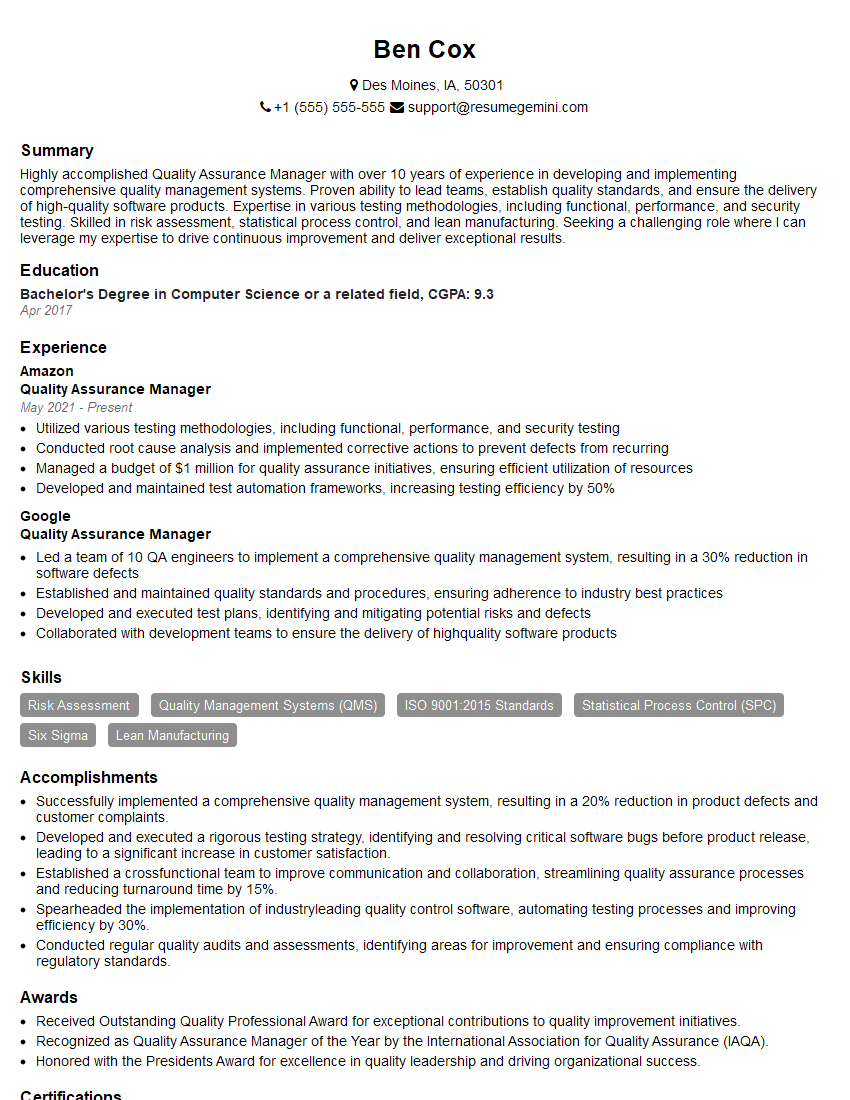
Quality Assurance Manager Resume Sample
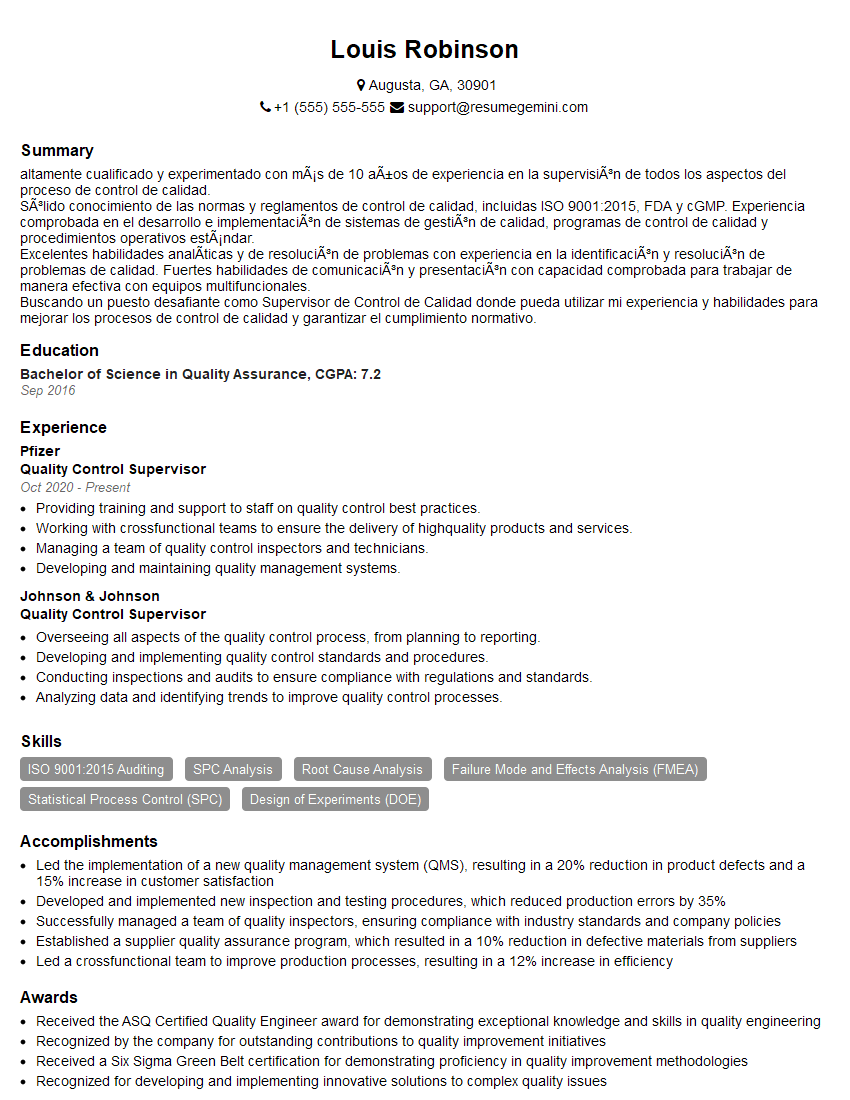
Quality Control Supervisor Resume Sample
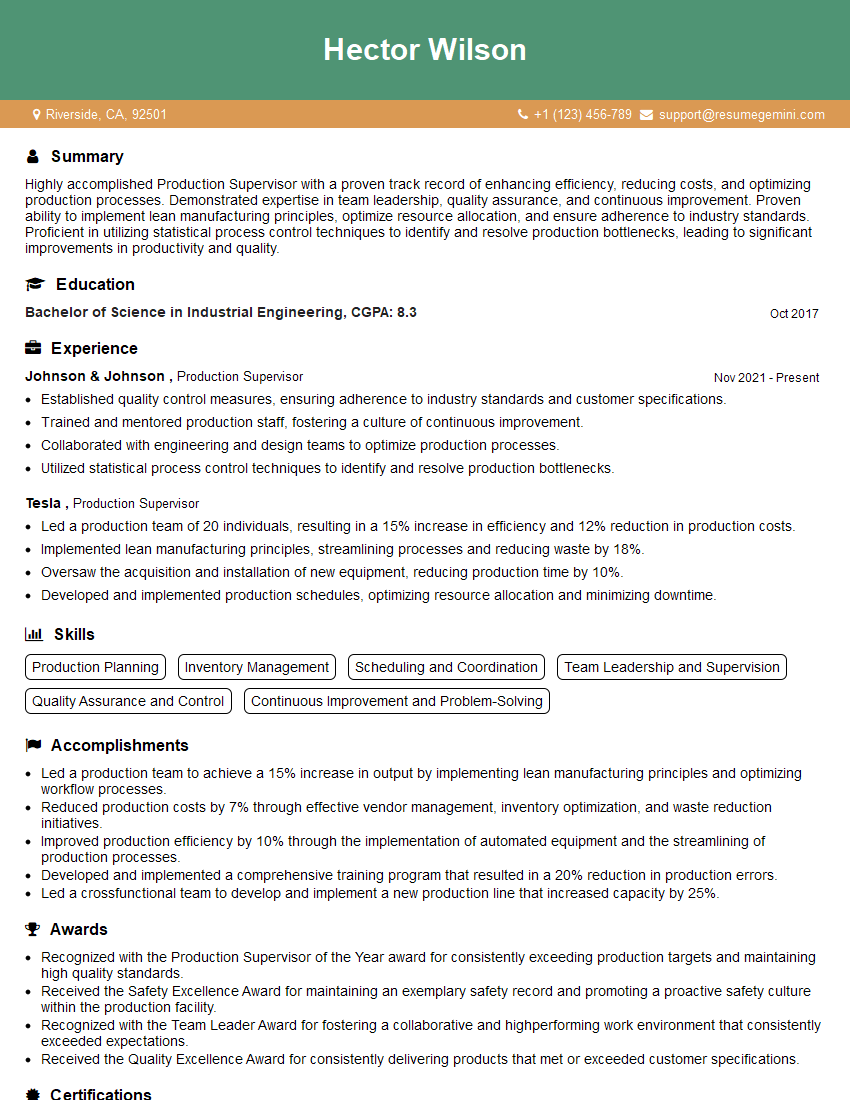
Production Supervisor Resume Sample
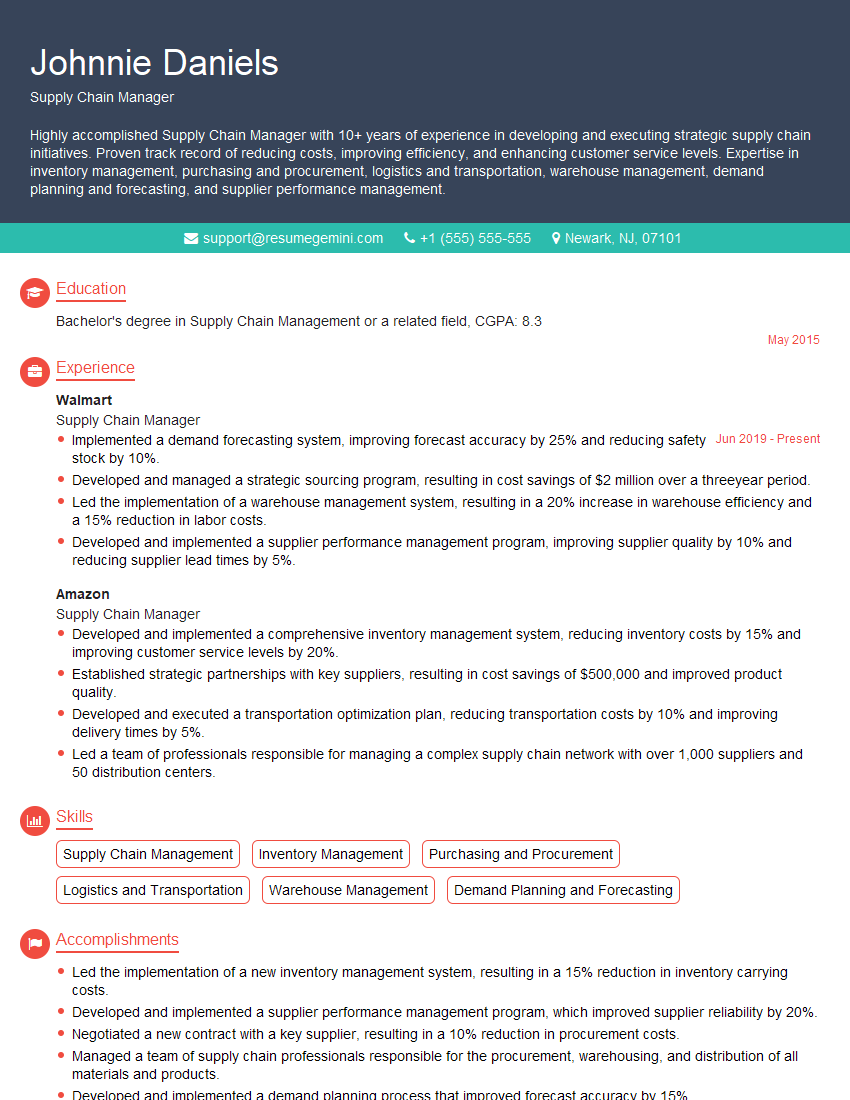
Supply Chain Manager Resume Sample

Compliance Officer Resume Sample
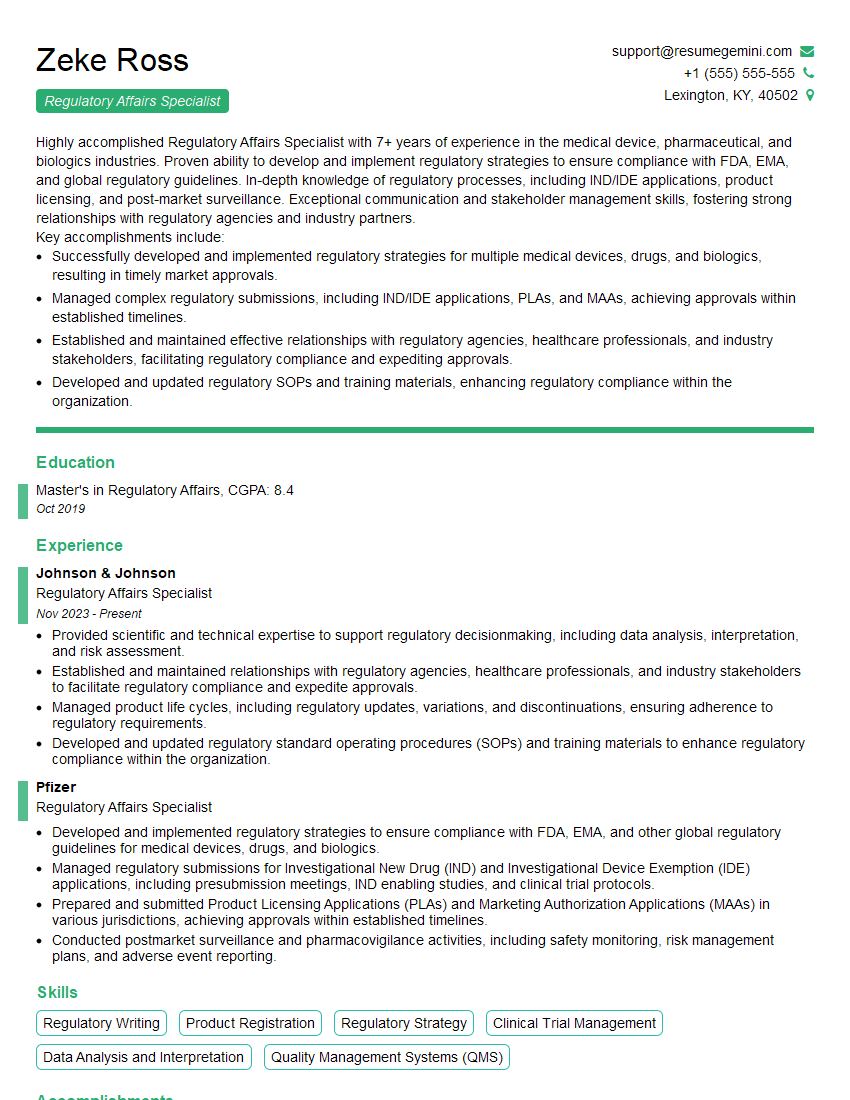
Regulatory Affairs Specialist Resume Sample
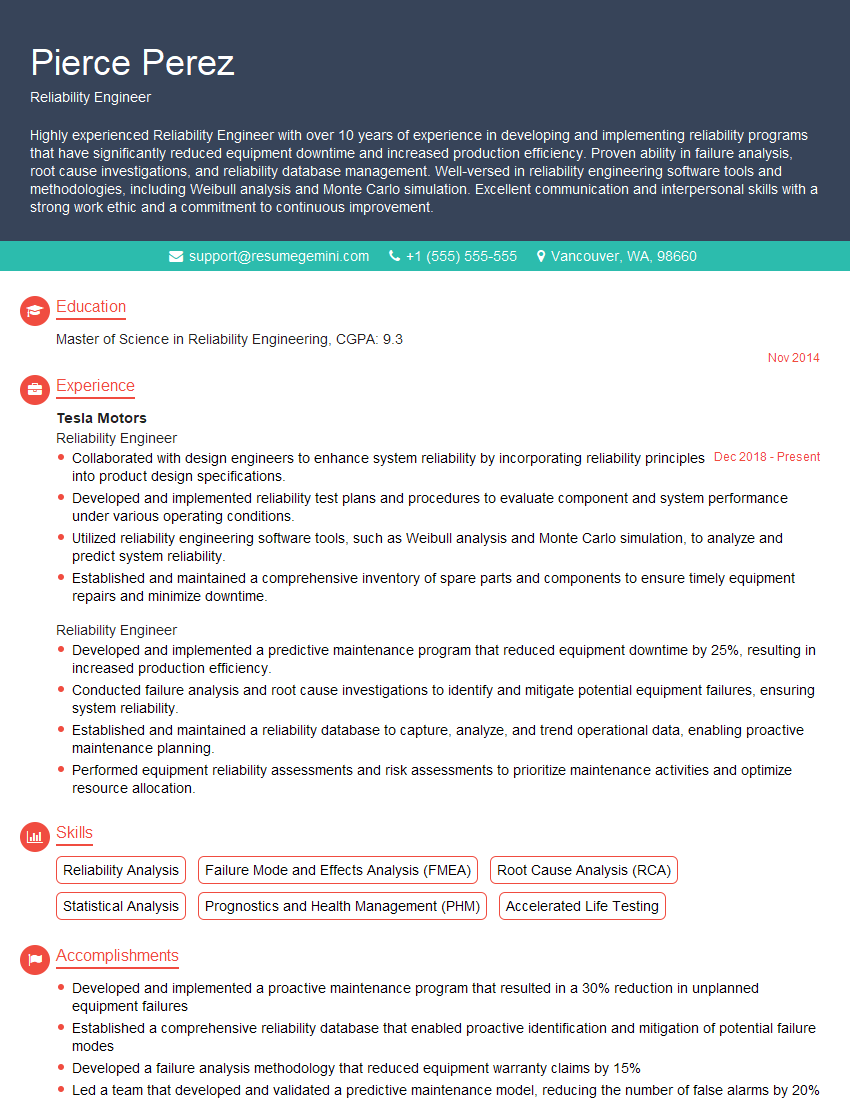
Reliability Engineer Resume Sample
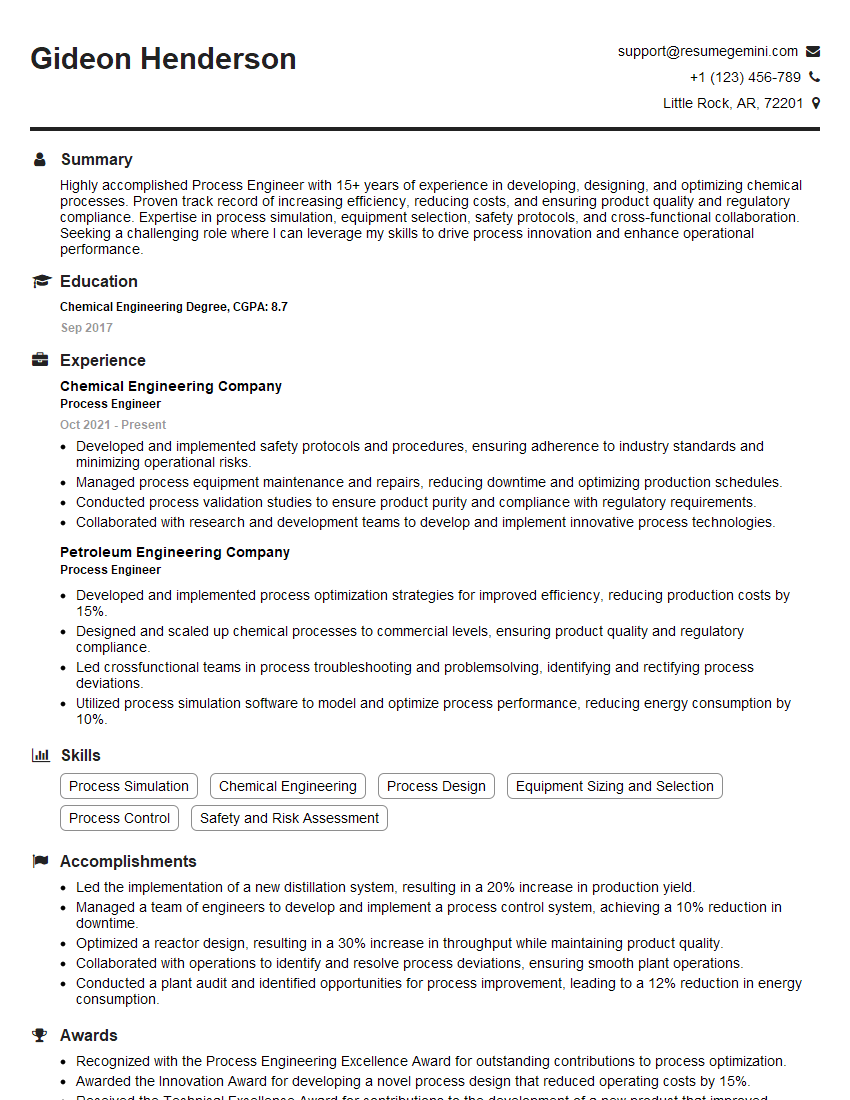
Process Engineer Resume Sample
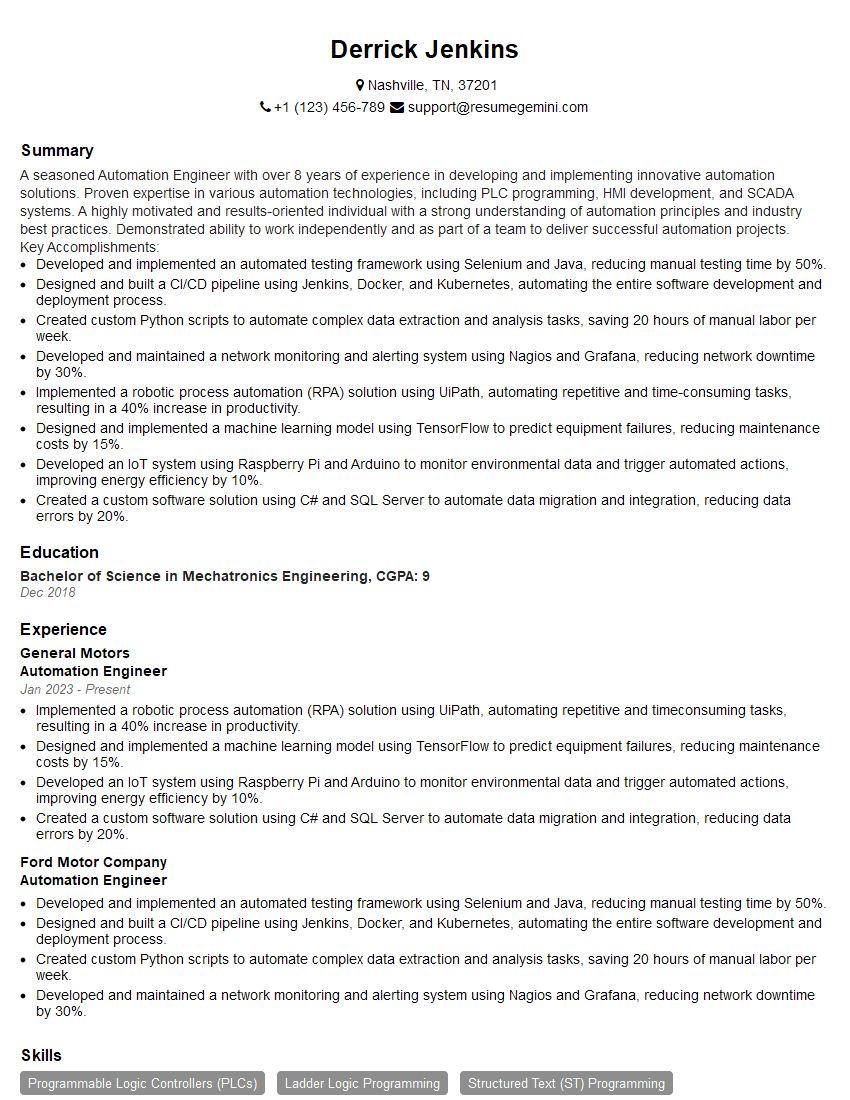
Automation Engineer Resume Sample
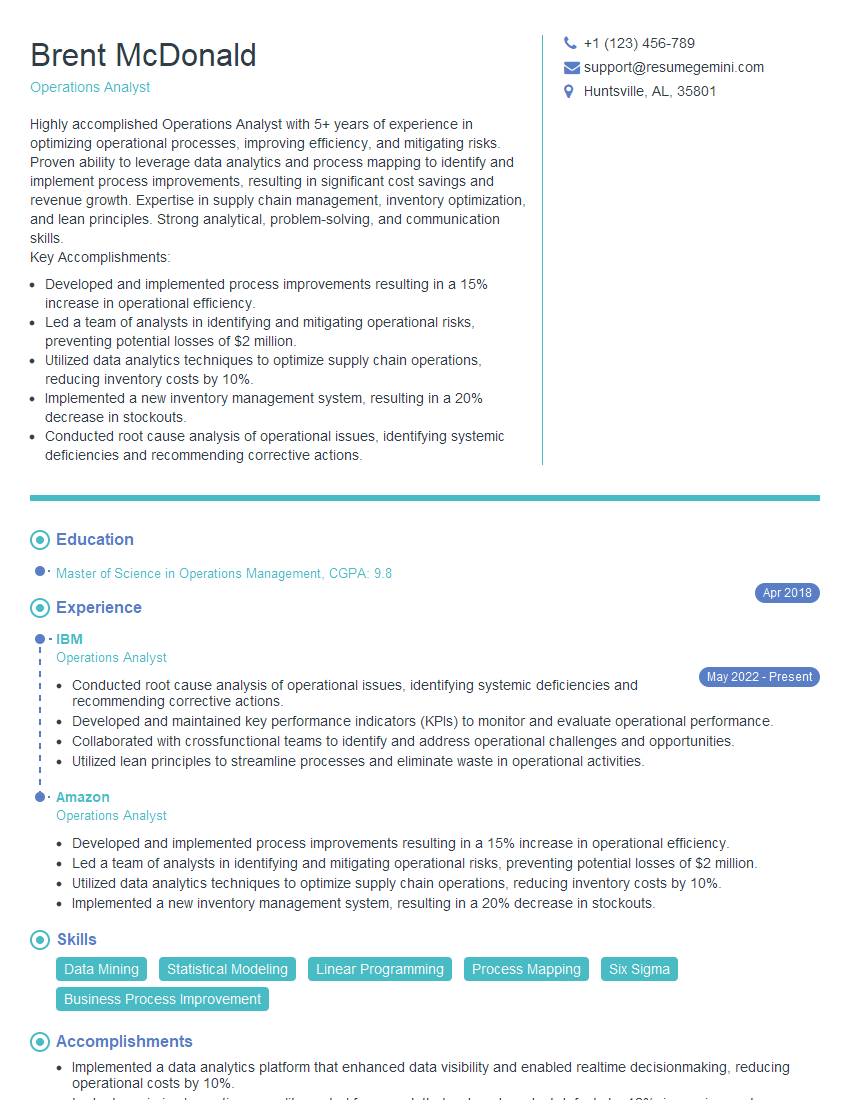
Operations Analyst Resume Sample
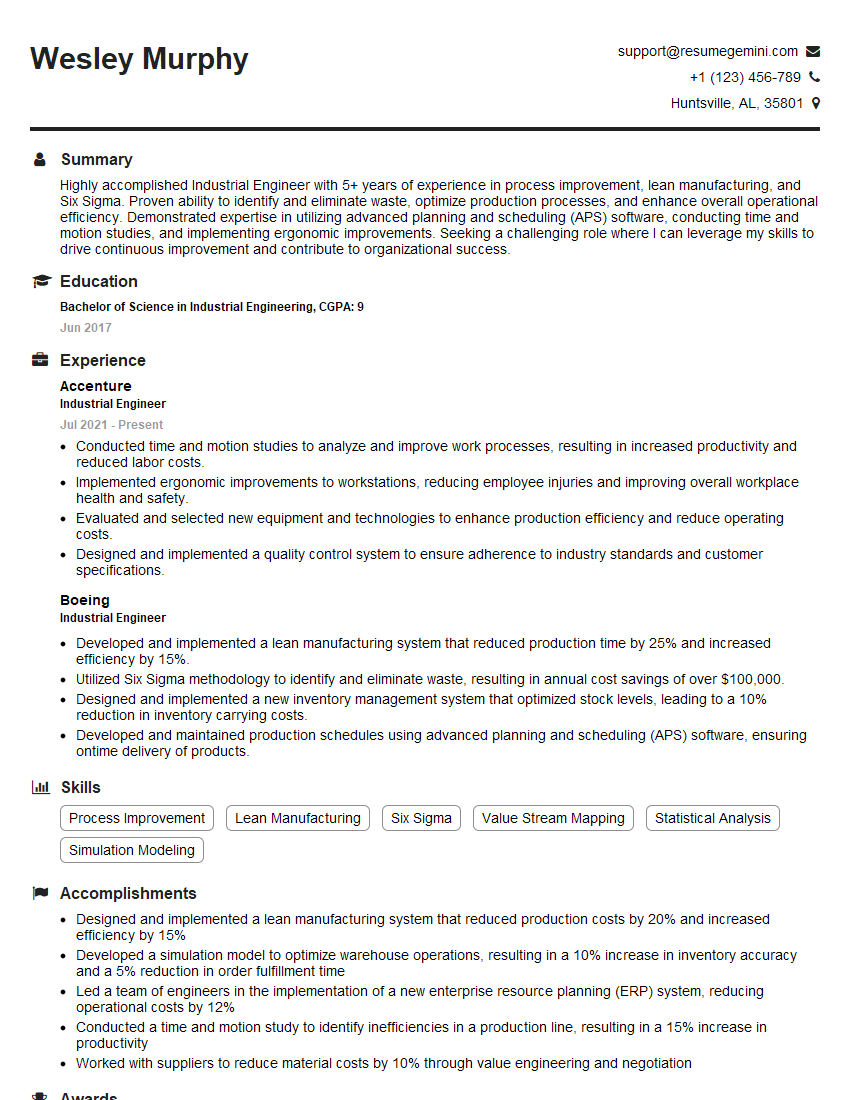
Industrial Engineer Resume Sample
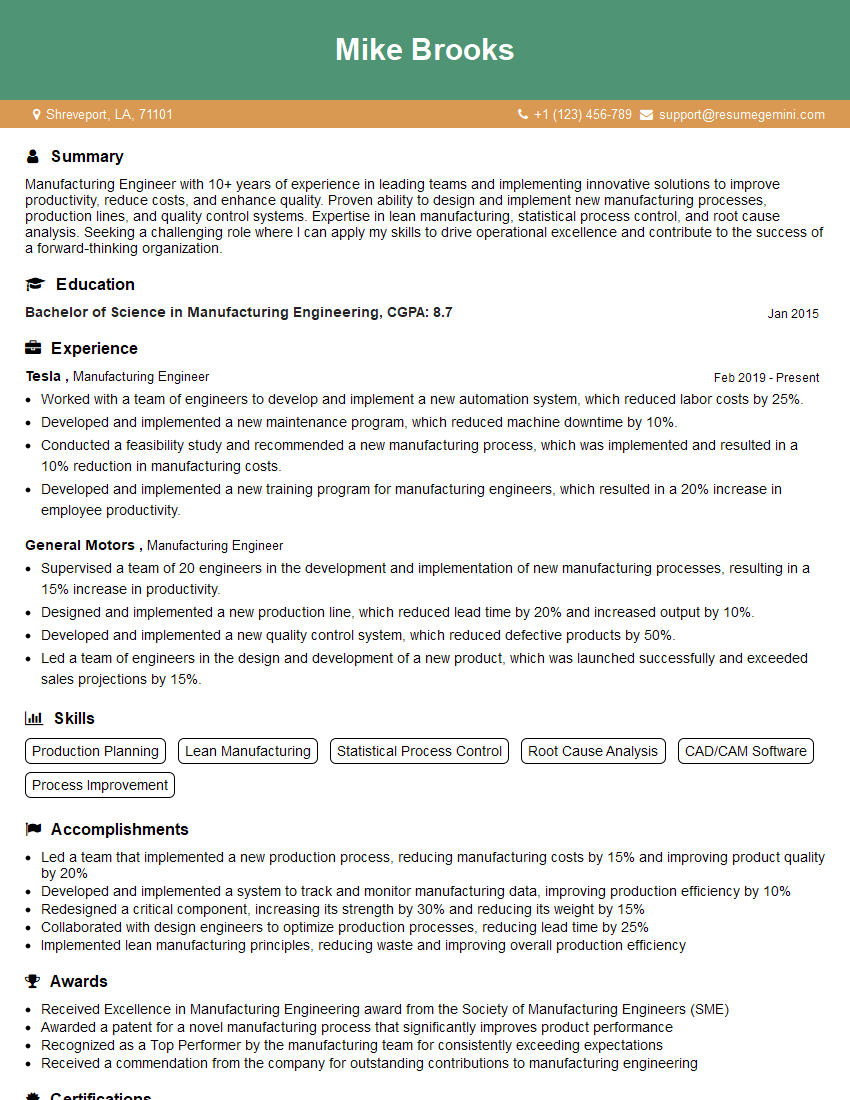
Manufacturing Engineer Resume Sample
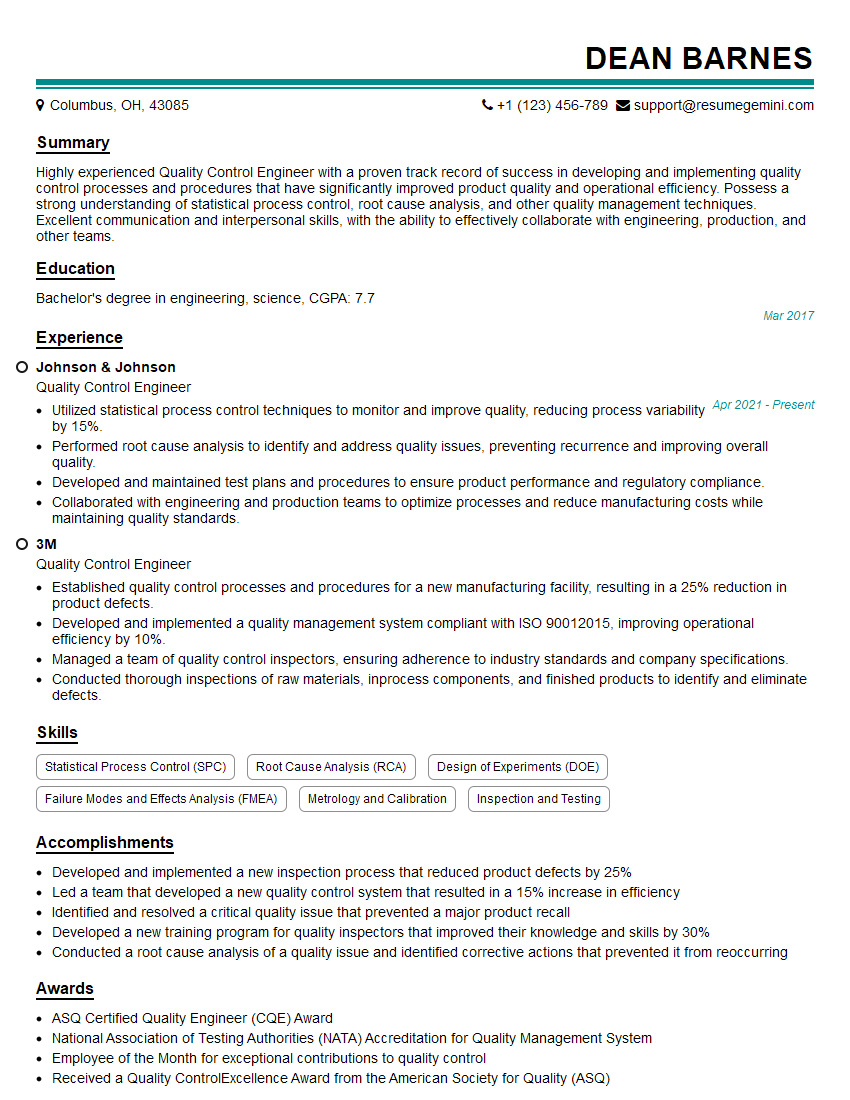
Quality Control Engineer Resume Sample
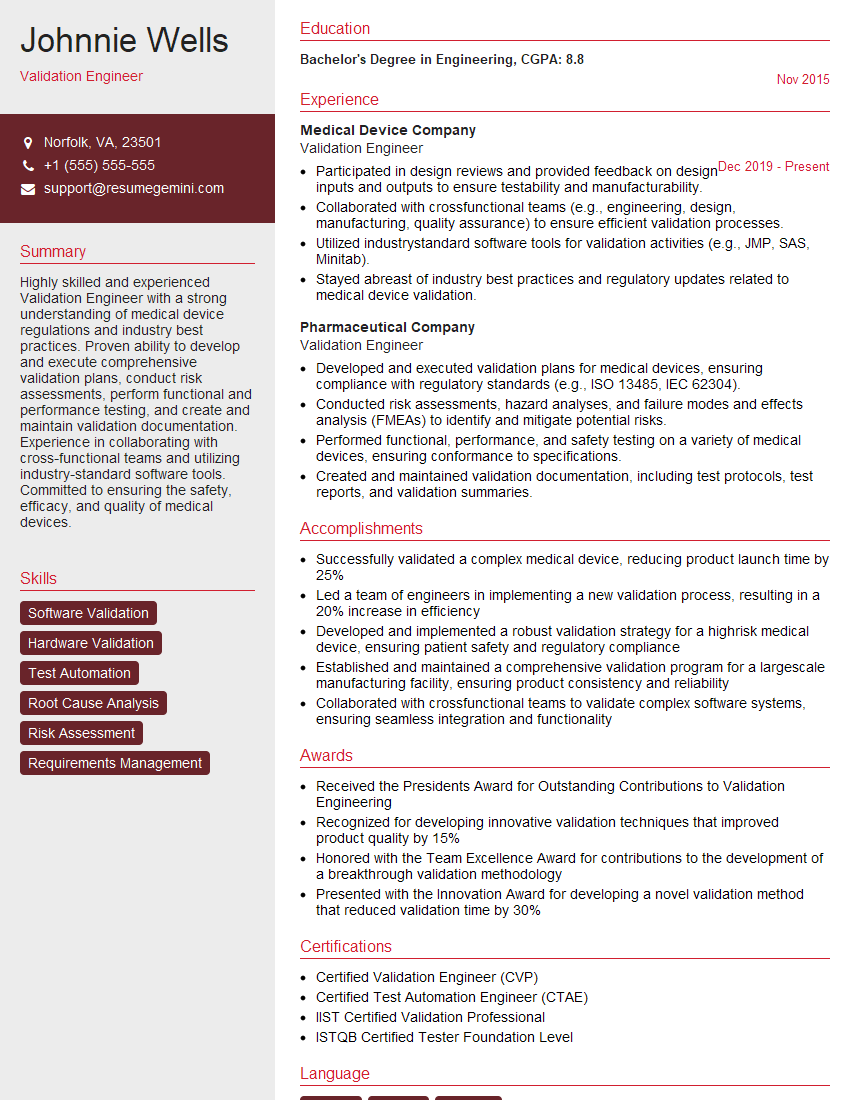
Validation Engineer Resume Sample
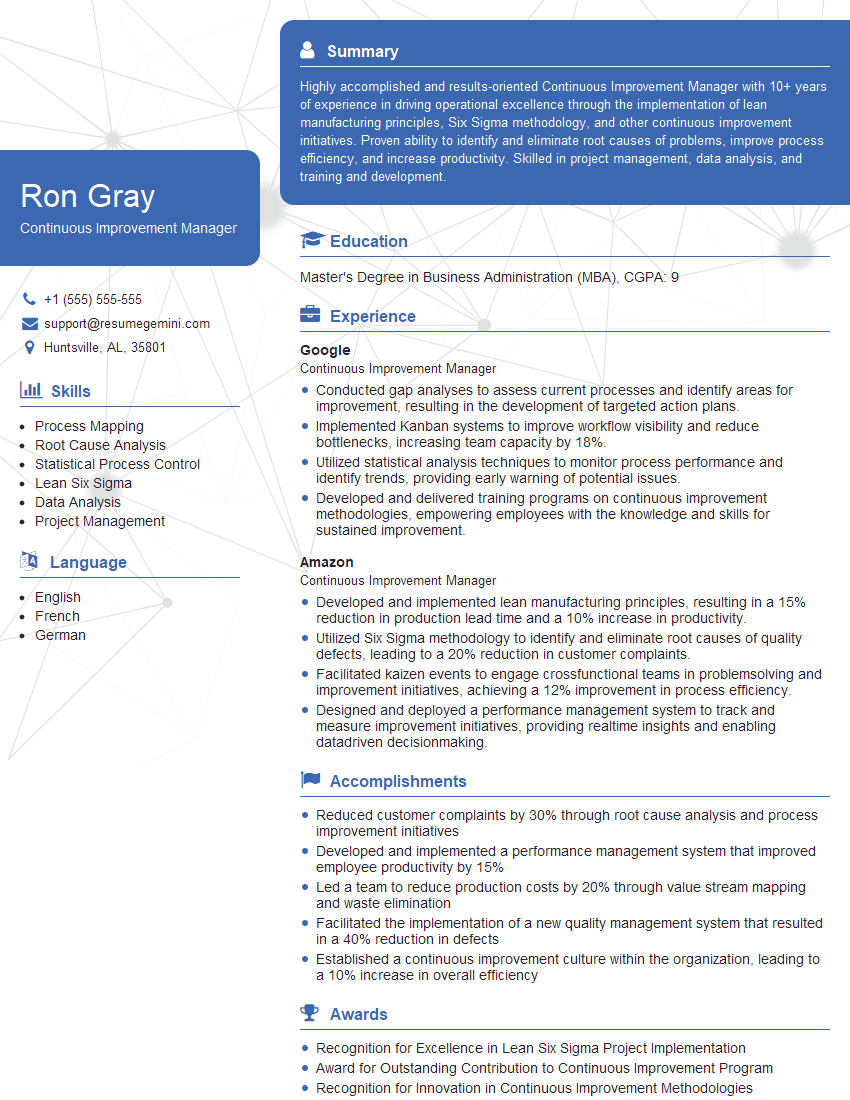
Continuous Improvement Manager Resume Sample
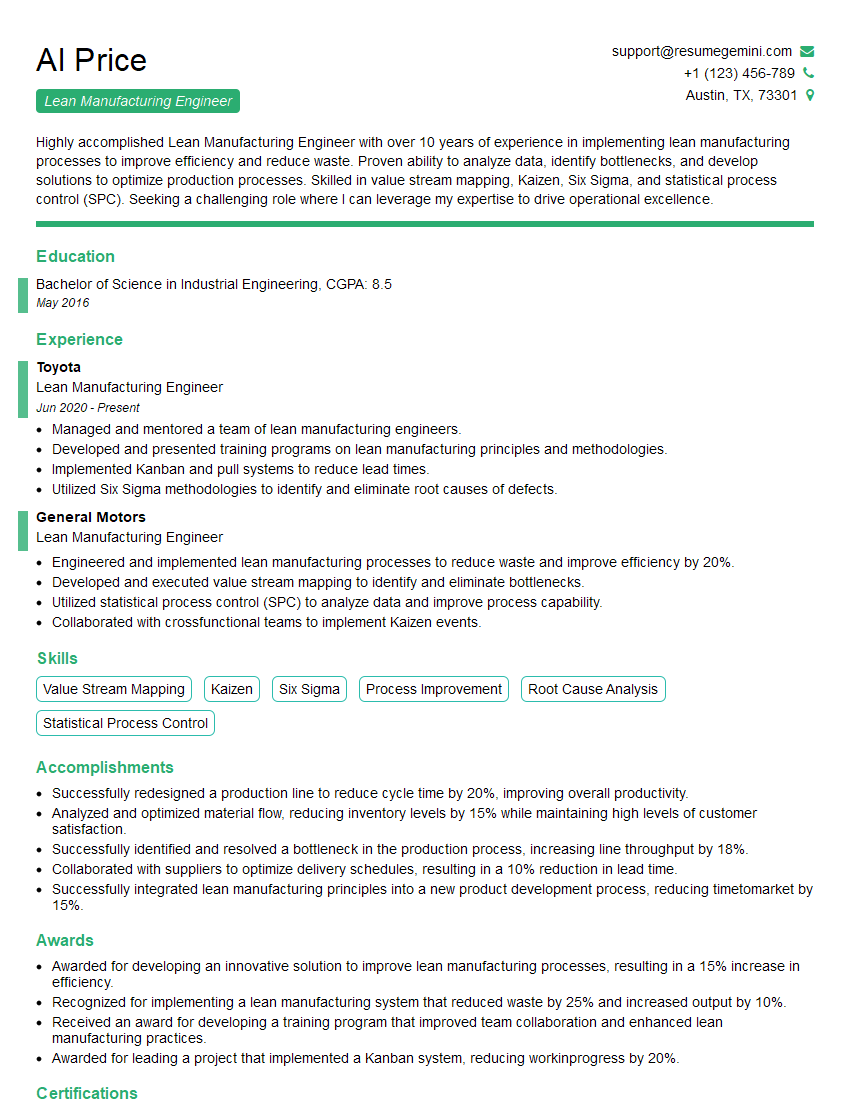
Lean Manufacturing Engineer Resume Sample
- Operations Manager
- Maintenance Manager
- Quality Assurance Manager
- Quality Control Supervisor
- Production Supervisor
- Supply Chain Manager
- Compliance Officer
- Regulatory Affairs Specialist
- Reliability Engineer
- Process Engineer
- Automation Engineer
- Operations Analyst
- Industrial Engineer
- Manufacturing Engineer
- Quality Control Engineer
- Validation Engineer
- Continuous Improvement Manager
- Lean Manufacturing Engineer
Explore more articles
Users Rating of Our Blogs
Share Your Experience
We value your feedback! Please rate our content and share your thoughts (optional).
What Readers Say About Our Blog
Very informative content, great job.
good