Unlock your full potential by mastering the most common KnowledgeOfIndustryBestPractices interview questions. This blog offers a deep dive into the critical topics, ensuring you’re not only prepared to answer but to excel. With these insights, you’ll approach your interview with clarity and confidence.
Questions Asked in KnowledgeOfIndustryBestPractices Interview
Q 1. Describe your experience implementing industry best practices in a previous role.
In my previous role as a Senior Data Analyst at a large e-commerce company, implementing industry best practices was a core part of my responsibilities. We focused heavily on data governance and quality. For instance, we adopted the Data Quality Dimensions framework, which considers aspects like accuracy, completeness, consistency, timeliness, and validity. To ensure data accuracy, we implemented automated data validation checks at various stages of the data pipeline using tools like Apache Airflow and Great Expectations. These checks verified data against predefined rules and raised alerts for any anomalies. Furthermore, we established a robust data lineage system to track data origins and transformations, which significantly improved our ability to troubleshoot data quality issues and ensure regulatory compliance. This involved documenting the data flow using metadata management tools and creating comprehensive data dictionaries. The result was a substantial improvement in data quality leading to more accurate business insights and improved decision-making. We also embraced agile methodologies for project management, fostering collaboration and iterative improvements.
Q 2. Explain the importance of adhering to industry standards in your field.
Adhering to industry standards is paramount for several reasons. Firstly, it ensures data integrity and reliability, which is fundamental for accurate business analysis and informed decision-making. Imagine relying on flawed data to launch a marketing campaign – the consequences could be disastrous! Secondly, it minimizes risks associated with non-compliance, such as hefty fines and reputational damage. Think about regulations like GDPR or HIPAA – failing to meet these standards can have severe legal and financial repercussions. Thirdly, it fosters trust and transparency both internally and externally. Consistent, high-quality data builds confidence among stakeholders, including clients, investors, and regulatory bodies. Finally, adherence to standards promotes efficiency and best practices, streamlining workflows and ultimately saving time and resources. It’s like building a house – using established building codes ensures a strong, safe, and reliable structure.
Q 3. How do you stay updated on the latest industry best practices?
Staying current with industry best practices requires a multi-faceted approach. I actively participate in professional organizations like the Data & Analytics Association, attending conferences and webinars to learn about emerging trends and techniques. I regularly read industry publications, including journals and blogs from reputable sources like Towards Data Science and Analytics Vidhya. I also leverage online learning platforms such as Coursera and edX to deepen my knowledge in specific areas. Furthermore, I engage with online communities and forums to learn from peers and experts, participating in discussions and sharing knowledge. Finally, I actively seek out mentorship opportunities, learning from experienced professionals in the field. It’s a continuous learning process – the field of data analytics is constantly evolving, and staying ahead of the curve is essential.
Q 4. What is your process for identifying and implementing improvements based on best practices?
My process for identifying and implementing improvements involves a structured approach. It begins with a thorough assessment of the current state, analyzing existing processes and identifying areas for improvement. I then research industry best practices relevant to those areas. This involves consulting reputable sources, benchmarking against competitors, and studying case studies. Once potential improvements are identified, I prioritize them based on their potential impact and feasibility. A cost-benefit analysis is crucial at this stage. The implementation process is iterative, involving testing, monitoring, and refinement. Regular progress reviews are essential to ensure the changes are yielding the expected results. Finally, documentation of the changes is vital for maintainability and knowledge sharing within the team. Think of it like a continuous improvement cycle – Plan, Do, Check, Act.
Q 5. Describe a time you identified a gap in industry best practices and proposed a solution.
In a previous project, I noticed a gap in our data visualization best practices. We were primarily using static dashboards, which limited the ability to explore data interactively. This hindered the ability of stakeholders to delve deeper into the data and uncover nuanced insights. I proposed a solution involving the implementation of interactive dashboards using tools like Tableau and Power BI. These tools allow for dynamic data exploration, filtering, and drill-down capabilities. I presented a comprehensive proposal, highlighting the benefits of interactive dashboards, including improved data exploration, enhanced decision-making, and increased user engagement. The proposal was accepted, and we successfully transitioned to using interactive dashboards. This resulted in a significant improvement in stakeholder understanding and use of the data, leading to better business decisions.
Q 6. How do you measure the effectiveness of implemented best practices?
Measuring the effectiveness of implemented best practices requires a clear definition of success metrics beforehand. These metrics should align with the goals of the implemented changes. For example, if we implemented a new data quality process, key metrics would include the reduction in data errors, improved data completeness, and time saved on data cleaning. We would track these metrics using dashboards and reporting tools, comparing performance before and after the implementation. Regular reporting and analysis are vital for continuous monitoring and identifying areas for further improvement. Qualitative feedback from stakeholders is also valuable in assessing the overall impact. It’s essential to be data-driven in assessing effectiveness – numbers speak louder than words when evaluating the success of implemented changes.
Q 7. How do industry best practices influence your decision-making process?
Industry best practices significantly influence my decision-making process. They provide a framework for making informed choices based on established methodologies and proven successful approaches. Before making any significant decisions, I always research and consider relevant best practices. This includes evaluating the potential benefits, risks, and challenges associated with different options. However, it’s important to note that best practices are guidelines, not rigid rules. They should be adapted and customized to suit specific contexts and organizational needs. The decision-making process involves a balance between adhering to best practices and incorporating creativity and innovation to address unique challenges. It’s about leveraging the wisdom of the industry while remaining adaptable and strategic in my approach.
Q 8. What are some common challenges in implementing industry best practices, and how have you overcome them?
Implementing industry best practices, while beneficial, often faces hurdles. Common challenges include resistance to change, lack of resources (time, budget, personnel), insufficient training, and difficulty integrating new practices into existing workflows. For example, adopting a new project management methodology like Agile might require significant retraining of staff and a restructuring of project timelines, leading to initial productivity dips.
I’ve overcome these by employing a phased approach, starting with pilot projects to demonstrate value and build buy-in. For instance, I successfully introduced a new cybersecurity protocol by first implementing it in a low-risk department, proving its effectiveness before a company-wide rollout. This minimized disruption and showed tangible benefits, reducing resistance. Furthermore, I always prioritize clear communication and collaboration, ensuring everyone understands the ‘why’ behind the changes and providing the necessary support for successful adoption. This involves providing comprehensive training, readily available documentation, and ongoing mentoring.
Q 9. Describe your understanding of relevant industry regulations and standards.
My understanding of industry regulations and standards is extensive and constantly updated. This includes knowledge of relevant legislation like GDPR (General Data Protection Regulation), HIPAA (Health Insurance Portability and Accountability Act – if applicable to the industry), and ISO standards (e.g., ISO 27001 for information security). I also stay abreast of evolving industry-specific guidelines and best practices published by organizations like NIST (National Institute of Standards and Technology) and relevant professional bodies. For example, in the financial sector, I’m familiar with regulations like SOX (Sarbanes-Oxley Act) and their implications for data handling and internal controls. Staying informed is crucial as these regulations are constantly evolving to meet the challenges of emerging technologies and evolving threats.
Q 10. How do you ensure compliance with industry best practices within your team?
Ensuring compliance within my team involves a multi-pronged approach. First, I establish clear expectations and responsibilities, ensuring each team member understands their role in upholding best practices. This is communicated through training sessions, documented procedures, and regular check-ins. Second, I implement robust monitoring and auditing mechanisms to identify potential compliance gaps early on. This might involve regular reviews of processes, security logs, and compliance reports. Third, I foster a culture of continuous improvement, encouraging team members to report potential issues or suggest improvements proactively. We use regular team meetings, feedback sessions, and internal audits as platforms for improvement and discussion. Finally, I maintain up-to-date documentation, making sure all relevant procedures and guidelines are easily accessible and regularly reviewed.
Q 11. Explain a situation where you had to balance industry best practices with business needs.
In a previous role, we faced a situation where implementing a recommended industry best practice for data encryption would have resulted in significant cost overruns and project delays. The best practice involved a complete system overhaul. While adhering strictly to the best practice was ideal from a security standpoint, it wasn’t feasible given the business constraints of tight deadlines and budgetary limitations. We carefully weighed the risks and benefits. We decided on a phased approach, prioritizing the most sensitive data for immediate encryption while implementing a more gradual rollout for other data sets. This allowed us to meet business demands while still significantly enhancing security. This involved creating a detailed risk assessment to identify which data required immediate encryption and which could be addressed later. This allowed for prioritization, striking a balance between best practice and business needs.
Q 12. How do you communicate and educate others about industry best practices?
Communicating and educating others about industry best practices requires a multi-faceted approach. I use a variety of methods, including:
- Training sessions: Interactive workshops and presentations tailored to different skill levels.
- Documentation: Clear, concise guides, checklists, and FAQs that are easily accessible.
- Mentorship and coaching: Providing individual support and guidance to team members.
- Gamification: Using quizzes, challenges, and reward systems to make learning engaging.
- Regular updates: Keeping everyone informed about changes in regulations and best practices through newsletters, email updates, or team meetings.
Q 13. Describe your experience with risk management related to industry best practices.
My experience with risk management related to industry best practices is extensive. I typically employ a structured risk management framework that involves identifying potential risks, assessing their likelihood and impact, developing mitigation strategies, and regularly monitoring the effectiveness of those strategies. This process begins with a thorough understanding of the specific industry and its unique challenges. I use tools like SWOT analysis and risk registers to document potential vulnerabilities and develop action plans to reduce them. For instance, when implementing new software, we conduct security assessments to identify potential weaknesses and implement appropriate controls like access restrictions and regular security audits. Regular reviews and updates of these assessments are also key to adapting to changing threat landscapes.
Q 14. How do you handle resistance to adopting new industry best practices?
Handling resistance to adopting new best practices requires empathy, understanding, and a collaborative approach. I start by actively listening to concerns and addressing them directly. Resistance often stems from fear of the unknown, increased workload, or perceived inconvenience. Therefore, I focus on demonstrating the value proposition of the new practices, highlighting the benefits to the individual and the organization. I involve resistant individuals in the implementation process, allowing them to contribute and shaping the process to accommodate their concerns whenever possible. This promotes ownership and reduces resistance. I also showcase success stories from other teams or organizations that have successfully adopted the same practices, providing tangible proof of their effectiveness. Finally, providing consistent support and resources is crucial to ensuring a smooth transition and overcoming resistance.
Q 15. What are some key performance indicators (KPIs) used to measure adherence to industry best practices?
Key Performance Indicators (KPIs) for measuring adherence to industry best practices vary significantly depending on the specific industry and the practices in question. However, some common and versatile KPIs include:
- Error Rate/Defect Rate: This measures the frequency of errors or defects in processes or products. A lower rate indicates better adherence to best practices designed to minimize errors. For example, in software development, a lower bug rate post-release suggests better adherence to coding standards and testing best practices.
- Compliance Rate: This KPI tracks the percentage of times a process or system adheres to regulatory requirements or internal standards based on best practices. A high compliance rate signifies strong adherence. For instance, in the healthcare industry, a high compliance rate with HIPAA regulations shows strong adherence to best practices for patient data security.
- Customer Satisfaction (CSAT) Score: This measures how satisfied customers are with the product or service. Improved adherence to best practices in customer service or product development often leads to increased CSAT scores. For example, a high CSAT score for a tech support team suggests strong adherence to best practices in prompt and effective troubleshooting.
- Cycle Time/Throughput: This measures the time it takes to complete a process. Adherence to lean principles and process optimization best practices often reduces cycle time, leading to increased efficiency. In manufacturing, a reduced production cycle time indicates effective implementation of lean manufacturing principles.
- Employee Turnover Rate: In some cases, a low employee turnover rate can reflect the implementation of best practices in human resources and employee engagement. A stable workforce often indicates better working conditions and adherence to best practices in employee welfare.
Choosing the right KPIs requires careful consideration of the specific industry, the best practices being implemented, and the overall business goals. It is crucial to establish baselines and track progress over time to assess the effectiveness of the implemented best practices.
Career Expert Tips:
- Ace those interviews! Prepare effectively by reviewing the Top 50 Most Common Interview Questions on ResumeGemini.
- Navigate your job search with confidence! Explore a wide range of Career Tips on ResumeGemini. Learn about common challenges and recommendations to overcome them.
- Craft the perfect resume! Master the Art of Resume Writing with ResumeGemini’s guide. Showcase your unique qualifications and achievements effectively.
- Don’t miss out on holiday savings! Build your dream resume with ResumeGemini’s ATS optimized templates.
Q 16. How do you identify areas where industry best practices can be improved?
Identifying areas for improvement in industry best practices requires a multi-faceted approach. I typically use a combination of methods, including:
- Gap Analysis: This involves comparing current practices against established industry best practices. This can be done through surveys, audits, process mapping, and benchmark studies. The discrepancies reveal areas needing improvement. For example, comparing our software development lifecycle to Agile methodologies highlights potential areas where we can improve our efficiency and responsiveness.
- Benchmarking: Analyzing the performance of high-performing organizations in the same industry can reveal best practices we might not have considered. This helps set realistic targets and learn from others’ success. For example, studying the customer service strategies of leading companies in our sector can inform our approach to improve customer satisfaction.
- Data Analysis: Examining operational data can highlight inefficiencies and bottlenecks. For instance, analyzing customer feedback, defect reports, and operational metrics can reveal areas for improvement in our processes. This is particularly useful for identifying hidden or unexpected problems.
- Root Cause Analysis (RCA): Investigating the root causes of errors or failures can reveal systemic issues related to best practice implementation. The 5 Whys technique or other RCA methods are very effective here. If we repeatedly have issues with a specific manufacturing process, a root cause analysis can pinpoint underlying flaws in the implementation of our best practices.
- Employee Feedback: Frontline employees often have valuable insights into areas where best practices are not being effectively implemented or are creating problems. Regular feedback mechanisms, such as surveys and suggestion boxes, are crucial.
The key is to use a combination of quantitative and qualitative methods to gain a comprehensive understanding of where improvements can be made.
Q 17. Describe your approach to continuous improvement regarding industry best practices.
My approach to continuous improvement regarding industry best practices is based on the Plan-Do-Check-Act (PDCA) cycle, also known as the Deming cycle. This iterative process ensures consistent improvement over time. Here’s how I apply it:
- Plan: I start by identifying areas for improvement based on the methods described earlier (gap analysis, benchmarking, data analysis). I set clear, measurable, achievable, relevant, and time-bound (SMART) goals for improvement.
- Do: I implement the chosen improvements, which might involve training, process adjustments, new technology adoption, or policy changes. This stage involves pilot testing or gradual implementation to minimize risks.
- Check: I monitor the results, collecting data on KPIs to measure the effectiveness of the improvements. This involves regular reviews and analysis of the collected data.
- Act: Based on the data gathered in the ‘Check’ phase, I standardize successful improvements and make necessary adjustments. This often involves documenting changes for future reference and disseminating best practices throughout the organization. If the changes haven’t yielded the desired results, I return to the ‘Plan’ phase and iterate on my approach.
This cyclical approach allows for continuous learning and adaptation, ensuring that we stay abreast of changes in the industry and consistently improve our practices. Regular review meetings and process audits are essential parts of maintaining this continuous improvement cycle.
Q 18. What resources do you utilize to stay informed about changes in industry best practices?
Staying informed about changes in industry best practices requires a multi-pronged strategy. I utilize various resources, including:
- Industry Publications and Journals: I regularly read relevant trade publications, journals, and research papers to stay updated on the latest trends and research findings. This provides in-depth knowledge and helps me understand the rationale behind best practices.
- Industry Conferences and Webinars: Attending conferences and webinars allows me to network with other professionals, learn from experts, and gain insights into emerging trends and best practices. This also provides opportunities for professional development.
- Professional Organizations and Networks: Membership in professional organizations provides access to resources, training, and networking opportunities, keeping me connected with industry leaders and best practice advancements.
- Government Agencies and Regulatory Bodies: For industries with significant regulatory requirements, staying abreast of changes in regulations and compliance standards is crucial. Monitoring the updates from the relevant government agencies is essential.
- Online Resources and Databases: Utilizing reputable online resources, databases, and knowledge platforms provides access to a wealth of information, including best practice guidelines and case studies.
It’s crucial to critically evaluate the sources and ensure the information is reliable and up-to-date. Combining different resources helps form a well-rounded understanding of evolving industry best practices.
Q 19. How do you prioritize different industry best practices when faced with limited resources?
Prioritizing industry best practices with limited resources requires a strategic approach. I typically use a prioritization matrix that considers:
- Impact: The potential positive impact of implementing each best practice. High-impact practices are prioritized.
- Feasibility: How easily can the best practice be implemented considering our resources and capabilities? Practices requiring less investment and effort are favored initially.
- Urgency: How urgently does the organization need to implement this best practice to address pressing issues like compliance, risk mitigation, or significant cost savings?
- Alignment with Business Goals: How well does implementing the best practice align with our strategic goals and objectives?
I often use a simple matrix with quadrants representing high/low impact and high/low feasibility. This allows for a visual representation of which practices should be addressed first. For example, a high-impact, high-feasibility practice would be prioritized over a low-impact, high-feasibility one, even though both are relatively easy to implement. This strategic approach ensures that limited resources are allocated effectively to achieve maximum impact.
Q 20. Explain how you contribute to a culture of continuous improvement within your organization.
Contributing to a culture of continuous improvement requires active participation and leadership. I achieve this by:
- Leading by Example: Demonstrating a commitment to continuous improvement through my actions and actively seeking out opportunities to improve processes and practices.
- Promoting Open Communication: Encouraging open communication and feedback from all levels of the organization. This fosters a collaborative environment where everyone feels comfortable sharing ideas and identifying areas for improvement.
- Facilitating Knowledge Sharing: Creating opportunities for employees to share their knowledge and best practices with others. This might involve internal workshops, presentations, or online forums. Knowledge sharing reduces redundancy and accelerates improvement across the organization.
- Celebrating Successes: Acknowledging and celebrating successes, both big and small, fosters a positive and motivating environment that encourages ongoing improvement.
- Implementing Effective Feedback Mechanisms: Establishing regular feedback mechanisms such as surveys, performance reviews, and suggestion boxes, and actively incorporating this feedback into improvement initiatives. This ensures that everyone’s voice is heard.
- Providing Training and Development: Ensuring that employees receive the necessary training and development opportunities to improve their skills and knowledge, fostering proficiency in best practices.
A culture of continuous improvement is not simply a set of policies, but a mindset that permeates the organization. Active leadership and consistent commitment from all levels are essential to establishing and sustaining such a culture.
Q 21. How do you translate industry best practices into actionable steps?
Translating industry best practices into actionable steps requires a structured approach. My process typically includes:
- Understanding the Context: Clearly defining the specific best practice and how it applies to our organization’s unique context. This involves understanding our current processes, challenges, and resources.
- Breaking Down the Practice: Deconstructing the best practice into smaller, manageable steps or tasks. This makes it easier to implement and track progress.
- Assigning Responsibilities: Identifying individuals or teams responsible for each step of the implementation process. Clear ownership ensures accountability.
- Developing a Timeline and Budget: Creating a realistic timeline and budget for implementation. This ensures that the project remains on track and within resource constraints.
- Developing Metrics and Tracking Mechanisms: Defining specific metrics and mechanisms to track progress and measure success. This ensures that improvements can be evaluated objectively.
- Providing Training and Support: Providing necessary training and support to employees involved in implementing the best practice. This ensures that they have the knowledge and skills required to execute the steps effectively.
- Implementing and Monitoring: Implementing the changes and closely monitoring the results using the defined metrics. Regular review meetings are crucial to address issues and adjust the plan as needed.
This structured approach ensures that the best practice is not just understood but actively integrated into everyday operations, leading to measurable improvements.
Q 22. Describe your experience with process mapping and how it relates to industry best practices.
Process mapping is a visual representation of a business process, showing all steps involved from start to finish. It’s a cornerstone of process improvement, directly tied to industry best practices because it allows for identification of inefficiencies, bottlenecks, and areas for optimization. My experience spans various industries, including manufacturing and healthcare. For example, in a manufacturing setting, I used process mapping to streamline the assembly line process, reducing production time by 15% by identifying a redundant inspection step. In healthcare, I helped a clinic map their patient intake process, revealing a significant delay caused by inefficient paperwork handling, which we subsequently resolved using electronic health records.
- Identifying Bottlenecks: Process maps clearly show where delays occur, allowing for focused improvement efforts.
- Improving Efficiency: By visualizing the process, redundancies and unnecessary steps become apparent, leading to streamlined workflows.
- Enhancing Communication: Process maps serve as a common language for all stakeholders, improving understanding and collaboration.
Industry best practices emphasize the use of standardized notations (like BPMN) for clarity and consistency. Effective process mapping not only improves efficiency but also supports compliance with relevant regulations and standards.
Q 23. How do you adapt industry best practices to different contexts and environments?
Adapting industry best practices requires a nuanced understanding of the specific context. It’s not a one-size-fits-all approach. I begin by thoroughly assessing the organization’s unique characteristics – its size, culture, resources, technology infrastructure, and regulatory environment. A best practice effective in a large multinational corporation may be completely unsuitable for a small startup.
- Needs Assessment: A thorough understanding of the organization’s specific needs and challenges is crucial. This includes identifying pain points and areas for improvement.
- Customization: Best practices are adapted, not blindly implemented. This often involves modifying procedures, workflows, or technologies to better align with the organization’s existing structure and resources.
- Pilot Programs: Implementing a best practice on a small scale before widespread adoption helps to mitigate risks and identify potential issues.
- Continuous Monitoring: Regular evaluation of the effectiveness of the adapted best practice ensures ongoing improvement and necessary adjustments.
For instance, while Lean manufacturing principles are broadly applicable, the specific implementation would differ significantly between a car manufacturer and a bakery, due to vastly different production processes and scales.
Q 24. What is your understanding of the impact of technology on industry best practices?
Technology plays a transformative role in shaping and accelerating the adoption of industry best practices. Automation, data analytics, and cloud computing are revolutionizing how businesses operate, enabling the implementation of more efficient and effective practices.
- Automation: Automating repetitive tasks frees up human resources for higher-value activities and reduces human error.
- Data Analytics: Data-driven insights provide a clearer picture of performance, enabling more informed decision-making and continuous improvement.
- Cloud Computing: Cloud-based solutions enhance collaboration, scalability, and accessibility, facilitating the sharing and implementation of best practices across different locations and departments.
For example, the use of ERP (Enterprise Resource Planning) systems facilitates the implementation of best practices in supply chain management by providing real-time visibility into inventory levels, production schedules, and order fulfillment.
Q 25. Explain your experience with documenting and sharing industry best practices.
Documenting and sharing industry best practices is critical for organizational learning and continuous improvement. My approach involves creating clear, concise, and accessible documentation using a combination of written guides, visual aids (like flowcharts and videos), and interactive training modules.
- Structured Documentation: Best practices are documented using a consistent template, including clear instructions, examples, and visuals.
- Knowledge Management Systems: Utilizing a central repository (like a wiki or intranet) ensures easy accessibility and searchability of the documented best practices.
- Training and Workshops: Providing hands-on training and workshops helps ensure that employees understand and can apply the best practices effectively.
- Regular Updates: Best practices are living documents, requiring regular review and updates to remain current and relevant.
I’ve successfully implemented this in previous roles, creating a centralized knowledge base for operational processes that reduced employee training time by 20% and improved consistency in task execution.
Q 26. How do you identify and mitigate risks associated with the adoption of new industry best practices?
Adopting new industry best practices always carries inherent risks. A structured approach to risk management is vital.
- Risk Assessment: Identify potential risks associated with the adoption of the new best practice, considering financial, operational, and reputational implications.
- Mitigation Strategies: Develop strategies to mitigate identified risks, including pilot programs, phased rollouts, and contingency plans.
- Communication and Training: Ensure that all stakeholders are informed about the changes and receive adequate training to minimize disruption.
- Monitoring and Evaluation: Continuously monitor the implementation of the best practice and evaluate its effectiveness, making necessary adjustments along the way.
For example, when implementing a new software system, a potential risk is data migration issues. To mitigate this, a thorough data migration plan, including testing and validation, would be crucial.
Q 27. Describe a situation where you had to deviate from industry best practices and why.
In one project, we were implementing a new project management methodology (Agile) in a company with a deeply ingrained waterfall approach. While Agile is widely considered a best practice for software development, the initial attempt to fully adopt it immediately created significant resistance and confusion. We had to deviate from a complete Agile implementation and adopt a hybrid approach, incorporating elements of Agile gradually while respecting existing processes and team comfort levels.
This phased approach involved training sessions focused on Agile principles, pilot projects using Agile methodology, and continuous feedback loops with teams. The reasons for deviating from a full Agile implementation were:
- Organizational Culture: The existing culture was resistant to drastic changes.
- Lack of Skills: The team lacked the necessary skills and experience to fully adopt Agile methodologies immediately.
- Project Constraints: Strict deadlines and existing project commitments limited the scope for complete transformation.
This hybrid approach allowed us to gradually introduce Agile practices while minimizing disruption and ultimately achieving a successful transition to a more efficient project management system.
Key Topics to Learn for KnowledgeOfIndustryBestPractices Interview
- Industry Standards and Regulations: Understanding the key regulations and best practices relevant to your industry. This includes familiarity with compliance requirements and ethical considerations.
- Technological Advancements and Trends: Staying updated on the latest technologies and their impact on your field. Be prepared to discuss how these trends affect efficiency, productivity, and innovation.
- Workflow Optimization and Efficiency: Demonstrate knowledge of streamlining processes, improving workflows, and identifying areas for improvement in operational efficiency. Prepare examples from your experience.
- Data Analysis and Interpretation: Show your ability to collect, analyze, and interpret data to inform decision-making and strategic planning. Highlight your experience with relevant tools and techniques.
- Problem-Solving and Critical Thinking: Prepare examples showcasing your ability to identify problems, analyze their root causes, and develop effective solutions within an industry context.
- Collaboration and Teamwork: Discuss your experience working effectively in teams, sharing knowledge, and contributing to collaborative projects. Highlight successful outcomes.
- Communication and Presentation Skills: Be ready to articulate your knowledge clearly and concisely, both verbally and in writing. Practice presenting complex information in a digestible manner.
- Project Management Methodologies: Familiarize yourself with relevant project management methodologies (Agile, Waterfall, etc.) and their practical application in your industry.
Next Steps
Mastering KnowledgeOfIndustryBestPractices is crucial for career advancement. It demonstrates your commitment to excellence and your ability to contribute meaningfully to any organization. To increase your chances of landing your dream job, creating an ATS-friendly resume is essential. This ensures your application gets noticed by recruiters and hiring managers. We highly recommend using ResumeGemini, a trusted resource for building professional, impactful resumes. Examples of resumes tailored to highlight expertise in KnowledgeOfIndustryBestPractices are available to help you get started.
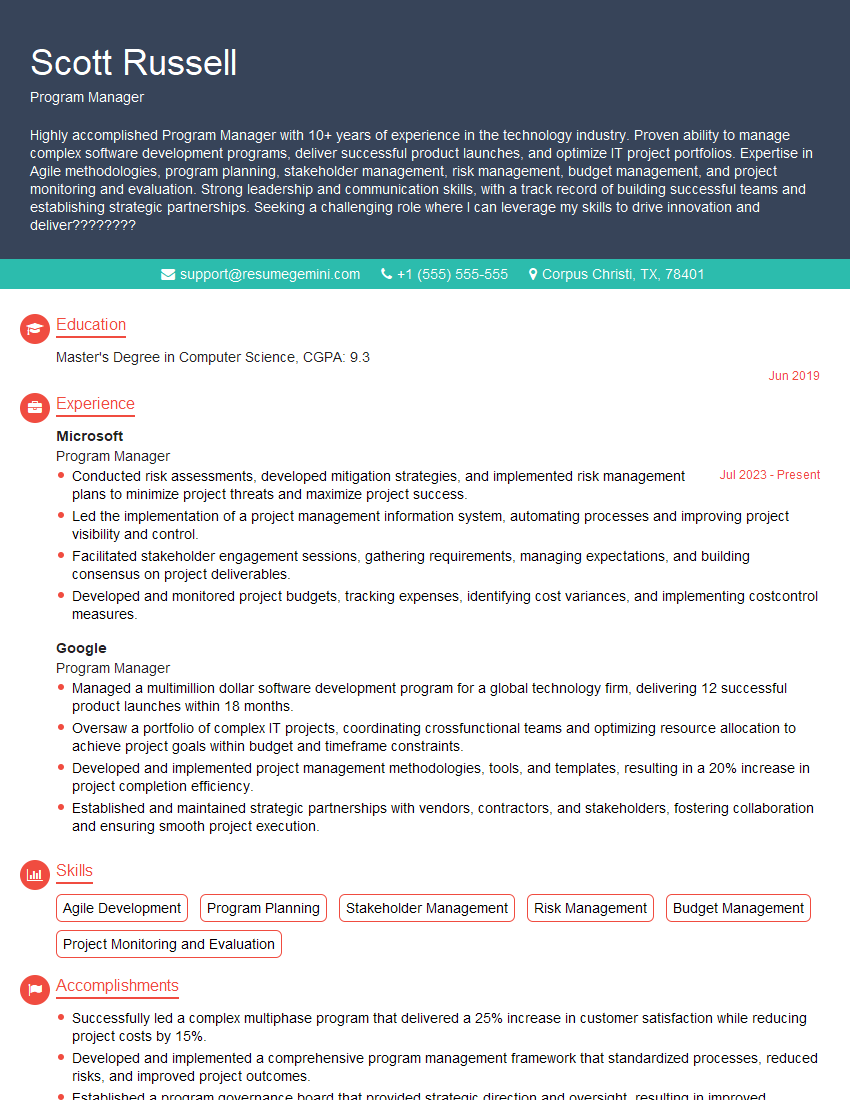
Program Manager Resume Sample

Operations Manager Resume Sample
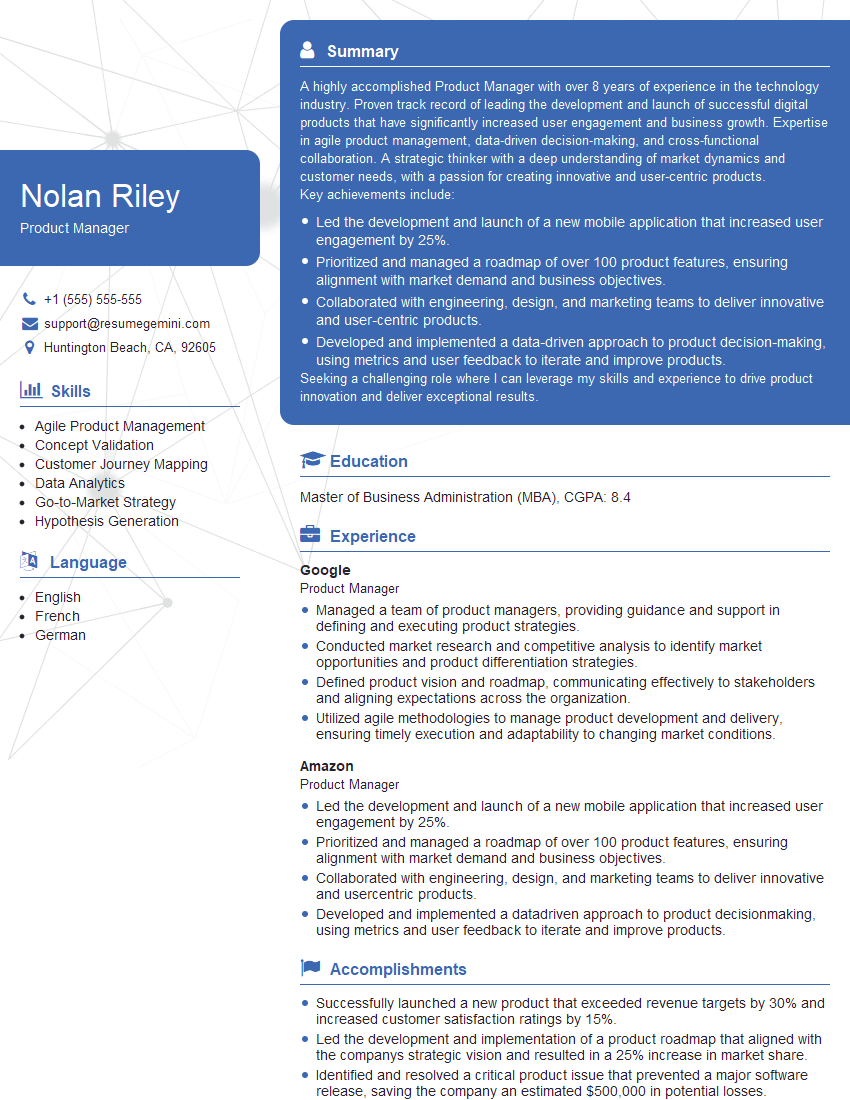
Product Manager Resume Sample
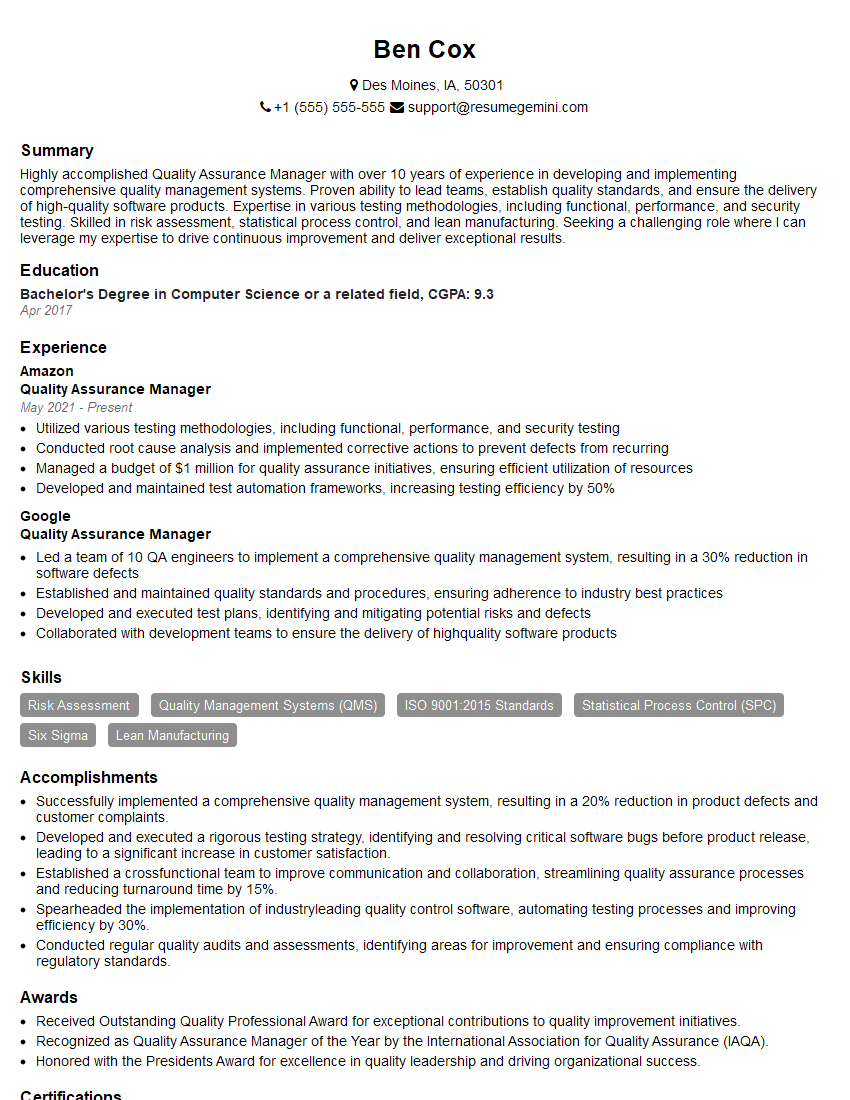
Quality Assurance Manager Resume Sample
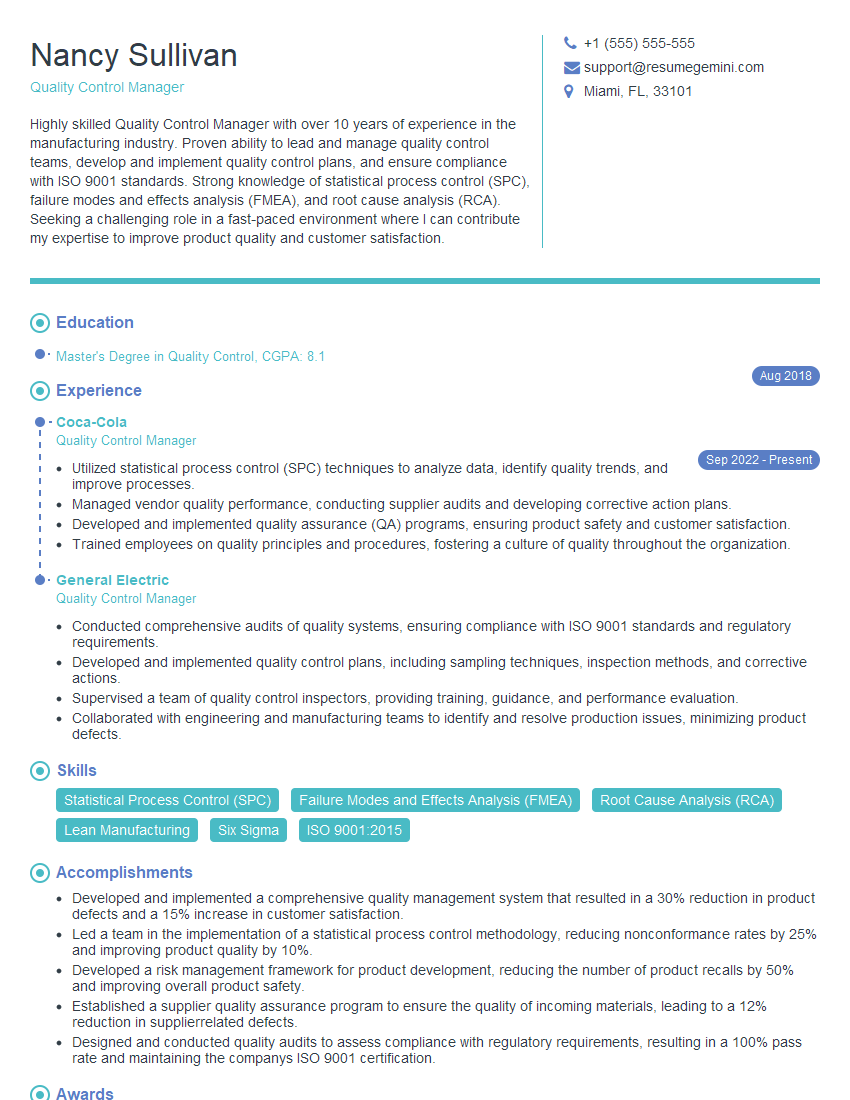
Quality Control Manager Resume Sample
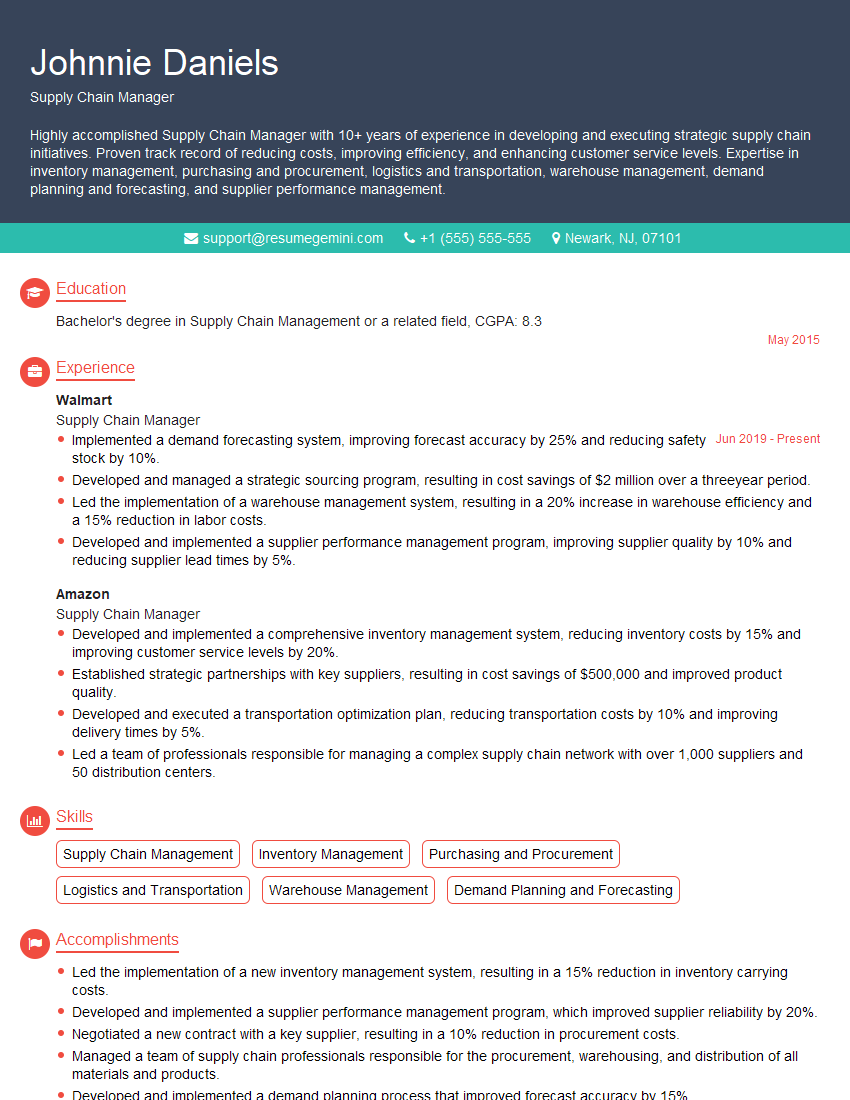
Supply Chain Manager Resume Sample
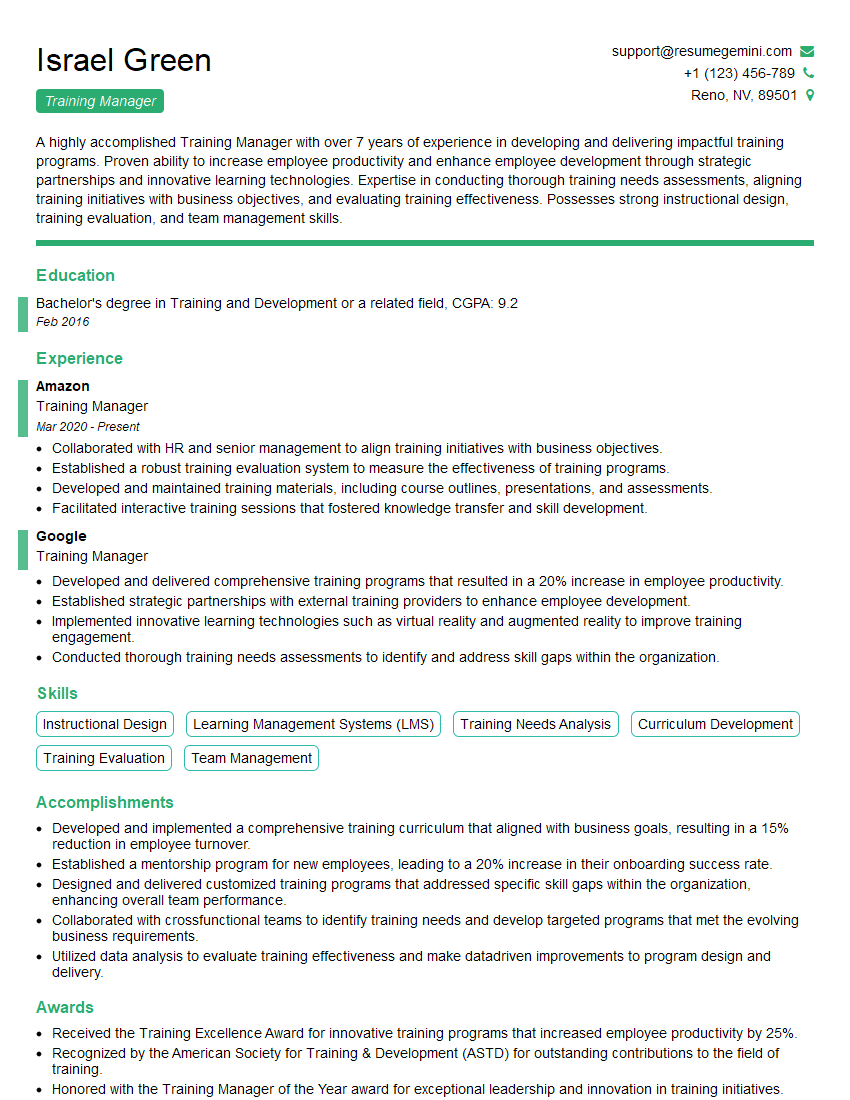
Training Manager Resume Sample
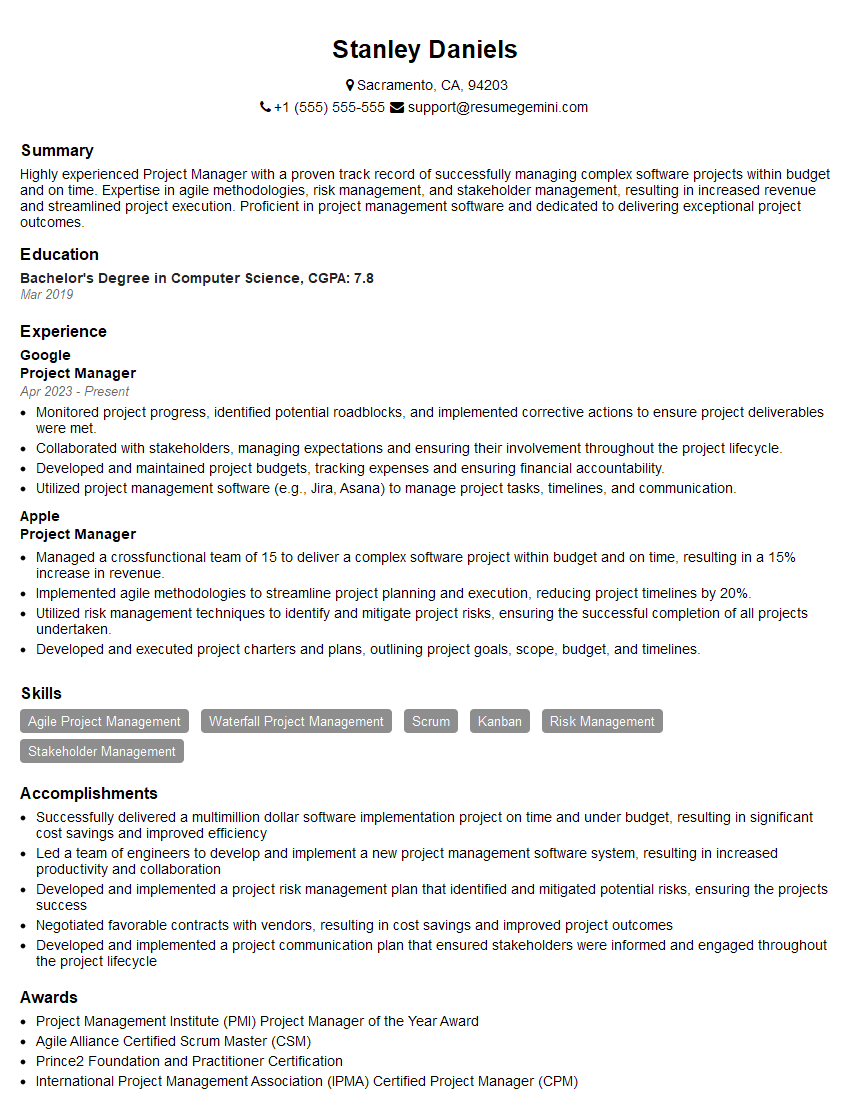
Project Manager Resume Sample

Compliance Officer Resume Sample
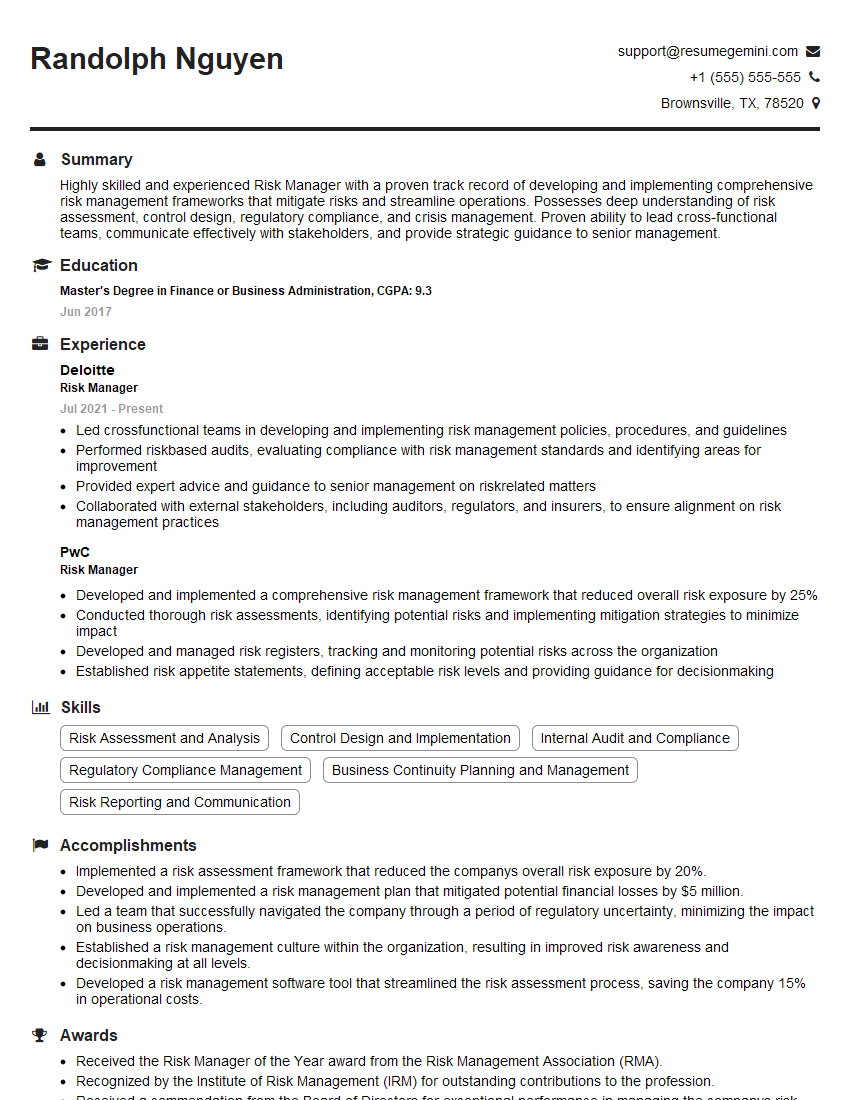
Risk Manager Resume Sample
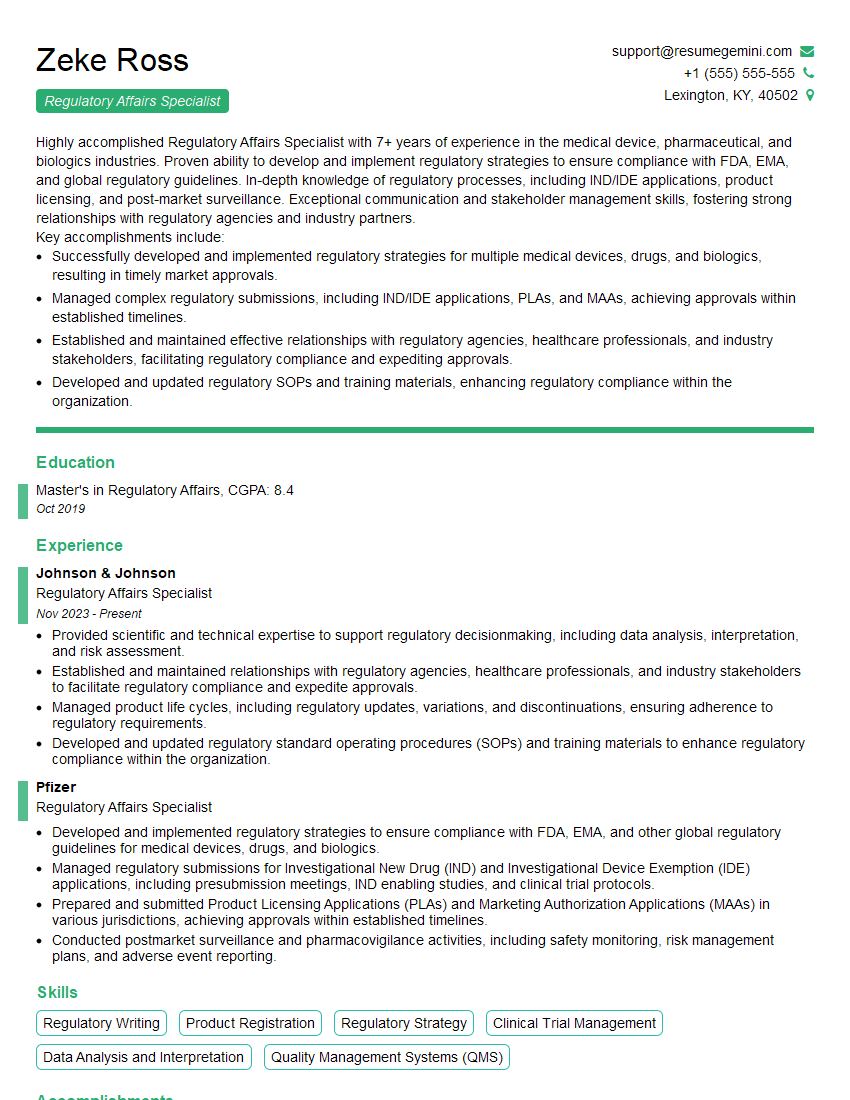
Regulatory Affairs Specialist Resume Sample
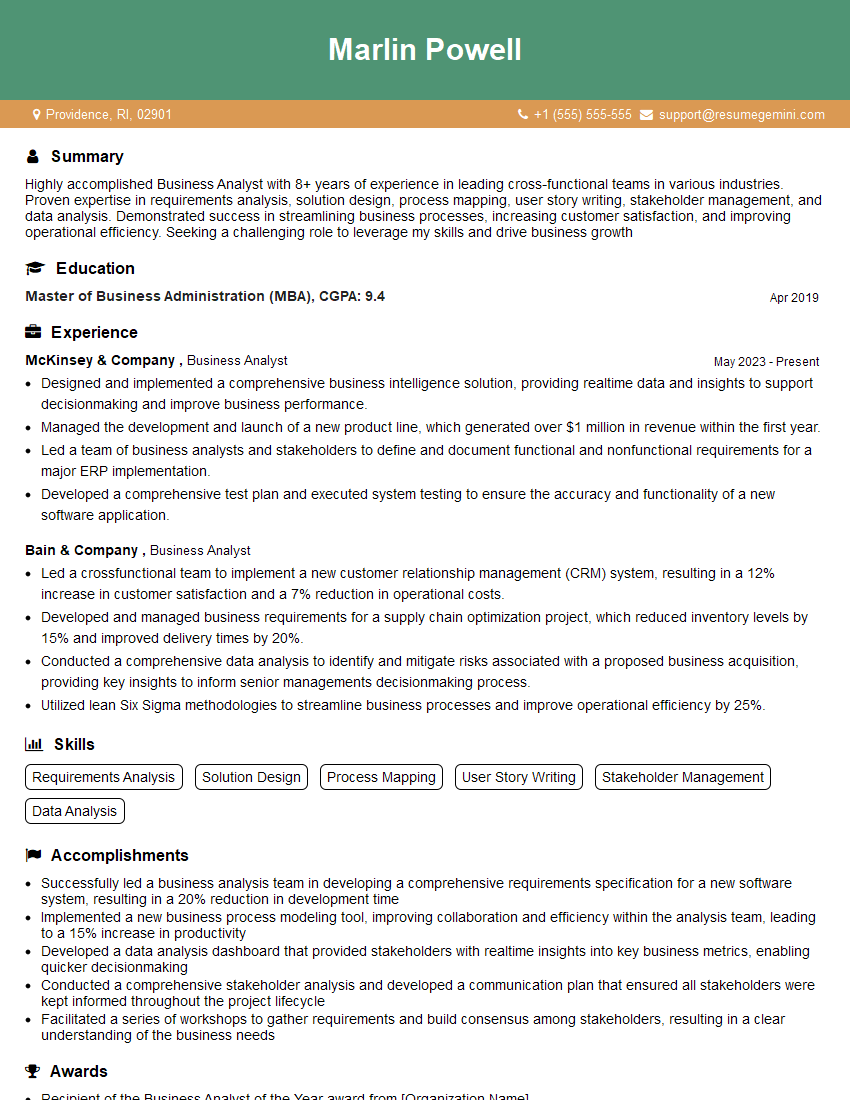
Business Analyst Resume Sample
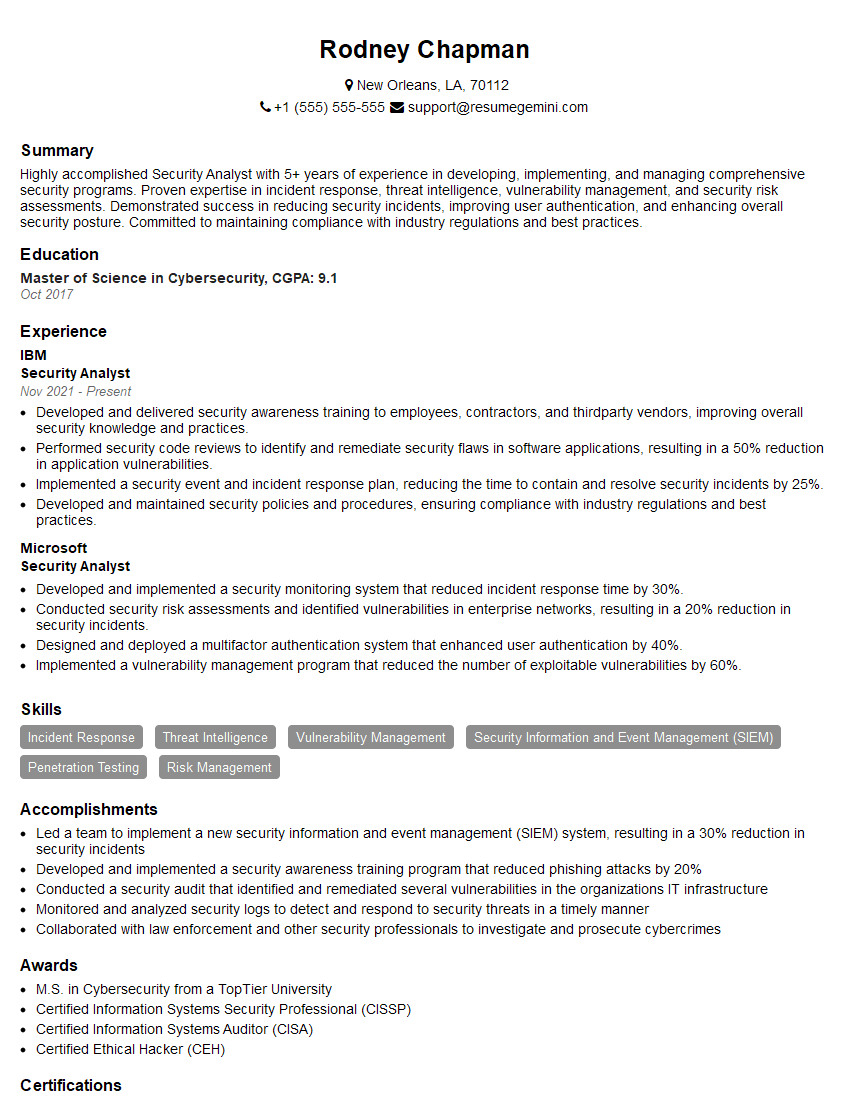
Security Analyst Resume Sample
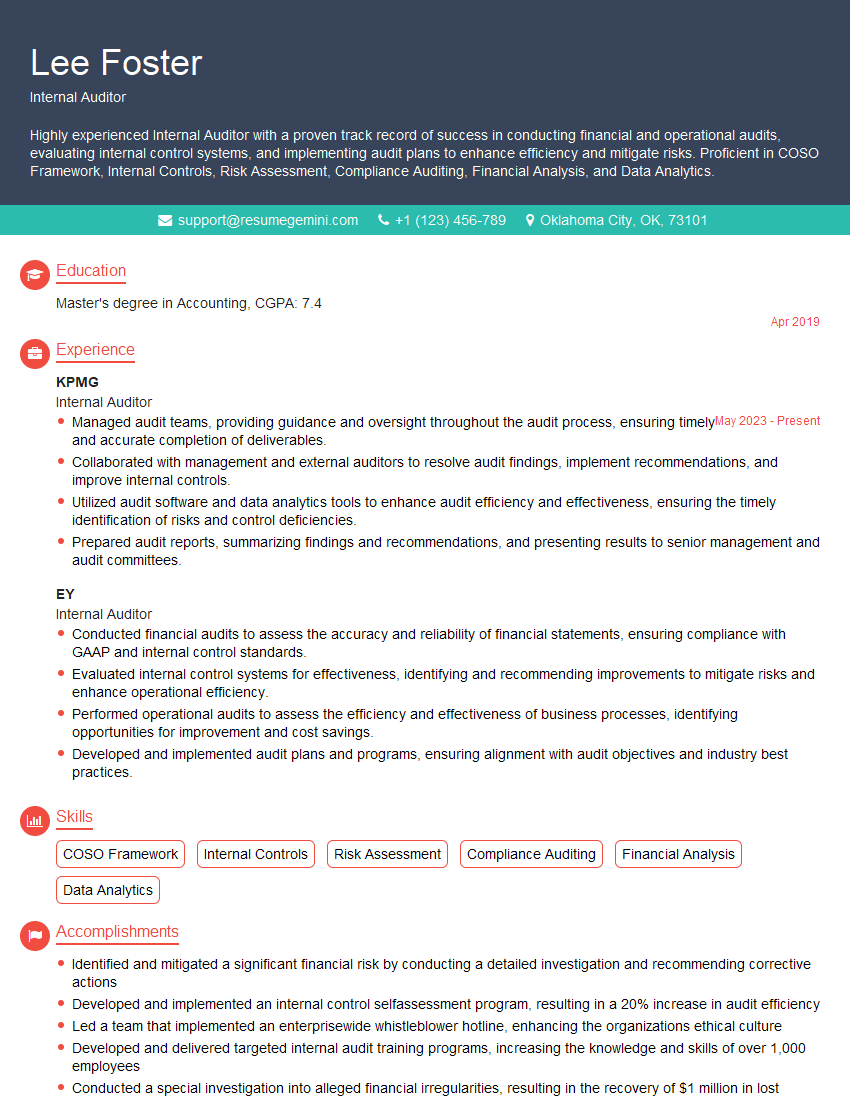
Internal Auditor Resume Sample
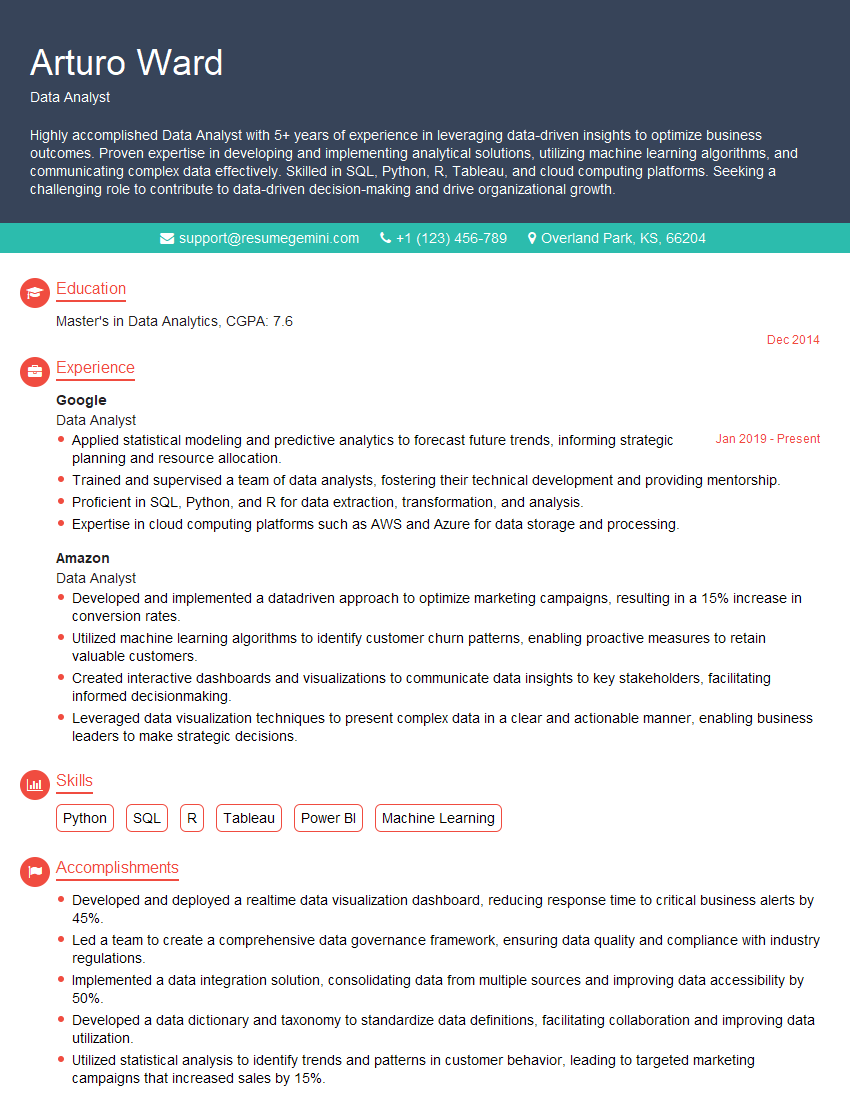
Data Analyst Resume Sample
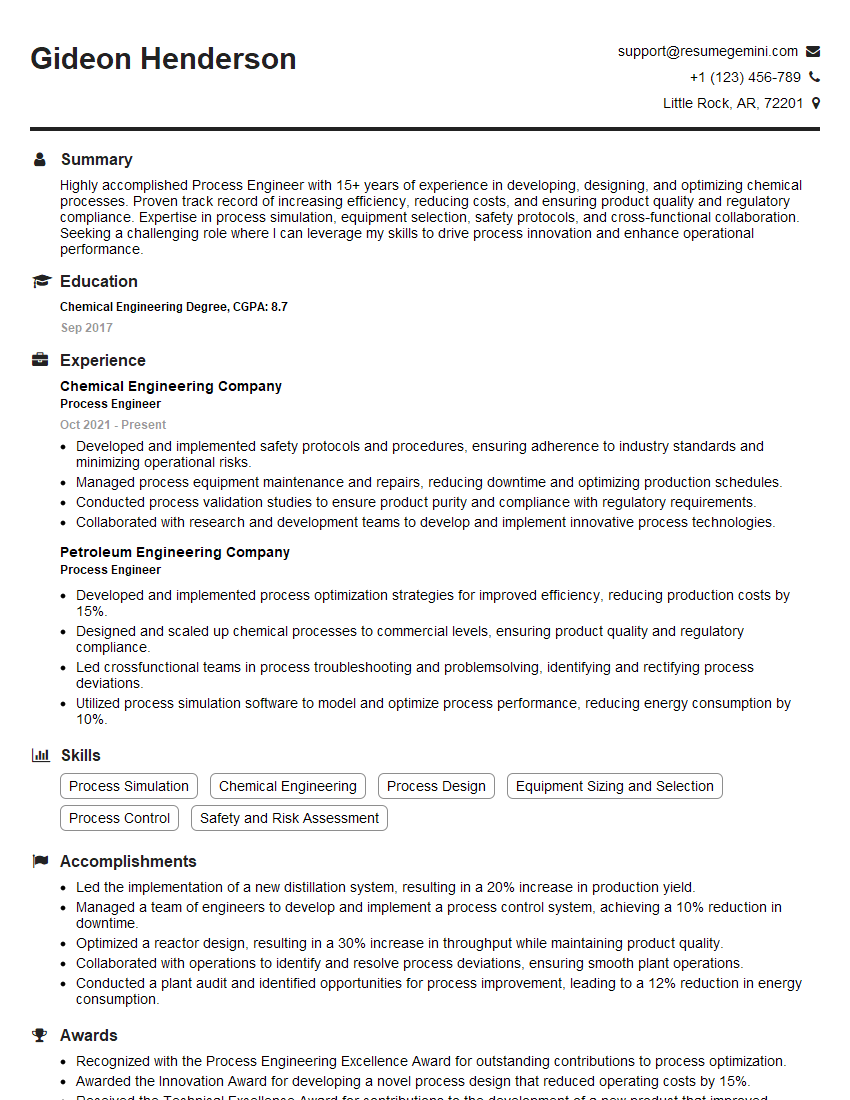
Process Engineer Resume Sample

Technical Writer Resume Sample
- Program Manager
- Operations Manager
- Product Manager
- Quality Assurance Manager
- Quality Control Manager
- Supply Chain Manager
- Training Manager
- Project Manager
- Compliance Officer
- Risk Manager
- Regulatory Affairs Specialist
- Business Analyst
- Security Analyst
- Internal Auditor
- Data Analyst
- Process Engineer
- Technical Writer
Explore more articles
Users Rating of Our Blogs
Share Your Experience
We value your feedback! Please rate our content and share your thoughts (optional).
What Readers Say About Our Blog
good