The thought of an interview can be nerve-wracking, but the right preparation can make all the difference. Explore this comprehensive guide to Label Adherence interview questions and gain the confidence you need to showcase your abilities and secure the role.
Questions Asked in Label Adherence Interview
Q 1. Describe your experience ensuring label accuracy across different product lines.
Ensuring label accuracy across diverse product lines requires a multi-faceted approach. It starts with a thorough understanding of each product’s specific regulatory requirements and internal standards. My experience involves developing and implementing comprehensive label management systems. For example, I worked with a company producing both food and pharmaceutical products, requiring distinct labeling processes and stringent quality checks. For food products, we focused on accurate allergen information, weight declarations, and best-before dates. For pharmaceuticals, the focus shifted towards precise dosage instructions, batch numbers, and stringent regulatory compliance checks. This involved creating separate label templates, distinct quality control protocols, and detailed documentation procedures for each product line. A critical element was establishing a robust system for tracking label revisions and ensuring all materials reflected the latest approved versions. This usually included version control software and a centralized label repository.
Q 2. Explain your process for identifying and resolving label discrepancies.
Identifying and resolving label discrepancies begins with proactive quality checks at every stage of the process, from design to production. My process involves a three-step approach: Verification, Validation, and Resolution. Verification involves visual inspections at various points in the production line and using automated label verification systems. Validation involves comparing the printed labels against the approved label design using software designed for this purpose. Resolution involves identifying the root cause of the discrepancy (e.g., incorrect template, printing error, human error) and implementing corrective actions to prevent recurrence. For instance, during the production of a new line of organic juices, we discovered a discrepancy in the expiry date format on the printed labels. This led to an immediate halt of production, a review of the label template in the design software, and retraining of personnel involved in the label printing process. The root cause analysis confirmed a missing zero in the date format within the label template. This simple error could have led to costly recalls and reputational damage. Implementing stricter review processes and a double-checking system prevented similar issues in future production runs.
Q 3. How do you ensure compliance with industry-specific labeling regulations?
Compliance with industry-specific labeling regulations is paramount. My approach involves staying updated on current regulations through industry publications, regulatory agency websites, and participation in relevant industry forums. We develop and maintain a comprehensive library of all applicable regulations relevant to each product line. This allows for proactive compliance rather than reactive corrections. For example, the labeling of cosmetics in the EU is different from the US. I was responsible for ensuring labels for a skincare line complied with both the EU’s Cosmetics Regulation (EC) No 1223/2009 and the FDA’s regulations, necessitating customized label designs and thorough testing procedures. This involved creating separate label templates and quality assurance systems for each geographic market, taking into account any variations in language and specific labeling requirements. Regular internal audits ensure continued adherence to these regulations.
Q 4. What methods do you use to verify label accuracy during production?
Verifying label accuracy during production relies on a combination of manual and automated checks. Manual checks include regular visual inspections by quality control personnel throughout the production line. These checks are guided by detailed checklists that ensure all label elements are correctly printed and positioned. We often use sampling methods for large production runs. Automated verification employs specialized label inspection systems that use optical character recognition (OCR) and barcode scanners to ensure the labels meet specifications. These systems flag discrepancies instantly, reducing the potential for errors to reach the final product. For instance, we use barcode scanners to verify that each label matches the product’s information in our database, identifying any inconsistencies immediately. A system of automated alerts ensures that production is halted if a certain threshold of errors is detected, preventing the production of incorrectly labeled goods.
Q 5. Describe your experience with barcode and RFID label technologies.
My experience with barcode and RFID label technologies spans various applications, from inventory management to product tracking. Barcodes provide a cost-effective solution for automated identification, ideal for high-volume production and efficient inventory control. RFID tags offer enhanced capabilities, such as real-time tracking and data storage, useful for high-value products or those needing sophisticated traceability. For example, we implemented RFID tagging for a high-end electronics manufacturer. This allowed for real-time tracking of products from the factory floor to the retail shelves, providing superior inventory management and reducing the potential for theft or loss. The data collected by RFID tags also provided valuable insights into supply chain optimization. We also integrated barcode and RFID systems into our label printing process to ensure accuracy and efficient traceability throughout the product lifecycle. This included configuring the label printers to incorporate both barcode and RFID data directly into the label design.
Q 6. How do you handle label printing errors and inconsistencies?
Handling label printing errors and inconsistencies requires a structured approach. The first step involves immediate identification and isolation of the affected labels. We then perform a root cause analysis to pinpoint the source of the error – this might include issues with the printer, the label material, the printing template, or even human error. Depending on the severity and extent of the error, the decision to rework, discard, or recall the affected products is made. Any necessary corrections are implemented to prevent a recurrence. We also maintain a detailed log of all printing errors, including the cause, the corrective action taken, and the affected batch numbers. This data informs ongoing improvements to our label printing and quality control processes. For instance, a recent incident involving misaligned printing on a batch of labels led to a review of the printer calibration settings and a retraining program for the printing staff.
Q 7. What are some common challenges you face in maintaining label adherence?
Maintaining label adherence presents several challenges. One common issue is keeping up with evolving regulatory requirements. Another challenge involves managing changes in product formulations or packaging, which often necessitates label updates. Balancing the need for accurate, compliant labeling with efficient production and cost-effectiveness is an ongoing challenge. Additionally, human error remains a significant factor in label-related discrepancies. Mitigating these challenges requires a robust quality control system, effective training programs for personnel, and continuous investment in advanced technologies and processes. For example, integrating a centralized label management system with our enterprise resource planning (ERP) software improved the efficiency of managing label updates and changes, minimizing disruptions to the production line.
Q 8. Explain your approach to implementing and maintaining a label adherence program.
Implementing and maintaining a robust label adherence program requires a multi-faceted approach focusing on prevention, detection, and correction. It starts with clearly defined standards and specifications for labels, encompassing everything from design and material selection to application methods and quality control checks.
- Phase 1: Standardization: This involves creating a comprehensive label management system that dictates label content, size, material, adhesive type, and placement on the product. We’d define standard operating procedures (SOPs) for label printing, application, and verification.
- Phase 2: Training and Communication: Thorough training for all personnel involved in the label process—from designers and printers to production line workers and quality control inspectors—is crucial. This training ensures everyone understands the standards and their role in maintaining adherence.
- Phase 3: Implementation and Monitoring: We implement the SOPs and utilize technology like barcode scanners and vision systems to automate label verification and tracking. Regular monitoring and data analysis are key to identifying potential issues early on.
- Phase 4: Corrective Actions and Continuous Improvement: When discrepancies arise, root cause analysis helps to identify the underlying problem, whether it’s a faulty label printer, inadequate training, or a procedural flaw. We implement corrective actions and use data-driven insights to continuously improve the program’s effectiveness.
For example, in a previous role, we implemented a new label verification system that reduced label errors by 75% within six months. This involved integrating a barcode scanning system into the production line and providing targeted training to operators on its use.
Q 9. How do you prioritize tasks when multiple label-related issues arise?
Prioritizing label-related issues requires a risk-based approach. We’d categorize issues based on their potential impact on product quality, safety, regulatory compliance, and customer satisfaction.
- Critical: Issues impacting product safety or regulatory compliance (e.g., missing allergen information, incorrect dosage instructions) take immediate precedence.
- High: Issues likely to cause significant customer dissatisfaction or production delays (e.g., incorrect pricing, damaged labels).
- Medium: Issues with minor cosmetic defects or inconsistencies that don’t significantly affect product functionality or safety (e.g., slightly misaligned text).
- Low: Issues that are purely aesthetic and have minimal impact (e.g., slight color variation).
We utilize a prioritization matrix that considers both the impact and urgency of each issue. This allows us to allocate resources effectively and focus on resolving the most critical issues first. For instance, a missing warning label on a hazardous product would always take priority over a slightly faded color on a non-hazardous item.
Q 10. How familiar are you with different types of label materials and adhesives?
My familiarity with label materials and adhesives is extensive. I understand the properties of various materials like paper, vinyl, polyester, and polypropylene, and how these influence label durability, print quality, and adhesion.
- Paper Labels: Cost-effective but less durable, suitable for short-term applications.
- Vinyl Labels: Durable and weather-resistant, ideal for outdoor use or products exposed to moisture.
- Polyester Labels: Extremely durable, resistant to chemicals and abrasion, perfect for high-stress applications.
- Polypropylene Labels: Flexible, durable, and offer good chemical resistance.
Regarding adhesives, I’m versed in permanent, removable, and pressure-sensitive adhesives, each with unique properties suited to different substrates and applications. For example, selecting a permanent adhesive for a product destined for freezing temperatures requires careful consideration of the adhesive’s performance at low temperatures. Incorrect selection can lead to label detachment.
Q 11. What metrics do you use to measure label adherence effectiveness?
Measuring label adherence effectiveness relies on a combination of qualitative and quantitative metrics.
- Label Accuracy Rate: Percentage of labels correctly applied and containing accurate information. This is calculated by dividing the number of correctly applied labels by the total number of labels applied and multiplying by 100.
- Defect Rate: Percentage of labels with defects such as misprints, smudging, or incorrect placement. This helps identify areas needing improvement in the label printing or application process.
- Adhesion Strength: Measured using specialized testers to determine how well the label adheres to the product under various conditions (temperature, humidity, abrasion).
- Customer Complaints Related to Labeling: Tracking customer complaints related to label issues provides valuable feedback on the effectiveness of the program.
- Compliance Audits: Regular internal and external audits assess compliance with regulatory requirements and industry best practices.
These metrics are tracked and analyzed using control charts and other statistical tools to identify trends and areas needing improvement. For instance, a consistent increase in the defect rate might indicate a problem with the label printing equipment requiring maintenance or recalibration.
Q 12. How do you ensure labels are correctly affixed to products?
Ensuring correct label affixation involves several key steps, focusing on both the label itself and the application process.
- Surface Preparation: The product surface must be clean, dry, and free of contaminants to ensure optimal adhesion. This might involve cleaning the surface with an appropriate solvent or degreaser.
- Label Alignment: Precise label placement is crucial. Using automated labeling systems or precise manual application techniques ensures labels are consistently positioned correctly.
- Application Pressure and Time: Appropriate pressure and dwell time are needed for the adhesive to bond effectively with the substrate. This depends on the adhesive type and the product material.
- Environmental Considerations: Temperature and humidity affect adhesive performance. Labels applied in extreme temperatures or high humidity might require special adhesives or application techniques.
- Verification: Post-application verification is critical. This can involve visual inspection, barcode scanning, or automated vision systems to confirm correct placement and legibility.
For example, in a food manufacturing setting, using a pressure-sensitive adhesive designed for cold storage is critical to prevent label detachment during storage and distribution.
Q 13. Describe your experience conducting internal audits for label compliance.
I have extensive experience conducting internal audits for label compliance, following a structured approach to ensure thoroughness and objectivity.
- Planning Phase: Define the scope of the audit, including the products, production lines, and regulatory requirements to be reviewed.
- Data Collection: Gather data through document review (SOPs, label specifications), interviews with personnel, and physical inspection of labels and products.
- Analysis Phase: Analyze collected data to identify any discrepancies between the label requirements and the actual labels. This includes checking label accuracy, completeness, and adhesion.
- Reporting: Document findings in a detailed report including evidence of non-conformances. This report should include recommendations for corrective actions and preventative measures.
- Follow-up: Verify that corrective actions have been implemented and effective.
A recent internal audit I conducted uncovered a labeling issue related to an incorrect ingredient list on a particular product line. This led to a prompt recall and the implementation of stricter quality control procedures for label printing and verification.
Q 14. How do you collaborate with other departments to ensure label accuracy?
Collaboration with various departments is essential for accurate and compliant labeling. Effective communication and coordination are vital.
- Product Development: Collaborate to ensure label requirements are incorporated into the product design from the outset. This includes specifying label size, placement, and material requirements.
- Marketing and Sales: Ensure the label meets marketing and branding requirements while remaining compliant. This includes verifying the accuracy of promotional claims.
- Regulatory Affairs: Verify compliance with all relevant regulations (e.g., FDA, health and safety standards). This requires close collaboration to ensure that all label information is accurate, complete and compliant.
- Production: Work with production teams to ensure labels are applied correctly and efficiently. This may involve adjusting the production line or implementing new procedures.
- Quality Control: Close collaboration is critical to develop and implement effective quality control procedures for label verification and monitoring.
For instance, working with the marketing team to ensure a new label design is compliant with both company branding guidelines and all relevant regulations is a routine collaborative effort. This prevents potential issues later in the production process.
Q 15. Explain your understanding of GS1 standards and their relevance to labeling.
GS1 standards are a globally recognized system of unique identification numbers and barcodes used for tracking products throughout their lifecycle. They’re crucial for label adherence because they provide a standardized way to represent product information, ensuring seamless communication between manufacturers, distributors, retailers, and consumers. This reduces errors, streamlines processes, and facilitates accurate data capture across the supply chain.
For example, the GTIN (Global Trade Item Number) uniquely identifies a specific product, while the SSCC (Serial Shipping Container Code) identifies a specific shipping container. Using these standards ensures that every product and shipment can be readily identified, tracked, and managed. Inconsistency in these standards can lead to significant problems in inventory management, logistics, and traceability. The relevance to labeling is paramount because the label is the primary medium for communicating this standardized information. A correctly formatted label with valid GS1 identifiers is essential for accurate scanning and data exchange.
Career Expert Tips:
- Ace those interviews! Prepare effectively by reviewing the Top 50 Most Common Interview Questions on ResumeGemini.
- Navigate your job search with confidence! Explore a wide range of Career Tips on ResumeGemini. Learn about common challenges and recommendations to overcome them.
- Craft the perfect resume! Master the Art of Resume Writing with ResumeGemini’s guide. Showcase your unique qualifications and achievements effectively.
- Don’t miss out on holiday savings! Build your dream resume with ResumeGemini’s ATS optimized templates.
Q 16. How do you handle situations where a label is damaged or missing?
Handling damaged or missing labels requires a methodical approach. First, the situation needs to be documented thoroughly – including the product, location, type of damage, and any visible information on the damaged label (if any). Then, depending on the company’s policies and the nature of the product, different actions can be taken.
- If the product is still safe for sale/use: A replacement label may be generated, ensuring all required information is present and accurately reflects the product details. This new label would be affixed, and the damaged/missing label incident is documented. In cases where relabeling isn’t feasible, the product may be marked as damaged and possibly moved to a separate inventory area.
- If the product’s safety or integrity is compromised: The product must be immediately removed from circulation and disposed of according to regulations. This situation demands thorough investigation to prevent recurrence.
In all cases, a thorough investigation is crucial to pinpoint the root cause of the damaged or missing label. Was it a problem with the labeling process, improper handling, or something else?
Q 17. Describe your experience with label management software and systems.
I have extensive experience with various label management software and systems, including those capable of database integration, barcode generation, label design, and printing management. My experience includes using systems like NiceLabel, BarTender, and LabelView. I am proficient in designing and implementing label templates, managing label databases, ensuring data integrity, and troubleshooting printing issues. My expertise extends to integrating these systems with ERP and WMS systems for a streamlined workflow. For instance, I’ve used NiceLabel to automate label generation based on data pulled directly from our ERP system, eliminating manual data entry and reducing the risk of errors. This ensures consistent and accurate labeling across all our products.
Q 18. How do you stay updated on changes in labeling regulations and best practices?
Staying current with labeling regulations and best practices is crucial in this field. I employ a multi-pronged approach:
- Subscription to industry publications and newsletters: This ensures I receive regular updates on changes in regulations and new technologies.
- Attendance at industry conferences and webinars: These events provide opportunities to learn from experts and network with professionals.
- Monitoring relevant government websites and regulatory bodies: This keeps me informed of changes in local, national, and international regulations.
- Active participation in professional organizations: Membership in relevant organizations allows access to updates and networking opportunities.
By combining these methods, I ensure I maintain a thorough understanding of the current landscape and can proactively adapt to changes.
Q 19. What is your approach to root cause analysis of label errors?
My approach to root cause analysis of label errors is based on the ‘5 Whys’ technique and a thorough investigation. I start by identifying the symptom (the label error), then systematically ask ‘why’ five times to uncover the underlying causes. This process often leads to uncovering multiple contributing factors rather than a single root cause. For example, if a label is incorrectly printed, the 5 Whys might reveal that: 1. The label was incorrectly printed because the wrong template was selected. 2. The wrong template was selected because the employee was not properly trained. 3. The employee was not properly trained because the training materials were outdated. 4. The training materials were outdated because they were not updated after software changes. 5. The software changes were implemented without appropriate communication and training plan. After identifying the root causes, we can implement corrective actions to prevent similar errors.
Q 20. How do you train others on proper label adherence procedures?
Training others on proper label adherence procedures involves a layered approach that combines classroom instruction, hands-on practice, and ongoing reinforcement. I begin with a clear explanation of the importance of accurate labeling, emphasizing the legal, logistical, and safety implications of errors. This is followed by detailed instruction on the specifics of our labeling procedures, including the use of label management software, proper barcode scanning techniques, and quality control checks. Practical exercises allow trainees to apply what they’ve learned in a safe environment. Finally, ongoing support, regular refresher training, and clear communication channels ensure that knowledge is maintained and updated.
Q 21. Describe your experience with different labeling equipment and technologies.
My experience encompasses a range of labeling equipment and technologies, including thermal transfer printers, direct thermal printers, and industrial label applicators. I am familiar with various label materials, such as paper, vinyl, and polyester, and their appropriate applications. I understand the differences between various printing methods and their suitability for different label types and environments. For instance, I’ve worked with high-speed thermal transfer printers for large-volume production and smaller, more portable printers for on-demand labeling. Understanding the capabilities and limitations of each technology allows for optimal selection based on specific needs, and I also have hands-on experience troubleshooting issues with these machines, optimizing print settings and ensuring the correct calibration.
Q 22. How do you manage label inventory and prevent shortages?
Managing label inventory effectively requires a multi-pronged approach combining forecasting, robust tracking systems, and proactive supplier relationships. It’s like managing a finely tuned orchestra – every instrument (label type) needs the right number of players (labels) at the right time.
Demand Forecasting: We utilize historical data, sales projections, and seasonal trends to accurately predict label needs. This prevents overstocking, which ties up capital and potentially leads to label obsolescence, as well as understocking, resulting in production delays.
Inventory Management System (IMS): Implementing a robust IMS, often integrated with our ERP (Enterprise Resource Planning) system, is crucial. This system provides real-time visibility into label quantities, allowing for immediate detection of low stock levels. This system might include barcodes and RFID tags for precise tracking of each label.
Supplier Collaboration: Maintaining strong relationships with our label suppliers is vital. This allows us to negotiate favorable lead times and ensure a consistent supply chain. This might involve setting up just-in-time (JIT) inventory delivery to minimize storage costs and reduce the risk of spoilage.
Safety Stock: We always maintain a calculated safety stock level to account for unexpected surges in demand or unforeseen supply chain disruptions, ensuring business continuity.
For example, during a holiday season, we might increase our safety stock for labels related to gift packaging to mitigate potential shortages.
Q 23. Explain your understanding of the impact of inaccurate labeling on product safety.
Inaccurate labeling poses significant risks to product safety, potentially leading to severe consequences for consumers and the company’s reputation. Think of a label as a crucial piece of information – a missing or incorrect piece can lead to a broken puzzle.
Allergen Mislabeling: Incorrectly labeling allergens can cause serious allergic reactions, even death, in sensitive individuals. This is particularly critical for food and pharmaceutical products.
Dosage Errors: For pharmaceuticals or chemical products, incorrect labeling of dosage instructions or warnings can lead to overdose or incorrect usage, potentially causing severe harm.
Misleading Information: Incorrect or incomplete information on product ingredients, handling instructions, or warnings can mislead consumers, leading to product misuse and potential injury. Imagine a cleaning product mislabeled as non-toxic, leading to accidental ingestion and poisoning.
Recall Costs: Inaccurate labeling often triggers costly product recalls, damaging the company’s brand reputation and resulting in substantial financial losses.
For instance, imagine a case of food mislabeling where a peanut-containing product is not labeled correctly. This could lead to serious health issues for consumers with peanut allergies and hefty legal and financial repercussions for the company.
Q 24. How do you handle customer complaints related to labeling issues?
Handling customer complaints related to labeling issues requires a swift, empathetic, and thorough approach. Our goal is to not only resolve the immediate issue but also to prevent similar problems in the future.
Acknowledgement and Apology: We promptly acknowledge the customer’s complaint and sincerely apologize for any inconvenience or concern caused.
Thorough Investigation: We conduct a thorough investigation to determine the root cause of the labeling issue. This may involve reviewing production records, label design specifications, and quality control processes.
Corrective Actions: Once the root cause is identified, we implement appropriate corrective and preventive actions to address the issue and prevent recurrence. This might involve retraining staff, updating labeling procedures, or improving quality control checks.
Resolution and Follow-up: We offer a suitable resolution to the customer, such as a replacement product or refund. We also follow up with the customer to ensure their satisfaction.
Documentation: We meticulously document the entire complaint handling process, including the initial complaint, investigation findings, corrective actions, and resolution.
For example, if a customer reports a missing ingredient on a food label, we would immediately investigate the batch number, check our production records, and work with the customer to provide a resolution. This may include a replacement product or a full refund, and also an internal investigation to understand how the issue occurred and prevent a recurrence.
Q 25. Describe a time you successfully resolved a significant label adherence problem.
In my previous role, we experienced a significant problem with label adhesion on our new line of shampoo bottles. The labels were peeling off, causing a major customer service issue and potentially risking product contamination. It was like trying to glue together wet spaghetti – very frustrating and inefficient.
To resolve this, I followed a structured problem-solving approach:
Root Cause Analysis: We first identified the root cause – the adhesive type was incompatible with the new bottle material. We used statistical process control (SPC) data and conducted thorough testing on various adhesives.
Solution Implementation: We then selected a new adhesive, performed rigorous testing on sample bottles, and implemented the change in the production line. This included retraining staff on the new adhesive application process.
Monitoring and Prevention: We closely monitored the labeling process after the change, using SPC to ensure that the new adhesive provided consistent adhesion. We also updated our standard operating procedures to reflect the new materials and methods.
This proactive approach not only solved the immediate issue but also established better quality control measures, preventing similar problems in the future. This significantly improved customer satisfaction and reduced production waste.
Q 26. What are your strengths and weaknesses in maintaining label adherence?
My strengths lie in my analytical skills, attention to detail, and proactive approach to problem-solving. I’m adept at identifying potential issues before they escalate, using data-driven insights to make informed decisions. My experience in implementing and improving inventory management systems has been invaluable.
My weakness, if I had to pinpoint one, would be delegating tasks. I sometimes find it easier to handle things myself, but I’m actively working on improving my delegation skills to become a more effective team leader.
Q 27. What are your salary expectations for a Label Adherence Specialist role?
My salary expectations for a Label Adherence Specialist role are in the range of $65,000 to $80,000 annually, depending on the specific responsibilities, benefits package, and company location. This is based on my experience and research of similar roles in the industry.
Q 28. Why are you interested in this Label Adherence position?
I’m highly interested in this Label Adherence position because of my passion for ensuring product quality and safety. My experience in quality control and supply chain management has provided me with a solid foundation for this role. The opportunity to contribute to a company that prioritizes accuracy and efficiency in its labeling processes is very appealing. I am confident my skills and experience would be a valuable asset to your team.
Key Topics to Learn for Label Adherence Interview
- Understanding Label Requirements: Grasping the intricacies of various label regulations (e.g., FDA, industry-specific standards) and their impact on product labeling.
- Label Design and Implementation: Exploring the practical aspects of designing compliant labels, including font sizes, color choices, and placement of crucial information. Understanding different label printing technologies and their limitations.
- Quality Control and Auditing: Familiarizing yourself with methods for ensuring label accuracy and adherence throughout the production process. Understanding quality control checks and audit procedures.
- Data Management and Tracking: Exploring how label data is managed, tracked, and verified to maintain consistency and accuracy. Understanding the role of databases and label management software.
- Problem-solving and Troubleshooting: Developing strategies for identifying and resolving label discrepancies, errors, or inconsistencies. Knowing how to analyze root causes and implement corrective actions.
- Regulatory Compliance and Best Practices: Staying updated on current regulations and industry best practices related to label adherence. Understanding the consequences of non-compliance.
- Labeling Technologies and Software: Gaining familiarity with different label printing technologies, software used for label design and management, and their integration with other systems.
Next Steps
Mastering Label Adherence is crucial for career advancement in regulated industries, demonstrating your commitment to quality, accuracy, and compliance. A strong resume is essential for showcasing your skills and experience to potential employers. Creating an ATS-friendly resume significantly increases your chances of getting noticed by recruiters. ResumeGemini can help you build a professional and impactful resume tailored to the specific requirements of Label Adherence roles. Examples of resumes tailored to Label Adherence positions are available below to help guide your resume creation.
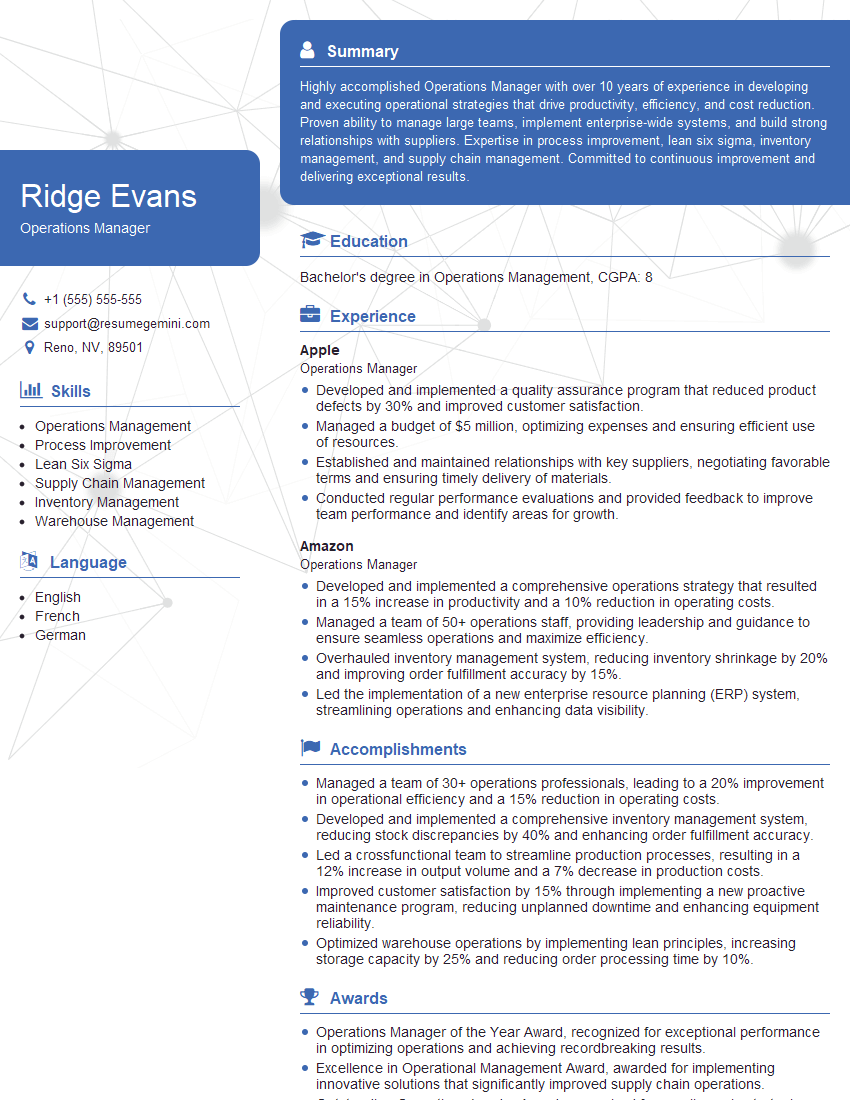
Operations Manager Resume Sample

Production Supervisor Resume Sample
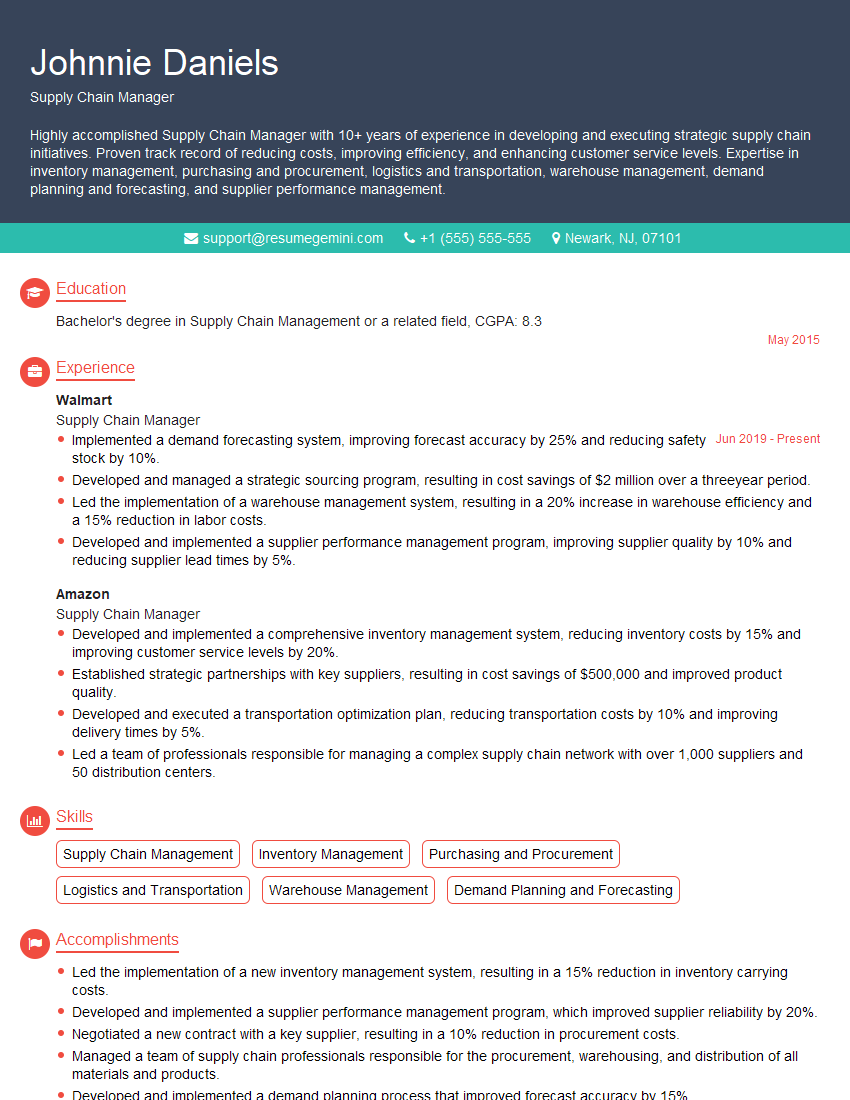
Supply Chain Manager Resume Sample

Warehouse Manager Resume Sample
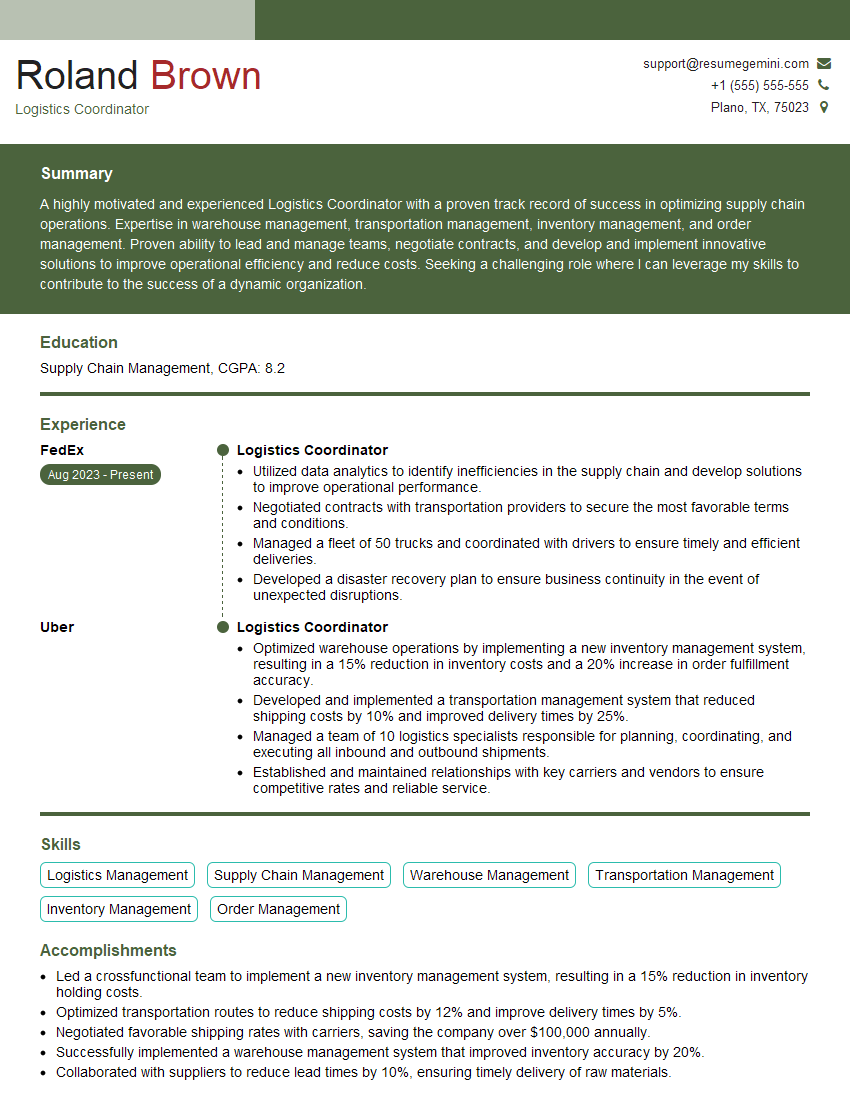
Logistics Coordinator Resume Sample

Compliance Officer Resume Sample
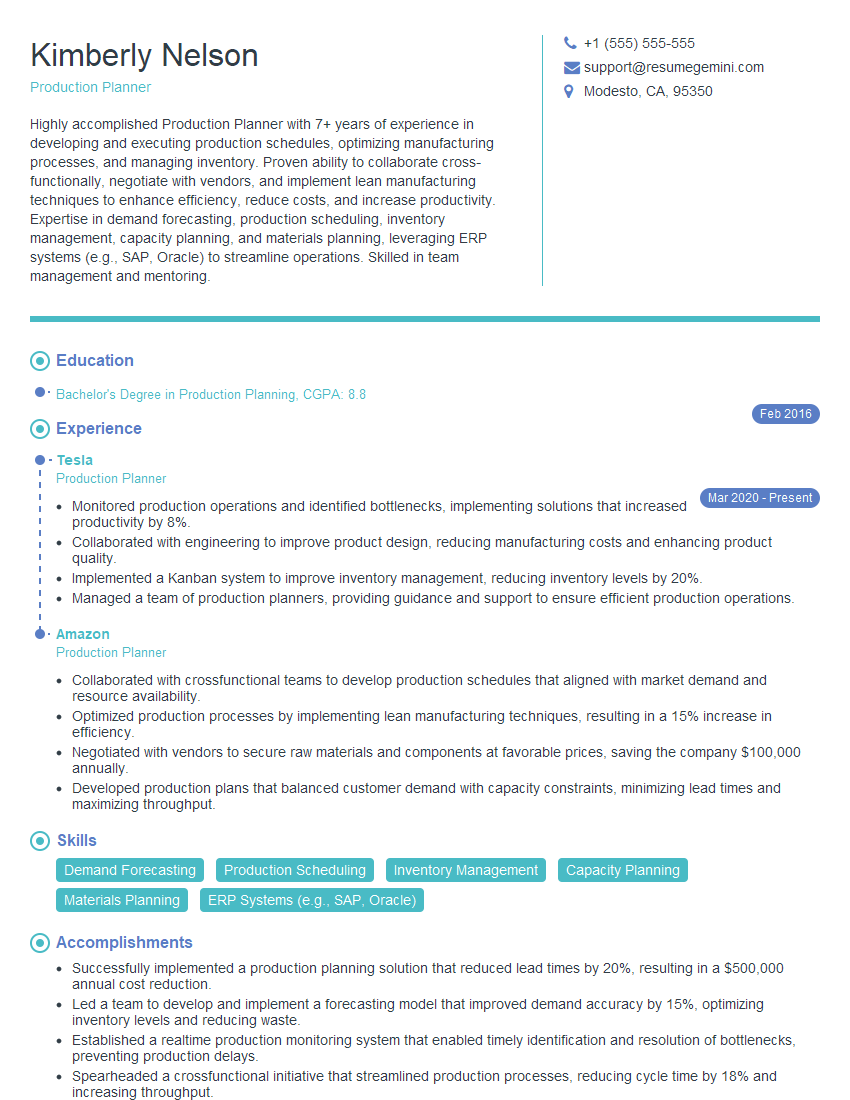
Production Planner Resume Sample
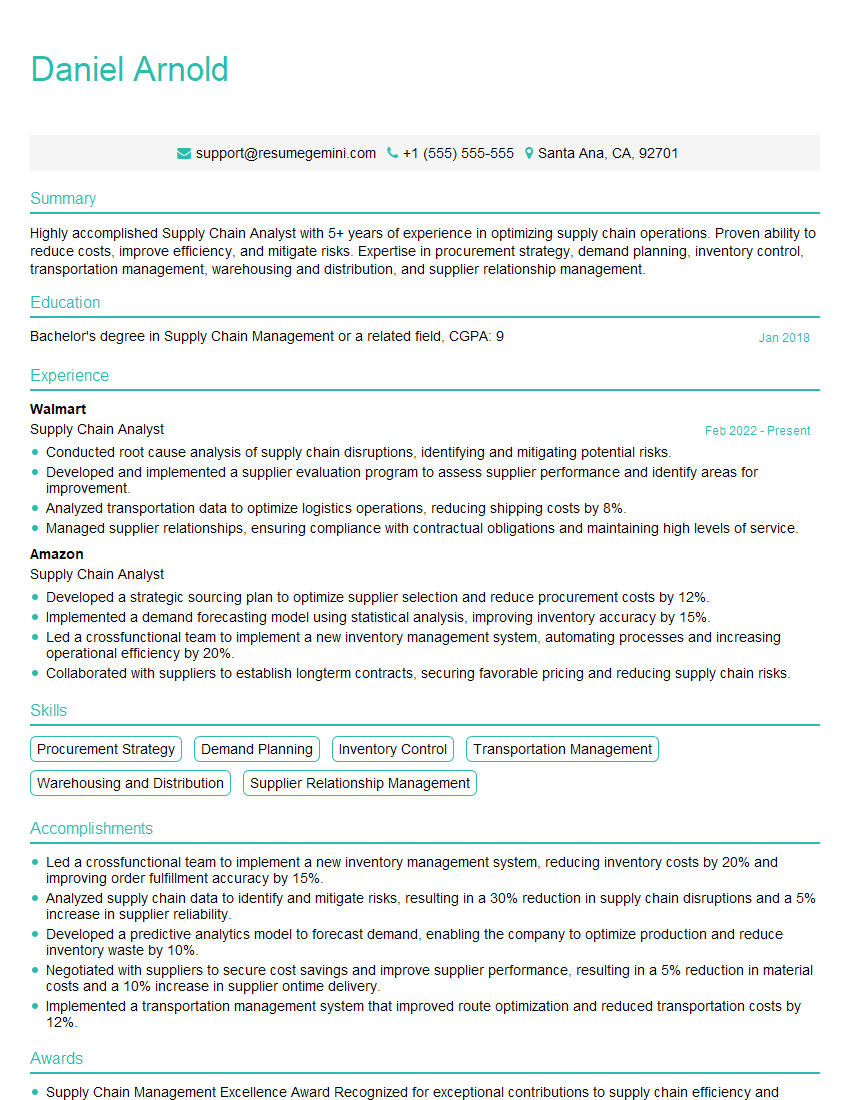
Supply Chain Analyst Resume Sample
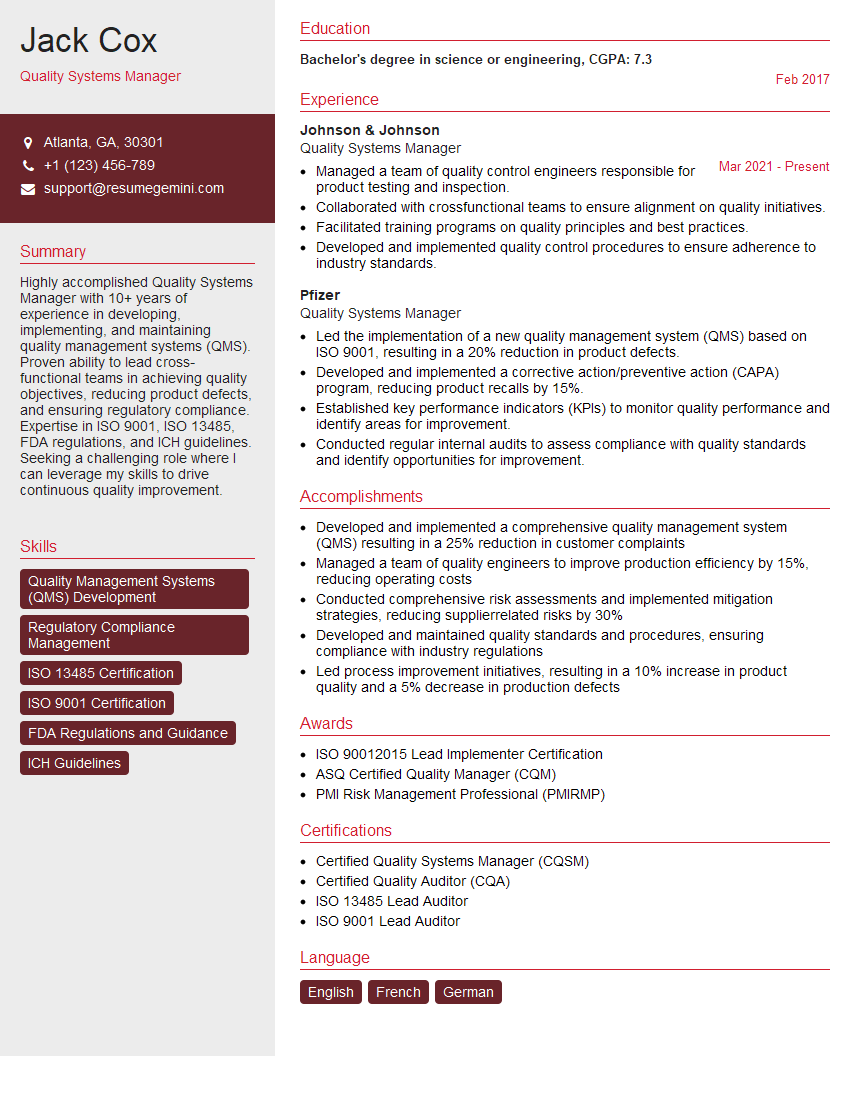
Quality Systems Manager Resume Sample
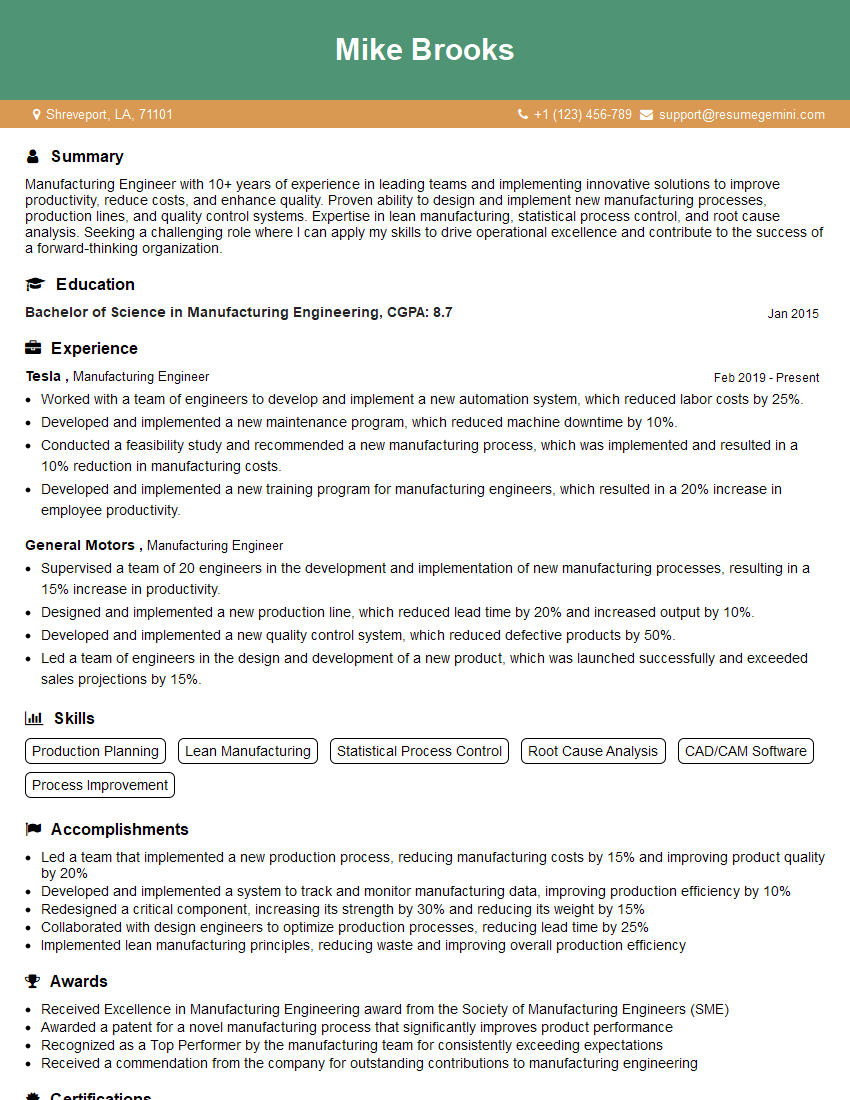
Manufacturing Engineer Resume Sample

Inventory Control Specialist Resume Sample
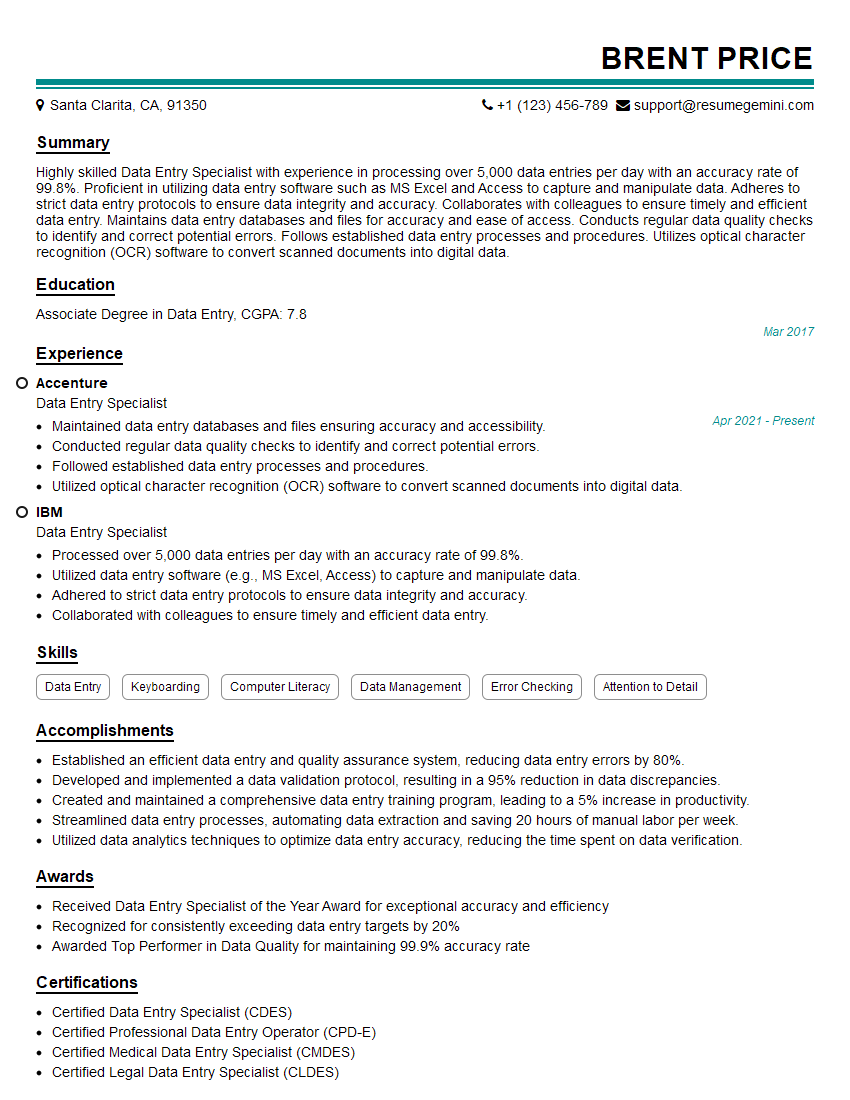
Data Entry Specialist Resume Sample
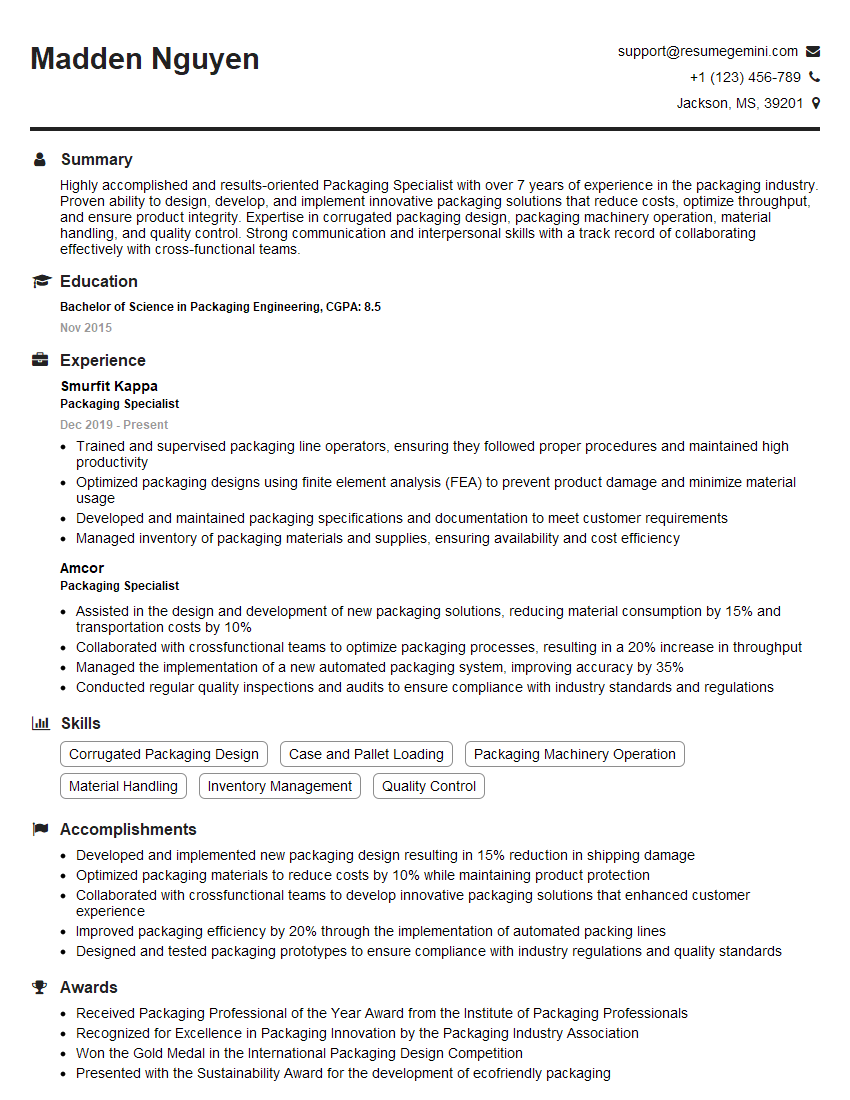
Packaging Specialist Resume Sample
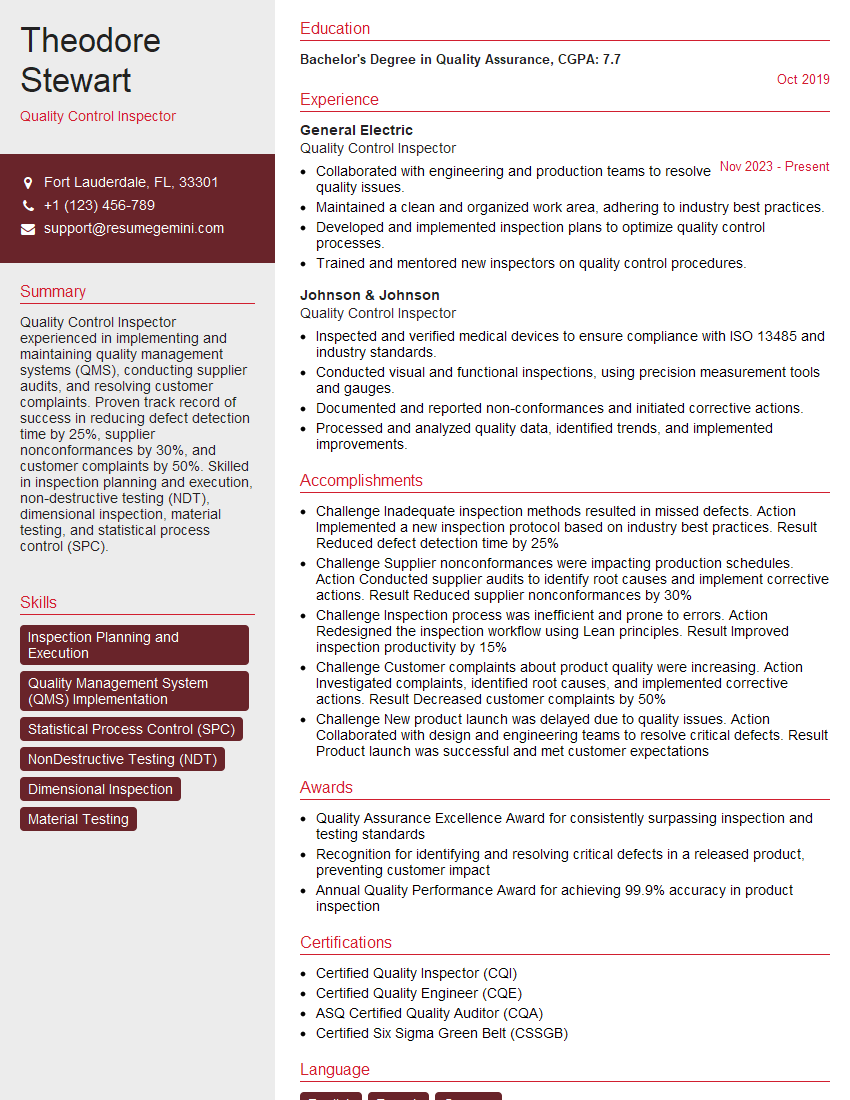
Quality Control Inspector Resume Sample
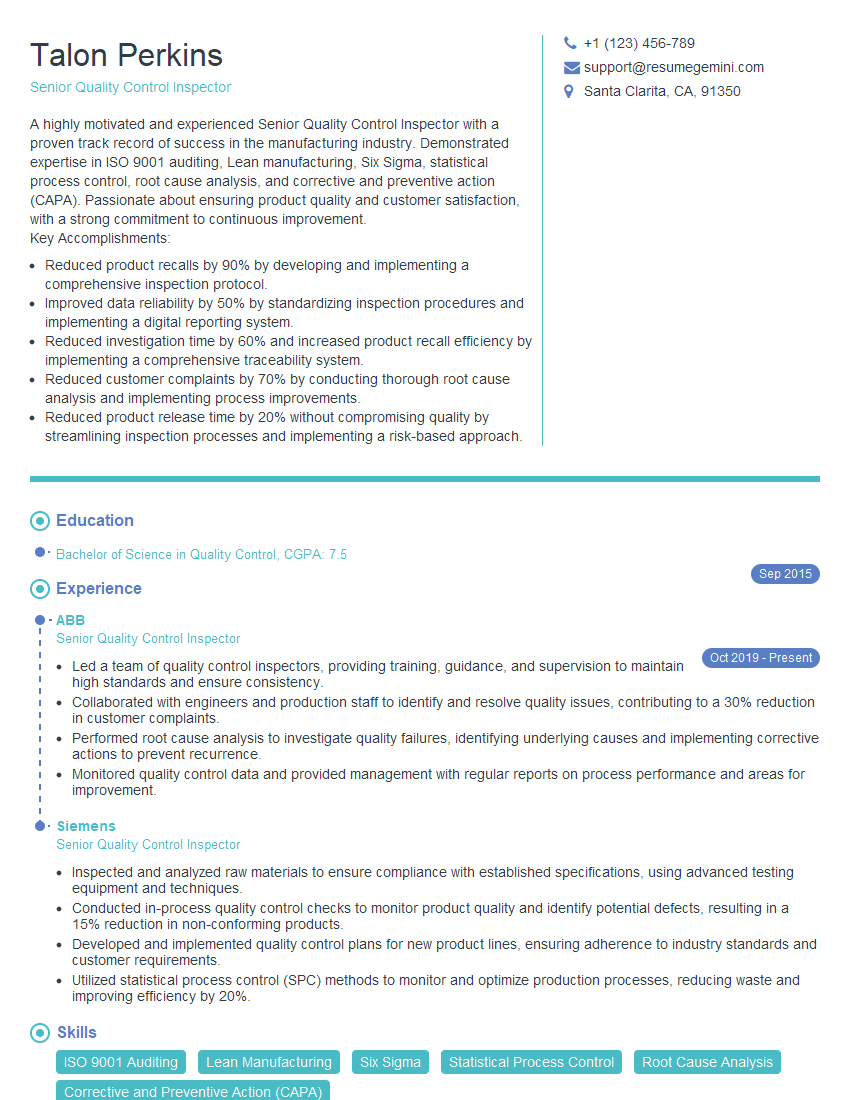
Senior Quality Control Inspector Resume Sample

Quality Assurance Analyst Resume Sample
- Operations Manager
- Production Supervisor
- Supply Chain Manager
- Warehouse Manager
- Logistics Coordinator
- Compliance Officer
- Production Planner
- Supply Chain Analyst
- Quality Systems Manager
- Manufacturing Engineer
- Inventory Control Specialist
- Data Entry Specialist
- Packaging Specialist
- Quality Control Inspector
- Senior Quality Control Inspector
- Quality Assurance Analyst
Explore more articles
Users Rating of Our Blogs
Share Your Experience
We value your feedback! Please rate our content and share your thoughts (optional).
What Readers Say About Our Blog
Very informative content, great job.
good