Every successful interview starts with knowing what to expect. In this blog, we’ll take you through the top Laboratory Equipment and Procedures interview questions, breaking them down with expert tips to help you deliver impactful answers. Step into your next interview fully prepared and ready to succeed.
Questions Asked in Laboratory Equipment and Procedures Interview
Q 1. Describe your experience with HPLC.
My experience with High-Performance Liquid Chromatography (HPLC) spans over eight years, encompassing both analytical and preparative techniques. I’ve worked extensively with reversed-phase, normal-phase, and ion-exchange chromatography, utilizing various detectors including UV-Vis, fluorescence, and mass spectrometry. For example, in my previous role, I developed and validated an HPLC method for quantifying trace impurities in pharmaceutical compounds, ensuring compliance with regulatory guidelines. This involved method optimization, system suitability testing, and rigorous data analysis to achieve the required sensitivity and accuracy. I’m also proficient in troubleshooting HPLC systems, identifying issues such as pump leaks, gradient issues, and detector malfunctions. My expertise extends to maintaining HPLC systems, including column conditioning and mobile phase preparation.
A particularly challenging project involved separating and quantifying isomers with very similar chemical structures. This required meticulous optimization of the mobile phase composition and gradient profile to achieve baseline separation, a task that demanded a deep understanding of chromatographic theory and practical experience. Through careful experimentation and data analysis, we successfully developed a robust method which became a crucial part of our quality control process.
Q 2. Explain the principles of spectrophotometry.
Spectrophotometry is a technique used to measure the absorbance or transmission of light through a solution. It’s based on the principle that different substances absorb light of different wavelengths to varying degrees. The amount of light absorbed is directly proportional to the concentration of the analyte, a relationship described by the Beer-Lambert Law: A = εbc, where A is absorbance, ε is the molar absorptivity (a constant specific to the substance and wavelength), b is the path length of the light through the sample, and c is the concentration of the analyte.
In practice, a spectrophotometer shines a beam of light through a sample, and a detector measures the amount of light that passes through. The difference between the incident light and transmitted light is the absorbance. This absorbance is then used to calculate the concentration of the analyte using the Beer-Lambert Law. We use this technique frequently for quantifying proteins, nucleic acids, and other substances in the lab. For example, we use it routinely to determine the concentration of DNA samples before PCR reactions, ensuring accurate quantification for consistent and reliable results.
Q 3. How do you ensure the accuracy and precision of laboratory measurements?
Ensuring accurate and precise measurements is paramount in any laboratory setting. This involves a multi-pronged approach. Firstly, proper calibration of all instruments is essential. We use certified reference materials and standard operating procedures to regularly calibrate balances, pipettes, and spectrophotometers. Secondly, using appropriate techniques is critical; for example, employing proper pipetting techniques minimizes errors. We also use multiple measurements and statistical analysis to assess the accuracy and precision of our results. Furthermore, we meticulously maintain laboratory equipment, ensuring proper functioning and minimizing sources of error. Finally, we use quality control samples (QC) and blanks routinely to identify and correct systematic and random errors. A common example is the use of QC samples in HPLC analysis to ensure the instrument’s performance remains consistent throughout the analysis. Discrepancies prompt investigation and recalibration if needed.
Q 4. What are the safety precautions for handling hazardous chemicals?
Handling hazardous chemicals requires strict adherence to safety protocols. These include using appropriate personal protective equipment (PPE), such as lab coats, gloves, eye protection, and sometimes respirators. We always work in a well-ventilated area or use fume hoods when dealing with volatile chemicals. Proper waste disposal is crucial, adhering to specific protocols for different waste types. Detailed safety data sheets (SDS) are consulted before handling any chemical, providing crucial information about hazards, safe handling procedures, and emergency responses. Additionally, we follow established spill response procedures and undergo regular safety training to maintain a safe working environment. For instance, working with strong acids or bases necessitates the use of appropriate protective gear and neutralizing agents in case of spills. The proper use of fume hoods is a must when dealing with volatile organic compounds to prevent exposure to toxic vapors.
Q 5. Explain the process of calibrating laboratory equipment.
Calibrating laboratory equipment is a systematic process aimed at ensuring the accuracy and precision of measurements. It involves comparing the equipment’s readings to those of a known standard, often a certified reference material. The process typically involves several steps: 1. Preparing the equipment for calibration, including cleaning and pre-warming. 2. Running the calibration procedure, following manufacturer instructions and using the appropriate standard. 3. Comparing the equipment’s readings to the standard’s values. 4. Making any necessary adjustments to correct for discrepancies. 5. Documenting the calibration procedure, including date, results, and any corrective actions. For example, a balance is calibrated using standard weights, while a spectrophotometer is calibrated using certified reference materials with known absorbance values. Calibration certificates are maintained for all equipment, providing traceability and compliance with quality control regulations. Regular calibration ensures that the results generated are reliable and trustworthy.
Q 6. Describe your experience with PCR techniques.
My experience with Polymerase Chain Reaction (PCR) techniques is extensive, encompassing both traditional PCR and real-time PCR (qPCR). I have experience designing primers, optimizing PCR conditions, and analyzing PCR products. In my previous role, I developed and validated a qPCR assay for detecting specific pathogens in environmental samples. This involved designing specific primers and probes, optimizing the PCR reaction conditions to ensure sensitivity and specificity, and analyzing the data using appropriate software. I am also familiar with various PCR applications, such as gene cloning, mutagenesis, and DNA sequencing. A project that stands out involved optimizing a PCR assay for detecting a low-abundance gene target in a complex sample matrix. This required a detailed understanding of PCR optimization techniques and careful selection of reagents and reaction conditions to achieve the required sensitivity and specificity.
Q 7. How do you troubleshoot common problems with laboratory equipment?
Troubleshooting laboratory equipment requires a systematic approach. It starts with identifying the problem – Is it an instrument malfunction or a procedural error? Once identified, I follow a process of elimination to diagnose the cause. This often involves checking connections, verifying reagent concentrations, and inspecting the equipment for any visible damage. For example, if an HPLC system isn’t working correctly, I’d first check for leaks, then assess the pump, injector, column, and detector individually. If the problem persists, I’ll consult the instrument’s manual, contact technical support, or seek assistance from experienced colleagues. Maintaining detailed records of troubleshooting steps and outcomes is essential for effective problem-solving and to prevent similar problems in the future. A well-documented approach ensures that the root cause is found and solutions are implemented effectively to maintain the reliability and efficiency of the laboratory’s equipment.
Q 8. What are the different types of microscopes and their applications?
Microscopes are essential tools in various scientific fields, allowing us to visualize structures invisible to the naked eye. Different types cater to specific needs.
- Light Microscopes: These use visible light and lenses to magnify specimens. They’re broadly categorized into:
- Bright-field microscopes: The most common, producing a dark image against a bright background. Used for observing stained specimens like bacteria or cells.
- Dark-field microscopes: Create a bright image against a dark background, ideal for observing unstained, transparent specimens like live microorganisms.
- Phase-contrast microscopes: Enhance contrast in transparent specimens without staining, enabling observation of internal structures.
- Fluorescence microscopes: Use fluorescent dyes to label specific structures, providing detailed information about cellular components and processes.
- Electron Microscopes: Utilize a beam of electrons instead of light, offering significantly higher magnification and resolution. These include:
- Transmission Electron Microscopes (TEM): Electrons pass through the specimen, providing high-resolution images of internal structures. Used in virology, materials science, etc.
- Scanning Electron Microscopes (SEM): Electrons scan the specimen’s surface, creating detailed 3D images. Useful for surface analysis and morphology studies.
For instance, in my previous role, we used bright-field microscopy for routine bacterial identification and fluorescence microscopy to study protein localization within cells.
Q 9. Explain the importance of proper documentation in laboratory procedures.
Proper documentation is paramount in laboratory work; it ensures reproducibility, accountability, and traceability. Think of it as the laboratory’s memory, crucial for both internal and external scrutiny.
- Reproducibility: Detailed protocols allow others to repeat experiments, verifying results and building upon previous findings.
- Accountability: Clear records track who performed the work, when it was done, and the methods used. This is essential for quality control and compliance with regulations.
- Traceability: Comprehensive documentation allows us to trace the origin of samples, reagents, and data, crucial for investigating errors or validating results.
A well-documented experiment includes the date, researcher’s name, materials used (including lot numbers), detailed procedures, raw data, calculations, and conclusions. I always use a structured laboratory notebook and electronic databases to maintain accurate and complete records, adhering to GLP (Good Laboratory Practice) principles.
Q 10. How do you ensure the quality control of laboratory results?
Quality control is a multi-faceted process ensuring the reliability and accuracy of laboratory results. It involves several key steps:
- Calibration and Maintenance of Equipment: Regular calibration of instruments like balances, pipettes, and spectrophotometers guarantees accurate measurements. Preventative maintenance minimizes errors due to equipment malfunction.
- Use of Controls and Standards: Positive and negative controls are essential. Positive controls confirm the assay works as expected, while negative controls detect false positives. Standards provide a known concentration range for calibration curves.
- Blind Samples and Proficiency Testing: Analyzing blind samples (samples of unknown concentration) helps assess accuracy and objectivity. Participating in external proficiency testing programs demonstrates competence and identifies areas for improvement.
- Statistical Analysis: Statistical methods help evaluate data variability, identify outliers, and assess the significance of results.
- Documentation and Audits: Meticulous record-keeping and regular audits ensure compliance with quality standards and identify potential weaknesses in the process.
For example, in my previous role, we implemented a comprehensive quality control program including regular instrument calibration, blind sample analysis, and participation in inter-laboratory comparisons, significantly improving the reliability of our data.
Q 11. Describe your experience with cell culture techniques.
I have extensive experience with various cell culture techniques, including both adherent and suspension cultures. My expertise spans cell line maintenance, media preparation, subculturing, cryopreservation, and transfection.
- Cell Line Maintenance: This involves routine passaging, monitoring cell morphology and viability, and optimizing culture conditions (media, temperature, CO2 levels) for optimal cell growth.
- Cryopreservation: I’m proficient in cryopreserving cells using controlled-rate freezers to maintain cell viability for long-term storage. This involves using cryoprotective agents like DMSO to prevent ice crystal formation during freezing.
- Transfection: I have experience with various transfection techniques, including lipofection and electroporation, to introduce foreign DNA into cells for gene expression studies.
In a previous project, I successfully established and maintained several primary cell lines derived from tissue samples, optimized culture conditions for maximal cell growth, and performed successful transfections to study the effects of a novel gene on cellular function.
Q 12. Explain the principles of electrophoresis.
Electrophoresis separates molecules based on their size and charge using an electric field. This technique is widely used in molecular biology and biochemistry.
The basic principle involves applying an electric field across a gel matrix (e.g., agarose or polyacrylamide). Charged molecules migrate through the gel at different rates depending on their size and charge. Smaller, highly charged molecules move faster than larger, less charged molecules.
- Agarose Gel Electrophoresis: Primarily used to separate DNA and RNA fragments. The gel’s porosity determines the separation resolution.
- Polyacrylamide Gel Electrophoresis (PAGE): Provides higher resolution for separating proteins. SDS-PAGE (sodium dodecyl sulfate polyacrylamide gel electrophoresis) denatures proteins, allowing separation based solely on size.
- Isoelectric Focusing (IEF): Separates proteins based on their isoelectric point (pI), the pH at which their net charge is zero.
For example, I routinely used agarose gel electrophoresis to analyze PCR products and SDS-PAGE to analyze protein expression levels in various experiments. The results were then analyzed using densitometry to quantify the relative abundance of the different molecules.
Q 13. How do you maintain a clean and organized laboratory workspace?
Maintaining a clean and organized laboratory workspace is crucial for safety, efficiency, and accurate results. It’s a matter of both personal responsibility and established lab protocols.
- Regular Cleaning: Daily cleaning involves wiping down benches with disinfectant, disposing of waste appropriately, and cleaning glassware.
- Organization: Reagents and equipment should be logically organized, ensuring easy access and preventing cross-contamination. Clearly labeled containers are essential.
- Waste Management: Hazardous waste must be segregated and disposed of according to regulations. Proper labeling of waste containers is essential for safety.
- Safety Procedures: Adhering to safety protocols like wearing appropriate personal protective equipment (PPE), using fume hoods when necessary, and following proper procedures for handling hazardous materials.
I always follow a checklist for end-of-day cleaning, ensuring that all equipment is properly cleaned and stored, and waste is appropriately disposed of. This creates a safer, more efficient, and ultimately more productive work environment.
Q 14. What is your experience with LIMS software?
I have significant experience with LIMS (Laboratory Information Management System) software, using it to manage samples, experiments, data, and reports in various laboratory settings.
My experience encompasses data entry, sample tracking, instrument integration, report generation, and data analysis using LIMS. I’m proficient in using LIMS to manage workflows, maintain data integrity, and ensure regulatory compliance.
For example, in my previous role, we used a LIMS system to track the entire analytical process, from sample submission to final report generation. The system automated many tasks, reducing errors and improving efficiency. We also used the LIMS data for quality control and trend analysis to optimize our laboratory processes.
Q 15. Describe your experience with different types of centrifuges.
My experience with centrifuges spans various types, from low-speed benchtop models used for simple cell sedimentation to high-speed ultracentrifuges capable of separating complex biological macromolecules. I’m proficient in operating both refrigerated and non-refrigerated centrifuges, understanding the importance of balancing the rotor for safe and efficient operation. For instance, I’ve extensively used a Beckman Coulter Allegra X-15R refrigerated centrifuge for preparing cell lysates, ensuring consistent temperature control during the process to prevent sample degradation. I’m also familiar with microcentrifuges, essential for smaller-scale applications, and have experience troubleshooting common issues like rotor imbalance and motor malfunctions. My understanding includes different rotor types – swing-bucket, fixed-angle, and vertical – and their respective applications, selecting the appropriate rotor based on sample volume and desired separation.
Career Expert Tips:
- Ace those interviews! Prepare effectively by reviewing the Top 50 Most Common Interview Questions on ResumeGemini.
- Navigate your job search with confidence! Explore a wide range of Career Tips on ResumeGemini. Learn about common challenges and recommendations to overcome them.
- Craft the perfect resume! Master the Art of Resume Writing with ResumeGemini’s guide. Showcase your unique qualifications and achievements effectively.
- Don’t miss out on holiday savings! Build your dream resume with ResumeGemini’s ATS optimized templates.
Q 16. How do you handle spills and accidents in the laboratory?
Handling spills and accidents is paramount in maintaining a safe laboratory environment. My approach follows a structured protocol: immediately assess the situation, prioritizing personal safety. For chemical spills, I’d first contain the spill using absorbent materials like vermiculite or spill pads, preventing further spread. Then, using appropriate personal protective equipment (PPE), including gloves, eye protection, and lab coat, I’d neutralize the spill according to the chemical’s safety data sheet (SDS). This might involve using a specific neutralizing agent or simply diluting with copious amounts of water, depending on the chemical involved. For instance, a strong acid spill would require careful neutralization with a base, whereas a less hazardous spill could be cleaned with water and detergent. In case of bodily injury, first aid would be administered immediately, followed by reporting the incident to the supervisor and seeking medical attention if necessary. Documentation of the entire incident is crucial, including the type of spill, the actions taken, and any injuries sustained. We maintain a detailed log of all incidents for future risk assessment and improvement of safety protocols.
Q 17. Explain the importance of following standard operating procedures (SOPs).
Following Standard Operating Procedures (SOPs) is non-negotiable for ensuring reproducibility, safety, and quality control in any laboratory setting. SOPs provide a standardized approach to executing experimental procedures, minimizing variations and errors that can arise from individual differences in technique. This is particularly crucial in regulated environments like pharmaceutical or clinical labs, where adherence to SOPs is vital for compliance and data integrity. For example, a deviation from a prescribed method in a drug development setting could lead to inaccurate results, potentially jeopardizing the safety and efficacy of the drug. Moreover, SOPs play a key role in training new personnel, providing a clear and consistent set of instructions to follow. Thorough documentation of each step, including potential hazards, safeguards, and troubleshooting steps within the SOP, assists in accident prevention. Consistency in following SOPs leads to reliable data, which forms the basis for any credible scientific research or industrial process. By strictly adhering to SOPs, we maintain high standards of quality and safety in the lab, avoiding potentially costly errors and ensuring the validity of our work.
Q 18. Describe your experience with different types of glassware and their uses.
My experience encompasses a wide range of glassware, each with specific applications. Beakers, for instance, are used for general mixing and heating, while Erlenmeyer flasks are ideal for titrations or culturing due to their conical shape. Volumetric flasks are precise instruments for preparing solutions of known concentrations; graduated cylinders are used for measuring approximate volumes. Pipettes, both serological and micropipettes, are essential for transferring precise volumes of liquids, while burettes are used for controlled dispensing in titrations. I’m also experienced in using specialized glassware such as separatory funnels for liquid-liquid extractions, and desiccators for drying samples. I’m meticulous about proper cleaning and handling of glassware, ensuring its cleanliness and preventing contamination which could lead to inaccurate results. For instance, I always rinse glassware with distilled water after cleaning to avoid residue that could affect experiments. Proper handling techniques, particularly for delicate or specialized glassware, are fundamental to prevent breakage and injuries.
Q 19. How do you prepare reagents and solutions?
Reagent and solution preparation requires precision and accuracy. I begin by carefully reading the protocol and calculating the required amounts of solute and solvent. Precise weighing of solids is done using an analytical balance, ensuring accuracy to the appropriate decimal place. Liquids are measured using volumetric glassware, such as graduated cylinders or pipettes, depending on the required precision. I always use appropriate personal protective equipment (PPE) such as gloves and eye protection. For example, when preparing a 1M solution of NaCl, I would first accurately weigh out the required amount of NaCl using an analytical balance and then dissolve it in a specific volume of distilled water in a volumetric flask, ensuring the final volume is accurate. The solution would then be thoroughly mixed to ensure homogenous distribution of the solute. For certain reagents, I’m also experienced in using specialized techniques, such as dilutions in serial dilutions, which are used in many applications, from microbiology to clinical chemistry, to ensure accurate and reproducible solutions over a wide range of concentrations. Careful labeling with date, concentration, and chemical name is paramount to avoid errors and ensure safe handling.
Q 20. Explain the process of sterilization and disinfection.
Sterilization and disinfection are critical processes to eliminate or reduce microbial contamination, preventing inaccurate results and protecting laboratory personnel. Sterilization, the complete elimination of all microorganisms, is typically achieved through autoclaving (steam sterilization under high pressure), dry heat sterilization, or filtration. Autoclaving is the most common method for sterilizing glassware, media, and other heat-resistant materials. Disinfection, on the other hand, reduces the number of microorganisms to a safe level, but doesn’t necessarily eliminate all of them. Common disinfection methods include using chemical agents like ethanol, isopropanol, or bleach solutions. The choice of sterilization or disinfection method depends on the nature of the materials and the level of sterility required. For instance, glassware used in cell culture requires sterilization using an autoclave, while work surfaces might be disinfected with 70% ethanol before and after each experiment. Proper monitoring and validation of these processes, including biological indicators for sterilization, are crucial to ensuring their effectiveness.
Q 21. Describe your experience with analytical balances.
I have extensive experience using analytical balances, both single-pan and top-loading types, for precise mass measurements. I understand the importance of calibration and proper usage for obtaining accurate results. Before each weighing, I always ensure the balance is tared and leveled, accounting for any environmental factors, like drafts, that might affect accuracy. I’m proficient in weighing both solid and liquid samples, employing appropriate techniques such as weighing by difference for solids and using a weighing boat or weighing paper to prevent contamination of the balance. I understand the limitations of different balances and select the appropriate instrument based on the required precision. For instance, I would use a microbalance for weighing very small samples (milligrams or micrograms), while a standard analytical balance would suffice for weighing larger samples (grams). Regular maintenance and calibration checks are crucial for ensuring the continued accuracy and reliability of analytical balances. Data recording and proper handling procedures are paramount to avoid errors and ensure the integrity of the results.
Q 22. How do you interpret laboratory results?
Interpreting laboratory results involves more than just looking at numbers; it’s about understanding the context, assessing the validity of the data, and drawing meaningful conclusions. It begins with a thorough understanding of the experimental methodology and the expected results. I first check for any inconsistencies or outliers in the data. For example, if I’m analyzing blood glucose levels and I see a value significantly higher than the others, I’d investigate further to rule out errors in sample collection or analysis.
Next, I compare the results to established reference ranges or expected values. This might involve comparing a patient’s blood test results to normal ranges, or comparing the yield of a chemical reaction to the theoretical yield. Statistical analysis often plays a vital role, helping to determine the significance of the results and account for inherent variability. I’d use techniques like t-tests or ANOVA to determine if differences between groups are statistically significant. Finally, I’d consider any potential confounding factors that could influence the results and integrate the findings into a comprehensive report, including my interpretation and recommendations for further investigation if needed.
For instance, in a clinical setting, a slightly elevated white blood cell count might not be alarming in itself, but when combined with other symptoms and patient history, it could indicate an infection. The same principle applies to any lab setting; context and critical thinking are key.
Q 23. What are your experiences with gas chromatography?
Gas chromatography (GC) is a technique I’ve used extensively for separating and analyzing volatile compounds. My experience encompasses both the operation of the instrument and the interpretation of the resulting chromatograms. I’m proficient in various GC techniques, including gas-solid chromatography (GSC) and gas-liquid chromatography (GLC), the latter being far more common in my work.
In my previous role, I used GC to analyze the composition of essential oils. We used a capillary column with a specific stationary phase to separate the different components, and a flame ionization detector (FID) to measure their abundance. We then used the retention times and peak areas to identify and quantify each component. Understanding the impact of different column types and detector choices is crucial for obtaining accurate results. For example, selecting a polar column would be suitable for analyzing polar compounds, while a non-polar column is preferable for non-polar compounds. Proper calibration and maintenance of the instrument are paramount in ensuring accurate and reliable data.
Troubleshooting GC issues is also a key part of my expertise. I’ve encountered and resolved problems ranging from leaks in the system to issues with detector sensitivity. I’m adept at interpreting chromatograms, identifying potential artifacts, and evaluating the quality of the data.
Q 24. Explain the principles of mass spectrometry.
Mass spectrometry (MS) is a powerful analytical technique that measures the mass-to-charge ratio (m/z) of ions. It’s used to identify and quantify molecules within a sample. The process starts with ionizing the sample, creating charged particles. These ions are then separated based on their mass-to-charge ratio using an electric or magnetic field.
There are various ionization methods like electron ionization (EI), chemical ionization (CI), electrospray ionization (ESI), and matrix-assisted laser desorption/ionization (MALDI), each with its own advantages and disadvantages. EI, for instance, creates highly fragmented ions useful for structural elucidation, while ESI is gentler and better suited for large biomolecules. The separated ions are then detected, and the resulting spectrum provides information about the mass and abundance of each ion. The data is then analyzed to determine the identity and quantity of the compounds in the original sample. This often involves using databases like NIST to compare measured spectra with known compounds.
I’ve used MS in proteomics studies, identifying proteins in complex biological samples. The ability to interface MS with other techniques like liquid chromatography (LC-MS) or gas chromatography (GC-MS) enhances its capabilities further, allowing for the analysis of complex mixtures.
Q 25. What is your experience with laboratory automation?
My experience with laboratory automation includes working with automated liquid handling systems, robotic platforms, and laboratory information management systems (LIMS). In a previous project, I helped implement a fully automated system for high-throughput screening of drug candidates. This involved programming robotic arms to handle samples, reagents, and plates, integrating them with automated liquid handlers and plate readers. The entire process, from sample preparation to data analysis, was automated, significantly increasing throughput and minimizing human error.
I’m proficient in using LIMS software to manage samples, track experiments, and analyze data. I understand the importance of data integrity and the necessity of using validated systems. My experience extends to troubleshooting automated systems, identifying the root cause of malfunctions, and implementing corrective actions. For example, I once solved a recurring issue with an automated liquid handler by carefully calibrating the dispensing tips and adjusting the liquid handling parameters. Automation increases efficiency and precision in the laboratory, but it also necessitates careful validation, routine maintenance, and a deep understanding of the software and hardware involved.
Q 26. How do you maintain laboratory equipment?
Maintaining laboratory equipment is critical for ensuring accurate and reliable results. My approach is proactive and follows a schedule of preventive maintenance. This involves regular cleaning, calibration, and functional checks according to the manufacturer’s instructions. For instance, balances are calibrated at regular intervals using certified weights, and centrifuges are checked for proper operation and balance. Detailed records are maintained for all equipment, including calibration certificates and maintenance logs.
Beyond routine maintenance, I also know how to troubleshoot equipment malfunctions. This includes understanding the error messages, identifying the probable cause, and performing the necessary repairs or calling in qualified technicians. Proper documentation is crucial, especially when dealing with sensitive instrumentation. I’m also aware of the importance of using appropriate cleaning agents and techniques to avoid damaging the equipment. For instance, different cleaning solutions are required for glass and plastic ware, and specific procedures must be followed for sensitive instrumentation. Neglecting proper maintenance can lead to inaccurate results, equipment damage, and safety hazards. A well-maintained lab is a safe and efficient lab.
Q 27. Describe your experience with data analysis in a laboratory setting.
Data analysis in a laboratory setting involves more than just calculating averages and standard deviations. My experience encompasses a wide range of statistical and computational techniques. I regularly use software packages such as GraphPad Prism, R, and Excel for data visualization, statistical analysis, and modeling.
I start by ensuring the quality of the data. This includes checking for outliers, assessing the validity of the data, and applying appropriate quality control measures. Then, I choose the appropriate statistical tests depending on the nature of the data and the research question. For example, I would use a t-test to compare the means of two groups, or ANOVA for multiple groups. Beyond basic statistics, I’m comfortable with more advanced techniques such as regression analysis, principal component analysis (PCA), and clustering.
In a recent project, I used PCA to reduce the dimensionality of a large dataset generated from a metabolomics experiment. This helped identify key metabolites contributing to differences between experimental groups. Data analysis skills are crucial to making sense of laboratory data and deriving meaningful conclusions that can inform decision-making and advance scientific understanding.
Q 28. How do you ensure compliance with laboratory safety regulations?
Ensuring compliance with laboratory safety regulations is paramount. My approach involves understanding and adhering to all relevant regulations, including those related to chemical handling, waste disposal, biohazard management, and personal protective equipment (PPE). I’m familiar with OSHA guidelines and other relevant regulatory frameworks.
This includes the proper use of safety equipment, such as eye protection, gloves, and lab coats. I’m trained in the safe handling of hazardous materials, including the preparation of chemical solutions, the disposal of waste, and the use of fume hoods. I regularly participate in safety training and keep updated on relevant regulations and best practices.
In addition to personal safety, I’m committed to maintaining a safe lab environment for others. This involves proper labeling of chemicals, the safe storage of hazardous materials, and the regular inspection of the laboratory to identify and mitigate potential hazards. Regular safety audits and training sessions are vital to fostering a safety-conscious culture within the laboratory. A safe laboratory is not just a legal requirement, it’s a fundamental aspect of responsible research and scientific practice.
Key Topics to Learn for Laboratory Equipment and Procedures Interview
- Laboratory Safety and Protocols: Understanding and applying safety regulations, proper handling of hazardous materials, and waste disposal procedures. Practical application includes demonstrating knowledge of specific safety equipment and emergency procedures.
- Common Laboratory Equipment: Familiarization with the operation, maintenance, and troubleshooting of essential equipment such as autoclaves, centrifuges, spectrophotometers, microscopes, and balances. This includes understanding their theoretical principles and limitations.
- Sterile Techniques and Aseptic Procedures: Mastering techniques for maintaining sterility in laboratory settings, including proper sterilization methods and aseptic handling of cultures and samples. Practical application includes explaining the importance of contamination prevention.
- Laboratory Data Handling and Analysis: Understanding data recording, analysis, interpretation, and reporting techniques. This includes proficiency in using relevant software and statistical methods.
- Quality Control and Assurance: Knowledge of quality control procedures, calibration methods, and the implementation of quality assurance systems within a laboratory setting. This includes understanding the importance of accuracy and reproducibility.
- Specific Techniques (based on your field): Depending on your specialization (e.g., molecular biology, microbiology, chemistry), delve into specific techniques and procedures commonly used within that field. This might include PCR, ELISA, chromatography, or titration techniques.
- Troubleshooting and Problem-Solving: Demonstrating the ability to identify and resolve common issues encountered during laboratory work. This includes understanding the root cause of errors and implementing corrective actions.
Next Steps
Mastering laboratory equipment and procedures is crucial for career advancement in scientific fields. A strong understanding of these fundamentals demonstrates competency and reliability, opening doors to more challenging and rewarding roles. To increase your job prospects, create an ATS-friendly resume that highlights your skills and experience effectively. ResumeGemini is a trusted resource to help you build a professional and impactful resume. We provide examples of resumes tailored to Laboratory Equipment and Procedures to guide you. Invest time in crafting a compelling resume—it’s your first impression on potential employers.
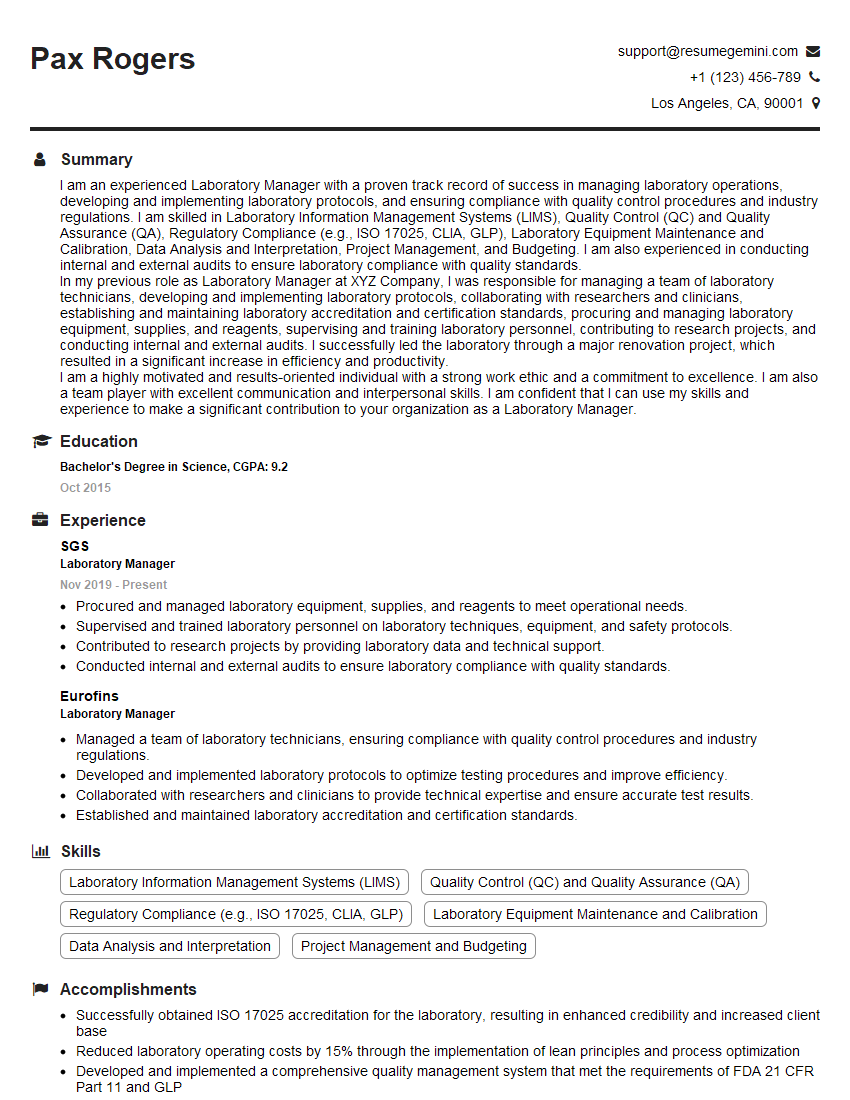
Laboratory Manager Resume Sample

Research Associate Resume Sample
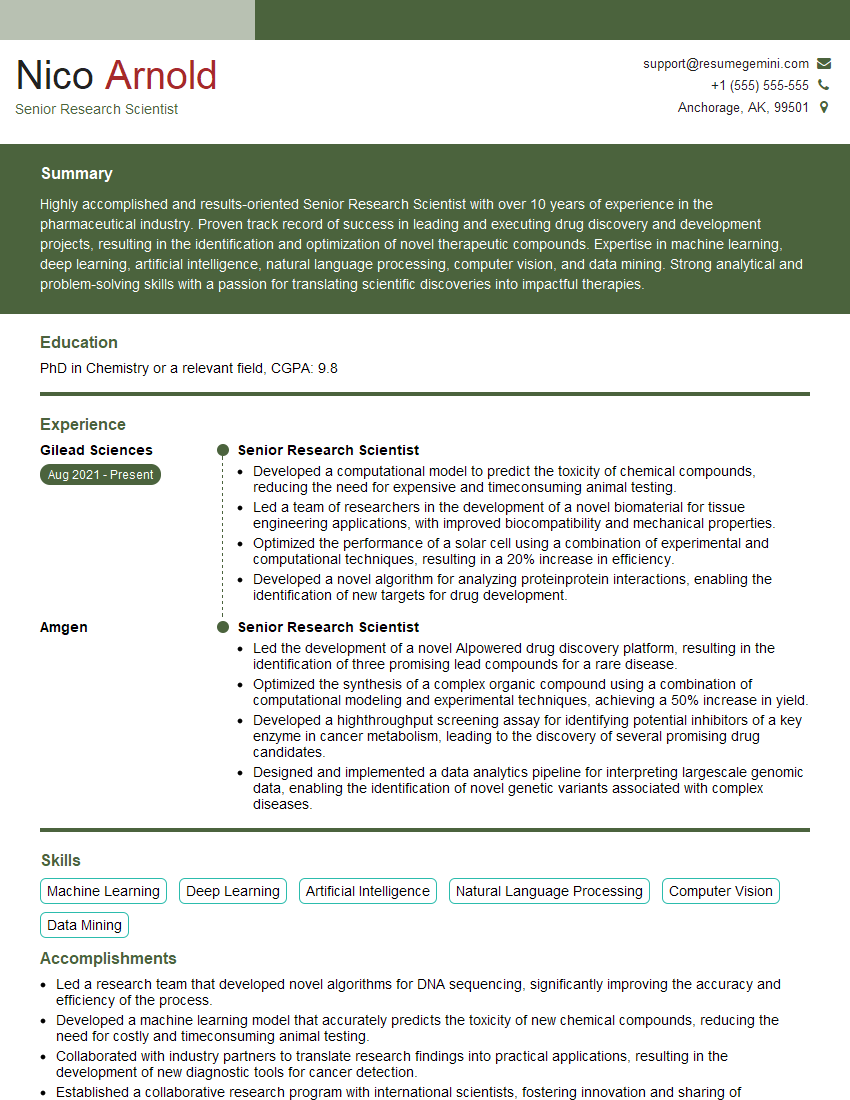
Senior Research Scientist Resume Sample
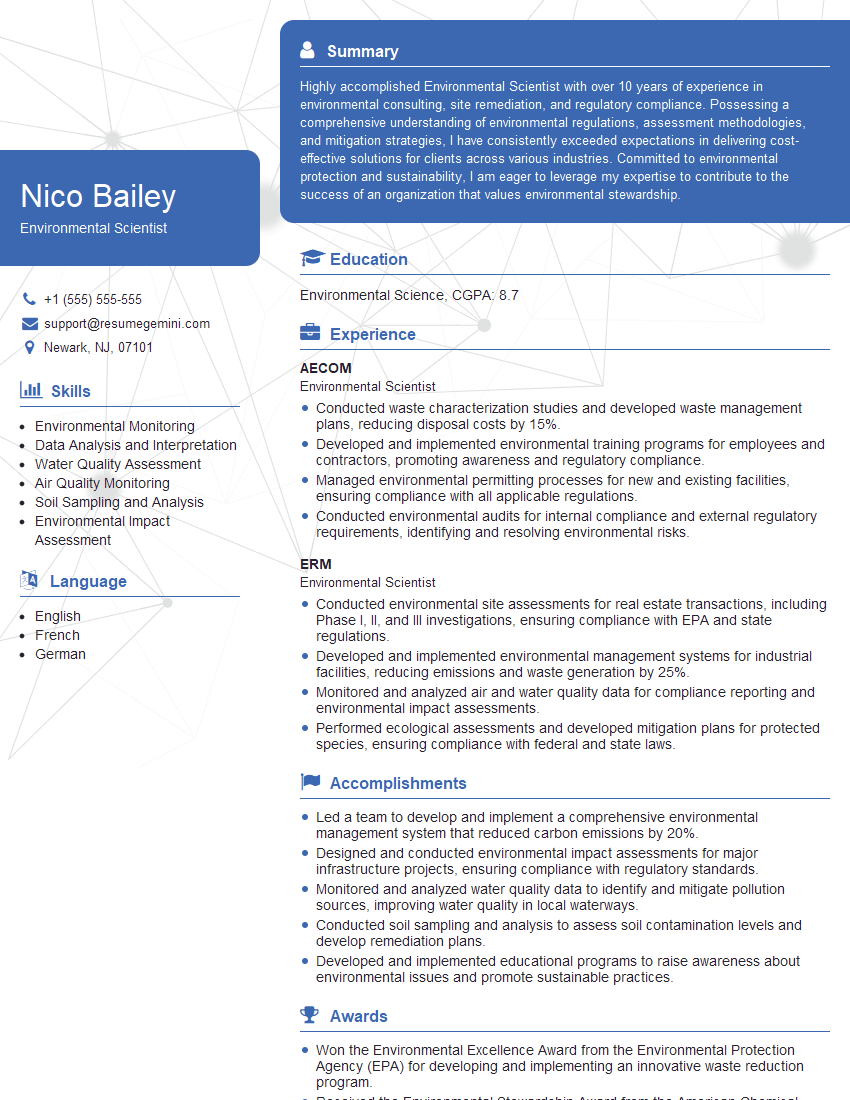
Environmental Scientist Resume Sample
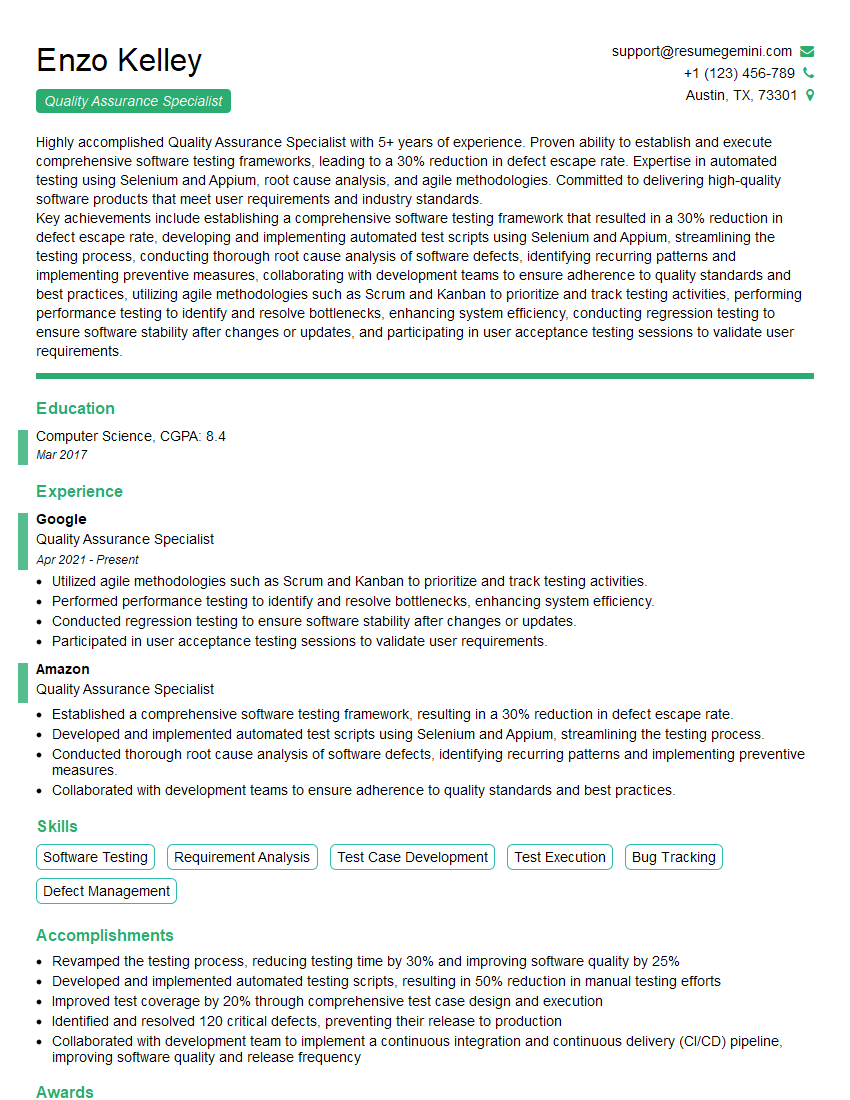
Quality Assurance Specialist Resume Sample
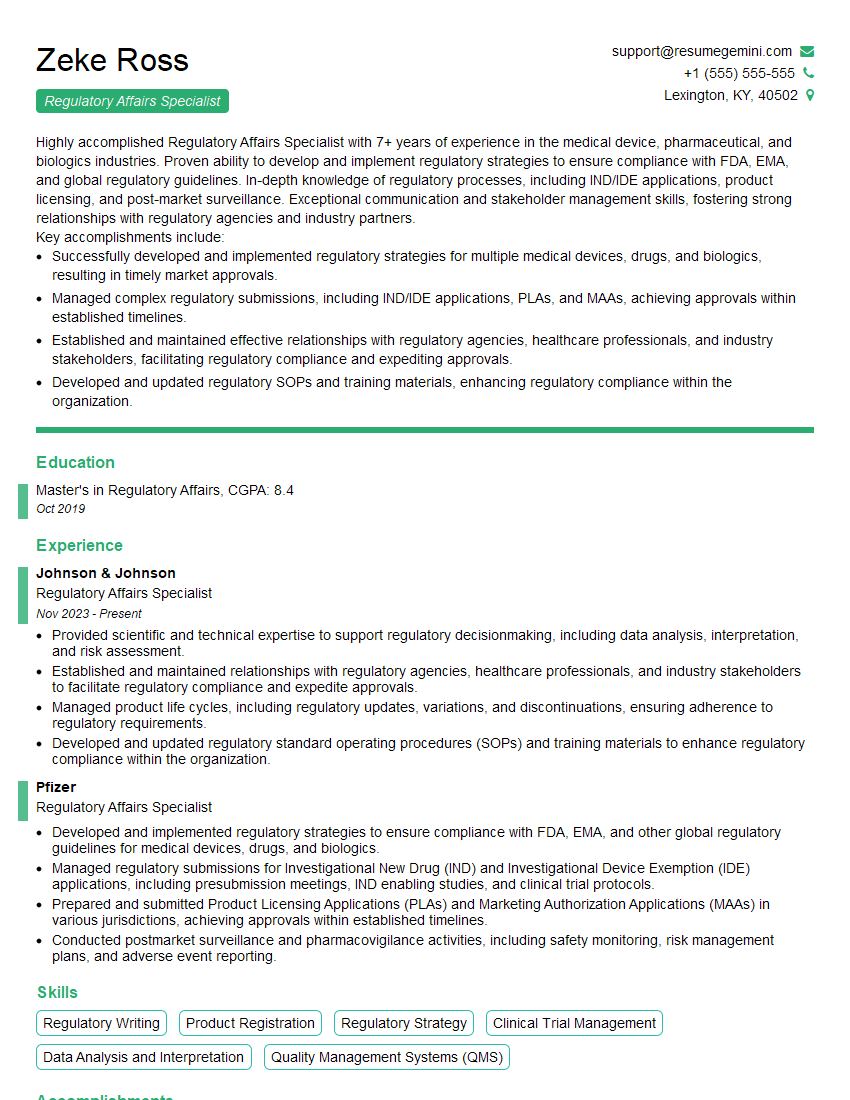
Regulatory Affairs Specialist Resume Sample
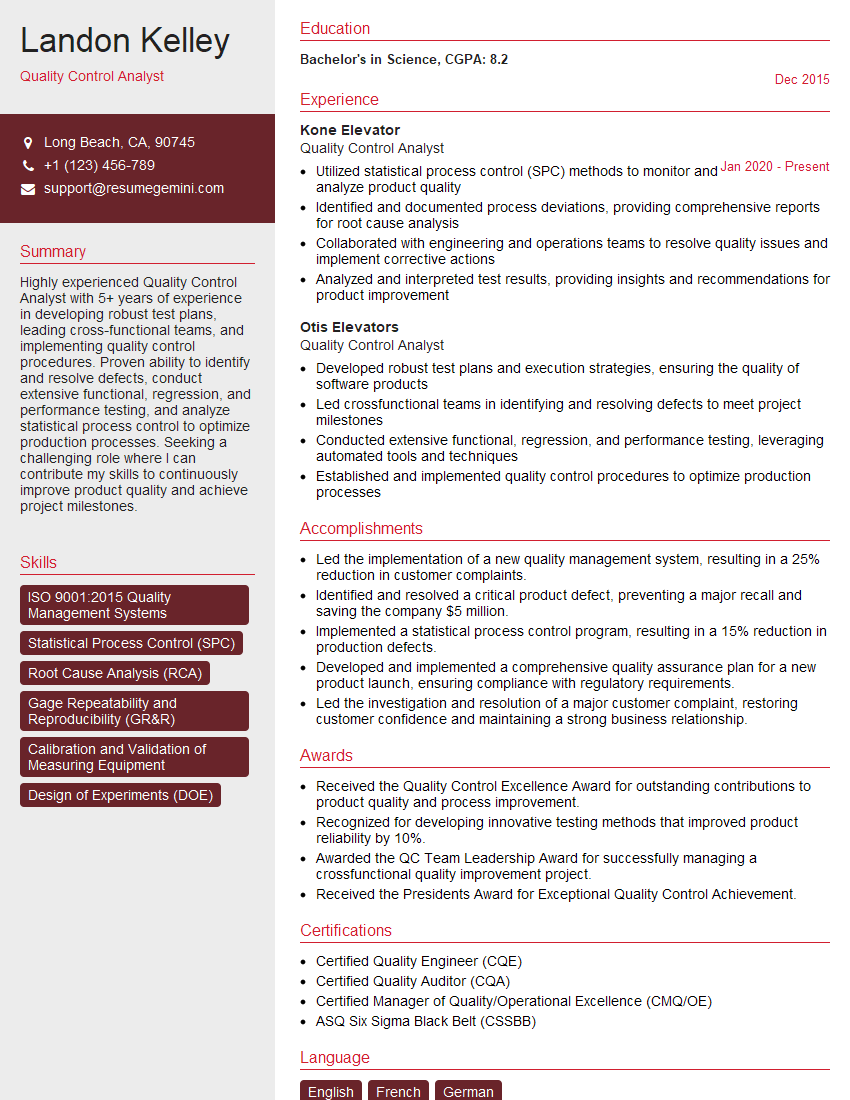
Quality Control Analyst Resume Sample
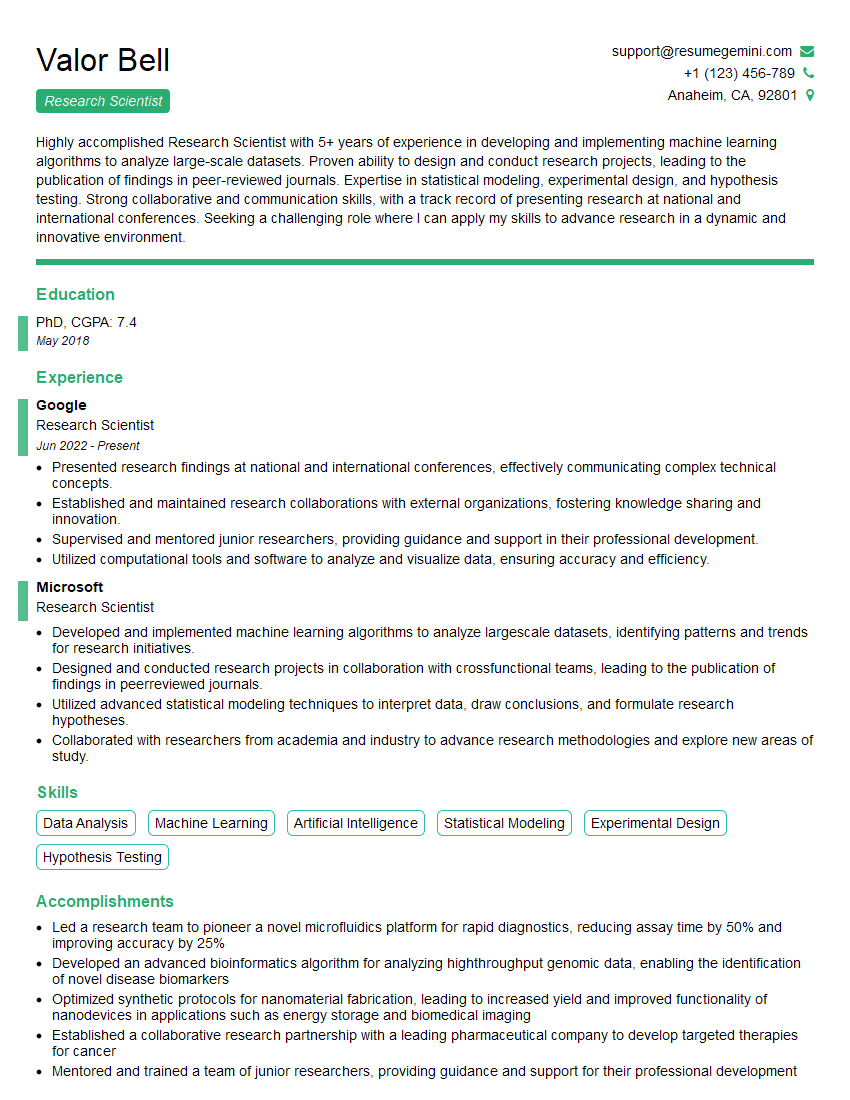
Research Scientist Resume Sample
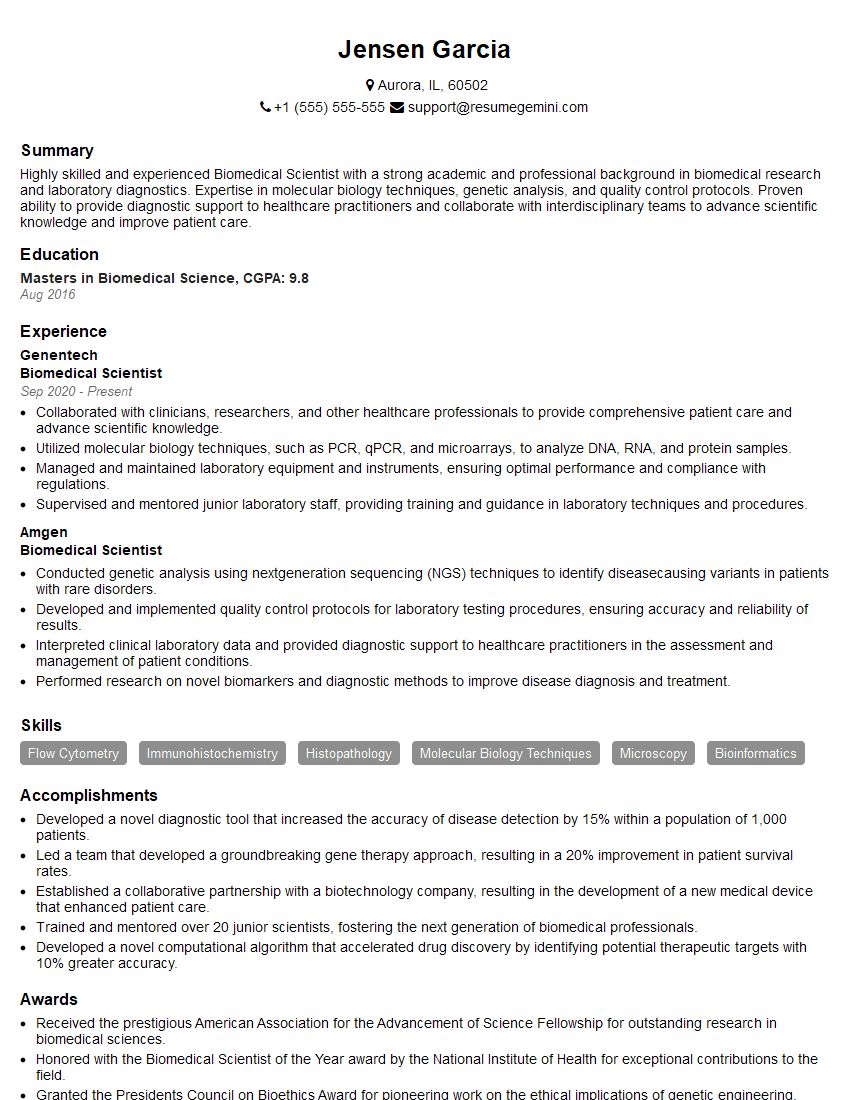
Biomedical Scientist Resume Sample
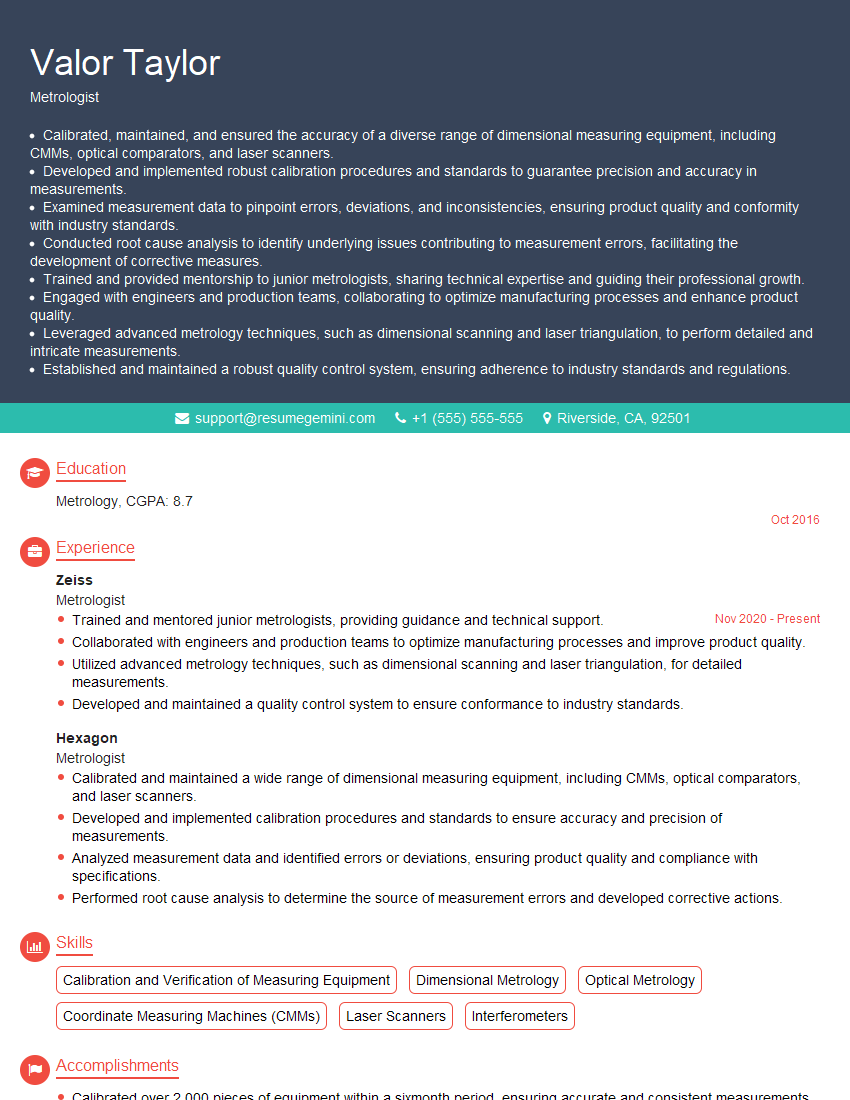
Metrologist Resume Sample
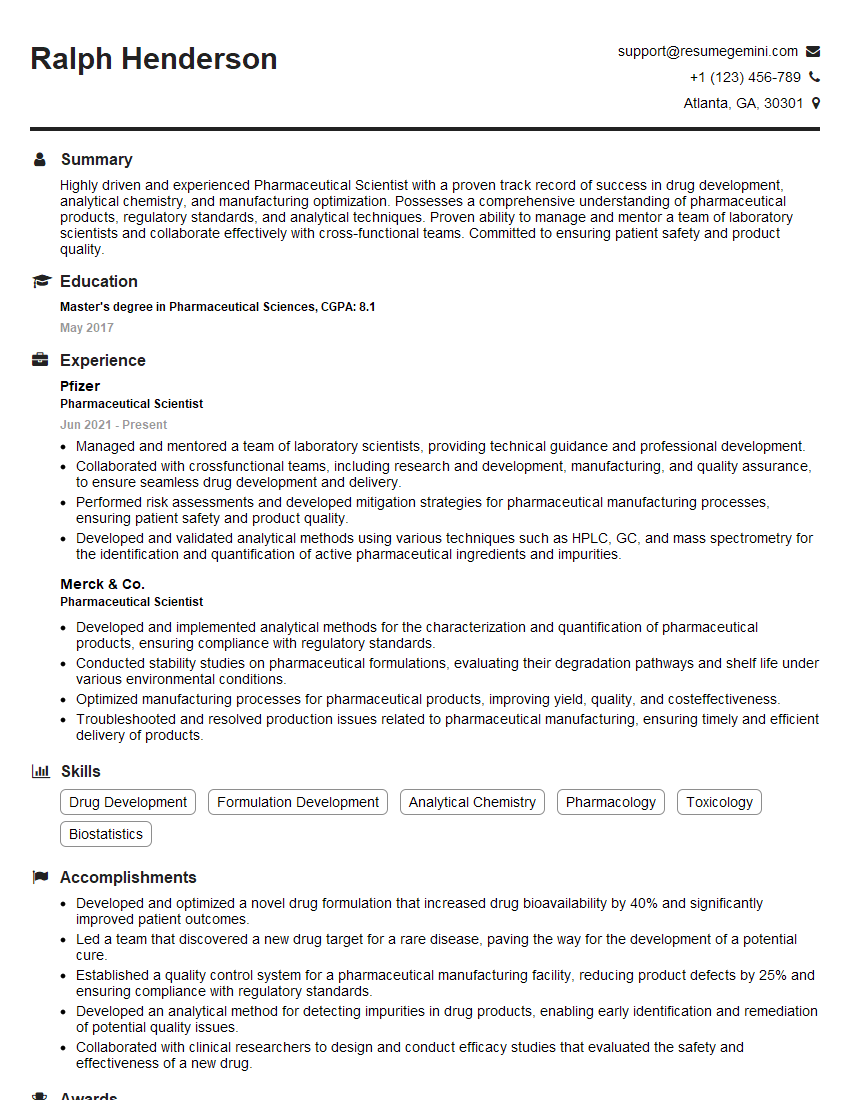
Pharmaceutical Scientist Resume Sample
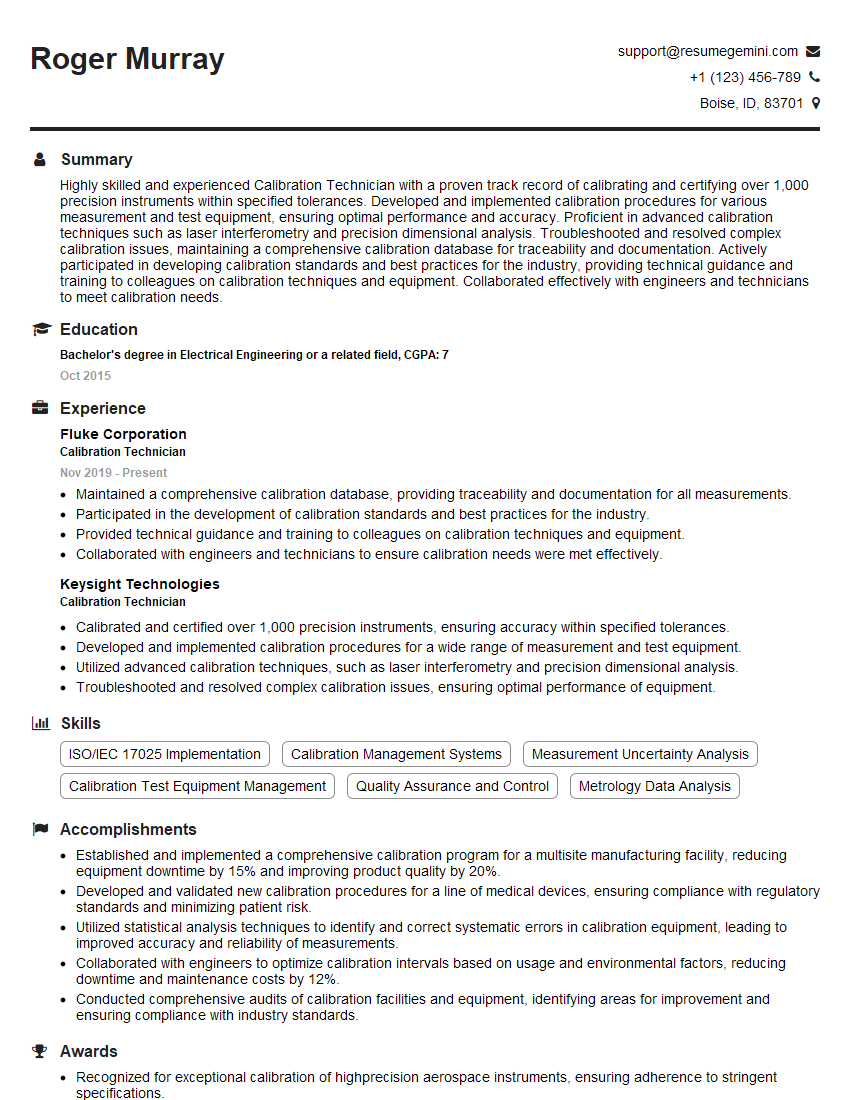
Calibration Technician Resume Sample
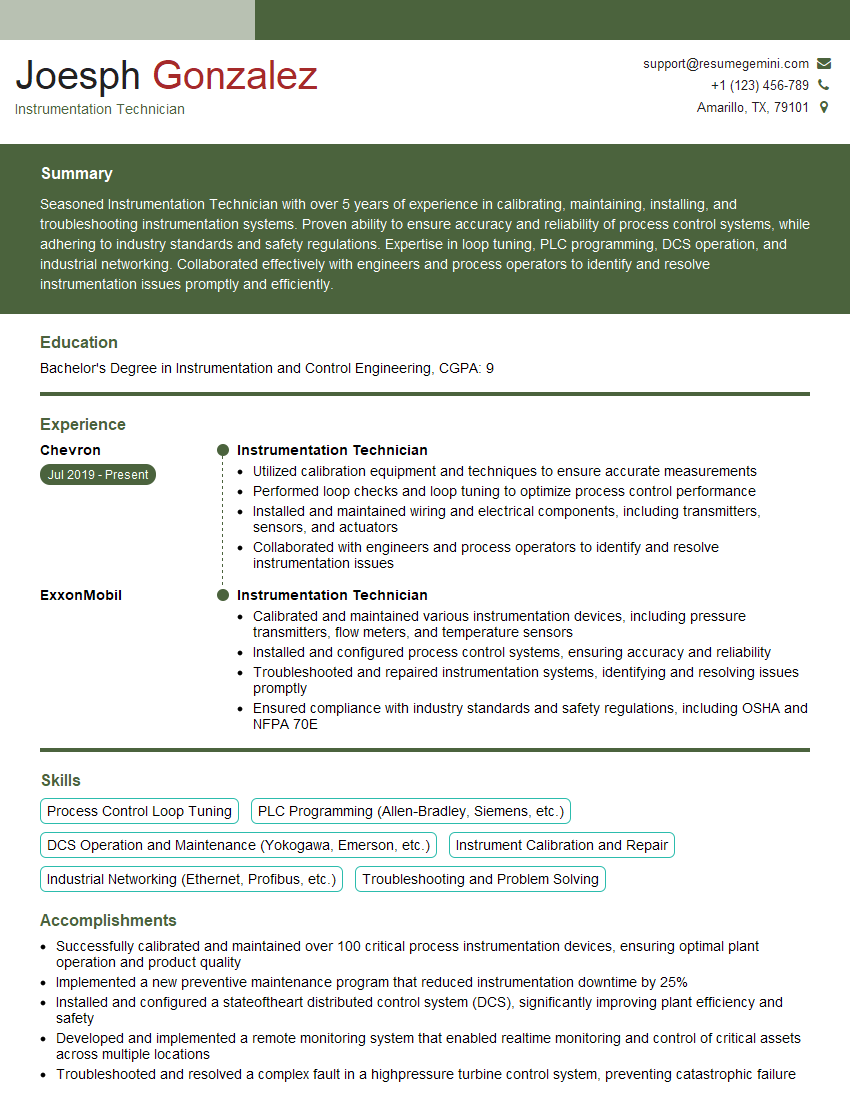
Instrumentation Technician Resume Sample
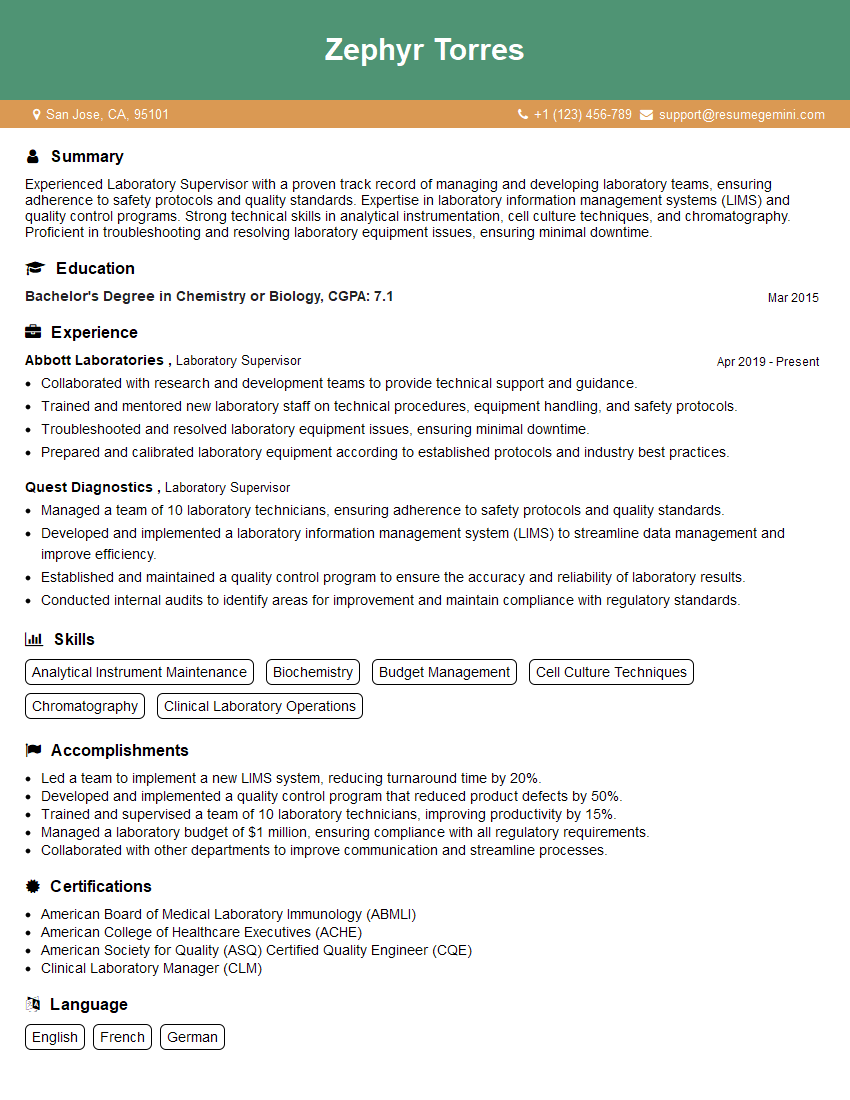
Laboratory Supervisor Resume Sample
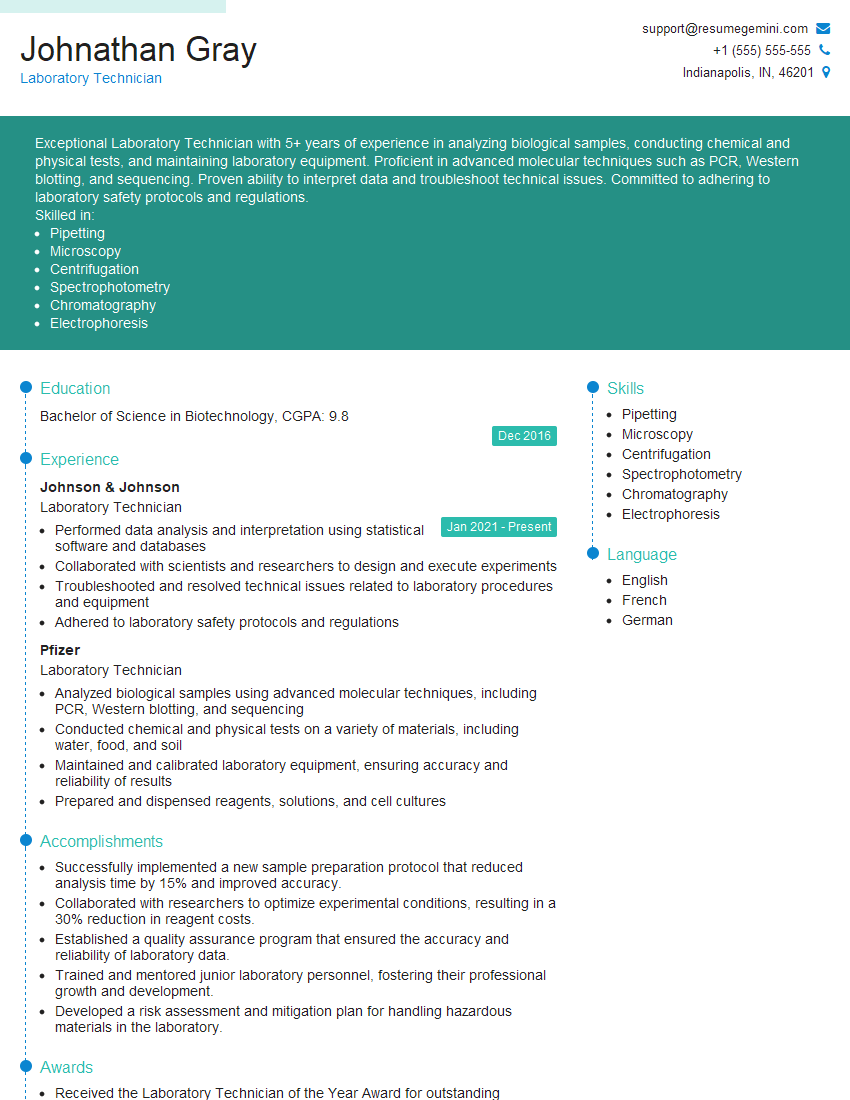
Laboratory Technician Resume Sample
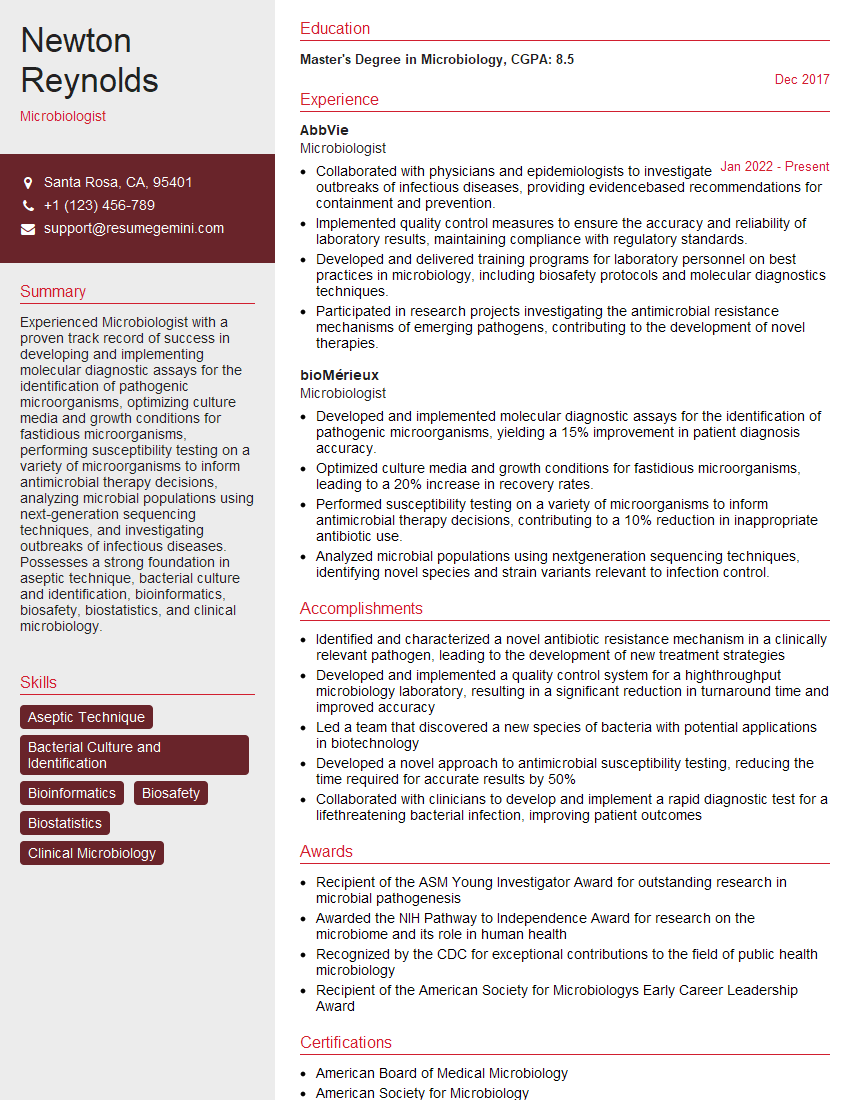
Microbiologist Resume Sample
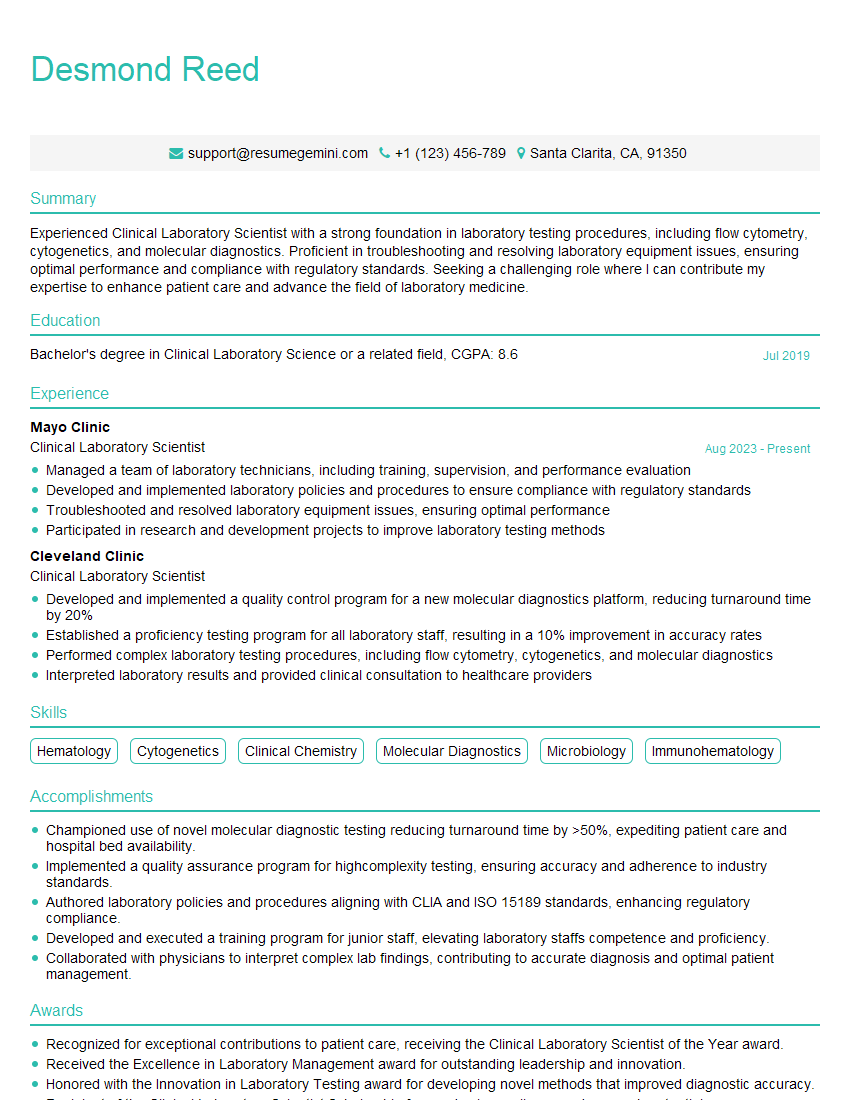
Clinical Laboratory Scientist Resume Sample
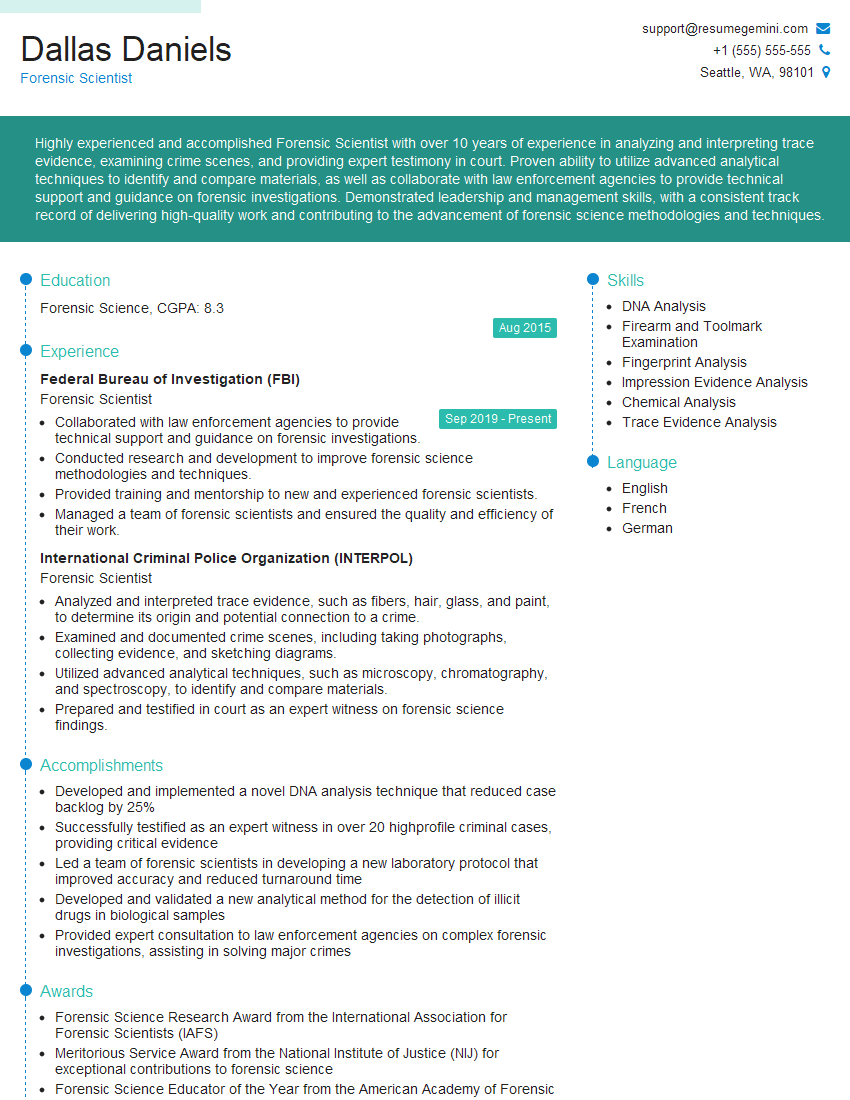
Forensic Scientist Resume Sample

Analytical Chemist Resume Sample
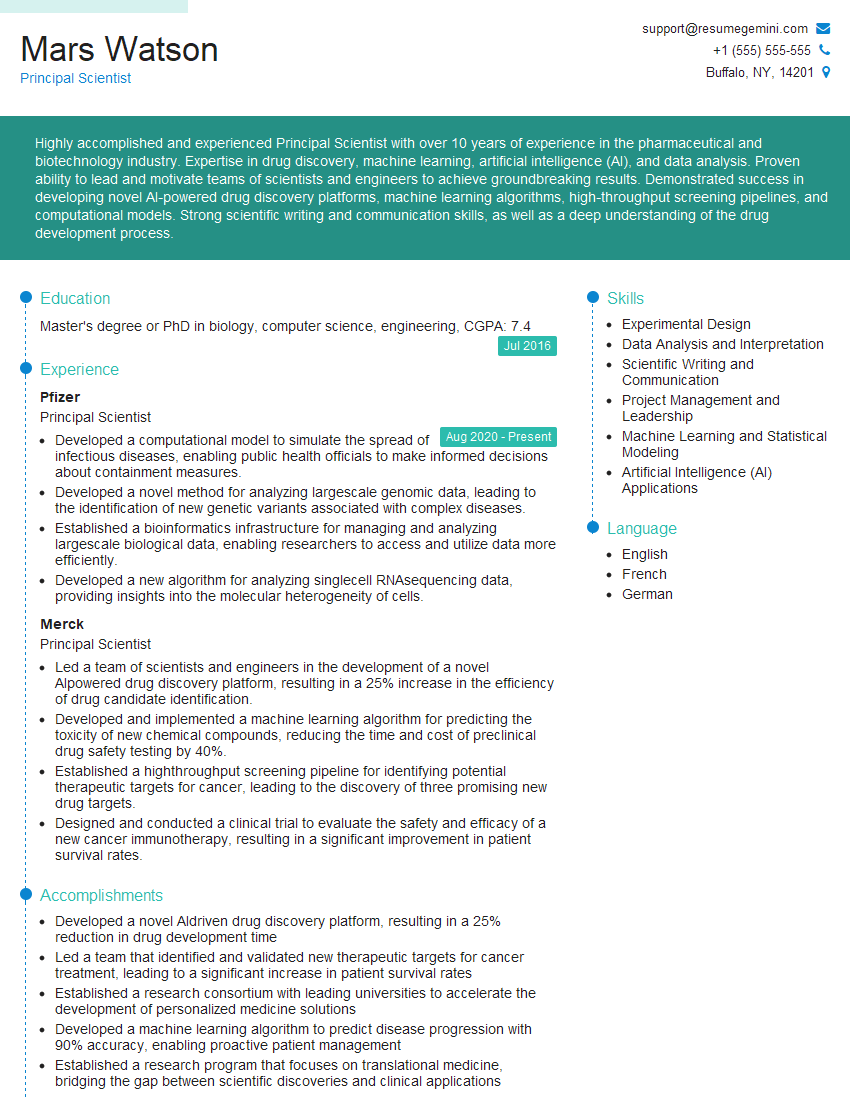
Principal Scientist Resume Sample
- Laboratory Manager
- Research Associate
- Senior Research Scientist
- Environmental Scientist
- Quality Assurance Specialist
- Regulatory Affairs Specialist
- Quality Control Analyst
- Research Scientist
- Biomedical Scientist
- Metrologist
- Pharmaceutical Scientist
- Calibration Technician
- Instrumentation Technician
- Laboratory Supervisor
- Laboratory Technician
- Microbiologist
- Clinical Laboratory Scientist
- Forensic Scientist
- Analytical Chemist
- Principal Scientist
Explore more articles
Users Rating of Our Blogs
Share Your Experience
We value your feedback! Please rate our content and share your thoughts (optional).
What Readers Say About Our Blog
Very informative content, great job.
good