Interviews are more than just a Q&A session—they’re a chance to prove your worth. This blog dives into essential Laminate Countertop Installation interview questions and expert tips to help you align your answers with what hiring managers are looking for. Start preparing to shine!
Questions Asked in Laminate Countertop Installation Interview
Q 1. What types of laminate countertops have you installed?
Over the years, I’ve installed a wide variety of laminate countertops, ranging from basic solid colors to those with intricate wood grain or stone-like patterns. I’ve worked with high-pressure laminates (HPL), which are the most common type, known for their durability and resistance to scratches and stains. I’ve also had experience with low-pressure laminates, typically used in less demanding applications. Beyond the patterns, I’ve worked with different thicknesses, from the standard ½ inch to thicker options for heavier-duty installations. For example, I recently completed a project using a beautiful, high-pressure laminate mimicking Carrara marble, and another using a more budget-friendly solid-color laminate in a busy kitchen remodel.
Q 2. Describe your experience with different edge banding techniques.
Edge banding is crucial for a professional finish. I’m proficient in several techniques. The most common is using iron-on edge banding, where a thin strip of laminate is applied to the countertop edge and fused using a special iron. This requires precision to ensure a seamless bond and avoid bubbles. I also have experience with pre-finished edge banding, a faster method where the banding is already applied at the factory, which simplifies the process and ensures a consistently clean look. Finally, I’m adept at using postformed edges, a more complex method involving shaping the laminate around the edge during the manufacturing process, resulting in a smooth, rounded edge and very durable finish. Think of it like choosing your method for painting a trim: Iron-on is like painting manually, requiring skill; pre-finished is like using pre-painted trim; postformed is like using custom molding.
Q 3. How do you ensure proper seam alignment during installation?
Proper seam alignment is paramount for a visually appealing and functional countertop. Before installation, I meticulously plan the seam location to minimize visibility, often placing it in a less conspicuous area like under a sink or behind a stove. I utilize precision measuring tools and a straight edge to ensure the countertop sections align perfectly. Jigs and clamps are essential for maintaining alignment during gluing and pressing. Think of it like a perfectly fitted puzzle piece; any misalignment is immediately obvious. Any gaps or mismatches are unacceptable and will immediately affect both the aesthetics and the integrity of the countertop. I always double-check for alignment before the adhesive sets, making any necessary adjustments carefully.
Q 4. Explain the process of measuring and cutting laminate countertops.
Accurate measuring and cutting are foundational to a successful installation. I begin by meticulously measuring the countertop area, accounting for all cutouts for sinks, cooktops, and other appliances. I use a combination of tape measures and a laser measure for high accuracy. Then, I transfer the measurements to the laminate sheet, making sure to account for any necessary overhangs. For cutting, I employ a straight edge and a scoring tool followed by a sharp utility knife for thinner laminates, and a circular saw with a fine-tooth blade for thicker ones. A router is invaluable for creating detailed cutouts and achieving clean lines. A little like a tailor taking precise measurements for a suit: you must account for every detail to ensure a perfect fit.
Q 5. What safety precautions do you take when working with sharp tools?
Safety is my top priority. When working with sharp tools like utility knives, circular saws, and routers, I always wear safety glasses to protect my eyes from flying debris. Cut-resistant gloves are crucial to prevent cuts and lacerations. I ensure the work area is well-lit and clear of obstructions. Tools are kept sharp to minimize effort and the risk of slippage. The blade of any power tool is never pointed at me or another person, and I ensure that it is switched off before any adjustments or changes are made. Just like a surgeon prepping for an operation, I carefully prepare my tools and workspace to minimize any risks. Proper safety is not an option, it’s an essential part of the job.
Q 6. How do you handle uneven surfaces during installation?
Uneven surfaces pose a significant challenge, but I have strategies to overcome them. For minor imperfections, I use shims to level the countertop and ensure a consistent contact surface. For more substantial unevenness, I may need to use a leveling compound under the countertop to create a stable, even base. This requires patience and precision to ensure a smooth, flush finish. Think of it like building a foundation for a house: if the ground is uneven, you have to level it out first to avoid cracks and instability in the finished product. I always thoroughly check the levelness before adhering the countertop to avoid future problems.
Q 7. What are the common challenges you face during laminate countertop installations?
Common challenges include working with difficult materials, such as thick or unusually shaped laminates, and dealing with existing cabinet imperfections or variations in wall alignment. Precise measuring and cutting are constantly challenged by minor discrepancies in the substrate. Another challenge is achieving perfect seam alignment, particularly on larger countertops. Finally, weather conditions during installation can affect adhesive drying times and the overall process. Each job presents its own unique puzzle, requiring adaptability and a comprehensive skillset to overcome obstacles and deliver a top-quality result.
Q 8. Describe your experience with installing laminate countertops around sinks and cooktops.
Installing laminate countertops around sinks and cooktops requires precision and attention to detail. It’s crucial to accurately measure and cut the laminate to fit snugly around these fixtures, ensuring a watertight seal to prevent damage. I always begin by creating precise templates of the sink and cooktop cutouts. This involves carefully tracing the existing fixtures onto the substrate material, allowing for the necessary tolerances.
Once the template is ready, I use a jigsaw equipped with a fine-toothed blade to make the cuts. This minimizes chipping and ensures a clean, accurate fit. After cutting, I carefully sand the edges to remove any rough spots or splinters before applying adhesive and the laminate. For sinks, I utilize a high-quality silicone sealant to create a waterproof barrier between the laminate and the sink, ensuring complete protection against moisture.
For cooktops, the process is similar, but extra caution is needed due to the heat generated. I often use a heat-resistant adhesive designed specifically for this application to prevent the laminate from warping or becoming damaged from the heat. Proper fitting and sealant application are paramount for both sinks and cooktops. In one recent project, I successfully installed laminate around an undermount sink in a kitchen with high humidity, and the result was a flawlessly sealed, beautiful countertop that has remained leak-free for over a year.
Q 9. How do you deal with damaged laminate during installation?
Dealing with damaged laminate during installation is unavoidable sometimes. My approach depends on the nature and severity of the damage. For minor scratches or chips, I carefully sand the affected area with fine-grit sandpaper to smooth it out. This often eliminates minor imperfections. If the damage is more significant—like a crack or a larger chip—I would replace the damaged section. This involves precisely cutting out the affected area and inserting a new piece of laminate that matches the existing one. In the case of a crack extending across a seam, the entire sheet may need to be replaced.
Proper planning helps minimize damage. For instance, I always double-check measurements before making cuts, and I handle the laminate carefully to prevent accidental damage during transportation and installation. I’ve successfully repaired several damaged laminate sections, using a process of precise cutting, careful glue application, and even color-matching compounds for minor discoloration. The key is a meticulous approach that emphasizes accuracy and attention to detail from the initial planning stages through to final cleanup.
Q 10. How do you prepare a countertop surface before installing laminate?
Preparing the countertop surface is a critical step in ensuring a successful installation. A clean, level, and dry surface is essential for proper adhesion. I begin by thoroughly cleaning the surface using a degreaser to remove any grease, dirt, or other contaminants. This ensures that the adhesive can make proper contact with the substrate and prevents bubbles or poor adhesion. After cleaning, I allow the surface to dry completely. If the existing countertop isn’t level, I address any significant unevenness using appropriate leveling compounds.
I always use a primer suitable for the substrate material. This helps improve the adhesion of the adhesive and creates a uniform surface for the laminate. This step is crucial, especially on porous materials, as it prevents the adhesive from being absorbed too quickly into the substrate. Think of the primer as a bonding agent, ensuring the adhesive sticks firmly and evenly to the surface. In one project, using primer prevented a poor bond, saving time and materials.
Q 11. What adhesive types are suitable for laminate countertop installation?
The choice of adhesive depends largely on the substrate material and the environment. For most laminate countertop installations, I prefer high-quality construction adhesive specifically formulated for laminate and the substrate in use. Construction adhesives are generally strong, durable, and designed to resist moisture. I always check the adhesive manufacturer’s instructions to ensure it’s compatible with both the laminate and the substrate.
Some common options include polyurethane-based adhesives, which are known for their excellent bonding strength and moisture resistance. However, I also consider using contact cement in certain situations; it offers a fast bonding time, but it requires precise application and can be less forgiving if mistakes are made. In short, selecting the right adhesive is about understanding the materials and the specific requirements of the job, ensuring strength, durability and longevity.
Q 12. What is the proper way to clean up excess adhesive?
Cleaning up excess adhesive is essential to maintain a professional finish. I use a clean, damp cloth or sponge to immediately wipe away any visible excess adhesive before it dries. For stubborn adhesive, I use a plastic putty knife or scraper to carefully remove it without damaging the laminate surface. It’s important to work quickly, as adhesives dry rapidly and become much more difficult to remove once cured.
I avoid using harsh solvents or chemicals, as they can potentially damage the laminate or its finish. A simple mix of warm water and mild detergent is usually sufficient for cleaning the surrounding areas. For very stubborn dried adhesive, I sometimes use a specialized adhesive remover; however, it’s crucial to test this in an inconspicuous area first to check for compatibility with the laminate.
Q 13. Describe your experience working with different types of laminate substrates.
My experience encompasses working with a variety of laminate substrates, including plywood, particleboard, and MDF (medium-density fiberboard). Each substrate has unique properties that influence the installation process. Plywood, for instance, is relatively strong and stable, but can be more expensive. Particleboard is more economical but less resistant to moisture. MDF offers a smooth, dense surface, making it ideal for achieving a flawless finish, but it’s more susceptible to water damage.
Understanding these differences is crucial for choosing the right substrate for each project. For example, in high-moisture areas like bathrooms or kitchens, I often recommend plywood or a moisture-resistant MDF as these offer better protection against water damage. For applications where cost is a primary factor, I usually opt for particleboard; however, I would take precautions to ensure moisture resistance is incorporated in the installation. Knowing how to effectively prep each substrate for optimal adhesive bonding is also key to a lasting and beautiful result.
Q 14. How do you ensure the proper curing time for adhesive?
Ensuring proper curing time is essential for a strong and lasting bond. I always refer to the adhesive manufacturer’s instructions to determine the recommended curing time. This time varies depending on the type of adhesive, temperature, and humidity. Generally, I allow the adhesive to cure for at least 24 hours before using the countertop.
This allows the adhesive to fully set, forming a strong bond between the laminate and the substrate. Attempting to use the countertop before the adhesive is fully cured can lead to weak bonding, delamination, or other failures. I also factor in environmental conditions; higher temperatures and humidity can accelerate curing, while colder temperatures can prolong it. In extremely humid or cold environments, I usually allow longer curing times to ensure optimal results.
Q 15. Explain the importance of using proper clamping techniques.
Proper clamping is paramount in laminate countertop installation. It ensures a seamless, even bond between the laminate and substrate, preventing bubbling, lifting, or other imperfections that compromise the countertop’s integrity and aesthetics. Think of it like gluing two pieces of wood together – without proper clamping, you’ll end up with gaps and weak spots.
Clamping techniques vary based on the size and complexity of the countertop, but generally involve applying consistent, even pressure across the entire surface. We often use a combination of spring clamps, bar clamps, and weights, strategically placed to address any potential areas of unevenness or stress. For instance, around sink cutouts, extra care and strategically placed clamps are crucial to prevent warping or lifting of the laminate.
Inadequate clamping can lead to a multitude of problems, from unsightly ripples to complete delamination, requiring costly repairs or even replacement. Proper clamping is an investment in quality and longevity.
Career Expert Tips:
- Ace those interviews! Prepare effectively by reviewing the Top 50 Most Common Interview Questions on ResumeGemini.
- Navigate your job search with confidence! Explore a wide range of Career Tips on ResumeGemini. Learn about common challenges and recommendations to overcome them.
- Craft the perfect resume! Master the Art of Resume Writing with ResumeGemini’s guide. Showcase your unique qualifications and achievements effectively.
- Don’t miss out on holiday savings! Build your dream resume with ResumeGemini’s ATS optimized templates.
Q 16. What are the signs of improper laminate installation?
Signs of improper laminate installation can range from subtle imperfections to glaring flaws. Common indicators include:
- Bubbling or lifting of the laminate: This suggests insufficient adhesive or inadequate clamping pressure.
- Uneven seams or gaps: These indicate poor alignment during installation or improper trimming.
- Visible glue squeeze-out: While some squeeze-out is expected, excessive amounts point to an overly generous application of adhesive.
- Warping or bowing of the countertop: This often stems from insufficient support or moisture issues during or after installation.
- Seams that are not flush: This suggests incorrect alignment or poor preparation of the substrate.
- Discoloration or staining around seams: This is a sign of water infiltration, frequently due to inadequate sealing.
Identifying these issues early is crucial to prevent more significant problems down the line. A thorough inspection after installation, and even during critical steps like adhesive application, can save time and money.
Q 17. How do you troubleshoot common installation issues?
Troubleshooting laminate installation issues involves systematic investigation and targeted solutions. For example, if you encounter bubbling, I first investigate the cause – insufficient adhesive, insufficient clamping pressure, or trapped air. Addressing the root cause is key. Sometimes, carefully releasing the pressure, applying more adhesive, and re-clamping can resolve the issue. Severe bubbling might necessitate removing the affected section and re-installing it.
Uneven seams often require a careful re-alignment and possibly some minor trimming. Excessive glue squeeze-out indicates an overly generous application of adhesive, and excess glue should be cleaned promptly before it cures. Warping might require assessing the substrate for support issues, and may involve shimming or adding extra bracing.
My approach is always methodical: assess the problem, identify the cause, implement a solution, and test the fix. Detailed notes and photographic documentation of the entire process help track progress and troubleshoot effectively.
Q 18. Describe your experience with post-installation cleaning and finishing.
Post-installation cleaning and finishing are critical for ensuring a pristine and durable countertop. Immediately after installation, I carefully clean up any excess adhesive using appropriate solvents, following the manufacturer’s recommendations. Sharp tools should be used to remove any cured glue carefully.
Once the adhesive is cleaned, I use a soft cloth to wipe down the entire surface, removing any dust or debris that may have settled. This ensures a clean, even finish. Then, I apply a protective sealant (if recommended by the manufacturer) to enhance water resistance and durability. Finally, I perform a final inspection for any remaining imperfections before handing over the finished countertop to the client.
I always advise the client on proper care and cleaning practices to maintain the countertop’s beauty and longevity, including the types of cleaning agents and materials to use and avoid.
Q 19. How familiar are you with different manufacturer’s installation guidelines?
I’m highly familiar with the installation guidelines of several leading laminate countertop manufacturers, including Formica, Wilsonart, and Pionite. Each manufacturer has its unique specifications regarding adhesive type, clamping procedures, and post-installation care. I’ve worked extensively with their materials and have a deep understanding of their best practices. For example, Formica’s recommendations on adhesive open time differ slightly from Wilsonart’s, and I always prioritize aligning with the specific guidelines of the brand we’re using for each project.
This familiarity allows me to adapt my techniques, ensuring optimal results regardless of the specific laminate product. This consistency in approach minimizes errors and maximizes the lifespan of the countertop. I regularly review updates to these guidelines to maintain my expertise.
Q 20. What tools and equipment are essential for laminate countertop installation?
A well-equipped installer needs a range of tools for a successful laminate countertop installation. Essential tools include:
- Measuring tapes and squares: For accurate measurements and cutting.
- Jigsaw and circular saw: For cutting the laminate and substrate.
- Router: For creating precise edges and details.
- Clamps (various types): For securing the laminate during the bonding process.
- Scrapers and putty knives: For removing excess adhesive.
- Safety glasses and gloves: For personal protection.
- Adhesive spreader: For even distribution of adhesive.
- Utility knife: For trimming and minor adjustments.
- Level: To ensure a flat and even surface.
Beyond tools, access to a well-ventilated workspace and appropriate safety equipment is crucial. The right tools significantly impact the quality and efficiency of the installation process.
Q 21. What is your experience with template creation and utilization?
Template creation and utilization are integral to achieving precise and accurate countertop installations, especially for complex shapes and cutouts. I’m proficient in creating templates from various materials, including cardboard, masonite, and even foam core. This involves taking precise measurements of the countertop area and transferring them onto the template material, ensuring accurate representation of sinks, cooktops, and other features.
Once the template is ready, it serves as a guide for cutting both the substrate and the laminate, minimizing errors and ensuring a perfect fit. The template is typically affixed securely to the substrate and laminate and carefully cut along its outline. My experience shows that a well-made template significantly reduces installation time and improves the overall quality and precision of the work. The time investment in crafting a quality template pays off in the final product.
Q 22. How do you maintain the quality of your work throughout the installation process?
Maintaining quality throughout a laminate countertop installation is paramount. It’s a multi-step process starting even before the first cut. I begin by carefully reviewing the project plans, ensuring I understand the client’s vision and the specific requirements of the job. This includes verifying the countertop’s dimensions, sink and faucet cutouts, and any special features. During the installation, I meticulously follow best practices. This includes using the right tools – precision measuring tools, accurate cutting tools, and the appropriate adhesives – and taking my time. Every step, from precise measuring and cutting to the final seam sealing, is performed with attention to detail. I also regularly inspect my work for any imperfections, making adjustments as needed. This proactive approach prevents minor issues from escalating into larger problems. Finally, a thorough post-installation inspection ensures everything aligns perfectly with the client’s expectations and meets professional standards. Think of it like baking a cake – you wouldn’t rush the process; each step is crucial to the final product.
Q 23. Describe your experience working independently and as part of a team.
I’m equally comfortable working independently and collaboratively. When working independently, my self-sufficiency and organizational skills come to the forefront. I can manage my time effectively, prioritize tasks, and maintain consistent quality. For example, I recently completed a small kitchen countertop replacement entirely on my own, from initial measurements to final cleanup, adhering perfectly to the schedule and client’s specifications. However, teamwork is equally valuable, particularly on larger projects. I thrive in team environments, readily sharing my expertise, offering support to colleagues, and contributing to a positive and productive atmosphere. In a recent hotel lobby renovation, we coordinated the laminate installation with other trades – plumbers, electricians – demonstrating excellent communication and collaboration skills to complete the project on time and within budget.
Q 24. How do you manage your time effectively during installation projects?
Effective time management is crucial in this field. I utilize several strategies. Before starting any project, I meticulously review the plans and create a detailed schedule that breaks down the work into manageable tasks, allocating realistic timeframes for each. This includes factoring in potential delays and unexpected issues. I then prioritize tasks based on their urgency and dependency, ensuring a smooth workflow. During the installation, I stay organized, keeping my tools and materials readily accessible to minimize wasted time searching. I also communicate effectively with clients and other tradespeople to ensure timely coordination. For example, delaying the installation of a sink until after the countertop is fully installed saves time and prevents accidental damage. Regularly reviewing my schedule and making adjustments as needed keeps me on track and minimizes potential setbacks.
Q 25. Explain your problem-solving approach when unexpected issues arise.
Unexpected issues are inevitable in any installation project. My approach involves a systematic problem-solving process. First, I identify the problem precisely. Is it a measurement error, a damaged material, or an unforeseen obstacle? Then, I analyze the issue to understand its root cause. Once I have a clear understanding, I explore possible solutions, considering their feasibility, cost, and impact on the project timeline. I always prioritize solutions that maintain the quality of the work while minimizing disruption to the project. Finally, I implement the chosen solution, carefully document the process, and learn from the experience to avoid similar issues in the future. For instance, discovering a hidden pipe during a countertop cut required a quick adjustment in the cutting pattern, careful rerouting of the pipe, and immediate communication with the client to ensure they were informed and comfortable with the revised plan.
Q 26. What are your preferred methods for accurate and precise measurements?
Accurate and precise measurements are fundamental to a successful laminate countertop installation. I employ several methods. I always start with a thorough site survey, taking multiple measurements at different points to account for potential inconsistencies. I use high-quality measuring tools, including laser measurers and steel tapes, ensuring they are properly calibrated. I double-check all measurements, documenting them clearly. I also create detailed diagrams and templates to guide the cutting process. This layered approach ensures that the final product fits perfectly. For example, on a curved countertop, I would take numerous measurements along the curve, creating a template to ensure the laminate follows the shape precisely, avoiding any gaps or misalignments. This meticulous attention to detail is critical for a professional-looking finish.
Q 27. How do you handle customer requests or changes during an installation?
Handling customer requests or changes during an installation requires careful communication and flexibility. I listen attentively to the client’s concerns, ensuring I fully understand their needs and preferences. If the changes are minor and can be implemented without compromising the quality or safety of the installation, I’ll accommodate them within reason. However, if the changes are significant or require additional time or materials, I clearly communicate the implications with the client, providing them with realistic options and associated costs. I document all agreed-upon changes in writing to avoid misunderstandings. Transparency and clear communication are crucial in maintaining a positive relationship with the client. For example, a client requesting a different backsplash color mid-installation was handled by explaining the implications on timeline and additional costs and then sourcing the new material and adjusting the schedule to accommodate the change.
Q 28. Describe a challenging installation project you successfully completed.
One particularly challenging project involved a complex, multi-level island countertop with intricate cutouts for a built-in cooktop and multiple sinks. The angles were unusual and the material was a delicate high-gloss laminate. The challenge lay in achieving perfectly seamless joins on the angled surfaces and ensuring precise cutouts for the appliances without damaging the material. I overcame this by meticulously creating templates, utilizing specialized cutting tools, and employing advanced adhesive techniques to ensure a flawless finish. The final product was impeccable, and the client was ecstatic. This project underscored the importance of careful planning, precision cutting, and meticulous attention to detail in handling complex installations.
Key Topics to Learn for Laminate Countertop Installation Interview
- Measuring and Templating: Accurately measuring countertops, creating precise templates, and understanding tolerances for a perfect fit.
- Substrate Preparation: Preparing existing countertops (cleaning, leveling, patching), and selecting appropriate substrates for new installations. Understanding the importance of a level and stable base.
- Laminate Handling and Cutting: Safe and efficient techniques for cutting laminate sheets to size, minimizing waste and ensuring clean edges.
- Adhesive Application and Laminate Bonding: Selecting the right adhesive for the substrate and laminate type, applying adhesive evenly and efficiently to prevent air bubbles and ensure a strong bond.
- Finishing Techniques: Applying edge banding, sealing edges, and polishing the countertop for a professional finish. Understanding different edge profiles and their applications.
- Troubleshooting Common Issues: Identifying and resolving problems like air bubbles, uneven surfaces, and edge imperfections. Developing problem-solving skills to handle unexpected challenges on the job site.
- Safety Procedures and Regulations: Understanding and adhering to safety regulations related to power tools, adhesives, and workplace safety. Demonstrating a commitment to safe work practices.
- Tools and Equipment: Familiarity with common tools used in laminate countertop installation, including their proper use and maintenance (circular saws, jigsaws, routers, etc.).
- Understanding Different Laminate Types and Qualities: Differentiating between various laminate materials, their properties, and applications to recommend the best option for a given project.
Next Steps
Mastering laminate countertop installation opens doors to a rewarding career with diverse opportunities for growth. From residential to commercial projects, your skills are highly sought after. To maximize your job prospects, creating a strong, ATS-friendly resume is crucial. ResumeGemini is a trusted resource that can help you build a professional resume that highlights your skills and experience effectively. Examples of resumes tailored to Laminate Countertop Installation are available to guide you in crafting your perfect application. Invest time in perfecting your resume – it’s your first impression on potential employers.
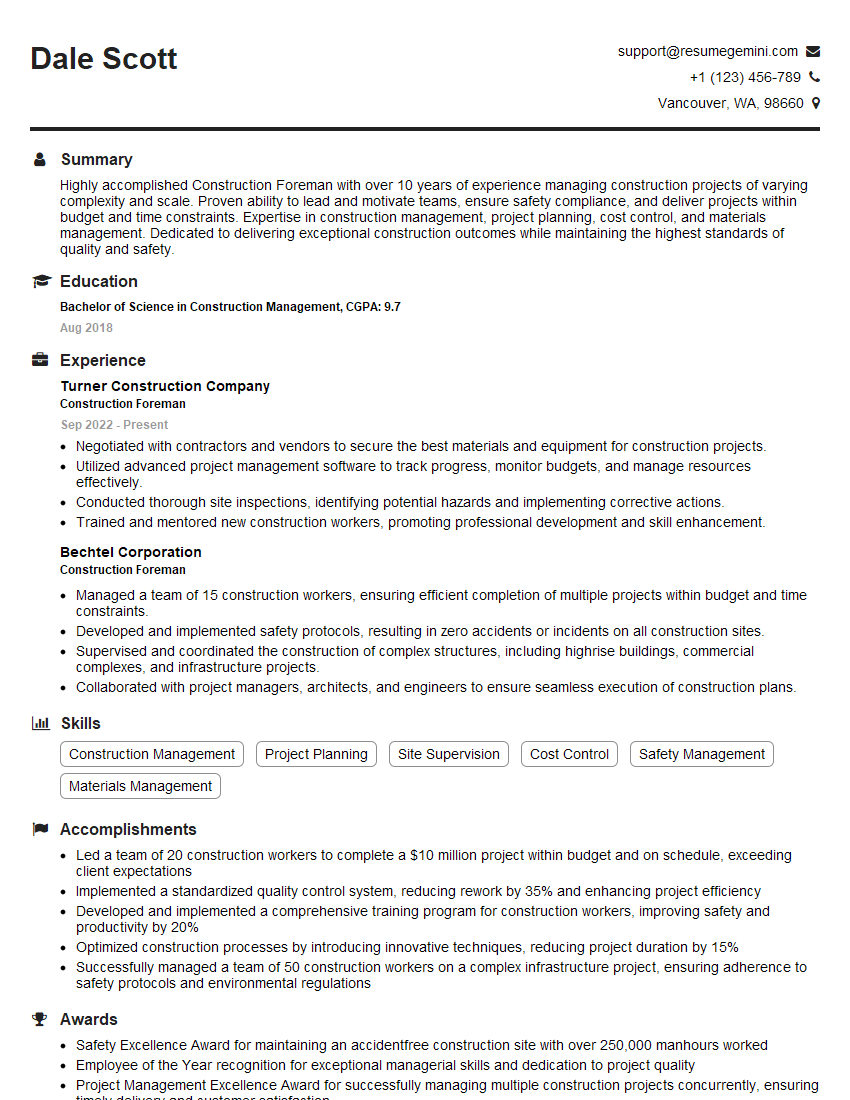
Construction Foreman Resume Sample

Construction Superintendent Resume Sample

General Contractor Resume Sample

Site Supervisor Resume Sample

Installation Manager Resume Sample
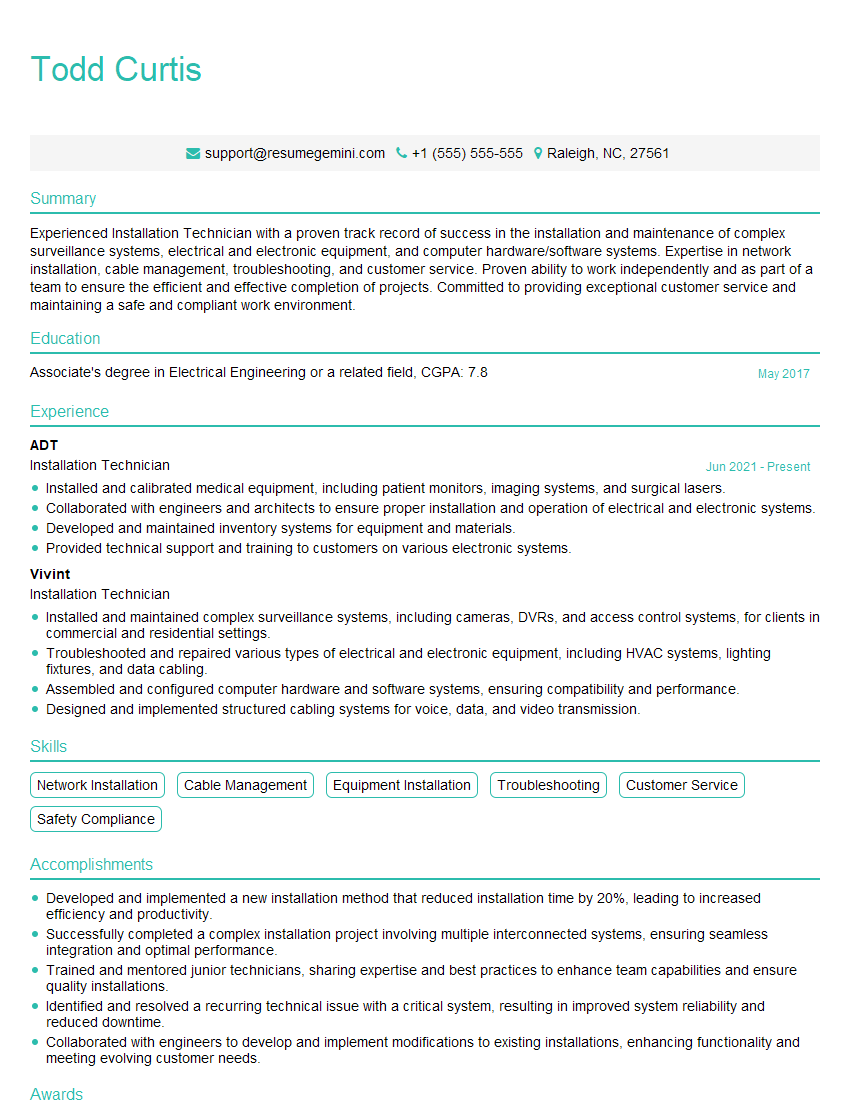
Installation Technician Resume Sample

Finish Carpenter Resume Sample

Cabinet Installer Resume Sample
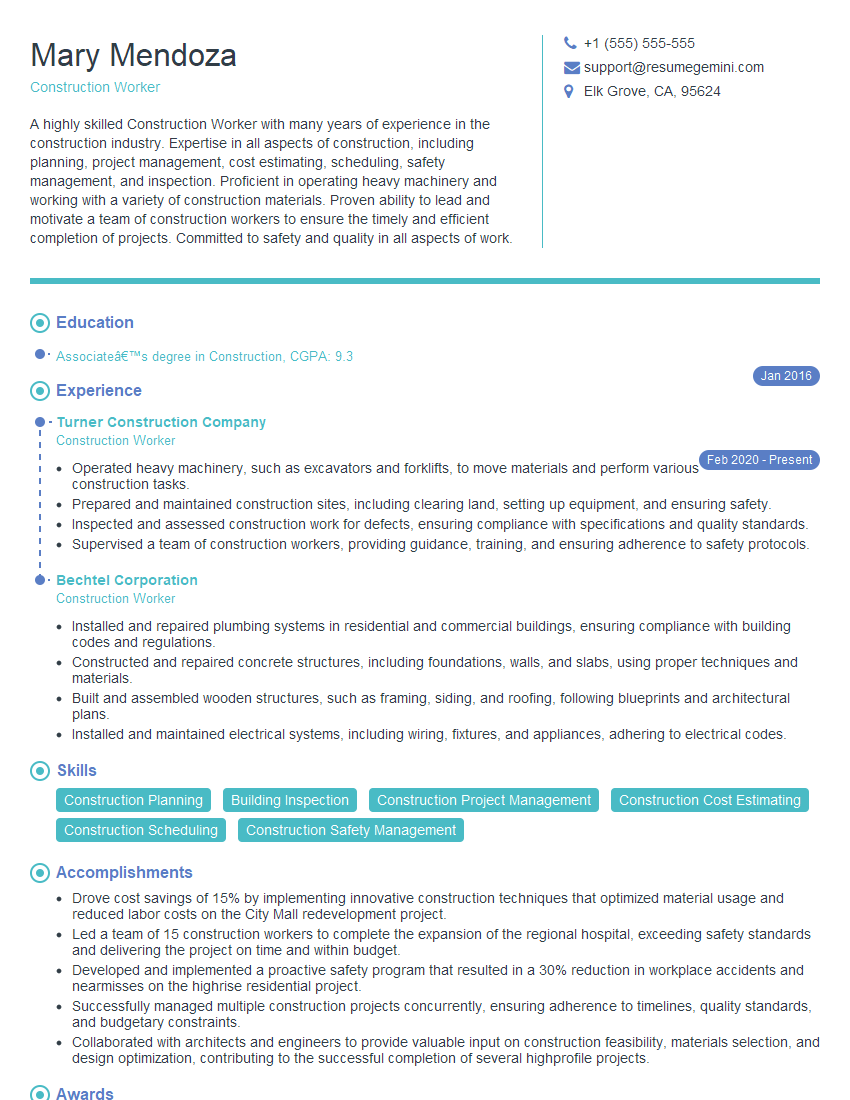
Construction Worker Resume Sample
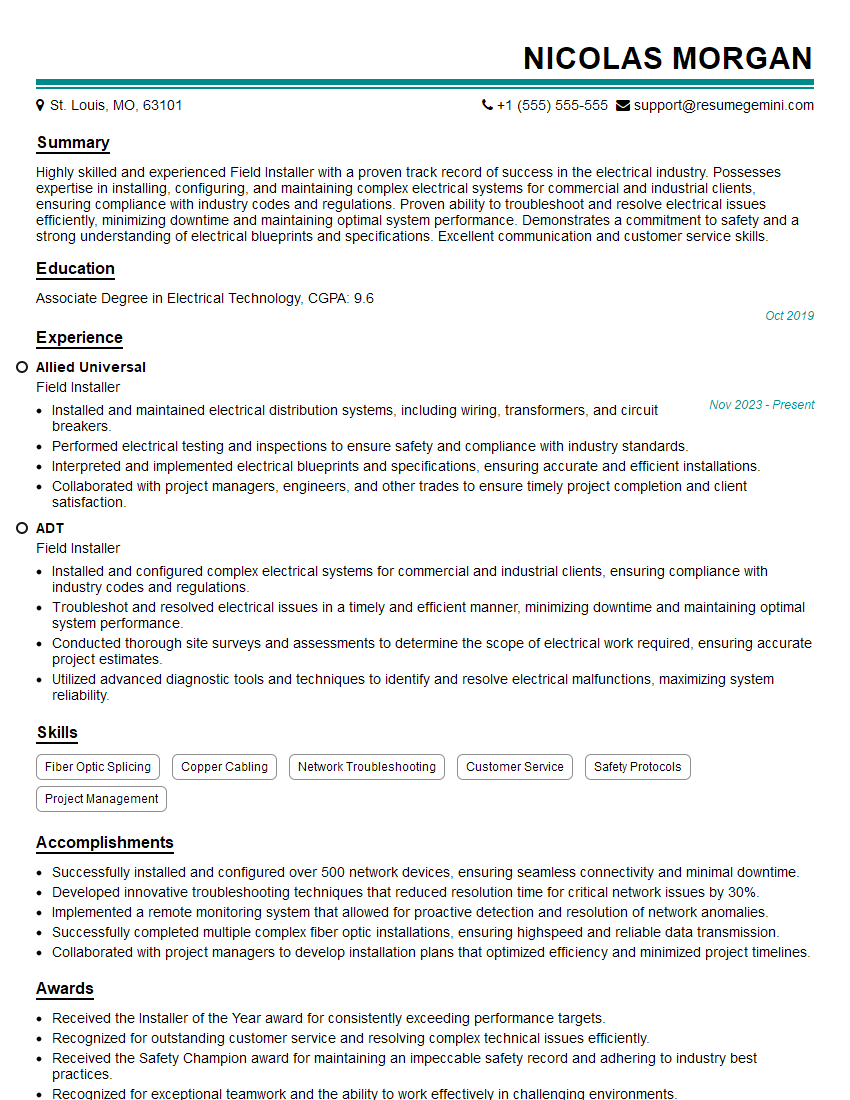
Field Installer Resume Sample
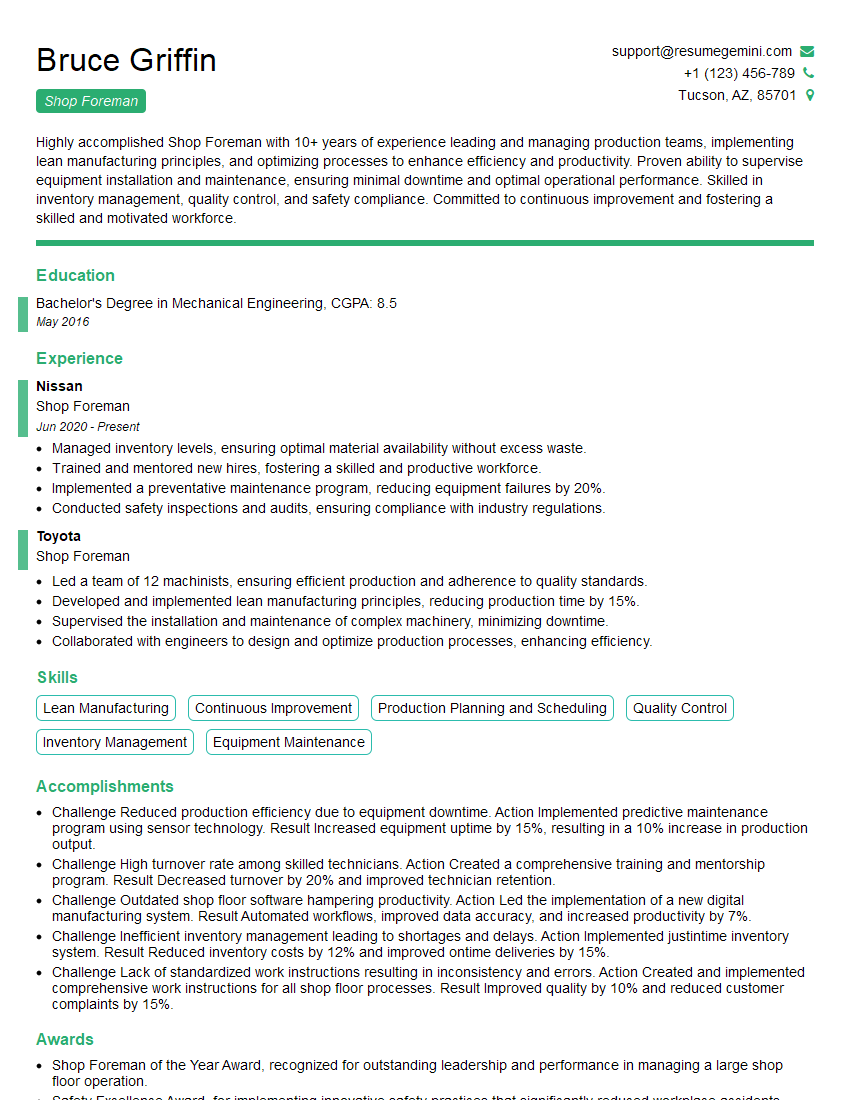
Shop Foreman Resume Sample
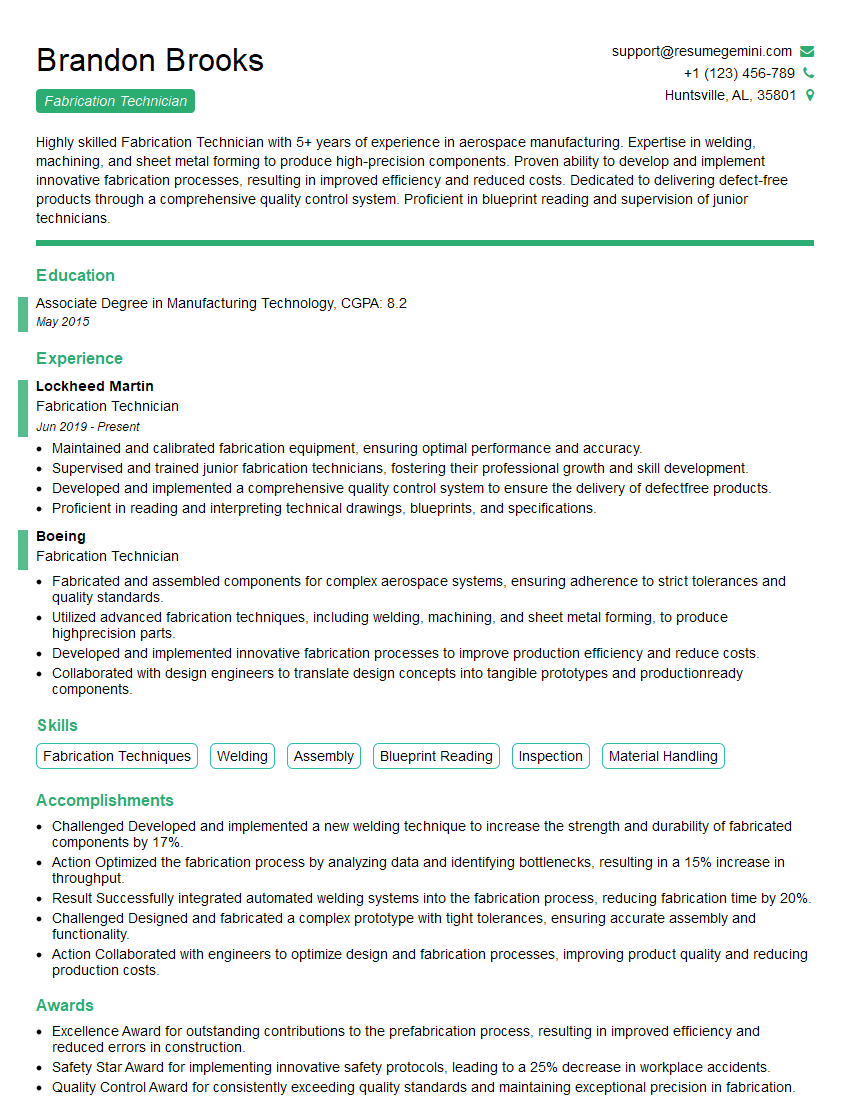
Fabrication Technician Resume Sample

Quality Control Inspector Resume Sample
Explore more articles
Users Rating of Our Blogs
Share Your Experience
We value your feedback! Please rate our content and share your thoughts (optional).
What Readers Say About Our Blog
Very informative content, great job.
good