Preparation is the key to success in any interview. In this post, we’ll explore crucial Land Navigation and Patrolling interview questions and equip you with strategies to craft impactful answers. Whether you’re a beginner or a pro, these tips will elevate your preparation.
Questions Asked in Land Navigation and Patrolling Interview
Q 1. Describe your experience using a map and compass in varied terrains.
My experience with map and compass navigation spans diverse terrains, from dense forests and mountainous regions to open deserts and coastal areas. I’m proficient in using both military-grade and civilian maps and compasses. For instance, during a recent exercise in the Appalachian Mountains, I successfully navigated a challenging route using a 1:50,000 scale topographic map and a Silva Ranger compass, accounting for contour lines, declination, and magnetic variation to maintain accurate bearings. In a different scenario, navigating a desert region required adapting my technique to account for limited features and the potential for magnetic interference. This involved using resection techniques to pinpoint our location and employing pacing to estimate distances between features. My experience highlights the adaptability required for successful land navigation, demanding constant adaptation to the specific challenges of each environment.
The key is understanding not just *how* to use the tools, but also *when* and *why* specific techniques are necessary. Terrain features like prominent hills, rivers, and roads are crucial for orientation, and understanding how these features are represented on the map is vital. I’ve learned to quickly assess the terrain and choose the most appropriate navigation method based on visibility and the availability of landmarks. This includes utilizing techniques such as dead reckoning, triangulation, and resection to compensate for any inaccuracies.
Q 2. Explain the process of planning a patrol route, considering terrain, visibility, and potential threats.
Planning a patrol route requires a systematic approach, prioritizing safety and mission effectiveness. It starts with a thorough analysis of the available intelligence, topographic maps, and aerial imagery. The process typically involves several steps:
- Define the Objective: Clearly outline the patrol’s purpose, the area to be covered, and the expected duration.
- Terrain Analysis: Identify potential obstacles like rivers, steep slopes, dense vegetation, or built-up areas. This dictates route selection and the need for specialized equipment.
- Visibility Assessment: Analyze the line of sight—areas of high or low visibility influence the patrol’s formation and pace, as well as the use of observation posts.
- Threat Assessment: Identify potential enemy positions, likely ambush points, and escape routes. This involves understanding the adversary’s capabilities and likely tactics.
- Route Planning: Sketch a tentative route, optimizing for cover, concealment, and speed while avoiding potential threats and obstacles. Consider alternate routes as contingencies.
- Time and Resource Allocation: Estimate the time required for the patrol and ensure sufficient resources (food, water, ammunition) are available.
- Briefing: A thorough briefing to the patrol team is crucial, covering the route, contingency plans, and communication protocols.
For example, if patrolling in a mountainous area with known insurgent activity, I’d prioritize routes offering concealment, natural observation points, and good escape routes, while avoiding exposed ridges or valleys that could become ambush sites.
Q 3. How would you establish a secure patrol base in an unfamiliar environment?
Establishing a secure patrol base in an unfamiliar environment demands a structured approach prioritizing observation, concealment, and defense. The process includes:
- Reconnaissance: Thorough reconnaissance of the area is paramount to identify suitable locations with good cover, concealment, and fields of fire. Consider proximity to water sources and escape routes.
- Perimeter Security: Establish a clearly defined perimeter, utilizing natural obstacles or creating artificial barriers where necessary. Employ observation posts to monitor the surrounding area.
- Camouflage and Concealment: Integrate the patrol base seamlessly into the environment using natural camouflage techniques and minimizing any signs of human activity. This could involve using natural materials to create cover.
- Early Warning Systems: Implement simple warning systems to detect approaching threats. This may involve listening posts or using tripwires.
- Communication Plan: Establish secure communication methods to maintain contact with other elements and to report unusual activity.
- Waste Disposal: Proper waste disposal is crucial to minimize the patrol base’s footprint and avoid detection.
Imagine setting up a base near a dense thicket in a jungle environment. We’d clear a small area for sleeping, keeping the impact minimal. We’d establish observation points overlooking likely approaches and use natural camouflage to blend with the surroundings.
Q 4. What are the key principles of maintaining situational awareness during a patrol?
Maintaining situational awareness during a patrol is crucial for survival and mission success. This involves constantly observing, processing information, and reacting appropriately. Key principles include:
- 360-Degree Awareness: Continuously scan the environment, not just focusing ahead, but also to the sides and rear. Train yourself to perceive subtle changes in the surroundings.
- Active Listening: Pay close attention to sounds, both natural and artificial. Unusual noises or changes in ambient sounds can signal potential threats.
- Observation Skills: Develop keen observation skills to identify potential threats, changes in the terrain, or signs of human activity.
- Team Communication: Establish clear communication protocols within the patrol team to share observations and coordinate actions promptly.
- Risk Assessment: Continuously assess the risks and adjust the patrol’s formation, speed, and route accordingly. Be prepared to react to unexpected events.
For example, a change in bird calls, unusual animal behavior, or the sight of disturbed ground could indicate the presence of others, warranting increased vigilance and possibly adjusting the patrol’s route or formation.
Q 5. How do you handle unexpected events or emergencies during a patrol?
Handling unexpected events or emergencies during a patrol requires quick thinking, decisive action, and adherence to pre-planned contingencies. The response depends on the nature of the emergency, but the general principles remain consistent:
- Assess the Situation: Quickly assess the nature and severity of the event, identifying the immediate threats and available resources.
- React and Control: Take immediate action to mitigate the threat, ensuring the safety of the patrol team. This might involve engaging the threat, seeking cover, or initiating pre-planned emergency procedures.
- Report and Request Assistance: Report the incident using established communication protocols, requesting assistance if necessary. The level of detail in the report will depend on the severity.
- Medical Assistance: If injuries occur, prioritize providing immediate medical attention and evacuation if required.
- After Action Review (AAR): After the incident, conduct a thorough after-action review to learn from the experience and improve future procedures.
If ambushed, for instance, the immediate priority is returning fire, seeking cover, and establishing communication with support. A pre-planned contingency plan should dictate the specific actions based on the scenario and the location.
Q 6. Describe your proficiency in reading topographic maps.
Reading topographic maps requires understanding their symbols, contours, and scales. My proficiency includes interpreting contour lines to determine elevation changes, identify drainage patterns, and understand the overall terrain profile. I can accurately locate features using grid coordinates and understand the scale to estimate distances and calculate travel times. I can also interpret symbols representing various features, such as vegetation, roads, and buildings. Furthermore, I understand how to use the map’s legend and use it to deduce information such as elevation, slope and relief, alongside features such as ridgelines and valleys. This ability is crucial for route planning, determining visibility and choosing optimal positions for observation, concealment and defense. This translates directly to the ability to choose terrain for effective ambushes or defensive positions in a combat setting. My experience with topographic maps extend beyond simple identification; I am comfortable using different map projections and employing techniques such as resection, intersection and traversing to accurately determine my position.
Q 7. Explain the different types of compass bearings and their applications.
Different types of compass bearings serve specific purposes in navigation. These include:
- Magnetic Bearing: This is the bearing measured directly from the compass needle to a feature. It’s affected by magnetic declination, the difference between true north and magnetic north.
- True Bearing: This is the bearing relative to true north, obtained by correcting the magnetic bearing for magnetic declination. It’s more accurate for long-distance navigation.
- Grid Bearing: This is the bearing relative to grid north, as shown on a map. This is useful for using maps with a grid coordinate system.
- Back Bearing: This is the bearing taken 180 degrees from the original bearing to a feature. It’s used for verification and for returning to a previous location.
- Relative Bearing: This is the bearing relative to your current direction of travel. Useful for short-distance navigation, where maintaining the original bearing can be challenging.
For example, when navigating using a map and compass, you’d typically take a magnetic bearing, then correct for declination to find the true bearing, which is then used to plot your course. Taking a back bearing helps ensure you’re heading back in the right direction to a known feature.
Q 8. How do you calculate distance using a map and compass?
Calculating distance on a map and compass relies on understanding the map’s scale. The map scale indicates the ratio between a distance on the map and the corresponding distance on the ground. For example, a scale of 1:50,000 means 1 cm on the map represents 50,000 cm (or 500 meters) on the ground.
Steps:
- Measure the distance on the map: Use a ruler or dividers to measure the distance between two points on your map.
- Convert the map measurement to real-world distance: Multiply the map measurement by the map scale’s ground equivalent. For instance, if you measure 3 cm on a 1:50,000 map, the real-world distance is 3 cm * 50,000 cm/cm = 150,000 cm, which is 1.5 km.
Example: Let’s say you’re planning a route and measure 5 cm between your starting point and destination on a map with a scale of 1:25,000. The ground distance would be 5 cm * 25,000 cm/cm = 125,000 cm, or 1.25 km.
Q 9. How do you determine your location using resection or intersection techniques?
Resection and intersection are two methods for determining your location using a map and compass. Both involve taking bearings to known features.
Resection: You’re at an unknown point and need to find it on the map. You take compass bearings to at least two identifiable features (e.g., prominent hills, buildings) shown on your map. On the map, draw lines from the feature’s location, radiating outwards in the direction of the opposite bearing. The point where these lines intersect is your location.
Intersection: You observe an unknown object or location from two known points. From each known point, you take a bearing to the unknown location. Draw lines on the map from each known point, radiating outwards in the direction of their bearing. The point where the lines intersect is the location of the unknown object.
Example (Resection): You take bearings to two identifiable peaks, Peak A (bearing 30 degrees) and Peak B (bearing 150 degrees). You draw these reversed bearings (330 and 30) on your map from Peaks A and B respectively. Where the lines intersect is your approximate location.
Important Note: Accuracy depends on the precision of your bearings and the map’s detail. Using more than two features for resection improves accuracy, as it creates a triangle of error where your location will likely be inside.
Q 10. Explain how to use pace count for distance estimation.
Pace counting is a method for estimating distance based on the number of steps you take. It’s a valuable skill, especially when you don’t have access to more precise measuring tools.
Steps:
- Determine your average pace length: Walk a known distance (e.g., 100 meters) at your normal walking pace, counting your steps. Divide the distance by the number of steps to find your average pace length.
- Count your paces: While walking, carefully count your steps along your route.
- Calculate the distance: Multiply the number of paces by your average pace length to estimate the total distance traveled.
Example: If you walk 100 meters and count 125 steps, your pace length is 100m / 125 steps ≈ 0.8 meters per step. If you then walk a route and count 625 steps, the estimated distance is 625 steps * 0.8 meters/step = 500 meters.
Important Considerations: Terrain, incline, and carrying a load all affect your pace length. Regularly calibrate your pace length in varying conditions to improve accuracy.
Q 11. How do you adjust your navigation strategy based on changing weather conditions?
Weather significantly impacts navigation and patrolling. Adapting your strategy is crucial for safety.
Impact and Adjustments:
- Reduced Visibility (fog, heavy rain, snow): Avoid travel if possible. If travel is essential, use established trails and landmarks. Increase spacing within the patrol to avoid getting separated in poor visibility. Consider using additional navigation aids such as GPS with a good map and compass.
- Strong Winds: Wind can affect compass readings, especially in open areas. Take multiple readings and account for any significant wind drift. Avoid exposed ridges and high ground during high winds.
- Extreme Temperatures: Extreme heat or cold can lead to exhaustion or hypothermia. Adjust your pace and breaks accordingly. Always carry extra layers and water. Have contingency plans in place if a team member becomes affected by weather.
- Heavy Precipitation: This significantly impacts visibility and traction. Choose more sheltered routes and be mindful of increased risk of falls. Use waterproof maps and materials.
General Strategy: Always have a contingency plan. Monitor weather forecasts and adjust your plans accordingly. Have sufficient supplies for unexpected delays.
Q 12. What are the key safety considerations when patrolling in challenging terrain?
Challenging terrain presents numerous hazards. Key safety considerations include:
- Terrain Awareness: Thoroughly study your route, taking into account elevation changes, vegetation density, potential hazards (e.g., steep slopes, water crossings, unstable rock faces).
- Navigation: Employ multiple navigation techniques (map, compass, GPS, altimeter) to minimize risks of getting lost. Regular checks of your position are crucial.
- Teamwork: Effective communication and team cohesion are essential. Establish clear roles and responsibilities, including buddy systems or designated team leads. Communicate potential hazards, route updates, and safety concerns. Always stay within visual and/or voice contact of your team members.
- Risk Assessment: Identify and assess potential hazards before embarking on a patrol. Have plans for dealing with expected risks or emergencies.
- Physical Fitness: Ensure all patrol members are physically fit for the terrain and expected distances. Plan for adequate rest breaks and hydration. Carry first aid supplies for minor injuries.
- Environmental Awareness: Stay aware of weather changes, potential hazards, animal presence, etc. Understand how environmental factors could impact your safety.
Q 13. How would you react to encountering a hostile individual or group during a patrol?
Encountering a hostile individual or group during a patrol requires a calm, controlled, and measured response. The priority is safety and de-escalation.
Response Steps:
- Assess the situation: Determine the number of hostiles, their weaponry, and their intent. Observe their body language and behavior. Maintain a safe distance and avoid escalating the situation.
- Maintain situational awareness: Be aware of your surroundings, potential escape routes, and the location of your team members. Avoid being cornered or isolated.
- Communicate clearly and calmly: Use clear, concise communication, both with your team and the hostile individuals. Attempt to de-escalate the situation through calm dialogue, showing a non-threatening posture. Avoid provocative language or actions.
- Prioritize safety: If de-escalation fails, prioritize the safety of yourself and your team. This might involve withdrawing to a more secure position, seeking reinforcement, or employing defensive tactics if absolutely necessary. Self-preservation is paramount.
- Document the incident: After the incident, meticulously document the details, including times, locations, and the actions taken. This is essential for post-incident analysis and reporting.
Note: The exact response depends on your training, equipment, and the specific situation. Prior training in conflict resolution and defensive tactics is crucial for handling these types of situations effectively.
Q 14. How do you document your patrol activities and findings?
Documentation is crucial for accountability, analysis, and future planning. Patrol activities should be documented thoroughly and accurately.
Methods:
- Written reports: Detail the route followed, any significant findings (e.g., terrain features, unusual activities, etc.), any challenges encountered, and any safety incidents. Use a clear and consistent format.
- Maps and sketches: Mark the route on a map. Create sketches to illustrate significant terrain features or locations of interest. Add notes, bearings, and distances as required.
- Photographs/Videos: Capture images of significant findings or locations. This can help with later analysis and reporting.
- GPS Track Logs: If you use GPS, record your route. This provides a precise record of your movement.
- Data Logs: Maintain logs related to time, weather conditions, and other environmental factors.
Purpose of Documentation: Thorough documentation provides valuable information for: situational awareness, debriefing, improving future patrols, creating accurate reports, and providing evidence if needed. It also helps in identifying trends or patterns and allows others to retrace your steps if necessary.
Q 15. Explain the importance of teamwork and communication in patrolling operations.
Teamwork and communication are absolutely paramount in patrolling operations. Think of a patrol as a finely tuned machine – each member represents a crucial component. Without effective communication and coordination, the entire operation risks malfunctioning.
- Situational Awareness: Constant communication ensures everyone is aware of the current situation, potential threats, and changes in the environment. If one team member spots something suspicious, immediate reporting prevents a larger problem.
- Problem-Solving: Challenges arise unexpectedly in patrols. A collaborative environment encourages brainstorming and problem-solving, allowing the team to adapt quickly and effectively.
- Safety and Support: Patrols often operate in challenging or hazardous environments. Teamwork ensures that individuals are not isolated or vulnerable. If one member encounters difficulty, the others can provide support and assistance.
- Mission Success: Efficient communication and teamwork lead to a smoother, more effective patrol, ultimately increasing the chances of mission success, whatever that may be – whether it’s surveillance, reconnaissance, or search and rescue.
For example, during a night patrol in rugged terrain, a team member might lose their footing. Quick communication via radio alerts the others to provide assistance, preventing injury or separation.
Career Expert Tips:
- Ace those interviews! Prepare effectively by reviewing the Top 50 Most Common Interview Questions on ResumeGemini.
- Navigate your job search with confidence! Explore a wide range of Career Tips on ResumeGemini. Learn about common challenges and recommendations to overcome them.
- Craft the perfect resume! Master the Art of Resume Writing with ResumeGemini’s guide. Showcase your unique qualifications and achievements effectively.
- Don’t miss out on holiday savings! Build your dream resume with ResumeGemini’s ATS optimized templates.
Q 16. Describe your experience using GPS devices for navigation and tracking.
I have extensive experience using GPS devices, both handheld and integrated into mapping systems. GPS significantly enhances navigation precision and tracking capabilities.
- Route Planning: I utilize GPS to plan routes beforehand, considering terrain, obstacles, and potential hazards. This allows for a more efficient and safer patrol.
- Real-time Navigation: During patrols, GPS provides real-time location updates, allowing me to stay on course and avoid getting lost, particularly in unfamiliar territory. I’m adept at using waypoints to mark important locations and follow pre-planned routes.
- Tracking Progress: GPS logs our patrol track, providing valuable data for post-patrol analysis. This is crucial for understanding patrol efficiency and identifying areas needing improvement in future missions.
- Emergency Situations: In case of an emergency, the precise GPS coordinates can be quickly relayed to rescue teams, significantly aiding in our rapid recovery.
For instance, during a search and rescue mission in a dense forest, GPS helped us pinpoint the location of the missing person, accelerating the rescue operation and ensuring their safety.
Q 17. How do you interpret elevation contours on a topographic map?
Topographic maps use contour lines to represent elevation. Each line connects points of equal elevation. The closer the contour lines are together, the steeper the slope; the farther apart, the gentler the slope.
- Contour Intervals: The vertical distance between consecutive contour lines is the contour interval, usually indicated on the map’s legend. Understanding this interval is key to interpreting elevation changes.
- Index Contours: Thicker lines, usually labeled with elevation values, are index contours. These help in quickly grasping the overall elevation of an area.
- Depression Contours: Closed contours with hachures (short lines pointing inward) indicate depressions or closed valleys.
- Slope Interpretation: By analyzing the spacing and pattern of contours, you can determine the steepness, direction, and shape of slopes, which is critical in route planning.
For example, closely spaced contour lines on a map indicate a steep cliff, while widely spaced lines indicate a gentle slope. This information is vital for selecting safe and efficient patrol routes, avoiding hazardous terrain.
Q 18. What are the limitations of relying solely on GPS for navigation?
While GPS is an invaluable tool, relying solely on it for navigation has significant limitations:
- Battery Failure: GPS devices require power. Battery failure can leave you stranded and disoriented.
- Signal Interference: GPS signals can be blocked by dense vegetation, tall buildings, or atmospheric conditions. Signal loss can lead to inaccurate positioning and navigation errors.
- Human Error: Incorrect input of coordinates or misinterpretation of GPS data can lead to serious navigational errors.
- Vulnerability to Spoofing: GPS signals are vulnerable to spoofing and jamming, which can lead to deliberate misdirection.
Therefore, it’s crucial to have backup navigation methods, such as map and compass skills, which provide redundancy and resilience in case of GPS failure or malfunction. A well-trained patrol always has a plan B.
Q 19. How would you choose the most effective patrol route to cover a given area?
Choosing the most effective patrol route requires careful consideration of various factors:
- Mission Objectives: The route must directly support the patrol’s objectives – whether it’s surveillance, reconnaissance, or search and rescue. The starting point and destination are key.
- Terrain Analysis: Using topographic maps, satellite imagery, and other resources, I assess terrain features to identify potential obstacles, hazards, and suitable cover.
- Concealment and Cover: The route should prioritize concealment and cover to minimize vulnerability to detection or ambush. This involves understanding the natural terrain and utilizing features like vegetation, rock formations, and elevation changes.
- Enemy Activity: If there’s intelligence about enemy presence or activity, the route should be planned to avoid or mitigate potential risks. Utilizing known enemy positions and their likely patrol paths is paramount.
- Accessibility and Logistics: Consider the patrol’s physical capabilities, equipment limitations, and logistical requirements (e.g., water sources, resupply points) when determining the route.
For example, during a reconnaissance patrol, I would choose a route that maximizes observation opportunities while minimizing exposure to potential threats. This often involves selecting higher ground or using natural cover to approach observation points.
Q 20. How do you maintain your physical fitness for demanding patrolling duties?
Maintaining peak physical fitness is non-negotiable for demanding patrolling duties. It’s not just about endurance, but also about agility, strength, and overall health.
- Cardiovascular Endurance: Regular long-distance running, hiking, and swimming build cardiovascular endurance essential for carrying heavy loads and covering extensive distances during patrols.
- Strength Training: Strength training improves muscle strength and power, crucial for overcoming obstacles and carrying equipment. This includes exercises for legs, core, and upper body.
- Agility and Flexibility: Agility and flexibility drills are vital for navigating challenging terrain and maintaining maneuverability. Yoga and calisthenics improve these.
- Nutrition and Hydration: Maintaining proper nutrition and hydration are crucial for sustaining energy levels and preventing injuries. This often includes dietary strategies tailored to endurance activities.
- Regular Medical Checkups: Regular check-ups ensure early detection and management of any underlying health issues that may impact performance.
I personally maintain a strict training regime that combines endurance activities with strength training and regular flexibility exercises to ensure I’m always prepared for the physical demands of patrolling.
Q 21. Describe your experience with night navigation techniques.
Night navigation demands specialized skills and equipment. It’s significantly more challenging than daytime navigation due to reduced visibility and increased risks.
- Map and Compass: Proficiency in using map and compass at night is crucial. This includes using celestial navigation (stargazing) techniques in areas with limited ground features.
- Night Vision Devices: Night vision devices, such as night vision goggles or image intensifiers, enhance visibility in low-light conditions, improving situational awareness.
- Terrain Association: Familiarizing myself with terrain features during daytime helps establish references for night navigation. Remembering landmarks, sounds and smells can be very useful.
- Team Coordination: Clear communication and coordination within the team are essential for safety and maintaining situational awareness. Using hand signals, light indicators, and radio communication is crucial.
- Light Discipline: Avoiding bright light sources helps to preserve night vision and minimize visibility to potential threats.
During a night patrol, for instance, I’ve used star charts and compass bearings to navigate through unfamiliar terrain, ensuring our team stayed on course and maintained our tactical objectives.
Q 22. How do you manage your resources (water, food, supplies) during a long patrol?
Resource management during a long patrol is crucial for mission success and team safety. It involves meticulous planning, disciplined consumption, and constant monitoring. Think of it like a finely tuned engine – every component needs to work efficiently and effectively.
Pre-Patrol Planning: We meticulously calculate water, food, and fuel requirements based on the patrol duration, intensity, and environmental conditions. This includes considering potential delays or unforeseen circumstances, always erring on the side of caution.
Efficient Consumption: We establish rationing guidelines from the start and stick to them rigorously. This isn’t about deprivation but about calculated usage, ensuring resources last the entire duration. Water purification is a key skill, allowing us to replenish supplies from natural sources where safe.
Regular Inventory Checks: Throughout the patrol, we conduct regular inventory checks to track our remaining supplies. This allows us to adjust our consumption rates and identify potential shortages early, giving us time to adapt our plans. This might involve sharing rations to ensure no one runs low.
Contingency Planning: We always have contingency plans in place. This might involve having emergency rations or knowing the locations of potential resupply points along the route. We also teach team members skills in foraging and finding alternative water sources if necessary.
Q 23. What are some common navigation errors and how can they be avoided?
Navigation errors are common, even for experienced personnel. They can range from minor deviations to significant setbacks. The key is proactive error avoidance through meticulous planning and execution.
Improper Map Reading: Misinterpreting contour lines, symbols, or scale can lead to significant deviations. We address this through thorough map training, emphasizing careful attention to detail and cross-referencing information.
Incorrect Compass Usage: Incorrect declination correction or improper use of the compass can lead to inaccurate bearings. We practice regular compass drills to ensure team proficiency, focusing on accurate declination calculations and proper sighting techniques.
Failure to account for Terrain: Failing to consider terrain features like slopes, valleys, and vegetation can lead to significant position errors. We always account for terrain and use pacing and visual cues to verify our position regularly.
Relying solely on one method: Over-reliance on GPS, for instance, without cross-referencing with a map and compass, leaves you vulnerable to equipment failure or signal loss. We always practice redundancy, using multiple navigation techniques to verify our location.
Poor planning and preparation: Lack of pre-mission planning, inadequate route selection, and insufficient training significantly increase the likelihood of navigational errors. We ensure thorough pre-mission briefings that cover all possible navigational challenges.
Q 24. Describe your experience using different types of maps (e.g., topographic, nautical).
My experience encompasses using various map types, each suited to different environments and needs.
Topographic Maps: These are my workhorse for land navigation. I’m proficient in interpreting contour lines, understanding elevation changes, and identifying terrain features like ridges, valleys, and water bodies. For example, when planning a mountain patrol, detailed topographic maps are essential to identify suitable routes and avoid hazards.
Nautical Charts: While less common in my land-based patrols, I have experience using nautical charts for coastal operations. Understanding chart symbols, depths, tides, and currents is crucial for safe navigation in maritime environments.
Digital Maps: I’m adept at using digital mapping software and GPS devices. However, I understand their limitations and always maintain the ability to navigate using traditional map and compass techniques in case of equipment failure.
The key is adaptability – knowing when and how to use each map type effectively. For instance, a topographic map provides critical detail in mountainous regions, while a nautical chart is vital for maritime navigation.
Q 25. Explain your understanding of UTM coordinates and grid references.
UTM (Universal Transverse Mercator) coordinates and grid references are fundamental to precise location identification.
UTM Coordinates: These are a grid-based coordinate system that divides the Earth into 60 zones, each 6 degrees of longitude wide. Each point is defined by a zone number, easting (distance east from the central meridian), and northing (distance north from the equator). For example, a coordinate might be written as 17T 485000E 4200000N indicating Zone 17T, 485,000 meters east, and 4,200,000 meters north.
Grid References: Grid references are used to pinpoint locations on a map using a grid system. They usually involve using a letter-number combination to reference the intersection of grid lines. The more digits used, the more precise the location. For example, a grid reference could be SQ123456. The accuracy of grid references depends on the map’s scale.
Understanding both UTM coordinates and grid references enables precise location reporting and navigation, especially in conjunction with GPS devices and map-reading skills.
Q 26. How do you handle communication failures during a patrol?
Communication failures during patrols are a serious concern. Our procedures are designed to mitigate this risk. We utilize multiple communication methods whenever possible to ensure redundancy.
Pre-planned Check-in Points: We establish predetermined check-in points along the route where we plan to make contact with base. If a scheduled check-in fails, it triggers an alert protocol.
Alternative Communication Methods: We utilize multiple communication means. This might include radios, satellite phones, or even pre-arranged signal methods as a backup in case of radio failure. For example, we might use pre-arranged smoke signals in areas with no radio signal.
Contingency Plans: In case of total communication failure, we have established contingency plans based on pre-arranged rendezvous points or established escape routes. Team members are trained to proceed based on established protocols.
The key is preparedness and redundancy. We always anticipate the potential for communication failure and have plans in place to manage it effectively.
Q 27. How do you conduct a proper reconnaissance before initiating a patrol?
Reconnaissance before a patrol is paramount. It’s not just about scouting the route; it’s about gaining a comprehensive understanding of the operational environment. It’s like preparing for a major sporting event – studying your opponent to increase your chances of success.
Route Analysis: We study maps and aerial imagery to identify potential challenges, such as obstacles, terrain features, and likely enemy positions. We consider alternative routes to circumvent potential problems.
Terrain Assessment: We physically survey the route, noting terrain characteristics, vegetation, and potential cover and concealment. We document the location of water sources, shelter points, and potential hazards.
Enemy Activity Assessment: We assess the potential presence of enemies or other threats, such as wildlife, and determine appropriate countermeasures. This includes observation from concealed positions and listening for suspicious activity.
Resource Identification: We locate potential sources of water, food, and shelter. This helps to optimize resource management during the patrol.
The level of detail in our reconnaissance depends on the mission’s scope and complexity, but the objective is always the same: to gain a thorough understanding of the operational environment and to mitigate potential risks.
Q 28. Explain your knowledge of land navigation equipment and its maintenance.
Land navigation equipment is vital; its proper maintenance is equally important. Proper care ensures reliable performance when needed.
Map and Compass: We use high-quality topographic maps and reliable compasses. Regular map care prevents damage, while compass maintenance includes ensuring the needle is free to move and checking its accuracy.
GPS Devices: We utilize GPS devices, but always as a secondary means of navigation, never relying solely on them. Maintenance includes ensuring batteries are charged, the device is properly calibrated and that we have backup power.
Protractor, Ruler, and Pencil: Basic tools for plotting courses and measurements on maps.
Regular cleaning and inspection of all equipment are critical. Damage is immediately reported, and faulty equipment is replaced promptly. Maintaining our equipment is an investment in our safety and mission success. We treat it with the respect it deserves.
Key Topics to Learn for Land Navigation and Patrolling Interview
- Map Reading & Orientation: Understanding map symbols, scales, contour lines, and employing various methods for determining your location (e.g., resection, intersection).
- Compass Use & Techniques: Mastering compass bearing, back-bearing, and utilizing different compass techniques for accurate navigation in diverse terrains.
- Navigation Planning & Execution: Developing effective route plans, considering terrain, time constraints, and potential obstacles; practicing route planning and execution techniques.
- GPS Navigation: Understanding GPS limitations and capabilities; using GPS effectively in conjunction with traditional map and compass navigation.
- Patrolling Techniques & Procedures: Understanding patrol formations, reconnaissance techniques, security protocols, and effective communication strategies.
- Terrain Analysis & Route Selection: Assessing terrain features (vegetation, elevation, obstacles) to select safe and efficient routes while maintaining situational awareness.
- Night Navigation & Low-Visibility Operations: Employing specialized techniques for navigation under low light conditions, including using night vision devices and adapting procedures.
- Problem-Solving & Decision-Making: Demonstrating the ability to adapt to unexpected situations, overcome navigational challenges, and make sound decisions under pressure.
- Safety Procedures & Risk Management: Understanding and applying appropriate safety measures for both land navigation and patrolling, including risk assessment and mitigation.
Next Steps
Mastering land navigation and patrolling is crucial for career advancement in many fields, showcasing essential skills in problem-solving, decision-making, and teamwork. To maximize your job prospects, it’s vital to present your qualifications effectively. Building an ATS-friendly resume is key to getting your application noticed by potential employers. ResumeGemini is a trusted resource that can help you craft a professional and impactful resume tailored to highlight your skills in land navigation and patrolling. Examples of resumes tailored to these specific skills are available to guide you through the process.
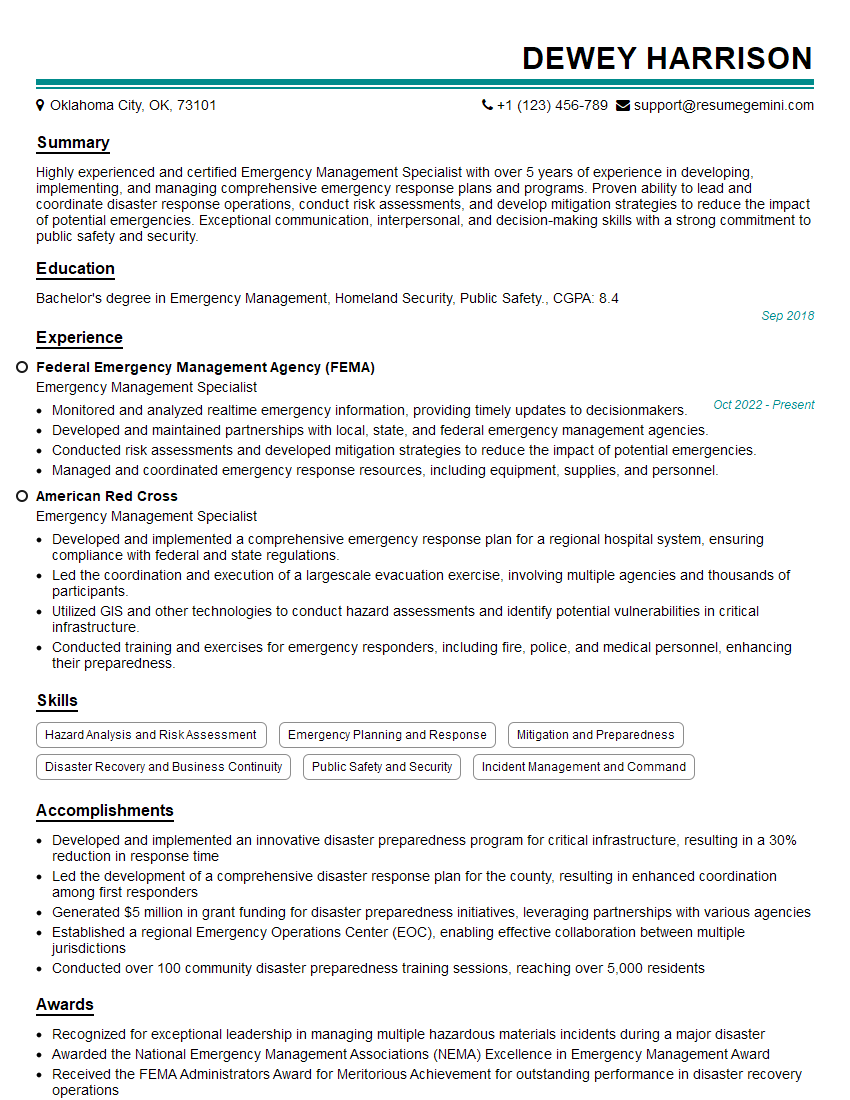
Emergency Management Specialist Resume Sample
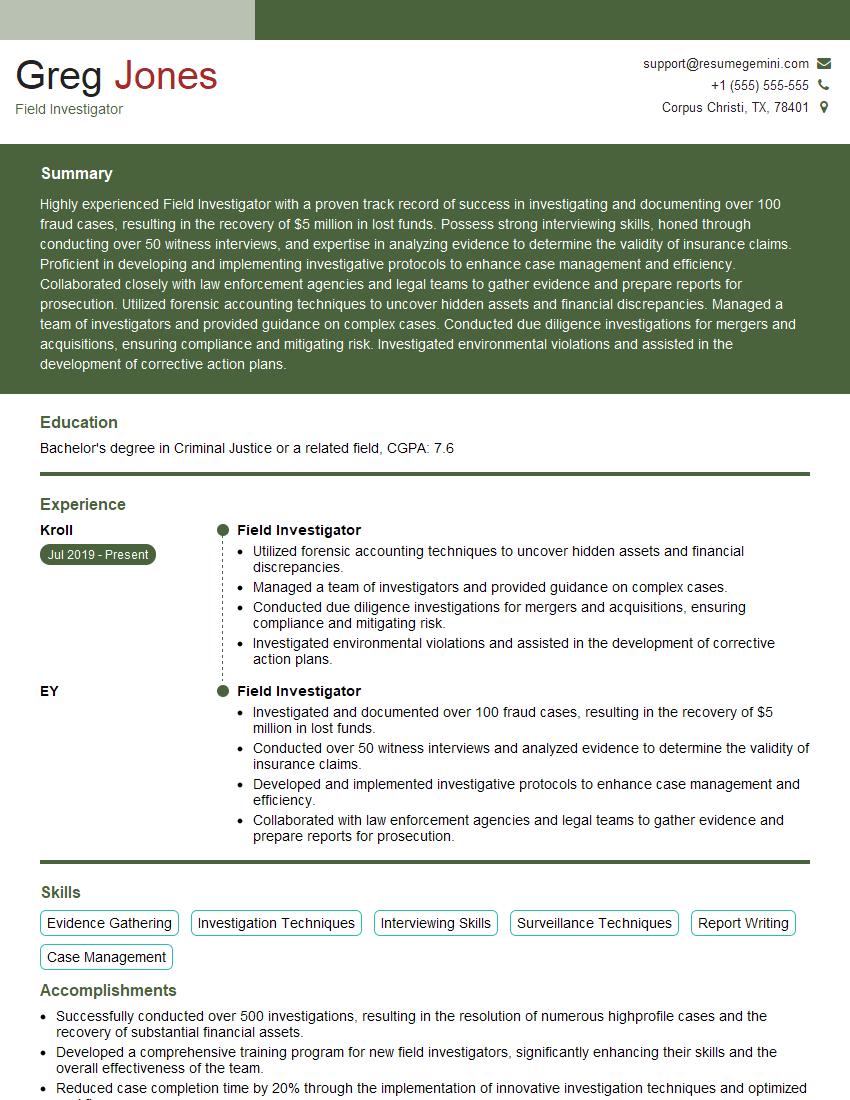
Field Investigator Resume Sample
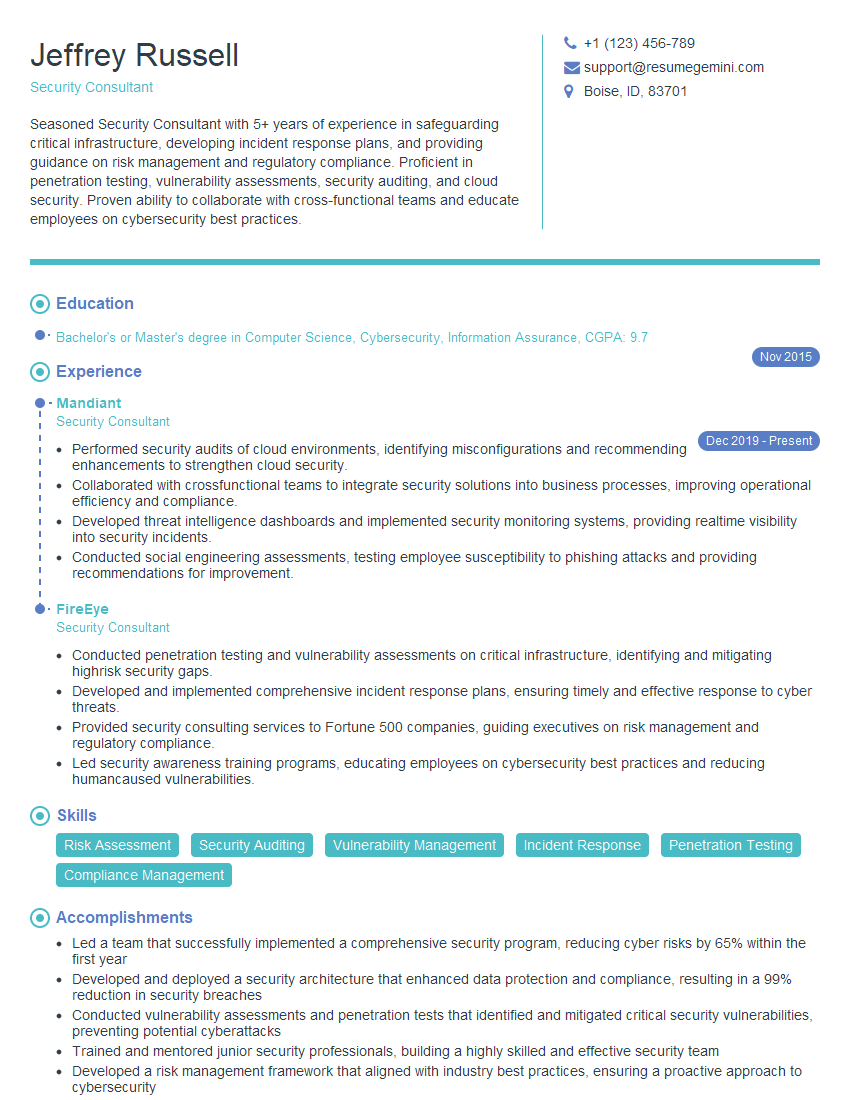
Security Consultant Resume Sample
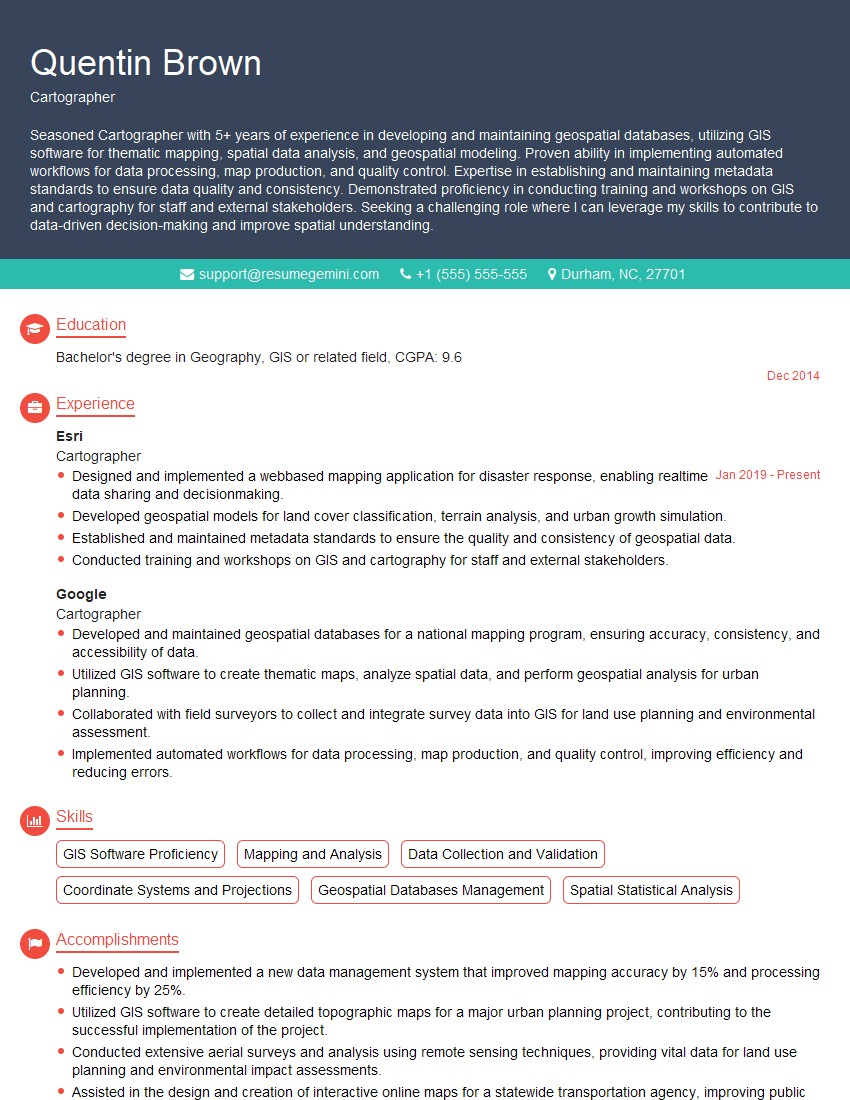
Cartographer Resume Sample
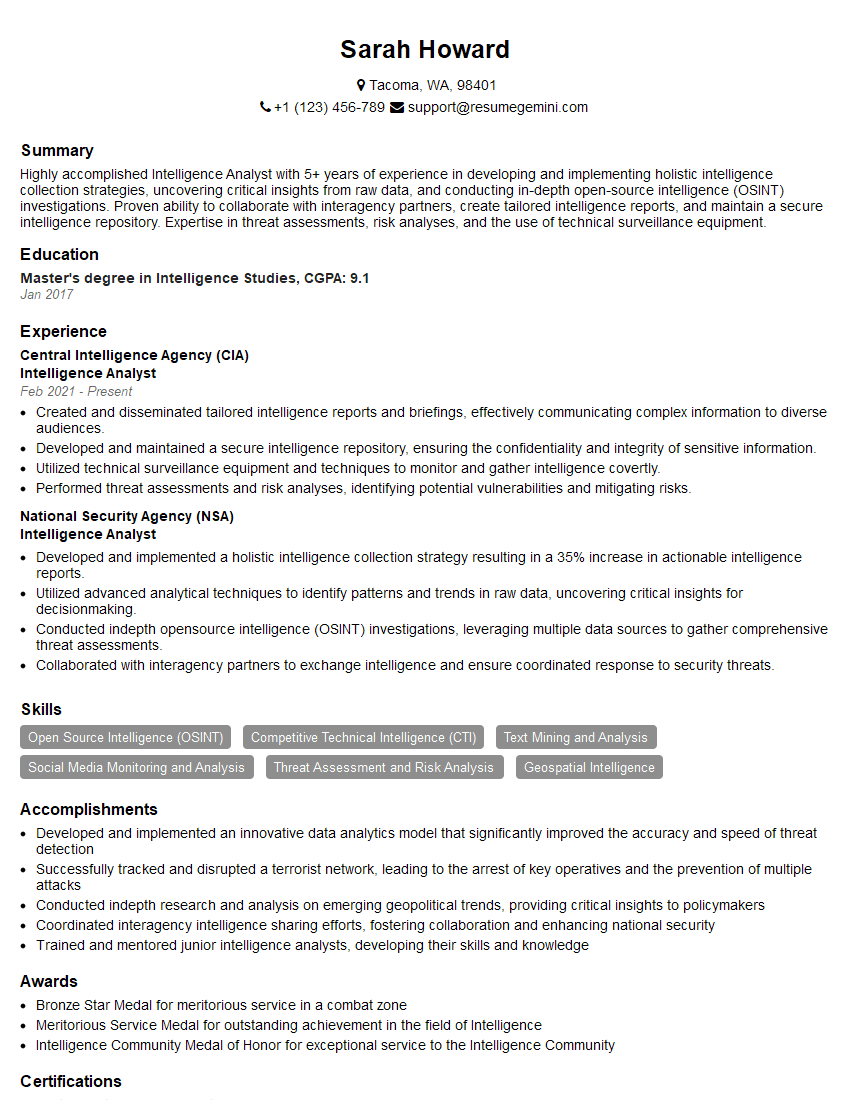
Intelligence Analyst Resume Sample
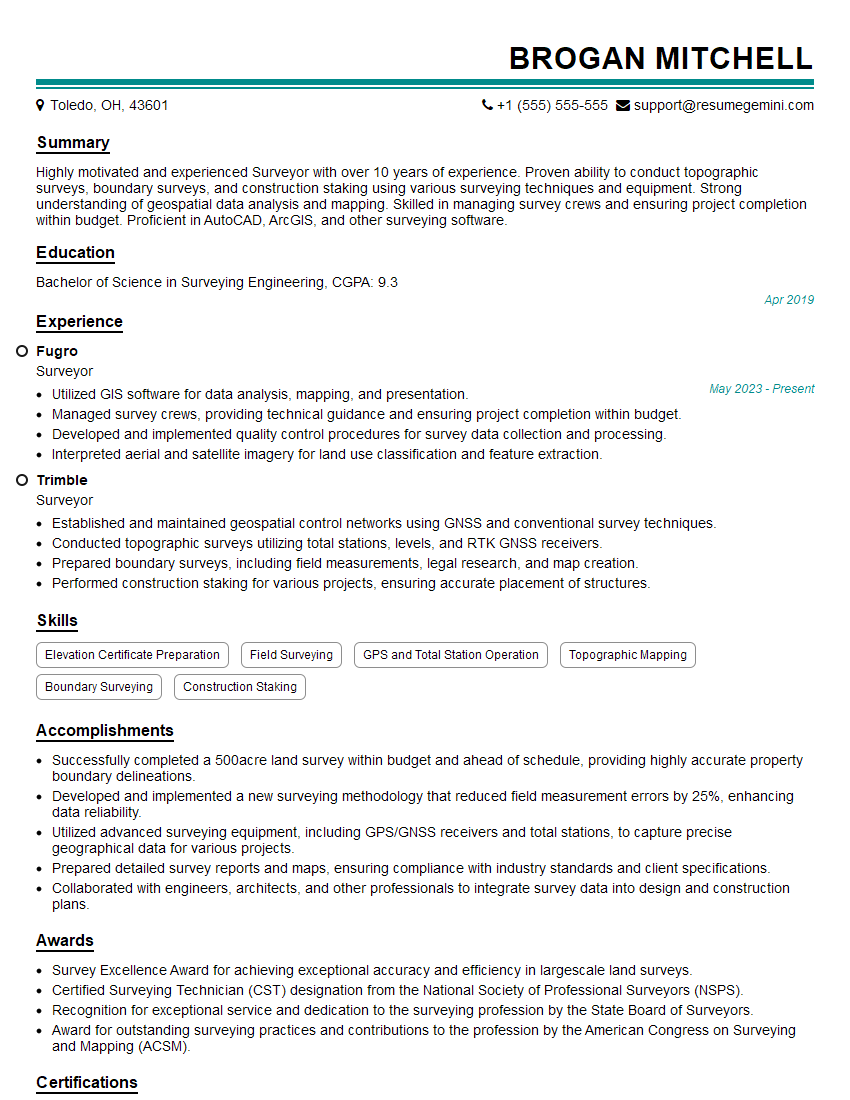
Surveyor Resume Sample
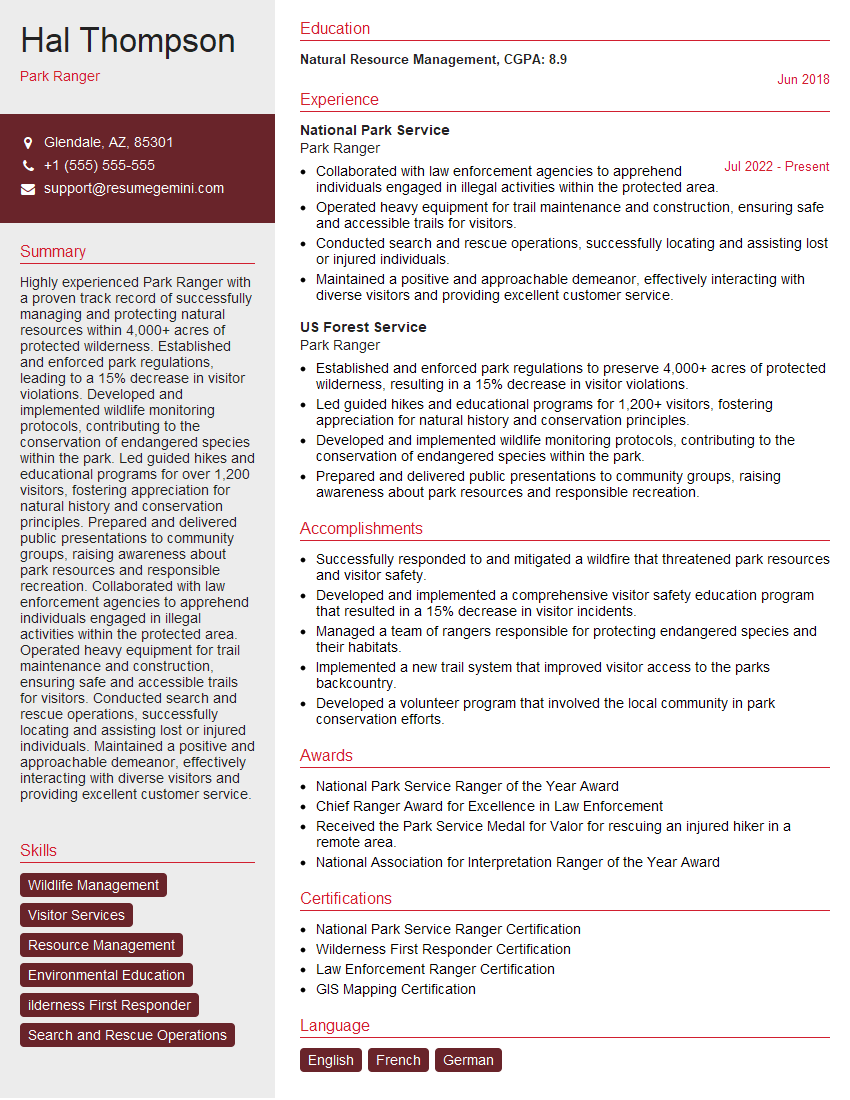
Park Ranger Resume Sample
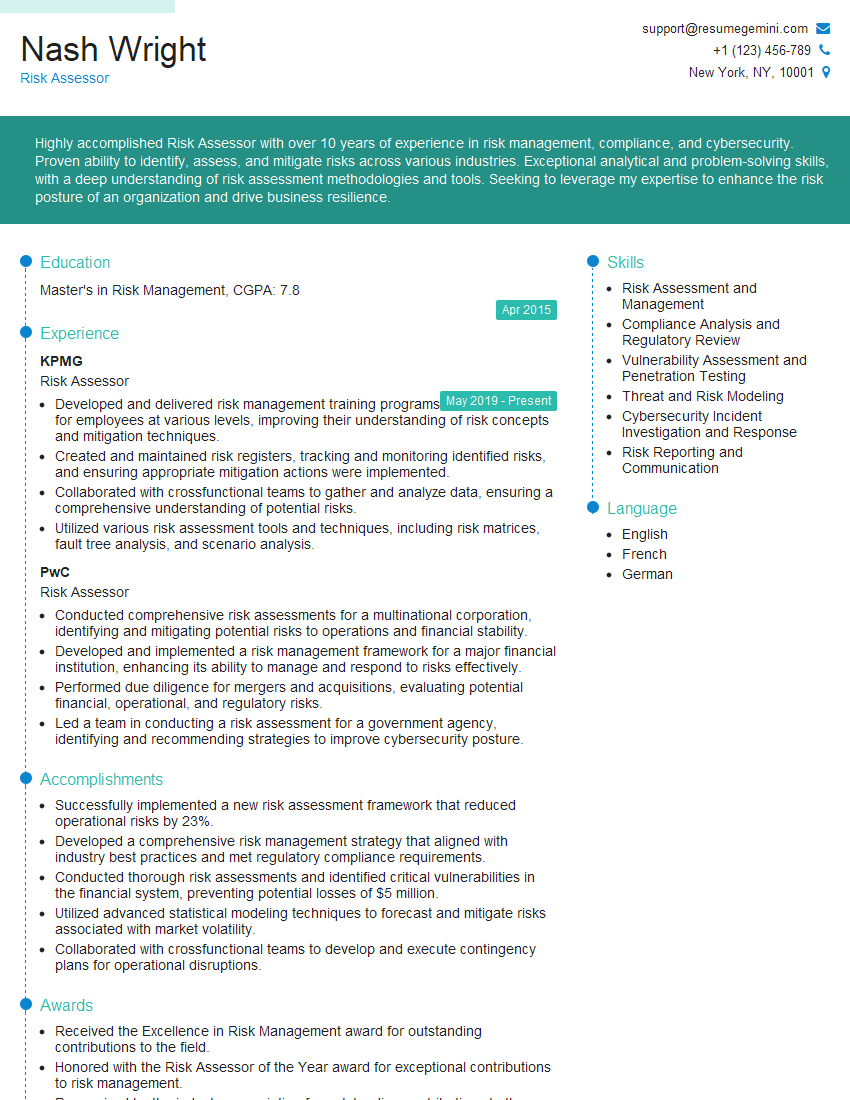
Risk Assessor Resume Sample
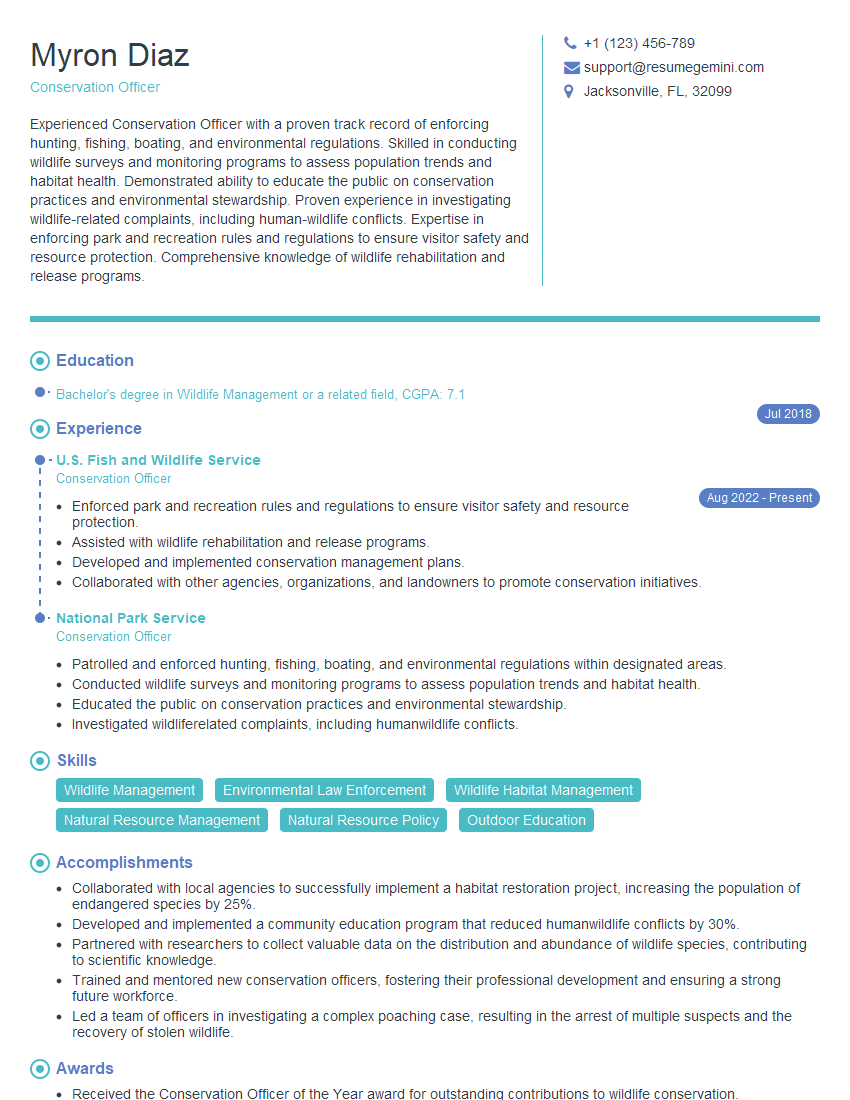
Conservation Officer Resume Sample
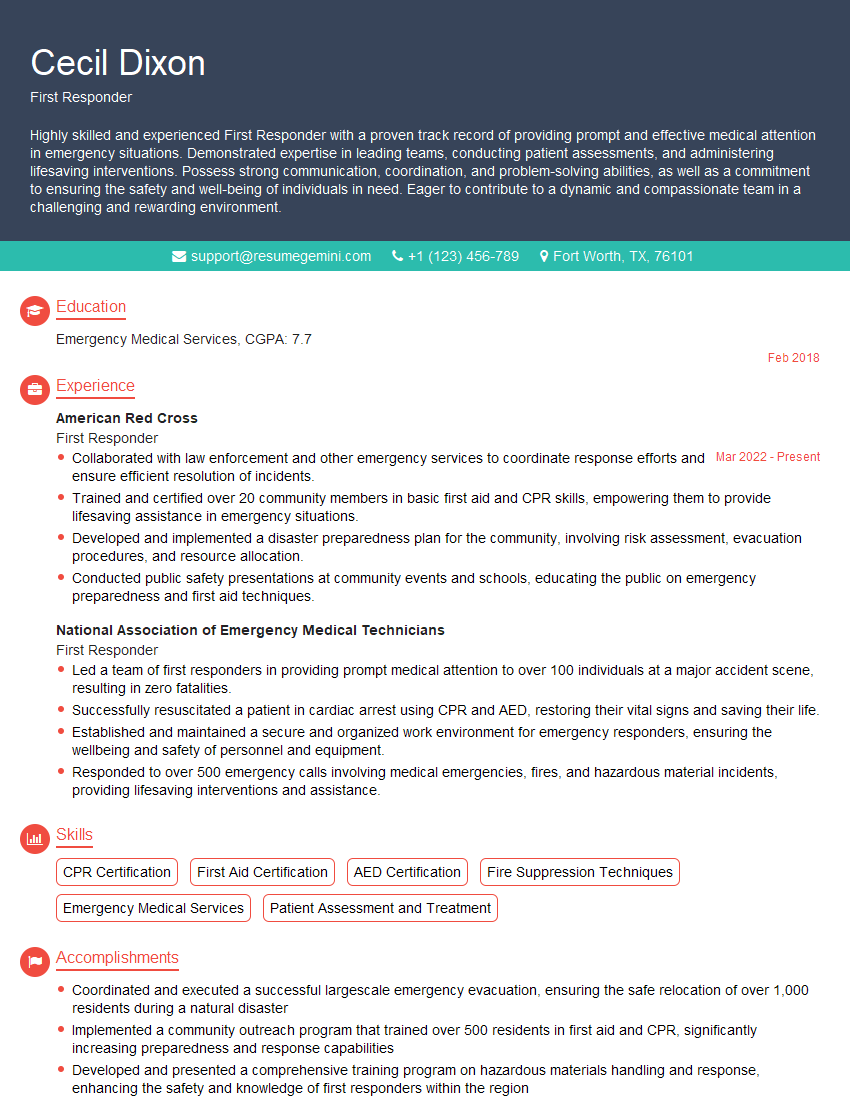
First Responder Resume Sample
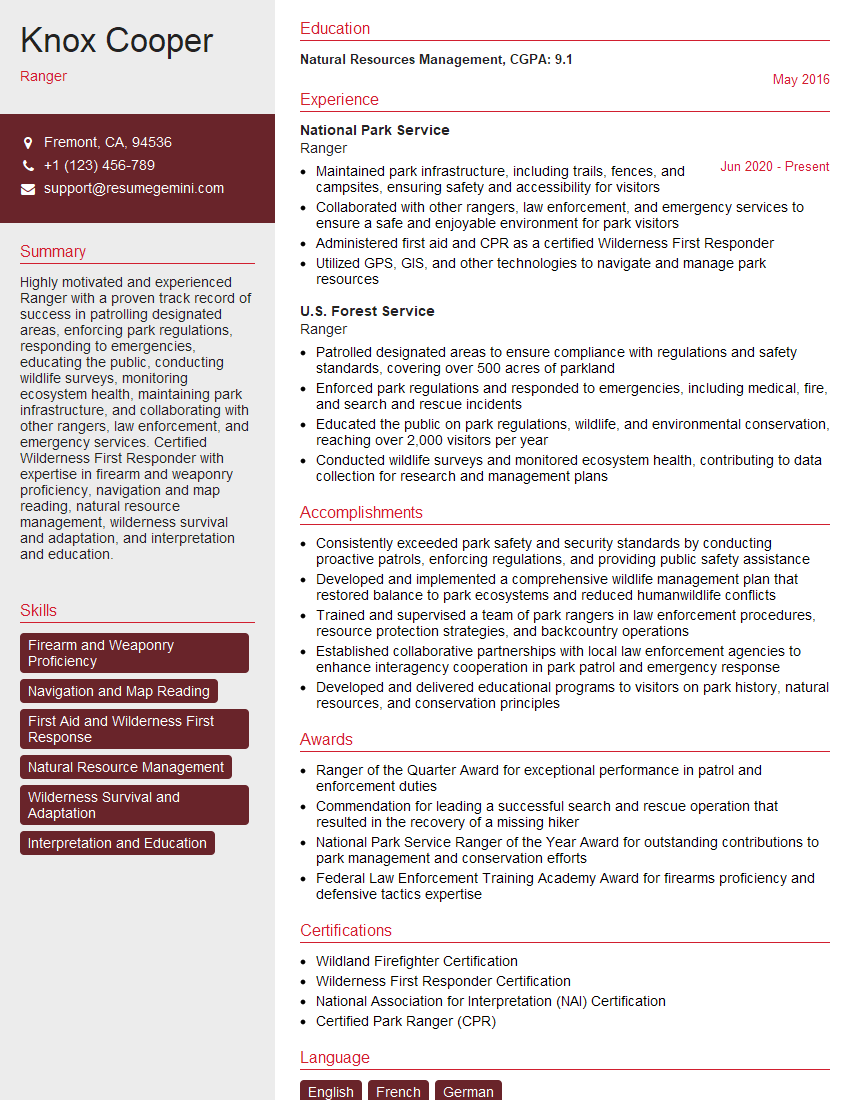
Ranger Resume Sample
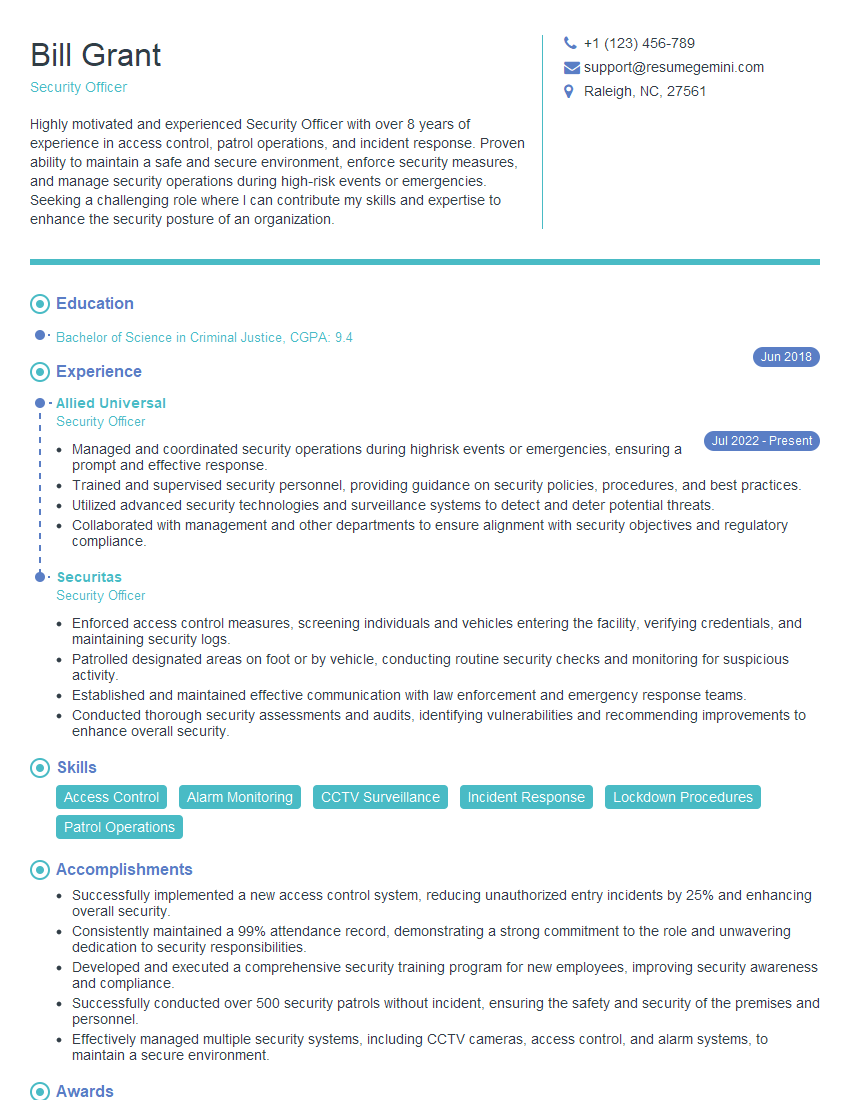
Security Officer Resume Sample
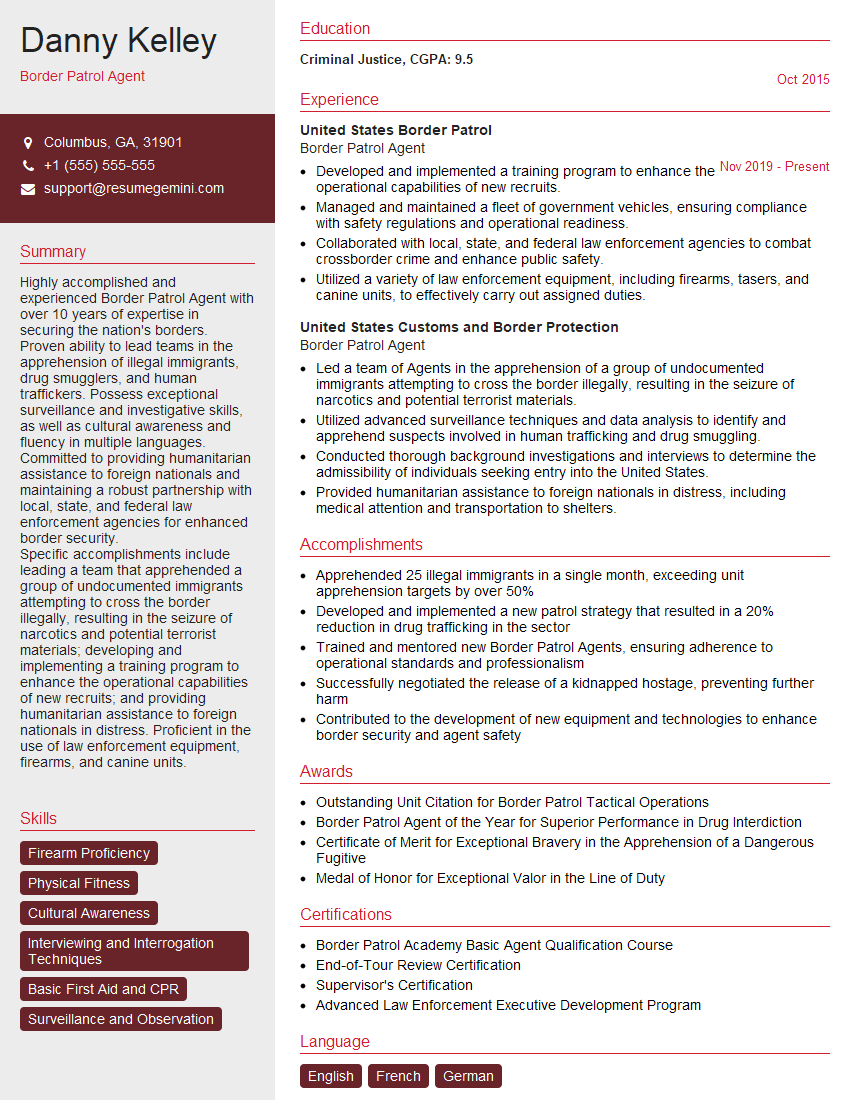
Border Patrol Agent Resume Sample

Game Warden Resume Sample
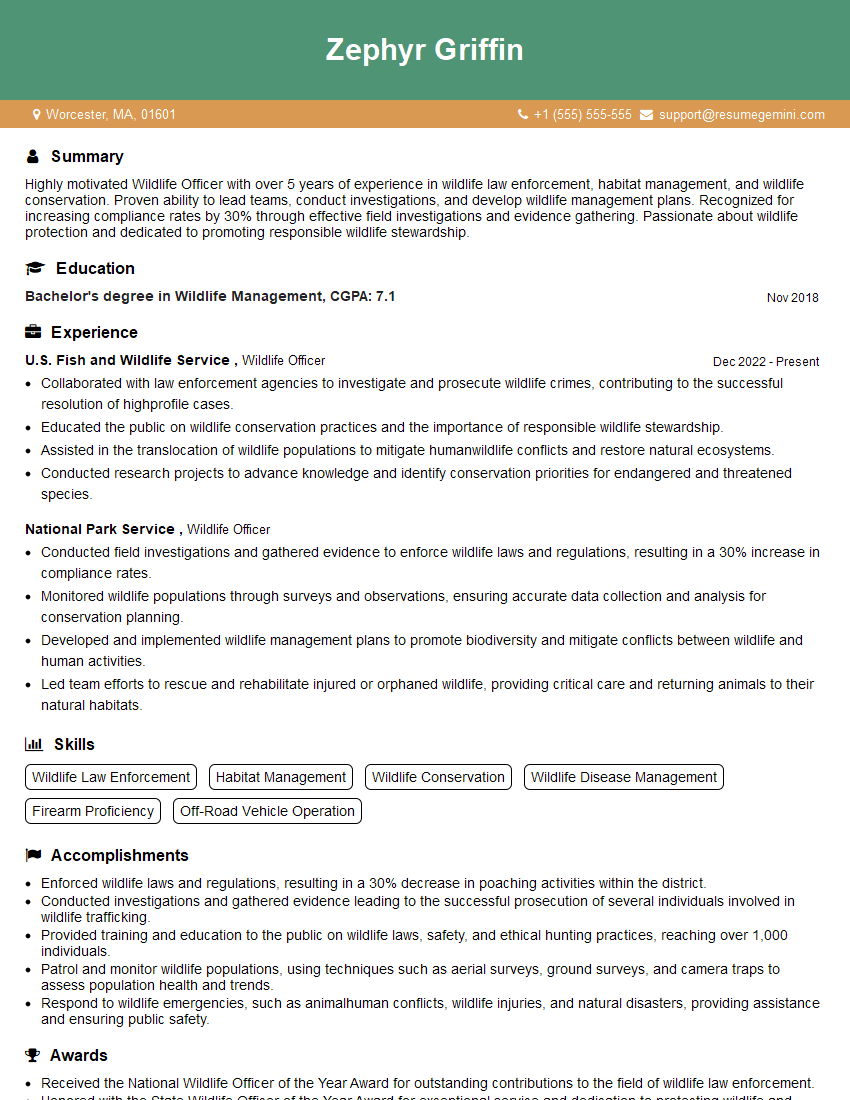
Wildlife Officer Resume Sample
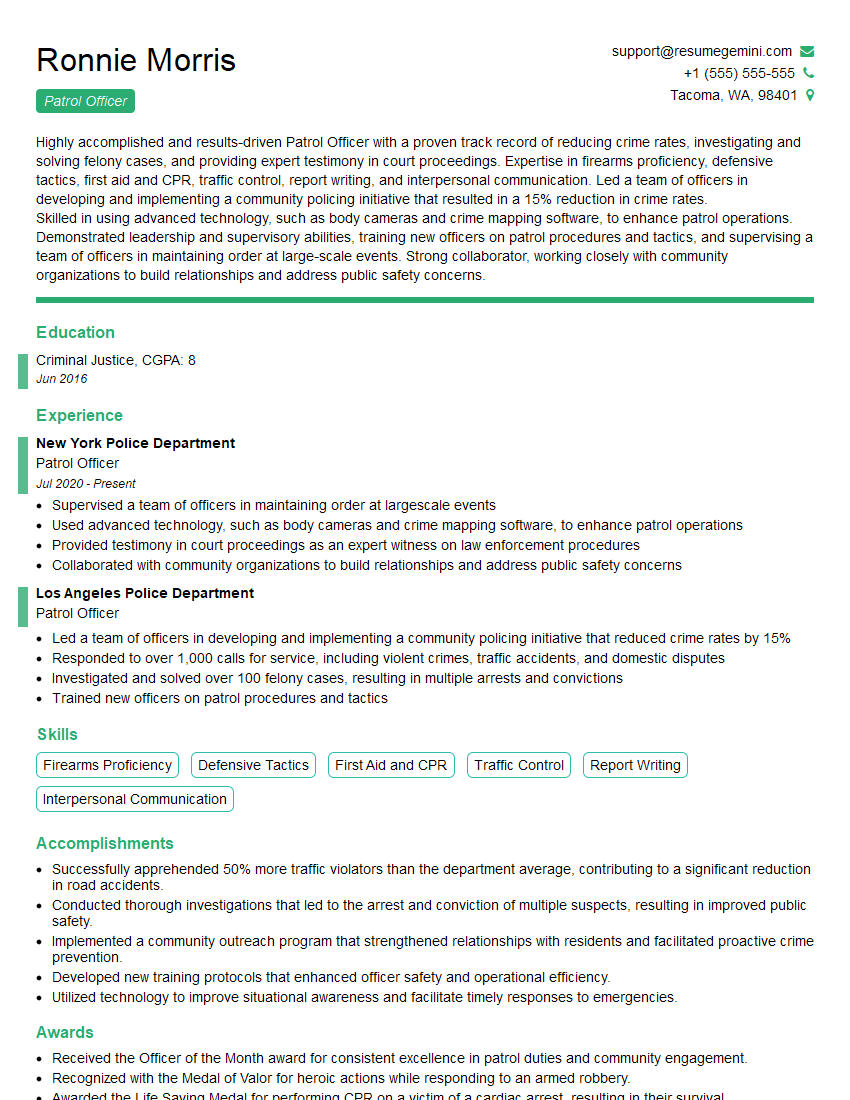
Patrol Officer Resume Sample
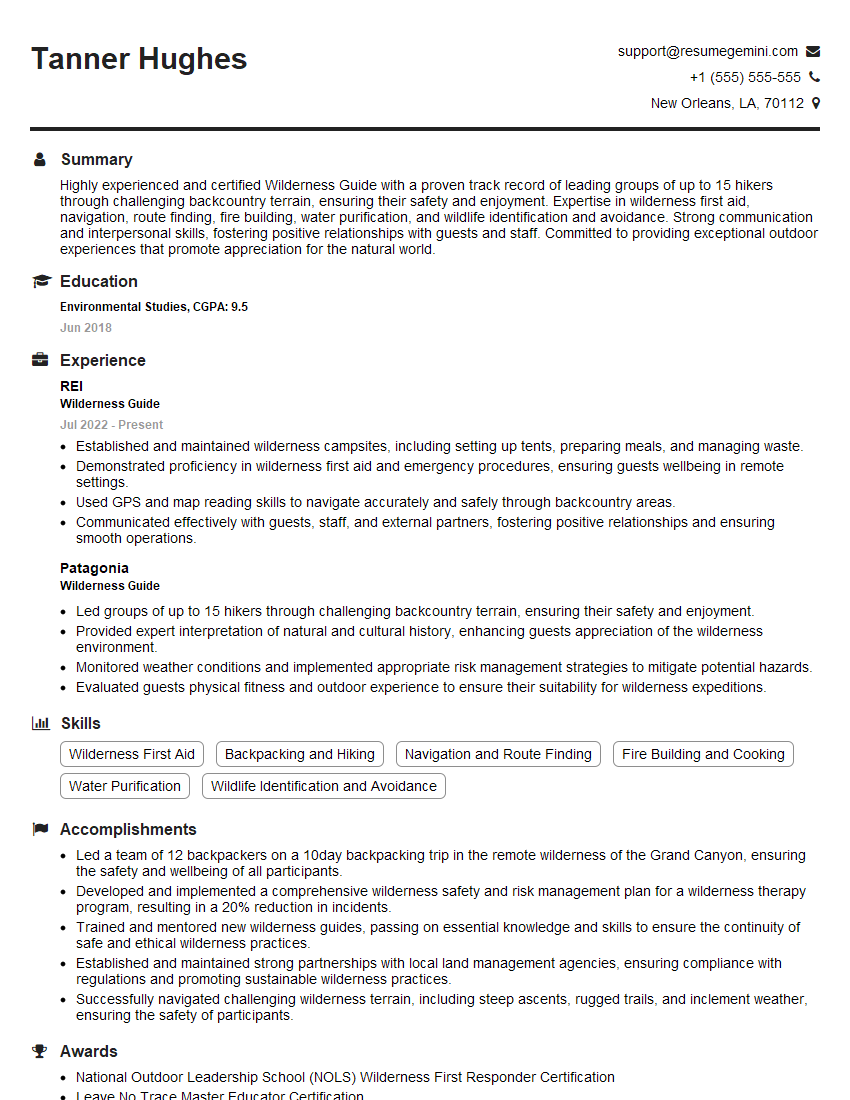
Wilderness Guide Resume Sample
Explore more articles
Users Rating of Our Blogs
Share Your Experience
We value your feedback! Please rate our content and share your thoughts (optional).
What Readers Say About Our Blog
Very informative content, great job.
good