Interviews are more than just a Q&A session—they’re a chance to prove your worth. This blog dives into essential Language Skills (if relevant) interview questions and expert tips to help you align your answers with what hiring managers are looking for. Start preparing to shine!
Questions Asked in Language Skills (if relevant) Interview
Q 1. What language(s) are you proficient in, and what is your proficiency level in each (e.g., native, fluent, conversational)?
My native language is English, and I possess native-level proficiency. I am also fluent in Spanish and French, achieving a level of fluency that allows me to comfortably navigate complex discussions, translate nuanced texts, and interpret in diverse settings. My German proficiency is conversational, enabling me to engage in everyday interactions and understand basic written material. I regularly use language learning apps and resources to maintain and improve my proficiency in all languages.
Q 2. Describe your experience with different translation methodologies (e.g., direct, indirect, communicative).
Translation methodologies differ significantly depending on the context and purpose. Direct translation, a word-for-word approach, is suitable for technical texts where accuracy trumps stylistic flair. However, it often falls short in conveying cultural nuances. Indirect translation employs a more interpretive method, focusing on conveying the meaning and intent rather than sticking to a literal rendering. This is crucial for literary or marketing materials. Communicative translation prioritizes conveying the message to the target audience in a natural and understandable way, even if it means deviating slightly from the source text’s form. For example, translating a humorous idiom literally would likely fail, and a communicative approach would prioritize finding a culturally relevant and equally humorous equivalent.
I’ve experience using all three methods, adapting my approach based on the client’s needs and the nature of the text. A technical manual necessitates a direct approach ensuring all specifications are accurately translated, while a novel demands a communicative approach to maintain its stylistic impact.
Q 3. How do you handle ambiguous terms or cultural nuances in translation?
Handling ambiguous terms or cultural nuances requires a multifaceted approach. First, I thoroughly research the context of the ambiguous term, using dictionaries, corpora (large collections of text), and online resources. I may also consult subject matter experts if needed. For cultural nuances, I leverage my understanding of both source and target cultures to find equivalent expressions or explanations that avoid misinterpretations. If direct equivalence is impossible, I strive for functional equivalence, conveying the same meaning or effect using a different expression appropriate for the target culture.
For instance, a direct translation of the English idiom “break a leg” wouldn’t make sense in Spanish. Instead of a literal translation, I’d use a culturally appropriate expression that conveys the same meaning of good luck, such as “¡Mucha suerte!”
Q 4. Explain your approach to interpreting in different settings (e.g., simultaneous, consecutive).
Simultaneous interpreting requires listening, understanding, and immediately translating the speaker’s words in real-time. This demands intense concentration and quick thinking. Consecutive interpreting involves listening to a segment of speech, taking notes, and then delivering the translated version. This allows for more accurate and refined translations, particularly useful for complex or technical presentations. My approach emphasizes active listening, effective note-taking (for consecutive interpreting), and clear, concise delivery, adapting my style to the specific setting (e.g., a formal conference versus a casual meeting).
In simultaneous interpreting, I prioritize capturing the main ideas while maintaining fluency. In consecutive interpreting, the note-taking system I use helps me to reconstruct the original message accurately and maintain the speaker’s style and tone.
Q 5. How do you ensure accuracy and consistency in your translations?
Accuracy and consistency are paramount. I employ several strategies: First, thorough research and fact-checking are essential. I cross-reference information from multiple reliable sources to ensure accuracy. Second, I maintain a consistent terminology database and style guide throughout the project. This ensures that terms are used uniformly and that the overall style remains consistent. Third, I conduct rigorous self-editing and proofreading, often using multiple passes to catch errors and inconsistencies. Finally, for larger projects, peer review or quality assurance checks by another experienced translator can help ensure quality.
Q 6. What tools and technologies are you familiar with for language-related tasks (e.g., CAT tools, terminology management software)?
I am proficient in several CAT (Computer-Assisted Translation) tools, including SDL Trados Studio and memoQ. These tools streamline the translation process, manage terminology consistency, and boost productivity. I also utilize terminology management software to create and maintain consistent glossaries. Additionally, I’m comfortable using various online resources such as dictionaries, thesauruses, and specialized corpora for research and reference. These tools combined are vital to maintain consistency and efficiency.
Q 7. How do you manage large volumes of text or interpreting assignments?
Managing large volumes of text requires effective project management skills and efficient workflows. I typically break down large projects into smaller, manageable segments. This allows for better organization, tracking of progress, and easier quality control. I utilize project management software and communication tools to coordinate with clients and teams (if applicable). Prioritization of tasks and effective time management are also essential. For interpreting assignments, I may collaborate with colleagues to share the workload and ensure adequate coverage.
Q 8. Describe your experience with localization and cultural adaptation of content.
Localization and cultural adaptation go hand-in-hand to ensure content resonates with its target audience. Localization is simply translating the text; cultural adaptation, however, delves deeper, modifying the content to align with the target culture’s values, norms, and preferences. This might involve adjusting humor, imagery, idioms, and even the overall narrative structure.
For example, a marketing campaign featuring a specific color might need to be adjusted because that color has a negative connotation in another culture. Similarly, a humorous phrase might not translate well and requires rewriting or replacing entirely. In my experience, I’ve worked on numerous projects, including adapting e-learning materials for the Japanese market (requiring careful attention to formality levels and visual design) and localizing software interfaces for a Latin American audience (paying close attention to date and number formatting).
- Deep understanding of target culture: I immerse myself in researching the cultural context. This often includes going beyond simple linguistic translation to consider social customs, humor styles, and visual cues.
- Collaboration with native speakers: I actively collaborate with subject matter experts and native speakers of the target language to ensure accuracy and cultural appropriateness. Their input is invaluable for nuances only they can understand.
- Testing and feedback: Rigorous testing with members of the target audience is crucial for identifying areas where further adaptation is necessary. Feedback loops are essential to refining the final product.
Q 9. How do you handle conflicting terminology or inconsistencies in source materials?
Conflicting terminology and inconsistencies in source materials are common challenges. My approach involves a systematic process of identifying, documenting, and resolving these issues to ensure consistency and accuracy.
- Terminology management: I use terminology glossaries or style guides provided by the client or create my own if none exist. This helps maintain consistency across the entire project. If conflicting terms exist, I research and validate each term to find the most appropriate one for the target audience and context.
- Communication with client/SME: Open communication with clients or subject matter experts (SMEs) is key. I always raise any concerns or ambiguities about terminology during the project, ensuring clear guidelines for how to handle each instance. Often, this involves clarifying the intended meaning in the source material and reaching a decision together.
- Documentation: I meticulously document all decisions made regarding terminology, inconsistencies, and any compromises reached. This documentation serves as a record for future reference and facilitates efficient collaboration.
For instance, imagine two documents using slightly different terms for the same concept. I’d first try to reconcile these terms based on the context. If that’s not possible, I will discuss the choices with the relevant stakeholders to establish a unified approach that is consistently applied.
Q 10. How do you deal with tight deadlines and pressure in a language-related role?
Tight deadlines are a reality in language-related roles. Effective time management and prioritization are crucial. My strategy involves a combination of efficient workflow practices, effective communication, and sometimes, the willingness to adjust expectations.
- Detailed project planning: I break down large projects into smaller, manageable tasks, creating a realistic timeline for each. This allows for better tracking of progress and identification of potential bottlenecks early on.
- Prioritization and delegation: I prioritize tasks based on their urgency and importance, focusing on high-impact tasks first. If feasible, I delegate tasks where appropriate.
- Efficient tools and technologies: I leverage translation management systems (TMS) and other tools that improve workflow efficiency, such as CAT tools (Computer-Assisted Translation) for consistency and faster translation speeds.
- Communication: Proactive communication with clients or project managers is key. If a deadline seems unrealistic, I openly discuss it and explore potential solutions together, such as adjusting the scope of work or prioritizing certain tasks.
For example, when faced with a tight turnaround, I might prioritize the most crucial sections of a document first, delivering a functional version within the deadline, then working on less critical sections later.
Q 11. What are your strategies for improving your language skills?
Continuously improving my language skills is a priority. My strategies involve a multifaceted approach that includes immersion, active learning, and focused practice.
- Immersion: I surround myself with the target language through media consumption (books, films, podcasts), engaging with native speakers, and participating in cultural events.
- Active learning: I actively seek out learning opportunities, such as formal courses, language exchange programs, and online resources. I utilize spaced repetition systems (SRS) for vocabulary learning.
- Focused practice: I actively engage in focused practice, including writing, reading, listening, and speaking exercises, regularly reviewing previously learned material.
- Feedback: I actively seek feedback on my language proficiency from native speakers to identify areas for improvement.
For example, I recently began watching documentaries in my target language, focusing on comprehension and picking up new vocabulary related to the subject matter.
Q 12. Describe a challenging translation or interpreting project and how you overcame the difficulties.
One challenging project involved translating a highly technical medical document with nuanced terminology and cultural sensitivities. The source text contained numerous ambiguous phrases and lacked sufficient context. Furthermore, it needed to be translated into several languages across various cultural contexts.
To overcome these difficulties, I adopted a multi-pronged approach:
- Collaboration with medical experts: I collaborated with medical professionals familiar with the relevant terminology and cultural contexts. This helped clarify ambiguous phrases and ensured accurate translation.
- Thorough research: Extensive research was conducted to ensure accuracy, consistency and cultural appropriateness. I utilized medical dictionaries, journals and online resources to understand the technical terminology fully.
- Iterative process: The translation process wasn’t linear. I engaged in multiple rounds of review with medical experts and translators from various target languages, seeking feedback and improving the translations iteratively. This ensured that the final versions were accurate and easily understood by the intended audience.
- Quality assurance: A thorough quality assurance process was adopted, which included both internal and external review and testing. This ensured the final translations were not only accurate but also culturally appropriate and consistent across all languages.
This project underscored the importance of teamwork, meticulous research, and a flexible approach to translation challenges.
Q 13. How do you prioritize tasks and manage your time effectively?
Effective task prioritization and time management are crucial for success in my field. My approach is based on a combination of planning, organization, and self-discipline.
- Prioritization matrices: I utilize prioritization matrices (like Eisenhower Matrix) to categorize tasks based on urgency and importance. This helps me focus on high-impact tasks first and delegate or postpone less crucial ones.
- Time blocking: I allocate specific time blocks for different tasks in my day, minimizing context switching and maximizing focus. This prevents distractions and improves efficiency.
- Project management tools: I use project management tools (like Trello or Asana) to track progress, manage deadlines, and collaborate effectively with team members.
- Regular review and adjustment: I regularly review my schedule and adjust it as needed based on changing priorities and unexpected events. This ensures that I stay on track and deliver results efficiently.
For instance, if several urgent projects arise, I prioritize based on the potential impact and the deadlines. This might involve temporarily postponing some less critical activities or delegating tasks when possible.
Q 14. What is your understanding of different language families and their grammatical structures?
Understanding language families and their grammatical structures is fundamental to my work. Language families are groups of languages that share a common ancestor and often exhibit similarities in grammar, vocabulary, and phonology.
For instance, the Indo-European family is vast, encompassing languages like English, Spanish, Hindi, and Russian. These languages, though vastly different in their modern forms, share underlying structural similarities that I leverage in my translation work. Knowing these similarities can help predict potential translation challenges and improve the accuracy of my work.
- Grammatical structures: Each language family has its own unique grammatical structures. Some are subject-verb-object (SVO), like English, while others are subject-object-verb (SOV), like Japanese. Understanding these structures helps in accurately conveying meaning and avoiding grammatical errors. For example, word order significantly impacts meaning, and I need to adapt to the specific target language’s structure.
- Morphology: Morphology, the study of word formation, also varies across language families. Some languages heavily rely on inflection (changing the form of a word to indicate tense or number), while others use more auxiliary words. This knowledge is crucial in accurately conveying grammatical nuances during the translation process.
- Syntax: Syntax deals with sentence structure and phrase organization. Knowing the syntax of various language families is crucial for translating the meaning effectively. For example, certain languages use relative clauses differently than others, impacting the way information is presented.
This knowledge is invaluable for avoiding common translation errors and ensuring the translated text accurately reflects the nuances of the source text.
Q 15. Explain your familiarity with style guides and language standards.
Style guides and language standards are the bedrock of consistent and professional communication. They provide a set of rules and recommendations for writing, grammar, punctuation, and style, ensuring clarity, readability, and a unified voice across different documents and platforms. My familiarity extends to various guides, including the Chicago Manual of Style, AP Stylebook, and MLA style, each with its specific nuances and applications. For example, the Chicago Manual of Style is widely used in academic publishing and emphasizes precision and detailed referencing, while the AP Stylebook prioritizes brevity and conciseness often used in journalism. I understand how to adapt my writing to adhere to specific style guides and language standards based on the target audience and purpose of the communication.
I’ve worked extensively with style guides for technical documentation, where maintaining consistency is crucial for user understanding. Imagine a software manual with inconsistent terminology – it would lead to user confusion and frustration. My experience includes adapting to the specific terminology and style preferences of different clients and organizations. This involves careful review of existing documentation and close collaboration to ensure alignment with established standards.
Career Expert Tips:
- Ace those interviews! Prepare effectively by reviewing the Top 50 Most Common Interview Questions on ResumeGemini.
- Navigate your job search with confidence! Explore a wide range of Career Tips on ResumeGemini. Learn about common challenges and recommendations to overcome them.
- Craft the perfect resume! Master the Art of Resume Writing with ResumeGemini’s guide. Showcase your unique qualifications and achievements effectively.
- Don’t miss out on holiday savings! Build your dream resume with ResumeGemini’s ATS optimized templates.
Q 16. How do you stay up-to-date with changes in language and terminology?
Keeping abreast of language evolution is a continuous process. I leverage several strategies to stay informed. Firstly, I subscribe to reputable linguistics journals and publications like the Language Log and the American Speech. These provide in-depth analyses of language trends and emerging terms. Secondly, I actively participate in professional development activities like webinars and conferences organized by organizations like the American Translators Association. These events offer valuable insights into evolving language standards and best practices. Finally, I closely monitor online resources and language corpora, which provide real-time data on language use and the emergence of new vocabulary and usage patterns.
For instance, the rise of social media and online communication has introduced a wealth of new terminology and linguistic styles. Staying updated helps me adapt my language skills to reflect current usage while maintaining accuracy and professionalism. It’s not simply about following trends; it’s about understanding the context and the implications of linguistic change.
Q 17. How would you explain a complex technical concept in simpler language?
Explaining complex technical concepts simply requires a multi-pronged approach. I begin by identifying the core concepts and breaking them down into smaller, more manageable chunks. Then, I use clear and concise language, avoiding jargon and technical terms whenever possible. Instead, I use analogies and metaphors to relate the concept to something familiar to the audience. Visual aids, such as diagrams or illustrations, can also be very effective in simplifying complex information. I always check for understanding and am prepared to reiterate or explain a concept in a different way if needed.
For example, if explaining ‘cloud computing’ to someone unfamiliar with technology, I might use an analogy like this: “Imagine a library, but instead of physical books, all the information is stored on powerful computers somewhere else (the ‘cloud’). You can access this information anytime, anywhere, using the internet, just like borrowing a book.”
Q 18. Describe your experience with different types of language testing.
My experience with language testing encompasses various approaches. I am familiar with standardized tests like the TOEFL and IELTS, which evaluate overall language proficiency. I also have experience with more specialized assessments, including proficiency tests for specific industries or professions (e.g., medical translation certification). Beyond standardized tests, I have experience with practical assessments such as translation and interpretation tasks, which evaluate skills in real-world contexts. These assessments offer a more holistic view of a candidate’s abilities than standardized tests alone.
One project involved evaluating candidates for a technical writing position. We employed a combination of written tests (assessing grammar, style, and technical accuracy) and practical tasks (creating technical documentation based on a given specification). This approach gave us a complete picture of each candidate’s skills and their potential to succeed in the role.
Q 19. What is your understanding of machine translation and its limitations?
Machine translation (MT) is a technology that uses computer algorithms to translate text or speech from one language to another. While MT has made significant strides in recent years, it still has limitations. One major limitation is its inability to accurately capture nuances, context, and cultural subtleties. MT often struggles with idioms, metaphors, and humor, which rely heavily on cultural understanding. Furthermore, MT systems can produce grammatically correct but semantically inaccurate translations, particularly when dealing with complex or ambiguous sentences.
For example, a simple phrase like ‘break a leg’ translates literally in other languages but loses the meaning of ‘good luck’. Therefore, while MT can be a useful tool for preliminary translation or quick drafts, it should never be considered a replacement for human translation, especially in contexts requiring high accuracy and cultural sensitivity.
Q 20. How would you approach the translation of a legally sensitive document?
Translating a legally sensitive document requires meticulous attention to detail and a deep understanding of legal terminology and procedures in both source and target languages. This involves more than simply converting words; it’s about conveying the precise legal meaning and implications. My approach starts with a thorough understanding of the source document and its legal context. I consult legal dictionaries and resources specific to the relevant jurisdiction. I then work with a legal expert if necessary, to ensure accuracy and compliance with legal standards and ethical guidelines for translation.
It’s crucial to maintain absolute accuracy in legal translations as errors can have significant consequences. This involves double-checking every detail, using consistent terminology, and carefully managing terminology that might vary across legal systems. I always maintain a detailed record of my work, including any decisions made regarding terminology or interpretation, for accountability and traceability.
Q 21. Describe your experience working with clients or stakeholders.
I have extensive experience collaborating with clients and stakeholders across various projects. I believe in open and transparent communication, establishing clear expectations from the outset. I actively listen to client needs, clarifying any ambiguities and keeping them informed throughout the project lifecycle. This often involves regularly scheduled progress updates and addressing their queries promptly and professionally. My experience includes managing client expectations regarding timelines, budgets, and deliverables, proactively addressing any potential challenges, and resolving conflicts effectively.
One project involved a multinational corporation needing to translate marketing materials for multiple countries. Effective communication was key to navigating diverse cultural preferences and adapting the materials for optimal impact in each target market. This required close collaboration with the marketing team and the translation team to ensure a cohesive and successful campaign. This experience highlighted the importance of building strong client relationships based on trust, understanding, and mutual respect.
Q 22. How do you handle feedback and criticism on your work?
I view feedback as an invaluable tool for growth. I approach criticism constructively, focusing on understanding the points raised rather than taking them personally. My process involves actively listening, asking clarifying questions to ensure I fully grasp the feedback, and then reflecting on how I can improve my work. For example, if I receive feedback that a translation lacks cultural nuance, I’ll research the target culture more thoroughly for future projects. I document all feedback received, noting both the positive aspects and areas for improvement, to track my progress and identify recurring themes. This allows for continuous improvement and ensures I consistently deliver high-quality work.
Q 23. How do you ensure the confidentiality of sensitive information in your work?
Confidentiality is paramount in my work. I adhere strictly to the client’s instructions regarding data handling and security protocols. This includes using secure communication channels, encrypting sensitive data when necessary, and storing documents securely, often using password-protected files and cloud storage with robust security features. I also understand and abide by all relevant data protection regulations, like GDPR or HIPAA, depending on the context. I never discuss client projects or sensitive information with unauthorized individuals. Think of it like handling a secret mission – every detail is protected and handled with the utmost care and discretion.
Q 24. What are your salary expectations for this position?
My salary expectations are in line with the industry standard for a professional with my experience and qualifications in this specific geographic location. I am open to discussing a salary range that reflects the value I bring to your organization. I’m confident that a competitive compensation package will be mutually beneficial, recognizing both the market value and the contributions I can make to the team.
Q 25. What are your long-term career goals in the field of language skills?
My long-term career goals involve becoming a recognized expert in [mention specific area, e.g., technical translation, interpreting for legal proceedings]. I aim to expand my skillset to include [mention specific skill, e.g., machine translation post-editing, simultaneous interpretation]. I also aspire to mentor junior translators and interpreters, sharing my knowledge and contributing to the professional development of the next generation. Ultimately, I envision myself leading projects, managing teams, and contributing significantly to the evolution of the language services industry.
Q 26. What are your strengths and weaknesses as a translator/interpreter?
My strengths lie in my meticulous attention to detail, a keen understanding of both source and target cultures, and excellent communication skills. I am proficient in [mention specific languages and skill sets], and I adapt quickly to new terminology and contexts. I’m also a quick learner and strive for continuous improvement. A weakness I’m actively working on is managing time efficiently across multiple projects. I’ve implemented strategies like project management software and improved task prioritization to effectively tackle this. This ongoing self-improvement is critical to my professional growth.
Q 27. Why are you interested in this specific position?
I’m deeply interested in this position because it aligns perfectly with my skills and career goals. The opportunity to work on [mention specific projects or aspects of the role] is particularly exciting. The company’s reputation for [mention company values or achievements] strongly appeals to me, and the collaborative team environment is something I value greatly. I believe my expertise in [mention specific expertise] will be a significant asset to your team, and I’m eager to contribute to your success.
Q 28. Do you have any questions for me?
Yes, I have a few questions. Firstly, could you elaborate on the specific technologies and tools used by the team? Secondly, what are the opportunities for professional development and training within the company? Finally, what is the typical project lifecycle and how does the team collaborate on larger projects?
Key Topics to Learn for Language Skills Interview
- Linguistic Proficiency: Demonstrate a deep understanding of grammatical structures, vocabulary nuances, and idiomatic expressions in your target language(s). Consider focusing on areas where you possess the strongest skills and are most confident.
- Translation and Interpretation: Practice translating and interpreting different text types (e.g., technical documents, marketing materials, literary texts) accurately and effectively. Prepare examples showcasing your ability to adapt language for different audiences and contexts.
- Cross-Cultural Communication: Explore the impact of culture on communication. Be ready to discuss how cultural differences influence language use and how you navigate communication challenges across cultures. This demonstrates cultural sensitivity, a vital skill in many language-related roles.
- Technical Terminology and Specialization: If applicable to your target role, demonstrate familiarity with industry-specific vocabulary and jargon related to translation, interpretation, language teaching, linguistics, or other relevant fields. Prepare examples to highlight your expertise.
- Language Learning Methodologies: If you’re interviewing for a teaching or training role, be prepared to discuss different language acquisition theories and teaching methodologies, highlighting your practical experience and preferred approaches.
- Problem-Solving & Adaptability: Practice applying your language skills to solve realistic problems, such as dealing with ambiguous translations or communication breakdowns. Highlight your ability to adapt your approach depending on the specific context.
Next Steps
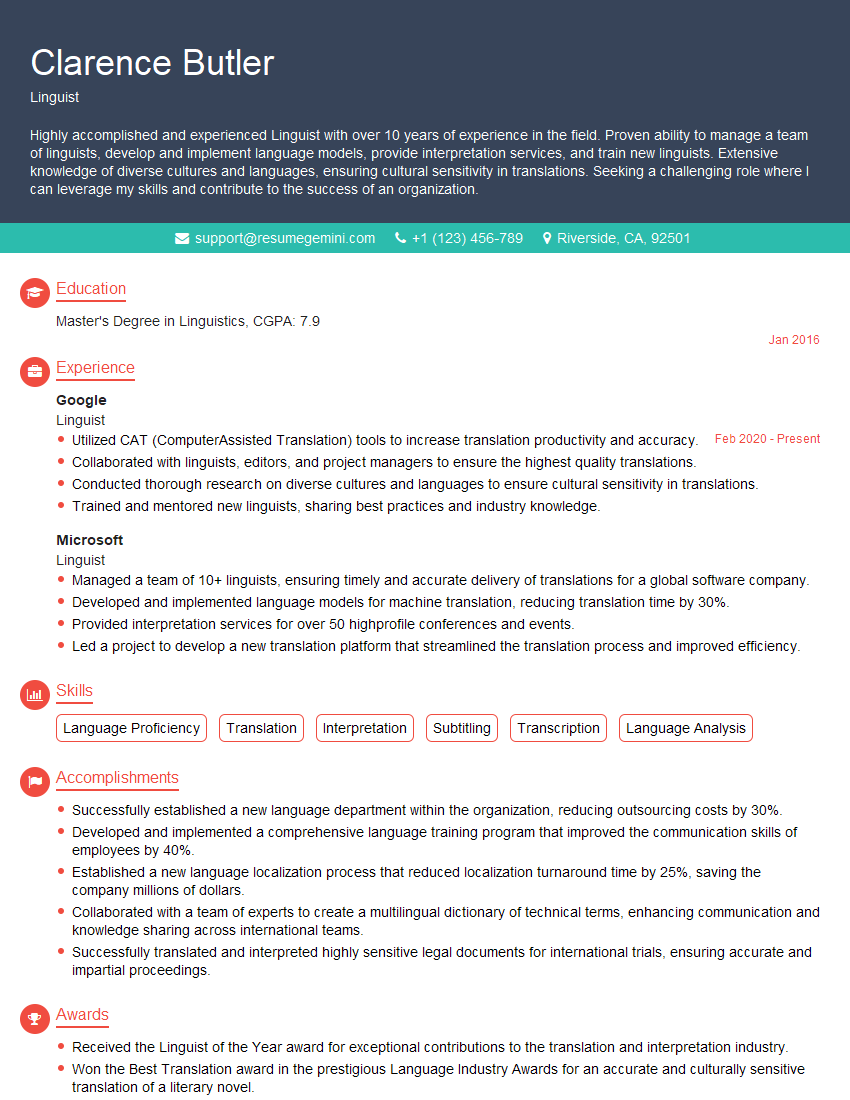
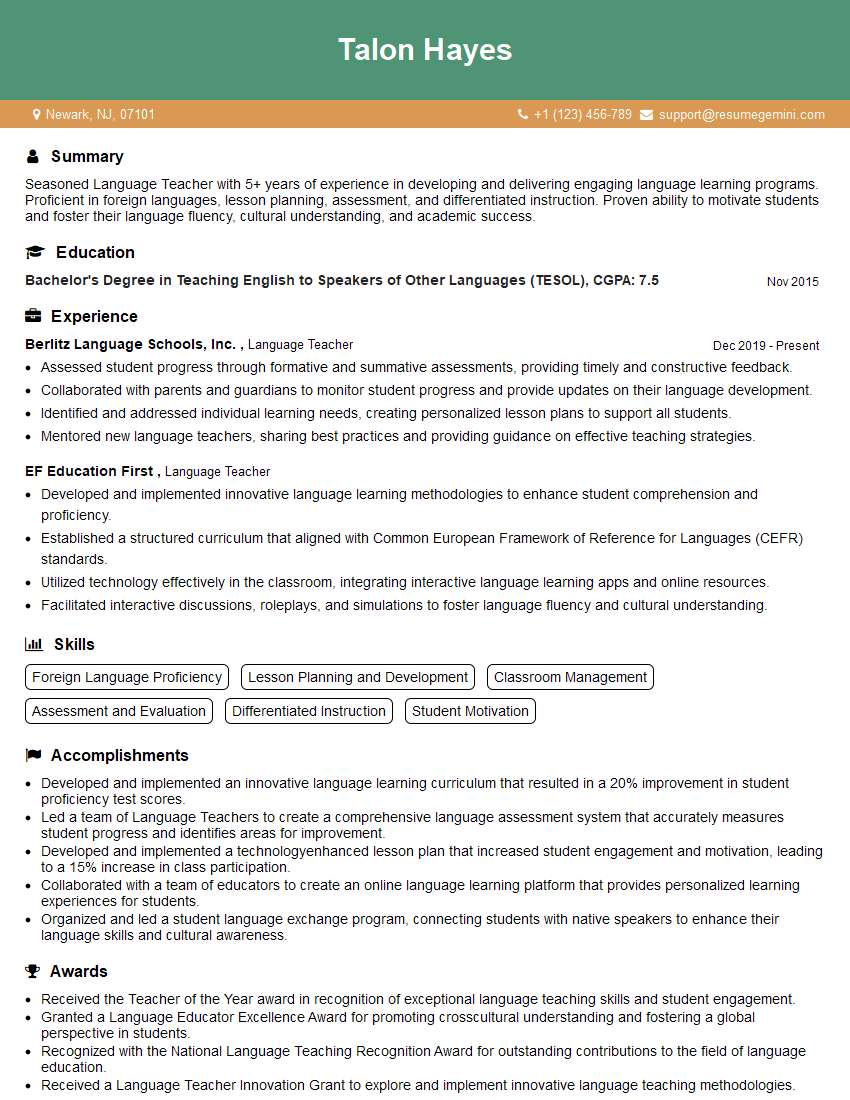
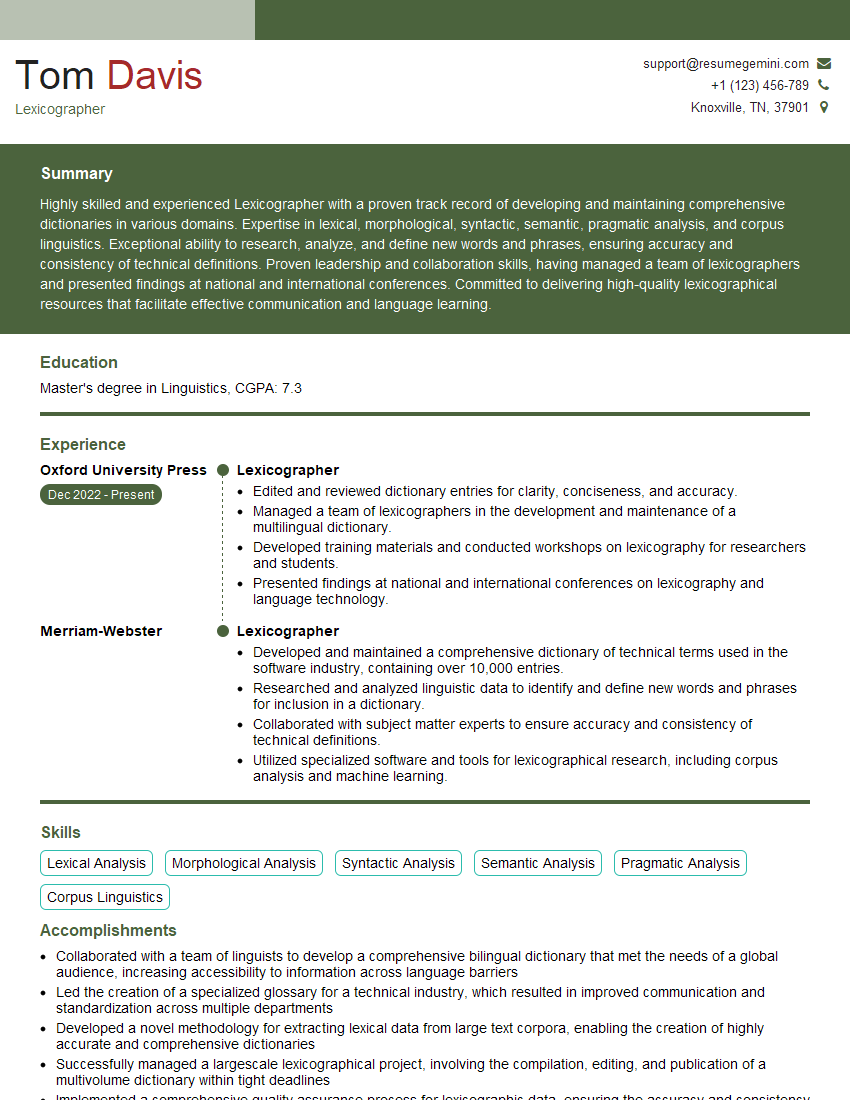
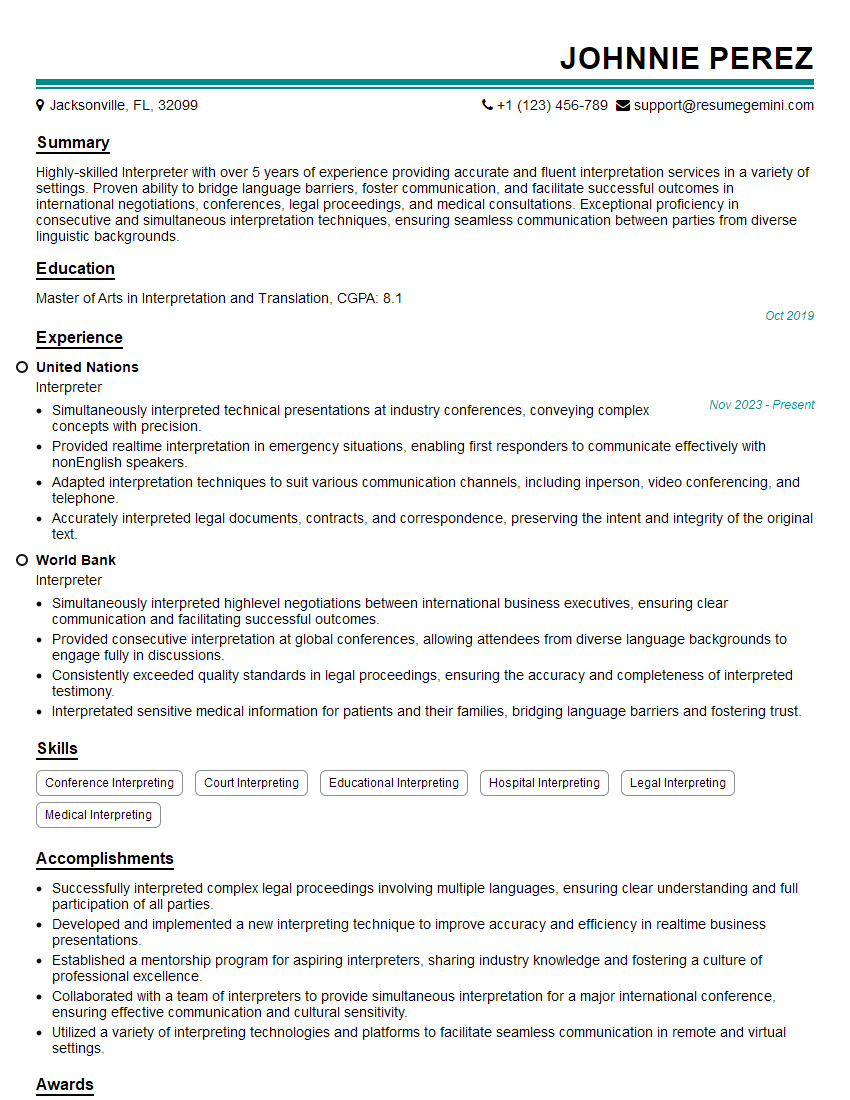
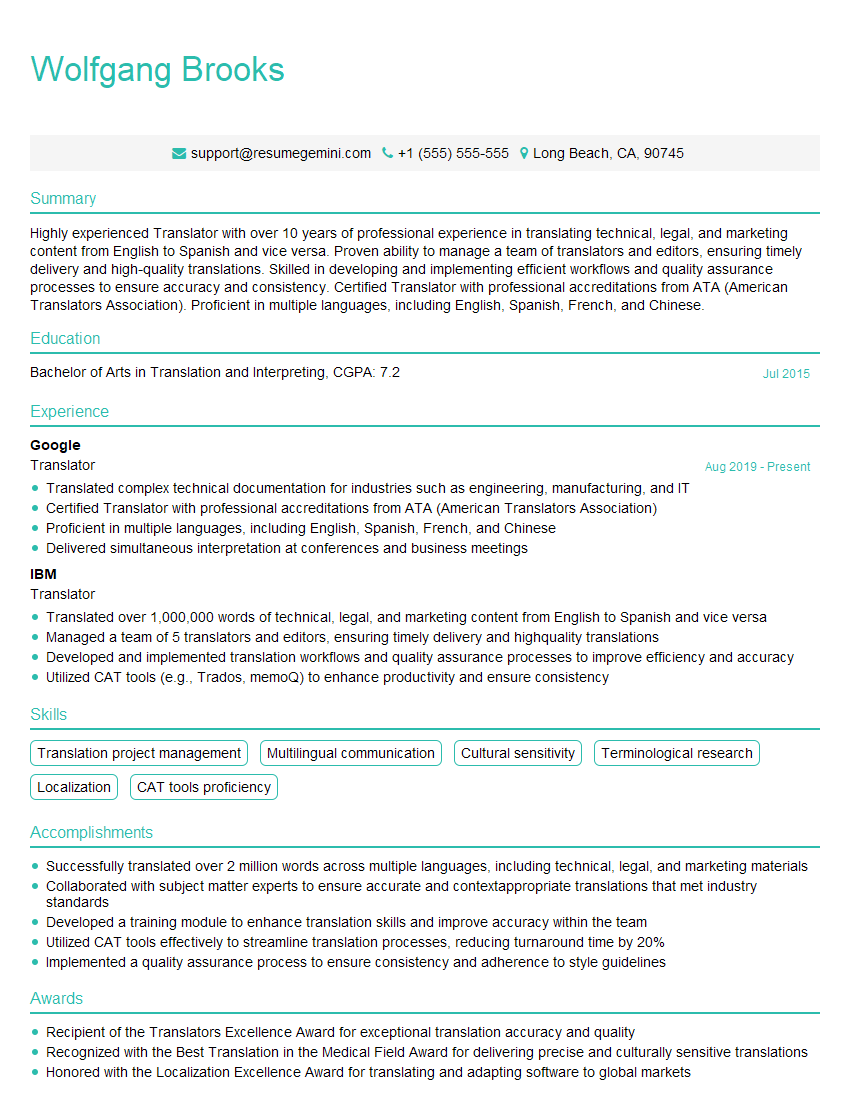
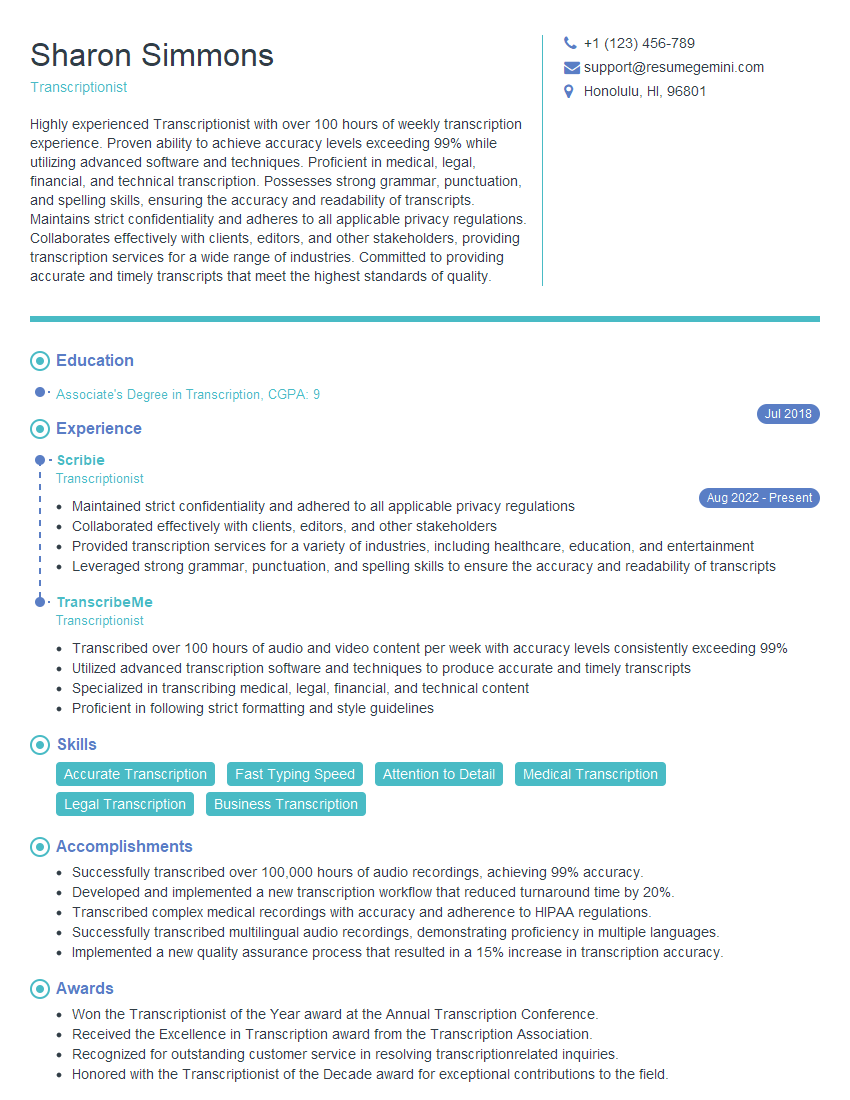
Mastering your language skills opens doors to exciting career opportunities offering intellectual stimulation and global impact. A strong command of language is highly valued across diverse industries, from international business to education and technology. To maximize your chances, crafting an ATS-friendly resume is crucial. This ensures your application gets noticed by recruiters and hiring managers. ResumeGemini is a trusted resource to help you build a professional, impactful resume that showcases your abilities effectively. We provide examples of resumes tailored to Language Skills roles to guide you through the process.

Explore more articles
Users Rating of Our Blogs
Share Your Experience
We value your feedback! Please rate our content and share your thoughts (optional).
What Readers Say About Our Blog
Hello,
we currently offer a complimentary backlink and URL indexing test for search engine optimization professionals.
You can get complimentary indexing credits to test how link discovery works in practice.
No credit card is required and there is no recurring fee.
You can find details here:
https://wikipedia-backlinks.com/indexing/
Regards
NICE RESPONSE TO Q & A
hi
The aim of this message is regarding an unclaimed deposit of a deceased nationale that bears the same name as you. You are not relate to him as there are millions of people answering the names across around the world. But i will use my position to influence the release of the deposit to you for our mutual benefit.
Respond for full details and how to claim the deposit. This is 100% risk free. Send hello to my email id: [email protected]
Luka Chachibaialuka
Hey interviewgemini.com, just wanted to follow up on my last email.
We just launched Call the Monster, an parenting app that lets you summon friendly ‘monsters’ kids actually listen to.
We’re also running a giveaway for everyone who downloads the app. Since it’s brand new, there aren’t many users yet, which means you’ve got a much better chance of winning some great prizes.
You can check it out here: https://bit.ly/callamonsterapp
Or follow us on Instagram: https://www.instagram.com/callamonsterapp
Thanks,
Ryan
CEO – Call the Monster App
Hey interviewgemini.com, I saw your website and love your approach.
I just want this to look like spam email, but want to share something important to you. We just launched Call the Monster, a parenting app that lets you summon friendly ‘monsters’ kids actually listen to.
Parents are loving it for calming chaos before bedtime. Thought you might want to try it: https://bit.ly/callamonsterapp or just follow our fun monster lore on Instagram: https://www.instagram.com/callamonsterapp
Thanks,
Ryan
CEO – Call A Monster APP
To the interviewgemini.com Owner.
Dear interviewgemini.com Webmaster!
Hi interviewgemini.com Webmaster!
Dear interviewgemini.com Webmaster!
excellent
Hello,
We found issues with your domain’s email setup that may be sending your messages to spam or blocking them completely. InboxShield Mini shows you how to fix it in minutes — no tech skills required.
Scan your domain now for details: https://inboxshield-mini.com/
— Adam @ InboxShield Mini
Reply STOP to unsubscribe
Hi, are you owner of interviewgemini.com? What if I told you I could help you find extra time in your schedule, reconnect with leads you didn’t even realize you missed, and bring in more “I want to work with you” conversations, without increasing your ad spend or hiring a full-time employee?
All with a flexible, budget-friendly service that could easily pay for itself. Sounds good?
Would it be nice to jump on a quick 10-minute call so I can show you exactly how we make this work?
Best,
Hapei
Marketing Director
Hey, I know you’re the owner of interviewgemini.com. I’ll be quick.
Fundraising for your business is tough and time-consuming. We make it easier by guaranteeing two private investor meetings each month, for six months. No demos, no pitch events – just direct introductions to active investors matched to your startup.
If youR17;re raising, this could help you build real momentum. Want me to send more info?
Hi, I represent an SEO company that specialises in getting you AI citations and higher rankings on Google. I’d like to offer you a 100% free SEO audit for your website. Would you be interested?
Hi, I represent an SEO company that specialises in getting you AI citations and higher rankings on Google. I’d like to offer you a 100% free SEO audit for your website. Would you be interested?
good