Interviews are opportunities to demonstrate your expertise, and this guide is here to help you shine. Explore the essential Law Enforcement and Regulation Compliance interview questions that employers frequently ask, paired with strategies for crafting responses that set you apart from the competition.
Questions Asked in Law Enforcement and Regulation Compliance Interview
Q 1. Explain the difference between civil and criminal law in the context of regulatory compliance.
Civil and criminal law differ significantly in their purpose and consequences within the context of regulatory compliance. Criminal law focuses on punishing individuals or organizations for actions that violate societal norms codified as crimes. The government prosecutes these cases, seeking penalties like fines, imprisonment, or both. A regulatory violation might become a criminal offense if it involves fraud, deceit, or intentional harm. For example, knowingly falsifying environmental impact reports could lead to criminal charges. Civil law, on the other hand, deals with disputes between private parties. Regulatory violations often lead to civil penalties, such as monetary fines, injunctions (court orders to stop a certain activity), or corrective actions. The injured party, be it a citizen or another company, or even a governmental agency, initiates civil lawsuits.
Think of it this way: criminal law is like a traffic ticket that escalates to a felony charge if you intentionally hit someone, while civil law is like the resulting lawsuit for damages from that accident.
Q 2. Describe your experience conducting internal investigations.
Throughout my career, I’ve led numerous internal investigations, ranging from minor policy infractions to complex allegations of fraud and regulatory violations. My approach is methodical and follows a structured framework. It typically begins with a thorough assessment of the initial allegation, securing all relevant documentation and evidence. This involves interviewing witnesses, reviewing financial records, and analyzing electronic data. I always ensure I adhere strictly to legal and ethical guidelines, preserving chain of custody for evidence and respecting employees’ rights throughout the process.
For instance, I once investigated a potential data breach. This involved securing compromised systems, interviewing potentially affected individuals, and working with external forensic specialists. The investigation identified the vulnerability, the extent of the breach, and the actions necessary to remediate and prevent future occurrences. The final report detailed findings, conclusions, and recommendations for corrective action and policy improvements.
Q 3. How would you handle a situation where an employee violates company policy?
Handling employee policy violations requires a fair and consistent approach. First, I would gather all the facts to understand the context of the violation. This may involve speaking with the employee, reviewing relevant documentation, and possibly interviewing witnesses. Then, I’d determine the severity of the violation based on company policy and any applicable legal requirements.
The response could range from a verbal warning for a minor infraction to termination for serious breaches. For example, a first-time minor violation might result in a written warning and mandatory training, whereas a significant violation of safety regulations or ethical guidelines might immediately result in disciplinary actions, potentially including termination.
Documentation at every step is critical. Maintaining a thorough record of the violation, investigation, and any disciplinary action taken protects the company legally and ensures consistency in handling similar situations in the future. Throughout the process, maintaining fairness and providing the employee due process are paramount.
Q 4. What are your strategies for identifying and mitigating regulatory risks?
Identifying and mitigating regulatory risks involves a proactive, multi-faceted strategy. This begins with a thorough understanding of the legal and regulatory landscape relevant to our industry and operations. This includes regular reviews of pertinent laws, regulations, and industry best practices.
Next, I use a risk assessment framework to identify potential areas of vulnerability. This involves analyzing our internal processes, systems, and data security measures. We identify potential risks, assess their likelihood and impact, and prioritize them based on severity.
Mitigation strategies then follow, such as implementing enhanced controls, improving employee training, conducting regular audits, and establishing clear reporting mechanisms for potential violations. Ongoing monitoring and review are crucial to ensure these mitigations remain effective. We regularly update our risk assessments and adjust our strategies accordingly to reflect changes in regulations and our operational environment. Regular risk assessments are also a key part of demonstrating due diligence to regulators.
Q 5. Explain your understanding of the Sarbanes-Oxley Act (SOX).
The Sarbanes-Oxley Act of 2002 (SOX) is a landmark piece of legislation designed to protect investors from fraudulent financial reporting. It established stricter standards for corporate governance, financial disclosure, and internal controls. Key provisions include requirements for independent audits, enhanced corporate responsibility, and increased penalties for corporate misconduct.
For publicly traded companies, SOX compliance is mandatory. It significantly impacts internal controls, requiring companies to implement robust systems to ensure the accuracy and reliability of their financial reporting. This involves segregation of duties, regular internal audits, and the establishment of independent audit committees. Non-compliance can result in severe financial penalties and reputational damage.
My experience includes designing and implementing SOX-compliant internal control systems for several organizations, ensuring all critical financial processes adhere to the act’s stringent requirements. This involved close collaboration with external auditors and working with stakeholders across various departments to ensure the effectiveness of the implemented controls.
Q 6. Describe your experience with data privacy regulations (e.g., GDPR, CCPA).
Data privacy regulations, such as the General Data Protection Regulation (GDPR) in Europe and the California Consumer Privacy Act (CCPA) in the United States, are increasingly important for organizations handling personal data. These regulations grant individuals greater control over their personal information and impose stringent requirements on how organizations collect, process, store, and protect this data.
My experience involves developing and implementing data privacy policies and procedures compliant with these regulations. This includes conducting data mapping exercises to identify and classify personal data, implementing appropriate technical and organizational measures to protect this data, and establishing processes for handling data subject requests (e.g., access, correction, deletion). We also conduct regular data privacy training programs for employees to reinforce responsible data handling practices.
For instance, I’ve worked on projects involving the implementation of data encryption, access controls, and data breach notification protocols to meet GDPR and CCPA requirements. Understanding and adhering to these regulations are crucial for preventing costly data breaches and maintaining consumer trust.
Q 7. How do you stay current with changes in relevant laws and regulations?
Staying current with changes in relevant laws and regulations is an ongoing process. I utilize a multi-pronged approach to ensure I am up-to-date. This includes subscribing to legal news sources and regulatory updates, attending industry conferences and webinars, and actively participating in professional organizations.
I also maintain strong relationships with legal counsel specialized in regulatory compliance. Regular consultations allow me to get expert insights and advice on emerging trends and recent developments. Proactively monitoring relevant government websites and regulatory bodies’ publications is also essential.
Finally, internal knowledge-sharing sessions and training programs keep our team informed of any changes that might impact our operations. This proactive approach is crucial to maintaining compliance and minimizing our organization’s regulatory risk.
Q 8. Describe a time you had to deal with a difficult stakeholder during a compliance issue.
During a compliance review concerning data privacy regulations, I encountered resistance from a senior manager who believed the new procedures were overly burdensome and would impede productivity. This was a difficult stakeholder interaction because the manager held significant influence within the organization and had a history of challenging compliance initiatives.
My approach involved a multi-pronged strategy. First, I scheduled a one-on-one meeting to understand their concerns directly. I actively listened and acknowledged their perspective, emphasizing that I valued their input. I then presented a detailed analysis of the potential risks of non-compliance, using real-world examples of data breaches and subsequent fines levied on companies. I presented this not as criticism, but as factual evidence of potential problems, and I structured my response as a collaborative discussion rather than a directive. Finally, I proposed a pilot program allowing their team to test and provide feedback on the new procedures. This collaborative approach eased their apprehension and fostered a more constructive dialogue. We successfully integrated the data privacy procedures, and the manager became a valuable advocate for compliance thereafter.
Q 9. How familiar are you with different types of audits (e.g., internal, external)?
I’m extensively familiar with various audit types, each serving a unique purpose. Internal audits are conducted by an organization’s own compliance team or a designated internal audit department. These audits focus on evaluating the effectiveness of the organization’s internal controls and compliance programs, identifying areas for improvement, and ensuring adherence to internal policies and procedures. They provide a proactive way to catch issues before they become major problems.
External audits, on the other hand, are conducted by independent third-party auditors, often mandated by regulatory bodies or requested by stakeholders. These are more formal and typically involve a more rigorous review process to ensure impartiality and provide an independent assessment of compliance. They offer an external, objective perspective on the organization’s compliance posture and can increase stakeholder confidence.
Additionally, there are financial audits focusing on financial statement accuracy, operational audits examining efficiency and effectiveness of operations, and compliance audits specifically targeting regulatory adherence. Each has its own methodologies and reporting requirements.
Q 10. What is your experience with developing and implementing compliance training programs?
I have extensive experience designing and implementing compliance training programs. My approach focuses on creating engaging and effective modules that are tailored to the specific needs of the audience. I start by conducting a thorough needs assessment to identify knowledge gaps and training priorities. I typically use a variety of methods, such as interactive online modules, scenario-based exercises, and in-person workshops. For instance, when developing anti-bribery training, I incorporate real-life case studies of FCPA violations, and interactive quizzes that test understanding. I always ensure that the training is concise, easy to understand, and relevant to the participants’ roles and responsibilities.
I also advocate for regular refresher training and incorporate regular assessments to reinforce learning and monitor understanding. Following the training, I always evaluate its effectiveness through post-training surveys and observation of improved behavior and compliance with policies. This iterative process ensures continuous improvement and the effectiveness of the program over time.
Q 11. Explain your understanding of the Foreign Corrupt Practices Act (FCPA).
The Foreign Corrupt Practices Act (FCPA) is a U.S. law that prohibits bribery of foreign officials to obtain or retain business. It applies to U.S. companies and individuals, as well as foreign companies listed on U.S. stock exchanges. The FCPA has two main components: the anti-bribery provisions and the accounting provisions.
The anti-bribery provisions prohibit the corrupt payment, offer, or promise of anything of value to a foreign official to influence any act or decision of that official in their official capacity, or to induce them to do or omit to do any act in violation of their lawful duty. This includes facilitating payments, but excludes payments for routine governmental actions.
The accounting provisions require companies to maintain accurate books and records, and to implement an adequate internal accounting control system. This is critical to detect and prevent potential violations. Failure to comply with either component can lead to significant fines and imprisonment.
Understanding the nuances of the FCPA, such as the difference between legitimate expenses and bribes, and the implications of facilitation payments, is crucial for preventing violations. Implementing robust compliance programs, including due diligence, code of conduct, training, and internal controls, is paramount.
Q 12. How do you prioritize competing compliance requirements?
Prioritizing competing compliance requirements requires a risk-based approach. I use a framework that considers the severity of potential consequences, the likelihood of a violation, and the resources required for compliance. This often involves a matrix or scorecard to objectively assess each requirement.
For instance, requirements with high severity and high likelihood of violation (e.g., data privacy breaches with substantial fines) are prioritized over those with lower severity and likelihood (e.g., minor internal policy violations). Resources are then allocated based on this prioritization, ensuring that the most critical compliance risks are addressed first. Regular review and updates to this assessment are crucial, given changing business landscapes and emerging regulations.
Clear communication is also paramount, keeping stakeholders informed of the prioritization rationale and timelines. This transparency builds trust and avoids misunderstandings.
Q 13. Describe your approach to documenting and reporting compliance findings.
My approach to documenting and reporting compliance findings is systematic and detailed. I utilize a standardized format for all findings, including a clear description of the issue, its location, the potential impact, and the proposed corrective action. This ensures consistency and allows for easy tracking and reporting. This information is often recorded in a centralized compliance management system.
All findings, regardless of severity, are documented, and a clear audit trail is maintained. Reports are generated regularly, highlighting key findings and the effectiveness of corrective actions. These reports use clear, concise language and avoid technical jargon to ensure accessibility for a wider audience. They always clearly indicate the status of each finding – open, in progress, or closed.
Critical findings are escalated promptly to relevant stakeholders, along with recommended mitigation steps. This ensures timely response and minimizes potential risks.
Q 14. How would you handle a situation where you suspect illegal activity within the organization?
Suspecting illegal activity within an organization requires immediate and careful action. My first step would be to gather all available evidence, ensuring its preservation and protection from alteration. I would then document all findings meticulously, taking careful notes and maintaining a detailed record of conversations and events.
Next, I would discreetly report my concerns through the appropriate internal channels, following the organization’s established whistleblower policy. This might involve reporting to my supervisor, a compliance officer, or an ethics hotline. If internal channels are ineffective or inadequate, I would consider reporting to the relevant external authorities, such as law enforcement or regulatory bodies. Depending on the nature of the suspected activity, I would consult with legal counsel to ensure compliance with all applicable laws and regulations during the reporting process.
Throughout this process, I would prioritize protecting my personal safety and security, and I would ensure that my actions are well-documented, ethical, and legally sound.
Q 15. Explain your understanding of risk assessment methodologies.
Risk assessment methodologies are systematic processes used to identify, analyze, and evaluate potential risks. Think of it like a pre-flight checklist for a plane – you want to identify everything that could go wrong before takeoff. In law enforcement and compliance, this involves identifying potential violations of laws, regulations, or internal policies.
Common methodologies include:
- Qualitative Risk Assessment: This relies on expert judgment and experience to assess the likelihood and impact of risks. For example, a qualitative assessment might determine that the risk of a data breach due to a specific vulnerability is ‘high’ based on the sensitivity of the data and the ease of exploiting the vulnerability.
- Quantitative Risk Assessment: This uses numerical data and statistical analysis to quantify risks. For example, calculating the annualized rate of occurrence (ARO) of a specific type of cyberattack and the potential financial loss (SLE) associated with it, to arrive at an Annualized Loss Expectancy (ALE).
- Scenario-based Risk Assessment: This involves creating hypothetical scenarios to explore potential risks and their consequences. This is particularly useful for identifying low-probability, high-impact events, like a major natural disaster disrupting operations and causing data loss.
The chosen methodology often depends on the specific context, available resources, and the nature of the risk.
Career Expert Tips:
- Ace those interviews! Prepare effectively by reviewing the Top 50 Most Common Interview Questions on ResumeGemini.
- Navigate your job search with confidence! Explore a wide range of Career Tips on ResumeGemini. Learn about common challenges and recommendations to overcome them.
- Craft the perfect resume! Master the Art of Resume Writing with ResumeGemini’s guide. Showcase your unique qualifications and achievements effectively.
- Don’t miss out on holiday savings! Build your dream resume with ResumeGemini’s ATS optimized templates.
Q 16. What are your skills in data analysis as it relates to compliance monitoring?
My data analysis skills are crucial for compliance monitoring. I utilize various techniques to identify patterns and anomalies indicative of non-compliance. For example, I can analyze transaction data to detect suspicious patterns related to money laundering or fraud, or examine employee access logs to identify potential security breaches.
My skills include:
- Statistical analysis: Identifying trends and outliers using techniques such as regression analysis, hypothesis testing, and anomaly detection.
- Data mining and visualization: Extracting meaningful insights from large datasets using tools like SQL and data visualization software to present findings clearly. Creating dashboards to visually track key compliance metrics is particularly helpful for senior management.
- Database management: Efficiently querying and managing data from various sources, ensuring data integrity and accuracy. This is paramount for reliable analysis.
I’m proficient in using tools like SQL, Python (with libraries like Pandas and Scikit-learn), and data visualization software like Tableau or Power BI to analyze data and generate reports that inform compliance decisions.
Q 17. How do you ensure the effectiveness of a compliance program?
Ensuring the effectiveness of a compliance program requires a multi-faceted approach focusing on continuous improvement and adaptation. It’s not a ‘set it and forget it’ process; it’s an ongoing cycle of assessment, improvement, and monitoring.
Key aspects include:
- Clearly Defined Policies and Procedures: These must be readily accessible, understandable, and regularly updated to reflect changes in regulations and best practices. Think of it as your organization’s rulebook, and everyone needs to know and understand the rules.
- Effective Training and Communication: Employees at all levels need regular training on compliance requirements and how to report potential violations. Open communication is crucial; staff should feel comfortable reporting issues without fear of reprisal.
- Regular Audits and Monitoring: Scheduled internal audits and continuous monitoring are essential to identify weaknesses and ensure compliance. This is like a regular health check-up for your compliance program.
- Risk Assessment and Mitigation: Regular risk assessments are crucial for proactively identifying and addressing potential areas of non-compliance, allowing for preemptive measures.
- Corrective Action: A robust system for investigating and addressing non-compliance issues is crucial. This might include disciplinary action for employees and updates to policies and procedures to prevent recurrence.
By actively managing these elements, an organization can demonstrate a commitment to compliance and reduce the risk of regulatory sanctions and reputational damage. Regularly measuring the effectiveness of the program through key performance indicators (KPIs) helps track progress and identify areas needing attention.
Q 18. Describe your experience with regulatory enforcement actions.
I have extensive experience working with regulatory enforcement actions, both in responding to investigations and in proactively preventing them. This includes understanding the investigative processes of various regulatory bodies, cooperating with investigations, and negotiating settlements.
Examples include:
- Assisting in internal investigations: This involved conducting thorough investigations to determine the facts and circumstances of alleged violations, gathering evidence, and preparing reports for regulatory authorities.
- Negotiating with regulatory agencies: This included working with agencies to reach mutually acceptable resolutions, such as consent decrees or settlements, to avoid lengthy and costly litigation.
- Implementing corrective actions: This involved developing and implementing measures to prevent future violations, including revising policies, procedures, and training programs.
I understand the importance of timely and transparent communication with regulatory bodies, and the need to maintain thorough documentation throughout the process. My experience has taught me the high stakes involved and the need for a strategic, proactive approach.
Q 19. What is your experience with developing and implementing compliance policies and procedures?
I’ve been actively involved in developing and implementing compliance policies and procedures across diverse sectors. This includes conducting thorough gap analyses to identify areas of weakness, drafting policies and procedures aligned with relevant regulations, and ensuring their implementation through training and monitoring.
My approach:
- Gap Analysis: I start by identifying the current state of compliance versus the requirements of relevant regulations and best practices. This involves reviewing existing policies, procedures, and controls.
- Policy and Procedure Development: Based on the gap analysis, I draft clear, concise, and comprehensive policies and procedures. This includes incorporating best practices and ensuring alignment with the organization’s overall objectives.
- Implementation and Training: I work to ensure effective implementation through training programs that educate employees on their responsibilities and the procedures they need to follow. This involves creating user-friendly training materials and conducting training sessions.
- Monitoring and Review: Ongoing monitoring and regular reviews are crucial to ensure that the policies and procedures remain effective and up-to-date. This often involves tracking key performance indicators and making adjustments as needed.
I pride myself on creating policies that are not only compliant but also practical and easy to understand for all employees, promoting a culture of compliance within the organization.
Q 20. How would you manage a compliance crisis?
Managing a compliance crisis requires a swift, decisive, and transparent response. Think of it as a fire drill; you need a pre-defined plan to effectively handle the situation.
My approach would involve:
- Immediate Containment: The first step is to immediately contain the situation and prevent further damage. This might involve securing data, suspending operations, or notifying relevant stakeholders.
- Assessment and Investigation: A thorough investigation is conducted to determine the root cause of the crisis, the extent of the damage, and any potential legal implications.
- Communication Strategy: A clear and consistent communication strategy is critical. This involves communicating transparently with internal and external stakeholders, including employees, customers, regulatory authorities, and the media.
- Remediation and Corrective Actions: Once the cause of the crisis is identified, appropriate remedial actions are taken to address the issue and prevent recurrence. This could involve technological fixes, procedural changes, or disciplinary actions.
- Long-Term Prevention: The crisis should serve as a learning opportunity. Measures are put in place to prevent similar crises from happening again, which may include strengthening internal controls, enhancing training programs, and improving communication protocols.
Throughout the entire process, meticulous record-keeping is crucial for transparency and accountability. This helps demonstrate a proactive and responsible response to the regulatory authorities.
Q 21. Explain your understanding of different types of sanctions and penalties for non-compliance.
Sanctions and penalties for non-compliance vary widely depending on the specific regulation violated, the severity of the violation, and the jurisdiction. It’s a complex landscape, and understanding the nuances is critical.
Types of sanctions can include:
- Civil Penalties: These are monetary fines imposed by regulatory agencies for violations of laws or regulations. The amount can range from relatively small fines to substantial penalties, depending on the severity of the infraction. Examples include fines for failing to meet environmental regulations or for violations of data protection laws.
- Criminal Penalties: These involve criminal charges, potentially resulting in imprisonment or hefty fines. This typically applies to serious violations such as fraud, bribery, or other intentional misconduct.
- Injunctive Relief: This involves court orders requiring a company or individual to stop engaging in a particular activity or to take specific corrective actions. Examples include court orders to stop polluting or to rectify safety hazards.
- Reputational Damage: While not a formal sanction, the reputational damage resulting from non-compliance can be significant, impacting investor confidence, customer loyalty, and future business prospects.
- Delisting or Suspension: In certain contexts, companies found in non-compliance might face delisting from stock exchanges or suspension of licenses or permits.
Understanding the potential consequences is paramount in developing effective compliance programs and preventing violations. Regular review of applicable regulations and seeking legal counsel when necessary are essential aspects of mitigating the risk of non-compliance.
Q 22. How would you measure the effectiveness of a compliance program?
Measuring the effectiveness of a compliance program isn’t a simple checklist; it’s a multifaceted process requiring a blend of quantitative and qualitative assessments. We need to look beyond mere adherence to rules and delve into the program’s impact on the organization’s risk profile and overall culture.
- Quantitative Metrics: These involve hard numbers. Examples include the number of compliance violations, the cost of remediation efforts, the number of employee training hours completed, and the number of audits conducted and their findings. A reduction in violations and remediation costs strongly suggests program effectiveness. Similarly, high training completion rates indicate employee engagement and understanding.
- Qualitative Metrics: These assess the less tangible aspects. Key areas include employee awareness of compliance policies, the strength of the compliance culture (do employees feel empowered to report issues?), the efficiency and responsiveness of the compliance team, and the quality of training materials. We use surveys, interviews, and observations to gauge these aspects. For example, anonymous surveys can assess employee understanding of policies, while interviews with managers can highlight the embeddedness of compliance within team operations.
- Key Performance Indicators (KPIs): We develop specific, measurable, achievable, relevant, and time-bound (SMART) KPIs. For instance, we might set a KPI of reducing data breaches by 20% within a year or increasing employee awareness of anti-bribery policies to 90% through training and regular communication campaigns.
By analyzing both quantitative and qualitative data, and tracking KPIs over time, we build a comprehensive picture of the compliance program’s efficacy. We then use this data to identify areas for improvement and fine-tune the program for optimal effectiveness.
Q 23. Describe your experience with using compliance software or technology.
I have extensive experience with various compliance software and technologies, from simple databases to sophisticated GRC (Governance, Risk, and Compliance) platforms. In my previous role, we utilized a GRC platform that integrated various compliance modules, including risk assessment, policy management, training management, and audit management. This allowed us to streamline our processes significantly.
Specifically, the software helped us in:
- Centralized Policy Management: We could store, update, and distribute all our policies and procedures through a central repository, ensuring everyone had access to the most current version. This reduced confusion and risk associated with outdated documents.
- Automated Training and Assessments: The platform facilitated the creation and delivery of compliance training, automatically tracked completion rates, and delivered targeted training based on individual roles and responsibilities.
- Streamlined Audit Processes: We used the system to automate audit scheduling, evidence collection, and reporting, which significantly reduced the time and effort involved in conducting audits.
- Risk Management: The software facilitated comprehensive risk assessments, enabling us to identify and prioritize areas requiring immediate attention. We could also track and manage risk mitigation plans through the system.
While the specific software varies, the core functionalities remain similar: centralization, automation, and data-driven insights. Choosing the right technology depends heavily on the organization’s size, complexity, and specific compliance needs.
Q 24. How familiar are you with the concepts of due diligence and KYC/AML compliance?
Due diligence and KYC/AML (Know Your Customer/Anti-Money Laundering) compliance are crucial components of any effective compliance program, particularly in financial institutions and industries dealing with high-risk transactions.
Due Diligence involves taking reasonable steps to verify the identity and background of individuals and entities involved in a business transaction. This helps mitigate risks associated with fraud, corruption, and other illegal activities. There are different levels of due diligence, ranging from basic checks to enhanced due diligence for high-risk clients.
KYC/AML compliance goes hand-in-hand with due diligence. It focuses on identifying and preventing money laundering and terrorist financing. This typically involves verifying the identity of customers, monitoring their transactions for suspicious activity, and reporting suspicious transactions to the relevant authorities. Key aspects include:
- Customer Identification Program (CIP): This involves verifying the identity of customers through various means, such as passports, driver’s licenses, and utility bills.
- Transaction Monitoring: This involves continuously monitoring customer transactions to detect patterns that may indicate money laundering or other illicit activities.
- Suspicious Activity Reporting (SAR): This involves reporting suspicious transactions to the Financial Crimes Enforcement Network (FinCEN) or equivalent regulatory bodies.
Failure to comply with due diligence and KYC/AML regulations can result in significant penalties, including hefty fines, reputational damage, and even criminal prosecution. Therefore, robust processes and systems are critical for effective compliance.
Q 25. What is your experience with whistleblower protection programs?
Whistleblower protection programs are vital for fostering a culture of ethical conduct and compliance. These programs provide a safe and confidential channel for employees and other stakeholders to report potential violations without fear of retaliation. Effective programs include:
- Clear Reporting Mechanisms: Multiple reporting channels should be available, such as a dedicated hotline, email address, and online portal. These should be clearly communicated to employees.
- Confidentiality and Anonymity: The program must assure confidentiality and, where possible, anonymity to encourage reporting.
- Protection from Retaliation: Strong protections against retaliation are crucial, including clear policies and procedures for investigating and addressing allegations of retaliation.
- Investigation Process: A well-defined process for investigating reports is essential. This process should be timely, thorough, and impartial.
- Feedback Mechanism: Employees should receive feedback on the status of their reports, providing transparency and demonstrating the organization’s commitment to addressing concerns.
In my experience, I’ve helped organizations develop and implement whistleblower protection programs. This includes creating policy documents, training employees on the reporting process, and establishing procedures for investigating reports. The success of these programs depends heavily on effective communication, a commitment to confidentiality, and a demonstrable willingness to address reported concerns.
Q 26. How do you ensure that your compliance efforts align with business objectives?
Aligning compliance efforts with business objectives is not a matter of choosing one over the other; it’s about integrating them seamlessly. Compliance shouldn’t be viewed as an obstacle but as a strategic enabler of business growth and sustainability.
Here’s how we achieve this alignment:
- Risk-Based Approach: We conduct regular risk assessments to identify potential compliance issues and their potential impact on the business. This informs prioritization of compliance efforts, focusing on the highest-risk areas.
- Integration into Business Processes: Compliance isn’t a standalone function; it should be woven into all aspects of business operations. For example, compliance considerations are integrated into product development, marketing, sales, and customer service processes.
- Communication and Training: We ensure clear communication of compliance expectations to all employees and stakeholders. Regular training programs reinforce understanding and promote a culture of compliance.
- Performance Measurement: We monitor and measure the effectiveness of compliance initiatives, using Key Performance Indicators (KPIs) that reflect both compliance and business outcomes. For example, reducing compliance-related fines could be an KPI directly related to both compliance and cost saving business objectives.
- Collaboration: We collaborate closely with various business units to understand their operations and challenges. This helps to develop compliance solutions that are both effective and practical for the business.
By embedding compliance into the business strategy, organizations can avoid costly fines, protect their reputation, and foster a culture of ethical conduct – all of which directly contribute to long-term business success. It’s about creating a virtuous cycle where strong compliance enables successful business operations.
Q 27. Describe a time you successfully identified and resolved a compliance issue.
In a previous role, we discovered a potential breach in our data security protocols. A third-party vendor had access to sensitive customer data without the necessary security controls in place. This was a serious compliance issue, potentially violating several regulations including GDPR and CCPA.
My steps to resolve the issue were:
- Immediate Action: I immediately alerted senior management and launched a thorough investigation to determine the extent of the data exposure and identify any potential vulnerabilities.
- Vendor Remediation: We collaborated with the vendor to implement the necessary security controls, including encryption and access restrictions, to mitigate the risk.
- Internal Audit: We conducted an internal audit to assess our own security protocols and identify any gaps in our processes.
- Customer Notification: Following the investigation, we notified affected customers in accordance with relevant regulations, providing them with information about the incident and steps taken to address it.
- Policy Updates: We revised our data security policies and procedures to prevent similar incidents from happening in the future, including enhanced vendor due diligence.
This experience highlighted the importance of proactive risk management, robust vendor management, and the necessity of having a well-defined incident response plan. The successful resolution not only prevented a potential data breach but also strengthened our compliance posture and reinforced trust with our customers.
Key Topics to Learn for Law Enforcement and Regulation Compliance Interview
- Legal Frameworks and Legislation: Understanding relevant laws, regulations, and case precedents related to law enforcement and compliance. This includes familiarity with constitutional rights and limitations on law enforcement powers.
- Investigation and Evidence Gathering: Practical application of legal procedures in conducting investigations, collecting and preserving evidence, and ensuring admissibility in court. This involves understanding chain of custody and best practices for forensic evidence handling.
- Compliance Monitoring and Auditing: Developing and implementing compliance programs, conducting internal audits, and identifying areas for improvement within an organization to ensure adherence to regulations. This includes risk assessment and mitigation strategies.
- Regulatory Reporting and Enforcement: Understanding the processes involved in reporting regulatory violations, conducting investigations, and enforcing compliance measures. This includes familiarity with relevant reporting agencies and procedures.
- Ethical Considerations and Professional Conduct: Understanding and applying ethical principles in law enforcement and regulatory compliance, including conflict of interest management and maintaining professional standards. This includes demonstrating integrity and accountability.
- Data Privacy and Security: Understanding and applying regulations related to data privacy and security, such as handling sensitive information and ensuring compliance with data protection laws. This includes understanding cybersecurity best practices and risk management strategies.
- Problem-Solving and Critical Thinking: Applying analytical skills to complex situations, identifying potential compliance risks, and developing effective solutions. This includes conflict resolution and negotiation skills.
Next Steps
Mastering Law Enforcement and Regulation Compliance opens doors to exciting and impactful careers, offering opportunities for growth and leadership within both public and private sectors. A strong resume is crucial for showcasing your skills and experience to potential employers. Creating an ATS-friendly resume is essential to maximizing your job prospects. ResumeGemini is a trusted resource to help you build a professional and effective resume that highlights your qualifications. We provide examples of resumes tailored to Law Enforcement and Regulation Compliance to guide you through the process. Take the next step towards your dream career – build your best resume with ResumeGemini.
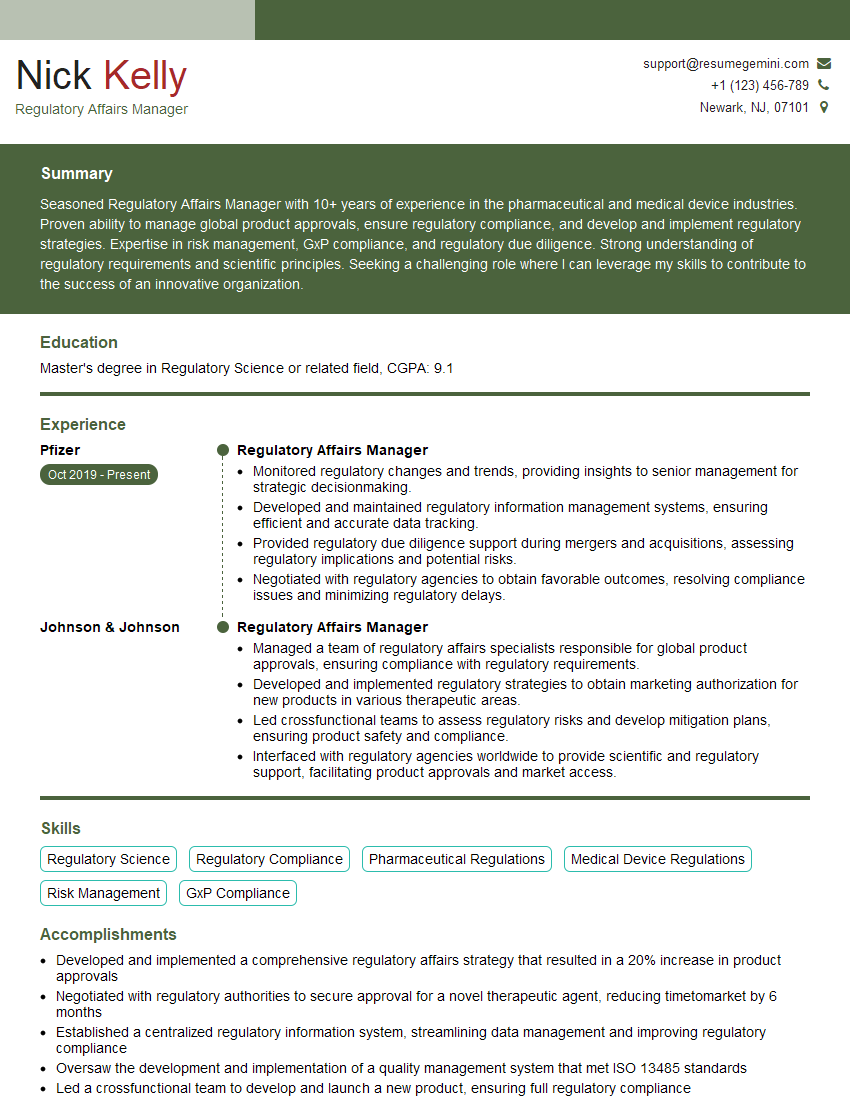
Regulatory Affairs Manager Resume Sample
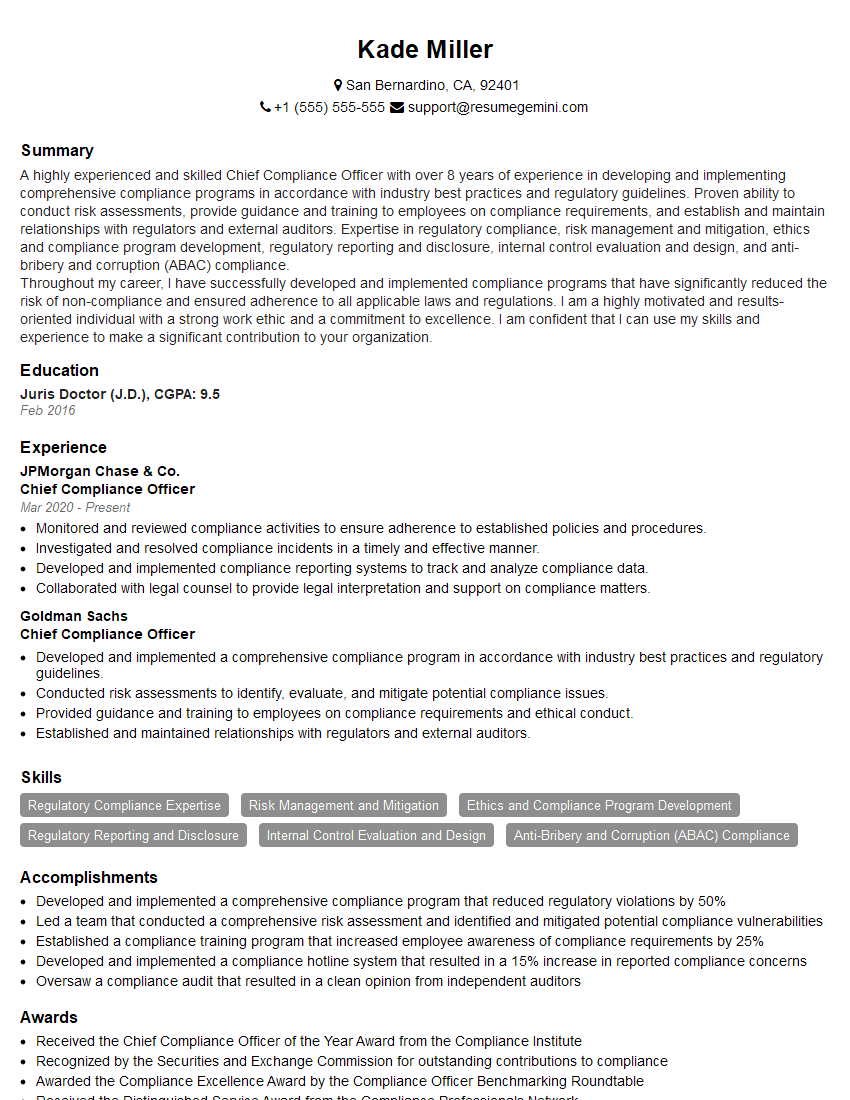
Chief Compliance Officer Resume Sample
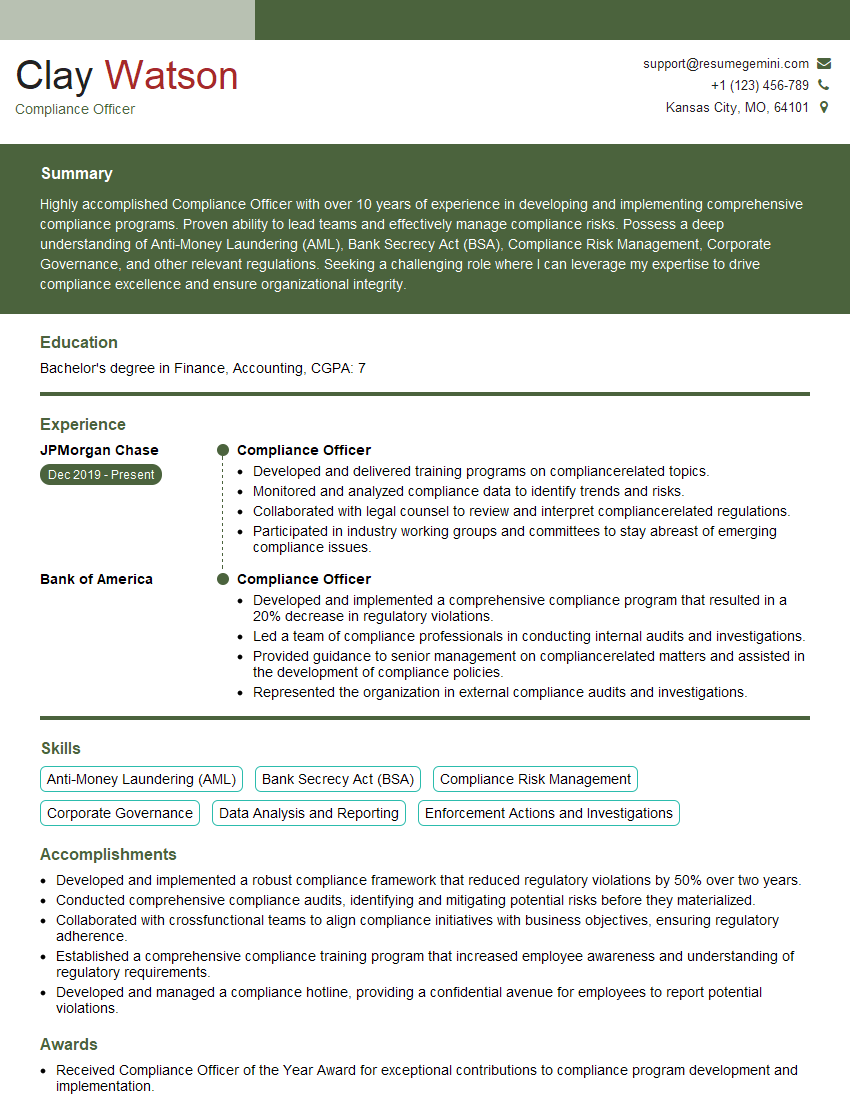
Compliance Officer Resume Sample
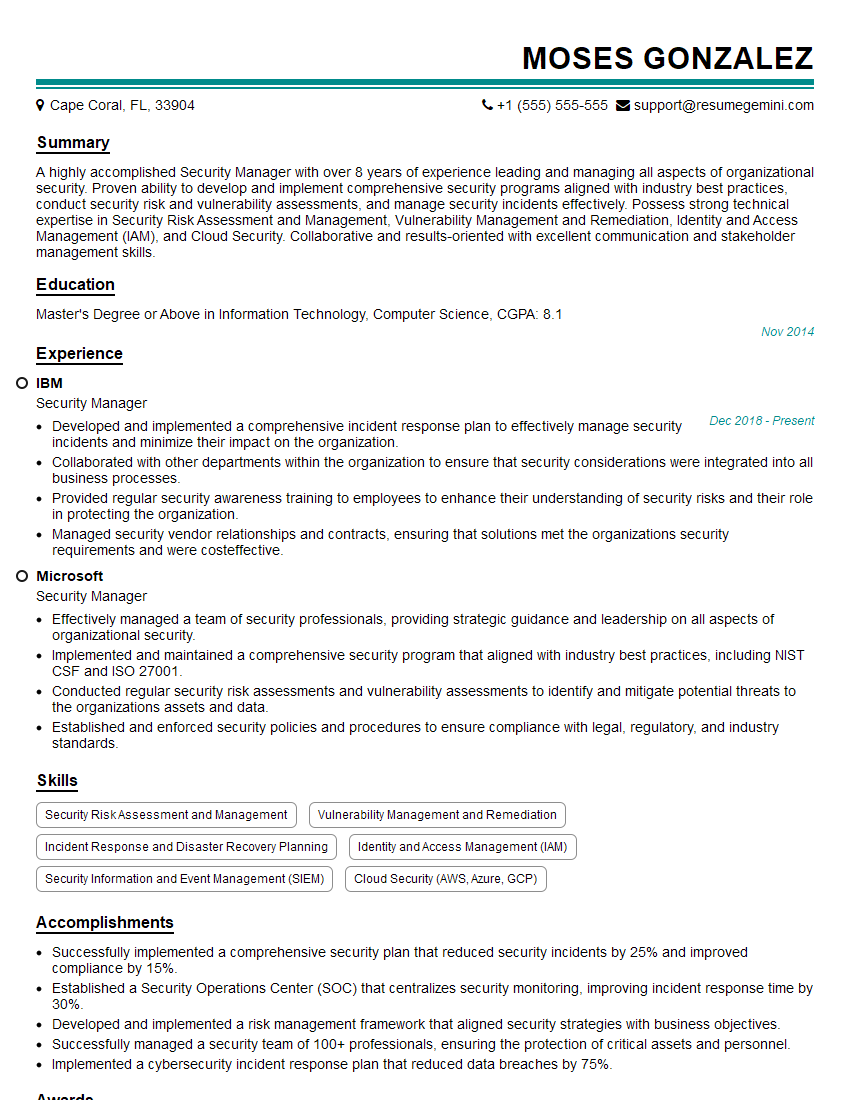
Security Manager Resume Sample
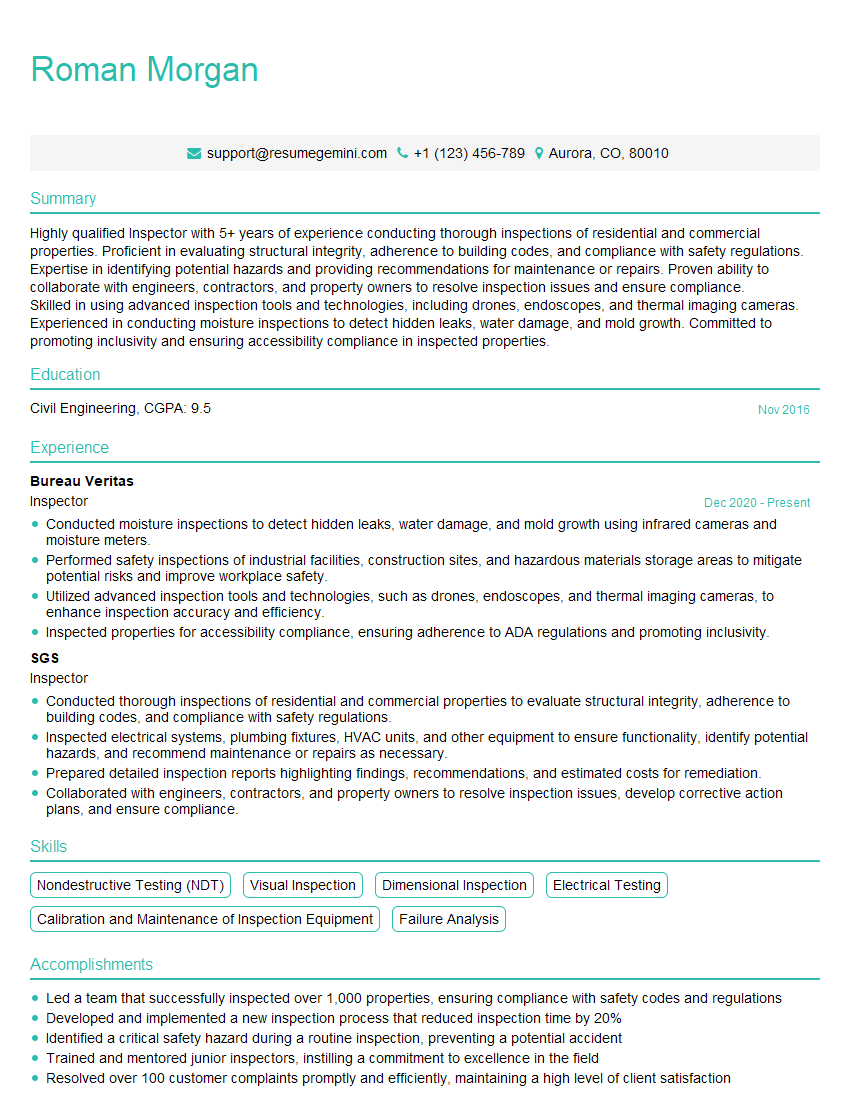
Inspector Resume Sample
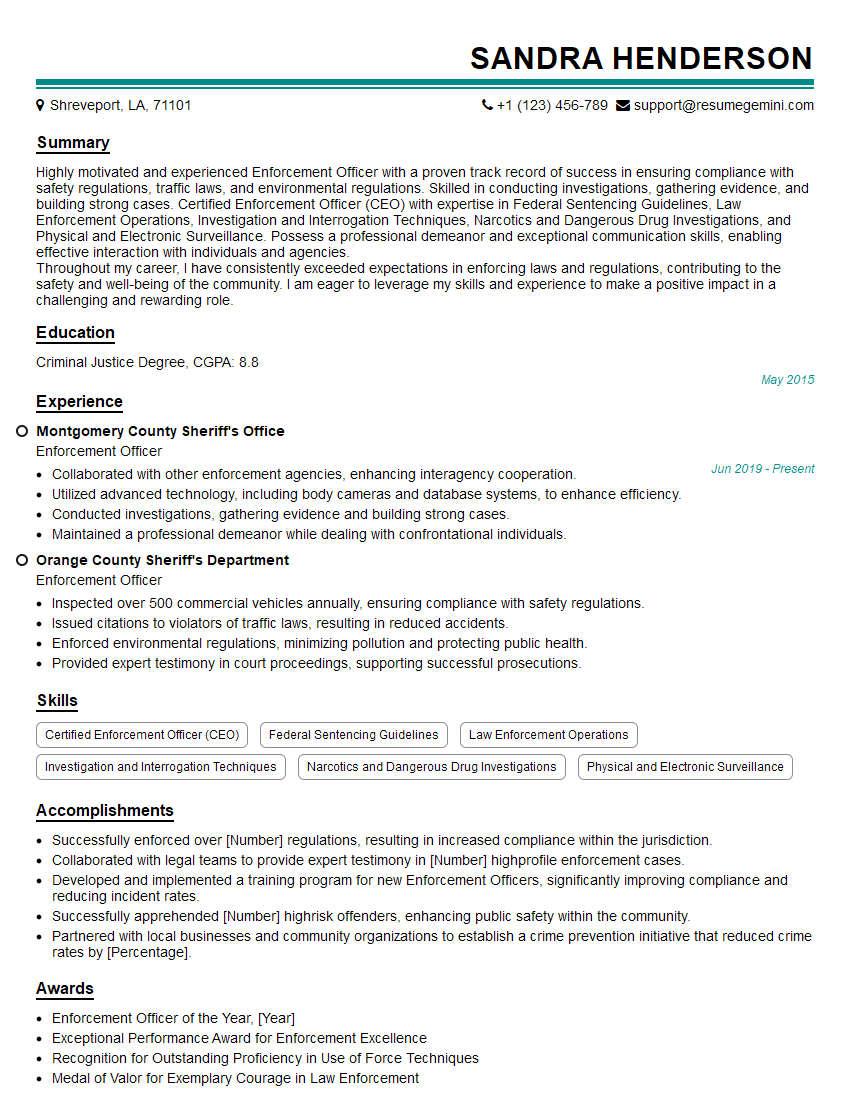
Enforcement Officer Resume Sample
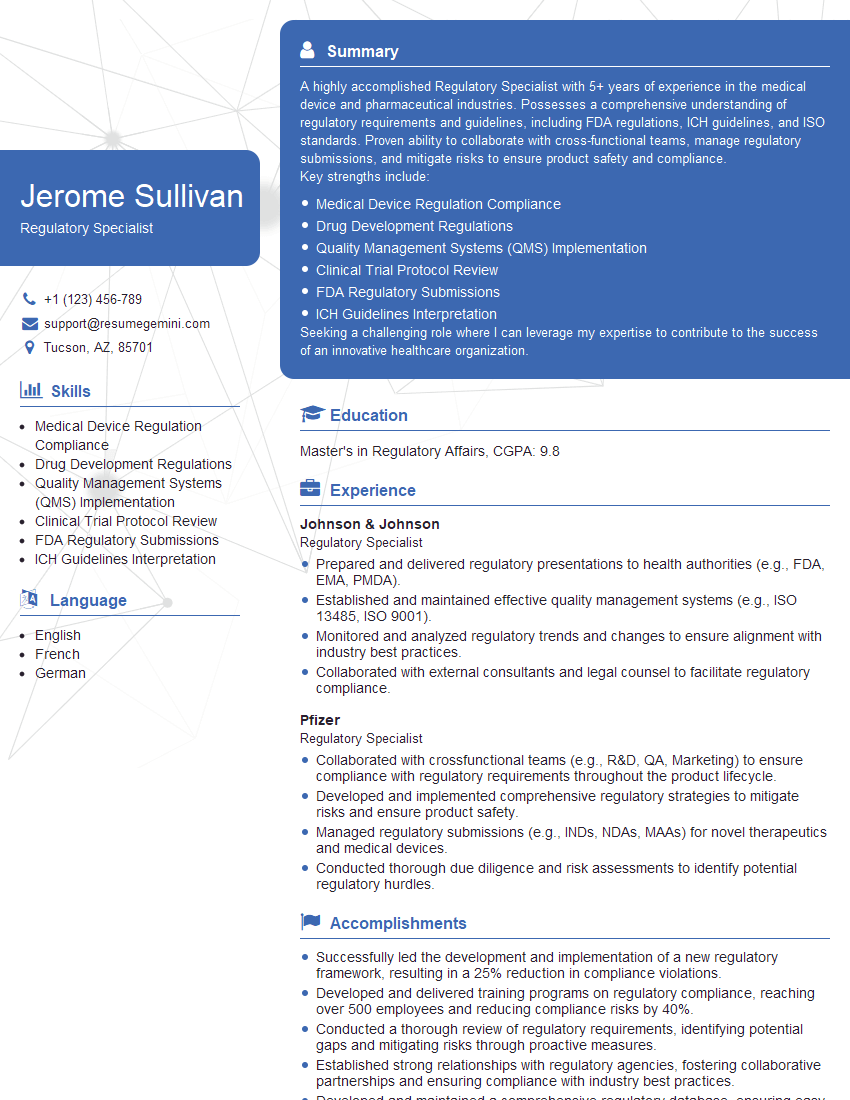
Regulatory Specialist Resume Sample
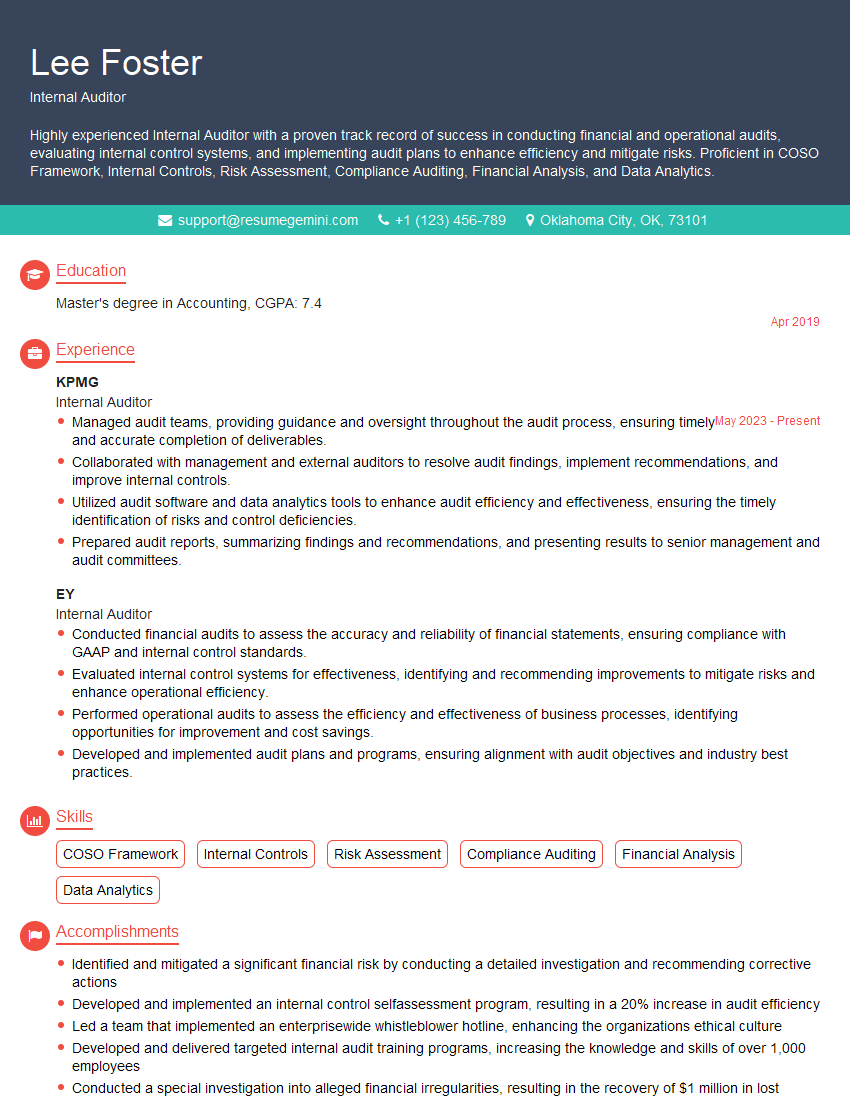
Internal Auditor Resume Sample
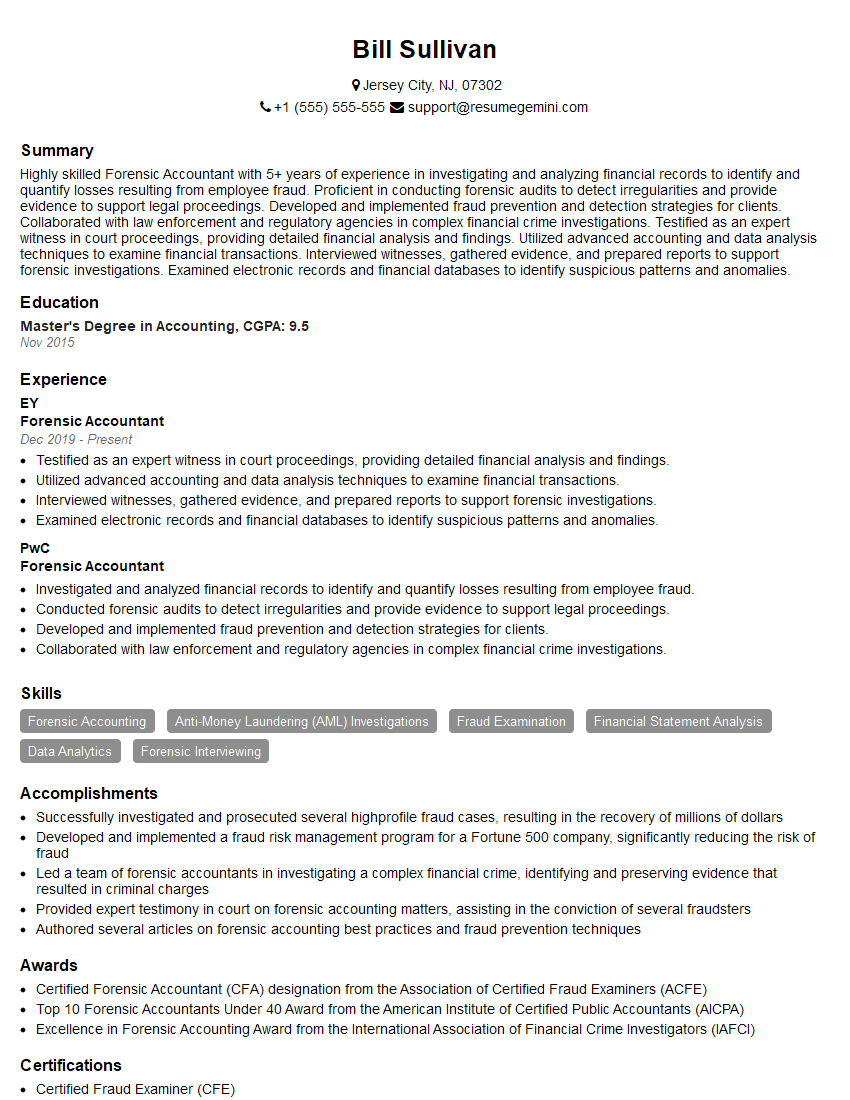
Forensic Accountant Resume Sample
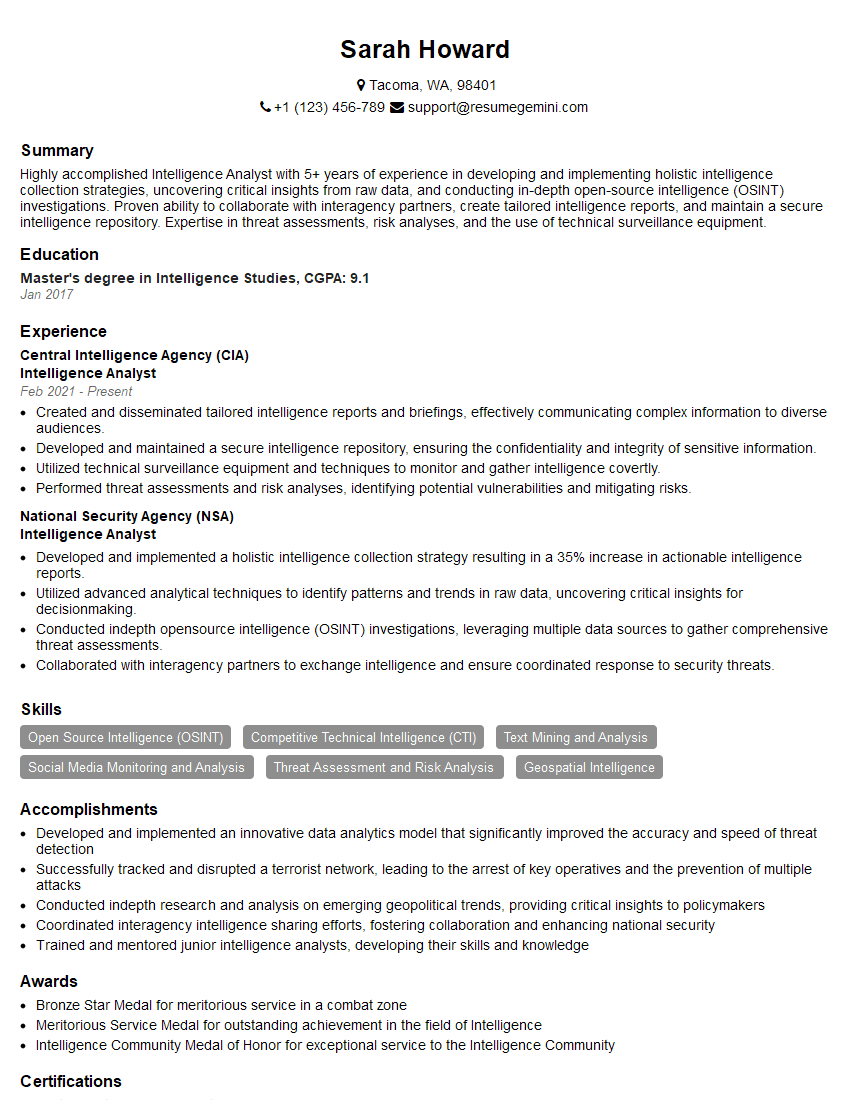
Intelligence Analyst Resume Sample
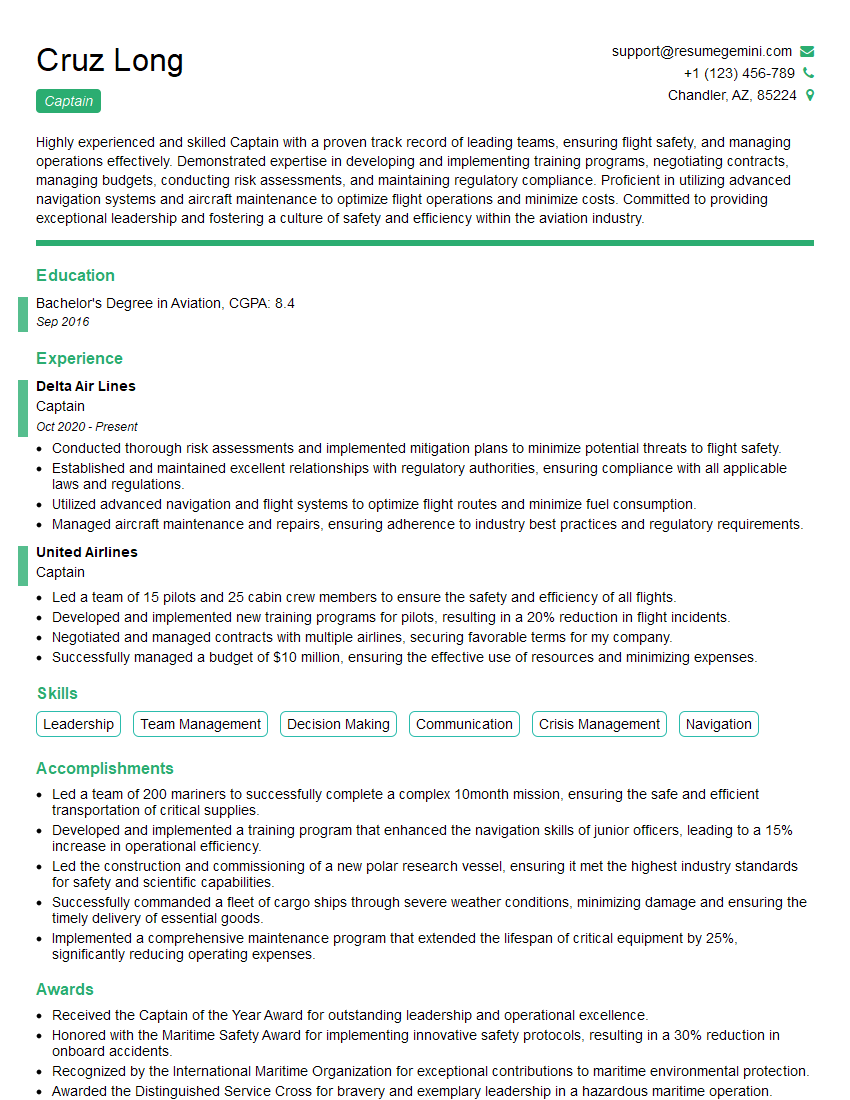
Captain Resume Sample
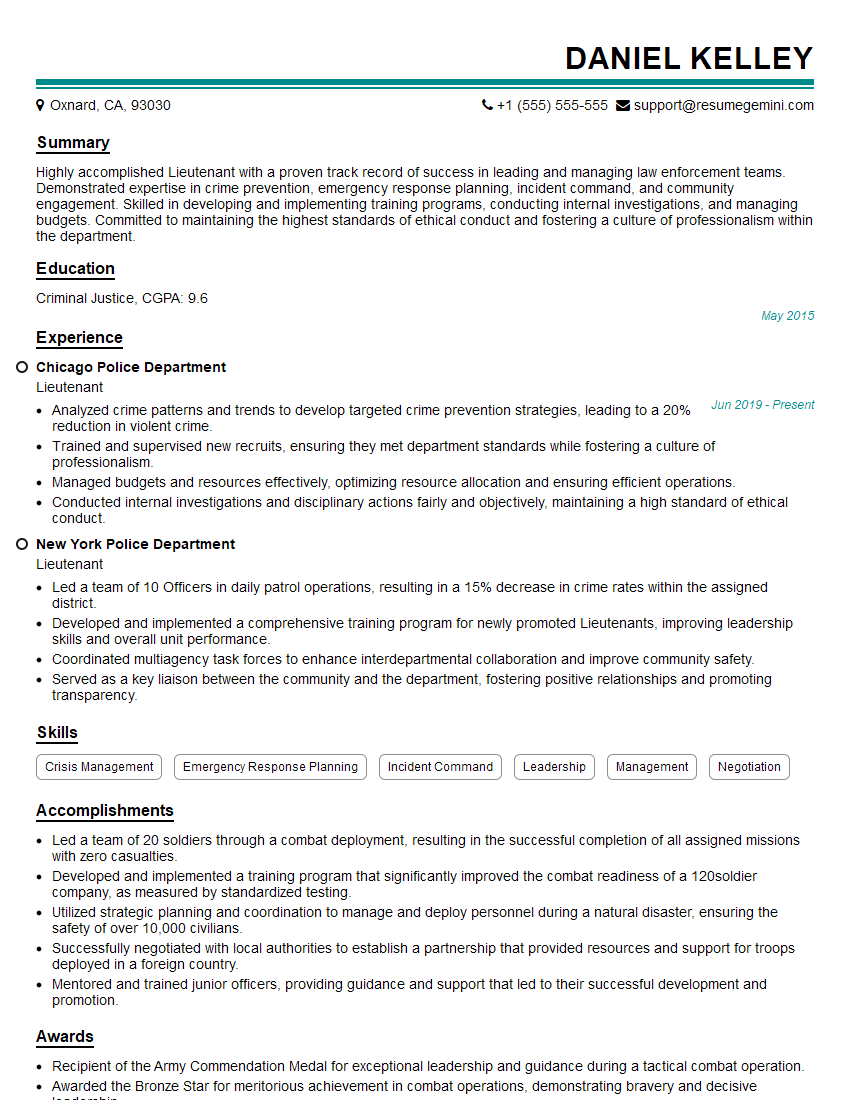
Lieutenant Resume Sample
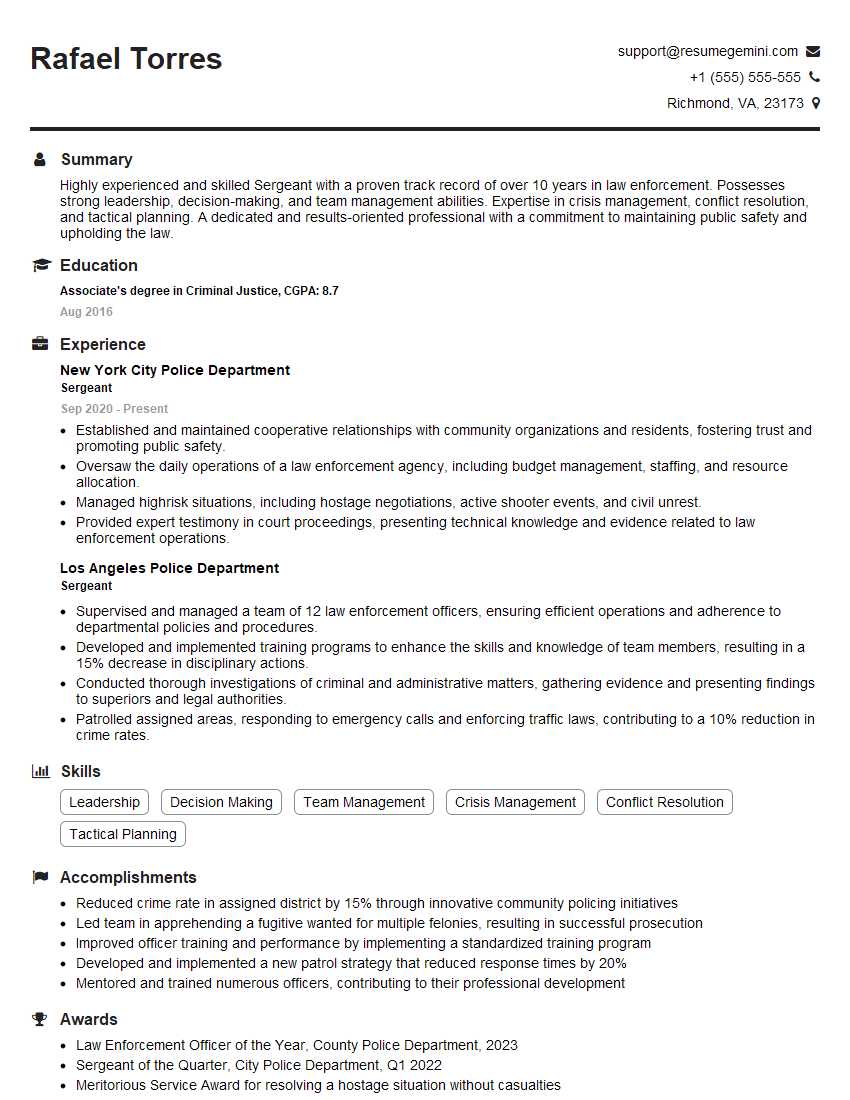
Sergeant Resume Sample
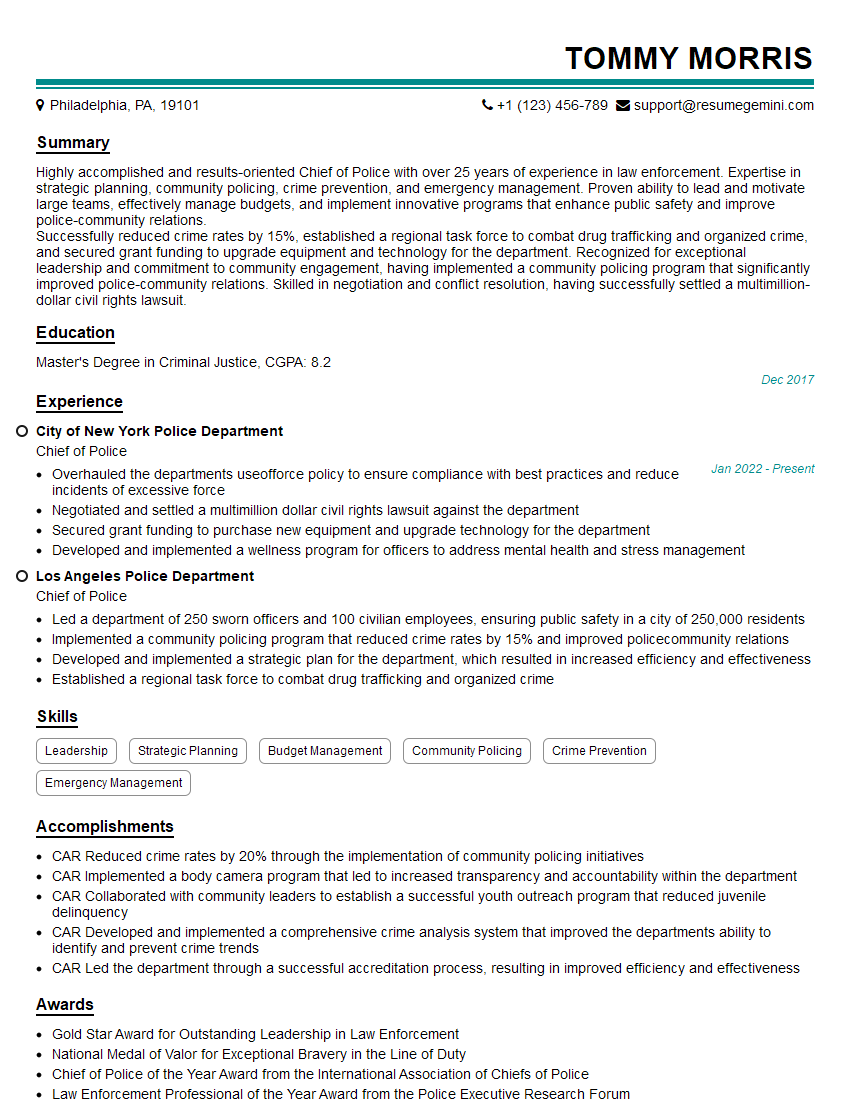
Chief of Police Resume Sample
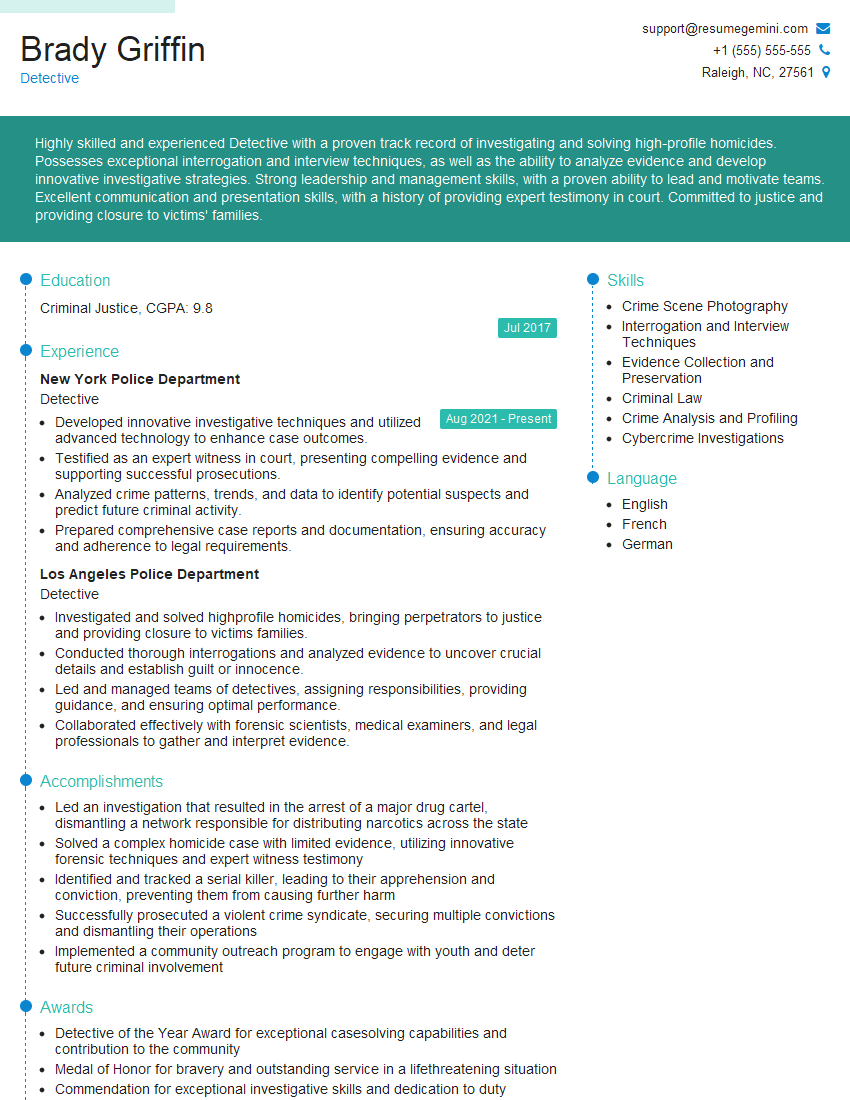
Detective Resume Sample
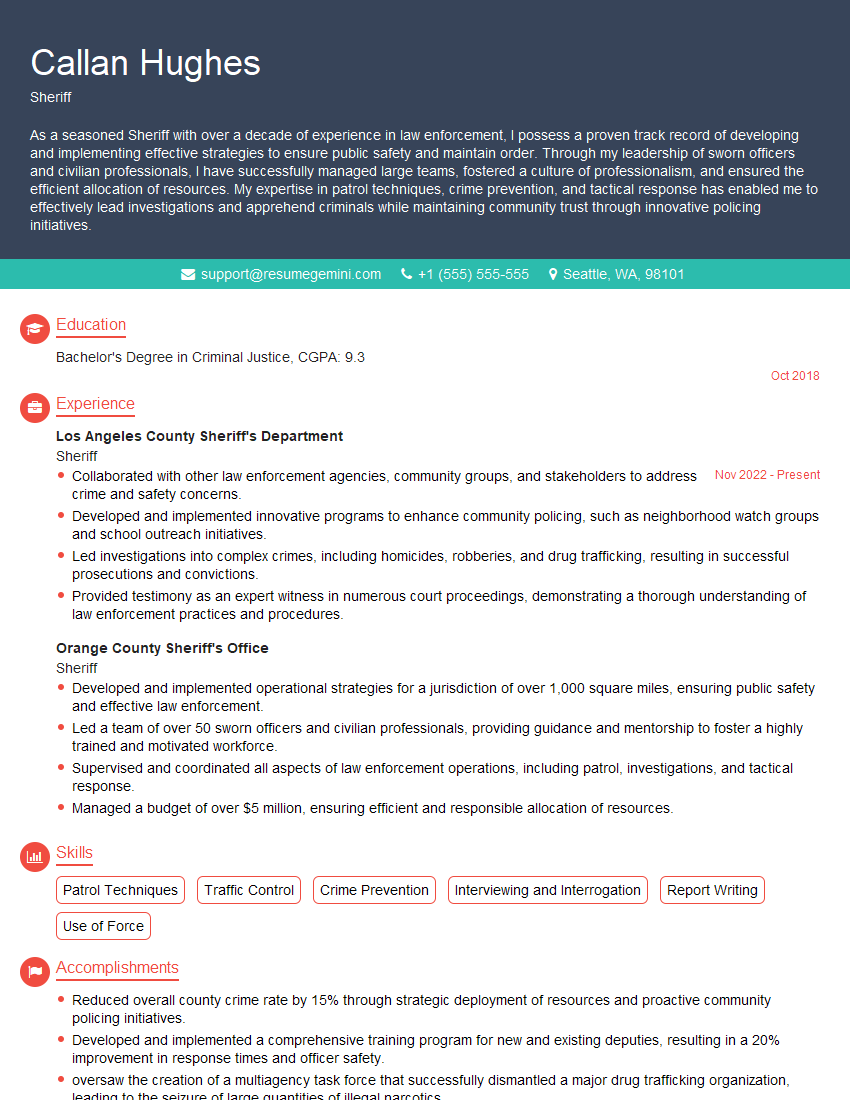
Sheriff Resume Sample
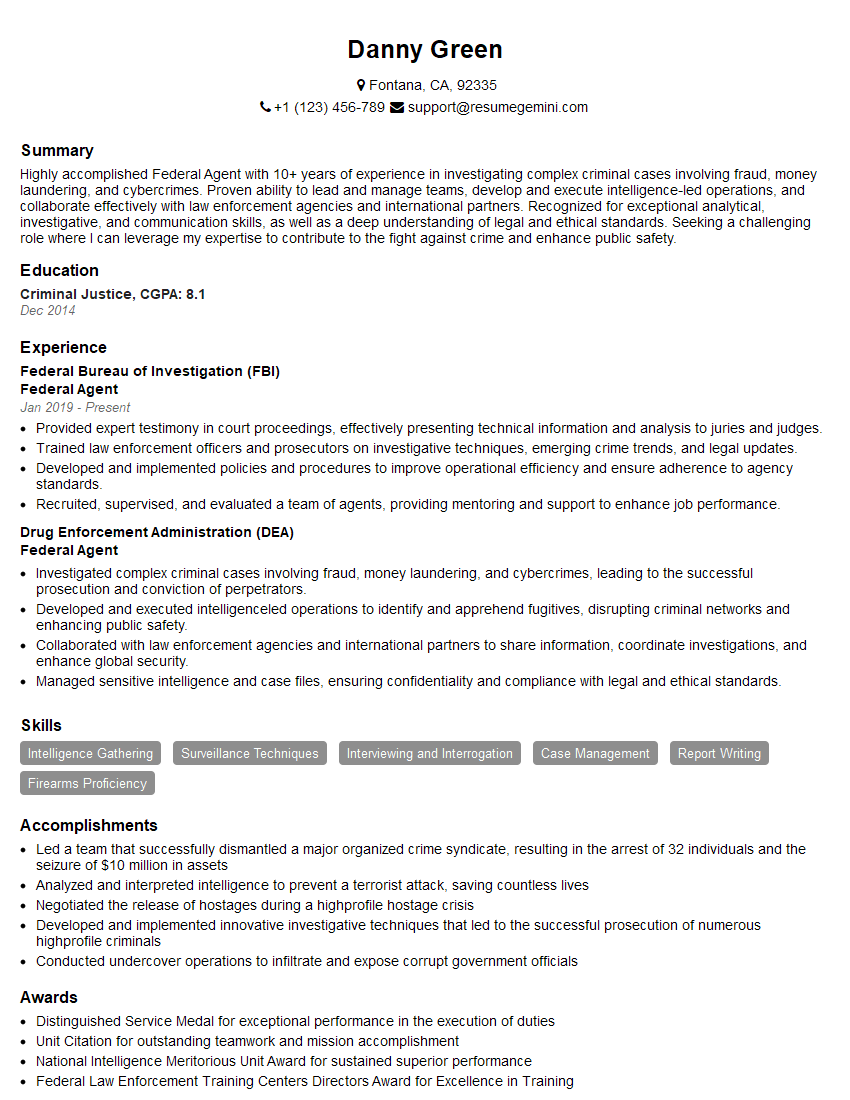
Federal Agent Resume Sample
Explore more articles
Users Rating of Our Blogs
Share Your Experience
We value your feedback! Please rate our content and share your thoughts (optional).
What Readers Say About Our Blog
Very informative content, great job.
good